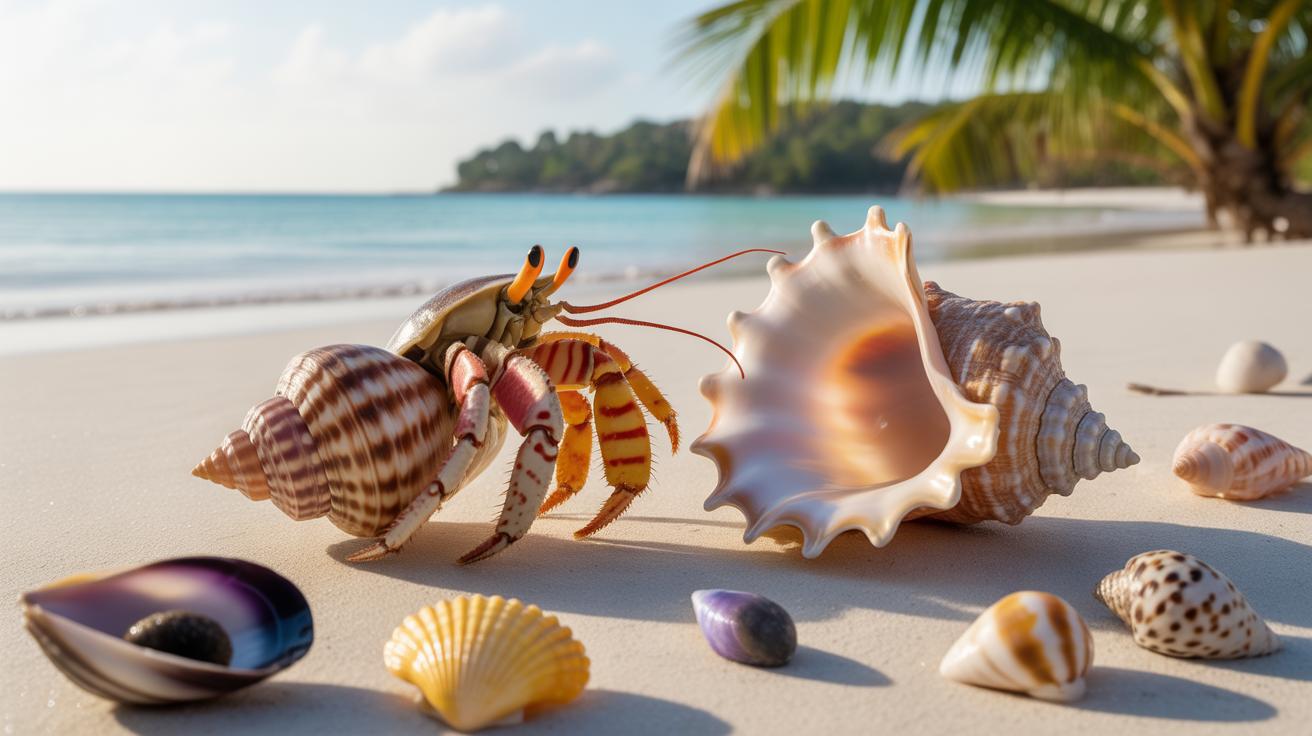
Understanding Why Hermit Crab Shell Change Behavior Happens In The First Place
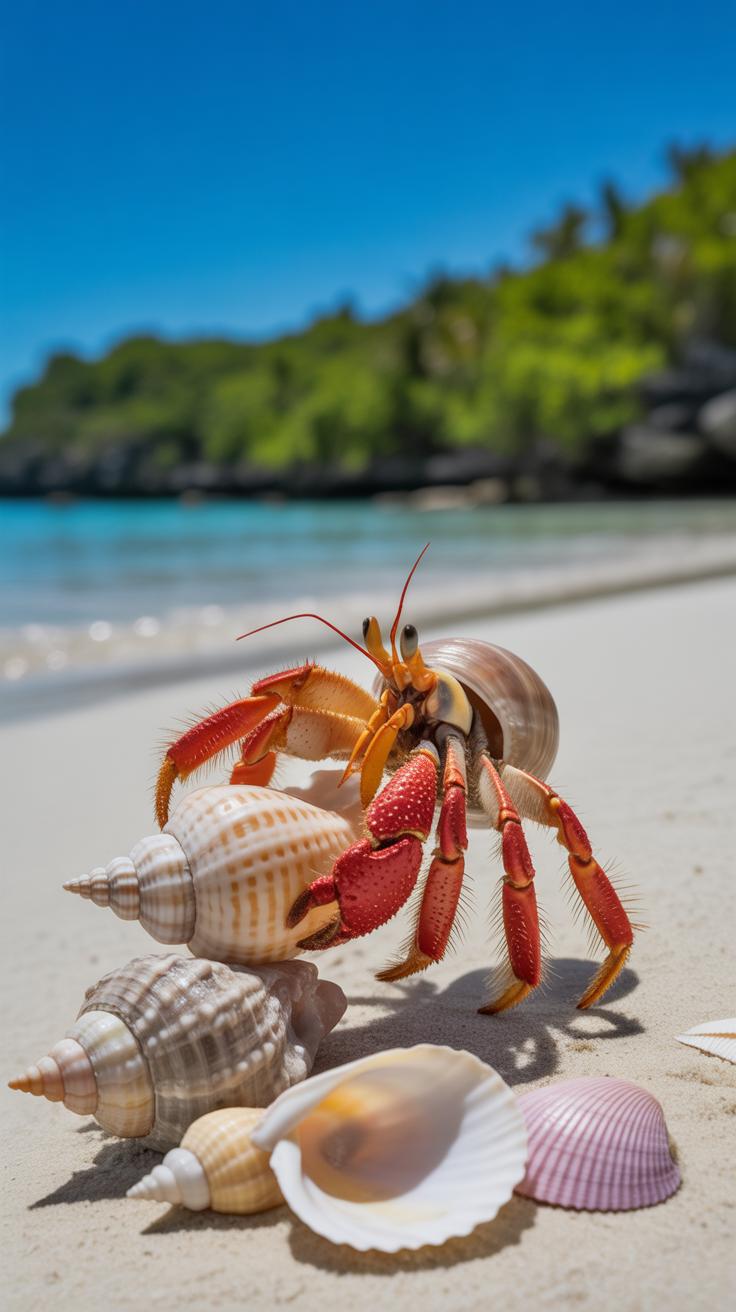
The Biological Drive Behind Shell Switching In A Hermit Crab
Hermit crabs possess a soft and vulnerable abdomen. Evolution forces them to occupy salvaged gastropod shells for survival. This shell acts as a mobile fortress against predators and desiccation. Without this external armor, the crab dies quickly from physical trauma or moisture loss. The biological drive to switch shells is a hardwired survival tactic. Crabs constantly assess their current housing against available options to ensure maximum protection.
A shell also regulates the internal environment for the crab. It holds a small amount of water to keep the gills moist. This allows the crab to breathe on land. Choosing a new shell is not about style or preference. It is a calculated move to improve hydration and safety. If a shell becomes damaged or leaks water, the crab must find a replacement immediately to avoid respiratory failure and death.
How Growth Cycles Trigger The Need For A Bigger Shell
Growth is the primary catalyst for shell change behavior. Unlike other crustaceans, hermit crabs do not grow their own permanent hard covers. They undergo a molting process where they shed their exoskeleton to increase in size. After a successful molt, the crab often finds its current shell too tight or heavy. A cramped shell restricts movement and prevents the crab from retreating fully. This physical pressure triggers the search for larger housing.
The timing of a shell change often aligns with the post-molt recovery phase. During this window, the crab is soft and expands rapidly. It requires a shell with more internal volume to accommodate its new mass. If the crab stays in a small shell, it risks deformity or predation. It will test the weight and opening size of every shell it finds. Finding a perfect fit ensures the crab can survive until the next growth cycle begins.

Key Physical Signs That Your Hermit Crab Is Ready To Change Shells
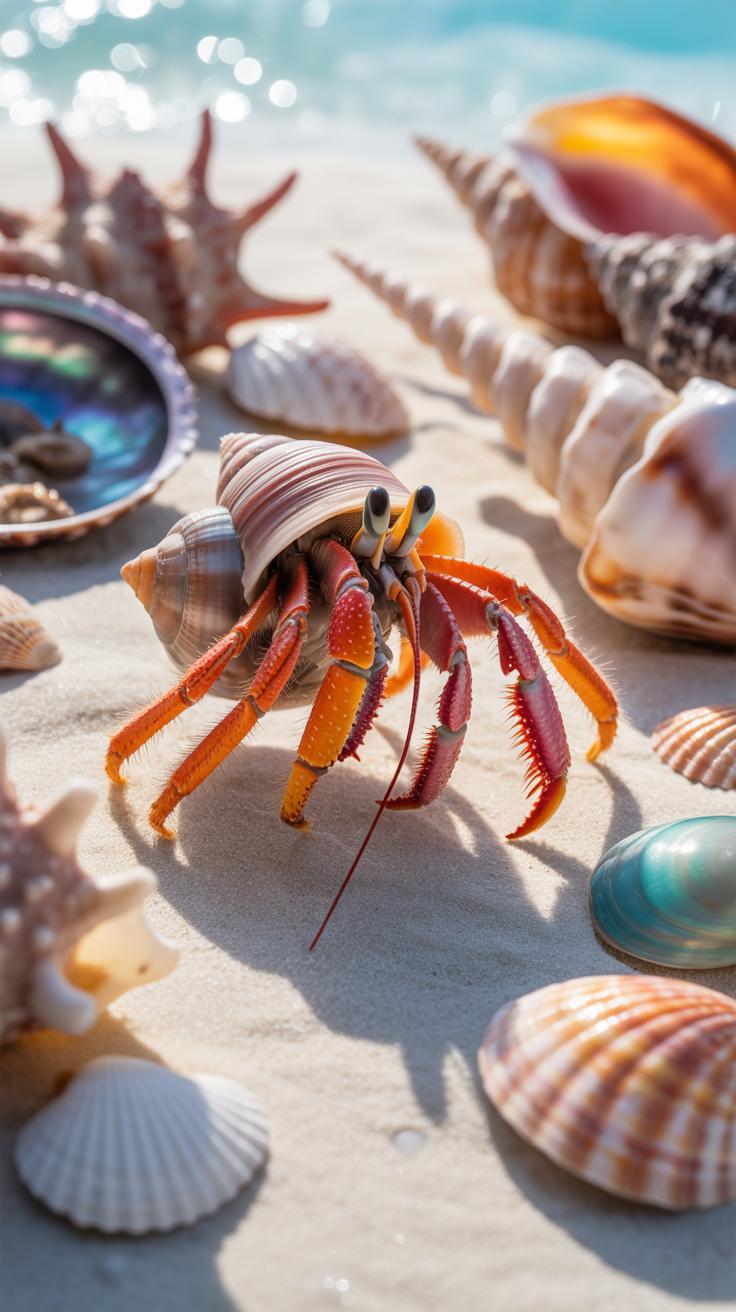
Visible Body Cues: When The Crab Looks Too Big For Its Current Shell
A hermit crab outgrows its shell after a successful molt. You will see the crab bulging out of the opening. It cannot retract its legs or large claw fully into the cavity. The crab needs a tight seal against the shell wall to stay hydrated. If the soft abdomen lacks protection, the crab faces immediate risk from predators or environmental stress.
The fit determines the survival of the animal. Look for “tipping” where the crab struggles to balance the shell while walking. This imbalance happens when the body mass exceeds the internal volume of the calcium carbonate structure. The crab will constantly adjust its grip on the rim. Watch for these physical shifts to identify when a larger size becomes a biological necessity.
Shell Wear And Damage As A Signal Your Hermit Crab Needs An Upgrade
Mechanical failure of the shell triggers a move. Cracks or chips in the aperture prevent the crab from sealing its home. This damage lets moisture escape and invites pests. You might see the crab picking at the damaged edges with its small pincher. It recognizes that the structural integrity is gone. A compromised shell fails to maintain the high humidity required for gill function.
Natural erosion also plays a role in the decision. Over time, the internal spire of a shell can wear down or become cramped. The crab feels this restriction against its pleopods and exoskeleton. If the shell is too heavy or the outer surface is severely degraded, the crab seeks a more efficient vessel. Provide several options with smooth interiors to replace the failing gear.
Behavioral Red Flags That Signal Hermit Crab Shell Change Behavior Is Imminent
Restlessness And Increased Activity Around Other Shells In The Tank
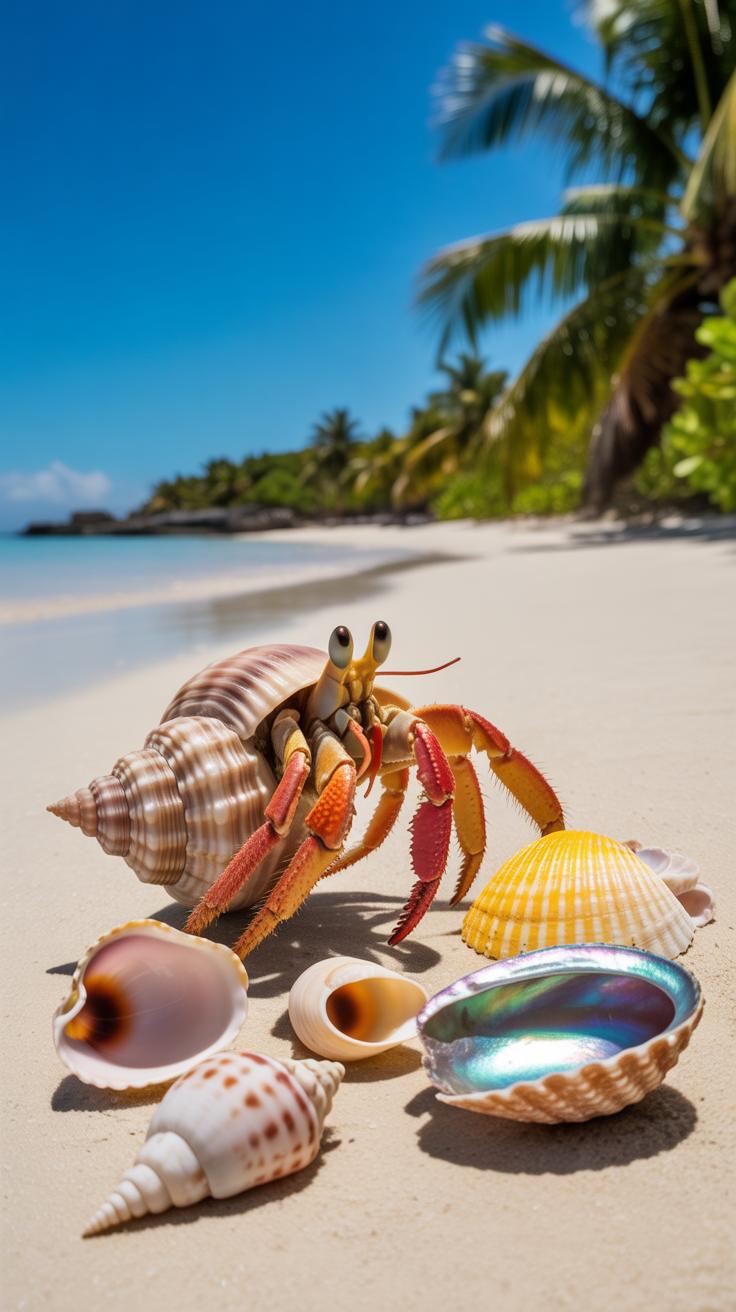
Hermit crabs exhibit specific movement patterns when their current shell becomes too tight or heavy. You will notice the crab wandering the tank and stopping at every available empty shell. It uses its antennae to feel the exterior texture and weight. This behavior signals that the crab is actively shopping. It is no longer interested in food or digging. It wants a new home.
The crab will flip empty shells over to inspect the opening. It sticks its large pincher inside to check for debris or obstructions. You might see the crab roll a shell across the sand for several minutes. This tactile evaluation helps the crab determine if the internal volume matches its body size. High activity around the shell shop means an immediate change is likely.
Why Your Hermit Crab May Partially Exit Its Shell Before Committing To A Change
A hermit crab stays in its shell to prevent its soft abdomen from drying out. When it prepares to switch, it will lean far out of the opening. It stretches its body to test the fit of the new shell nearby. This partial exit is a calculated risk. The crab must ensure the new shell is superior before leaving its current protection.
The crab uses its back legs to grip the internal spire of its current home. It moves its body back and forth between the two shells. This allows the crab to measure the speed of a potential transition. Quick movements suggest the crab is ready to commit. If the crab retracts fully into its old shell, the new shell failed the inspection.
Hermit Crab Care Tips For Choosing The Right Replacement Shells
What Shell Shape And Opening Size Mean For A Comfortable Fit
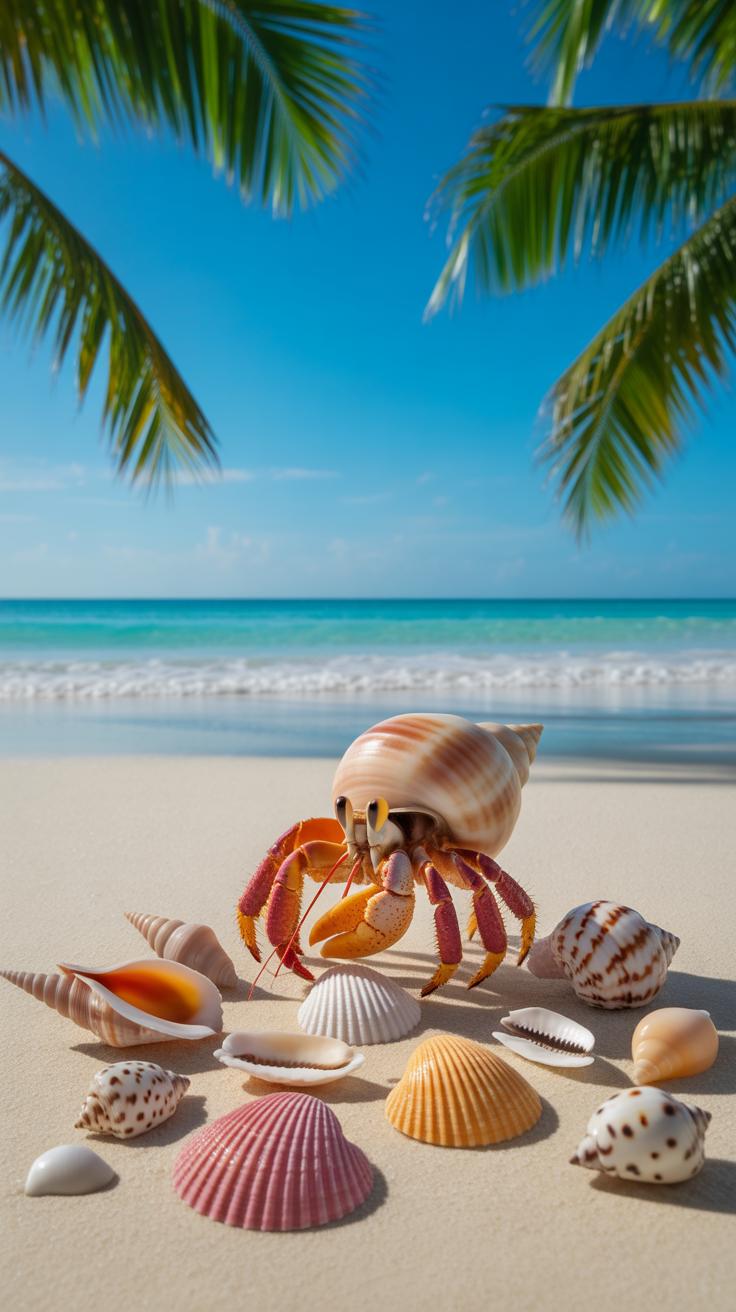
Shell shape determines how the crab carries its weight and protects its abdomen. Most land hermit crabs prefer round or D-shaped openings. These shapes match their body anatomy and allow for quick retraction during threats. A shell that does not fit the specific species will cause stress. The crab may refuse to move or drop the shell entirely if the internal coils are too tight.
Measure the opening diameter precisely rather than the total shell length. A proper fit allows the crab to pull its large claw in to block the entrance. This seal prevents moisture loss and stops predators from reaching the soft tail. If the opening is too small, the crab cannot retract. If it is too large, the crab will struggle to carry the heavy weight.
Just as we outgrow the places we once loved, a hermit crab’s search for a new home is a beautiful sign of its own quiet progress. When the old shell becomes a memory of who they used to be, they bravely step forward into the next chapter of their growth.
Top Hermit Crab Care Tips For Selecting And Preparing New Shells
Successful shell selection requires variety and cleanliness to prevent health issues. You must offer multiple sizes and shapes to satisfy the biological drive of your crab. Crabs examine shells for hours before deciding to move. They look for smooth interiors and sturdy walls. Proper preparation ensures the shell is safe for immediate use and free from harmful debris.
- Turbo Shells: These are the primary choice for most common species like the Purple Pincher. The round opening and deep interior volume provide the best balance for growth and mobility. They are heavy enough for protection but light enough for daily activity.
- Measurement Accuracy: Use a caliper to measure the current shell opening across its widest point. Provide new options that are one-eighth of an inch larger. Precision prevents the crab from wasting energy on shells that will never fit its body size.
- Boiling Protocol: Sanitize every new shell in boiling dechlorinated water for five minutes before placing them in the tank. This removes organic matter, dust, and bacteria. Unclean shells can introduce pathogens that kill your crab or cause shell rot on their abdomen.
- Shell Quantity: Keep at least five empty shells per crab in the enclosure at all times. Competition for resources leads to shell fights and physical injury. A large surplus reduces stress and ensures every crab has a functional home during their growth phase.
- Natural Finishes: Only use natural, unpainted shells in the habitat. Painted shells contain toxic chemicals that flake off and poison the crab. Natural shells also allow the crab to modify the interior with their claws to create a custom fit.

Position the new shells in a specific shell gallery area of the tank. Dip the shells in salt water to encourage investigation by the crabs. The scent and moisture trigger their natural scavenging instincts. Check the shells weekly for burying or debris buildup. Keep them accessible so the crab can change quickly when it finishes a molt or grows larger.
Hermit Crab Pet Care Basics Creating A Shell Friendly Environment
Why Offering Multiple Shell Options Reduces Stress During Shell Changes
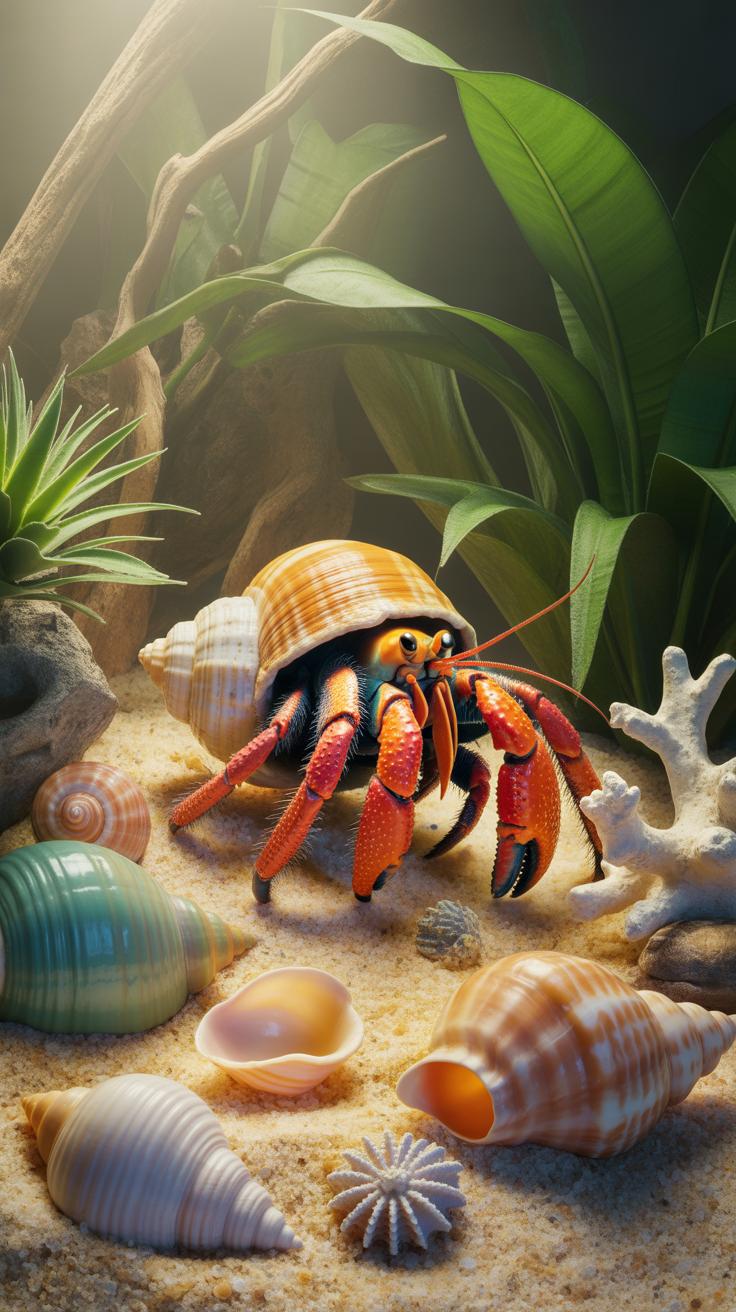
A lack of shell choices forces hermit crabs to engage in destructive shell fights. In nature, these animals compete fiercely for a limited supply of mobile homes. In your tank, you must eliminate this competition to lower cortisol levels and prevent physical injuries. A stressed crab will delay its growth or remain in an undersized shell. This damages its soft abdomen and leaves it vulnerable to predators or tank mates.
Offer at least three to five shells per crab. These must match the specific species preference, such as round openings for Purple Pincher crabs or D-shaped openings for Ecuadorian crabs. Provide a mix of sizes slightly larger than the current shell. This allows the crab to test different weights and volumes. Proper selection ensures the crab can retract fully. This protection is critical for survival during the vulnerable period after shedding its exoskeleton.
How Temperature And Humidity In The Hermit Crab Tank Affect Shell Change Readiness
Temperature and humidity directly control the metabolic rate of a hermit crab. These animals are ectotherms and rely on external heat to function. If the tank is too cold, the crab becomes lethargic and stops searching for new shells. Maintain a consistent temperature between 75 and 85 degrees Fahrenheit. This range ensures the crab has enough energy to lift and inspect potential new homes. Warmth signals that environmental conditions are stable.
Humidity is the most critical factor for shell change readiness. Hermit crabs breathe through modified gills that must stay moist to function. Maintain humidity levels between 70 and 80 percent. Dry air causes the gills to stiffen and prevents the crab from moving efficiently. Moisture also keeps the skin supple. This ease of movement allows the crab to slide out of an old shell and into a new one without physical trauma or tearing.
Understanding Vole Shell Hermit Crab Size Matching For A Successful Transition
How To Measure Your Hermit Crab’S Size To Find The Correct Shell Opening
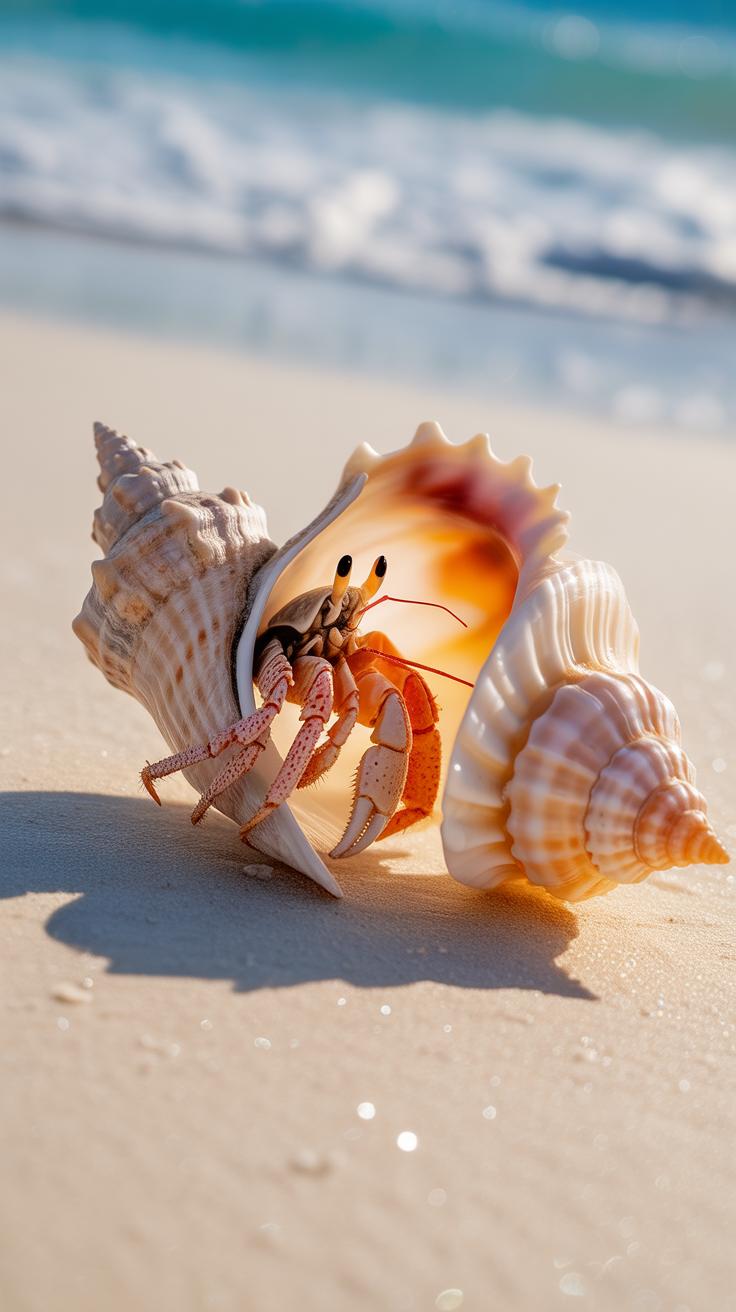
Measure the circular opening of the current shell rather than the crab body itself. Use a precision caliper to find the internal diameter of the shell aperture. Place the caliper tips at the widest points of the opening. Record this measurement in millimeters for accuracy. Subtract or add small increments based on the fit of the crab’s large pincher within that space.
Select a new shell based on the current opening size. A crab ready for a change usually needs a shell with an opening one eighth of an inch larger than its current home. Focus on the circular or oval shape of the aperture to match the species type. Land hermit crabs require specific opening shapes like the D-shaped opening or the round opening to thrive.
Common Sizing Mistakes Owners Make When Offering Hermit Crab Shells
Owners often prioritize the exterior weight of the shell over the internal volume. They select shells that look impressive but weigh too much for the crab to carry comfortably. This error leads to muscle fatigue and prevents the crab from moving naturally. Always check the wall thickness of the shell. Thin-walled shells provide more internal space without adding unnecessary weight to the crab.
- Ignoring Aperture Shape: Different species have specific needs for shell openings. Coenobita clypeatus prefer round openings while other species require D-shaped apertures. Matching the wrong shape makes it impossible for the crab to retract and seal the opening with its large pincher for protection.
- Using Painted Shells: Decorative painted shells pose a toxic threat to the animal. Crabs often chip away at the shell and ingest the paint or chemicals. These materials interfere with the molting process and cause long term health failure. Natural shells are the only safe option for your pet.
- Guessing Interior Volume: Eye-balling the size instead of using calipers leads to inaccurate choices. A shell that is too large causes the crab to drop it during movement. A shell that is too small leaves the soft abdomen exposed to predators and dehydration. Precise measurements prevent these dangerous environmental stressors.
- Offering Heavy Shells: Thick shells like certain murex varieties are too heavy for land hermit crabs. These crabs spend significant energy moving. If the shell is too dense, the crab will remain stationary and eventually stop eating. Provide lightweight shells like Turbo or Babylonia species to ensure easy mobility.
- Neglecting Shell Quantity: Providing only one size option limits the crab’s ability to choose. Crabs need a variety of shells slightly smaller and slightly larger than their current size. Lack of selection leads to shell fights in multi-crab habitats. Maintain a ratio of at least five shells per crab.

Avoid choosing shells based on aesthetic colors or patterns found in gift shops. These products often lack the structural integrity needed for a successful swap. Focus on the species-specific needs of your crab. Research the natural habitat of your specific hermit crab type to identify which shell genus they use in the wild. Correct sizing ensures the crab can maintain proper moisture levels.
What To Avoid When Your Hermit Crab Is Actively Switching Crab Shells
Why You Should Never Force Or Rush A Hermit Crab Out Of Its Shell
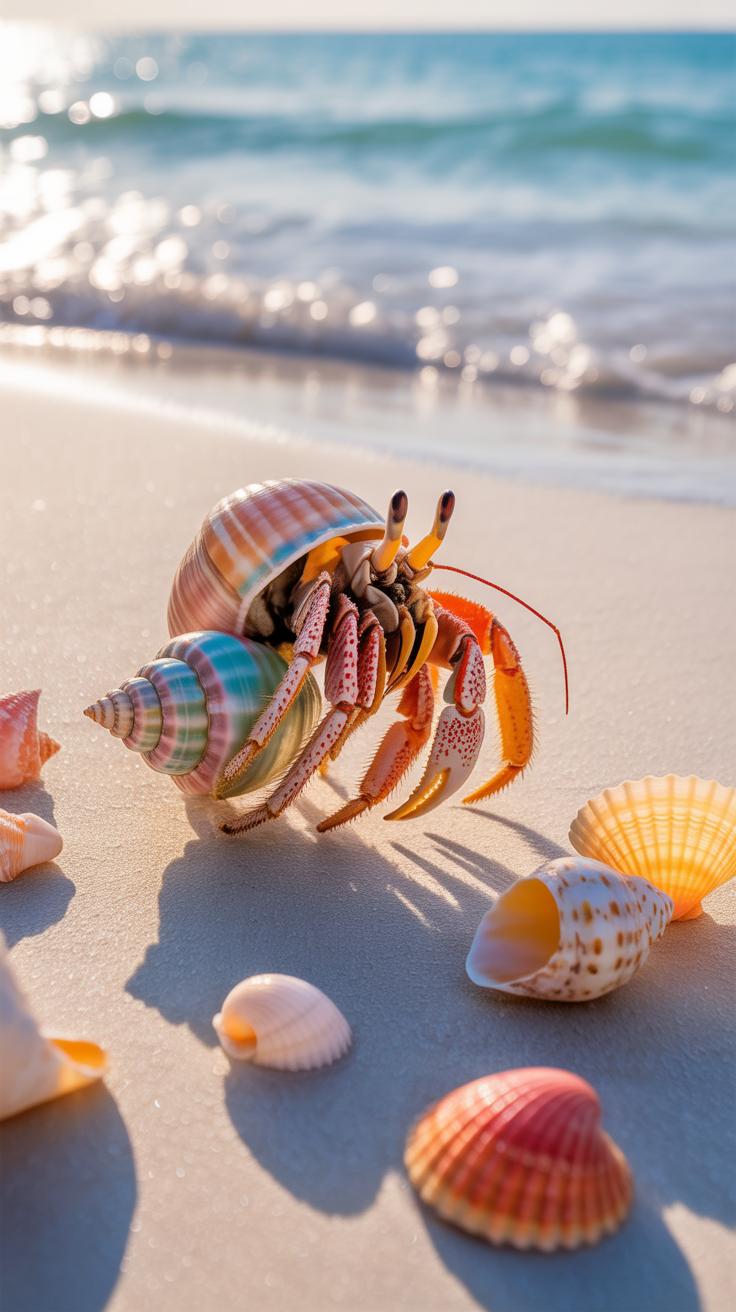
Forcing a hermit crab from its shell causes fatal stress or physical injury. The crab uses its strong abdominal muscles and uropods to grip the internal columella of the shell. Pulling on a crab will tear its soft body before its grip loosens. This animal only leaves its mobile shelter when it feels secure. Physical coercion violates its survival instinct and leads to immediate death.
Rushing the process disrupts a critical biological evaluation. A crab inspects the interior of a new shell for volume, weight, and debris before moving. It often switches back and forth between several options to find the perfect fit. If you interfere, the crab may settle for an unsuitable shell. This mistake leaves the vulnerable abdomen exposed to pathogens or physical damage from the environment.
Handling, Lighting, And Noise Mistakes That Can Disrupt A Shell Change
Human contact is the primary threat during a shell change. Handling a crab while it is naked or transitioning induces extreme panic. This panic causes the crab to abandon the new shell and hide. An unprotected crab loses moisture rapidly through its exoskeleton. Dehydration kills the crab in hours. Keep your hands out of the tank until the crab fully occupies its new home.

External stimuli like bright lights and loud noises heightens the crab’s sense of danger. High light levels simulate daylight when predators are most active. Sudden vibrations from noise or footsteps trigger the flight response. These factors force the crab to stop its search for a better shell. Maintain a quiet room and dim lighting to allow the crab to complete its transition without perceived threats.
Setting Up Your Hermit Crab Tank To Support Healthy Shell Change Behavior Long Term
How Many Spare Hermit Crab Shells Should Be Available At All Times
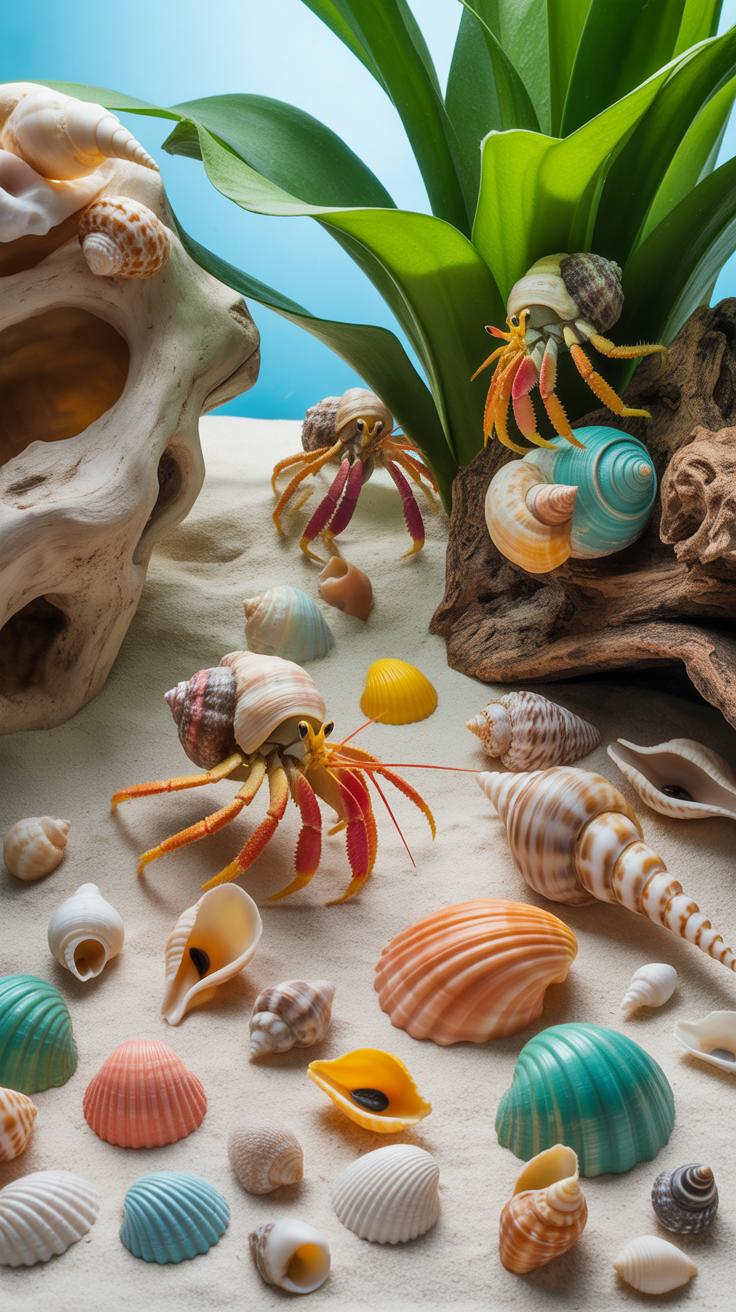
A strategist knows that resource scarcity triggers aggression. You must provide at least three to five spare shells per crab to prevent shell fights. Ensure these options vary slightly in size and opening shape. Crabs need choices to find the perfect fit for their current body mass. Without enough inventory, your crabs will stay in damaged or undersized armor.
Maintain a diverse stock of Turbo shells with circular openings for most common species. Clean every shell before placing it in the tank. Remove any debris or sharp edges that could injure the soft abdomen. Strategic placement matters. Spread the shells throughout the habitat rather than clustering them in one corner. This layout reduces competition and allows submissive crabs to shop safely.
Routine Tank Maintenance That Encourages Natural Shell Switching Behavior
Effective maintenance focuses on environmental stability. High humidity around eighty percent keeps the crab gill chamber moist. This moisture allows the crab to slide out of its old shell easily. Dry conditions cause the crab to stick, which creates stress and prevents necessary changes. You must monitor humidity levels daily using a calibrated hygrometer. Consistency is the primary driver of healthy behavior.

Sanitize the shell shop every week to remove sand and waste. Crabs avoid shells filled with grit or substrate. Rinse the spare shells in dechlorinated salt water to mimic their natural coastal environment. This action maintains the proper internal pH and mineral balance for the crab. High maintenance standards ensure your crabs feel secure enough to leave their old homes and take a risk.
Frequently Asked Questions

How can I tell if my hermit crab is outgrowing its current home?
Observation is key to identifying hermit crab shell change behavior in your pets. You might notice your crab suddenly spending more time inspecting other shells or appearing too large for its current opening. If the crab can no longer retract fully inside or if its limbs are constantly hanging out, it is likely feeling vulnerable and actively searching for a more spacious and protective upgrade to call home.
What should I do to encourage my hermit crab to switch shells?
To support healthy hermit crab shell change behavior, you should provide a variety of clean, appropriately sized options in their enclosure. Start by boiling natural turbos or whelk shells in dechlorinated water to ensure they are sterile. Place them in a designated “shell shop” area. Always offer at least three to five different options per crab, varying slightly in size and weight, to give them the best chance of finding a perfect fit.
Do I need to buy expensive designer shells for my hermit crab?
Absolutely not; in fact, natural shells are much safer and more accessible than painted or decorated versions. Painted shells can chip and release toxic chemicals that harm your crab’s sensitive abdomen. Look for affordable, unpolished natural shells at local craft stores or online pet retailers. As long as the shells are the correct species-appropriate shape and have been properly cleaned, your crab will be perfectly happy and healthy.