Dog Loyalty Science Explained What Research Actually Tells Us
How Scientists Study Loyalty And Attachment In Dogs
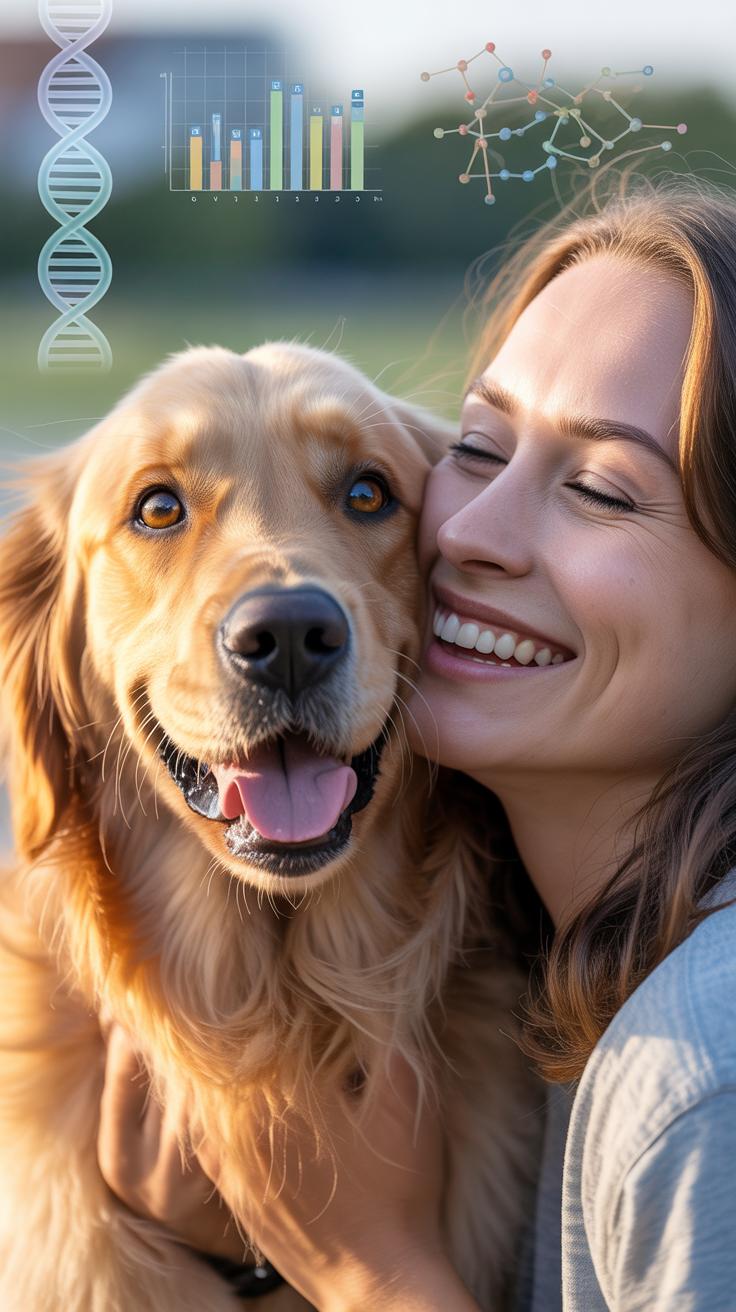
Researchers use the Strange Situation Test to measure canine loyalty. This method tracks how dogs react when a stranger enters a room and their owner leaves. Scientific data shows that dogs view their owners as a secure base. They explore more when the owner is present. This behavior mimics the bond between human infants and their parents. It is a measurable biological link.
Brain imaging provides further evidence of this connection. Scientists use functional MRI scans to monitor canine brain activity. Results show that the reward centers in a dog’s brain light up most when they smell their owner’s scent. This reaction surpasses their response to food or other dogs. These studies prove that loyalty is not just about survival. It is a distinct neurological preference for a specific human.
Why Dogs Are Uniquely Wired To Bond With Humans
Domestication altered the genetic makeup of dogs over thousands of years. Early humans selected for social behavior rather than aggression. This process changed how dogs process oxytocin, often called the love hormone. Dogs now have a specialized ability to read human facial expressions and body language. They look to humans for help when they face difficult tasks. This cross-species communication is unique to the canine world.
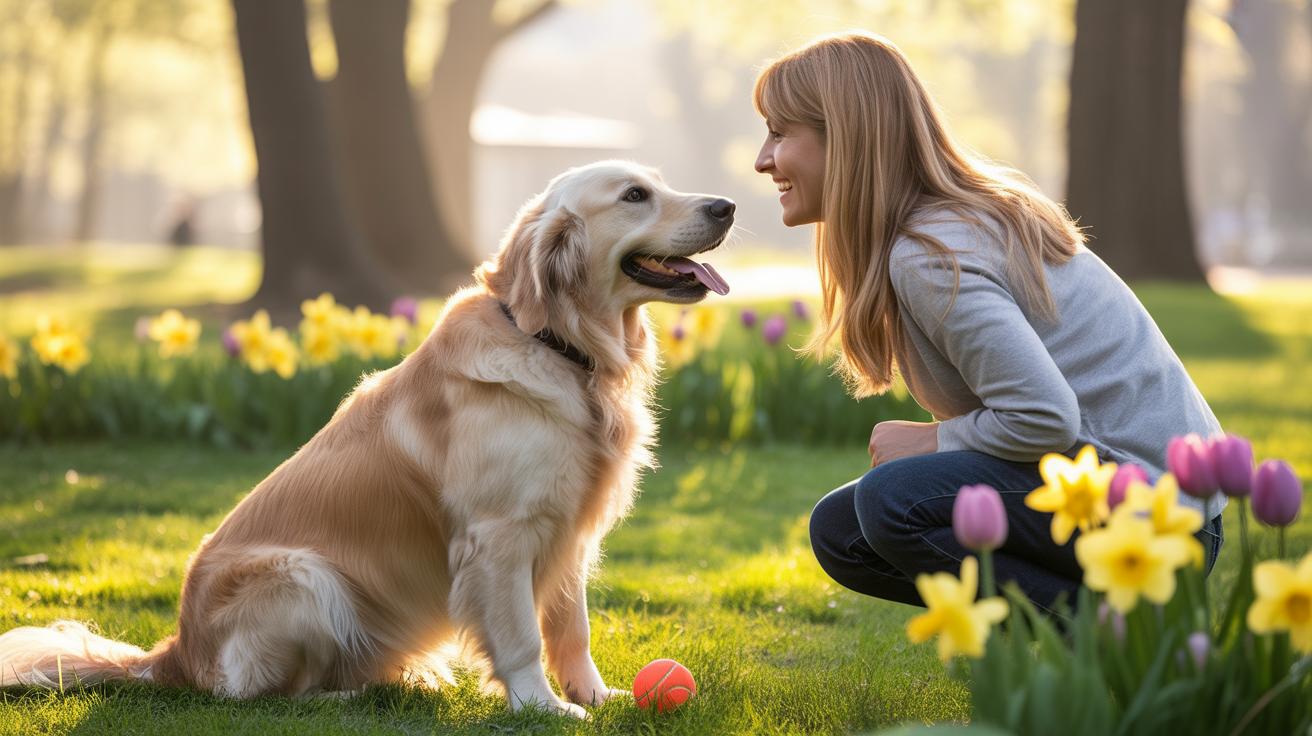
The bond also relies on eye contact. When a dog and an owner look at each other, both experience a surge in oxytocin. This creates a positive feedback loop that strengthens the relationship. No other animal interacts with humans in this specific way. This chemical reaction drives the behavior we call loyalty. It ensures the dog stays close to the human for mutual protection and support.

The Evolutionary Roots Of Dog Behavior And Human Bonding
From Wolf To Best Friend: How Domestication Shaped Dog Loyalty
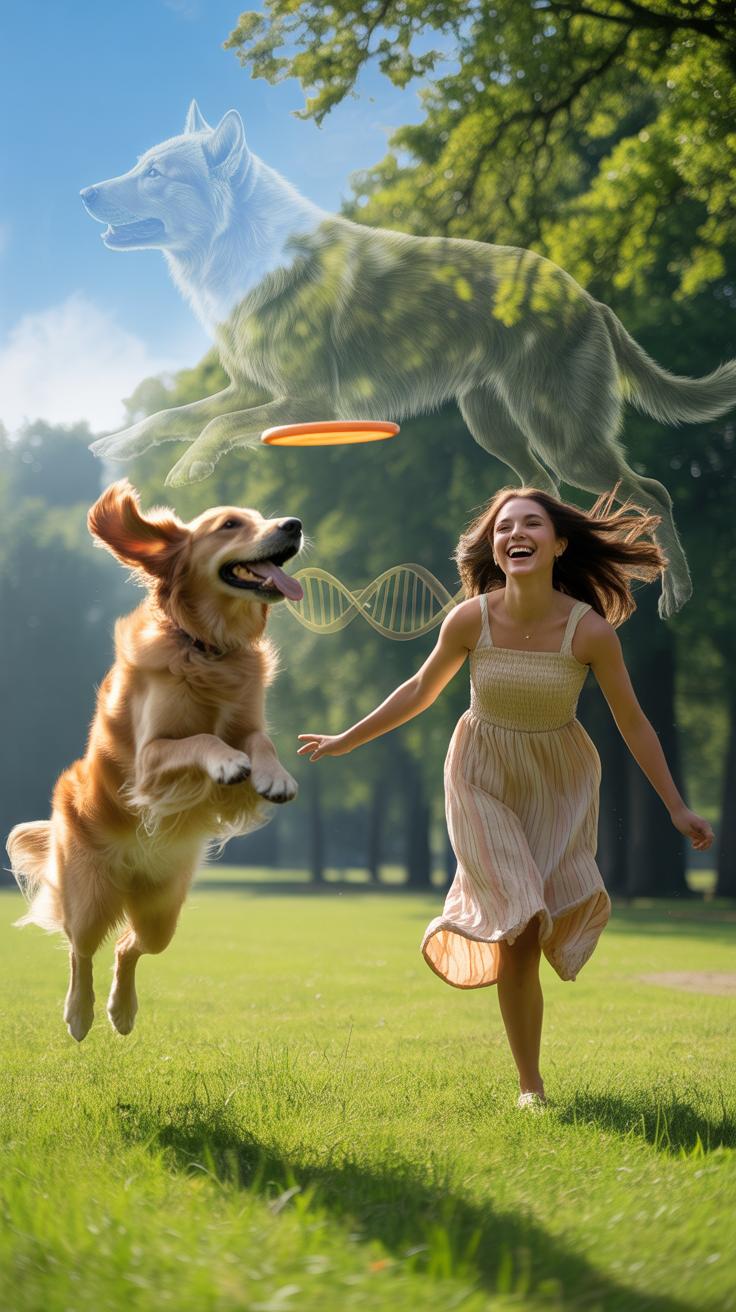
Genetic evidence suggests dogs diverged from an extinct wolf species thousands of years ago. Ancient humans favored wolves that showed less aggression and lower flight distances. These calmer animals gained access to human food scraps. This survival advantage drove a cycle of natural selection. Over generations, the physical and mental traits of these canines changed. They developed a unique capacity to live alongside humans.
Domesticated dogs evolved to read human social cues better than any other species. This shift occurred because humans selected for cooperative traits. Selective breeding reinforced behaviors like eye contact and staying near the pack leader. These traits secured the dog’s place in the human camp. Today, dog loyalty is not just affection. It is a biological survival mechanism hardwired into their DNA through centuries of forced selection.
How Thousands Of Years Of Co Evolution Deepened The Human Dog Bond
Co-evolution means humans and dogs changed together to survive. Humans provided regular food and shelter while dogs provided protection and hunting support. This mutual benefit created a strong evolutionary pressure for deep social bonds. Dogs that bonded well with humans survived longer and produced more offspring. This process transformed a wild predator into a specialized companion. The bond is a result of tactical necessity and shared history.

The biological link between the two species is now measurable. Studies show that when humans and dogs interact, both experience an increase in oxytocin levels. This is the same hormone that facilitates bonding between human parents and their children. Dogs evolved to hijack this chemical pathway to ensure their own safety and resources. This chemical feedback loop is the physical foundation of what we call dog loyalty science explained.
Dog Psychology The Brain Chemistry Behind Devotion
Oxytocin: The Love Hormone That Connects Dogs And Their Owners
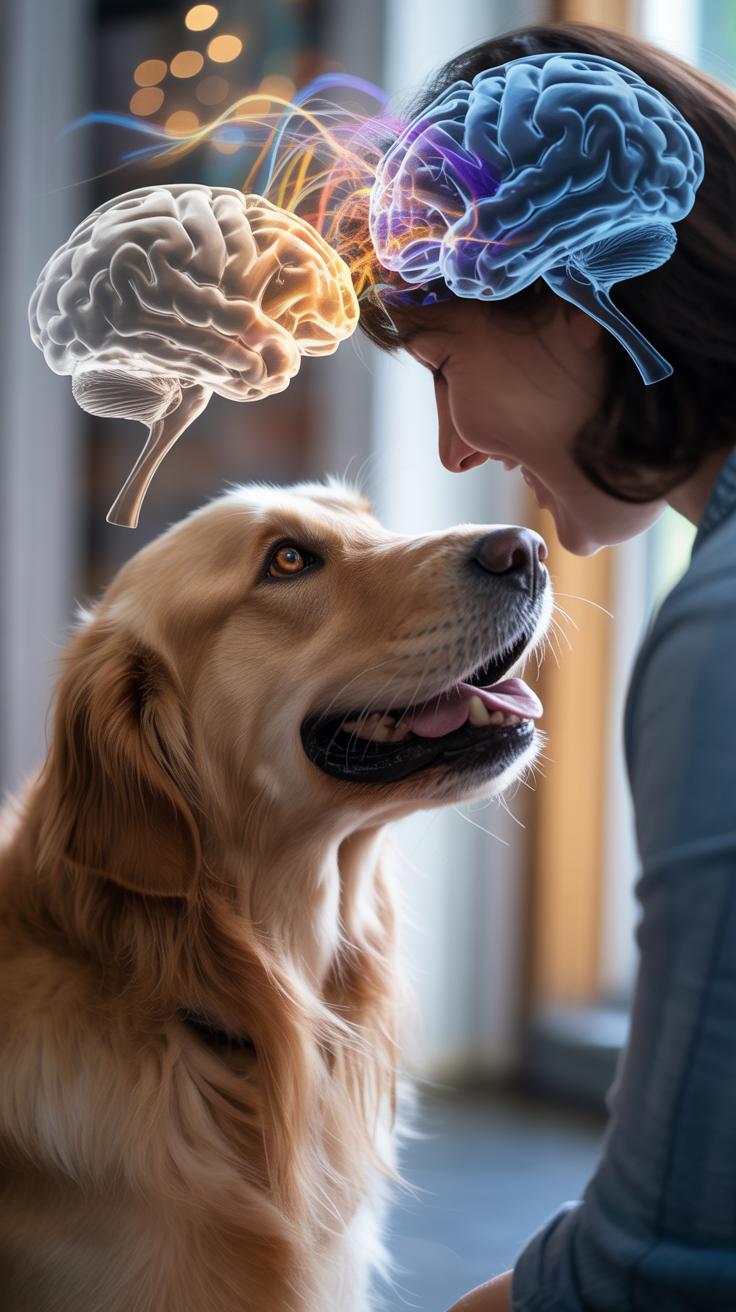
Oxytocin acts as the primary chemical driver for social bonding in mammals. When dogs and humans make eye contact, both species experience a significant surge in oxytocin levels. This biological feedback loop mimics the bond between a human parent and an infant. The hormone reduces stress and increases trust. This process builds a physiological foundation for what owners perceive as deep and unwavering loyalty.
This chemical bond is unique to the relationship between humans and dogs. Research shows that hand-reared wolves do not exhibit the same oxytocin spike when interacting with humans. Dogs evolved this specific hormonal response over thousands of years of domestication. The constant release of oxytocin reinforces the dog’s desire to stay near its owner. It makes social proximity a rewarding biological necessity for the animal.
How A Dogs Brain Processes Familiar Human Faces And Voices
A dog’s brain possesses specialized areas for processing human social cues. Use of Functional Magnetic Resonance Imaging (fMRI) reveals that the caudate nucleus activates when a dog smells its owner. This part of the brain manages the reward system and feels positive emotions. The brain prioritizes the owner’s scent over other familiar dogs or strange humans. This indicates a hardwired preference for their specific human handler.

Dogs also process human voices using dedicated neural pathways. They distinguish between emotional tones and specific verbal commands. Their temporal lobe reacts differently to happy or sad human sounds. This allows dogs to monitor their owner’s emotional state constantly. By tracking these visual and auditory signals, dogs align their behavior with their owner’s needs. This neurological tuning creates the consistent behavioral patterns we define as loyalty.
Dog Emotions Do Dogs Truly Feel Love And Loyalty
What Neuroscience Tells Us About Emotional Attachment In Dogs
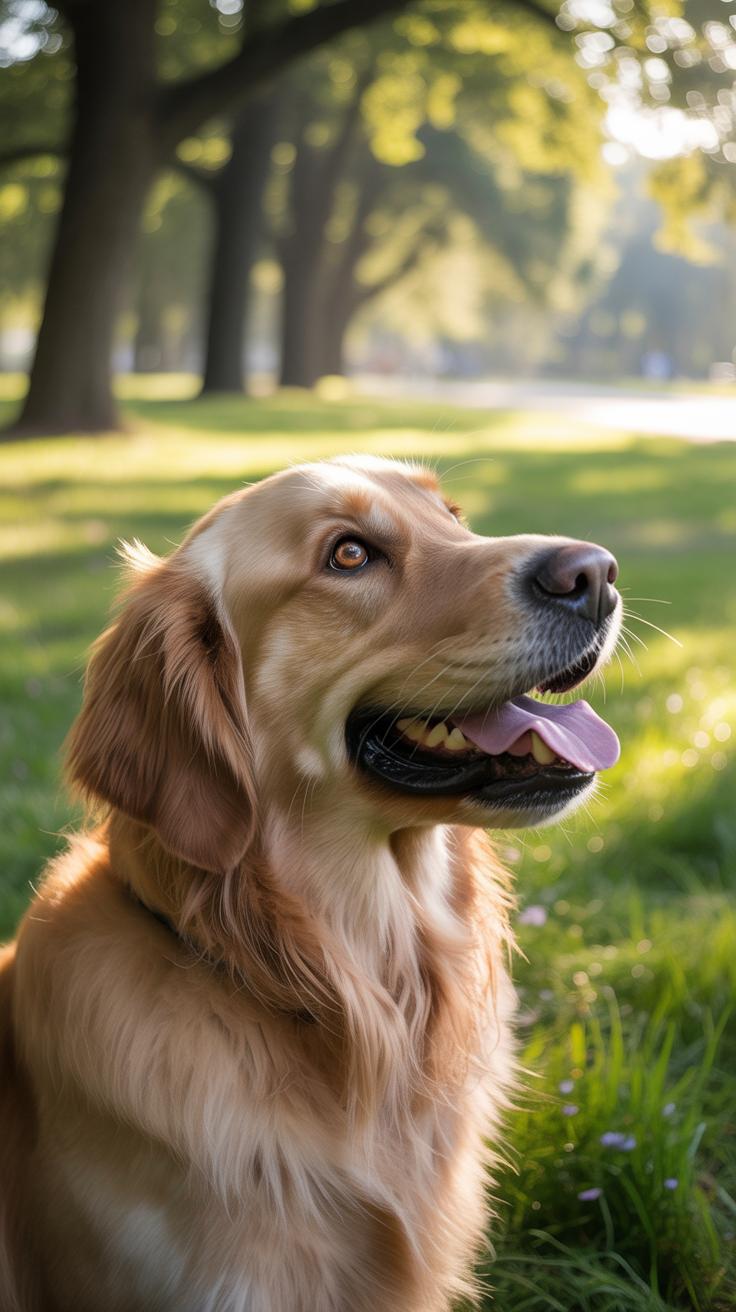
Neuroscience confirms that dogs possess the biological hardware for emotional bonding. MRI scans of the canine brain show the caudate nucleus activates when dogs smell their owners. This area handles rewards and positive expectations in humans. This reaction is specific to familiar humans and does not trigger for strangers. It proves that dogs distinguish their primary handlers from the rest of the world based on internal chemical rewards.
The hormone oxytocin plays a vital role in this process. When a dog and its owner lock eyes, both experience an oxytocin surge. This is the same chemical loop that bonds human parents to their infants. This biological feedback loop creates a physical drive for the dog to maintain proximity. It is not just about food or survival. The dog’s brain creates a distinct emotional profile for its human partner.
Beyond the ancient bond of survival lies a biological grace that connects our hearts through every gaze. A dog is the only thing on earth that loves you more than he loves himself.
Reading The Signs: How Dogs Express Loyalty Through Everyday Behavior
Dogs demonstrate loyalty through consistent behavioral patterns rooted in pack dynamics. They often maintain a physical connection or stay within a specific line of sight. This behavior serves as a protective vigil and a method of reassurance. By positioning themselves near the owner, dogs establish a secure base. This allows them to monitor the environment while ensuring the safety of their social group.
Yawning in response to an owner is another specific indicator of emotional synchronization. This contagious yawning shows a high level of empathy and social attunement. Dogs also display loyalty by seeking comfort from their owners during stressful events. They choose their human over toys or food when they feel fear. This prioritization of the person demonstrates a deep, functional trust that defines canine loyalty in practical terms.
Fascinating Dog Facts Loyalty Behaviors That Science Has Confirmed
Remarkable Real World Examples Of Dog Loyalty Documented By Researchers
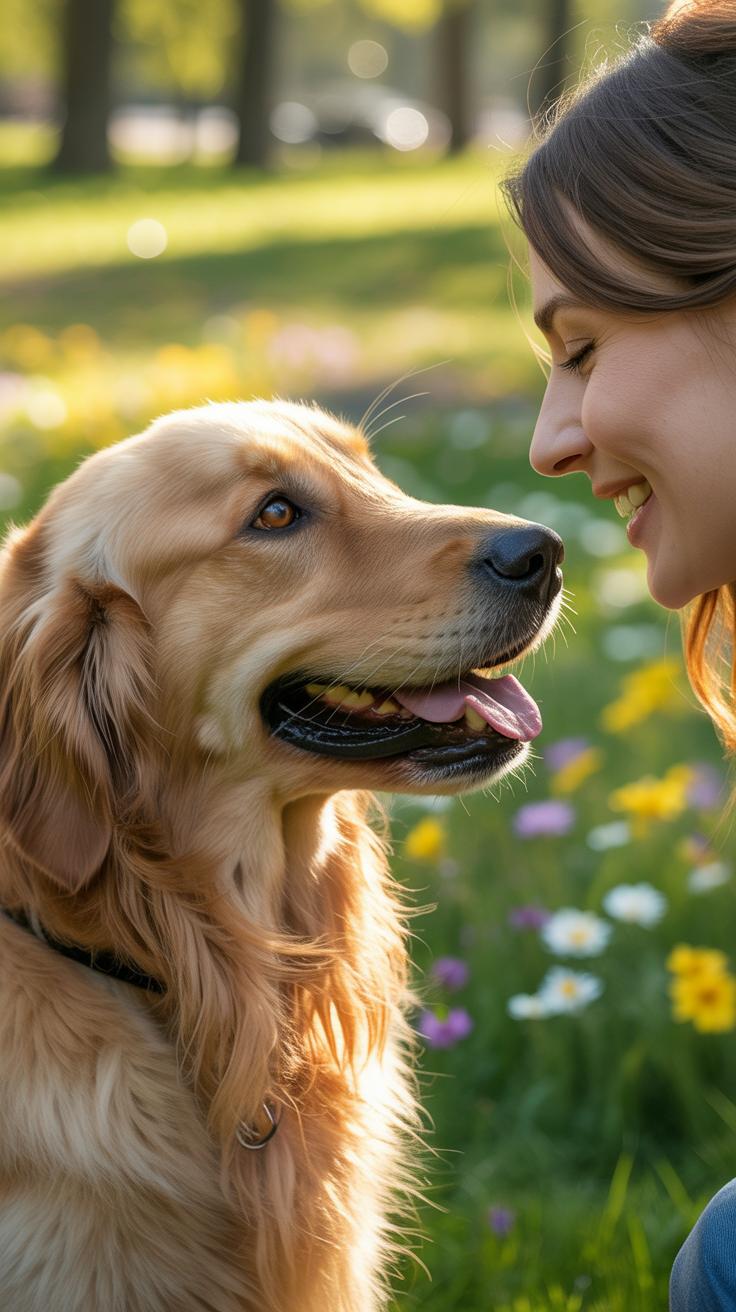
Researchers at Eötvös Loránd University documented how dogs prioritize their owners over other humans in stressful situations. This secure base effect mirrors the bond between human infants and parents. When a stranger enters the room, a loyal dog seeks physical contact with its owner to regulate its heart rate. This biological response proves that dog loyalty is a survival mechanism rooted in emotional safety.
Historical records also validate this bond through cases like Hachiko in Japan or Greyfriars Bobby in Scotland. While some dismiss these stories as myths, behavioral scientists view them as extreme examples of attachment theory. These dogs exhibited persistent guarding and waiting behaviors long after the owner died. These actions demonstrate that the canine brain maintains a cognitive map of their social partner over many years.
Key Dog Facts Infographic: Numbers And Stats That Reveal The Depth Of Dog Loyalty
Genetic studies show that specific changes in canine DNA allow dogs to understand human social cues better than any other animal. These genetic markers appeared during the domestication process thousands of years ago. Scientists measured a 57 percent increase in oxytocin levels in dogs after they interacted with their owners. These statistics prove that loyalty is a measurable chemical event in the canine nervous system.
- Oxytocin Surge: Dogs experience a massive hormone boost when they stare into their owner’s eyes. Levels can rise up to 130 percent during long gaze durations. This chemical loop strengthens the social bond and encourages long-term protective behaviors.
- Heart Rate Synchronization: Research shows that a dog’s heart rate often synchronizes with its owner’s heart rate. This physiological tracking happens within minutes of being in the same room. It illustrates how deeply dogs monitor their owner’s physical and emotional states.
- Olfactory Recognition: MRI scans reveal that the reward center of a dog’s brain lights up specifically when smelling its owner. This response is stronger than the reaction to food or other familiar dogs. The brain prioritizes the owner’s scent over all other environmental stimuli.
- Cognitive Word Recognition: High-performing dogs can learn and remember the names of over 1,000 unique objects. This cognitive effort is driven by the desire to cooperate and please their human partners. It shows that loyalty involves heavy mental processing and focus.
- Protective Response Time: A study found that dogs react to a stranger’s aggressive tone toward their owner within seconds. They often physically position themselves between the owner and the perceived threat. This tactical defense behavior is a core component of confirmed canine loyalty.

Brain scans show that the caudate nucleus stays active when a dog hears its owner’s voice. This area of the brain manages positive expectations and rewards. Even without physical presence, the mental image of the owner triggers joy. These data points confirm that dogs do not just follow orders for food. They form a deep and permanent psychological connection to their specific human leaders.
Service Dogs When Loyalty Becomes A Life Saving Superpower
How Service Dogs Use Innate Loyalty To Support Human Health And Safety
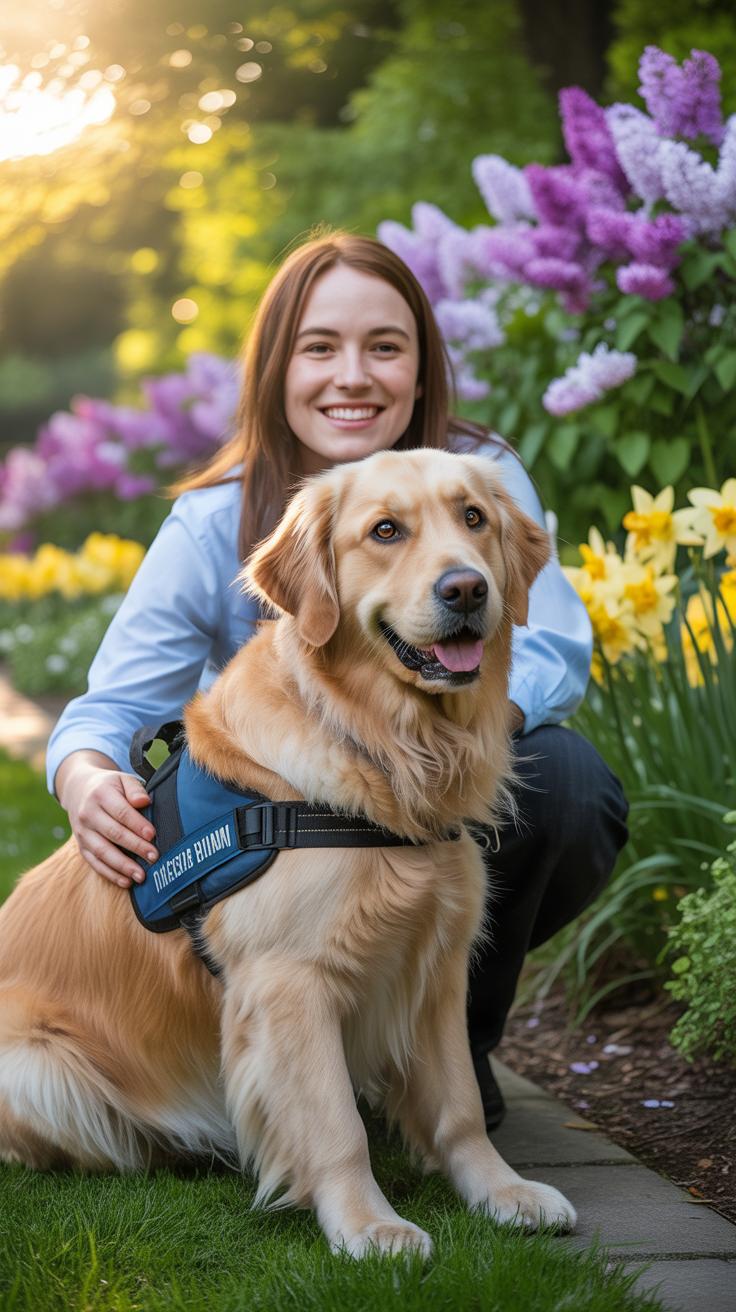
Service dogs convert genetic pack instincts into specific medical interventions. These animals monitor human physiological changes like cortisol spikes or blood sugar drops. Their loyalty is not an emotion but a functional biological response. They prioritize the handler over their own environmental distractions. This focus ensures the dog performs tasks during emergencies. Reliable execution of these tasks keeps the human partner alive.
Training leverages the dog’s natural drive to seek social harmony. A service dog views the handler as the sole source of safety and resources. This creates a feedback loop where the dog remains hyper-vigilant of the handler’s physical state. Loyalty becomes a technical tool for mobility assistance and seizure detection. The animal operates as a living medical device. Strict discipline ensures the dog never abandons its post.
The Science Of Trust: Why Service Dogs Bond So Deeply With Their Handlers
Neurochemistry drives the bond between a service dog and its handler. Frequent physical contact and positive reinforcement increase oxytocin levels in both species. This chemical ensures the dog stays close to the human at all times. High oxytocin levels lower the dog’s stress during complex work environments. The dog associates the handler’s presence with biological stability. This reinforces constant proximity and attentiveness.

Service dogs spend nearly every hour with their owners. This constant interaction builds a shared rhythm that pet dogs rarely achieve. Operant conditioning shapes the dog’s behavior to meet the handler’s specific needs. The dog learns to predict human movements before they happen. This deep synchronization creates a functional partnership. The resulting trust is a byproduct of hundreds of hours of repetitive shared experiences and success.
Dog Care Tips How The Way You Raise Your Dog Strengthens Their Loyalty
The Role Of Early Socialization And Consistent Routine In Building Trust
The critical window for socialization occurs between three and fourteen weeks of age. During this period, a puppy’s brain is highly plastic and forms lasting associations. Exposing the dog to various environments, people, and other animals reduces future fear responses. A dog that does not fear its surroundings relies more heavily on its owner for direction. This creates a foundation for lifelong loyalty.
Predictability is the backbone of canine trust. Consistent routines for feeding, walking, and sleeping regulate a dog’s internal biological clock. When a dog knows what to expect, its cortisol levels remain low. You become the reliable source of resources and safety. This stability reinforces the pair bond. A predictable owner is a trusted leader. Trust is the primary driver of tactical loyalty in domestic dogs.
Science Backed Daily Habits That Deepen Your Dog’S Bond With You
Positive reinforcement and shared activities trigger specific hormonal responses in the canine brain. When you interact intentionally with your dog, both parties experience an increase in oxytocin. This chemical is responsible for social bonding and maternal attachment. High-quality interactions signal to the dog that you are a valuable social partner. Science shows that specific daily habits directly influence these neurochemical levels and strengthen the connection.
- Hand Feeding: This technique establishes you as the sole provider of vital resources. It forces the dog to focus entirely on your movements and cues. Hand feeding builds focus and reduces food aggression by associating your presence with positive outcomes and survival.
- Eye Contact Training: Sustained eye contact between a dog and its owner increases oxytocin levels in both species. This mimicry of the human mother-infant bond is a unique evolutionary trait in dogs. Frequent, calm eye contact reinforces the emotional attachment and improves communication.
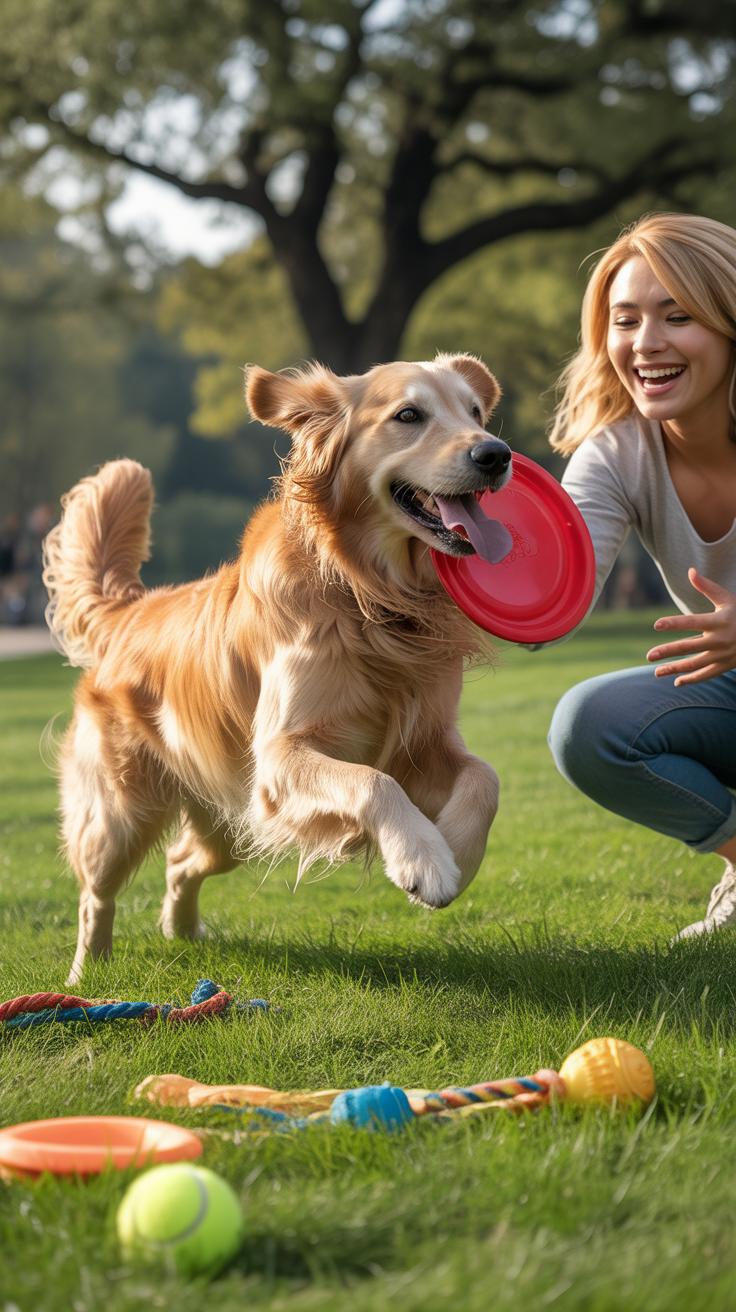
- Structured Playtime: Engaging in games like fetch or tug provides mental stimulation and mimics cooperative hunting behaviors. This joint activity releases dopamine in the dog’s brain. It rewards the dog for working with you toward a common goal. This builds a functional partnership beyond basic companionship.
- Consistent Grooming: Physical touch through brushing or bathing mimics social grooming found in wild packs. This lowers the dog’s heart rate and promotes relaxation. Regular grooming sessions allow you to check for health issues while reinforcing your role as a caretaker and protector.
- Short Training Sessions: Five to ten minutes of daily obedience training keeps the dog’s mind sharp and attentive. Using rewards for correct behaviors creates a positive feedback loop. This habit ensures the dog looks to you for guidance and reinforcement throughout the day.

Clear communication is the final piece of the loyalty puzzle. Dogs do not understand complex language but they excel at reading human body posture and tone. Maintaining a calm and assertive demeanor prevents confusion and anxiety in the animal. When you provide clear signals, the dog feels secure in its role. This clarity prevents the breakdown of the established bond and ensures long-term devotion.
Dog Care And The Responsibility That Comes With A Loyal Companion
Understanding What Your Dog Needs To Feel Emotionally Secure And Loyal
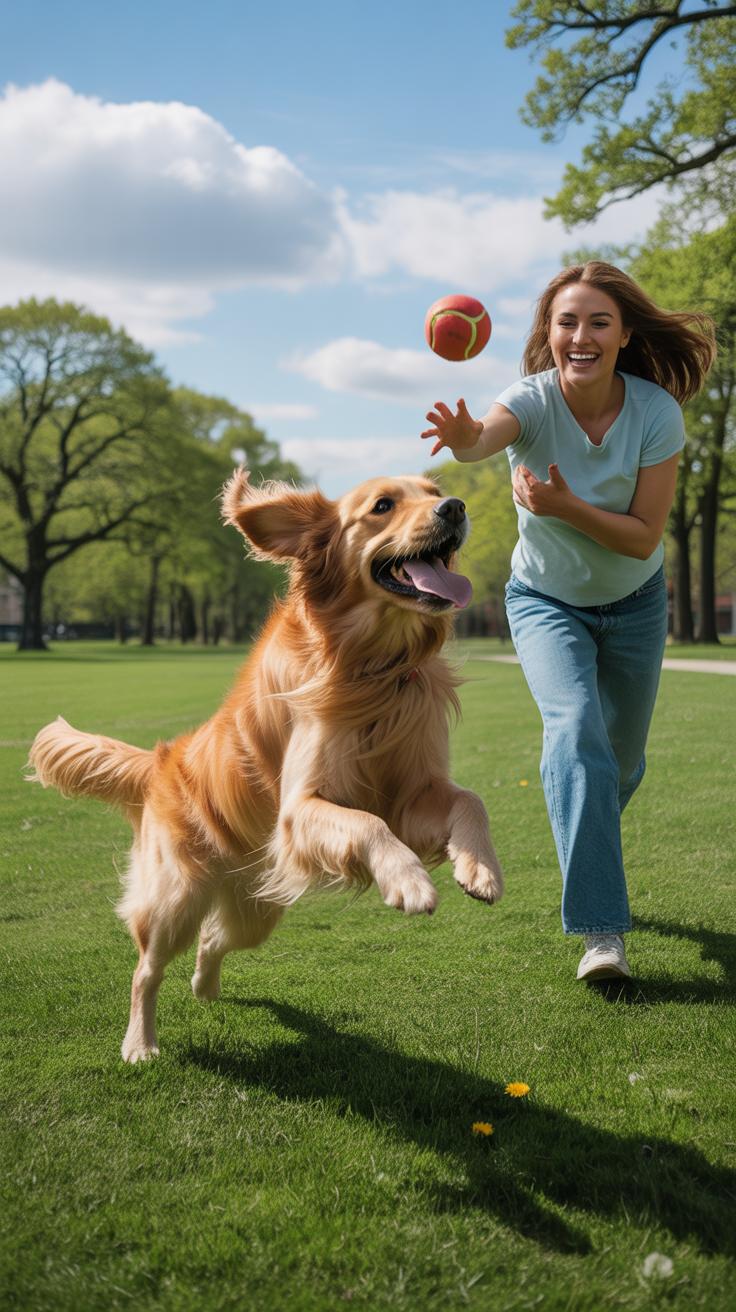
Dogs require clear social structures to feel safe. This species evolved from pack hunters that relied on group cohesion for survival. You provide security by setting firm boundaries and consistent rules. When a dog knows what to expect, its cortisol levels drop. A calm dog is more capable of forming a deep bond. Loyalty is the result of this perceived safety.
Emotional security also depends on resource reliability. Your dog views you as the provider of food, water, and shelter. If these resources are unpredictable, the dog becomes anxious rather than loyal. Consistency in feeding and exercise creates a stable environment. This stability allows the dog to focus on social bonding. You must act as a reliable leader to maintain their trust.
How Proper Dog Care Reinforces The Biological Foundations Of Loyalty
Loyalty is a chemical process involving oxytocin. This hormone rewards the dog for social proximity and physical contact. You trigger this release through calm interactions and grooming. Frequent positive touch strengthens the neural pathways associated with bonding. This biological feedback loop ensures the dog stays close to you. Proper care directly facilitates these chemical reactions in the canine brain.

Meeting a dog’s physical needs prevents cognitive decline and stress behavior. A healthy dog processes social cues more effectively. Chronic pain or poor nutrition interferes with their ability to connect with humans. Providing high quality care ensures the brain functions at peak performance for social engagement. You are managing a biological system that requires maintenance to function socially. Loyal behavior is the output of a healthy animal.
Frequently Asked Questions

Why do dogs form such a strong emotional bond with humans?
The dog loyalty science explained by researchers often points to oxytocin, frequently called the “love hormone.” When you gaze into your dog’s eyes, both of your brains release this chemical, creating a feedback loop of affection and trust. This biological connection is similar to the bond between a parent and child, establishing a deep sense of devotion that transcends simple survival instincts and transforms into true companionship.
How can I strengthen the chemical bond and loyalty with my dog?
You can enhance your dog’s devotion through consistent positive reinforcement and shared activities. Engaging in daily play, focused training sessions, and gentle grooming stimulates the release of dopamine and oxytocin. By providing a predictable, loving environment, you reinforce the dog loyalty science explained in behavioral studies, proving that your presence is a reliable source of safety and joy, which naturally encourages your pet to stay loyal to your side.
Do I need expensive toys or gourmet treats to ensure my dog stays loyal?
Not at all! Loyalty is rooted in quality time and emotional security rather than material goods. Simple, free activities like long walks, backyard play, or just resting together on the sofa are highly effective for bonding. Since the core of canine devotion is based on social connection and consistent care, providing a stable home and your undivided attention is the most valuable and budget-friendly way to earn your dog’s lifelong trust.