Understanding How Shelters Change Communities Through Animal Rescue

The Core Mission Behind Animal Rescue Shelters
Animal rescue shelters exist to manage the surplus pet population and ensure public safety. They remove stray animals from streets to prevent bites and property damage. Their core work involves sheltering, medical rehabilitation, and rehoming efforts. These facilities execute state and local animal control mandates daily. This infrastructure prevents the spread of zoonotic diseases like rabies. Shelters also provide critical intake services for residents who can no longer provide care.
Modern shelters focus on the live release rate to measure success. This metric tracks how many animals leave the facility alive through adoption or transfer. Staff use data to manage housing capacity and resource allocation. They implement sterilization programs to address the root cause of overpopulation. Strategic partnerships with veterinarians and transport groups expand their operational reach. Every action targets the reduction of animal homelessness while maintaining a regulated and safe environment.
How Animal Shelters Serve As Community Anchors
Shelters function as central hubs for public service and education. They provide essential resources like bridge programs for low-income pet owners. This prevents animal abandonment and keeps pets in their original homes. The facility acts as a logistics center for lost and found reports. By reuniting families with pets, shelters reduce the burden on municipal systems. They stabilize neighborhoods by providing a structured response to animal-related crises and complaints.
Local shelters generate significant economic and social engagement. They create jobs and provide structured volunteer opportunities for residents. Many facilities serve as training grounds for veterinary technicians and behavioral specialists. This creates a workforce skilled in animal welfare and public health. Shelters also facilitate community bonding through adoption events and educational workshops. These activities increase social trust and encourage civic participation. A well-managed shelter signals a proactive and organized local government.

The Role Of Homeless Shelters And Animal Rescue In Addressing Community Vulnerability

Parallel Missions: Supporting Both Displaced Humans And Animals
Homelessness affects both people and animals through the same systemic failures. Economic shifts or natural disasters often leave entire families without housing. This includes their pets. When a person loses a home, the animal loses a home too. Both human and animal shelters provide immediate safety and resources. They stop the cycle of neglect. These organizations stabilize the local environment by managing populations in crisis.
Local shelters act as the first line of defense against community instability. They provide food, medical care, and temporary housing. This work prevents disease outbreaks and reduces public safety risks. By addressing the needs of the vulnerable, these groups lower the burden on public taxpayers. Providing care for displaced beings keeps the community clean and safe. This dual focus ensures that no living creature is left on the street.
How Rescue Organizations Collaborate With Shelter For Homeless Programs
Animal rescues and human shelters now work together to solve complex problems. Many homeless individuals refuse housing if they cannot bring their pets. Organizations create co-sheltering models to address this barrier. Rescues provide crates, food, and veterinary records to human shelters. This partnership allows people to seek help without losing their companions. It ensures higher participation rates in social service programs across the city.

Strategic collaboration also involves shared resource logistics. Animal rescues often use their transport networks to help human shelters move supplies. They share data on high-risk neighborhoods to target their outreach. This combined effort maximizes the impact of limited funding. By pooling assets, these groups create a stronger safety net. This tactical approach reduces the number of stray animals and unhoused people simultaneously. Communities see better results when these sectors align.
Reducing Stray Overpopulation A Key Way Animal Shelters Improve Neighborhoods
How Stray Animal Control Contributes To Safer, Healthier Streets
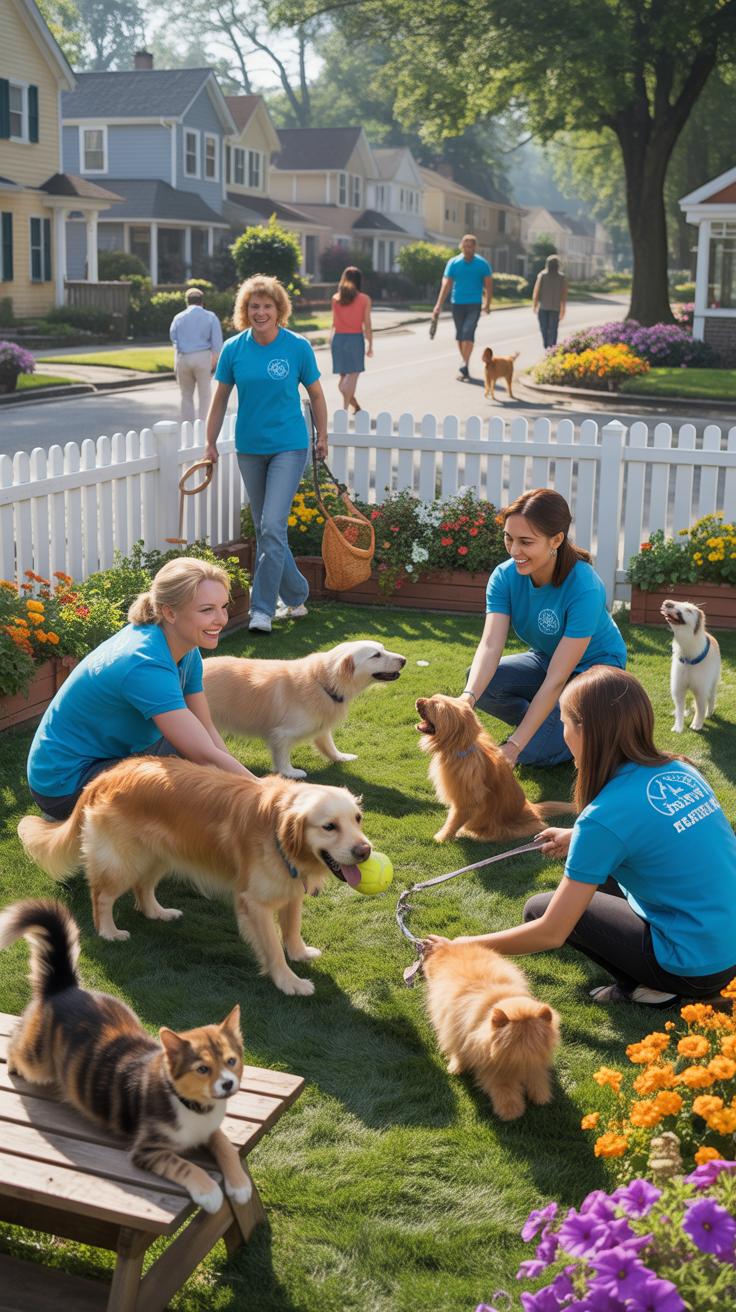
Animal shelters remove dangerous animals from public spaces. This action reduces dog bites and physical attacks on citizens. Shelters catch stray dogs that roam in packs. These packs often cause traffic accidents and property damage. Professional animal control services provide a buffer between wildlife and domestic pets. This system keeps neighborhood streets navigable and safe for families and children.
Stray animals carry diseases like rabies and leptospirosis. These pathogens spread easily to people and domestic pets. Animal shelters act as a primary line of defense against zoonotic outbreaks. They capture and quarantine sick animals before they infect the public. This biological containment keeps the community healthy. Removing unmanaged animals also reduces fecal waste in public parks and on private lawns.
Spay And Neuter Programs That Sustain Long Term Community Health
Shelters use spay and neuter programs to stop the birth of unwanted animals. This method is the primary tool for population stabilization. It prevents the exponential growth of feral cat colonies. Sterilized animals are less likely to roam far from home. They also show less aggression and territorial marking behavior. These tactical interventions make the local pet population more manageable for everyone.

Consistent sterilization services drive down the costs of municipal animal control. Reducing the number of births lowers the burden on taxpayers. Fewer stray animals mean fewer calls to emergency services. This efficiency allows the city to spend money on other critical infrastructure. High-volume clinics provide these surgeries at a fraction of private vet costs. This access ensures that low-income residents can participate in community health.
Medical Care And Rehabilitation The Shelter Medical Model That Saves Lives

Veterinary Medical Services Offered Inside Animal Rescue Shelters
Modern shelters operate high-volume medical clinics to manage animal populations. These facilities provide essential triage for every incoming resident. Staff veterinarians perform physical exams to identify infectious diseases and chronic conditions immediately. Core services include mandatory vaccinations and diagnostic testing for pathogens like parvovirus or feline leukemia. These protocols prevent outbreaks within the facility and protect the overall health of the local pet population.
Shelters act as the primary surgical centers for pediatric spay and neuter procedures. This surgical intervention directly reduces the number of stray animals on the streets. Veterinary teams also manage wound care and basic dentistry for neglected pets. Rapid medical intervention stabilizes animals that would otherwise face euthanasia. This focused medical model ensures that pets are healthy and sterile before they enter a community home.
Saving one dog will not change the world, but surely for that one dog, the world will change forever.
How Rehabilitation Of Injured Animals Reflects Community Compassion
Rehabilitation programs shift the focus from basic holding to active recovery. Specialized staff use behavioral modification and physical therapy to heal trauma. This process requires a heavy investment of time and resources. It demonstrates that a community values the lives of vulnerable creatures. When a shelter rehabilitates a broken animal, it sets a standard for local ethics. This work changes how neighbors view animal welfare.

Success in rehabilitation relies on specialized foster networks and donor funding. These programs create a cycle of engagement where citizens participate in the healing process. Monitoring data shows that rehabilitated animals have higher retention rates in their new homes. This success reduces the burden on public safety and animal control departments. A community that supports animal recovery builds a culture of responsibility and empathy for all life.
Education Programs That Help Communities Become More Humane And Informed
School And Youth Outreach Programs Run By Animal Rescue Shelters
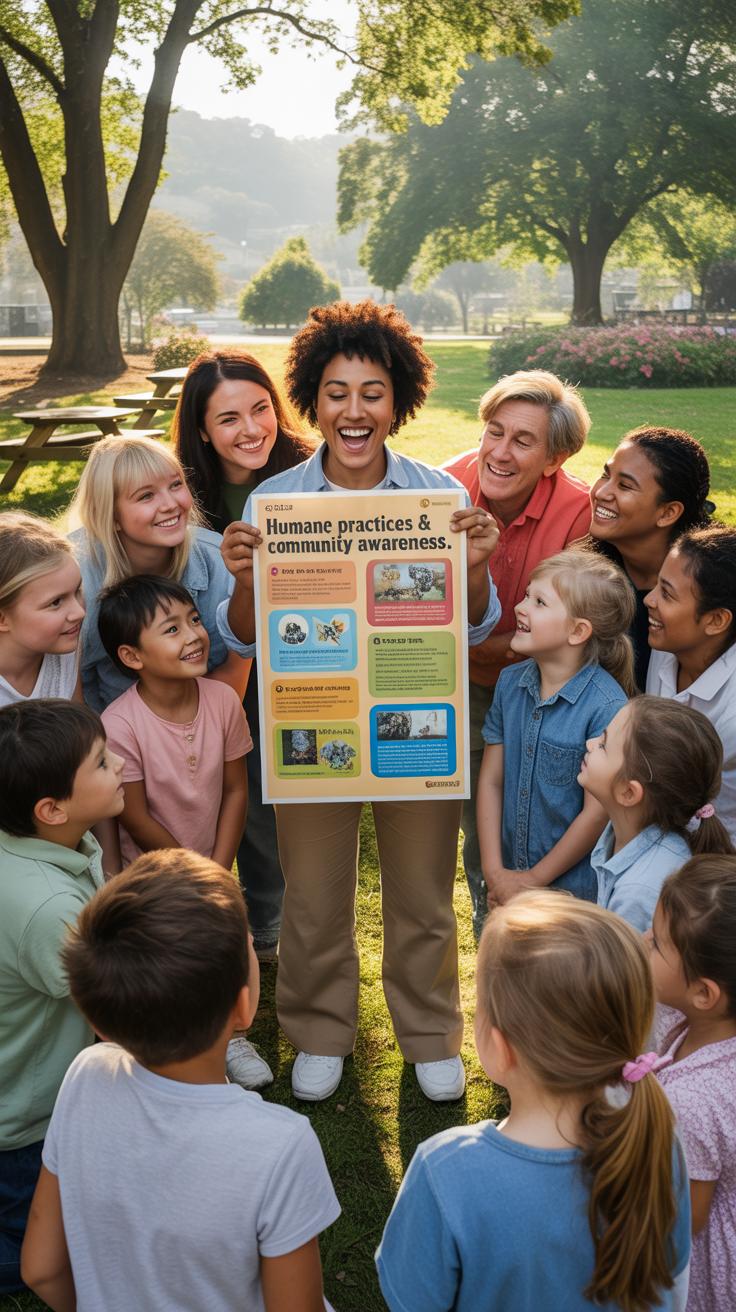
Shelters target young people to break the cycle of animal neglect. Staff visit schools to teach children how to read animal body language. These programs reduce dog bite incidents in the neighborhood. They also build empathy by showing students that animals feel pain and fear. Early education creates a more compassionate generation of future pet owners. This lowers long-term shelter intake numbers.
Outreach efforts reach beyond the classroom into after-school programs and camps. Shelters use hands-on activities to show kids how to care for pets. These lessons often influence parents through their children. Families learn about the costs and duties of owning a pet before they adopt. This strategic approach ensures better home placements for animals. It turns local youth into active advocates for animal welfare.
Essential Topics Covered In Shelter Education Campaigns
Campaigns focus on practical knowledge to keep pets in homes and off the streets. Shelters identify common reasons for animal surrender and build lessons around those gaps. Most residents lack clear data on the local impact of pet overpopulation. Education campaigns bridge this gap by providing hard facts. They explain why certain behaviors lead to better outcomes for the entire community.
- Spay and Neuter Benefits: Shelters explain how these surgeries prevent unwanted litters and reduce local stray populations. They provide medical facts on how sterilization lowers the risk of certain cancers and eliminates heat-related behaviors in pets.
- Responsible Pet Ownership Basics: This topic covers the daily requirements for food, water, and shelter. Educators focus on the long-term financial commitment required for veterinary care and emergency services to prevent owners from abandoning pets during crisis.
- Bite Prevention and Safety: Trainers teach people how to interact with unknown dogs safely. This reduces emergency room visits and prevents legal issues for owners. Understanding animal warning signs keeps both children and adults safe in public spaces.
- The Importance of Microchipping: Staff demonstrate how permanent identification works to reunite lost pets with their owners. They explain why tags and collars are not enough. This technology saves taxpayers money by reducing the time animals spend in shelters.
- Local Animal Laws and Ordinances: Programs clarify leash laws, tethering restrictions, and licensing requirements. Following these rules reduces conflict between neighbors and keeps the community orderly. Knowledge of the law protects owners from fines and legal disputes.

Effective education changes how a community views its domestic animals. It shifts the perception of shelters from holding pens to resource centers. High-quality campaigns offer solutions for common behavioral problems like barking or digging. These resources prevent owners from giving up when challenges arise. Informed citizens make better choices that lead to a safer and more stable environment for everyone.
Volunteering And Employment How Shelter For Homeless Pets Creates Human Opportunity

Volunteer Programs That Build Social Bonds Across Diverse Communities
Shelters act as central hubs for civic engagement. These organizations bring together people from different economic and social backgrounds. Volunteers work toward a common goal which reduces social friction. This interaction builds trust among neighbors who might not otherwise meet. Structured volunteer roles teach teamwork and communication skills. These programs turn isolated individuals into active participants in their local community network.
High-functioning shelters utilize strategic volunteer management to improve public safety and mental health. Participants report lower levels of stress and a stronger sense of purpose after service. This social glue strengthens the neighborhood. It creates a platform for mentorship between older residents and youth. By providing a safe space for collective labor, shelters bridge the gap between diverse groups. This improves overall community stability.
Career Pathways And Job Creation Supported By Animal Rescue Organizations
Animal shelters serve as economic engines for local municipalities. They create direct jobs in veterinary medicine, facility management, and administration. These roles require specific technical skills and certifications. Employees gain experience in high-demand fields like medical technician work and behavioral science. This professional training funnels skilled workers back into the broader labor market. It drives local employment and tax revenue for the city.

The operational needs of a shelter support ancillary businesses and services. Organizations purchase supplies from local vendors and hire contractors for building maintenance. This activity stimulates the regional economy. Furthermore, shelters offer internships that prepare students for future careers. These pathways ensure a steady stream of talent in the bioscience and nonprofit sectors. Strategic investment in shelter staff results in a more capable and specialized workforce.
Homeless Shelter Needs And The Growing Trend Of Pet Inclusive Support Programs
Why Homeless Individuals Often Rely On Pets For Emotional Survival
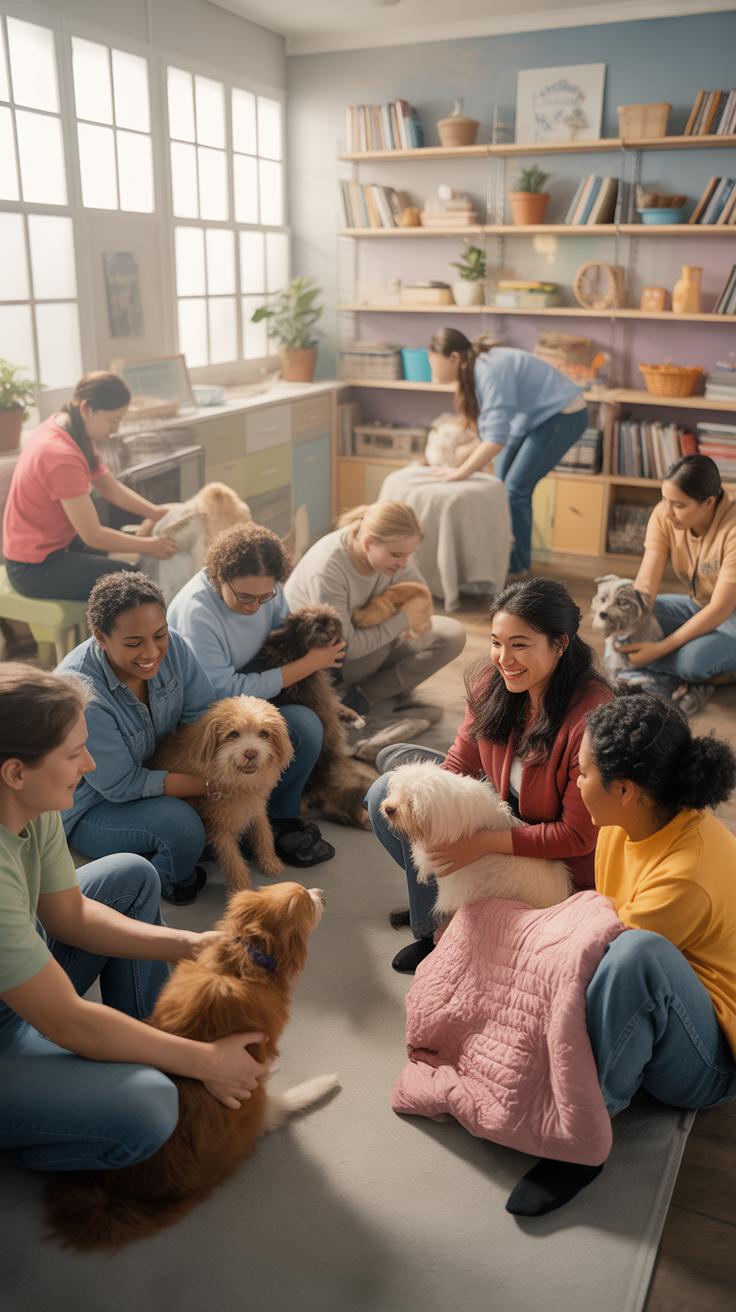
Pets provide a critical social anchor for people experiencing homelessness. These animals offer non-judgmental companionship that combats extreme isolation. For many, a dog is the only predictable source of safety and affection available. This bond creates a sense of purpose and routine. The responsibility of caring for another living being often motivates individuals to seek help and maintain their own health.
The psychological impact of pet ownership tracks closely with survival instincts. Homeless individuals frequently face high rates of trauma and violence on the streets. Animals act as early warning systems and deterrents against physical threats. Losing a pet can lead to severe emotional collapse. This unique bond explains why many people refuse traditional housing if they cannot take their animals with them into the facility.
How Animal Shelters Partner With Human Service Organizations To Fill The Gap
Animal shelters now act as strategic allies for human social services. These organizations recognize that pet ownership is a barrier to housing. To fix this, animal shelters provide temporary boarding for pets while owners undergo medical treatment or secure housing. This collaboration ensures that people do not have to choose between a bed and their animal. Cross-agency communication streamlines the delivery of essential resources.

These partnerships extend to mobile veterinary clinics and food pantries. Shelters bring vaccines and nutrition directly to homeless encampments. This proactive approach prevents disease outbreaks in the community. It also builds trust between marginalized groups and local authorities. By addressing the needs of the animal, human service providers gain an entry point to offer mental health and employment services to the owners.
Tent City And Transitional Community Challenges That Animal Rescues Help Navigate
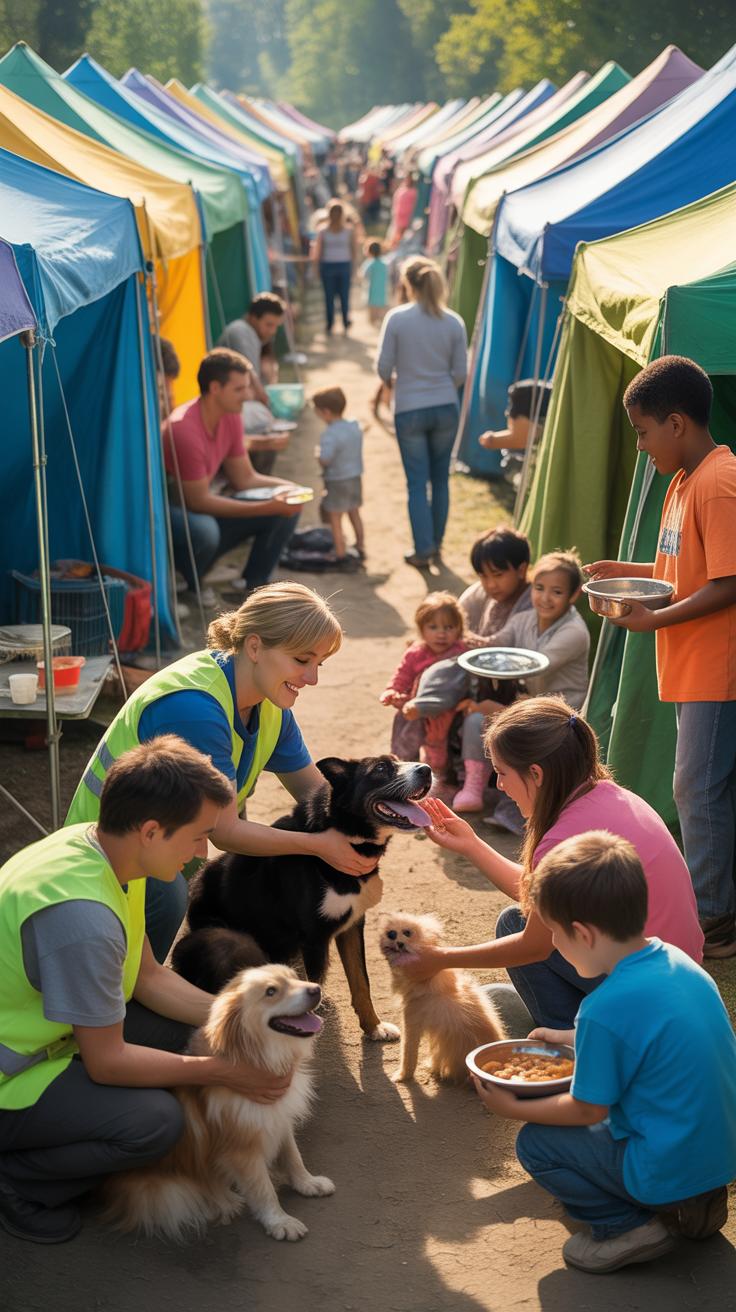
The Presence Of Animals In Tent City Encampments And Transitional Living Spaces
Tent city encampments often house significant numbers of pets owned by individuals experiencing homelessness. These animals provide essential psychological stability and physical security for their owners. However, encampments lack the infrastructure to manage animal waste or contain pets safely. High density living in temporary structures creates a flashpoint for disease transmission and bites. Public health officials struggle to manage these risks without proper animal control intervention.
Many people refuse to enter emergency shelters because most facilities do not allow pets. This creates a barrier to housing and medical care for the owner. Rescues identify that the bond between owner and animal is often the only remaining social link for the unhoused. Without addressing the pet, you cannot address the person. Rescues bridge this gap by providing mobile services directly to these transitional zones.
Practical Steps Animal Rescues Take To Assist Pets In Transitional Communities
Rescues deploy specific tactical interventions to stabilize animal populations within encampments. They focus on minimizing health risks for both the animals and the human community. By providing direct aid, shelters prevent the surrender of animals to overcrowded municipal facilities. These actions reduce the burden on city sanitation and public safety departments. Rescues act as the frontline logistics coordinators for animal welfare in these high stress zones.
- Mobile Veterinary Clinics: Teams visit encampments to provide core vaccinations and parasite control. This prevents the spread of rabies and zoonotic diseases that threaten the whole community. Prompt medical care reduces the likelihood of emergency animal issues becoming public health crises.
- Pet Food Distribution Hubs: Rescues establish regular delivery routes to provide consistent nutrition for pets in need. This prevents animals from roaming in search of food or raiding trash. Stable food sources keep pets confined and closer to their owners’ temporary housing.
- Temporary Boarding Services: Shelters offer short term housing for pets while owners seek medical care or permanent housing interviews. This removes the primary barrier that prevents unhoused individuals from accessing social services. It ensures the animal remains safe during the owner’s transition process.
- Free Spay And Neuter Programs: High volume sterilization reduces the growth of feral and stray populations within transitional living areas. This controls the noise, aggression, and overpopulation problems common in encampments. Slowing the birth rate is the only way to manage long term local animal numbers.
- Behavioral Support and Gear: Experts provide sturdy leashes, muzzles, and crates to ensure pets stay secured. They teach owners how to manage pet stress in crowded, loud environments. Proper gear prevents accidental bites and incidents that lead to police or animal control intervention.

These strategic partnerships between rescues and transitional communities improve overall public safety. When animals are healthy and secured, the encampment is less volatile. Rescues provide the necessary supplies that municipal budgets often ignore. This support allows social workers to focus on the human side of the crisis. Tactical animal welfare is a critical component of successful urban management and community stabilization efforts.
Adoption Fostering And The Ripple Effect On Local Community Well Being

How Adoption Transforms Both Animal And Human Lives In The Same Moment
Pet adoption creates an immediate shift in municipal resource allocation. When a resident adopts, they remove an animal from the taxpayer-funded shelter system. This action saves lives by freeing up physical space for incoming animals in crisis. The adopter gains a companion that requires physical activity and routine. These daily habits improve the owner’s cardiovascular health and reduce local healthcare burdens over time.
Adoption also triggers a localized economic boost through service demand. New pet owners spend money at neighborhood veterinary clinics, groomers, and pet supply stores. This spending keeps capital within the community and supports small business growth. Socially, pet ownership encourages interaction among neighbors. Dog walking increases foot traffic on public sidewalks. Improved visibility in neighborhoods leads to higher levels of natural surveillance and shared community safety.
The Long Term Mental Health And Social Benefits Of Fostering Rescue Animals
Fostering serves as a critical bridge for animal rehabilitation and community resilience. Volunteers provide temporary housing that prevents shelter overcrowding and lowers animal stress levels. This practice allows shelters to learn about an animal’s behavior in a home setting. Better data leads to more successful permanent placements later. Fosters gain a sense of purpose and decrease their own feelings of social isolation through this volunteer work.
The logistical framework of fostering builds strong social networks within a city. Fosters often coordinate with other volunteers to share resources and advice. This cooperation strengthens the local social fabric and improves collective problem-solving skills. On a clinical level, regular interaction with animals lowers cortisol levels in humans. Lower stress leads to higher productivity and better emotional regulation across the community. Fostering provides these benefits without a lifelong financial commitment.
Frequently Asked Questions

Why are local animal shelters considered so important for neighborhoods?
Local shelters act as vital hubs for compassion and safety. Beyond providing a haven for homeless pets, they foster a sense of shared responsibility and empathy among residents. By offering educational programs and organizing adoption events, these organizations show how shelters change communities by bringing neighbors together. They transform a collection of houses into a supportive network that values life, ultimately improving the overall morale and social fabric of the local area.
How can I help my local shelter if I am unable to adopt a pet right now?
There are many impactful ways to contribute without permanent adoption. You can volunteer your time for walking dogs, assist with administrative tasks, or offer to foster an animal temporarily to free up space. These actions demonstrate how shelters change communities by creating a culture of active volunteerism. Additionally, sharing social media posts for adoptable pets increases their visibility, helping the organization function more efficiently and saving more lives through collective grassroots effort.
Are there low-cost ways to support animal rescues on a tight budget?
Absolutely! You don’t need a large bank account to make a significant difference. Most shelters maintain “wish lists” of affordable items like old towels, unopened pet food, or even newspapers and cleaning supplies. Donating these household goods reduces the shelter’s overhead costs significantly. By contributing these modest resources, you help sustain the essential programs that prove how vital rescue work is for maintaining a healthy, humane, and vibrant local environment for everyone.