Are Essential Oils Safe For Pets Understanding The Real Risks
Why Essential Oils Affect Pets Differently Than Humans
Humans possess specific liver enzymes called glucuronyl transferases. These enzymes break down the organic compounds found in essential oils. Most common pets lack these metabolic pathways or have very low levels of them. This means their bodies cannot process concentrated oils. What is a pleasant scent to you becomes a toxic buildup in their system. This physiological gap creates a high risk of poisoning.
Dogs and cats also have a much stronger sense of smell than people. Essential oils contain volatile organic compounds that enter the bloodstream through the lungs or skin. Small animals have a higher surface area to body weight ratio than humans. This makes them absorb chemicals faster and more deeply. A small dose for a human is a massive dose for a pet. You must respect these biological differences.
How A Pet’S Physiology Makes Them More Vulnerable To Aromatic Compounds
Cats are particularly sensitive because their livers cannot perform glucuronidation. This process is necessary to detoxify phenols and monoterpenes found in many oils. When these animals inhale or touch essential oils, the toxins stay in their blood for a long time. This can cause immediate respiratory distress or long term organ damage. Their bodies simply lack the chemistry to clear these foreign substances out efficiently.
Birds and reptiles have even more fragile systems. Birds have efficient respiratory tracts and high metabolic rates. This makes them highly sensitive to airborne toxins and strong scents. Even a small amount of diffused oil can lead to rapid death for an avian pet. Their thin skin and specialized lungs absorb environmental chemicals instantly. Owners must understand that pet biology does not mirror human biology in any way.

Essential Oils And Dogs What The Science Actually Says
How Dogs Process Aromatic Compounds Through Their Liver And Skin
Dogs possess a sense of smell forty times stronger than humans. Their skin is thinner and more absorbent than human skin. When you diffuse oils, these small molecules enter the bloodstream through the lungs and skin. These compounds eventually travel to the liver for processing. The canine liver uses specific enzymes to break down these foreign substances so the body can safely eliminate them.
Many essential oils contain phenols or monoterpene hydrocarbons. A dog’s liver often lacks the high concentrations of enzymes needed to metabolize these specific chemicals quickly. This slow processing leads to a toxic buildup in the blood. Overloading the liver causes oxidative stress and cellular damage. You must understand that even low doses can accumulate over time. This makes long-term exposure just as dangerous as a single high dose.
The soul of a home is found in the gentle scent of lavender and the trusting eyes of a dog by the hearth. We must choose our fragrances with a heart of care, ensuring the air we share remains a safe sanctuary for those who love us unconditionally.
Recognizing The Signs Of Essential Oil Toxicity In Dogs
Toxicity manifests through clear physical and behavioral changes. Watch your dog for sudden lethargy or a lack of coordination called ataxia. You might see the dog stumble or have trouble standing. Excessive drooling and vomiting are common early symptoms. These signs indicate the central nervous system or the digestive tract is struggling with the oil. If the dog paws at its face, the oil is irritating its membranes.

Respiratory distress is a critical warning sign. Look for labored breathing, coughing, or wheezing during or after diffusion. A dog may also show muscle tremors or a significant drop in body temperature. If the dog’s heart rate slows down, the toxicity has reached a dangerous level. You must act immediately when these symptoms appear. Move the dog to fresh air and contact a veterinarian. Never ignore these physical red flags.
Your Essential Oils For Pets Guide Cats Birds And Small Animals
Why Cats Are Especially Sensitive To Essential Oils
Cats lack a vital liver enzyme called glucuronyl transferase. This specific enzyme allows other animals to break down and eliminate many plant compounds. Without it, feline bodies cannot process phenols or monoterpene hydrocarbons. These chemical substances build up in the cat’s bloodstream over time. This toxicity occurs much faster than in dogs or humans. Even small amounts can cause permanent organ damage.
Airborne droplets pose a significant risk to the feline respiratory system. Cats groom themselves constantly and ingest oils that settle on their fur. This internal exposure adds to the metabolic load on their liver and kidneys. You must avoid using high phenol oils like oregano or cinnamon in any shared space. High concentrations in the air can lead to watery eyes, coughing, or sudden lethargy.
Special Considerations For Birds, Rabbits, And Other Small Pets
Birds possess a highly specialized respiratory system involving air sacs. This anatomy makes them extremely vulnerable to any volatile organic compounds in the air. Strong scents can cause immediate respiratory distress or sudden death in avian species. Their lungs move air much more efficiently than human lungs do. This efficiency means they absorb toxins at a rapid rate. Never use diffusers in rooms where birds live.
Small mammals like rabbits and hamsters have very sensitive scent membranes. They live close to the floor where heavy oil particles settle. These animals cannot escape the scent in a small cage or hutch environment. Concentrated oils can burn their delicate skin or irritate their noses. Always prioritize fresh air over any aromatic treatment for these pets. Keep all essential oil products stored in a different room entirely.
List Of Essential Oils Safe For Dogs Approved And Hazardous Oils At A Glance
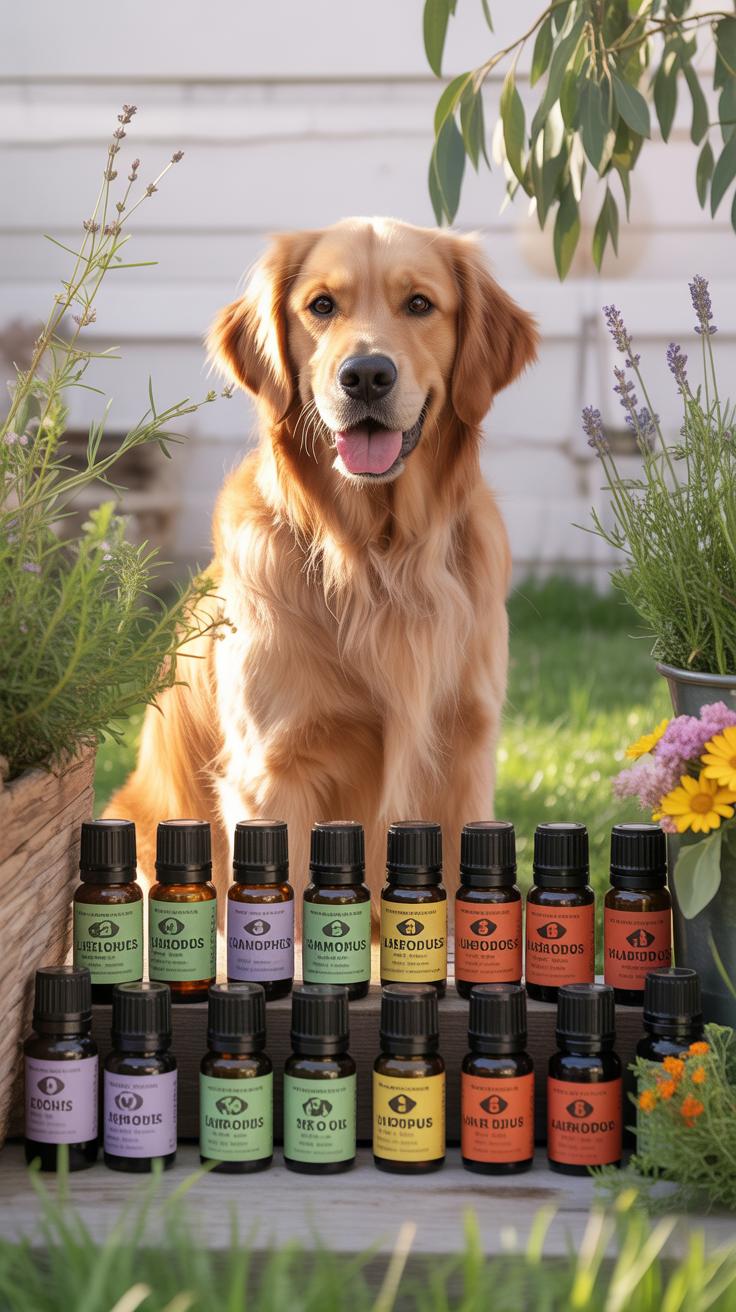
Essential Oils That Are Commonly Considered Lower Risk Around Dogs
Safe oils for dogs must be pure and used in small amounts. Dogs have a strong sense of smell. High concentrations can cause breathing issues. You must choose therapeutic grade oils without additives. Always test a small area or use a weak diffuser first. Watch for signs of stress like pacing or sneezing. Proper ventilation is mandatory during every session.
- Lavender: This oil helps calm nervous dogs and reduces stress during loud events. It is widely used for minor skin irritations but must be diluted heavily before any topical application to avoid reactions.
- Chamomile: Known for its soothing properties, this oil helps dogs with upset stomachs or sleep issues. It is gentle on the system and works well in a diffuser to create a relaxing environment.
- Cardamom: This oil supports digestive health and can help increase appetite in some dogs. It also has antimicrobial properties that make it a functional choice for maintaining a healthy atmosphere in your home or kennel.
- Frankincense: Many trainers use this oil to support the immune system and focus. It is considered one of the safest options for older dogs. It helps maintain a balanced mood without the risk of sedation.
- Cedarwood: This oil acts as a natural pest repellent and supports skin health. It provides a grounding scent that many dogs find comforting. It is a solid alternative to harsh chemical sprays for outdoor use.
Veterinarians suggest starting with water-based diffusion. This limits the amount of oil the dog breathes in at once. Never apply these oils directly to the nose or paws. Those areas are highly sensitive and absorb chemicals too fast. If your dog leaves the room, let them stay away. They know when the scent is too much for their body to handle.
Essential Oils That Are Known To Be Toxic Or Harmful To Dogs
Toxic oils can damage a dog’s liver and nervous system. Dogs lack specific enzymes to break down certain plant compounds. Even a small amount of the wrong oil can cause tremors or vomiting. Droplets can land on their fur and get swallowed during grooming. You must treat these substances as hazardous materials around your pets. Keep all bottles in locked cabinets.
- Tea Tree Oil: This is one of the most dangerous oils for dogs. Even small doses can cause depression, lack of coordination, and tremors. Rapid absorption through the skin makes it a high risk for accidental poisoning.
- Peppermint: The high menthol content can irritate a dog’s respiratory tract and skin. It often causes lethargy or vomiting if inhaled in high concentrations. Most experts advise keeping this oil completely away from canine living spaces.
- Cinnamon: This oil can cause low blood sugar and liver toxicity in dogs. It also causes mouth sores and digestive upset if ingested. Skin contact often results in redness or chemical burns that require immediate medical care.
- Pine Oil: Common in cleaning products, this oil is a severe irritant to the skin and stomach. It can cause central nervous system depression. Dogs are particularly sensitive to the phenols found in most pine-based essential oil products.
- Wintergreen: This oil contains methyl salicylates which are similar to aspirin. It can lead to rapid breathing and kidney failure if absorbed or licked. It is highly toxic even in diluted forms and should never be used.

If your dog shows signs of toxicity, call a vet immediately. Symptoms include staggering, drooling, and labored breathing. Do not try to induce vomiting at home. Take the oil bottle with you to the clinic for identification. Fast action saves lives when dealing with chemical exposure. Prevention is the only reliable strategy for pet safety. Keep hazardous oils out of the house.
Pet Safe Practices How To Diffuse Essential Oils Without Harming Your Animals
Safe Diffusion Methods And Room Setup To Protect Pets
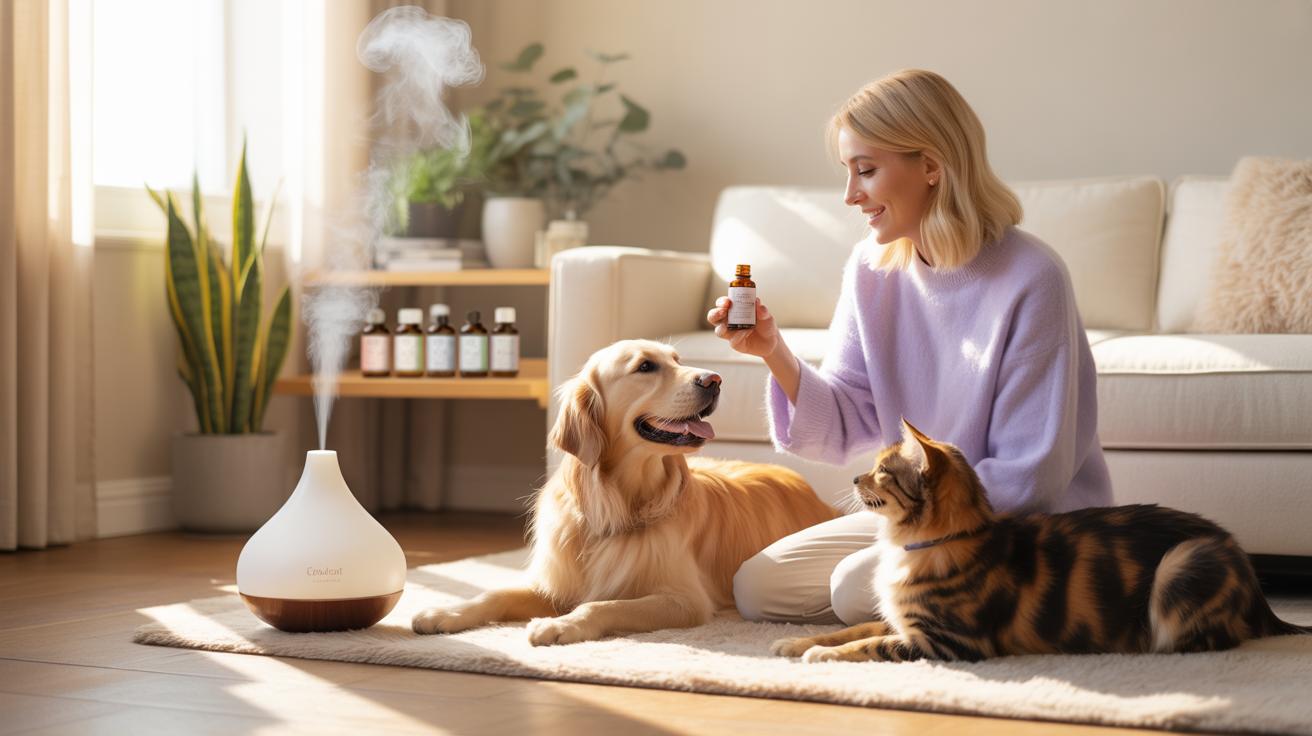
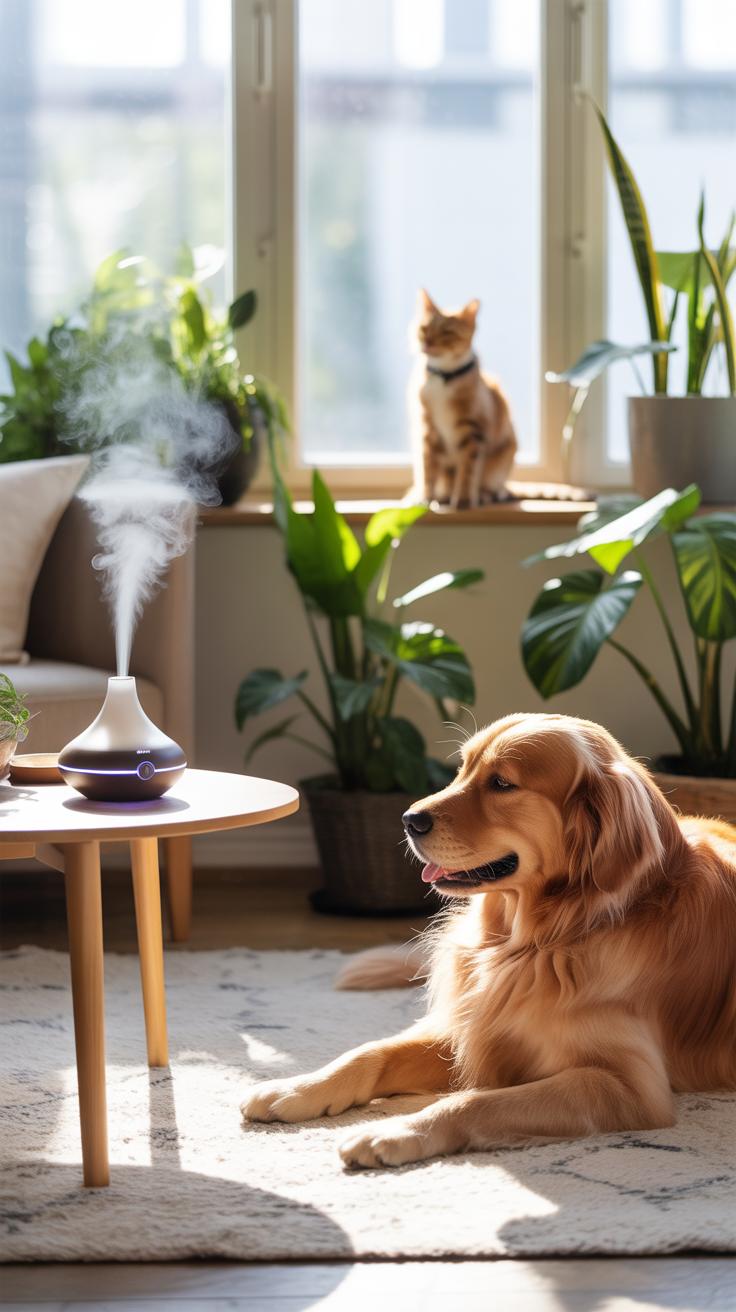
Passive diffusion represents the safest method for pet owners. This technique uses reed diffusers or porous stones to release scent slowly. It avoids the high concentration of particles found in active steam. High-output ultrasonic diffusers pose greater risks because they saturate the air quickly. Keep all diffusion devices on high shelves. Pets can knock over units and spill concentrated oils on their fur or skin.
Physical placement dictates the safety of your setup. Never place a diffuser next to a pet bed or a water bowl. Animals have a much stronger sense of smell than humans. What feels like a light scent to you can overwhelm their sensory system. Strategic placement in large, open rooms minimizes the risk of respiratory distress. Monitor your pet for coughing or sneezing whenever you introduce a new device.
Ventilation, Duration, And Exit Routes: The Three Rules Of Pet Safe Diffusing
Effective ventilation is the primary defense against oil toxicity. Always run a fan or crack a window to ensure constant airflow. Stagnant air allows volatile organic compounds to build up to dangerous levels. This accumulation can lead to liver or kidney issues in smaller animals. Proper air exchange dilutes the concentration of the oil. It ensures the environment remains breathable for animals with sensitive lungs.

Limit diffusion periods to thirty minutes. Constant exposure desensitizes the animal and increases the chance of a negative reaction. Intermittent schedules allow the pet’s metabolic system to process the inhaled particles. You must also provide a clear exit route. Never lock a pet in a room where a diffuser is active. The animal needs the freedom to move to a scent-free area if the air becomes irritating.
Dog Safe Essential Oils Proper Dilution And Application Guidelines
Why Dilution Ratios For Dogs Must Be Far Lower Than For Humans
Dogs possess hundreds of millions of olfactory receptors. Their sense of smell is significantly more powerful than yours. This high level of sensitivity means that scents which seem mild to a human can overwhelm a canine. Chemical compounds in oils enter the bloodstream quickly through inhalation and skin contact. A dogs liver cannot process these substances at the same speed as a human liver.
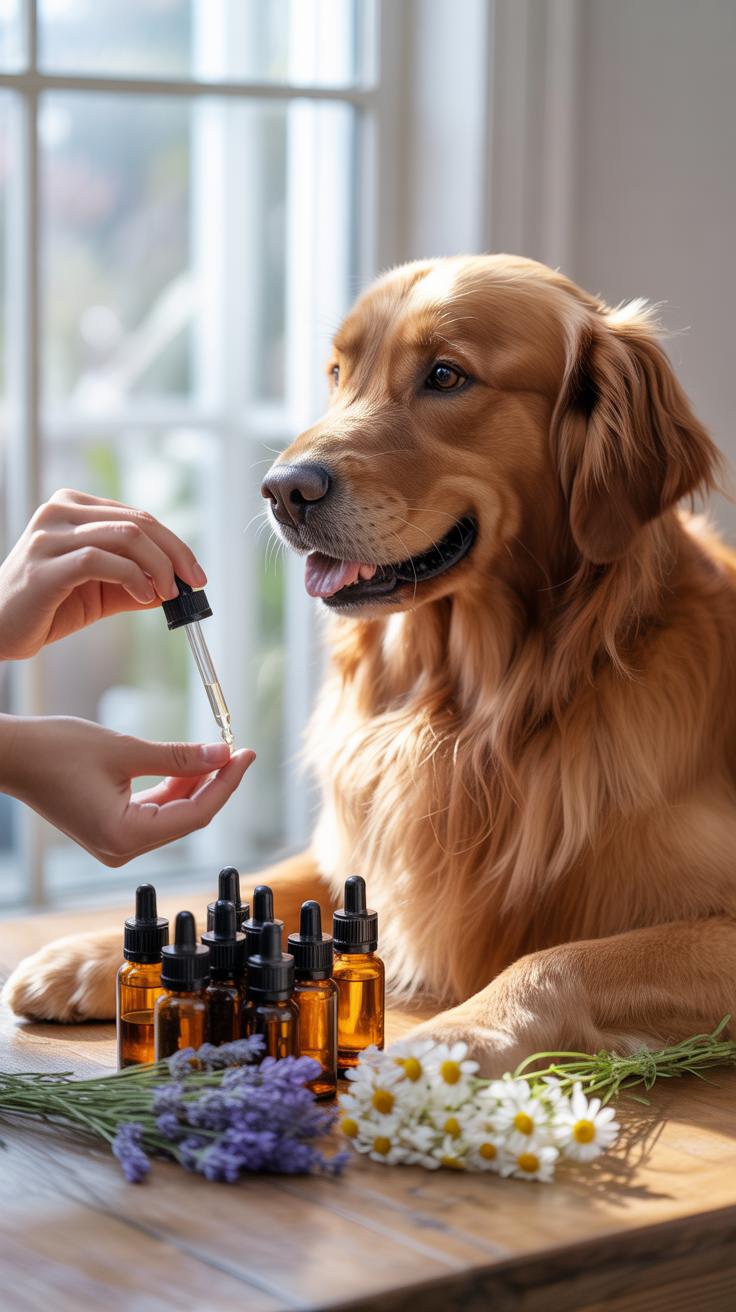
Standard human dilution ratios often reach five percent or higher for topical use. You must never apply these concentrations to a dog. Safe canine dilution typically requires a ratio of range zero point five percent to one percent. This equates to one or two drops of essential oil per tablespoon of carrier oil. Using higher concentrations increases the risk of organ toxicity and respiratory distress in your pet.
Topical Application Safety: Areas To Avoid And Carrier Oil Best Practices
Never apply essential oils to sensitive areas on a dog. Avoid the nose, eyes, ears, and genitals entirely. These regions have thinner skin and higher absorption rates. Dogs often lick their fur to groom themselves. Applying oils to the coat or paws can lead to accidental ingestion. Use the upper neck or back where the dog cannot reach to ensure the highest safety.

Always use a high quality carrier oil to dilute essential oils. Fractionated coconut oil, sweet almond oil, or jojoba oil work best for this task. These fats slow down the evaporation of the essential oil and lower the risk of skin irritation. Test a small patch of skin first to check for any redness or swelling. Stop use immediately if you notice the dog scratching or acting uncomfortable.
Your Dog Essential Oils Guide Consulting Your Vet Before You Start
What A Veterinarian Trained In Holistic Care Can Tell You About Aromatherapy
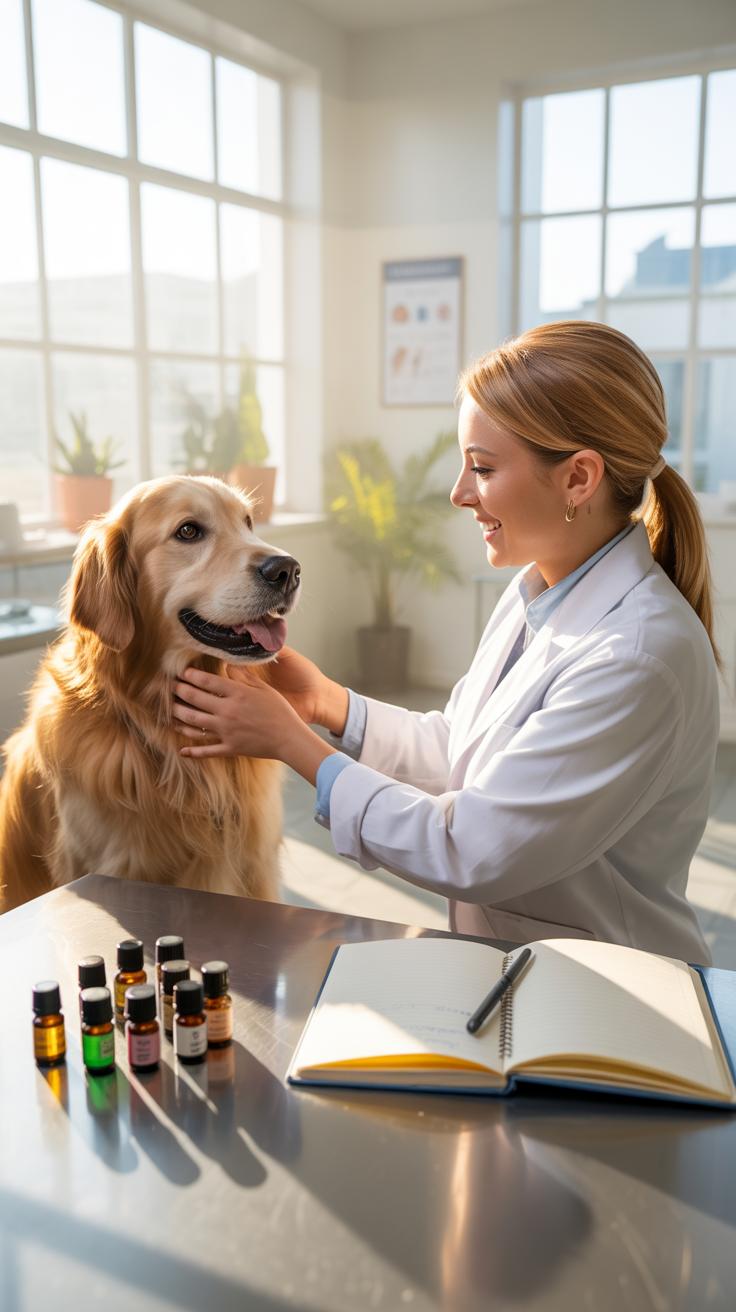
Holistic veterinarians understand the biology of your dog better than any blogger. They evaluate your pet based on weight, breed, and current health status. These experts identify specific essential oils that trigger adverse reactions in your dog. They also analyze how your dog processes chemical compounds through the liver. This professional insight prevents you from accidentally poisoning your pet with a toxic substance.
A trained vet provides exact protocols for safe oil application. They explain the difference between therapeutic use and simple environmental scenting. These professionals track your dog for signs of respiratory distress or skin irritation. They ensure any aromatherapy plan does not interfere with existing medications. Following their guidance eliminates guesswork and reduces the risk of long term organ damage in your canine.
Questions To Ask Your Vet Before Introducing Essential Oils Into Your Home
Ask your vet if specific oils interfere with your dog’s current prescriptions. Some essential oils change how the body absorbs medication. Inquire about the safest dilution ratios for your dog’s size. Small dogs have different tolerance levels than large breeds. Question the vet on which application method is safest for your home. You need to know if diffusing is better than topical use.

Request a list of warning signs that indicate an allergic reaction. Your vet should explain what neurological symptoms like lethargy or tremors look like. Ask for recommendations on reputable oil brands that provide third party testing. High purity prevents synthetic fillers from harming your pet. Confirm the location of the nearest emergency clinic that handles toxic substance exposure. Proper preparation saves precious time during a crisis.
Dog Essential Oil Safety Chart Reading Labels Purity And Quality Grades
How To Evaluate Essential Oil Purity And Why Synthetic Oils Pose Greater Risks
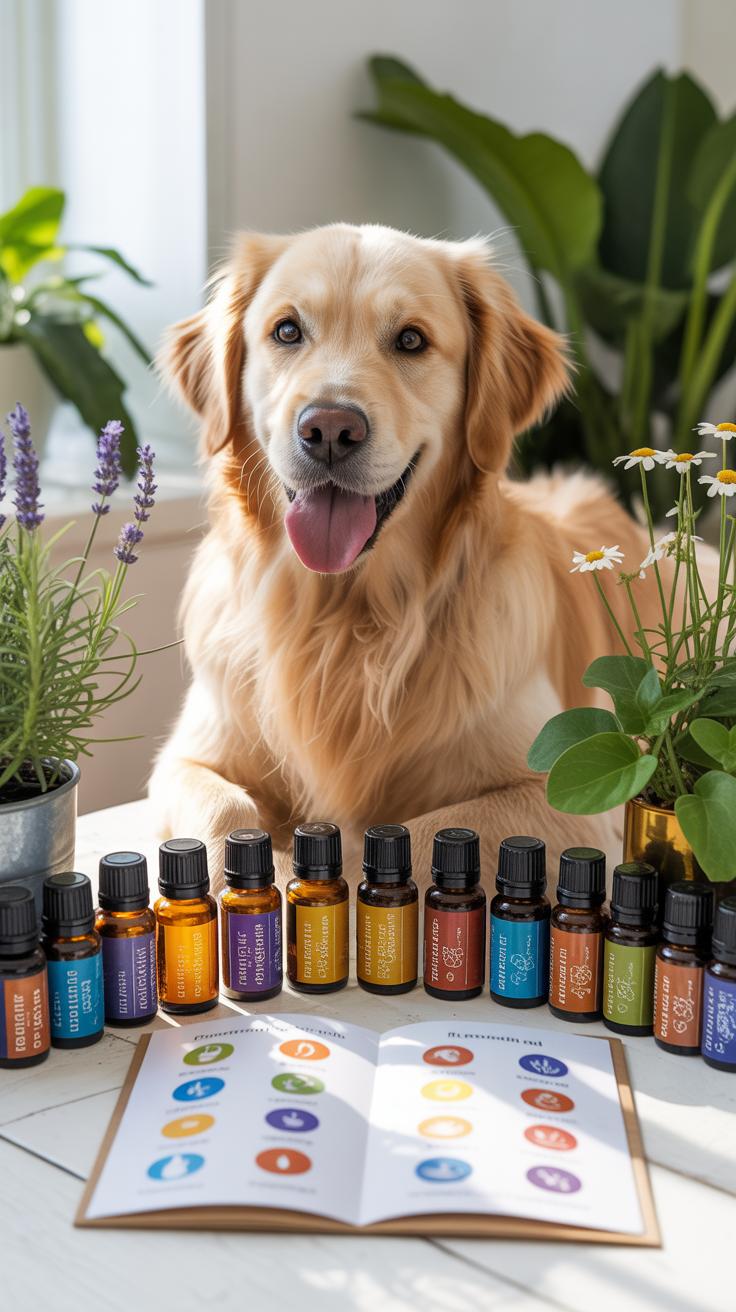
Pure essential oils come directly from plant matter through steam distillation or cold pressing. Cheap oils often contain synthetic fillers or chemical solvents to increase volume. These additives are toxic to dogs. A dog’s liver cannot process artificial fragrances or petrochemicals efficiently. This leads to toxic buildup in their bloodstream. You must verify that the label lists the Latin botanical name and the country of origin.
Synthetic oils pose a massive risk because they lack the complex chemical profile of real plants. Laboratory-made scents use phthalates to make the smell last longer. These chemicals disrupt a dog’s endocrine system and cause respiratory distress. Avoid any product labeled as fragrance oil or perfume oil. These are never safe for therapeutic use around animals. Only use oils that are certified organic and free from pesticides.
Understanding GC/MS Testing And What Pet Safe Quality Standards Actually Mean
Gas Chromatography and Mass Spectrometry testing identifies every chemical component in an oil. This test detects hidden contaminants like heavy metals or diluted carriers. Serious brands provide a batch-specific GC/MS report upon request. You need this report to ensure the oil contains no unexpected toxins. Without this data, you are guessing about the safety of the product. Data-driven sourcing is the only way to protect your pet.

Pet-safe quality standards do not officially exist through government regulation. The industry is self-regulated, which allows for misleading marketing terms like therapeutic grade. Ignore marketing buzzwords and look for third-party lab verification. Check for labels that specify the oil is non-sensitizing and lacks phenols. High phenol content is dangerous for canine liver health. Trust companies that prioritize transparency and provide full safety data sheets for every bottle.
Young Living Oils For Pets What The Brand Recommends And What Experts Caution
What Young Living’S Animal Scents Line Claims And How To Evaluate Those Claims
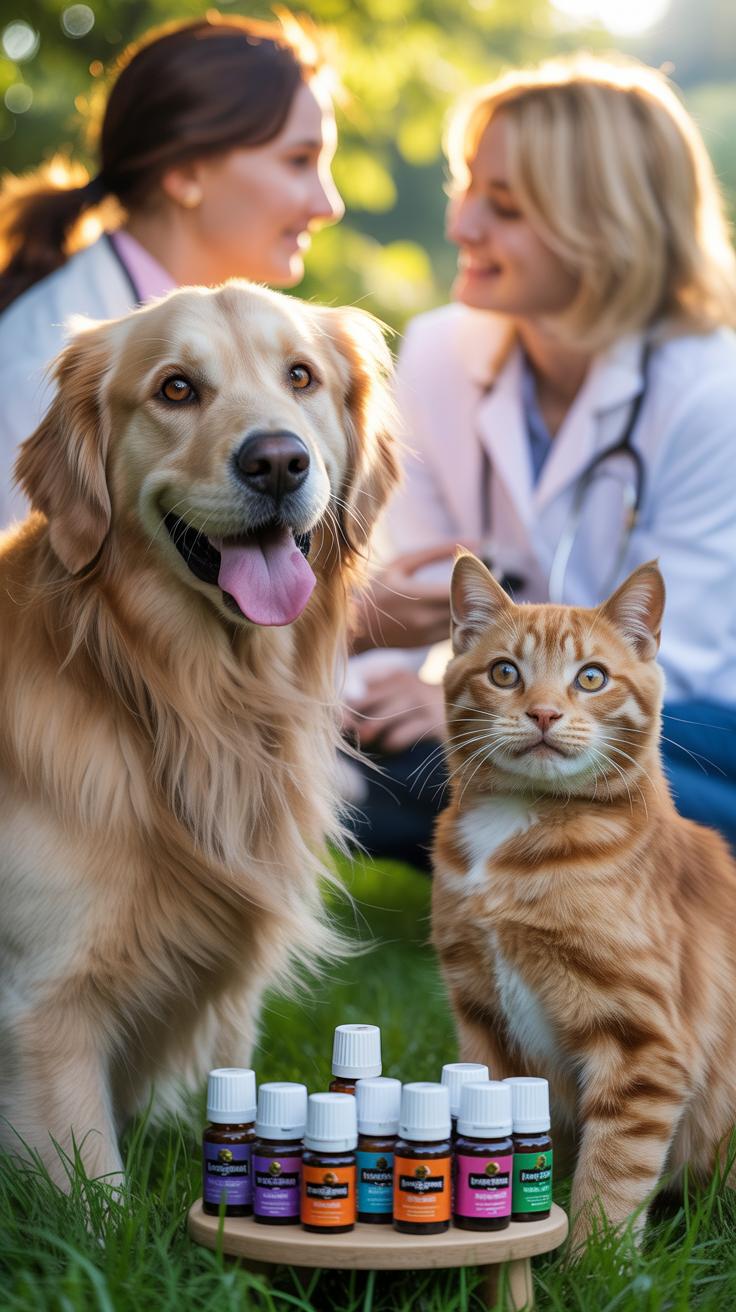
Young Living markets its Animal Scents line as a pre-diluted solution for direct pet application. The brand claims these blends use therapeutic grade oils specifically tailored for animal biology. They suggest using these products for skin support and emotional regulation in dogs and cats. The company emphasizes its Seed to Seal process to guarantee purity. This marketing targets owners seeking natural alternatives to clinical treatments.
Evaluate these claims by checking the specific dilution ratios on the label. Most commercial blends require further dilution for smaller animals or specific breeds. Purity does not equal safety in animal physiology. A high-quality oil can still cause toxic reactions if the plant species is naturally hazardous to pets. Never assume a brand name overrides basic toxicology. Always cross-reference ingredients against known animal irritants.
Independent Veterinary Perspectives On Branded Pet Essential Oil Products
Veterinary toxicologists remain skeptical of many branded pet oils. They argue that labels like therapeutic grade are internal marketing terms rather than medical certifications. Independent experts point out that cats lack the liver enzymes to process certain phenols found in these blends. Many veterinarians observe that direct application causes more harm than passive diffusion. They prioritize animal safety over brand loyalty or marketing promises.
Professional organizations like the ASPCA and various veterinary boards provide stricter guidelines than retail companies. They advise against using any oil on pets without a specific medical goal. Experts suggest that even diluted blends can cause respiratory distress or skin burns. Use caution when a product claims to be a universal solution for all species. Consult a vet who specializes in toxicology before starting any new oil regimen.
Frequently Asked Questions

Is it actually safe to use essential oils in a home with cats and dogs?
While many scents are calming for humans, some essential oils can be toxic to animals if inhaled or touched. This pet safe aromatherapy guide emphasizes that safety depends on the specific oil and the concentration used. Always choose high-quality, therapeutic-grade oils and avoid potent options like tea tree or peppermint, which can cause respiratory distress. When in doubt, prioritize your pet’s sensitive nose by providing plenty of ventilation.
How can I safely diffuse scents without overwhelming my pet’s senses?
To diffuse safely, use an ultrasonic diffuser in a large, open area and keep the device out of your pet’s reach. Never use a diffuser in a closed room where your pet cannot leave freely. According to our pet safe aromatherapy guide, you should start with just one or two drops of oil for short sessions. Observe your pet for signs of lethargy, drooling, or sneezing, and stop immediately if they seem uncomfortable.
Do I need to buy expensive high-end equipment to enjoy pet-safe scents?
You don’t need a luxury budget to maintain a fragrant, animal-friendly home. Passive diffusion is an affordable and safe alternative; simply placing a few drops of pet-safe lavender on a terra cotta disk or a cotton ball kept far out of reach can provide a subtle scent. Hydrosols are another budget-friendly, water-based option that is much gentler than concentrated oils, making scent therapy accessible for every pet owner’s wallet.