Understanding Pet Wellness What It Really Means For Dog Parents
The Pillars Of Pet Wellness Every Dog Parent Should Know
Pet wellness relies on three core pillars: nutrition, movement, and medical prevention. Nutrition provides the chemical foundation for every biological process in the dog. High-quality proteins and fats fuel daily activities and support the immune system. Movement keeps muscles strong and prevents obesity, which leads to chronic joint pain. Medical prevention involves regular screenings to detect internal issues before they turn into costly emergencies.
Total wellness requires a proactive mindset rather than a reactive one. Owners must monitor weight, dental health, and coat condition every week. Small changes in these areas often signal underlying health problems. Tracking these metrics allows for early intervention and better long-term outcomes. Consistency in these areas reduces the lifetime cost of care. It ensures the animal maintains a high quality of life throughout its senior years.
How Physical, Mental, And Emotional Health Connect In Pets
Physical exertion directly influences a dog’s mental state. A dog that lacks exercise often develops anxiety or destructive behaviors. This happens because pent-up energy forces the brain into a state of high arousal. When you provide physical outlets, the brain releases endorphins that stabilize the animal’s mood. Physical health is the primary driver of behavioral stability. Without it, training and emotional bonding become nearly impossible.
Emotional health depends on mental stimulation and environmental enrichment. Brain games and scent work satisfy natural predatory instincts. This mental labor tires a dog as much as a mile-long run. When a dog feels mentally satisfied, its stress hormones drop. This creates a calm animal that can handle new environments. You cannot isolate one aspect of health from the others. They function as a single, integrated system for the animal.
Outdoor Adventures That Support Healthy Pets And Happy Bonds
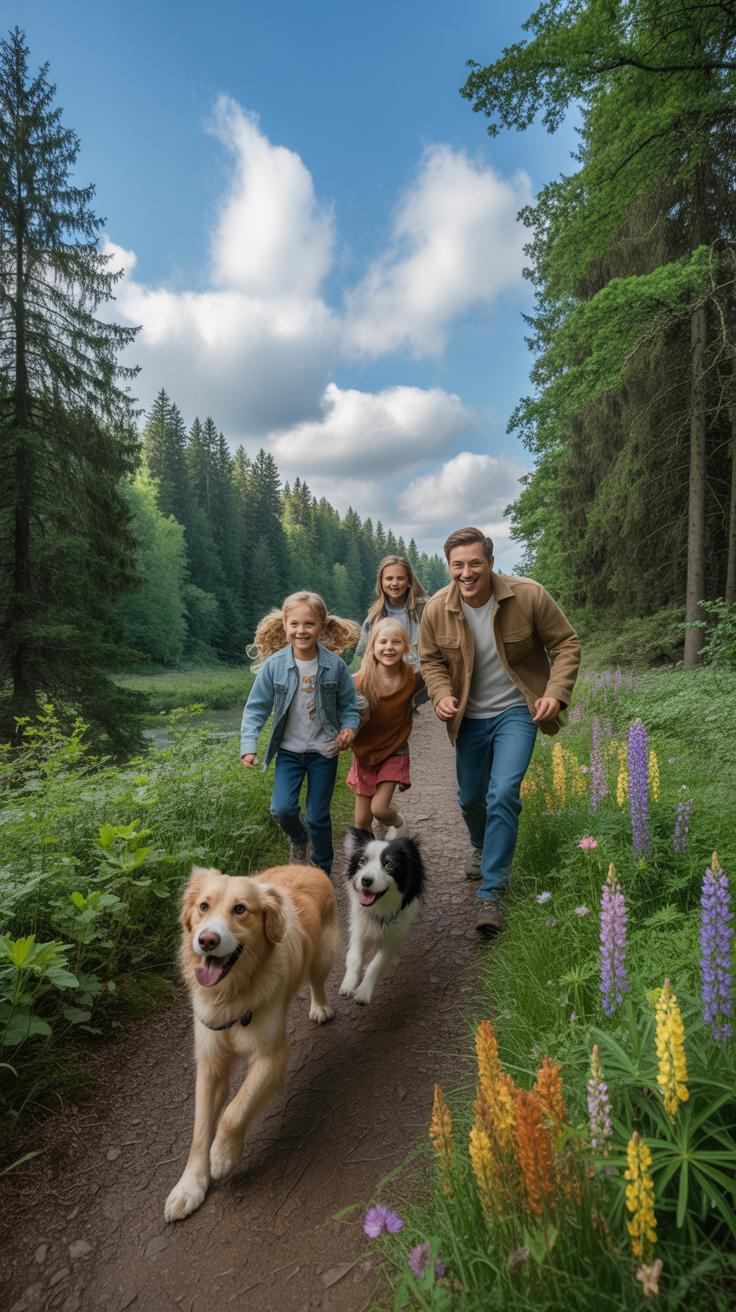
Trail Hiking And Nature Walks: Fresh Air Benefits For You And Your Dog
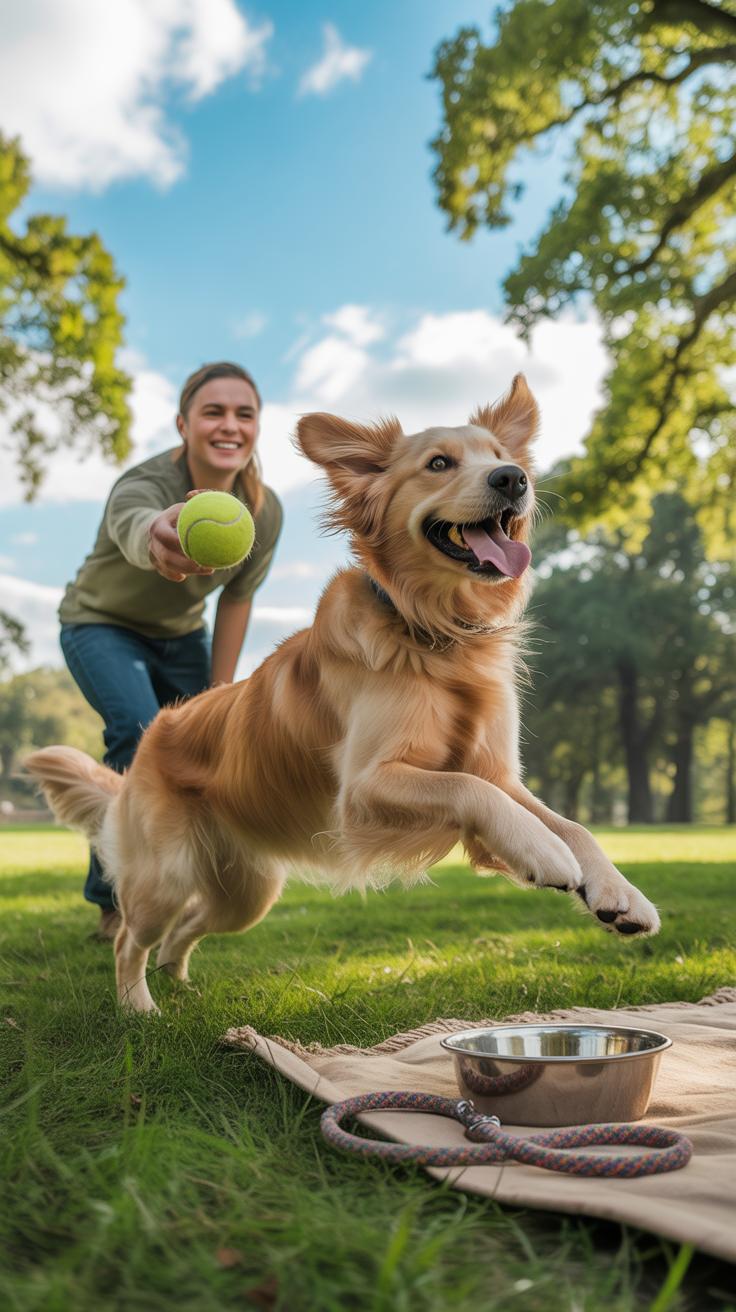
Hiking provides intense sensory stimulation for dogs through varied terrain and new scents. This activity builds cardiovascular endurance and strengthens muscle groups not used during sidewalk walks. Nature trails often feature natural obstacles like downed logs or incline changes. These elements improve a dog’s proprioception and balance. Fresh air increases oxygen flow to the bloodstream and helps regulate metabolic functions for both species.
Strategic trail selection ensures safety and maximum health gains. Check local regulations for leash laws to avoid fines and potential wildlife conflicts. Pack essential supplies like collapsible bowls and extra water to prevent dehydration. Dogs lack efficient cooling systems and rely on panting to regulate heat. Consistent movement on soft soil reduces joint impact compared to asphalt. Regular weekend hikes establish a steady routine that prevents obesity.
There is no psychiatrist in the world like a puppy licking your face. A weekend spent in the quiet company of a pet heals the soul in ways words cannot.
Swimming And Water Play: A Low Impact Exercise For Dogs Of All Ages
Swimming offers a high resistance workout while providing total buoyancy for the skeletal system. Water supports the dog’s weight and eliminates the jarring impact of hard surfaces. This makes it an ideal exercise for senior pets or those with joint issues. Ten minutes of swimming equals roughly one hour of running for calorie burn. It builds heart health without risking bone or ligament strain.
Always supervise water activities to prevent exhaustion or accidental submersion. Use a pet life jacket for safety even if the dog is a strong swimmer. Rinse the dog with fresh water after the session to remove chlorine or salt. These chemicals can irritate the skin and dry out the coat. Check for blue-green algae in ponds before entry as it is toxic to animals. Fast drying prevents bacterial growth.
Dog Enrichment Ideas To Stimulate Your PetS Mind On Weekends
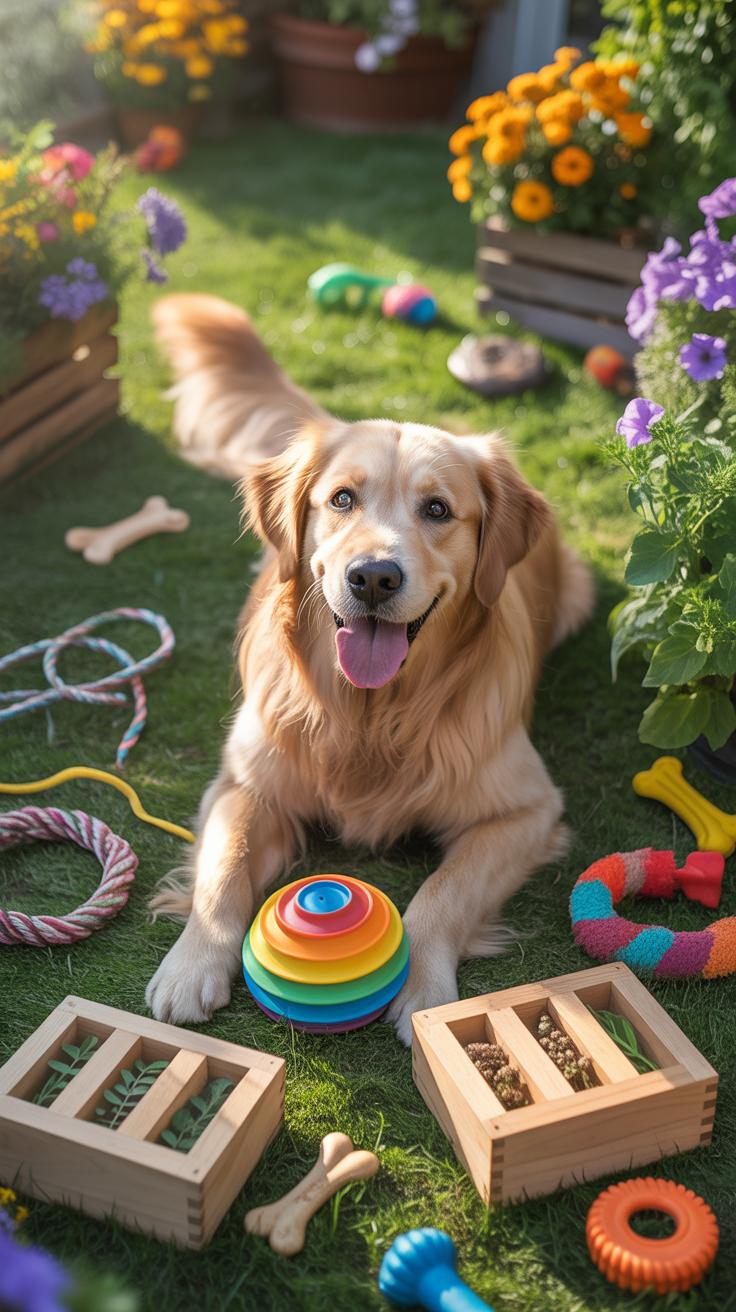
Scent Work And Nose Games: Tapping Into Your Dog’S Natural Instincts
Dogs possess up to 300 million olfactory receptors in their noses. This makes scent work a high-yield mental exercise. You create a search grid using cardboard boxes or household furniture. Hide high-value treats or specific essential oils like birch or anise inside these objects. This activity mirrors natural foraging behaviors. It forces the dog to use its brain to solve complex spatial and sensory problems.
Weekend sessions allow for longer, more focused scent trails. Start with easy wins to build the dog’s confidence. Increase the difficulty by hiding items at different heights or in outdoor environments with competing smells. This practice lowers cortisol levels and provides deep mental exhaustion. It is more effective than physical walking for high-energy breeds. Focus on the search process rather than the final reward to sustain long-term engagement.
Puzzle Feeders And Interactive Toys That Make Mealtime More Engaging
Traditional bowl feeding wastes a prime opportunity for cognitive development. Interactive feeders require dogs to push, flip, or slide components to access kibble. This mimics the work required to find food in the wild. Use rubber stuffable toys or plastic sliding boards to slow down consumption. Slower eating improves digestion and prevents bloat. It turns a sixty-second meal into a twenty-minute problem-solving session that builds patience.

Switch between different types of puzzles to prevent the dog from mastering the mechanics too quickly. Difficulty levels must match the dog’s current skill to avoid frustration. Use frozen wet food or peanut butter in hollow toys to increase the duration of the task. This tactical approach to feeding reduces separation anxiety and destructive chewing. Consistent use on weekends stabilizes the dog’s routine and provides necessary mental stimulation without extra calories.
Fun Dog Games You Can Play Together Without Leaving Home
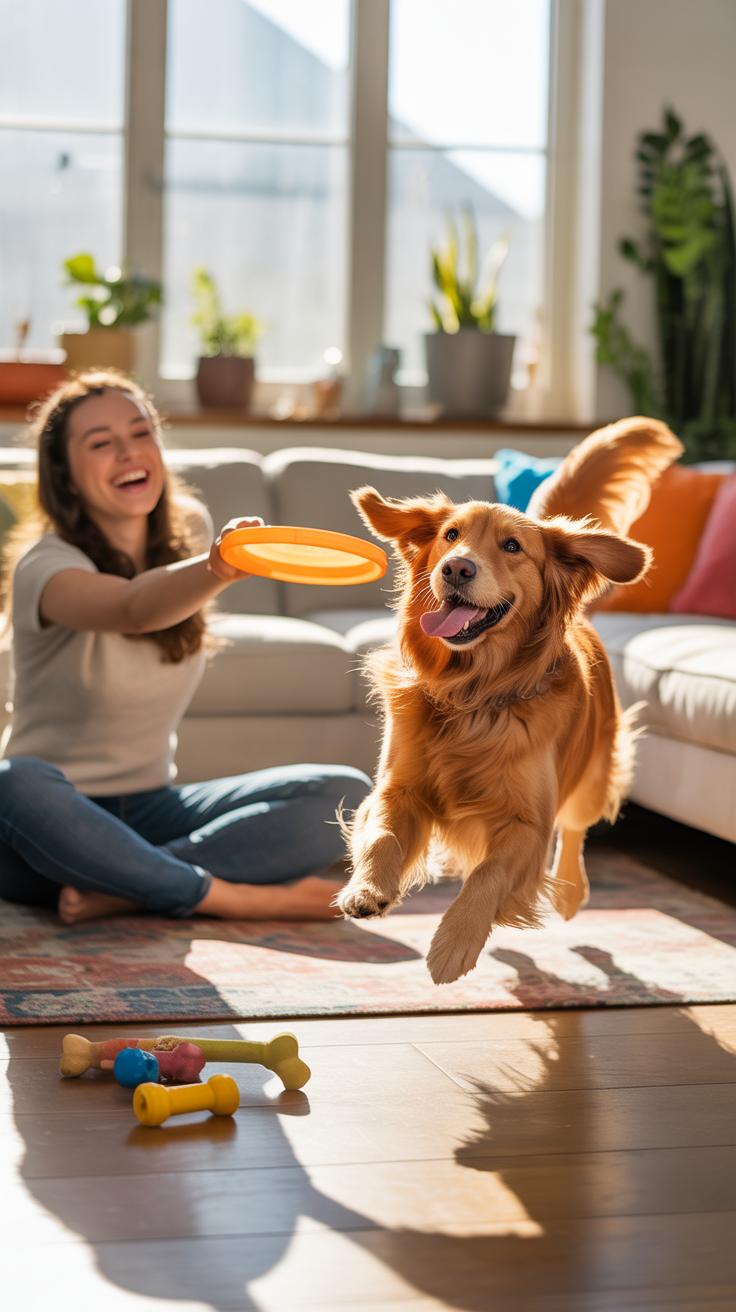
Indoor Fetch, Tug Of War, And Hide And Seek Variations For Active Dogs
Indoor fetch requires soft toys and long hallways to prevent injury. Clear the floor of rugs and obstacles to provide traction. Use flat tosses to keep the dog from jumping into low ceilings or furniture. High intensity bursts provide necessary physical exertion when outdoor weather is poor. Limit sessions to fifteen minutes to avoid overheating. Monitor paw pads for friction burns on carpeted surfaces.
Tug-of-War builds muscle and reinforces obedience through specific release commands. Use sturdy rope toys or fire hose materials for durability. Hide-and-seek develops scenting skills and mental focus. Start by hiding in plain sight and move to complex loding spots behind doors or curtains. Reward the find immediately with high value treats. These games tire the brain and the body simultaneously without needing massive square footage.
Backyard Agility Courses: Simple Setups That Build Confidence And Coordination
Constructing a backyard course improves canine proprioception and handler communication. Use household items to mimic professional competition equipment. Set heights based on the size and age of your dog to prevent joint strain. These drills build confidence by forcing the animal to navigate unfamiliar tactile surfaces. Keep the layout logical to maintain speed and safety during the execution of the weekend pet wellness activities.
- PVC Pipe Jumps: Build adjustable hurdles using lightweight plastic pipes and joints. Set the crossbar low enough to ensure the dog clears it without hitting their joints. This tool improves hind leg strength and vertical coordination during high energy training sessions.
- Plywood Weave Poles: Space vertical stakes exactly twenty four inches apart in a straight line. Guide the dog through the poles using a lure or hand signal. This movement increases spinal flexibility and reinforces the discipline required for complex directional changes.
- Pop-up Tunels: Use collapsible nylon tunnels to teach dogs to move through enclosed spaces confidently. Start with the tunnel compressed short so they can see the exit clearly. Gradually expand the length as the dog becomes comfortable with the restricted visual environment.
- Step Stool Pause Table: Utilize a stable platform or low garden bench as a temporary pause table. Command the dog to sit or stay on the elevated surface for five seconds. This exercise develops impulse control and tests the dog’s ability to settle during high excitement.
- Hula Hoop Ring Jumps: Hold a plastic hoop upright just off the ground for the dog to pass through. Increase the height incrementally as their confidence grows. This drill focuses on target precision and helps the dog learn to take direction from specific hand movements.
Safety remains the primary concern when using DIY equipment in the backyard. Inspect every item for sharp edges or loose parts before starting the session. Ensure the grass is dry to prevent slips during sharp turns. Always end the activity while the dog still has energy left. This strategy creates a positive association with the training and ensures the dog looks forward to future weekend sessions.
Puppy Care Weekends Building Healthy Habits From An Early Age
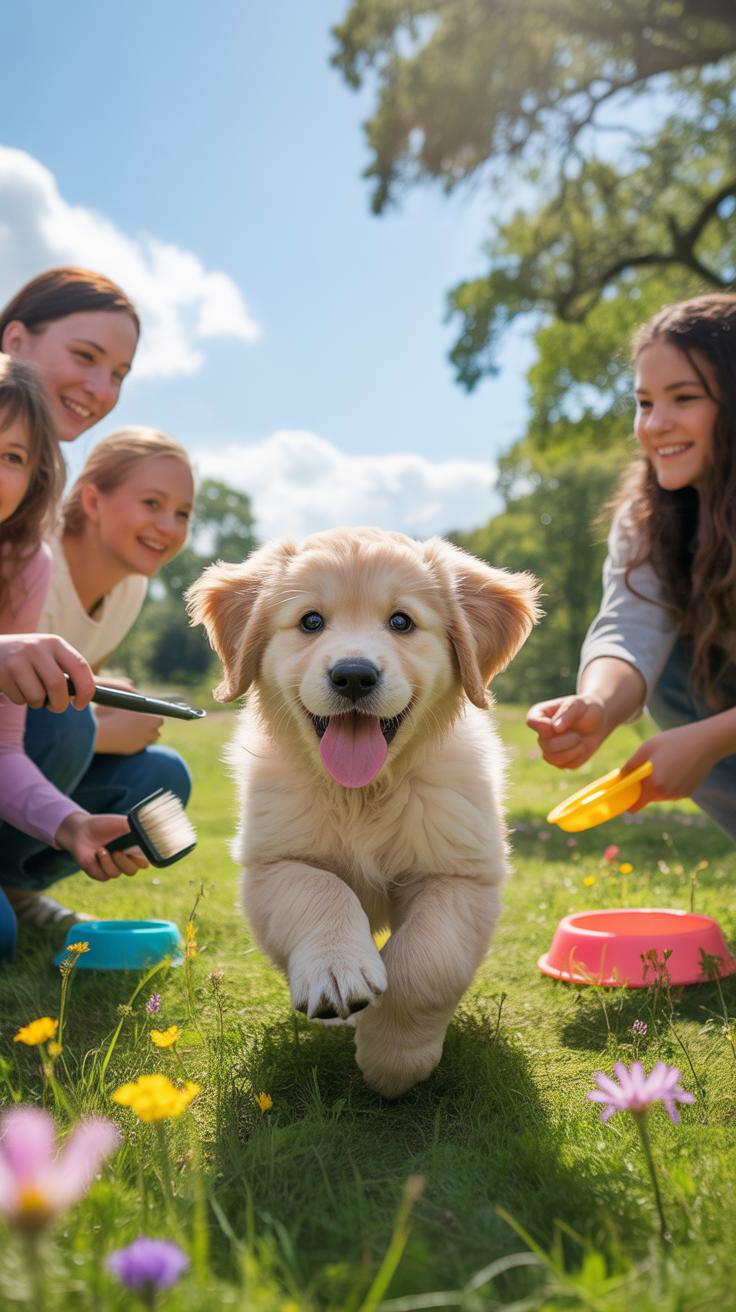
Socialization Outings And Sensory Exposure For Young Puppies
Puppy socialization must occur during the critical window between three and sixteen weeks of age. Weekend outings provide controlled exposure to various surfaces like gravel, grass, and pavement. You must introduce the puppy to different sounds and sights without overstimulating them. Proper exposure prevents future anxiety and aggression. Use these sessions to build confidence in new environments while the brain remains highly plastic.
Carry your puppy in public areas if they lack full vaccinations to avoid parvovirus risks. Focus on neutral observations of cars, bicycles, and people. Keep sessions short to prevent mental fatigue. High quality treats reinforce positive associations with strange stimuli. You are training the animal to remain calm when faced with novelty. This strategic foundation reduces the likelihood of expensive behavioral intervention in the future.
Gentle Training Sessions That Strengthen The Puppy Owner Relationship
Short training blocks focus on basic commands and impulse control. Use five minute increments to match the short attention span of a young dog. Positive reinforcement shapes desired behaviors like sitting or staying. You establish a clear communication loop during these weekend sessions. This consistency builds trust and clarifies expectations for the animal. Focus on rewarding the specific moment the puppy performs the correct action.

Gentle handling exercises prepare the puppy for future veterinary exams and grooming. Touch their paws, ears, and tail frequently during the weekend. This desensitization reduces stress during medical visits. You are building a cooperative relationship rather than a reactive one. Consistent praise and rewards solidify the bond between owner and pet. Solid basic training prevents common household destruction and improves the long term quality of life.
Dog Therapy Activities That Calm Comfort And Reconnect
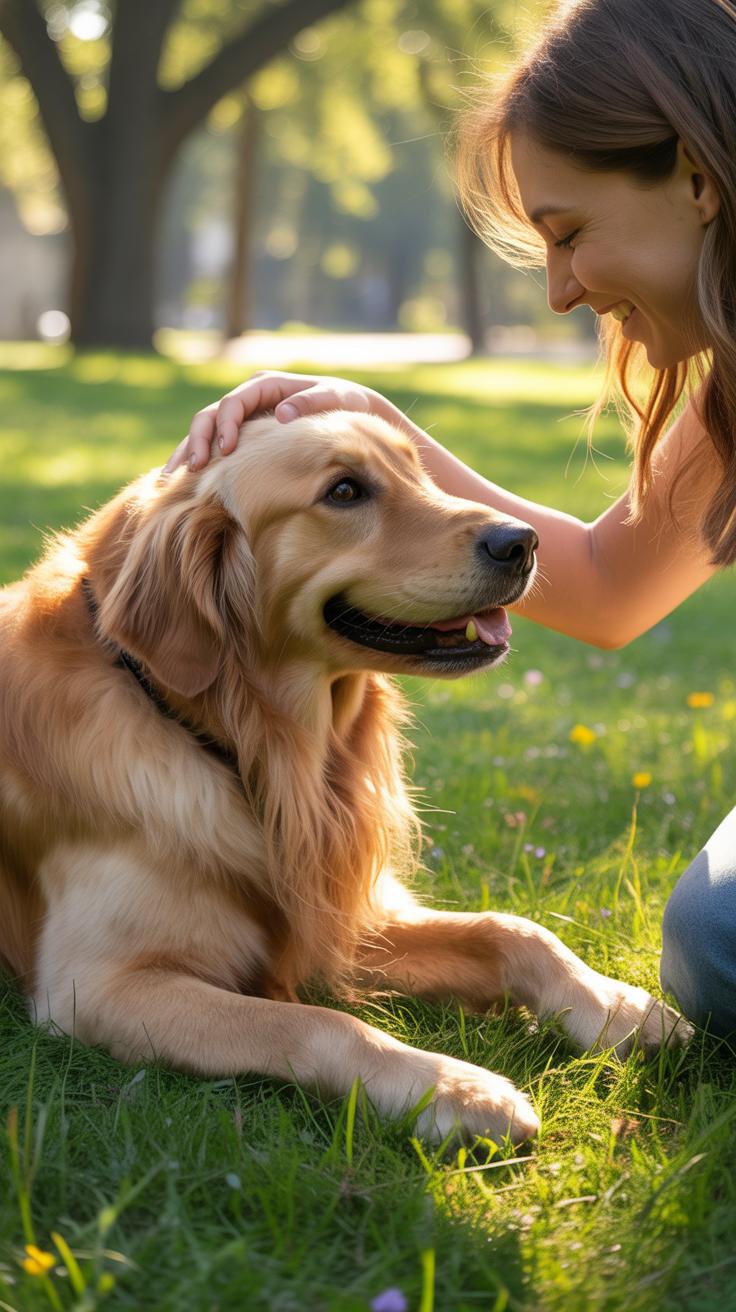
Massage And Gentle Stretching: The Science Behind Canine Relaxation
Massage techniques for dogs focus on the parasympathetic nervous system. Soft tissue manipulation reduces cortisol levels and increases serotonin. You should use the flat of your hand to apply rhythmic pressure along the spinal muscles. This action improves blood circulation and assists lymphatic drainage. Consistency helps manage chronic joint stiffness and lowers resting heart rates. It creates a physical feedback loop that builds trust.
Gentle stretching improves the range of motion in aging dogs. Focused movements on the hips and shoulders prevent muscle atrophy and maintain flexibility. You must never force a limb beyond its natural resistance. Hold each stretch for several seconds to allow the muscle fibers to lengthen safely. This practice reduces the risk of injury during high-energy weekend play. Proper technique ensures the dog remains mobile and pain free.
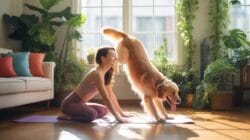
Doga And Mindful Movement: Practicing Yoga With Your Dog On Weekends
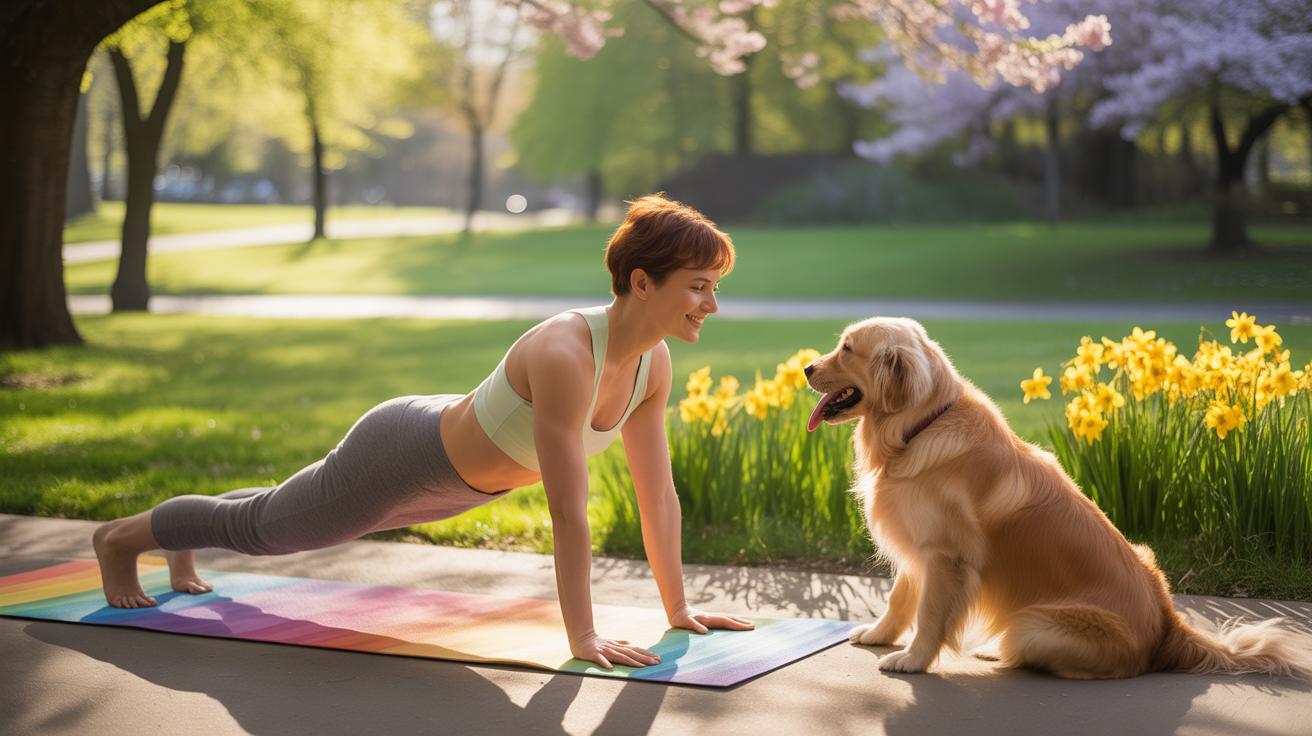
Doga integrates canine massage and stretching with human yoga poses. This practice focuses on shared energy and synchronous breathing. You perform traditional postures while your dog rests nearby or participates in assisted stretches. It removes distractions and forces a state of calm for both species. Practitioners use this time to observe the dog for physical abnormalities or changes in temperament. It serves as a preventative health check.
Successful weekend sessions require a quiet environment and a non-slip surface. You mirror the natural movements of your dog to foster a deeper connection. This activity lowers blood pressure in humans and reduces anxiety in high-energy breeds. It teaches the dog to remain relaxed in a stationary setting. Use slow transitions between poses to maintain a peaceful atmosphere. Strategic movement strengthens the bond between owner and pet through silent communication.
Embracing The Therapy Dog Aesthetic Wellness Through Connection And Calm
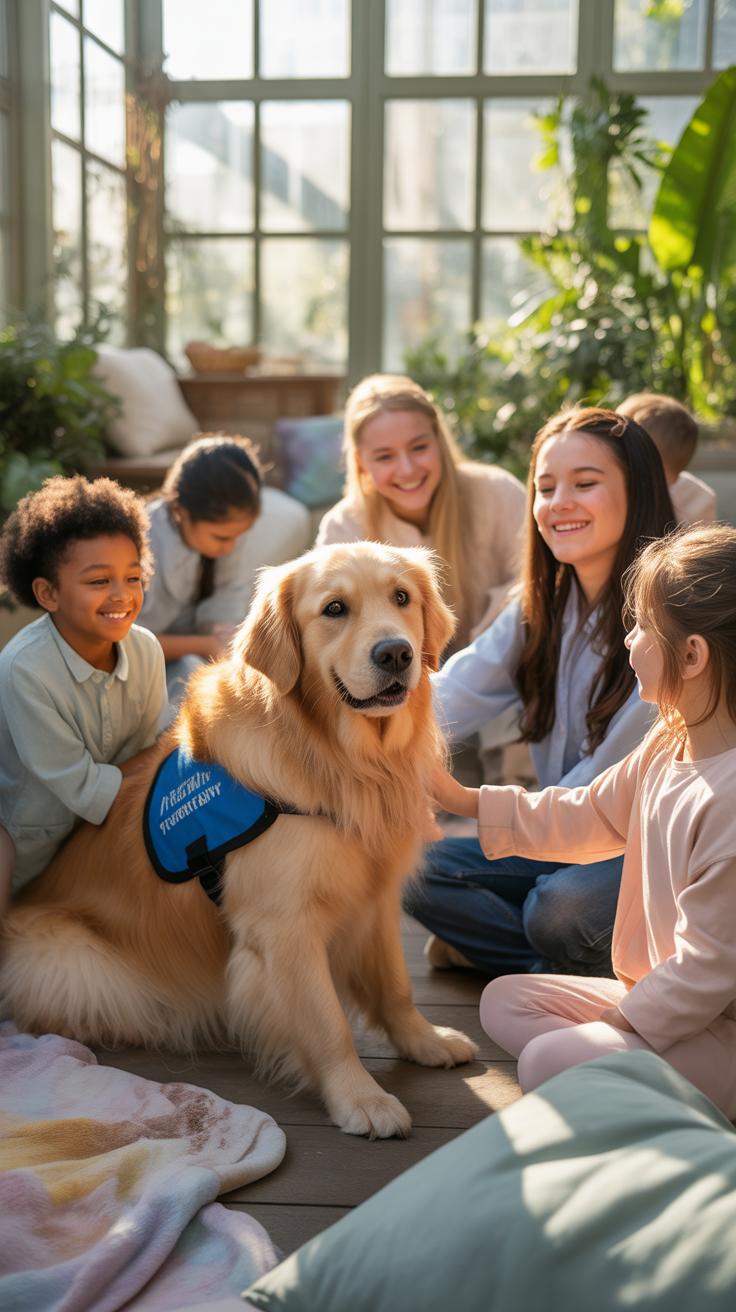
What The Therapy Dog Lifestyle Looks Like In Everyday Pet Ownership
The therapy dog lifestyle focuses on emotional regulation and social stability. It mirrors the training standards of formal animal assisted interventions without the certification requirement. Owners prioritize calm temperaments and predictable responses. This approach builds a deep bond through shared silence and low impact movement. You must focus on your pets body language to succeed. High energy play takes a backseat to structured relaxation.
Practicing this lifestyle means your pet becomes a partner in stress reduction. You integrate your dog into quiet weekend routines like reading or light stretching. This shift reduces cortisol levels for both species. It requires consistent behavioral boundaries and a commitment to stillness. You are not just owning a pet. You are managing a shared emotional state. This tactical focus ensures long term mental health benefits for everyone.
Creating A Calming Home Environment That Supports Dog Therapy At Home
Design your living space to minimize sensory overload for your pet. A therapy centric home uses neutral colors and soft textures to lower arousal levels. You must remove loud visual clutter and sharp noises. This creates a sanctuary for recovery and rest. High traffic areas should remain clear to prevent startle responses. Effective design choices directly influence the nervous system and promote immediate physical relaxation.
- Visual Minimalism: Reduce bright colors and flashing lights in common areas. Busy patterns can overstimulate a dogs visual field. Clear surfaces help the animal focus on human interaction rather than environmental distractions.
- Acoustic Management: Use heavy rugs and curtains to dampen sudden sounds. Hardwood floors bounce noise and increase anxiety in sensitive pets. Soft materials absorb sound waves and provide a stable auditory baseline for deep sleep.
- Dedicated Den Spaces: Provide a covered crate or a tucked away corner. Dogs descend from den dwelling ancestors and feel safest with three solid walls. This private zone allows the pet to self regulate during noisy weekend visitors.
- Tactile Material Logic: Select natural fibers like cotton or wool for bedding. Synthetic materials can trap heat and cause physical discomfort. Breathable fabrics ensure the dog stays cool while resting for long periods during therapy sessions.
- Predictable Lighting: Utilize warm dimmable lights in the evening. Harsh blue light disrupts the circadian rhythms of both humans and canines. Soft amber tones signal the brain to produce melatonin and prepare for a night of restorative rest.

Strategic aromatherapy and air filtration further enhance this environment. Use high quality HEPA filters to remove dander and dust that irritate respiratory systems. Controlled scents like lavender or chamomile can lower heart rates if used sparingly. Ensure all cleaners are odor free to respect the dogs superior sense of smell. A clean air environment reduces physical stress and supports the overall wellness mission.
Nutrition And Rest The Often Overlooked Pillars Of Weekend Dog Enrichment
Wholesome Weekend Treat Recipes That Complement An Active Lifestyle
High intensity weekend activities demand targeted recovery nutrition. Dogs burning extra calories through hiking or swimming require proteins and healthy fats to repair muscle tissue. Use simple ingredients like plain Greek yogurt, pumpkin puree, and lean meats. Avoid added sugars, salts, or xylitol which cause systemic inflammation or toxic reactions. Preparation takes minutes. These snacks provide immediate energy without the fillers found in commercial processed treats.
Tactical nutrition supports metabolic health during weekend spikes in physical exertion. Dehydrated sweet potato slices offer complex carbohydrates for sustained energy release. Blueberries provide antioxidants that combat oxidative stress caused by heavy exercise. Always integrate these whole foods into their daily caloric limit to prevent weight gain. Simple recipes ensure you control exactly what enters the animal’s system. Clean fuel results in better performance and faster recovery times.
Why Rest And Recovery Days Are Just As Important As Active Play For Dogs
Overtraining leads to physical injury and mental burnout in dogs. Muscles require time to repair small tears caused by strenuous weekend treks. Without downtime, dogs face increased risks of ligament strains and joint fatigue. Rest allows the central nervous system to reset after high stimulation environments. Strategic stillness is a vital part of a wellness plan. It prevents chronic stress and keeps the animal ready for future tasks.

Rest days serve a psychological purpose by lowering cortisol levels. Constant activity overstimulates the dog and creates an inability to settle properly indoors. Provide a dedicated quiet space with supportive bedding to encourage deep sleep cycles. Sleep is when the body focuses on immune function and cellular repair. Domestic dogs need fifteen hours of rest daily. Balancing high output with total relaxation ensures long term mobility and a stable temperament.
Frequently Asked Questions

What are some simple ways to start a wellness routine with my pet?
Getting started is easier than you think. Begin by incorporating mindful movement into your mornings, such as a gentle stretch or a dedicated quiet walk where you focus on the environment together. These weekend pet wellness activities don’t require fancy equipment; they simply prioritize quality bonding time. By slowing down and observing your pet’s natural pace, you create a calming atmosphere that benefits both your mental health and their overall happiness.
How can I create a spa-like relaxation experience for my dog or cat at home?
To set the scene, dim the lights and play some soft, ambient music to mask outside noise. Begin with a gentle desensitizing massage or a calming grooming session using a soft-bristled brush. This is one of the most effective weekend pet wellness activities for reducing stress. Focus on areas they enjoy being touched, like the base of the ears or chin, ensuring the environment remains peaceful and free from distractions for maximum relaxation.
Are there affordable ways to enjoy wellness activities if I have a limited budget?
Absolutely! Wellness doesn’t have to be expensive. Many of the best activities are completely free, such as exploring a new local hiking trail, practicing “doga” (dog yoga) in your living room, or creating a DIY sensory garden in your backyard. You can also engage their minds with homemade puzzle toys using recycled cardboard. Focus on shared experiences and enrichment rather than pricey gadgets to boost your pet’s well-being without breaking the bank.