What Is Dog And Yoga Understanding The Practice Before You Begin
The Origins And Rise Of Practicing Yoga With Your Dog
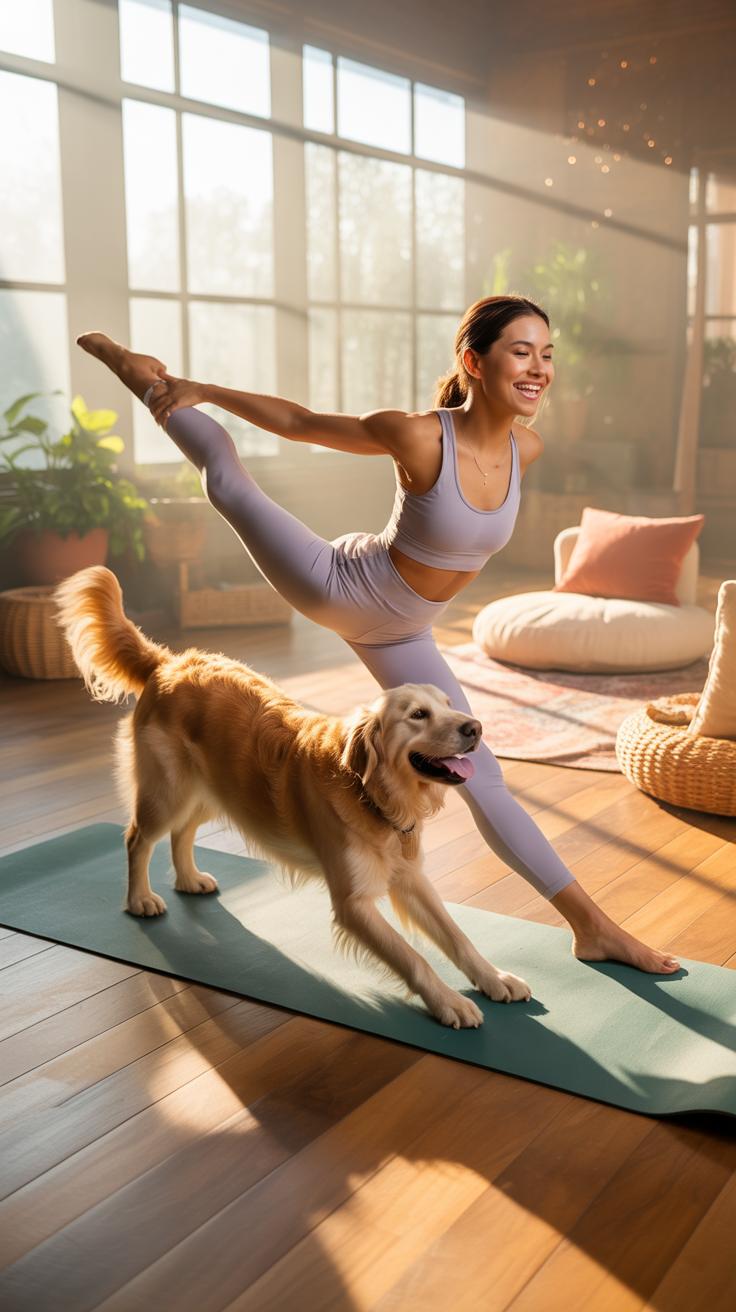
Yoga with dogs originated in the early 2000s in the United States. Suzi Teitelman created the initial structured classes in Jacksonville, Florida. She noticed her pet naturally moved onto her mat during her personal practice. This observation led to a formal system that combines canine behavior with human movement. It quickly spread through urban wellness centers as a way to enhance the human-animal bond.
The practice gained global traction due to the rise of social media and pet wellness trends. It officially became known as Doga. Practitioners view it as an extension of the broader animal-assisted therapy movement. It addresses the modern need for stress reduction in both humans and domestic animals. This discipline does not force animals into unnatural shapes. Instead, it creates a shared space for calm interaction and physical stretching.
How Dog And Yoga Differs From A Traditional Solo Yoga Session
Traditional yoga focuses on internal alignment and singular concentration. In a solo session, silence and isolation are the primary tools for mindfulness. You control every variable on your mat. There are no external distractions or unpredictable movements. The goal is personal mastery of poses and breath. You do not have to worry about the needs or reactions of another living creature during the workout.
Yoga with a dog shifts the focus to external synchronization and cooperative energy. You must account for your pets weight and movement during every pose. The animal acts as a living prop or a partner rather than a distraction. Balance becomes more difficult because of the shifts in your center of gravity. This practice requires constant observation of your pets body language. It turns a solitary exercise into a social engagement.

The Physical Yoga With Your Dog Benefits For Human Practitioners
How Sharing A Practice Improves Your Flexibility, Balance, And Core Strength
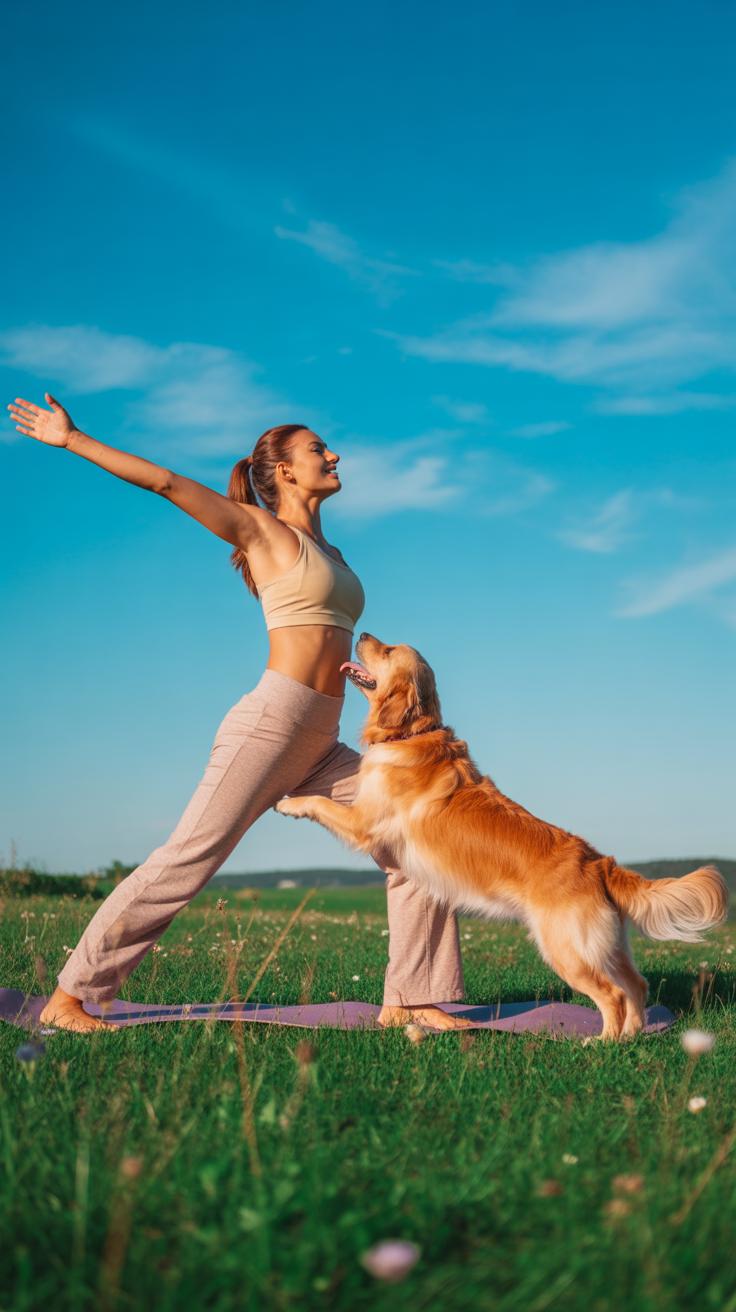
Practicing yoga with a dog forces you to adapt your movements to a living obstacle. This unpredictability strengthens your core stabilizing muscles more than static floor work. When you move around a pet, you engage smaller muscle groups to maintain your center of gravity. You also hold poses longer while interacting with your animal. This extended time under tension increases overall muscular endurance.
Weight bearing exercises change when you incorporate your dog into specific lifts or stretches. Assisting a small dog into a pose or bracing against a large dog adds functional resistance. This resistance training improves bone density and joint stability over time. You gain better proprioception because you must remain aware of your body and the dog simultaneously. Constant micro-adjustments during the session lead to superior balance.
There is no better way to find your center than to match your breath with the quiet, faithful rhythm of your dog by your side. In each stretch shared together, two souls become one in a peaceful dance of unspoken love.
Why The Lighthearted Nature Of Yoga Dog Sessions Keeps You Consistent
Traditional yoga often feels rigid or intimidating to beginners. Adding a dog removes the pressure of perfection and replaces it with shared activity. You are more likely to roll out your mat when your pet anticipates the routine. Dogs crave habit and will prompt you to start the session. This external accountability ensures you hit your weekly movement goals without relying on fleeting willpower.
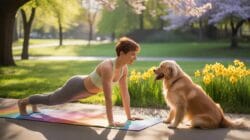
High cortisol levels often lead to skipped workouts due to mental fatigue. Interacting with a dog during exercise lowers these stress markers immediately. You associate the physical exertion with positive social bonding instead of a difficult chore. This shift in perspective builds a long-term habit that is difficult to break. You stay consistent because the practice provides both physical relief and genuine emotional satisfaction every single day.
Mental Health And Emotional Rewards Of Dog Yoga For Humans
How Canine Companionship During Practice Lowers Stress And Cortisol Levels
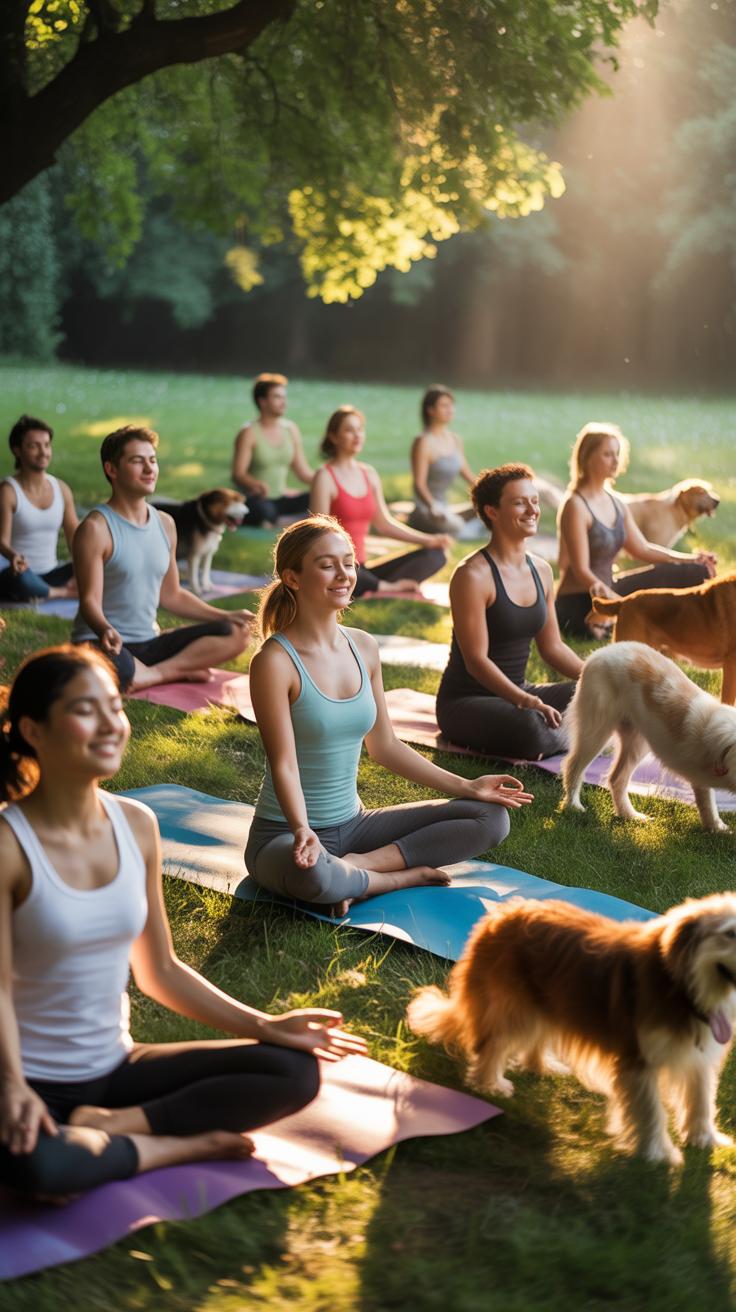
Physical contact with a dog during yoga triggers the immediate release of oxytocin in the brain. This hormone acts as a natural buffer against psychological stress. Research indicates that petting an animal reduces cortisol levels and lowers blood pressure. When you integrate your dog into a yoga flow, you create a physiological feedback loop that actively suppresses the sympathetic nervous system and its fight or flight response.
Regular practice with a pet stabilizes the heart rate and improves emotional regulation. The presence of a calm animal provides a grounding effect that helps focus the mind on the present moment. This proximity reduces feelings of isolation and anxiety often felt during solitary exercise. Consistent sessions reinforce a sense of security and safety. By lowering chemical stress markers, dog yoga serves as a tactical tool for long term mental health maintenance.
Dog Yoga Inspiration: Why Practicing With Your Pet Deepens Mindfulness
Dogs exist in a state of constant presence that humans often struggle to achieve. By observing a dog during yoga, practitioners learn to mirror this natural state of being. The animal does not worry about the past or future. It focuses purely on movement and breath. Aligning your rhythm with theirs forces you to drop distractions. This shift in perspective turns a standard workout into a deep mindfulness exercise.

Practicing with a pet eliminates the pressure of perfectionism. Dogs do not judge your form or flexibility. This lack of judgment creates a safe space for you to explore difficult poses without ego. You become more aware of your body and its limitations when you focus on the bond instead of the result. This shared experience creates a deeper connection. It transforms the yoga mat into a zone of pure intentionality and focus.
How Dog Yoga Benefits Your Canine Companion Too
The Calming Effects Of Yoga For Dogs And What The Research Suggests
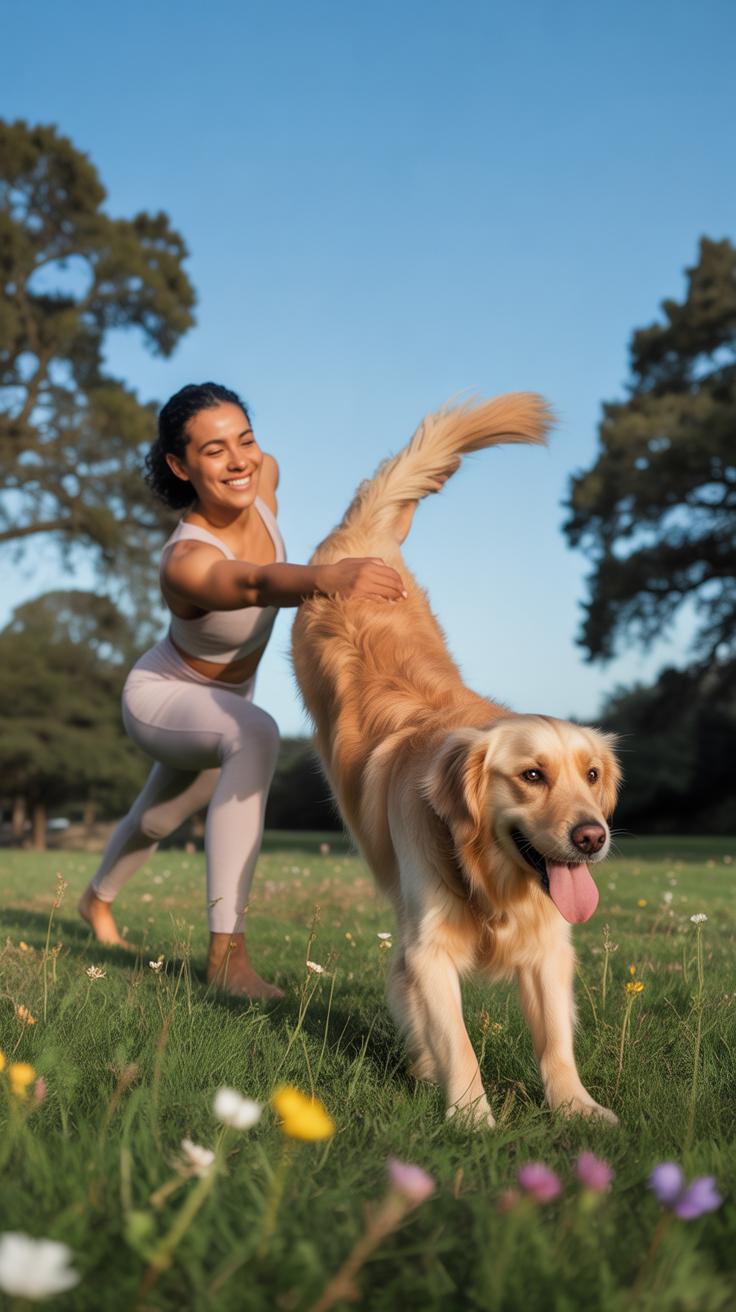
Dogs mirror the emotional state of their owners through a process called emotional contagion. When you practice yoga, your heart rate drops and your cortisol levels decrease. Your dog senses this shift in your physiological state. They respond by lowering their own stress levels. Research shows that calm environments reduce anxiety in canines. This creates a feedback loop of relaxation for both parties.
Structured sessions provide a predictable routine for your pet. Routine reduces behavioral issues rooted in uncertainty or lack of stimulation. The controlled environment of a yoga practice forces the dog to focus on steady movements. This mental requirement tire them out more effectively than a simple walk. Consistent practice leads to a more obedient and settled temperament in high energy breeds.
How Gentle Movement And Touch During Sessions Support Your Dogs Joint Health
Gentle stretching improves the range of motion in a dog’s limbs. As dogs age, they often develop stiffness or arthritis in their hips and shoulders. Yoga incorporates soft tactile feedback and guided limb placement. This stimulates blood flow to the connective tissues. Better circulation delivers essential nutrients to the joints. It helps maintain puppy like mobility well into the senior years.

Physical touch during these sessions acts as a form of canine massage. You apply light pressure to muscle groups along the spine and legs. This pressure releases tension and breaks up small knots in the muscle fibers. It also supports the lymphatic system in flushing out metabolic waste. Regular sessions help prevent injuries by keeping the dog’s body flexible and resilient against sudden athletic movements.
Puppy Yoga Special Considerations For Practicing With Young Dogs
Why Puppy Yoga Can Aid Early Socialization And Confidence Building
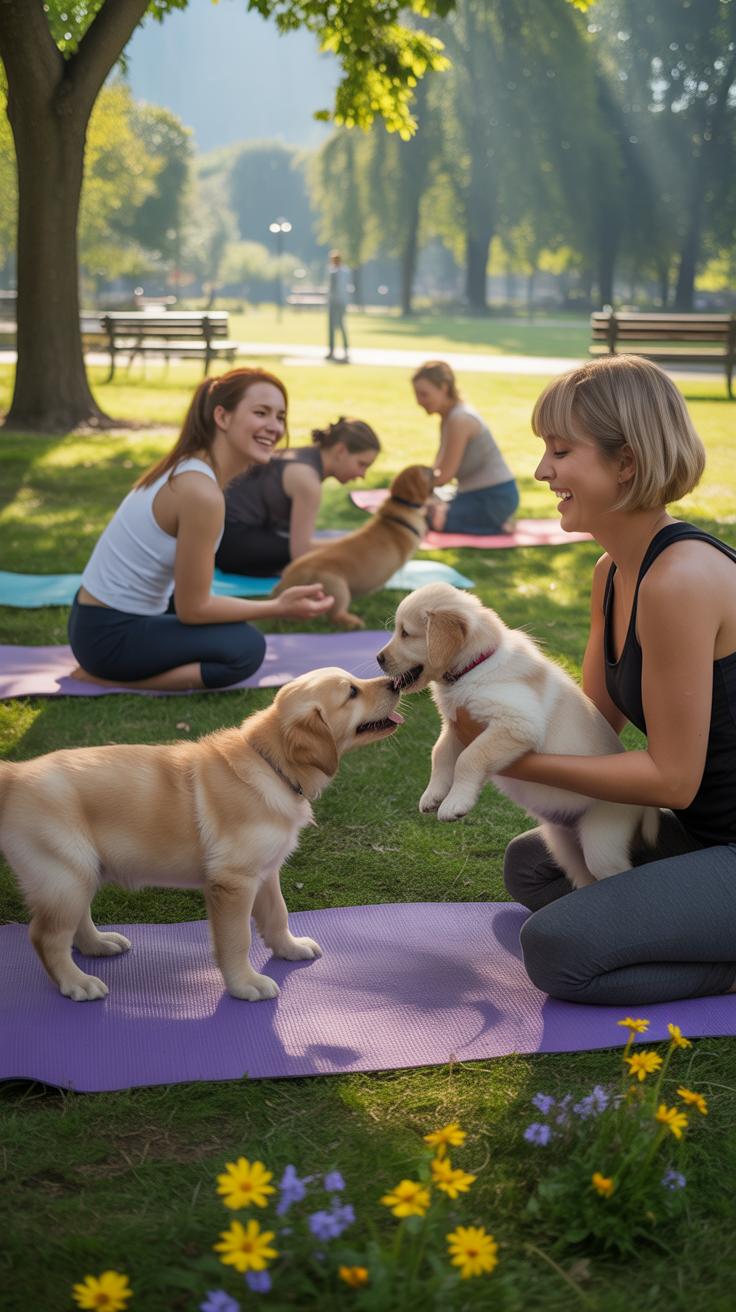
Puppies enter a critical development window between three and sixteen weeks of age. Exposure to new sounds, smells, and movements during yoga sessions builds adaptability. You place the dog in a controlled environment with varied human touch and equipment. This exposure reduces long-term fear responses to novel stimuli. A confident dog handles unexpected changes better throughout its adult life.
Early socialization through yoga also strengthens the bond between the handler and the young dog. The puppy learns to look to the owner for cues during physical activity. This dynamic establishes trust and focus in a distracting setting. You teach the dog that strange body positions and quiet environments are safe spaces. Success in these sessions translates to better behavior in public spaces later.
Age Appropriate Boundaries To Keep Puppy Yoga Safe And Stress Free
Puppies possess developing joints and growth plates that are susceptible to injury. You must avoid high-impact movements or forced stretching for dogs under one year old. Maintain short sessions to match their limited attention spans and physical endurance. Focus on gentle proximity rather than complex poses. Proper management prevents repetitive strain and ensures the puppy views the exercise as a positive experience.

Monitor the puppy for signs of overstimulation or fatigue during the practice. Young dogs cannot regulate their energy levels as effectively as adult dogs. If the puppy becomes mouthy or restless, stop the physical activity immediately. Provide a designated rest mat to teach the dog a drift-off cue. Setting clear physical boundaries now prevents the development of pushy or anxious behaviors during future workouts.
Essential Dog Yoga Exercises To Try With Your Pup At Home
Beginner Friendly Dog Yoga Exercises That Work For Both Of You
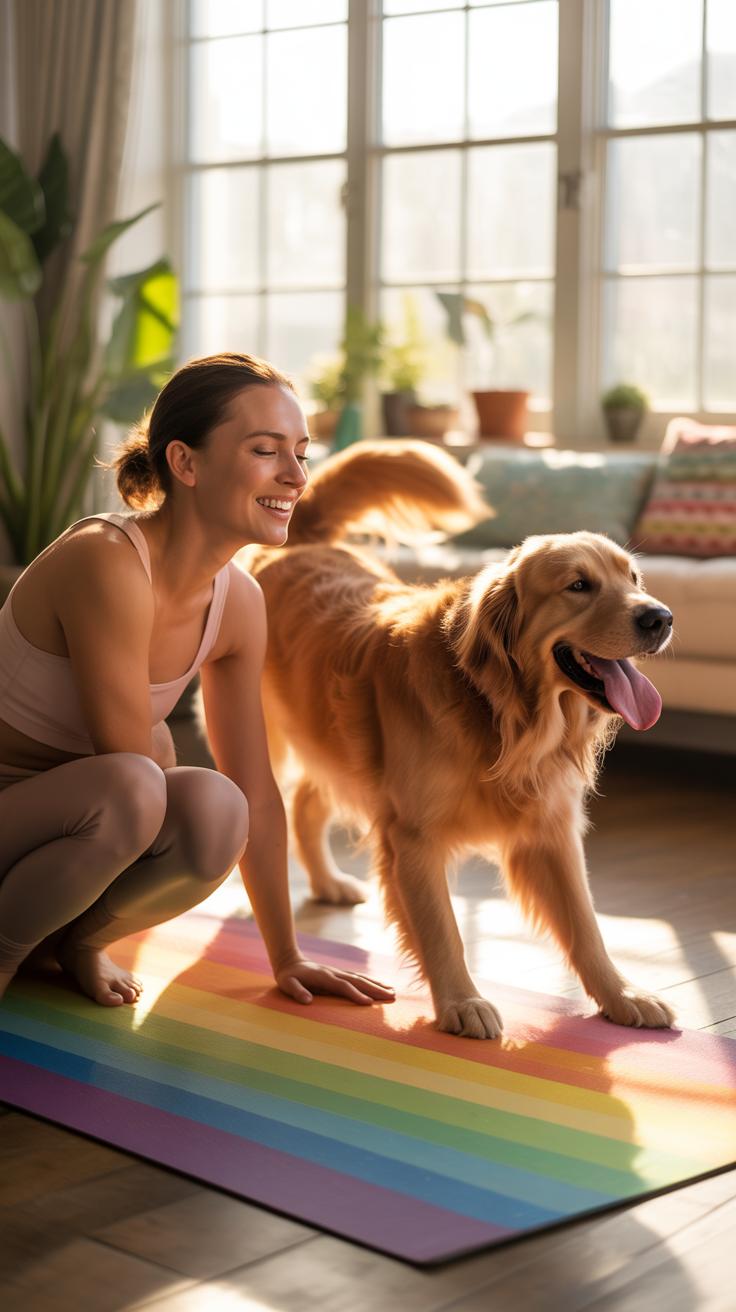
Dog yoga focuses on gentle movements that pair human stretching with canine massage and light resistance. You must keep sessions short to match your dog’s attention span. Beginners should prioritize poses that allow for physical contact. This builds immediate trust and keeps the animal calm. Use a non-slip mat to prevent paw injuries. Start with basic floor work before attempting any complex movements.
- Standing Stretch: Position yourself in a wide stance and encourage your dog to walk between your legs. This movement mimics a feline stretch for the dog. Use a treat to guide their head upward. It stretches their spine and strengthens your inner thighs through a sustained isometric hold.
- Seated Forward Fold: Sit with legs extended and place your dog between your thighs. Reach for your toes while gently stroking your dog’s back from head to tail. This motion calms the canine nervous system. It simultaneously improves your hamstring flexibility and promotes a shared state of relaxation.
- Puppy Cobra: Lay flat on your stomach while your dog rests their front paws on your shoulders or upper back. Lift your chest using your core strength. The added weight of the dog increases the intensity of your back extension. This exercise builds functional strength in your lower back muscles.
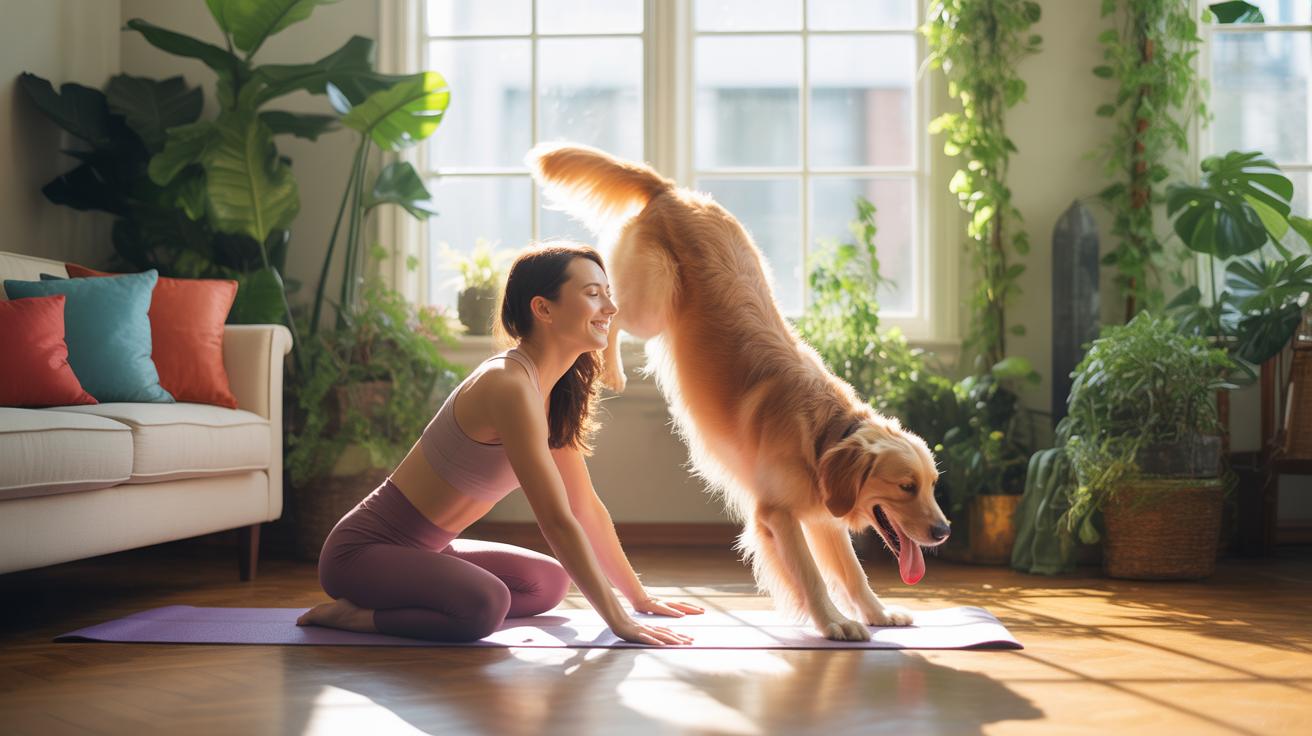
- Downward Dog Assist: Perform a standard downward dog while your dog stays underneath your torso. Many dogs naturally mirror this stretch. Gently pat their chest or back during the hold. This reinforces the behavior and provides a deep shoulder stretch for you while the dog stretches their forelimbs.
- Wheelbarrow Pose: Carefully lift your dog’s hind legs while their front paws remain on the floor. Move them forward slowly for a few steps. This builds shoulder strength in the dog. You must maintain a flat back to protect your spine. This exercise improves the dog’s balance and your grip strength.
Consistency is the most important factor for success in these exercises. Perform these movements three times a week to see results in your dog’s flexibility. Watch for signs of stress like excessive yawning or lip licking. Stop the session immediately if the dog becomes restless. Positive reinforcement ensures the animal associates the yoga mat with a rewarding and safe experience.
How To Modify Classic Poses So Your Dog Stays Comfortable And Engaged
You must adapt standard yoga poses to fit your dog’s size and temperament. Small dogs can be lifted during standing poses to add weight resistance. Larger dogs should remain on the ground to avoid joint strain for both parties. Strategic modification prevents injury and keeps the dog from getting bored. Use your hands to guide their limbs instead of forcing them into positions.

Modification requires a focus on tactile cues rather than verbal commands alone. If a dog refuses a pose, do not push them. Switch to a massage technique or a simpler stretch. Most canine anatomy does not allow for deep twisting or intense lateral bending. Keep all dog movements within their natural range of motion. This approach maintains safety while delivering the core physical benefits of the practice.
Dog Yoga For Beginners How To Set Up Your First Successful Session
Choosing The Right Space, Time, And Equipment For Dog Yoga For Beginners
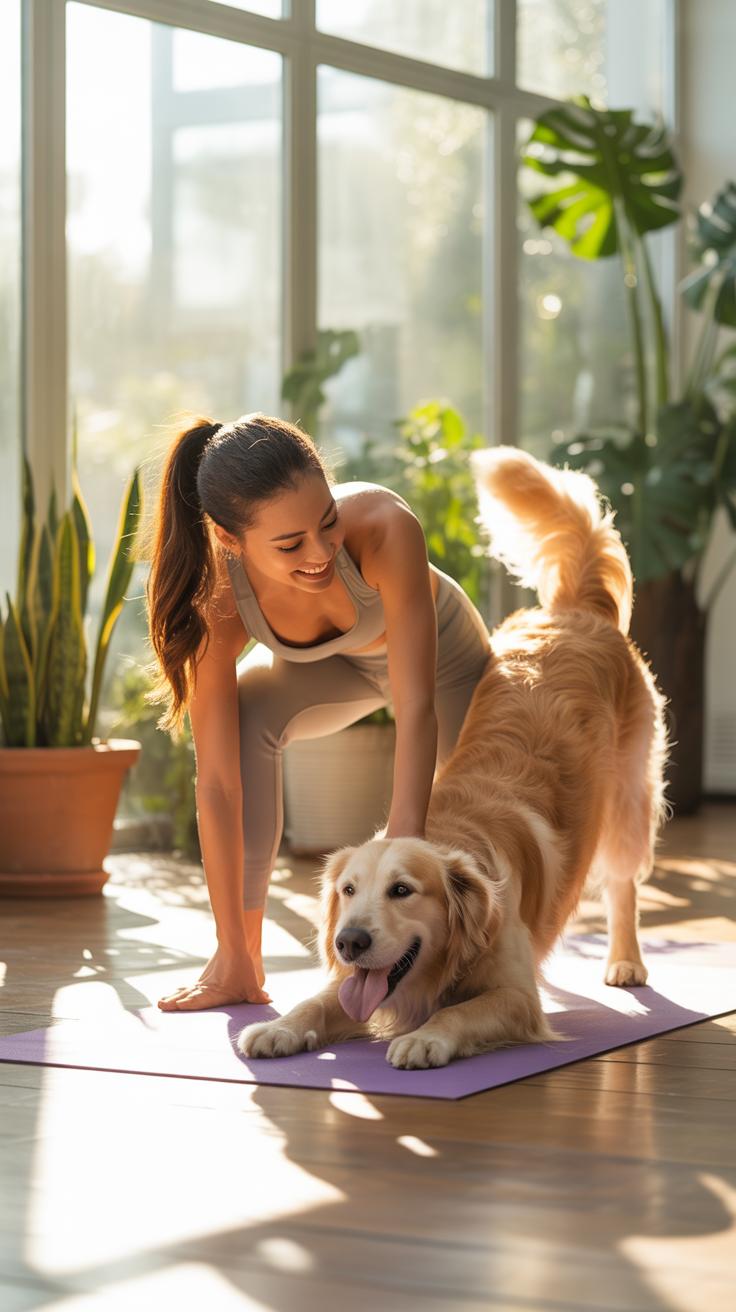
Select a quiet room with non-slip flooring to prevent joint injuries for both parties. Remove all distractions like squeaky toys or food bowls that break focus. Use a thick natural rubber mat. This material provides the necessary grip for paws and human feet. Ensure the temperature remains neutral. Dogs overheat faster than humans during physical exertion. High heat causes distress rather than relaxation.
Schedule your session after a long walk. A tired dog settles faster and follows cues with less resistance. Avoid practicing immediately after a meal to prevent gastric torsion or indigestion. Keep a water bowl nearby but out of the immediate movement path. Use a short leash if your dog wanders. Consistency in your setup creates a Pavlovian response. Soon the mat alone signals calm.
How To Read Your Dog’S Body Language To Know When The Session Is Going Well
Watch for soft eyes and a relaxed jaw during the flow. A successful session yields slow, rhythmic breathing and a neutral tail position. If the dog lies down or stretches spontaneously, the environment is effective. These signs indicate the parasympathetic nervous system is active. Your dog should move with fluid motions. Rigid limbs suggest the pace is too fast or the poses are uncomfortable.

Identify stress signals to prevent negative associations. Lip licking, yawning, or looking away indicates rising anxiety levels. Paw lifting and excessive panting serve as clear warning signs of discomfort. Stop the session if these behaviors persist. Forcing a dog into a pose creates physical risk and breaks trust. Success is measured by calm engagement, not the perfect execution of a specific yoga posture.
Capturing And Sharing Your Dog Yoga Photo To Build Community And Motivation
Tips For Taking A Great Dog Yoga Photo That Celebrates Your Practice
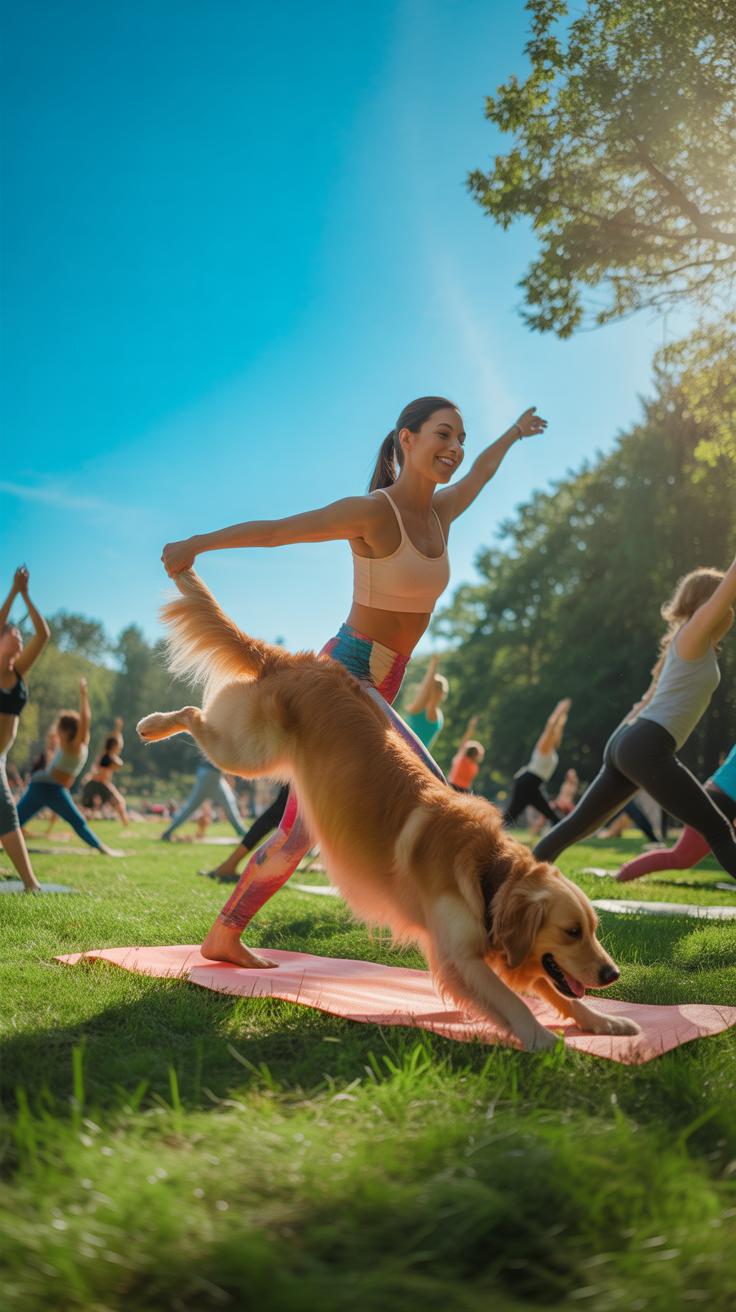
Effective dog yoga photography requires preparation and speed. Set your camera at the dog’s eye level to create a grounded perspective. Use natural light from a window to avoid harsh shadows or startling flashes. High shutter speeds are necessary because dogs move unpredictably during poses. Clear the floor of clutter to keep the focus on the movement and the bond between you.
- Burst Mode: Use burst mode to capture the exact second your dog interacts with your pose. This feature records multiple frames per second to ensure you do not miss fleeting moments of connection or alignment.
- Tripod Setup: Use a stable tripod with a phone mount to keep your hands free for the actual yoga practice. Setting a timer allows you to enter a pose naturally without rushing toward the camera lens.
- Treat Luring: Hold a high-value treat near the camera lens to direct your dog’s gaze toward the frame. This technique keeps the animal engaged and helps maintain a seated or standing position for the duration of the shot.
- Low Angles: Place the camera on the floor to mirror the dog’s point of view. This perspective emphasizes the scale of the animal and creates a more intimate feel compared to shots taken from a standing height.
- Contrast Focus: Wear yoga gear that contrasts with your dog’s fur color. This visual separation ensures the camera sensor tracks both subjects accurately and prevents your silhouettes from merging into a single unidentifiable shape in the final image.
Review your images for clarity and impact before moving to the next sequence. Avoid over-editing your photos as authentic shots build more trust within the community. Focus on the geometry of the pose and the proximity of the dog. Good photos document your progress. They provide a visual record of how your dog adapts to the mat over several weeks of training.
How Sharing Your Journey Online Can Inspire Others To Try Yoga With Their Dogs
Posting your dog yoga practice online creates a feedback loop of accountability. Sharing raw footage shows the reality of training an animal. Many viewers hesitate to start because they fear their dog will not stay still. When you document the struggle and the eventual success, you remove that barrier. Truthful content encourages other pet owners to begin their own wellness journeys.

Digital communities provide a platform for exchanging technical advice on animal behavior. Use your captions to explain the specific yoga with your dog benefits you observe during sessions. Detail how the practice improves your dog’s focus or calm. This information helps others understand that the goal is not a perfect pose. The real purpose is building a deeper relationship through consistent shared movement.
Frequently Asked Questions

What exactly is dog yoga and do I need a trained pet to start?
Dog yoga, often called “Doga,” is a collaborative practice where you perform modified poses alongside your canine companion. You do not need a perfectly trained pet to begin; the primary yoga with your dog benefits include building trust and patience rather than achieving perfect form. Whether your dog sits on your mat or simply leans against you, the shared energy helps creates a calm, bonding experience for beginners of all levels.
How can I safely incorporate my dog into specific yoga poses?
Safety is paramount when exploring yoga with your dog benefits at home. Start with gentle floor stretches like Child’s Pose, allowing your dog to rest nearby or under your bridge. For smaller breeds, you can safely lift them during warrior poses, while larger dogs can participate through gentle canine massage or assisted stretching. Always move slowly, monitor your dog’s body language for signs of stress, and never force them into any physical position.
Do I need to buy expensive equipment or join a studio to practice with my dog?
One of the best aspects of this lifestyle trend is its accessibility. You don’t need a boutique studio membership or specialized gear to get started. A standard non-slip yoga mat and a quiet corner of your living room work perfectly. Since the practice focuses on the natural connection between pet and owner, you can enjoy all the calming advantages without spending a dime, making it a budget-friendly way to enhance your daily wellness.