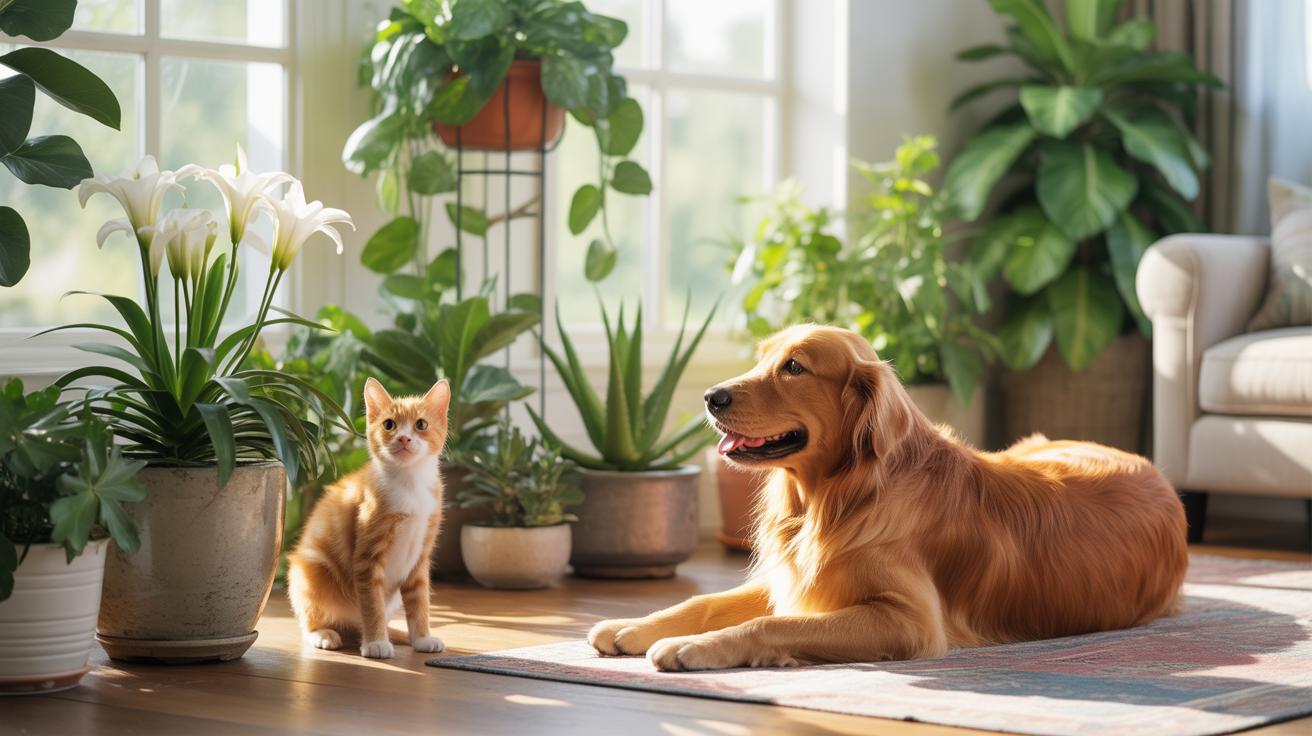
Why This Houseplants Toxic To Pets Guide Matters For Every Pet Owner
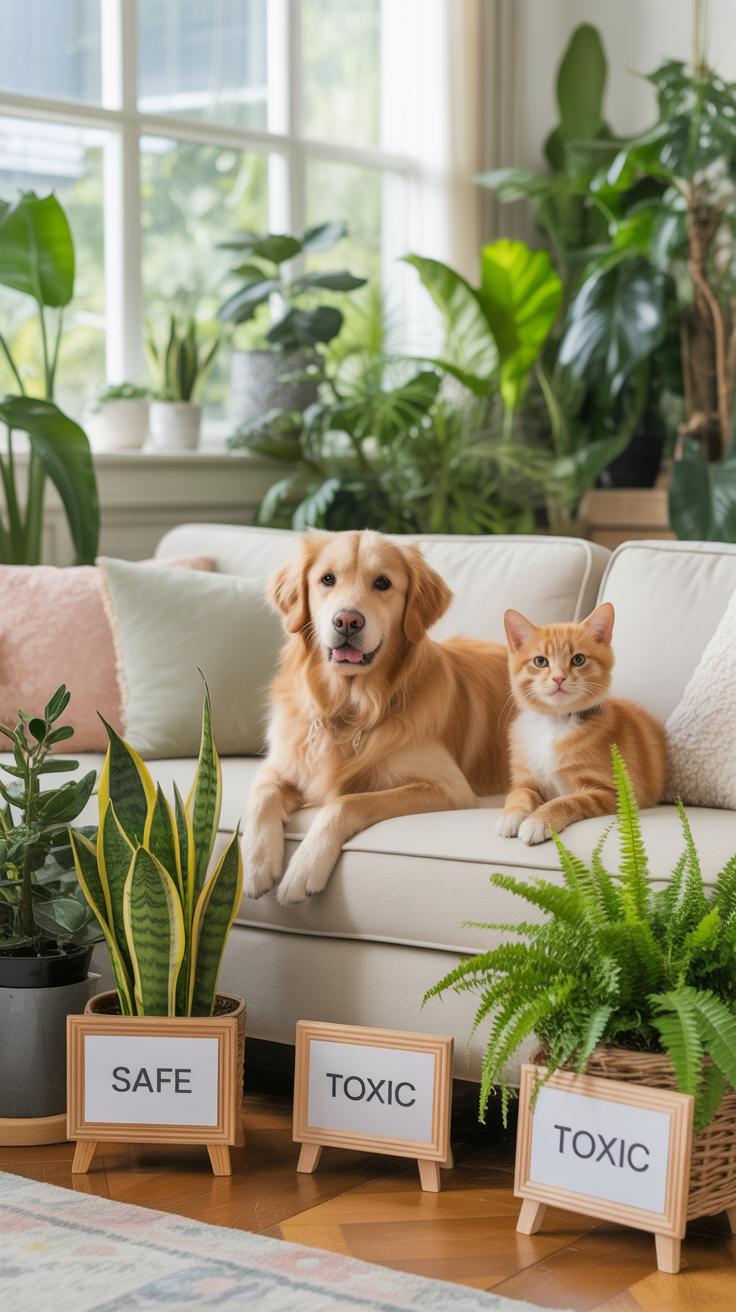
How Common Household Plants Pose A Hidden Danger To Cats And Dogs
Indoor plants often contain natural defense mechanisms that trigger adverse reactions in animals. These biological compounds include insoluble calcium oxalates, saponins, and glycosides. While these chemicals protect the plant from pests in the wild, they cause immediate distress when ingested by domestic pets. Many of these toxins reside in the leaves, stems, or sap. Owners often overlook these risks because the plants appear harmless.
Cats and dogs explore their environment using their mouths and paws. Chewing on a leaf can release sharp crystals or irritating fluids. These substances cause swelling of the mouth and throat. In many cases, the plant lacks a bitter taste to deter the animal from continuing to eat. This leads to the consumption of lethal doses before symptoms appear. Clear identification of these toxins prevents accidental injury or death.
Understanding The Scale Of Pet Poisoning Cases Linked To Indoor Plants
Veterinary data shows a consistent rise in accidental plant ingestions annually. Thousands of emergency calls involve pets consuming common decorative greenery. Many owners fail to realize that even fallen leaves or pollen can cause organ failure. Certain species like lilies are so potent that water in the vase becomes toxic. This high volume of cases makes plant safety a primary concern for modern pet ownership.
Most emergency visits occur during holidays or when owners buy new exotic species. Without specific knowledge, owners bring high-risk plants into small living spaces. This increases the contact frequency between pets and toxins. Prompt identification of a toxic plant saves time during a medical crisis. Doctors need the exact plant name to start the correct treatment. Fact-based awareness reduces the burden on emergency clinics and saves animal lives.

The Sago Palm One Of The Most Toxic Plants For Dogs And Cats
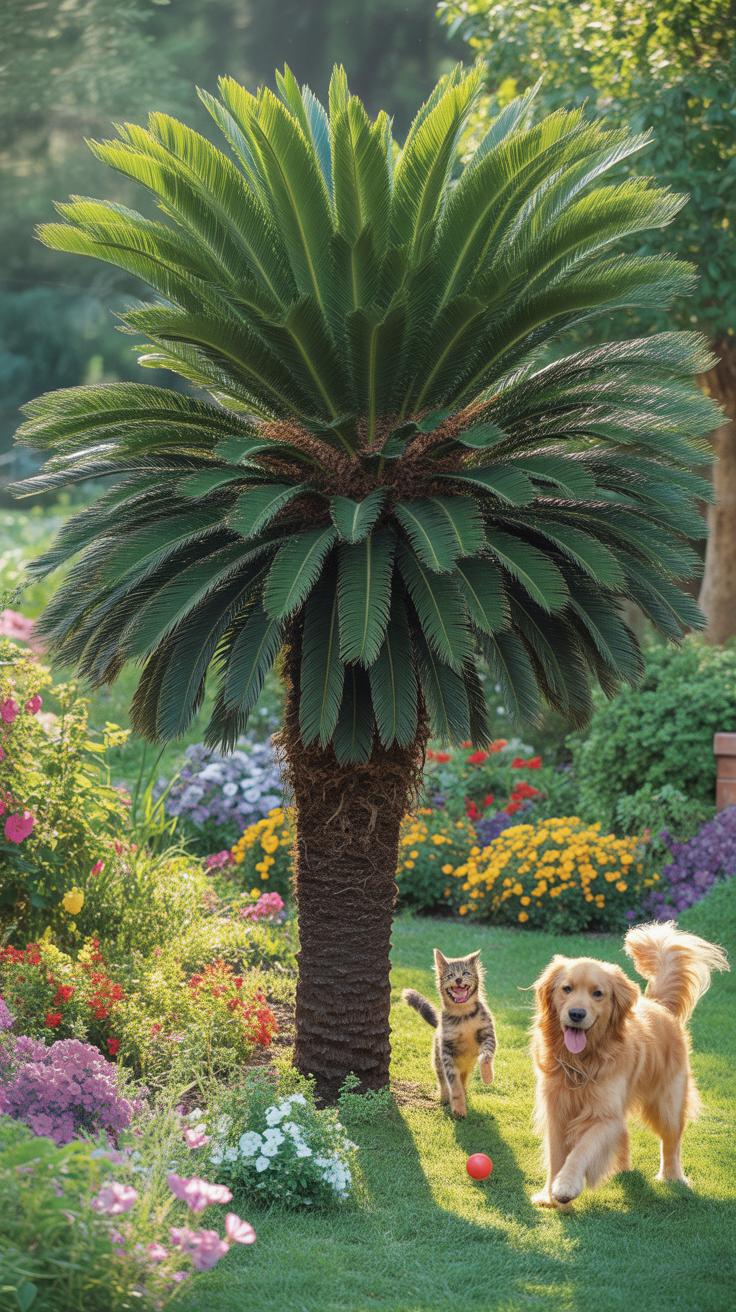
What Makes The Sago Palm Extremely Dangerous To Pets
The Sago Palm contains a powerful toxin called cycasin. This chemical exists in every part of the plant. The seeds hold the highest concentration of this poison. Even one or two seeds can kill a medium sized dog. Cycasin causes rapid liver failure and attacks the central nervous system. Do not underestimate this plant. It is a biological weapon against pets.
Pet owners often mistake the Sago Palm for a harmless fern. It actually belongs to the cycad family. Modern landscaping uses this plant frequently because it survives harsh conditions. This durability masks its lethal nature. Every encounter with the plant carries a risk. Ingestion leads to severe internal damage within hours. You must keep this plant away from any animal living space.
Recognizing Sago Palm Poisoning Symptoms In Dogs And Cats
Early symptoms appear quickly after ingestion. Most animals start vomiting within fifteen minutes to a few hours. Diarrhea and drooling follow as the digestive system reacts to the cycasin. You might notice the pet acting lethargic or depressed. These signs indicate the toxin is already entering the bloodstream. Contact a veterinarian the moment you suspect your pet ate any part of this plant.

As the condition worsens, the liver begins to fail. You will see yellowing of the skin and gums known as jaundice. The pet may develop dark or bloody stools because of internal bleeding. Fluid often builds up in the abdomen during the final stages. Bruising and nosebleeds occur as the blood loses its ability to clot. Without immediate medical intervention, the survival rate for this poisoning is very low.
Peace Lily A Beautiful But Toxic Houseplant For Cats And Dogs
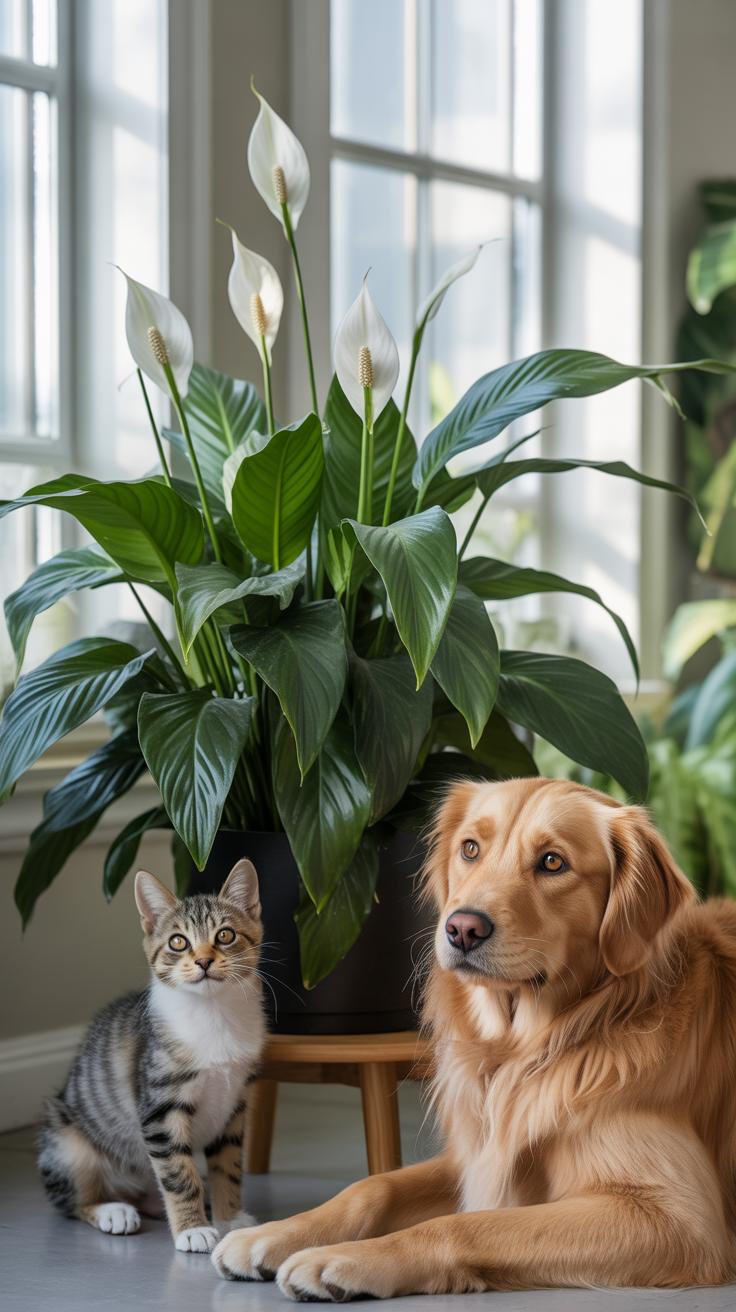
The Toxic Compounds Found In Peace Lily And How They Affect Pets
Peace lilies contain insoluble calcium oxalate crystals. These microscopic crystals shaped like needles reside in the leaves and stems. When a pet bites the plant, these needles pierce the soft tissue of the mouth and throat. This physical damage causes immediate pain and inflammation. Unlike true lilies, peace lilies do not cause acute kidney failure. They primarily cause localized physical irritation.
The plant releases these crystals through specialized cells called idioblasts. Pressure from chewing forces the crystals into the tongue and gums. This mechanism serves as a defense against herbivores in nature. In domestic settings, it causes rapid swelling of the upper airway. Owners must differentiate peace lilies from the Lilium genus. Peace lilies belong to the Araceae family. This distinction changes the medical treatment plan.
Signs Your Pet May Have Chewed On A Peace Lily Plant
Physical symptoms appear almost immediately after ingestion. A pet will usually stop eating and paw at its face. Intense drooling occurs as the mouth reacts to the sharp crystals. You will see redness and visible swelling on the lips and tongue. These signs indicate the crystals have embedded in the tissue. The animal may struggle to swallow or make gagging sounds.

Vomiting often follows as the pet swallows the irritating plant matter. Severe cases involve swelling of the throat that restricts breathing. This respiratory distress requires urgent veterinary care. Observe your pet for a sudden loss of appetite or unusual vocalization. Keep the plant away from high surfaces to prevent contact. Quick identification of the plant helps the vet provide the correct anti-inflammatory medication.
Toxic Plants For Dogs Common Varieties Found In Most Homes
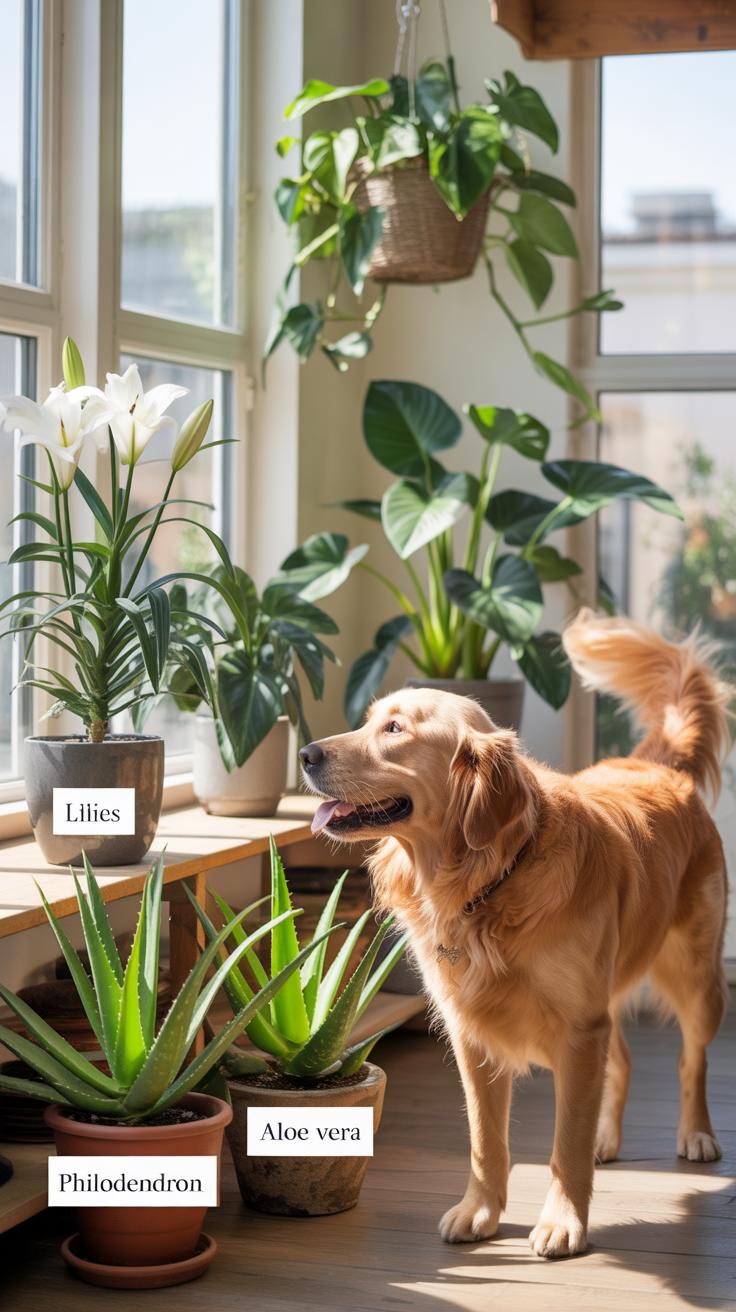
Pothos, Dieffenbachia, And Philodendron: Why These Popular Plants Are Harmful To Dogs
Pothos, Dieffenbachia, and Philodendron contain insoluble calcium oxalate crystals. These crystals act like microscopic needles. When a dog bites the leaf, the plant ejects these crystals into the mouth and throat. This mechanism causes immediate physical trauma to the soft tissues. Owners often buy these plants for their low-maintenance nature. However, their internal chemical structure makes them a high-risk hazard for curious dogs.
The reaction to these plants is instantaneous. The crystals pierce the mucosal membranes and cause intense burning. This localized irritation stops most dogs from swallowing large amounts of the plant. Yet, even a small bite triggers significant pain. This defensive trait protects the plant in the wild. In a home setting, it leads to emergency vet visits for many unsuspecting pet owners each year.
How Dogs Are Exposed To Toxic Houseplants And What Happens After Ingestion
Dogs encounter these plants through boredom or natural scavenging instincts. Puppies are at the highest risk because they explore the world with their mouths. Hanging baskets may drop leaves on the floor where dogs find them. Low-standing pots provide easy access for larger breeds. Once a dog chews the foliage, the saliva carries the irritating compounds throughout the mouth. The physical contact alone is enough to cause damage.

Ingestion leads to visible physical distress. You will observe heavy drooling, pawing at the face, and oral swelling. The dog may lose its appetite or struggle to swallow. In severe cases involving Dieffenbachia, the tongue and throat swell enough to restrict breathing. Most dogs recover with prompt care, but the initial pain is severe. Owners must remove these plants or place them in inaccessible areas immediately.
Are Spider Plants Safe What Cat And Dog Owners Should Know
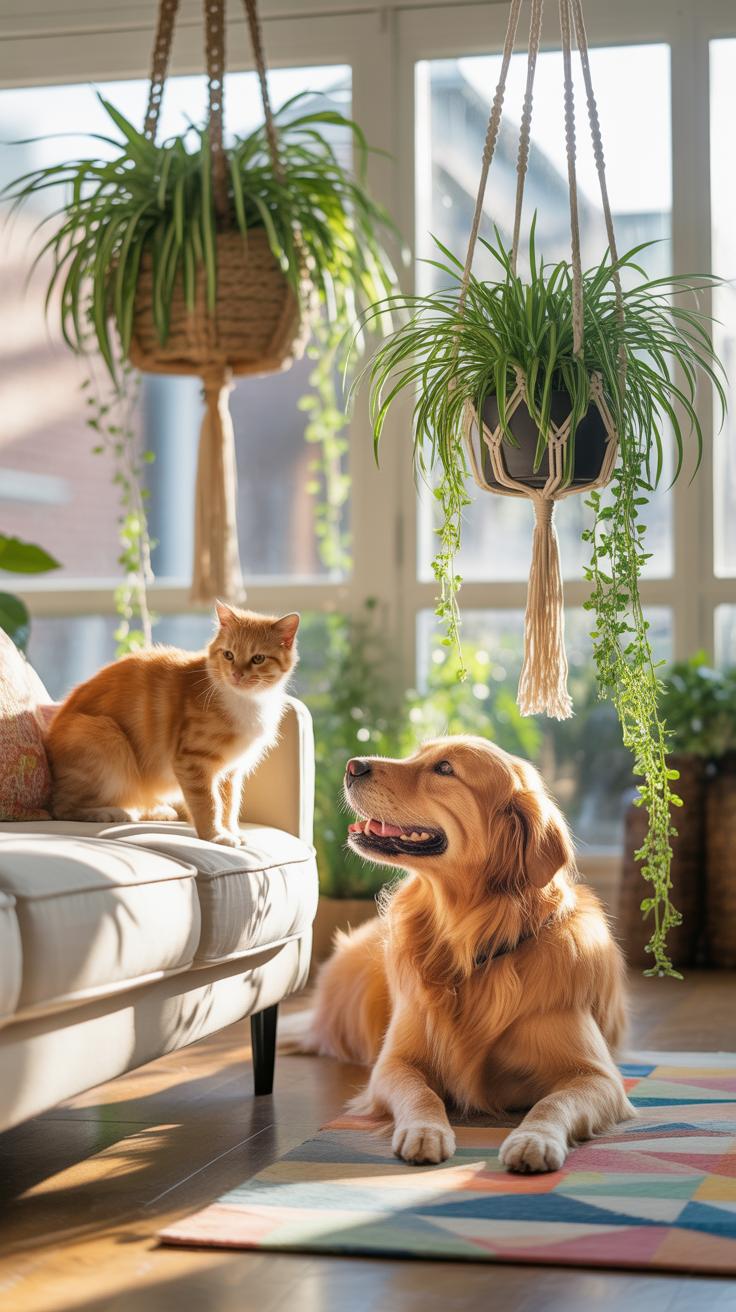
The Mild Hallucinogenic Effect Of Spider Plants On Cats Explained
Spider plants contain chemical compounds related to opium. These compounds trigger a mild hallucinogenic response when cats eat the leaves. Most feline behavior experts compare this reaction to catnip but note it is more intense. Cats often seek out these plants specifically to experience this altered state. This habit leads to frequent nibbling and eventual damage to the plant foliage.
While the plant is not technically poisonous, the high often leads to physical sickness. Cats frequently vomit after consuming the long green leaves. They may also experience loose stools or general lethargy. Owners should place these plants in hanging baskets to prevent access. Keeping the cat away from the plant stops the cycle of ingestion and subsequent stomach upset in the home.
Spider Plants And Dogs: Low Toxicity But Still Worth Monitoring
The American Society for the Prevention of Cruelty to Animals classifies spider plants as non-toxic to dogs. Unlike cats, dogs do not typically experience a hallucinogenic effect from the plant. Most dogs ignore the plant entirely. However, curious puppies may chew on the dangling plantlets out of boredom. This behavior is generally harmless but can lead to mild digestive irritation.

Large amounts of any plant material can cause distress in a dog’s stomach. The fibrous nature of the leaves can be difficult for some dogs to digest properly. If your dog eats a significant portion, watch for signs of vomiting or decreased appetite. You can usually manage these symptoms at home without medical intervention. Move the plant to a higher shelf to eliminate the risk of ingestion.
Cat Safe Plants Vs Toxic Ones How To Tell The Difference At A Glance
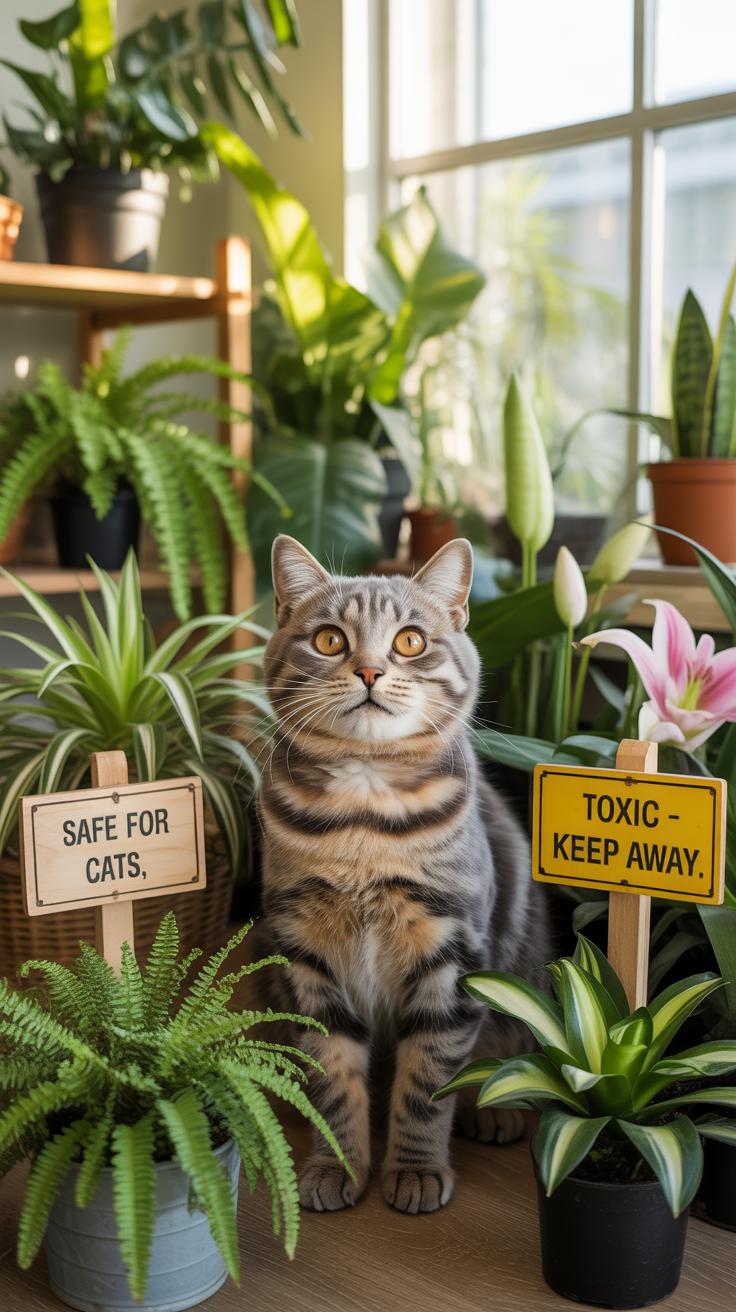
How To Use The ASPCA Toxic Plant Database To Verify Cat Safe Plants
The ASPCA Animal Poison Control Center maintains the definitive gold standard for botanical safety. Use the search bar to filter by species as toxicity levels vary between cats and dogs. Always search by the scientific Latin name rather than the common name. Many plants share common names but possess different chemical profiles. This database provides a clear list of clinical signs for each toxic entry.
Check the non toxic list before you purchase any new foliage. Visual identification is often unreliable for amateurs. The database categorizes plants into two primary groups to simplify your search. It lists specific physical reactions like vomiting or kidney failure. Trust this database over retail labels. Store tags often lack accurate safety warnings. Reliable data prevents emergency vet visits and high costs.
Commonly Confused Plants: What Looks Harmless But Is Toxic To Cats
Visual similarity often leads to dangerous mistakes in pet homes. The True Lily and the Peace Lily look similar but have different effects. True Lilies often cause fatal kidney failure in cats. Peace Lilies contain insoluble calcium oxalates that cause oral irritation. You cannot judge a plant by its leaf shape or color. Identification must be precise. One mistake can lead to a medical emergency.

The Sago Palm looks like a small tree but contains cycasin. This toxin causes severe liver damage and carries a high mortality rate. Owners often mistake it for a safe fern or palm variety. Always verify the genus before bringing a plant inside. Do not rely on your own aesthetic judgment. A plant that looks soft or edible can still be lethal. Protect your pets by verifying every single species.
Dog Safe Plants And How To Build A Pet Safe House Plants Collection
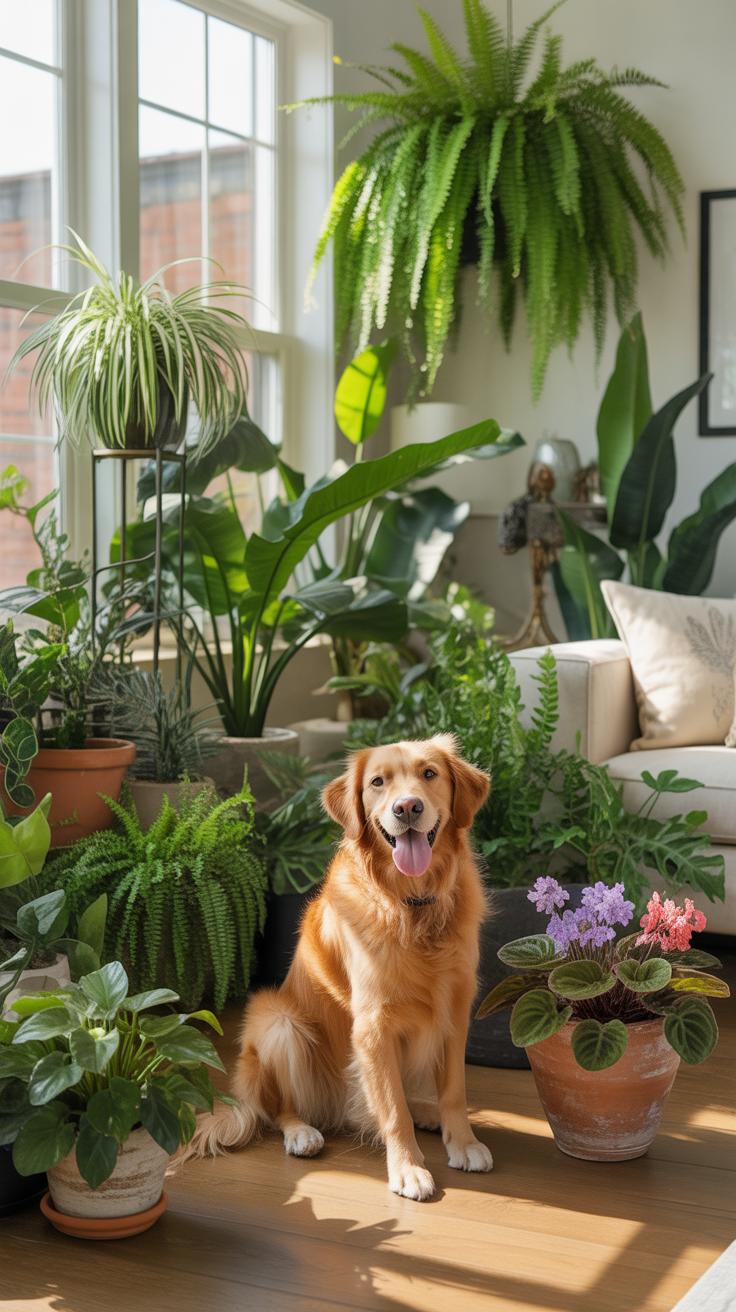
Top Dog Safe Plants That Are Non Toxic And Easy To Grow Indoors
Smart owners choose plants that pass the ASPCA non-toxicity test. This strategy eliminates the need for constant monitoring of your dog. You must select species that tolerate indoor light levels while remaining biologically inert if ingested. Focus on hardy varieties that survive basic neglect. These plants offer greenery without the threat of insoluble calcium oxalate crystals or systemic organ failure.
- Spider Plant: This species is highly resilient and thrives in indirect light. It does not contain any known toxins harmful to canines or felines. Owners often experience success with its rapid growth and easy propagation through small plantlets.
- Boston Fern: These ferns prefer high humidity and filtered sunlight indoors. They are completely safe for pets that might nibble on the fronds. Do not confuse these with True Ferns as Asparagus Ferns are actually toxic to your dogs.
- Parlor Palm: This slow growing palm survives in low light conditions common in modern apartments. It represents a safe alternative to the highly dangerous Sago Palm. It adds vertical height to a room without introducing neurological risks to your pets.
- Areca Palm: Known for its air purifying qualities this palm is a safe choice for large floor pots. It requires bright indirect light and regular watering to maintain its health. It does not cause distress if your dog brushes against or eats its leaves.
- African Violet: These small flowering plants provide color without chemical danger. They require specific bottom watering techniques to keep leaves dry but remain safe for curious pets. They fit perfectly on windowsills and small tables where dogs might reach.
Verification of plant identity is the first step in any houseplants toxic to pets guide. Use botanical names to avoid confusion with toxic lookalikes. Many safe plants also improve indoor air quality by removing volatile organic compounds. Building a collection takes time but ensures your home remains a controlled environment. Stick to these proven species to maintain a healthy and risk free living space.
Nature’s beauty is a gift meant to be shared safely with those we love. Choosing a pet-friendly home ensures that our loyal companions can bloom right alongside our greenest memories.
How To Arrange Pet Safe House Plants To Minimize Risk In Your Home
Proper placement reduces interaction between pets and foliage. Use heavy ceramic or stone pots to prevent large dogs from tipping over your containers. High shelves and wall mounted planters keep even non toxic plants out of reach. This tactic protects your investment and prevents your dog from developing a habit of chewing on indoor greenery. Physical barriers are your best tool.

Consider the layout of your furniture and traffic patterns. Do not place plants on low tables near designated play areas or food bowls. Use hanging baskets for trailing varieties like the spider plant to keep them elevated. Consistent placement helps your dog understand boundaries. Even safe plants can cause mild stomach upset if eaten in large quantities. Control the environment to maintain total safety.
Pet Safe Plants For Cat Owners Creating A Feline Friendly Indoor Garden
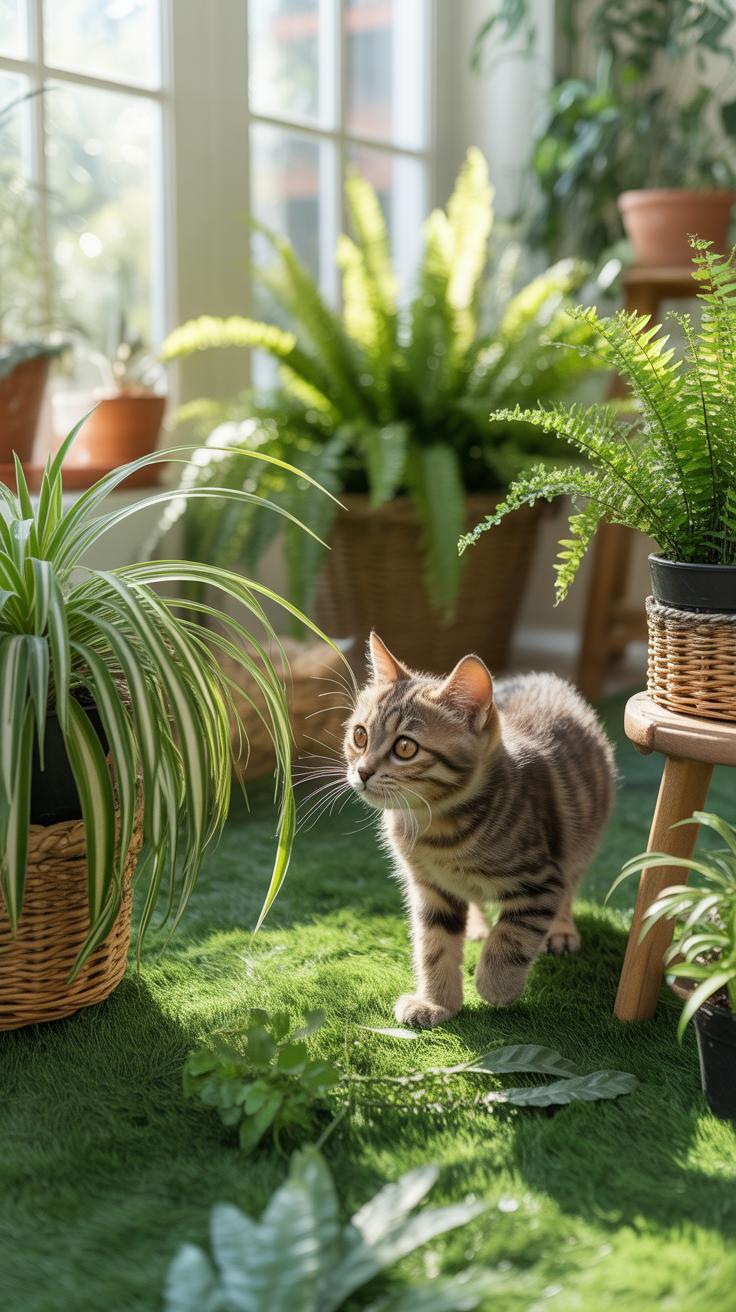
Best Cat Safe Plants That Add Greenery Without Putting Your Cat At Risk
Pet owners must select foliage that lacks insoluble calcium oxalates and toxic alkaloids. Cats often chew on leaves to aid digestion or out of boredom. Physical safety requires non-toxic species that survive occasional nibbling. These plants provide visual texture while maintaining a zero-risk environment for feline roommates. Choose varieties that thrive in typical indoor light and humidity levels to ensure garden longevity.
- Spider Plant: This resilient species is entirely non-toxic to cats. It features long, arching leaves that mimic grass, which cats find attractive for play. It effectively filters indoor air while remaining safe if ingested by curious pets.
- Areca Palm: This palm provides significant height and a tropical aesthetic without the risks associated with Sago palms. It is safe for both cats and dogs. It requires bright indirect light and consistent moisture to maintain its lush green appearance.
- Boston Fern: These ferns thrive in high humidity and indirect light. Unlike many other fern species, the Boston fern contains no toxins that harm cats. They work well in hanging baskets, which keeps the foliage out of reach of most ground-dwelling pets.
- Calathea: Known for striking leaf patterns, these plants are safe for cats. They do not cause chemical irritation or systemic poisoning. They prefer filtered water and low light, making them ideal for indoor apartments where feline safety is the primary concern.
- Polka Dot Plant: This small, colorful plant offers pink or white spots on green foliage. It is completely safe for feline consumption. Its compact size makes it perfect for terrariums or tabletops where cats might roam and investigate new scents and textures.
Strategic placement also reduces plant damage and cat stress. Use heavy ceramic pots to prevent tipping during feline zoomies. Grouping safe plants together creates a dedicated zone for your cat to explore safely. Consistent pruning keeps plants healthy and reduces the temptation for cats to pull on long, trailing vines. Focus on high-quality soil without added fertilizers to prevent secondary chemical exposure.
Why Cats Are Particularly Vulnerable To Plant Toxins Compared To Dogs
Cats possess a unique liver physiology that limits their ability to process certain chemicals. They lack specific enzymes, such as glucuronosyltransferase, which are necessary to break down many organic compounds found in plants. This metabolic deficiency means toxins stay in a cat’s system longer. Even small doses of common plants can lead to acute organ failure or systemic toxicity very quickly.

Evolutionary biology also plays a role in feline vulnerability. Cats are obligate carnivores and have not evolved the complex digestive mechanisms to neutralize plant-based defenses. Their grooming habits increase the risk of accidental ingestion. If pollen or sap gets on their fur, they will swallow it during their cleaning routine. This behavioral trait makes even non-ingested contact dangerous for indoor cats compared to many dog breeds.
Pet Friendly Plants How To Replace Toxic Houseplants With Safer Alternatives
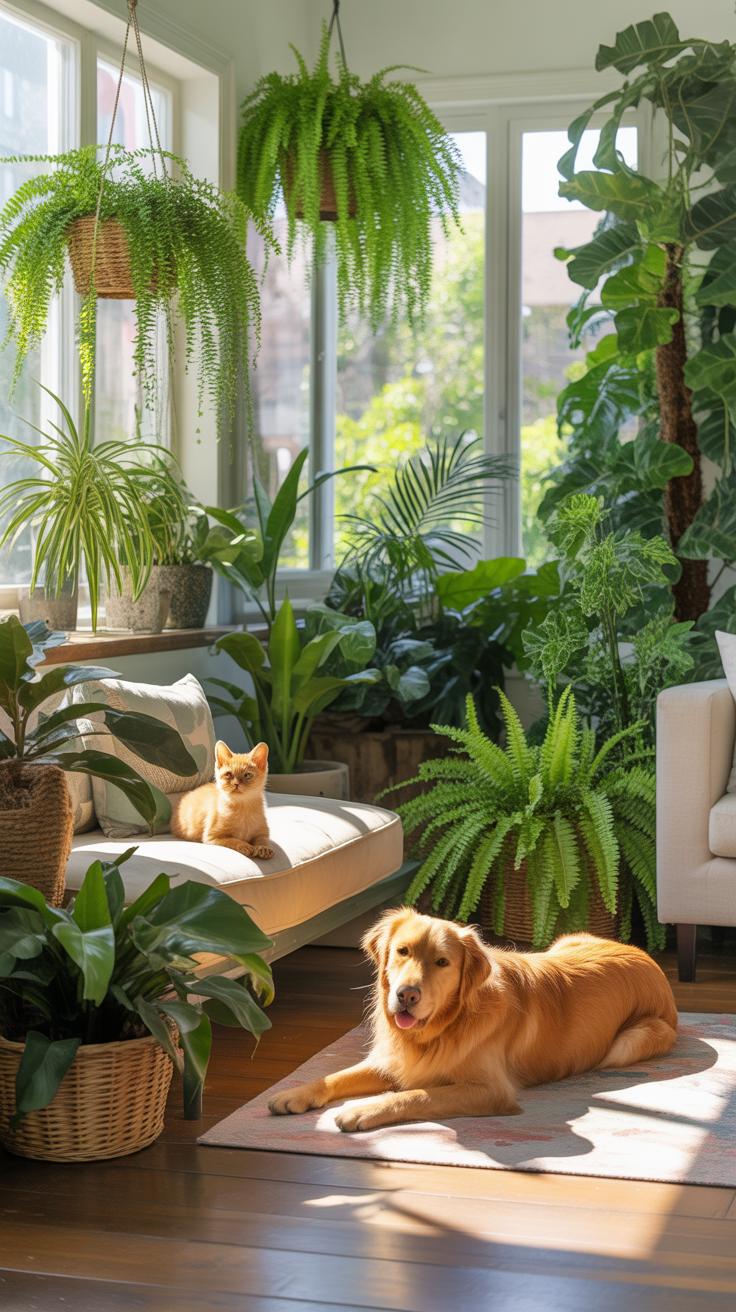
Swapping Toxic Plants For Pet Friendly Plants Without Sacrificing Aesthetics
Homeowners often choose toxic plants for their structure and silhouette. You do not have to lose this visual impact. Trade the sharp architectural lines of a Snake Plant for the soft texture of a Boston Fern. Replace the broad leaves of a Monstera with the non-toxic Prayer Plant. These swaps maintain the green volume in your room while removing the risk of calcium oxalate poisoning.
Strategic placement mimics natural growth patterns found in Victorian or Mid-Century Modern design styles. Use hanging planters for Spider Plants to create vertical height without ground access for dogs. Opt for the Parlor Palm instead of the Sago Palm to achieve a tropical look safely. These choices provide the same organic feel as toxic varieties. They ensure your design remains professional and your pets remain healthy in the space.
Where To Buy Verified Pet Friendly Plants And How To Read Plant Labels
Sourcing safe plants requires verifying scientific names rather than relying on common names. Look for the “Nontoxic” label from reputable nurseries or certified online retailers. Cross-reference the Latin name with reliable databases like the ASPCA list before you buy. Many big-box stores use generic labels that miss critical safety details. Buy from specialized sellers who focus on pet-safe inventory to minimize your research time.
Read every tag to find the genus and species of the plant. Labels often use marketing terms like “assorted foliage” which hides the true identity of the species. Check for warnings about skin irritation or ingestion risks on the back of the tag. If the label is missing or vague, use a plant identification app to confirm its status. Hard data beats assumptions when you bring new life into a home with animals.
What To Do If Your Pet Ingests A Toxic Houseplant Emergency Steps
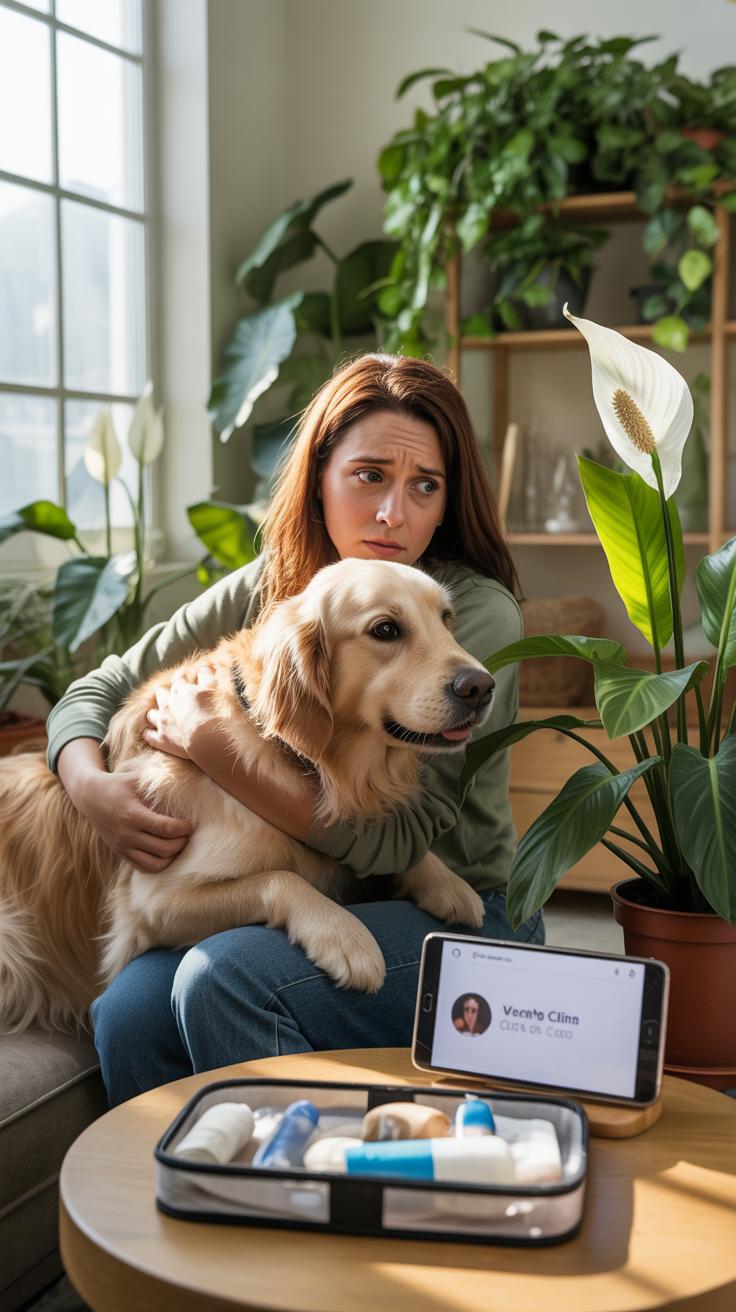
Immediate Actions To Take When You Suspect Plant Poisoning In Pets
Remove the pet from the plant immediately to prevent further ingestion. Clear any remaining leaves or stems from the mouth using a damp cloth. Do not induce vomiting unless a veterinarian specifically instructs you to do so. Some plants contain caustic chemicals that burn the throat twice if brought back up. Secure a sample of the plant for identification during the exam.
Call your veterinarian or a pet poison control center right away to report the incident. Provide the plant name and the estimated amount eaten by the animal. Watch for sudden changes in breathing, heart rate, or behavior. Keep the pet calm and restricted to a small area. Quick action reduces the risk of permanent organ damage or death from many common indoor species.
Veterinary Treatments Used For Houseplant Toxicity In Cats And Dogs
Veterinarians often use activated charcoal to bind toxins in the stomach before they enter the bloodstream. This fine black powder prevents the body from absorbing many harmful plant chemicals. Doctors may also administer intravenous fluids to protect the kidneys and maintain blood pressure. Fluids help flush the system and prevent dehydration caused by vomiting or diarrhea. This clinical approach stabilizes the pet.
If the plant causes severe irritation, the vet might provide gastrointestinal protectants to coat the stomach lining. For plants that affect the heart or nervous system, specific medications regulate the pulse or stop tremors. Most treatments focus on managing symptoms until the body clears the poison naturally. Professional monitoring ensures the pet survives the critical window after exposure. Expect several hours of observation.
Frequently Asked Questions

Which popular indoor plants should I avoid if I have pets at home?
Many beloved species like Lilies, Sago Palms, and Azaleas are extremely dangerous for domestic animals. While they look beautiful in your living room, these varieties can cause severe reactions ranging from kidney failure to liver damage. Consulting a comprehensive houseplants toxic to pets guide is essential for new owners, as even common favorites like Monsteras and Pothos contain insoluble calcium oxalates that cause immediate oral irritation and swelling in curious cats and dogs.
How can I identify if my current plants are dangerous for my cat or dog?
To determine if your greenery is safe, start by identifying the exact scientific name of each plant. Once you have the species name, compare it against a reputable houseplants toxic to pets guide or the ASPCA’s database. Look for physical symptoms in your pet such as drooling, vomiting, or lethargy, and always keep a digital photo of your plants handy to show a veterinarian in case of an accidental ingestion emergency.
Are there any affordable, pet-friendly alternatives to traditional toxic houseplants?
Absolutely! You don’t have to spend a fortune to create a lush, safe indoor jungle. Many budget-friendly options like Spider Plants, Boston Ferns, and Parlor Palms are widely available at local hardware stores and are completely non-toxic. These hardy varieties offer the same aesthetic benefits as more dangerous plants without the high cost of specialty greenery or the stress of potential vet visits, making them perfect choices for any animal lover.