Understanding Pet Anxiety Why Holistic Pet Care Is Gaining Popularity
What Causes Anxiety In Dogs And Cats
Pet anxiety stems from environmental and biological triggers. Separation from owners causes many pets to panic. Loud noises like thunder or fireworks trigger fear in sensitive ears. Changes in routine or new home environments disrupt their sense of safety. Cats often feel stress when they lack vertical space or hideouts. Dogs may react to unfamiliar people or restrictive physical leashes during walks.
Genetic factors also dictate how a pet handles stress. Fearful behavior often passes from parents to offspring. Lack of early socialization fixes negative reactions in a pet’s brain. Physical pain or aging causes confusion and irritability. Lack of mental stimulation leads to destructive habits. Veterinary professionals identify these behavioral cues to diagnose anxiety. Understanding these specific triggers is the first step toward effective treatment.
Why Pet Owners Are Turning To Natural Remedies Over Prescription Medications
Many pet owners now favor natural remedies to avoid harsh side effects. Prescription sedatives often cause grogginess or digestive issues. Some medications require expensive blood tests to monitor liver function. Natural herbs offer a gentler path for long term management. Owners want to treat the root cause rather than just masking symptoms. Holistic care allows for a customized approach without using heavy chemicals.
Traditional medicine sometimes changes a pet’s personality too much. Owners want their pets to stay alert but remain calm. Natural solutions like calming herbs for anxious pets provide a balanced middle ground. This shift follows broader trends in human wellness toward organic ingredients. Cost is another factor driving this change. Herbal supplements are often more accessible and affordable than ongoing clinical prescriptions. Quality control in holistic products has also improved.

Chamomile One Of The Most Trusted Calming Herbs For Anxious Pets
How Chamomile Works To Reduce Stress And Tension In Pets
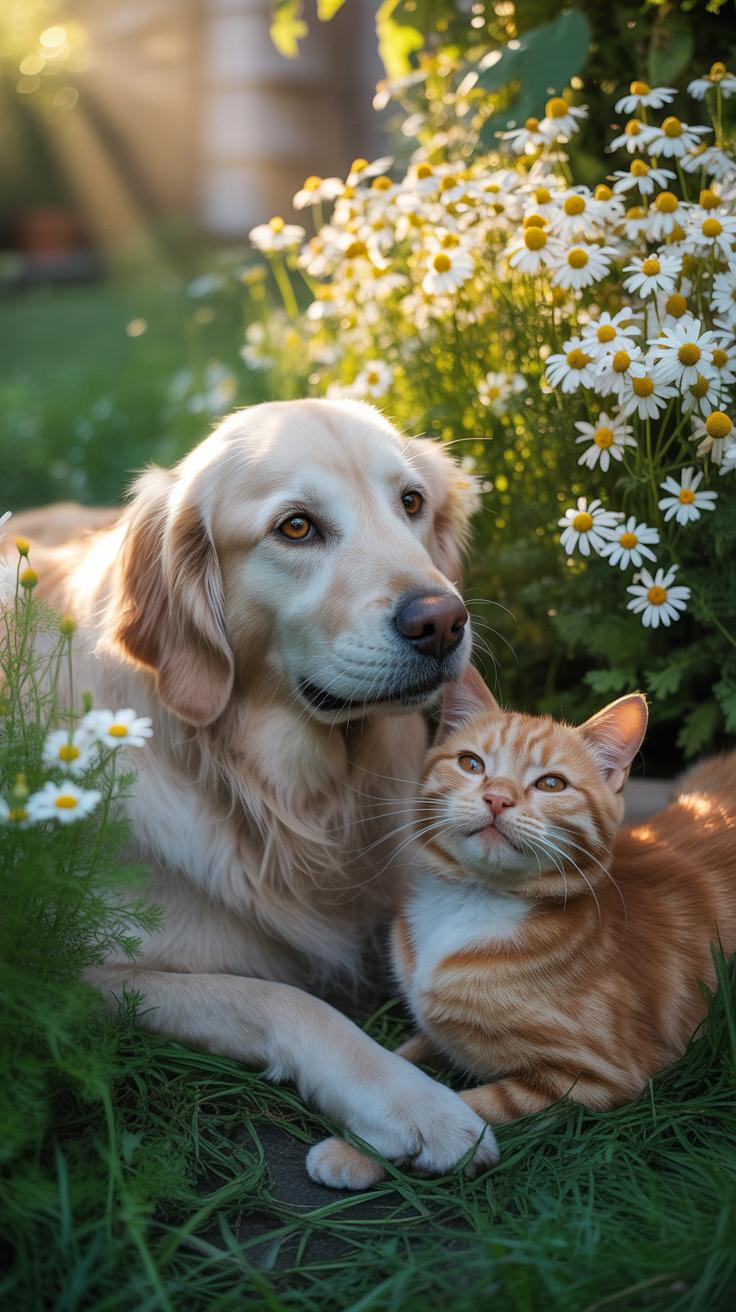
Chamomile contains bioactive compounds like apigenin that bind to specific receptors in the brain. This process mimics the effect of mild sedatives. It reduces activity in the central nervous system to lower heart rates. Pets experience a physical drop in muscle tension and mental stress shortly after ingestion. These chemical reactions make chamomile a primary choice among calming herbs for anxious pets.
This herb also targets the digestive system to relieve stress-related stomach upset. Anxiety often causes spasms in the intestinal tract of dogs and cats. Chamomile acts as an antispasmodic to relax these smooth muscles. By soothing the gut, the herb stops the feedback loop between physical discomfort and mental panic. It provides a dual-action approach to sedation that settles both the brain and the body.
Safe Ways To Administer Chamomile To Dogs And Cats
Pet owners typically use dried flowers to brew a tea for easy dosing. You must let the tea cool completely before offering it to your pet. Small dogs and cats usually take one to two teaspoons. Larger dogs can handle up to half a cup. Always check for ragweed allergies before administration. Some pets may experience a skin rash if they are sensitive to this plant family.

Concentrated tinctures and powders offer a more potent delivery method for severe cases. You can mix these directly into wet food to ensure the pet consumes the full dose. Avoid any products containing xylitol or excessive alcohol additives. Commercial pet treats also incorporate chamomile for convenience and consistent dosing. Always monitor your pet for heavy sedation or vomiting after the first dose to ensure safety.
Valerian Root As A Natural Dog Calming Remedy Worth Considering
The Science Behind Valerian Roots Sedative Properties
Valerian root acts on the central nervous system of dogs through valerenic acid. This compound increases the availability of gamma aminobutyric acid in the brain. High levels of this neurotransmitter block nerve impulses and reduce cellular excitability. This mechanism calms the animal by slowing brain activity. Ancient Romans recognized these effects centuries ago. Modern veterinary use relies on these same chemical interactions to manage canine stress.
The plant functions as a powerful natural sedative and muscle relaxant. It targets high tension levels during thunderstorms or travel. Scientists classify it as a nervine herb because it tones and supports the nervous system. Unlike synthetic drugs it does not usually cause heavy grogginess when used correctly. The root provides a ground level approach to anxiety by dulling the physical symptoms of the fight or flight response.
Dosage Guidance And Precautions When Using Valerian Root For Pets
Pet owners must calculate doses based on the weight of the dog. Tinctures and dried root powders require different measurements. Small dogs need very low amounts to avoid over sedation. Large breeds can handle more but you must start with a tiny test dose. Always check for reactions before giving a full serving. Contact a veterinarian before mixing this herb with any prescription sedatives or anti fungal medications.

Safety requires careful timing and monitoring. Give the herb forty five minutes before an expected stressful event happens. Do not use valerian for more than two consecutive weeks without a break. Long term use can cause lethargy or stomach upset in some animals. Pregnant or nursing dogs should avoid this herb entirely. Monitor your pet for signs of dizziness or low blood pressure. Stop use immediately if the dog becomes uncoordinated.
Lavender And Calming Essential Oils For Dogs What The Research Shows
How Lavender Essential Oil Influences The Canine Nervous System
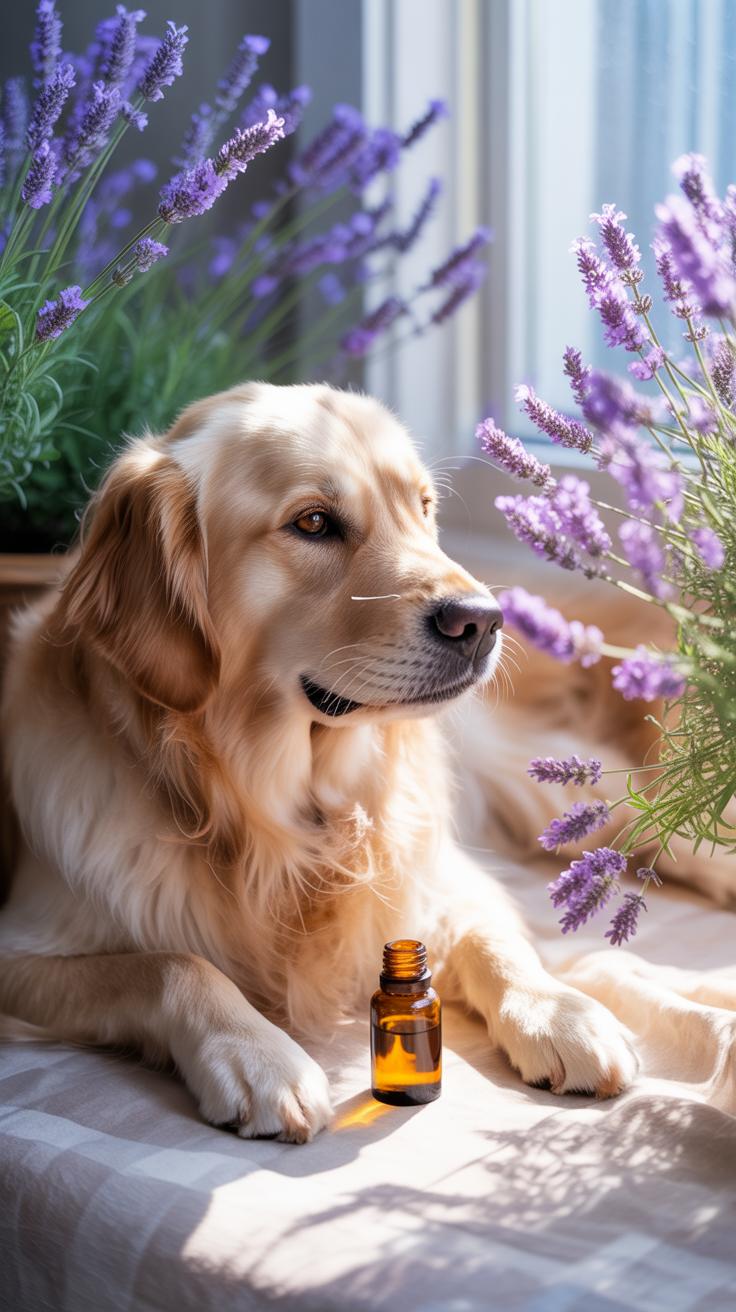
Lavender contains two primary terpene alcohols called linalool and linalyl acetate. These compounds enter the bloodstream quickly through inhalation. Once inside the body, they interact with the parasympathetic nervous system. This interaction reduces high heart rates and lowers cortisol levels in stressed dogs. Clinical studies prove that lavender scent increases resting behavior during car travel and shelter stays. It shifts the brain from a fight phase to a calm state.
Pet owners use lavender to manage acute situational anxiety. The oil acts on the same neurotransmitter receptors as some sedative medications. Specifically, it modulates GABA receptors in the brain to produce a mild tranquilizing effect. This process does not knock the dog out or cause heavy sedation. Instead, it takes the edge off of loud noises or new environments. Consistent use helps create a positive physiological association between the scent and a relaxed physical mood.
Key Safety Rules When Using Calming Essential Oil Blends For Dogs
Dogs possess a highly sensitive sense of smell that is much stronger than human olfaction. High concentrations of essential oils can overwhelm their respiratory system or cause skin irritation. You must always dilute pure oils with a carrier oil like coconut or almond oil before application. Never apply undiluted oils directly to a dog’s fur or skin. Proper ventilation ensures the dog can leave the room if the scent becomes too strong.
- Always Dilute Oils: Use a ratio of one drop of essential oil to at least ten drops of carrier oil. Dogs have thin skin that absorbs chemicals rapidly. Direct application of concentrated oils causes chemical burns or systemic toxicity. Constant dilution prevents these adverse reactions.
- Provide Escape Routes: Never trap a dog in a room with an active diffuser. Dogs must have the ability to move to a different area if the scent is overpowering. Closed doors lead to respiratory distress and sensory overload for sensitive animals.
- Source Therapeutic Grade: Buy only high-quality oils that are free from synthetic fillers and perfumes. Low-grade oils often contain chemicals like hexane or phthalates. These additives trigger allergic reactions and do not provide the medicinal benefits found in pure botanical extracts.
- Avoid Sensitive Areas: Keep all oils away from the nose, eyes, and genitals of the animal. These mucous membranes react painfully to essential oils. If accidental contact occurs, flush the area with a plain carrier oil rather than water. Water can worsen the irritation.
- Watch for Toxicity: Monitor your dog for signs of lethargy, vomiting, or stumbling after exposure. Some oils like tea tree or birch are toxic to dogs. If you notice unusual behavior, stop using the product immediately and consult a veterinarian to check for liver or kidney stress.

Effective aromatherapy requires moderation and observation of the animal’s body language. Start with very small amounts to test for individual sensitivity or allergies. If the dog sneezes or leaves the room, the concentration is too high. Successful calming depends on subtle environmental changes rather than heavy saturation. Strategy and safety must come before the desire for instant results. Use these tools as part of a broader behavioral plan.
Passionflower A Lesser Known Herb With Real Dog Calming Remedy Potential
How Passionflower Supports A Calmer Mood In Anxious Dogs
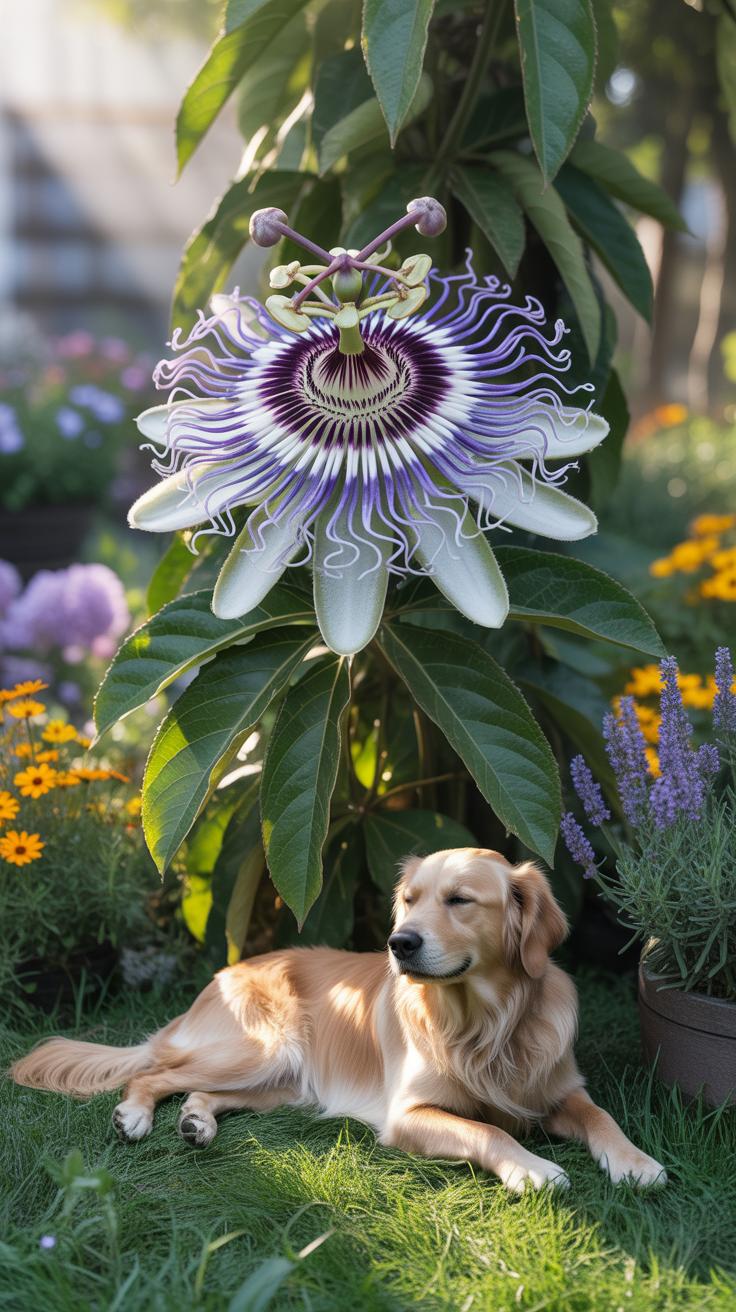
Passionflower works by increasing levels of gamma-aminobutyric acid in the brain. This chemical reduces the activity of certain brain cells. Higher levels of this acid make dogs feel more relaxed. It acts as a mild sedative without causing heavy grogginess. You can use it to help dogs stay calm during thunderstorms or fireworks. This herb targets the central nervous system to reduce physical signs of stress.
The plant contains flavonoids that provide significant calming effects for nervous animals. It regulates the heart rate and lowers high blood pressure caused by fear. Owners often use it for pets with separation anxiety or noise phobias. It does not cure the underlying behavioral issue but provides a window for training. This herb is safer than many heavy pharmaceutical options when used in the correct dosage for body weight.
The greatest privilege that comes with keeping a dog is looking into those trusting eyes and knowing you can restore their peace with the simple, quiet healing of the earth.
When And How To Use Passionflower Alongside Other Calming Herbs For Anxious Pets
Passionflower works best when you mix it with valerian root or skullcap. These herbs create a synergistic effect that enhances relaxation. You should administer the herb about forty-five minutes before a stressful event occurs. This timing allows the active compounds to enter the bloodstream fully. Always check with a veterinarian before mixing herbs with prescription sedative medications. This precaution prevents dangerous drug interactions or over-sedation.

Liquid tinctures offer the most control over the dosage for small or large dogs. You can add the drops directly to food or a treat. Dried herbs also work but take longer for the body to process. Consistency is vital for chronic anxiety cases. Give the herb at the same time every day to maintain steady levels in the system. Monitor your pet for any signs of lethargy or upset stomach during the first week.
Aromatherapy For Dogs Calming Using Scent As A Natural Stress Reliever
How A Dog’S Powerful Sense Of Smell Makes Aromatherapy Effective
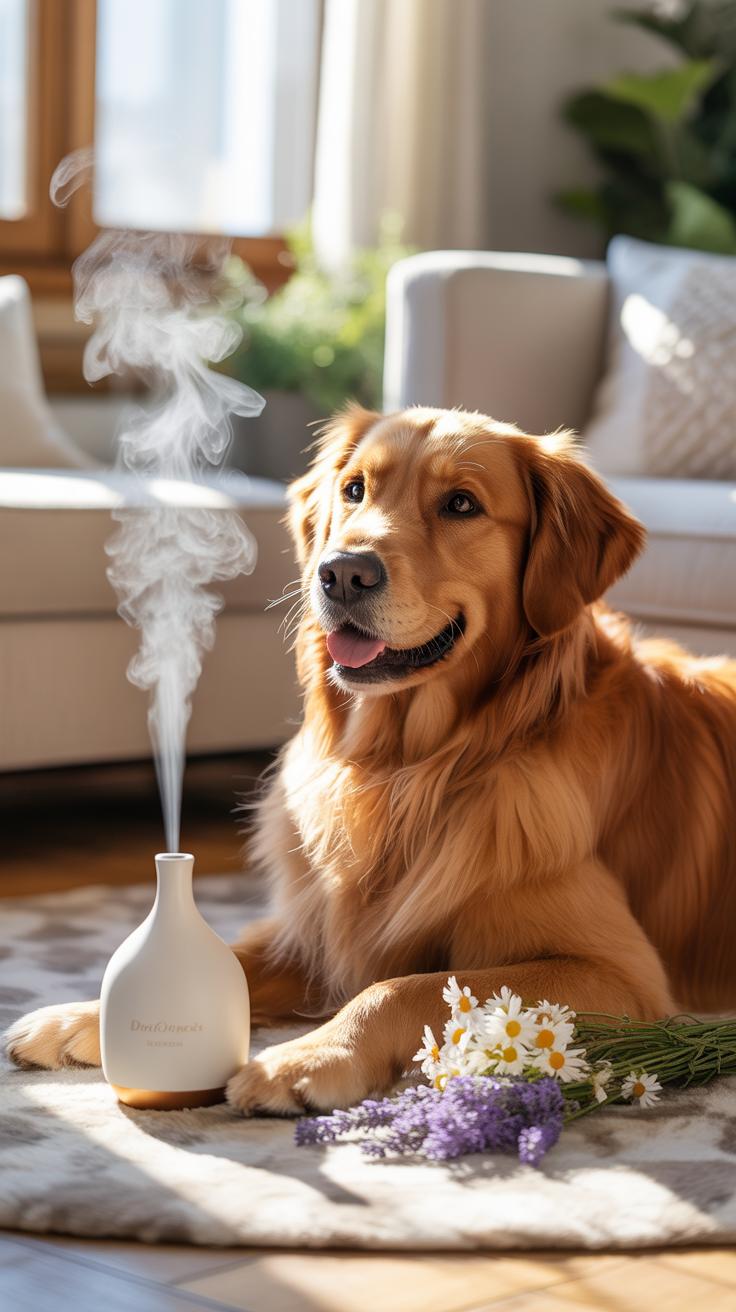
A dog possesses up to 300 million olfactory receptors in its nose. Humans have only about six million. This anatomical difference allows dogs to process scents with extreme precision. The olfactory bulb connects directly to the limbic system in the canine brain. This area manages emotions and memory. When a dog inhales specific calming scents, the brain triggers a physical relaxation response immediately.
Specific plant compounds interact with the nervous system to lower heart rates. Linalool found in lavender and esters in chamomile provide measurable physiological shifts. These chemical signals bypass conscious thought to provide rapid relief for high-stress situations. Using scent as a delivery method for calming herbs for anxious pets is highly efficient. It works faster than oral supplements because it enters the bloodstream via the lungs.
Best Practices For Diffusing Essential Oils To Calm Dogs Safely At Home
Safety dictates every tactical move when diffusing oils around dogs. Use only high-quality therapeutic grade oils to avoid synthetic toxins. Start with a water-based ultrasonic diffuser to keep concentrations low. Place the device in a large room with high ceilings to prevent scent saturation. High concentrations can irritate canine respiratory systems or cause lightheadedness. Monitor your dog for pacing or excessive sneezing during sessions.

Ventilation is the most critical factor for safe aromatherapy. Always leave a door open so the dog can exit the room freely. Never force a dog to stay in a confined space with a running diffuser. Limit diffusion cycles to thirty minutes twice per day. This prevents olfactory fatigue and ensures the scent remains an effective tool. Consistency and moderation create a predictable environment that helps an anxious dog feel secure.
Calming Essential Oil For Pets WhatS Safe For Cats Vs Dogs
Why Cats React Differently To Essential Oils Than Dogs Do
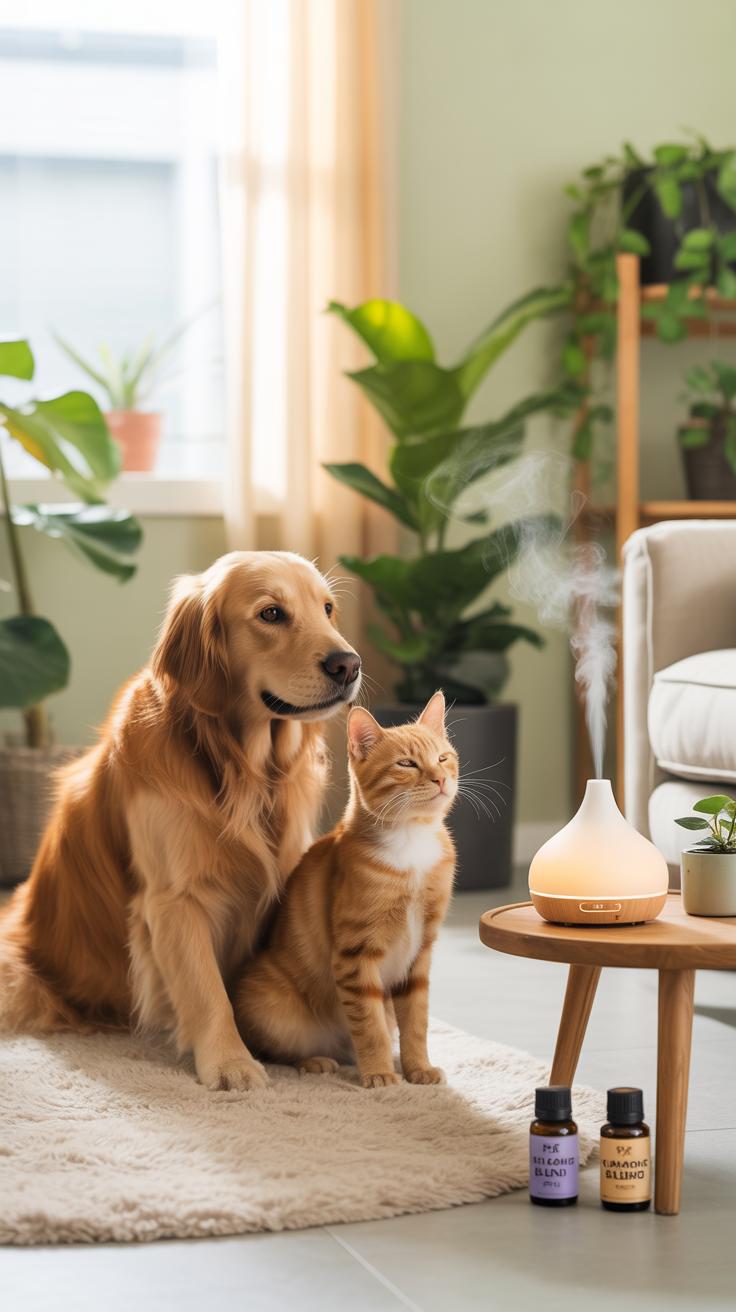
Cats possess a unique physiology that makes them highly sensitive to many plant compounds. Their livers lack specific enzymes needed to process phenols and various hydrocarbons found in essential oils. This deficiency prevents cats from breaking down these chemicals effectively. While a dog might metabolize a scent with ease, a cat can experience toxic buildup. This metabolic limitation turns common oils into dangerous substances for felines.
Dogs have more robust metabolic pathways that handle volatile organic compounds better than cats. They can generally tolerate a wider range of scents and concentrations. However, dogs still have a sense of smell far more powerful than humans. What feels like a faint aroma to you creates an intense sensory experience for them. You must treat canine exposure with caution even though they lack the feline enzyme deficiency.
Cat Health Care Considerations Before Introducing Any Herbal Or Oil Based Remedy
Standard air filtration and ventilation are your first lines of defense. Cats absorb essential oils through their skin, lungs, and by grooming their fur. You must ensure the cat has a clear exit path from any room where you use aromatics. Trapping a cat in a small space with a diffuser can lead to respiratory distress quickly. Monitor their breathing and energy levels closely during the first hour.

Consult a veterinarian to check for underlying respiratory issues like feline asthma. Herbal remedies can trigger inflammation in sensitive airways. Always choose high-quality products that do not contain synthetic fillers or heavy metals. These contaminants increase the toxic load on the animal. Never apply undiluted oils directly to a cat’s skin or coat. Physical contact significantly raises the risk of organ damage or acute poisoning.
Ashwagandha And Lemon Balm Adaptogenic Herbs That Support Pet Stress Relief
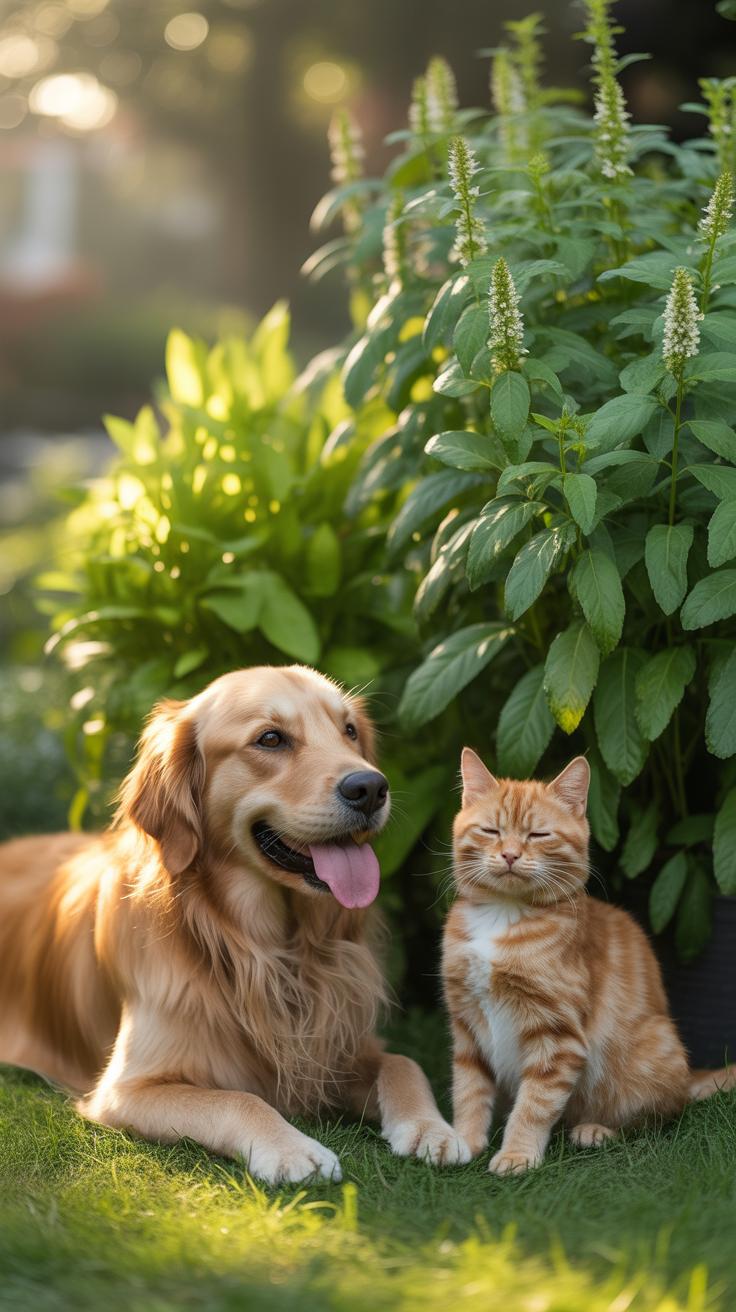
How Adaptogens Like Ashwagandha Help Regulate A Pet’S Stress Response
Ashwagandha functions as an adaptogen to stabilize a pet’s physiological processes. This herb targets the hypothalamic pituitary adrenal axis to manage cortisol levels. High cortisol causes chronic agitation and physical wear in dogs and cats. Ashwagandha helps the body return to a state of homeostasis after a stressful event. It does not sedate the animal but builds long term resilience against environmental triggers.
Consistent dosing allows the pet to handle loud noises or separation without extreme fear. Research shows these compounds support immune function often weakened by stress. You must choose high quality extracts to ensure potency and safety. Veterinary professionals recommend this herb for pets with long term anxiety rather than acute panic. It works best when integrated into a daily supplement routine to maintain steady hormonal balance.
Lemon Balm’S Calming Properties And Its Safe Use In Pets
Lemon balm belongs to the mint family and provides direct nervine support. It contains rosmarinic acid which increases the availability of gamma aminobutyric acid in the brain. This neurotransmitter reduces excitability and induces a sense of calm. It works quickly to soothe pets during thunderstorms or car rides. This herb serves as a tactical tool for immediate behavioral management in overstimulated animals.
Safety is high for both dogs and cats when used in appropriate dosages. You can find lemon balm in tinctures, teas, or dried forms. It also aids digestion by reducing gas and spasms caused by nervous tension. Avoid products with added essential oils or xylitol which are toxic to pets. Monitor your pet for mild lethargy when first introducing this herb to ensure the dosage is correct.
How To Choose And Combine A Calming Essential Oil Blend For Dogs
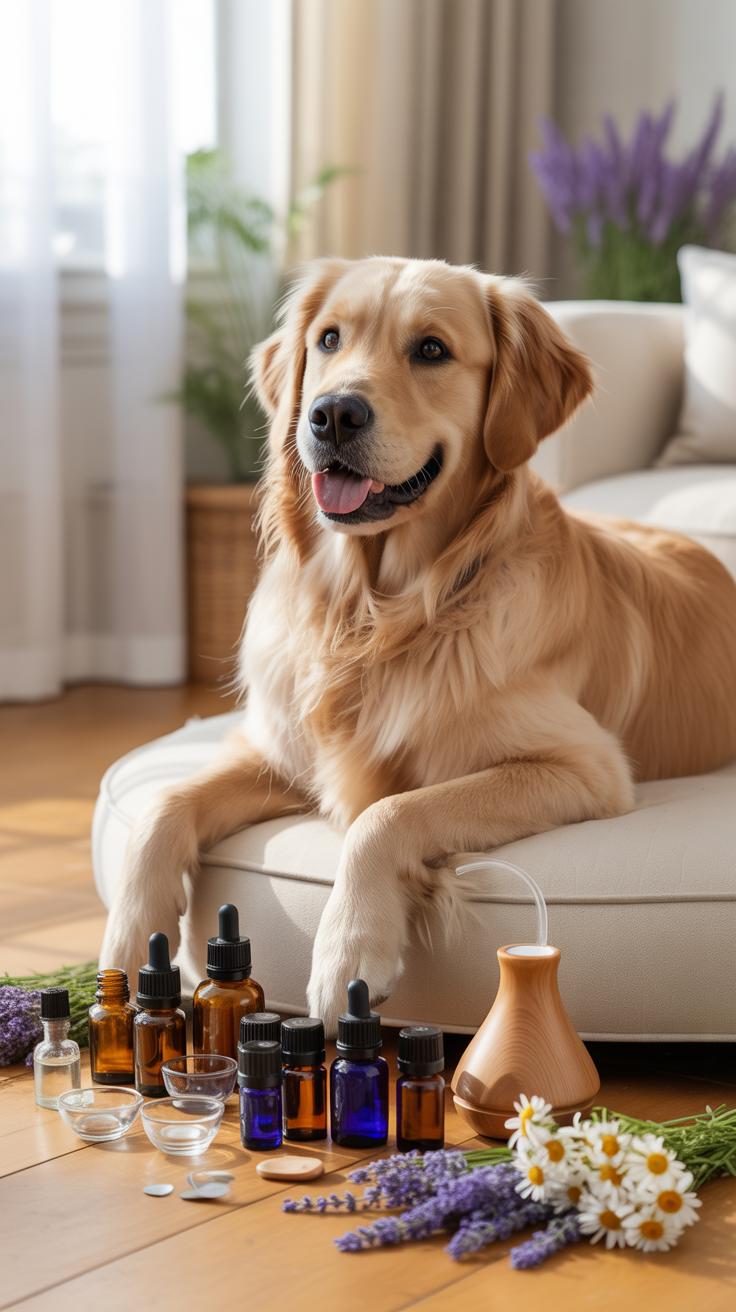
What To Look For In A High Quality Herbal Or Essential Oil Product For Pets
Veterinary grade products require strict quality control to ensure safety and effectiveness. Pure essential oils should never contain synthetic fillers or carrier oils unless specified for topical use. Look for the Latin botanical name on the label to verify the exact plant species. Avoid any products marketed for humans that contain high levels of phenols or ketones which can be toxic to dogs.
- GC-MS Testing: Gas Chromatography Mass Spectrometry reports prove the chemical purity of the oil. This test identifies every compound within the batch to ensure no heavy metals or synthetic additives contaminate the product. Reliable manufacturers provide these reports to verify that the oil contains the active therapeutic compounds needed for calming.
- Latin Botanical Name: Ensure the label lists the exact species such as Lavandula angustifolia for lavender. Using the wrong species can result in different chemical properties that may be ineffective or harmful. Standardized labeling prevents confusion between safe pet herbs and potentially dangerous lookalikes found in the same plant family.
- Organically Sourced Material: Plants grown without pesticides prevent chemical residue from entering the final oil extract. Dogs have sensitive respiratory systems and high metabolic rates that react poorly to trace toxins. Organic certification ensures the botanical material is clean and safe for long term diffusion or controlled topical application.
- Dark Glass Packaging: High quality oils must stay in amber or cobalt glass bottles to prevent light degradation. Plastic containers can leach chemicals into the oil over time due to the high potency of the volatile compounds. Proper packaging preserves the shelf life and chemical stability of the calming herbal extracts.
- Pet Specific Formulations: Manufacturers that formulate specifically for animals use appropriate dilution ratios and avoid known toxins like tea tree or pennyroyal. These products often undergo testing for animal safety and include clear dosing instructions based on pet weight. This reduces the risk of accidental overdose or skin irritation.
Compare the price against market averages for raw botanical materials. Low prices usually indicate a diluted or synthetic product that will not provide calming benefits. Check for clear contact information and a physical address for the manufacturer to ensure accountability. Proper documentation shows the company understands the physiological differences between humans and pets. High standards prevent adverse reactions in sensitive animals.
Combining Herbs And Oils Safely: Avoiding Interactions And Overdose Risks
Combining multiple calming agents requires a deep understanding of botanical synergy. Mixing valerian root with lavender can enhance relaxation but also increases the risk of heavy sedation. You must monitor your dog for signs of lethargy or loss of coordination when using blends. Always introduce one new herb at a time to track specific physical or behavioral reactions before creating a complex mixture.
Safety depends on precise dosing and avoiding concentrated buildup in the liver. Herbs like St. Johns Wort can interfere with prescription medications and lead to dangerous blood pressure changes. Consult a veterinarian if your dog takes any pharmaceutical drugs for anxiety or heart conditions. Stop all herbal treatments immediately if the dog shows signs of nausea or skin redness. Strategic use prevents toxic accumulation.
When Natural Calming Herbs Are Not Enough Knowing When To See A Vet
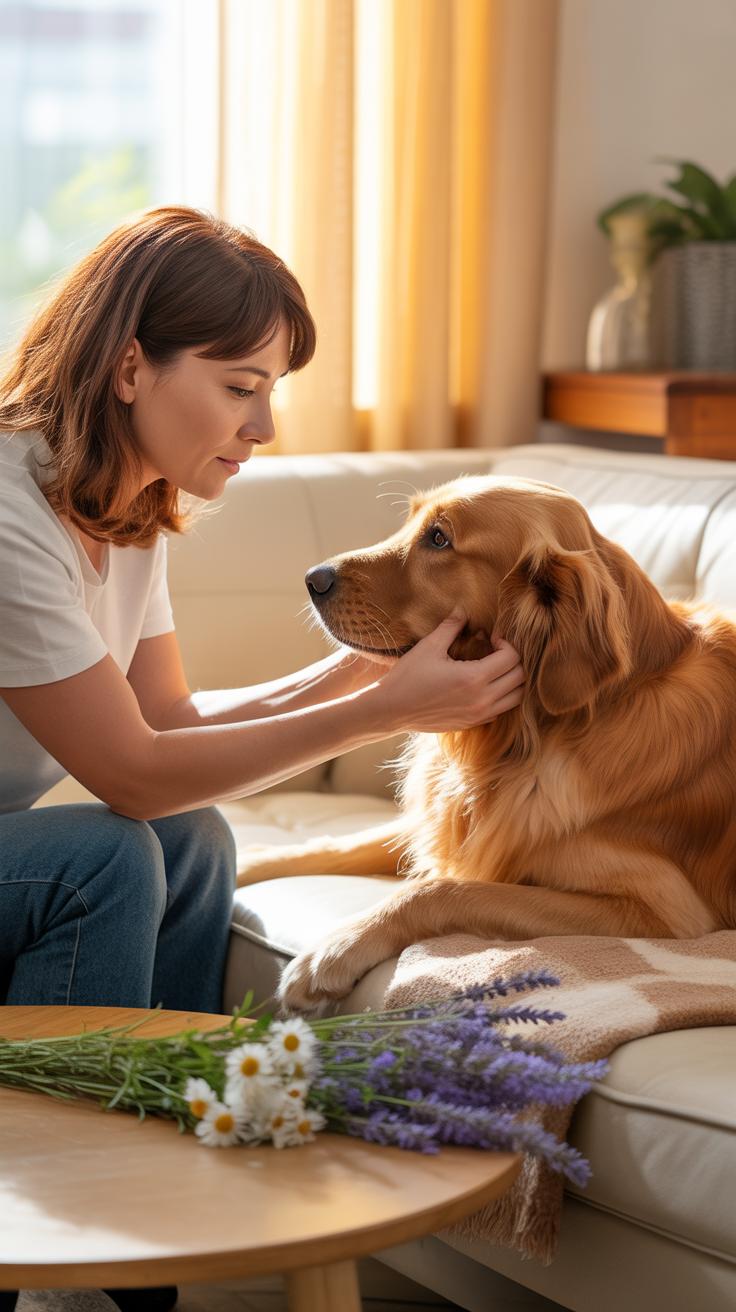
Signs That Your Pet’S Anxiety Requires Professional Veterinary Attention
Herbs solve mild stress but cannot fix deep physiological imbalances. You must seek a vet if your pet shows destructive behavior or self-mutilation. Watch for constant pacing and excessive panting that does not stop when the trigger leaves. These signs indicate severe distress that natural remedies cannot touch. Ignoring these physical signals leads to long-term health decline and injury.
Violent reactions and biting require immediate professional intervention. If your pet stops eating or develops chronic diarrhea from stress, herbs are insufficient. A vet must rule out thyroid issues or neurological disorders that mimic anxiety. Early medical diagnosis prevents the condition from worsening. You cannot treat a chemical brain imbalance with tea alone. Use professional diagnostics to ensure your pet is safe.
Integrating Holistic Pet Care With Conventional Treatment For Best Results
The best strategy combines botanical support with modern medical science. Veterans of pet care use pharmaceutical intervention to lower the initial stress threshold. This allows the pet to become receptive to behavioral training and herbal supplementation. You must disclose all herbal use to your vet to avoid dangerous drug interactions. Some herbs change how the liver processes synthetic medications.
Tactical anxiety management uses many tools at once. You should use calming herbs to maintain baseline stability while saving stronger sedatives for acute events like storms. This layered approach prevents the pet from building a tolerance to a single solution. Always monitor your pet for changes in heart rate or lethargy. A balanced plan yields the most consistent and predictable results for recovery.
Frequently Asked Questions

Which natural remedies are safest for pets starting herbal therapy?
When exploring calming herbs for anxious pets, chamomile and valerian root are excellent starting points. Chamomile is widely loved for its gentle sedative properties, making it perfect for hyperactive dogs or stressed cats. Valerian root acts as a powerful natural relaxant that helps soothe the nervous system during thunderstorms. These botanical options offer a holistic way to reduce situational stress without the heavy side effects often associated with synthetic sedative medications.
How do I safely administer these soothing herbs to my pet at home?
Consistency is key when introducing calming herbs for anxious pets into their daily routine. You can mix dried herbs directly into wet food, apply glycerin-based tinctures to treats, or use infused sprays on their favorite bedding. Always start with a very small dose to monitor your pet’s physical reaction. For the best results, administer these natural remedies about thirty minutes before a stressful event, such as a vet visit or fireworks display.
Can I find effective herbal anxiety relief for my pet on a budget?
Absolutely! You don’t need expensive specialty supplements to help your pet find peace. Many highly effective herbs, like lavender and lemon balm, are incredibly affordable and easy to grow in a small kitchen windowsill garden. Buying organic, culinary-grade dried herbs in bulk is another cost-effective strategy. This allows you to create your own custom wellness blends at home, ensuring your pet receives high-quality relaxation support without breaking your monthly budget.