Why Pet Fitness Tracking Tools Are Essential For Modern Pet Owners
The Growing Importance Of Monitoring Your Pets Health And Activity Levels
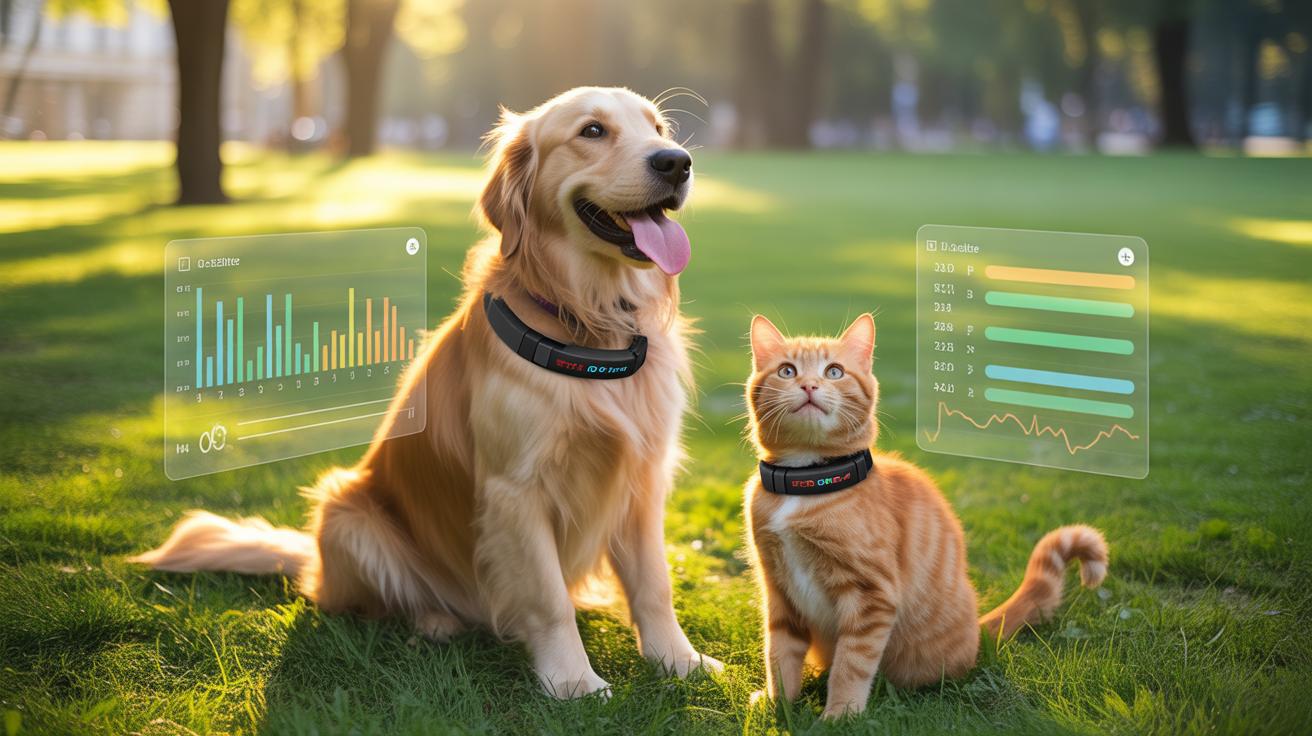
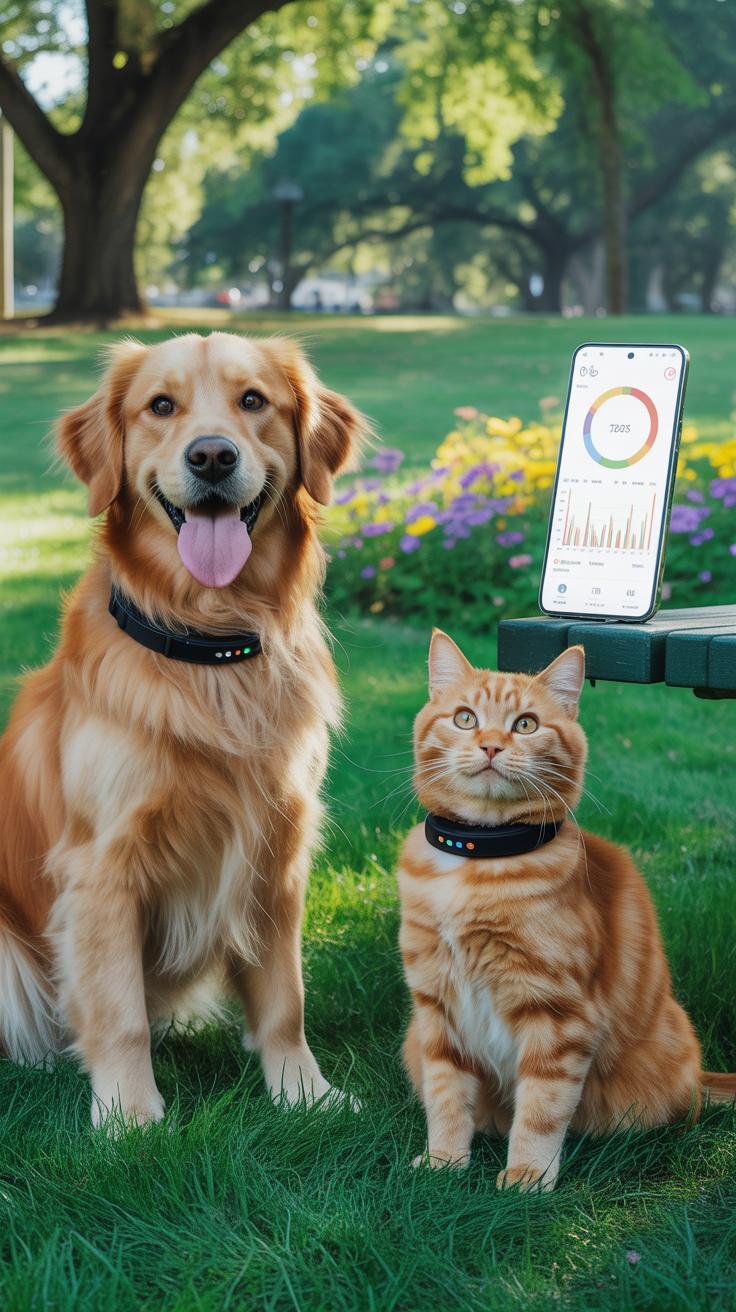
Pet obesity rates are rising globally. Most owners cannot accurately judge their pets exertion levels without data. Tracking tools remove guesswork by measuring calories burned and distance traveled. These devices monitor daily movement patterns to ensure animals meet specific breed requirements. Consistent data collection helps owners maintain a healthy weight for their pets. This prevents chronic strain on joints and organs.
Digital monitoring provides a baseline of normal behavior. Domestic pets often hide signs of fatigue or low energy. Sensors capture every minute of activity while owners are at work or sleeping. This objective data helps owners adjust feeding schedules based on actual energy expenditure. Reliable tracking tools offer a clear view of a pets physical state. Hard data replaces subjective observations in daily care.
How Early Detection Of Health Issues Can Extend Your Pets Life
Sudden changes in activity often signal underlying medical problems. Tracking tools identify shifts in rest and motion patterns before physical symptoms appear. Decreased movement can indicate early onset arthritis or cardiovascular issues. Constant monitoring allows for faster intervention by veterinary professionals. Early diagnosis usually leads to more effective treatments and lower medical costs. Data provides the physical proof needed for accurate assessments.
Tracking tools also monitor sleep quality and scratching frequency. High levels of nighttime restlessness may point to skin allergies or chronic pain. Owners use these insights to catch internal issues that are invisible to the naked eye. Regular data reviews help prevent minor issues from becoming terminal conditions. Proactive management adds years to a pets life. Technology bridges the communication gap between pets and their owners.

Understanding How A Pet Tracker Works Technology Behind The Tools
Sensors, Accelerometers, And Data Syncing: The Core Technology Explained
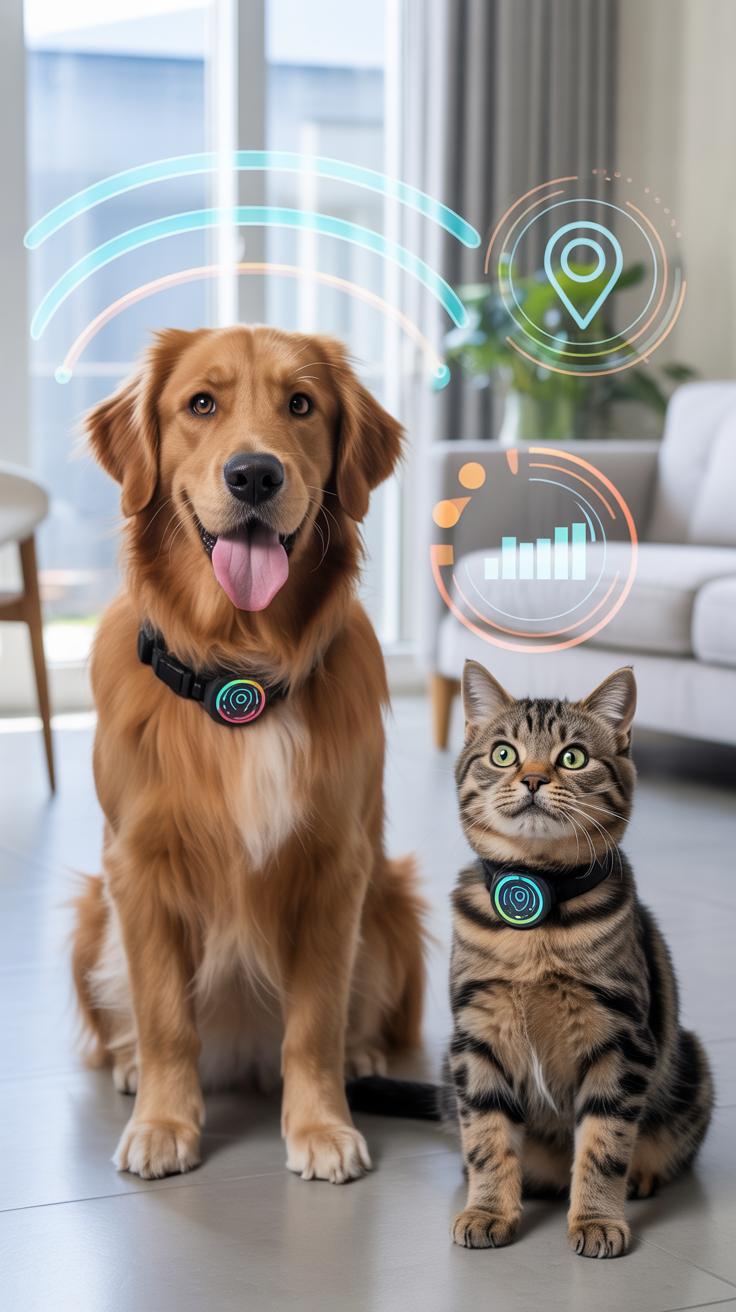
Modern pet trackers use tri-axial accelerometers to detect movement in three dimensions. These sensors measure the intensity and duration of physical activity. They distinguish between walking, running, and sleeping by analyzing gait patterns. Hardware engineers calibrate these sensors to filter out non-exercise movements like scratching or shaking. This ensures the data reflects actual physical exertion rather than random vibrations or external noise.
Communication modules sync this raw movement data to the cloud or a smartphone. Most devices use Bluetooth Low Energy for local syncing to save battery life. High-end models include Wi-Fi or cellular chips for real-time updates when the pet is away from home. These components work together to provide a constant stream of activity metrics. Global Positioning System chips provide location data but consume power quickly during active tracking.
How Pet Fitness Data Is Collected, Stored, And Interpreted Via Mobile Apps
The mobile app acts as the command center for the raw sensor data. Once the device uploads information, proprietary algorithms translate acceleration peaks into understandable metrics. These include total steps, calories burned, and active minutes. Developers build these algorithms using biological data specific to different breeds. A Labrador requires more movement to hit a goal than a Pug. This customization prevents inaccurate health reporting.

Storage happens on secure remote servers to allow for long-term trend analysis. Users view this data through visual dashboards that highlight deviations from the norm. This historical record helps owners identify early signs of illness or mobility issues. The software compares your pet’s activity against a database of similar animals. This benchmarking provides context for whether your pet is meeting standard health targets for its age and size.
GPS Tracking For Pets How GPS Tracker Devices Keep Your Pet Safe And Active
How GPS Tracking Uses Satellite Networks To Monitor Your Pets Location In Real Time
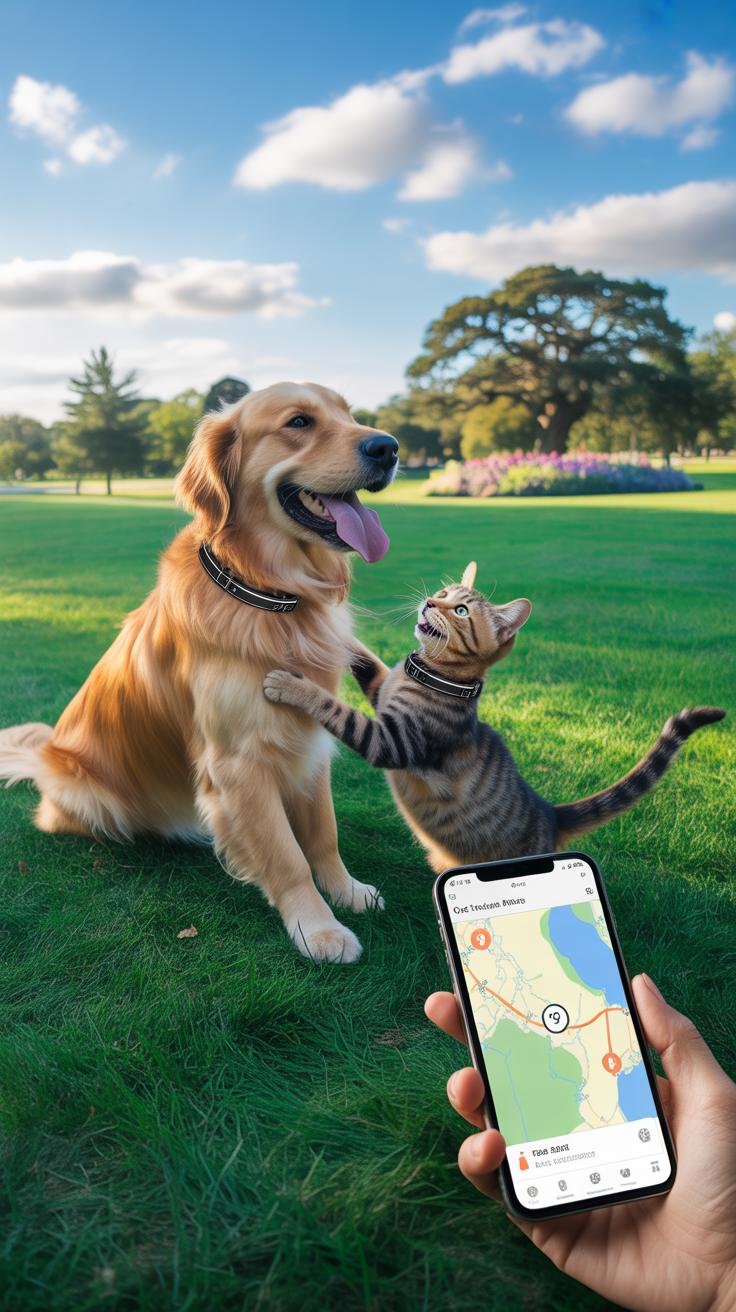
Global Positioning System technology relies on a network of over thirty satellites orbiting Earth. These satellites broadcast precise signals to a receiver on your pets collar. The receiver calculates its exact position by measuring the time it takes for signals to arrive from several satellites. This process provides accurate coordinates regardless of weather or terrain. Most modern pet trackers use this data to update maps instantly.
Real time monitoring requires a cellular connection to transmit these coordinates to your smartphone app. The device sends location packets via LTE or low power wide area networks. This connectivity allows owners to create virtual fences and receive alerts if a pet leaves a designated zone. Constant updates ensure you see exact movements as they happen. Reliable coverage depends on local cell towers and a clear sky view.
The Difference Between GPS Only And Combined GPS And Activity Tracker Devices
GPS only units focus strictly on location and recovery. These devices prioritize high frequency positioning updates to help you find a lost animal. They often lack sensors like accelerometers or gyroscopes. You get a map view but no data on physical health. These models serve users who only care about security. They usually have shorter battery lives due to constant satellite pings during active tracking.

Combined devices integrate GPS with motion sensors to track health metrics. They record steps, calories burned, and sleep patterns alongside location data. These tools provide a complete look at your pets fitness levels. High quality sensors detect specific movements like scratching or running. You get more value from these units because they monitor daily wellness. They help you spot health changes before they become serious medical problems.
Best Pet Tracker Devices On The Market A Detailed Comparison
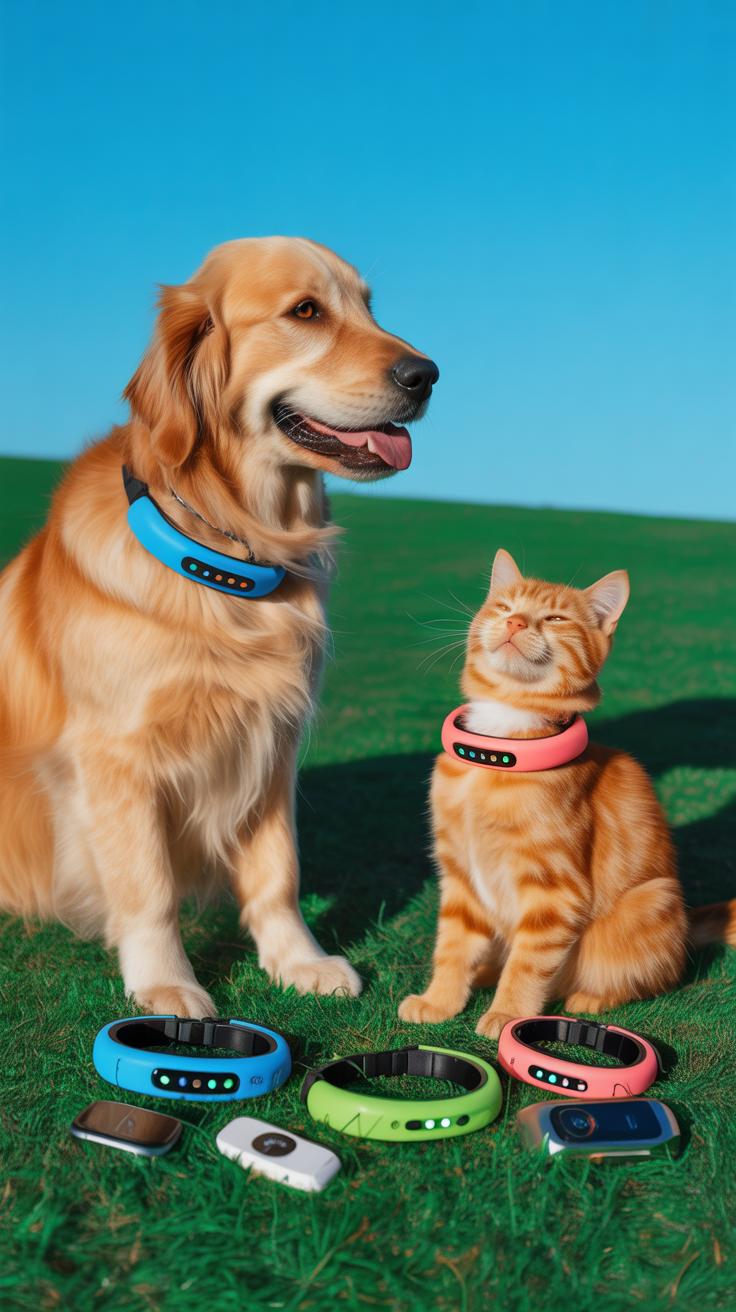
Top Wearable Pet Fitness Trackers: Features, Battery Life, And Compatibility
Whistle and Tractive dominate the current market for pet fitness tracking tools. Whistle focuses on health biometrics like scratching and licking. It uses a Wi-Fi and cellular connection to sync data. Tractive offers live GPS tracking with global coverage. Both devices require a subscription for full access. These tools clip directly to a standard collar. They monitor active minutes versus rest time to show total daily energy burn.
Battery life varies by network strength and usage. Tractive lasts up to seven days depending on signal quality. Whistle can last fifteen days if the pet stays within its designated safe zone. Both systems support iOS and Android devices. They use proprietary apps to visualize movement trends. This data helps owners catch health changes early. Compatibility depends on the size of the pet and the collar attachment mechanism.
Key Features To Look For When Choosing The Best Pet Tracker For Your Animal
Selecting the right hardware requires matching the device capabilities to your pet’s lifestyle. Not all trackers provide the same data granularity. Some prioritize location safety over health metrics. You must evaluate the weight of the device against the size of your animal. Heavy trackers strain the necks of small cats and toy dog breeds. Focus on durability and the specific sensors included.
- Waterproofing Ratings: Most high-end trackers carry an IPX7 or IPX8 rating. This ensures the device survives rain, puddles, and swimming. Check this rating if your dog spends significant time outdoors or near water to avoid hardware failure and data loss.
- Activity Monitoring Logic: Advanced sensors distinguish between walking, running, and playing. Reliable trackers use tri-axial accelerometers to calculate movement. This data helps you understand if your pet meets its daily exercise goals based on breed, age, and weight requirements.
- Battery Efficiency: Look for power-saving modes that trigger when the device connects to home Wi-Fi. This extends uptime significantly. Frequent charging reduces the utility of the device because you will likely forget to put it back on the animal regularly.
- Cellular Network Support: GPS trackers use LTE-M or 4G networks to transmit location data. Verify the carrier coverage in your specific area before purchasing. A tracker with poor signal reception will drain the battery quickly and fail during an actual emergency.
- Health Analytic Alerts: Some software can detect behavioral shifts like increased sleeping or excessive scratching. These alerts serve as early warning signs for medical issues. Effective tools provide weekly reports comparing your pet’s activity to similar animals in their global database.

Subscription costs are a critical secondary consideration for these devices. Most manufacturers charge a monthly fee for data transmission and cloud storage. Without a subscription, many trackers only function as basic Bluetooth beacons with limited range. Calculate the total cost of ownership over two years before committing. Ensure the mobile app interface provides clear and actionable data rather than just raw numbers.
Best GPS Tracker For Dogs Top Picks For Canine Safety And Fitness
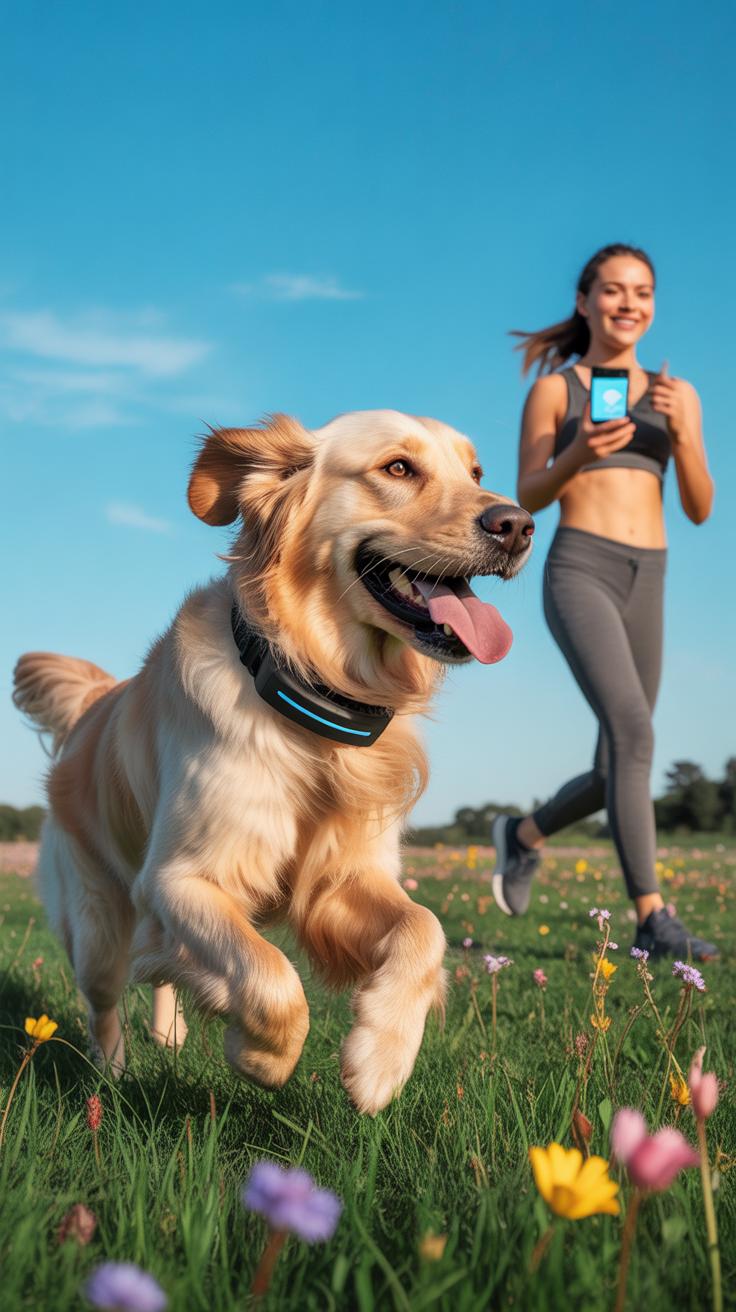
How The Best GPS Tracker For Dogs Combines Location Monitoring With Fitness Data
Modern GPS trackers use cellular and satellite technology to pinpoint a dog location in real time. These devices do more than find lost pets. They contain built-in accelerometers to measure movement, intensity, and duration. This hardware captures physical output data while the GPS unit tracks total distance traveled. This combination allows owners to see where their dog went and how hard they worked.
Smart trackers sync this data to mobile apps to create a complete health profile. These apps compare movement patterns against breed standards and age benchmarks. You can identify if a dog is resting too much or meeting daily activity goals. Integrated systems turn simple location data into actionable fitness insights. This data helps you adjust exercise routines based on accurate physical performance records and calorie burn.
Waterproof, Durable, And Lightweight: What Makes A Dog GPS Tracker Stand Out
Reliable trackers must withstand harsh environments and physical stress. High-quality units use IP67 or IP68 ratings to ensure they remain waterproof during swimming or heavy rain. Manufacturers choose impact-resistant plastics and rubberized housings to shield internal chips from shock. A durable build prevents the device from breaking when a dog runs through brush or hits hard surfaces during play.

Weight is a critical factor for animal comfort and data accuracy. Lightweight designs prevent the collar from sagging or irritating the skin. A small footprint ensures the dog does not notice the device during vigorous activity. Long battery life is also essential for consistent monitoring. Efficient power management allows the tracker to run for days without a charge while maintaining a constant GPS signal.
Tracking Dog Activities What Metrics Matter Most For Your DogS Wellbeing
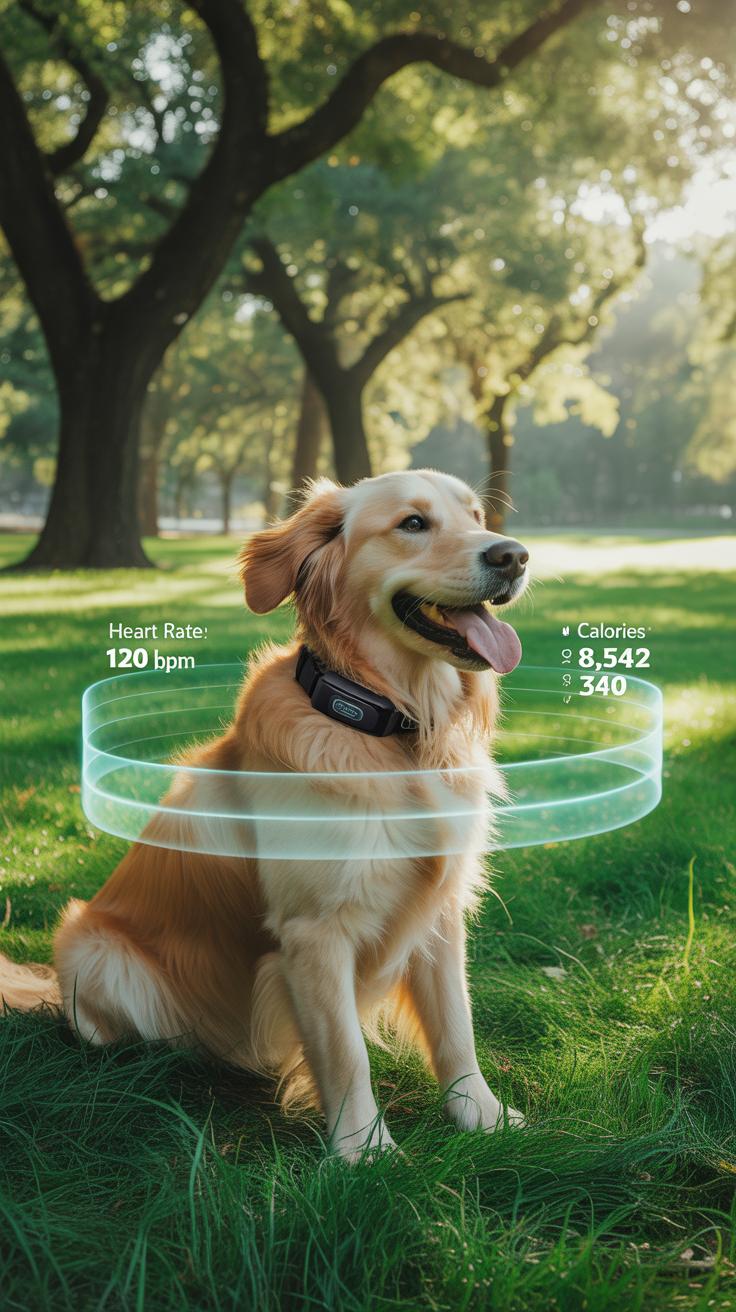
Steps, Distance, Rest Periods, And Calories: Breaking Down Dog Activity Metrics
Raw step counts offer a baseline for daily movement. High step counts indicate active behavior, but distance provides better context for physical exertion. Tracking distance traveled during walks or runs helps you measure endurance. Most pet fitness tracking tools use tri-axial accelerometers to capture these movements. This hardware maps specific vibrations to distinct gaits like walking, trotting, or sprinting for better data accuracy.
Monitoring rest periods is equally critical for health. Efficient recovery happens during deep sleep and stationary downtime. If rest periods decrease suddenly, your dog might be overexerted or experiencing anxiety. Caloric burn estimates use body weight and activity intensity to calculate metabolic output. Owners use this specific data to adjust food portions. Maintaining a balance between energy intake and caloric expenditure prevents obesity and joint strain.
How Activity Benchmarks Differ Across Dog Breeds, Ages, And Sizes
Breed genetics dictate the ideal baseline for physical activity. Working breeds like Border Collies require significantly higher intensity levels than brachycephalic breeds like Pugs. Small dogs take more steps to cover the same distance as large dogs. You must calibrate your fitness tool to your dog’s specific breed profile. Using generic benchmarks for a Greyhound and a Basset Hound will lead to inaccurate health assessments.

Age shifts the priority of these metrics. Puppies have high energy but need frequent short bursts of play rather than long endurance walks. Their developing joints cannot handle sustained impact. Senior dogs often show a gradual decline in daily steps and an increase in rest. Use tracking tools to identify sharp deviations from these age-related norms. Sudden changes in typical activity patterns often signal underlying medical issues or pain.
Using A Health Tracker For Pets Going Beyond Steps To Full Wellness Monitoring
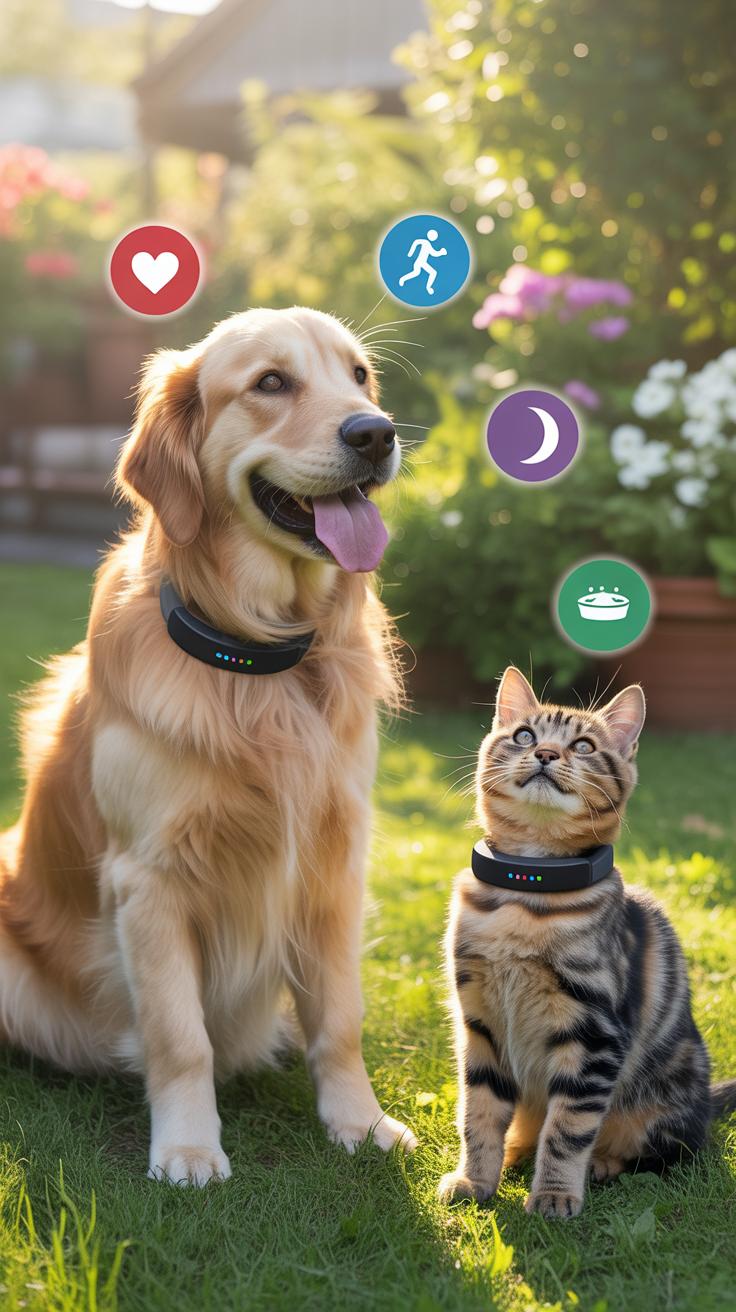
Monitoring Sleep Quality, Resting Heart Rate, And Behavioral Changes In Pets
Modern pet fitness tracking tools do more than count steps. They measure sleep cycles to find disruptions. Poor sleep often signals pain or skin allergies in dogs. Owners use this data to catch issues before they become visible. High rest levels help you understand your pet’s recovery after exercise. Constant movement during the night suggests discomfort that requires a medical check.
Resting heart rate serves as a key indicator of cardiac health. Some trackers monitor pulse and breathing patterns while the pet stays still. Significant changes in these baselines point toward heart disease or high stress levels. You must track these trends over weeks to see the true health status. This tactical data removes guesswork. It allows owners to make decisions based on biological facts rather than observations.
To sit with a dog on a hillside on a glorious afternoon is to be back in Eden, and modern technology now helps us cherish and protect every heartbeat of those golden moments.
How Vet Integrated Health Tracker Platforms Are Changing Preventive Pet Care
Vet-integrated platforms connect your pet’s daily data directly to medical professionals. This link shifts care from reactive to proactive. Software sends alerts to vets when activity levels drop suddenly. This early warning system helps diagnose chronic conditions like arthritis early. It turns raw sensor data into a clinical tool. Vets use these reports to adjust medication doses or physical therapy plans accurately.

These tools build a historical record of a pet’s wellness. Instead of guessing how a dog moved last month, the vet sees exact charts. This accuracy improves the quality of every office visit. It reduces the need for expensive diagnostic tests by providing clear behavioral evidence. Technology bridges the gap between the home and the clinic. This integration ensures your pet receives care based on objective evidence.
Pet GPS Tracker Apps The Best Mobile Applications For Fitness And Location Monitoring
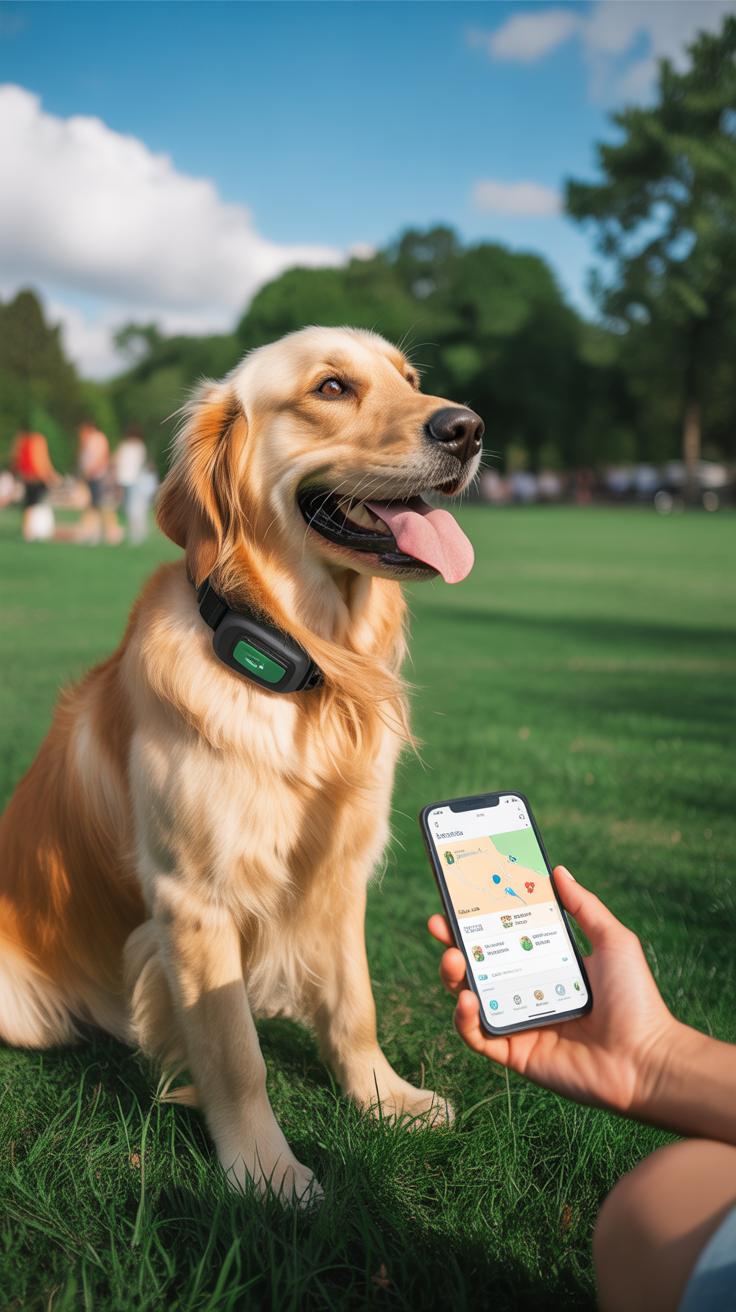
Top Rated Pet GPS Tracker Apps And What Sets Them Apart For Daily Use
Whistle and Tractive dominate the current market for integrated pet monitoring. Whistle uses the AT&T network to provide real time updates on location and health. It tracks scratching and licking to identify health issues early. Tractive offers global coverage across multiple cellular providers. This makes it the better choice for travelers. These apps turn raw sensor data into visible trends. You see how your pet moves every single hour.
Fi and FitBark offer different hardware approaches that change how you use the app. Fi uses a rugged collar design with long battery life. Its app focuses heavily on social rankings and step counts. FitBark connects with human fitness trackers like Fitbit or Apple Health. This allows owners to sync their own exercise with their dogs. Both apps provide deep data on sleep quality and active minutes. Choose based on your specific battery needs.
Setting Geo Fences Activity Goals And Alerts Through Your Pet Tracking App
Modern apps require precise configuration to be effective for safety and fitness. You must define a virtual boundary called a geo fence around your home or yard. The app triggers an instant smartphone alert if your pet leaves this safe zone. This tactical setup ensures you act fast during an escape. You also set daily move goals based on breed and age. This keeps your pet at a healthy weight.
- Virtual Fencing: Users draw custom perimeters on a digital map within the app. If the GPS hardware crosses this line, the system sends an immediate push notification to your phone. This prevents lost pets by providing early warnings.
- Daily Activity Targets: Most apps suggest move goals based on your pets specific breed, age, and weight. You track active minutes versus rest time to ensure the animal gets enough physical stimulation. Consistent targets prevent canine obesity effectively.
- Health Habit Alerts: Advanced apps monitor behaviors like excessive scratching or sleep disruptions. You receive alerts when these patterns break from the norm. This allows you to catch skin issues or joint pain before they become severe medical problems.
- Battery Life Management: Tracking apps allow you to adjust the frequency of GPS pings to save power. You can set the device to power down when it detects your home Wi-Fi signal. This tactical adjustment ensures the tracker works when you actually leave the house.
- Social Leaderboards: Many platforms allow you to compare your pets activity with others of the same breed. You see where your dog ranks in a global or local community. This gamification encourages owners to increase daily walk times and intensity.

Reviewing data logs weekly helps you refine your pet management strategy. Check the heat maps to see where your pet spends most of their time outdoors. Use the historical data to adjust calorie intake if activity levels drop during winter months. Smart apps send monthly reports that summarize these trends for your veterinarian. Accurate data eliminates guesswork during checkups. Constant monitoring ensures your pet stays safe and physically fit.
Tips For Getting The Most Out Of Your Pet Fitness Tracking Tools
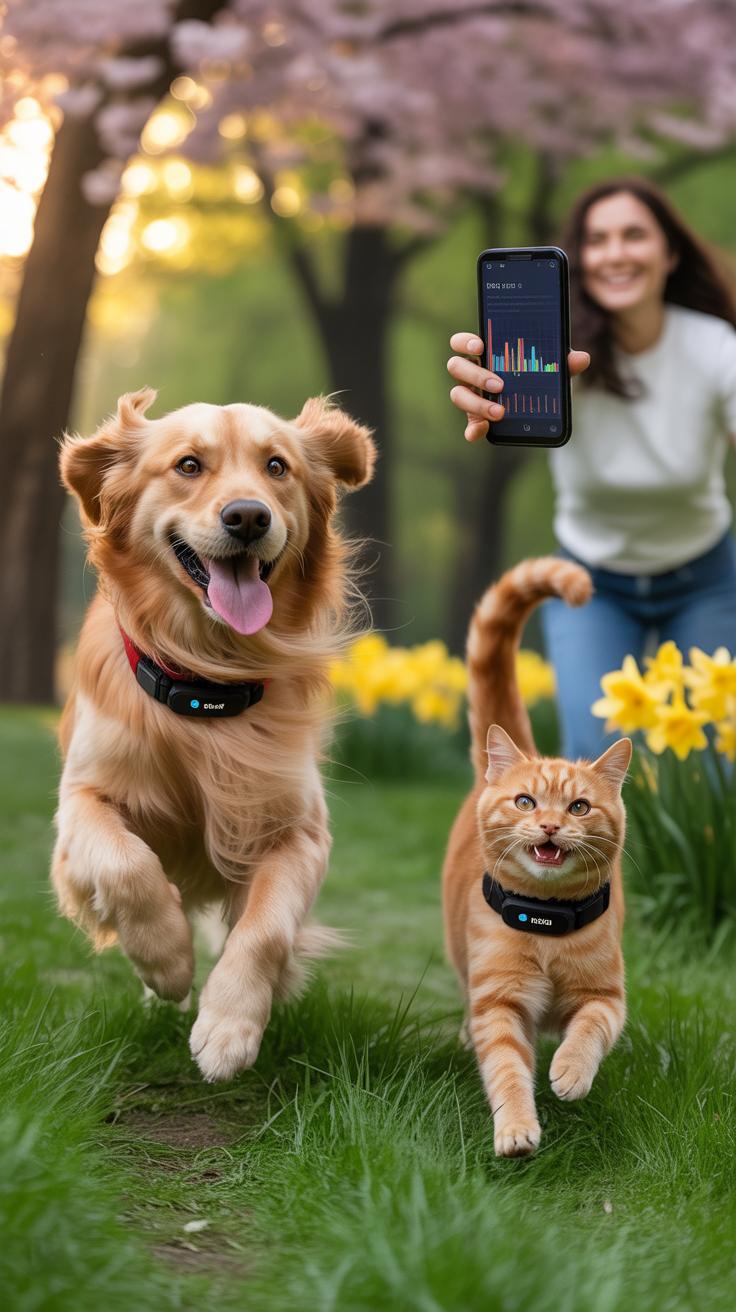
How To Introduce A Wearable Tracker To Your Pet Comfortably And Safely
Successful tracking starts with a proper fit. Choose a device that matches your pets size and weight. A heavy tracker strains a small dogs neck. Ensure the collar is snug but allows two fingers to fit underneath. Introduce the device during mealtime or play. This creates a positive link between the new weight and a reward. Monitor the attachment point daily for fur matting or skin redness.
Safety requires careful placement of the hardware. Position the tracker on top of the neck to prevent it from hitting food bowls or the floor. Verify the clasp is secure and made of durable materials like high grade plastic or stainless steel. Check the battery compartment seal regularly to prevent moisture leaks. Remove the device during heavy grooming sessions. Always prioritize your pets physical comfort over data collection.
Using Fitness Data Trends Over Time To Make Smarter Pet Health Decisions
Raw data is useless without context. Focus on long term activity trends rather than daily spikes. Established baselines show what is normal for your specific pet. Sudden drops in movement often signal underlying pain or illness before physical symptoms appear. Compare active minutes against sleep quality to gauge overall recovery. Use this data during vet visits to provide an objective history of your pets physical behavior.
Strategic adjustments depend on accurate reporting. If activity levels stagnate, increase exercise intensity in small increments. Look for seasonal patterns in the data to adjust calorie intake. Many apps track weight alongside activity. Correlate these metrics to find the ideal balance for maintaining a lean body condition. Consistent monitoring allows for early intervention. High quality data turns reactive pet care into a proactive health management strategy.
Frequently Asked Questions

Why should I start using specialized tools to monitor my pet’s activity levels?
Monitoring your animal’s health is vital for longevity, and using pet fitness tracking tools allows you to gather precise data rather than relying on guesswork. These devices help identify subtle changes in behavior or mobility that might signal underlying health issues. By establishing a baseline of daily movement, you can work closely with your veterinarian to ensure your furry friend maintains an undergraduate weight and receives the optimal amount of stimulation.
How do I sync these apps and devices to get the most accurate data?
To get started, securely attach the wearable sensor to your pet’s collar and download the companion app on your smartphone. Ensure your Bluetooth is enabled for the initial pairing process. Once connected, your chosen pet fitness tracking tools will begin logging steps, sleep patterns, and calories burned. For the best results, remember to sync the device daily and input your pet’s specific breed, age, and weight to calibrate the sensors correctly.
Are there affordable ways to track my pet’s exercise without expensive equipment?
You don’t need a massive budget to focus on health. While high-end GPS collars are popular, many free smartphone apps allow you to manually log walks and playtime. Additionally, basic pedometers designed for humans can sometimes be adapted for canine harnesses. The goal is consistency; even simple digital journals or free habit-tracking apps can serve as effective tools for maintaining a structured exercise routine without a significant financial investment.