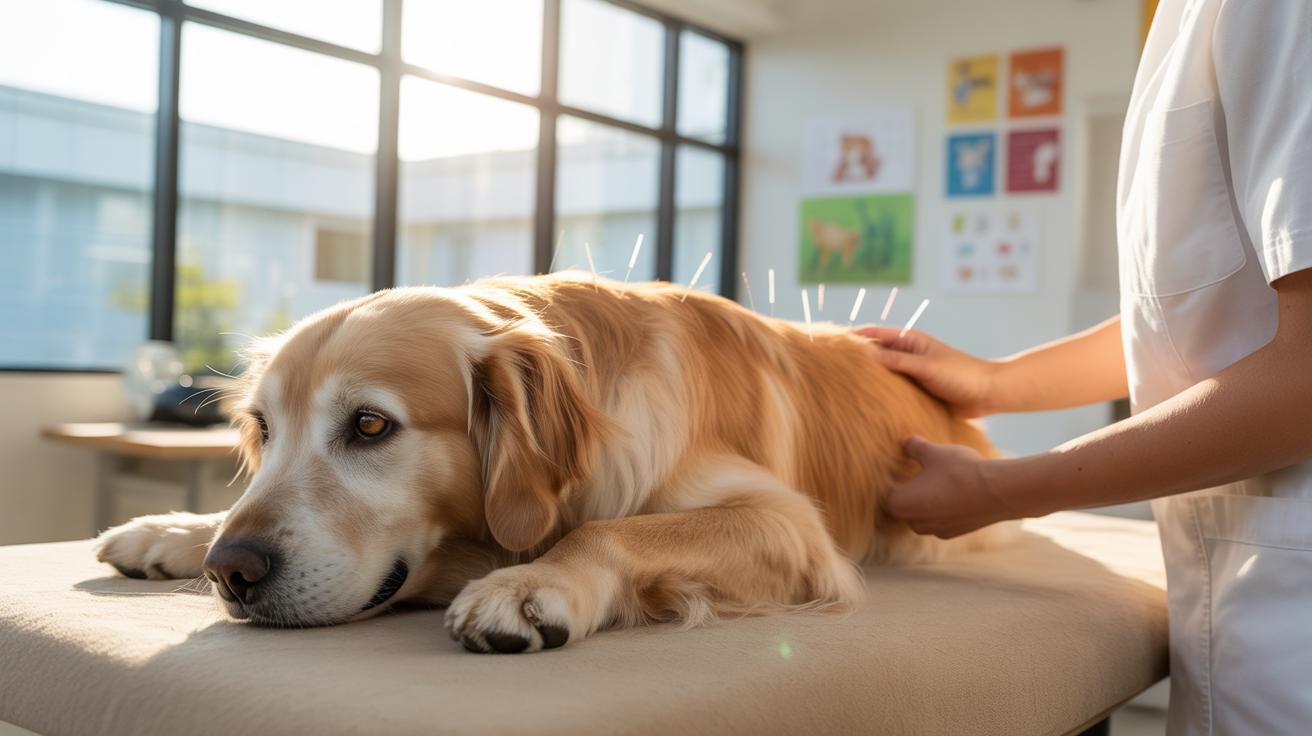
What Is Canine Acupuncture And Where Does It Come From
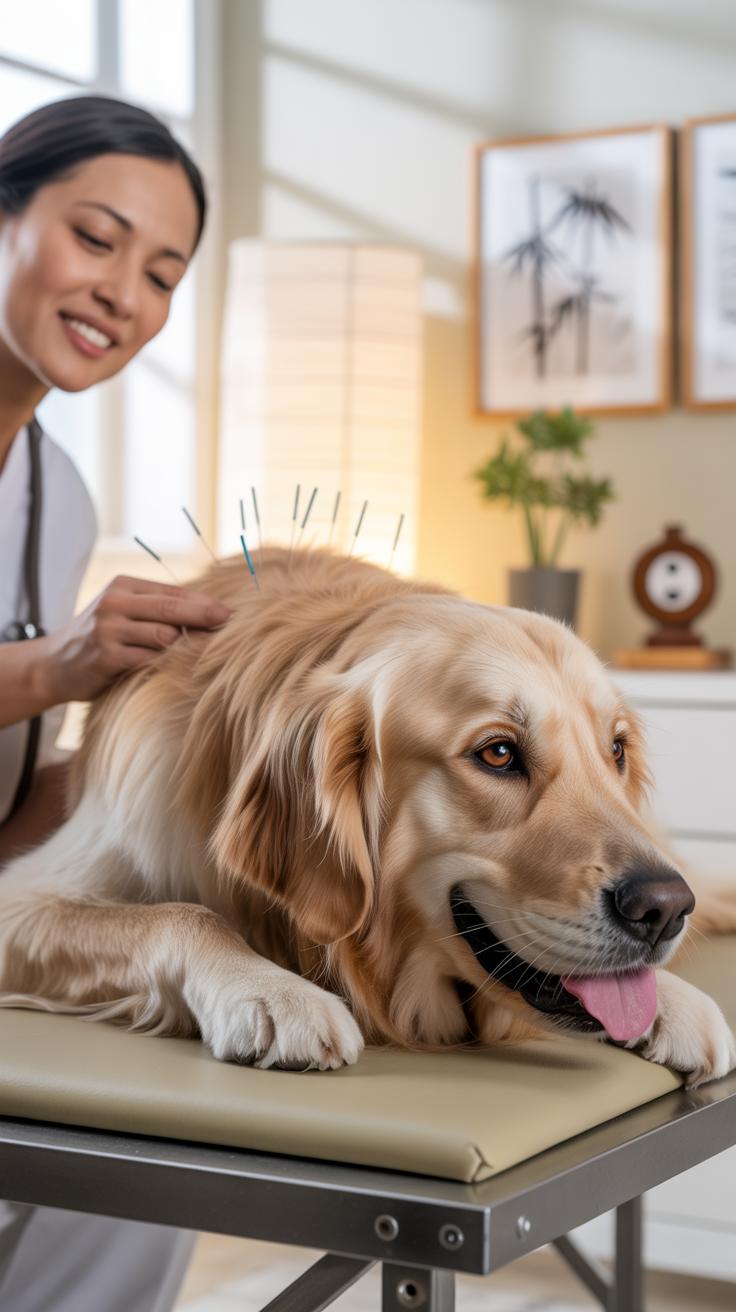
The Ancient Roots Of Acupuncture And Its Journey Into Veterinary Medicine
Acupuncture originated in China thousands of years ago during the Shang Dynasty. Early practitioners used sharpened stones and bones to stimulate specific body points. They applied these methods to horses first to keep cavalry animals fit for battle. This practice eventually shifted toward smaller animals like dogs as veterinary medicine evolved. It focuses on balancing the internal systems of the body.
Modern veterinary acupuncture gained recognition in the West during the 1970s. The International Veterinary Acupuncture Society formed in 1974 to standardize training for doctors. This transition turned a folk remedy into a clinical specialty. Today, licensed veterinarians use it to manage pain and chronic illness. It combines ancient knowledge with modern anatomical science to improve animal health through precise needle placement.
How Canine Acupuncture Differs From Traditional Human Acupuncture Practice
Canine acupuncture uses the same basic principles as human treatment but requires different techniques. Dogs have different anatomical structures and nerve pathways than humans. Practitioners must locate points based on canine skeletal markers rather than human ones. Animals cannot communicate specific sensations like tingling or numbness. Doctors must watch for subtle behavioral shifts and muscle twitches to gauge the effectiveness of the session.
Treatment sessions for dogs are often shorter than those for people. Most dogs require ten to twenty minutes for the needles to work. Veterinarians use specialized needles that are thinner and more flexible than human versions. They also utilize food or physical praise to keep the dog calm. While human patients remain still by choice, dogs need careful handling to ensure safety during the needle stimulation.

How Acupuncture Helps Dogs The Science Behind The Needles
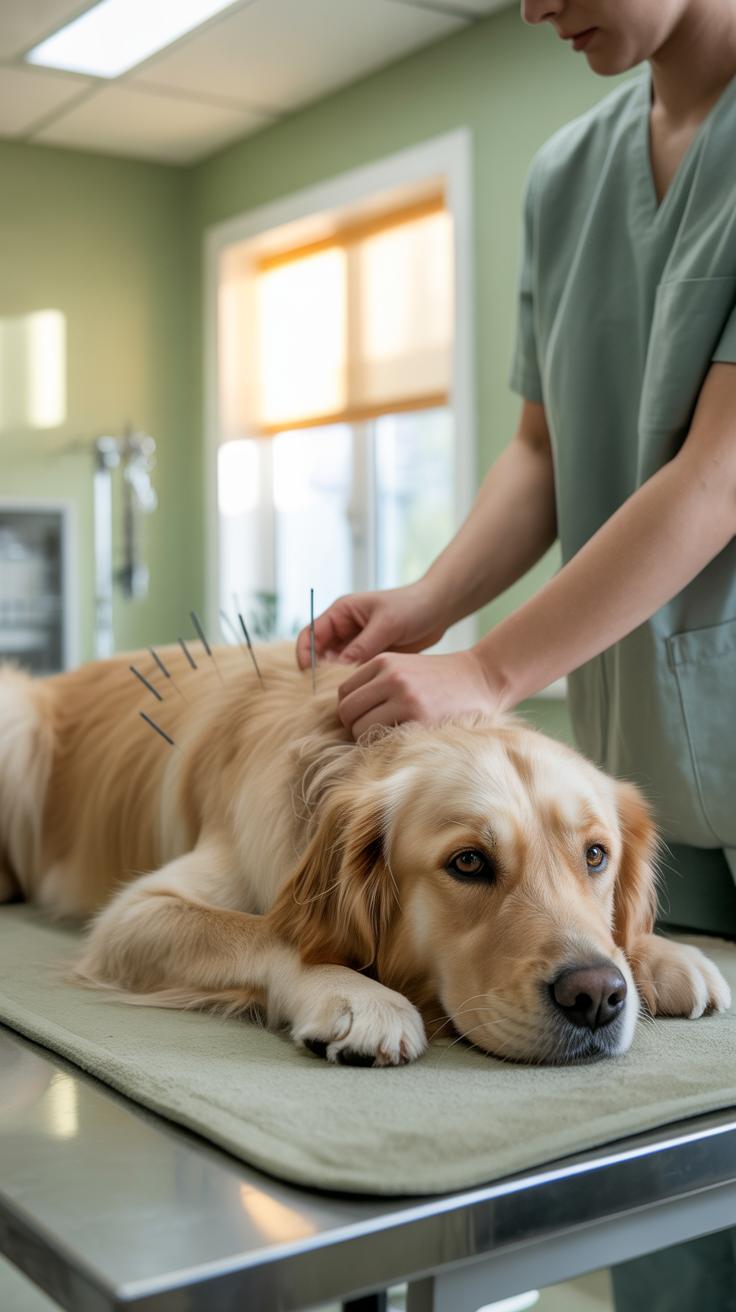
Neurological And Physiological Responses Triggered By Acupuncture In Dogs
Acupuncture needles stimulate specific points called nociceptors. These points sit near bundles of nerves and blood vessels. When a vet inserts a needle, it sends a signal to the spinal cord. This signal travels to the brain and changes how the dog feels pain. It blocks pain signals before they reach the higher centers of the nervous system.
The treatment also triggers a local healing response. The body views the needle as a tiny injury. It sends white blood cells and anti-inflammatory chemicals to the site. This process reduces swelling and helps repair damaged tissues. Modern veterinary medicine uses this response to treat chronic conditions like arthritis. It helps the body fix itself without using heavy drugs.
The Role Of Endorphins, Blood Flow, And Nerve Stimulation In Canine Recovery
Needle insertion causes the brain to release endorphins. These are natural painkillers that make the dog feel better immediately. These chemicals work like morphine but without the side effects. They lower stress and help the dog relax during treatment. This chemical release is a key reason why dogs often get sleepy after a session. It resets the nervous system.

Acupuncture also improves blood flow to target areas. Better circulation means more oxygen and nutrients reach the muscles and organs. This helps flush out waste products like lactic acid that cause stiffness. High blood flow speeds up the recovery of injured limbs. It creates a better environment for cell growth. This makes acupuncture a powerful tool for post-surgical rehab and mobility.
Understanding Dog Acupuncture Points And How They Are Selected
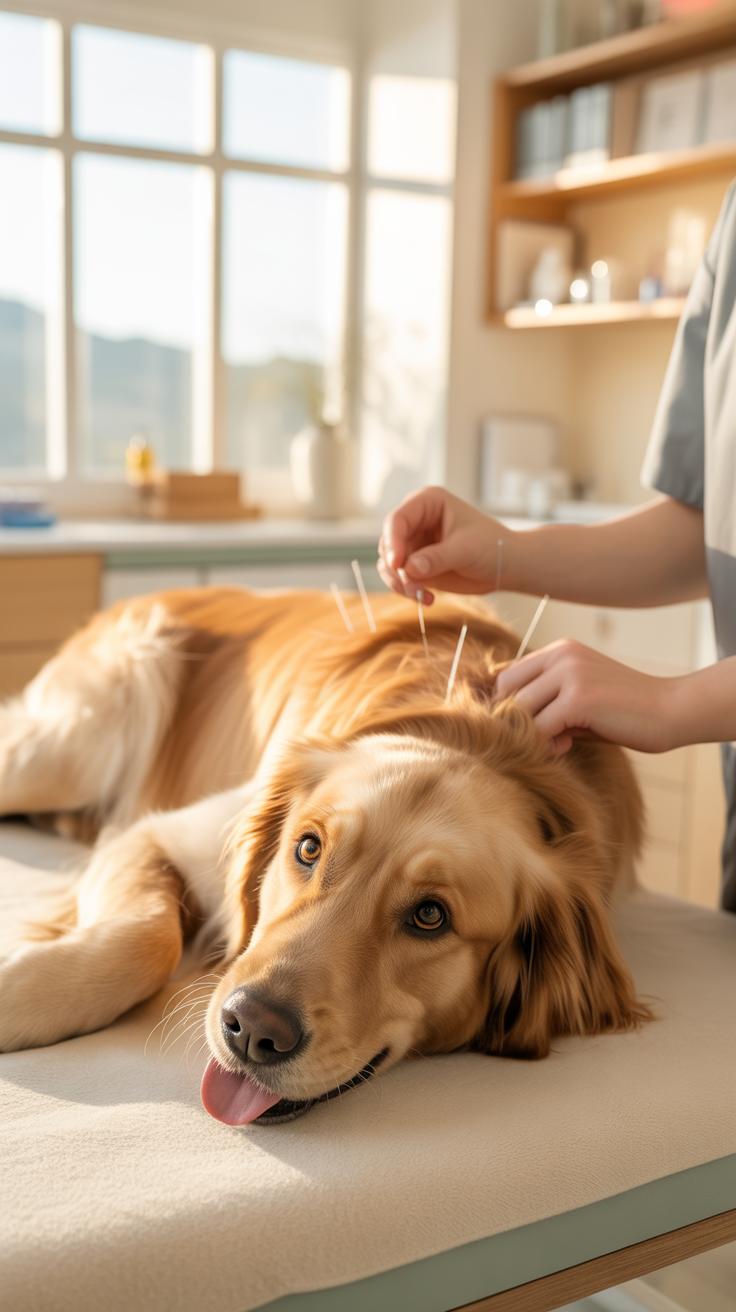
Mapping The Key Acupuncture Points Most Commonly Used In Dogs
Veterinary acupuncture utilizes specific anatomical locations where nerve bundles and blood vessels converge. Practitioners identify these points based on Transpositional mapping. This method overlays traditional Chinese human charts onto canine anatomy. Key sites often sit in the depressions between muscles or tendons. Stimulating these areas triggers the nervous system. This process releases endorphins and reduces inflammation in targeted tissues throughout the dog.
Commonly targeted points include the Bai Hui located at the sacrolumbar junction. This point manages hind limb weakness and hip pain frequently seen in aging dogs. Other vital points reside near the stifle and elbow joints to treat arthritis. Points along the bladder meridian running parallel to the spine address internal organ function. Each point serves a specific physiological purpose based on its proximity to major nerve pathways.
How A Veterinary Acupuncturist Chooses The Right Points For Your Dog’S Condition
Selection begins with a rigorous physical exam and medical history review. The acupuncturist feels for hot spots, muscle tension, and sensitivity along the meridians. They look for tangible signs of pain or restricted movement. Clinical diagnosis dictates the point prescription. A dog with kidney disease requires different points than a dog with a torn ligament. The practitioner prioritizes points that offer the most immediate relief.

The specialist adjusts the point selection during every session based on the dog’s response. They monitor how the animal reacts to needle insertion and physical palpation. If a dog shows improvement in mobility, the vet may shift focus to maintenance points. If new symptoms emerge, they integrate systemic points to boost the immune system. This tactical approach ensures the treatment remains relevant to the dog’s current physical state.
Acupuncture For Dogs Benefits Conditions It Can Help Treat
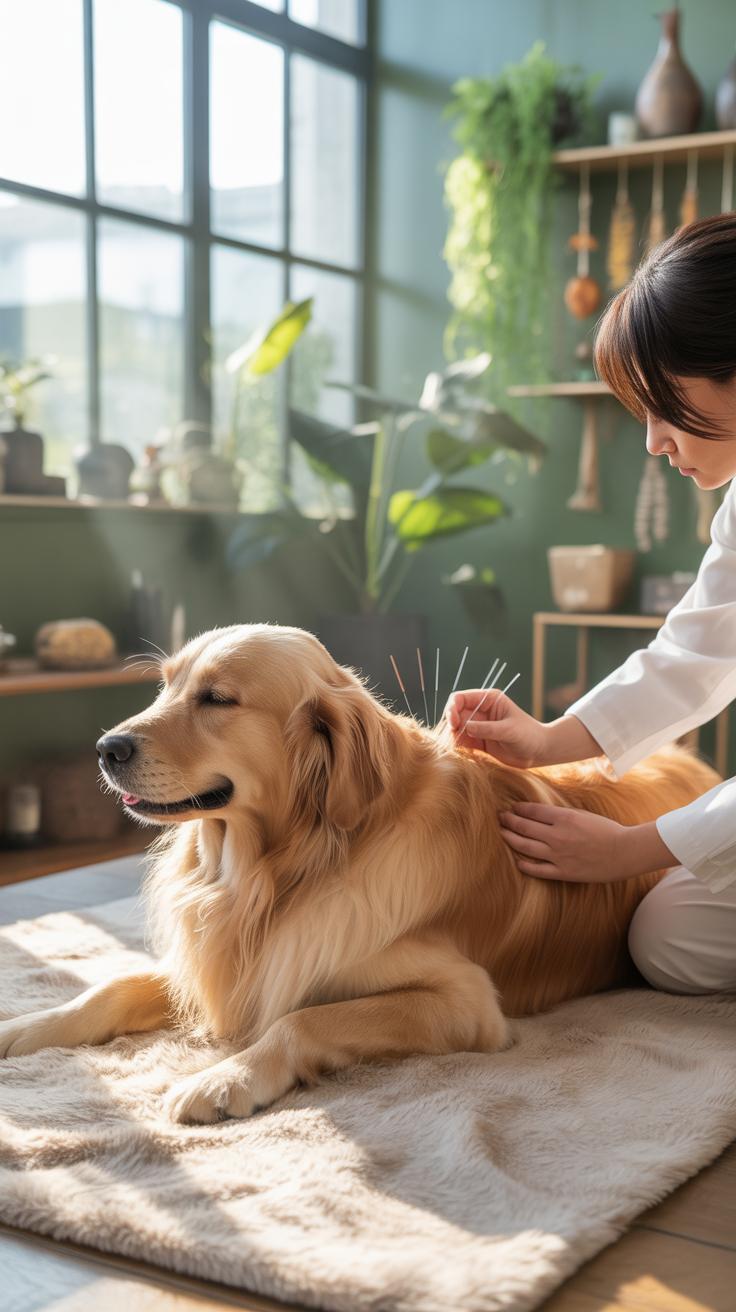
Pain Management, Arthritis, And Musculoskeletal Conditions That Respond Well To Acupuncture
Acupuncture targets systemic inflammation and localized pain in the canine musculoskeletal system. Practitioners insert needles at specific neurovascular nodes to trigger endorphin release. This process blocks pain signals to the brain. It works effectively for dogs with chronic osteoarthritis or hip dysplasia. These pets often show improved mobility within a few sessions. The technique relaxes tight muscles and increases blood flow to damaged joints.
Veterinary surgeons frequently use acupuncture as a post-operative recovery tool. It speeds up the healing of soft tissue injuries and ligament tears. Older dogs with degenerative joint disease benefit because acupuncture reduces their reliance on non-steroidal anti-inflammatory drugs. These drugs can stress the liver and kidneys over time. Acupuncture provides a non-toxic alternative for long-term pain control. It helps maintain a high quality of life for aging animals.
Neurological Disorders, Digestive Issues, And Other Health Areas Where Acupuncture Shows Promise
Neurological recovery is a primary application for veterinary acupuncture. It helps dogs suffering from intervertebral disc disease or nerve paralysis. The needles stimulate peripheral nerves to encourage regrowth and signal transmission. Many dogs with partial hind limb weakness regain coordination after consistent treatments. This modality supports the nervous system without the need for invasive spinal surgeries in some mild cases. It stabilizes the patient during various recovery phases.
Digestive health also improves when needles target specific metabolic meridians. Acupuncture regulates gastric motility and reduces nausea in dogs with chronic gut issues. It helps manage irritable bowel symptoms and persistent diarrhea. Beyond the gut, the treatment supports kidney function and skin health by increasing overall circulation. High blood pressure and asthma also respond to this therapy. It acts as a bridge between traditional western medicine and holistic physical rehabilitation.
Your Complete Acupuncture For Pets Guide What To Expect During A Session
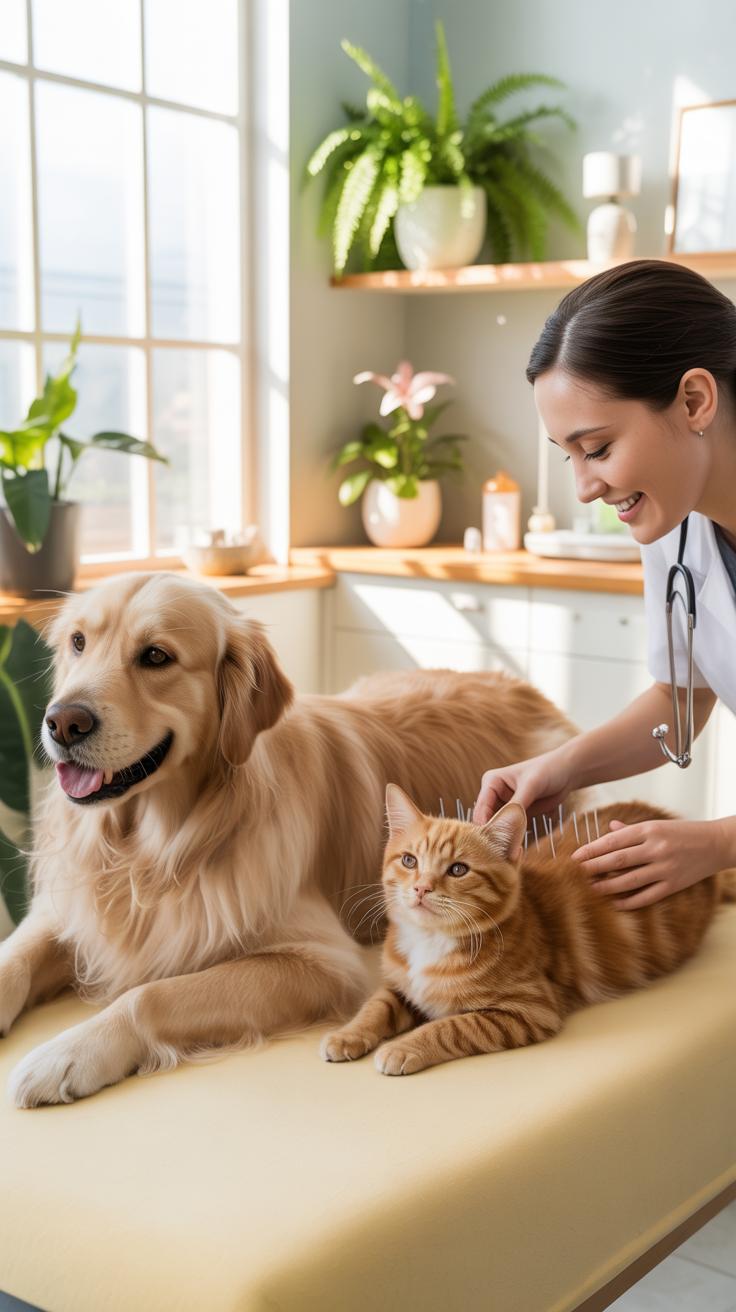
What Happens During Your Dog’S First Acupuncture Appointment Step By Step
Your first session begins with a comprehensive physical examination and medical history review. The veterinarian assesses your dog’s gait, posture, and muscle tone. They identify specific trigger points or areas of inflammation. This clinical evaluation determines the placement of needles based on Traditional Chinese Veterinary Medicine principles. You must provide all previous diagnostic records and current medication lists to ensure a safe treatment protocol.
- Initial Physical Assessment: The practitioner performs a hands-on exam to locate tension and pain. This step mirrors a standard orthopedic check but focuses on specific meridians. It helps the vet decide where the needles will provide the most significant physiological response.
- Needle Insertion: The veterinarian inserts sterile, thin needles into specific anatomic points. Most dogs do not react to the insertion because the needles are much smaller than vaccination tools. The process stimulates nerves and increases blood flow to localized tissues.
- Stimulation Period: The needles remain in place for a set duration to activate the nervous system. The practitioner may manually rotate the needles or use low-level electrical currents for enhanced effect. This stage triggers the release of natural endorphins and anti-inflammatory chemicals within the body.
- Patient Monitoring: The vet observes how your dog reacts to the needles throughout the entire session. Dogs often become very calm or even fall asleep during this phase. Practitioners monitor the heart rate and respiratory speed to ensure the dog remains comfortable and relaxed.
- Needle Removal: The veterinarian carefully removes and counts every needle to ensure none remain in the coat. They check the insertion sites for any minor redness or sensitivity. You will receive immediate feedback on how your dog handled the procedure and what to monitor at home.
Post-treatment behavior varies depending on the dog’s specific condition and temperament. Some dogs experience an immediate energy boost while others require a long nap. You should avoid strenuous exercise for twenty-four hours following the appointment. Watch for subtle changes in mobility or appetite as these indicate the body is processing the treatment. Consistent observation helps the vet refine the plan for future visits.
When we heal the ancient spirits of our loyal companions, we honor a bond that has weathered a thousand lifetimes. The touch of a needle can restore the youthful grace to a faithful friend who has given us everything.
How Long Sessions Last, How Often They Are Needed, And What A Typical Treatment Plan Looks Like
Standard acupuncture sessions typically last between twenty and forty-five minutes from start to finish. The actual time needles remain in the skin ranges from ten to thirty minutes. Young or high-energy dogs might start with shorter sessions to build tolerance. The initial evaluation usually takes longer than follow-up visits because the practitioner must establish a baseline for the dog’s physical health.

Most treatment plans begin with weekly sessions for four to six weeks. This induction phase allows the cumulative effects of acupuncture to take hold. Once the dog shows consistent improvement, the frequency decreases to once every two or three weeks. Chronic conditions like arthritis eventually move to a maintenance schedule of once a month. Acute injuries may only require a few sessions to resolve completely.
Dog Acupressure Points A Gentle At Home Complement To Professional Treatment
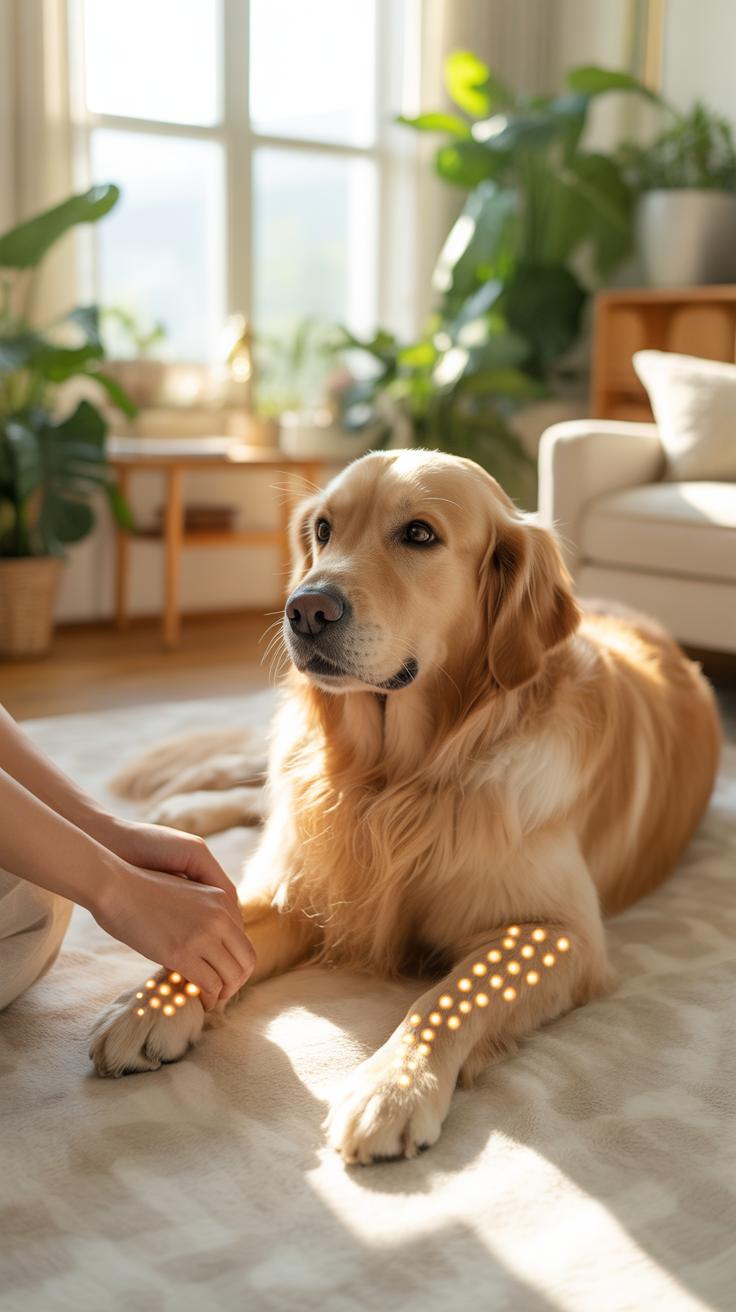
Understanding The Difference Between Canine Acupressure Points And Needle Based Acupuncture
Acupuncture uses thin needles to pierce the skin at specific anatomical points. This method reaches deep tissues and nerves to trigger strong systemic responses. It requires a licensed veterinarian with specialized training in canine anatomy. Needles provide high intensity stimulation that targets chronic pain or organ dysfunction. This medical procedure works by altering blood flow and nerve signals to promote internal healing.
Acupressure relies on physical pressure from fingers or palms instead of needles. It stimulates the same meridians but stays on the surface of the skin. Owners can perform this technique safely at home to support daily wellness. It offers a lower intensity than needles but provides consistent comfort between professional sessions. This approach focuses on relaxation and minor tension relief rather than treating acute medical conditions directly.
Safe Canine Acupressure Points Owners Can Explore To Support Their Dogs Comfort At Home
Owners can use specific pressure points to help manage a dog’s anxiety and physical discomfort. Apply firm but gentle pressure for thirty to sixty seconds on these areas. Watch for signs of relaxation like deep sighing or licking of the lips. Stop immediately if the dog pulls away or shows discomfort. Consistency matters more than force when working with these sensitive meridian sites.
- Governing Vessel 20: This point sits at the very top of the head between the ears. Applying steady pressure here helps calm an anxious dog during thunderstorms or fireworks. It stabilizes the central nervous system and reduces general hyperactivity in high energy breeds.
- Large Intestine 4: Located in the webbing between the dewclaw and the second digit on the front paw. This site helps boost the immune system and provides relief from facial or dental pain. It is a primary point for clearing heat and toxins from the body.
- Bladder 60: Find this point in the thin depression between the outer ankle bone and the Achilles tendon. It acts as a natural pain reliever for the hindquarters and lower back. Use this to support mobility in older dogs with stiff joints or arthritis.
- Stomach 36: Located on the outside of the hind leg just below the knee joint. This is a powerful point for improving digestion and boosting overall energy levels. It strengthens the body’s resistance to fatigue and helps dogs recovering from illness or surgery.
- An Shen: This point is found behind the base of the ear where the skull meets the neck. It is specifically used to treat insomnia and severe neurological agitation. Pressing here helps a restless dog settle down for sleep or travel.
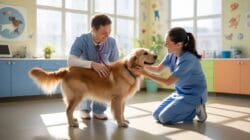
Always use the fleshy part of your thumb or index finger to apply pressure. Circular motions can help if the dog prefers movement over static contact. Perform these sessions in a quiet environment to maximize the calming effects on the nervous system. Regular at-home practice reinforces the benefits of professional acupuncture. This routine strengthens the bond between owner and pet while maintaining physical comfort.
Is Acupuncture Safe For Dogs Risks Limitations And Veterinary Guidelines
Known Safety Profile Of Veterinary Acupuncture And What The Research Currently Supports
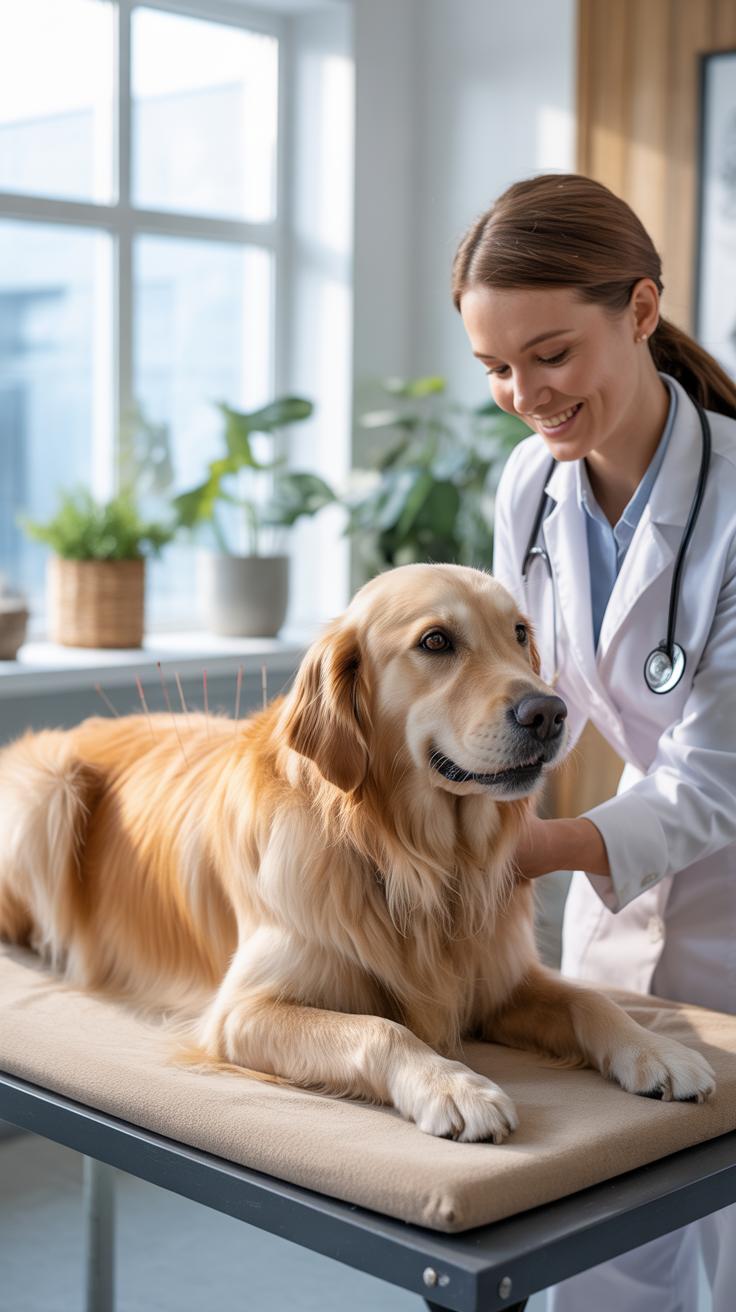
Veterinary acupuncture maintains a high safety record when performed by certified practitioners. Research shows minimal adverse effects compared to pharmacological interventions. Most dogs tolerate the thin needles without sedation or significant discomfort. Minor side effects include brief lethargy or localized bruising at insertion points. These reactions typically resolve within twenty four hours. Clinical data supports its use for pain management and mobility issues in canine patients.
Modern veterinary medicine integrates acupuncture to reduce reliance on non steroidal anti inflammatory drugs. Controlled studies confirm that needle stimulation triggers the release of endorphins and modulates the central nervous system. This physiological response improves blood flow and reduces systemic inflammation. Practitioners must follow strict sterilization protocols to prevent infection. Owners should verify that the veterinarian has specific training from recognized institutions like the International Veterinary Acupuncture Society.
When Acupuncture Is Not Recommended And Conditions That May Contraindicate Treatment
Acupuncture is not a universal solution for every canine health issue. Practitioners avoid treating dogs with severe blood clotting disorders or active skin infections. Needling into a tumor site is strictly prohibited as it may stimulate cell growth or spread. Pregnant dogs require extreme caution to avoid specific points that could trigger premature labor. Veterinary professionals must screen for these physical conditions before starting any course of needle therapy.

Aggressive or extremely anxious dogs may not be suitable candidates for this treatment. Forced restraint during needle insertion creates unnecessary stress and increases the risk of injury. Acute emergencies like organ failure or severe trauma require immediate surgical or medical intervention rather than needle therapy. Acupuncture serves as a supportive tool but cannot replace emergency care. Always ensure a full diagnostic workup precedes any alternative treatment plan for your dog.
Acupuncture For Dogs Reviews What Real Pet Owners And Vets Are Reporting
Common Owner Observations And Improvements Reported After Canine Acupuncture Sessions
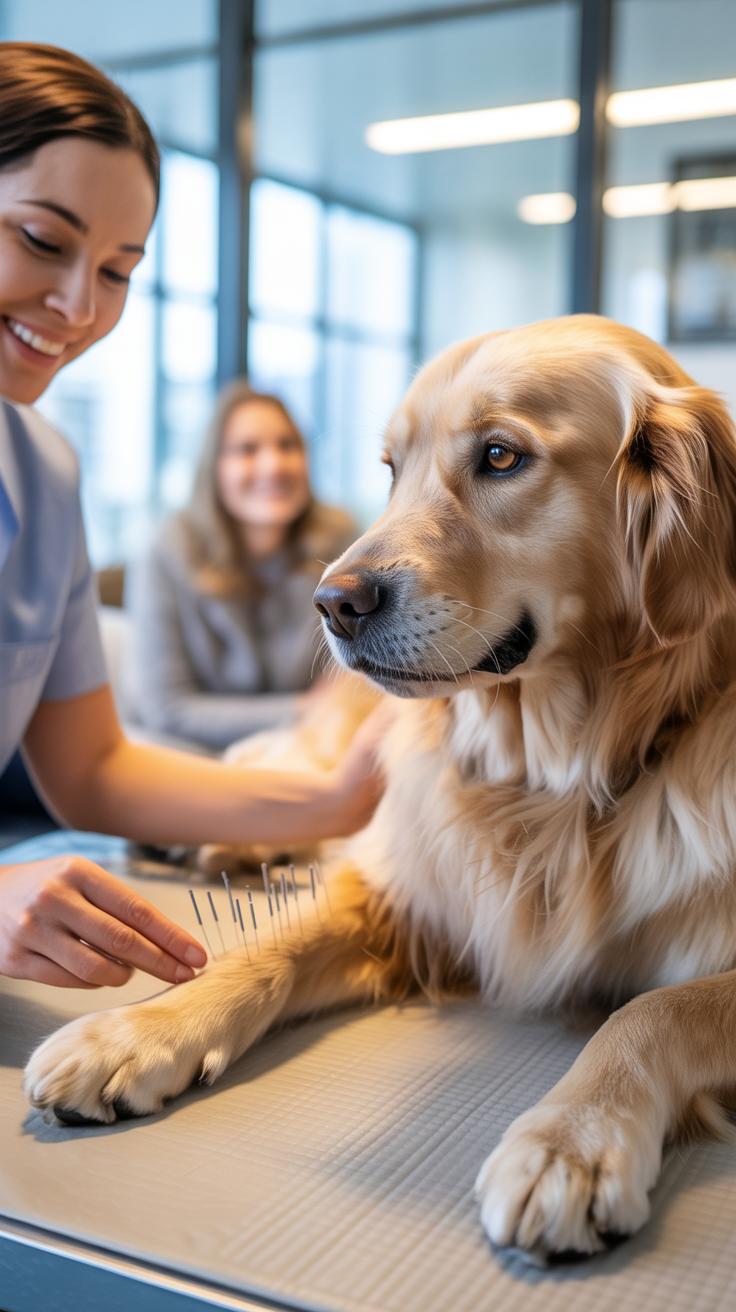
Owners frequently report visible changes in mobility after three to five sessions. Aging dogs often show a renewed interest in daily walks and climbing stairs. Pet owners note that their dogs transition from lying down to standing with less effort. These improvements typically peak forty-eight hours after the needles are removed. Many report that their pets appear more relaxed and less anxious during stressful events.
Beyond physical movement, owners observe behavioral shifts related to chronic pain management. Dogs with hip dysplasia or arthritis often resume play activities they previously avoided. Improved sleep patterns and appetite are also common feedback points. Owners state that successful treatment reduces the need for heavy sedative medications. Consistency is the most cited factor for maintaining these results over long periods.
What Veterinary Professionals Say About Outcomes And Managing Realistic Expectations
Veterinarians view acupuncture as a functional tool within an integrative medicine framework. They report the best outcomes when combining needles with traditional pharmacology and physical therapy. Professionals emphasize that acupuncture triggers the release of endorphins and modulates the nervous system. While it is not a cure for structural issues, it effectively manages inflammatory responses. Vets use this to bridge the gap in pain control.

Clinicians warn that results vary based on the specific condition and the age of the dog. Not every dog responds to the treatment in the same way. Practitioners focus on manageable goals like improving range of motion rather than total reversal of disease. They stress that acupuncture is a cumulative process. Owners must understand that one session rarely provides a permanent solution for chronic degenerative conditions.
How To Find Acupuncture For Dogs Near Me Choosing A Qualified Practitioner
Certifications And Credentials To Look For When Selecting A Veterinary Acupuncturist
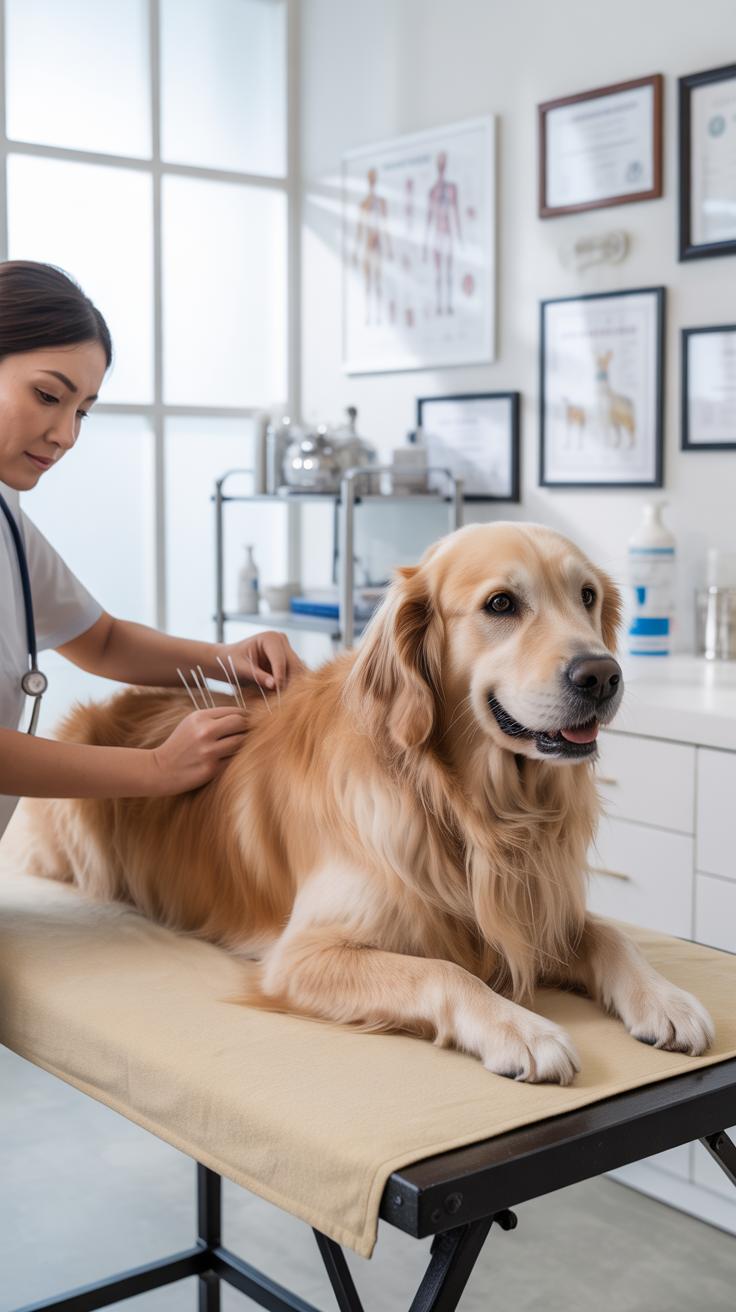
Acupuncture is a medical procedure. Only licensed veterinarians should perform it on your dog. Look for a practitioner with a Certified Veterinary Acupuncturist (CVA) designation. This credential proves the vet completed intensive training and passed rigorous exams. Major institutions like the Chi University or the International Veterinary Acupuncture Society provide these certifications. Verifying these credentials ensures the practitioner understands canine anatomy and safety protocols.
Do not hire a human acupuncturist for your pet. Dogs have different nerve pathways and skeletal structures than humans. A qualified CVA combines Traditional Chinese Veterinary Medicine with modern Western diagnostics. This dual approach provides the best results for chronic pain and mobility issues. Check your state laws because most regions require a veterinary license to pierce a dog’s skin. Specialized training reduces the risk of injury or infection.
Questions To Ask Before Booking Your Dogs First Acupuncture Consultation
Ask the practitioner how many years they have treated dogs with acupuncture. Experience matters when handling nervous or aggressive animals. Inquire about the specific techniques they use, such as dry needling or electroacupuncture. You need to know if they create custom treatment plans for each patient. A good vet will explain the expected timeline for improvement. Typical results appear after three to five sessions for most dogs.
Request a clear breakdown of the costs per session. Ask if they coordinate care with your primary veterinarian. Collaboration ensures that acupuncture complements existing medications or surgeries. Verify the clinic’s sanitation practices and needle disposal methods. Sharp needles must be sterile and single use to prevent cross contamination. Knowing these facts helps you choose a safe and effective partner for your dog’s long term health.
Integrating Acupuncture Into Your Dogs Overall Wellness And Veterinary Care Plan
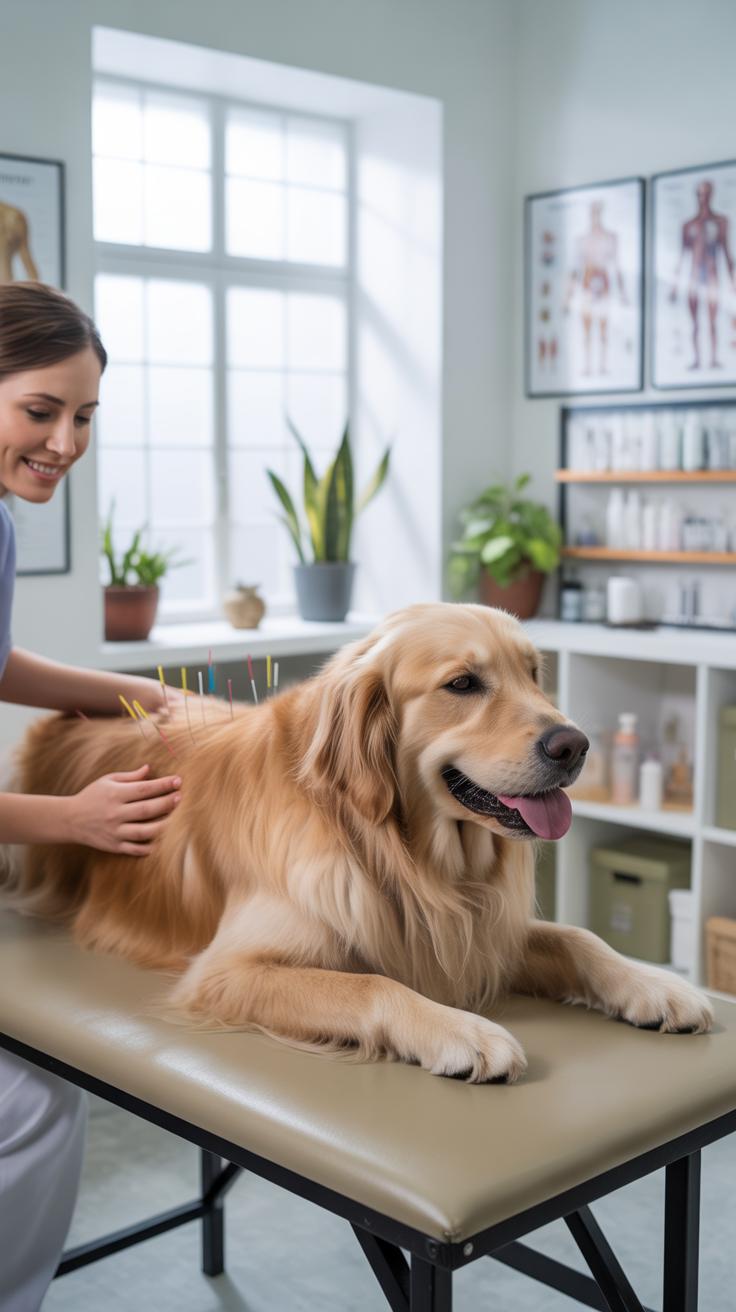
How Acupuncture Works Alongside Conventional Veterinary Treatments Rather Than Replacing Them
Acupuncture functions as integrative medicine. It does not replace surgery or antibiotics for acute infections. Modern vets use it to enhance standard care protocols. It addresses pain and inflammation while conventional drugs handle the underlying pathology. This combination speeds up recovery times for many conditions. It creates a multimodal approach to health. You get better results when you combine Eastern techniques with Western diagnostics.
The needles stimulate the nervous system directly. This action releases natural endorphins and improves blood flow to damaged tissues. Conventional medicine provides the immediate physical stabilization. Acupuncture then supports the body’s self-healing mechanisms. It works well for chronic issues like arthritis or nerve damage. Use it as a tool to reduce reliance on heavy medications. It fills the gaps that standard medicine sometimes misses.
Talking To Your Primary Vet About Adding Acupuncture As Part Of A Holistic Health Strategy
Start the conversation with your primary veterinarian early. Ask for a referral to a certified veterinary acupuncturist. Most modern clinics recognize the clinical benefits of this practice. Provide your vet with a specific list of symptoms or mobility issues. A collaborative approach ensures that the new treatment does not interfere with current prescriptions. Clear communication prevents conflicting treatments and maximizes your dogs safety.
Request a formal review of your dogs medical records before the first session. Your vet should share blood work and imaging results with the specialist. This data helps the acupuncturist target specific pressure points more effectively. Tracking progress together allows for adjustments in medication dosages over time. Focus on measurable outcomes like improved gait and energy levels. Keep all medical professionals informed to maintain a consistent care plan.
Frequently Asked Questions

What exactly is canine acupuncture and how does it help my pet?
Canine acupuncture is a therapeutic practice derived from traditional Chinese medicine that involves inserting tiny, sterile needles into specific points on a dog’s body. The primary acupuncture for dogs benefits include natural pain relief, reduced inflammation, and improved circulation. By stimulating the nervous system, this treatment helps trigger the body’s healing response, making it an excellent holistic option for managing chronic conditions like arthritis or hip dysplasia in aging pets.
How should I prepare my dog for their first acupuncture session?
To maximize the acupuncture for dogs benefits, ensure your pet is calm and has had a light walk before the appointment. Bring their favorite blanket or a small treat to help them feel secure in the clinical environment. Most dogs become very relaxed or even sleepy during the treatment. It is helpful to provide your veterinarian with a full medical history beforehand so they can target the specific meridians that require the most attention.
Is veterinary acupuncture expensive and how many sessions are typically needed?
The cost of acupuncture varies depending on your location and the complexity of the condition, usually ranging from $60 to $150 per session. While some owners see immediate improvement, most dogs require an initial series of four to six weekly treatments to achieve lasting results. Many modern pet insurance policies now cover alternative therapies, making this life-changing treatment more accessible for owners looking to improve their dog’s long-term mobility and comfort.