What Are DIY Pet Massage Techniques And Why Do They Matter For Dog Care Tips
Understanding The Purpose And Science Behind Pet Massage
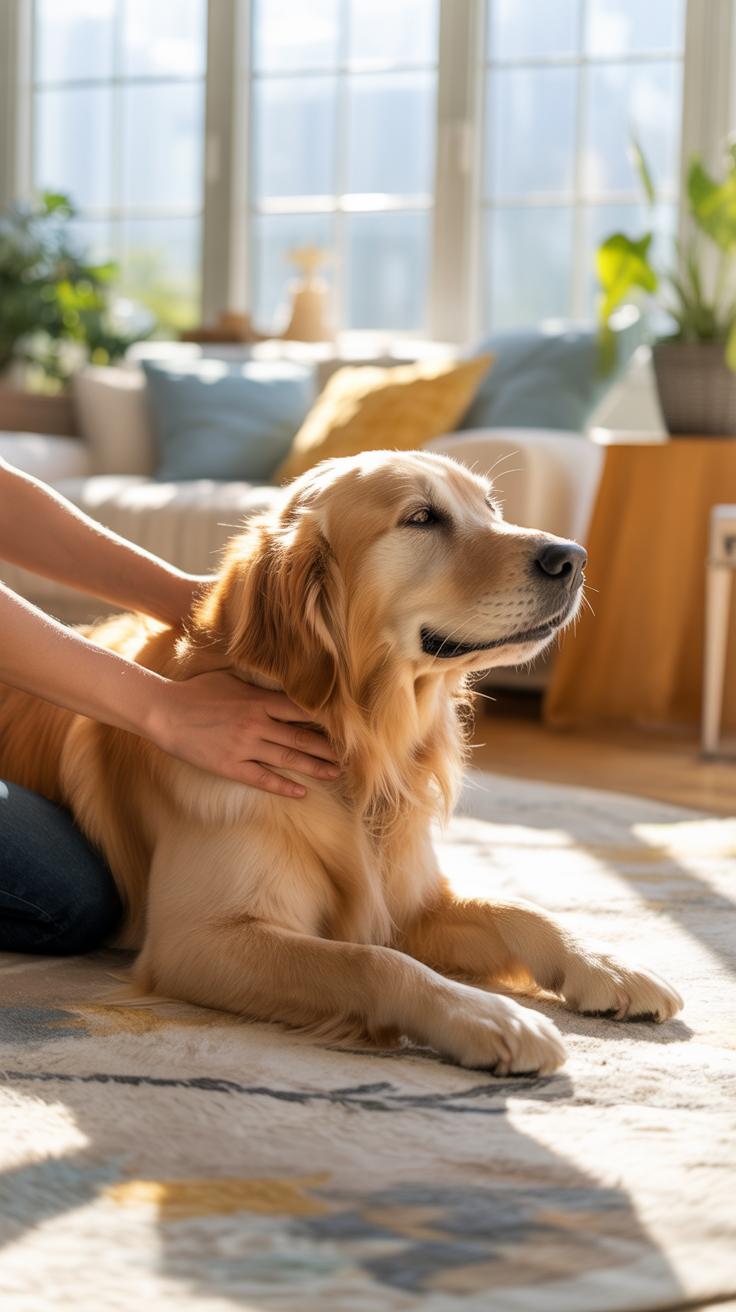
Pet massage is more than simple petting. It is a systematic manipulation of soft tissues to improve health. This practice uses specific strokes like effleurage and petrissage. These movements stimulate the circulatory and lymphatic systems. This process helps move blood toward the heart and clears metabolic waste from muscles. It is a tactical tool for maintaining the physical structural integrity of your animal.
The science relies on the gate control theory of pain. Rubbing specific areas sends signals to the brain faster than pain signals. This effectively blocks discomfort and reduces cortisol levels. Lower cortisol means less stress on the heart and immune system. You are using physical touch to influence the nervous system. This direct intervention triggers the release of endorphins. These natural chemicals act as powerful pain relievers.
How Regular Massage Supports Your Dog’S Physical And Emotional Well Being
Regular massage identifies physical issues early. You learn the normal feel of your dog’s muscles and skin. This allows you to spot new lumps or heat signatures quickly. Early detection of these changes can lead to faster medical intervention. It also maintains joint flexibility by keeping connective tissues supple. For aging dogs, massage helps manage symptoms of arthritis and stiffness by increasing synovial fluid.
The emotional impact is equally significant. Focused touch builds a strong bond between the owner and the pet. It creates a state of deep relaxation that reduces anxiety in nervous animals. This practice lowers the heart rate and blood pressure through the parasympathetic nervous system. A calm dog is easier to train and handle. You are providing a consistent safe space through physical interaction. This improves the overall quality of life.

Setting The Right Environment Before You Learn How To Give Your Dog A Massage
Choosing The Ideal Space Surface And Time For A Calm Massage Session
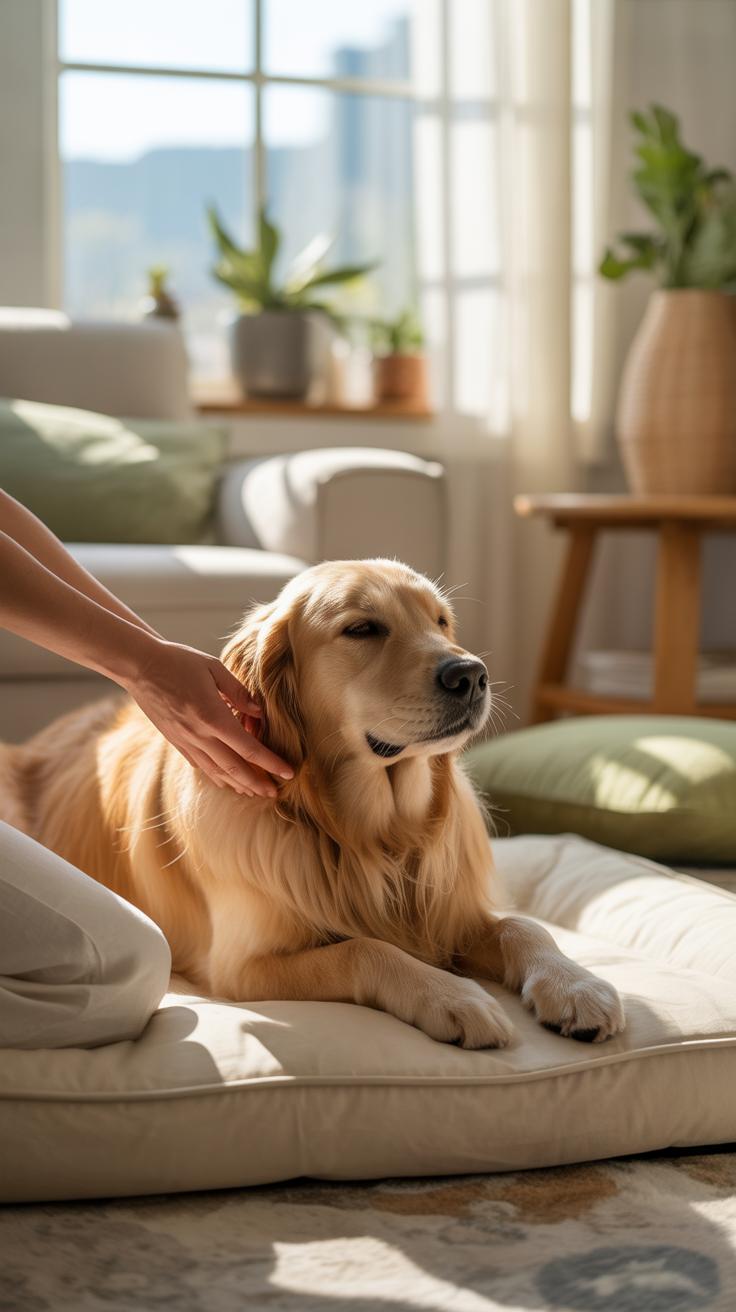
Select a quiet room with minimal foot traffic. Remove distractions like loud televisions or other active pets. The floor should have a non-slip surface to prevent joint strain. Use a yoga mat or a thin rug to provide grip. Ensure the room temperature is neutral so the dog does not pant from heat or shiver from cold. Proper lighting helps you see skin conditions.
Timing dictates the success of diy pet massage techniques. Do not attempt a massage immediately after high-intensity exercise or a large meal. Wait at least thirty minutes for the heart rate to stabilize and digestion to begin. Choose a time when the household is naturally quiet. This ensures the dog does not expect play or food. Consistency in location helps the dog associate the spot with relaxation.
Reading Your Dogs Body Language To Know When They Are Ready
Observe your dog for signs of physical relaxation before starting. A ready dog has soft eyes and a relaxed mouth. Their ears should be in a neutral position rather than pinned back or alert. The body must be loose without muscle tension in the shoulders or haunches. If the dog paces or avoids eye contact they are not ready. Respect these boundaries to maintain trust.
Watch for subtle shifts during the initial touch. Yawning or licking lips often signals a transition into a calm state. If the dog leans into your hand they are accepting the pressure. Conversely sudden stiffness or baring teeth means you must stop. Growling is a direct communication of discomfort or pain. Successful massage requires constant monitoring of these physiological cues to ensure the animal remains comfortable throughout.
A Step By Step Dog Massage How To Guide For Beginners At Home
How To Start Slow With Gentle Strokes To Ease Your Dog Into The Session
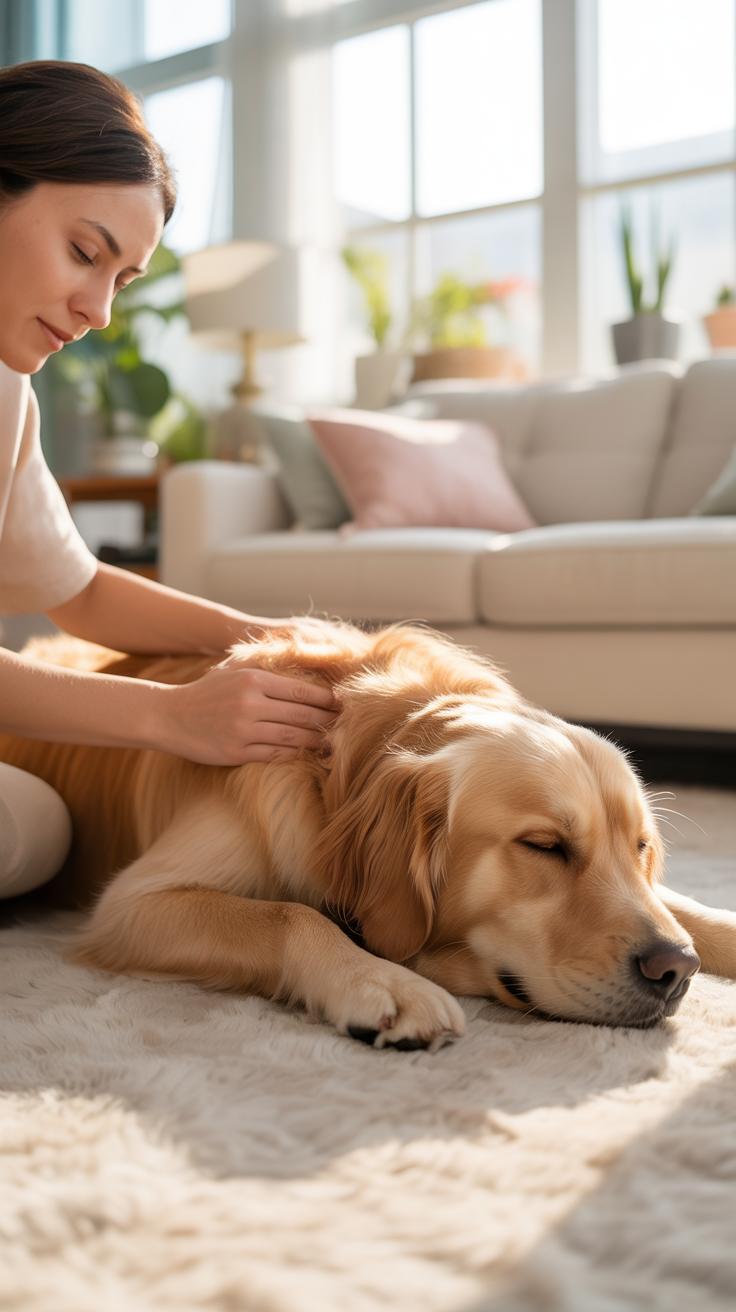
Effective diy pet massage techniques begin with habituation. Start by petting your dog in areas where they already enjoy physical contact. Use a flat hand with minimal pressure to gauge their current stress levels. Watch for physiological markers of relaxation such as lowered ears or audible sighs. Avoid sensitive areas like the paws or tail until the animal settles down.
Establish a predictable rhythm to lower the heart rate. Move your hand in long or circular motions along the surface of the coat. This phase desensitizes the nervous system to your touch. Maintain constant physical contact to prevent startling the dog. If the animal moves away or stiffens their muscles, stop the session immediately. Respecting these boundaries builds the necessary trust.
Step By Step Instructions For Progressing Through A Full Body Dog Massage
Transition from light petting to intentional muscle manipulation once the dog remains still. Focus on the large muscle groups where tension accumulates during daily activity. Use your fingertips to apply controlled pressure in areas with high density. This mechanical stimulation improves local blood flow and assists with lymphatic drainage. Follow a logical anatomical path to ensure you cover every major region.
- Neck and Shoulders: Use circular motions with your fingertips to knead the thick muscles at the base of the skull. This area carries significant weight and stress from pulling on leashes. Apply steady pressure to release tight knots without pressing directly on the spinal column or windpipe.
- Back and Spine: Run your hands down both sides of the spine using a long gliding motion called effleurage. Never put direct pressure on the vertebrae themselves. Work the long muscles that support the skeletal frame. This technique helps identify heat or swelling that may indicate injury.
- Hindquarters and Hips: Target the gluteal muscles and the thighs using a gentle squeezing motion known as petrissage. Large breeds often experience stiffness in these joints due to aging or high activity levels. Work slowly over the hip joint to increase flexibility and range of motion for the animal.
- Chest and Abdomen: Place your palm flat against the chest and move in wide circles to soothe the respiratory system. For the abdomen, use extremely light pressure in a clockwise direction. This follows the natural path of digestion. Stop if the dog shows any signs of discomfort or abdominal guarding.
- Legs and Paws: Slide your hand down each limb to the paw. Use your thumb to massage the pads and the spaces between the toes. Many dogs are protective of their feet. Only perform this step if the dog is fully relaxed. It helps maintain mobility in the smaller joints.

Conclude the session by returning to the long and light strokes used during the start. This signals to the dog that the formal massage is over. Decrease your pressure gradually until you eventually break physical contact. Allow the dog to stay in their resting position for several minutes afterward. Providing fresh water helps the body process metabolic waste released from the muscles during treatment.
Exploring Core Dog Massage Techniques Every Pet Owner Should Know
Effleurage, Petrissage, And Circular Strokes Explained In Simple Terms
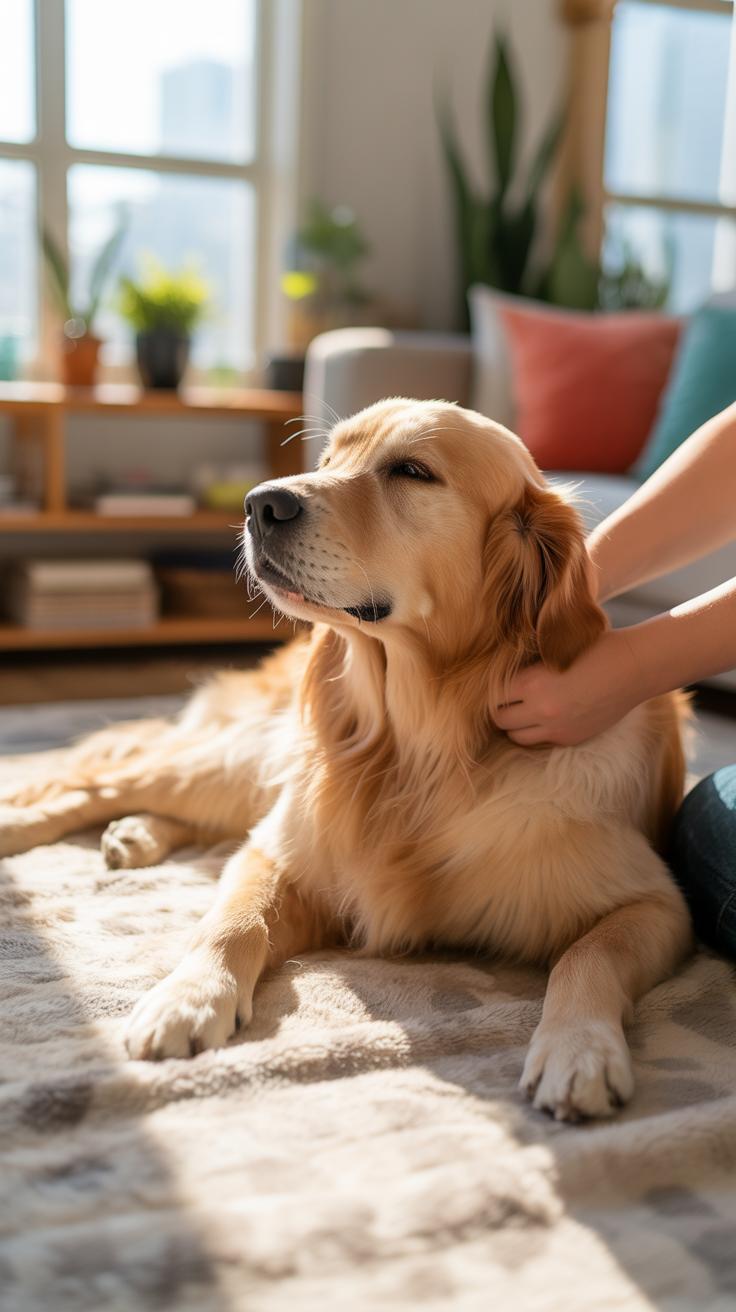
Effleurage serves as the foundational stroke for any animal massage. You use flat palms to glide over the coat with long and rhythmic motions. This movement follows the direction of hair growth and moves toward the heart. It warms the muscle tissue and helps the dog settle into the session. This technique improves surface circulation and alerts you to any abnormal heat or swellings.
Petrissage and circular strokes address deeper tissue issues. Petrissage involves gentle kneeling or squeezing of the large muscle groups using your thumb and fingers. It works to release tension and improve flexibility by lifting the muscle away from the bone. Circular strokes use the finger pads to apply concentrated movement in small areas. These specific motions target joints and tight spots to break up metabolic waste.
How To Apply Gentle Pressure Without Causing Discomfort Or Injury
Control your force to ensure safety and comfort during the process. Use the weight of your hand rather than pushing with your arm muscles. Test the pressure on your own closed eyelid to find the correct intensity. A dog requires much lighter touch than a human because their skin is thinner. Always monitor the dog for signs of flinching or excessive licking during contact.

Apply pressure over soft tissue only and avoid direct force on bones or the spine. Keep your hands relaxed and soft to maintain better tactile feedback from the animal. If the dog moves away, reduce your intensity or stop immediately. Consistent and light contact builds trust while preventing bruising. Proper technique relies on slow and steady movements rather than speed or heavy physical power.
Where To Massage Your Dog For Maximum Relaxation And Relief
The Key Body Zones That Dogs Respond To Most Positively During Massage
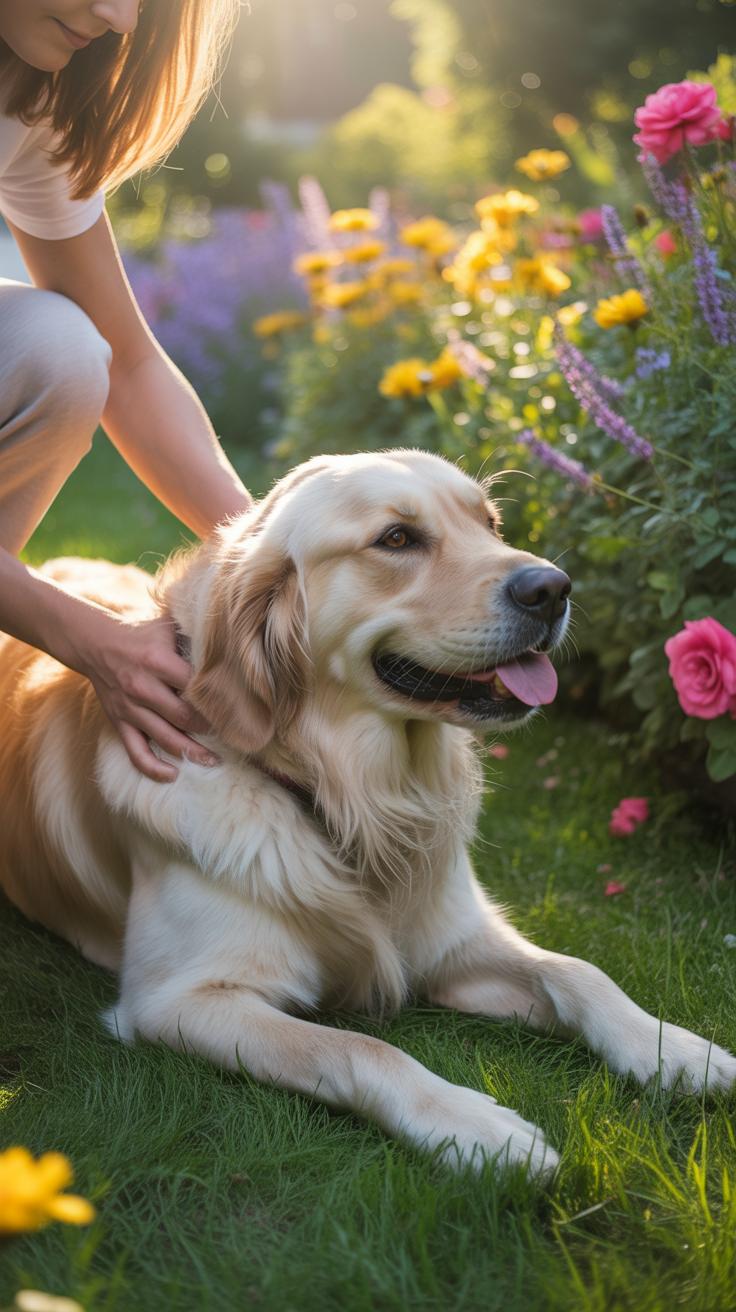
Focus your efforts on the base of the skull and the neck area first. Dogs carry significant tension in these muscle groups from holding their heads up and pulling on leashes. Use slow circular motions with your fingertips to loosen the fascia. This tactile input triggers the parasympathetic nervous system. It lowers the heart rate and reduces cortisol levels in the animal.
Move along the spinal muscles but stay off the bone itself. Targeted pressure on the longissimus muscles provides relief for active dogs. The shoulders and hips also represent high value zones for relaxation. Most dogs enjoy gentle kneading on the large muscle masses of the hindquarters. Systematic pressure in these areas improves circulation and localized blood flow. This technique assists with recovery after physical exercise.
A pet is an island of stick-to-itive loyalty in a sea of adoring strangers. Soft hands and a gentle touch return the warmth they give us every single day.
Areas To Avoid And Warning Signs That Your Dog Is Uncomfortable
Avoid the lower back near the tail base if your dog shows sensitivity. Many dogs experience arthritis or hip dysplasia in this region. Direct pressure can cause sharp pain rather than relief. Stay away from the stomach and groin area unless the dog initiates trust. These are vulnerable zones. Protect the spine, rib cage, and joints by using flat palms instead of prying fingers.
Watch for subtle body language cues that indicate discomfort or stress. Rigid muscles, flattened ears, or whites of the eyes showing are red flags. A dog might lick its lips or yawn to signal a boundary. Rapid breathing or attempts to move away mean you must stop immediately. Respect these signals to maintain safety and trust. Forcing a massage creates negative associations and increases the risk of a bite.
Targeted Massages For Dogs With Specific Health Needs Or Mobility Issues
How Massage Can Help Senior Dogs With Arthritis, Stiffness, And Joint Discomfort
Senior dogs often suffer from osteoarthritis and reduced joint lubrication. Massage increases blood flow to these specific areas. Improved circulation delivers oxygen and nutrients to damaged tissues. This process helps flush out metabolic waste and reduces painful swelling. Focus on the muscles around the joints rather than the bone itself. This supports the skeletal system without causing acute pain or further inflammation.
Technique is critical for older pets with mobility issues. Use gentle skin rolling and soft compressions to warm the muscle groups. Do not apply heavy pressure to the spine or hips. This warming phase prepares the connective tissues for movement. Regular sessions improve range of motion and decrease morning stiffness. You are not fixing the arthritis. You are managing the compensatory muscle tension caused by the condition.
Soothing Massage Approaches For Anxious, Rescued, Or High Stress Dogs
Anxious dogs live in a state of high cortisol. Targeted massage triggers the parasympathetic nervous system. This shifts the dog from a flight response to a rest state. Use long and slow strokes from the head to the base of the tail. Avoid the face and paws initially. These areas often trigger a defensive reaction in nervous or recently rescued animals.
Establish a predictable rhythm to build trust. Consistency tells the dog the environment is safe. Keep sessions short to avoid overstimulation. Watch for signs of licking or yawning. These signals indicate the dog is processing the relaxation. Proper massage lowers the heart rate and stabilizes breathing patterns. Focus on the chest and shoulder areas. These spots carry the most tension in stressed animals.
How To Massage Your Dog Safely Precautions And Best Practices To Follow
When To Consult A Veterinarian Before Beginning A Home Massage Routine
Check with a veterinarian if your dog has underlying health issues. Medical experts must clear pets with heart disease, blood pressure problems, or cancer before you apply pressure. Massage increases circulation and may move toxins or cancer cells through the body too quickly. Do not assume massage is a cure for lameness. Professionals must diagnose the root cause of pain first.
Avoid massaging areas with open wounds, skin infections, or acute inflammation. Massaging a dog with a fever can worsen their condition by raising internal body temperature. If your dog just had surgery, wait for the surgeon to give approval. Internal sutures or healing bone grafts require complete rest. Putting pressure on these sites risks serious injury and set back the recovery timeline.
Essential Safety Tips To Keep Every DIY Massage Session Effective And Harm Free
Safety starts with reading your dog’s body language. You must stop if the dog growls, snaps, or moves away from your touch. Never force a dog to stay still for a massage. Use light pressure and increase it only if the animal shows signs of relaxation. Start with the back of the neck and move toward the tail.
- Avoid Spines and Joints: Do not apply direct pressure to the vertebrae or bony protrusions. Focus your efforts on the soft muscle tissue surrounding these areas. Pressing directly on bone causes discomfort and may lead to nerve damage or inflammation in older dogs.
- Monitor Temperature: Feel the skin for hot spots before you start. Heat usually indicates an active infection or a fresh injury that requires ice rather than friction. Massaging a hot area increases blood flow and can make local swelling much worse for the pet.
- Hydration Support: Offer your dog fresh water immediately after the session. Massage releases metabolic waste from the muscles into the bloodstream. Water helps the kidneys process and flush these substances out of the body efficiently. This prevents the dog from feeling lethargic or stiff later.
- Check For Lumps: Use your hands to scan for new growths or unusual bumps during every session. If you feel a hard or irregular mass, stop the massage and note the location. Provide this information to your vet. Never press down on unexplained lumps as they could be cysts or tumors.
- Watch Breathing Patterns: Observe the dog’s respiratory rate throughout the process. Heavy panting or shallow breaths signify stress or physical pain. A relaxed dog will breathe slowly and deeply through the nose. If the breathing changes suddenly, release your grip and give the animal space to recover.
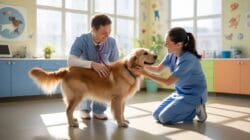
Keep your sessions short and focused at the beginning. Five to ten minutes is enough for most dogs to receive the benefits without getting overwhelmed. Always trim your fingernails before starting to prevent accidental scratches or skin puncturing. Consistency provides better results than intensity. Plan your massages for times when the house is quiet and distractions are at a minimum.
How To Massage A Dog Regularly To Build A Lasting Routine And Deeper Bond
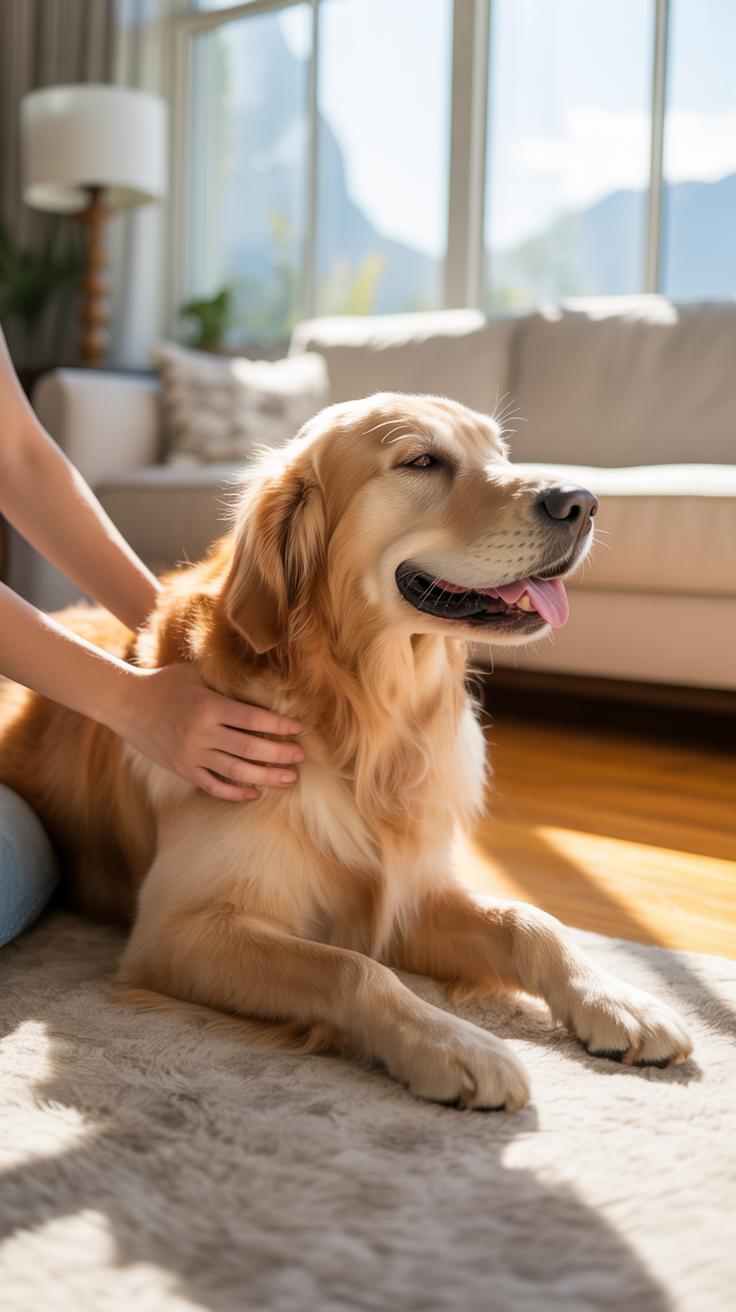
How Often You Should Massage Your Dog And How Long Each Session Should Last
Frequency depends on the age and activity level of your dog. Healthy adult dogs benefit from a brief daily session. Use three to five minutes for a standard maintenance touch. This keeps the muscles loose and allows you to monitor for new lumps or soreness. Consistency matters more than length. Short daily sessions prevent the buildup of chronic muscle tension.
Senior dogs or canine athletes require longer sessions twice a week. Devote ten to fifteen minutes for these deeper sessions. Focus on the large muscle groups in the hips and shoulders. High frequency helps maintain circulation and joint mobility. Watch for signs of fatigue or discomfort. Stop if the dog moves away or stiffens. You want to end the session while the dog remains calm.
Combining Massage With Grooming And Playtime To Strengthen Your Daily Connection
Integrate physical therapy into existing habits to save time. Start a massage after a grooming session when the dog is already still. Use the brush to identify trigger points or sensitive areas. Transition from brushing to hand contact to soothe the skin. This pairing creates a positive association with handling. It turns a chore into a beneficial health check for your pet.

End your daily playtime with a cool down massage. Active play increases heart rates and blood flow to the limbs. Use long gliding strokes to transition the dog from high energy to a resting state. This routine regulates the nervous system and prevents post exercise stiffness. Physical touch after play reinforces your role as the pack leader. It builds trust through predictable and rewarding physical interaction.
Frequently Asked Questions

Is it safe for me to try massaging my pet at home if I am not a professional?
It is perfectly safe to perform a basic massage on your pet as long as you use a gentle touch and move slowly. Most animals find light pressure incredibly soothing and beneficial for their circulation. By learning simple diy pet massage techniques, you can help lower your companion’s stress levels and strengthen the emotional bond you share, all from the comfort of your living room sofa or a cozy rug.
What are the best steps to take when starting a massage session for my dog or cat?
Begin by creating a calm environment and letting your pet sniff your hands. Use flat palms to make long, sweeping strokes from the head down to the tail, focusing on large muscle groups. As you explore various diy pet massage techniques, remember to avoid direct pressure on bones or joints. Pay close attention to their body language; if they lean in, they are enjoying it, but if they pull away, stop immediately.
Do I need to buy expensive oils or specialized equipment to give my pet a high-quality massage?
You do not need any fancy tools or pricey oils to provide a relaxing experience for your pet. In fact, using just your hands is the most effective way to monitor their response and feel for any unusual lumps or tension. A quiet space, a soft blanket, and your undivided attention are the only essentials required to transform your home into a serene pet spa without spending a single penny on professional gear.