Why Vet Visits Feel So Overwhelming For Pets And What Pet Care Tips Say About It
Understanding The Root Causes Of Pet Anxiety At The Vet
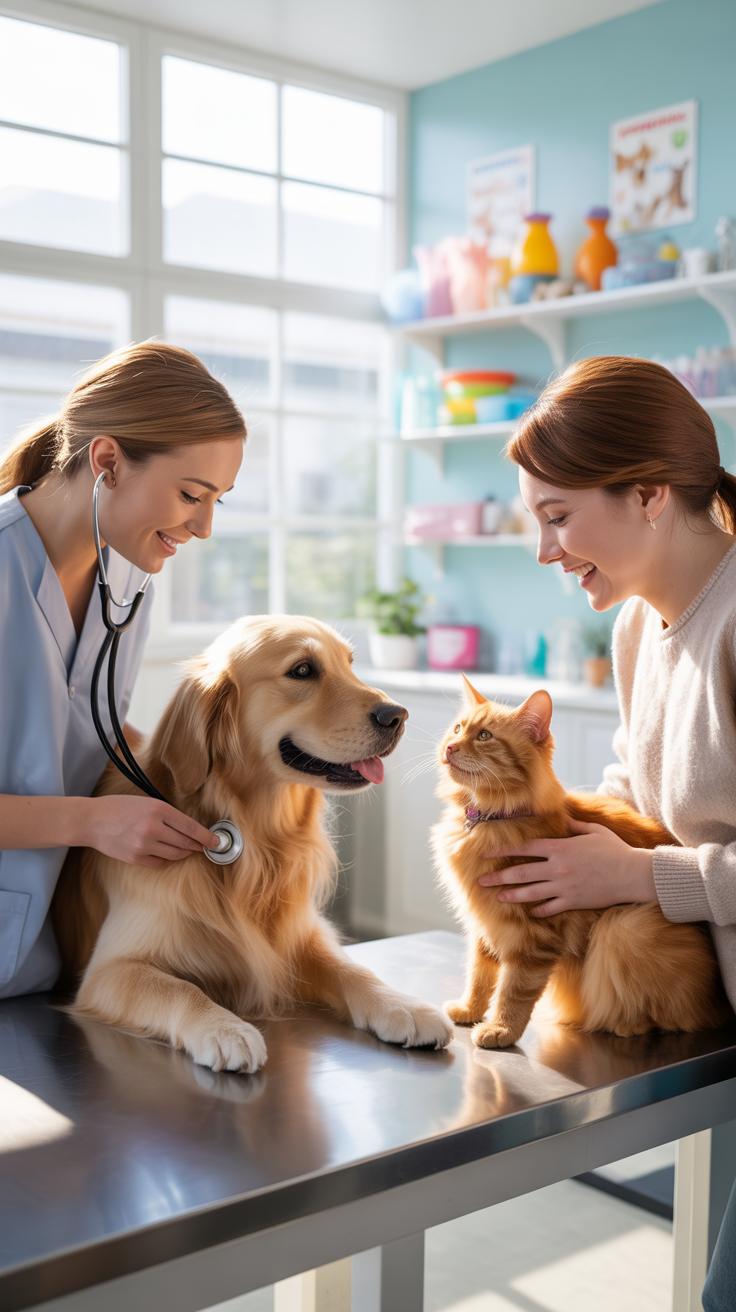
Pets experience sensory overload at the clinic. Their acute hearing picks up high-frequency equipment noise invisible to humans. Unfamiliar smells like disinfectants, pheromones from scared animals, and alcohol wipes trigger a biological fear response. Their instinct views the exam table as a trap. Movement becomes restricted. These factors combine to create a perceived threat in every corner of the veterinary facility.
Proximity to other animals adds significant pressure. Predators and prey often sit in the same waiting area. Dogs bark and cats hiss while trapped in carriers. This confined environment removes the pet’s ability to use “flight” as a defense mechanism. Forced handling by strangers further violates their personal space. They cannot predict what happens next. This lack of control drives the intense anxiety seen during physical exams.
How Stress At The Clinic Can Affect Your Pet’S Long Term Health
High stress levels cause immediate physiological shifts in animals. Heart rates spike and blood pressure rises during the exam. These fluctuations can mask real medical issues or create false readings during diagnostic tests. Veterinary professionals call this white coat syndrome. Chronic fear also suppresses the immune system. Frequent distress makes it harder for the body to fight off infections or recover from basic procedures.
Negative experiences build a cycle of avoidance. Small fears turn into aggressive behaviors over time. Owners often skip preventative care because the visit is too difficult to manage. This delay leads to late diagnoses for treatable conditions. Routine screenings are vital for longevity. If a pet fears the clinic, they lose access to life-saving medicine. Managing stress is not just about comfort. It is about physical survival.

How To Choose A Vet For A Cat Finding The Right Fit For A Calmer Experience
What To Look For In A Cat Friendly Veterinary Practice
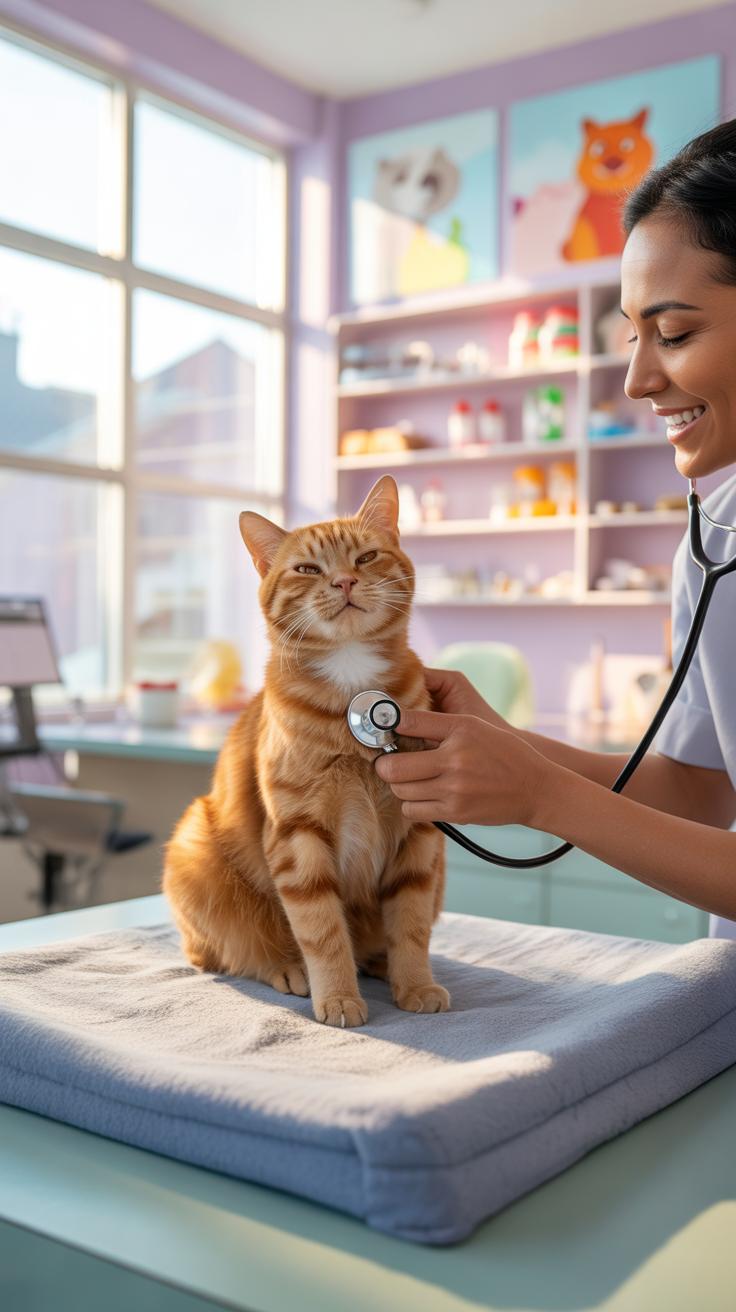
Seek clinics with the Cat Friendly Practice designation from the American Association of Feline Practitioners. This certification ensures the facility meets specific standards for feline care and handling. Physical layout matters immensely for stress reduction. Look for separate waiting areas for cats and dogs. This prevents visual contact with predators. Odor control is another vital factor in reducing environmental fear triggers.
Evaluate the exam room features during your initial facility tour. Clinics should use synthetic feline pheromone diffusers to create a calming chemical environment. High-quality practices provide non-slip surfaces on exam tables instead of cold stainless steel. The staff must use minimal restraint techniques to prevent defensive aggression. Avoid clinics that rely on heavy physical force. Proper handling minimizes trauma for the animal and the owner.
Questions To Ask Before Booking Your First Appointment At Vet Clinics
Inquire about the specific sedation and handling protocols used by the veterinary team. You need to know if the staff understands feline body language and fear signals. Ask about their policy on owner presence during procedures. Transparency indicates a commitment to low-stress techniques. Use these specific questions to vet the facility before you bring your cat through the front door.
- Certified Fear Free Professional: Ask if the veterinarians and technicians hold individual Fear Free certifications. This ensures the staff has undergone rigorous training in emotional stability and animal behavior. Certified professionals prioritize psychological health during physical exams.
- Separate Species Entrances: Does the clinic have dedicated entrances or strict scheduling for cats? Reducing interaction with barking dogs in small lobbies prevents immediate spikes in cortisol. Physical barriers or separate wings are superior for long-term stress management.
- Synthetic Pheromone Usage: Does the staff apply Feliway or similar synthetic pheromones to their clothing and towels? These chemical signals mimic natural feline comfort markers. Consistent use throughout the clinic facilitates a much faster acclimation period for most cats.
- Sedation Philosophy: What is the practice policy on pre-visit pharmaceuticals or in-clinic sedation? High-quality vets recommend medication before the cat becomes highly agitated. Early intervention prevents the escalation of fear and ensures a more thorough medical assessment.
- Exam Handling Techniques: Will the staff perform the exam inside the carrier or on a towel if the cat is hiding? Forcing a cat out of its safe space causes unnecessary panic. Flexible vets adapt their physical exam to the comfort level of the animal.

Confirm the clinic uses modern equipment like smaller needles for injections and quiet clippers for fur removal. Noise levels in the back of the house significantly impact a cat’s perception of safety. Ask the receptionist how they managed difficult or aggressive cats in the past. Their answer will reveal if they prioritize speed or patient comfort. Choose the practice that values a calm environment over high patient turnover.
Cat Carrier Training Making The Carrier A Safe Space Before The Visit
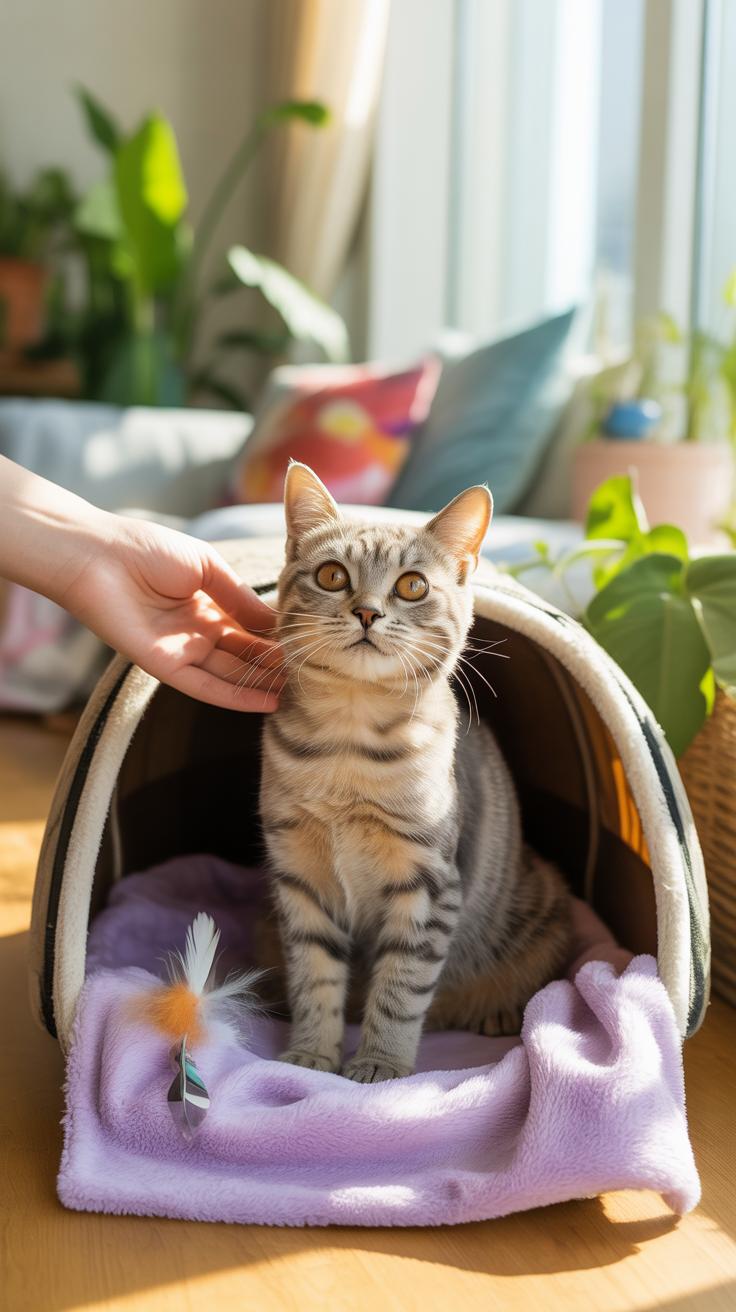
How To Introduce The Cat Carrier Weeks Before A Scheduled Appointment
Most owners hide the carrier in a garage or closet. They only bring it out for vet trips. This creates a negative association with the sight of the box. Stop hiding the carrier. Place it in a central living area weeks before the visit. This turns the object into standard furniture. The cat will soon stop viewing the carrier as a threat.
Feed your cat near the open door of the carrier daily. Move the food bowl inside the unit once the cat feels safe. Place familiar bedding and toys in the back. Use synthetic pheromone sprays to mimic natural calming scents. These actions build a positive history with the space. The cat will eventually enter the carrier to nap rather than fleeing from it.
Choosing The Right Cat Carrier Type And Size For Comfort And Safety
Select a hard-sided plastic carrier for maximum protection and easy cleaning. Hard shells prevent crushing during travel and provide a stable floor for the cat. Ensure the model has a secure door that will not pop open under pressure. Look for carriers with both a front door and a top-loading hatch. This allows for easier access if the cat refuses to walk inside.

The carrier must feature a removable top half. Veterinarians prefer to perform exams while the cat sits in the bottom basin. This keeps the cat feeling hidden and protected during the checkup. Choose a size that allows the cat to stand up and turn around completely. A cramped space increases anxiety. A oversized space allows the pet to slide around and get injured.
How To Prepare Your Cat For A Vet Visit A Step By Step Approach
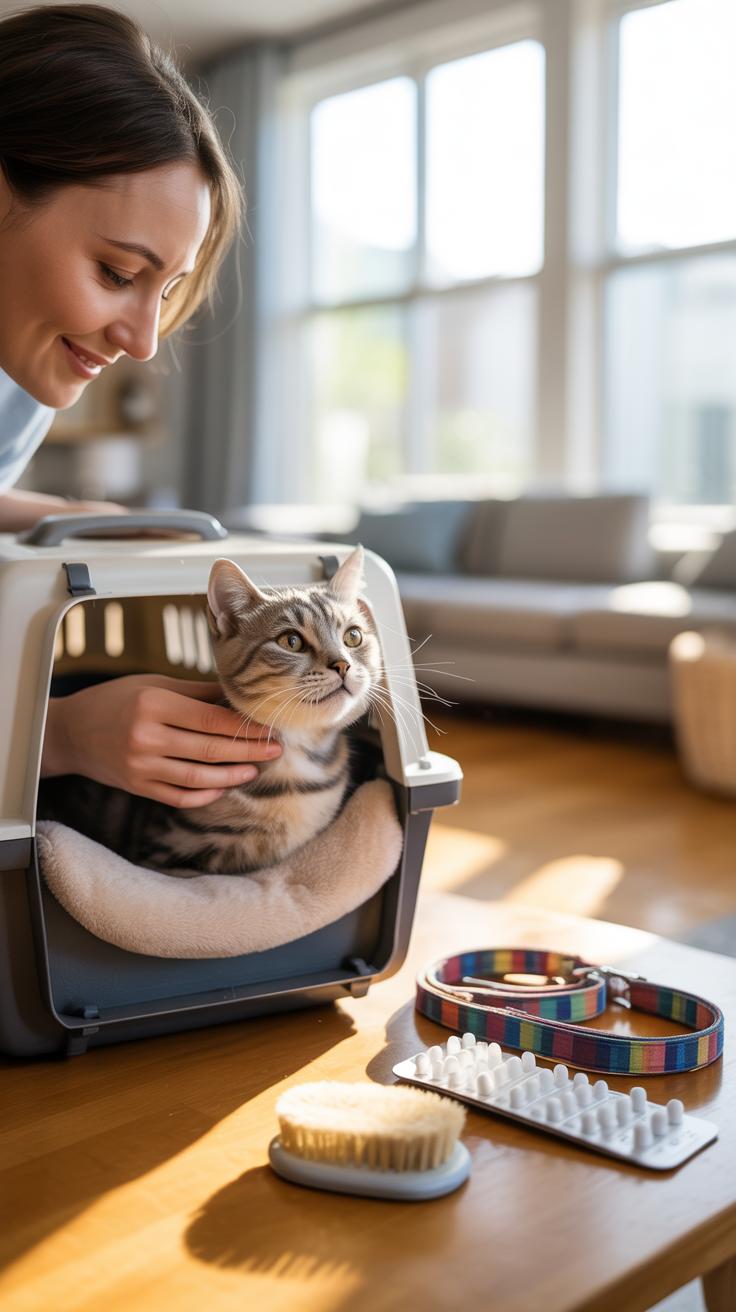
Building A Pre Visit Routine That Signals Safety, Not Danger
Conditioning starts with the carrier. Most owners only pull the carrier out for vet trips. This creates a clear signal of impending fear. Stop hiding the carrier in the garage or attic. Place it in a high-traffic living area weeks before the appointment. Leave the door open. Turn the plastic box into a piece of furniture that belongs in the cat’s daily environment.
Use scent and food to rewrite the cat’s association with the carrier. Place high-value treats and favorite bedding inside the unit. The cat must view the carrier as a safe resting spot rather than a trap. Apply synthetic feline pheromones to the bedding daily. These chemical signals mimic natural facial pheromones. They tell the cat that the space is secure. Consistent exposure builds a baseline of calm.
Practical Steps To Follow The Morning Of The Appointment
Morning preparation requires a strict focus on physical logistics and caloric intake. Stop feeding your cat their full morning meal. A hungry cat is more motivated by treats used as distractions during the exam. Withhold food for at least six hours before the appointment. Ensure the cat stayed indoors overnight to avoid a last-minute chase. Preparation prevents the rush that spikes feline cortisol levels.
- Limit Food Consumption: Feed only a small fraction of the usual breakfast. Hunger increases the effectiveness of food rewards at the clinic. Veterinarians use treats to create positive associations during physical handling. A full cat will ignore these rewards and remain focused on their fear.
- Apply Pheromone Sprays: Spray the carrier bedding fifteen minutes before departure. Synthetic pheromones take time to settle and work. Do not spray while the cat is inside the carrier. The initial alcohol scent is harsh and off-putting. Allow the chemicals to dissipate so only the calming signals remain.
- Pre-Heat the Vehicle: Bring the car to room temperature before loading the cat. Cats are sensitive to extreme heat and cold. A loud heater or AC blasting suddenly creates unnecessary vibration and noise. Stable temperatures reduce the physical shock of moving from the house to the driveway.
- Cover the Carrier: Use a thick towel to drape over the carrier during transport. Cats feel safer when they cannot see moving cars or strange environments. The towel also traps the pheromones inside the box. Visual blocking prevents the cat from entering a state of hyper-vigilance during the car ride.
- Secure the Placement: Place the carrier on the floorboard behind the passenger seat. This is the most stable spot in the car. It minimizes tilting and sliding during turns. Crating the cat on a seat often leads to instability. A steady ride prevents motion sickness and reduces the cat’s sense of physical vulnerability.

Execute the transition from house to car with minimal noise. Do not swing the carrier or hit it against doorways. Keep the carrier level at all times to avoid upsetting the cat’s balance. Avoid playing loud music or talk radio during the drive. The goal is a low-stimulation environment from the front door to the exam room. Tactical silence preserves the calm state you built at home.
Using Positive Reinforcement To Build Confidence Around Vet Visits
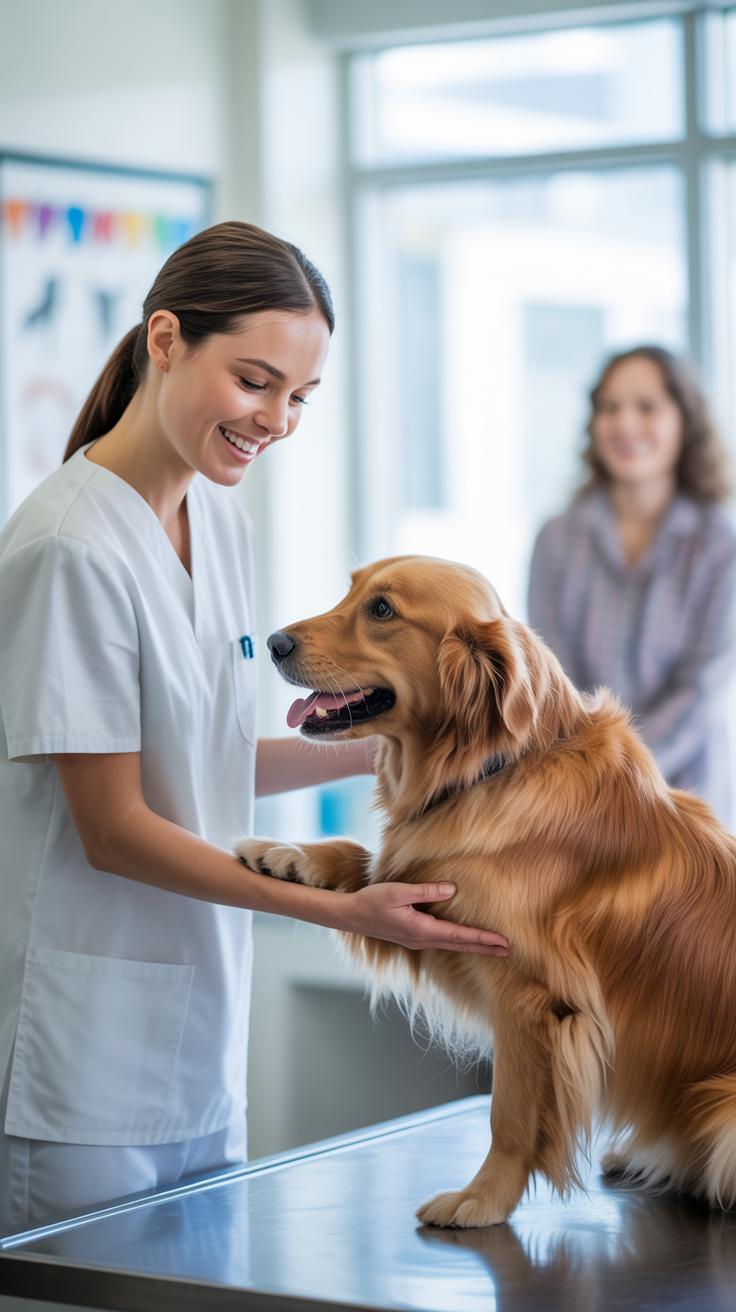
How Reward Based Techniques Help Reshape Your Pets Association With The Vet
Positive reinforcement uses classical conditioning to change a biological fear response. Pets often associate the clinic with pain or confinement. You break this cycle by introducing high value rewards before and during the exam. Food triggers the parasympathetic nervous system which counters the fight or flight response. This tactical shift moves the animal from a state of panic to focused anticipation.
Consistent rewards create a predictable environment for the pet. Animals rely on patterns to assess safety in unfamiliar settings. By pairing the smell of the clinic with a favorite treat you build a new cognitive map. This method builds long term resilience instead of temporary compliance. You want the pet to choose calm behavior because it leads to a specific positive outcome.
Timing Your Treats And Praise For Maximum Positive Impact
Precision determines the success of reinforcement. You must deliver rewards at the exact moment the pet displays calm body language. Giving a treat while a dog growls or a cat hisses reinforces the wrong behavior. Wait for a relaxed posture or a soft gaze. Quick delivery ensures the pet connects the reward to their specific action. This clarity prevents confusion during the examination.

Strategic delivery also involves high frequency during high stress moments. Use small pieces of food to keep the pet engaged during the entire physical check. Constant reinforcement prevents the stress level from spiking. Once the vet finishes a difficult task like a blood draw provide a larger reward immediately. This ends the specific interaction on a high note and sets a better tone for future visits.
Cat Care Tips For Managing Anxiety During The Actual Appointment
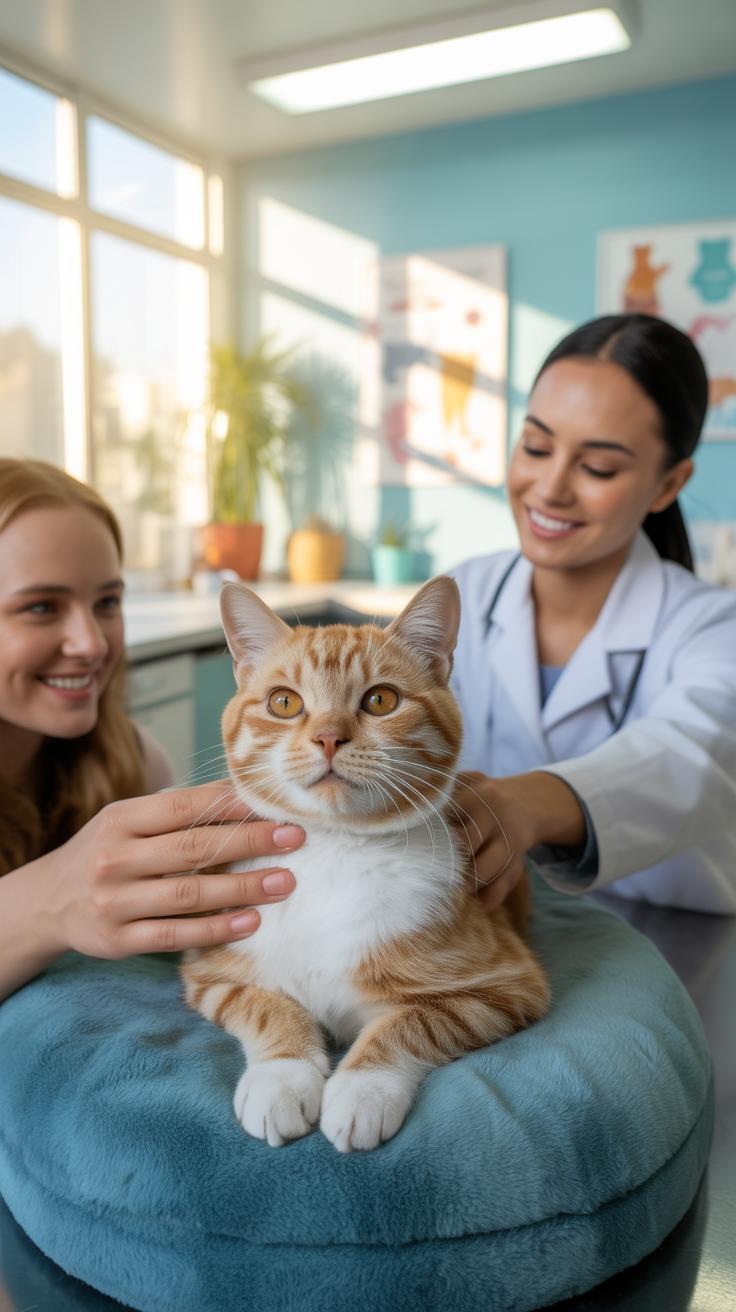
Guidance On How To Handle Your Cat Calmly While In The Waiting Room And Exam Area
Keep your cat inside the carrier until you enter the private exam room. Elevated surfaces are safer than the floor because cats feel more secure when they can monitor the room from a height. Place the carrier on a chair or side table immediately. Cover the carrier with a pheromone-sprayed towel to block visual triggers like dogs or other high-stress pets.
Once inside the exam room, open the carrier door but do not force the cat out. Allow the animal to explore the table or stay in the base of the carrier if departures are possible. Use minimal physical restraint to avoid triggering a fight-or-flight response. Maintain a low voice and steady movements to keep the environment predictable. Avoid direct eye contact which cats perceive as a threat.
Communicating With Your Cat Vet To Minimize Handling Stress
Request a feline-only exam room if the clinic offers them to ensure the absence of canine scents. Ask the veterinarian to perform as much of the physical exam as possible while the cat remains in its carrier base. Removing the top of a plastic carrier allows access without dragging the pet through a small door. This method preserves the cat’s sense of territorial security during the checkup.

Discuss the use of chemical restraint or pre-visit sedation if the cat shows high levels of distress. Professional veterinary teams use towel wraps or “burrito” techniques instead of heavy scruffing to control movement safely. Explicitly ask for a “less is more” approach to handling. Clear communication ensures the staff prioritizes the cat’s emotional state alongside its physical health during every procedure.
The Role Of Vet Clinics In Creating A Low Stress Environment For Cats
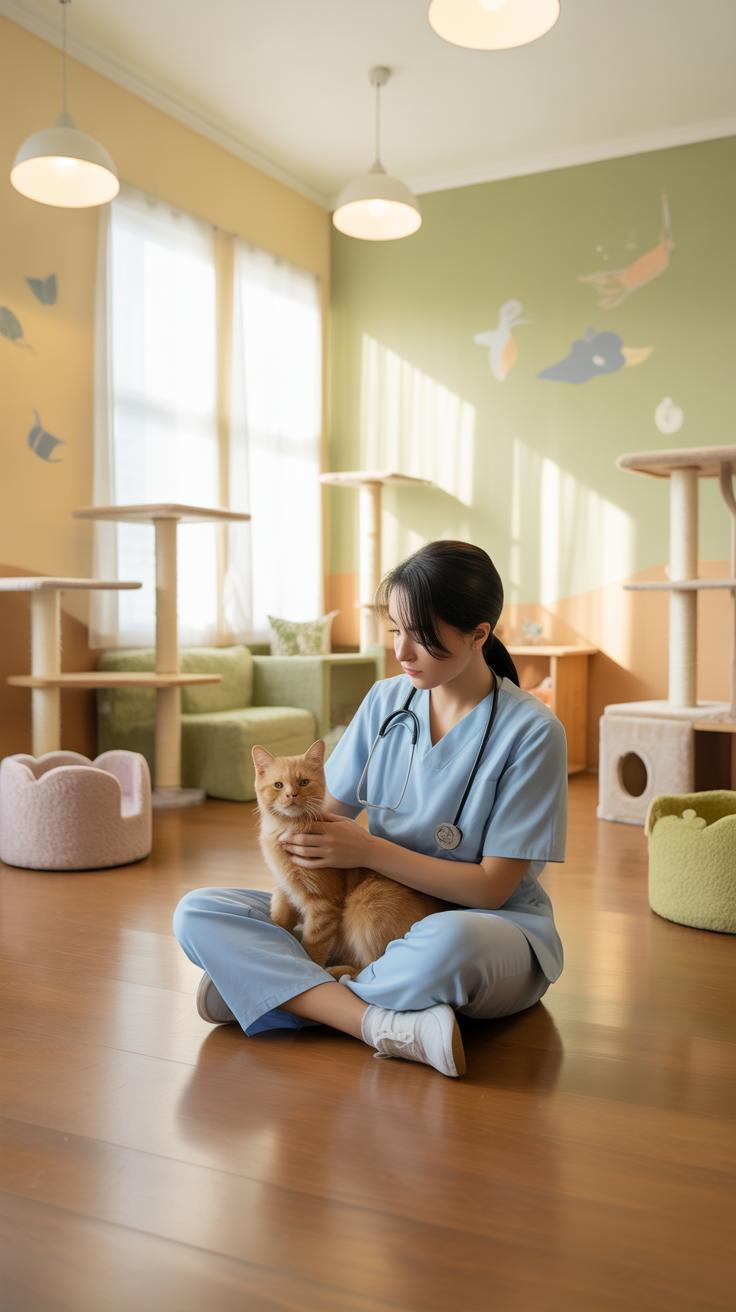
What Fear Free And Cat Friendly Certified Clinics Actually Do Differently
Certified clinics follow specific protocols to lower cortisol levels in feline patients. Veterinarians and staff undergo specialized training to recognize early signs of feline anxiety. They use gentle handling techniques instead of heavy physical restraint. This approach prevents the cat from entering a fight or flight state. Staff members move slowly and speak in low tones to maintain a calm atmosphere throughout the entire exam.
Exam rooms in these facilities prioritize feline comfort over traditional clinical efficiency. Doctors often perform exams on a yoga mat or inside the bottom half of a carrier. This keeps the cat on a familiar surface rather than a cold metal table. Certified clinics also schedule longer appointment blocks. This extra time allows the cat to acclimate to the room before the physical examination begins.
Our animal companions are the quiet shadows of our hearts, and treating them with patience and a soothing touch transforms a day of worry into a journey of trust.
How Clinic Layout, Scent Control, And Separate Waiting Areas Reduce Stress
Physical layout dictates how a cat perceives a clinic. High-quality facilities provide separate entrances or waiting zones for cats and dogs. This separation prevents visual contact and direct proximity to barking dogs. Visual barriers like shelving or frosted glass keep cats from seeing other animals. These design choices lower the immediate threat response that occurs when a cat enters a shared predatory space.

Scent control is a tactical requirement for reducing feline stress. Clinics use synthetic pheromones like Feliway in diffusers and on towels. These chemicals mimic natural facial pheromones used by cats to mark safe territory. Staff also use medical-grade cleaners that neutralize the smell of previous patients without leaving harsh chemical odors. Proper ventilation prevents the buildup of fear pheromones released by stressed animals in exam rooms.
Calming Products And Cat Care Strategies That Support A Stress Free Vet Visit
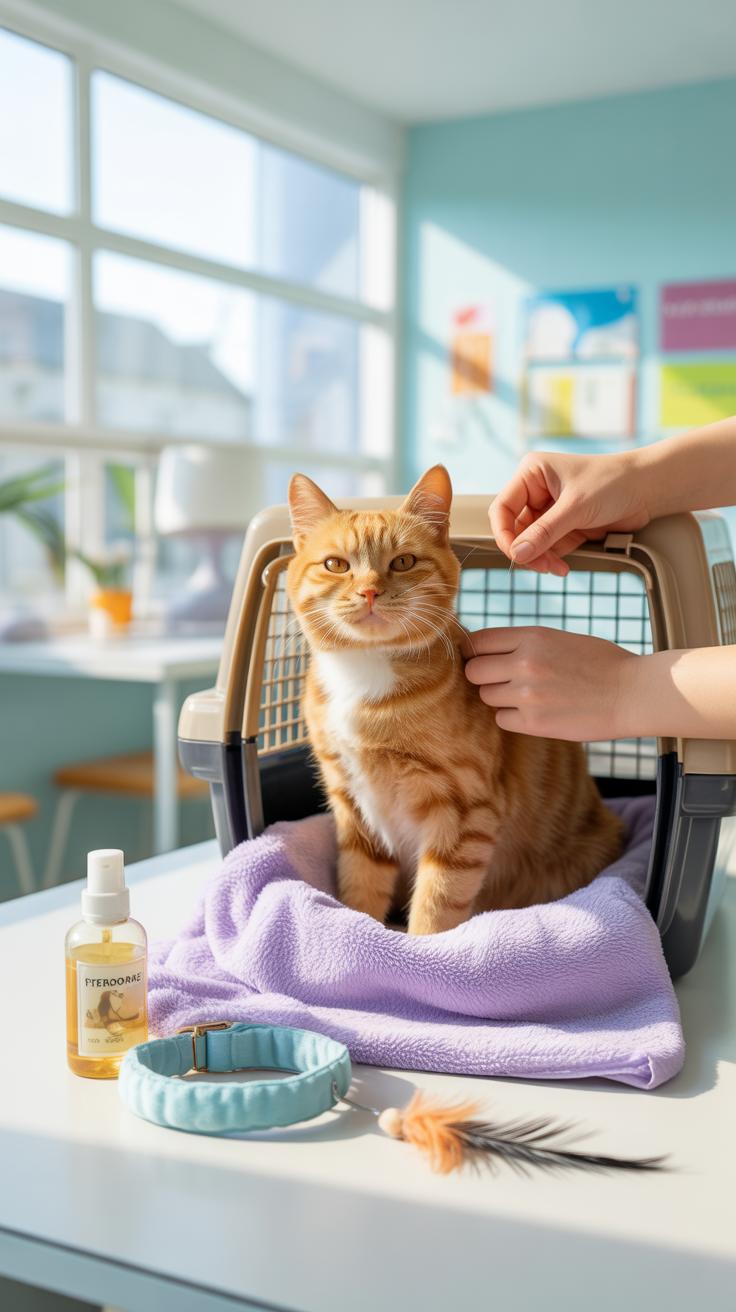
Pheromone Sprays, Calming Wraps, And Other Vet Approved Comfort Tools
Synthesized pheromones like Feliway for cats and Adaptil for dogs mimic natural messages to reduce fear. Apply these sprays to carriers and blankets twenty minutes before departure. This time allows the alcohol base to evaporate so the scent does not irritate the nose. Proper timing ensures the chemical signals effectively ground the animal in a familiar scent profile during transit and examination.
Compression garments like the Thundershirt apply constant, gentle pressure to the torso. This physical sensation triggers a calming effect in the nervous system for many pets. Combine these wraps with visual blocks like a towel over the carrier to lower environmental stimuli. These tools work best when introduced at home during calm periods. Using them only during vet trips can create a negative association that voids their effectiveness.
When To Discuss Anti Anxiety Medications Or Supplements With Your Vet
Schedule a consultation if your pet shows extreme signs of distress during travel or handling. Signs include panting, trembling, aggression, or clear attempts to escape. Behavioral modification alone often fails when an animal exceeds its stress threshold. In these cases, pharmaceutical intervention provides a necessary safety net. It allows the animal to remain below the panic line so it can actually learn new, positive behaviors.

Discuss specific options like gabapentin for cats or trazodone for dogs with a licensed professional. These medications serve as situational sedatives that you administer hours before the appointment. Do not use over-the-counter supplements without a veterinary review of your pet’s medical history. A clear plan ensures the dose matches the weight and health status of the animal. Precise timing and the correct dosage prevent the pet from arriving over-stimulated.
Building A Long Term Cat Care Routine That Makes Vet Visits Second Nature
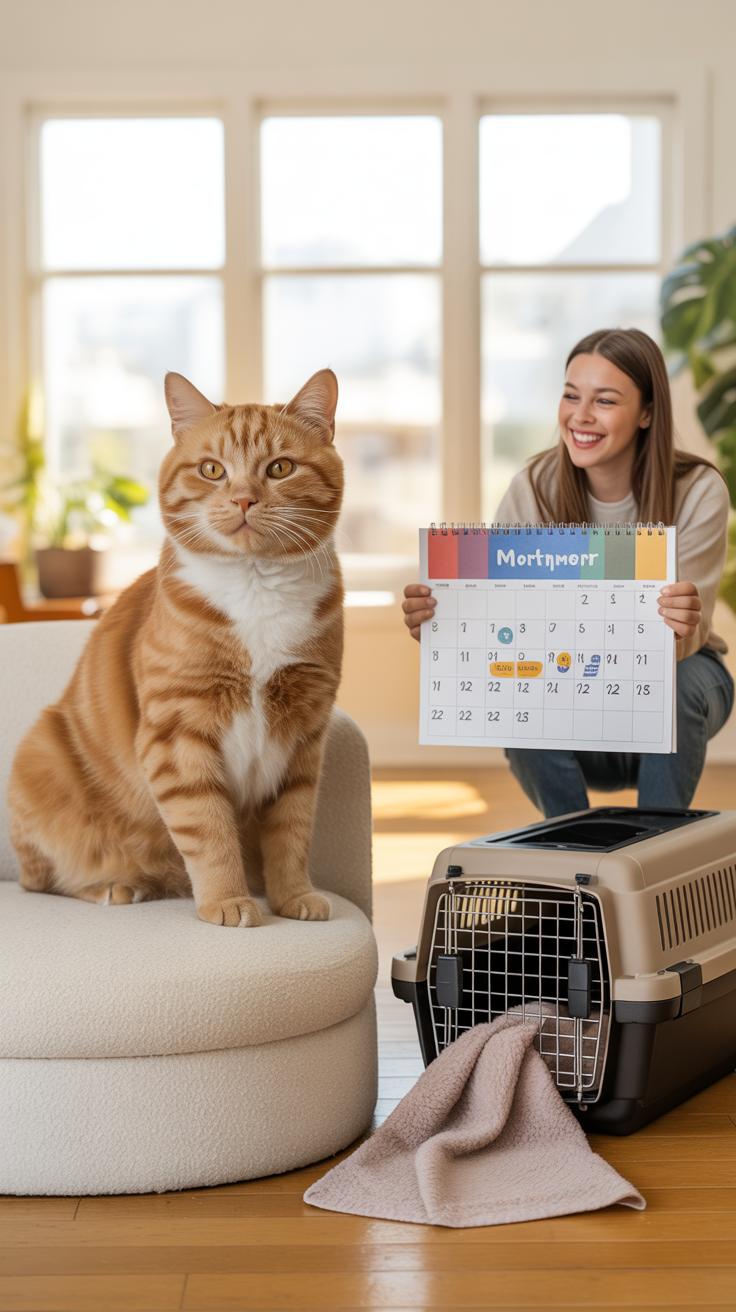
Why Regular Wellness Visits Help Desensitize Your Cat To The Vet Environment
Routine checkups reduce fear by establishing a predictable pattern. Cats thrive on consistency and familiarity. When a cat only visits the clinic for emergencies or painful procedures, they associate the clinic with trauma. Frequent wellness visits shift this association toward neutral experiences. Low-stakes visits allow your cat to process the smells and sounds of the office without the added stress of physical illness.
Veterinarians use these visits to build a baseline for your cat’s health. Early exposure to the exam table and handling techniques makes professional touch routine rather than threatening. This process mirrors the Force Free movement in veterinary medicine. Practitioners prioritize emotional safety to prevent negative conditioning. Consistent exposure ensures the vet office becomes a known variable in your cat’s life rather than a source of panic.
Tracking Your Cat’S Health Between Visits To Stay Ahead Of Stress Triggers
Monitoring your cat at home provides data for your veterinarian. Sudden changes in appetite or litter box habits often signal underlying pain or anxiety. Keep a log of these behaviors to share during consultations. This information helps the vet diagnose issues quickly. Faster diagnoses mean shorter exam times. Less time spent on the exam table lowers the overall stress level for your cat during the appointment.
Identify specific environmental triggers that upset your cat before the visit. Note if car rides, crate loading, or loud lobby noises cause the most distress. Professional strategists use these observations to modify the travel routine. If you know the trigger, you can address it with specific desensitization drills. Accurate data tracking removes the guesswork from vet visits. It allows you to intervene before a minor behavioral shift becomes a major health crisis.
Frequently Asked Questions

Why do pets get so anxious when visiting the veterinarian?
Most pets experience fear because the clinic environment is filled with unfamiliar sights, loud sounds, and clinical smells. From the slippery scale to the cold exam table, these sensory triggers can be overwhelming. Understanding your pet’s body language is the first step toward a smoother experience. By implementing a few simple stress free vet visit tips, you can help transform these scary medical appointments into manageable routines for your furry friend.
What can I do at home to prepare my pet for an upcoming exam?
Preparation starts with desensitization. Practice “happy visits” by driving to the clinic just for a treat and positive praise without an exam. At home, handle your pet’s paws, ears, and mouth regularly so they are accustomed to being touched. These stress free vet visit tips help normalize physical exams. Additionally, keeping the carrier out as a cozy nap spot ensures your pet doesn’t associate it only with stressful trips.
Are there low-cost ways to reduce my pet’s anxiety without buying expensive supplements?
Absolutely! Reducing stress doesn’t have to be expensive. You can use old towels to cover carriers, creating a dark, calming sanctuary during the ride. Playing soft classical music in the car and bringing your pet’s favorite high-value treats from your pantry can make a world of difference. Many clinics also offer specific “fear free” scheduling during quieter hours at no extra charge, which is a great way to ensure a peaceful environment.