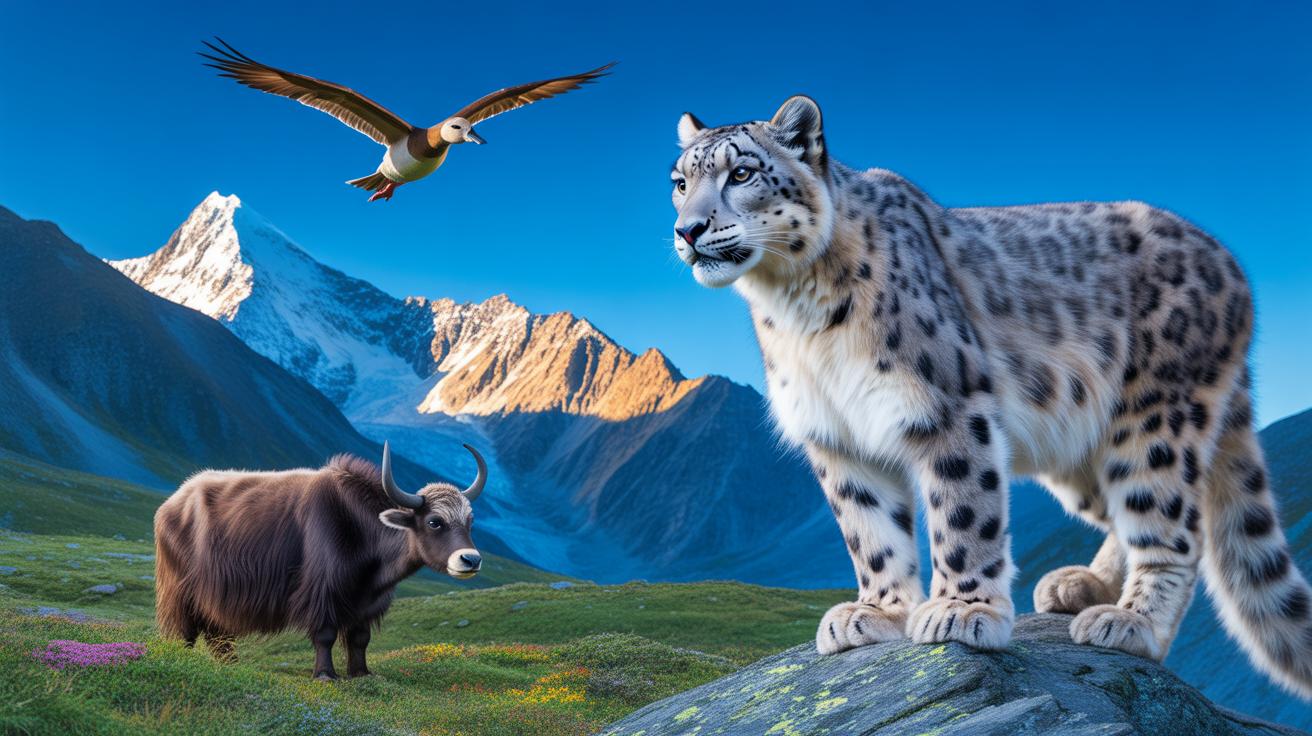
What Makes Extreme Altitudes So Hostile To Life And Animals
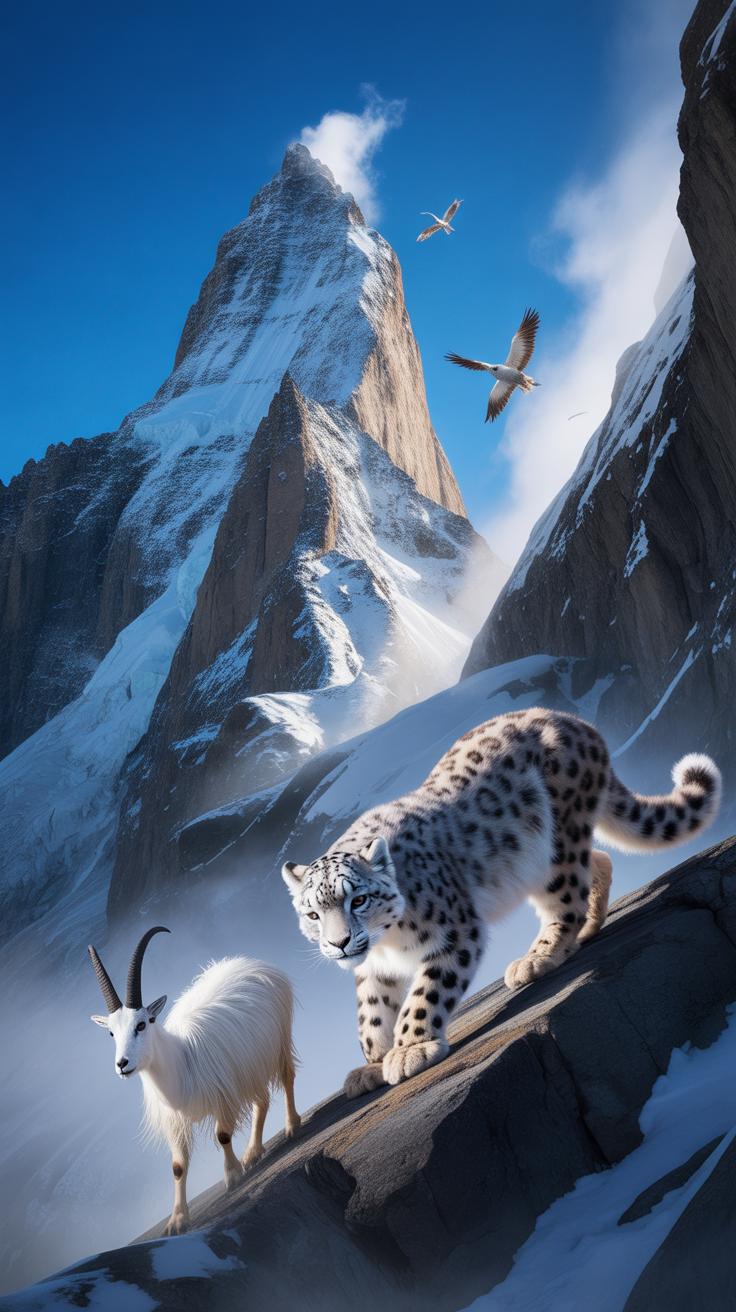
The Science Behind Thin Air, Low Oxygen, And Freezing Temperatures At High Altitude
High altitude environments create physical stress through hypobaric hypoxia. Air pressure drops as elevation increases. This reduction in pressure means fewer oxygen molecules enter the lungs with every breath. Gravity pulls the atmosphere toward Earth, leaving the air at peaks like Everest thin and void of density. Cells cannot produce energy without a steady oxygen supply. This lack of fuel causes rapid system failure in most terrestrial life forms.
Temperature drops at a predictable rate known as the lapse rate. For every one thousand meters gained, the air temperature falls by approximately 6.5 degrees Celsius. Thin air cannot hold heat like dense sea-level air. Intense solar radiation further complicates survival during the day, while heat vanishes instantly at night. These extreme thermal swings destroy cellular membranes. Animals must regulate internal heat or face certain death from freezing.
Why Most Animals Cannot Survive Above 3,000 Meters Without Special Adaptations
Most animals fail above 3,000 meters because their blood cannot carry enough oxygen. Standard hemoglobin molecules bind to oxygen effectively at sea level but struggle in thin air. When oxygen levels drop, the heart pumps faster to compensate. This strain leads to pulmonary edema or fluid buildup in the lungs. Brain function declines as the body prioritizes core organs. Without specialized blood chemistry, the cardiovascular system collapses under the physical pressure.
Metabolic costs also become unsustainable at high elevations. Finding food requires immense energy, but the body burns calories faster just to stay warm. Most species lose more energy than they can consume in these barren zones. Digestion slows down because the body redirects blood flow to the muscles and brain. Typical mammals experience rapid muscle wasting and reproductive failure. Only extreme altitude animal survivors possess the unique genetic blueprints to thrive here.

The Snow Leopard One Of The Most Iconic Extreme Altitude Animal Survivors
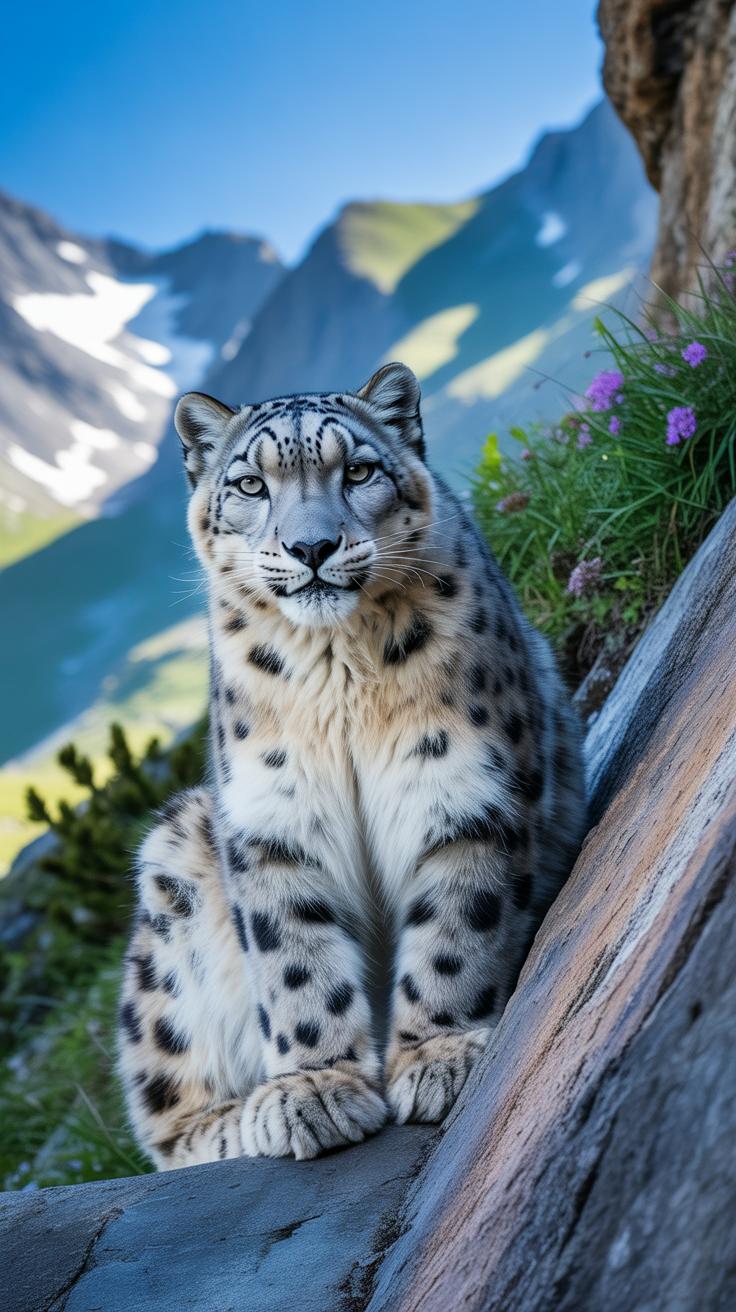
How The Snow Leopard’S Physiology Allows It To Thrive In The Himalayas Above 4,500 Meters
Snow leopards possess high concentrations of red blood cells to handle thin air. These cells maximize oxygen transport at altitudes where levels are low. Their chest cavities are large and deep to house powerful lungs. This anatomy allows them to draw in more air with every breath. They maintain high energy levels during physical exertion in oxygen-poor environments. These physiological traits make them highly efficient survivors in the peaks.
A thick coat and fat layers provide critical insulation against sub-zero temperatures. Their fur is dense and woolly to trap heat close to the body. Large nasal cavities warm the freezing mountain air before it reaches their lungs. Their wide paws act as natural snowshoes to distribute weight on soft snow. These specific physical adaptations prevent heat loss and ensure stability. Every body part serves a tactical purpose for high-altitude endurance.
Like the snow leopard resting in the silent peaks, our spirits are built to breathe where the air is thin and the stars feel close enough to touch. Such ancient resilience reminds us that we are always strongest when we find our own quiet rhythm against the wind.
Hunting Strategies And Survival Skills That Keep Snow Leopards Alive In Harsh Mountain Terrain
Snow leopards use the vertical landscape to gain a tactical advantage over prey. They typically approach from above to remain undetected by blue sheep and ibex. Gravity assists their massive leaps which can span fifty feet in a single bound. Long tails provide essential balance during high-speed chases on steep cliffs. This aerial approach minimizes the energy spent on long pursuits. Stealth remains their primary tool for gathering calories.

Survival in the mountains requires extreme water conservation and territorial control. Snow leopards often eat snow to stay hydrated during dry winter months. They mark vast territories to ensure they have enough food resources to survive. Their grey coats provide perfect camouflage against the jagged rock and shadows. Solitary behavior reduces competition for limited meat in the high altitudes. These behaviors ensure long-term survival in the most unforgiving terrain on Earth.
Yaks And Animals Of The Tibetan Plateau Built For Altitude Survival
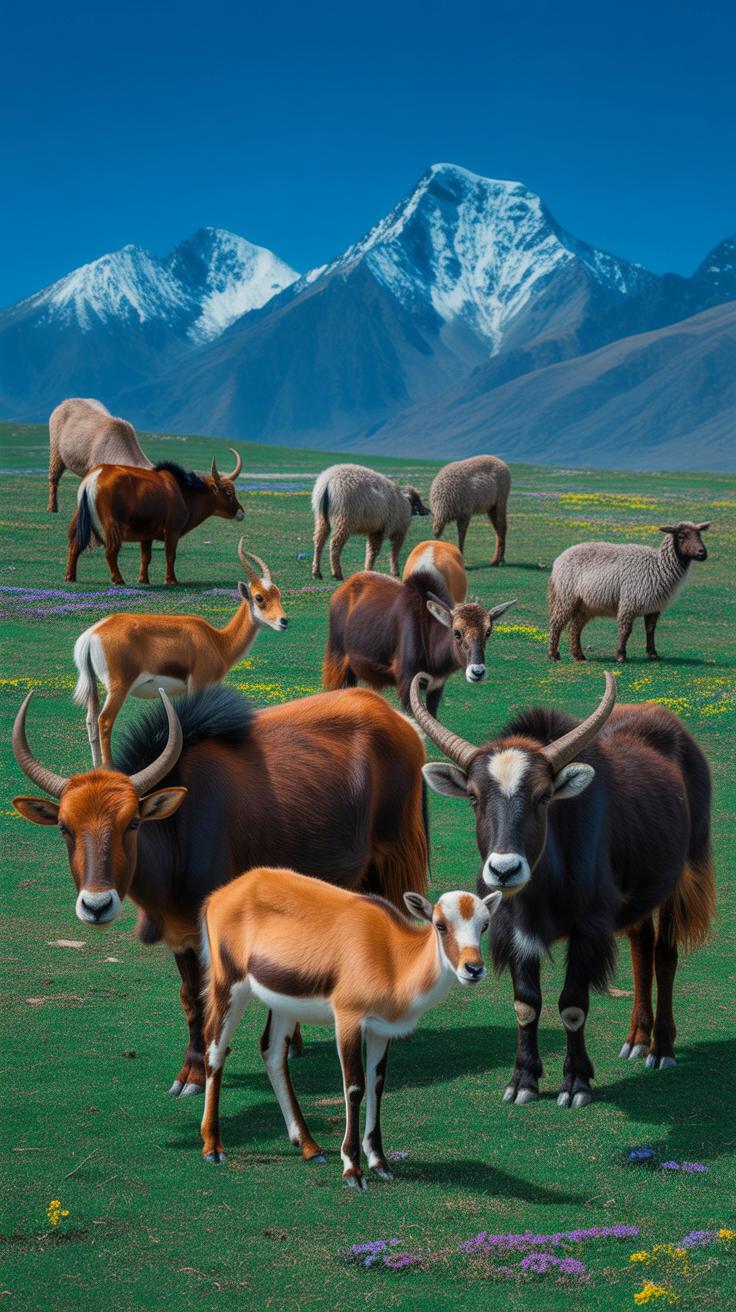
The Yak’S Unique Lung Capacity And Blood Composition That Fuels Life Above 5,000 Meters
The domestic yak possesses a massive thoracic cavity compared to other cattle. This physical structure houses oversized lungs and a large heart. These organs move large volumes of air and blood rapidly. This design allows the animal to extract maximum oxygen from thin atmosphere. They maintain high activity levels in places where other mammals struggle to breathe or move at all.
Yaks also have specialized blood. Their red blood cells are smaller and more numerous than those of lowland animals. This increase in surface area enables efficient oxygen transport. They also lack the pulmonary hypertension response that kills other species at high altitudes. Their bodies do not restrict blood flow in the lungs when oxygen is low. This keeps their blood pressure stable and safe.
How Tibetan Plateau Animals Have Evolved Over Thousands Of Years To Beat Extreme Cold And Thin Air
Species like the Tibetan antelope and the snow leopard share specific genetic traits. Researchers have identified unique genes in these animals that regulate oxygen use. These mutations occurred over several thousand years of isolation. The animals do not just survive the thin air. They thrive in it. Their bodies process energy without creating the toxic byproducts often found in hypoxic conditions.

External traits provide the second layer of defense. Dense, multi-layered wool traps heat against the skin. Small ears and short limbs reduce the surface area available for heat loss. Many plateau animals also have wide nasal passages. These passages warm the freezing air before it hits the lungs. This prevents internal temperature drops. Every physical trait serves the goal of energy conservation and heat retention.
High Altitude Birds Animals And Avian Survivors That Soar Above The Clouds

The Bar Headed Goose: How It Crosses The Himalayas At Over 7,000 Meters During Migration
The Bar-headed goose flies over the Himalayas at extreme altitudes where oxygen levels drop by sixty percent. This bird scales massive peaks in a single day without stopping to acclimate. Most animals would die from hypoxia at these heights. The goose adapts by hyperventilating to increase oxygen intake. This process allows them to maintain peak physical performance while flying through thin, freezing air.
Its blood contains a specific type of hemoglobin that binds to oxygen more efficiently than other birds. This genetic trait ensures their muscles receive constant fuel during the strenuous climb. Their capillaries are deep and dense within their flight muscles. This layout shortens the distance oxygen must travel to reach the cells. These physiological tools make the Bar-headed goose a top-tier survivor in deadly environments.
The Andean Condor And Its Remarkable Respiratory System Built For High Altitude Soaring
The Andean condor dominates the skies at altitudes reaching 6,500 meters. These birds rely on massive wingspans to catch thermal updrafts. Flapping takes too much energy in thin air. Instead, they soar for hours to conserve power. Their respiratory system is highly efficient. It uses a unidirectional airflow move that ensures constant oxygen exchange. This design maximizes every breath taken during flight in low-density air.

Large air sacs throughout their bodies support this specialized breathing technique. These sacs act like bellows to keep fresh air moving through the lungs at all times. This system prevents the mixing of old and new air. This efficiency allows the condor to maintain consciousness and muscle control at heights that would stifle mammals. They turn harsh environmental constraints into a tactical advantage for spotting prey from miles above.
Survival Skills Of The VicuA And Other Andean Animals At Dangerous Elevations
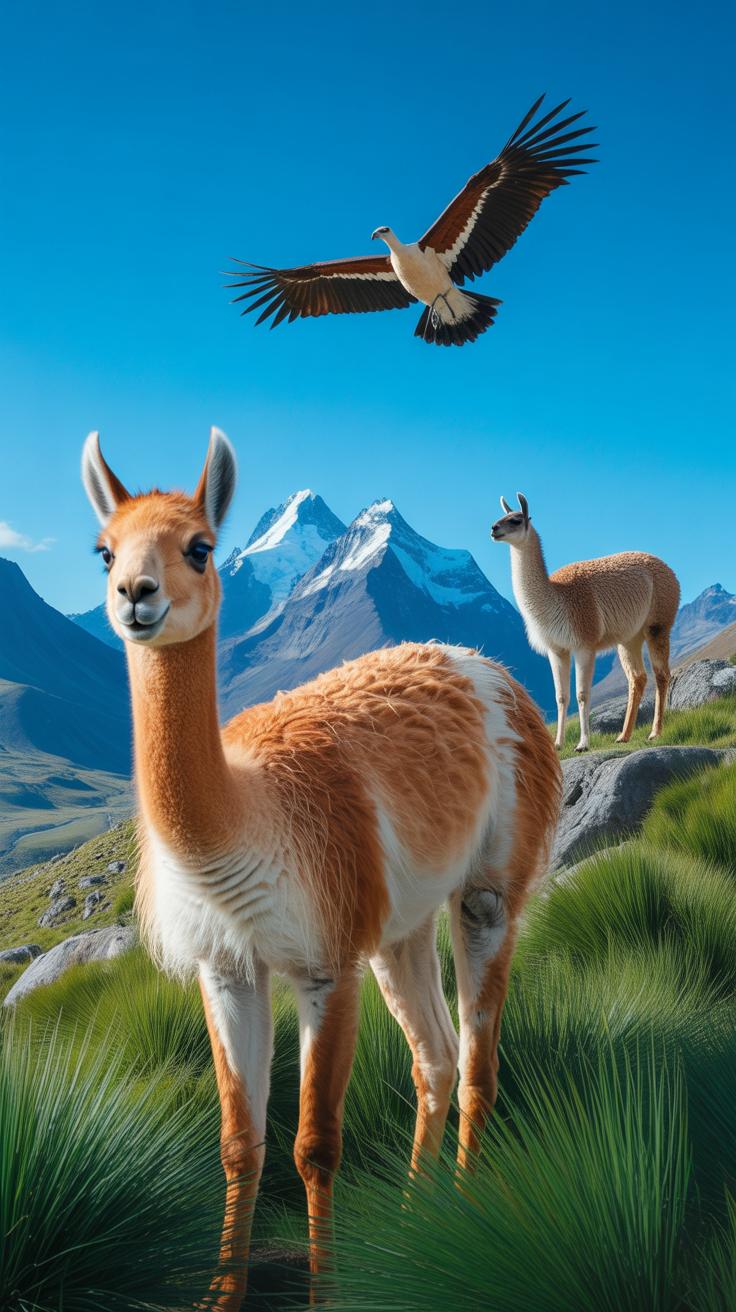
How The VicuñA Uses Ultra Fine Wool And Dense Red Blood Cells To Survive Andean Altitudes
The vicuña lives at elevations up to 15000 feet. This environment has low oxygen and freezing temperatures. The animal uses ultra-fine wool to trap heat. This wool is the finest animal fiber in the world. It creates a thermal barrier against the cold wind. These fibers are hollow and scale-free. This structural design keeps the animal warm without adding heavy weight.
Physiological adaptations are equally vital for survival. The vicuña has a massive heart and high red blood cell counts. These cells have an extremely high affinity for oxygen. This allows the blood to bond with oxygen molecules efficiently. The animal processes thin air better than lowland species. Its blood behaves like a specialized pump. This system ensures constant muscle function during high-speed escapes from predators.
Key Survival Skills Shared Among High Altitude Andean Animals Including The Guanaco And Alpaca
Andean camelids share specific biological traits for extreme conditions. They all face steep terrain and scarce resources. These animals use efficient digestion to get energy from tough grasses. Their bodies conserve water and heat through specialized skin layers. They also share a unique blood chemistry. This chemistry prevents altitude sickness. They move with balance on rocky slopes. These skills ensure their survival in harsh peaks.
- Specialized Hemoglobin: Andean animals possess hemoglobin with a high affinity for oxygen. This chemical structure allows them to grab oxygen molecules even in thin air. It prevents hypoxia during physical exertion.
- Low Energy Requirements: These species have evolved slow metabolic rates. They survive on low-quality forage found in high deserts. This efficiency allows them to maintain body weight when food is scarce or buried under snow.
- Padded Foot Structure: Unlike hooved animals, camelids have soft leathery pads. This design provides superior grip on loose scree and rocky mountain paths. It prevents falls and reduces impact on the sensitive mountain soil.
- Three-Chambered Stomachs: Their digestive system maximizes nutrient extraction from high-cellulose plants. They ferment tough mountain grasses more effectively than other ruminants. This ensures they get enough calories to maintain body heat in cold zones.
- Large Lung Capacity: These animals have expanded chest cavities to house oversized lungs. This physical frame allows for deeper breaths and higher gas exchange rates. It supports intense cardiovascular activity at elevations where humans struggle to walk.

Social behavior also drives survival in the high Andes. These animals live in family groups to watch for mountain lions. They use communal dung piles to keep grazing areas clean. This prevents the spread of parasites in a fragile ecosystem. They also share warmth during the night. These collective habits complement their biological strengths. This combination makes them the dominant herbivores of the extreme heights.
Extreme Heat Vs Extreme Cold How High Altitude Desert Environments Shape Animal Survival
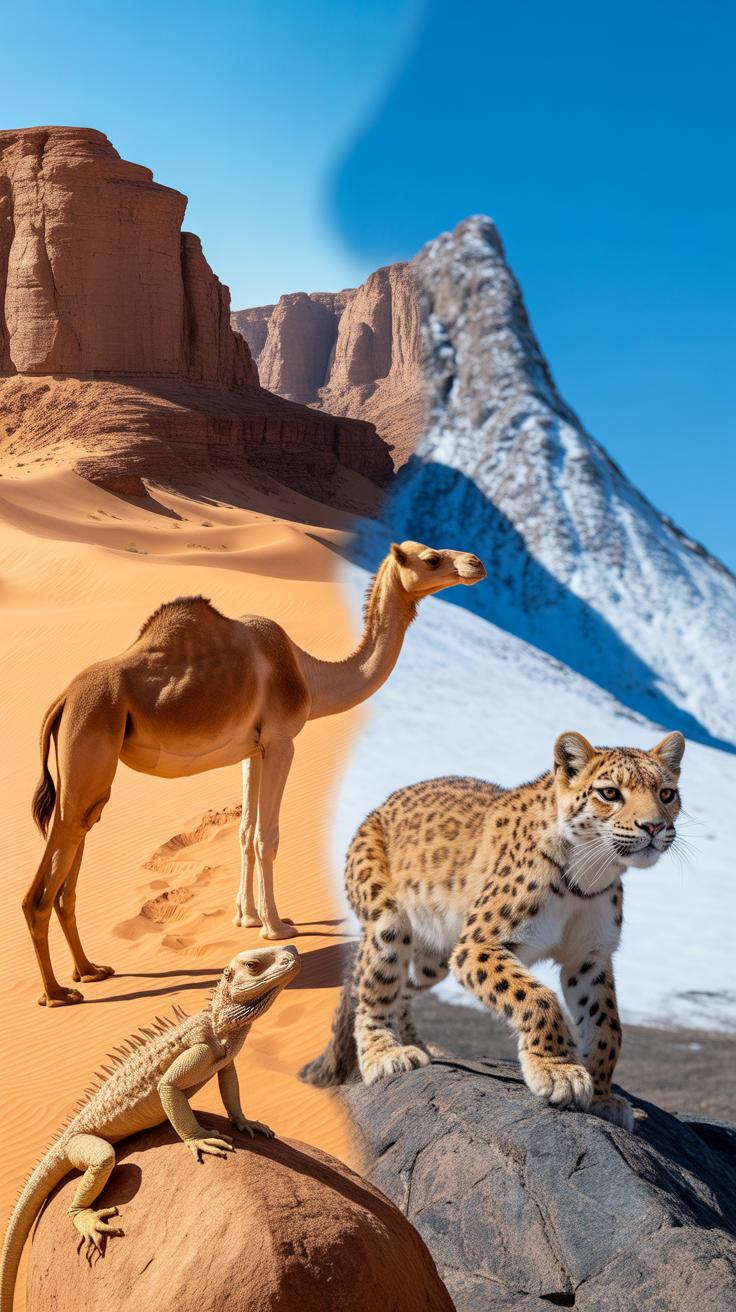
How Animals On High Altitude Plateaus Cope With Both Extreme Heat By Day And Freezing Nights
High altitude plateaus like the Tibetan Plateau experience massive temperature swings. Sunlight is intense because the atmosphere is thin. Surfaces heat up fast during the day. Animals must shed heat to avoid organ damage. They use specialized fur or feathers to block solar radiation. Efficient blood flow near the skin helps dumping heat. These survivors must manage solar energy while conserving precious body water.
Night brings a lethal drop in temperature. Thin air does not hold heat well. Survivors use thick undercoats to trap body warmth. Some species enter a state of torpor to save energy. They slow their heart rate and breathing. Burrows provide stable microclimates away from the wind. Social huddling helps many mammals maintain core temperatures. This cycle repeats daily. These animals thrive through rapid physiological shifts.
Lessons From The Desert Fox And Other Desert Environment Survivors Applied To Mountain Ecosystems
Desert foxes like the Fennec or Rüppell’s fox provide a blueprint for high altitude survival. Large ears dissipate heat through a network of blood vessels. This trait helps regulate temperature without water loss from panting. Similar vascular systems appear in mountain species. Thick fur on paw pads protects against hot sand and frozen ground. This insulation is critical for movement in extreme terrain.

Species in mountain deserts adapt these tools for rocky environments. They match their activity cycles to the coolest or warmest hours. Water conservation remains the primary goal. Efficient kidneys concentrate urine to prevent dehydration. This allows them to survive on limited moisture from food. These tactical adaptations define fitness in harsh zones. Mountain survivors apply these desert strategies to endure low oxygen and high thermal stress.
Mountain Dogs As Survivors High Altitude Working And Wildlife Dogs Around The World
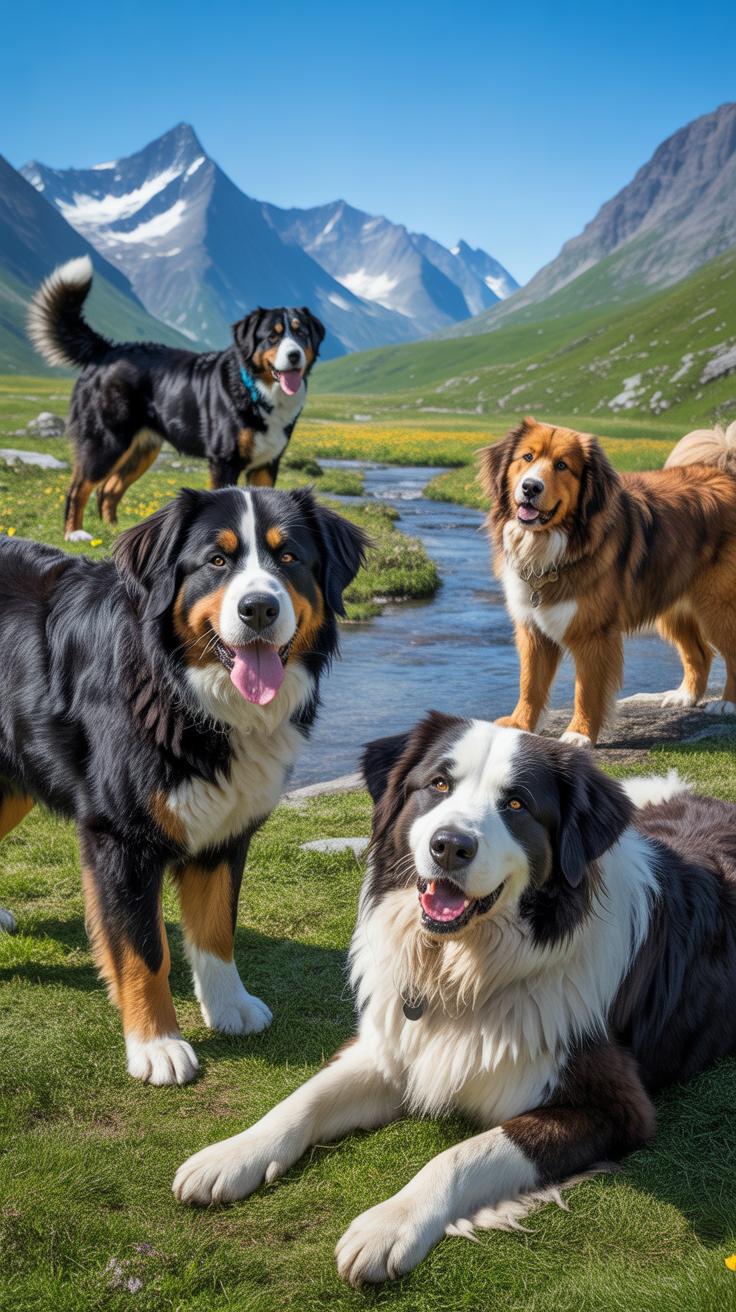
The Tibetan Mastiff And Other Survivor Dogs Bred To Work And Live At Extreme Mountain Altitudes
Tibetan Mastiffs have guarded livestock in the Himalayas for thousands of years. These dogs live and work comfortably at elevations above 15,000 feet. Local nomadic tribes rely on them to protect herds from predators like wolves and snow leopards. Their thick double coats provide essential insulation against sub-zero temperatures. This breed has adapted to thrive in one of the most hostile environments on the planet.
Other breeds like the Himalayan Sheepdog and the Gaddi Kutsa perform similar roles in high-altitude regions. These dogs possess deep chests and powerful limbs for navigating steep and rocky terrain. Human selection focused on survival and utility rather than aesthetics. This directed breeding created a lineage of rugged animals capable of sustained physical labor. They survive on low-calorie diets while enduring extreme cold and thin air throughout the year.
How Survivor Dogs Develop Physiological Changes That Help Them Function In Low Oxygen Environments
Tibetan Mastiffs possess a unique genetic mutation that regulates hemoglobin levels. Most lowland dogs develop thick blood at high altitudes because their bodies produce too many red blood cells. This condition leads to heart failure and strokes. The Mastiff avoids this issue through a specific gene captured from crossbreeding with grey wolves. This allows their blood to remain thin and flow easily while still carrying enough oxygen.

These dogs also demonstrate increased lung capacity and heart efficiency compared to lowland breeds. Their bodies process oxygen more effectively at the cellular level. This physiological advantage prevents pulmonary edema and other altitude-related illnesses. These adaptations are hereditary and passed down through generations. Such traits ensure the dogs remain active and alert in thin air. This biological efficiency makes them the ultimate working partners for humans living in extreme mountain ranges.
Animals Australia And The Southern HemisphereS High Altitude Wildlife Survivors
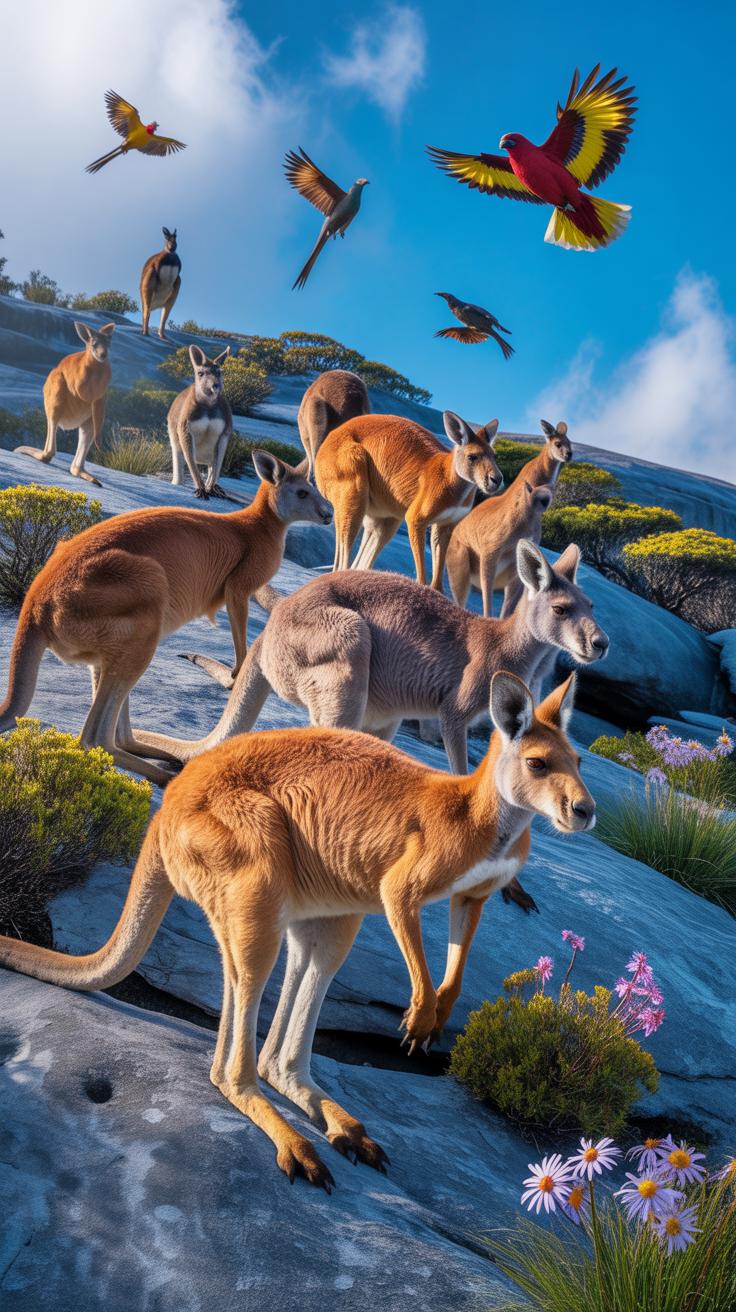
High Altitude Wildlife In The Australian Alps: From Mountain Pygmy Possums To Corroboree Frogs
Extreme altitude animal survivors in Australia face unique physiological demands. The mountain pygmy possum lives above 1,400 meters in the Australian Alps. It is the only Australian marsupial that hibernates under snow. This species stores fat in its tail during summer. This energy reserve allows it to survive sub-zero temperatures for up to seven months. Strategic fat storage is vital for high-altitude survival in this alpine environment.
The southern corroboree frog lives in the Snowy Mountains at high elevations. This amphibian survives in sub-alpine peat bogs and grasslands. It produces its own alkaloids for protection against predators. High-altitude environments provide a cold climate that suits its slow metabolic rate. These frogs rely on specific winter snow cover to insulate their breeding grounds. Protecting these high-altitude niches is critical for their continued existence in a warming climate.
How The Koala Wildfire Crisis Has Pushed Some Australian Animals Into Higher, Cooler Elevations
Massive wildfires in low-lying forests force many Australian species to find new territory. Intense heat and habitat loss drive animals toward the Great Dividing Range. Higher elevations offer cooler temperatures and different vegetation. Koalas and other arboreal mammals move uphill to escape rising ground heat. This upward migration is a tactical survival move. It helps them avoid the most severe impacts of frequent bushfire cycles.

Moving to higher ground presents new biological challenges for these animals. High-altitude zones have thinner soil and different food sources. Species must adapt quickly to lower oxygen levels and colder nights. Scientists track these elevational shifts to predict future population distributions. The move to the mountains is a direct response to climate stress. These animals prioritize thermal regulation over their traditional breeding grounds to stay alive.
Insects Spiders And The Smallest Extreme Altitude Animal Survivors On Earth
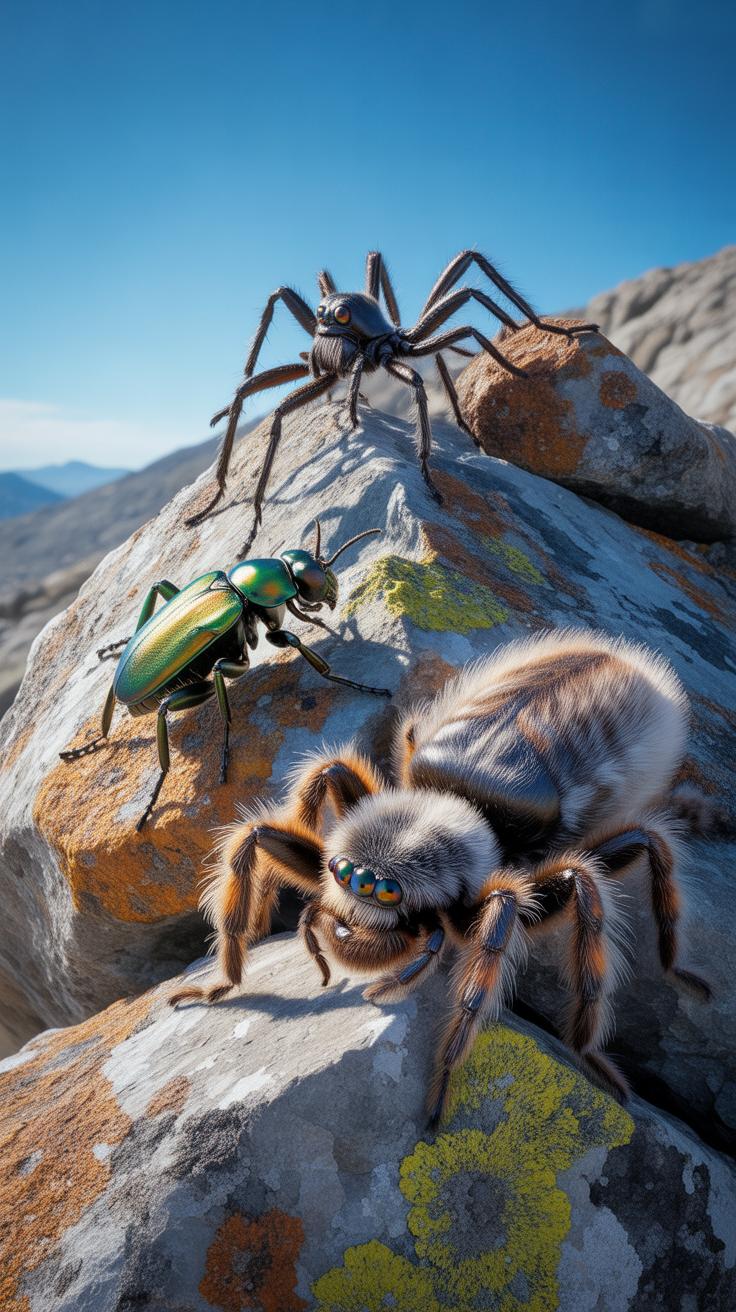
The Himalayan Jumping Spider: One Of The Highest Living Animals Ever Recorded On Earth
The Himalayan jumping spider lives at elevations up to 6700 meters on Mount Everest. This altitude is roughly 22000 feet above sea level. Most animals cannot survive here because oxygen levels are too low. The spider stays alive by hunting small insects blown up the mountain by high winds. It hides in rocky crevices to avoid the freezing cold and brutal winds.
This species has a unique physiology that handles thin air better than mammals. It does not have lungs like humans do. Instead, it uses a system of tubes called tracheae to move oxygen. These spiders are the permanent residents of the highest debris fields on earth. They prove that life can exist in the world’s most hostile places without needing a complex warm blooded system.
Top Biological Adaptations Found In High Altitude Insects That Allow Survival In Near Zero Conditions
High altitude insects survive using chemical and physical changes to their bodies. They must deal with freezing temperatures and high ultraviolet radiation every day. Many of these species produce internal antifreeze to keep their cells from bursting. Others change their behavior to maximize heat gain from the sun. These small creatures are masters of energy conservation and thermal management in thin air environments.
- Glycerol Production: Many high altitude insects produce glycerol as a natural antifreeze. This chemical lowers the freezing point of their bodily fluids. It prevents ice crystals from forming and damaging their vital internal organs during cold nights.
- Dark Pigmentation: Insects at extreme heights often have very dark bodies. Darker colors absorb more solar radiation and heat from the sun. This helps the animal raise its internal temperature quickly even when the surrounding air remains well below freezing.
- Reduced Wing Size: High winds at extreme altitudes make flying dangerous and energy intensive. Many alpine insects have evolved smaller wings or lost them entirely. They stay close to the ground to avoid being swept away into even harsher environments.
- Dehydration Resistance: Thin air and high winds cause rapid moisture loss in small bodies. These animals have thick waxy coatings on their exoskeletons. This barrier locks in water and prevents the insect from drying out in the low humidity of mountain summits.
- Hemolymph Regulation: The blood of these insects stays liquid at temperatures that would freeze most life forms. They manage specific proteins to control how and where ice forms in the body. This allows them to survive being frozen solid for short periods.
Low oxygen levels also force these insects to slow down their metabolic rates. They often move slowly to save energy for essential functions like reproduction. Many species spend the majority of their life cycle in a dormant state. They only become active during the brief windows when the sun warms the rocks. These tactical shifts allow them to outlast larger and more complex predators.
What Extreme Altitude Animal Survivors Teach Us About Climate Resilience And Conservation
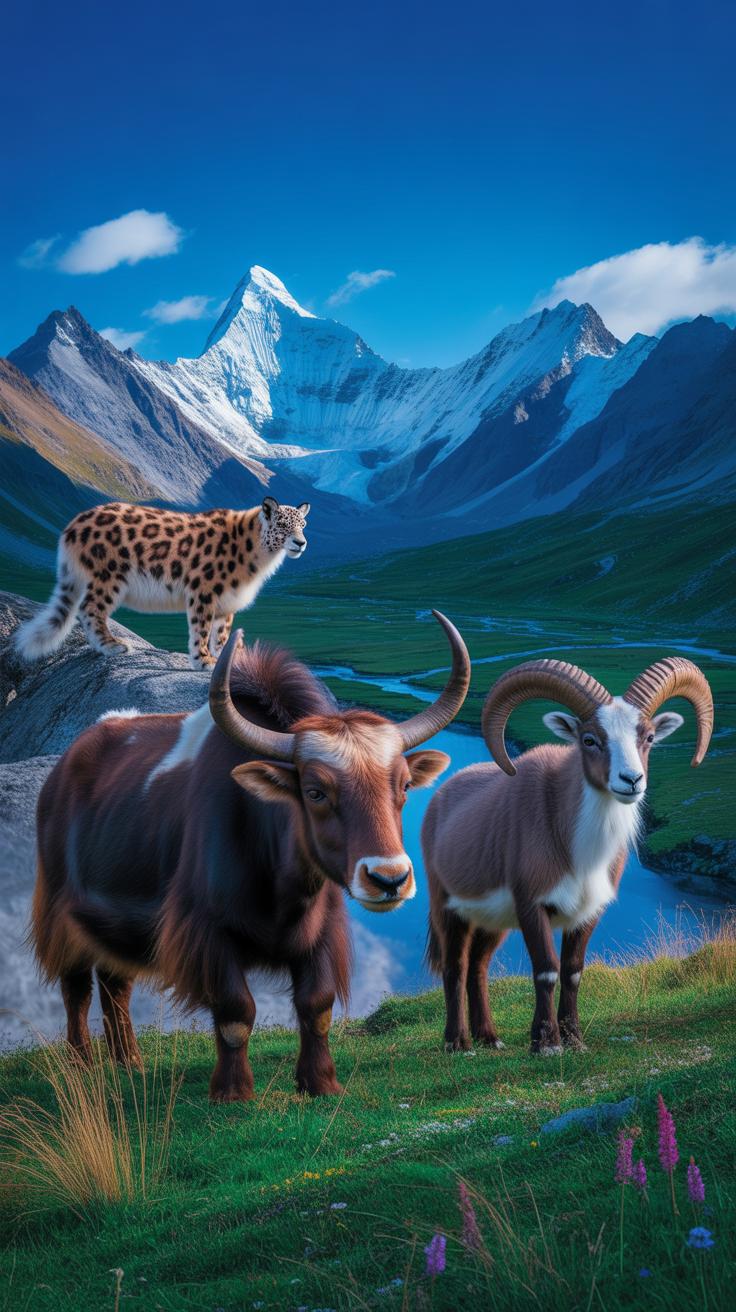
How Studying High Altitude Animal Adaptations Is Informing Modern Conservation And Medical Science
High-altitude animals provide a blueprint for managing low oxygen levels. Researchers study bar-headed geese and pikas to understand hypoxia. These animals have evolved unique hemoglobin structures that bind oxygen more efficiently. This data informs treatments for human respiratory diseases and strokes. We use their genetic markers to identify how cells survive under extreme stress. These biological lessons drive innovation in critical care medicine.
Conservationists use these findings to protect genetic diversity. Mapping the genomes of mountain species helps identify which populations can handle rapid environmental shifts. We apply this knowledge to move at-risk species to suitable habitats. Protecting these specialists ensures we keep the unique traits that allow life to thrive in thin air. Science moves faster when we study animals that already solved the problem of survival.
The Future Of Extreme Altitude Animal Survivors As Climate Change Alters Mountain Ecosystems
Climate change forces mountain species to move higher to stay in cold zones. This creates a vertical trap as habitable land disappears at the peaks. Snow leopards and Himalayan wolves face shrinking ranges and loss of prey. We see shifts in vegetation that disrupt entire food chains. If these animals cannot adapt to warmer temperatures, extinction becomes inevitable. The summit offers no more room to climb.
Monitoring these survivors acts as an early warning system for the planet. Their struggle signals broader ecological collapse in alpine regions. We must create protected corridors that allow for upward migration. This requires international cooperation to manage transboundary mountain ranges. Protecting these high-altitude zones preserves water sources for billions of people downstream. Action today determines if these resilient species survive the next century.
Frequently Asked Questions

Which types of animals can actually live in high-altitude environments?
Many fascinating species have adapted to life above the clouds, ranging from the iconic snow leopard to the resilient Himalayan yak. These extreme altitude animal survivors thrive in thin air by utilizing specialized proteins like hemoglobin that bind oxygen more efficiently. In addition to mammals, several bird species, such as the Rüppell’s vulture, can soar at heights exceeding 37,000 feet, showcasing the incredible biological diversity found in these harsh, vertical ecosystems.
How can I spot these high-altitude animals safely during a mountain trek?
To observe extreme altitude animal survivors, you should invest in high-quality binoculars and move quietly during dawn or dusk when wildlife is most active. Always stay on marked trails to protect the fragile alpine tundra and maintain a respectful distance to avoid causing stress to the creatures. Researching specific migration patterns before your trip will significantly increase your chances of seeing unique species like mountain goats or pika in their natural habitats.
Are there affordable ways to learn about high-altitude wildlife without traveling?
You don’t need an expensive expedition to appreciate these remarkable creatures. Many natural history museums and local zoos offer interactive exhibits or virtual reality experiences dedicated to mountain ecosystems at a low cost. Additionally, high-quality nature documentaries and live mountain webcams provide an accessible way to study how animals survive in thin air, allowing you to observe their unique behaviors and physical adaptations from the comfort of your own home.