What Is Scatter Hoarding And Why Squirrels Do It
The Difference Between Scatter Hoarding And Larder Hoarding In Squirrels
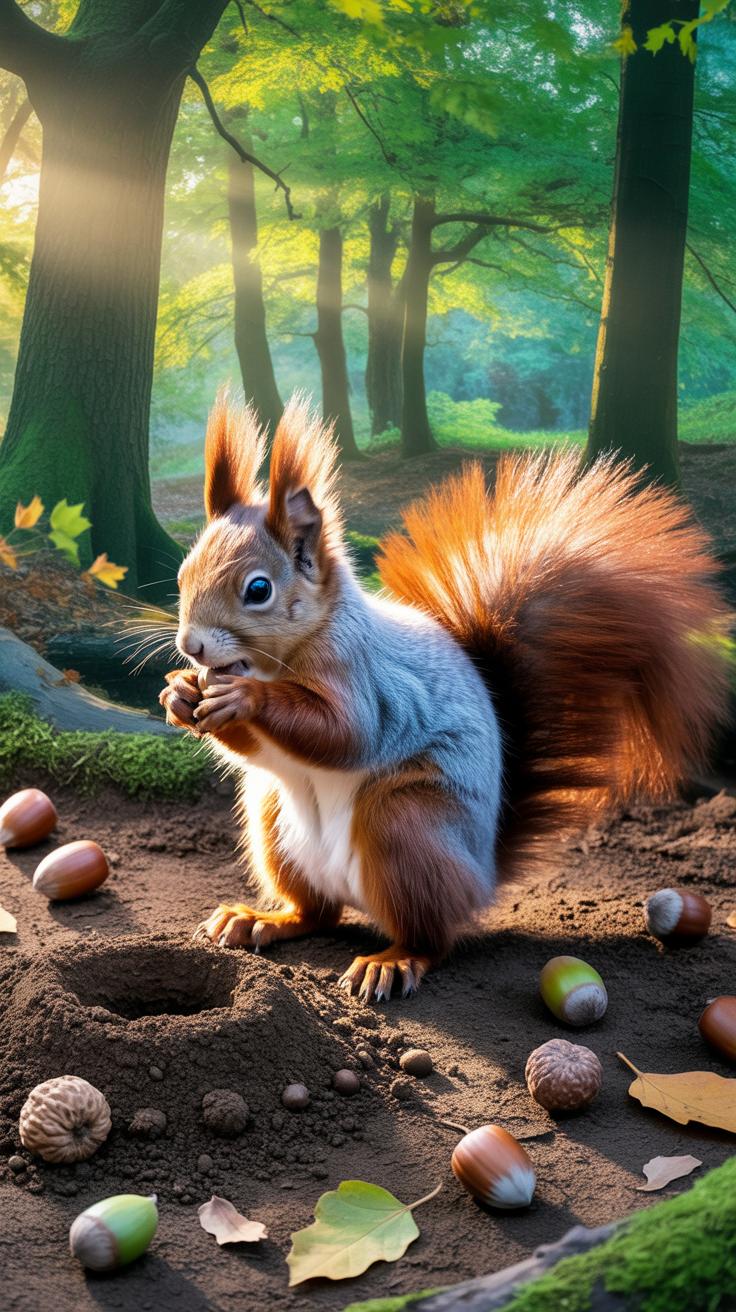
Larder hoarding involves storing all food in one central location. Red squirrels often use this method by creating large piles called middens. This strategy is easy to defend but carries high risk. If a competitor finds the pile, the squirrel loses its entire winter supply. The central location requires constant guarding against thieves and rivals within the same territory.
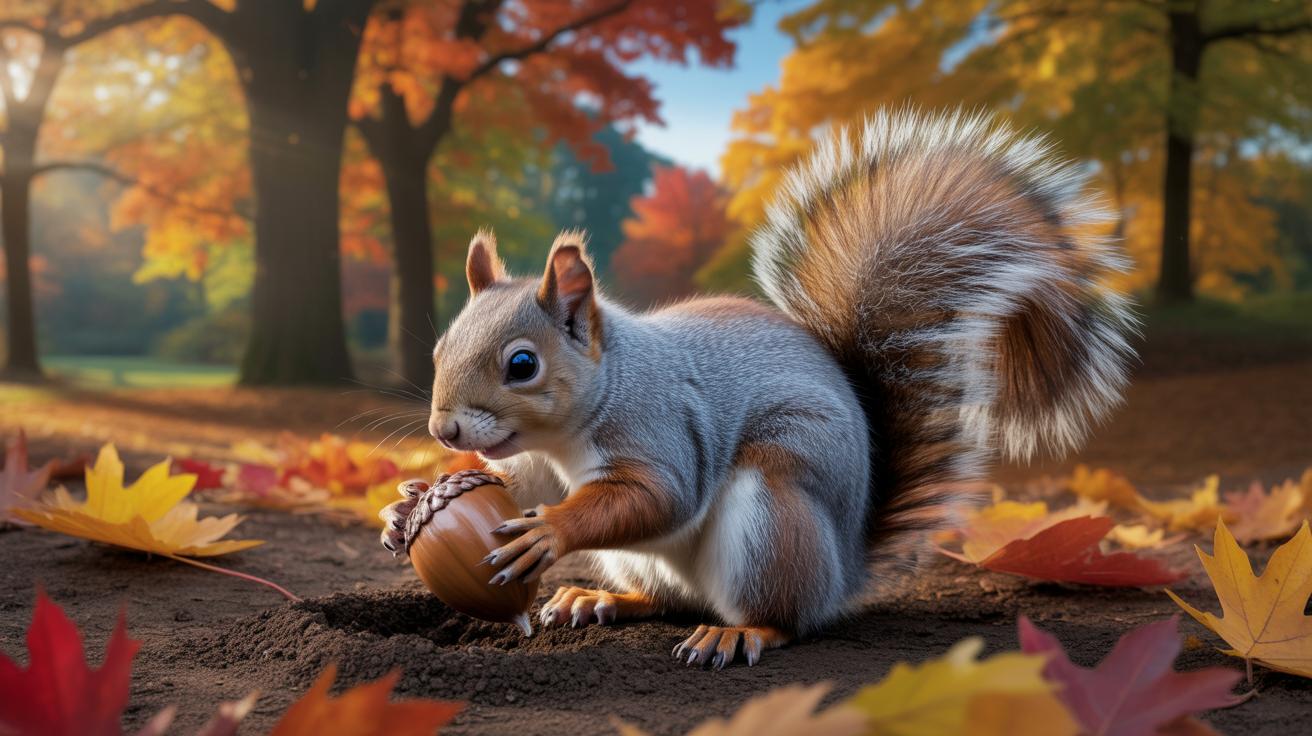
Scatter hoarding is the opposite strategy used by grey squirrels. They bury single nuts in hundreds of different locations across a wide area. This method reduces the risk of total loss. No single thief can steal the entire food supply at once. It forces the squirrel to rely on spatial memory and cognitive maps to recover their hidden assets throughout the year.
How Seasonal Food Scarcity Drives Squirrel Foraging And Caching Behavior
Seasonal changes trigger an instinctual drive to cache food. During autumn, deciduous trees drop large amounts of high-energy seeds like acorns and walnuts. Squirrels must harvest these items before competitors or rot destroy them. They prioritize high-fat content and durability for long-term storage. This period of abundance provides the only opportunity to secure enough calories to survive the upcoming winter months.
Food scarcity in winter makes these caches essential for survival. Metabolic demands increase as temperatures drop. Natural food sources disappear under snow or stop growing entirely. Squirrels use their caches to bridge the gap between autumn abundance and spring growth. Without these hidden reserves, the animals cannot maintain the body heat necessary to live through extreme cold or periods of heavy snowfall.

Squirrel Foraging Memory Studies What Science Has Discovered
Key Research Findings On Spatial Memory In Eastern Gray Squirrels
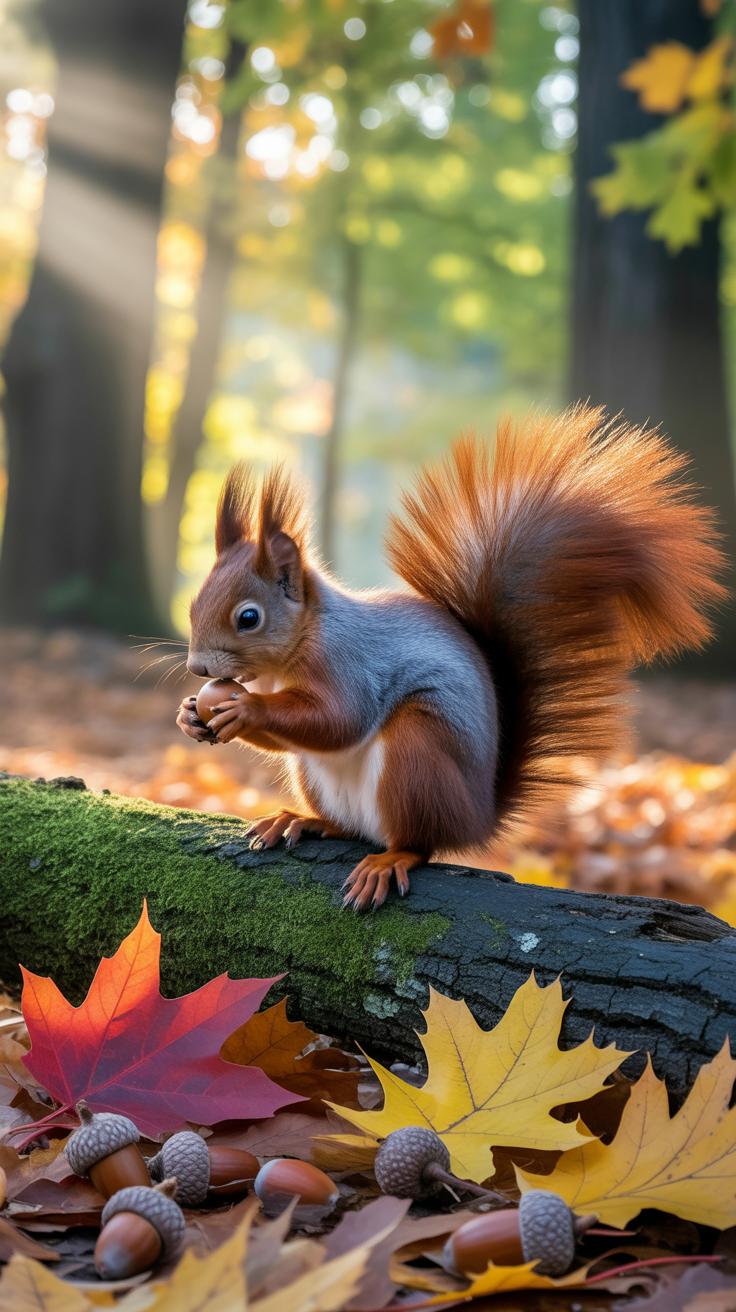
Research proves that Eastern Gray Squirrels use spatial memory rather than smell to find buried nuts. These squirrels act as scatter hoarders. They hide food in many different spots. Studies shows they remember the exact locations of their caches for months. They create a mental map of their territory. This map helps them find their own food even when other squirrels are watching.
The brain of the squirrel grows larger during the fall caching season. Specifically, the hippocampus increases in size. This part of the brain handles navigation and memory. A larger hippocampus allows the squirrel to store more complex data about where it hides food. This biological shift is a tactical advantage. It ensures the squirrel survives the winter by recalling hundreds of specific locations with high precision.
How Squirrel Foraging Memory Studies Measure Cache Recovery Accuracy In The Wild
Scientists measure accuracy by tracking where squirrels bury nuts and where they dig them up. Researchers often use marked nuts or radio frequency tags. They watch the squirrels hide the food. Later, they record which squirrels return to specific spots. Success is not random. The data shows squirrels return to their own specific cache sites more often than they stumble upon those belonging to others.

Control tests involve moving soil and adding scents to confuse the animals. If squirrels used smell alone, they would dig where the scent is strongest. Instead, they dig where they originally placed the nut. This proves the reliance on memory over olfactory cues. Researchers also track how squirrels use landmarks like trees or rocks. These fixed points help them triangulate the exact position of their buried winter supplies.
The Role Of Spatial Memory In Squirrel Cache Retrieval
How Squirrels Use Landmarks And Mental Mapping To Locate Buried Nuts
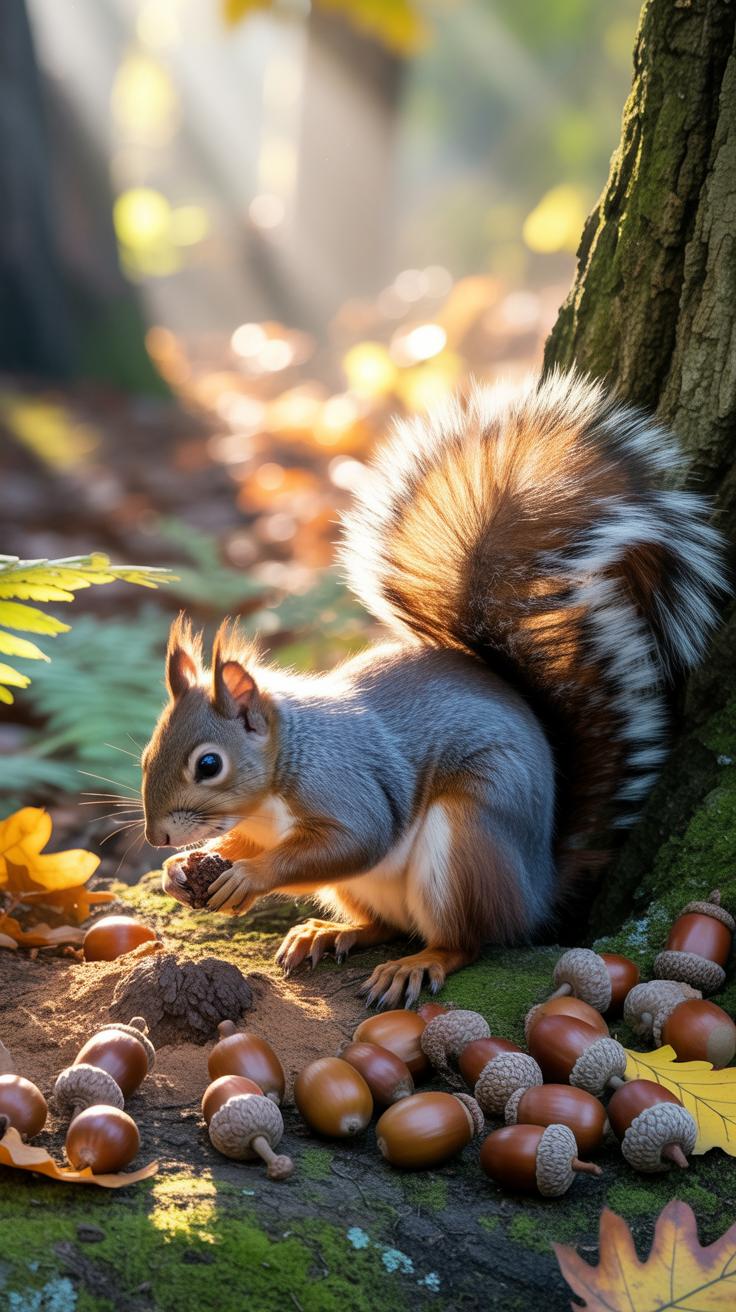
Squirrels do not rely on smell to find buried food. They use a method called spatial triangulation to mark locations. They identify large vertical structures like trees or rocks as primary anchors. Then they calculate the distance between these points to create a precise map. This mental grid allows them to return to the exact spot months later without searching the entire area.
This mapping behavior shows high levels of spatial intelligence. Squirrels prioritize fixed landmarks over moving objects to ensure accuracy. They often revisit caches shortly after burial to reinforce the mental image of the site. This repetition strengthens the neural pathways associated with that specific location. Success rates for retrieval stay high even when snow covers the ground or the landscape changes during the winter.
The Hippocampus And Brain Changes That Support Squirrel Memory During Caching Season
The squirrel brain undergoes physical changes to handle the massive data load of thousands of nut locations. The hippocampus is the part of the brain responsible for memory and navigation. In food-storing species, this area grows significantly during the autumn months. New neurons form to increase the overall volume of the tissue. This expansion provides the extra processing power needed for a high-density memory map.

Neurogenesis allows the squirrel to manage complex data sets that would overwhelm other rodents. The brain literally reconstructs itself to meet the demands of the winter survival cycle. Once the caching season ends and the food is recovered, the hippocampus size often decreases. This seasonal plasticity ensures the animal operates with peak efficiency. It allocates energy only to the biological systems that are necessary for the current environmental challenges.
Squirrel Facts For Kids Fun Truths About How Squirrels Think And Remember
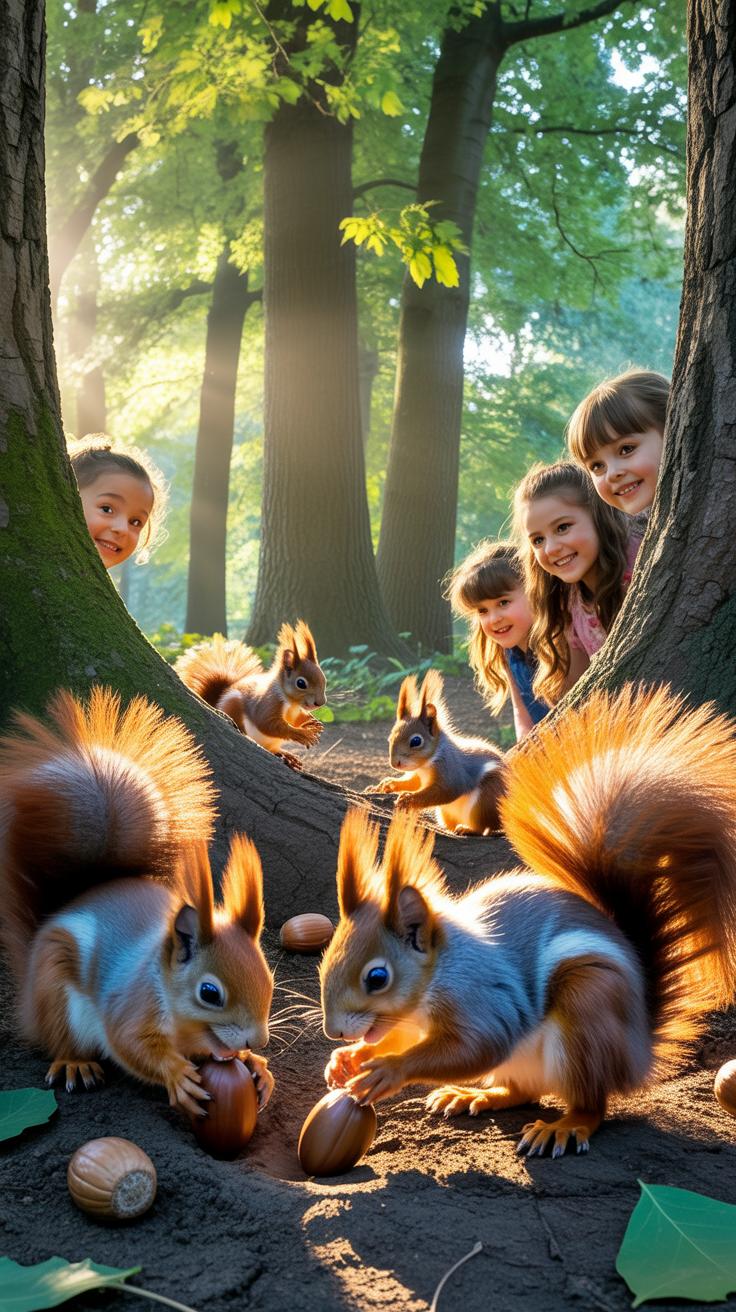
Amazing Squirrel Facts For Kids About Memory, Nuts, And Survival
Squirrels use a specific method called spatial memory to find their food. They do not just wander around and hope to smell a nut. Instead, they create a mental map of their territory. This map helps them remember the exact location of hundreds of hidden nuts. They use landmarks like large trees or rocks to pin down these specific spots.
Their brains actually grow larger during the fall season. The part of the brain called the hippocampus handles memory and learning. When it is time to hide food for winter, this area increases in size. This physical change allows the squirrel to process more data. Better memory means the squirrel has a higher chance of surviving the cold winter months.
Just as the squirrel trusts the map of the forest held within its heart, we must believe that the goodness we plant today will always find its way back to us.
Printable Squirrel Facts For Kids: Top Memory And Foraging Facts To Share In The Classroom
Scientists study how squirrels group their food into specific categories. This behavior is called chunking. Squirrels organize their nuts by type, such as acorns or walnuts. Each type of nut goes into a different area. This smart strategy makes it much easier for the squirrel to remember where everything is hidden when they get hungry later.
- Spatial Mapping: Squirrels build high-definition mental maps of their environment. They use stationary objects like trees and fences as reliable landmarks. This system allows them to return to the precise location of a buried nut months after they first hid it in the ground.
- Brain Growth: The hippocampus is the memory center of the squirrel brain. Scientific research shows this part of the brain expands in size during the autumn. A larger hippocampus provides the extra mental power needed to store locations for thousands of individual food items.
- Strategic Chunking: Organizing food by species or size helps squirrels manage information. By grouping similar nuts together in the same general area, they reduce the amount of data they must remember. This tactical organization prevents them from wasting energy searching in the wrong spots.
- Deceptive Caching: Squirrels protect their food from thieves by using trickery. They will pretend to bury a nut if they think another animal is watching them. This fake digging creates a distraction. The squirrel then hides the real nut in a safer, more secret location.
- Nut Sorting: Before burying a nut, a squirrel will shake it to check the quality. This process is called paw-handling. They use their senses to ensure the seed is healthy and will not rot. Only the best food is worth the effort of burying and remembering.

Teachers can use these facts to show how animals solve complex problems. Squirrels demonstrate high levels of intelligence through their foraging habits. They are not just lucky finders of food. They are tiny planners that use data and geography to stay alive. These traits make them excellent subjects for biological studies and classroom observations about natural animal behavior.
Ground Squirrel Facts For Kids How Ground Squirrels Store Food Differently
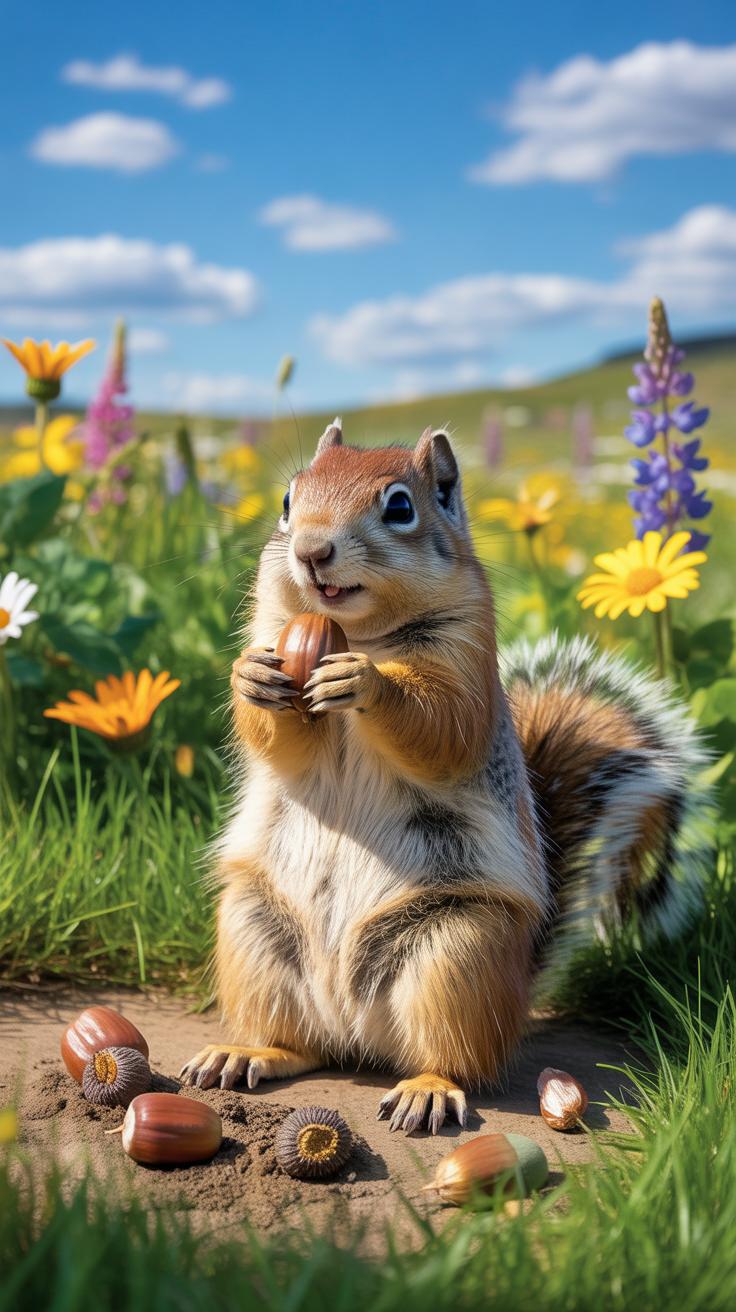
Ground Squirrel Facts For Kids: Burrow Caching Vs. Tree Squirrel Scatter Hoarding
Tree squirrels practice scatter hoarding by burying single nuts in many different spots. Ground squirrels use a method called larder hoarding instead. They store most of their food in one central location inside their underground burrows. This central pantry keeps their food supply in a single protected spot. They do not have to travel far to find a meal during the cold winter months.
Ground squirrels live in complex tunnel systems that they dig into the dirt. These burrows have special rooms just for storing seeds and grains. This strategy protects the food from other animals like birds or larger mammals. Tree squirrels must remember hundreds of separate locations to survive. Ground squirrels only need to remember the layout of their own home to find every piece of food they saved.
How Ground Squirrels Use Smell And Memory Together To Find Stored Food
Ground squirrels use spatial memory to navigate their vast tunnel networks. They map out the distance and direction between the entrance and their food chambers. This internal map allows them to move quickly in the dark. Memory helps them return to the exact room where they left their winter stash. They rely on their brains to track where the best food items stay hidden.

Smell plays a secondary but vital role in the retrieval process. Once a ground squirrel reaches the storage area, it uses its nose to find specific seeds. Odor cues tell the squirrel if the food is still fresh or safe to eat. This combination of memory and scent ensures they do not waste energy. They find the right food fast so they can stay warm and safe underground.
Parts Of A Squirrel That Help It Forage Cache And Remember
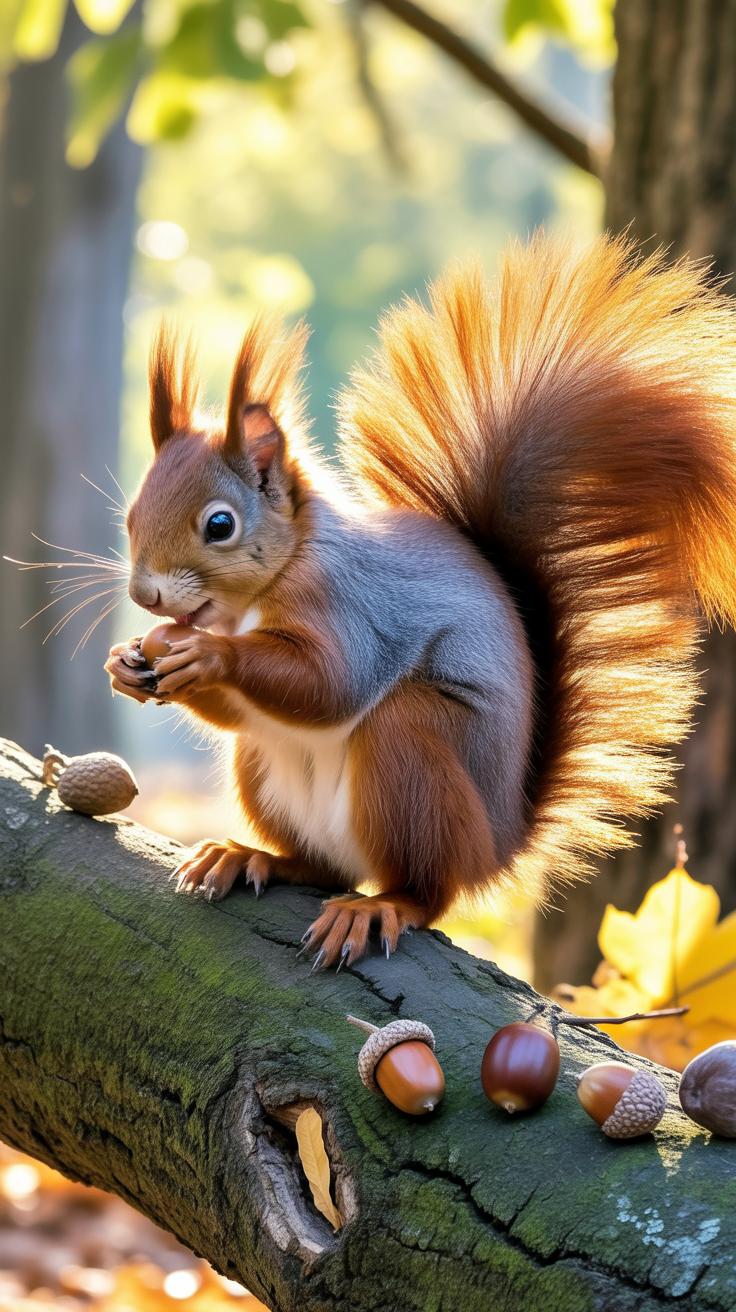
Parts Of A Squirrel: How Their Cheek Pouches, Paws, And Nose Aid In Food Storage
Squirrels use specialized physical traits to manage food logistics. Cheek pouches allow ground squirrels to transport large quantities of seeds quickly. This reduces the time spent exposed to predators. Precision paws with five digits grip nuts firmly. This manual dexterity allows the squirrel to rotate and inspect every nut. They check for holes or weight imbalances before committing to the burial process.
The nose plays a critical role in the final retrieval phase. Squirrels use their sense of smell to detect fatty acid odors leaking from buried nuts. This works even under layers of soil or snow. Odor detection serves as the backup system to spatial memory. The combination of tactile inspection and scent tracking ensures that the squirrel only stores and recovers the highest quality food.
How A Squirrel’S Brain Structure Supports Its Remarkable Spatial Memory Abilities
Recent squirrel foraging memory studies prove that the hippocampus is the engine of cache recovery. This brain region processes spatial information and creates mental maps. Scientists observed that the hippocampus actually grows in size during the peak autumn caching season. This seasonal neurogenesis provides the extra processing power needed to track thousands of individual nut locations. The brain prioritizes location data over other inputs.

Spatial memory operates through a method called spatial anchoring. Squirrels use large landmarks like trees or rocks to triangulate the exact position of a buried nut. They do not just wander and sniff. They follow a mental grid created by their hippocampal neurons. This structural adaptation allows for high accuracy even months after the initial burial. The brain physically shifts to meet the demands of winter survival.
Squirrel Unit Study And Lesson Plans Teaching Kids About Squirrel Memory

Squirrel Unit Study And Squirrel Lesson Plans: Classroom Activities Exploring Animal Memory
Educators use squirrel behavior to teach spatial memory and resource management. Students learn that squirrels do not find nuts by smell alone. Science proves they use landmarks and spatial maps to locate caches. Effective lesson plans focus on the hippocampus. This brain part grows larger in squirrels during the autumn cache season. Kids track these biological changes to understand adaptation.
Classroom activities simulate hoarding strategies like scatter hoarding and larder hoarding. Students act as squirrels and hide objects around the school. They must use visual cues like trees or signs to find their items later. This mirror study shows how physical landmarks assist memory retrieval. Teachers use these drills to explain why squirrels succeed even when snow covers the ground and masks smells.
Printable Squirrel Learning Sheet Ideas And Squirrel Activities For Preschoolers On Foraging
Preschoolers learn best through tactile play and simple visual aids. Educators create worksheets that focus on the squirrel life cycle and food storage. Large print diagrams show where squirrels hide nuts. These sheets help children visualize spatial relationships. Teachers pair these prints with outdoor walks to observe real squirrels. This method connects abstract memory concepts to tangible physical actions.
- Memory Match Cards: Create cards featuring different types of nuts like acorns and walnuts. Students flip cards to find pairs just as squirrels must recall specific locations. This game builds visual recognition and short term memory skills.
- Hidden Nut Maps: Give children a simple map of the playground or classroom area. They mark where they hide a toy nut using an X. This teaches basic cartography and how landmarks function as memory anchors for foraging animals.
- Seasonal Sorting Trays: Provide bins of leaves, twigs, and nuts for sensory exploration. Ask children to sort items by size and type. This activity mimics how squirrels categorize food based on perishability and nutritional value before they decide to bury it.
- Landmark Drawing Sheets: Use worksheets that show a central tree surrounded by various objects. Children draw a path from the squirrel to its buried treasure. This reinforces the concept that animals use fixed points in space to navigate back to their food.
- Squirrel Tail Texture Art: Use different materials to create squirrel crafts that highlight physical adaptations. Discuss how the tail helps with balance while jumping between cache sites. This links physical anatomy with the overall strategy of moving and storing food securely.

Active engagement helps young learners retain facts about animal survival. Use printable sheets to track which nuts a squirrel prefers. Students color segments of a chart to show food types. This data entry introduces basic math and biology. By tracking foraging habits, kids see the complexity of squirrel memory. These simple tools make high level neurological concepts easy for children to grasp.
Kids Learning About Squirrels Why Squirrel Memory Matters In Our Ecosystem
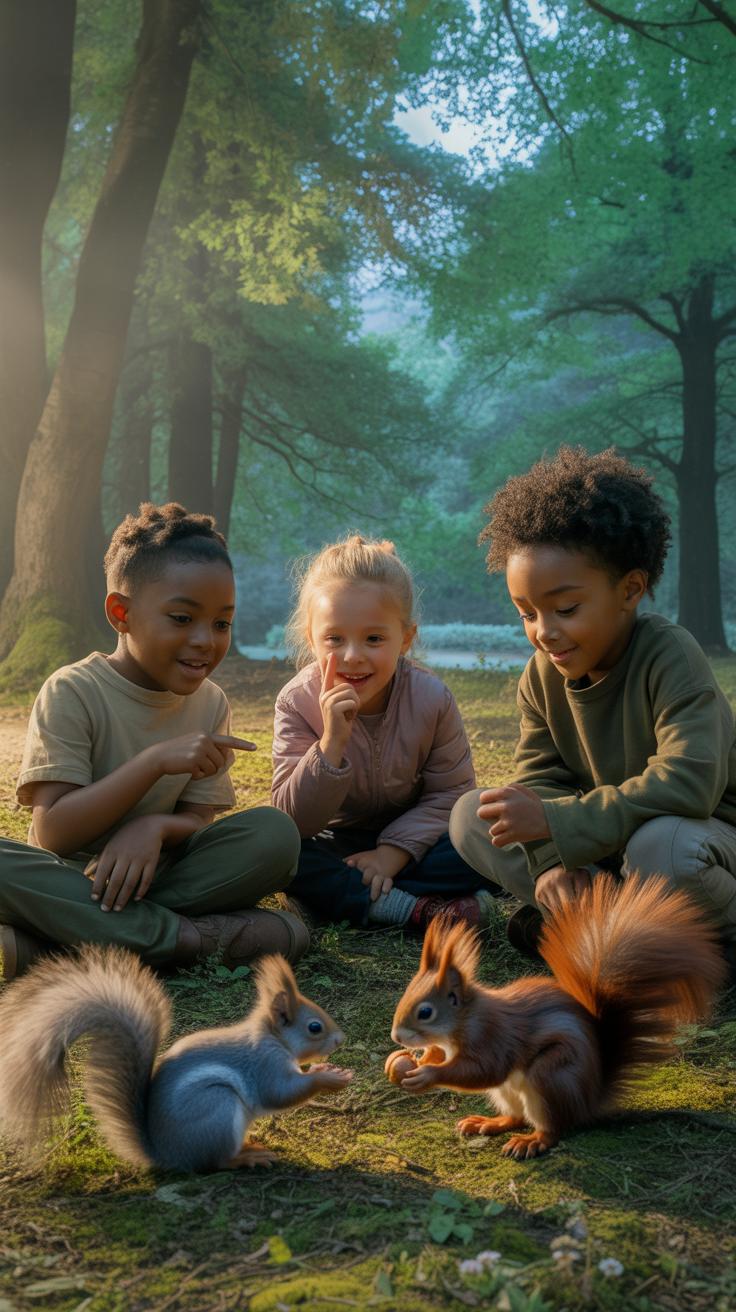
Kids Learning About Squirrels: How Forgotten Caches Help Forests Grow New Trees
Squirrels use a specific storage strategy called scatter hoarding. They bury thousands of nuts across large areas to survive winter. Research shows they use spatial memory and landmarks to find these spots later. However, they do not recover every single nut they bury. These forgotten seeds stay underground in nutrient-rich soil. This mistake is essential for the health of our local forests.
When a squirrel forgets a cache, the seed has a high chance of germinating. Trees like oaks and hickories rely on this process to spread their seeds far from the parent tree. Without squirrels, many seeds would simply rot on the surface or face heavy competition. Squirrel memory errors act as a natural planting service. This keeps the ecosystem diverse and ensures new trees grow every year.
Why Understanding Squirrel Foraging Memory Studies Helps Us Appreciate Wildlife Conservation
Studying squirrel foraging memory reveals how complex small animals really are. They do not just hide nuts at random. Scientists found that squirrels categorize their food by type and size before burying it. This mental work helps them manage their resources for months. Understanding this intelligence makes people respect wildlife more. It proves that even common backyard animals play a vital role in nature.

Conservation efforts benefit when we recognize these natural patterns. If squirrel populations drop, forest regrowth slows down. Protecting their habitats ensures that the cycle of planting and growing continues without human help. Children who learn about these studies see the link between animal behavior and environmental health. We must protect these small creatures to keep our planet green. This knowledge helps us value every part of the woods.
Frequently Asked Questions

Do squirrels actually remember every single spot where they bury their nuts?
While it was once believed squirrels relied on smell, recent squirrel foraging memory studies prove they use a sophisticated spatial mapping technique. They utilize “spatial anchoring” by marking landmarks like specific trees or rocks to triangulate their hoard’s location. Remarkably, they can retrieve up to 90% of their buried cache, demonstrating a highly developed hippocampus that expands during the autumn months to accommodate the vast amount of mapping data required.
How can I observe squirrel memory behavior in my own backyard?
To see their intelligence firsthand, try placing a consistent food source in a slightly complex feeder. You can track their progress as they learn to navigate obstacles. By observing how they return to hidden spots even after snowfall, you are witnessing the results of squirrel foraging memory studies in action. This simple activity offers a fascinating glimpse into their spatial awareness without requiring any professional equipment or deep scientific training.
Is there an affordable way to help local squirrels during the winter?
Helping squirrels is very budget-friendly, as you only need a handful of raw, unsalted nuts or seeds to supplement their stored cache. Providing a clean water source is equally important and completely free. By offering these small treats in different locations, you can enjoy watching them “chunk” or categorize their food by type, a fascinating behavior often highlighted in academic research regarding how urban wildlife manages to survive harsh winters.