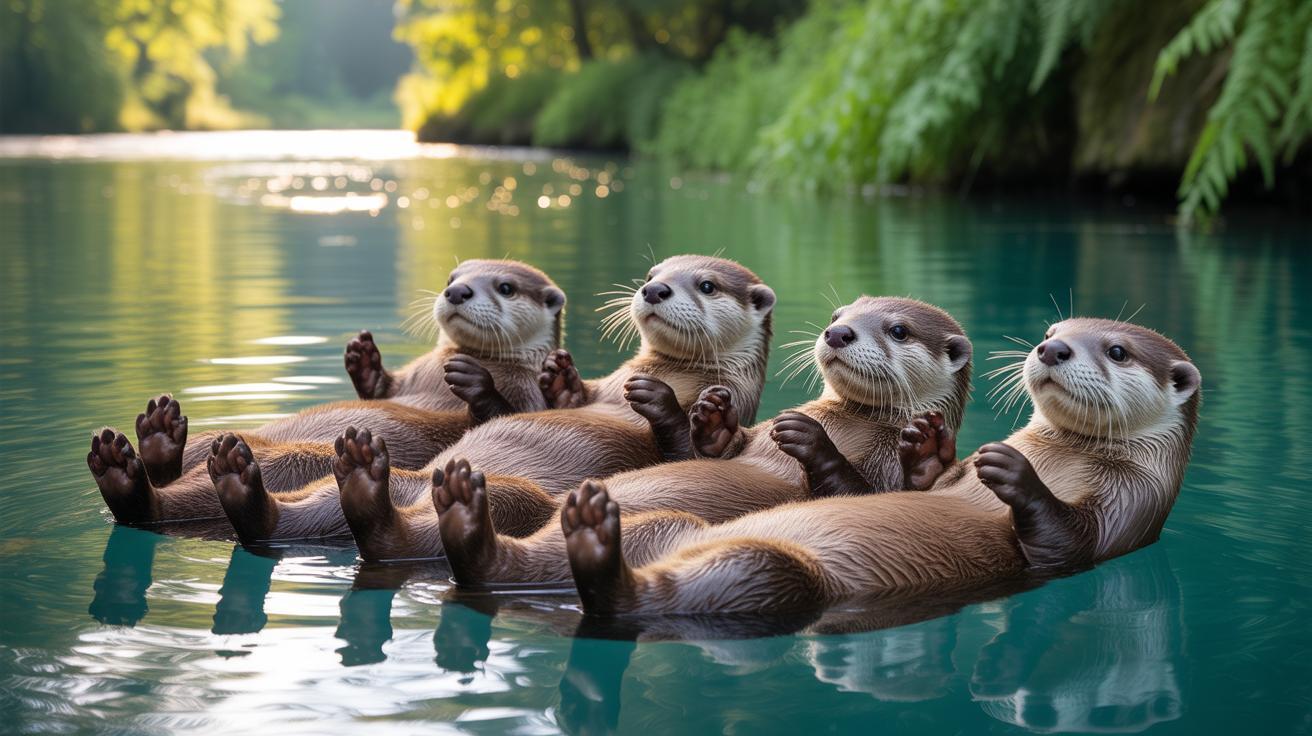
What Is The Otter Holding Hands Behavior And Why Does It Happen
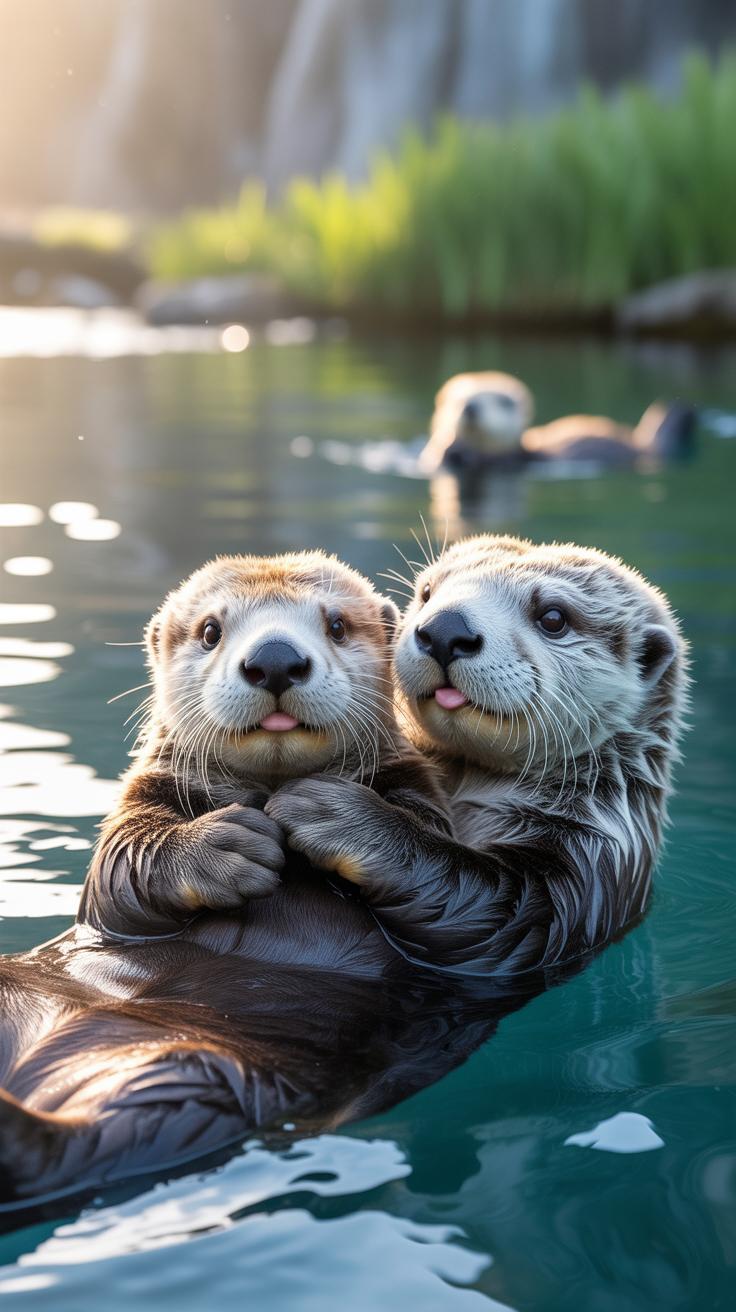
The Basic Definition Of Rafting In Sea Otters
Sea otters spend the majority of their lives in the ocean. This includes eating, mating, and sleeping. When otters sleep, they face a constant threat from ocean currents. If they do not secure themselves, they drift away from their food sources or into dangerous open waters. They solve this problem by forming groups called rafts to maintain their position.
The specific act of holding paws occurs within these rafts. Otters lock their front paws together to create a physical bond. This connection acts like a biological anchor. It prevents mother and pup pairs or mating pairs from separating during the night. This behavior is most common in Enhydra lutris, the sea otter, rather than river species that sleep on land.
Why Scientists Take This Behavior Seriously
Biologists view paw-holding as a survival mechanism rather than a social greeting. It is a tactical response to a high-risk environment. Researchers track these rafts to understand population density and movement patterns. By staying together, otters reduce the energy spent searching for the group after waking. Energy conservation is vital for otters because they lack a thick blubber layer for warmth.
The behavior also highlights complex social structures. Scientists observe that rafts are often segregated by gender. Large groups of males or females stay together to avoid unnecessary conflict or competition. Studying how and when they hold hands helps experts map territory boundaries. It provides a clear window into how marine mammals manage collective safety in shifting tides. This data is essential for modern conservation efforts.

The Biology Of Sea Otters Understanding The Species Behind The Behavior
Key Physical Traits That Make Sea Otters Unique Among Marine Mammals
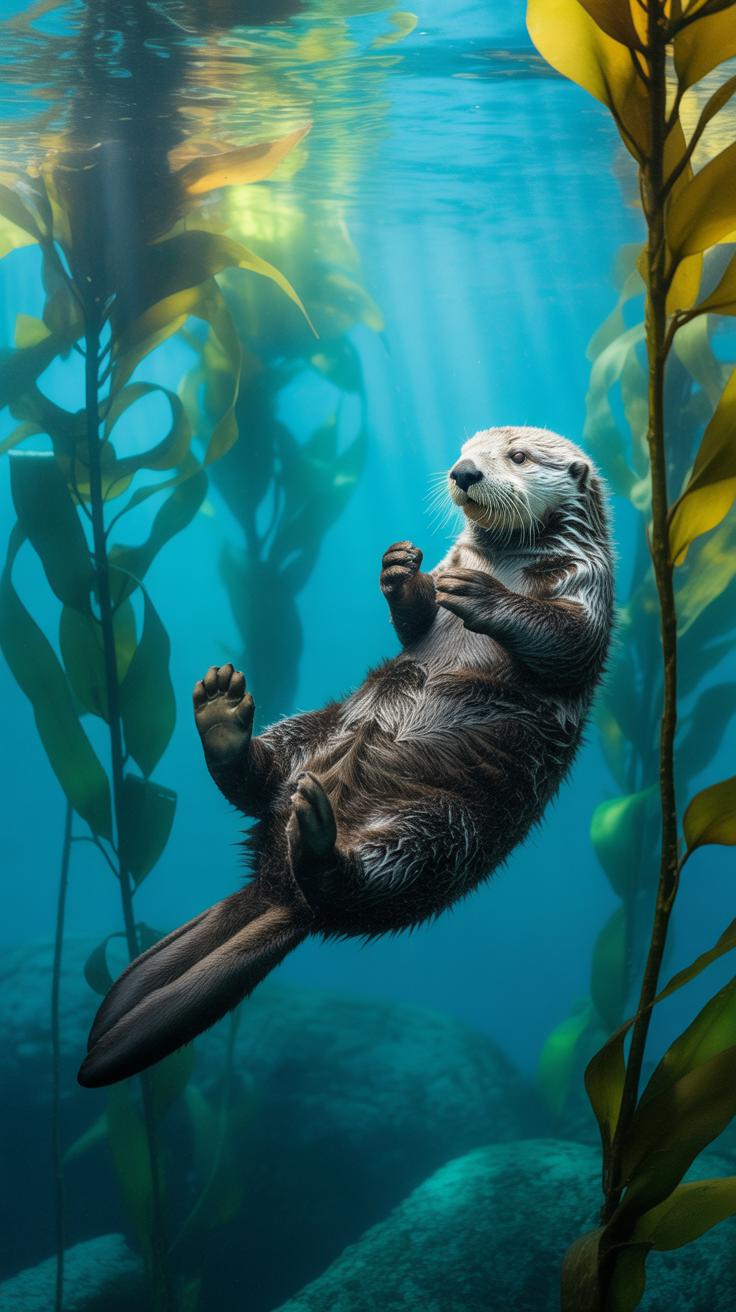
Sea otters lack a blubber layer. Most marine mammals rely on thick fat to stay warm in cold water. Instead, sea otters have the densest fur in the animal kingdom. They have up to one million hairs per square inch. This fur traps a layer of air against the skin. This air provides essential insulation and keeps the skin dry.
Buoyancy is a critical tactical advantage for this species. Their large lungs hold significant amounts of air. This helps them float effortlessly on the surface of the ocean. They also have loose skin under their forearms. They use these skin folds like pockets to store food or tools. These physical adaptations allow them to survive in harsh coastal environments without losing body heat.
How Sea Otters Differ From River Otters In Habitat And Social Structure
Sea otters live almost their entire lives in the ocean. They eat, sleep, and give birth in salt water. River otters are semi-aquatic. They spend much of their time on land and travel between freshwater sources. Sea otters have webbed back feet that act like flippers. River otters have traditional paws with claws for running and digging on river banks.
Social structures vary greatly between the two types. Sea otters are highly social and congregate in large groups called rafts. These rafts can include dozens or hundreds of individuals. This group behavior provides safety from predators and environmental stability. River otters are more solitary or live in small family units. They do not form large floating groups or exhibit the same collective resting habits.
Otters Holding Hands While Sleeping The Survival Science Explained
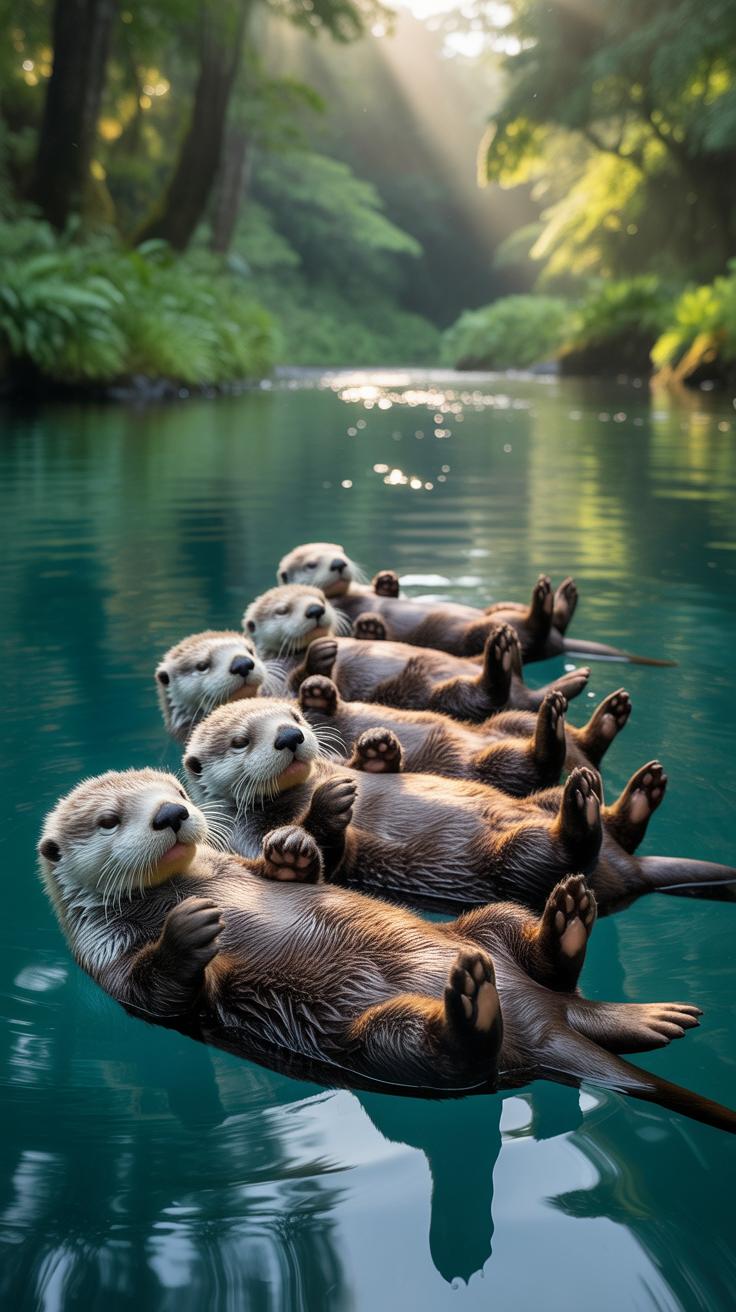
How Hand Holding Prevents Sea Otters From Drifting Apart In Ocean Currents
Sea otters live in the open ocean where currents move constantly. They sleep on their backs to keep their fur dry and warm. If they do not stay together, the water carries them away from their group. This behavior is called rafting. Holding paws creates a physical lock. This lock ensures the family stays in one place during the night.
Loss of contact leads to isolation and increased danger from predators. Otters rely on the group for heat and protection. By gripping each other, they form a large, stable mat on the surface. This structure resists the pull of the tide better than a single animal. It is a tactical maneuver designed to maintain physical proximity in a fluid and dangerous environment.
The Role Of Kelp Forests In Anchoring Sleeping Otters Safely
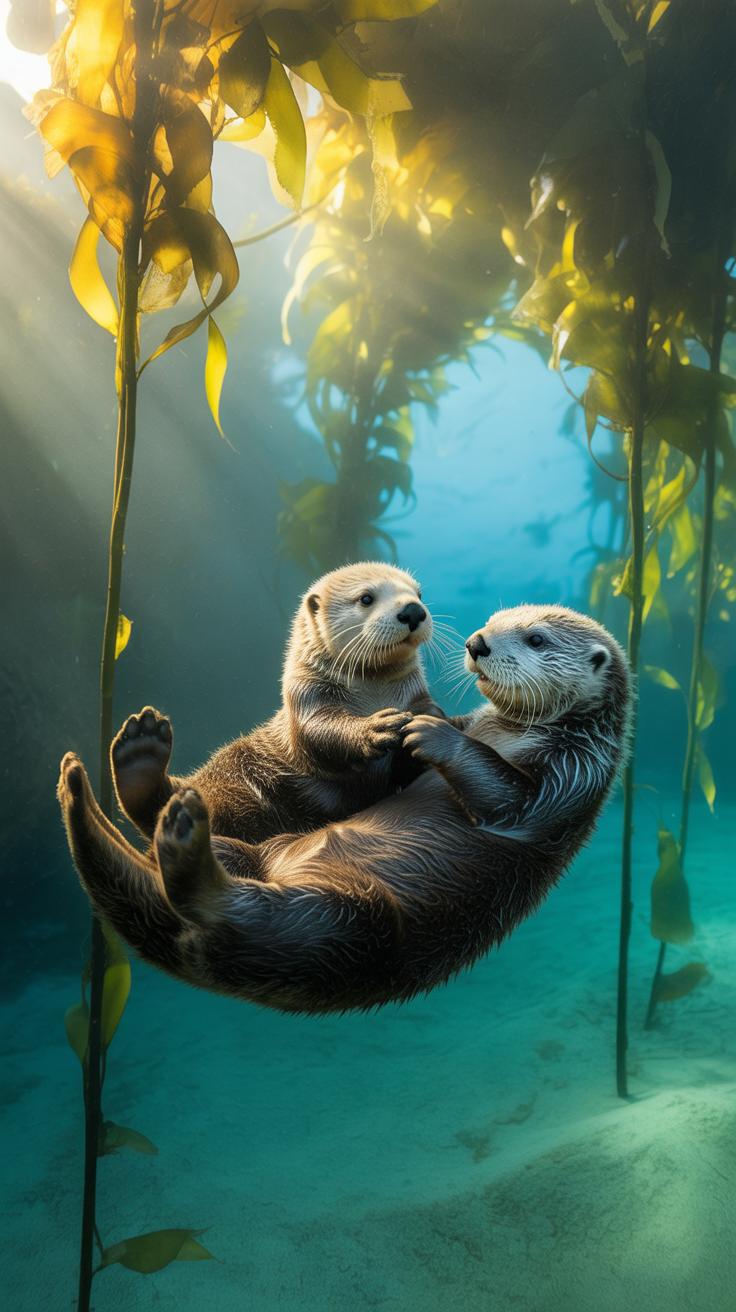
Kelp forests provide the primary anchor for sea otters. These large seaweed plants grow from the ocean floor to the surface. Otters wrap themselves in the long fronds before they fall asleep. The thick stalks act like a tether or mooring line. This technique prevents the otter from drifting into deeper, colder water where survival is much more difficult.
Sometimes otters use both kelp and hand-holding for maximum security. They wrap their lower bodies in the seaweed and hold paws with another otter. This creates a redundant safety system. If the seaweed breaks, the partner provides a secondary anchor point. This strategic use of the natural environment demonstrates how otters mitigate the risks of sleeping in an active marine ecosystem.
Otters Holding Hands In Water Social Bonding And Group Dynamics
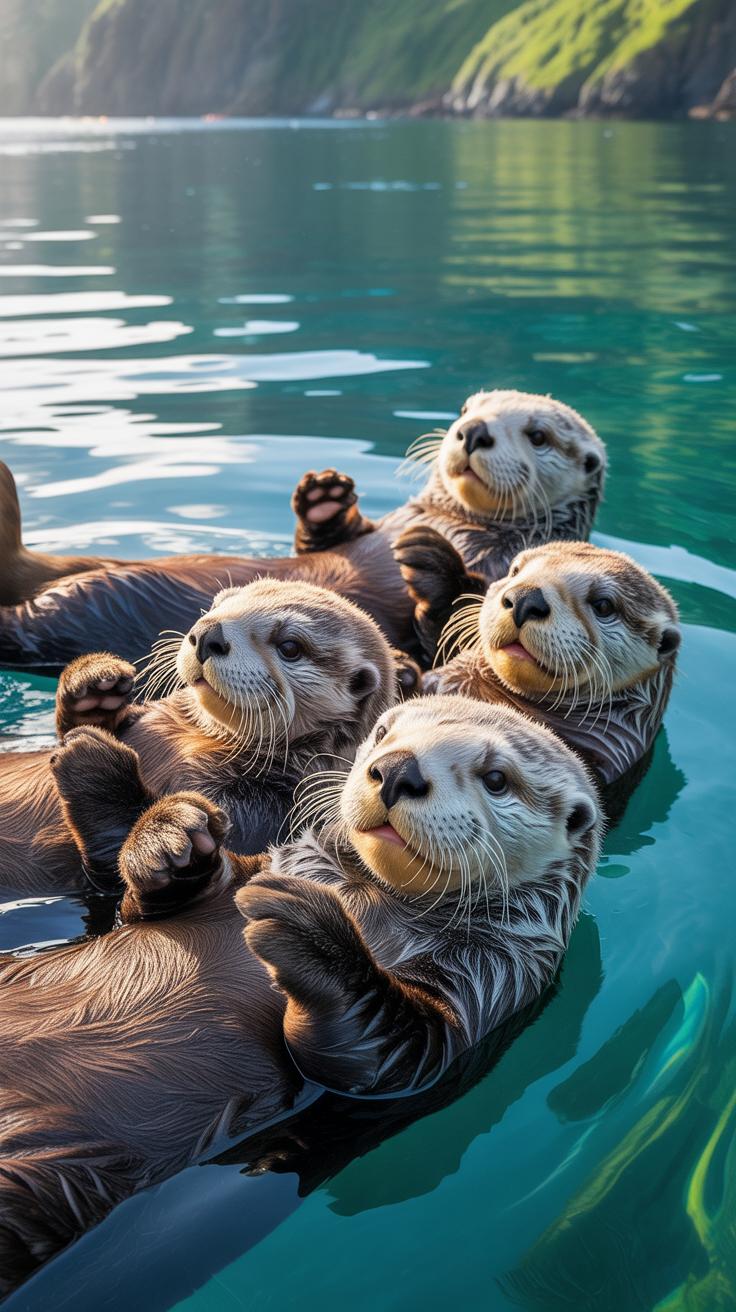
How Rafting Groups Are Formed And What Holds Them Together
Sea otters form large groups called rafts to survive in open water. These rafts can contain from ten to hundreds of individuals. Otters organize these groups mainly by sex. Male rafts and female rafts stay separate to reduce internal conflict. Living in a group provides safety from predators. It also makes it easier to find food and stay in one safe location.
Holding hands is a tactical move to keep the raft together. Ocean currents and wind can pull individual otters away from the group. By linking paws, sea otters create a physical chain. This connection prevents them from drifting into the open sea while they sleep. They also use kelp forests to anchor themselves. They wrap long strands of seaweed around their bodies for extra stability.
The Emotional And Social Benefits Of Physical Contact In Sea Otter Groups
Physical contact serves a vital social purpose beyond simple survival. It strengthens the bonds between members of the raft. Constant touch reduces stress and helps maintain a calm environment. High stress levels can lead to health issues in marine mammals. Regular interaction ensures that the group remains cohesive. This social glue is necessary for the long term health of the entire otter colony.
Mother and pup bonds rely heavily on this physical connection. A mother will hold her pup to keep it safe and warm. This behavior teaches the pup how to interact with the larger group later. Touch also helps otters recognize each other in the dark or in rough water. This sensory input provides a level of security that visual cues cannot match. Hand holding is a functional social tool.
Mother And Pup Bonding The Most Significant Otter Holding Hands Moment
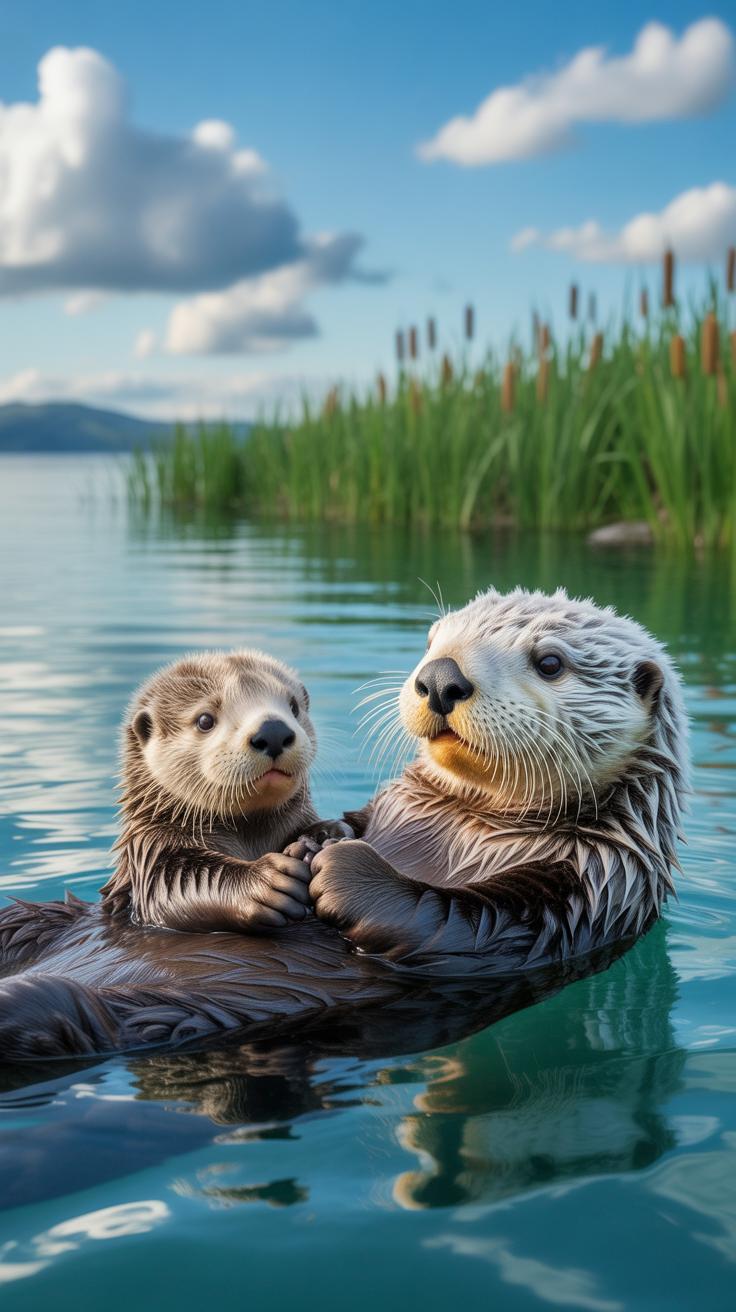
Why Sea Otter Mothers Hold Their Pups’ Paws During Sleep
Sea otter mothers use physical contact to ensure offspring survival during rest. Pups lack the motor skills and density to navigate ocean currents alone. When a mother sleeps, she risks losing her pup to wind or tides. Holding paws or placing the pup on her chest creates a physical tether. This behavior prevents the pair from drifting apart in open water environments.
The tactile connection also serves as a critical monitoring system for the mother. Any sudden movement or change in current triggers an immediate response through the touch. Mothers often wrap their pups in kelp forests to increase security. However, the direct hold remains the most reliable method of keeping the pup close. This survival tactic reduces the risk of predation and accidental separation in rough seas.
How Pup Development Depends On Close Physical Contact With The Mother
Close physical contact provides the warmth necessary for pup survival. Young sea otters have not yet developed the dense fur required for deep water insulation. They rely on the mother for heat transfer through skin-to-skin touch and hand-holding. This heat exchange regulates the pup’s body temperature during sleep. Without this contact, the pup faces a high risk of hypothermia in cold Pacific waters.
Constant touch also facilitates the learning of grooming and hunting skills. Pups observe and mirror the mother’s movements while staying physically linked. This proximity ensures the mother can intervene if the pup becomes distressed. Scientific observation shows that pups with consistent physical contact reach developmental milestones faster. The bond created by holding hands is a biological necessity for long-term survival and successful integration into the raft.
The Thermoregulation Challenge Why Holding Hands Also Keeps Sea Otters Warm
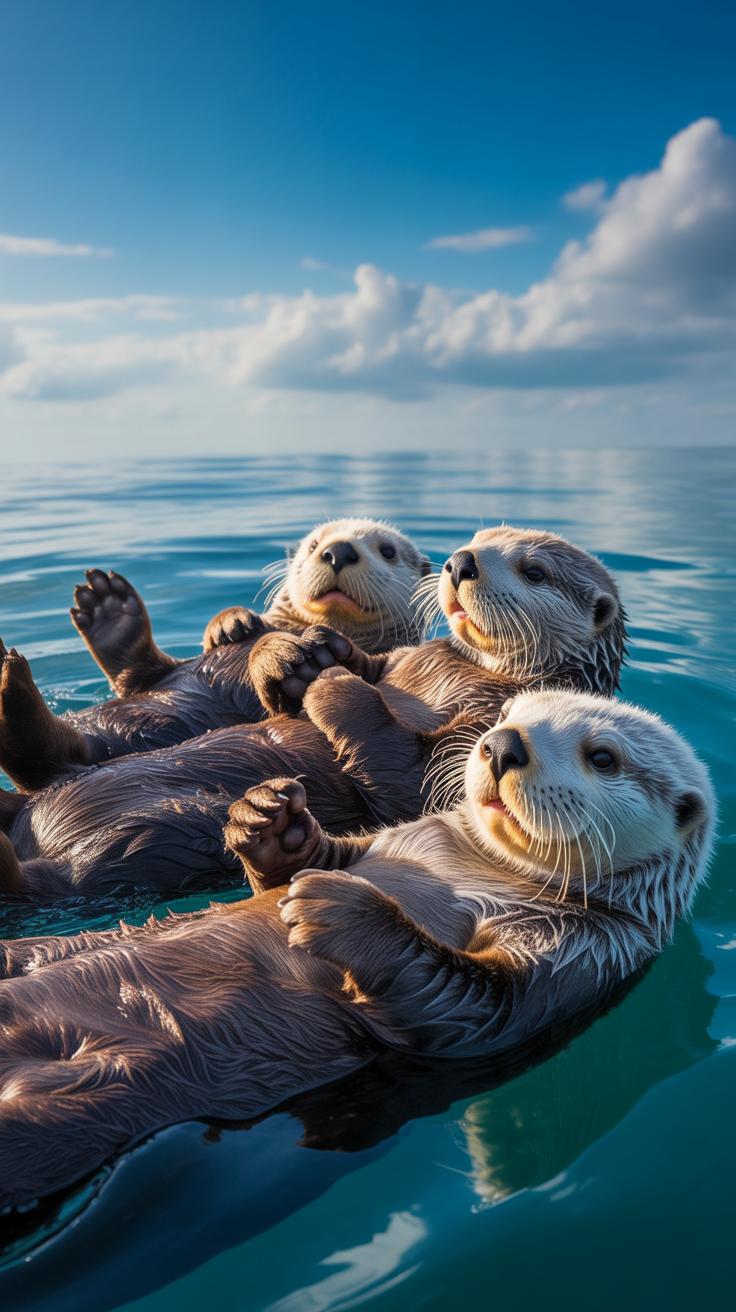
How Sea Otters Manage Body Heat Without A Blubber Layer Like Other Marine Mammals
Sea otters lack the thick blubber layer found in seals and whales. They rely on their fur for insulation. This fur is the densest in the animal kingdom. It contains up to one million hairs per square inch. This density traps a vital layer of air against the skin. This air acts as a barrier. It prevents cold ocean water from touching their bodies.
Proper maintenance of this air layer requires constant grooming. Otters spend hours cleaning their fur to keep it waterproof. If the fur becomes dirty, the air barrier fails. The otter then loses body heat rapidly. High metabolism helps generate internal warmth. They must eat twenty five percent of their body weight daily. This fuel supports their high body temperature in cold water environments.
Practical Ways Sea Otters Conserve Energy While Floating And Resting
Resting is a critical survival tactic for sea otters. They need to minimize heat loss while asleep. Floating on their backs keeps their paws and faces out of the water. These areas have less fur and lose heat quickly. Holding hands creates a stable physical connection. This prevents individuals from drifting alone into open, colder currents.
- Lifting Extremities: Otters hold their webbed hind feet out of the water while resting. This reduces the surface area exposed to the cold sea. Keeping limbs dry preserves core body temperature more effectively than submerging them.
- Rafting Groups: Large groups of otters gather in sections called rafts. These rafts create a buffer against wind and waves. Staying packed together reduces the impact of moving water on their insulating air layer during rest.
- Anchoring in Kelp: Otters wrap themselves in giant kelp fronds before sleeping. The kelp acts as a natural tether. This keeps the otter in nutrient rich shallow waters. It prevents them from floating into deep offshore zones where heat loss increases.
- Metabolic Management: Otters synchronize their resting periods to save energy. By sleeping in shifts or groups, they minimize active swimming. Swimming requires significant caloric output. Reducing movement allows the body to focus all energy on maintaining a stable internal temperature.
- Skin to Skin Contact: Physical touch during hand holding allows for minor heat sharing. While fur provides the main insulation, direct contact reduces the total surface area exposed to the elements. This collective formation creates a more stable thermal environment.

Energy conservation drives every behavior in the water. Holding hands is more than a social bond. It is a tactical move to stay stationary. Moving less means burning fewer calories. If an otter drifts away, it must swim back. Swimming uses up precious fat stores. Staying together ensures the otter survives the night without wasting vital internal fuel.
Conservation Status Of Sea Otters And Why Their Social Behaviors Matter
The History Of Sea Otter Population Decline And Recovery Efforts
The maritime fur trade nearly wiped out sea otters between 1741 and 1911. Hunters killed hundreds of thousands of otters for their dense pelts. By the time the International Fur Seal Treaty banned hunting, only about 2,000 otters remained in isolated colonies. This extreme bottleneck reduced genetic diversity. The species dropped to a fraction of its original range across the North Pacific.
Recovery efforts began with federal protection under the Marine Mammal Protection Act and the Endangered Species Act. Biologists relocated small groups to stabilize the population. These efforts helped otters reoccupy historical habitats in Alaska and California. Current threats include oil spills, shark predation, and habitat loss. Success depends on maintaining strictly enforced exclusion zones. We must monitor population counts to ensure the species does not collapse again.
Just as sea otters cling to one another to keep from drifting apart in the vast ocean, we find our greatest strength in the simple act of staying connected.
Why Protecting Otter Social Groups Is Critical To Species Survival
Sea otters rely on social structures called rafts for safety and resource management. These groups allow individuals to rest without drifting into open water. Holding hands or wrapping in kelp keeps the group together during sleep. Breaking these social bonds forces otters to expend more energy on survival. High energy needs make otters vulnerable to environmental changes. Social cohesion reduces individual stress and mortality.

Protecting these social behaviors ensures the population can grow. When otters remain in a raft, they defend their territory more effectively. This stability allows females to raise pups with less risk. Scientists use these social patterns to track the health of the ecosystem. If rafts break apart, it signals a problem in the local environment. Conservation must prioritize the social unit to save the entire species from extinction.
Otters In Popular Culture From Significant Otter Memes To Otters Holding Hands Drawing Art
How The Viral Vancouver Aquarium Video Sparked The Worlds Love For Otters Holding Hands
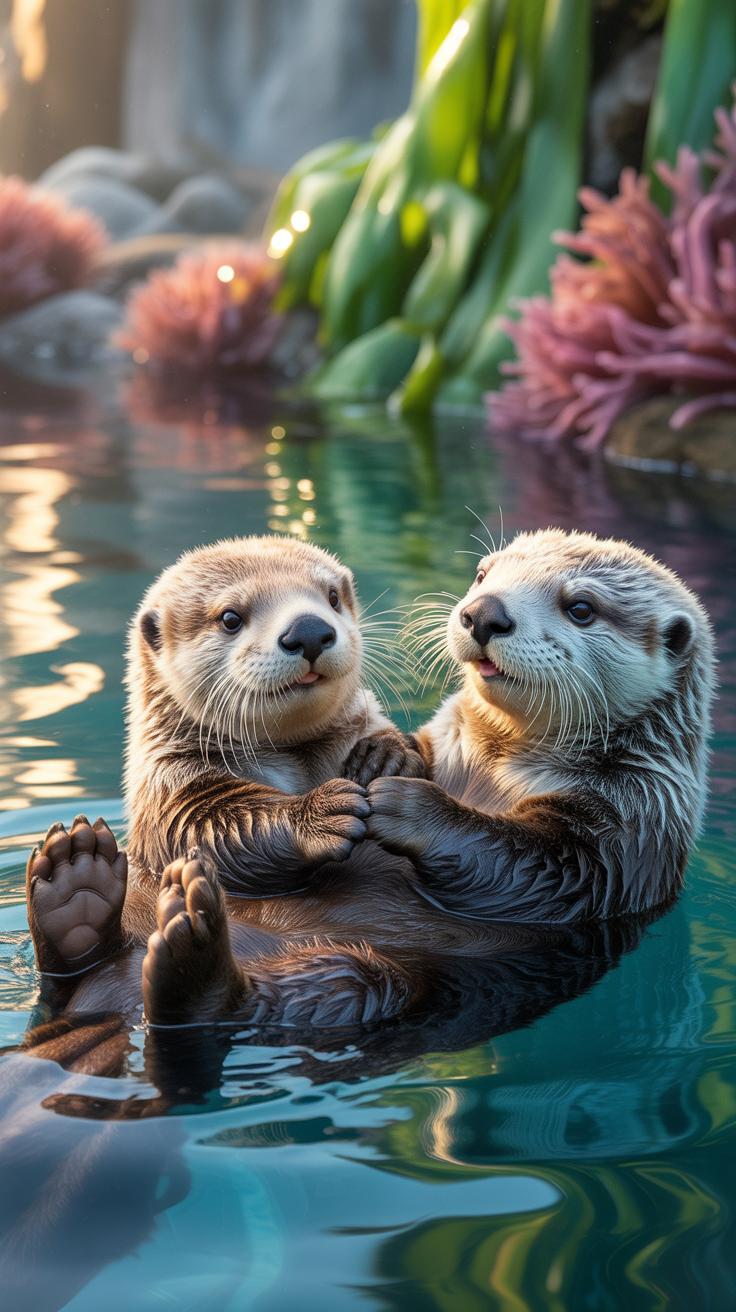
In 2007, a video from the Vancouver Aquarium changed the public perception of sea otters forever. This footage featured two otters named Nyac and Milo. The pair floated on their backs while clasping paws. This specific clip became one of the first viral animal videos on YouTube. It reached millions of viewers globally. This exposure shifted the otter from a local marine species to a global symbol of affection and companionship.
The video provided a rare look at natural behavior in a captive setting. Scientists confirm that otters hold hands to prevent drifting apart in strong currents. However, the internet interpreted this survival tactic as a human-like display of love. This anthropomorphism fueled the massive growth of otter-related digital content. The Vancouver Aquarium leveraged this fame to fund conservation efforts. Educational programs used the footage to teach the public about the vulnerability of marine mammals.
The Rise Of Otter Holding Hands Drawing, Clipart, And Significant Otter Merchandise In Pop Culture
Artists and designers quickly capitalized on the viral hand-holding phenomenon. They created a new market for otter-themed products and digital assets. Simple line drawings and clipart focus on the interlocking paws. This imagery is now a staple in the greeting card and gift industry. Producers use the otter holding hands behavior to sell products that represent friendship and romantic partnerships. The visual appeal drives sales across various demographics.
- Significant Otter Pun: This play on words became a dominant romantic meme. It appears on greeting cards and engagement gifts. The phrase pairs with drawings of two otters holding paws. It simplifies complex biology into a relatable social concept for consumers.
- Enamel Pins and Charms: Small metal pins often feature two otters linked together. Makers use hard or soft enamel techniques to create these collectibles. They serve as tactile tokens of friendship. These items are popular in the streetwear and accessory markets.
- Minimalist Line Art: Modern interior design utilizes simple black and white otter sketches. These drawings focus on the anatomical connection of the paws. Designers place this art on canvases and wall decals. It fits the clean aesthetic of contemporary home decor.
- Digital Stickers and Emojis: Social media platforms and messaging apps integrated otter icons. These digital graphics allow users to express closeness. The holding hands pose is the most requested variation. It facilitates fast communication of emotional bonds in digital spaces.
- Childrens Stationery: School supplies often feature otter clipart with bright colors. Brands use the cute factor to appeal to younger audiences. These products include notebooks, stickers, and pencil cases. This market segment relies heavily on the soft, non-threatening image of the animal.

Commercial success depends on the accurate depiction of the paws. Consumers look for the specific grip shown in the original viral videos. Merchandise manufacturers use various materials like organic cotton for plush toys and recycled paper for cards. These choices often reflect the environmental values associated with marine life conservation. The trend shows no signs of slowing down as new digital platforms keep the imagery relevant.
Fun And Verified Facts About Otters That Every Nature Lover Should Know
Fascinating Otter Behaviors Beyond Hand Holding That Showcase Their Intelligence
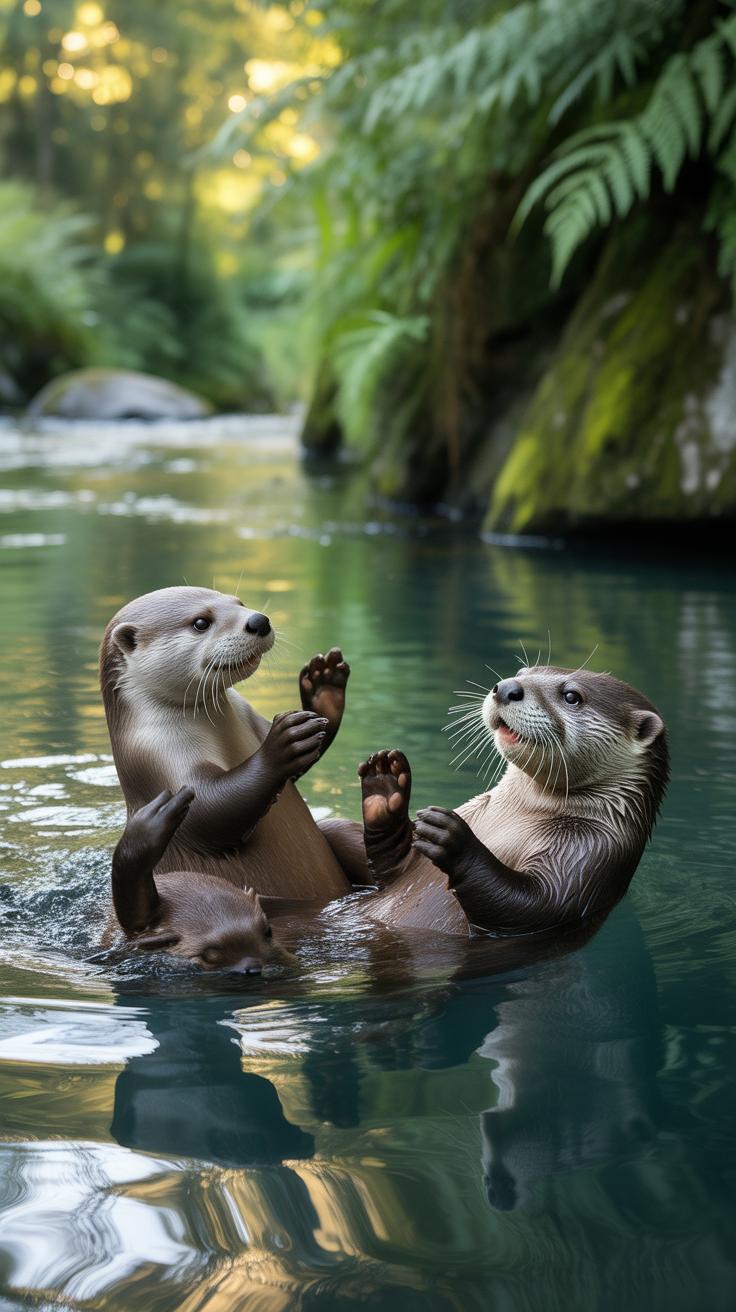
Sea otters use rocks as tools to break open hard shells. They store these favorite rocks in a loose flap of skin under their armpits. This pouch acts like a pocket for valuable gear. Using tools allows them to access high calorie food sources like clams and sea urchins. This behavior demonstrates advanced problem solving skills rarely seen in most marine mammal species.
Otters also groom themselves constantly to maintain buoyancy and warmth. They have the densest fur in the animal kingdom with up to one million hairs per square inch. They blow air into their underfur to create a trapped layer of insulation. This ritual is a survival necessity because they lack a thick layer of blubber. Neglecting their fur would lead to lethal heat loss.
Where You Can Observe Wild Sea Otters Holding Hands In Their Natural Habitat
California offers the best opportunities to view this behavior in North America. Specifically, Elkhorn Slough and Monterey Bay provide calm waters where rafts of otters congregate. These areas feature dense kelp forests that otters use for anchoring. You can often see mothers and pups floating together during the day. Observing from a distance ensures you do not disturb their critical rest periods.
Alaska provides another prime location for viewing larger rafts of sea otters. The Prince William Sound and the Aleutian Islands host significant populations. In these colder northern waters, the hand-holding behavior helps groups stay together against strong tidal currents. Deep water channels and protected coves offer the highest success rate for sightings. Always use binoculars to respect the federal laws protecting these marine mammals.
Frequently Asked Questions

Why do sea otters hold hands while they are resting in the water?
Sea otters engage in this adorable behavior primarily for survival rather than just affection. Known as “rafting,” this otter holding hands behavior prevents individuals from drifting away from their group or out to sea due to strong ocean currents while they sleep. By linking paws, they form a stable anchored group, ensuring that mothers and pups stay together safely in the same location until they wake up and begin foraging again.
How can I spot this unique otter behavior when visiting a sanctuary or coastline?
To observe the otter holding hands behavior, timing and location are key. Visit coastal areas with thick kelp forests during the early morning or evening when otters are most likely to rest. Look for large groups floating together, often referred to as rafts. Using a pair of high-quality binoculars will allow you to see their small paws linked together without disturbing their natural habitat or causing them unnecessary stress.
Are there affordable ways to learn more about otters without traveling to the ocean?
You don’t need an expensive coastal vacation to enjoy these creatures. Many world-class aquariums offer free or low-cost 24/7 “Otter Cams” online, allowing you to watch their social interactions from home. Additionally, local libraries and educational YouTube channels provide deep dives into marine biology. These accessible resources offer a great way to witness the fascinating science behind various species and their social bonds without spending a fortune on travel.