The Science Behind How Pets Strengthen Human Bonds
How Oxytocin Released During Pet Interaction Deepens Human Connection
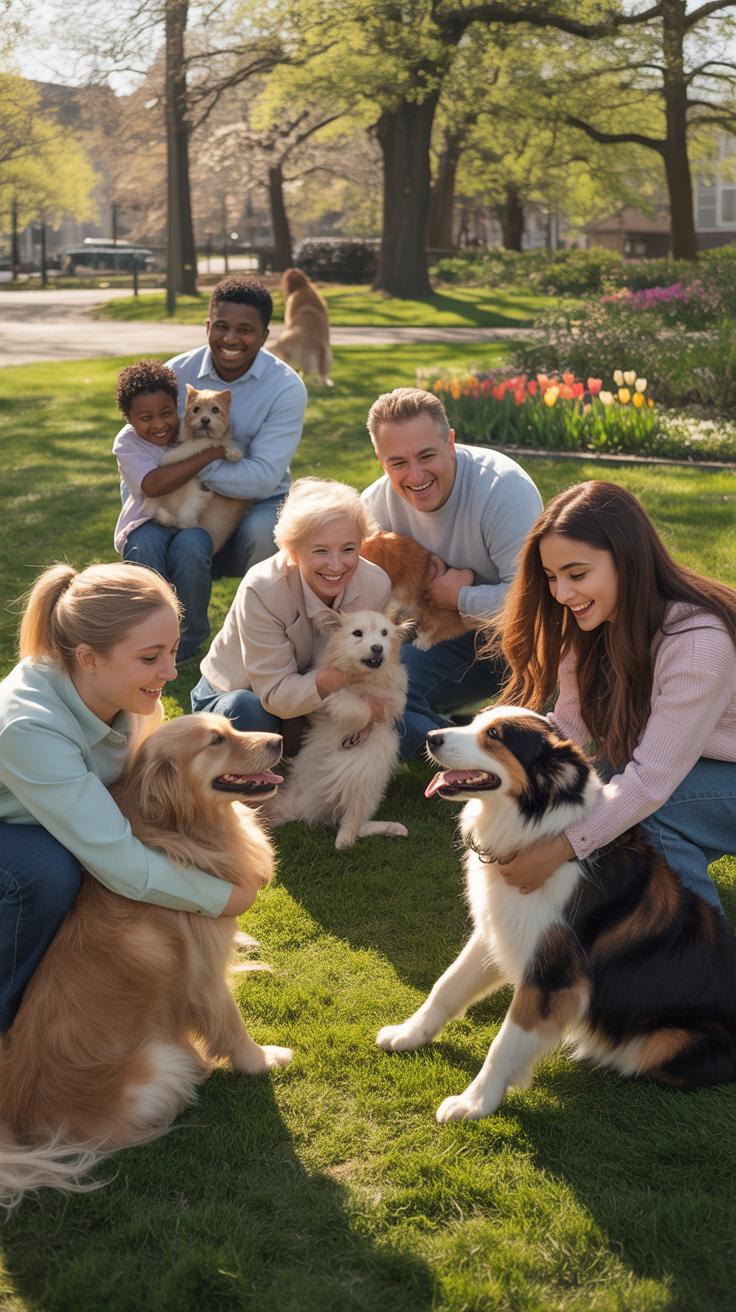
Physical contact with a pet triggers the immediate release of oxytocin in the brain. Scientists often call this the cuddle chemical because it builds trust and creates emotional safety. When humans interact with animals, their blood pressure drops and cortisol levels decrease. This physiological shift creates a calm environment. A relaxed person communicates more effectively and shows more empathy toward others in the room.
Oxytocin does more than just lower stress during the interaction. It strengthens the capacity for long term social attachment between humans. Couples or families who share these high oxytocin experiences develop stronger emotional foundations. This neurochemical process makes people more receptive to social cues. Shared positive experiences with a pet act as a social lubricant. This biological response reduces barriers to direct human to human communication.
What Research On Human Animal Interaction Tells Us About Social Bonding
Studies in human animal interaction show that pets function as powerful social catalysts. Research confirms that people walking dogs have more frequent conversations with strangers than those walking alone. The animal serves as a neutral icebreaker that removes social anxiety. This effect is especially strong in neighborhoods where pets increase local social capital. People perceive pet owners as more approachable and trustworthy during daily life.
Data also suggests that pets improve the quality of existing relationships within the home. Families with pets often report higher levels of cohesion and less frequent domestic conflict. Caring for a living creature requires teamwork and shared responsibility. This cooperation builds practical communication skills among family members. The presence of a pet provides a consistent point of focus. This focus helps maintain steady social bonds through shared daily routines.

Pets And Mental Health How Animals Reduce Social Anxiety And Isolation
Why Pet Ownership Lowers Stress Levels And Makes People More Socially Open
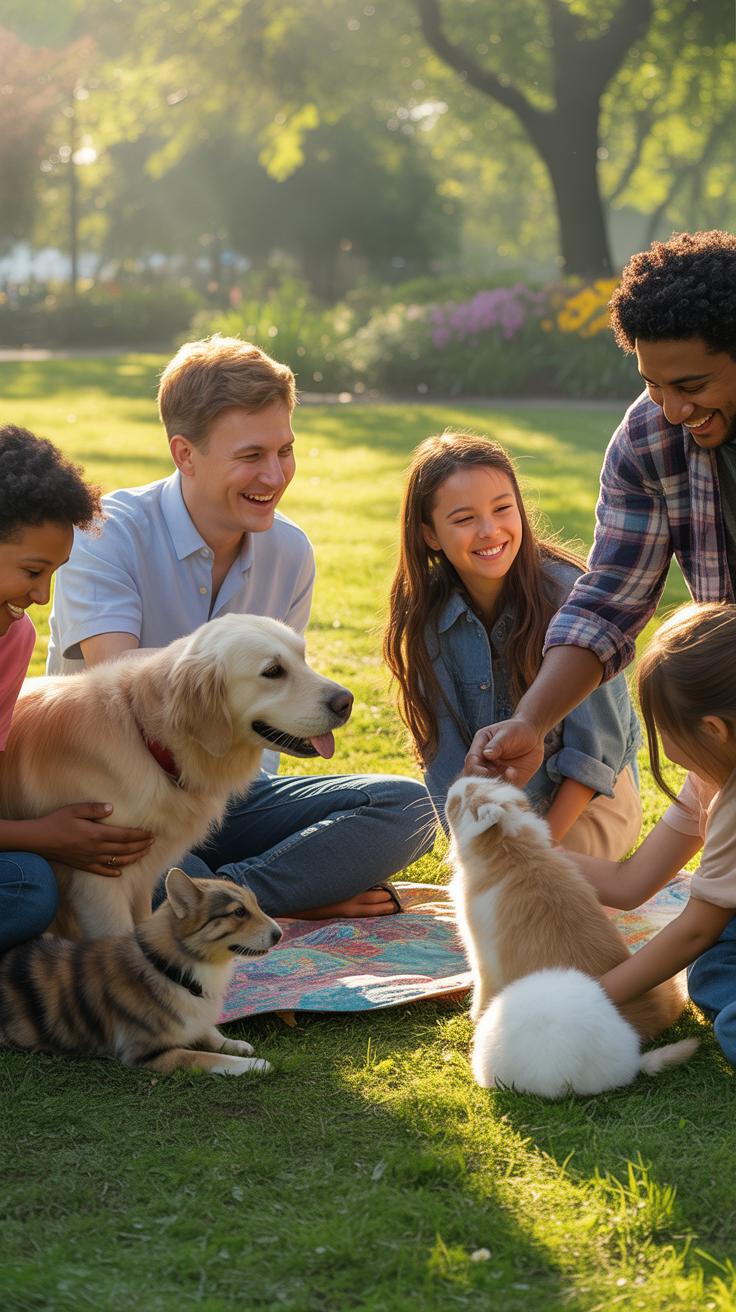
Interacting with a pet lowers cortisol levels. High cortisol causes the body to stay in a fight or flight state. This state makes human social interaction feel threatening. When you pet a dog or cat, your brain releases oxytocin. This hormone promotes trust and relaxation. A relaxed person approaches others with less fear. This biological shift makes small talk and social eye contact easier to manage.
Pets act as a social lubricant in public spaces. Walking a dog forces you into the neutral territory of parks or sidewalks. It creates a shared focus between two strangers. This shared focus breaks the ice without the pressure of direct eye contact. Reduced stress leads to open body language. People who feel safe are more likely to start conversations. Pets provide that safety by acting as a constant social buffer.
How Caring For A Pet Builds Emotional Resilience That Carries Into Human Relationships
Caring for an animal requires a strict routine. You must feed, groom, and exercise the pet regardless of your mood. This consistency builds self-regulation skills. You learn to put another being’s needs before your immediate feelings. This practice strengthens the emotional lead needed for human bonds. It teaches you how to manage frustration and maintain composure during stressful interpersonal moments.

Pet ownership demands clear non-verbal communication. Animals do not use words, so you must read body language and tone. This sharpens your ability to sense moods in people. You become more observant and patient. These traits are the foundation of emotional intelligence. Resilience grows when you handle the challenges of pet care successfully. You then apply those same problem solving skills to conflicts with friends and family.
Emotional Wellness How Shared Pet Ownership Strengthens Family Relationships
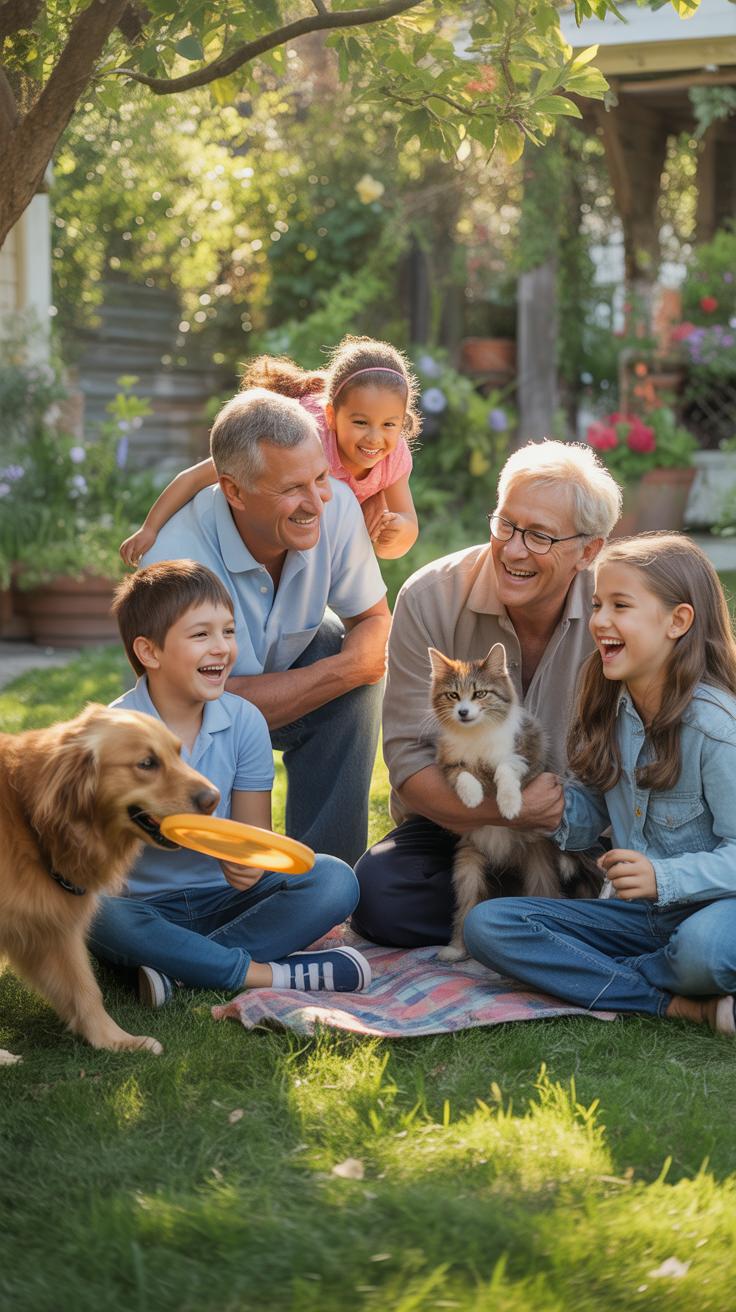
The Role Pets Play In Creating Shared Purpose And Routine Within Families
Shared pet care establishes a rigid framework for daily family life. Animals require specific feeding times, exercise schedules, and hygiene rituals. These tasks force family members to coordinate their movements and communicate clearly. By assigning specific duties to each person, families build a logistical support system. This coordination reduces friction and creates a reliable environment where everyone understands their operational role.
Predictable routines improve household stability. Success in maintaining a pet requires consistent effort and accountability from all participants. When family members work together to meet an animal’s needs, they develop mutual trust. This shared mission creates a common goal that exists outside of individual interests. Relying on one another to keep a living creature healthy reinforces the family unit as a functional, cohesive team.
Pets are the bridge between us, turning a house into a home and strangers into a family. There is no better way to connect two hearts than through the shared love of a loyal friend.
How Children Who Grow Up With Pets Develop Stronger Empathy Toward Others
Living with animals teaches children to read non-verbal cues. Pets cannot speak, so children must observe body language and behavior to understand their needs. This observation builds the cognitive ability to recognize the feelings of others. Research shows that kids who care for animals translate these skills to human interactions. They become more proficient at identifying social signals and responding with appropriate emotional support.

Caring for a pet provides a practical foundation for perspective-taking. Children learn that their actions directly impact the well-being of a vulnerable being. This realization fosters a sense of responsibility and moral concern. By practicing patience and kindness with a dog or cat, children develop the emotional tools needed for healthy peer relationships. These kids often show higher levels of social competence and more cooperative behavior in group settings.
Body Language What Pets Teach Us About Reading Non Verbal Human Cues
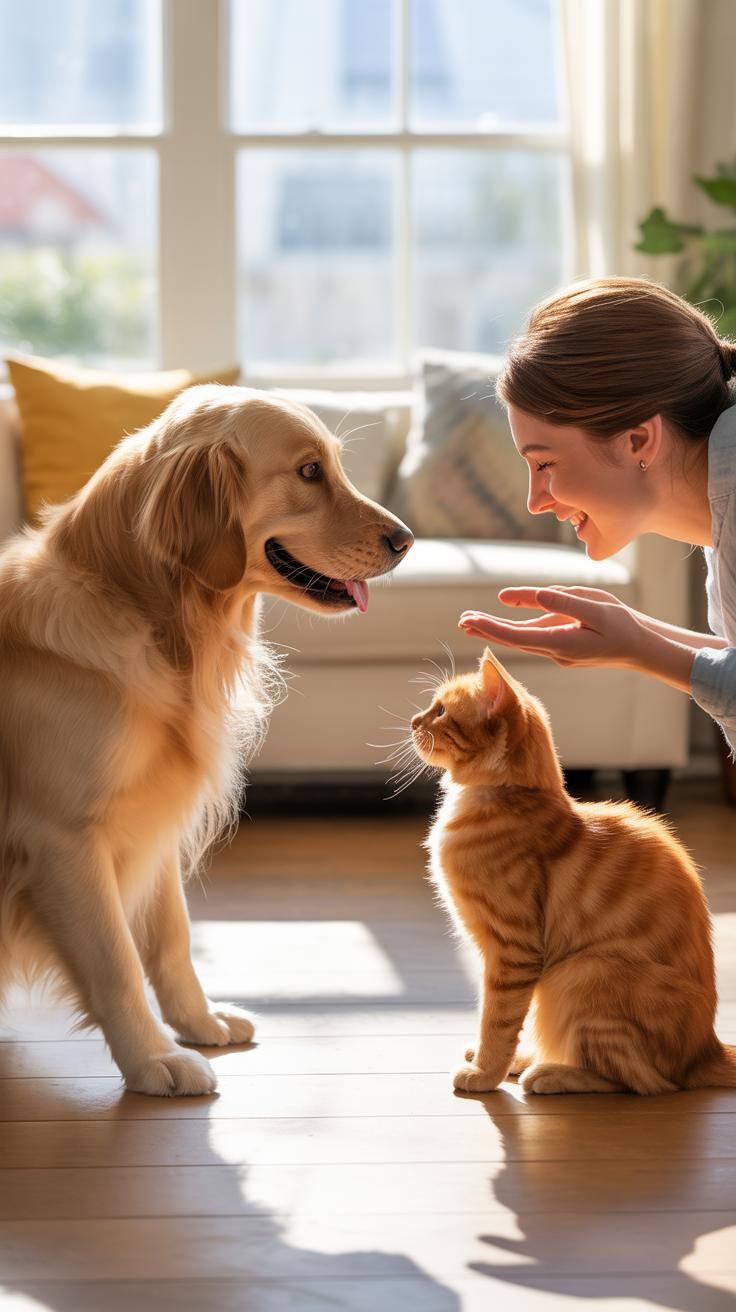
How Observing Animal Body Language Sharpens Your Emotional Awareness With People
Pets do not use words. Owners must watch physical signals like ear position, tail movement, and tension. This constant monitoring builds a specific skill called situational awareness. You learn to spot tiny changes in posture before an animal reacts. This direct observation forces you to pay closer attention to physical details. You become a better observer of the environment and the beings within it.
This skill transfers directly to human interactions. Humans often mask their true feelings with speech. However, their body language still leaks their real emotions. By training your brain to read a dog or cat, you prime your mind to see micro-expressions in people. You notice when a partner tenses their shoulders or avoids eye contact. This awareness lets you respond to what people feel, not just what they say.
The Connection Between Understanding Pet Signals And Improving Human Communication
Effective pet ownership requires consistent non-verbal feedback. You use hand signals and body leaning to direct an animal. This process teaches you that your own physical presence sends a message. You learn to control your movements to avoid scaring or confusing the pet. Understanding how your stance affects an animal makes you more conscious of your presence around people. You become more deliberate with your gestures.

Better communication reduces conflict in human relationships. When you read a pet’s stress signals, you give them space. You learn to apply this same patience to humans who seem overwhelmed. Recognizing silent cues allows for proactive support instead of reactive arguments. You stop relying solely on verbal clarity. Instead, you use visual data to bridge gaps in understanding. This creates a more stable and empathetic bond between friends and family.
Positive Reinforcement The Training Philosophy That Improves How We Treat Each Other

How The Principles Of Positive Reinforcement In Pet Training Mirror Healthy Human Interaction
Positive reinforcement focuses on rewarding desired behaviors rather than punishing mistakes. B.F. Skinner developed this operant conditioning theory in the mid 20th century. When pet owners use treats or praise to shape animal behavior, they learn to identify and encourage small wins. This same logic applies to human relationships. Focusing on what a partner or friend does right builds trust and increases the frequency of those good actions.
Shifting focus from punishment to reward changes how people communicate. Effective pet training requires clear signals and consistent feedback. Owners who master these skills often translate them into their social lives. They learn that yelling or shaming rarely yields long term results. Instead, they use clear expectations and positive feedback. This tactical shift reduces conflict between people. It creates a supportive environment where everyone understands the path to success.
Why Reward Based Approaches With Pets Encourage More Patient And Compassionate Relationships
Reward based training requires extreme patience. Animals do not speak human languages and cannot understand complex logic. Owners must wait for the animal to offer the correct behavior naturally. This process conditions the human to remain calm under pressure. Owners who practice this regularity develop a higher tolerance for frustration. They learn to manage their own emotions before trying to correct the behavior of another living being.

Compassion grows when you see the world through another perspective. Pet training forces the owner to understand the motivations of another species. You must identify what the pet values to provide an effective reward. This habit of empathy transfers to human bonds. People become better at identifying the needs of their peers. They stop expecting instant obedience and start offering support. This creates a cycle of mutual respect and reliable emotional safety.
Dog Training Tips That Accidentally Make You A Better Communicator With People
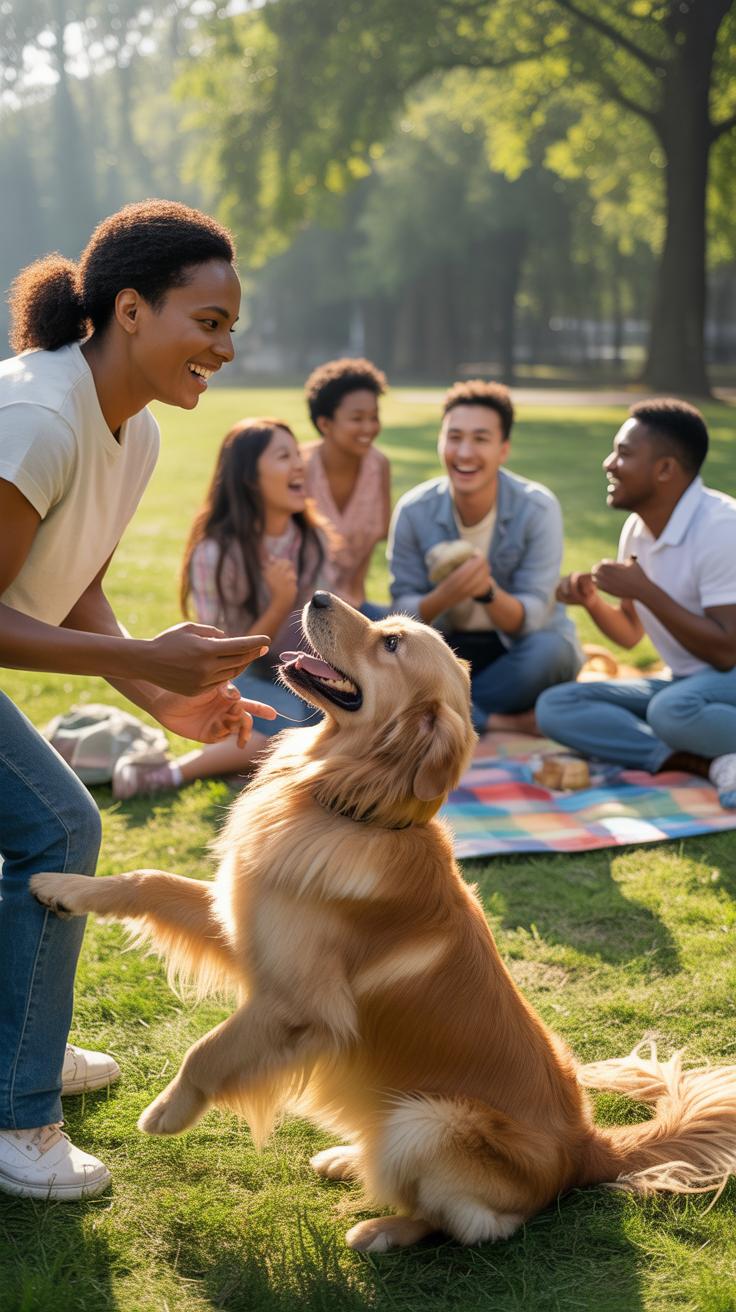
Consistency And Clarity In Dog Training And Why Those Same Skills Build Stronger Human Bonds
Dog training requires precise cues and predictable responses. You must use the same word for the same action every time. If you change the command, the dog becomes confused and stops performing. This discipline forces you to eliminate vague language. Clear communication creates a foundation of trust. When you apply this to people, you reduce misunderstandings and set clear expectations.
Consistency builds reliable environments for animals and humans alike. Inconsistent signaling creates anxiety and erodes trust in any relationship. By mastering dog training, you learn to mean exactly what you say. You stop sending mixed signals that frustrate others. High-level pet ownership trains your brain to prioritize accuracy over volume. This directness strengthens bonds by making your behavior predictable and safe.
Practical Dog Training Tips That Double As Life Lessons In Patience And Mutual Respect
Successful dog training relies on positive reinforcement and biological understanding rather than force. You learn to watch body language and react to non-verbal cues. This process requires you to manage your own emotional state to avoid passing stress to the animal. These tactical skills transfer directly to human interactions. You become more observant and less reactive during difficult conversations with friends or partners.
- Wait for Compliance: Forcing a dog into a sit often fails. Instead, you wait for the dog to offer the behavior. This teaches you that patience is a tool for gaining voluntary cooperation from people without using professional or social leverage.
- Reward Small Wins: Trainers use shaping to reward incremental progress toward a goal. This method helps you recognize small efforts in colleagues and family. It shifts your focus from perfection to positive improvement which keeps morale high in any group.
- Control Your Energy: Dogs mirror the handler’s nervous system. If you are frantic, the dog becomes frantic. You learn to lower your heart rate and speak calmly under pressure. This skill helps you de-escalate human conflicts by remaining the calmest person in the room.
- Clear Boundaries: Dogs thrive when they know exactly where they stand. You set firm rules about where they sleep or eat. People also benefit from knowing your personal boundaries. Setting limits clearly prevents resentment and allows people to interact with you without crossing invisible lines.
- Observation First: You must watch a dog to understand why it misbehaves. It might be scared or tired rather than stubborn. This perspective encourages you to look for the root cause of human behavior. You stop taking actions personally and start solving the actual problem.

Mutual respect grows when you stop demanding and start leading. Training a pet proves that you cannot bully your way to a deep bond. It requires a steady hand and a calm mind. When you treat people with the same level of calculated patience, you remove friction from your life. These habits turn you into a person who listens more and reacts less.
Pets As Social Catalysts How Animals Help Human Strangers Become Friends
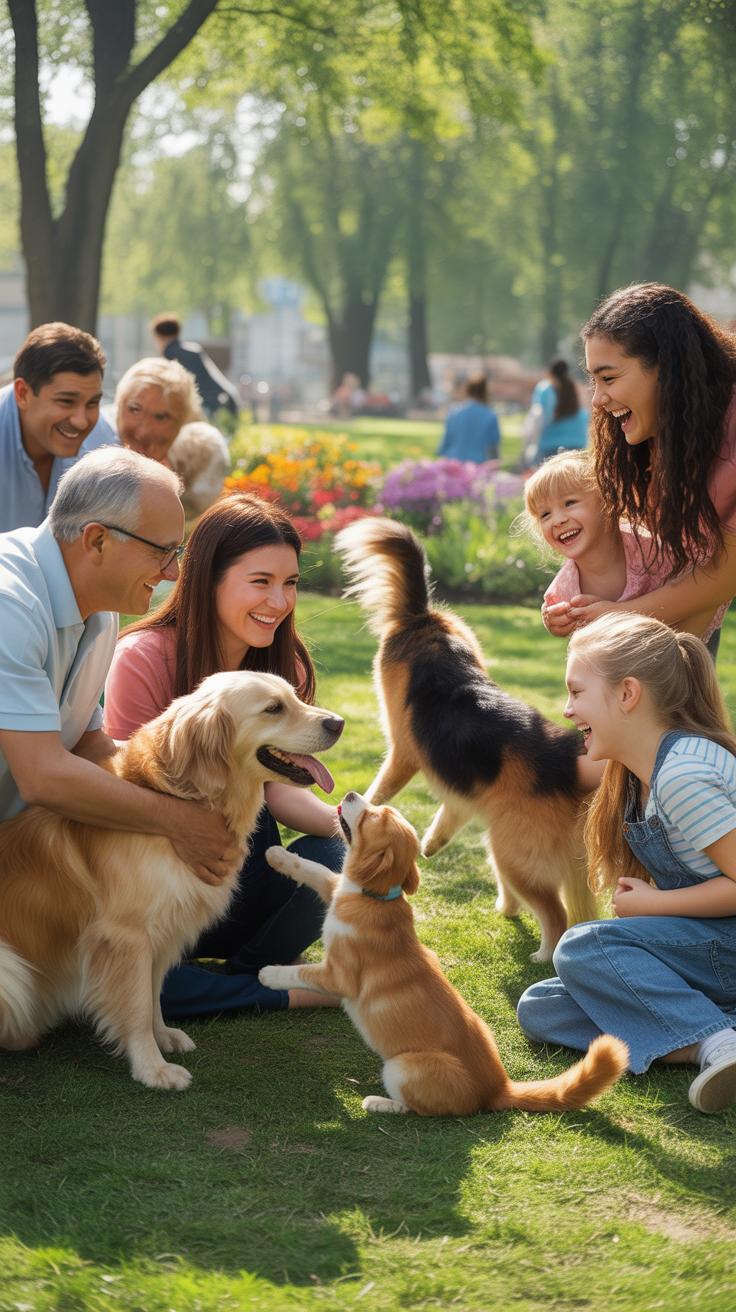
Why Dog Parks, Pet Cafes, And Animal Events Are Natural Spaces For Human Connection
Specific pet-centric environments remove common social barriers. These spaces provide a shared focus that eliminates the need for awkward icebreakers. Dog parks and pet cafes function as neutral ground where people possess an immediate, common interest. This shared context creates a psychological safety net. Individuals feel more comfortable initiating contact because the animal serves as a primary subject for low-stakes interaction.
Interaction in these venues often leads to recurring social contact. Regular visits to a dog park or animal event build familiarity between owners. This consistency transforms strangers into acquaintances over time. Group dynamics form naturally around pet schedules. These environments foster community by aligning people based on their routine care for animals. The physical layout of these spaces encourages lingering and verbal exchange among diverse groups.
How Walking A Dog Or Owning A Visible Pet Sparks Conversations And Builds Neighborhoods
Pets function as social lubricants in local neighborhoods. A person walking a dog is statistically more likely to be approached by others than a person walking alone. Passersby use the animal as a bridge to start a conversation. This effect increases the frequency of short, positive exchanges between neighbors. These brief interactions are the foundation of social capital within a residential area or building.

Visibility remains the key factor in building these human bonds. When people see the same pet and owner daily, it creates a sense of predictability and trust. This pattern recognition makes the owner appear more approachable and reliable. Research shows that pet owners know more neighbors than non-owners. This network reduces social isolation. Local pet ownership strengthens the neighborhood fabric by turning anonymous streets into active social nodes.
Training Tips For Couples And Families How Joint Pet Care Builds Teamwork
How Dividing Pet Care Responsibilities Teaches Cooperation And Mutual Accountability
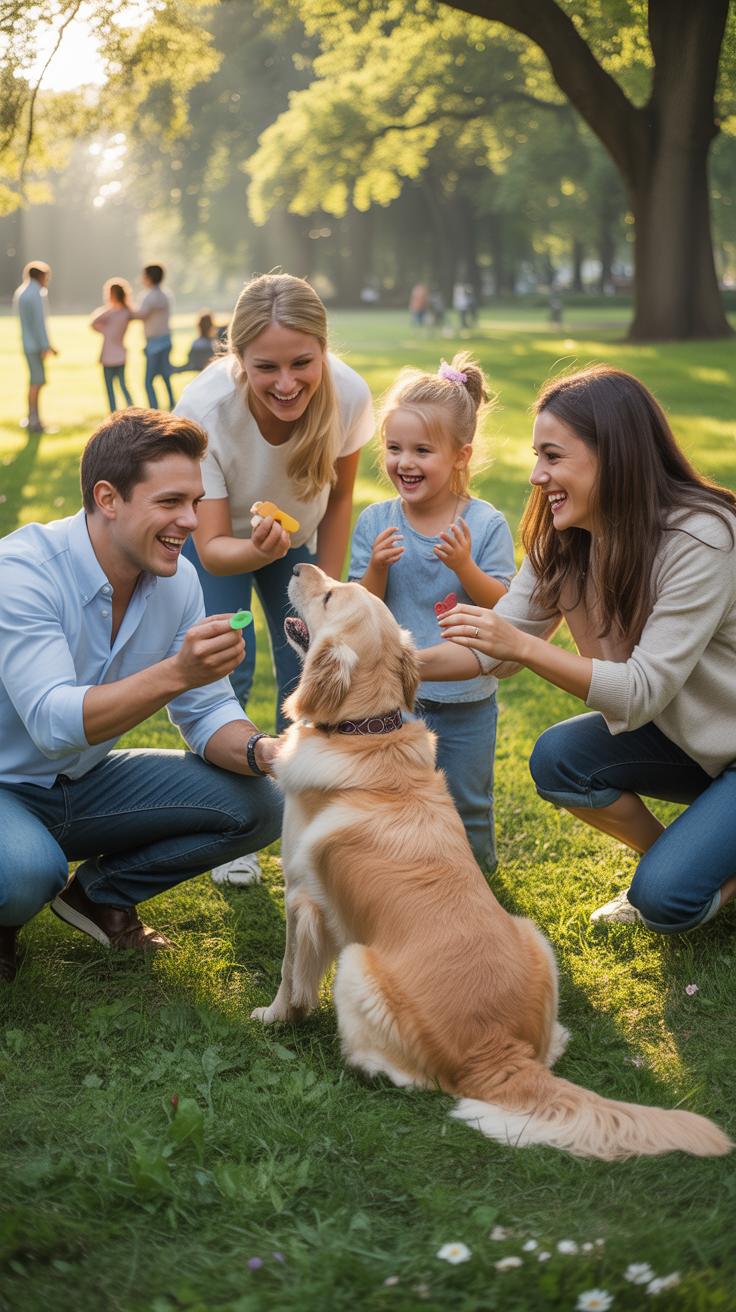
Pet care requires a strict schedule for feeding, exercise, and medical needs. Families must assign these duties to specific members to ensure the animal survives and thrives. This division of labor creates a system of mutual reliance. When one person fails, the entire unit feels the impact. This environment forces individuals to move beyond self-interest and focus on the collective goal of animal welfare.
Accountability improves when family members monitor each other without creating conflict. A shared digital calendar or a physical chart tracks completed tasks. This visibility prevents duplication of effort and ensures no tasks fall through the cracks. By maintaining this structure, couples and children learn to respect deadlines and commitments. These habits translate directly into better household management and improved interpersonal trust over the long term.
Why Training A Pet Together As A Couple Or Family Reinforces Trust And Communication
Successful animal training requires absolute consistency in commands, hand signals, and reward timing. If one person uses the word stay while another says wait, the dog becomes confused and the training fails. Couples must talk and agree on a unified set of rules before starting. This process demands clear communication and forces people to listen to each other to reach a tactical consensus.

Training sessions reveal how partners handle frustration and setbacks. When a pet refuses to obey, the family must solve the problem without blaming one another. This shared struggle builds emotional resilience and teaches patience. Watching a partner successfully teach a new skill increases respect for their abilities. These interactions create a feedback loop where success with the pet reinforces the strength of the human bond.
Pet Health Awareness Guide How Caring For A Pets Wellbeing Deepens Emotional Investment
How Monitoring Your Pets Physical Health Develops Nurturing Instincts That Extend To People
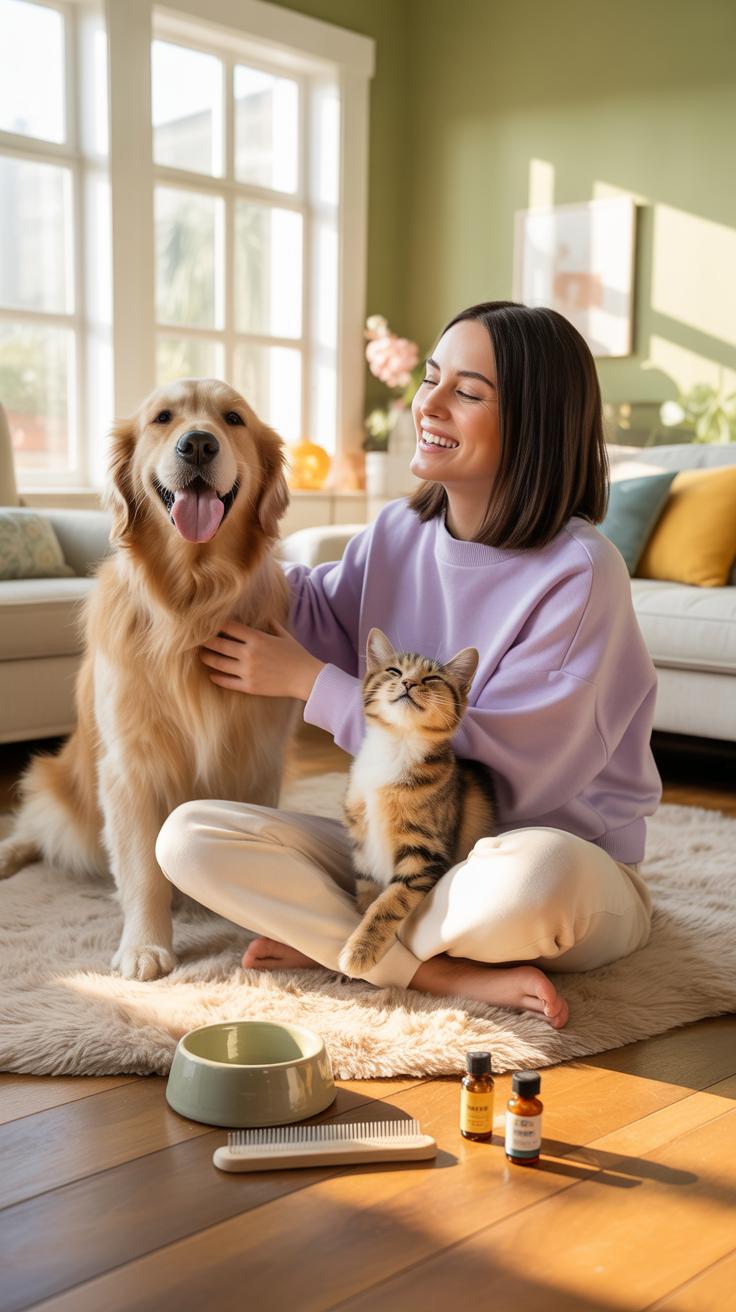
Monitoring a pet requires constant observation of non-verbal cues. Owners must track appetite, energy levels, and mobility to ensure survival. This vigilance builds a high level of sensory awareness. You learn to spot subtle changes in behavior before they become emergencies. This process trains the brain to prioritize the needs of a dependent. It forces you to move beyond self-interest.
These habits transfer directly to human relationships. High emotional intelligence depends on spotting small shifts in mood or health in others. Caring for a sick animal removes the luxury of being indifferent. It builds a foundation of proactive empathy. When you learn to anticipate a pet’s needs, you become more observant with people. This creates a cycle of care that strengthens every social bond.
Key Pet Health Milestones Every Owner Should Track To Build A Lifetime Of Responsible Care
Tracking health milestones forces owners to plan for the long term. It establishes a schedule of accountability that requires discipline and financial planning. These milestones serve as data points for the animal’s quality of life. Consistent tracking prevents small issues from turning into catastrophic failures. It transforms a casual pet owner into a dedicated caregiver who understands the value of preventative maintenance.
- Vaccination Schedules: Modern veterinary medicine relies on core vaccines to prevent rabies, distemper, and parvo. Keeping an accurate record ensures the animal stays protected from community-wide outbreaks. It also demonstrates a commitment to public health and safety standards within your neighborhood.
- Weight Management: Obesity leads to joint failure and organ stress in domestic animals. Owners must weigh their pets monthly to adjust caloric intake based on activity levels. Managing this metric requires self-control and dietary knowledge that reflects a high level of lifestyle discipline.
- Dental Cleanings: Periodontal disease causes systemic infections that trigger heart and kidney issues. Regular professional cleanings and home brushing routines prevent chronic pain for the animal. Taking care of dental hygiene shows an understanding that small habits prevent expensive and painful medical emergencies.
- Parasite Prevention: Fleas, ticks, and heartworms pose significant threats to animal and human health. Monthly preventative treatments are necessary to keep the home environment safe and sterile. Consistency in this task builds a routine of protection that benefits every member of the household.
- Senior Screenings: As pets age, bi-annual blood work becomes essential for detecting metabolic shifts. These screenings help manage cognitive decline and muscle atrophy early. Prioritizing senior care proves a commitment to the entire life cycle of a living being during its most vulnerable stage.
Consistent care routines build a shared history of resilience between people. When partners or families manage these milestones together, they learn to divide labor and resources. This logistics-based bonding creates a reliable support system. It proves that everyone can handle high-stakes responsibilities. Managing a pet’s health roadmap provides a clear template for how to care for aging parents or growing children.
Dog Health Care And Human Connection Why A Healthy Pet Creates A Happier Household
How Routine Vet Visits And Preventive Dog Health Care Bring Families Into Closer Coordination
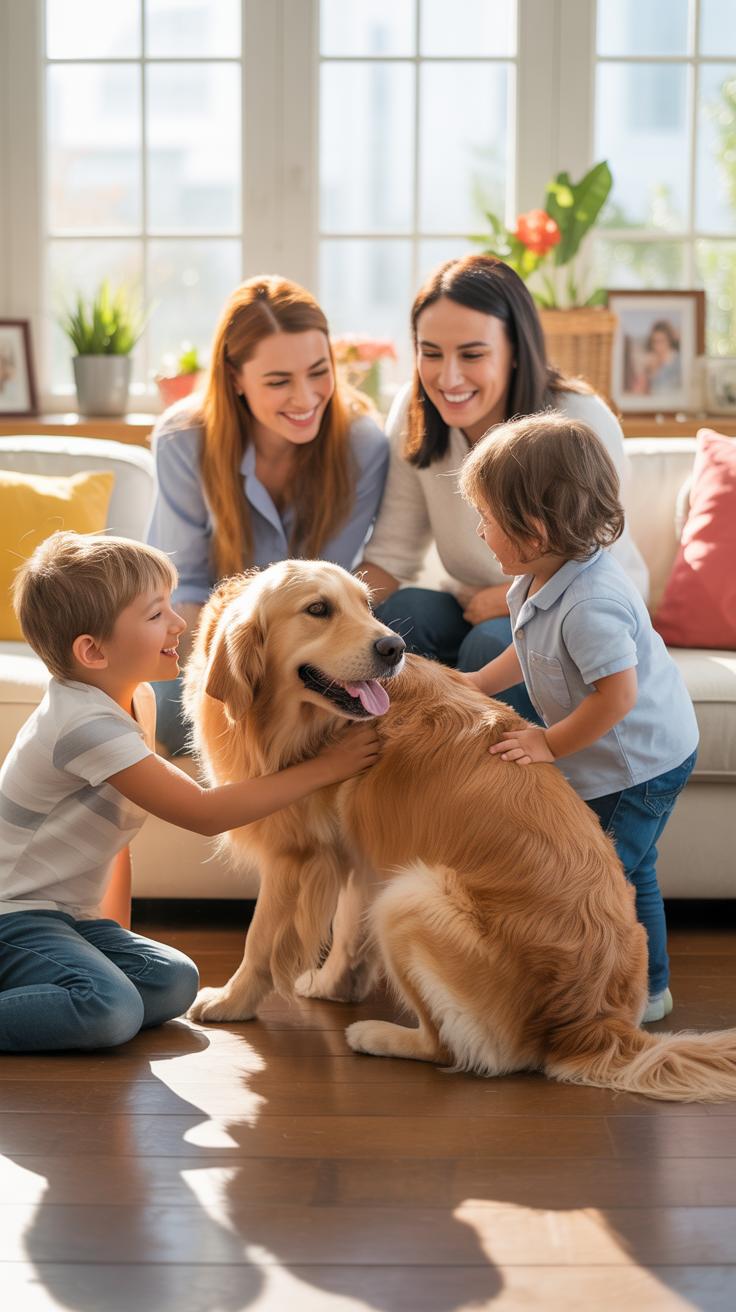
Routine veterinary care forces family members to share logistical duties. Owners must sync calendars for annual exams, vaccinations, and dental cleanings. This coordination requires clear communication and shared responsibility. Managing a dog’s health schedule creates a framework for teamwork within a home. High levels of organization around pet care often translate to better household management and improved interpersonal trust between humans.
Preventive care also reduces sudden financial and emotional stress. Following a strict flea, tick, and heartworm protocol prevents future crises. Families that agree on these health standards operate with a unified purpose. They prioritize the dog’s well-being over individual convenience. This shared commitment builds a stronger foundation. It ensures all members are working toward a common goal of pet longevity and household stability.
The Emotional Impact A Dog’S Health Journey Has On The Bonds Between Its Human Caregivers
Managing a dog’s chronic illness or recovery from surgery creates deep emotional ties between caregivers. Humans must rely on each other for medication timing and physical support of the animal. This shared vulnerability fosters empathy and patience. When partners or family members navigate a health crisis together, they learn to provide mutual support. They develop a unique resilience that strengthens their own relationship.
The success of a recovery process provides a shared sense of victory. Seeing a dog regain its health after a collective effort reinforces the value of the partnership. It validates the time and resources invested by the group. This experience creates lasting memories of cooperation under pressure. Caregivers who survive a pet health journey together often report higher levels of intimacy and a deeper understanding of each other.
Frequently Asked Questions

How do common pets help improve relationships between family members?
Animals act as a natural social lubricant, creating shared interests and positive experiences within a household. When families interact with a furry friend, they often engage in more playful, low-stress communication. Research shows how pets strengthen human bonds by lowering cortisol levels and encouraging empathy. These shared moments of joy and caretaking help bridge emotional gaps, allowing family members to connect more deeply through their mutual love for a companion animal.
What are some practical ways to use pet care to bond with a partner?
You can actively use your daily routine to improve your relationship by turning pet chores into collaborative activities. Try taking long evening walks together or attending a training class as a team. These shared responsibilities highlight how pets strengthen human bonds by fostering teamwork and reliability. By discussing your pet’s needs and celebrating their milestones, you and your partner develop better communication skills and a sense of shared purpose in your home.
Can I experience these social benefits if I cannot afford to own a pet?
Absolutely. You don’t need to be a full-time owner to enjoy the social perks of the human-animal bond. Volunteering at local shelters or offering to pet-sit for neighbors provides excellent opportunities to meet like-minded people in your community. Engaging with animals in public spaces, like dog parks or cat cafes, facilitates natural conversations and helps build new friendships, proving that the positive impact of animals is accessible regardless of your budget.