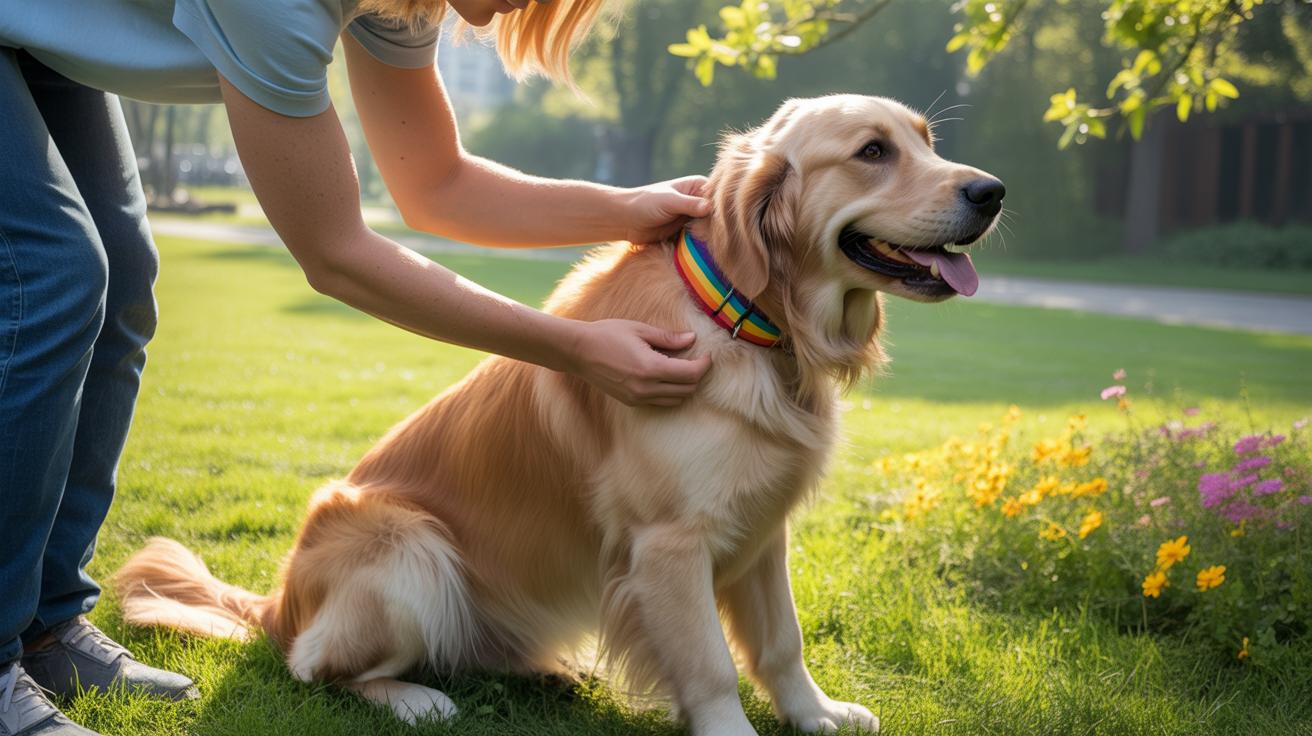
Understanding Why Proper Dog Collar Fit Matters For Every Dog
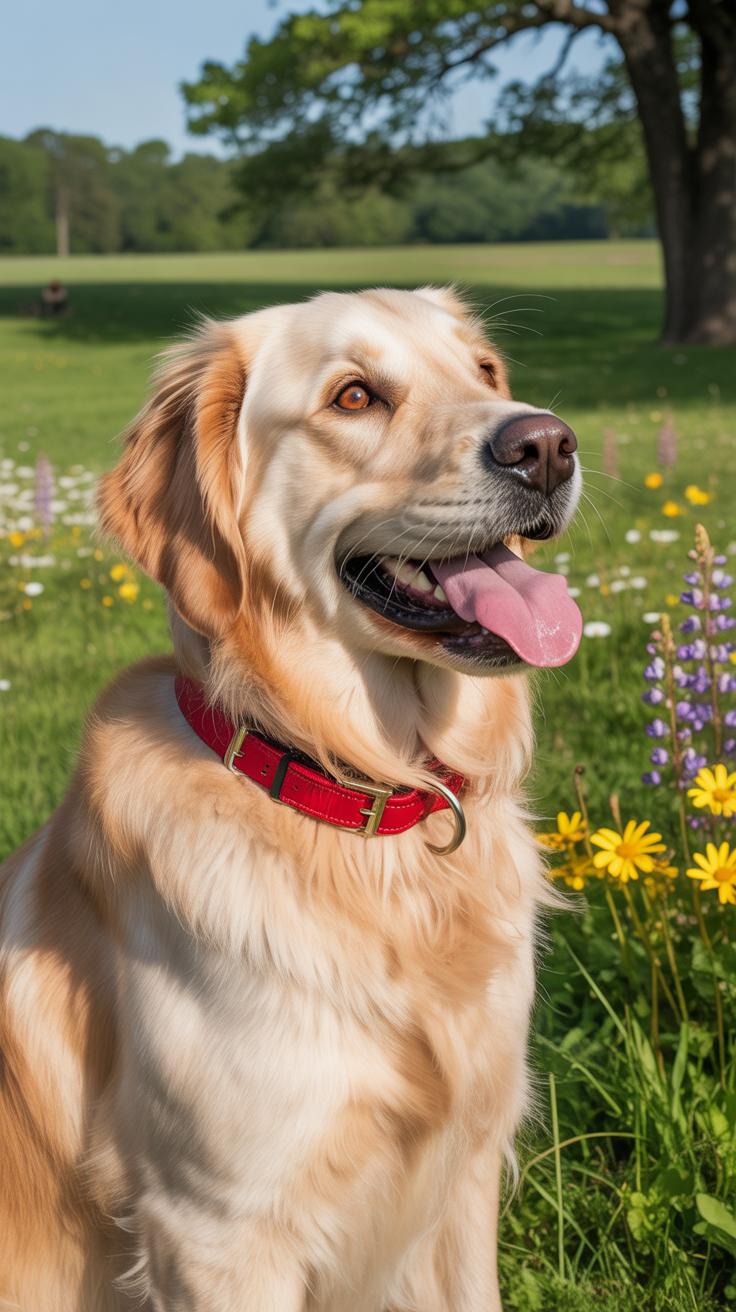
The Real Risks Of A Collar That Is Too Tight Or Too Loose
A collar that is too tight causes immediate physical harm. It restricts the airway and puts pressure on the trachea. This lead to chronic coughing or permanent throat damage. Excessive tightness also creates skin friction. This causes painful sores and hair loss around the neck. Constant pressure can restrict blood flow to the brain. This creates a serious medical emergency for any dog.
A loose collar creates different but equal dangers. A dog can easily back out of a loose collar during a walk. This leads to the dog running into traffic or getting lost. Loose collars also snag on branches, fences, or furniture. This poses a high risk of accidental strangulation if the dog becomes trapped. Proper tension prevents these mechanical failures. You must manage these risks through precise fitting techniques.
How A Well Fitted Collar Supports Daily Safety And Long Term Comfort
A well-fitted collar provides a secure attachment point for identification and leashes. This balance ensures the dog stays under control without suffering physical distress. Proper fit distributes pressure evenly across the strongest part of the neck. This prevents specific hot spots from forming on the skin. Accurate sizing allows the dog to move its head and neck naturally. Effective control starts with a stable and locked position.
Long-term comfort relies on maintaining the correct gap between the material and the skin. A stable collar does not slide up and down the neck. This reduces the risk of fungal infections caused by trapped moisture. It also prevents the metal hardware from banging against the jaw or chest. Consistent fit helps the dog ignore the collar entirely. This focus allows the animal to remain calm during daily training or exercise.

Choosing A Dog Collar Type That Suits Your DogS Breed And Lifestyle
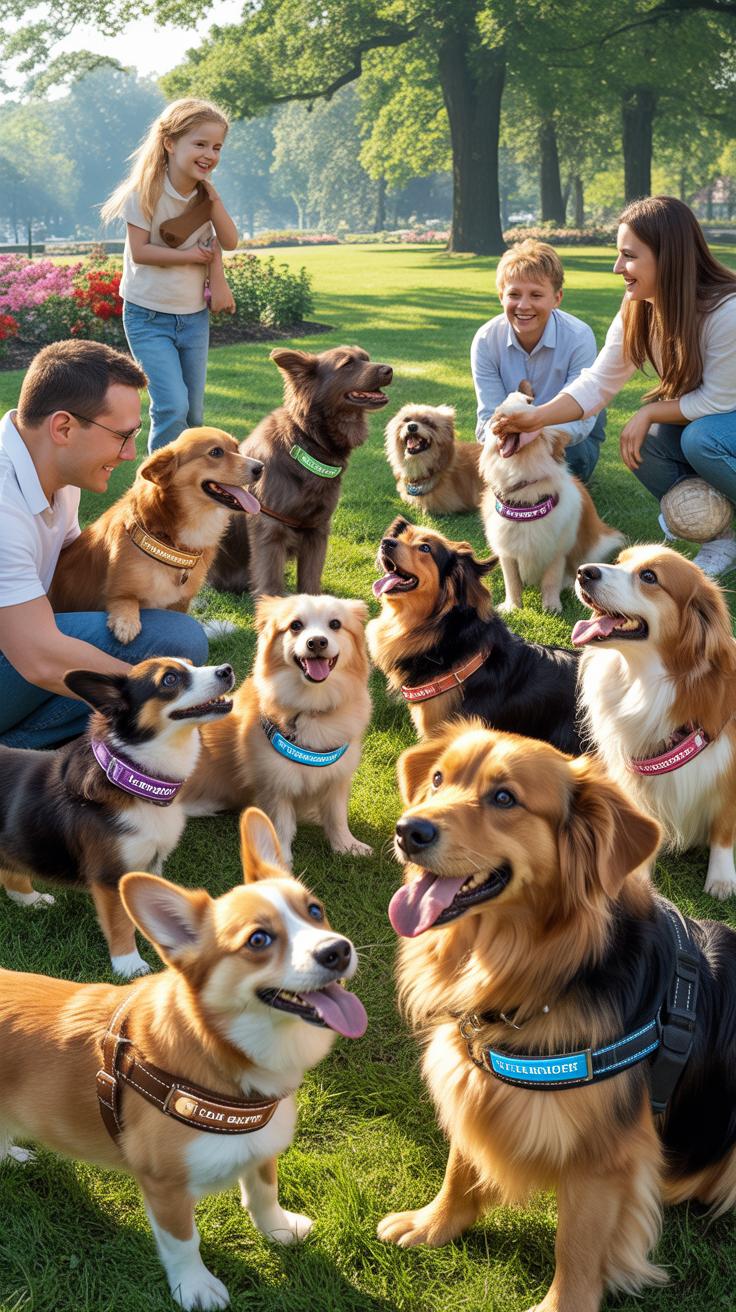
Flat Buckle, Snap, And Breakaway Collars: Which One Is Right For Everyday Use
Flat buckle collars use metal hardware similar to a belt. This design provides the highest level of security because the buckle does not fail under pressure. Nylon or leather materials offer durability for active dogs. Use this type for dogs that pull or for attaching heavy identification tags. It stays in place during high intensity movement and resist accidental release during walks.
Snap collars utilize plastic or metal side release buckles for quick removal. This design offers convenience for dogs that transition frequently between indoor and outdoor environments. Breakaway collars feature a specific safety mechanism that releases the tension if the collar catches on a fence or furniture. Choose breakaway models strictly for unsupervised play to prevent accidental strangulation. These designs prioritize safety over leash control.
Specialty Collars Including The Martingale Collar And When They Are Appropriate
Martingale collars use a limited slip design to prevent dogs from backing out of the hardware. This collar consists of a length of material with a metal ring at each end and a separate loop of fabric. It tightens slightly when the dog pulls but stops at a fixed point. This mechanical limit prevents choking while ensuring the dog cannot escape the collar.

Owners of sighthounds like Greyhounds or Whippets require Martingales because these breeds have necks wider than their heads. Standard flat collars slide off these breeds easily. Use specialty collars for training sessions where precise communication is necessary. Ensure the loop tension is set correctly to avoid constant pressure on the trachea. Tighten the adjustment only enough to prevent the collar from slipping over the ears.
How To Choose Dog Collar Size Using Accurate Neck Measurements
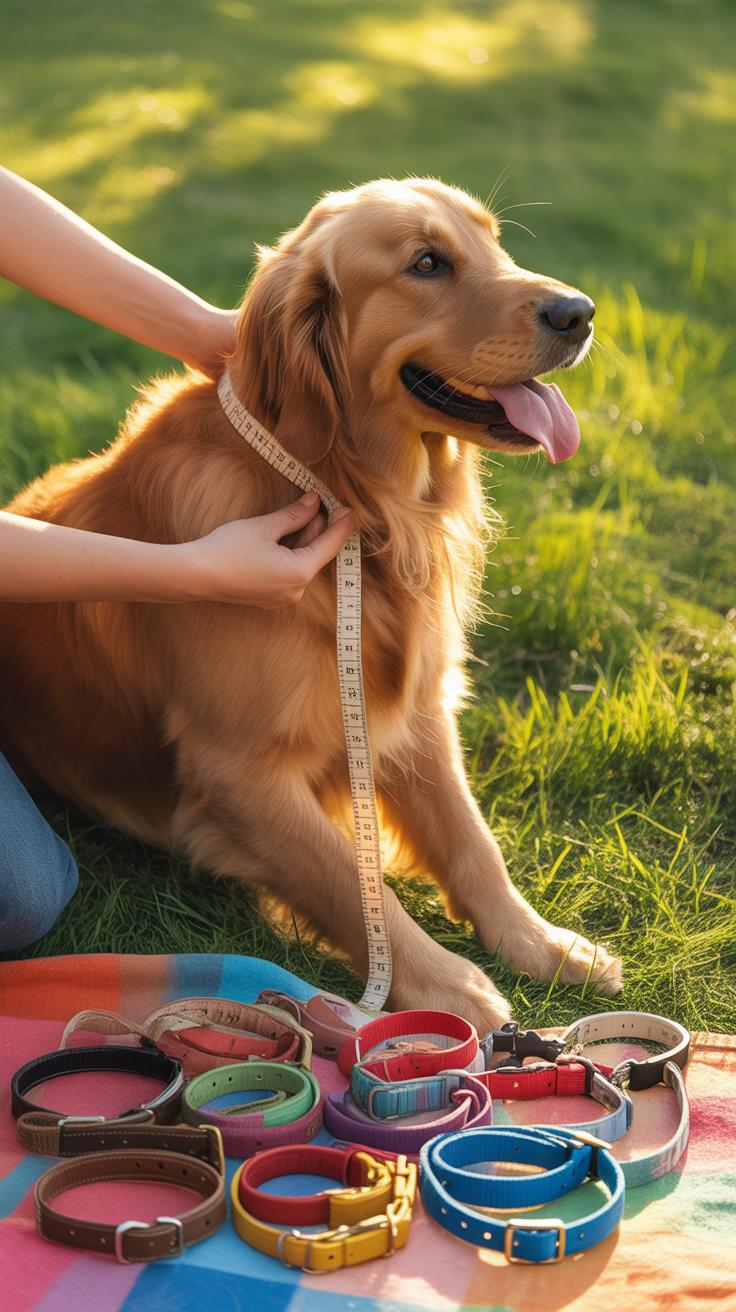
How To Measure Your Dogs Neck Correctly Before Buying A Collar
Precise measurement prevents injury and escaped dogs. You must measure the neck where the collar will naturally sit. This is usually the middle of the neck. Use a flexible fabric measuring tape for accuracy. Do not guess based on breed or weight. Every dog has unique proportions regardless of its pedigree. Get the dog to stand still before you begin the process.
- Flexible Measuring Tape: Use a soft vinyl or fabric tape measure. This tool contours to the neck shape better than a stiff metal ruler. It provides a true circumference reading without gaps or sharp edges.
- The Base Position: Locate the widest part of the neck near the shoulders. For standard collars, measure the midpoint between the head and the shoulders. This placement ensures the weight of the collar distributes evenly across the cervical vertebrae.
- Snugness Check: Pull the tape measure tight enough to touch the fur but do not compress the skin. You want the actual diameter of the neck without any added slack. You will add the necessary clearance during the final sizing step.
- The String Method: Use a piece of non-stretch string if you lack a flexible tape. Wrap the string around the neck and mark the meeting point. Lay the string flat against a hard ruler to find the exact inch count.
- Consistent Posture: Ensure your dog stands on all four legs during the measurement. Sitting or lying down changes the neck tension and skin folds. Measurements taken while a dog reclines often result in collars that are far too loose.
Add two inches to your final measurement for medium and large dogs. Small breeds only require an extra inch for a safe fit. This extra space allows for breathing and movement. This technique creates the standard gap needed for safety. Always record the number in inches and centimeters. Most manufacturers use both units on their packaging. Double check your math before purchasing.
Two fingers tucked beneath the collar is a simple promise of safety and a snug embrace. It is the gentle measure that ensures every walk feels as free and secure as a childhood summer.
Understanding Collar Size Charts And What The Numbers Actually Mean
Manufacturers list collar sizes based on the length of the leather or nylon strap. A size medium might cover neck sizes from fourteen to twenty inches. The first number represents the tightest hole or setting. The second number represents the maximum capacity. Never buy a collar if your dogs neck measurement matches the very last hole. This leaves no room for growth or weight changes.
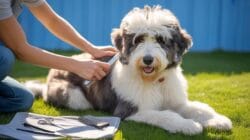
Choose a collar where your dogs measurement falls in the middle of the range. This provides three holes of adjustability in either direction. If your dog measures eighteen inches, buy a collar that spans sixteen to twenty-two inches. This gives you the most control over the fit. High quality gear uses standard increments to ensure consistency. Always check the width of the strap alongside the length.
The Two Finger Rule And Other Practical Methods For Fitting A Dog Collar
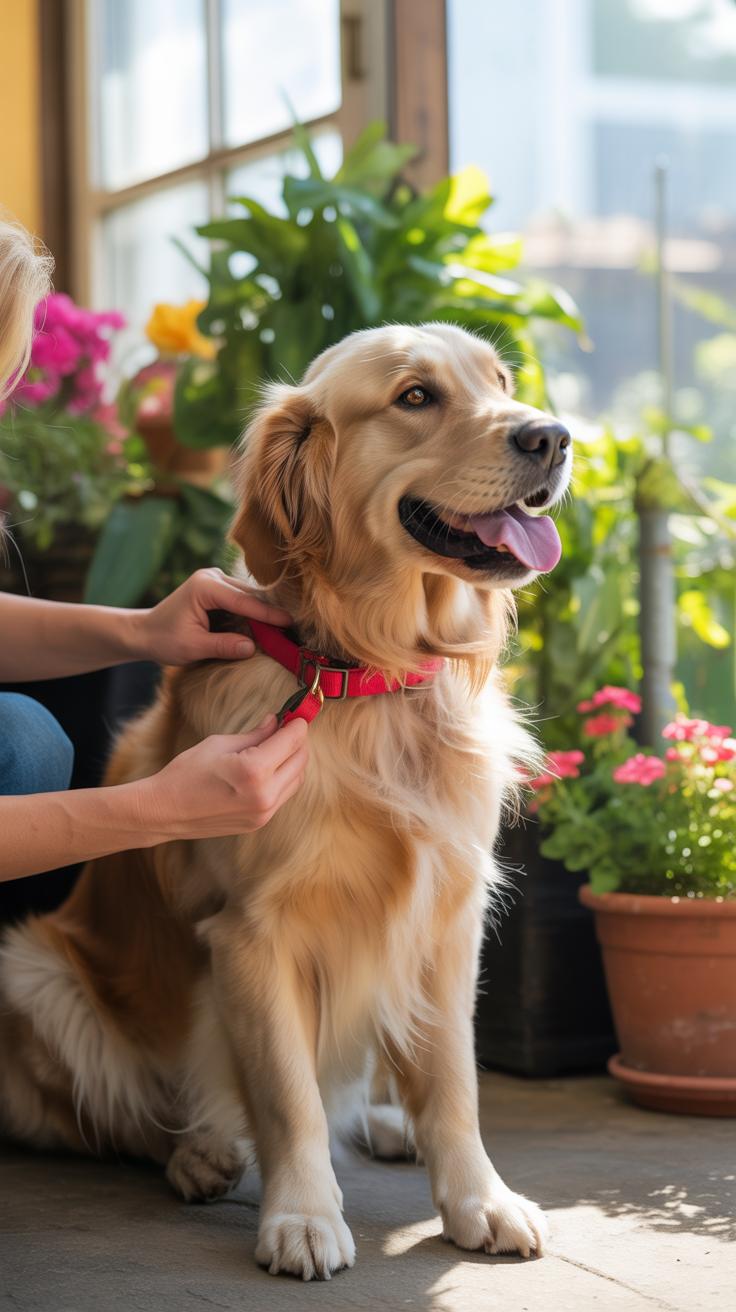
What The Two Finger Rule Is And How To Apply It Reliably
The two-finger rule is the industry standard for securing a flat collar. Slide your index and middle fingers between the collar material and the dog’s neck. Your fingers should fit snugly without forcing them under the strap. If you can fit three fingers, the collar is too loose and poses a flight risk. One finger indicates the collar is dangerously tight.
Apply this test while the dog stands in a neutral position. Check the fit at the narrowest part of the neck just behind the ears and at the base where the collar rests. Tightness changes when a dog sits or lies down. Ensure the collar cannot slip over the head when pulled forward. This simple check prevents tracheal damage while maintaining necessary security.
Checking Collar Fit Across Different Body Types, Coat Thicknesses, And Breeds
Thick-coated breeds like Huskies or Golden Retrievers require tactical fitting. You must part the fur and place your fingers against the actual skin. Fur creates a false sense of tightness. A collar sitting on top of a dense coat will slide off as soon as the dog pulls. Check the fit frequently as shedding season changes the neck circumference of double-coated breeds.

Sighthounds and narrow-headed breeds require a different strategic approach. Breeds like Greyhounds have necks wider than their heads. The standard two-finger rule often fails here because the collar slips off easily. Use a limited-slip or Martingale collar for these specific body types. This ensures the gear stays secure without choking the animal. Always prioritize the specific geometry of the breed over general rules.
Choosing The Right Dog Collar Material For Comfort Durability And Skin Health
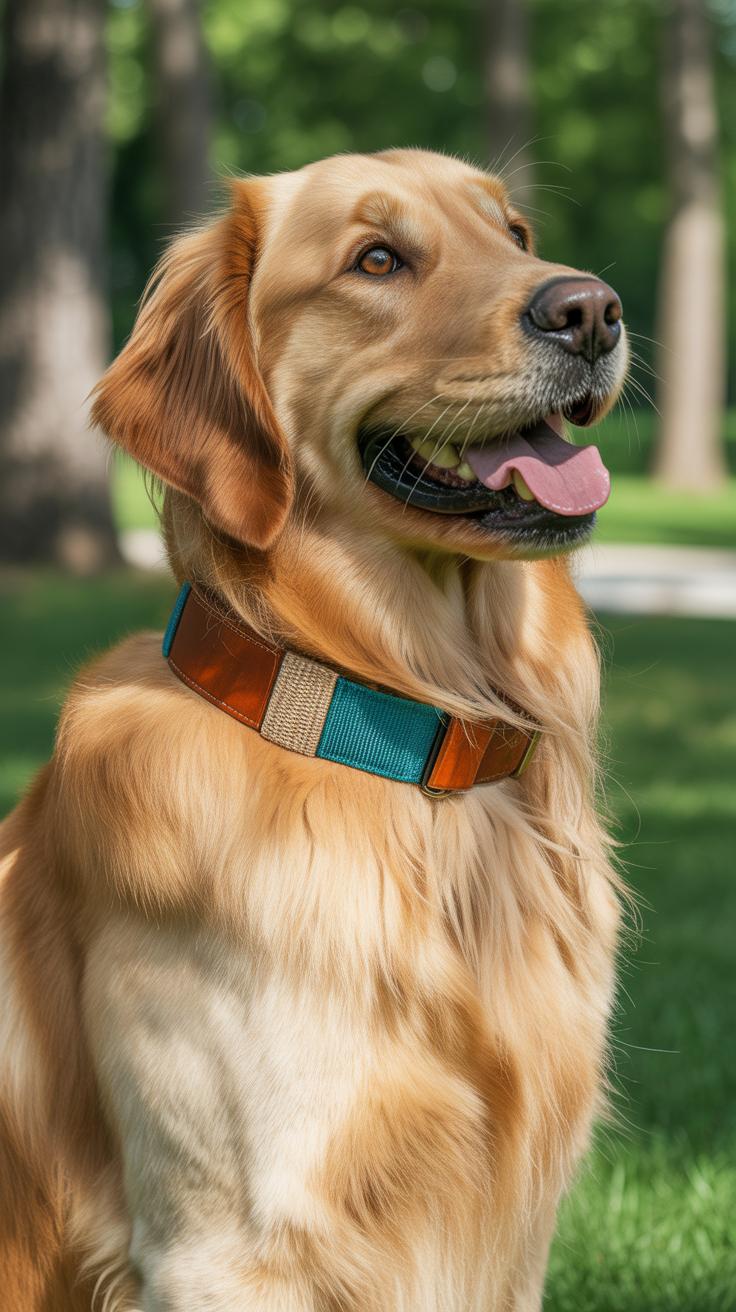
Nylon, Leather, Biothane, And Fabric: How Each Material Affects Fit And Feel
Nylon webbing offers high tensile strength and affordability. It remains the industry standard for general use. However, nylon stretches when wet and shrinks as it dries. This change alters the fit against the dog neck. You must check the tightness after every water activity. Rigid nylon can also create friction points if the collar is not perfectly smooth on the inside.
Leather provides superior durability and molds to the dog over time. It offers a custom fit as it softens with body heat. Biothane serves as a synthetic alternative to leather. It consists of polyester webbing with a TPU or PVC coating. Biothane is waterproof and does not stretch. Fabric collars use cotton or polyester blends. These materials prioritize comfort but lack the structural integrity for heavy pulling.
Identifying Collar Materials That May Cause Skin Irritation Or Fur Matting
Rough nylon edges often cause mechanical friction. This leads to redness and hair loss around the neck area. Dirty collars harbor bacteria and fungi that trigger contact dermatitis. Porous materials like nylon and cotton trap moisture against the skin. This constant dampness softens the dermis and increases infection risks. You must clean these materials weekly to maintain a healthy skin barrier.

Metal hardware containing nickel often causes allergic reactions in certain breeds. Use stainless steel or brass to avoid this issue. Flat collars with high friction coefficients cause fur matting in long-haired dogs. The material grips the hair shafts and twists them during movement. Rolled leather collars eliminate this problem. Their circular cross-section allows the collar to glide over the coat without catching or tangling the individual hairs.
A Practical Dog Collar Buying Guide What To Look For Before You Purchase
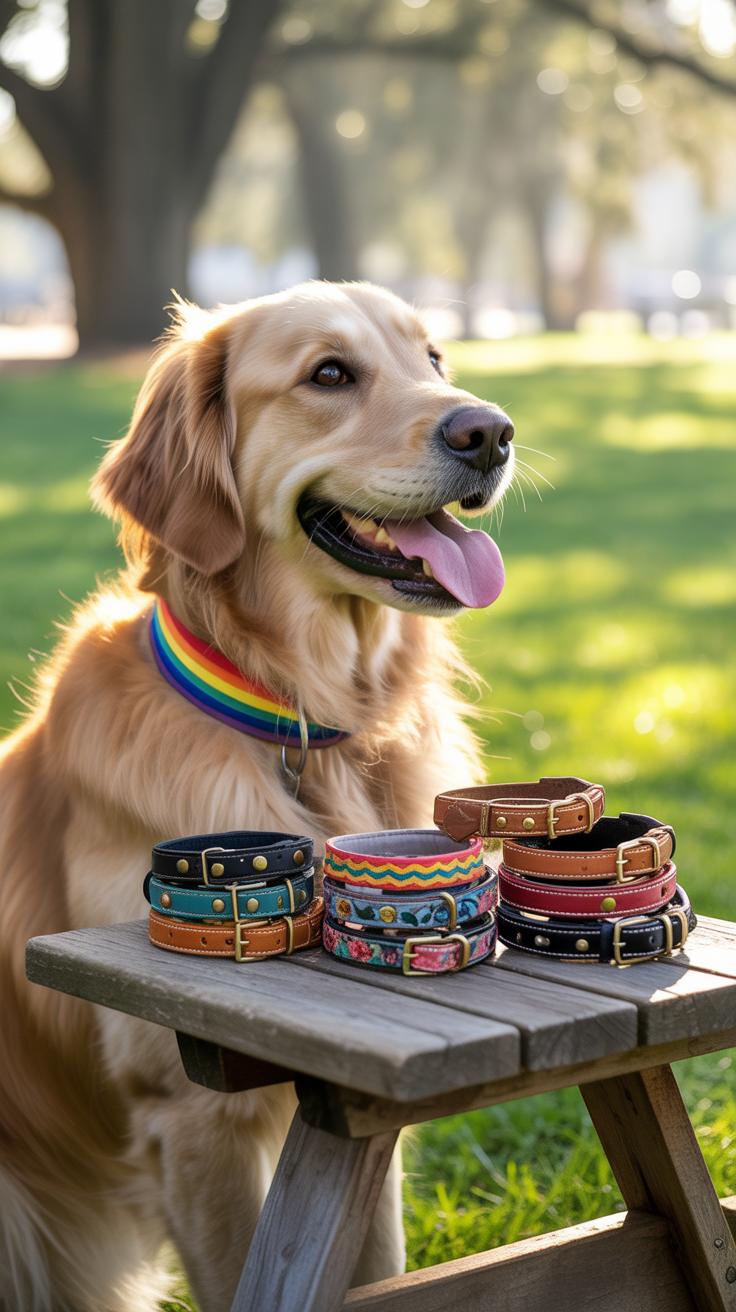
Key Features To Evaluate Including Hardware, Width, And Adjustability
Standard collar designs rely on material strength and fastener reliability to ensure animal safety. You must select a width that distributes pressure across the neck without restricting movement or breathing. Narrow collars concentrate force and can damage the trachea under tension. Wide collars provide better support for large breeds but may heavy for smaller dogs. Heavy duty hardware prevents mechanical failure during sudden lunges or pulls.
- Metal Buckles: Solid brass or stainless steel hardware offers maximum durability. These materials resist rust and do not crack like plastic when subjected to extreme cold or high force. Always check that the buckle tongue fits snugly into the grommets to prevent accidental release.
- Tensile Width: Proper width matches the dog size to disperse pressure. Sight hounds require wider collars to protect sensitive necks. Working breeds need thick materials that do not stretch or warp under heavy loads. Ensure the width does not impede head tilting or natural rotation.
- Adjustment Points: Select a collar with multiple pre-punched holes or a smooth sliding tri-glide for precise sizing. A collar that falls between sizes creates a safety risk. Finely spaced adjustment points allow you to maintain the two-finger rule as the dog grows or loses seasonal coat weight.
- D-Ring Strength: The D-ring serves as the primary attachment point for the lead. It must be welded or cast as a single piece to prevent opening. Stamped rings often fail under pressure. Inspect the stitching or rivets holding the D-ring to the collar body for reinforced construction.
- Material Texture: Smooth nylon or soft leather prevents friction burns on the skin. Rough edges or exposed stitching cause irritation and fur breakage over time. High quality materials maintain their shape and do not become brittle after getting wet or sitting in direct sunlight for long periods.
Hardware finish and material density determine the lifespan of the equipment. Look for box stitching at stress points near the buckle and D-ring. This pattern reinforces the assembly and prevents the material from tearing. Avoid collars with glued components or single line stitching. Tactical grade webbing or vegetable tanned leather provides the best long term performance for active dogs in various environments.
Common Buying Mistakes That Lead To Poor Fit And How To Avoid Them
Owners often buy collars based on the dog weight instead of actual neck measurements. A heavy collar can strain a neck even if the dog meets the weight range. You must measure the circumference of the neck at the narrowest point behind the ears and the widest point at the base. Buying for aesthetic appeal over mechanical function leads to equipment failure and potential escapes.

Do not ignore the stretch factor of cheap nylon materials. These fabrics expand when wet or worn frequently which creates a loose fit. A loose collar allows a dog to back out or catch the gear on external objects. Check the fit every week to ensure the buckle has not shifted. Replace any gear showing frayed edges or bent metal components immediately to maintain a secure and safe fit.
How To Adjust And Re Check Your DogS Collar Fit As They Grow Or Change Weight
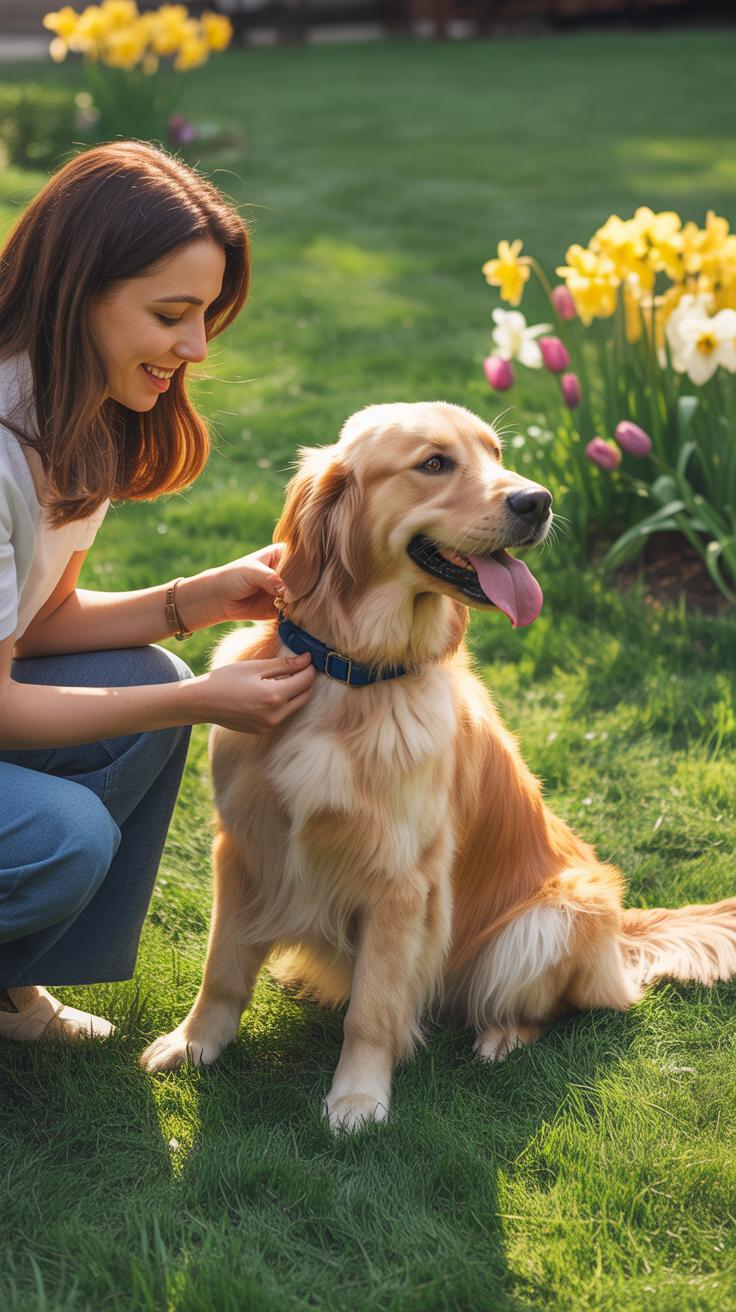
When And How Often You Should Be Re Measuring Your Dog’S Neck
Growth and weight fluctuations change neck morphology rapidly. Puppies require weekly checks because their skeletal structure expands daily. Adult dogs need a fit assessment every month. Seasonal coat changes also impact measurements. A thick winter coat creates a false sense of security while a shed summer coat leaves the collar dangerously loose. Consistent monitoring prevents accidental escapes and physical neck injuries.
Use a soft measuring tape for precision results. Measure the thickest part of the neck and the base of the skull. Record these numbers to track long term trends. If your dog gains or loses five percent of its body weight you must re-adjust the hardware immediately. Do not wait for a visual cue. Manual testing remains the only way to ensure the collar stays safe.
Signs That Your Dog’S Current Collar No Longer Fits And Needs Replacing
Physical indicators often signal a poor fit before the dog acts out. Look for deep indentations or matted fur around the neck line. Redness and skin irritation suggest the material is too tight or creates excessive friction. If the dog constantly scratches at the hardware the fit is likely wrong. A collar that rotates too easily or slips over the ears is a major safety failure.
Material fatigue also dictates replacement needs. Inspect nylon for fraying and leather for cracking or stretching. Stretched holes in a buckle collar mean the fit is now inconsistent. If the plastic clips feel brittle or the metal tongue is bent the integrity is gone. A compromised collar will snap under tension during a walk. Replace any gear that shows structural wear to ensure total dog security.
Advanced Dog Collar Guide Going Beyond The Basics For Multi Dog Households And Working Dogs
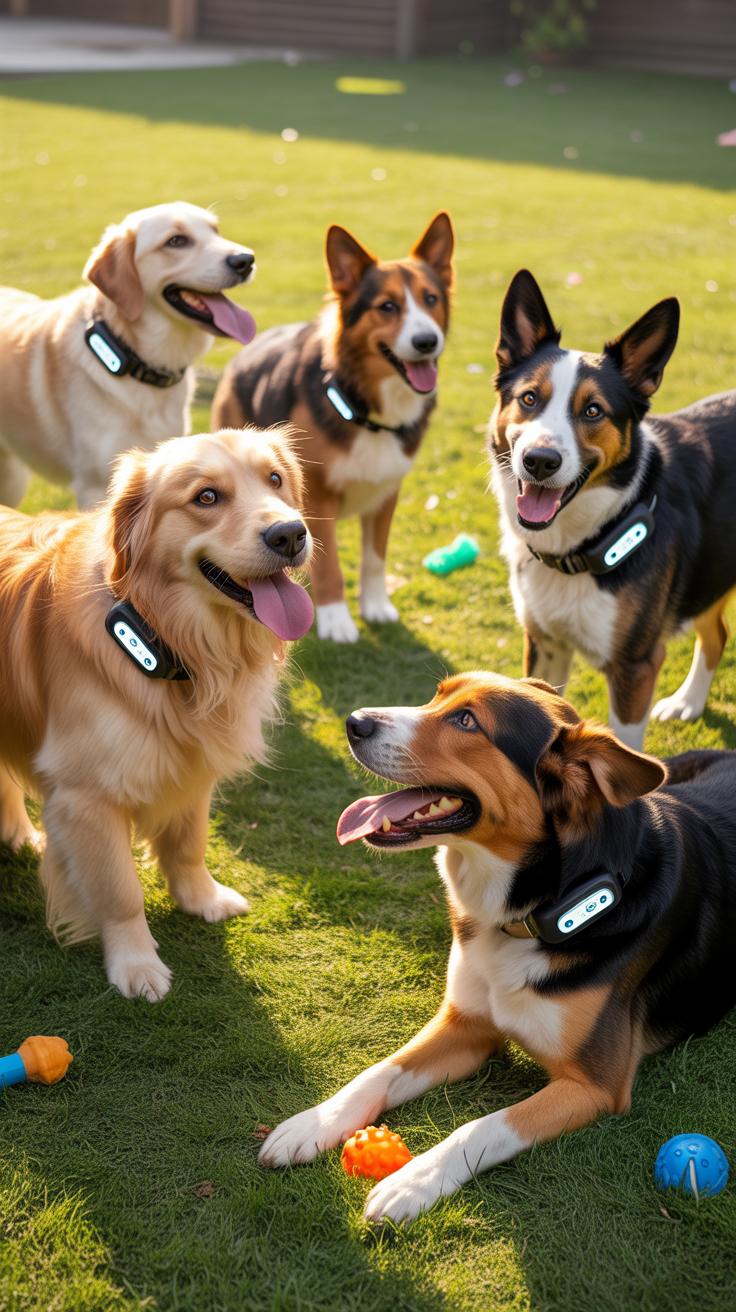
Fitting Collars On Puppies Senior Dogs And Breeds With Unique Neck Conformations
Puppies require weekly collar adjustments to prevent skin embedding as they grow. Check the fit every seven days without exception. Use lightweight nylon materials to reduce neck strain on developing muscles. For senior dogs, skin elasticity decreases and tracheal sensitivity increases. Loosen the fit slightly compared to adult standards. Monitor for fur loss or redness around the neck area daily.
Sighthounds like Greyhounds have heads narrower than their necks. Standard buckle collars will slip off during a backing motion. Use a limited slip martingale collar to solve this specific mechanical problem. Brachycephalic breeds have restricted airways and should never wear tight collars. Ensure you can fit two fingers easily under the strap to avoid placing any unnecessary pressure on the windpipe.
Combining Collar Use With Harnesses And ID Tags Without Compromising Fit
Layering equipment requires careful placement to avoid chafing. Position the collar higher on the neck when using a rear clip harness. This prevents the harness straps from pushing the collar into the jawline. Ensure the harness does not sit over the collar buckle. Misalignment causes pressure points that damage the skin. Check that the lead attaches to only one D ring at a time.

ID tags must hang freely without getting caught in harness hardware. Use small split rings to keep tags close to the collar strap. Long dangling tags create a snag hazard in brush or crates. For working dogs, use flat brass nameplates riveted directly to the collar. This removes noise and prevents the tag from becoming a mechanical wedge during heavy activity or movement.
Frequently Asked Questions

Why is it so important to ensure my dog’s collar fits properly?
Ensuring your pet’s safety starts with fitting dog collar correctly to prevent accidental escapes or physical injury. A collar that is too loose can easily slip over a dog’s head during walks, while one that is too tight can cause skin irritation, hair loss, and even breathing difficulties. A snug, comfortable fit provides peace of mind, knowing your dog is secure and comfortable throughout their daily adventures.
How can I tell if my dog’s collar is too tight or too loose?
The most reliable method for fitting dog collar correctly is the “two-finger rule.” Once the collar is buckled, you should be able to comfortably slide two fingers between the strap and your dog’s neck. If you can fit more than two fingers, it is likely too loose and could slip off. If you struggle to squeeze your fingers underneath, it is too tight and needs immediate adjustment for your pet’s comfort.
Do I need to buy an expensive designer collar to ensure my dog is safe?
Not at all! Safety and comfort depend entirely on the fit and the quality of the materials rather than the price tag or brand name. Many affordable nylon or soft leather collars offer excellent durability and adjustability. The most important factor is regularly checking the hardware for wear and tear and re-measuring your dog’s neck periodically, especially if they are still growing or have a thick winter coat.