Understanding Cat Stimulation And Why Indoor Cats Need It

How A Cat’S Natural Instincts Drive The Need For Mental Engagement
Domestic cats share 95 percent of their DNA with wild tigers. Evolution built them for a high-intensity hunt-eat-sleep cycle. In the wild, survival requires constant problem solving and territorial patrol. They must track movement and calculate jump distances to catch prey. These predatory drives do not vanish because a cat lives indoors. They remain hardwired into the feline nervous system and demand a functional outlet.
Indoor environments often lack the sensory complexity found in nature. A static home creates a sterile environment that fails to trigger hunting instincts. Without tasks like stalking or searching for food, the cat’s brain becomes underactive. You must replace the biological pursuit of prey with tactical play and environmental puzzles. This approach satisfies the feline need for mastery over their surroundings. It transitions the cat from a passive observer to an active predator.
The Physical And Behavioral Signs That Your Cat Is Bored
Boredom in cats manifests through specific, destructive behaviors. You will notice over-grooming where the cat licks its skin raw due to stress. Excessive vocalization and nighttime pacing indicate high levels of pent-up energy. Some cats will sleep more than eighteen hours a day to escape a lack of stimulation. You must interpret these actions as a failure of the current environment. They are not personality flaws but clear distress signals.
Look for signs of redirected aggression toward humans or other pets. A bored cat often attacks furniture or knocks items off shelves to elicit a reaction. These actions provide the instant feedback and dopamine hits the cat lacks. Changes in eating habits or litter box avoidance also signal a mental health decline. You must intervene when these patterns emerge. Identifying these signs early prevents long-term health issues and costly damage to your home.

Top Cat Stimulation Ideas You Can Start Using Today
Interactive Play Sessions That Mimic Natural Hunting Behavior
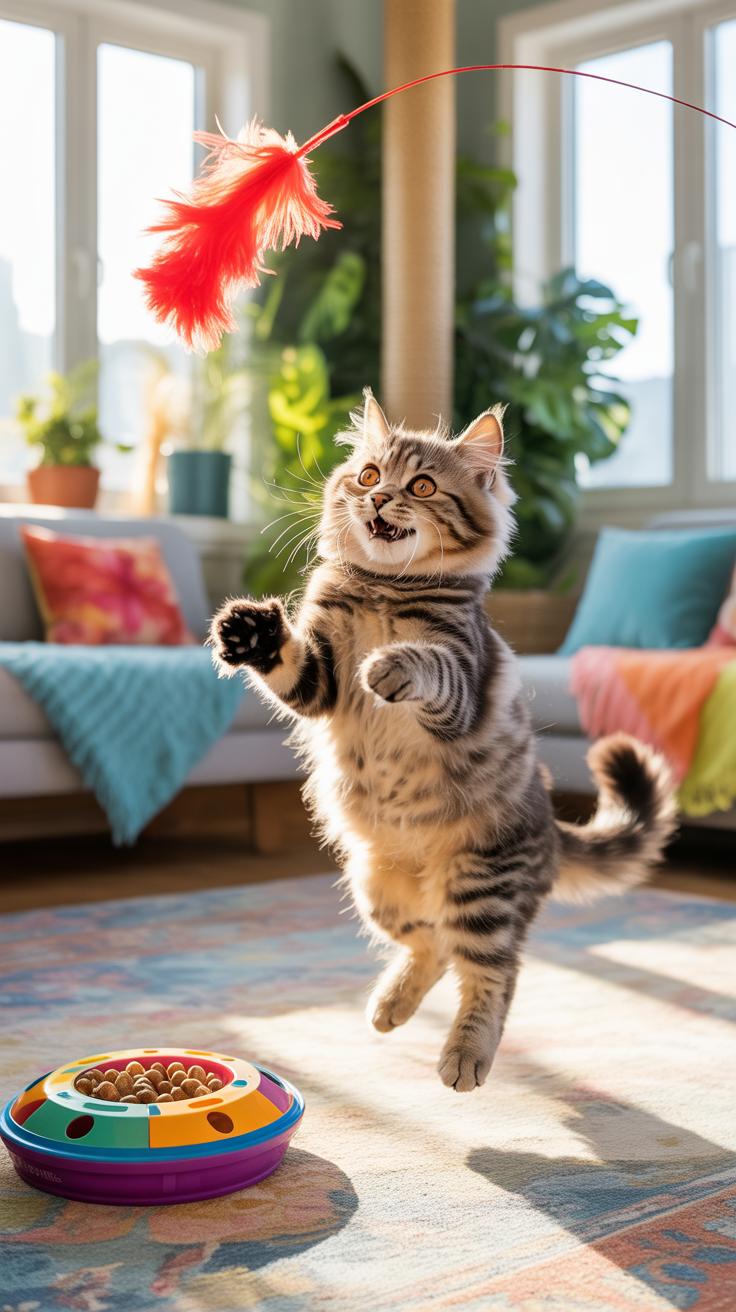
Domestic cats retain the predatory drive of their wild ancestors. You must direct this energy toward structured play to prevent behavioral issues. Use wand toys to replicate the movement of birds or rodents. Move the toy away from the cat rather than toward it. This triggers the chase response. High intensity sessions should last ten to fifteen minutes for maximum physical exertion.
Successful hunting involves more than just a chase. Allow the cat to catch the target frequently to avoid frustration. End every session with a physical capture of the toy. This provides a sense of completion in the predatory cycle. Proper play reduces stress and lowers the risk of obesity. Consistent daily routines keep the cat sharp and prevent the destructive habits often caused by boredom.
A home is not a cage when every corner holds a new mystery for a curious mind to solve. Transform your shared space into a world of wonder where every toy is a spark for your cat’s wild soul.
How Puzzle Feeders And Food Toys Engage A Cats Problem Solving Skills
In the wild cats spend most of their awake hours searching for food. Standard bowls remove this natural challenge and lead to mental stagnation. Puzzle feeders force cats to use their paws and snout to extract kibble. This mimics the foraging process and provides mental stimulation. Cats must analyze the mechanism to reach the reward. This burns mental energy and slows down eating.

Start with simple feeders to build the cat’s confidence. Gradually increase the difficulty as their dexterity improves. Stationary boards with cups and pegs work well for beginners. Advanced cylinders require the cat to roll the device for a reward. Foraging toys capitalize on the cat’s inherent curiosity and problem solving skills. Use these tools daily to turn mealtime into a productive brain workout for your pet.
Cat Enrichment Ideas That Transform Your Home Environment

Setting Up Vertical Space With Cat Trees, Shelves, And Perches
Cats are natural climbers. Their ancestors lived in trees to hunt and stay safe. Domestic cats still have this drive. Vertical space expands a small room. It gives the cat more territory without changing the floor plan. High spots let cats survey the area. This reduces stress in multi-pet homes. You must provide sturdy climbing options to stop cats from jumping on hazardous furniture.
Select wood or heavy-duty carpet materials for stability. Anchor wall shelves into wall studs to prevent falls. Place perches near high-traffic areas so the cat can watch safely. Use staggered heights to create a clear path. This mimics natural rocky outcrops or branches. Stable platforms allow the cat to leap with confidence. Good design uses vertical space to solve behavioral issues like hiding or anxiety.
Creating A Window Watch Station To Stimulate Your Cats Senses
Windows provide visual enrichment. This is often called cat TV. Movement outside engages the predatory drive. Birds and squirrels offer high-contrast movement. This keeps the brain active while the body rests. A window view prevents the lethargy common in indoor pets. Position a perch or cat tree directly at eye level with the glass. This simple move provides hours of mental work.

External factors improve the station. Place a bird feeder outside the glass to increase activity. Ensure the window is secure to prevent accidents. Use solar film if the sun gets too hot. A soft mat on the sill adds comfort. This setup exploits the natural curiosity of the feline species. It is the most cost-effective way to provide daily mental stimulation without human effort.
Cat Enrichment Through Scent Sound And Sensory Play

Using Catnip, Silver Vine, And Safe Herbs To Engage Your Cat’S Sense Of Smell
Cat olfactory receptors are far more powerful than human ones. You must utilize scent to trigger natural hunting behaviors. Catnip contains nepetalactone which targets the feline brain. Not all cats respond to it due to genetics. Silver vine serves as a potent alternative. It contains actinidine and dihydroactinidiolide. These compounds often elicit a stronger reaction than catnip. Use these substances on scratchers or toys.
Strategic scent rotation prevents sensory habituation. You should introduce safe herbs like valerian root or dried honeysuckle. Spread these scents in specific zones to encourage exploration. Place a small amount of herb inside a knotted sock. This creates a low-cost scent lure. Scent enrichment reduces stress by providing a mental outlet. It shifts the cat from a bored state to an active state.
How Ambient Sounds And Cat Specific Videos Provide Passive Stimulation
Passive stimulation fills the silence of an empty home. High-frequency sounds or bird calls mimic natural prey. Research shows that cats prefer music with a tempo similar to purring. Use specific audio tracks designed for felines. These sounds mask loud outside noises that cause anxiety. Consistent background audio creates a predictable environment. It helps the cat feel secure while you are away.

Visual stimulation via screens provides a digital hunting experience. High-contrast videos of birds and rodents capture a cat’s focus. The rapid movement triggers the predatory drive. You must limit screen time to prevent frustration. Cats cannot catch the digital prey. Follow screen sessions with a physical toy to complete the hunt cycle. This prevents the cat from becoming agitated or confused by the screen.
Activities For Cats That Encourage Exercise And Exploration

DIY Obstacle Courses And Tunnels That Keep Cats Physically Active
Build vertical and horizontal paths to trigger a cat’s natural hunting instincts. Use sturdy cardboard boxes to create multi level forts. Standard packing tape secures these structures. Cut holes large enough for the cat to pass through without getting stuck. Arrange these boxes in a line or stack them to prompt jumping. This setup forces the cat to use different muscle groups.
Tunnels mimic the burrows of small prey. Use flexible dryer vents or cloth tubes to create dark pathways. Place these tunnels near walls where cats feel most secure. Hide kibble or small toys inside to reward movement. Change the layout every week to prevent habituation. Novelty drives engagement more than expensive materials. Constant reconfiguration creates a new terrain for the cat to solve.
Introducing Controlled Outdoor Time With Catios And Leash Training
Catios provide a screened environment that protects cats from cars and predators. These structures connect to a house via a window or pet door. Use cedar or pressure treated wood for the frame. Install galvanized steel mesh to ensure safety against claws and external pests. This space allows for sensory input like wind and bird sights. It provides essential mental stimulation without the risks of free roaming.

Leash training requires a high quality H style harness. Start training indoors to build tolerance for the gear. Use food rewards to associate the harness with positive outcomes. Never attach a leash to a standard collar because cats have fragile necks. Once comfortable, take short trips to a quiet backyard. Controlled outdoor access expands the territory of an indoor cat. It provides physical fatigue and mental exhaustion.
How To Keep Your Cat Busy With Toys And Rotating Play

Why Rotating Toys Prevents Habituation And Keeps Curiosity Alive
Cats are apex predators programmed to notice small changes in their environment. If a toy sits in the same corner for weeks, the cat mentally classifies it as a dead object. This process is called habituation. The brain stops responding to the stimulus because it offers no new information. A bored cat will ignore a pile of toys it sees every day.
Tactical rotation creates the illusion of new prey. Keep only three or four items active at one time. Store the rest in a sealed container to preserve their scent and novelty. Change the selection every week. This simple switch triggers the investigative drive. It forces the cat to re-evaluate the space. You get more value from your gear without spending more money.
The Best Types Of Toys For Solo Play When You Are Not Home
Solo play requires toys that react to the cat movements without human help. Effective indoor cat boredom solutions rely on gravity or basic mechanics. These items must be durable enough to withstand biting and scratching. Avoid toys with small parts that can be swallowed. Focus on items that encourage the cat to use its paws and mouth for a tangible reward.
- Food Logic Puzzles: These devices require the cat to manipulate levers or balls to release dry kibble. This mimics the natural hunt and kill cycle. It slows down eating while providing a mental challenge that burns excess energy during the day.
- Self-Righting Batting Toys: Weighted bases ensure these toys stay upright after every hit. This provides immediate feedback to the cat. The unpredictable movement keeps the animal engaged. It rewards high-speed paw strikes and prevents the toy from getting stuck under heavy furniture.
- Corrugated Scratching Loungers: Cats need surfaces to shed claw sheaths and mark territory. Vertical and horizontal cardboard textures satisfy this biological urge. These items serve a dual purpose as a resting spot and a destruction outlet. They protect your furniture by providing a legal target.
- Automatic Ball Or Laser Towers: Electronic devices move a light or a ball on a set timer. These units provide visual stimulation on a schedule. Choose models with an automatic shut-off feature. This prevents overstimulation and ensures the cat does not become frustrated by an endless chase.
- Catnip Marinated Soft Kicker Toys: Large plush toys allow cats to perform the prey-disemboweling kick with their hind legs. Infusing these with catnip oil increases interest levels. The size of the toy should match the cat body to provide enough resistance for a full physical workout.

Safety is the priority for unsupervised play. Always inspect toys for frayed strings or loose plastic before leaving the house. Replace worn items immediately to prevent injury. A rotating set of high-quality solo toys keeps the cat brain active until you return. This reduces destructive behavior caused by loneliness. Your cat stays sharp and focused on appropriate targets.
Cat Care Routines That Support Long Term Mental Well Being

Building A Consistent Daily Schedule That Reduces Stress And Anxiety
Indoor cats require a predictable environment to feel secure. Random play sessions or irregular feeding times cause spikes in cortisol. You must align their biological clock with a steady routine. Set specific times for high-intensity hunting behavior and caloric intake. Consistency tells the cat when to expect stimulation and when to rest. This structure limits territorial insecurity and reduces vocalization.
A tactical schedule mirrors the natural rhythm of a wild feline. Schedule play sessions before meals to satisfy the hunt-catch-kill-eat cycle. Use the morning and evening hours when cats are most active. This timing optimizes their energy expenditure. Keep these appointments regardless of your personal schedule. Reliable routines prevent the boredom that leads to destructive behavior. Felines thrive when they can predict their daily events.
When To Consult A Veterinarian About Behavioral Changes Linked To Boredom
Boredom often manifests as physical illness or severe behavioral shifts. You must distinguish between a lazy cat and a depressed one. Watch for over-grooming that results in bald spots. This behavior often signals a stress response to an empty environment. Sudden aggression toward furniture or humans also warrants a medical check. Rule out physical pain before assuming the issue is only mental or environmental.

Veterinary intervention is necessary if the cat stops eating or using the litter box. These signs often point to idiopathic cystitis or other stress-induced conditions. High stress levels from chronic under-stimulation weaken the immune system. A professional can provide a baseline for physical health. They might also suggest pharmacological support for anxiety if environmental changes fail. Do not wait for symptoms to escalate before seeking expert medical advice.
How To Keep Your Cat Entertained Through Social Bonding

Training Your Cat With Positive Reinforcement For Mental And Social Rewards
Training provides critical mental stimulation for indoor cats. It builds a communication bridge between you and your pet. Cats possess the cognitive ability to learn complex tasks through operant conditioning. You must use high value rewards like food or play to shape behaviors. Consistent training sessions prevent boredom by forcing the cat to problem solve. This active engagement reduces stress and lowers the risk of destructive behavior.
- Target Training: Use a stick or finger to guide your cat to a specific spot. This foundation skill teaches focus and allows you to move the cat without physical force. It builds coordination and rewards the cat for following simple directions.
- Clicker Conditioning: Pair a distinct clicking sound with a food reward to mark the exact moment a cat performs a desired action. This clear feedback loops speeds up the learning process. It removes confusion and makes training sessions highly efficient for the animal.
- Recall Commands: Teach your cat to come when called by name or whistle. This life saving skill provides mental engagement and physical movement. Repeating this exercise reinforces the social bond and ensures the cat views you as a source of positive interaction.
- High Five and Sit: Basic tricks provide quick wins during short training sessions. These movements require physical control and mental focus. Performing these tasks on command gives the cat a sense of structure and routine. It replaces aimless wandering with goal oriented activity.
- Obstacle Navigation: Guide your cat through hoops or over hurdles using lures. This mimics natural hunting movements and provides a physical outlet. It challenges the cat to use its body in new ways. This variety is essential for maintaining long term interest in indoor environments.
Keep every training session short and frequent. Cats have limited attention spans and thrive on brief bursts of activity. Aim for five minutes several times a day. End each session on a successful note to maintain high motivation. Positive reinforcement creates a confident animal that looks forward to social interaction. Stop immediately if the cat shows signs of frustration or fatigue to keep the experience productive.
Should You Get A Second Cat? Weighing The Benefits Of Feline Companionship
Adding a second cat can solve boredom but requires careful planning. Two cats provide each other with social play and grooming opportunities that humans cannot replicate. This constant interaction keeps them active during the day while you work. However, feline social structures are complex and territorial. Successful integration depends on the age, energy levels, and temperaments of both animals. Matching these traits is vital for peace.

The introduction process must be slow and controlled to prevent aggression. Use scent swapping and visual barriers before allowing direct contact. Proper resource management is also necessary to avoid competition. You must provide multiple litter boxes, food stations, and resting areas. If the cats bond well, they will exercise through wrestling and chasing. This natural physical activity significantly reduces the risk of obesity and depression in strictly indoor environments.
Frequently Asked Questions

How can I tell if my indoor cat is bored?
Monitoring your cat’s behavior is the first step in identifying a lack of enrichment. Common signs include excessive grooming, overeating, or destructive scratching on furniture. If your pet seems lethargic or follows you around constantly meowing, they are likely seeking engagement. Implementing effective indoor cat boredom solutions early can prevent these behaviors from escalating into chronic stress, ensuring your feline companion remains happy and emotionally balanced within the home.
What are some quick ways to provide daily mental stimulation?
You can easily boost your cat’s mental health by incorporating interactive play and food puzzles into their daily routine. Try hiding treats around the house to encourage their natural hunting instincts or use a feather wand for fifteen minutes of high-intensity movement. These indoor cat boredom solutions are designed to mimic outdoor challenges, keeping their minds sharp and their bodies active without requiring a significant amount of your time each day.
Can I keep my cat entertained without spending a lot of money?
Absolutely! You do not need expensive gadgets to keep a cat happy. Simple household items like empty cardboard boxes, paper bags with the handles removed, or even a crumpled piece of aluminum foil can provide hours of fun. Building a “catio” view by clearing a windowsill or rotating their existing toys every week are excellent cost-free ways to refresh their environment and maintain interest in their surroundings without breaking the bank.