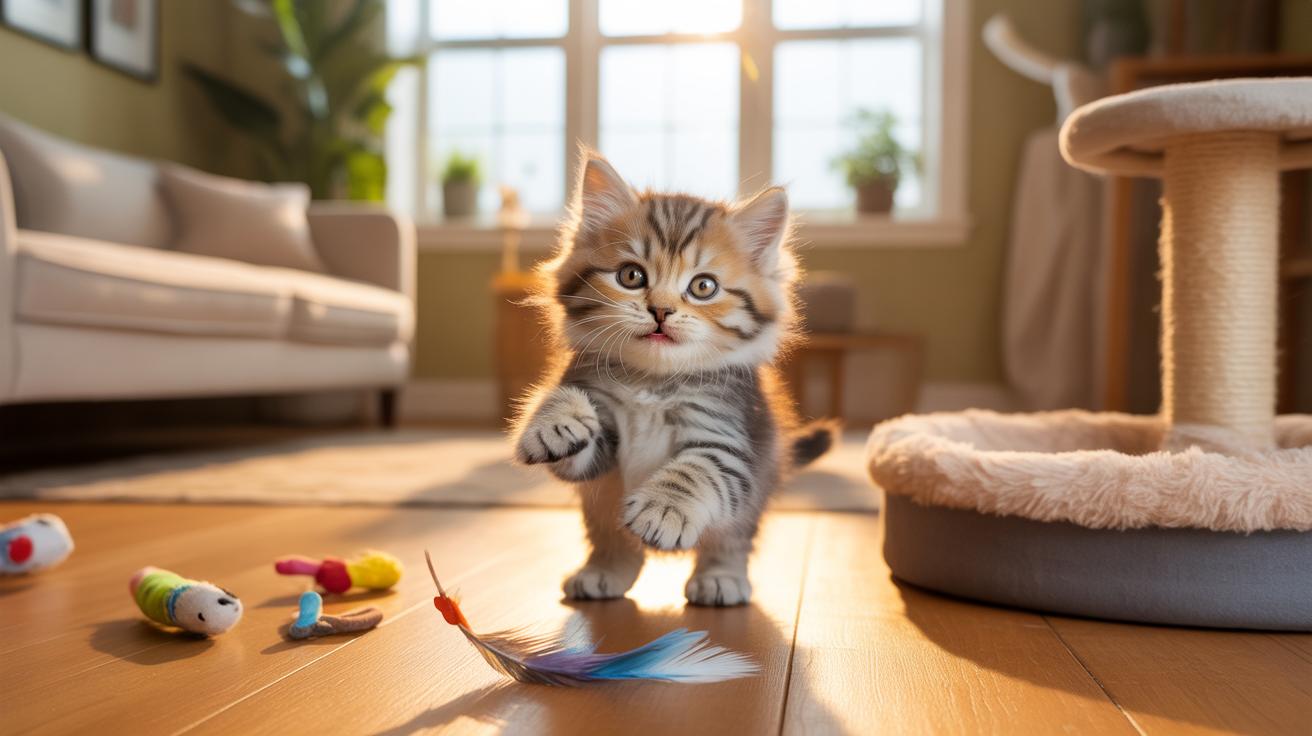
Preparing Your Home Before Your New Kitten Arrives

Setting Up A Safe And Comfortable Space For Your Kitten
Kittens experience significant stress during their first week home. You must designate a small starter room like a bathroom or laundry area. This confined space prevents the animal from becoming overwhelmed by a large house. Place food and water bowls far away from the litter box to maintain hygiene. Provide a high quality bed and a hiding spot to lower cortisol levels.
Small rooms allow the kitten to master the litter box quickly. Use pheromone diffusers to create a calming chemical environment. Ensure the temperature remains stable as young cats cannot regulate body heat well. Keep all supplies within reach so the kitten builds a routine. Constant access to fresh water is vital for kidney health. This controlled environment ensures a successful transition period.
Kitten Proofing Rooms To Prevent Common Household Hazards
Kittens possess an innate drive to climb and chew everything. You must secure loose electrical cords using plastic organizers or cord covers. Remove toxic plants such as lilies and aloe vera from the area immediately. Check for small gaps behind appliances or under cabinets where a kitten might get stuck. Install sturdy window screens to prevent falls from high surfaces or balconies.
Treat your home like a hazard zone for a curious climber. Store all cleaning chemicals and medications in locked cabinets. Check floor level for small objects like rubber bands or string which cause intestinal blockages. Secure heavy furniture to the wall to prevent tipping. Close trash cans with lids to stop the ingestion of dangerous food scraps. Constant vigilance saves lives during this early stage.

The New Cat Owner Checklist Everything You Need Before Day One

Essential Supplies Every New Cat Owner Should Have Ready
Preparation fails when owners wait until the kitten arrives to buy gear. You must establish a dedicated territory immediately to reduce animal stress levels. High-quality protein food and stainless steel bowls prevent chin acne and nutritional deficiencies. Secure all hardware before the kitten enters the door. Failure to prepare leads to house soiling and property destruction during the first forty-eight hours.
- Stainless Steel Bowls: Choose metal or ceramic over plastic to prevent bacterial growth and feline acne. These materials withstand heavy cleaning and do not leach chemicals into water. Shallow designs prevent whisker fatigue during feeding sessions.
- High-Calorie Kitten Food: Growth requires specific nutrient density and higher fat content than adult maintenance diets. Select brands that meet AAFCO standards for growth stages. Wet food ensures proper hydration for developing kidneys and urinary tracts.
- Sturdy Scratching Post: Kittens must shed claw sheaths and mark territory through scent glands in their paws. A vertical post at least two feet tall prevents furniture destruction. Use sisal rope or heavy cardboard materials for maximum durability and grip.
- Safe Breakaway Collar: Identification remains critical even for indoor pets who might escape during transitions. Use a collar with a safety buckle that releases under pressure to prevent accidental strangulation. Transition the kitten to the collar slowly during supervised hours.
- Secure Pet Carrier: Hard-sided carriers provide the best protection during vehicle transport and initial vet visits. Avoid soft mesh bags that allow claws to snag or escape. Proper ventilation and a top-loading door simplify the process of moving a stressed animal.
Safety also requires a variety of age-appropriate toys that do not have small detachable parts. String and feathers pose choking hazards if left unsupervised with a young predator. Invest in a soft bed or cave to provide a sense of security in the new environment. These tools provide the structural foundation for a successful transition and long-term behavioral health.
Choosing The Right Litter Box Setup For A Young Kitten
Kittens require low-entry litter boxes because their small limbs struggle with high-walled plastic tubs. A standard adult box often proves inaccessible for a two-pound animal. Place the tray in a quiet corner away from loud appliances or heavy foot traffic. Distance the bathroom area from feeding stations to respect the natural hygiene instincts of the feline species. Consistency in location prevents avoidable accidents.

Select unscented clumping clay or paper-based pellets to avoid irritating sensitive respiratory systems. Avoid crystal litters or heavy perfumes that might deter a kitten from using the box. Scoop waste twice daily to maintain hygiene and monitor digestive health. A clean box reinforces early training and prevents the kitten from seeking alternative spots like rugs or laundry piles. Simple setups work best for young learners.
Kitten Essentials What Your Kitten Needs To Feel Secure

Why A Quiet Introduction Room Helps Reduce Kitten Stress
New kittens enter your home in a state of sensory overload. A dedicated quiet room acts as a physical buffer against the unknown. Large open spaces trigger a natural flight response in young felines. By limiting their world to one room, you lower their cortisol levels. This controlled environment allows the kitten to map out territory without fear of ambush or getting lost.
A small room simplifies the search for vital resources like food and litter. Kittens have small bladders and limited directional sense in new buildings. Placing everything within a short distance prevents accidents and ensures proper hydration. You also gain a tactical advantage for socialization. It is easier to build trust in a space where the kitten cannot hide under inaccessible furniture or behind heavy appliances.
The smallest feline is a masterpiece, and through the sleepless nights and tiny paw prints of those first few days, you are witnessing the beginning of a lifelong work of art.
The Role Of Familiar Scents In Helping Your Kitten Settle In
Olfactory cues dictate how a kitten perceives its safety. Their sense of smell is far more advanced than their vision at birth. Bringing a blanket or toy from the original breeder or shelter provides a chemical link to their previous home. These familiar pheromones act as a biological anchor. They signal that the environment is safe rather than hostile. This continuity prevents a complete behavioral breakdown.

You must integrate your own scent slowly into this mix. Place a worn t-shirt near the kitten’s sleeping area to associate your smell with comfort and rest. Avoid using heavy perfumes or strong cleaning chemicals in the first week. These scents mask the natural smells the kitten uses to navigate. Consistent scent profiles build a predictable world. Predictability is the fastest way to stop a kitten from hiding and start exploration.
Understanding New Kitten Behavior In The First Few Days

Common Signs Of Stress And Adjustment In A New Kitten
Kittens view new environments as potential threats until proven otherwise. High cortisol levels cause physical reactions you must recognize immediately. Expect frequent vocalization or pacing during the first forty eight hours. Some kittens stop eating or using the litter box because of fear. These behaviors show the animal is in survival mode. Do not force interaction during this high stress period.
Watch for dilated pupils and a low body posture. These are physical indicators of a feline flight response. A stressed kitten may over groom or tremble when touched. Monitor their hydration closely as stress often leads to water refusal. Your primary goal is creating a predictable routine to lower these stress markers quickly. Consistency in your movements and noise levels will calm the animal.
When Hiding Is Normal And When It May Signal A Problem
Hiding is a natural feline defense mechanism during the first week. A new kitten seeks dark and enclosed spaces to feel secure from predators. This behavior typically lasts two to three days as they map the room. Allow the kitten to stay under furniture or in a box. Forcing them out will destroy trust and extend the adjustment period significantly.

Identify the difference between healthy caution and medical distress. A healthy kitten comes out to eat or use the litter box when the room is quiet. Seek a veterinarian if the kitten stays hidden for over twenty four hours without consuming food. Lethargy and discharge from the eyes or nose indicate illness rather than fear. Absolute withdrawal coupled with a refusal to move requires immediate professional intervention.
Kitten Food What And How To Feed Your Kitten In The First Week
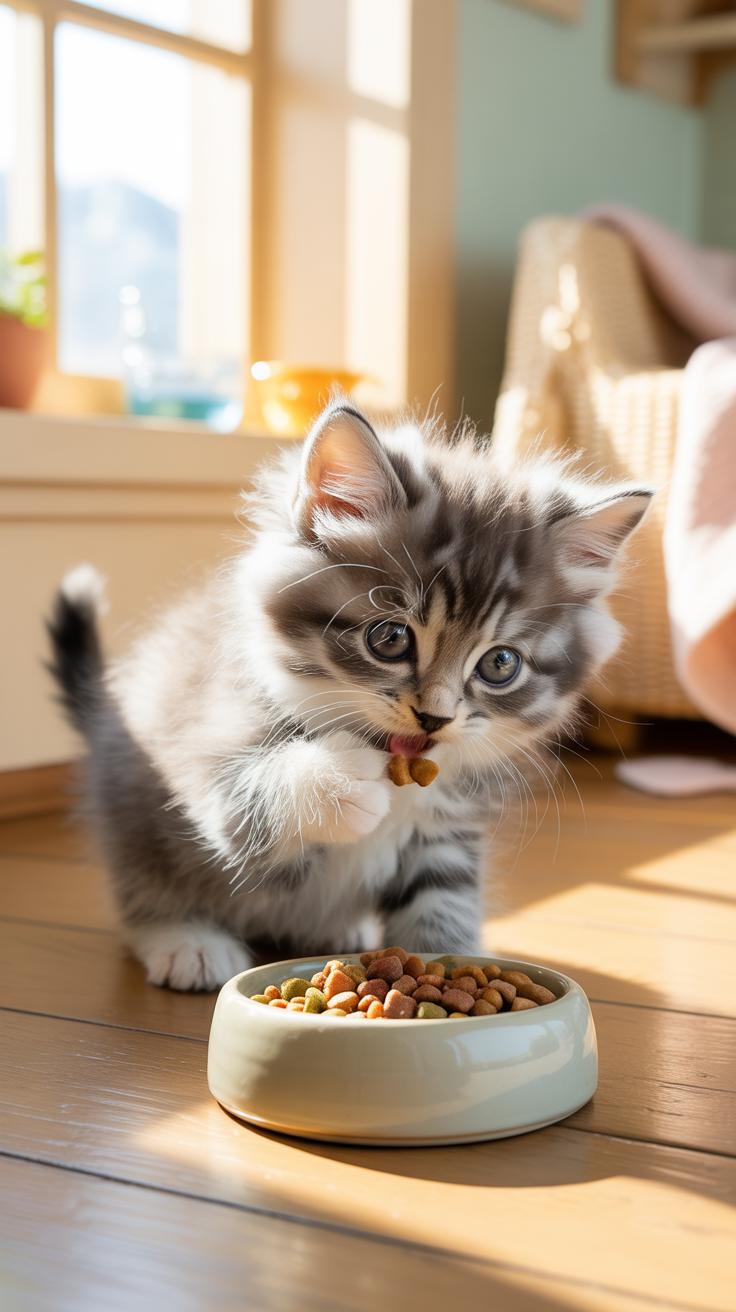
Understanding Nutritional Needs Of Kittens Under One Year Old
Kittens require more calories and protein than adult cats to support rapid growth. Their bodies develop muscle and bone at an intense pace during the first year. You must provide food labeled specifically for kittens. These formulas contain high levels of fat and essential fatty acids like DHA for brain health. Standard adult cat food lacks the density of nutrients necessary for this life stage.
Feed your kitten small meals four times a day. Their stomachs are small and cannot hold large amounts of food at once. Frequent feeding maintains steady blood sugar levels and prevents energy crashes. Ensure fresh water is always available in a shallow bowl. Proper hydration is critical because kittens lose moisture easily. Monitor their eating habits daily to ensure they consume their full caloric requirement.
How To Transition Your Kitten To A New Food Without Stomach Upset
The first week is high stress for a kitten. Switching their diet abruptly causes diarrhea and vomiting. Start by feeding the exact brand used by the shelter or breeder. This consistency stabilizes their digestive tract while they adjust to a new environment. If you want to change brands, wait at least three days until the kitten settles into your home.

Execute the food transition over seven full days to avoid illness. Mix twenty five percent of the new food with seventy five percent of the old food for two days. Increase the new food to fifty percent for the next two days. By day seven, you can serve the new food alone. Observe the litter box for loose stools. Slow down the process if you notice any digestive distress.
Kitten Care Establishing A Daily Routine From Day One

How Consistent Feeding And Play Schedules Support Kitten Development
Consistency builds security in a new environment. Feed your kitten at the same times every day to regulate their digestive system. Kittens have small stomachs and require high energy intake. Frequent, scheduled meals prevent blood sugar drops and reduce anxiety. Use these times to bond and monitor their appetite. A predictable routine tells the kitten that their basic needs are always met by you.
High energy levels require structured play sessions before meals. This mimics the natural hunt-eat-groom-sleep cycle of felines. Use interactive toys to stimulate their predatory instincts safely. Regular play prevents boredom and stops destructive behavior like furniture scratching. Set clear boundaries during these sessions. Consistency in play teaches the kitten how to interact with humans without using claws or teeth. This discipline starts on day one.
The Importance Of Sleep For Growing Kittens And What Is Normal
Growth occurs primarily during sleep. Young kittens often sleep eighteen to twenty hours a day to support physical development. Their bodies release essential growth hormones only during deep rest. Do not wake a sleeping kitten even if they look active. You might see their paws twitch or whiskers move during rapid eye movement sleep. This brain activity is normal and necessary for healthy cognitive maturation.

Respect their need for a quiet and dedicated resting space. Place their bed in a low traffic area away from noise and household stress. A kitten that lacks enough sleep can become irritable or sickly. Ensure the temperature remains stable since they cannot regulate body heat well. Quality rest helps their immune system function properly. Monitor sleep patterns to identify any sudden changes in energy that might indicate health issues.
Kitten Health Checklist First Vet Visit And Vaccination Basics

What To Expect At Your Kitten’S First Veterinary Appointment
The first vet visit is a diagnostic baseline for your animal. The practitioner will perform a physical exam to check for structural defects or heart murmurs. They will inspect the ears for mites and the coat for fleas. You must bring a fresh stool sample for parasite testing. This visit establishes a medical record. It ensures the kitten has no immediate life threatening conditions.
Expect your veterinarian to discuss nutrition and future sterilization. They will check the kitten’s weight to determine the correct dose for medications. Ask about microchipping during this session to ensure permanent identification. The doctor will evaluate the eyes and mouth for signs of infection. Clear communication now prevents expensive medical emergencies later. This appointment is about verification and long term health planning.
Core Vaccinations And Deworming Schedules For Young Kittens
Vaccinations begin at six to eight weeks of age. The core FVRCP vaccine protects against feline viral rhinotracheitis, calicivirus, and panleukopenia. Kittens need boosters every three to four weeks until they reach sixteen weeks old. The rabies vaccine is a legal requirement and usually occurs at twelve to sixteen weeks. These shots build the immune system. They protect the cat from highly contagious and fatal viruses.

Deworming is a standard part of early kitten care. Most kittens inherit roundworms or hookworms from their mothers. Vets administer oral medication to clear these internal parasites. You must follow the exact schedule provided by the clinic to kill all life stages of the worms. Heartworm and flea prevention also start during these early visits. Staying on schedule prevents the spread of disease to other pets or humans.
Kitten Care Tips Handling Socializing And Building Trust

The Right Way To Handle A Kitten To Build Confidence And Comfort
Proper handling starts with total body support. Place one hand under the chest and the other under the hindquarters. Never lift a kitten by the scruff of the neck. This outdated method causes unnecessary stress and potential physical pain. Secure handling makes the animal feel safe. Low physical stress during the first week prevents future fear based aggression and bolsters long term confidence.
Limit handling sessions to short bursts throughout the day. Watch for body language cues like flattened ears or a twitching tail. These signals indicate the kitten needs space. Respecting these boundaries builds trust faster than forced affection. Always sit on the floor to minimize the height of any accidental falls. Solid footing and predictable movements help the kitten view you as a provider.
Kitten Tips For Introducing Children And Other Pets Safely
Controlled environments prevent trauma during early interactions. Keep resident pets behind a closed door or baby gate initially. This allows animals to exchange scents without physical risk. Children must sit still and let the kitten approach them first. Fast movements startle young cats and trigger a flight response. Supervision is mandatory to ensure every interaction remains positive and calm for all parties.
- Scent Exchange: Rub a cloth on the new kitten and place it near your resident pet. This introduces the new scent in a non threatening way. Animals rely on smell to identify social hierarchy and safety within their territory.
- Visual Barriers: Use a screen door or a cracked door to allow the animals to see each other. This step eliminates the mystery of a new presence. Physical contact remains impossible which prevents accidental injury during the first visual meeting.
- Direct Observation: Sit with children and show them how to offer a flat hand. Explain that kittens have fragile bones and sensitive ears. Teaching quiet voices and gentle touches prevents the kitten from developing a permanent fear of small children.
- Positive Reinforcement: Give treats to both the new kitten and the resident pets during their first meeting. This creates a mental link between the new presence and a high value reward. Associating the stranger with food speeds up the bonding process.
- Safe Zones: Ensure the kitten has a high shelf or a hidden box to escape to at any time. A kitten that feels trapped will likely bite or scratch out of fear. Providing a clear exit path reduces the pressure on the animal.

Manage expectations for the first week because full integration takes time. Do not rush any step if you see signs of stress or growling. Separate the animals immediately if tensions rise. Reset the process and try again the next day. Consistent and slow introductions lead to a peaceful multi pet household. Patience in the first seven days prevents years of behavioral issues and territorial fighting.
How To Care For A New Kitten Grooming And Hygiene Basics

Brushing, Nail Trimming, And Ear Cleaning For Kittens Explained
Start grooming immediately to desensitize the kitten to human touch. Use a soft bristle brush to mimic a mother cat licking. This process removes loose fur and prevents painful mats from forming later. Keep sessions short to avoid overstimulation. Focus on high-friction areas like the armpits and behind the ears. Brushing builds a bond and keeps the coat healthy during the growth phase.
Trim claws every two weeks using specialized pet clippers. Only cut the clear tip to avoid the quick which contains blood vessels. For ear care, check for dark debris or redness every few days. Use a damp cotton ball to wipe the outer ear only. Never insert swabs into the ear canal. Early exposure to these routine tasks prevents fear and expensive professional grooming bills later.
Litter Box Training: How Kittens Learn And What Owners Should Do
Kittens possess a natural instinct to dig and bury their waste. You must provide a low-entry box that the kitten can climb into easily. Place the box in a quiet and accessible location. Do not move the box frequently as this causes confusion. Use unscented clumping clay or pine pellets. Keep the litter away from food and water bowls for hygiene.
Supervise the kitten after meals and naps when they are likely to eliminate. Place the kitten in the box if they start sniffing or circling the floor. Scoop the box daily to maintain cleanliness. Kittens often reject dirty litter boxes and seek out rugs instead. If an accident occurs, clean it with an enzymatic cleaner to remove the scent and prevent a repeat performance.
Kitten Care Tips For The Road Ahead What Comes After Week One
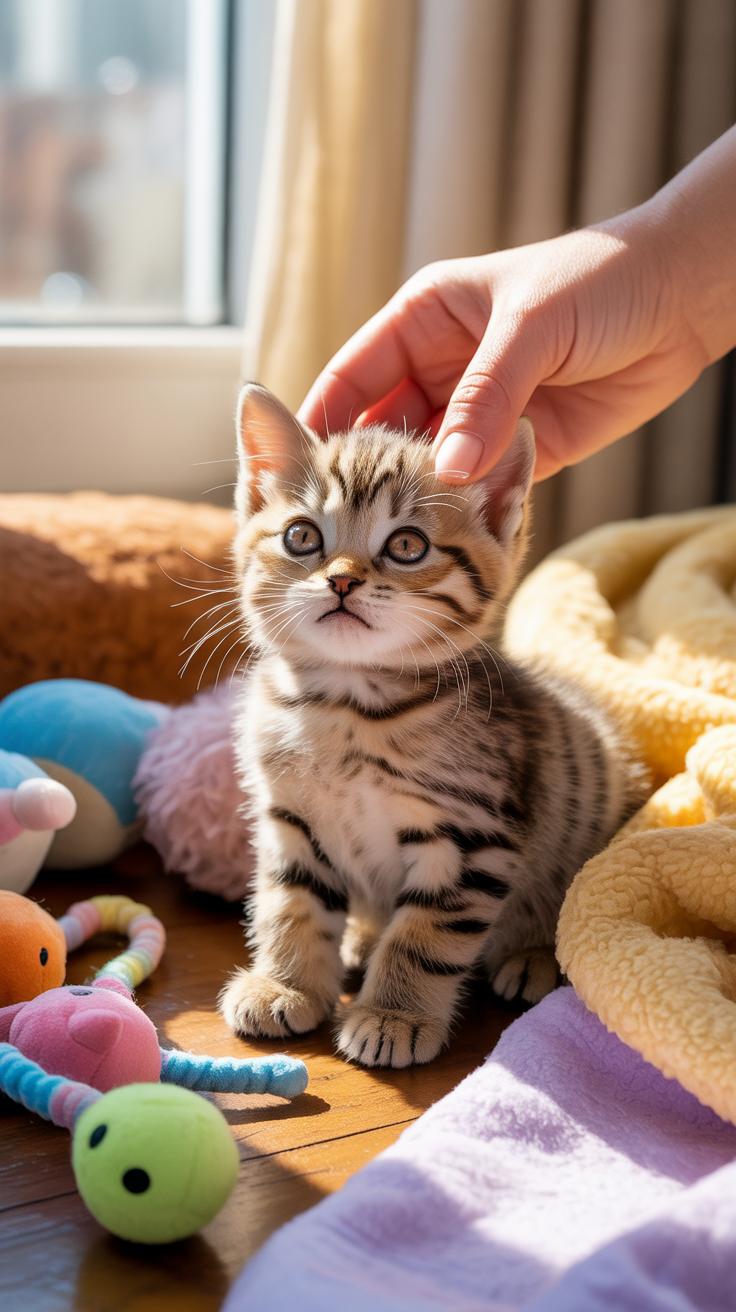
Signs Your Kitten Is Thriving And Adjusting Well To Their New Home
A kitten that successfully adjusts to a new environment displays specific behavioral markers. You will see the animal explore the entire house with high confidence. It will carry its tail upright while walking through rooms. Regular grooming and consistent use of the litter box indicate low stress levels. The kitten should also show a healthy appetite and drink water without hesitation or fear of its surroundings.
Physical interactions with humans confirm the bond is forming. A thriving kitten initiates play and seeks out physical contact. It will purr during social interactions and sleep in open areas rather than hiding under furniture. These actions prove the kitten feels safe in the territory. Monitor these habits daily to ensure the animal remains healthy. Quick responses to toys and sounds demonstrate sharp cognitive function and general well-being.
Planning Ahead: Spaying, Neutering, And Long Term Kitten Wellness
Long-term health requires a strict medical schedule after the first week. Most veterinarians recommend spaying or neutering at approximately five to six months of age. This procedure prevents unplanned litters and reduces the risk of certain cancers. It also eliminates unwanted behaviors like territorial spraying and loud vocalization during heat cycles. Schedule this surgery early to ensure your pet remains healthy and manageable as it matures.
Wellness also includes a series of core vaccinations and parasite prevention. Your kitten needs boosters for distemper and rabies to build a strong immune system. Establish a relationship with a local vet for annual checkups and dental cleanings. Proper nutrition supports bone development and organ health during the growth phase. Buy high-quality food that meets the specific caloric needs of a developing cat to avoid obesity later.
Frequently Asked Questions

Why is my kitten hiding and not eating much during the first few days?
It is completely normal for a kitten to feel overwhelmed by new sights, sounds, and smells. During your new kitten first week home, they may hide under furniture as they adjust to their surroundings. Patience is key; offer small, frequent meals of high-quality wet food to entice their appetite and keep their energy levels up while they slowly build the confidence to explore their permanent new environment.
How should I set up a “safe room” for my kitten’s arrival?
Designate a small, quiet area like a bathroom or laundry room equipped with a litter box, scratching post, and cozy bedding. This controlled space prevents them from becoming overstimulated. Spending quiet time on the floor with them during the new kitten first week home helps establish a strong bond. Once they are using the litter box consistently and seem relaxed, you can gradually grant them access to more rooms.
Is it expensive to get all the necessary supplies for a new kitten?
Bringing home a feline friend doesn’t have to break the bank. While initial veterinary visits and vaccinations are essential investments, you can save on supplies by DIYing toys from cardboard boxes or using existing blankets for bedding. Focus your budget on high-quality kitten food and a sturdy carrier. Many local shelters also offer “new owner” starter kits or discounts at partner pet stores to help make the transition affordable.