Understanding Shy Cat Behavior Before Introducing A Shy Cat To A New Home
What Cat Behavior Tells Us About Fear, Stress, And Timidity In Cats
Cats prioritize safety above all else. A fearful cat displays specific physical markers that signals its internal state. Watch for dilated pupils, flat ears, and a tucked tail. These signs indicate the cat perceives the new environment as a threat. The cat remains in a fight or flight state until it finds a secure hiding spot. You must recognize these signs immediately to avoid escalating their stress.
Timidity is a survival mechanism. Territorial security dictates how a cat interacts with space. A stressed cat will likely refuse food or litter box use during the first few hours. This behavior is a tactical response to an unfamiliar territory. Do not force interaction when the cat displays these traits. Understanding these biological cues allows you to manage the environment effectively. You must respect their need for withdrawal.
The Difference Between A Naturally Shy Cat And A Traumatized Or Under Socialized Cat
Genetics often dictate a cat’s baseline personality. Some cats are naturally cautious due to their DNA. These cats take longer to explore but eventually show curiosity. They possess a stable temperament that simply requires time to adjust. You treat these cats by providing consistent routines and quiet spaces. Their fear is a personality trait rather than a reaction to past events or a lack of exposure.
Traumatized or under-socialized cats have different roots for their fear. Under-socialization occurs when a kitten misses the critical window for human interaction between two and seven weeks of age. Traumatized cats react to specific triggers based on past negative experiences. These cats require targeted behavior modification. You must distinguish between these types to set realistic expectations. A feral cat may never become a lap cat regardless of your efforts.

What To Expect When Adopting Through Cat Rescue Organizations

How Cat Rescue Shelters Assess And Prepare Shy Cats For Adoption
Rescue organizations use standardized behavior assessments to identify shy or fearful temperaments. Staff observe how the cat reacts to human touch and new noises. They often categorize these cats as undersocialized or fearful. This data helps them determine the best environment for the animal. Shelters then place timid cats in foster homes or quiet rooms to reduce their stress levels before adoption.
Foster programs allow rescues to gather vital intelligence on a cat’s personality. Caregivers document the cat’s hiding spots and preferred social interactions. They use positive reinforcement to build the cat’s confidence around people. This preparation ensures the organization can provide specific details to potential owners. It reduces the risk of the cat returning to the shelter due to a poor environmental match.
Questions To Ask Your Rescue Before Bringing A Shy Cat Home
You must grill the rescue staff for tactical data on the cat’s history. Ask specifically about the cat’s hiding behavior and what triggers its fear response. Determine if the cat lived in a multi-pet household or a lone environment. Knowing if the cat prefers high perches or floor-level hiding spots is vital. This information dictates how you will set up your home.

Inquire about the exact food and litter brands the rescue uses. Sudden changes to diet or substrate cause unnecessary stress for a shy animal. Ask the foster parent what specific toys or treats motivate the cat to emerge from hiding. You need a list of successful socialization techniques they have already tried. Use these established methods to maintain consistency during the transition to your home.
First Time Cat Owner Tips For Welcoming A Shy Or Anxious Cat

Setting Realistic Expectations As A New Cat Owner With A Timid Cat
New owners often expect immediate affection from a pet. Shy cats operate on a different timeline. They prioritize safety over social interaction. You must accept that your cat will hide for days or weeks. This behavior is a survival instinct, not a rejection of your care. Forcing contact will damage the bond and increase the cat’s stress levels significantly.
Measurement of success starts with small wins. A cat eating its food or using the litter box in your presence indicates progress. Do not compare your experience to social cats on social media. Every cat possesses a unique temperament. Patience is your most important tool. You provide the space, and the cat determines the pace. Rushing this process leads to long-term behavioral setbacks.
How To Create A Calm Low Stress Household Environment From Day One
Control the sensory input in your home to prevent sensory overload. Loud noises and sudden movements trigger the startle reflex in anxious felines. Keep televisions and music at low volumes. Close windows to block out street traffic or construction noise. Warn guests and family members to avoid the cat’s designated safe room. Predictability builds confidence in a nervous animal.

Establish a strict daily routine for feeding and cleaning. Cats find comfort in a reliable schedule. Use synthetic pheromone diffusers to mimic natural feline scent markings. This signals that the environment is secure. Avoid using harsh chemical cleaners with strong odors. These scents overwhelm a cat’s sensitive nose. Maintain a consistent physical environment by keeping furniture in place until the cat feels fully settled.
New Cat Owner Tips Preparing Your Home Before Your Shy Cat Arrives
Essential Supplies And Safe Room Setup For A Shy Cats First Days
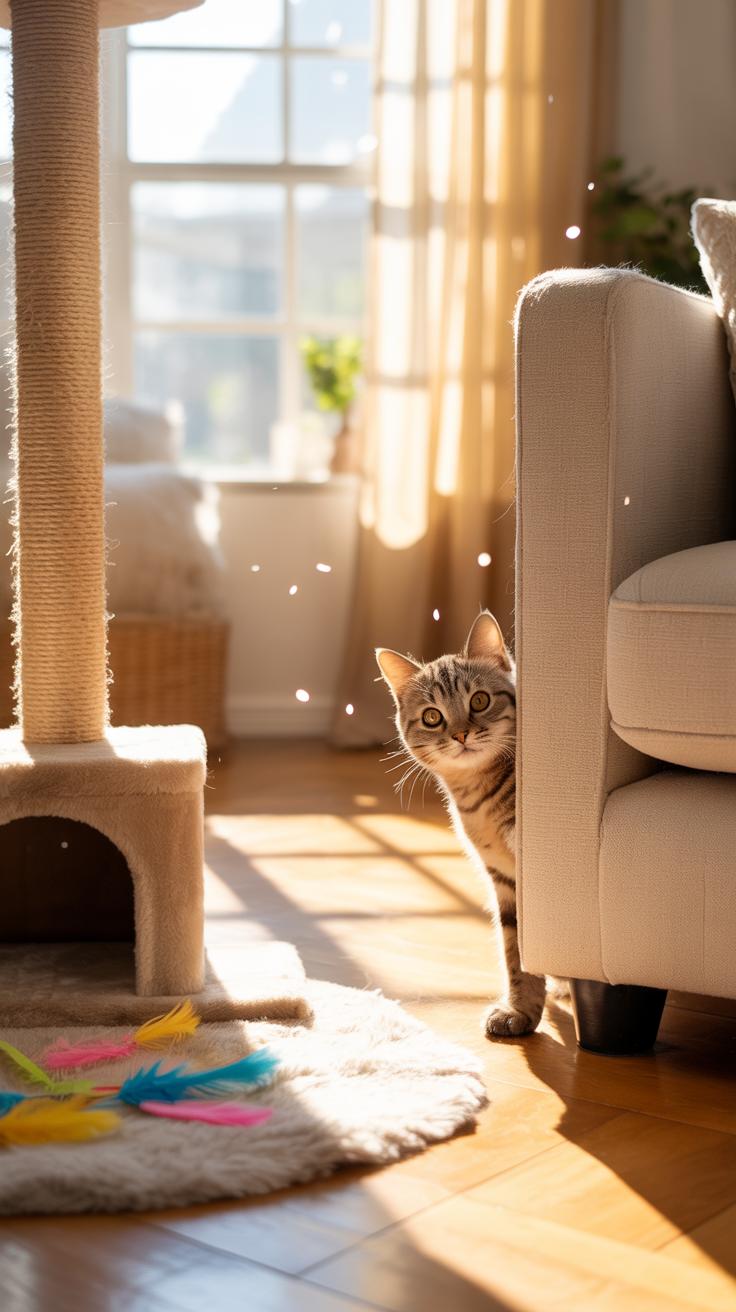
Preparation dictates the speed of your cats recovery from transport stress. You must select a quiet room with a door to serve as the primary containment zone. Remove any hazardous items or narrow gaps where a cat could become stuck. A successful setup requires specific tools placed in accessible areas to encourage natural behaviors like scratching and hiding.
- Feliway Diffuser: This device releases synthetic facial pheromones that mimic natural feline scents. It signals safety to the cat. Plug it in forty-eight hours before the arrival to saturate the room effectively.
- Low Profile Litter Box: Choose an open tray rather than a hooded box for the initial days. Shy cats need to see their surroundings while vulnerable. Use the same substrate the shelter used to ensure immediate recognition.
- Hide Boxes: Provide at least two cardboard boxes or cat caves. Place them in quiet corners away from the door. These structures allow the animal to observe the environment without feeling exposed to threats.
- Raised Feeding Stations: Place water and food bowls at least three feet away from the litter area. Cats instinctively avoid eating near their waste. Using shallow dishes prevents whisker fatigue and reduces mealtime anxiety for nervous felines.
- Vertical Scratching Post: A sturdy post allows the cat to deposit scent through paw pads. This marking behavior builds confidence in a new territory. Ensure the post is tall enough for the cat to stretch fully.
Organization of these supplies determines how quickly the cat claims the space. Keep the center of the room clear to allow for flight paths if the cat feels startled. Noise levels must remain at a minimum in this area for the first week. By providing these resources upfront, you eliminate the need to enter the room frequently and disturb the adjustment period.
Why A Dedicated Safe Room Is The Foundation Of A Successful Transition
Limiting the initial environment prevents sensory overload and helps the cat map the area quickly. A small space makes it easier for the feline to locate food and litter without crossing open floors. Large homes overwhelm shy animals and trigger a flight response that leads to hiding in inaccessible locations. Rapid ownership of a small territory builds the confidence needed for further exploration.

The safe room acts as a physical barrier between the cat and existing household stressors. Other pets, children, and loud appliances remain on the other side of the closed door. This setup allows the cat to process new smells and sounds at a distance. You control all interactions within this space. This controlled environment ensures the cat views you as a provider rather than a predator during the first week.
Cat Hiding Why Your New Cat Is Hiding And When It Is Normal
The Science Behind Cat Hiding As A Natural Coping And Stress Response
Cats prioritize safety over exploration. As solitary hunters, they possess a high biological drive to avoid perceived threats. This response triggers the sympathetic nervous system. Hiding reduces sensory input and provides a physical barrier from potential predators. It allows the cat to monitor its environment from a secure position. This behavior is a biological necessity for survival in a new territory.
Hiding regulates cortisol levels during periods of intense environmental change. A cat that cannot hide experiences chronic stress. This physiological state damages the immune system and inhibits learning. Proper hiding spots allow the cat to decompress. When a cat hides, it is actively processing new sounds and smells. Do not interrupt this phase. Forcing interaction will increase the cat’s fear response and delay total acclimation.
How Long Hiding Is Normal And When To Be Concerned About Your Cat’S Wellbeing
Most cats hide for forty-eight to seventy-two hours in a new space. Extremely shy cats may stay hidden for several weeks. This is normal behavior if the cat eats and uses the litter box at night. Watch for slow progress. A healthy cat will eventually explore when the house is quiet. If the cat drinks water and seems alert, allow the process to continue.

Concern is necessary if the cat stops eating for twenty-four hours. Hepatic lipidosis is a serious risk for fasting cats. Monitor for total lethargy or lack of grooming. If the cat does not use the litter box within two days, contact a veterinarian. These signs indicate medical distress rather than simple fear. Distinguish between a cautious cat and a sick cat. Physical health determines the speed of behavioral recovery.
Cat Care Routines That Build Trust With A Shy Or Fearful Cat
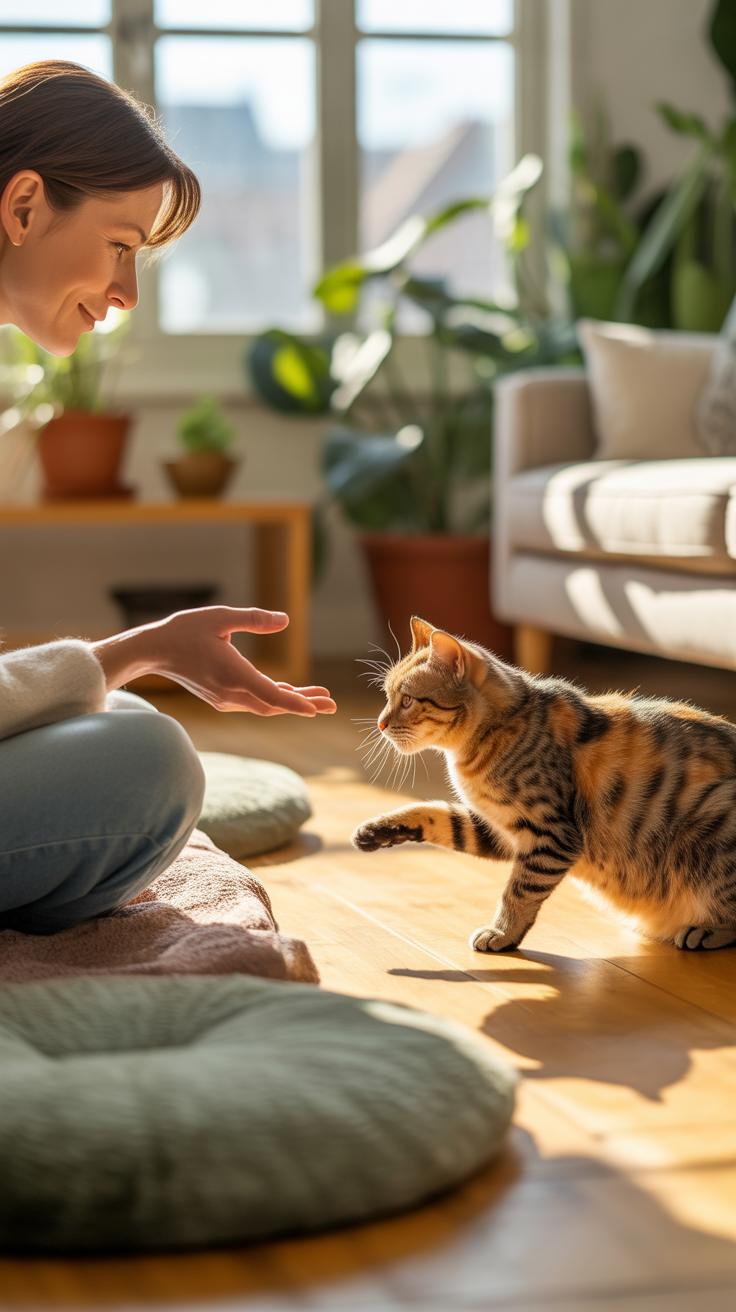
How Consistent Feeding Schedules And Gentle Interaction Reduce Anxiety
Cats thrive on environmental predictability. A strict feeding schedule removes the stress of uncertainty. Set specific times for breakfast and dinner. This creates a rhythm the cat can anticipate. Use a consistent sound like a soft whistle or a specific bowl clink. Predictability lowers cortisol levels in fearful animals. The cat learns that you are the reliable source of resources and safety.
Gentle interaction requires physical restraint. Never force a shy cat to endure touch. Sit on the floor near the cat during meal times. Use a low voice and avoid direct eye contact. This posture signals that you are not a predator. Let the cat initiate contact first. Respecting their personal space builds a foundation of safety. Consistency in your behavior permits the cat to relax.
Using Play, Scent, And Positive Reinforcement To Gradually Build Confidence
Interactive play serves as a vital tool for confidence. Use wand toys to create distance between you and the cat. This allows the cat to express natural hunting instincts without feeling threatened by your physical presence. Success in the hunt releases dopamine. This chemical reward helps the cat associate your presence with positive feelings. Short daily play sessions transform a fearful hider into a confident hunter.

Scent exchange bridges the gap between territorial boundaries. Rub a clean cloth on the cat and place it near your sleeping area. Place your worn shirt near the cat’s hiding spot. This mixes communal scents and reduces the threat of the unknown. Use high-value treats to reward brave behavior. Give a treat when the cat steps out of a hiding hole. Positive reinforcement locks in new confident habits.
Introducing A New Cat To Another Cat When One Or Both Are Shy
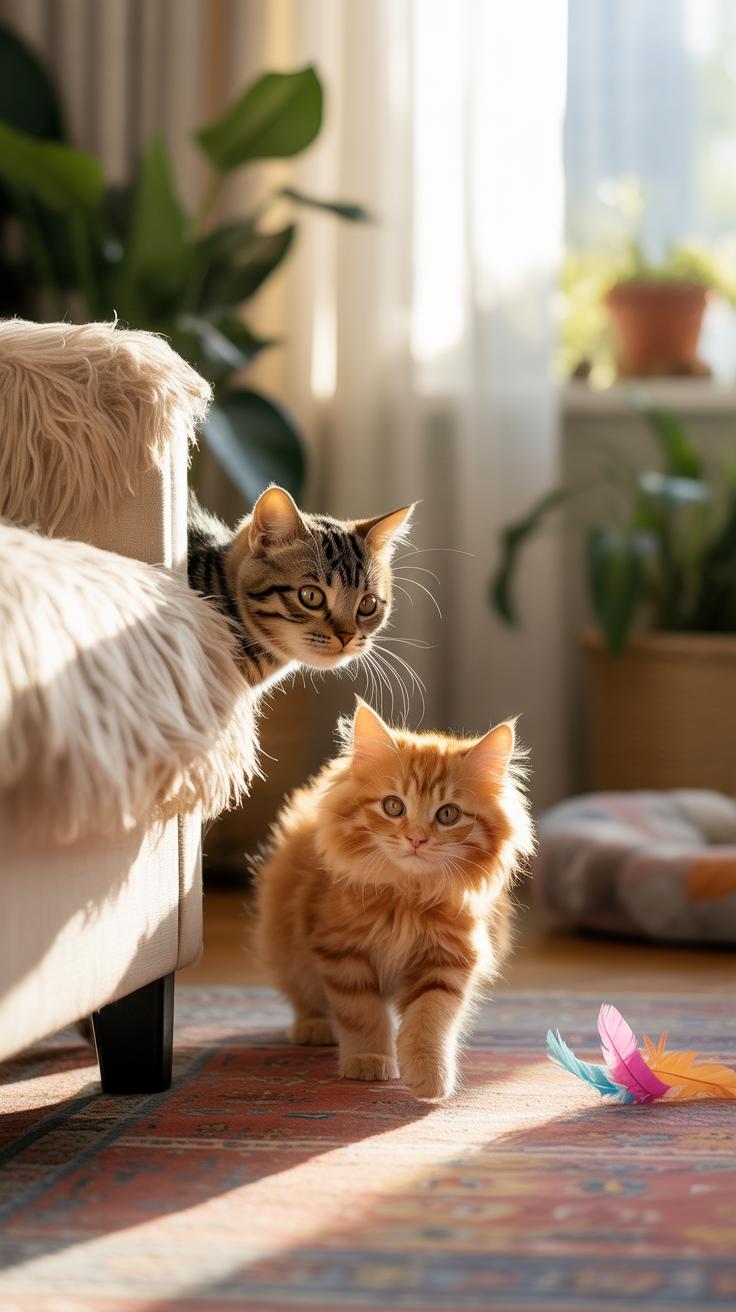
The Scent Swapping Method A Safe First Step When Introducing A New Cat To Another Cat
Scent provides the primary data source for feline communication. Cats identify territory and safety through pheromones. Start the introduction process without physical contact. Rub a clean cloth on the new cat and place it in the resident cat’s area. Do the same for the resident cat. This method allows both animals to process the other’s presence without any direct threat.
Rotate bedding between the two separate rooms. This forces each cat to encounter the other’s scent in their safe zones. Watch for hissing or avoidance at the scent site. Feed both cats on opposite sides of a closed door to associate the new scent with positive food rewards. Only proceed when both cats remain calm while smelling the items. This builds a foundation of neutrality.
Love and patience can help a timid heart find its way home. Every grand journey begins with a single step out of the shadows.
Staged Visual Introductions And How To Manage Territory Between Resident And New Cats
Visual contact must be controlled to prevent fear responses in shy cats. Use a physical barrier like a mesh screen or baby gate. This allows the cats to see each other while maintaining a hard safety line. Shy cats need to know they can retreat at any time. Keep these sessions short and frequent. Use high-value treats to keep their attention on you rather than the other cat.
- Mesh Barriers: Install a temporary screen door or tall baby gate between the rooms. This provides full visual access while preventing physical scrap or chase. It allows shy cats to observe behaviors from a distance.
- Distance Management: Start the cats at least ten feet apart on either side of the barrier. Gradually move their food bowls closer over several days. Distance reduces the perceived threat and keeps the cats below their stress threshold.
- Positive Reinforcement: Give treats to both cats simultaneously while they look at each other through the gate. This creates a powerful mental link between the other cat and a reward. It shifts their mindset from defense to gain.
- Short Intervals: Limit visual sessions to five minutes initially. End the session before any signs of aggression or fear occur. Controlled success is better than a long session that ends in a fight or hiding.
- Safe Retreats: Ensure both cats have a hiding spot or high perch within sight of the barrier. Shy cats feel more confident when they have an escape route. Vertical space helps a shy cat feel dominant over their immediate surroundings.

Territory management requires a slow expansion of access. Once the cats are calm at the gate, allow them to swap rooms without meeting. This lets the new cat explore the house while the resident cat investigates the safe room. This rotation prevents the shy cat from feeling trapped in one small area. Maintain this routine until both cats show zero signs of stress during the visual contact phase.
How To Introduce A New Kitten Versus An Adult Shy Cat To Your Home
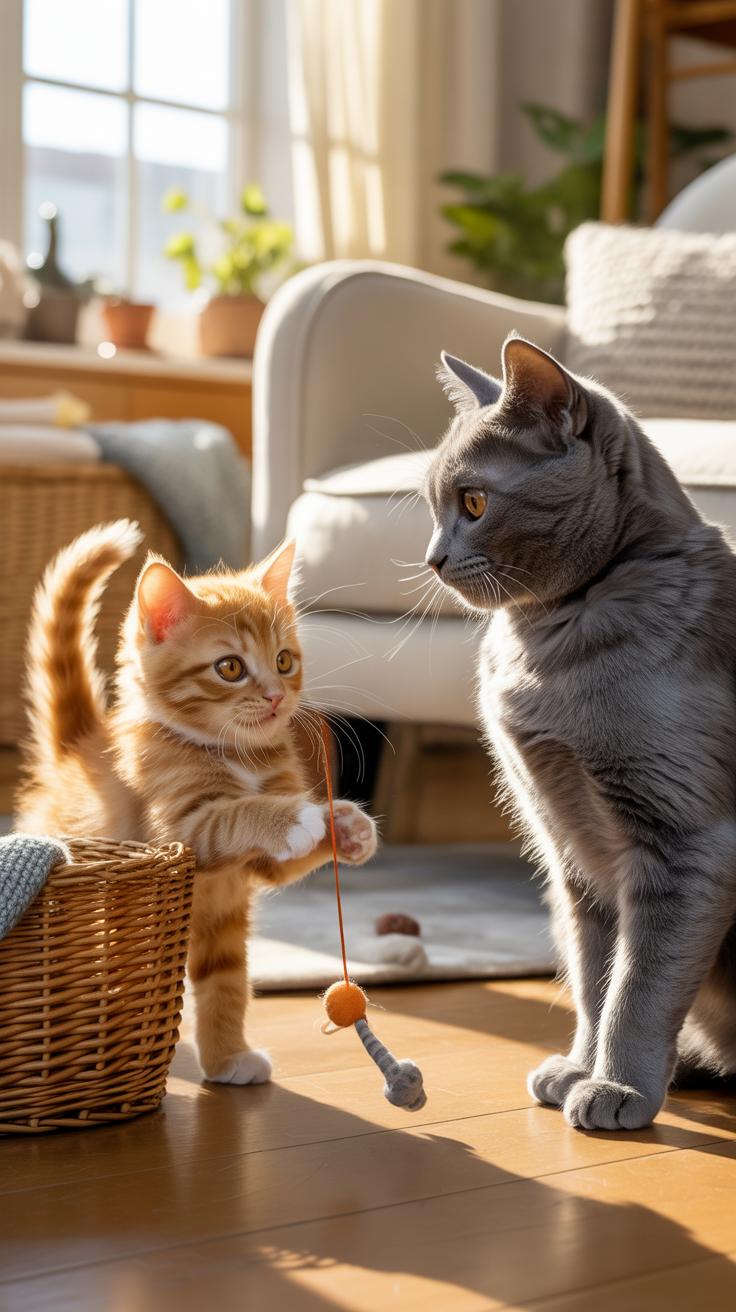
Kitten Care Considerations: Why Shy Kittens Have A Different Socialization Window Than Adults
Kittens possess a critical socialization window that closes around twelve to fourteen weeks of age. This period is the most important time for brain development. During these weeks, a kitten decides what is safe and what is dangerous. If you introduce a shy kitten during this phase, you can mold their personality. Positive experiences now prevent lifelong fear or aggressive defensive behaviors.
Adult shy cats have already missed this window. Their brain structures are fixed based on past trauma or lack of human contact. You cannot change an adult cat’s temperament through exposure alone. While you can socialize a kitten in weeks, an adult requires months or years of patience. Focus on active handling for kittens. Use passive presence and scent exchange for adults to build trust.
Tailoring Your Approach When Introducing A New Kitten With A Shy Personality To Resident Pets
Resident pets often view kittens as less of a territorial threat than adult cats. This biological reality makes the introduction process faster but more dangerous. You must protect the shy kitten from physical harm due to size differences. Keep the kitten in a small room to build confidence before face-to-face meetings. Use a screen door to allow resident pets to see the kitten safely.

Controlled scent swapping is the first tactical step for shy kittens. Rub a cloth on the kitten and place it near the resident pet’s food bowl. Move the kitten to a carrier for short viewing sessions in common areas. This prevents the kitten from hiding under furniture where they cannot be monitored. Monitor body language for signs of predatory behavior from resident dogs or bullying from older cats.
Long Term Cat Care Strategies To Help A Shy Cat Fully Flourish
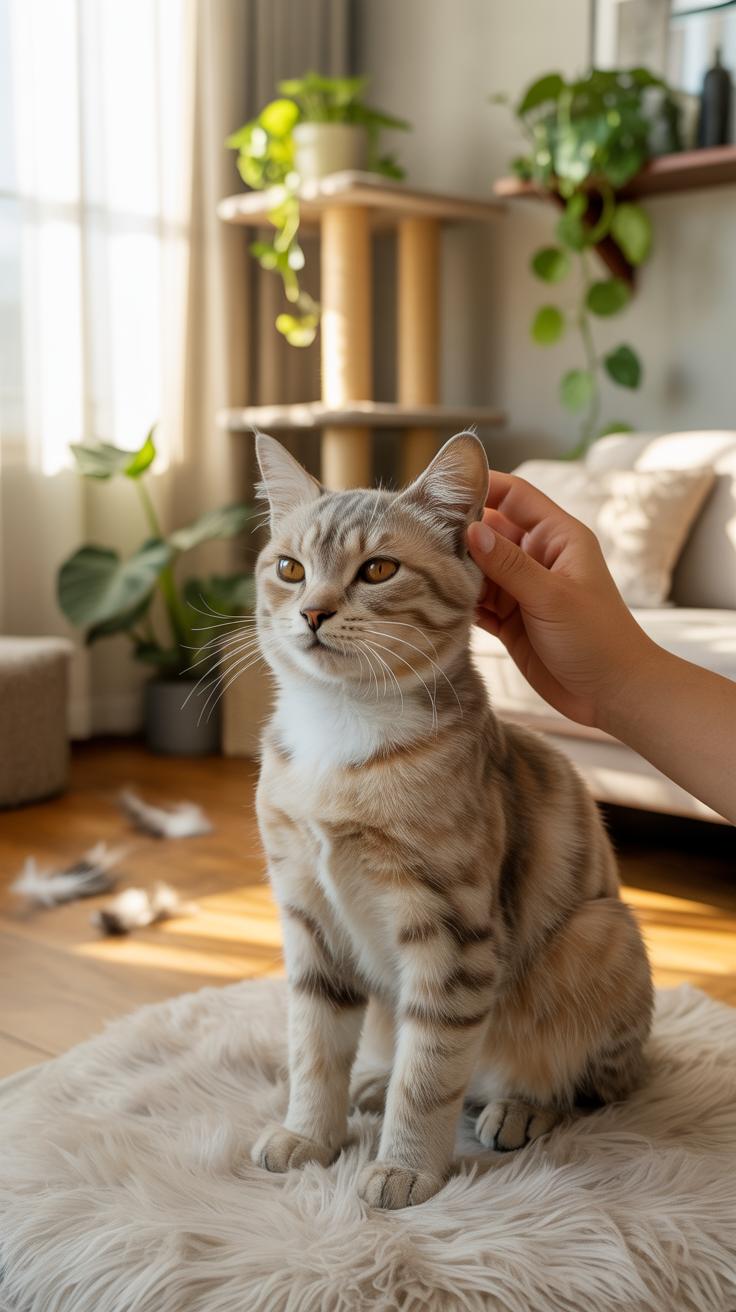
Environmental Enrichment And Vertical Space: Long Term Tools For A Confident Cat
Vertical space changes the power dynamic for a shy cat. High perches allow the cat to survey the room without feeling trapped. This mimics natural feline behavior used for hunting and predator avoidance. Install cat trees or wall shelves in high-traffic areas. This placement helps the cat observe family activity from a safe distance. Height provides a psychological barrier that reduces stress effectively.
Environmental enrichment keeps a cat engaged and prevents boredom-induced anxiety. Use puzzle feeders and scent markers to stimulate their senses. Rotate toys weekly to maintain interest. Scratching posts must be sturdy and tall enough for a full body stretch. Proper furniture placement creates escape routes in every room. A cat with options is a cat with confidence. Always prioritize function over aesthetics when choosing cat gear.
When To Consult A Veterinarian Or Feline Behaviorist For Persistent Shyness Or Anxiety
Persistent hiding or lack of appetite requires medical intervention. Chronic stress often masks underlying physical pain or illness. A veterinarian will rule out issues like urinary tract infections or dental pain. These conditions make cats more irritable and withdrawn. If the cat stops grooming or shows sudden aggression, seek a professional exam. Medical clearance is the first step in any behavioral modification plan.
Consult a certified feline behaviorist if environmental changes fail. These experts analyze specific triggers in your home layout. They provide custom desensitization protocols to help the cat habituate to noise or people. Professionals can also discuss pheromone therapy or temporary medication. Use these resources when the cat remains stuck in a fear state for several months. Timely action prevents long-term psychological damage to the animal.
Frequently Asked Questions

How long does it typically take for a shy cat to adjust to a new environment?
Every feline is unique, but the process of introducing shy cat to new home environments usually takes anywhere from two weeks to several months. Initial hiding is completely normal behavior. You should allow your cat to set the pace, focusing on building trust through consistent routines and quiet presence. Patience is essential, as rushing the transition can cause setbacks in their confidence and overall comfort within your living space.
What is the best way to set up a “safe room” for a nervous cat?
Start by choosing a quiet, low-traffic area like a spare bedroom or office. Provide several cozy hiding spots, such as hooded beds or cardboard boxes, alongside their litter box, food, and water. When introducing shy cat to new home life, using a Feliway diffuser in this room can mimic natural calming pheromones. Ensure the space is escape-proof but contains vertical elements like a cat tree to help them feel secure.
Can I create a comforting environment for my cat on a tight budget?
Absolutely; you do not need expensive gadgets to help a timid cat feel at home. Simple DIY solutions like placing old t-shirts with your scent in their hiding spots can foster a sense of familiarity. Cardboard boxes make excellent free retreats, and recycled paper bags provide inexpensive enrichment. Focusing on soft lighting and reducing loud household noises are free yet highly effective ways to make your new companion feel safe and protected.