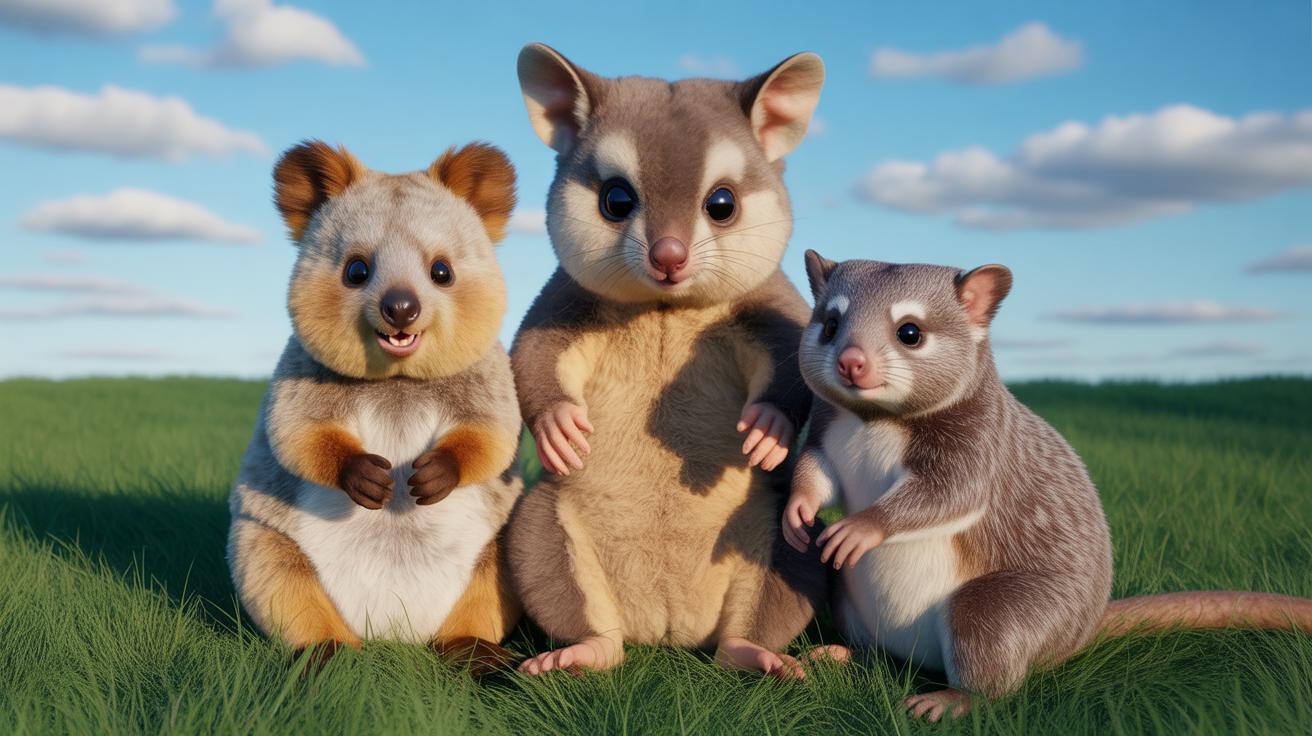
Why Some Marsupials Look Like Soft Toys With Big Eyes And Fluffy Fur
The Science Behind Round Faces And Large Eyes In Marsupials
Biological evolution creates specific physical traits for survival in the wild. Many marsupials develop large eyes to see in low light. These animals are often nocturnal or active at dawn and dusk. Their forward facing eyes help them judge distances while jumping or climbing. This physical layout mimics the facial proportions of human infants. We call these physical markers baby schema traits.
Round faces and dense fur provide thermal regulation for small bodies. Marsupials like the quokka or sugar glider have thick coats to trap heat. This fur softens their body outlines. Their skulls often feature shortened snouts for specific feeding habits. These structural choices result in a spherical head shape. To a human observer these features look like intentional design choices found in plush manufacturing.
How The Cute Aggression Response Makes Us See Marsupials As Living Soft Toys
Human brains use a specific neural mechanism called the cute aggression response. When we see a creature with toy like features the brain releases dopamine. This response triggers a desire to squeeze or protect the animal. This is a biological drive to care for offspring. Marsupials trigger this circuit because they match the proportions of high quality stuffed animals.
The brain processes these visual inputs through the mesocorticolimbic system. This system regulates reward and emotion. We project the softness of synthetic materials onto the animal because of its texture. The lack of sharp edges on the animal’s body reinforces this mental link. This psychological overlap makes us categorize wild mammals as safe nursery objects. We see them as toys instead of wild predators or foragers.
Sugar Gliders The Australian Wildlife Icon That Inspired The Red Sugar Glider And Sugar Glider With Hat Craft Trend
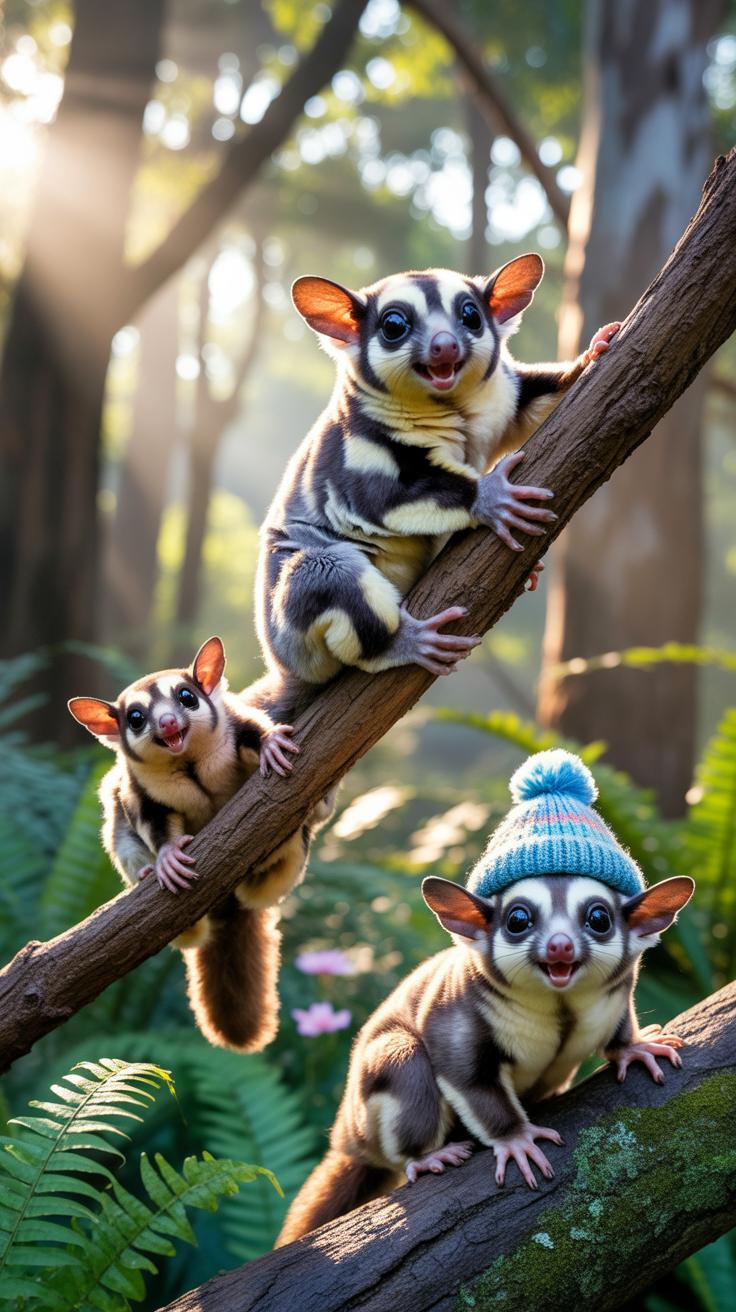
What Makes Sugar Gliders Look So Unbelievably Toy Like In Real Life
Sugar gliders possess specific biological traits that trigger human nurturing instincts. Their unusually large eyes are a functional adaptation for nocturnal life. These eyes take up a significant portion of their face. This facial structure matches the baby schema often used in plush toy design. Short muzzles and rounded heads further reinforce this mechanical aesthetic. Their small body size allows them to fit inside a human palm easily.
The fur texture of a sugar glider mimics high-grade synthetic materials used in manufacturing. They have dense and soft pelts that feel like velvet. The patagium is a thin membrane used for gliding between trees. When folded against the body, this skin looks like a seam on a stuffed animal. These animals move with quick and jerky motions. This behavior often resembles the movements of a battery-operated mechanical toy.
How Sugar Gliders Became A Global Pop Culture And Craft Sensation
Social media fueled the rise of the sugar glider as a visual icon. Photos of these marsupials often go viral because they look like inanimate objects. The Red Sugar Glider trend emerged from artists using vibrant dyes and felting techniques. Creators wanted to replicate the animal using wool and synthetic fibers. This movement transitioned from nature photography into the handmade toy market. Hobbyists focus on the glider’s distinct silhouette.
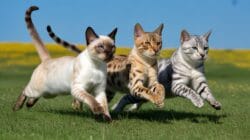
The Sugar Glider With Hat trend became a specific niche in the crafting world. Owners and crafters produce tiny accessories like knitted caps for the animals. These items emphasize the creature’s pet-like nature and small scale. Digital platforms allow these images to spread rapidly across global markets. Manufacturers now produce commercial plush versions based on these viral internet trends. The demand for these toys remains high in the collectible craft community.
Quokkas The Smiling Marsupial Of Rottnest Island That Looks Like A Plush Toy
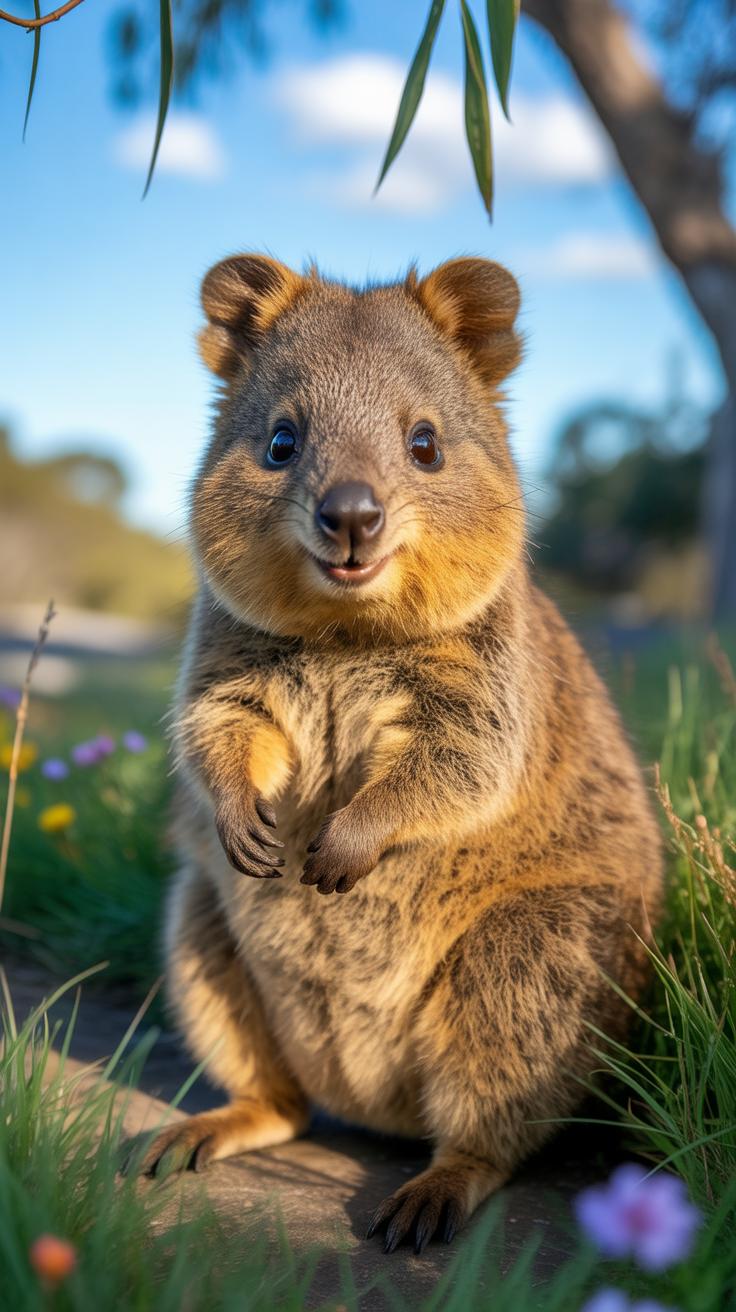
The Quokka’S Anatomy: Why Its Facial Structure Resembles A Stuffed Animal
The quokka possesses a specific jaw structure that creates the illusion of a permanent smile. This occurs because the lower jaw curves upward at the corners of the mouth. This anatomical trait mimics the intentional design of high-end plush toys. Short muzzles and rounded ear shapes further contribute to this aesthetic. Their dense brown fur feels coarse but appears soft and fuzzy from a distance.
Proportional features drive the human perception of cuteness. Quokkas have large dark eyes set wide apart on a small round head. This configuration triggers a biological response called the baby schema. Toy manufacturers use these exact ratios to make dolls appear approachable and safe. The quokka lacks sharp facial angles. Its compact body and short limbs reinforce the physical resemblance to a stuffed teddy bear.
Quokka Selfies And The Viral Fame Of The World’S Happiest Looking Marsupial
Social media platforms turned the quokka into a global icon through the selfie trend. Tourists visit Rottnest Island specifically to photograph their faces next to the animal. The quokka often approaches humans because it lacks natural predators on the island. People interpret this lack of fear as friendliness. This behavior allows for close-range photography that highlights their toy-like expressions to a massive digital audience.
Viral images create a distorted view of the animal’s true nature. While they look like toys, quokkas are wild macropods with sharp claws and teeth. They can bite if they feel threatened or cornered by tourists. Authorities enforce strict fines for touching or feeding them to preserve their health. The gap between their soft appearance and their status as protected wildlife remains a critical point for local conservation strategies.
The Opossum And Possum From Backyard Marsupial To Felted Opossum And Handmade Wool Opossum Toy Art
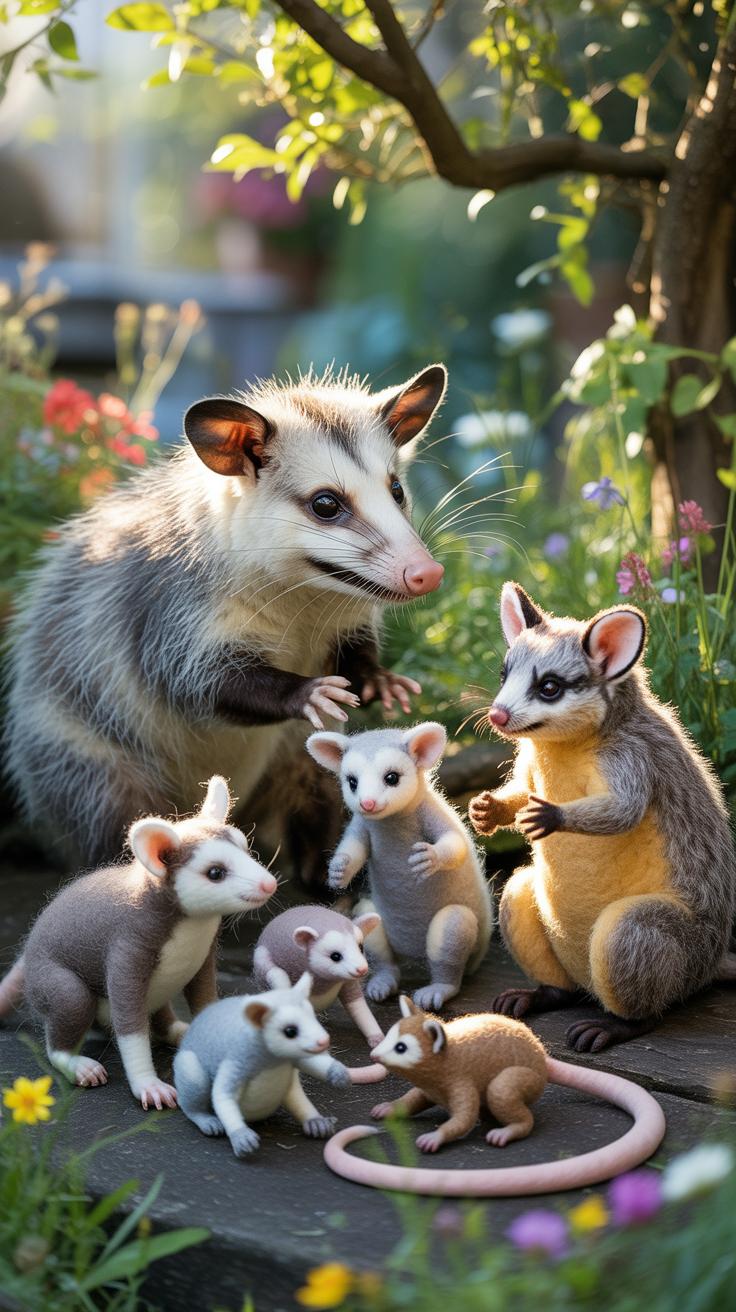
Understanding The Difference Between Opossums And Possums Before You Fall In Love With Both
The North American Virginia opossum and Australian possums are separate animals. Many people confuse the two because of their similar names. The North American version has white fur and a hairless tail. It belongs to the Didelphidae family. Australian possums like the brushtail or ringtail belong to the suborder Phalangeriformes. These Australian species often look more like traditional plush toys with thick fur.
Taxonomy matters when you look for toy inspiration. The Virginia opossum has a long snout and fifty sharp teeth. It looks rugged and wild. Australian possums have rounder faces and large eyes. Collectors prefer the Australian varieties for their soft appearance. Both groups are marsupials because they carry young in pouches. Knowing the physical traits helps you identify which animal inspired a specific handmade wool opossum toy.
Nature sometimes crafts a creature so gentle and plush that it feels like a childhood dream stepping out from the nursery. These living treasures remind us that the world is still full of wonder and soft magic.
How The Sleeping Possum Needle Felted Opossum Trend Captured The Internet’S Heart
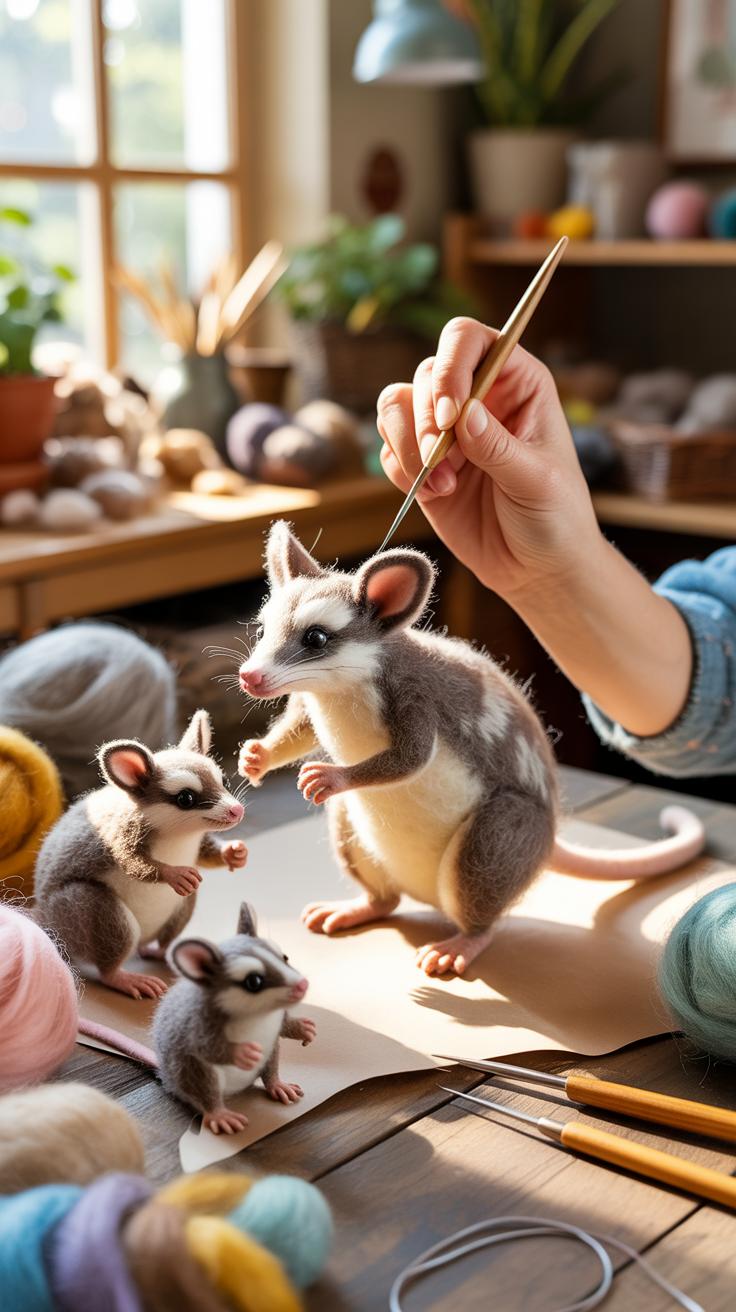
Needle felting uses notched needles to tangle wool fibers into solid shapes. This technique mimics the appearance of real animal fur. Artists use this method to create realistic sleeping possums. Miniature scenes of curled marsupials gained popularity on social media platforms. The rough texture of the wool matches the coarse hair of a Virginia opossum. It creates a tactile experience for any collector.
The trend shifted from realistic models to stylized toy art. Crafters use high quality merino wool for the body and wire armatures for the feet. This allows for posing the art piece in natural positions. The rise of DIY kits lets beginners try the craft at home. These handmade items focus on the small details like pink noses and black glass eyes. This attention to detail drives the high market value.
Needle Felting Marsupials The Craft Behind Felted Possum Needle Felt Opossum And Felted Opossum Creations
What Is Needle Felting And Why Marsupials Are The Most Popular Subject For Fiber Artists
Needle felting uses notched needles to interlock wool fibers into solid shapes. This process creates dense, sculptural forms without water or sewing. Fiber artists choose this method for its precision and texture control. It allows for the creation of realistic fur patterns and anatomical details. People use this technique to transform raw wool into durable figurines. It is a dry process that requires minimal specialized equipment beyond the needles.
Marsupials remain the primary choice for needle felting due to their distinct physical traits. Species like the sugar glider and Virginia opossum have rounded bodies and large eyes. These proportions mirror the aesthetics of traditional soft toys. The coarse texture of wool naturally mimics the thick fur of a felted possum or opossum. Artists leverage these features to create lifelike replicas. The unique anatomy of marsupials provides clear geometric guides for building structural armatures.
Essential Materials And Tips For Creating Your Own Needle Felt Opossum Or Felted Possum
Successful needle felting requires specific high-quality supplies to ensure structural integrity and realism. You must start with a firm core wool to establish the base shape. This saves expensive dyed wool for the outer layers. Barb sizes on needles range from coarse to fine. Use coarse needles for bulk shaping and fine needles for surface details. This strategic layering prevents the final piece from looking lumpy or unfinished.
- Barbed Felting Needles: These specialized tools feature tiny notches along the blade. They catch and tangle wool fibers as you punch them into the material. Use multiple sizes to transition from rough shaping to fine detail work.
- Wool Roving or Batting: This is the raw material for your creation. Core wool provides the bulk of the interior body. Dyed merino or Corriedale wool creates the realistic top coat for your felted possum or needle felt opossum.
- High-Density Foam Mat: You need a thick foam base to protect your work surface and the needle tips. It provides a firm yet forgiving area for the repetitive stabbing motion. This prevents needle breakage during the intensive sculpting process.
- Wire Armature: Galvanized or pipe cleaner wire acts as a skeleton for the marsupial. It allows you to pose the tail and limbs securely. Wrapping wool tightly around the wire ensures the limbs stay attached and move realistically.
- Glass Eyes and Pink Clay: Small glass beads provide a lifelike gaze for the opossum. Use polymer clay to bake small noses and paws before attaching them. These hard elements contrast with the wool texture to increase the visual realism.
Precision in the finishing stages determines the quality of the felted opossum. Long guard hairs on an opossum require a technique called reverse felting or laying long locks. Carefully pull fibers from the surface to create a fuzzy appearance. Avoid over-felting the surface as this makes the toy look stiff. Maintain a balance between firmness and a soft tactile finish. Proper technique ensures your marsupials that look like toys stay durable over time.
Pygmy Possums And Feathertail Gliders AustraliaS Tiniest Marsupials That Defy Belief
The Eastern Pygmy Possum: A Palm Sized Marsupial That Looks Too Cute To Be Real
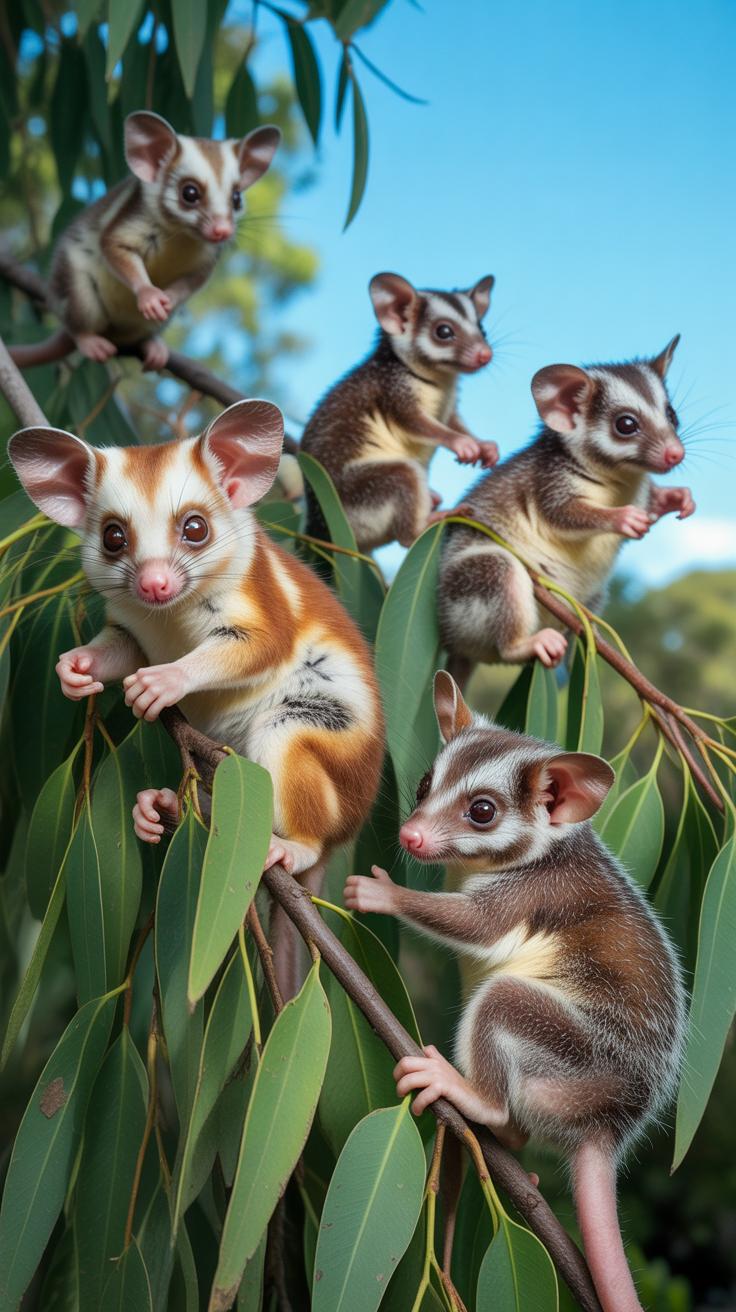
The Eastern Pygmy Possum weighs less than a standard light bulb. This tiny marsupial inhabits the southeastern coast of Australia. Its large eyes and thin ears resemble a manufactured plush toy. It uses a prehensile tail to grip branches while foraging. It survives mainly on nectar and pollen from banksia and eucalyptus trees. This diet supports its high energy needs.
During cold weather this animal enters a state called torpor. Its body temperature drops and its heart rate slows significantly. This biological mechanism allows it to save energy when food is scarce. The possum curls into a tight ball during this period. This round shape contributes to its toy-like aesthetic. It nests in tree hollows or abandoned bird nests for protection from predators.
The Feathertail Glider: The World’S Smallest Gliding Mammal And Its Toy Like Appearance
The Feathertail Glider is the smallest gliding mammal on earth. It weighs about half an ounce at maturity. A thin membrane of skin extends from its elbows to its knees. This structure allows the animal to glide up to twenty-five meters. Its tail resembles an avian feather with stiff hairs on both sides. This tail acts as a rudder to control flight direction.

These marsupials possess large sweat glands on their feet. This creates a suction effect to help them climb smooth surfaces like glass or bark. They live in large social groups for warmth and safety. Their small size and soft fur make them look like miniature figurines. Predators include owls and feral cats. They maintain a fast pace of life to survive in competitive forest environments.
Wombats And Wallabies Chunky Round Australian Wildlife That Inspired Generations Of Plush Toys
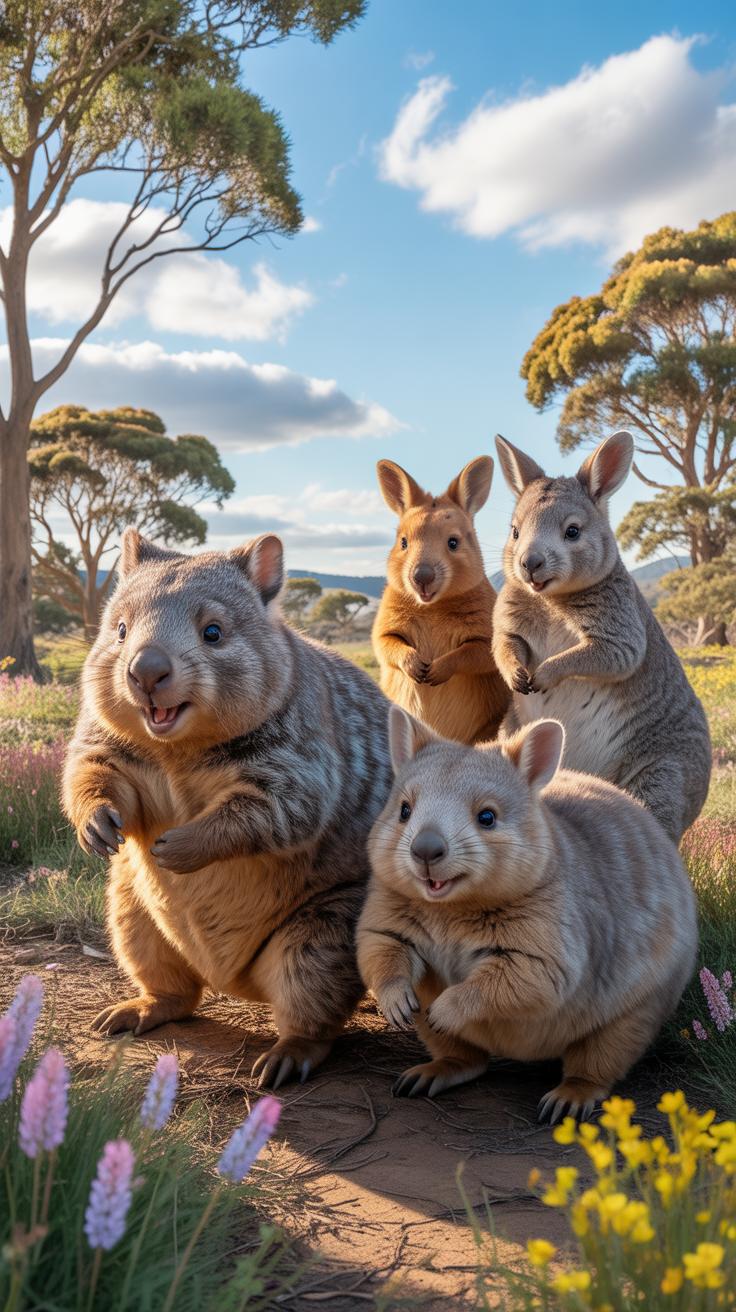
Why The Common Wombat’S Barrel Shaped Body Makes It Look Like A Living Stuffed Animal
The Common Wombat possesses a distinctively stout and barrel-like frame. Evolution shaped this animal for subterranean life. Its short legs and thick bone structure create a heavy appearance. A square head and small ears mirror the proportions found in early Teddy Bear designs. This density makes the animal look like a firm toy stuffed with heavy polyester fiber or sawdust.
Dense fur covers a thick layer of fat and muscle. This texture hides the skeletal definition common in other wild mammals. When the wombat sits, its body collapses into a round mound. Manufacturers use this exact shape to create stable plush figures that do not tip over. The lack of a visible neck enhances the simplified toy aesthetic. These features drive the market for marsupials that look like toys.
Bennett’S Wallaby And The Red Necked Wallaby: Gentle Giants That Mirror Plush Toy Designs
Bennett’s Wallaby is a subspecies of the Red-Necked Wallaby known for its soft appearance. It shares the upright posture and oversized paws seen in classic stuffed animal patterns. The fur feels exceptionally thick and woolly compared to larger kangaroo species. Their large eyes and long eyelashes create a vulnerable look. Designers copy these facial proportions to trigger an emotional response in consumers.

The Red-Necked Wallaby features a color palette that blends grey, white, and rust. These natural tones mimic the dyed fabrics used in high-end mohair toys. Their movement is slow and rhythmic when grazing. This predictable behavior makes them appear approachable and static like a display piece. The animal’s silhouette fits the standard template for children’s character designs. This physical profile remains a primary reference for plush toy prototyping.
Responsible Ways To Appreciate Marsupials That Look Like Toys Without Harming Them In The Wild
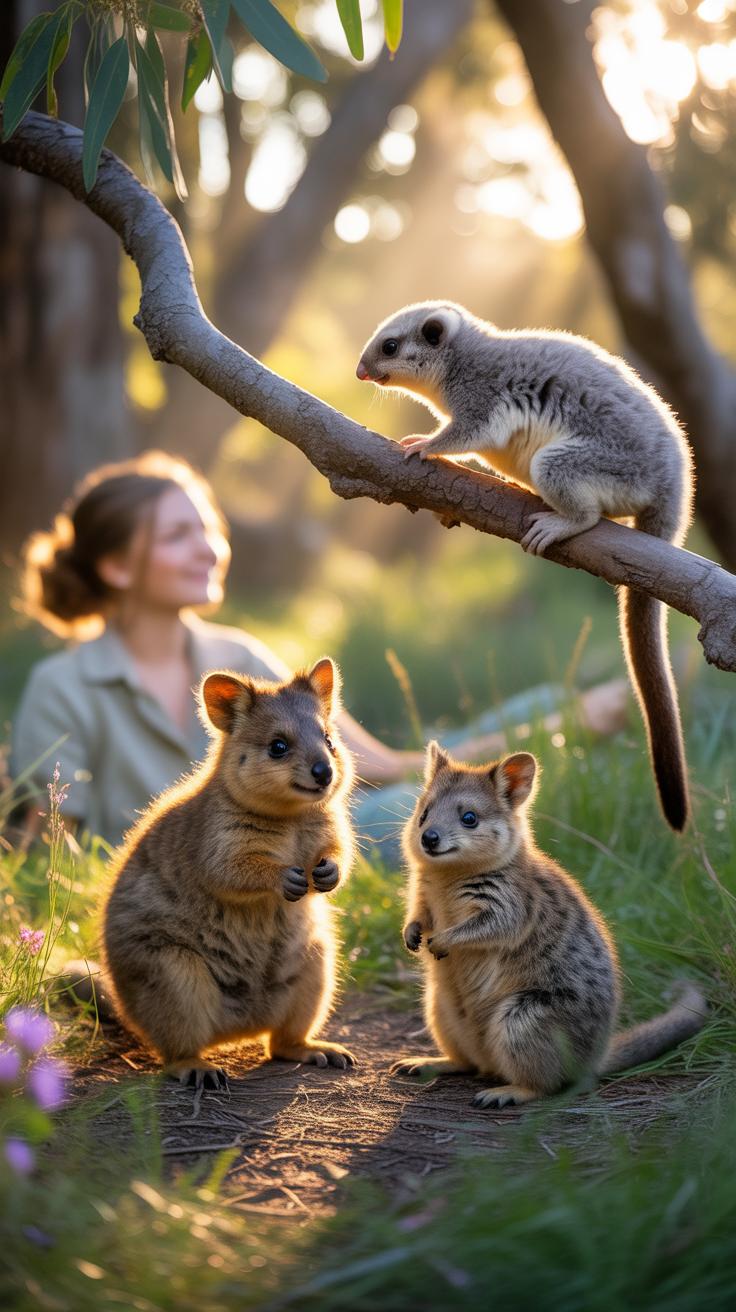
Why Keeping Marsupials As Pets Is Often Harmful Despite How Much They Resemble Soft Toys
Sugar gliders and quokkas resemble plushies but remain wild animals with complex needs. Captivity creates chronic stress for these creatures. Most owners cannot replicate their specialized diets or social structures. Proper marsupial care requires vast space and nocturnal environments. Traditional homes fail to meet these specific biological demands. Pet trade demands also fuel illegal poaching and weaken wild population numbers significantly.
Most toy like marsupials are social animals that live in large groups. Isolation in a cage leads to self mutilating behaviors and depression. Veterinary care for exotic species is rare and expensive. Many owners abandon these animals when they realize they are not cuddly. Wild animals possess sharp claws and teeth for survival. They do not enjoy frequent human handling or bright indoor lights.
Best Wildlife Sanctuaries, Ethical Tours, And Conservation Programs To See Marsupials Responsibly
Ethical wildlife viewing prioritizes animal welfare over human entertainment. Responsible travelers choose sanctuaries that do not allow direct handling or forced photos. These organizations focus on rescue and rehabilitation rather than breeding for profit. Support facilities that provide large, naturalistic enclosures for their residents. Verifying a facility through global accreditation bodies ensures your money funds actual conservation efforts and habitat protection.
- Healesville Sanctuary: This Australian site focuses on native species recovery. They provide professional medical care for injured wildlife and offer educational experiences. Visitors see animals in settings that mirror their natural Victorian bushland habitats without stressful physical interaction.
- Bonorong Wildlife Sanctuary: This Tasmanian facility operates a 24 hour rescue service for orphaned animals. They focus on local species like Eastern Quolls and Sugar Gliders. Their tours explain the tactical steps needed to prevent local extinction and protect wild corridors.
- Bush Heritage Australia: This non profit buys land to protect vital marsupial habitats. Investing in their programs preserves the environment where these animals live naturally. They use scientific monitoring to track population health and manage invasive predators across the country.
- Kangaroo Island Wildlife Park: This park played a major role in saving species after massive bushfires. They provide a safe haven for displaced pygmy possums and other vulnerable marsupials. Their focus remains on long term recovery and returning healthy animals to the wild.
- The Quokka Project: This initiative promotes responsible tourism on Rottnest Island. They educate the public on the dangers of feeding wild quokkas human food. Their work ensures that these social animals remain healthy and wild while allowing for respectful observation.
Avoid any tour that promises close contact with wild marsupials. These interactions disrupt natural foraging and mating patterns. Stick to marked trails and use high quality optics for viewing from a distance. Respecting their space ensures these species survive for future generations. Real conservation requires observing animals on their terms. Your choices impact the survival of these unique and vulnerable creatures.
Frequently Asked Questions

Which species are the most famous marsupials that look like toys?
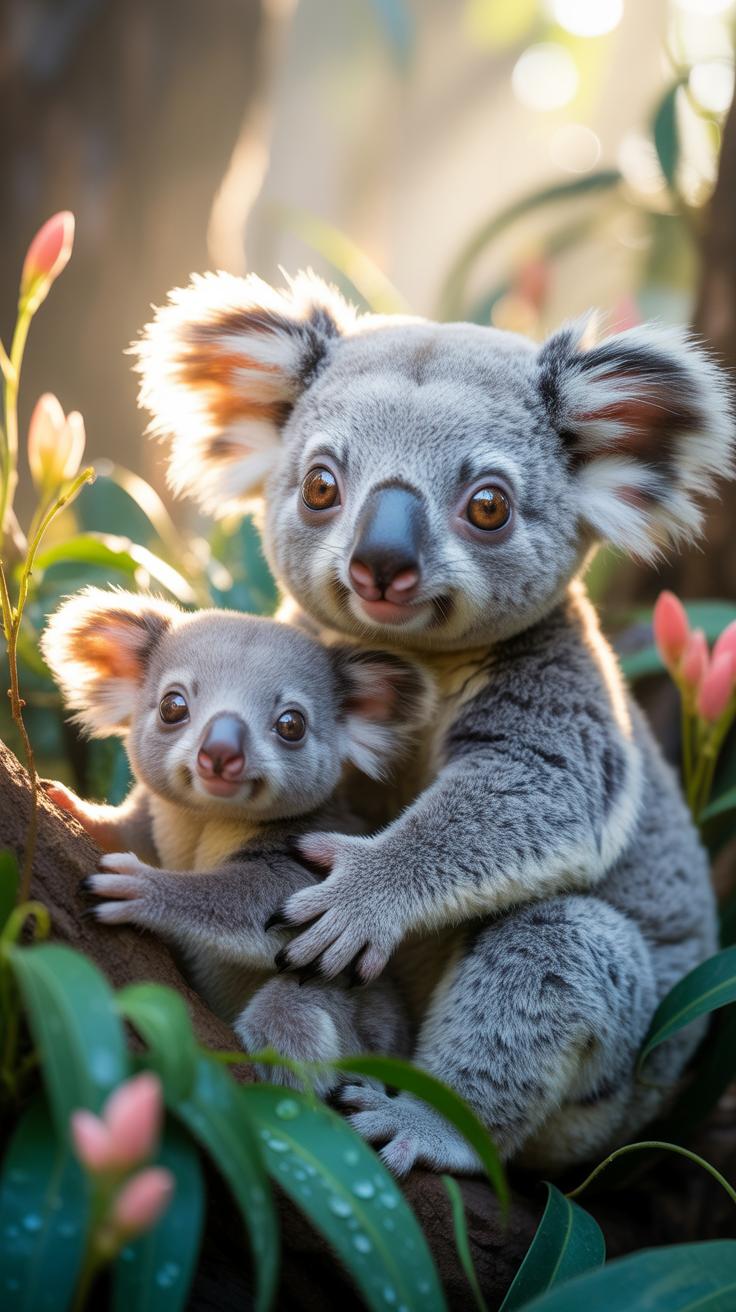
Several species are renowned for their plush-like appearance. The Quokka is often called the world’s happiest animal due to its chubby cheeks and constant smile, while the Sugar Glider features large, soulful eyes and soft fur. However, the Koala remains the ultimate example of marsupials that look like toys, moving slowly and possessing a fuzzy, rounded body that makes them look exactly like a classic nursery teddy bear come to life.
How can I responsibly view these adorable animals in person?
To see these creatures safely, you should visit accredited wildlife sanctuaries or ethical zoos that prioritize conservation over entertainment. When observing marsupials that look like toys, always follow the “no touch” rule to prevent stressing the animals. If you are traveling to Australia, book a guided eco-tour where experts can help you spot species like Wombats or Tree-kangaroos in their natural habitats without disturbing their delicate daily routines or environments.
Is it expensive to visit or support these cute marsupial species?
Visiting sanctuaries usually involves a modest entry fee that directly funds habitat restoration and animal medical care. If traveling abroad isn’t in your budget, you can support them affordably through “symbolic adoption” programs offered by organizations like the WWF. These programs provide you with a digital certificate or a physical plushie, allowing you to contribute to the protection of these precious animals from the comfort of your own home at any price point.