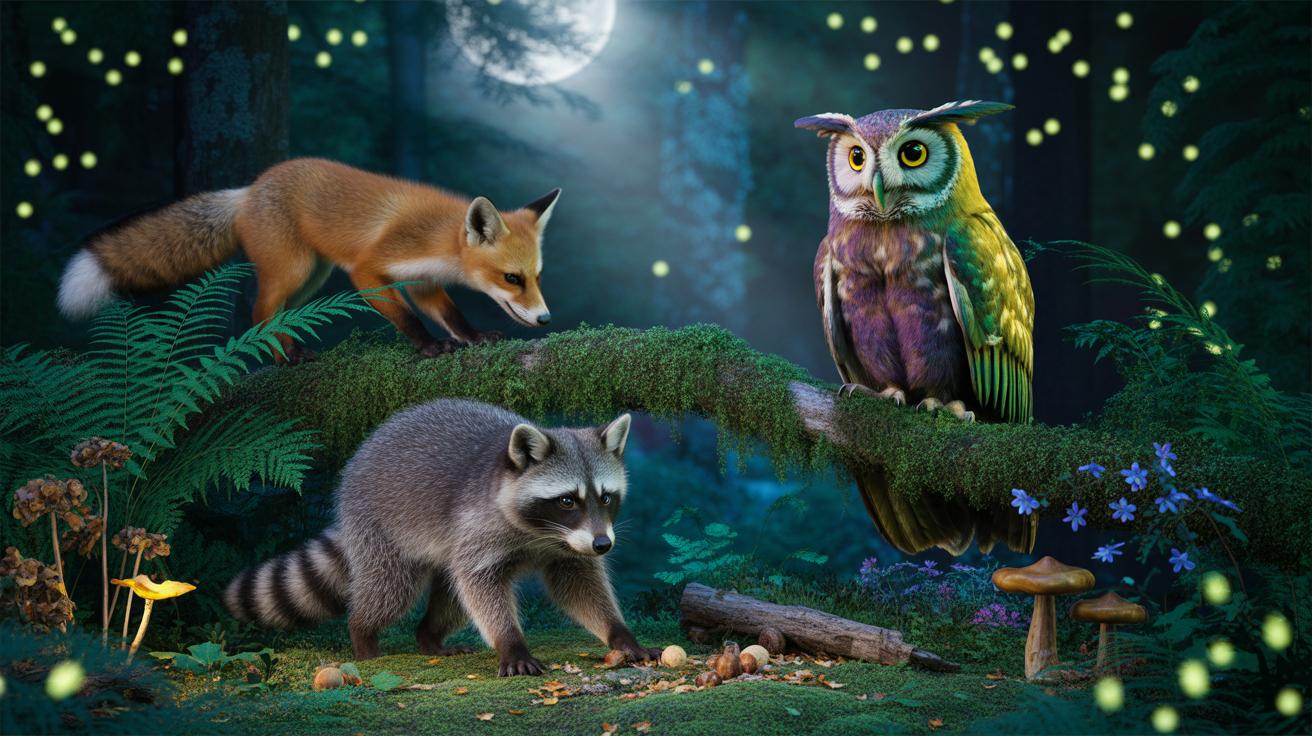
What Makes An Animal Nocturnal Understanding Night Time Behavior In The Wild
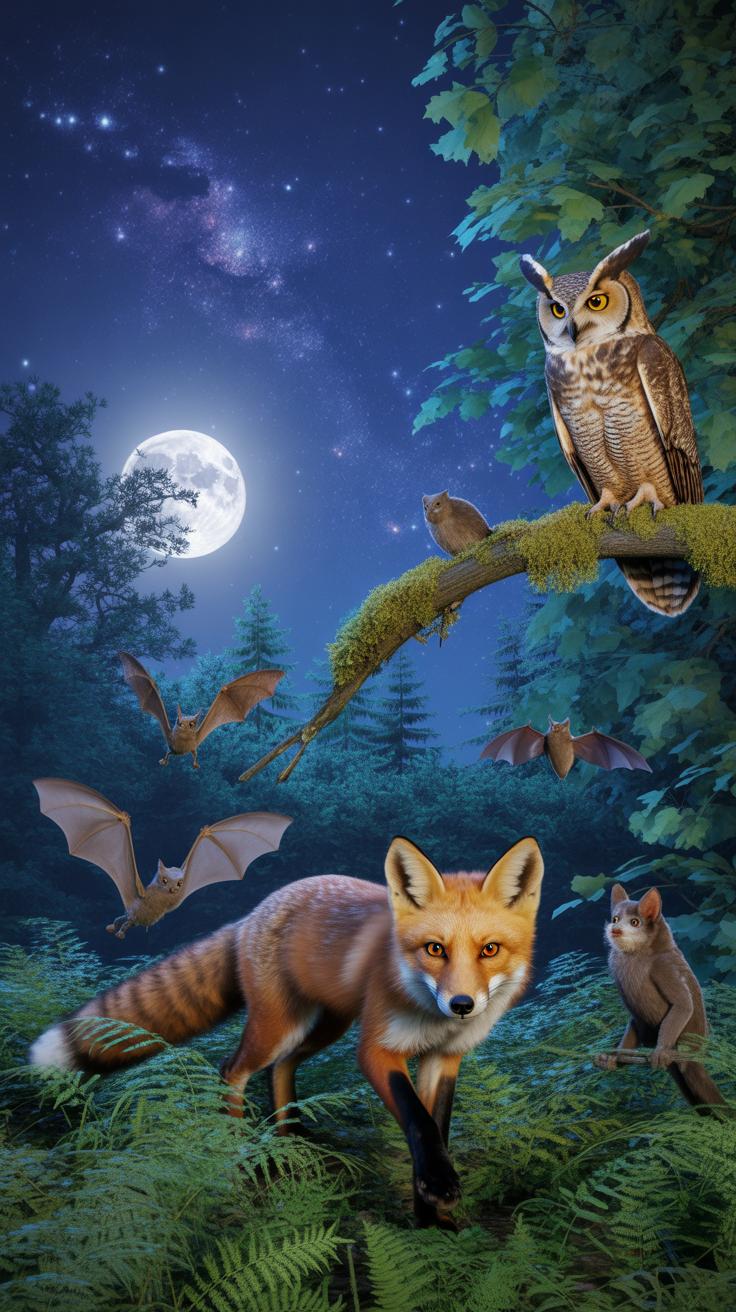
The Science Behind Why Some Animals Are Built For Darkness
Evolution forces animals to fill specific niches to survive. Many species moved to night activity to avoid daytime predators. This shift also helps animals in hot climates save water. They stay cool by hiding during the day. This behavior change required physical updates over millions of years. These changes allow animals to thrive when their competitors are asleep in their dens.
Biological clocks guide these patterns through circadian rhythms. Light levels signal the brain to release specific hormones. These chemicals tell the body when to hunt or sleep. Energy management is the main goal of this process. Animals with surprising night habits use these internal signals to gain a tactical edge. They occupy the land when resources are free and the environment is less crowded.
How Nocturnal Animals Use Their Senses Differently Than Daytime Species
Night hunters rely on specialized hardware to see in the dark. Many possess a reflective layer behind the retina called the tapetum lucidum. This layer bounces light back through the eye to double light intake. It creates the glow you see when a light hits an animal at night. This physical adaptation provides superior motion detection and clarity in near total darkness.
Sound and smell replace sight as the primary tools for navigation and hunting. Large ears capture faint sounds from prey moving under leaves or soil. Highly developed olfactory systems track scents over long distances without visual cues. These animals process sensory data faster than humans. They build a mental map of their surroundings using vibrations and echoes. This efficiency ensures they find food while avoiding larger threats.
The Nocturnal Animal List You Never Knew Existed Beyond Owls And Bats
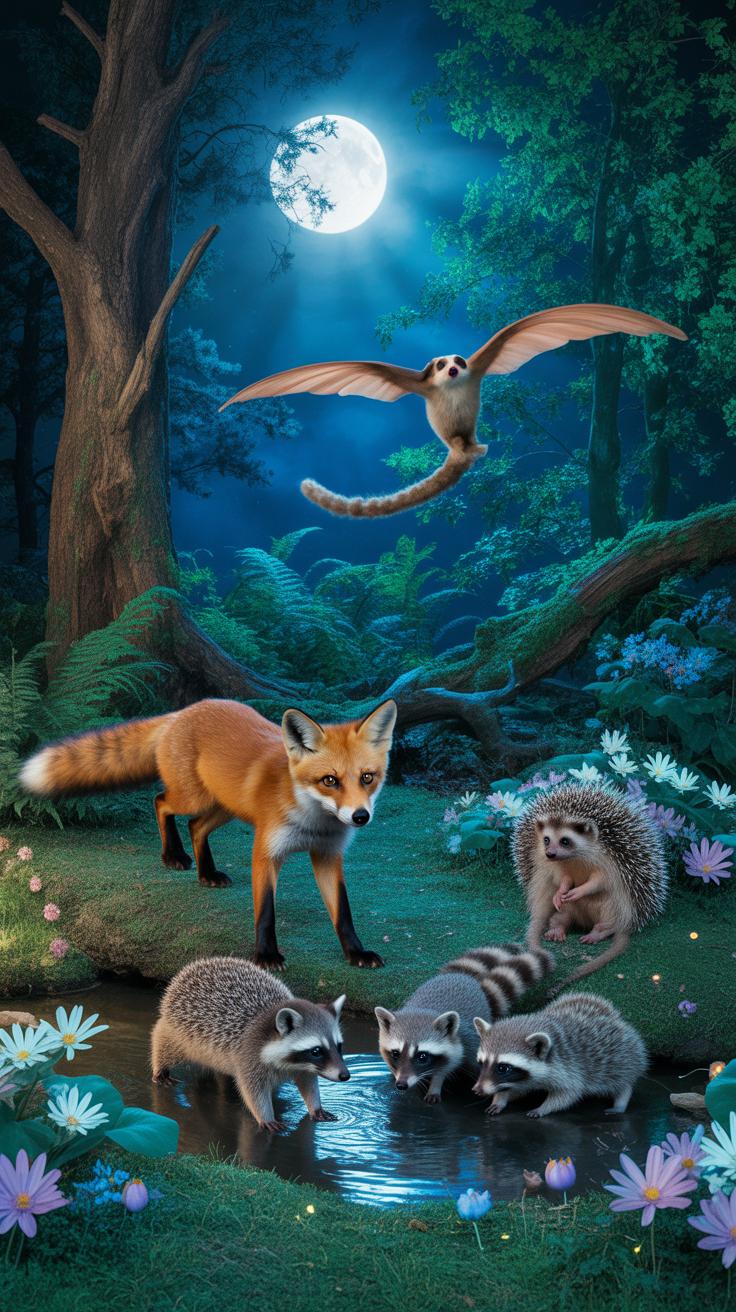
Surprising Animals That Quietly Come Alive Once The Sun Goes Down
Most people think of mammals when discussing nocturnal activity. However, many insects and amphibians drive the night economy. Fireflies and crickets use the dark to communicate without visual noise. They rely on light pulses or sound vibrations to find mates. This timing reduces their risk of becoming prey for daytime birds. Darkness provides a strategic shield for these vulnerable species.
Large herbivores also change their behavior after sunset. Hippos spend their days in the water to stay cool and protect their skin. They only exit the water at night to graze on land. This shift allows them to travel miles without suffering from heat exhaustion. Their night habits are purely tactical. They seek energy efficiency and thermal regulation while the sun is down.
A Closer Look At Lesser Known Nocturnal Species Across Every Continent
Nocturnal behavior exists in diverse ecosystems across the globe. Some species evolved these traits to exploit niche resources. Others use the dark to evade specific predators that hunt by sight. These animals are not rare, but humans rarely see them. Understanding their schedules reveals the complexity of global food chains. Each continent hosts unique specialists that master the night.
- Aardvark: This African mammal hunts termites exclusively at night using a powerful sense of smell. It can dig through hard mounds in seconds. Its nocturnal schedule protects its sensitive skin from the harsh desert sun during the day.
- Sugar Glider: These Australian marsupials use skin membranes to glide between trees in total darkness. They feed on eucalyptus sap and insects under the cover of night. Large eyes allow them to navigate dense forest canopies without hitting branches.
- Slow Loris: Found in Southeast Asia, this primate moves with deliberate silence through the trees. It is one of the few venomous mammals on Earth. It uses the darkness to stalk prey and hide from larger nocturnal hunters like pythons.
- Red Eye Tree Frog: These Central American amphibians hide their bright colors during the day by closing their eyes. At night, they become active hunters. Their dark environment helps them catch flies and moths that are attracted to moonlight or bioluminescence.
- Kakapo: This flightless parrot from New Zealand is the only nocturnal bird of its kind. It walks long distances on the forest floor to find fruit and seeds. Night activity is its primary defense mechanism against historical aerial predators.
Environmental factors dictate these biological clocks. Temperature, humidity, and light levels influence when an animal decides to move. Evolution rewards species that find a competitive edge in the shadows. By operating at night, these animals avoid direct competition with daytime species. This separation of time allows more life to exist within a single square mile. They turn the night into a productive workspace.
The Night Squirrel A Fascinating Glider That Rules The Dark Forest
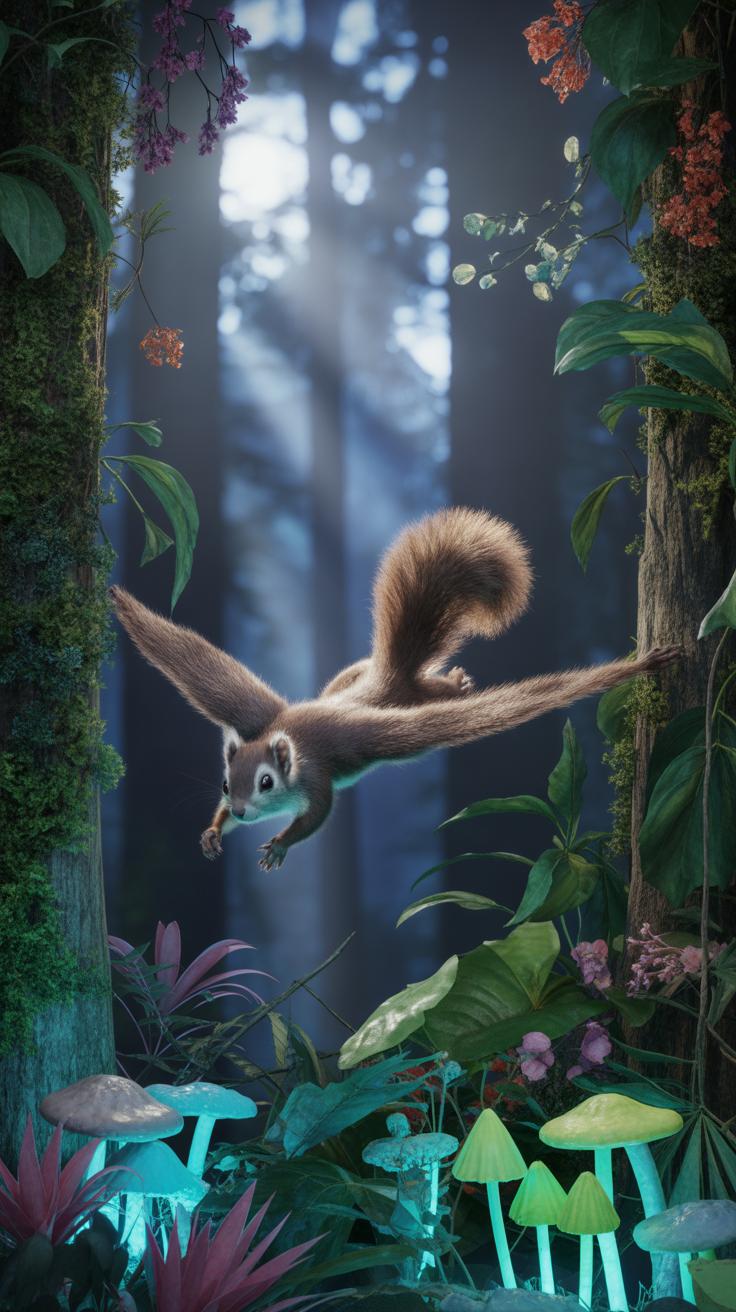
How The Flying Squirrel Navigates Forests At Night Using Memory And Smell
Flying squirrels are strictly nocturnal rodents. They do not fly like birds. Instead they use a furry membrane called a patagium to glide between trees. These animals rely on spatial memory to map their territory in total darkness. They memorize the exact location of landing spots and food sources. This mental map allows them to move fast when predators like owls chase them through the woods.
Acute senses supplement their navigation skills. Large eyes capture minimal light to see shapes in the dark. Long whiskers detect air currents and nearby obstacles. They use a keen sense of smell to find buried nuts or lichen on bark. These tools allow the squirrel to land with precision on small branches. Their survival depends on this sensory data. They process information quickly to make split-second flight decisions.
Why Flying Squirrels Glow Pink Under UV Light And What That Means
Scientific research shows that New World flying squirrels exhibit biofluorescence. Their belly fur glows a vivid pink color under ultraviolet light. This trait is rare among mammals. Researchers discovered this fact by accident during night surveys. The glow comes from porphyrins deposited in the fur fibers. It is most intense on the underside of the animal. This visual signal serves a specific purpose in the dark.

The exact tactical reason for the pink glow is still under study. One theory suggests it helps squirrels identify their own kind in low light. Another theory claims it mimics the glow of certain lichens to provide camouflage. It might even confuse the vision of avian predators like owls. This trait highlights how these animals adapt to a night environment. They use light wavelengths that humans cannot see without specialized equipment.
Cute Nocturnal Animals List Adorable Creatures With Surprisingly Bold Night Habits
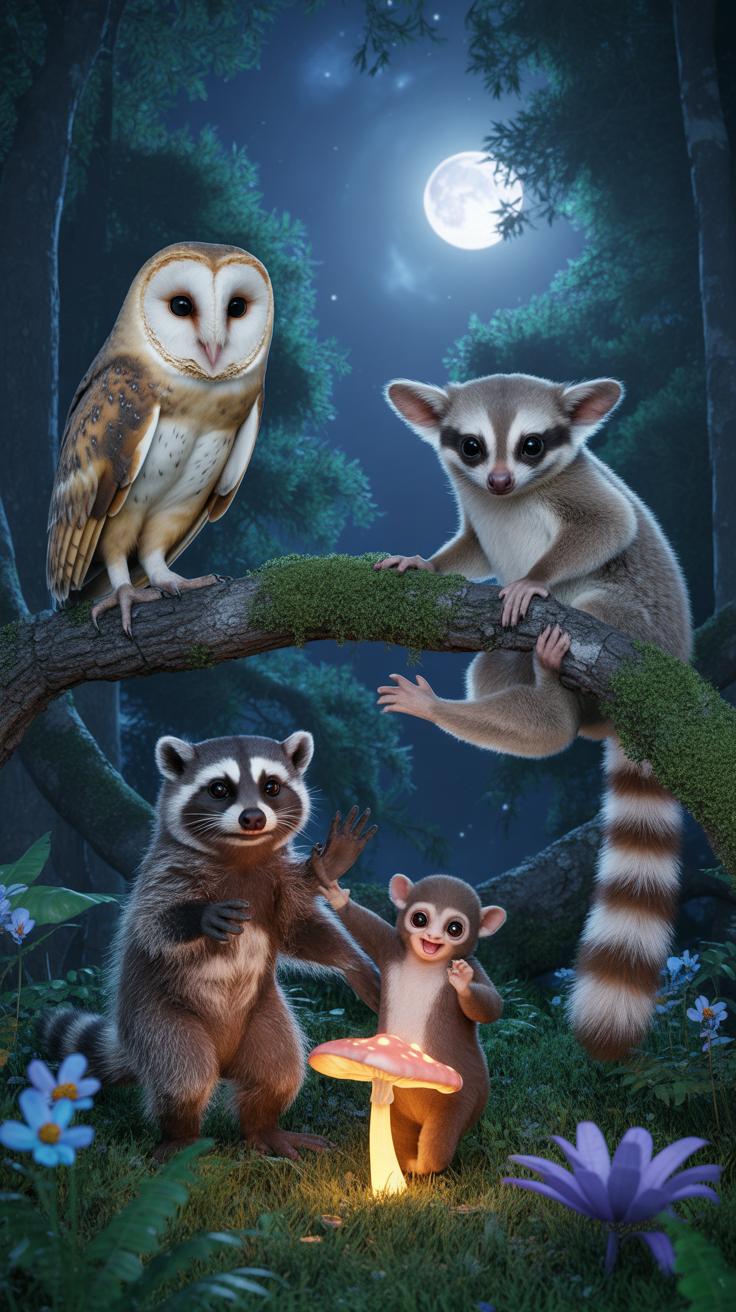
The Slow Loris, Tarsier, And Sugar Glider: Cute Faces With Fierce Nocturnal Instincts
The slow loris is the only venomous primate on earth. It licks a gland on its arm to mix secretions with saliva. This creates a toxic bite that causes flesh to rot. During the night, these animals travel long distances to find prey and defend territory. They are not slow by choice but move silently to ambush insects and small birds.
Tarsiers have eyes larger than their brains to maximize light capture. They are the only entirely carnivorous primates. They leap up to forty times their body length to snatch prey mid-air. Sugar gliders use membranes to soar through the dark canopy. They live in social groups and actively defend food sources against larger intruders. These behaviors ensure survival in high-risk environments.
Why Small And Fluffy Does Not Mean Harmless When The Lights Go Out
Small nocturnal mammals prioritize efficiency over appearance. Their large eyes and soft fur are tactical adaptations for hunting and evasion. Dark conditions allow these creatures to hide from large predators while tracking smaller prey. They use acute hearing to detect movement in the brush. This sensory edge makes them elite hunters. They do not play. They search for calories and safety.
Metabolic demands drive high activity levels after sunset. A small body loses heat quickly. These animals must eat constantly to maintain energy. This creates high levels of aggression and risk-taking behavior. They often fight over fruit or nectar sources. Sharp claws and teeth are tools for survival. Do not mistake their small size for weakness. They are built for extreme nocturnal performance.
Sleeping Animals Cute Enough To Stop Your Scroll But Their Rest Is Anything But Simple

How Nocturnal Animals Sleep During The Day Without Getting Detected By Predators
Nocturnal animals use passive defense strategies to survive daylight hours. Stealth is their primary tool for staying alive while unconscious. Many species choose specific microhabitats that offer physical barriers or visual concealment. Cavity nesters like owls and certain rodents retreat into hollow trees or underground burrows. These spots regulate temperature and block the view of passing raptors or land based carnivores.
Camouflage plays a critical role for animals resting in the open. The nightjar and many moth species possess plumage or wing patterns that mimic tree bark or leaf litter. They remain perfectly still to avoid triggering the motion sensors of predators. Disruption of body outlines helps them blend into the background. Choosing the right substrate is a tactical decision that determines whether the animal survives until sunset.
Unihemispheric Sleep And Other Bizarre Rest Patterns Found In Night Active Animals
Unihemispheric slow-wave sleep allows animals to rest one half of the brain at a time. The opposite eye stays open and alert for threats. This biological hack is common in aquatic mammals and several bird species. It ensures they maintain motor control and environmental awareness. This state prevents drowning for sea creatures and mid-air collisions for birds during long migrations. It is a high-stakes survival mechanism.
Some night-active animals utilize short bursts of microsleep rather than long cycles. Fruit bats and certain primates power nap to manage energy levels without losing too much time for foraging. Their brains can enter deep sleep stages rapidly and exit just as fast. This flexibility is necessary for animals living in high-risk environments. It allows them to prioritize caloric intake while maintaining a baseline level of tactical readiness against unexpected danger.
Nocturnal Animals Facts For Kids Fun And Surprising Things Young Readers Will Love
Kid Friendly Facts About Animals That Hunt Hide And Howl After Bedtime
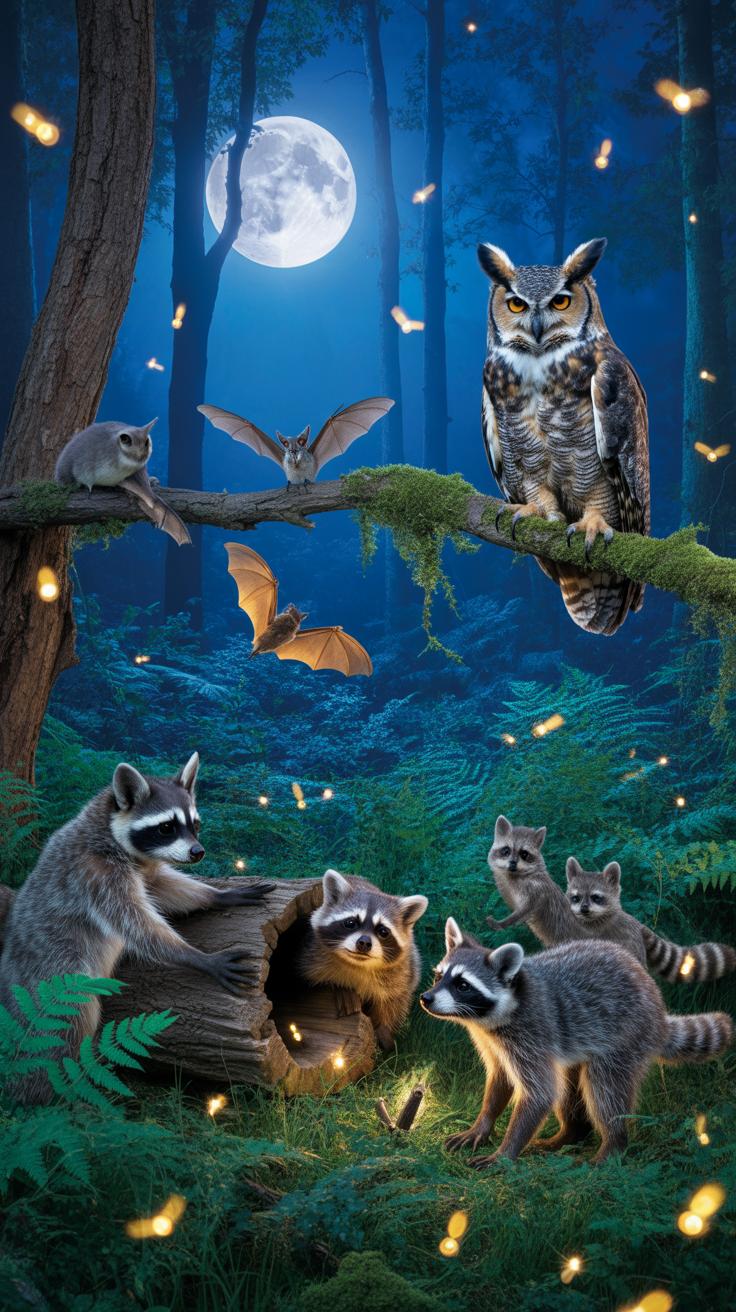
Many animals stay awake while humans sleep to avoid heat and predators. These creatures use specialized senses to navigate the dark. Some have massive eyes to collect moonlight. Others use sound to see their surroundings. Understanding these animals with surprising night habits helps kids learn how nature balances itself. Each species has a specific job that keeps the ecosystem healthy and functional during the late hours.
- Owls: These birds have specialized feathers that muffle sound. This allows them to fly in total silence. They can ambush prey without being heard. Their large eyes do not move, so they rotate their heads up to 270 degrees to look around for food.
- Bats: These mammals use echolocation to navigate. They emit high-pitched sounds that bounce off objects. This creates a mental map of their environment. Most bats eat thousands of insects in a single night, which helps farmers by protecting crops from pests.
- Opossums: These are the only marsupials in North America. They roam at night to find fruit and insects. When they feel threatened, they play dead to trick predators. They are also famous for eating thousands of ticks, which helps keep people and other animals safe.
- Fireflies: These beetles use bioluminescence to talk to each other. They create light through a chemical reaction in their abdomens. Each species has a unique flashing pattern. This light helps them find mates in the grass and trees without making any noise.
- Raccoons: These animals have very sensitive front paws. They use touch to understand their food before they eat it. Their dark facial markings help reduce glare from the moon. This mask-like fur improves their vision so they can forage more effectively in the dark.
Night animals have body parts built for the dark. Some have a reflective layer in their eyes called a tapetum lucidum. This makes their eyes glow when light hits them. This feature doubles their ability to see in low-light conditions. These physical tools ensure they find food and stay safe. Learning these facts shows how animals adapt to survive in difficult environments without any sunlight.
How To Spot Nocturnal Animals Safely And What Clues They Leave Behind
Spotting night animals requires patience and quiet movement. Do not use bright white flashlights because they blind the animals. Use a red light filter instead. Many animals cannot see red light well, so it lets you observe them without causing stress. Look for glowing eyes in the trees or bushes. Listen for rustling leaves or distinct calls like hoots and chirps to find them quickly.

Keep an eye on the ground for physical tracks. Look for muddy areas near water where footprints are clear. Scratches on tree bark and chewed nuts also provide clues. Check for droppings or feathers near the base of large trees. These signs prove an animal was present even if you do not see it. Stay on marked trails and keep a safe distance to protect the local wildlife.
Night Creatures Preschool Guide Introducing Young Children To Animals Of The Dark
Age Appropriate Ways To Teach Preschoolers About Animals That Are Active At Night
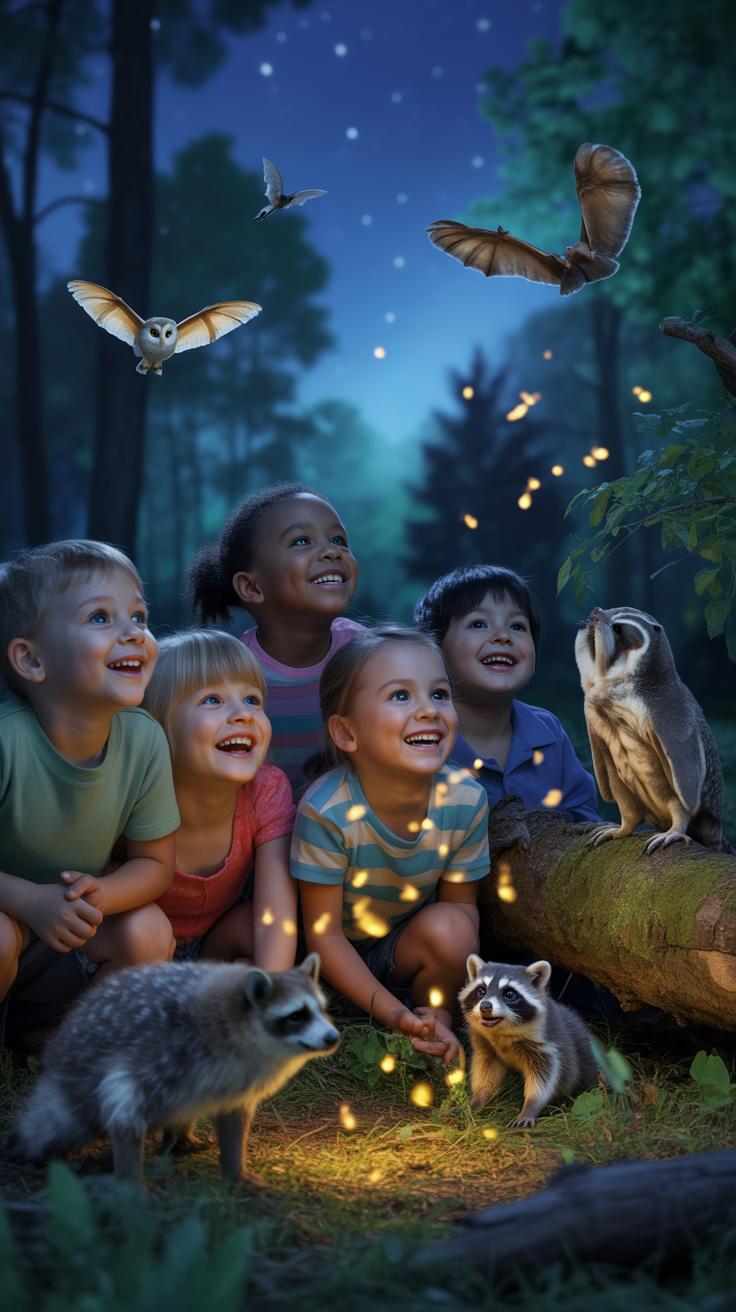
Start with the basics of light and dark. Explain that some animals have special bodies for nighttime living. Use simple terms like nocturnal to describe these creatures. Focus on familiar animals like owls or raccoons first. This helps children connect new facts to things they already know. Avoid scary stories or myths. Focus on biological tools like big eyes or sensitive ears.
Introduce the concept of a biological clock using daily routines. Compare a child’s dinner time to a bat’s breakfast time. Show how these animals serve a purpose in nature while humans sleep. Use physical demonstrations to show how nocturnal animals move. Have children practice quiet walking or cupping ears to hear better. These tactile methods reinforce how animals with surprising night habits survive and thrive.
Books Songs And Activities That Bring Night Creature Learning To Life For Little Ones
Select books that feature realistic illustrations of night scenes. Look for titles that show the moon and stars accurately. Read stories that depict animals searching for food or building homes after sunset. Use these books to prompt questions about animal behavior. Point out specific features like the reflective eyes of a cat. This visual evidence makes the science easy for a child to grasp.

Incorporate repetitive songs about night sounds to build memory. Use instruments to mimic the hoots of an owl or the chirps of a cricket. Create simple scavenger hunts in a darkened room using flashlights. This activity simulates how researchers study animals in the wild. Children learn to spot shapes and shadows without fear. Physical engagement ensures the lesson stays with them long after the activity ends.
Nocturnal Animals And Their Strangest After Dark Habits You Would Never Expect
The Aye Aye Taps Trees At Night To Find Food Using A Method Called Percussive Foraging
The Madagascar aye-aye uses percussive foraging to locate food in the dark. This primate taps on tree trunks with its elongated middle finger. It listens for the echo produced by hollow cavities inside the wood. This acoustic method allows the animal to locate wood-boring larvae without seeing them. It acts like a biological sonar system for finding high-protein prey at night.
Once the aye-aye detects a movement or a hollow space, it acts fast. It uses its powerful incisors to bite through the thick tree bark. Then it inserts its specialized thin finger into the hole to hook the grubs. This anatomical adaptation is unique among primates. It fills the ecological niche that woodpeckers occupy in other regions. This specific nocturnal behavior ensures survival in dense forest environments.
In the deep velvet of the night, the wild world awakens with secrets that the sun never sees. There is a quiet magic in the shadows where nature reveals its most hidden and mysterious wonders.
Octopuses, Cockroaches, And Leopards: Unexpected Nighttime Behaviors Across Species
Nighttime triggers specific tactical shifts in various species. Common cockroaches demonstrate increased learning capacity and memory retention during dark hours compared to the day. Octopuses often leave the water at night to hunt crabs across tide pools and rocks. They move strategically between pools to find trapped prey. These animals use the cover of darkness to exploit food sources that are too dangerous to reach during daylight.

Leopards change their physical movement patterns to maximize stealth after sunset. They utilize a specialized reflective layer behind the retina called the tapetum lucidum. This layer amplifies low light and provides a distinct visual edge over prey. These predators rely on complete silence and shadow to get within striking distance. Such behaviors prove that darkness is not just a time for rest. It is a period for high-stakes survival.
How Animals Navigate In Complete Darkness The Hidden Superpowers Of Nocturnal Animals
Echolocation, Tapetum Lucidum, And Infrared Detection Explained In Plain Language
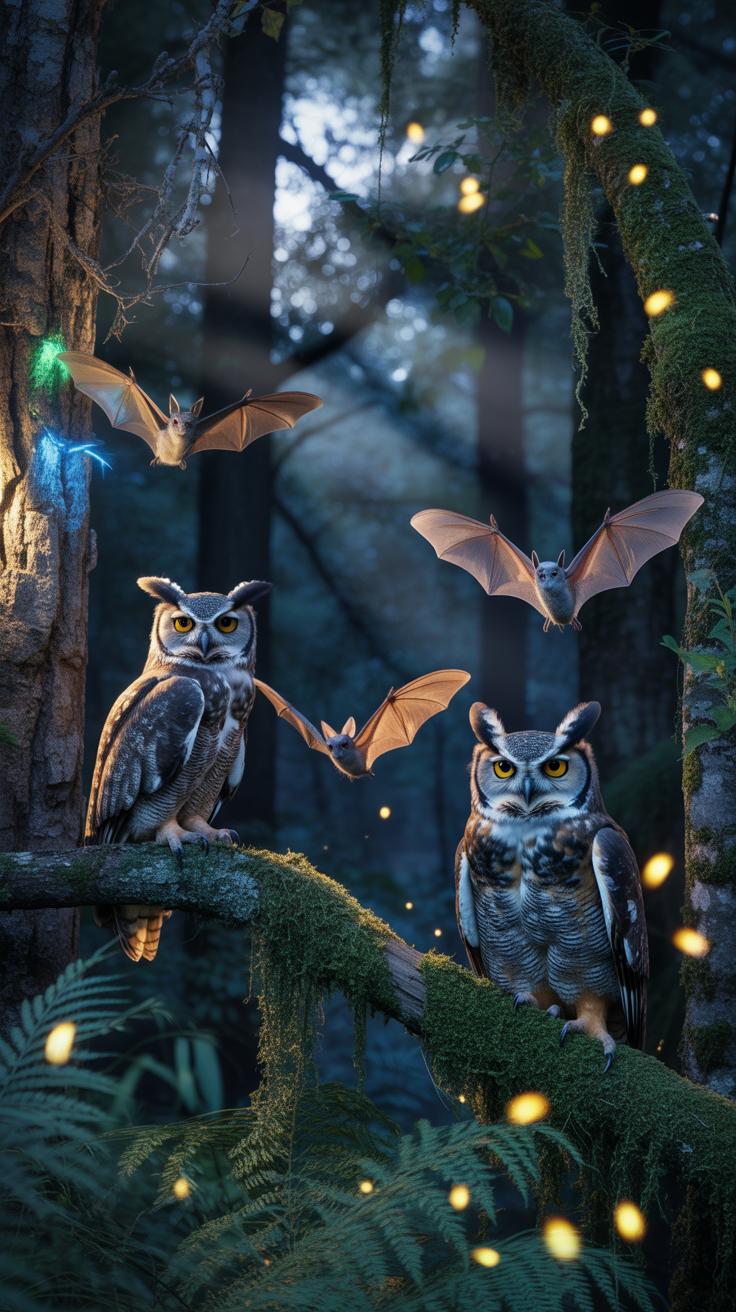
Nocturnal species use specialized biological hardware to map their environment. Echolocation allows bats and dolphins to emit high-frequency sound waves that bounce off objects. This system provides a detailed mental map of physical space without using sight. Animals analyze the return time and pitch of these echoes to determine the size, speed, and distance of prey. This acoustic imaging is precise enough to detect a single strand of hair.
The tapetum lucidum is a reflective layer behind the retina. It acts like a mirror to bounce light back through the eyes. This mechanism gives photons a second chance to hit photoreceptor cells. This increases light sensitivity by up to fifty percent. Snakes use pit organs to detect infrared radiation. These organs sense heat signatures from warm-bodied animals. This allows them to strike targets in total optical darkness.
Why Darkness Is Not An Obstacle But An Advantage For These Remarkable Animals
Darkness provides a strategic shield for specialized hunters. Most predators rely on vision, so nocturnal animals move under the cover of night to avoid being seen. This timeframe reduces the risk of being attacked. Many nocturnal animals evolved these traits during the Mesozoic era to avoid daytime predators. This shift allowed them to fill vacant ecological niches. It created a competitive edge for survival in harsh environments.
Low light levels also regulate body temperature and water retention. Desert animals stay active at night to avoid the heat of the sun. This behavior saves critical energy. The cool night air allows animals to travel further while burning fewer calories. Sensory specialization makes the dark an asset rather than a barrier. It turns a lack of light into a tactical theater where these animals hold every physiological advantage.
How Light Pollution Is Disrupting The Night Time World Of Nocturnal Animals
What Artificial Light At Night Does To The Behavior And Survival Of Night Active Species
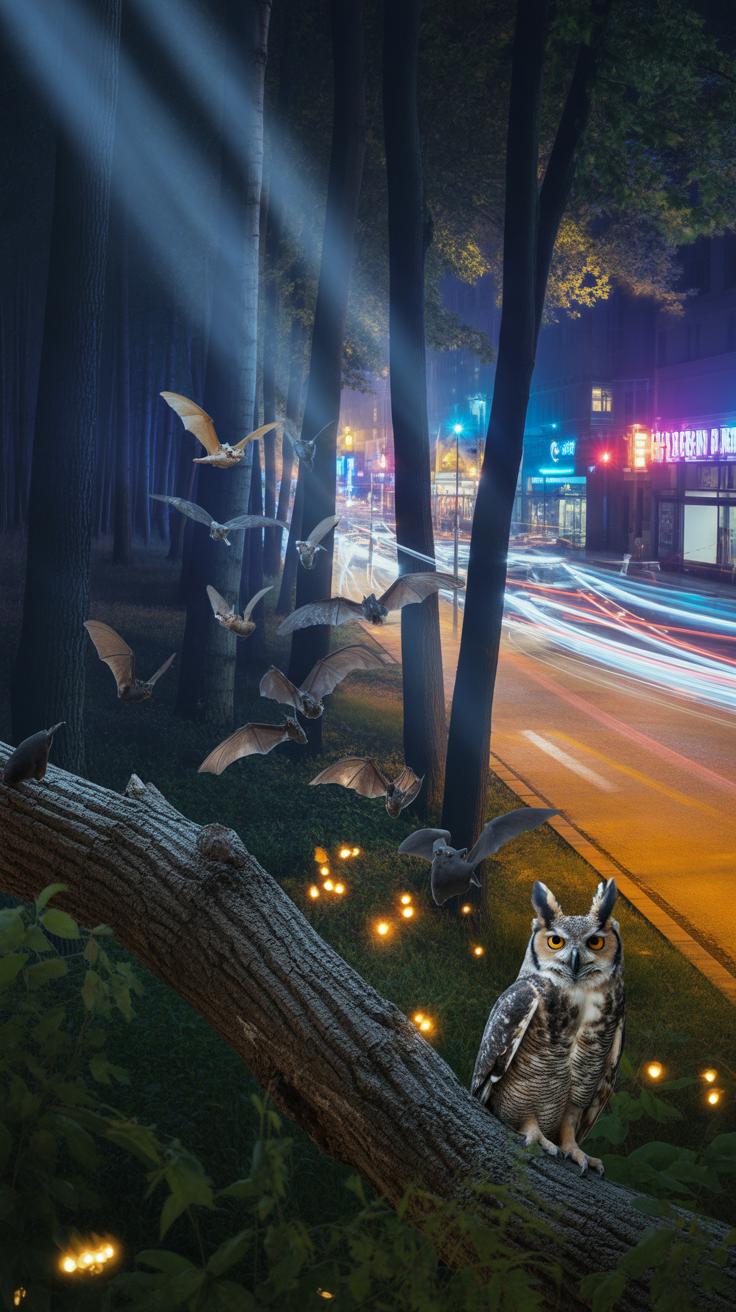
Artificial light at night destroys the natural cycle that nocturnal animals need to survive. Many species rely on absolute darkness to hide from predators or hunt for food. Excess light makes these animals visible and vulnerable. It also confuses migratory birds that navigate by the stars. These birds often crash into lit buildings or burn through energy reserves while flying in circles around bright beams.
Insects face a major threat from high intensity light sources. Moths and other bugs swarm around lights until they die from exhaustion or get eaten by opportunistic hunters. This disruption kills off local pollination and breaks the food chain for bats and birds. Light pollution also stops sea turtles from reaching the ocean. Hatchlings follow the brightest light to find the water but move toward inland streetlights instead.
Simple Ways Everyday People Can Help Protect The Darkness That Nocturnal Animals Depend On
Fixing light pollution starts with tactical changes at home. Turn off unnecessary outdoor lights before going to bed. Use motion sensors instead of constant beams to provide security without constant glare. These sensors ensure light only exists when someone moves nearby. Replace blue-white bulbs with warm-colored LEDs. Scientific data shows that amber and red tones have a lower impact on the circadian rhythms of local wildlife.
Improve your light fixtures by adding shields that point the beam downward. Modern light shielding prevents light from spilling into the sky or onto neighboring trees where animals sleep. Close your curtains at night to keep indoor light from leaking outside. These simple actions restore the natural habitat for animals with surprising night habits. Protecting the darkness saves energy and helps maintain the balance of the local ecosystem.
Frequently Asked Questions

Why do some common animals behave so differently once the sun goes down?
Many creatures utilize the cover of darkness to avoid predators or hunt more effectively using specialized senses. These animals with surprising night habits have evolved unique biological traits, such as infrared vision or echolocation, to navigate the world. By shifting their activity to the late hours, they can often find food sources and mates with less competition, leading to fascinating behaviors that we rarely witness during the bright daylight hours.
How can I safely observe animals with surprising night habits in my own backyard?
To see nocturnal activity without disturbing the wildlife, start by installing a motion-activated trail camera or using a red-light flashlight, as many animals cannot see the red spectrum. Avoid making sudden movements or loud noises while sitting quietly on your porch. Observing from a distance ensures you can witness these animals with surprising night habits performing their natural routines, like foraging or social grooming, while keeping both you and the creatures safe.
Are there low-cost ways to attract nocturnal wildlife to my garden for viewing?
You don’t need expensive equipment to welcome nighttime visitors. Providing a simple, shallow water source like a birdbath on the ground and planting night-blooming flowers can attract a variety of interesting insects and small mammals. Creating a small brush pile in a quiet corner provides essential shelter. These budget-friendly additions turn your outdoor space into a sanctuary, making it much easier to enjoy the secret lives of animals right from your back door.