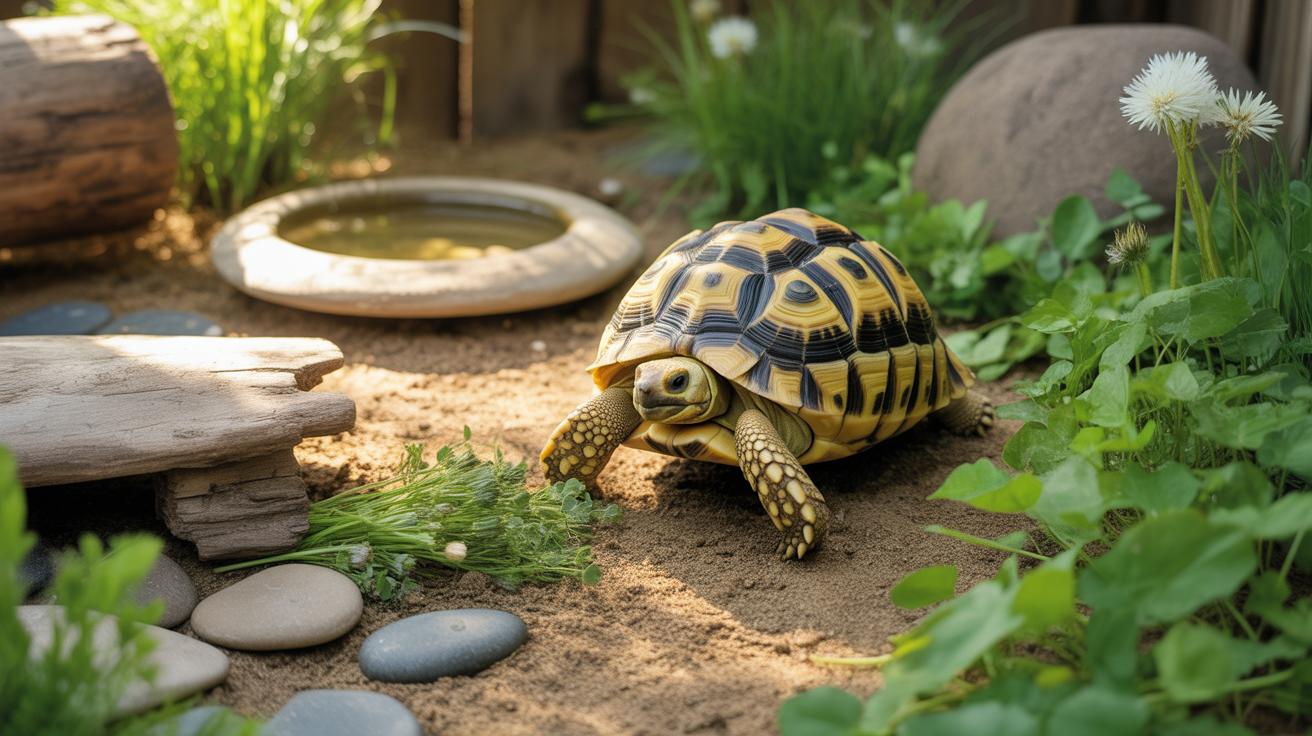
What Makes Russian Tortoise Care Ideal For Beginners Compared To Other Species
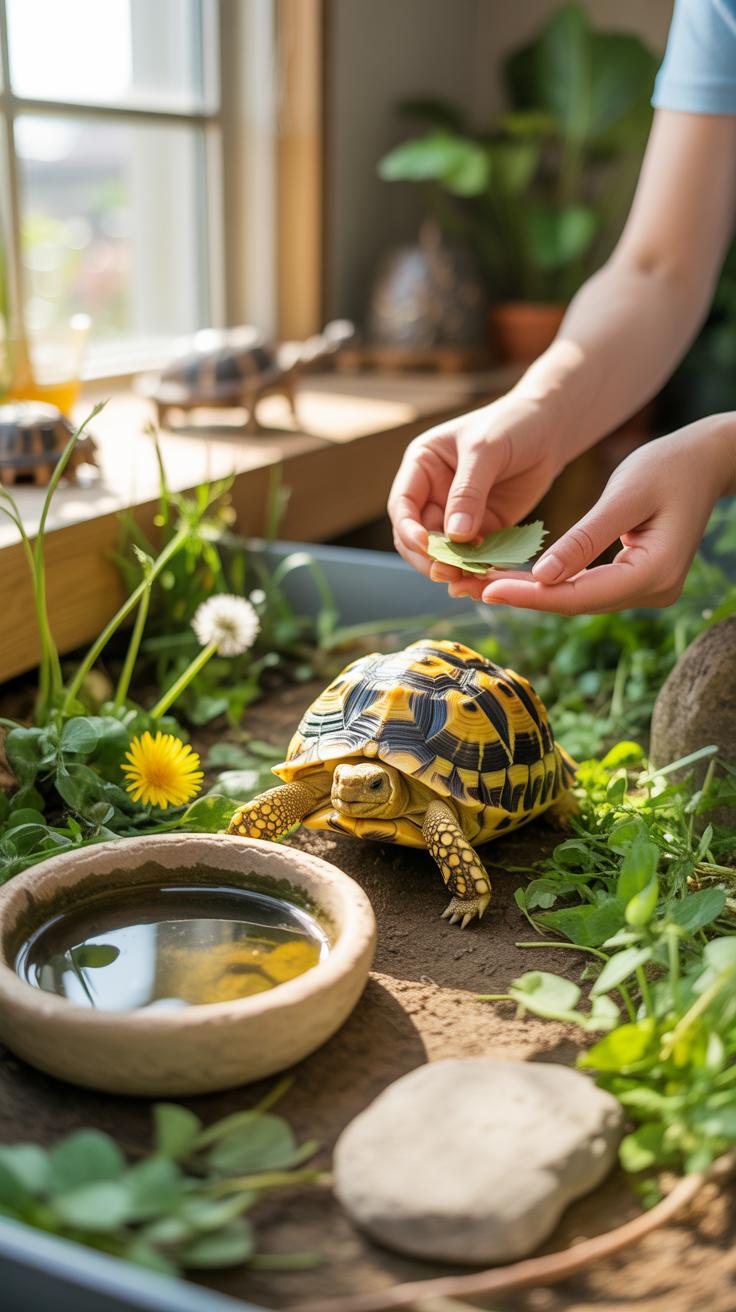
How The Russian Tortoise Differs From Species Like The Sulcata Tortoise And Hermann Tortoise
Sulcata tortoises grow to weighs over one hundred pounds and require massive outdoor enclosures. You cannot keep them in standard indoor housing as adults. Russian tortoises stay small and rarely exceed eight to ten inches in length. This size difference makes housing logistics much cheaper and easier for new owners. You can Manage a Russian tortoise in a standard apartment or a typical suburban home.
Hermann tortoises come from Mediterranean climates and require specific humidity levels and steady temperatures. Russian tortoises originate from harsh environments in Central Asia with extreme temperature swings. This history makes them more resilient to minor husbandry mistakes. They handle dry air better than most hatchling tropical species. This rugged nature provides a safety net for beginners who are still learning to balance heat and light.
Why Russian Tortoises Are Considered One Of The Most Manageable Pet Tortoises For First Time Owners
Russian tortoises possess a bold and active personality that rewards new keepers. They spend less time hiding and more time exploring their environment compared to shy forest species. This activity level makes it easier for owners to monitor health and behavior daily. They eat a simple diet of leafy greens and weeds found in most grocery stores. You do not need complex feeding schedules or expensive meat proteins.
These animals tolerate a wide range of indoor conditions without falling ill immediately. Their small size means you spend less money on substrate and electricity for heating. They do not require a massive vaulted ceiling or reinforced flooring to survive. Most pet stores stock them regularly because they adapt quickly to captive life. This availability and hardiness make them the most logical entry point for any serious reptile hobbyist.

Understanding Russian Tortoise Origins And Natural Tortoise Habitat

Where Russian Tortoises Come From Native Range Across Central Asia And Its Rocky Arid Landscapes
Russian tortoises live across the harsh regions of Central Asia including Uzbekistan and Kazakhstan. They inhabit dry steppes and desert edges with sandy or clay soil. These areas feature sparse vegetation and extreme temperature swings between seasons. The environment is rugged and provides little cover from the sun. Survival depends on the tortoise finding precise locations where soil density allows for deep digging into the earth.
This species navigates rocky terrain and high altitudes throughout its native range. The climate is continental with hot summers and very cold winters. Rainfall occurs mostly in the spring causing a short burst of plant growth. During the rest of the year the ground stays dry and hard. These tortoises have evolved to be efficient foragers in a land where food is often scarce and highly seasonal.
How Understanding Their Natural Tortoise Habitat Shapes Every Aspect Of Their Care In Captivity
Their wild environment dictates your indoor setup and light cycles. Because they come from arid regions you must provide low humidity and high heat. High humidity causes respiratory infections and shell rot in this species. You must use a substrate that mimics the dry soil of the steppe. This allows them to express their natural urge to burrow which regulates their body temperature and hydration levels.

The scarcity of food in Central Asia means these tortoises possess slow metabolisms. Overfeeding in captivity leads to rapid growth and shell deformities. You should provide a high fiber diet while avoiding fruits and high protein items. Their ability to survive cold winters means they require a distinct cooling period or controlled hibernation. Matching these environmental cues ensures the tortoise stays healthy and lives a full life.
Setting Up The Right Tortoise Enclosure For Your Russian Tortoise
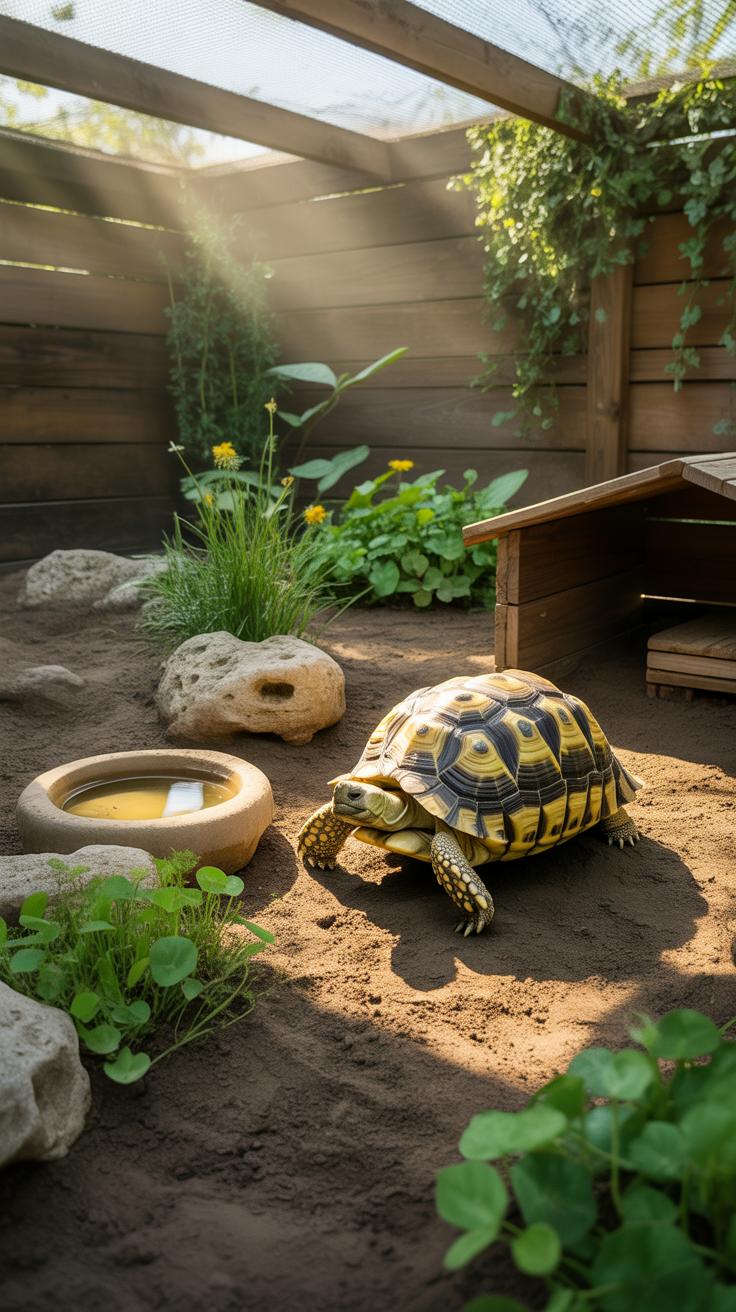
Indoor Vs. Outdoor Tortoise Enclosure Options: Choosing The Best Setup Based On Your Climate And Space
Outdoor enclosures provide the best environment for Russian tortoises when weather permits. Sunlight offers natural UV rays necessary for shell health and vitamin D3 synthesis. These tortoises thrive in dry conditions with nighttime cooling. If your local climate stays above 40 degrees Fahrenheit at night and provides low humidity, keep your tortoise outside. Ensure the perimeter prevents digging escapes by burying the mesh.
Indoor setups are necessary for cold climates or high-humidity regions. You must control every environmental factor including heat, light, and humidity levels. Use large wooden tortoise tables rather than glass tanks to reduce stress. Glass confuses tortoises because they do not understand the concept of a transparent barrier. Adequate indoor space requires dedicated square footage in a room with stable air temperatures and low foot traffic.
Essential Enclosure Components: Substrate, Hides, And Space Requirements For A Thriving Russian Tortoise
Russian tortoises are active burrowers that require specific materials to stay healthy. Space is the most critical factor for preventing lethargy and psychological stress. A single adult needs a minimum of eight square feet of floor space. The enclosure must have solid walls at least twelve inches high to prevent climbing escapes. Use deep substrate to allow for natural digging behaviors and moisture retention.
- Aspen Shavings or Cypress Mulch: These substrates allow for easy burrowing and do not rot quickly. Avoid cedar or pine because the oils are toxic to reptiles. Maintain a depth of at least four to six inches so the tortoise can fully submerge itself for sleep.
- Temperature Regulated Hides: Place at least two hides in the enclosure to provide security. Put one hide in the warm zone and one in the cool zone. This allows the tortoise to regulate its body temperature while feeling safe from perceived predators or bright light.
- Standard Water Dishes: Provide a shallow water bowl that is large enough for the tortoise to sit in. Russian tortoises often hydrate by soaking and absorbing water through their cloaca. Ensure the sides are low so the tortoise can enter and exit without flipping over.
- Basking Platform and Slate: Position a flat rock or slate tile under the heat source. This material absorbs heat and transfers it to the tortoise’s plastron to aid digestion. It also helps naturally file down the tortoise’s beak and nails as they walk across the hard surface.
- UVB and Heat Lighting: Install a high-quality UVB bulb along with a heat lamp. Russian tortoises require a 12-hour light cycle to maintain their circadian rhythm. Replace UVB bulbs every six months because the output drops significantly even if the light still appears to be functioning.

Clean the substrate regularly to remove waste and prevent bacterial growth. Russian tortoises produce dry urates and solid waste that you must spot-clean daily. Deep clean the entire enclosure every three months by replacing all substrate and scrubbing the walls with reptile-safe disinfectant. Proper maintenance prevents respiratory infections and shell rot. Always provide a clear temperature gradient so the tortoise can choose its optimal heat level.
Heating Lighting And Temperature Gradients Every Beginner Must Get Right

Why Proper Basking Temperatures And UVB Lighting Are Non Negotiable For Russian Tortoise Health
Russian tortoises are ectotherms. They rely on external heat sources to regulate their body temperature. Without a focused basking spot of 95 degrees Fahrenheit, their digestive systems fail. They cannot process nutrients or maintain high activity levels. If the tortoise stays cold, its immune system shuts down. This leads to respiratory infections and lethargy. Proper heat is a biological requirement for survival, not a luxury.
UVB lighting provides necessary Vitamin D3. This vitamin allows the tortoise to absorb calcium from its diet. Without specific UVB bulbs, Russian tortoises develop metabolic bone disease. Their shells become soft and deformed. You must replace these bulbs every six to twelve months. Even if the light still shines, the UVB output fades over time. Natural sunlight is best, but indoor setups require high-quality T5 linear fluorescent tubes.
How To Create A Temperature Gradient Inside Your Russian Tortoise Enclosure Day And Night
You must create a thermal gradient inside the enclosure. Place the heat source at one end to create a hot zone. Keep the opposite end much cooler, around 75 degrees Fahrenheit. This setup allows the tortoise to choose its own temperature. It will move to the hot side to digest food. It will move to the cool side to rest. A single uniform temperature across the cage causes chronic stress.

Nighttime requires a temperature drop to mimic natural desert conditions. Turn off all lights at night to maintain a proper circadian rhythm. Most homes stay warm enough for these tortoises after dark. Only use a ceramic heat emitter if your room drops below 60 degrees Fahrenheit. Do not use red lights or colored bulbs at night. These interfere with the tortoise’s sleep patterns. Keep the environment dark and cool for recovery.
What To Feed Your Russian Tortoise A Practical Tortoise Food Guide For Beginners
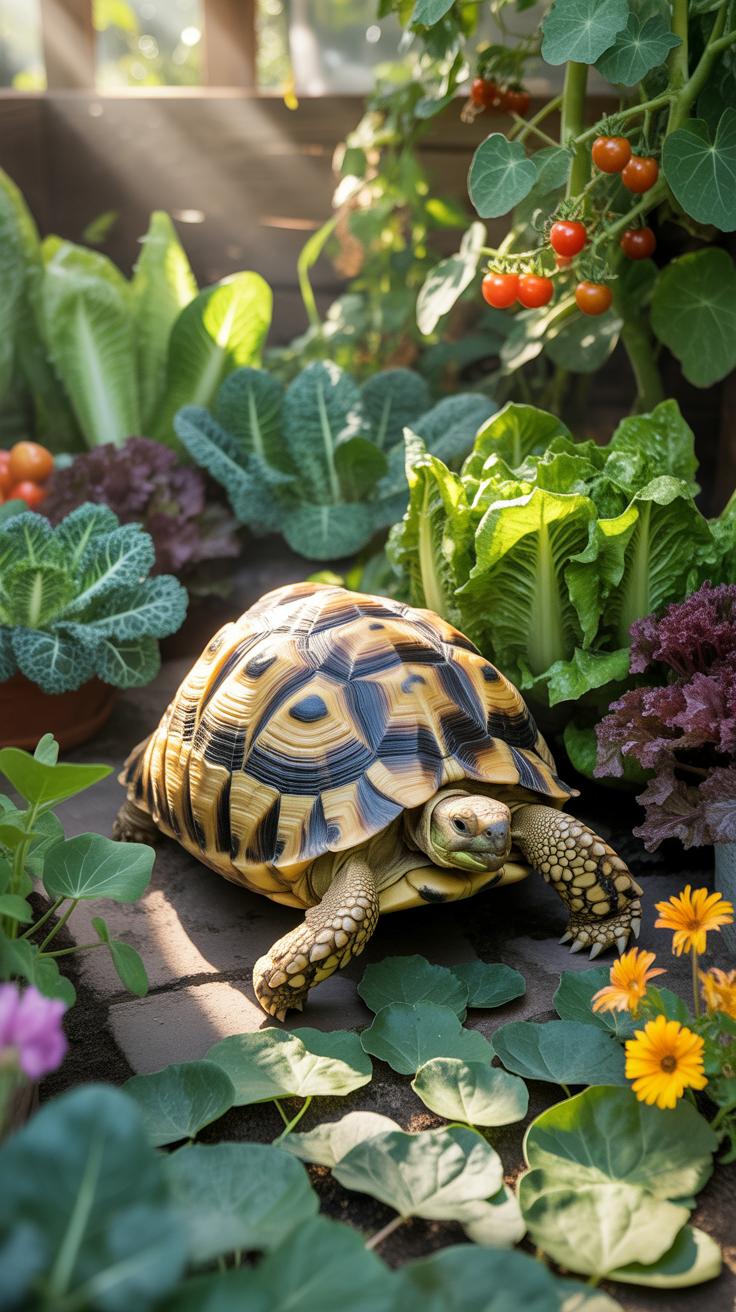
The Best Tortoise Food Choices For Russian Tortoises: Safe Greens, Weeds, And Plants To Offer Regularly
Russian tortoises are herbivorous browsers that evolved to eat fiber-rich weeds and grasses. In the wild, they consume tough, low-calorie vegetation across the dry steppes. Your goal is to replicate this high-fiber, low-protein diet to ensure proper gut motility. Offer a variety of leafy greens and edible weeds daily. Focus on calcium-rich options to support skeletal health and prevent metabolic bone disease.
- Dandelion Greens: These provide an excellent ratio of calcium to phosphorus. You can feed the leaves and flowers safely. Ensure you harvest from areas free of pesticides and chemical fertilizers.
- Broadleaf Plantain: This common garden weed is a staple for Russian tortoises. It contains high fiber levels that aid digestion. Most tortoises find the texture and taste highly palatable for daily meals.
- Opuntia Cactus: Also known as prickly pear, this plant offers incredible hydration and calcium content. Remove any large spines before feeding. It serves as a great supplement to standard leafy green rotations.
- Endive and Escarole: These store-bought greens are reliable staples when fresh weeds are unavailable. They provide necessary bulk and nutrients. Rotate them with other greens to prevent nutritional gaps in the daily diet.
- Hibiscus Leaves and Flowers: These plants offer safe variety and essential vitamins. Russian tortoises often prefer the colorful blooms over standard foliage. Always confirm the plant species is non-toxic before offering it to your pet.
Freshness and variety prevent nutritional deficiencies in captive tortoises. Never rely on a single food item for more than two days. Supplement these greens with a high-quality calcium powder twice a week. Clean water must always be available in a shallow dish. Consistent access to natural sunlight or UVB lighting helps the tortoise process the nutrients found in these specific plants.
Foods To Avoid And How Overfeeding Protein Causes Long Term Shell And Organ Damage In Russian Tortoises
Russian tortoises cannot process high levels of animal or plant protein. Their kidneys and livers are designed for low-nutrient forage. Feeding cat food, dog food, or excessive beans triggers rapid, unhealthy growth. This surge in growth leads to “pyramiding,” where the shell scutes grow into unnatural peaks. Pyramiding is permanent and indicates internal organ strain that shortens the life of the animal.

Avoid feeding iceberg lettuce because it lacks nutritional value and causes diarrhea. Fruit should stay off the menu as the high sugar content disrupts gut bacteria and causes blooms of internal parasites. Spinach and beet greens contain oxalates that bind calcium, making it unavailable for bone growth. Stick to low-sugar, high-fiber vegetation to prevent metabolic collapse. Proper nutrition is the only way to avoid these preventable medical crises.
Hydration Soaking Routines And Humidity Needs In Russian Tortoise Care
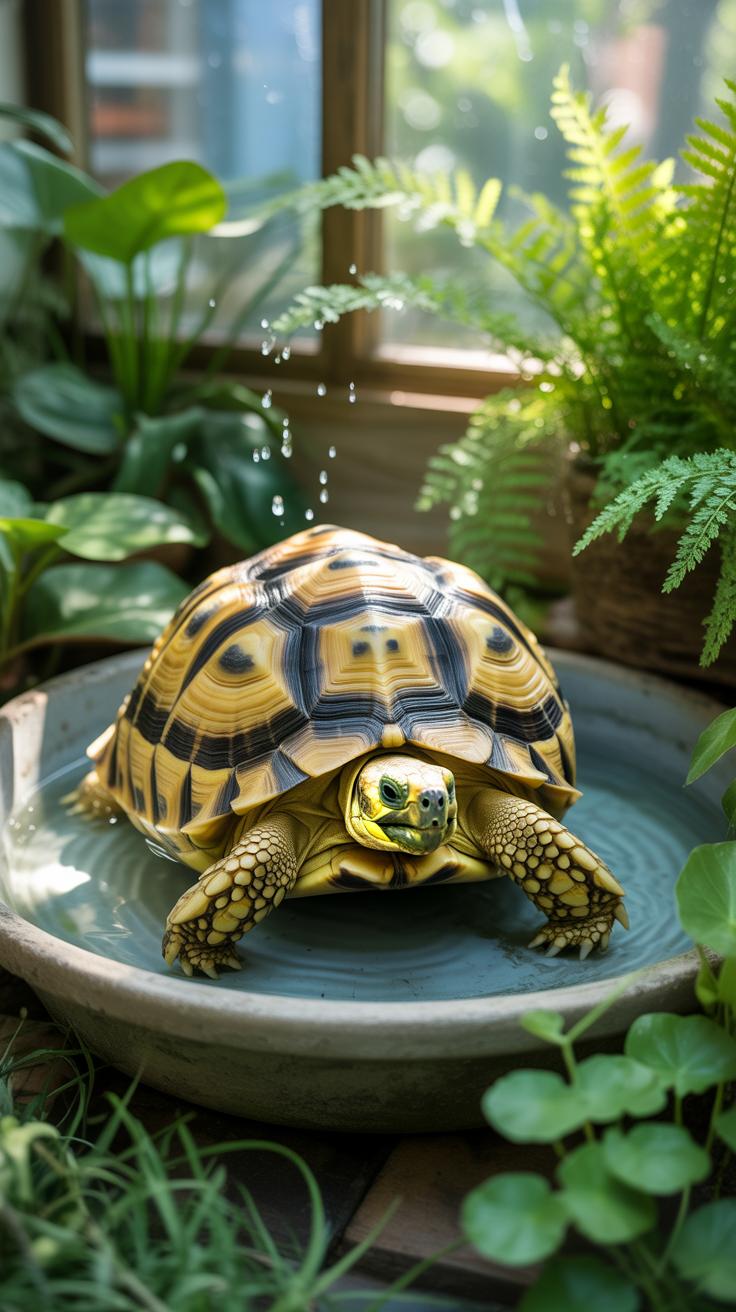
Why Regular Soaking Is A Critical Part Of Beginner Russian Tortoise Care And How To Do It Correctly
Russian tortoises primarily hydrate through their skin and cloaca during soaking sessions. This process prevents bladder stones and kidney failure in captive environments. These reptiles often refuse to drink from standing water bowls. Regular baths ensure they stay hydrated even if they ignore their water dish. You must prioritize this routine to keep your tortoise healthy. Failure to soak results in chronic dehydration over time.
Use a shallow container with warm water for soaking routines. The water level must not rise above the tortoise’s chin to prevent drowning. Soak your tortoise for twenty minutes two or three times every week. This encourages the tortoise to void waste and move its bowels. Always monitor the animal during the soak. Empty and clean the container immediately after use to maintain proper hygiene.
The humblest of creatures can become a lifelong companion if you simply take the time to understand their world. Within every small shell lives a legacy of the ancient earth waiting for your gentle hand to guide the way.
Understanding Humidity Levels For Russian Tortoises Versus Tropical Species Like The Red Footed Tortoise
Russian tortoises are an arid species from Central Asia. They require lower ambient humidity than tropical species like Red Footed tortoises. Red Footed tortoises need eighty percent humidity to survive. Russian tortoises thrive at thirty to fifty percent humidity. High humidity levels cause respiratory infections and shell rot in this species. You must maintain a dry environment to mimic their natural steppe habitat.

Provide a humid microclimate despite the dry enclosure air. This usually involves a hide filled with damp moss or soil. This specific spot allows the tortoise to regulate its own moisture levels. It prevents pyramid growth on the shell during development. Use a hygrometer to track levels accurately. Never allow the entire enclosure to become damp or cold. Controlled humidity is the key to shell health.
Handling Behavior And Building Trust With Your Russian Tortoise
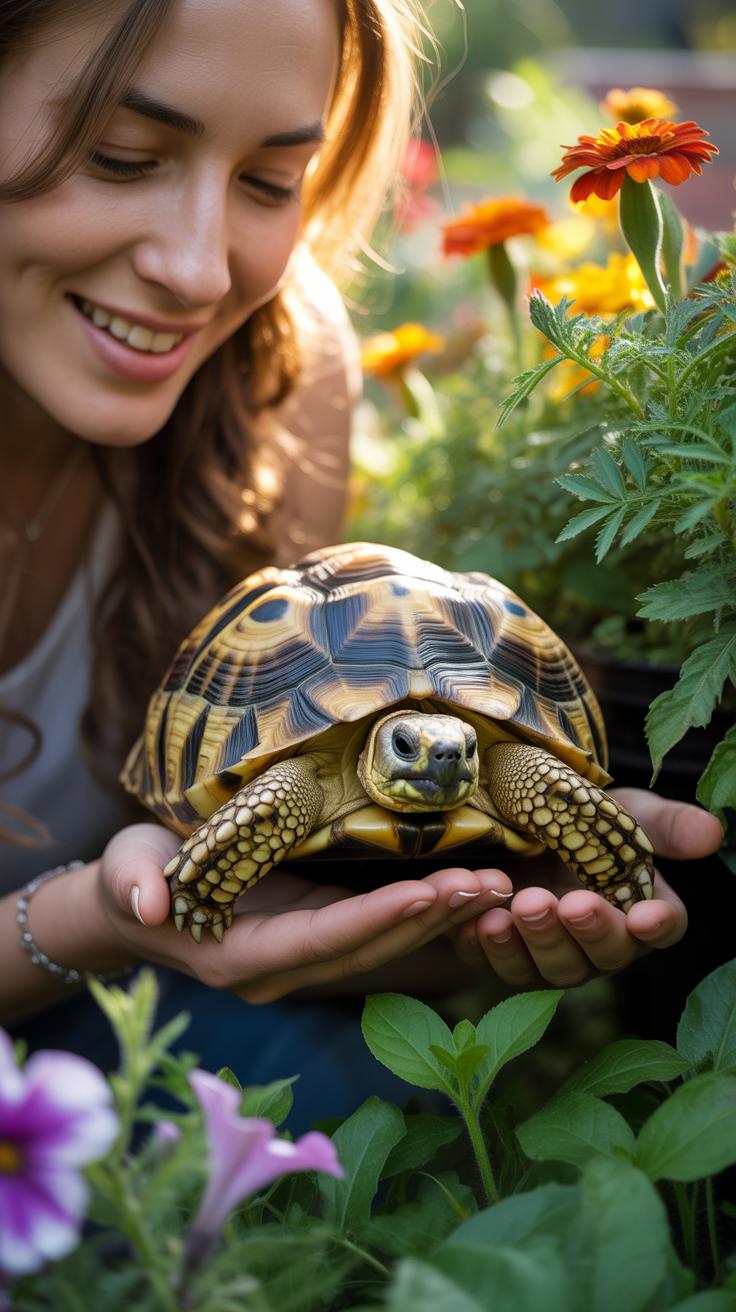
How To Handle A Russian Tortoise Safely And What Stress Behaviors Look Like In Everyday Tortoise Care
Support the tortoise with both hands under the plastron. Never lift them by the shell edges alone. Keep them low to the ground during transport to prevent fatal falls. Tortoises feel most secure when their feet touch a solid surface. Limit handling during the first two weeks in a new home. This allows them to acclimate without constant fear of predation.
Stress often manifests through shell retraction or frantic scratching at enclosure walls. A stressed tortoise may hiss by quickly expelling air to retract its head. Some individuals will void their bladder when lifted as a defense mechanism. Frequent hiding or a sudden refusal to eat signals environmental or handling stress. Watch for eye rubbing or lethargy. These signs require immediate adjustments to your interaction style and habitat parameters.
Understanding Russian Tortoise Activity Patterns, Burrowing Habits, And Seasonal Brumation Behavior
Russian tortoises are highly active during morning and late afternoon hours. They utilize mid-day heat to digest food and then seek shade. Burrowing is a mandatory survival instinct for this species. They dig to regulate body temperature and find humidity. Provide at least six inches of substrate to facilitate this natural behavior. A tortoise that cannot dig will experience chronic stress.

Brumation is a natural hibernation state triggered by dropping temperatures and shorter daylight hours. In the wild, this ensures survival through harsh winters. Captive tortoises may prepare for this by eating less and sleeping more. You must ensure the animal is healthy and has an empty digestive tract before allowing brumation. Improper temperature control during this period leads to illness or death. Research specific cooling protocols before attempting.
Common Health Issues In Russian Tortoises And How Beginners Can Spot Early Warning Signs
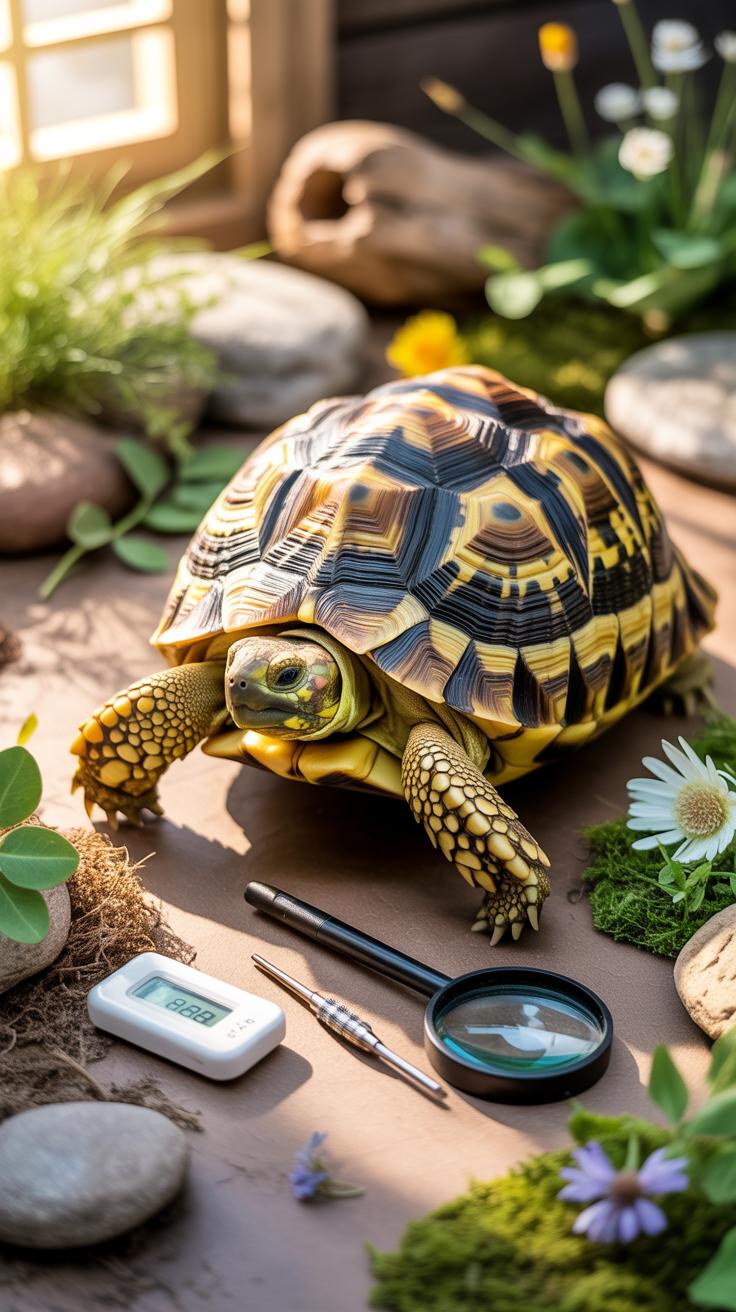
Respiratory Infections, Shell Rot, And Parasites: What Every Beginner In Tortoise Care Should Watch For
Respiratory infections happen when temperatures stay too low or humidity stays too high. Watch for bubbles from the nose or open-mouth breathing. A sick tortoise will often stop eating and move less. You must fix the heat and airflow immediately to stop the infection. Check the bottom of the shell for soft spots or a bad smell. This indicates shell rot from wet substrate.
Internal parasites are common in imported Russian tortoises. These worms steal nutrients and cause weight loss or runny stools. You cannot see most parasites without a microscope. Beginners must monitor the consistency of waste and track body weight weekly. Sudden lethargy or sunken eyes mean the tortoise is dehydrated or severely ill. Proper sanitation prevents these issues from spreading throughout the enclosure.
When To See A Reptile Vet And How Routine Check Ups Protect Your Russian Tortoise’S Long Term Health
Find a vet who specializes in reptiles before an emergency occurs. General dog and cat vets often lack the specific tools for tortoise care. Schedule an exam as soon as you bring a new tortoise home. The vet will perform a fecal test to check for hidden parasites. Early detection of base health issues prevents expensive medical bills and animal suffering later on.

Routine check-ups allow professionals to trim beaks and nails safely. Overgrown beaks prevent the tortoise from biting food correctly. Vets also check bone density to ensure your lighting setup provides enough Vitamin D3. Defensive animals hide pain well, so experts look for subtle signs you might miss. Regular visits establish a health baseline for your pet. Consistent professional care ensures your tortoise lives for decades.
Russian Tortoise Lifespan Legal Considerations And Long Term Ownership Commitment
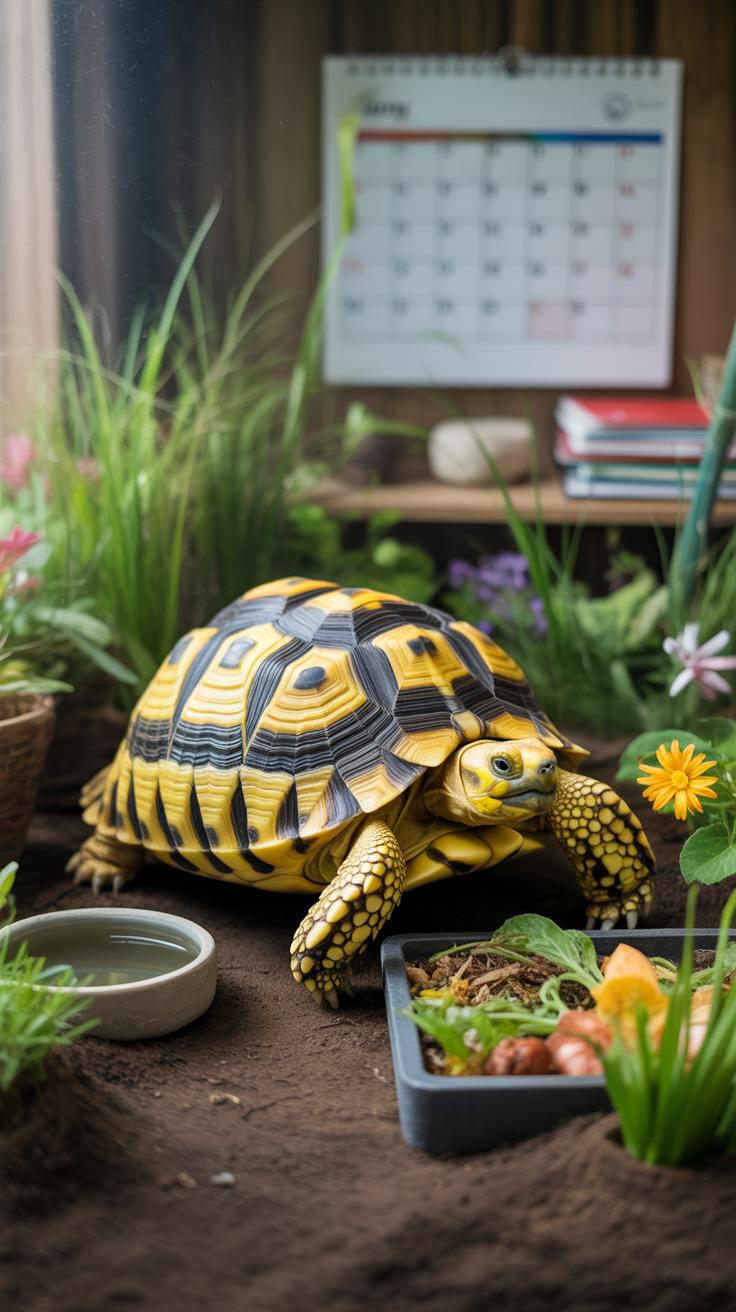
How Long Russian Tortoises Live And What A Decades Long Commitment To Tortoise Care Really Means
Russian tortoises often live over fifty years in captivity with proper husbandry. This lifespan outlasts most other common pets. Owners must plan for a commitment that spans multiple decades. You are not just buying a pet. You are adopting a dependent that might outlive you. This reality requires a legal plan for the tortoise if you can no longer provide care due to age or health.
Long-term care involves constant costs and space requirements. Outdoor enclosures need maintenance against predators and weather. Indoor setups require expensive UVB bulb replacements every six months. You must provide fresh greens and supplements every week for fifty years. Vet bills for exotic reptiles are higher than for dogs. Evaluate your life goals before buying. A tortoise makes a poor short-term pet for mobile or unstable lifestyles.
CITES Regulations, Captive Breeding, And What Beginners Should Know Before Buying A Russian Tortoise
The Russian tortoise falls under CITES Appendix II protections. This international treaty regulates trade to prevent wild extinction. Many tortoises in pet stores are wild-caught imports from Uzbekistan or Tajikistan. These animals often arrive with heavy parasite loads and severe dehydration. They struggle to adapt to captive life. Buying wild-caught tortoises supports unsustainable harvesting practices and increases your initial vet costs significantly.
Choose captive-bred specimens from reputable breeders instead of cheap imports. Captive-bred tortoises are hardier and adjust quickly to new environments. They lack the trauma of international shipping and the risk of unknown diseases. Verify the origin of the animal before you pay. Ask for proof of hatching dates or breeder records. Selecting a healthy, captive-bred tortoise ensures a better start for a beginner and protects wild populations.
Frequently Asked Questions

Are Russian tortoises good pets for someone who has never owned a reptile before?
Absolutely! These hardy creatures are widely considered one of the best species for novices because of their manageable size and resilient nature. When researching Russian tortoise care beginners often find that these tortoises develop charming, interactive personalities. As long as you provide the correct lighting, temperature gradients, and a high-fiber diet, they are relatively easy to maintain and can live for several decades, making them a rewarding long-term companion.
How do I properly set up a habitat for my new Russian tortoise?
To provide excellent Russian tortoise care beginners should prioritize floor space over height. A wooden tortoise table or a large plastic tub is better than a glass tank because it offers improved ventilation and prevents the tortoise from getting stressed by its reflection. You will need a high-quality UVB bulb, a basking heat lamp, and a substrate like coco coir or topsoil that allows for natural digging and burrowing behaviors.
Is keeping a Russian tortoise an expensive hobby for a beginner on a budget?
While the initial setup for housing, lighting, and heating requires an upfront investment, the ongoing costs are quite affordable. You can save money by foraging for safe weeds like dandelions and clover rather than buying expensive grocery store greens. Additionally, using DIY enclosures like repurposed bookshelves or large storage bins is a budget-friendly way to ensure your pet has plenty of room to roam without spending a fortune on specialized reptile furniture.