
Understanding Normal Tortoise Eating Behavior A Foundation For Tortoise Care

What Does A Healthy Tortoise Appetite Look Like?
A healthy tortoise displays active foraging behavior and immediate interest in fresh food. These reptiles are opportunistic feeders that move toward the scent or sight of edible plants. A vigorous appetite indicates that the tortoise possesses the energy reserves needed for metabolic functions. Bright eyes and a firm gait usually accompany this drive to consume available vegetation and nutrients.
Consistent consumption and solid waste production prove the digestive system functions correctly. While appetite varies by species, most tortoises show a steady desire to graze throughout their active hours. They do not pick at food or show lethargy when presented with a preferred diet. Owners must recognize this baseline of enthusiasm to detect early signs of illness or environmental stress later.
How Often Should A Tortoise Eat And What Affects Their Feeding Frequency?
Feeding frequency depends heavily on the life stage and environmental temperature of the animal. Hatchlings and juveniles require daily feeding to support rapid bone and shell development. Adult tortoises may eat every day or every other day depending on their activity levels and species requirements. Metabolism slows down significantly if the ambient temperature drops below the optimal thermal zone for that specific breed.
Seasonal changes also dictate how often a tortoise seeks food. Many species naturally reduce their intake as daylight hours shorten during the autumn months. This physiological shift prepares their bodies for brumation or periods of lower activity. Improper lighting cycles or incorrect basking temperatures will disrupt these natural rhythms. You must ensure the environment mimics their wild habitat to maintain a predictable and healthy feeding schedule.

How Tortoise Habitat Conditions Directly Impact Appetite

Why Incorrect Temperature And Humidity Levels Suppress A Tortoise Feeding Response
Tortoises are ectotherms. They rely on external heat to drive their metabolism. When temperatures drop below the species-specific optimal zone, the tortoise enter a state of metabolic depression. Digestion slows or stops entirely. If the animal cannot reach its target body temperature, its brain shuts down the hunger signal to prevent food from rotting in the gut. Heat is the fuel for their digestive engine.
Humidity levels also dictate hydration and respiratory health. Dry air causes dehydration in tropical species. A dehydrated tortoise will stop eating to conserve internal fluids. High humidity for arid species causes respiratory infections. Both extremes lead to lethargy and a total loss of interest in food. You must match the microclimate to the natural origin of the species. Correcting the thermal gradient often restarts the feeding response immediately.
The ancient rhythm of a tortoise’s life requires our patient understanding of their quiet needs and seasonal shifts. When their appetite fades, we must gently look to the warmth and care that restores their timeless spirit.
The Role Of UVB Lighting And Enclosure Space In Stimulating Healthy Feeding
UVB radiation is a physiological requirement for tortoises. This light spectrum allows the animal to synthesize Vitamin D3. Without D3, the tortoise cannot process calcium. This deficiency leads to metabolic bone disease and systemic weakness. Tortoises also see in the UV spectrum. Proper lighting makes food look more attractive and recognizable. A lack of UVB creates a flat environment that fails to trigger hunting or grazing instincts.

Enclosure size affects the psychological state and activity levels of the animal. Small tanks cause chronic stress and muscle atrophy. Stress increases cortisol levels, which naturally suppresses the appetite. A cramped tortoise cannot move between heat zones to regulate its internal temperature. Increased floor space encourages natural foraging behavior. Movement stimulates the digestive tract. Provide enough room for the tortoise to walk and explore to maintain a consistent hunger drive.
Seasonal Changes And Brumation Natural Tortoise Appetite Loss Causes In Hermann Tortoise And Russian Tortoise Species

What Is Brumation And Why Do Hermann Tortoises And Russian Tortoises Stop Eating Before Winter?
Brumation is a biological state of dormancy for cold-blooded reptiles like Hermann and Russian tortoises. As daylight hours shorten and temperatures drop, their metabolism slows down significantly. They cannot digest food properly in cold weather. They stop eating to clear their digestive tracts before the deep winter freeze. Food left in the gut can rot and cause fatal infections during the long dormant period.
The Mediterranean and Central Asian climates dictate this behavior for survival. Russian tortoises often face harsher extremes and may enter this state earlier than other species. Their bodies transition from active foraging to energy conservation mode. This process is a natural response to environmental cues rather than a sign of illness. A tortoise will focus on hydration while refusing all solid food to prepare its body.
How To Tell The Difference Between Natural Pre Brumation Fasting And A Health Concern
Distinguishing natural fasting from illness requires monitoring weight and activity levels. A healthy tortoise preparing for brumation maintains most of its body mass. It remains alert and moves with purpose even if it refuses food. You can track this by weighing the animal weekly. A sudden or dramatic drop in weight points toward an underlying medical issue like parasites or a respiratory infection.

Observe the eyes and nose for discharge to rule out sickness. Clear eyes and dry nostrils indicate a healthy animal following its seasonal instincts. Sick tortoises often appear lethargic or struggle to breathe regardless of the temperature. If the tortoise refuses food but the enclosure is still hot and bright, the cause is likely medical. Natural fasting only occurs when the light cycles and heat levels consistently decrease.
Illness And Parasites As Key Tortoise Appetite Loss Causes
Common Illnesses That Cause A Tortoise To Stop Eating Including Respiratory Infections And Mouth Rot
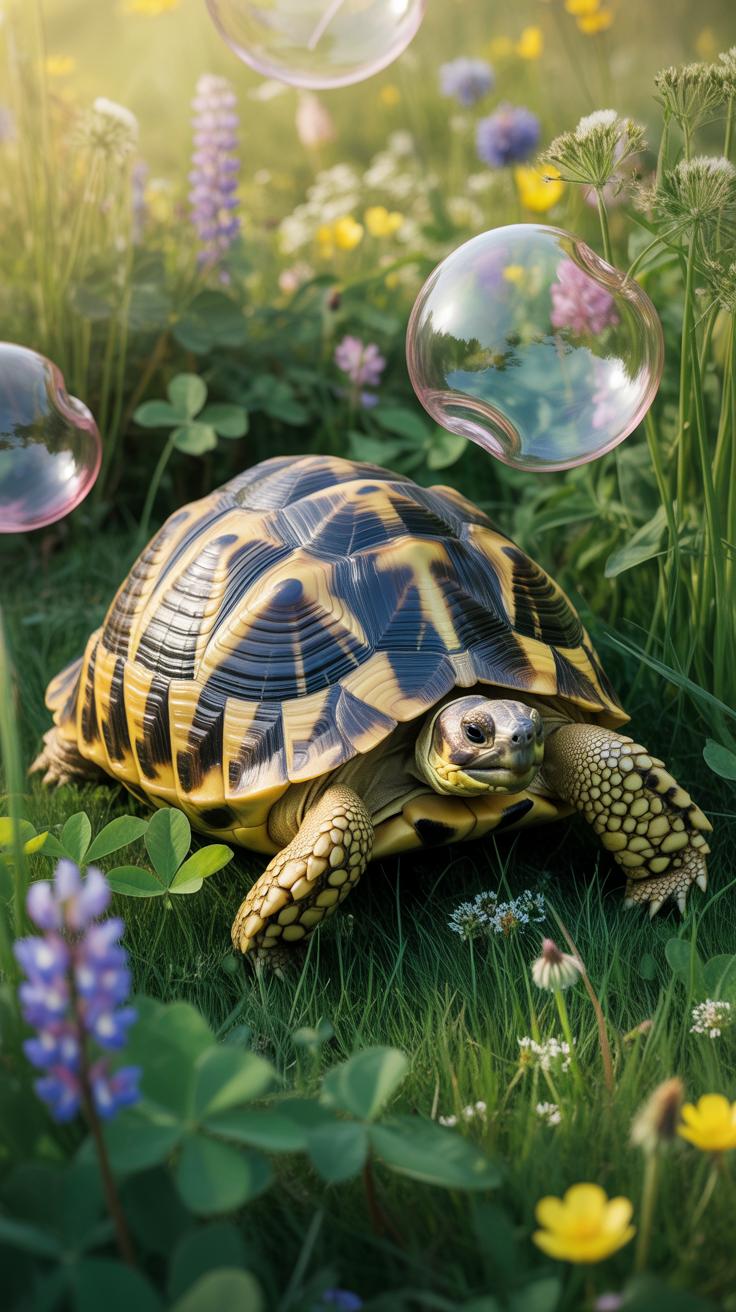
Respiratory infections rank among the most frequent medical causes for appetite loss. Bacteria and viruses attack the lungs and nasal passages of the animal. A tortoise cannot smell its food when congested. Since smell triggers the feeding response, the animal ignores its meals. You will notice nasal discharge or gasping. These physical symptoms mean the tortoise is too weak to consume calories.
Infectious stomatitis or mouth rot also prevents eating through physical pain. This condition causes yellow plaque and inflammation inside the oral cavity. Eating becomes impossible as the jaw and tongue tissue swell. The tortoise often stops drinking as well. Oral infections require immediate veterinary cleaning and antibiotics. Neglecting these symptoms leads to systemic failure. The animal will starve because the pain of chewing is too high.
How Internal Parasites Affect Digestion And Reduce Appetite In Tortoises
Internal parasites like roundworms and protozoa strip nutrients from the tortoise. These organisms live in the intestinal tract and disrupt normal digestion. High parasite loads cause bloating and abdominal discomfort. The tortoise feels full or sick even when its body needs energy. This creates a dangerous cycle of weight loss and lethargy. You must identify these pathogens through a professional fecal exam to stop the decline.

Parasites also damage the gut lining and prevent the absorption of vitamins. A compromised digestive system cannot handle high-fiber forage. The tortoise may stop eating entirely to avoid the pain of gas and irritation. Long-term infestations weaken the immune system and make the animal vulnerable to other diseases. Effective treatment involves targeted deworming medications. Clean enclosures prevent the tortoise from Reinfection and help restore a normal feeding drive.
Diet Problems And Tortoise Food Refusal When What You Offer Is The Problem
Why Offering The Wrong Tortoise Food Can Lead To Prolonged Appetite Loss
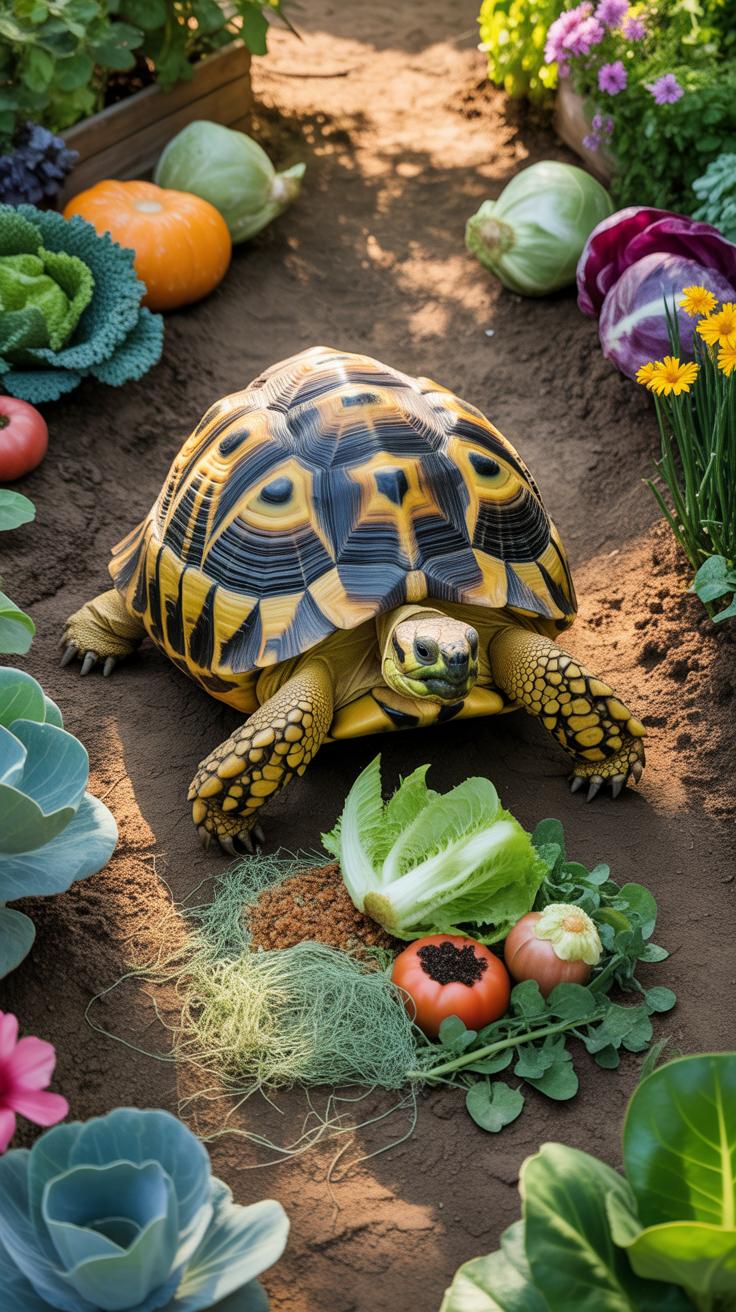
Tortoises are specialized feeders that rely on specific fiber and nutrient ratios to maintain metabolic function. Offering high-sugar fruits or high-protein legumes to a grazing species disrupts gut flora and causes digestive distress. When the digestive system slows down due to inappropriate items, the tortoise loses the drive to eat. You must match the diet to the specific species and its natural habitat.
- Low Fiber Content: Tortoises require high-fiber vegetation to move waste through their long digestive tracts. Diets lacking tough cellulose cause gut stasis, which kills the animal’s appetite and prevents it from seeking new food sources until the blockage clears.
- Excessive Sugar Intake: Many Mediterranean and desert species cannot process the sugars found in fruit because their ancestors evolved on dry grasses. Sugary items cause rapid fermentation in the gut, leading to painful gas, bloating, and a total refusal to eat.
- Oxalic Acid Interference: Feeding too many grocery store greens like spinach or beet tops introduces high levels of oxalic acid. This compound binds calcium and can irritate the mouth and throat, making the physical act of swallowing food uncomfortable and undesirable for the tortoise.
- High Protein Loads: Offering meat or high-protein vegetables to herbivorous tortoises causes kidney strain and abnormal growth. This metabolic stress slows down the animal’s energy levels and hunger signals. If the kidneys struggle to process waste, the tortoise will stop eating to avoid further toxicity.
- Inappropriate Texture: Tortoises use their beaks to shear through tough plant matter. If you only provide soft, mushy, or finely chopped foods, the beak may overgrow or become weak. This physical discomfort prevents the tortoise from biting down on harder, more nutritious food items later on.
Chemical additives and pesticides on store-bought produce also deter feeding. Tortoises have a keen sense of smell and will reject items that smell of synthetic chemicals or spoilage. Check the freshness and source of every leaf you offer. If the food does not smell like the forage they find in the wild, they will often ignore it until they face starvation.
How Monotonous Diets And Food Imprinting Cause Selective Eating In Tortoises
Food imprinting occurs when a tortoise eats only one type of food during its developmental stages. This creates a psychological lock where the animal refuses to recognize other nutritious plants as edible. If you feed only iceberg lettuce or one type of commercial pellet, the tortoise becomes addicted to that specific scent and texture. Breaking this habit requires a strict and patient transition strategy.

Monotony leads to nutritional deficiencies that physically suppress the appetite. A lack of variety means the tortoise misses essential trace minerals and vitamins needed for energy production. When these levels drop too low, the animal becomes lethargic and stops showing interest in any food at all. You must rotate food types daily to ensure the animal remains stimulated and nutritionally balanced for long-term health.
Species Specific Appetite Loss Red Footed Tortoise And Sulcata Tortoise Care Considerations
Why Red Footed Tortoises May Stop Eating And What Their Tropical Needs Require
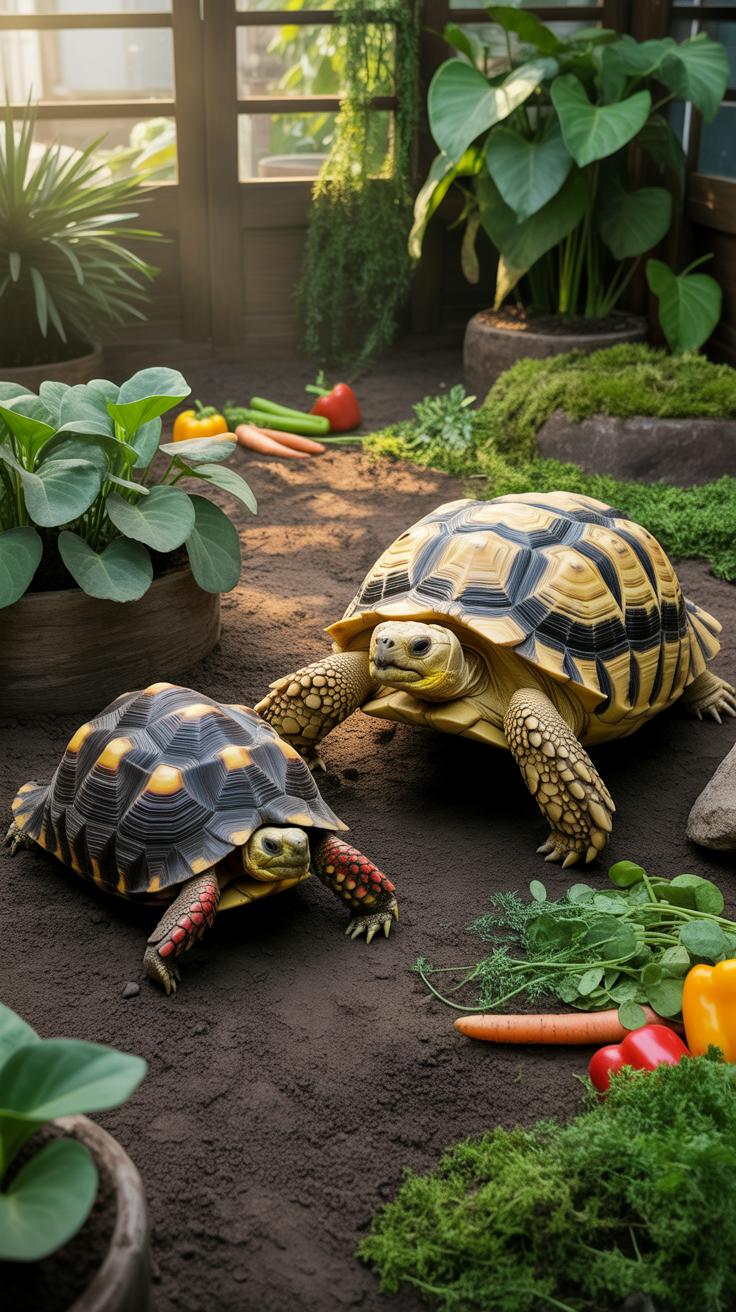
Red footed tortoises live in humid tropical forests. Unlike desert species, they require high ambient moisture levels. Low humidity causes dry mucous membranes and dehydration. This physiological stress shuts down their digestive system immediately. You must maintain humidity between seventy and eighty percent. Owners often fail to provide this specific microclimate. Without proper moisture, the tortoise loses interest in all food sources.
Dietary protein is another critical factor for this species. Red footed tortoises are omnivorous and need animal protein occasionally. A lack of variety leads to nutritional deficiencies and sensory boredom. They also require lower light intensity than desert tortoises. Bright bulbs cause eye irritation and stress. Adjust your lighting and provide fruit and protein to jumpstart their appetite. Small environmental shifts often fix the problem.
Sulcata Tortoise Care Challenges: Why Africa’S Giant Tortoise Is Prone To Stress Related Appetite Loss
The Sulcata tortoise comes from the arid Sahel region of Africa. They grow very large and require significant space. Cramped enclosures cause chronic stress and metabolic slowdown. This species regulates its body temperature through burrowing and movement. If the thermal gradient is too narrow, the tortoise cannot digest food. Cold temperatures are the primary reason Sulcatas stop eating in domestic settings.

Stress also stems from competition and poor substrate. These tortoises are territorial and do not like glass enclosures. Seeing their reflection or a perceived predator causes them to hide and stop feeding. Ensure your basking spot reaches ninety five degrees Fahrenheit. Provide deep substrate for digging to lower their cortisol levels. A secure environment with high heat is the only way to maintain their hunger.
Stress Handling And Environmental Changes Hidden Tortoise Appetite Loss Causes Among Animals Friends And Owners

How Over Handling, New Environments, And Relocation Stress Trigger Appetite Loss In Tortoises
Tortoises prioritize safety over sustenance. Massive changes to their territory trigger a survival response. Relocating a tortoise to a new enclosure disrupts its mental map. This disruption causes the animal to stop eating while it assesses potential threats. Over-handling by owners compounds this issue. Frequent physical contact signals predation risk to a tortoise. This high cortisol state shuts down the digestive system immediately.
Environmental shifts also impact feeding cycles. Moving an outdoor tortoise indoors or vice versa changes light and heat levels. Tortoises rely on specific ultraviolet and thermal gradients to process nutrients. Sudden changes in these levels stall their metabolism. They will refuse food until they feel secure in their new surroundings. Owners must minimize interaction during these transitions. Stability remains the most critical factor for consistent feeding.
Recognising The Signs Of Psychological Stress In Tortoises And How To Create A Calming Environment
Stress in tortoises often manifests as lethargy or frantic pacing. A stressed tortoise may hide in its shell for extended periods. It may also refuse even its favorite high-value foods. Identifying these subtle behavioral cues early prevents long-term health decline. You must observe the animal from a distance to assess its true state. Creating a stable habitat reduces these negative physiological responses.
- Excessive Hiding: The tortoise stays inside its hide box or buried in substrate for days. This behavior stems from a perceived threat in the immediate environment. It prevents the tortoise from basking and gaining the heat needed for digestion.
- Pacing the Perimeter: Constantly walking along the enclosure glass or walls indicates high anxiety levels. The tortoise is trying to escape an unsuitable environment. This physical exertion without caloric intake leads to rapid weight loss and weakness.
- Shell Retraction: Sudden withdrawal of the head and limbs when a person enters the room signals fear. This reaction shows the tortoise views its owner as a predator. Recurrent fear responses keep the animal in a state of high stress.
- Food Aversion: The tortoise ignores fresh greens or known treats it previously enjoyed. This refusal often follows a loud event or a deep cleaning of the enclosure. It indicates the animal does not feel safe enough to eat.
- Lethargic Movement: Slow or non-existent movement during peak daylight hours suggests the animal has shut down. If the temperature is correct, this lack of activity usually points to psychological exhaustion. The tortoise requires a period of total isolation to recover.

Mitigating stress requires tactical habitat management. Place the enclosure in a low-traffic area of the home. Provide multiple secure hiding spots to offer a sense of protection. Maintain a strict light and heat schedule to mimic natural cycles exactly. Avoid moving furniture or cleaning the entire substrate at once. Keeping the scent markers familiar helps the tortoise feel dominant in its space.
When To See A Vet Identifying Serious Tortoise Appetite Loss Causes That Require Professional Help

How Long Is Too Long? Understanding When A Fasting Tortoise Needs Urgent Veterinary Attention
A healthy tortoise can survive weeks without food due to a slow metabolism. However, you must act if the fasting exceeds fourteen days during active months. Environmental shifts often cause brief hunger strikes. If your temperatures and lighting are correct but the animal still refuses food, internal health issues are likely. Watch for lethargy or weight loss. These signs demand immediate professional intervention.
Do not wait for the tortoise to become emaciated. Rapid weight loss indicates a severe medical emergency. Check for discharge from the nose or eyes. Listen for clicking sounds when the tortoise breathes. These symptoms suggest respiratory infections or heavy parasite loads. If the tortoise shows no interest in high-value treats like bright greens or flowers, its condition is critical. Early detection saves lives in reptile medicine.
What A Reptile Vet Will Check During An Appetite Loss Consultation And What To Expect
The veterinarian will first review your husbandry data. They examine basking temperatures, humidity levels, and UV output. A physical exam follows to check for mouth rot, shell softening, or intestinal blockages. They often feel the abdomen for egg binding or bladder stones. These physical obstructions physically prevent the tortoise from eating. Be prepared to provide specific details about recent bowel movements and activity.

Diagnostic testing provides the most accurate answers. Vets typically request a fecal sample to screen for harmful worms or protozoa. Blood work reveals organ function and calcium levels. X-rays can identify swallowed rocks or large bladder stones. If the animal is dehydrated, the vet may administer fluids via injection or a soak. You will leave with a clear treatment plan and specific husbandry adjustments.
Frequently Asked Questions

Is it normal for my new pet tortoise to stop eating suddenly?
It is very common for a new tortoise to lose its appetite while adjusting to a fresh environment. Stress from relocation is one of the most frequent tortoise appetite loss causes for beginners to encounter. Give your pet a few days to settle into their enclosure without overhandling them. Ensure their basking temperatures are correct, as a cold tortoise physically cannot digest food properly, leading to a temporary refusal to eat.
How can I encourage my tortoise to start eating again at home?
To stimulate interest in food, try the “bright color method” by offering red or yellow treats like bell peppers or hibiscus flowers. You should also verify that your UVB lighting is less than six months old, as fading ultraviolet output is among the primary tortoise appetite loss causes. Soaking your tortoise in lukewarm water for fifteen minutes can also hydrate them and jumpstart their metabolism, often encouraging a healthy feeding response.
Are there affordable ways to fix appetite issues without an immediate vet visit?
Before booking an expensive appointment, check your environmental basics using a low-cost digital thermometer. Often, a simple adjustment to the enclosure’s “hot spot” temperature can solve the issue. You can also try foraging for free, safe weeds like dandelions or clover, as the varied texture and scent are much more enticing than store-bought lettuce. Ensuring proper heat and a varied diet are the most budget-friendly ways to maintain a healthy appetite.