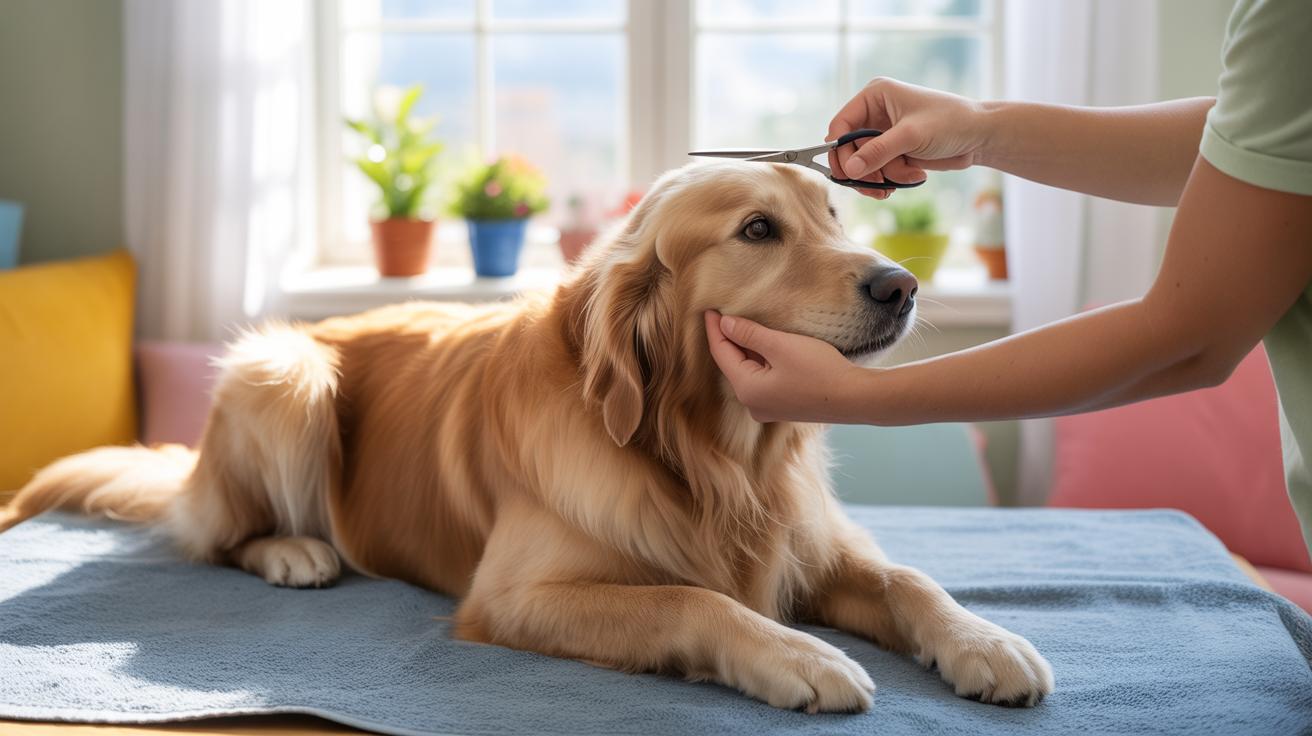
Why Trimming Fur Around Dog Eyes Matters For Their Health And Comfort
How Overgrown Facial Fur Can Irritate A Dogs Eyes And Cause Infections
Long facial hair acts like a magnet for dirt and debris. When fur reaches the eye surface, it causes constant physical friction. This contact triggers excessive tearing and redness. Owners often mistake this for seasonal allergies. Continuous irritation creates microscopic scratches on the cornea. These small wounds allow bacteria to enter the eye quickly. Immediate trimming prevents these painful physical injuries.
Excessive moisture trapped in long fur creates a breeding ground for bacteria. Tear staining occurs when porphyrins in the fluid sit on the skin for too long. This damp environment leads to painful skin infections and foul odors around the muzzle. Bacteria can travel from the fur directly into the tear ducts. Regular maintenance keeps the area dry and prevents chronic inflammation or sight loss.
Breeds Most Prone To Eye Area Fur Overgrowth And Why Regular Grooming Is Essential
Specific breeds suffer more from facial hair issues due to their genetics. Poodles, Malteses, and Shih Tzus have hair that grows continuously rather than shedding out. Terriers often have wiry coats that trap dust near the eyes. Brachycephalic breeds like Pugs and Bulldogs deal with skin folds that collect hair and moisture. Without manual intervention, these dogs experience constant discomfort and blocked vision.
Functional grooming ensures your dog navigates their environment safely. Overgrown hair acts like a blindfold and reduces peripheral vision. Dogs with obscured sight become anxious or reactive in new spaces. Trimming the bridge of the nose and the inner corners of the eyes improves their quality of life. Consistent upkeep stops small hygiene issues from becoming expensive medical emergencies at the vet clinic.
How To Trim Around Dogs Eyes Tools You Need Before You Start
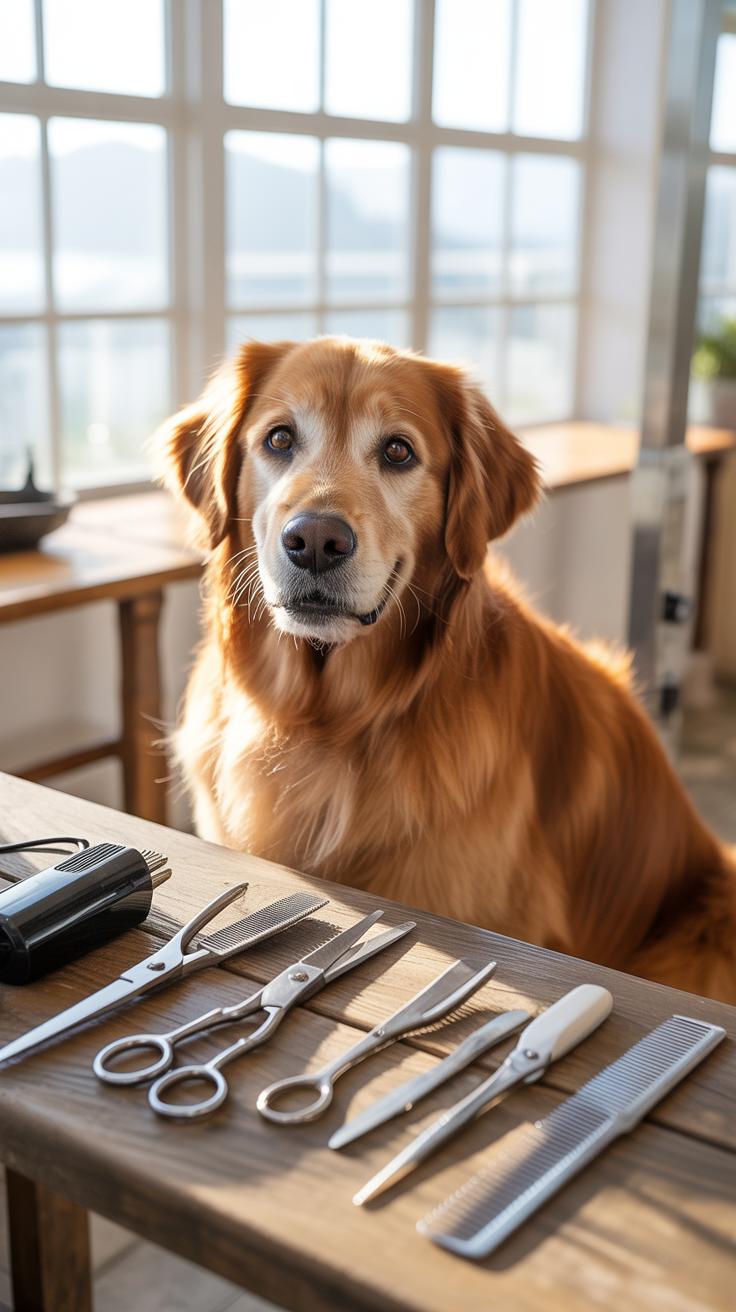
Choosing The Right Scissors And Clippers For Safe Eye Area Trimming
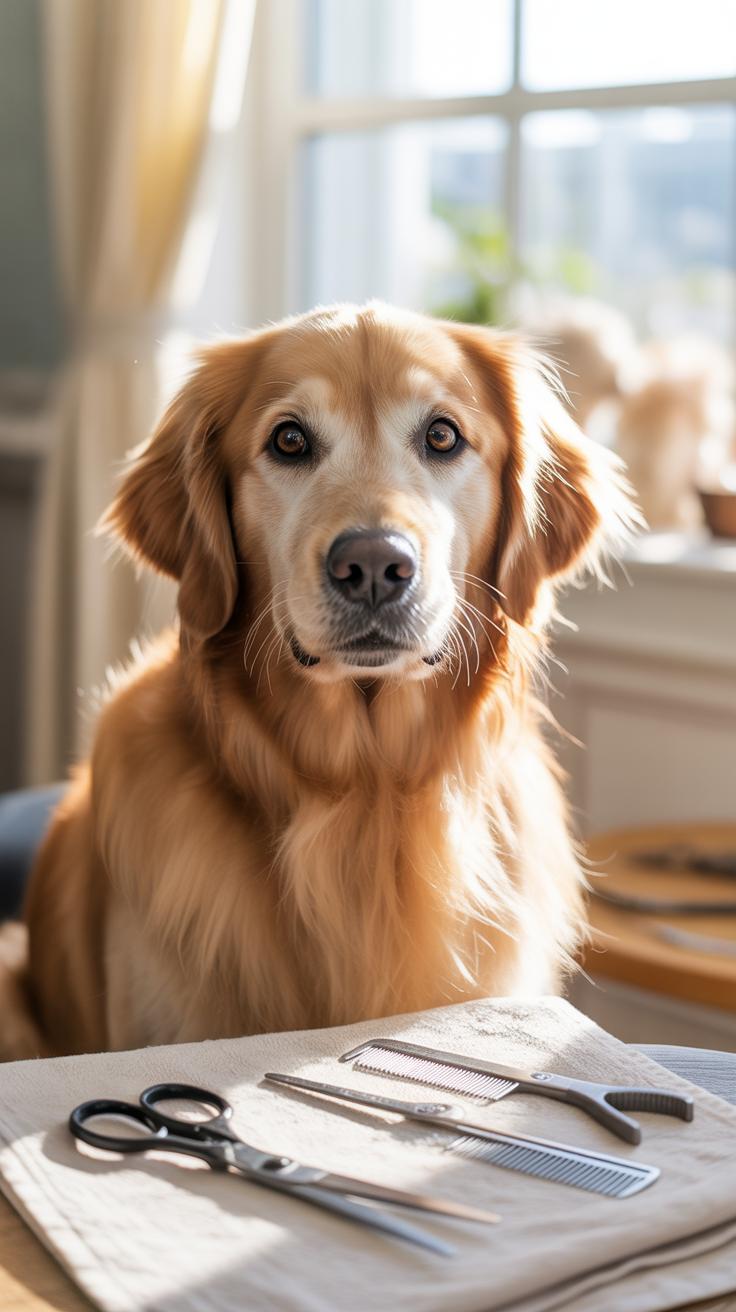
Precision tools prevent injury when working near a dog’s ocular region. You must select hardware designed for high-density hair in small spaces. Professional groomers prioritize stainless steel for its durability and ease of sanitization. Standard household scissors lack the necessary tension and sharpness. Using the wrong tool causes pulling or snagging. This leads to sudden head movements and high risk of puncture wounds.
- Blunt-Tip Safety Scissors: These feature rounded ends to prevent accidental orbital punctures. They are the industry standard for home maintenance around the face and ears. The design allows you to work close to the skin without the risk of a sharp point hitting the eye.
- Small Detail Trimmers: Cordless mini-clippers offer better maneuverability than full-sized units. They provide consistent depth control through interchangeable guards. Use these for clearing the bridge of the nose where hair grows thick. Select a quiet motor to reduce the dog’s anxiety during the process.
- Fine-Toothed Face Comb: A metal flea comb or dedicated face comb separates the fur before you cut. This tool pulls hair away from the eye surface so you can see your target clearly. It also helps identify hidden eye discharge or mats that require careful removal.
- Micro-Serrated Blades: Quality grooming shears often have one serrated blade to grip the hair surface. This prevents the fur from sliding forward as the blades close. It ensures a clean cut on the first pass. This reduces the time the dog must remain perfectly still.
- Styling Shears: These long, thin blades allow for straight lines when shaping the brow area. They require a steady hand and should only be used by those with experience. Always keep these parallel to the dog’s face. Never point the tips toward the eye or lid.
Proper tool maintenance ensures safety and speed during the grooming session. Dull blades chew through hair rather than cutting it cleanly. This causes discomfort and makes the dog resist future grooming attempts. Clean your equipment with rubbing alcohol before and after every use to prevent infection. Store your tools in a padded case to protect the blade alignment. Precision hardware is a tactical investment for your dog’s safety.
Why Blunt Tip Grooming Scissors Are The Safest Choice Around Sensitive Eye Areas
Blunt-tip shears utilize a rounded bulb at the end of each blade. This design feature acts as a physical barrier between the sharp edge and the dog’s eyeball. Dogs often flinch or sneeze without warning during grooming. A pointed pair of scissors will pierce the skin or cornea instantly during a sudden movement. The rounded tip slides off the surface instead of digging in.

The safety bulb allows you to rest the side of the scissors against the dog’s muzzle for stability. This tactile contact helps you gauge the distance between the blade and the skin. Professional groomers use this technique to steady their hands during intricate work. You can navigate the tight corners of the tear ducts with minimal risk. These shears provide the highest margin of error for home users.
How To Trim Dogs Face Preparing Your Dog Before The Grooming Session
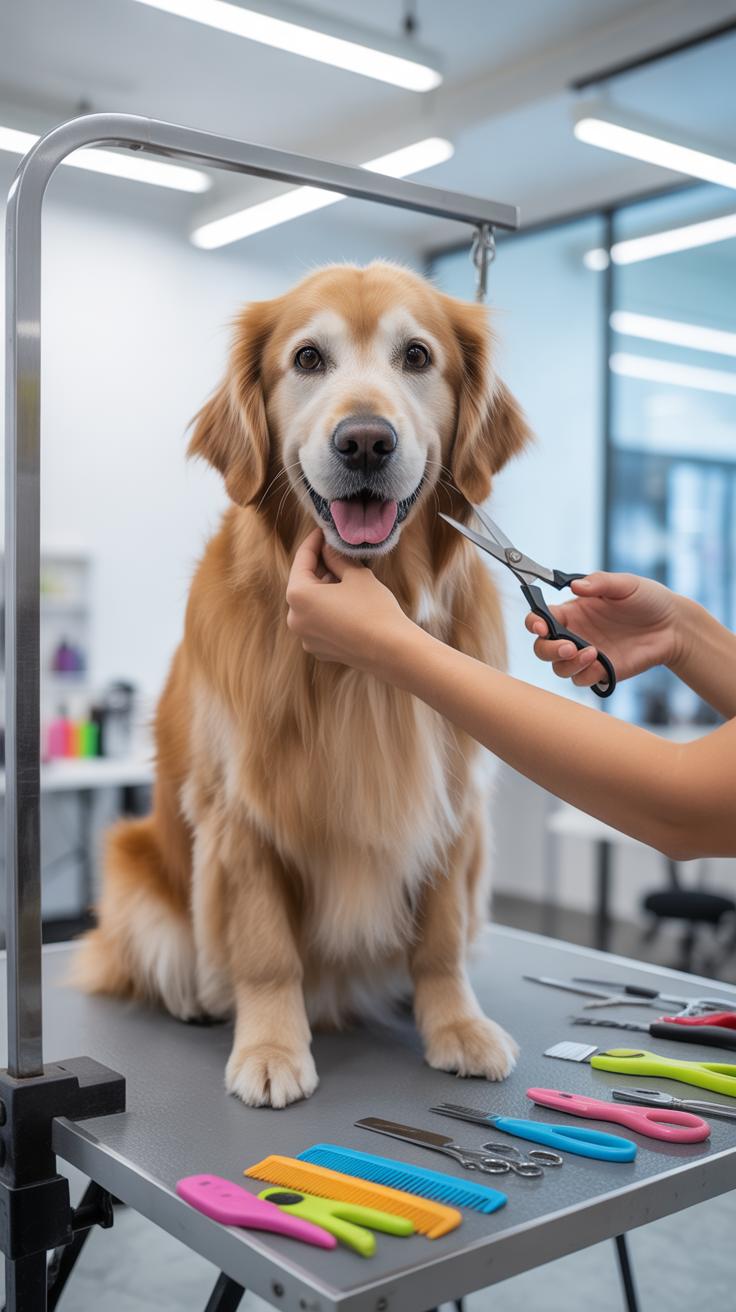
How To Calm And Position Your Dog For A Safe And Stress Free Facial Trim
Dogs sense tension immediately through physical touch and voice. Start by placing the dog on a non-slip surface like a grooming table or a rubber mat. This provides stability and stops the paws from sliding during the trim. Use a calm and low voice to soothe the animal. Keep your movements slow and deliberate to avoid triggering a startle response near the eyes.
Position yourself behind or to the side of the dog rather than looming over their face. Hold the chin hair or use a soft grooming loop to steady the head. If the dog struggles or shows signs of high distress, stop the session immediately. Forcing a trim on a panicked dog leads to accidents and injury. Patience ensures the dog remains still throughout the process.
Cleaning The Eye Area Before Trimming To Ensure Clear Visibility And Hygiene
Debris and dried discharge often accumulate in the corners of a dog’s eyes. This buildup creates a hard crust that dulls your scissors and obscures the skin. Use a soft cloth soaked in warm water to gently soften these deposits. Never pull on dry eye goop because it tears the skin. Wipe from the inner corner of the eye outward to remove all material safely.
Dry the fur completely using a clean towel before you begin the trim. Wet hair hangs differently than dry hair and can lead to uneven results or over-trimming. Ensure the skin underneath is healthy and free of sores or irritation from trapped moisture. Clean hair allows the comb to glide through the fur easily. This preparation provides the clear visibility required for precise and safe cutting.
How To Clean Shih Tzu Eyes Before Trimming The Surrounding Fur
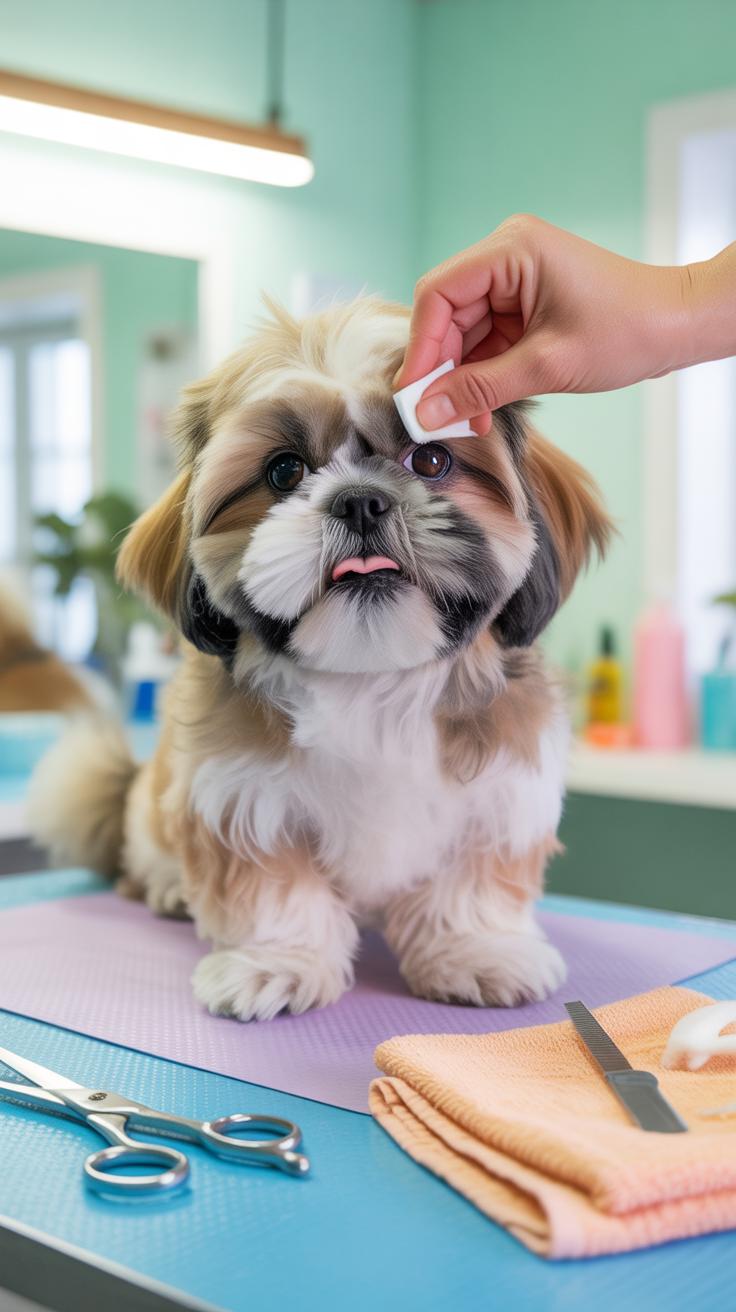
Step By Step Guide To Safely Cleaning Discharge And Debris From A Shih Tzu’S Eyes
Start by saturating a clean lint-free cloth or cotton round with lukewarm water or a dedicated canine eye wash. Hold the damp material against the dried mucus for thirty seconds to soften the crust. Do not pull or yanking on the hair. Gently wipe from the inner corner of the eye outward to move bacteria away from the tear duct.
Repeat this process with a fresh cloth for the second eye to prevent cross-contamination. Use a fine-tooth flea comb to pull away any remaining softened debris from the facial hair. This step ensures the hair is completely clear and dry before you introduce scissors. Trimming dirty or wet hair leads to uneven cuts and increases the risk of skin infections.
A steady hand and a gentle touch ensure your faithful companion can always look back at you with clear, bright eyes. There is a quiet beauty in the trust a dog shows while you tend to the windows of their soul.
Shih Tzu Puppy Eye Cleaning: Special Considerations For Young And Sensitive Dogs
Puppies have developing immune systems and highly sensitive corneal surfaces. Use only distilled water or saline solution specifically labeled for ophthalmic use to avoid irritation. Keep the sessions short to build trust and prevent the puppy from squirming near sharp tools. Handling the muzzle area daily desensitizes the nerves around the eyes. This preparation makes future trimming sessions much safer.

Check for signs of persistent redness or deep yellow discharge during the cleaning process. Shih Tzu puppies often experience teething which causes excessive tearing and staining. Keep the area dry to prevent Malassezia yeast from growing in the facial folds. If the skin smells musty or looks inflamed you must stop and treat the infection. Only proceed with trimming once the skin is healthy.
Trimming Dog Face A Step By Step Technique For Trimming Around The Eyes
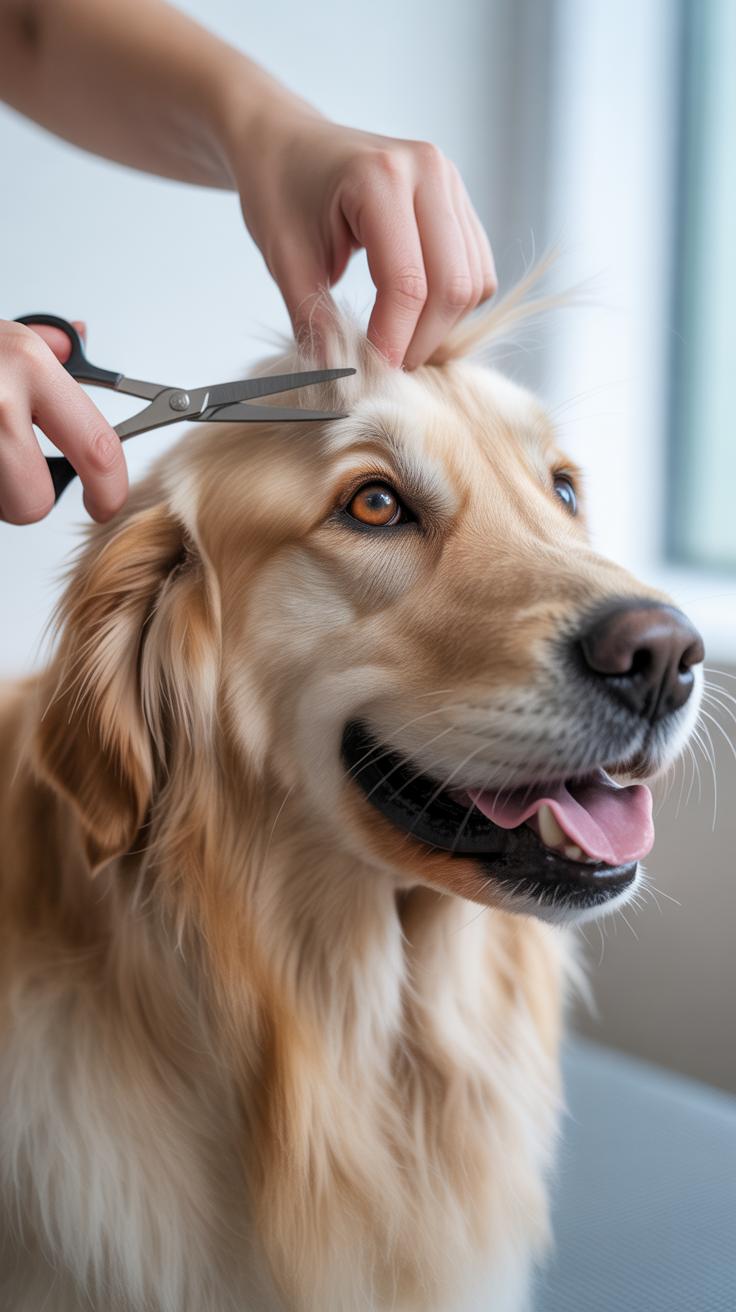
How To Approach The Eye Area With Scissors Without Startling Or Harming Your Dog
Position your body to the side of the dog rather than looming directly over their head. Looming creates a threat response and triggers the dog to pull away. Secure the muzzle firmly with your non-dominant hand by gripping the hair under the chin or the jawbone. This physical anchor prevents sudden head shakes that cause accidental punctures. Maintain a calm but firm physical presence to signal control.
Always keep the scissor tips pointed away from the eyeball. Rest the back of your hand against the dog’s cheek to stabilize your movements and feel for muscle twitches. Move the shears slowly even when the dog is still. If the dog resists or fights the hold, stop immediately and reset. Speed increases the risk of injury when working near the delicate corneal tissue and eyelids.
Directional Trimming Tips: Which Way To Cut Fur Around The Eyes For The Best Results
Trim fur in the direction of hair growth to maintain a natural look and prevent skin irritation. Start at the inner corner of the eye and work outward toward the ear. This path follows the natural drainage of the eye and clears the vision field effectively. Use short and controlled snips rather than long strokes. Cutting against the grain often results in uneven patches and can pull the skin.

Place the bottom blade of the shears flat against the bridge of the nose for stability. Work in small sections to clear the hair that grows upward into the line of sight. This technique removes the bulk that traps tear stains and debris. Always verify that no hair fragments fall into the eye during the process. Clear the area frequently with a soft brush or your fingers to see the progress.
Trim Doodle Eyes Grooming Tips Specific To Doodle Breed Facial Hair
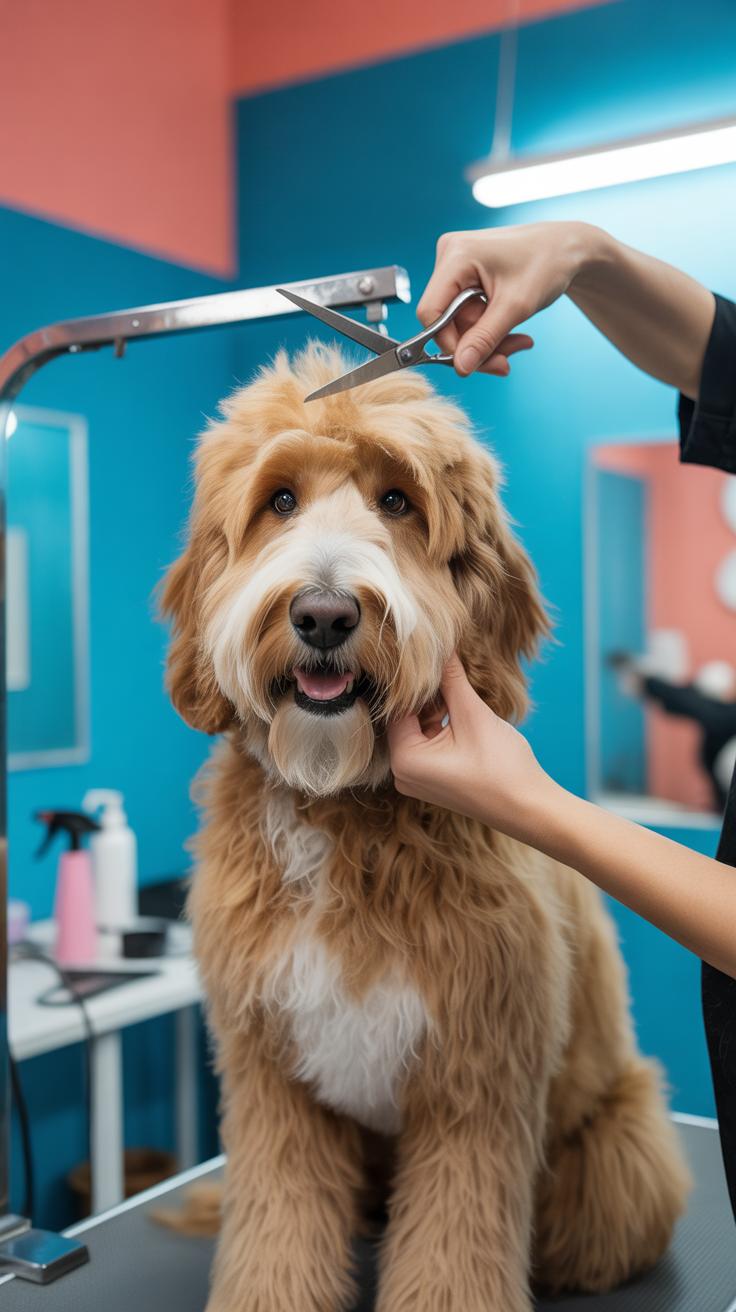
Why Doodle Breeds Like Goldendoodles And Labradoodles Require More Frequent Eye Area Trimming
Doodle breeds possess hair that grows continuously rather than shedding at a set length. This genetic trait comes from their Poodle lineage. This hair quickly obstructs vision and collects debris if left alone. Moisture from the eyes often traps bacteria in the long facial fur. This leads to staining, foul odors, and potential skin infections. Regular maintenance prevents these health issues and ensures the dog remains comfortable.
Foreign objects like grass seeds and dust stick to the curly or wavy texture of Doodle hair. Owners must trim this area every two to four weeks to maintain safety. Thick hair near the tear ducts also causes excessive tearing. Trimming removes the weight and irritation of sodden fur against the eyeball. Clear sightlines reduce anxiety in these breeds. Constant upkeep is a functional necessity for their daily well-being.
How To Trim A Labradoodle Face: Shaping The Muzzle And Brow Area Safely At Home
Start by combing the hair forward toward the nose to identify the overgrowth. Use blunt-nosed safety shears to avoid accidental puncture wounds if the dog moves suddenly. Cut the hair at the inner corners of the eyes first to open the field of vision. Always point the scissors away from the globe of the eye. Work in small sections to ensure an even and balanced look across the bridge.

The brow area requires a curved approach to follow the natural skull shape. Hold the shears parallel to the skin to prevent gouging the coat. Clear the hair hanging over the eyes by cutting at a slight angle. This technique creates a visor effect that protects the eyes without blocking sight. Keep your hand steady by resting it on the dog’s muzzle. Finished trims look clean and keep the face dry and healthy.
Dog Grooming Shih Tzu Managing The Distinctive Facial Fur Of This Beloved Breed
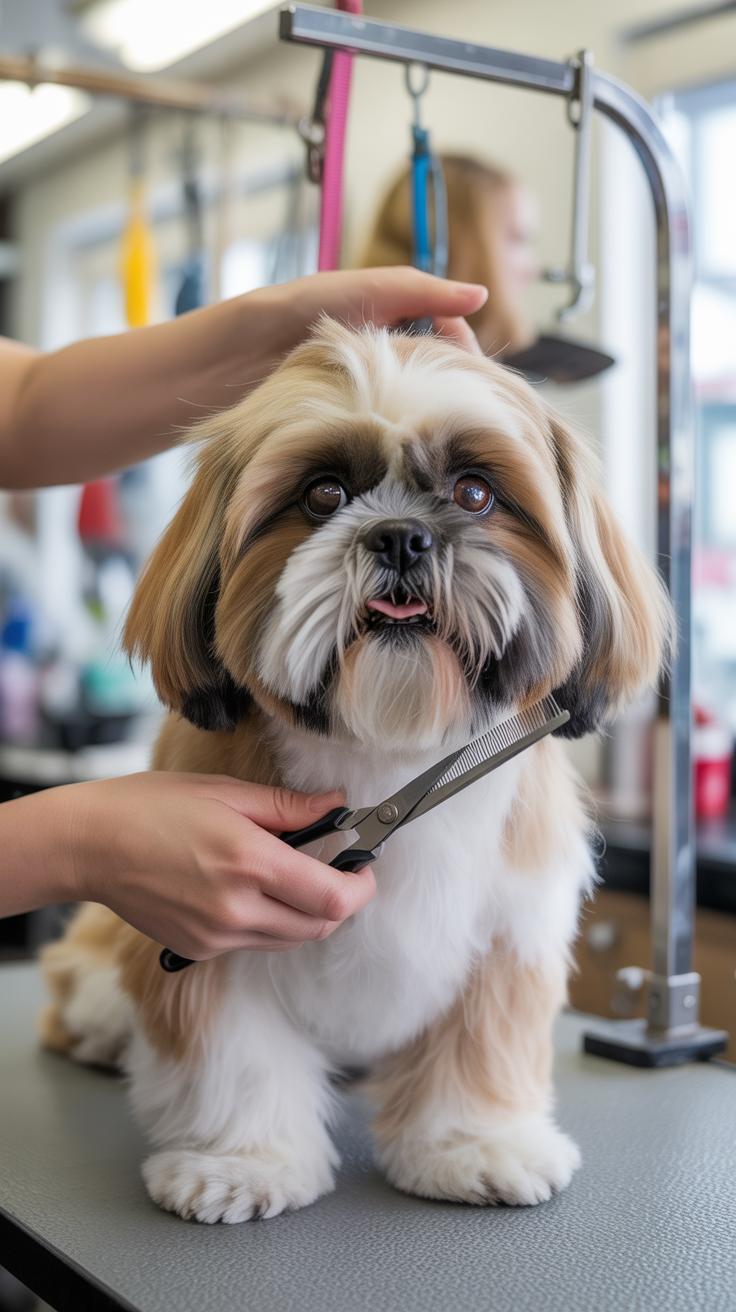
Understanding The Shih Tzu’S Unique Facial Structure And How It Affects Grooming Approach
The Shih Tzu is a brachycephalic breed with a short muzzle and shallow eye sockets. This skeletal structure causes the eyes to bulge slightly. Hair grows in every direction from the bridge of the nose. This growth pattern is often called the chrysanthemum face. You must recognize that the protruding eyes have a high risk of injury. Physical contact with the cornea must be avoided.
Constant hair growth towards the eyes causes irritation and tear staining. These dogs have narrow tear ducts that clog easily. Long facial hair traps bacteria and moisture against the skin. You need to clear the path between the eyes and the nose bridge. This prevents hair from scratching the lens. Proper thinning of the bridge hair improves airflow and reduces chronic dampness in the facial folds.
How To Trim The Topknot And Brow Fur Of A Shih Tzu Without Obstructing Their Vision
The topknot keeps long hair out of the eyes but requires precise maintenance. Use a fine-tooth comb to pull the hair upward from the corner of the eyes. Secure this section with a latex band. If you prefer a short cut, use thinning shears to blend the brow hair. This technique prevents a harsh shelf of fur from hanging over the lids. Always point shears away from the globe.
Trimming the brow requires a steady hand and a calm dog. Hold the muzzle firmly to prevent sudden jerks. Cut only the hair that falls into the field of vision. Shortening the hair on the nasal bridge is critical. This area collects food and debris which leads to infections. Keep the bridge fur shorter than one half inch. This creates a clear sightline and keeps the eyes healthy.
Puppy Grooming Introducing Young Dogs To Eye Area Trimming The Right Way
At What Age You Can Safely Begin Trimming The Fur Around A Puppy’S Eyes
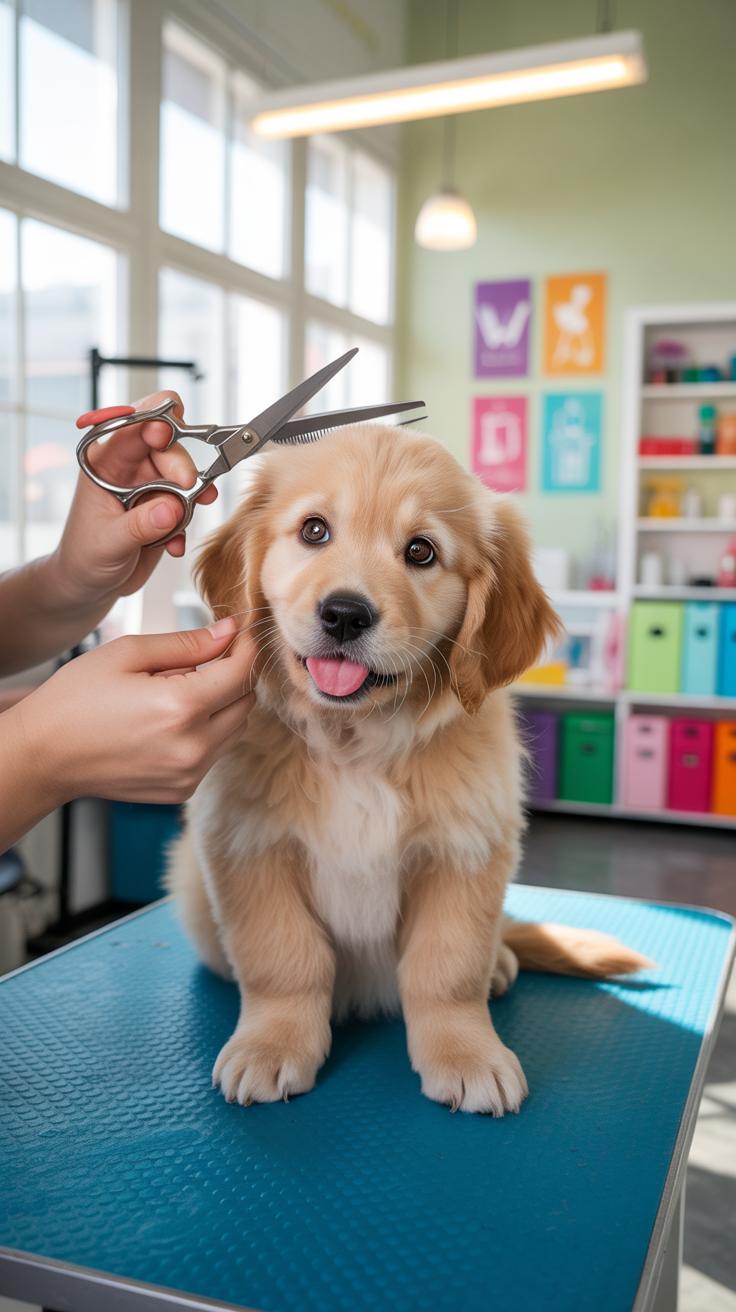
Puppies develop sensory awareness rapidly within their first few months. You should start the introduction process as early as eight weeks. Do not use sharp tools for cutting yet. Focus on handling the face and muzzle area. This early start prevents fear-based reactions during future grooming sessions. Most professional groomers recommend waiting until sixteen weeks for actual trimming when vaccinations are complete and coordination improves.
Early exposure prevents matted hair and irritation caused by ocular discharge. Long fur can trap bacteria and scratch the cornea if left unmanaged. Control the puppy with a firm but gentle hand. Keeping these initial sessions under five minutes ensures the dog does not become overwhelmed. Your goal is tactile habituation. Consistently touching the area around the eyes prepares the dog for the physical sensation of metal tools.
Building Positive Associations With Grooming Tools Through Gradual Desensitization
Desensitization requires a systematic approach to technical equipment. You must pair the sight and sound of scissors or electric trimmers with rewards. Puppies operate on immediate feedback loops. If the dog associates the grooming kit with high-value treats, it will remain still during the process. Move the tools near the face without making contact. This builds a foundation of trust before the first cut occurs.
- Metal Sensation: Tap the blunt side of the scissors against the puppy’s forehead and cheeks. This teaches the dog that contact with cold metal is safe. Start with short durations and gradually increase the pressure to mimic real grooming conditions.
- Sound Conditioning: Open and close the scissors near the dog’s ears to normalize the clicking noise. Many puppies startle at the sound of blades cutting hair. Repeated exposure at a distance reduces the natural flight response before you move closer to the eyes.
- Comb Familiarization: Run a fine-tooth comb through the facial hair to clear debris and part the fur. This step is vital for precision. It allows you to see the skin clearly. Rewarding the dog for staying still during combing prevents sudden head movements.
- Vibration Exposure: Use an electric toothbrush or quiet trimmer near the face to simulate professional tools. The vibration can be more intimidating than the sound itself. Start at the neck and work toward the eyes. Stop if the puppy shows signs of extreme distress.
- Muzzle Control: Teach the dog to rest its chin in your hand. This is a tactical requirement for safety around the eyes. A stable head prevents accidental punctures or cuts. Use a specific command like “steady” to signal that the dog must remain completely motionless.

Precision is impossible if the animal is struggling. Break the training into micro-steps to avoid overstimulation. If the puppy pulls away, stop the session and return to a simpler step. Successful grooming depends on the dog’s ability to remain calm under pressure. Use these repetitions daily to solidify the behavior. Consistency now ensures a lifetime of safe and efficient eye area maintenance for your dog.
Common Mistakes To Avoid When Trimming Fur Around Your DogS Eyes At Home
Why Rushing The Trimming Process Is The Leading Cause Of Accidental Nicks And Stress
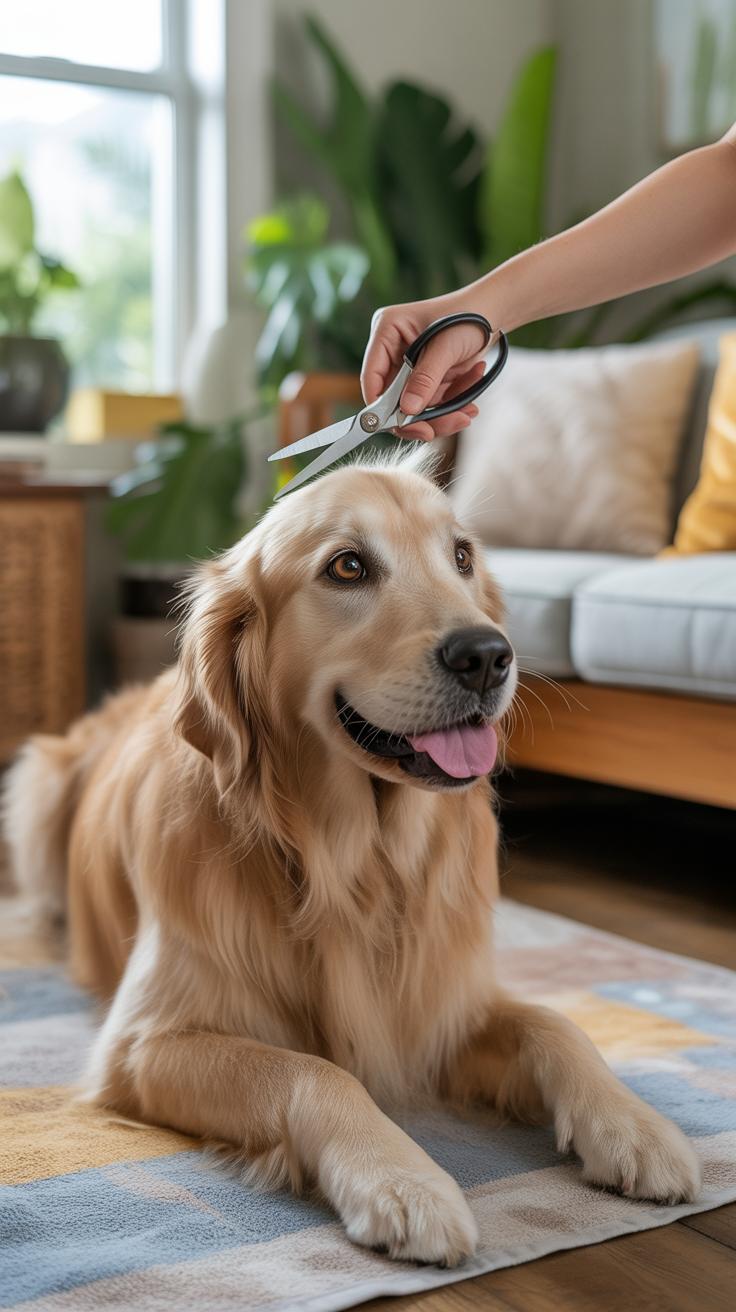
Haste creates danger during grooming. Dogs move without warning when they feel pressure or hear scissor blades. Speeding through the process prevents you from reacting to these sudden movements. This lack of patience leads to lacerations on the eyelids or the cornea. Proper trimming requires a calm environment to keep the dog’s heart rate low. Rushing triggers a flight response in the animal.
You must view grooming as a series of small wins. Trying to finish the entire face in one minute is a tactical error. Focus on one small section of fur at a time. This approach allows the dog to reset between snips. It also gives you time to verify the position of the shears. Slow movements ensure that the dog views the tool as a neutral object.
Signs You Should Stop And Consult A Professional Groomer Or Veterinarian Instead
A dog that shows extreme fear or aggression requires a professional. Growling or snapping indicates that the animal has reached its stress limit. Forcing the trim increases the risk of a serious bite or a deep puncture wound. Professionals use specialized restraint techniques and tools to handle nervous pets safely. Do not attempt a home trim if the dog cannot remain still for five seconds.
Physical health issues also demand professional intervention. If you see thick discharge or redness in the eye, stop the trim. These symptoms suggest an infection or an injury. Trimming near an inflamed eye can introduce bacteria or cause further trauma. A veterinarian must assess the eye health before any grooming continues. Do not risk a permanent eye injury to save money on grooming fees.
How Often Should You Be Trimming Fur Around Dog Eyes And Maintaining The Look
Recommended Trimming Frequency Based On Breed Type, Coat Growth Rate, And Lifestyle
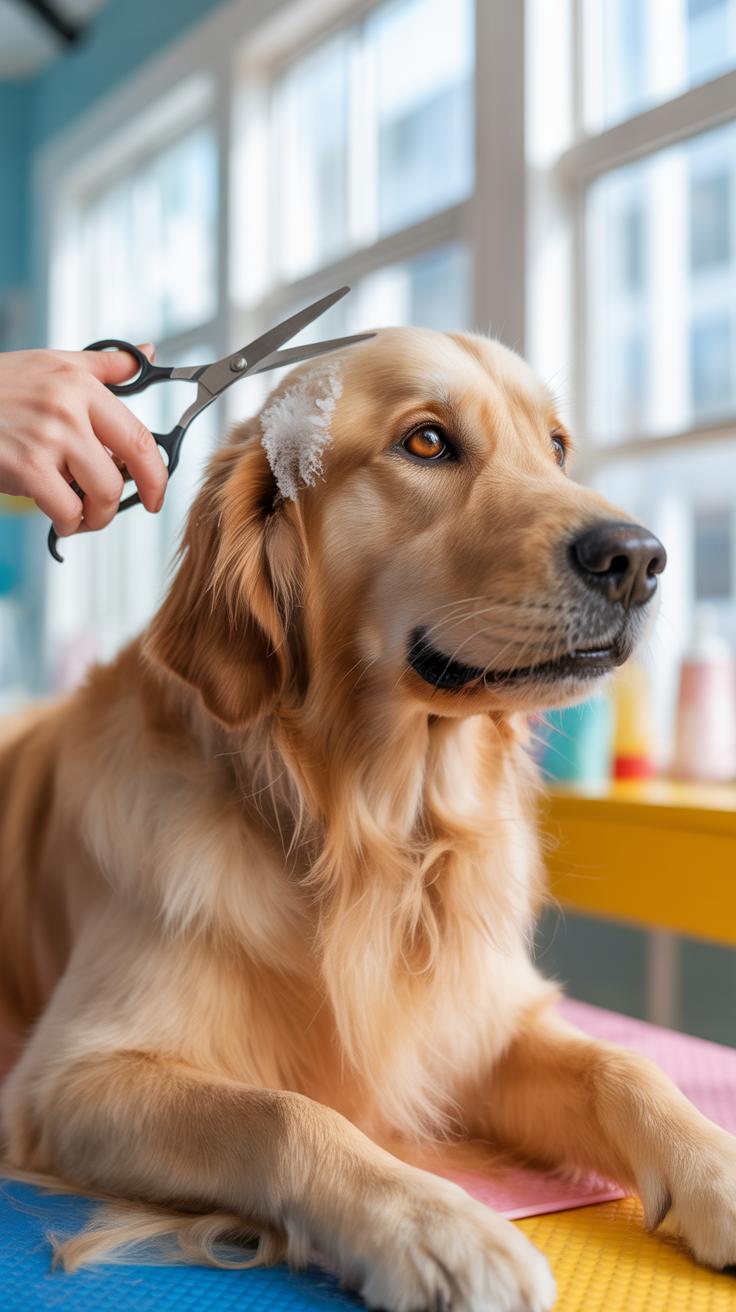
Growth cycles dictate your maintenance schedule. Long-haired breeds like Shih Tzus and Poodles require a trim every two to four weeks. Their hair grows continuously and lacks a terminal length. High-energy dogs spending time outdoors collect more debris in their facial fur. These active dogs need more frequent checks to prevent matting and irritation. Monitor the hair length relative to the eyelid margin to prevent corneal abrasions.
Genetic factors and nutrition influence how fast the coat grows. Watch for hair curling toward the eyeball. This sign indicates an immediate need for a trim regardless of the last session date. Senior dogs or those with chronic eye drainage require tighter schedules to prevent skin infections. Consistency prevents the hair from reaching a length where it traps bacteria against the eye. Focus on utility rather than aesthetics to ensure eye health.
Daily Eye Area Maintenance Habits That Reduce The Need For Frequent Trimming Sessions
Daily cleaning prevents discharge from hardening into painful crusts. Use a clean, damp cloth or specialized eye wipes every morning. This removes tear stains and debris before they bind to the hair fibers. Wiping away moisture stops the growth of yeast and bacteria in the skin folds. Keeping the area dry reduces the risk of staining. This simple habit extends the time between major trimming sessions by maintaining hair quality.
Comb the facial hair daily with a fine-toothed flea comb. This tool removes tiny particles that a brush might miss. Direct the hair away from the eyes to train the growth pattern. Consistent combing prevents small tangles from becoming tight mats. Removing these knots early eliminates the need for aggressive cutting or shaving later. Maintain a clear line of sight for your dog to reduce stress and improve their safety.
Frequently Asked Questions

Why is it important to trim the long hair around my dog’s eyes?
Maintaining clear vision is crucial for your pet’s safety and comfort. When hair grows too long, it can poke the eyeball, leading to irritation, excessive tearing, or even painful corneal ulcers. Regularly trimming fur around dog eyes also prevents bacteria-filled tear stains and debris from or matted fur from accumulating. Keeping this area tidy ensures your dog can navigate their environment confidently while minimizing the risk of preventable eye infections or chronic discomfort.
What is the safest technique for cutting facial hair on a wiggly dog?
Safety is paramount when you begin trimming fur around dog eyes at home. Start by ensuring your dog is calm, perhaps after a long walk. Use blunt-nosed safety shears and always point the tips away from the eyeball. Rest your hand against the dog’s cheek to steady your movement. Work in short, careful snips while having a helper provide treats, ensuring you only cut when the dog is completely still to avoid accidents.
Do I need to buy expensive professional grooming shears for home touch-ups?
You don’t need a professional kit, but you should avoid using standard household or kitchen scissors. For a budget-friendly and safe option, look for small, stainless steel grooming scissors with rounded safety tips, which are quite affordable. These specialized tools offer better precision and significantly reduce the risk of accidental pokes. Investing in a simple pair of safety shears makes home maintenance much easier and keeps your dog comfortable between professional grooming visits.