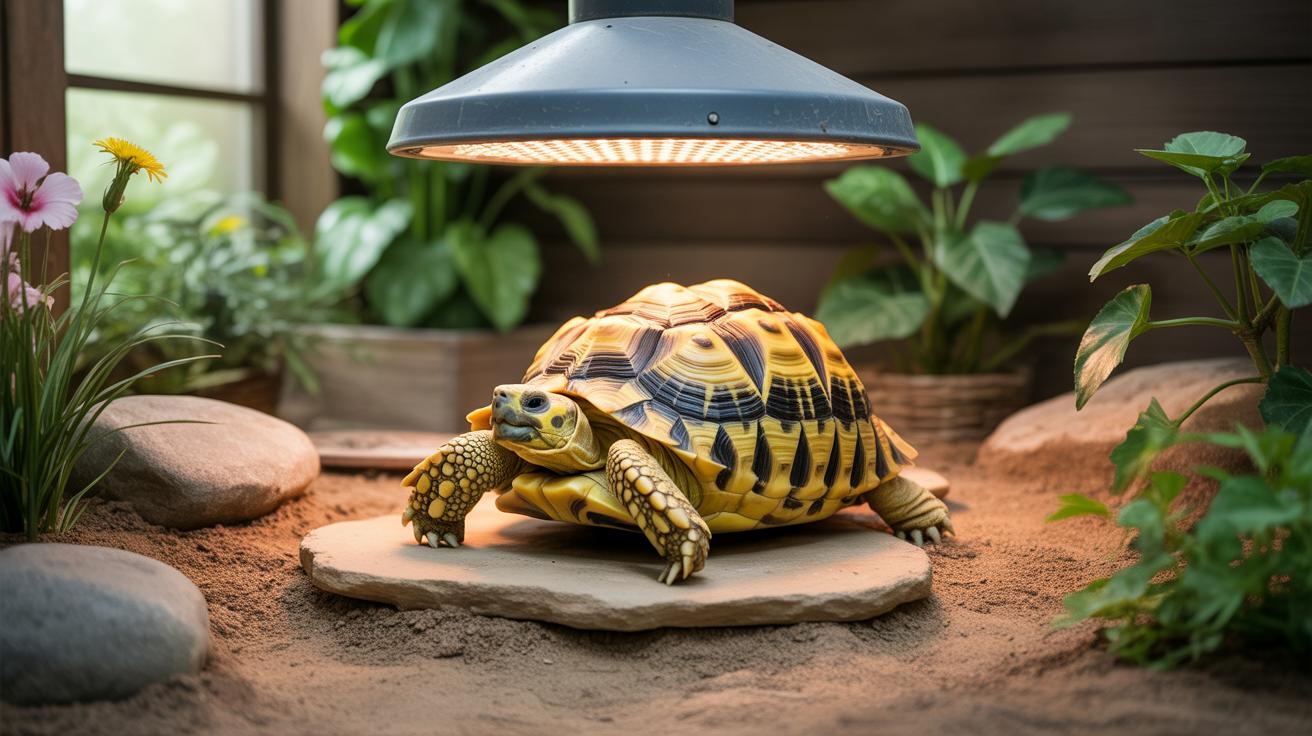
Understanding Why UV Lighting Is Essential For Tortoise Care
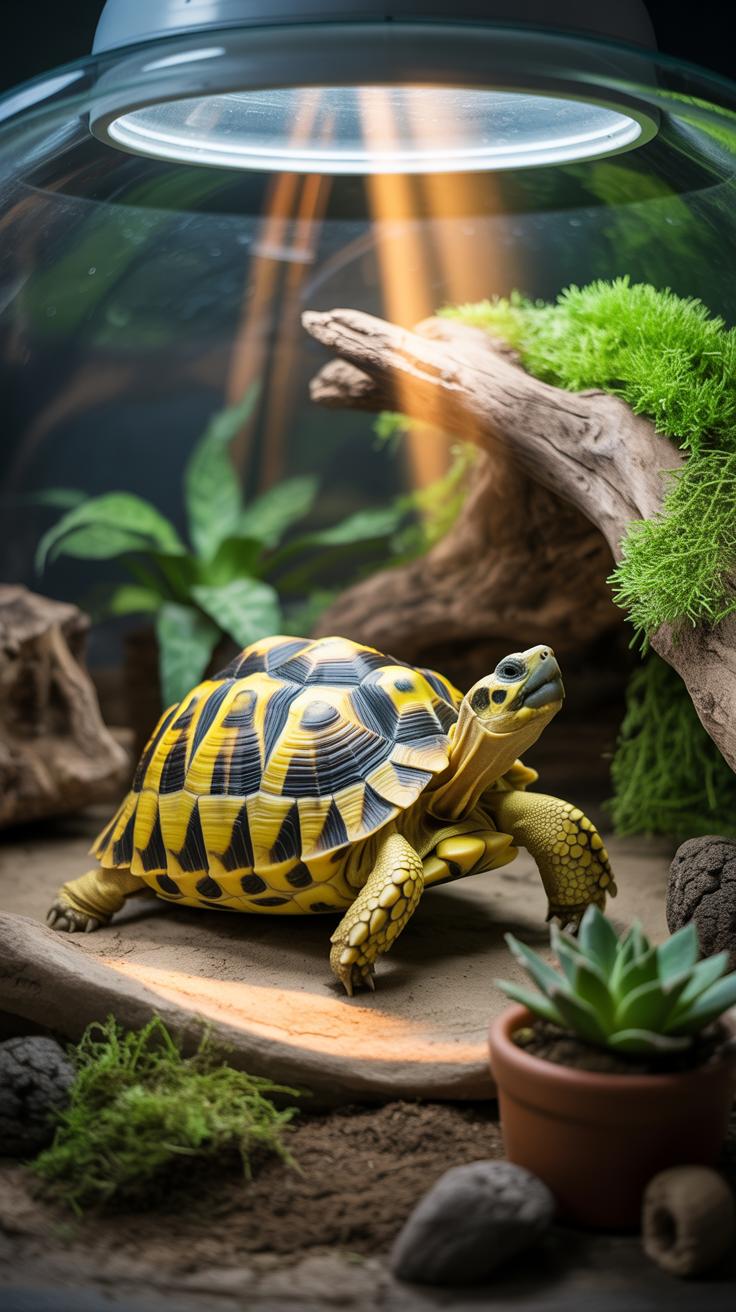
How UVB Radiation Supports Vitamin D3 Synthesis In Tortoises
Tortoises require UVB radiation to initiate the production of Vitamin D3 within their skin. When UVB rays hit the tortoise, they convert cholesterol into previtamin D3. The liver and kidneys then process this compound into active Vitamin D3. This hormone is the critical driver for calcium absorption from the diet. Without active D3, a tortoise cannot utilize the minerals it consumes for its biological needs.
Calcium is the primary building block for a tortoise shell and skeleton. The synthesis process depends entirely on the correct wavelength of light, typically between 290 and 315 nanometers. Indoor enclosures block natural sunlight, so handlers must provide artificial UVB sources. This setup ensures the tortoise maintains proper blood calcium levels. Constant access to these specific light waves keeps the metabolic system functioning at peak efficiency.
The Health Consequences Of UVB Deficiency In Captive Tortoises
Deficiency in UVB leads directly to Metabolic Bone Disease, a painful and often fatal condition. When Vitamin D3 levels drop, the tortoise cannot absorb calcium. The body then pulls calcium from the bones and shell to maintain vital organ function. This causes the shell to soften, deform, or develop a peaked appearance known as pyramiding. These structural failures are permanent and cause long term mobility issues.
Failure to provide UV lighting also results in lethargy and a suppressed immune system. Weakened tortoises stop eating because they lack the energy to forage or digest food properly. Chronic deficiency leads to bone fractures and organ failure over time. You cannot reverse the physical damage once it occurs. Proper UV lighting acts as preventative medicine to ensure the tortoise reaches its full lifespan without skeletal collapse.

The Different Types Of UV Bulbs And What They Mean For Your Tortoise Enclosure
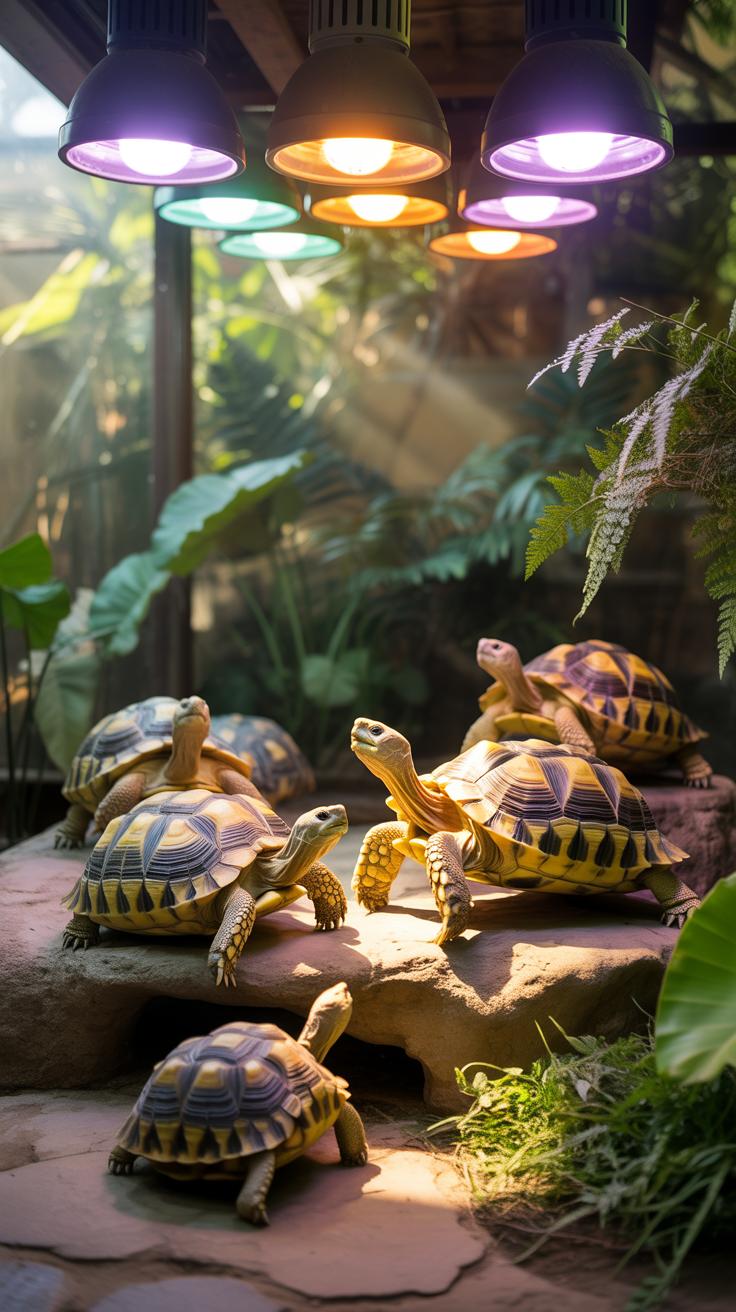
UVA Vs. UVB Vs. Full Spectrum Bulbs: What Each One Does
UVB radiation is the most critical component for tortoise health. It facilitates the synthesis of Vitamin D3 in the skin. Without D3, a tortoise cannot absorb calcium from its diet. This leads to metabolic bone disease and shell deformities. You must ensure the bulb emits light in the 290 to 320 nanometer range. This range activates the necessary biological processes for skeletal growth.
UVA light affects behavior and vision rather than bone structure. Tortoises see into the UVA spectrum, which helps them recognize food and mates. Full-spectrum bulbs mimic natural sunlight but often lack the concentrated UVB intensity required for reptiles. Do not confuse visual brightness with UV potency. A bulb can look bright but offer zero UVB output. Always check the specific UVB rating on the packaging.
Fluorescent, Mercury Vapor, And Metal Halide Bulbs Compared
Fluorescent tubes are the industry standard for safe UV distribution. T5 High Output linear tubes provide a consistent UV gradient across the enclosure. These bulbs do not produce significant heat, allowing you to control temperature separately. They lose potency over time even if they still produce visible light. You must replace them every six to twelve months to ensure your tortoise receives the correct UV levels at all times.

Mercury vapor bulbs provide both heat and UV in a single fixture. These work well for large, open enclosures that require high intensity. However, they lack the dimming capabilities of other systems. Metal halide bulbs offer the highest quality of light mimicry and strong UV output. They are expensive and require specific ballasts to operate. Choose your bulb type based on the size of your enclosure and your local climate needs.
Choosing The Best Lighting For Turtle Tanks And Tortoise Enclosures
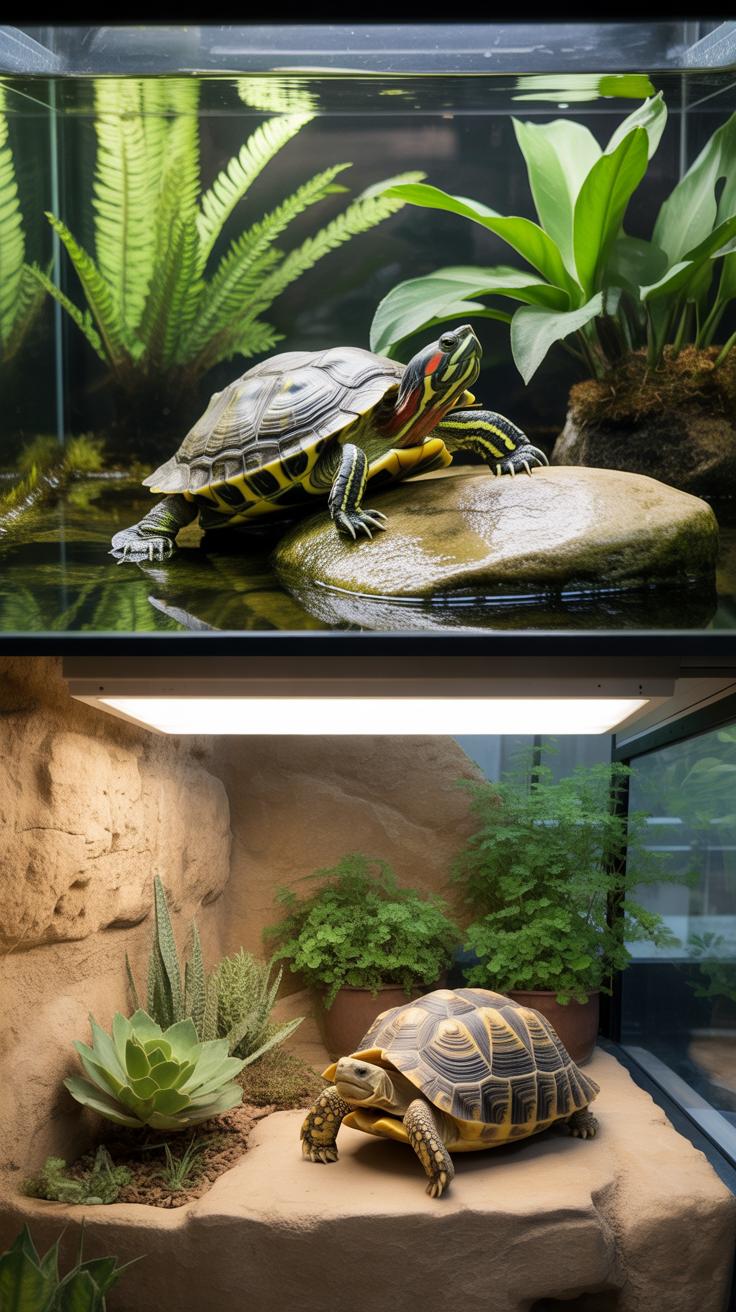
Matching UV Output Levels To Your Tortoise Species Natural Habitat
Selection starts with the Ferguson Zones. These zones categorize reptiles by their sun exposure needs in the wild. Forest species like Red-footed tortoises fall into Zone 2. They require low intensity light. Desert species like Sulcatas fall into Zone 3 or 4. These animals need high intensity light to synthesize Vitamin D3. You must match the bulb strength to the specific native climate of your animal.
Distance from the lamp to the shell determines the final UV dose. A bulb that is too close causes skin and eye damage. A bulb that is too far provides zero benefit. Use a radiometer to measure the actual microwatts per square centimeter. This tool removes the guesswork from your setup. Always verify the UV gradient across the enclosure to allow the tortoise to self-regulate its exposure.
Key Features To Look For When Selecting A UV Bulb For Tortoises
Standard shop lights will not work for reptile health. You need a dedicated UVB source that emits light in the 290 to 315 nanometer range. High quality bulbs provide a stable output for several months. Cheaper options often lose their effectiveness within weeks despite still appearing bright to the human eye. Always verify the manufacturer specifications for UVB decay rates before purchasing any hardware for your enclosure.
- Linear T5 Ho Tubes: These bulbs provide the most consistent UV spread over a large area. They are more efficient than T8 bulbs and penetrate deeper into the enclosure. Use these for active species that need a wide basking zone.
- Full Spectrum Output: High quality bulbs mimic natural sunlight by providing UVA and UVB. UVA affects the behavior and breeding cycles of the tortoise. Ensure your bulb covers both spectrums to support the long term mental and physical health of the animal.
- Quartz Glass Construction: Quality bulbs use glass that allows UV rays to pass through without filtration. Standard glass blocks almost all beneficial UVB radiation. Always buy brands that specialize in herpetology to ensure the glass material meets the technical requirements for reptile bone growth.
- Internal Reflectors: Some bulbs include a built in reflector to push more light downward. This maximizes the energy reaching the tortoise and reduces wasted light hitting the sides of the tank. A good reflector can double the effective UV intensity at the basking site.
- Low Decay Rate: Look for bulbs rated for at least six to twelve months of use. All UV bulbs lose their potency over time. High quality components ensure the UVB output remains within a safe and effective range for a longer period of time.
Avoid compact fluorescent coils for large tortoise enclosures. These bulbs create intense hotspots that can burn the eyes of the animal. They also fail to cover enough surface area for a growing tortoise. Linear tubes are the industry standard for a reason. They distribute the light evenly and reduce the risk of metabolic bone disease. Always prioritize the coverage area over the initial cost of the fixture.
How To Plan Your Tortoise Enclosure Layout Around UV Lighting
Calculating The Correct Mounting Height For Your UV Lamp
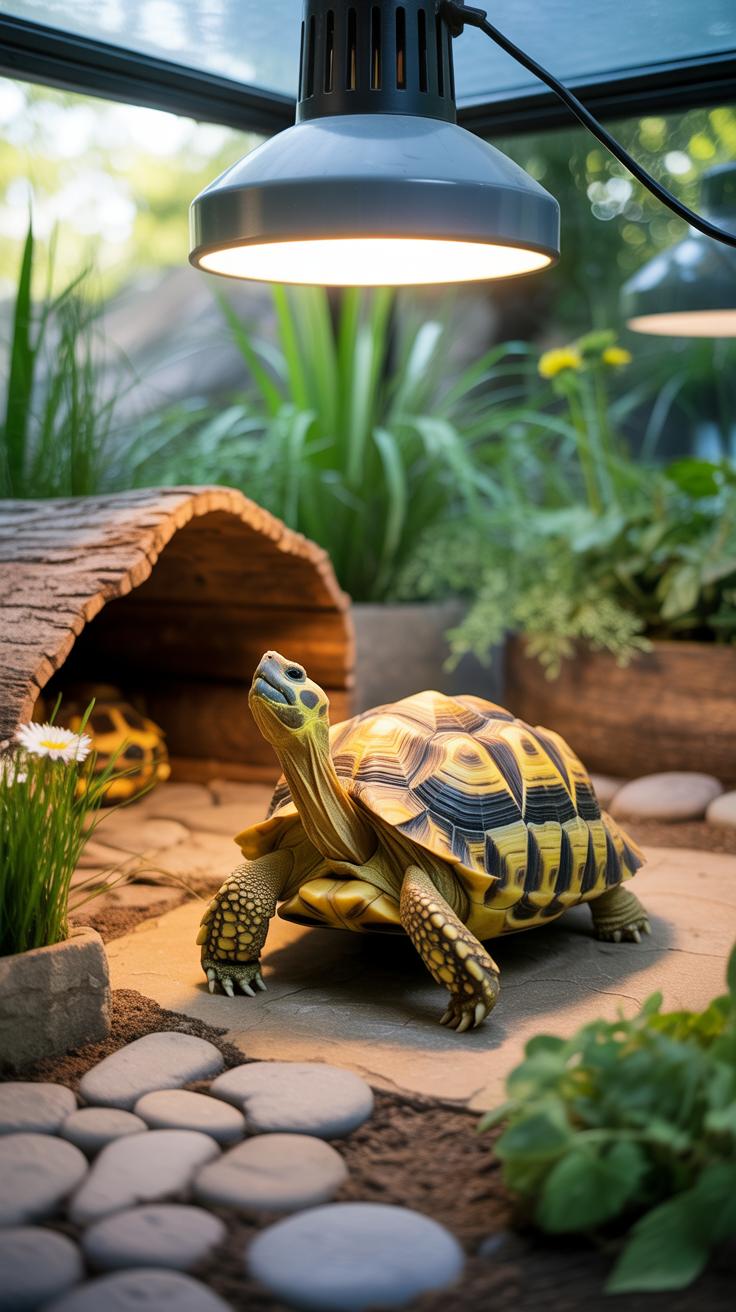
Mounting height determines the UV index at the tortoise shell level. You must measure the distance from the bottom of the lamp to the highest point of the animal. Most T5 high output bulbs require a distance of twelve to eighteen inches. Placing the bulb too close causes retinal damage or skin burns. Placing it too far renders the UVB output useless.
Use a dedicated UV index meter to verify these distances. Mesh screens block up to fifty percent of UVB rays. You must lower the lamp or increase bulb strength if a screen sits between the light and the tortoise. Reflectors also change the intensity of the beam. Always adjust the physical height based on the specific Ferguson Zone requirements for your tortoise species.
To bask in the light is to remember the ancient sun that once warmed the shells of ancestors past. Proper lighting turns a simple enclosure into a sanctuary where your companion can truly thrive.
Creating UV Gradients And Shade Zones Inside The Tortoise Enclosure
Tortoises regulate their own UV exposure through movement. You must place the UV lamp on the same side as the heat source. This layout mimics the sun by providing heat and light in one zone. The opposite side of the enclosure should remain cool and dark. This allows the tortoise to escape the radiation when it reaches its physiological limits for the day.

Effective layouts include physical barriers like plants or cork bark to create shade. These structures block direct rays and provide safety. A flat lighting setup across the entire enclosure is a failure. It forces the tortoise to absorb UV even when it needs to rest. Build a clear transition from high intensity light to total shade. This design supports natural behaviors and long term health.
Step By Step Guide To Setting Up UV Lighting In A Tortoise Enclosure
Gathering The Equipment And Preparing The Enclosure For Installation
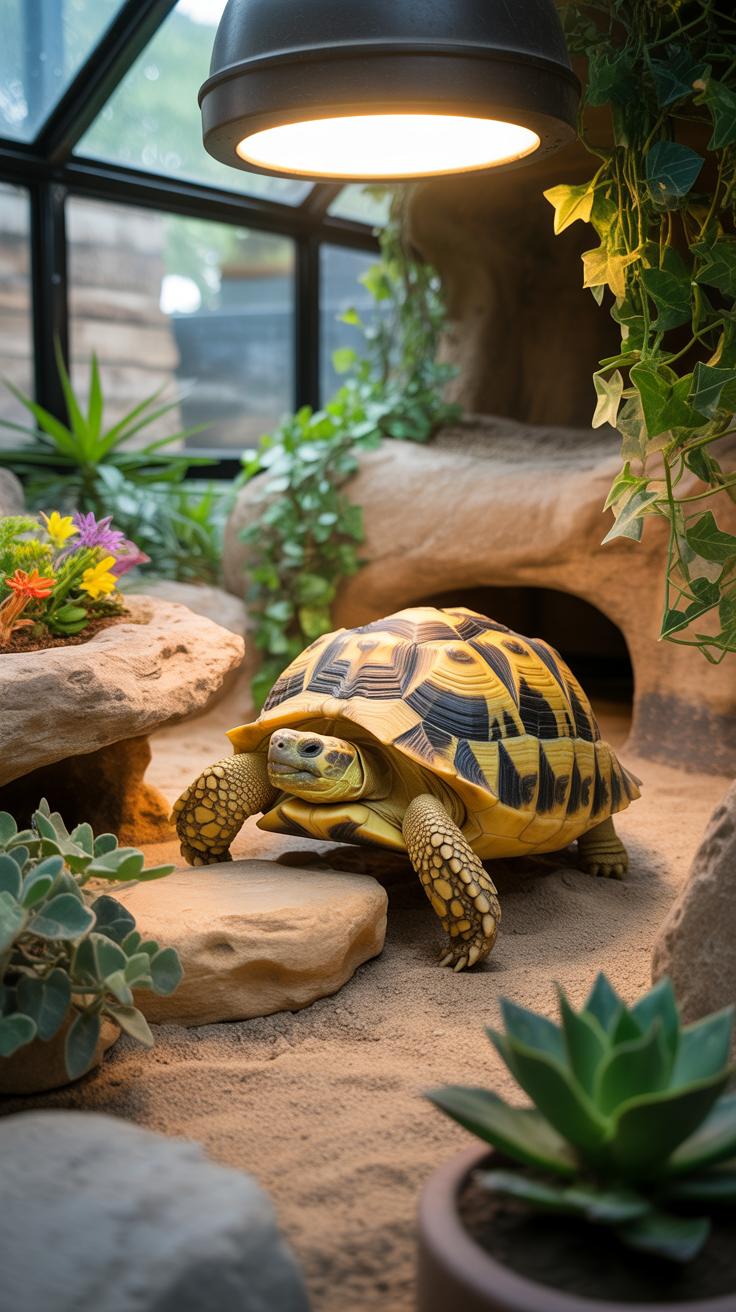
Successful UV light setup for tortoises requires precise hardware selection. You must match the lamp output to the specific needs of your tortoise species. Desert species require high intensity while forest species need lower levels. Measure your enclosure height before buying. Ensure the electrical supply handles the load. Clear all debris from the mounting area to prevent fire hazards and ensure stability during the install process.
- T5 HO Linear Fixture: Choose a high output T5 fixture with a built-in reflector. Reflectors double the usable UV reach by directing light downward toward the tortoise. Linear tubes provide a better spread than compact bulbs.
- UVB Fluorescent Tube: Select a bulb based on the Ferguson Zone of your tortoise. Research whether your animal needs a 6 percent, 12 percent, or 14 percent UVB output. Replace these bulbs every six to twelve months.
- Digital UV Index Meter: Buy a Solarmeter 6.5 to measure actual output. Visual light does not indicate UV levels. This tool is the only way to verify if the distance and bulb strength are safe and effective.
- Mounting Hardware: Use zip ties, screws, or mounting brackets to secure the fixture. The hardware must hold the weight of the fixture over time. Ensure the mount allows for height adjustments to fine tune the UV intensity.
- Automatic Timer: Use a heavy-duty digital timer to regulate the photoperiod. Tortoises need a consistent twelve hour light cycle. Automation removes human error and ensures the animal receives a predictable circadian rhythm for its metabolic health.
Inspect the fixture for cracks or manufacturing defects before mounting. Wipe the UV bulb with a dry cloth to remove oils from your skin. Body oils create hot spots that cause bulbs to fail prematurely. Verify that the mesh screen on the enclosure is not too thick. Fine mesh blocks up to fifty percent of UV rays. Ensure the mounting path is clear of any obstructions.
Positioning, Securing, And Testing Your UV Light Setup For Tortoises
Mount the fixture directly over the primary basking spot. The light must hit the tortoise from directly above to protect its eyes. Align the UV lamp alongside the heat source to create a combined microbial zone. Maintain the specific distance recommended by the manufacturer. Usually, this is ten to twenty inches depending on the bulb strength. Avoid placing glass or plastic between the bulb and the tortoise.

Test the setup using your UV index meter. Hold the meter at the height of the tortoise shell to get an accurate reading. Check multiple spots across the enclosure to map the UV gradient. Secure all power cords outside the enclosure to prevent the tortoise from tangling or biting them. Monitor the levels for one hour to ensure the output remains stable. Double check all fasteners to ensure nothing can fall.
Combining UV Lighting With Basking And Heat Sources In Turtle Habitat Setup With Lighting
Why Basking Spots And UV Exposure Must Overlap For Effective D3 Production
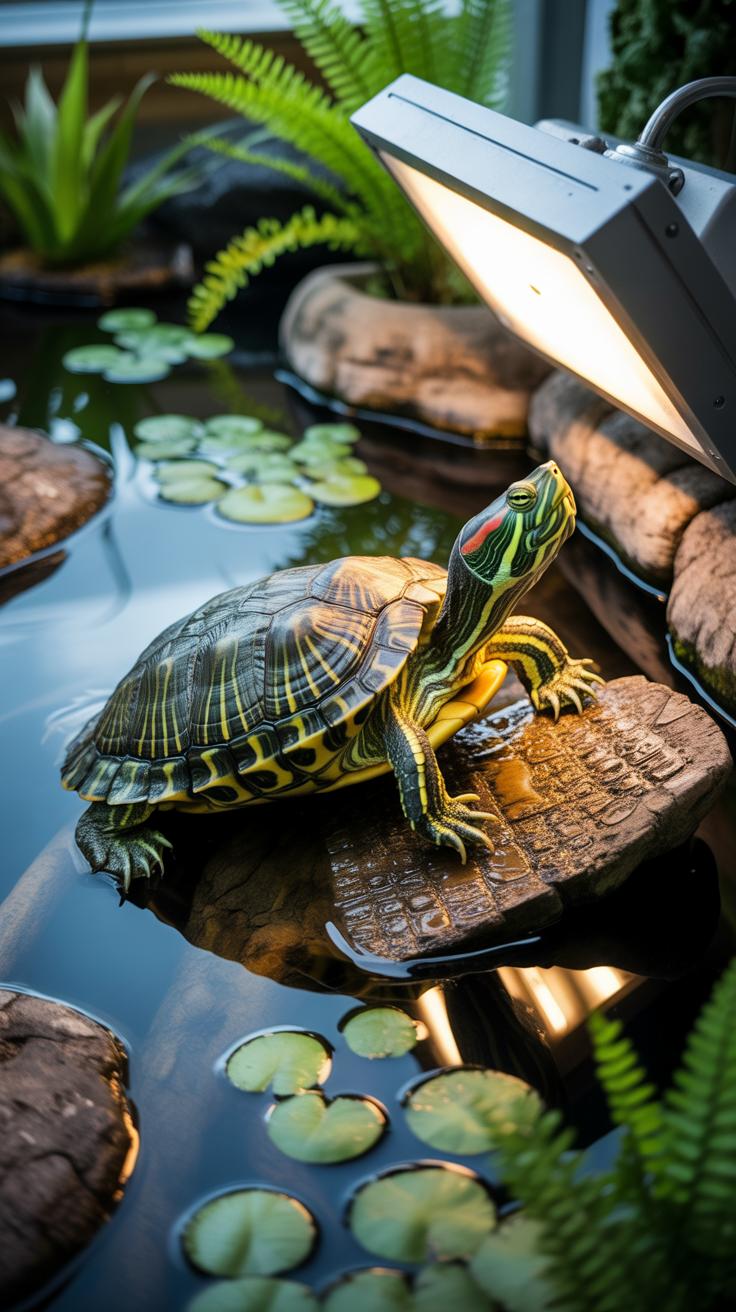
Tortoises are cold blooded reptiles that rely on external heat to drive their metabolism. They synthesize Vitamin D3 through a specific chemical reaction in their skin. This process requires both UVB radiation and high skin temperatures to function. If you separate the heat source from the UV light, the tortoise will choose heat over UV. This mistake leads to metabolic bone disease and poor health.
Position your UVB tube so it spans the basking area directly. The tortoise must receive maximum UVB output while its body reaches the target basking temperature. This configuration mimics natural sunlight where heat and light come from the same overhead source. Strategic placement ensures the tortoise processes calcium efficiently while it warms up. Overlapping these zones is the only way to guarantee effective nutrient absorption and shell growth.
Safely Combining Heat Lamps And UV Bulbs Without Overheating The Enclosure
Proper hardware placement prevents dangerous heat spikes inside the enclosure. Use a mounting rail or a dedicated lamp stand to align your heat emitter and UV tube. Keep the heat source at one end of the habitat to create a thermal gradient. This allows the tortoise to move to a cooler area when it finishes basking. Use a thermostat to regulate the heat lamp and prevent accidental overheating.

Physical distance between bulbs is critical for air circulation and fire safety. Do not crowd multiple high wattage lamps into a small space. Ensure the UV tube is close enough for effective radiation but far enough to avoid melting plastic fixtures. Check temperatures at the substrate level using an infrared thermometer. Accurate readings confirm that your combined lighting setup provides the necessary energy without creating a lethal environment.
Lighting Schedules Timers And Mimicking Natural Light Cycles For Tortoise Care
How Many Hours Of UV Light Do Tortoises Need Each Day
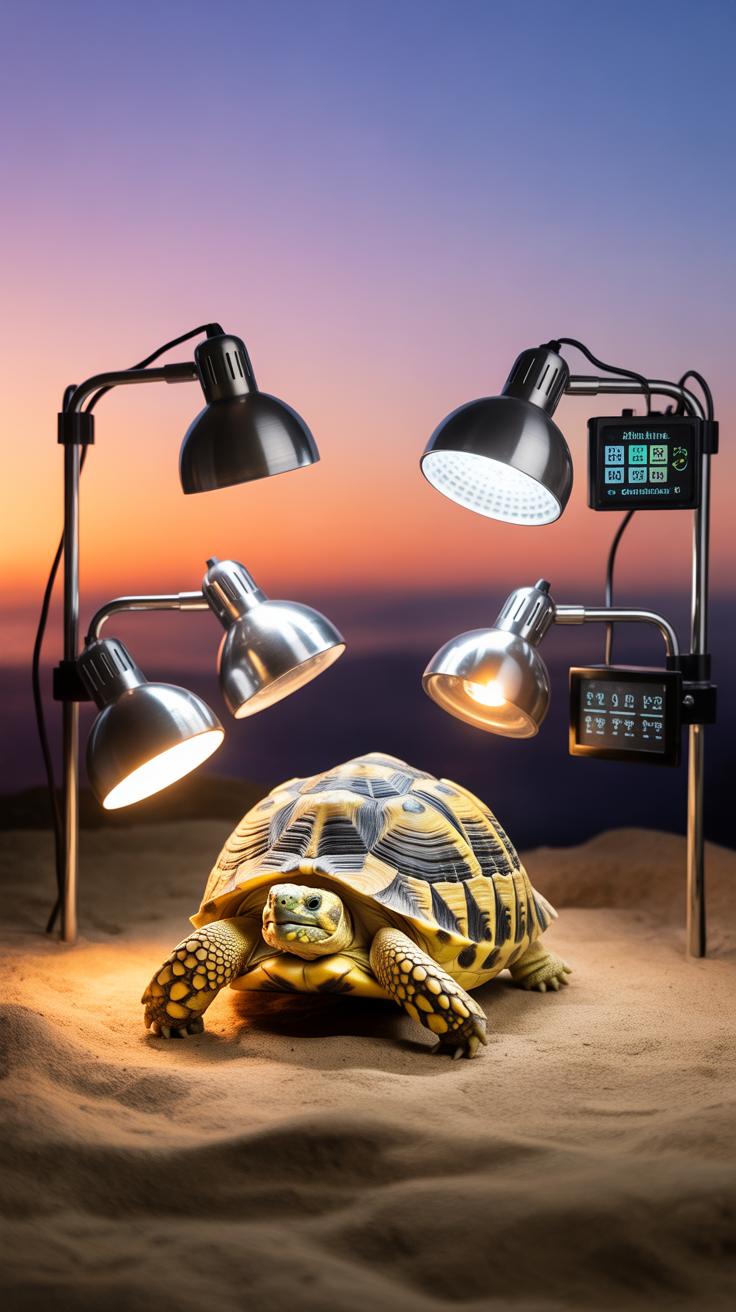
Tortoises require a consistent photoperiod to regulate their internal clocks. Most species need between 10 and 12 hours of UV exposure daily. This duration mimics the tropical and subtropical environments where these reptiles originated. Proper timing ensures the tortoise can synthesize Vitamin D3 effectively. Without this specific light window, the animal cannot process calcium. This failure leads to metabolic bone disease and shell deformities.
You must align the UV schedule with the heat lamp schedule. Light and heat signal the tortoise to wake up and forage. If you leave lights on too long, you cause chronic stress and immune system failure. If the period is too short, the tortoise remains lethargic and fails to digest food. Stick to a strict 12-hour cycle for most temperate species. Consistency is more important than occasional long bursts of light.
Using Programmable Timers To Replicate Seasonal Daylight Changes
Manual switching is unreliable and disrupts the reptile’s circadian rhythm. Digital programmable timers provide the necessary precision for a professional setup. Set these timers to turn on at sunrise and off at sunset. This automation ensures the tortoise receives light even when you are away. High-quality timers prevent human error. They maintain the health of the animal by providing a predictable environment every single day.

Adjust your timers twice a year to reflect seasonal shifts. Decrease light to 10 hours during winter months to signal a rest period. Increase light to 14 hours during the peak of summer. These subtle changes mimic natural movements of the sun. This technique encourages natural behaviors like brumation or breeding. Always use heavy-duty timers capable of handling the high wattage of UV and heat ballast systems safely.
Maintaining Your UV Setup And Knowing When To Replace Bulbs In Your Tortoise Enclosure
Why UV Output Degrades Long Before A Bulb Visibly Burns Out
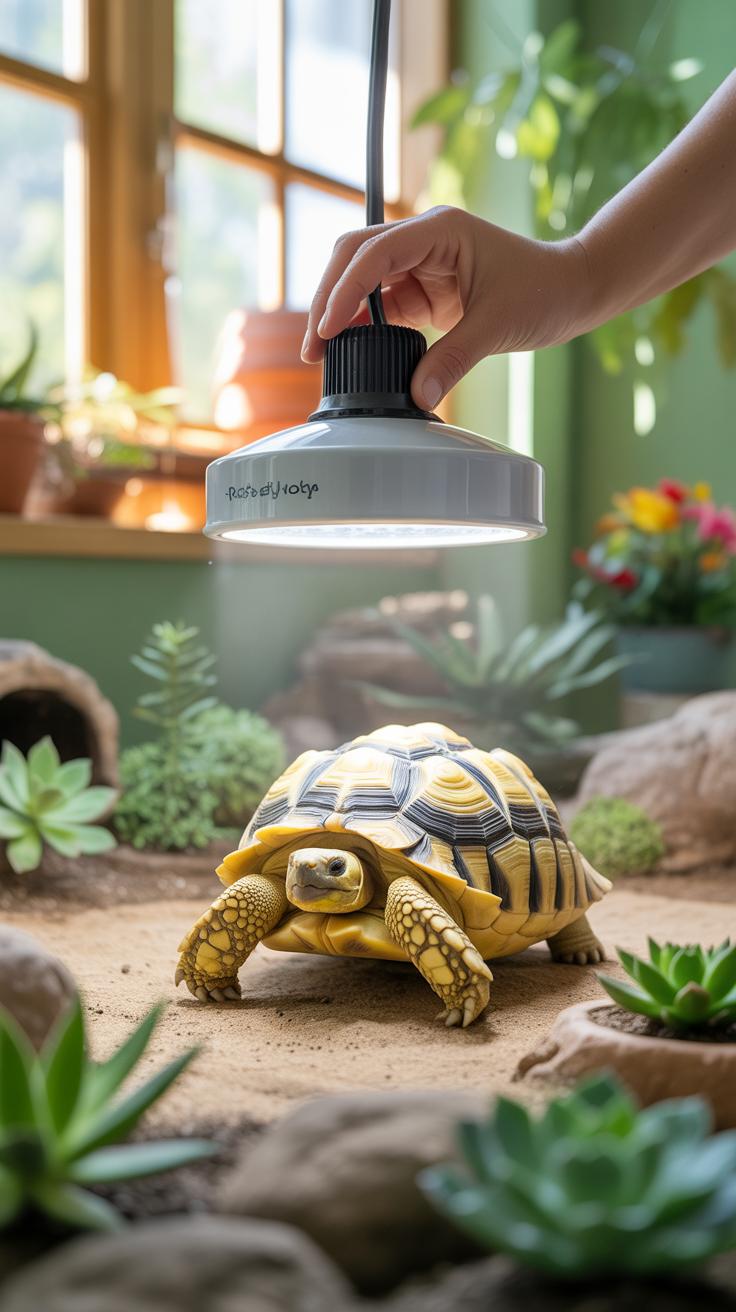
Fluorescent UVB bulbs rely on a chemical phosphor coating inside the glass. This coating reacts with mercury vapor to produce ultraviolet radiation. Over time, the phosphors break down and lose their effectiveness. The bulb will still produce visible light, but the UVB output drops significantly. You cannot see this decay with your eyes. A bulb that looks bright and white may provide zero beneficial ultraviolet rays.
Tortoises require consistent UVB to synthesize Vitamin D3 for calcium absorption. If you wait for the bulb to burn out, your tortoise will suffer from a vitamin deficiency. Most T5 high-output bulbs lose their efficacy after twelve months of daily use. Older T8 technology often fails after six months. You must track the age of every bulb. Replace these units on a strict calendar schedule to ensure safe levels.
How To Clean Fixtures And Monitor UV Levels With A Solarmeter
Dust and mineral deposits act as a physical barrier to UVB rays. Even a thin layer of grime on the bulb or reflector reduces the radiation reaching your tortoise. Wipe the bulb and the polished reflector every month using a dry, soft cloth. Never use harsh chemicals that leave residues. Ensure the fixture is unplugged and cool before you begin cleaning. Proper maintenance extends the functional life of your hardware.

A Solarmeter 6.5 is the only tool that accurately measures UVB output. Point the meter at the basking spot to get a precise reading of the UV Index. This device removes all guesswork from your replacement schedule. It tells you exactly when the bulb falls below the required threshold. Use the meter once a month to track the decay. You will save money by replacing bulbs only when they actually fail.
Common UV Lighting Mistakes And How To Avoid Them In Your Tortoise Enclosure Ideas
Placement Errors That Reduce UV Effectiveness Without You Realising It
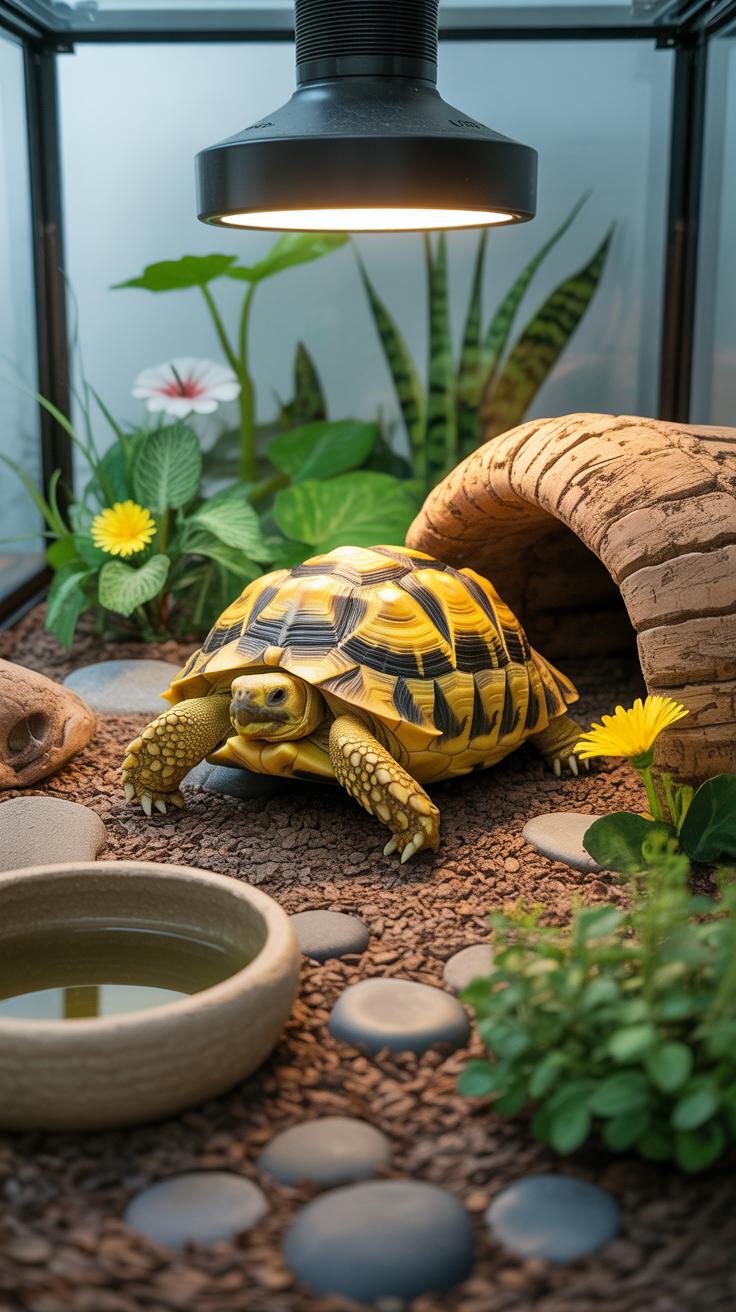
Mounting your UV lamp at the wrong angle ruins its effectiveness. Tortoises need light to hit them from directly overhead. Side-mounting or placing bulbs at steep angles creates glare that damages tortoise eyes. This placement also fails to provide a concentrated basking zone. You must align the light source with the heat source to mimic natural sunlight. This ensures the tortoise receives UV while thermoregulating.
Height matters as much as angle. Moving a bulb just a few inches too high can drop UV output by half. Use a solar meter to find the exact distance for your specific bulb type. Mercury vapor bulbs and T5 tubes have different range requirements. If the light is too close, it causes thermal burns. If it is too far, the tortoise develops metabolic bone disease from lack of vitamin D3.
Overlooking Glass And Mesh Barriers That Block UVB Transmission
Glass and plastic are physical filters that block almost all UVB radiation. Never place a tortoise enclosure near a window and expect the sun to provide UV. The glass absorbs the necessary wavelengths while still letting heat pass through. This creates a dangerous greenhouse effect without any nutritional benefit. Always mount your UV lamps inside the enclosure or over an open top to ensure the rays reach the tortoise.
Screen covers also pose a significant tactical problem for light penetration. Fine mesh can block up to 50 percent of the UV output from a bulb. This hidden reduction often leads to under-exposure even when using high-quality lights. If you must use a mesh lid, choose one with wide gaps. Readjust your mounting height to compensate for the radiation lost through the wire. Consistency in UV levels is vital for long-term health.
Frequently Asked Questions

Why is specialized lighting so important for a pet tortoise?
Tortoises require specific wavelengths to synthesize Vitamin D3, which allows them to absorb calcium for healthy shell and bone growth. Without a proper uv light setup for tortoises, your pet is at high risk for Metabolic Bone Disease. Providing this artificial sunlight mimics their natural environment, ensuring they remain active, maintain a healthy appetite, and stay vibrant throughout their long lives in an indoor enclosure.
How do I correctly position the lamp within the enclosure?
For an effective uv light setup for tortoises, mount the bulb directly overhead rather than at an angle to prevent eye irritation. Most T5 HO bulbs should be placed 10 to 15 inches away from the basking spot, depending on the species’ needs. Ensure there is no glass or plastic between the bulb and your pet, as these materials block nearly all beneficial rays from reaching the tortoise.
Are all-in-one mercury vapor bulbs a good budget-friendly option?
Mercury vapor bulbs are excellent for those seeking a cost-effective solution because they provide both heat and UVB in a single fixture. This reduces the need for multiple lamps and simplifies your habitat arrangement. While the initial cost is higher than standard bulbs, their dual-purpose nature makes managing your tortoise habitat more accessible and streamlined for beginners who want to ensure their pet receives adequate warmth and radiation.