Understanding The Great Pyrenees Double Coat And Why It Sheds So Much
The Structure Of The Great Pyrenees Double Coat
The Great Pyrenees possesses a complex dual-layer coat engineered for survival in the high Pyrenees Mountains. The bottom layer consists of a dense woolly undercoat. This soft fur traps heat close to the skin. It acts as a primary insulator against extreme cold. This layer is thick and stays hidden beneath the top coat. It provides the bulk of the volume you see on the dog.
The outer layer features long coarse guard hairs. These hairs are straight and weather-resistant. They repel water and dirt to keep the dog dry and clean. Historically this coat protected livestock guardians from harsh alpine environments and predator attacks. The two layers work together to regulate body temperature in both winter and summer. You must understand this mechanical structure to manage the shedding cycle effectively throughout the year.
Why The Great Pyrenees Coat Is Designed For Heavy Shedding
Shedding is a functional biological process for this breed. These dogs drop their undercoat to accommodate seasonal temperature shifts. This process is often called blowing the coat. It happens most intensely during the spring and fall. The dog releases the old undercoat to make room for new growth. This prevents the animal from overheating as the seasons change and ensures the fur remains functional.
Great Pyrenees shed year-round in addition to these major seasonal events. Indoor living and artificial lighting can disrupt natural shedding cycles. This leads to a constant flow of loose fur in your home. The sheer surface area of the dog means the volume of hair is high. Dead hair becomes trapped within the coat if you do not remove it manually. This causes painful matting and skin irritation for the animal.
When Do Great Pyrenees Shed The Most A Breakdown By Season
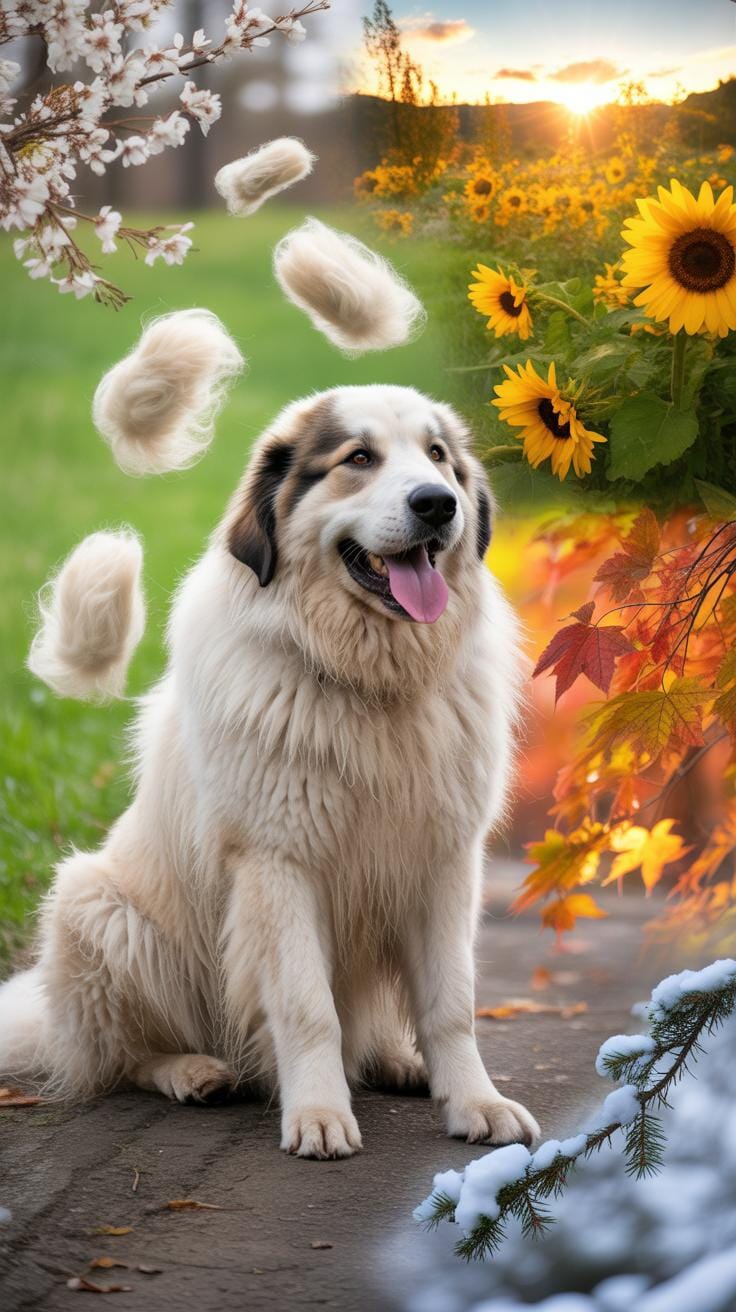
Identifying The Peak Great Pyrenees Shedding Season In Spring And Fall
Great Pyrenees possess a thick double coat designed for mountain survival. This breed sheds most heavily during the spring and fall. These periods represent a biological process called blowing coat. The dog releases its dense undercoat to prepare for temperature changes. Expect massive amounts of fur to drop in large clumps during these transitions. You must increase grooming frequency immediately.
The spring shed is the most intense as the dog loses its heavy winter insulation. This process ensures the animal does not overheat during summer months. In the fall, the dog sheds its lighter summer coat to make room for new winter growth. Consistent brushing prevents the dead fur from matting against the skin. Failure to manage this peak cycle leads to painful skin infections.
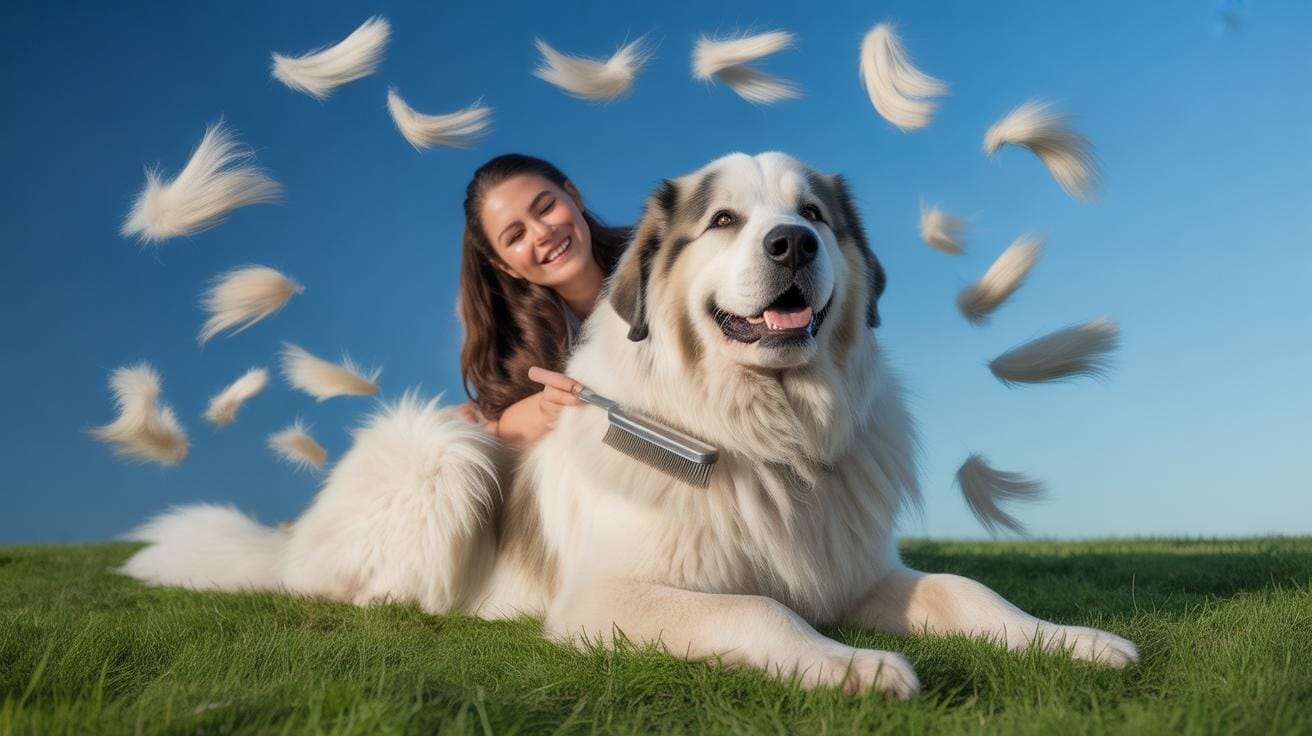
The clouds of white fur are merely soft reminders of a majestic guardian’s love left behind in every corner of your home. To brush a Pyrenees is to weave a lifetime of gentle devotion into the very fabric of your life.
What To Expect During Off Peak Great Pyrenees Shedding Time Throughout The Year
Shedding does not stop when the peak seasons end. A Great Pyrenees sheds a steady amount of fur every day of the year. This is a low-level maintenance shed that keeps the coat healthy. Owners often mistake this for peak shedding because the volume remains higher than most other breeds. You will still find white hair on floors, furniture, and clothing daily.

Indoor environments affect the consistency of off-peak shedding. Central heating and artificial cooling disrupt the dog’s natural biological clock. This causes the coat to transition more slowly over a longer period. While you will see less bulk than in spring, the volume remains significant. Maintain a weekly brushing routine to control the mess. Skipping sessions during off-peak times allows dangerous tangles to form quickly.
The Great Pyrenees Shedding Schedule Planning Your Grooming Routine
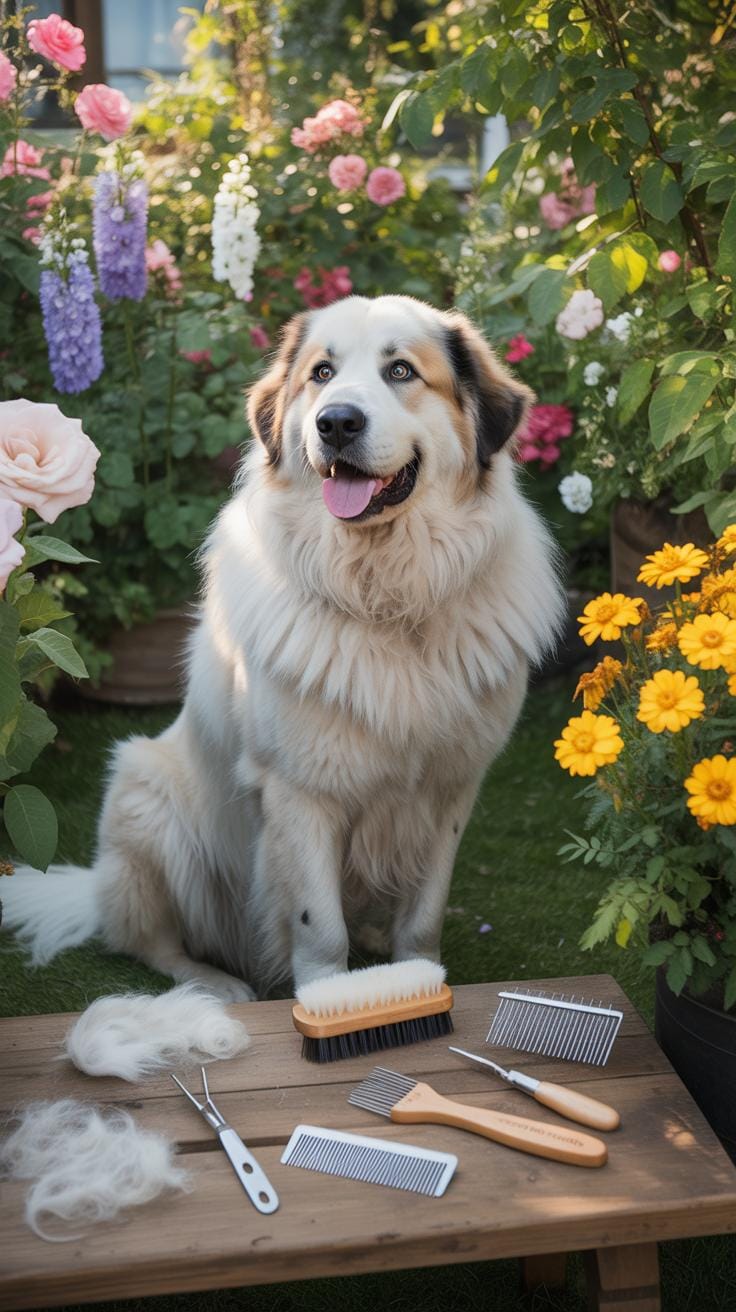
Building A Weekly And Monthly Great Pyrenees Shedding Schedule That Works
Consistency prevents the double coat from matting and trapping dead fur against the skin. You must brush your dog at least three times every week. Focus on the thickest areas like the neck and thighs. This routine removes loose undercoat before it falls on your floors. Professional groomers recommend high quality slicker brushes and long-toothed undercoat rakes to reach the skin.
Monthly maintenance requires more intensive care to handle deep debris. You should perform a full line brushing session once every four weeks. Check the ears and paws for knots during this time. Regular nail trims and sanitary clips keep the dog clean and reduce the amount of dirt trapped in the fur. A monthly bath helps loosen old hair but requires complete drying to prevent hot spots.
How To Adjust Your Grooming Frequency During Heavy Great Pyrenees Shedding Periods
Temperature changes trigger a massive release of the undercoat twice a year. You will notice large clumps of white fur falling out mainly in spring and fall. Increase your brushing frequency to once a day during these months. Daily sessions prevent the undercoat from tangling into painful mats. Use a high velocity dryer to blow out loose fur before you begin manual brushing.
Strategic grooming during heavy sheds saves time and effort. You must focus on pulling out the dead undercoat using a specialized rake tool. Avoid shaving the dog because the coat regulates body temperature and protects the skin from sun damage. Frequent vacuuming and using air filters will manage the airborne dander in your home. Monitor the skin for redness while grooming to ensure health throughout the heavy shedding season.
Essential Great Pyrenees Hair Care Tools Every Owner Needs
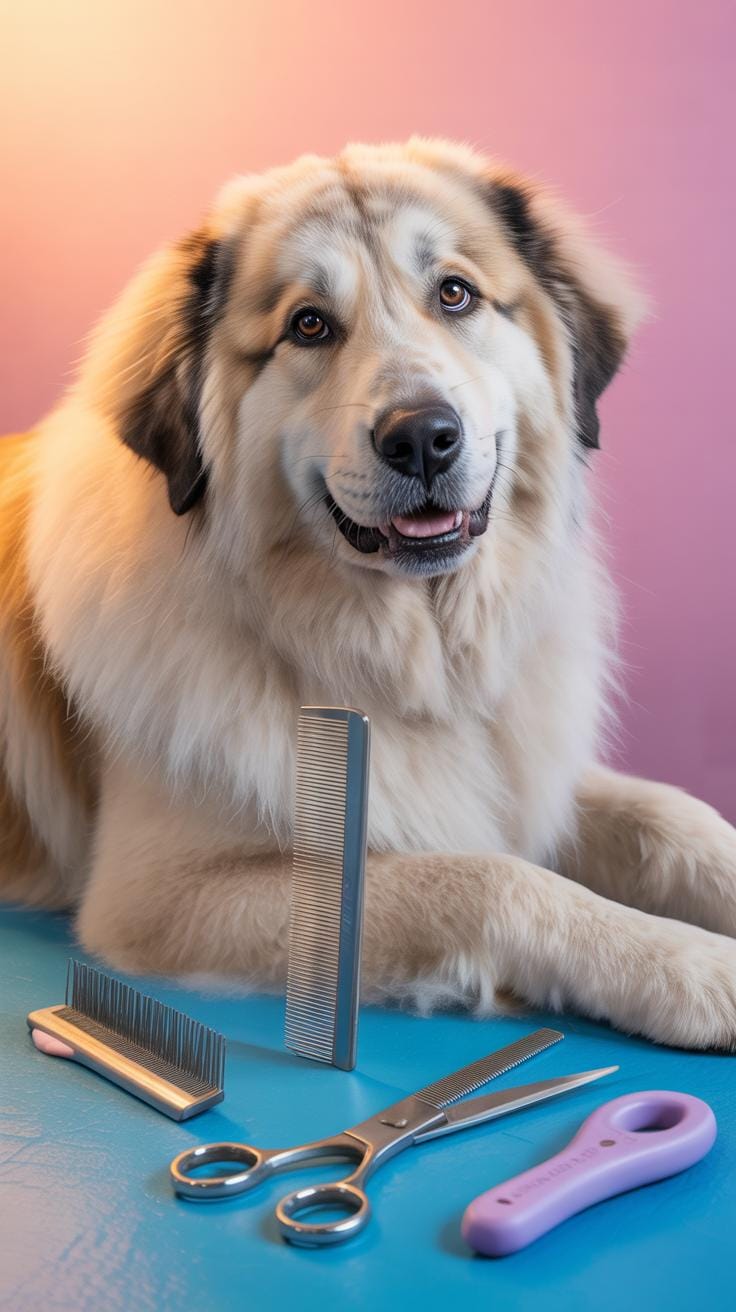
The Best Brushes And Deshedding Tools For Great Pyrenees Dog Hair
The Great Pyrenees possesses a dense double coat designed for mountain survival. You cannot manage this volume of fur with standard pet store brushes. You need tools that reach the skin to pull out dead undercoat before it mats. Cheap plastic bristles will fail against the coarse guard hairs and thick woolly base. Invest in heavy duty steel tools built for professional livestock guardian maintenance.
- Long Pin Slicker Brush: Use a large slicker brush with firm, angled pins to grab loose fur from the top layer. This tool works best for daily maintenance and smoothing the outer coat. High quality slicker brushes prevent surface mats from forming into deep tangles.
- Undercoat Rake: This is your primary weapon for heavy shedding seasons. Long, rounded metal teeth reach through the guard hairs to the skin. It pulls out trapped dead fluff without cutting the healthy coat. Choose a double row rake for maximum efficiency and depth.
- Stainless Steel Greyhound Comb: Use this tool to check your work and find hidden knots. The wide teeth travel through thick areas while the fine teeth handle delicate fur behind the ears. It is essential for identifying small mats before they become unmanageable lumps.
- High Velocity Dryer: A professional grade force dryer blows dust, dander, and loose hair out of the coat. Air pressure reaches the skin better than any manual brush can. It shortens grooming sessions by half and keeps the skin healthy by removing trapped moisture.
- Dematting Tool: These tools feature recessed blades to safely slice through stubborn knots. Use this only when a comb cannot break the hair structure. It saves the surrounding fur and prevents the need for shaving, which can permanently damage the double coat.
Effective grooming requires a systematic approach to the two distinct layers of hair. The undercoat acts as insulation while the guard hairs provide weatherproofing. Your tool kit must address both layers simultaneously to prevent heat stroke and skin infections. Relying on a single brush leads to impacted fur. Proper tool selection ensures the skin breathes and the dog stays comfortable in all temperatures.
How To Use Each Tool Correctly Without Damaging The Pyrenees Coat
Line brushing is the only effective method for this breed. Start at the bottom of the leg or tail and brush small sections upward. Hold the hair up with one hand and brush the layer beneath it. This ensures you reach the skin rather than just sliding over the top. Move in the direction of hair growth to avoid causing skin irritation or breakage.
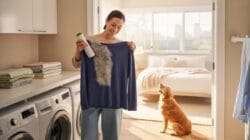
Never pull forcefully on a snag or mat. Use your fingers to loosen the knot first, then apply a dematting tool or comb. Work from the ends of the hair toward the skin to minimize pain. Excessive pressure with a slicker brush can cause brush burn on sensitive skin. Keep your wrist light and let the tool do the heavy lifting throughout the entire grooming session.
Step By Step Brushing Techniques To Reduce Great Pyrenees Dog Hair At Home
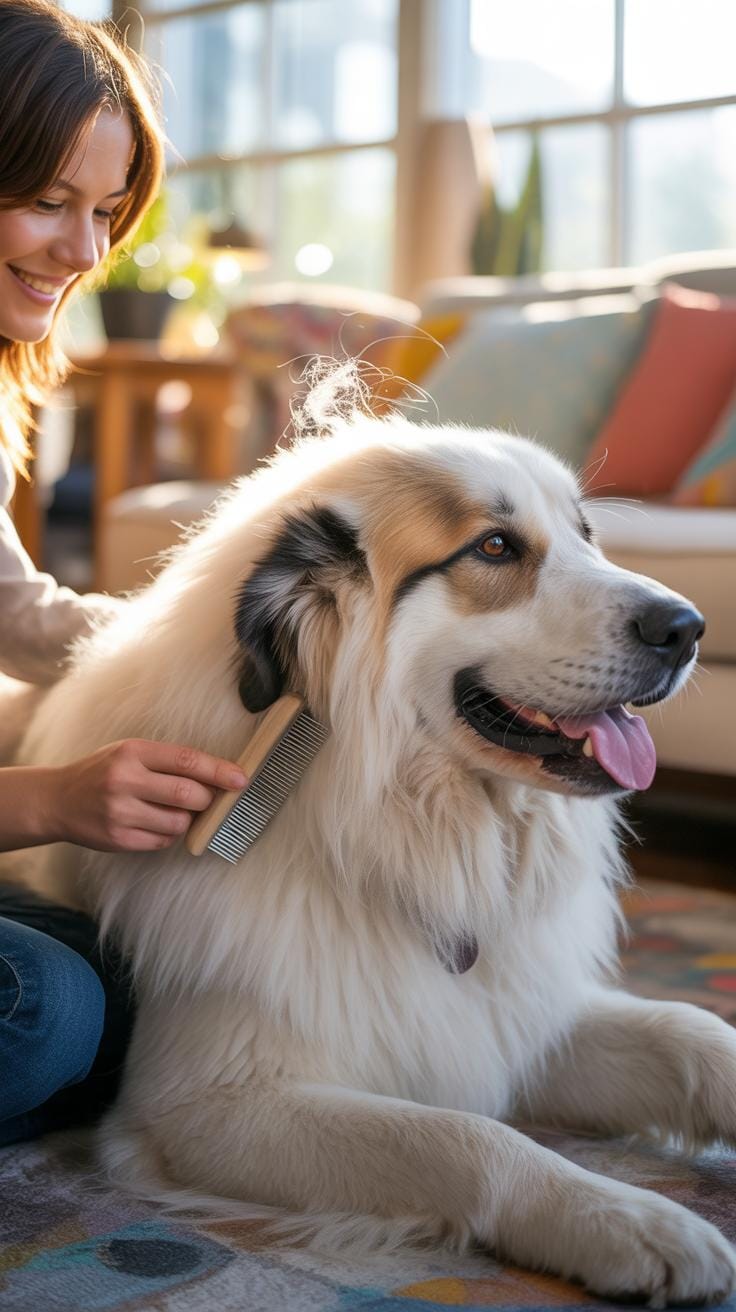
How To Brush A Great Pyrenees From Roots To Tips Without Causing Matting
Brushing a Great Pyrenees requires a technique called line brushing. You must work in sections to reach the dense undercoat. Start at the bottom of the dog and move upward. Use one hand to lift the hair and the other to brush downward from the skin. This method ensures you remove dead fur before it clumps. Surface brushing only touches the guard hairs and ignores the shedding layer.
Use a long-pinned slicker brush to pull loose fur from the skin. Follow this with a high-quality metal comb to check for missed tangles. If the comb catches, you have not reached the root. Standard brushes often glide over the thick double coat without removing the actual shed. You must apply steady pressure without scraping the skin. Consistent line brushing prevents the heavy pelting common in this breed.
Targeting Common Problem Areas Where Great Pyrenees Dog Hair Tangles And Builds Up
The areas behind the ears and around the neck require daily attention. These spots experience high friction from collars and scratching, leading to tight knots. The thick mane or ruff traps moisture and debris easily. Use a dematting tool or a fine-toothed metal comb to isolate these small sections. Work slowly to avoid pulling the skin. Removing trapped fur here reduces the total volume of hair in your home.

Pay close attention to the breeches on the hindquarters and the feathers on the legs. These long hairs pick up dirt and burrs that accelerate matting. The underbelly and the armpits also accumulate loose fur rapidly. Check these areas every time the dog comes inside. Ignoring these zones leads to painful mats that require professional clipping. Routine maintenance in these specific spots keeps the coat functional and minimizes year-round shedding.
Bathing Diet And Health Factors That Influence Great Pyrenees Shedding
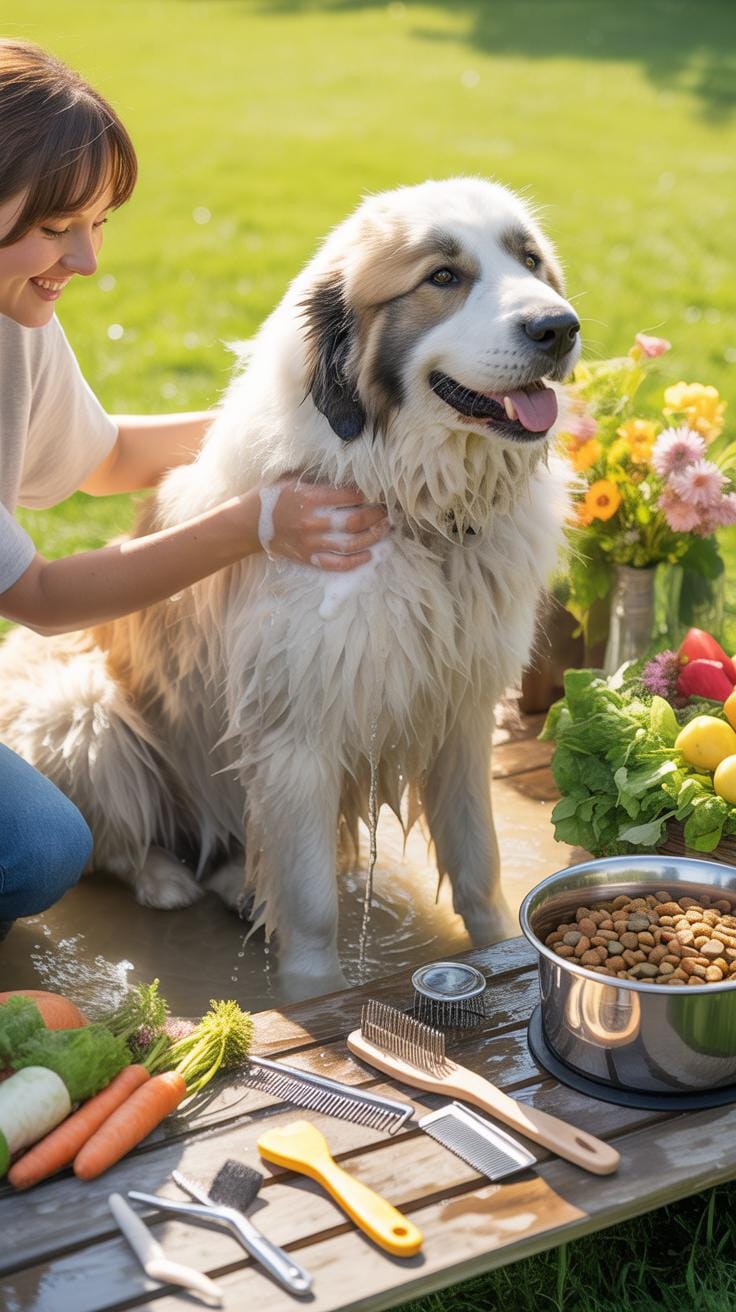
How Regular Bathing Supports Healthy Great Pyrenees Hair Care And Reduces Loose Fur
Bathing a Great Pyrenees every six to eight weeks manages the double coat. Water helps loosen dead hair from the dense undercoat before it drops on your floor. Use a high-quality de-shedding shampoo to penetrate the thick fur. Forced-air dryers are the most effective tool during this process. They blow the trapped water and loose fur out from the skin level quickly.
Avoid over-bathing this breed. Too much soap strips natural oils from the skin and coat. These oils keep the hair flexible and prevent breakage. Dry, brittle hair sheds more often and mats easily. Always brush the dog thoroughly before the bath to remove knots. Water tightens existing mats and makes them impossible to remove. A clean coat sheds less than a dirty, neglected one.
Nutritional And Health Factors That Directly Affect Great Pyrenees Shedding Intensity
Diet dictates the strength of the hair follicle. High-quality protein supports the keratin structure of the double coat. Omega-3 and Omega-6 fatty acids reduce skin inflammation and keep the coat anchored. Fish oil supplements or flaxseed often improve coat retention. A dog lacking proper nutrients will drop fur at an accelerated rate. Poor nutrition leads to a dull, thin coat that sheds constantly.
Health issues also trigger excessive shedding in this breed. Hypothyroidism and skin allergies cause the coat to thin or fall out in patches. Parasites like fleas or mites irritate the skin and lead to self-induced shedding from scratching. Stress can cause a sudden release of the undercoat outside of normal seasons. Consult a veterinarian if you notice bald spots or skin redness. Proper health management stabilizes the shedding cycle.
Keeping Your Home Clean During Peak Great Pyrenees Shedding Season
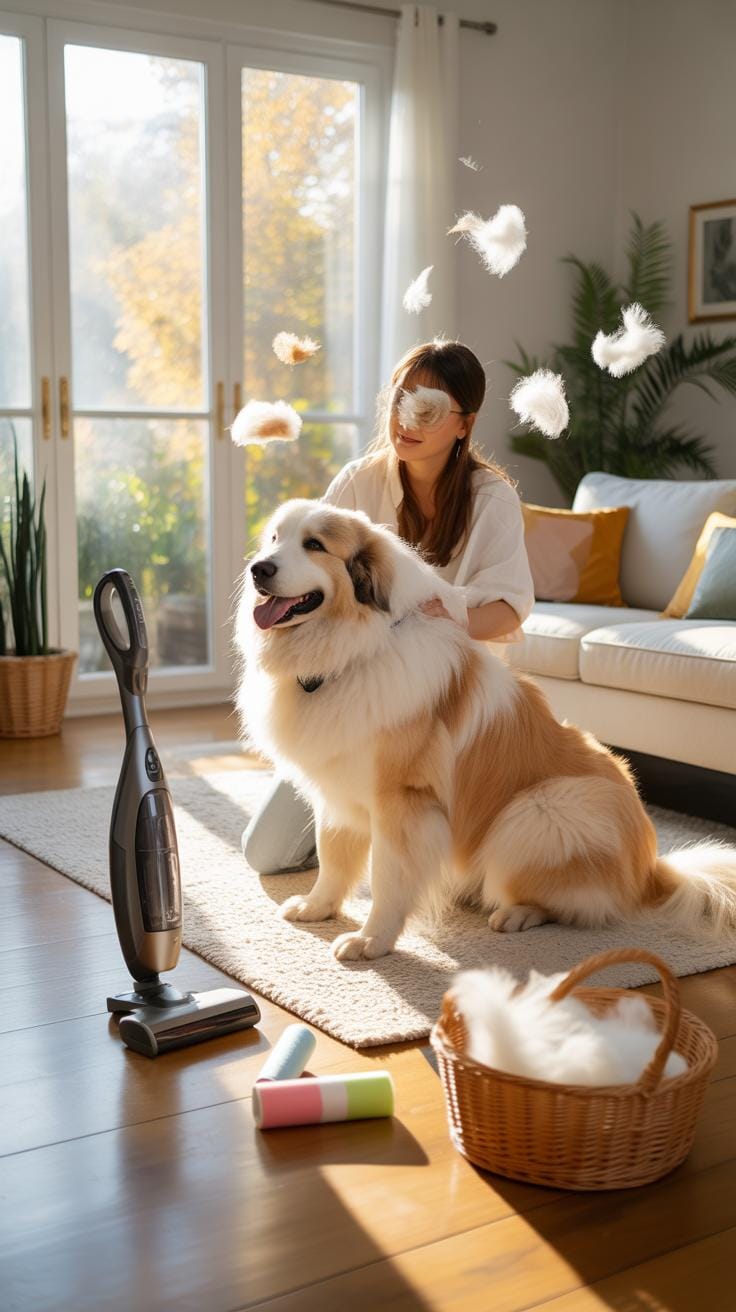
Practical Daily Habits To Manage Great Pyrenees Fur Around The House
Establish a strict containment strategy during the biannual coat blow. Great Pyrenees hair travels through air currents and settles in corners. You must remove loose fur before it leaves the dog. Daily brushing outside prevents the undercoat from carpet-bombing your living space. Focus on high-friction areas like doorways and hallways. Consistency reduces the total volume of debris circulating in your indoor air.
- External Grooming Station: Brush your dog outside to keep the bulk of the shedding undercoat out of your HVAC system. Use a high-velocity dryer to blow out loose fur before the dog enters the house.
- Daily Zone Sweeping: Use a rubber broom or microfiber mop on hard floors every morning. High-traffic paths collect the most white fur and dander. Frequent sweeping prevents hair from matting into carpets or furniture hinges.
- Air Filtration Management: Run high-efficiency particulate air filters in main living areas. These units capture airborne dander and fine hair fibers before they settle. Change filters monthly during peak shedding seasons to maintain airflow and motor efficiency.
- Dedicated Entryway Rubdown: Keep a towel and a slicker brush by the door. Quick sessions after walks catch loose clumps before they drop in the house. This habit stops the spread of hair from the mudroom to the bedrooms.
- Tactical Bedding Rotation: Use washable covers on all dog beds and change them twice weekly. Heavily soiled bedding traps oils and loose fur that then sticks to the dog’s coat. Washing prevents the re-distribution of old hair back onto your clean floors.
Control the movement of fur by restricting access to carpeted rooms. Hardwood and tile floors allow for faster recovery and more effective cleaning. Use baby gates to keep the dog away from upholstery that acts as a magnet for white guard hairs. Implement a laundry schedule for all textiles that come into contact with the dog. Heat from the dryer helps pull stubborn hair into the lint trap.
Choosing The Right Furniture Fabrics And Vacuums To Handle Pyrenees Dog Hair
Material selection dictates your cleaning workload. Avoid velvet, chenille, and loose-weave fabrics that trap double-coat fibers. Choose top-grain leather or high-performance synthetics like microfiber. These materials allow hair to slide off rather than interweaving with the base fabric. Smooth surfaces also resist the oils found in a Pyrenees coat. Strategic interior design reduces the physical effort required to maintain a professional appearance.

Invest in a vacuum cleaner with a brush roll designed for long pet hair. Standard vacuums often fail because hair wraps around the roller and burns out the motor. Look for tangle-free technology and high suction power. Use a specialized upholstery tool with rubber nubs to pull hair from fabric fibers. Maintain your equipment by cleaning filters and clearing clogs regularly. Reliable tools are the only way to manage industrial-scale shedding.
When To See A Vet Abnormal Great Pyrenees Shedding Signs To Watch For
Recognizing The Difference Between Normal And Excessive Great Pyrenees Shedding
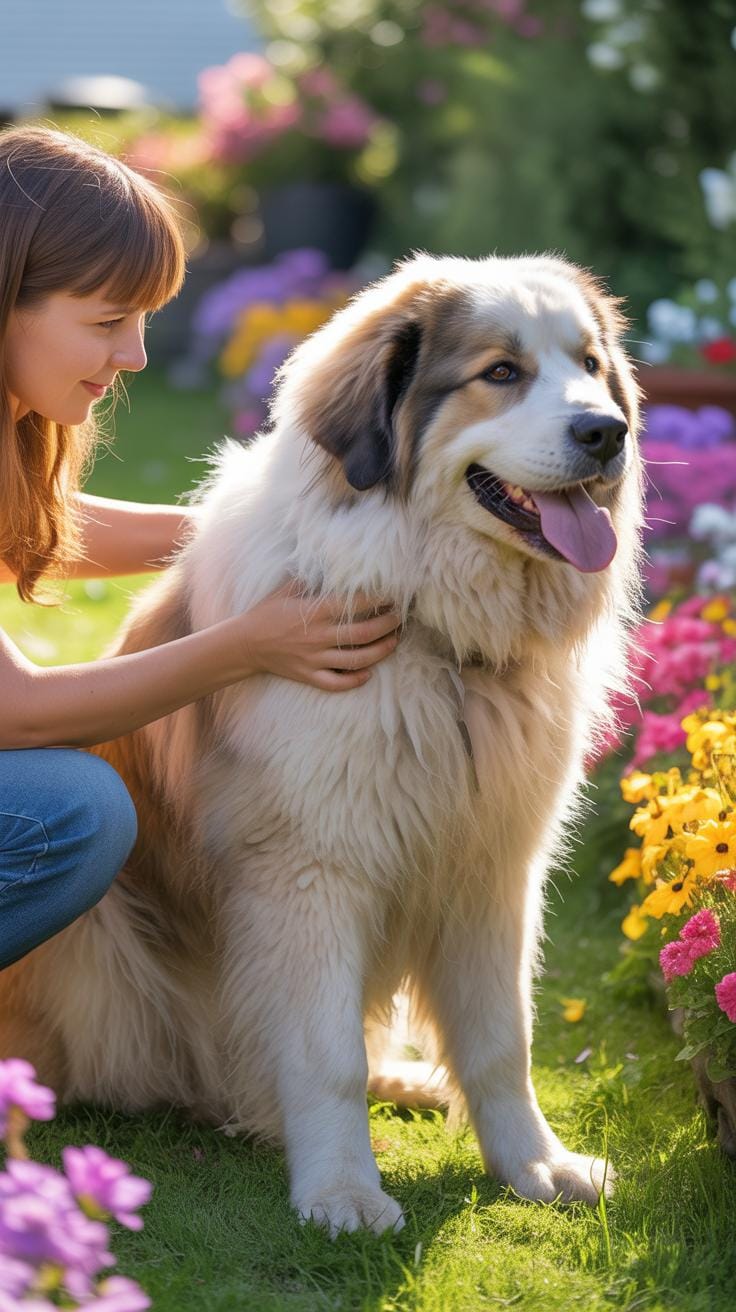
A Great Pyrenees sheds year round and blows its coat twice per year. This is normal biological behavior for a double coated breed. You must distinguish between heavy volume and structural changes in the fur. Normal shedding looks like loose undercoat clumps falling away during brushing. The skin underneath should remain healthy and pale. Hair should grow back evenly as dead fur leaves the follicle.
Abnormal shedding presents through visible thinning or bare skin. Watch for symmetrical hair loss patterns on the flanks or back. This differs from the standard seasonal blow where fur falls out in large tufts. If the skin looks red or feels hot, the shedding is not normal. Pay attention to scratching or biting at specific spots. These behaviors indicate a medical issue rather than a natural coat cycle transition.
Health Conditions In The Great Pyrenees That Can Trigger Unusual Hair Loss
Endocrine disorders often cause hair loss in this breed. Hypothyroidism slows metabolic processes and results in a thin or brittle coat. The skin may become dark or thickened during this process. Adrenal issues like Cushing disease also trigger bilateral hair loss. These conditions require veterinary blood panels for diagnosis. Environmental allergies or flea dermatitis cause secondary hair loss through constant self trauma and skin inflammation.
Parasites and fungal infections target the hair shaft and follicle directly. Mange mites or ringworm creates circular bald patches that do not follow seasonal patterns. These issues often come with crusting or oily discharge on the skin surface. Nutritional deficiencies in zinc or omega fatty acids can also degrade coat quality. Contact a professional if you see sudden coat changes combined with lethargy or weight shifts.
Frequently Asked Questions

How much do Great Pyrenees actually shed throughout the year?
Great Pyrenees are heavy shedders due to their thick, weather-resistant double coats. While they lose hair consistently every day, they experience intense “blow outs” during the spring and fall as they transition between seasons. To keep your home decor looking fresh, following consistent Great Pyrenees shedding tips is essential. Expect to find white tumbleweeds of fur across your floors unless you commit to a dedicated daily brushing routine during these peak times.
What is the best grooming routine to minimize fur around the house?
Effective coat management starts with using the right tools, such as a long-toothed undercoat rake and a slicker brush. Aim to brush your dog at least three times a week, increasing to daily sessions during shedding season. One of the most practical Great Pyrenees shedding tips is to use a high-velocity dryer after a bath to blow out loose fur before it ends up on your carpets or furniture.
Are there low-cost ways to manage heavy shedding without professional grooming?
Absolutely! You don’t need expensive salon visits to manage the mess. Investing in a sturdy undercoat rake is a one-time cost that saves money long-term. Additionally, adding a splash of inexpensive fish oil to their meals can improve skin health and reduce excessive hair loss. Regular vacuuming and using washable slipcovers for your sofas are budget-friendly lifestyle adjustments that make living with a giant, fluffy companion much more manageable.