What Is A Double Coat And Why It Matters For Dog Grooming
The Anatomy Of A Double Coat: Undercoat Vs. Guard Hairs Explained
A double coat consists of two distinct layers with specific biological functions. The undercoat is a dense layer of short, soft woolly hairs. These hairs trap air close to the skin to provide thermal insulation. This layer regulates body temperature in both hot and cold climates. It grows and sheds quickly in response to seasonal changes and daylight hours.
The outer layer features longer, stiffer hairs called guard hairs. These hairs repel water and block dirt from reaching the skin. They also shield the animal from harmful ultraviolet rays and prevent skin injuries. Guard hairs do not shed as frequently as the undercoat. Maintaining both layers is critical because cutting them disrupts the natural cooling and heating system of the dog.
Which Dog Breeds Naturally Have Double Coats And What Sets Them Apart
Working breeds from cold regions typically possess the thickest double coats. This group includes Siberian Huskies, Alaskan Malamutes, and Samoyeds. Herding breeds like German Shepherds and Border Collies also share this trait for outdoor endurance. Even smaller breeds like Pomeranians and Corgis utilize this dual-layer system. Each breed has evolved a specific coat density to survive its original geographic environment.
What sets these breeds apart is their seasonal shedding cycle often called blowing coat. During this time, the undercoat releases in large clumps to make room for new growth. Owners must recognize that these breeds should never be shaved for summer. Shaving removes the protective guard hairs and exposes the undercoat. This increases the risk of heatstroke and permanent coat damage known as post-clipping alopecia.
The Biggest Mistake Owners Make Shaving Double Coated Dogs
Why Shaving A Double Coated Dog Does More Harm Than Good
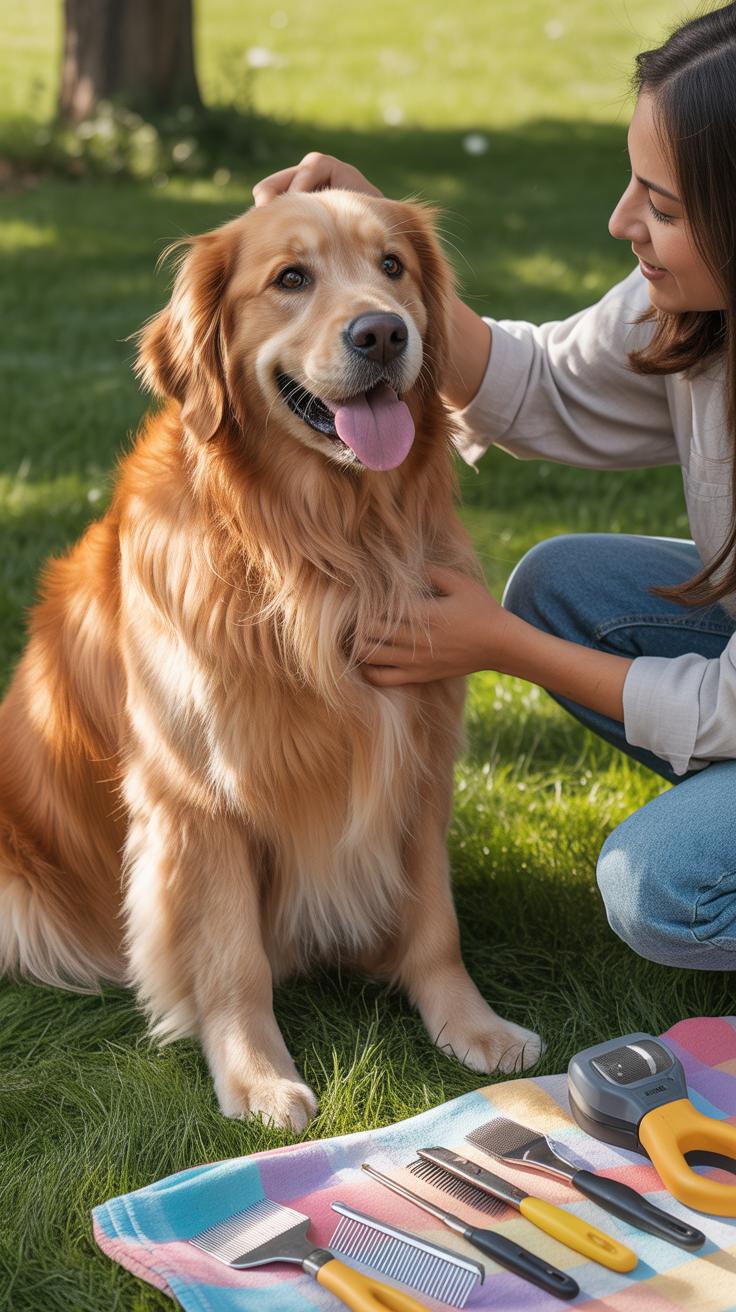
Shaving a double coated dog destroys its natural temperature control system. The soft undercoat traps air to insulate the dog against both heat and cold. The stiff guard hairs reflect sunlight and protect the skin from ultraviolet rays. When you remove these layers, you expose the dog to overheating and sun damage. The coat acts like home insulation rather than a sweater.
A shaved coat allows heat to hit the skin directly. This increases the risk of heatstroke because the dog can no longer regulate its internal temperature effectively. Without guard hairs, insects also bite the skin more easily. Owners often shave dogs to stop shedding, but this fails. The dog still sheds, but the hairs are now short, sharp, and harder to remove from furniture.
Post Clipping Alopecia And Coat Funk: The Real Risks Of Shaving Double Coats
Clipping a double coat often leads to permanent damage known as post-clipping alopecia. The hair follicles may enter a long resting phase where new hair refuses to grow. When the coat finally returns, it usually emerges as a thick, fuzzy mess. This texture is known as coat funk. It lacks the protective qualities of the original guard hairs and tangles much faster.
This damaged texture traps dirt and moisture against the skin. It creates a cycle of matting that forces owners to shave the dog again. Over time, the coat becomes patchy and loses its ability to shed water. In older dogs, the hair may never grow back at all due to slower metabolism. You must maintain the natural cycle of the coat through brushing rather than using clippers.
Double Coat Dog Grooming Tips Every Owner Should Know Before Picking Up A Brush
How Often You Should Brush A Double Coated Dog Based On Season And Shedding Cycle
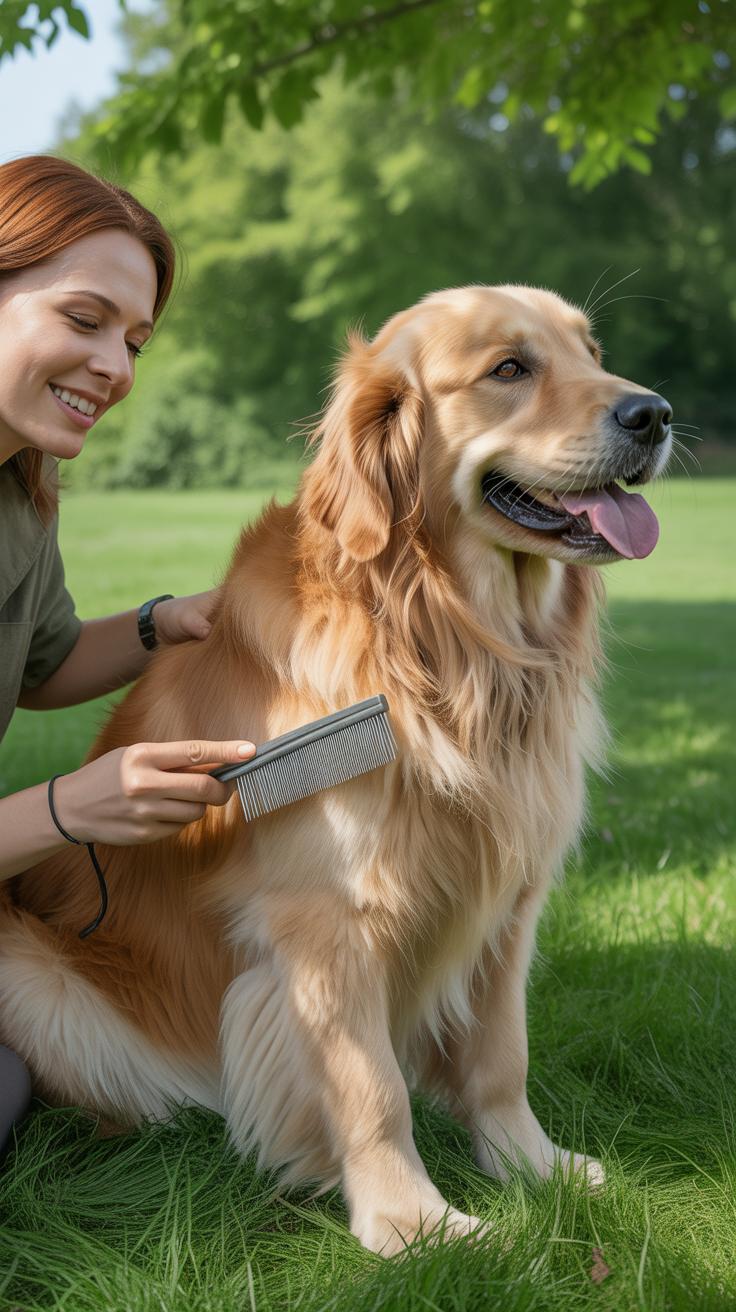
Brushing frequency depends on the current state of the undercoat. During the winter and summer months, three sessions per week usually suffice for most breeds. These sessions prevent the soft undercoat from tangling into the coarse guard hairs. Consistent maintenance keeps the coat functional for temperature regulation. Neglecting this schedule leads to severe matting near the skin which blocks necessary airflow.
As daylight changes, dogs blow their coats twice a year. You must brush daily during these shedding cycles to manage the massive release of dead fur. Failure to remove this hair causes immediate impaction of the coat. This buildup traps heat and moisture against the dog. Professional groomers call this phase the high maintenance period. Increase your efforts during spring and autumn to match the biological cycle.
The Right Brushing Technique To Reach The Undercoat Without Damaging The Guard Hairs
Effective grooming requires reaching the skin without scraping it. You must move the topcoat aside to access the dense undercoat beneath. This method ensures you remove dead hair before it mats. Using the wrong angle or too much pressure can break the guard hairs. Protective guard hairs do not grow back quickly, so maintaining their structural integrity is your primary goal.
- Line Brushing: This technique involves parting the hair horizontally with one hand while brushing downward with the other. It ensures you see the skin and clear every layer of the double coat. You work in small sections to avoid missing hidden mats.
- Sectional Strategy: Start at the rear of the dog and move forward toward the head. This systematic approach prevents you from overlapping areas or leaving behind dead clusters of fur. It keeps the dog calm and ensures total coverage during a single session.
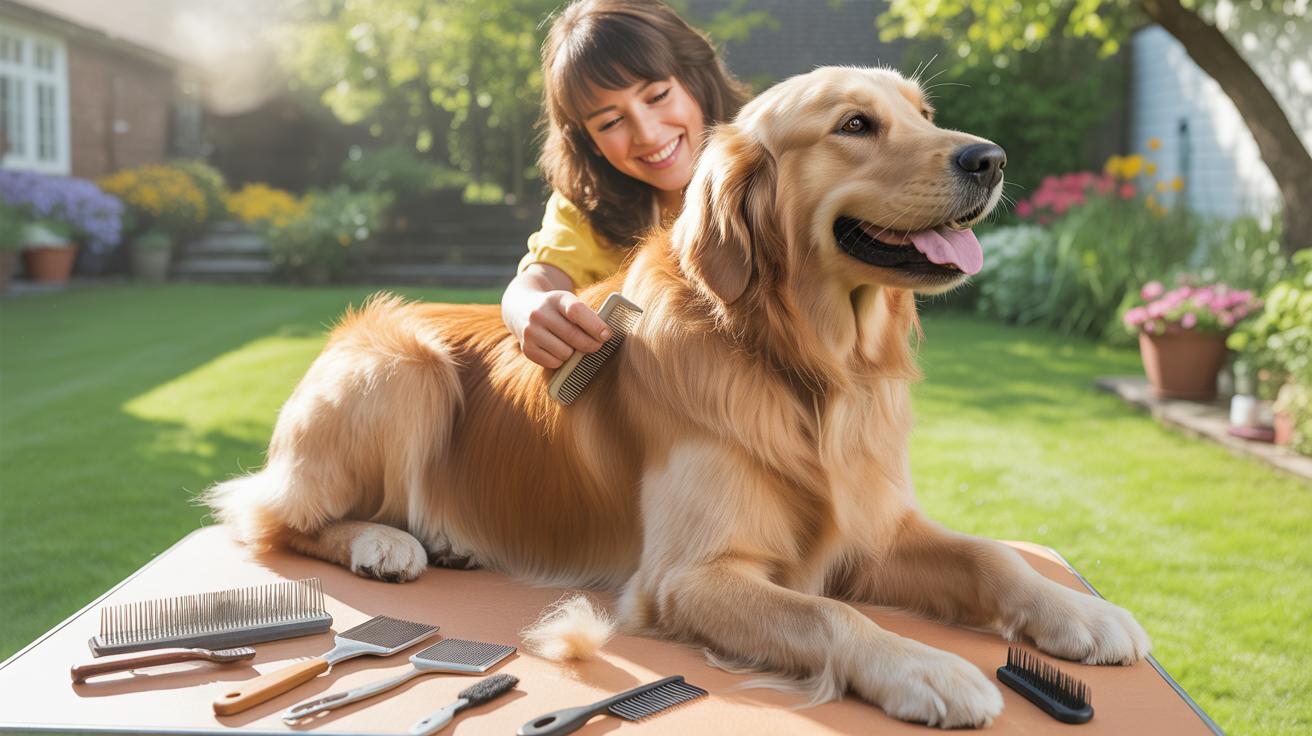
- Proper Tool Angle: Hold the slicker brush or undercoat rake at a forty-five degree angle to the skin. This prevents the metal tines from scratching the dermis or snagging on healthy guard hairs. Controlled movements identify tangles before they become painful for the animal.
- Undercoat Rake Usage: Use a specialized rake to pull out loose wool from the bottom layer. Drag the tool gently in the direction of hair growth to lift out dead fibers. This tool reaches deep where a standard brush often fails to penetrate.
- Wrist Motion: Employ short and flicking motions rather than long and dragging strokes. Long strokes often get stuck in thick fur and pull on the skin. Short bursts provide better control and allow you to feel the resistance of the coat.
Dry brushing causes friction that leads to hair breakage and discomfort. Always apply a light mist of conditioning spray or water before you begin the process. This lubricant shields the guard hairs from the mechanical stress of the brush. It also helps the undercoat slide out of the follicle with less resistance. Damaged guard hairs lose their ability to repel water and dirt effectively.
Choosing The Right Dog Grooming Tools For Double Coated Breeds
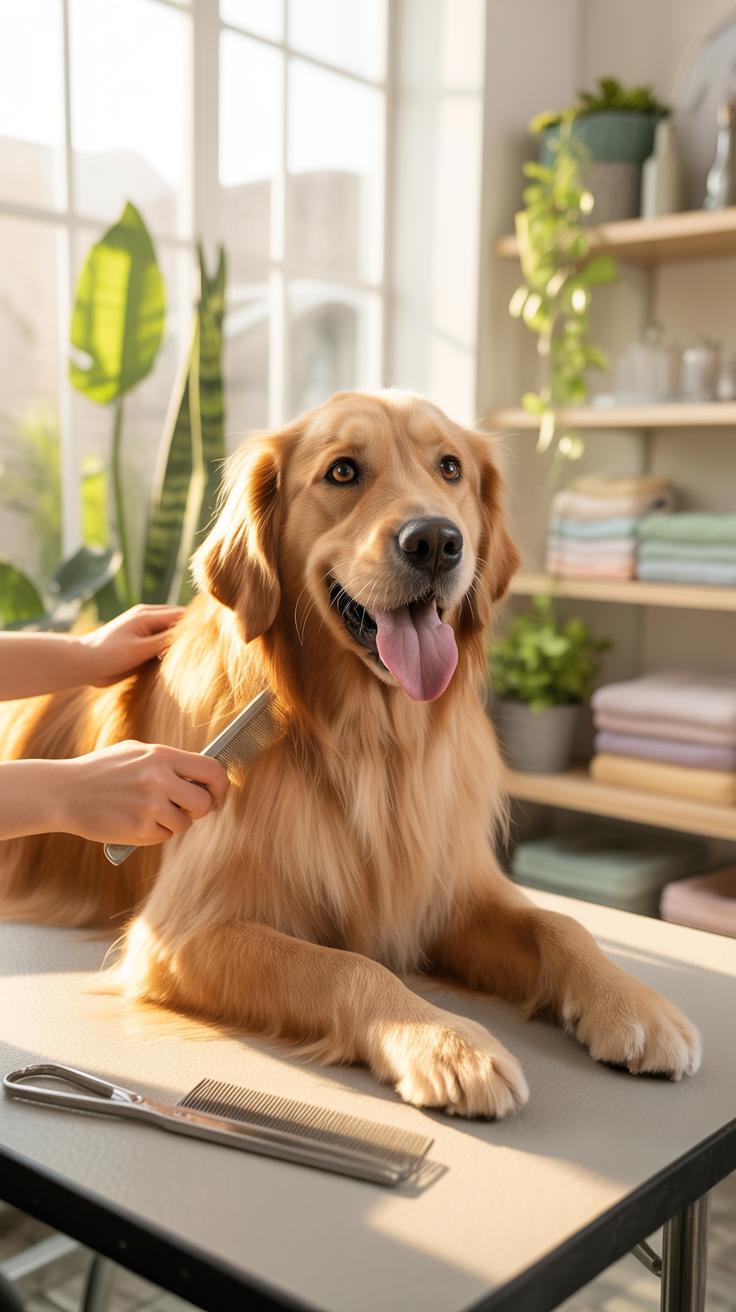
How To Measure Pet Grooming Tools For Proper Fit And Effectiveness On Double Coats
Effective grooming requires matching pin length to coat depth. Measure your dog’s hair at the thickest part of the ruff or haunches. Choose tool pins that are at least one quarter inch longer than the topcoat. If the pins do not reach the skin, you are only grooming the surface. This mistake allows the undercoat to pack down and form painful mats.
Select tool handles based on grip diameter and wrist leverage. Heavy double coats create significant resistance during the deshedding process. A small handle causes hand fatigue and uneven pressure. Look for ergonomic grips that fill your palm. This allows you to maintain a steady angle against the skin. Consistent pressure prevents skin irritation while ensuring you pull dead hair from the deepest layers.
Slicker Brushes, Undercoat Rakes, And Dematting Combs: When To Use Each Tool
The slicker brush is your primary tool for daily maintenance and smoothing the topcoat. Use it to grab loose fur and debris before it sinks deeper. The fine wire pins work best on the guard hairs and the very top of the undercoat. Always use light strokes. Hard pressure with a slicker brush can cause painful brush burn on the dog’s skin.
The undercoat rake is the only tool that manages the dense secondary layer. Use it when the dog begins its seasonal shedding cycle. The wide-set metal tines bypass the topcoat to hook and pull out dead woolly fibers. Save the dematting comb for localized tangles only. Its sharp blades cut through knots that regular brushing cannot break. Use it sparingly to avoid thinning the protective guard hairs.
Understanding Dog Grooming Length Chart Guidelines For Double Coats
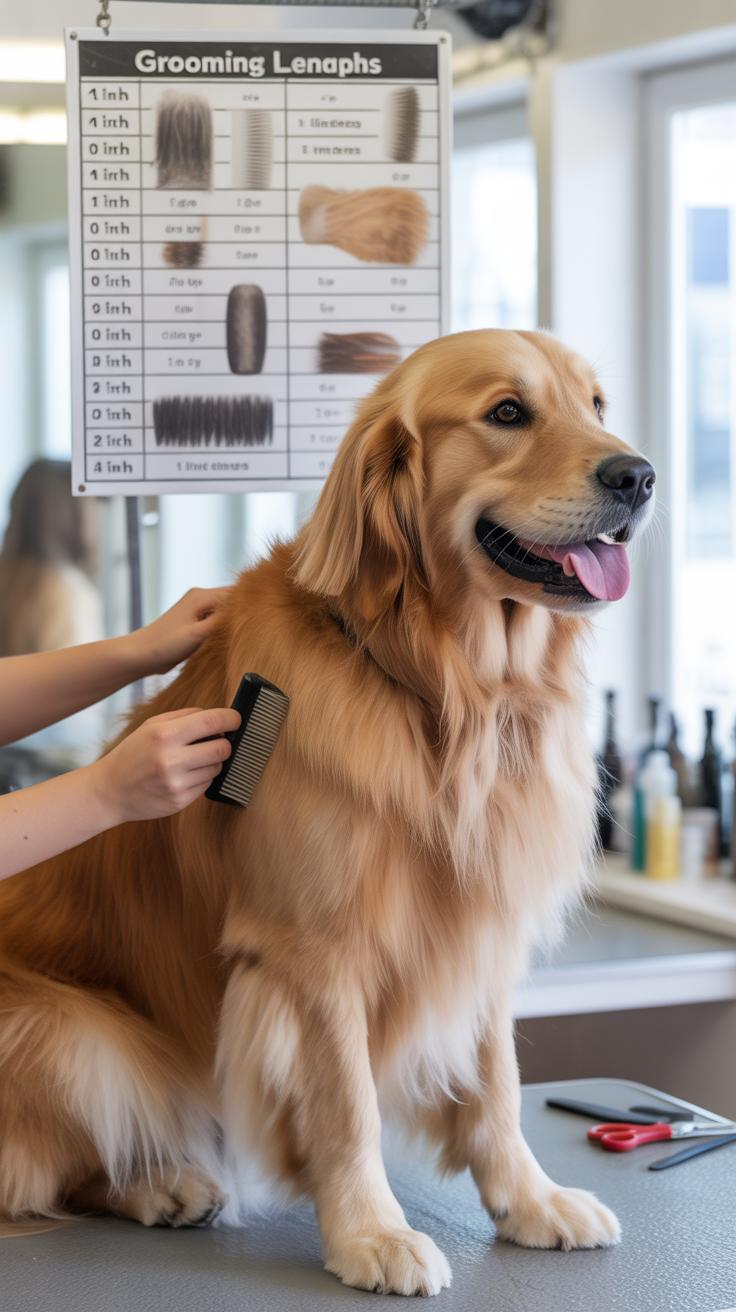
How To Read A Dog Grooming Length Chart And Apply It To Double Coated Breeds
Grooming charts list blade numbers and snap-on comb sizes in millimeters or fractions of an inch. A higher blade number indicates a shorter cut. These charts help professionals achieve uniform coat lengths. On double coated dogs, these numbers signify depth rather than just length. You must identify the toggle between the guard comb and the skin. Measuring from the skin surface ensures the undercoat remains functional.
Applying these charts requires looking at the coat denseness. Thick undercoats push guard combs away from the skin. This results in a longer finish than the chart predicts. Always choose a comb size longer than your target length to account for coat lift. Tactical grooming means using the chart as a baseline, not a rule. Adjust your tool selection based on the specific thickness of the dog’s seasonal coat.
Why Standard Length Settings Used On Single Coats Should Not Be Applied To Double Coats
Single coats grow continuously and lack a dense secondary layer. You can clip them to specific lengths without ruining the hair texture. Double coats work differently. They consist of a soft undercoat and harsh guard hairs. Clipping a double coat based on single coat standards destroys this mechanical balance. The two layers grow at different speeds. The undercoat often crowds out the guard hairs during the regrowth phase.
Using short blade settings on double coats causes permanent follicle damage. Short settings remove the weather-resistant guard hairs entirely. This leaves the dog unable to regulate temperature or block UV rays. Single coat settings prioritize aesthetics. Double coat grooming must prioritize thermal protection. Cutting too close to the skin stops the natural shedding cycle. This leads to coat funk and skin irritation that lasts for years.
Dog Haircuts And Grooming Styles That Are Safe For Double Coated Dogs
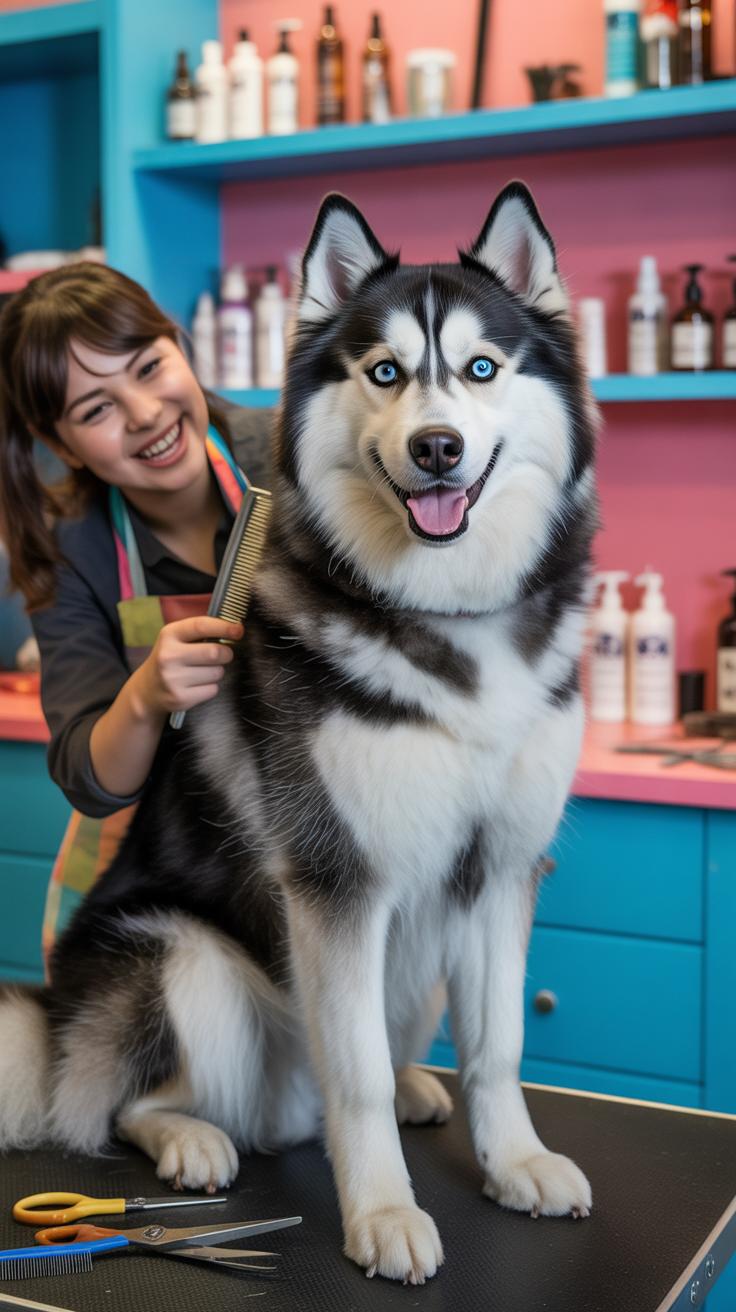
Which Dog Haircuts And Grooming Style Options Are Appropriate Without Compromising Coat Function
Double coated dogs require specific grooming styles to maintain their natural cooling and heating systems. Safe options focus on managing length without removing the protective topcoat. The outline trim is the most common professional choice. This style follows the natural silhouette of the dog. It removes wild hairs on the chest, belly, and legs. This approach preserves the guard hairs while improving the overall appearance.
Appropriate grooming styles also prioritize hygiene and mobility. Sanitary trims around the belly and tail keep the dog clean without impacting main coat coverage. Paw pad trims remove excess fur between toes to improve traction and reduce dirt collection. These methods allow for a neat look while the undercoat remains intact. You avoid the risk of heat stroke or permanent follicle damage common with close shaves.
A dog’s double coat is a masterpiece of nature designed to keep them cool in the summer and warm in the winter. Shaving that coat is like removing the insulation from your home; you lose the very protection that keeps them comfortable.
Trimming Vs. Thinning: How Groomers Safely Neaten A Double Coat Without Shaving It Down
Trimming involves using straight or curved shears to shorten specific areas of the coat. This technique treats the fur like a hedge to create a tidy shape. Professional groomers use this for the periphery of the body only. They never cut into the dense undercoat or remove the guard hairs entirely. This maintains the essential air gap that insulates the skin from outside temperatures.
Thinning uses specialized shears with notched blades to remove bulk. These tools take out a percentage of hair rather than shortening the entire length. This process targets the dense undercoat that often mats or traps heat. Thinning helps the coat lay flat and allows better airflow to the skin. It provides a lighter feel for the dog without destroying the protective barrier that keeps them safe from UV rays.
Bathing Double Coated Dogs What Most Owners Do Wrong In Dog Grooming
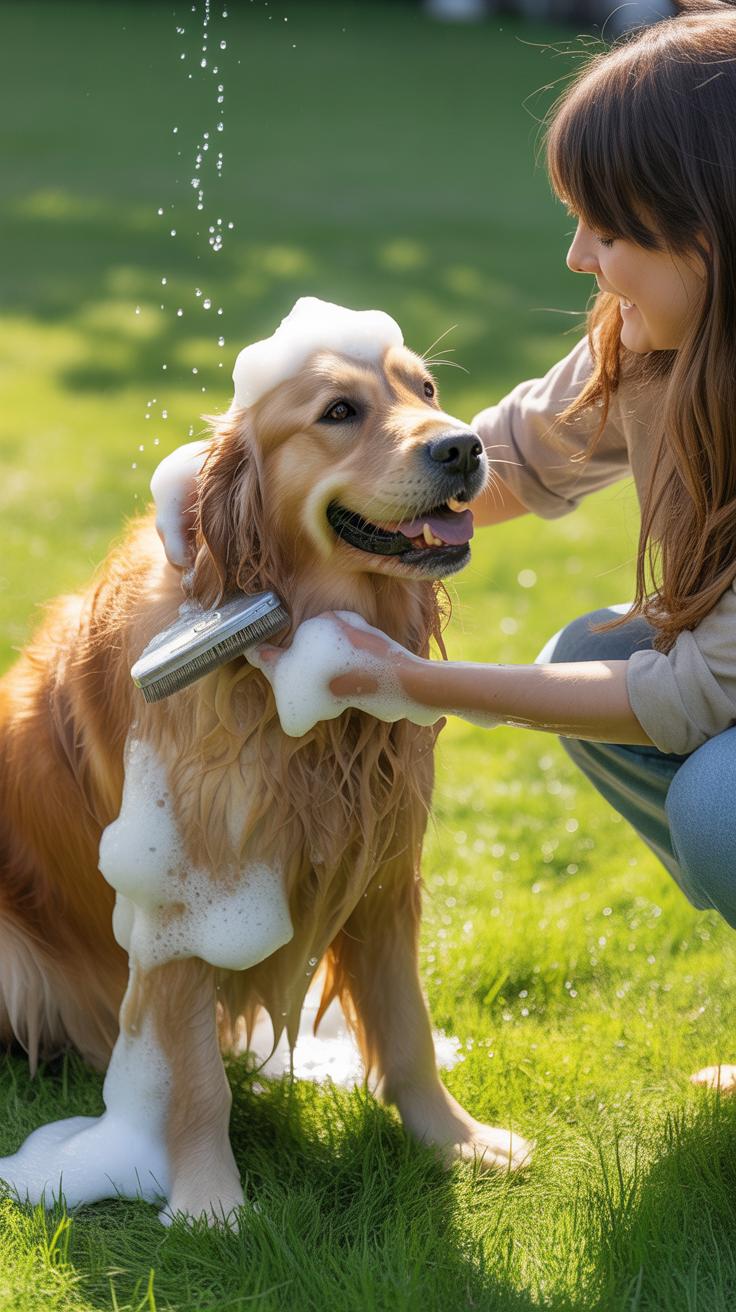
Why Fully Drying A Double Coat After Bathing Is Non Negotiable For Skin Health
Leaving a double coat damp is a tactical error. The dense undercoat traps moisture against the skin for days. This creates a warm environment for bacteria and fungus to grow. Hot spots and sores develop quickly under these conditions. You must use a high-velocity dryer to push water out. Air drying or towel drying alone is never enough for these breeds.
Moisture trapped at the base of the hair causes matting and pelting. The wet fur clumps together as it dries slowly. This tension pulls on the skin and causes pain. Proper drying also helps blow out dead undercoat that remains after the bath. You must dry the coat until the skin feels warm and dry. Skipping this step leads to expensive veterinary visits for skin infections.
Shampoo And Conditioner Choices That Support Rather Than Strip The Double Coat
Stop using human shampoos or harsh detergents on double coats. These dogs rely on natural oils for weatherproofing and skin health. Harsh chemicals strip these oils and leave the hair brittle and prone to breaking. Select a high-quality pH-balanced shampoo designed for dogs. This maintains the integrity of the primary guard hairs. A healthy coat sheds dirt naturally and requires less frequent cleaning.
Conditioner is mandatory for a double coat. It closes the hair cuticle and prevents tangles during the drying process. Use a lightweight conditioner that does not leave heavy residue. Heavy waxes weigh down the undercoat and attract more dirt over time. Proper conditioning makes the deshedding process more efficient. It allows the rake or comb to slide through the fur without causing unnecessary breakage.
Using A Dog Grooming Cheat Sheet To Build A Consistent Routine For Double Coats
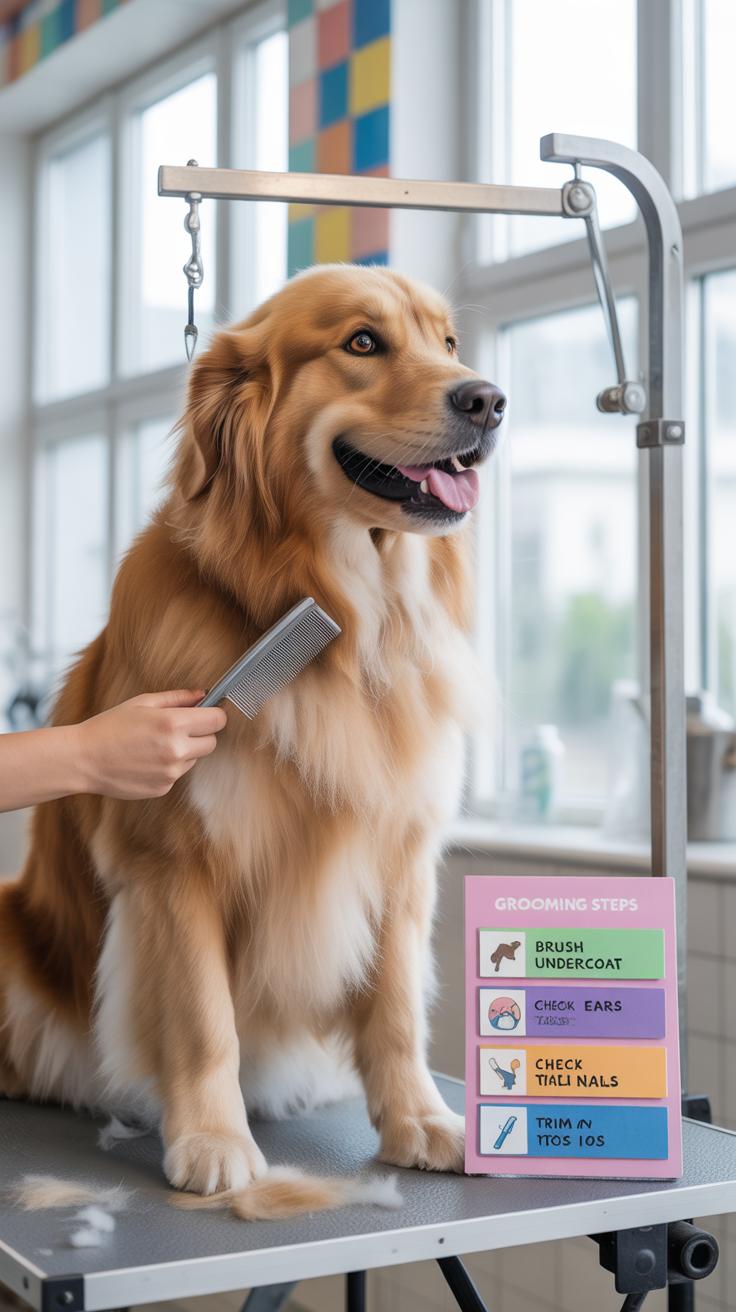
What A Practical Dog Grooming Cheat Sheet For Double Coated Breeds Should Include
A strategic grooming cheat sheet eliminates guesswork and prevents coat compaction. Owners often fail because they lack a systematic approach to different body zones. You must document specific tools for specific tasks to maintain the insulating properties of the undercoat. A raw list of requirements ensures you never skip critical steps like line brushing or high-velocity drying which are essential for health.
- Line Brushing Protocol: This technique requires parting the hair to the skin and brushing outward. It is the only way to ensure you remove dead undercoat before it mats. Use a slicker brush and a metal comb to verify your work is thorough and deep.
- Tool Selection Guide: Your sheet must specify when to use a long-pinned slicker versus an undercoat rake. Using the wrong tool wastes time and fails to reach the dense lower layers. Match the pin length to the specific depth of your dog coat for maximum efficiency.
- High Velocity Drying: Note the importance of forced air to blow out trapped moisture and loose fur. This mechanical action reaches parts of the skin that brushes often miss. Proper drying prevents hot spots and fungal infections that occur when a dense double coat stays damp.
- Sensitive Area Mapping: Identify zones like the hocks, ears, and sanitary areas for specialized attention. These high-friction spots mat faster than the back or sides. Tracking these areas on a sheet ensures you prioritize them during quick sessions to prevent painful tangles and skin irritation.
- Health Inspection Checklist: Include a section for checking skin condition, lumps, and parasites during the grooming process. Since the double coat hides the skin entirely, the grooming session is your primary window for a health exam. Consistency here allows for early detection of many common physical issues.
Standardizing your toolkit saves money and improves results. Use your sheet to track which products work and which fail. This data driven approach removes emotion from the process. You gain a professional level of control over the coat texture and cleanliness. Stop guessing and start following a proven technical manual for your specific dog.
How To Adapt Your Grooming Schedule Across Shedding Seasons Using A Cheat Sheet
Seasonal transitions dictate the intensity of your grooming labor. During the spring and fall, the dog blows its coat to prepare for temperature changes. You must increase the frequency of undercoat removal during these peak times. Your cheat sheet should mark these transitions clearly. Failure to adjust your schedule leads to massive shedding in the home and pelted fur on the animal.
Maintain a maintenance baseline during the winter and summer months. You do not need deep deshedding daily when the coat is stable. Focus on light brushing to prevent debris from trapping heat or moisture against the skin. Use your cheat sheet to transition between high intensity deshedding and low intensity maintenance. This tactical shift ensures the coat performs its natural role of thermoregulation throughout the entire year.
Dog Grooming Reference Guide Reading Your DogS Coat Condition Like A Professional
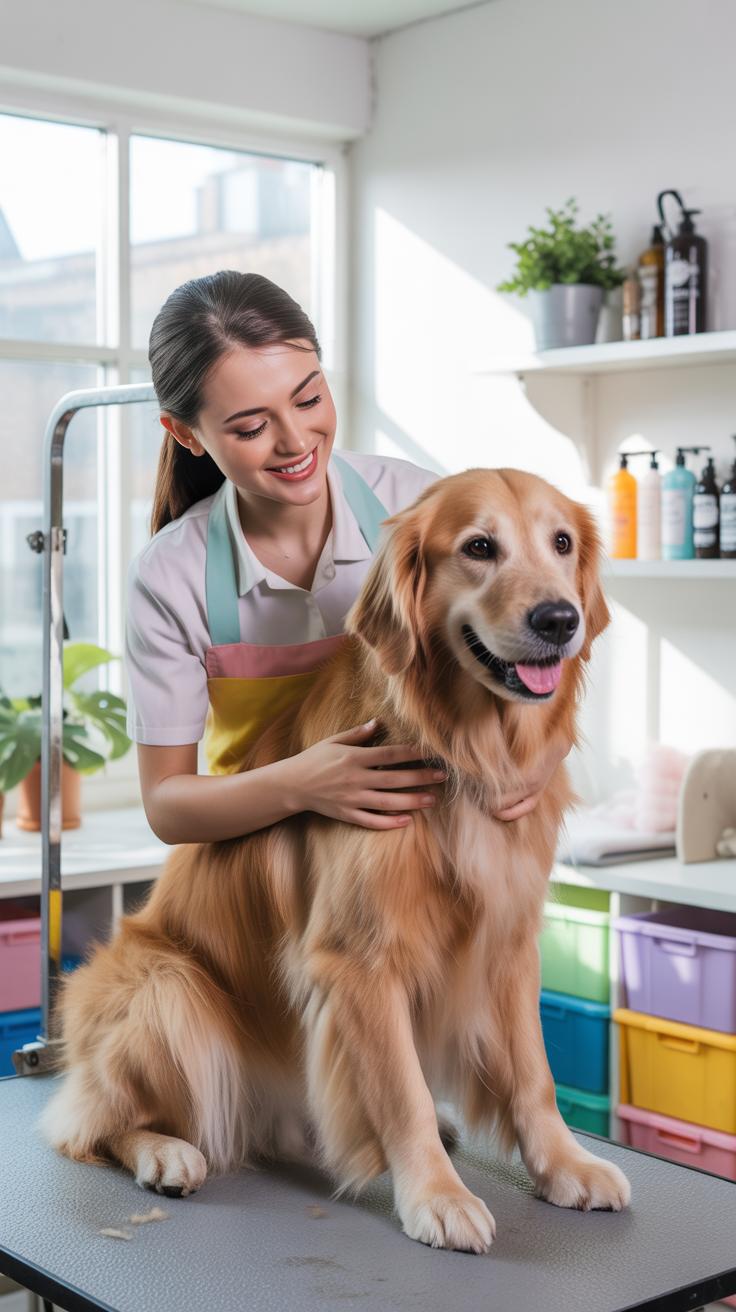
How To Use A Dog Grooming Reference Guide To Identify Matting, Coat Damage, And Skin Issues Early
Professional groomers use a systematic touch test to evaluate double coats. Start at the head and move toward the tail using firm finger pressure. You are feeling for tight clusters near the skin surface. These knots often hide in high friction areas like the armpits and behind the ears. Early detection allows for manual separation before the fibers fuse into a solid pelt.
Healthy double coats feature a distinct separation between long guard hairs and the soft undercoat. Damaged coats often show split ends or a brittle texture caused by improper tool use. Use your reference guide to check for skin redness or flakes during your weekly inspection. Catching these signs early prevents secondary infections. Consistency in these checks ensures you maintain the protective thermal layer of the coat.
Visual Coat Health Indicators Every Double Coat Owner Should Be Able To Recognize
A healthy double coat reflects light evenly across the top layer of guard hairs. Dullness suggests a buildup of dead undercoat or a lack of natural oils. Look for a uniform coat depth across the body of the dog. Patchy areas or thinning sections often indicate clipper damage or underlying health problems. Proper sheds happen in cycles but should never leave the skin completely exposed or visible.
Examine the hair tips to confirm the coat remains functional. Scorched or jagged ends mean your grooming tools are dull or poor quality. Watch for discoloration in the fur around the paws and hindquarters. This staining often points to moisture trapped against the skin for too long. Clear visual signals allow you to adjust your brushing frequency. High quality maintenance preserves the natural weatherproofing characteristics of the breed.
When To See A Professional Groomer And What To Tell Them About Your Double Coated Dog
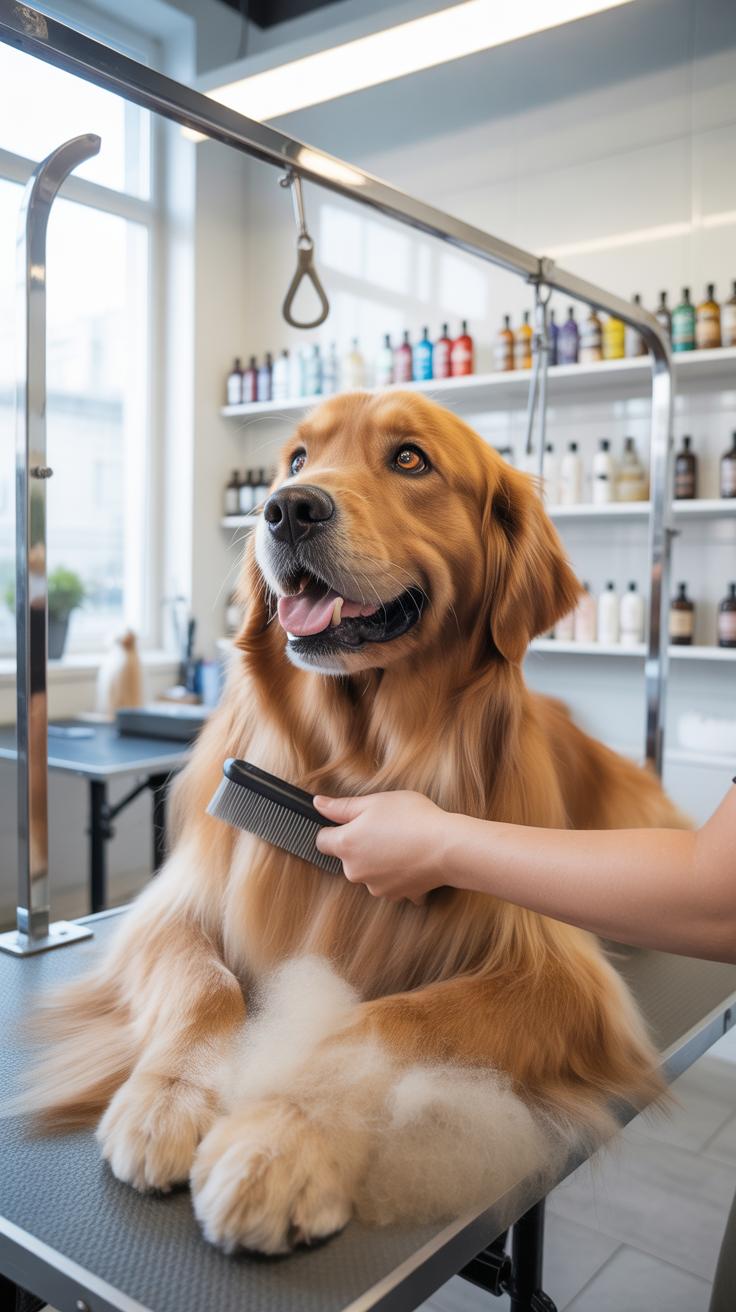
How To Communicate Your Dog’S Coat Needs Clearly So The Groomer Does Not Shave It Down
Use specific terminology to protect the coat. Explicitly state you want a silhouette trim or a neat up only. Tell the groomer you require a deshedding treatment rather than a clip. Use the phrase do not shave under any circumstances. Assertive communication prevents permanent follicle damage. Mention the guard hairs and undercoat must remain intact for thermoregulation. This ensures the professional understands the biological function of the fur.
Confirm the equipment the groomer plans to use. Ask for a high velocity blow out to remove dead undercoat. Request a sanitary trim and paw pad shave for hygiene without compromising the body coat. Demand they avoid using clippers on the torso. Professional groomers often face pressure to shave for speed. You must set a firm boundary. Proper double coat dog grooming tips prioritize the integrity of the hair layers.
Signs Your Dog’S Double Coat Needs Professional Intervention Beyond Regular Home Grooming
Impacted undercoat requires professional machinery. When dead hair traps against the skin, home brushing often fails. You will see solid clumps or feels like a hard mat. This layer blocks airflow and traps heat against the skin. High velocity dryers used by pros can blast these mats apart without causing pain. If you cannot see the skin when parting the hair, the coat is officially neglected and dangerous.
Skin irritations or hot spots signify a need for expert care. Trapped moisture in a thick double coat leads to fungal or bacterial growth quickly. If the dog has a foul odor even after a home bath, deep cleaning is necessary. Professionals use specialized shampoos and techniques to reach the epidermis through the thick fur. Do not wait for sores to develop. Seek help when home tools no longer penetrate the coat.
Frequently Asked Questions

Why shouldn’t I shave my double-coated dog in the summer?
Many owners mistakenly believe shaving keeps dogs cool, but it actually destroys their natural insulation. The top guard hairs protect against UV rays and heat, while the soft undercoat regulates body temperature. Shaving can lead to permanent coat damage and heatstroke. Instead, effective double coat dog grooming tips focus on removing the loose undercoat through brushing, which allows air to circulate against the skin and keeps your pet naturally comfortable.
How can I properly manage heavy shedding at home?
The best approach is a consistent routine using the right tools. Start by using an undercoat rake or a slicker brush at least twice a week to pull out dead fur before it mats. Following pro double coat dog grooming tips, always brush in the direction of hair growth and mist the coat with water or a detangling spray first to prevent hair breakage and skin irritation during the session.
What are the most affordable ways to maintain a double coat?
You don’t need expensive professional equipment to maintain a healthy coat. Investing in one high-quality metal comb and a sturdy slicker brush is an affordable, one-time cost that replaces frequent groomer visits. Regular bathing with a simple pH-balanced dog shampoo at home also helps loosen the undercoat. Being consistent with these basic tools prevents painful mats and expensive “sanity shaves,” ensuring your dog’s coat remains functional and beautiful on a budget.