Understanding Why Dogs Become Anxious During Grooming Essential Dog Info
The Root Causes Of Grooming Related Anxiety In Dogs
Grooming triggers a dog’s survival instincts. Most dogs dislike restraint because it removes their ability to flee from perceived threats. Physical touch in sensitive areas like the paws, ears, and groin creates extreme vulnerability. High-pitched mechanical noises from clippers and dryers mimic predator sounds. For many dogs, the grooming table represents a loss of control over their immediate environment and physical safety.
Poor socialization during the critical puppy development stage often leads to lifelong grooming fear. Negative past experiences also play a major role. One painful nick from a blade or a quicked nail creates a lasting fear response. Dogs associate the scent of the grooming salon or the sight of brushes with pain. This creates an anticipatory stress cycle that worsens with every subsequent session if handled incorrectly.
How To Read Your Dogs Stress Signals Before And During A Session
Dogs communicate fear through specific physical cues before they bite. Watch for subtle signs like lip licking, yawning, or turning the head away. These are displacement behaviors used to diffuse tension. A stiff body or a tucked tail indicates the dog is in a state of high alert. Wide eyes showing white around the iris, known as whale eye, signal that the dog feels immediate danger.
Monitor the dog’s breathing and paw movement during the process. Rapid panting without heat exertion suggests a spike in cortisol. Some dogs will lean away or lift a paw to stop the grooming tool. Do not ignore these warnings. If a dog trembles or tries to hide, stop the session immediately. Continuing to groom through these clear signals leads to aggression. Respecting these early indicators prevents a full panic response.
Setting Up A Calm Environment The Foundation Of Good Dog Grooming Tips
Choosing The Right Space At Home To Minimize Your Dog’S Stress
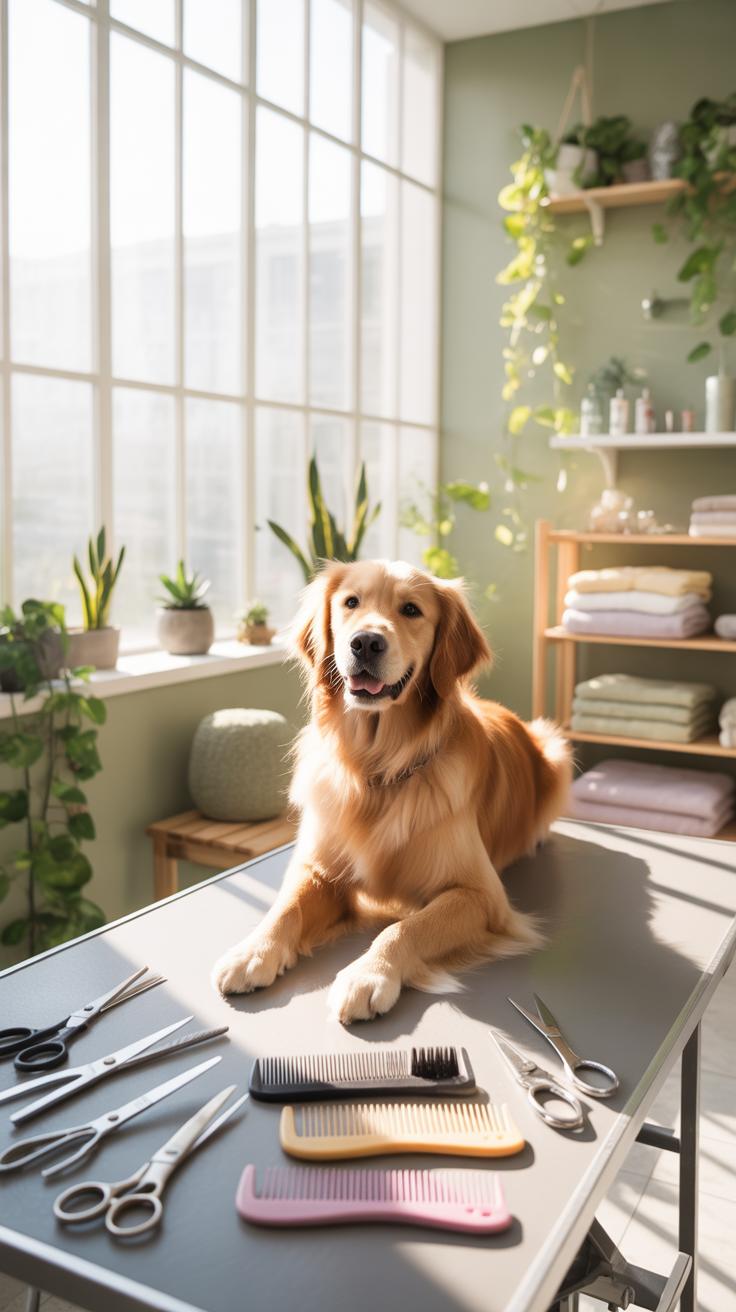
Select a confined area with limited exits to prevent the dog from bolting. Small bathrooms or laundry rooms work best because they contain the animal without feeling like a trap. Avoid high traffic zones where family members or other pets move around frequently. A corner setup is superior as it provides two solid walls for the dog to lean against for physical security.
Ensure the floor has a non slip surface to prevent injury and panic. Use a rubber mat or a heavy towel on top of tables or inside tubs. Dogs lose confidence quickly when their paws slide on slick porcelain or tile. This loss of traction triggers a fight or flight response immediately. A stable footing allows the dog to focus on your touch rather than their balance.
Sounds, Scents, And Lighting: How Sensory Factors Affect Anxious Dogs
Control the auditory environment by muting loud appliances and closing windows to block outside street noise. High frequency sounds from standard human hair dryers often hurt canine ears and cause distress. Use a specialized low noise pet dryer or stick to towel drying if the dog reacts poorly. Background white noise or soft classical music can mask sudden sounds that might otherwise startle a nervous dog during the process.

Lighting must be bright enough for safety but devoid of harsh flickering or deep shadows. Dim rooms force the dog to rely on scent and sound which increases hyper vigilance. Use pheromone diffusers thirty minutes before starting to introduce calming chemical signals into the air. Do not use strong perfumes or cleaning agents right before grooming. These scents overwhelm the dog and create a negative association with the designated grooming space.
Building Trust Before The Brush Helping Calm Dogs Through Desensitization
What Desensitization Means And How It Works For Anxious Dogs
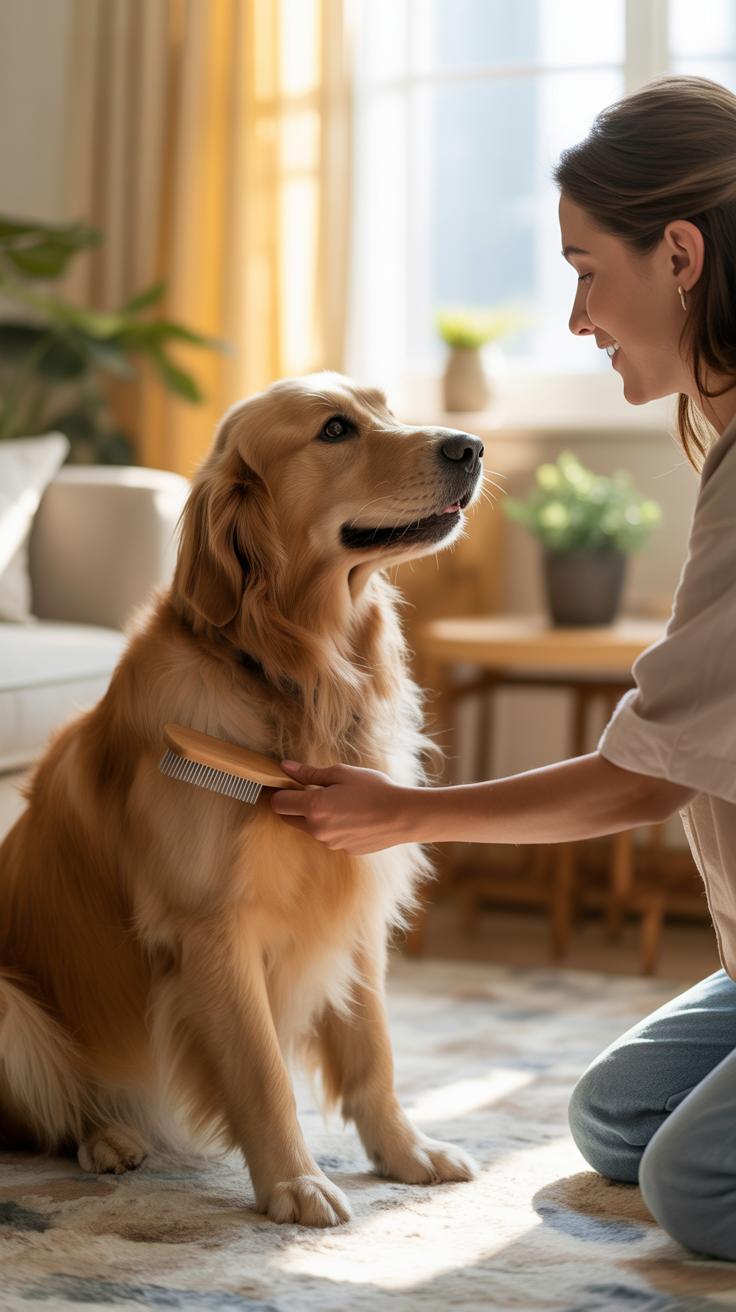
Desensitization reduces a dog’s negative emotional response to specific triggers. It works by exposing the animal to a stimulus at a very low intensity. You must ensure the dog remains below its fear threshold during the process. This psychological technique shifts the dog’s perception of grooming from a threat to a neutral event. Success depends on consistent and repeated exposure over several weeks.
You must pair desensitization with counter-conditioning to achieve the best results. This involves rewarding the dog with high-value treats while they encounter the grooming tool. The goal is to create a positive association with the equipment. If the dog shows signs of stress, you have moved too fast. Stop immediately and decrease the intensity of the stimulus. Practical progress requires patience and daily short sessions.
Gradual Tool Introduction: Getting Your Dog Comfortable With Grooming Equipment
Start by placing grooming tools on the floor in a neutral area. Allow the dog to sniff the brushes and clippers without intervention. Do not turn on any electronic devices yet. This phase builds familiarity through passive observation. The dog learns that the presence of these objects does not lead to immediate discomfort. Keep your body language relaxed to avoid alerting the dog to danger.
Once the dog ignores the stationary tools, begin moving them near the dog’s body. Use the back of a brush to touch the dog gently. If you use electric clippers, turn them on at a distance to habituate the dog to the vibration and noise. Reward the dog for remaining calm during these interactions. Short sessions lasting five minutes are more effective than long, stressful marathons. Progress only when the dog is relaxed.
The Power Of Positive Reinforcement During Every Grooming Session
Using Treats, Praise, And Play To Create Positive Grooming Associations
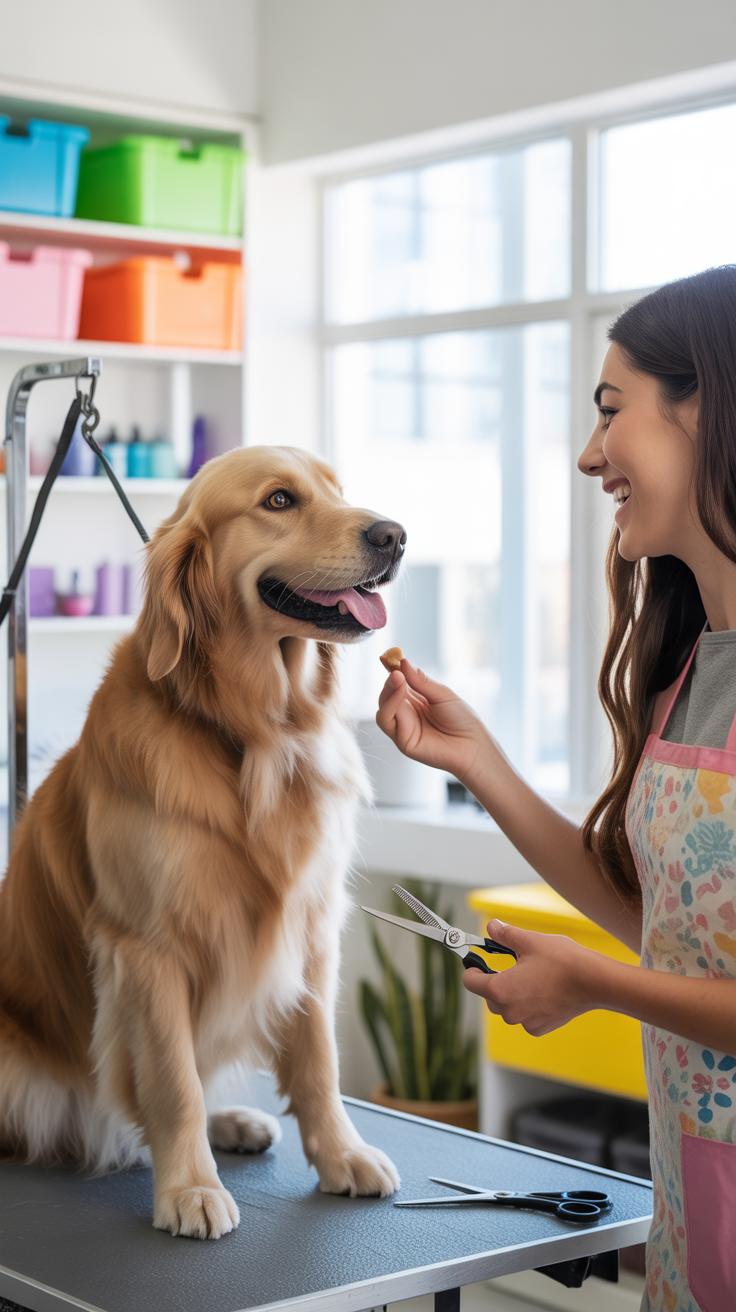
Conditioning a nervous dog requires high value rewards to override fear. Use small pieces of boiled chicken or freeze dried liver. These snacks create a dopamine response in the brain. The goal is to build a mental link between clippers and food. If the dog eats, it stays in a learning state. If it refuses food, the stress level is too high for the current task.
Praise must be calm and low pitched. High energy shouting can startle an anxious animal. Use a neutral tone to confirm correct behavior. Incorporate play sessions before and after grooming to burn off excess cortisol. Movement helps the dog process the stress of being handled. This strategy turns a clinical procedure into a predictable social event. It shifts the dog from defense to engagement.
Reward Timing And Consistency: Why When You Reward Matters As Much As The Reward Itself
Timing is the most critical factor in operant conditioning. You must deliver the reward within one second of the desired behavior. If you wait too long, the dog connects the treat to the wrong action. Reward the dog while the brush touches the skin, not five minutes later. Immediate feedback tells the dog exactly which movements are safe and profitable for them to repeat.
Consistency builds trust through predictability. Use the same rewards and verbal cues in every session. Never trick the dog into a position through lure and switch tactics. This breaks the bond and increases future resistance. If you reward the dog for standing still today, you must do it tomorrow. Steady patterns reduce the cognitive load on a stressed animal. Predictable outcomes are the only way to lower heart rates.
Establishing A Safe And Predictable Grooming Routine For Anxious Dogs
Why A Consistent Grooming Routine Reduces Fear And Builds Confidence Over Time
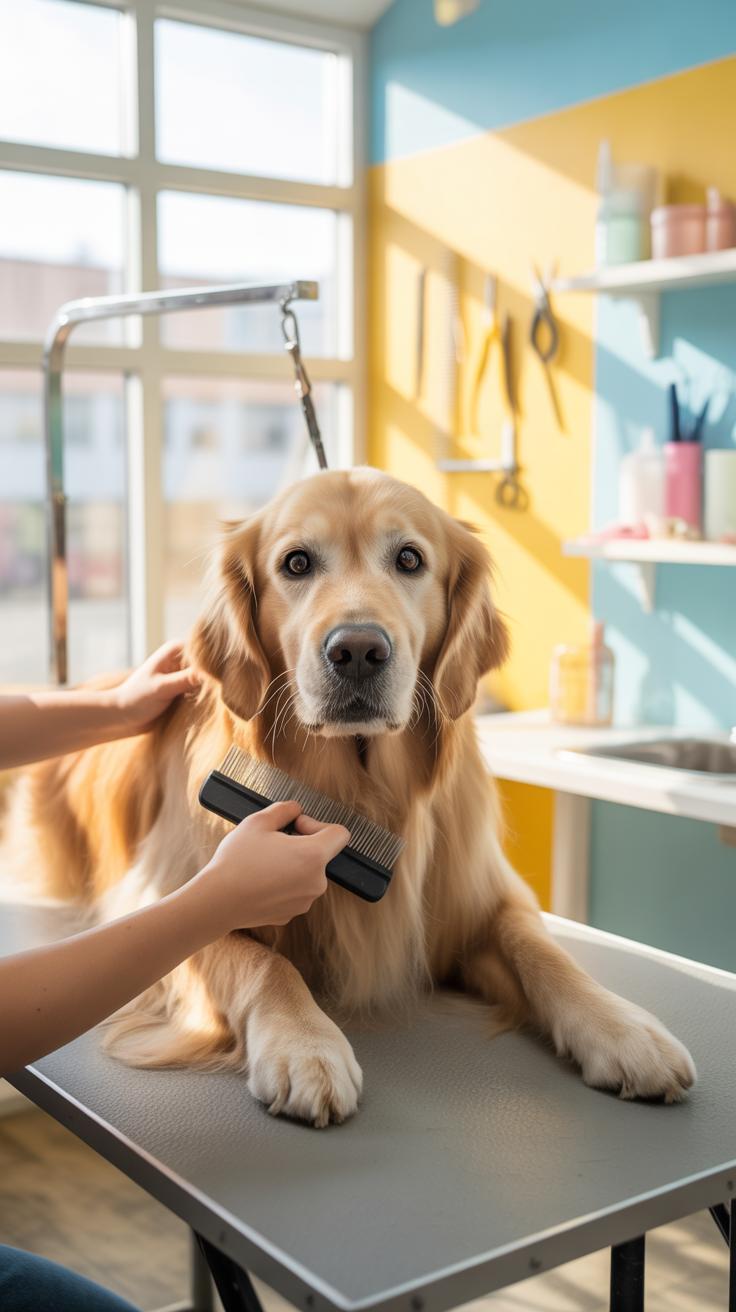
Dogs thrive on environmental predictability. Routine lowers cortisol levels by removing the element of surprise. When a dog knows exactly what comes next, they stop reacting to every movement as a potential threat. Consistency builds a psychological safety net. It allows the animal to move from a state of high alert to a state of passive acceptance. This shift is essential for long-term behavior modification.
A fixed schedule creates muscle memory for both the owner and the dog. Repetition reinforces positive associations with specific tools and locations. Over time, the dog associates the grooming area with calm handling rather than pain or fear. Short and frequent sessions are more effective than long and rare ones. Frequent exposure desensitizes the nervous system. This process turns a high-stress event into a boring and manageable daily task.
Step By Step: How To Structure A Gentle Grooming Session From Start To Finish
Structure every session to minimize sensory overload. Start by placing the dog in a designated quiet area with non-slip flooring. Introduce tools slowly without turning them on or touching the dog immediately. This tactical approach prevents the sudden flight response. Keep your body language neutral and your movements slow. This creates a professional environment where the dog understands that you are in total control.
- Environmental Preparation: Clear the room of loud noises and other pets. Use a rubber mat on the table or floor to prevent slipping. Stability underfoot immediately reduces a dog’s physical anxiety and prevents accidental injuries during the process.
- Tool Introduction: Place brushes and clippers on the floor for the dog to sniff. Reward this curiosity with high-value treats. Familiarity with the scent and sight of equipment reduces the fear of the unknown before physical contact begins.
- Low Intensity Contact: Start brushing at the shoulders or back where dogs are less sensitive. Avoid the paws, ears, and tail until the dog shows signs of relaxation. This builds a baseline of trust before moving to more difficult areas.
- Strategic Breaks: Watch for signs of stress like lip licking or yawning. Stop the session immediately if the dog becomes overwhelmed. Short five-minute breaks allow the dog to reset their emotional state and prevents them from reaching a breaking point.
- Positive Conclusion: End every session on a successful note, even if you did not finish the job. Give a final reward and release the dog with a clear verbal cue. This ensures the dog remembers the event as a positive experience.

Finalize the session by documenting what worked and what triggered a reaction. Use these notes to adjust the next session. Consistency in your method is just as important as the tools you use. If the dog knows the exact order of operations, their anxiety will decrease during every subsequent encounter. Always prioritize the dog’s mental state over the aesthetic result of the groom.
Puppy Grooming Starting Early To Prevent Lifelong Anxiety
The Ideal Age To Begin Introducing Grooming Habits To Puppies
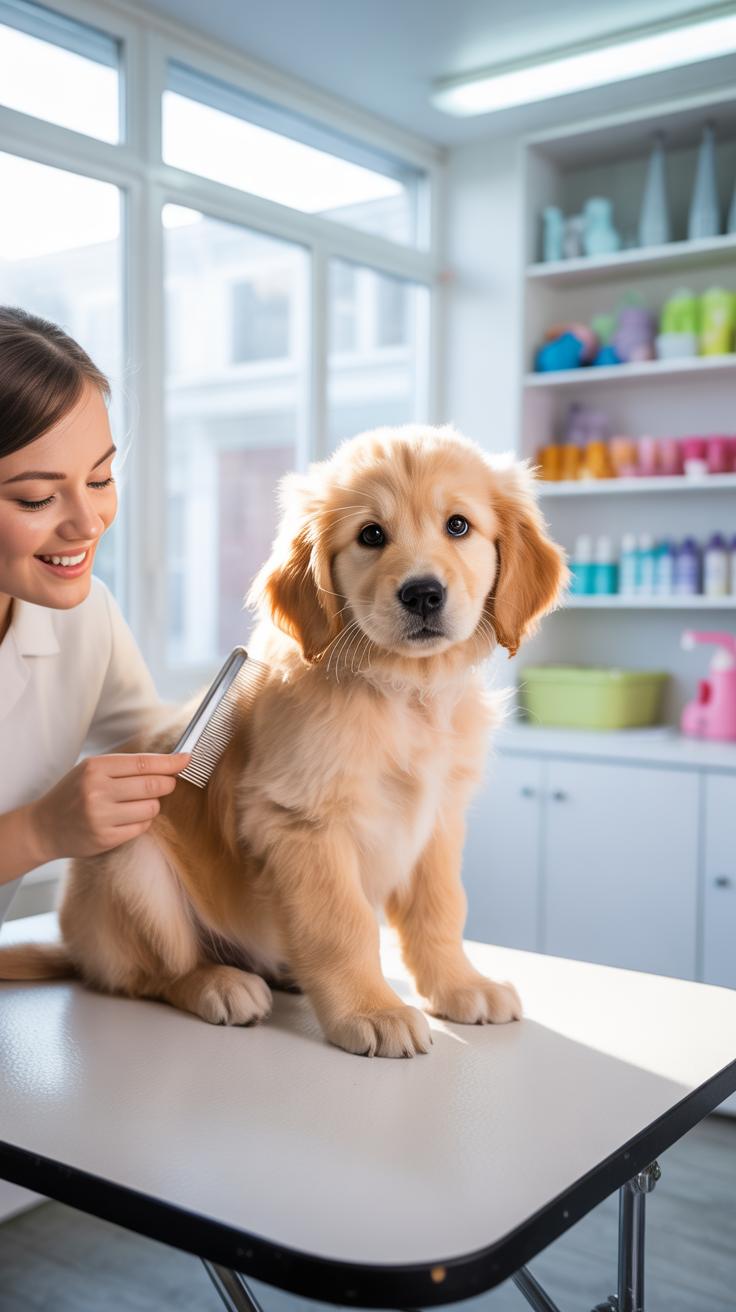
Start grooming exposure when the puppy is between eight and sixteen weeks old. This period marks the critical socialization window for canines. During this time, puppies are most receptive to new sights, sounds, and physical sensations. Waiting until the dog is six months old often results in fear-based reactions. Early introduction builds a foundation of neutrality toward common grooming tools.
Keep the initial sessions short and frequent. Ten minutes of focused interaction twice a week is better than one long monthly session. Focus on high-value rewards to create positive associations with being handled. Professional groomers recommend these early visits before the adult coat fully develops. Proper timing reduces the risk of future aggression or panic during routine maintenance and professional care.
Gentle First Experiences: How Early Handling Shapes A Puppys Grooming Tolerance
Handling every part of the puppy is a tactical necessity for future cooperation. Touch their paws, ears, tail, and mouth daily. This desensitization prevents the dog from developing touch sensitivity in sensitive areas. Use a soft brush and blunt combs during these sessions. The goal is comfort, not beauty. Constant physical contact mimics the pressure applied during professional bathing and clipping procedures.
Introduce mechanical noise immediately to prevent sound phobias. Turn on hair dryers or clippers nearby without touching the dog. Let the puppy investigate the equipment while it is off. Gradually increase the proximity of the noise over several days. Consistent exposure to these vibrations and sounds eliminates the shock of the first real grooming appointment. Calm handlers produce calm dogs through predictable and steady movements.
Essential Tools And Products That Support Dog Wellness During Grooming
Choosing Dog Safe, Calming Grooming Products For Sensitive And Anxious Dogs
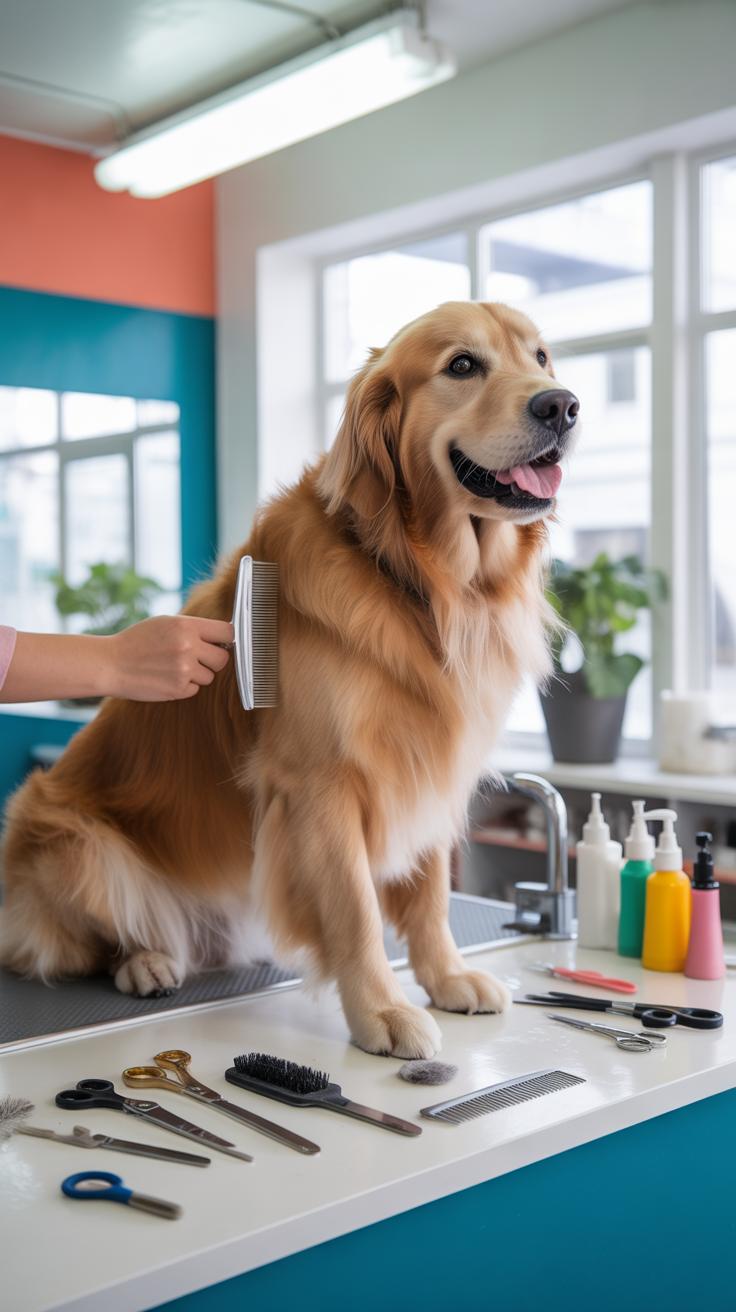
Select shampoos and conditioners with neutral pH levels specifically for canine skin. Avoid products containing artificial fragrances or harsh sulfates. These chemicals cause skin irritation and increase physical stress. Look for ingredients like colloidal oatmeal or aloe vera. These natural components soothe the skin and reduce itching. A comfortable dog remains still during the grooming process. Eliminate any sensory triggers that cause negative reactions.
Odors play a significant role in canine anxiety. Use lavender or chamomile scents to promote relaxation during the bath. These botanical extracts interact with the olfactory system to lower cortisol levels. Always perform a patch test on a small area first. Ensure the dog does not have an allergic reaction before full application. High-quality products reduce the time spent scrubbing. Efficiency minimizes the duration of the stressful event.
Patience and a gentle touch will turn a trembling heart into a trusting one. It is in the quiet moments of care that the strongest bonds are formed.
Must Have Grooming Tools That Reduce Discomfort For Nervous Dogs
Standard grooming equipment often creates high-frequency noise and vibration. These sensations trigger the fight or flight response in nervous dogs. Switch to low-noise clippers and specialized shears to maintain a quiet environment. Use soft-bristled brushes for dogs with thin coats to prevent skin scrapes. High-quality tools work faster and require fewer passes over the body. This approach keeps the dog calm.
- Low-Vibration Clippers: These devices use brushless motors to reduce humming sounds and physical shaking. Sharp blades cut through fur quickly without pulling the skin. This prevents the dog from jumping or flinching during the haircut.
- Silent Squeegee or Microfiber Towels: Traditional high-velocity dryers create loud noises that terrify most anxious dogs. Microfiber towels absorb more water than standard cotton. This reduces the time needed for loud mechanical drying and keeps the dog warm.
- Silicone Lick Mats: Smear peanut butter or greek yogurt on a textured mat and stick it to the wall. This provides a distraction that focuses the dog on a task. Licking releases endorphins which naturally lowers the heart rate.
- Rounding-Tip Safety Shears: Use scissors with blunt, rounded ends instead of sharp points. This prevents accidental puncture wounds if the dog moves suddenly. Safety tips allow you to trim delicate areas like the face and paws with less risk.
- Grooming Hammocks: These slings lift the dog off the table and restrict their range of motion safely. Suspending the dog prevents them from thrashing or biting. It allows the groomer to access the legs and nails while the dog feels supported.
Proper tool selection removes the physical pain associated with grooming. Inspect your equipment for rust or dull edges before every session. Dull blades pull hair and cause immediate panic. Maintain a toolkit that prioritizes the comfort of the animal over the aesthetic result. A calm dog is a safe dog. Invest in professional grade gear to ensure every movement is precise and predictable.
At Home Dog Spa Techniques That Keep Anxious Dogs Relaxed
Gentle Massage And Touch Techniques That Calm Nervous Dogs Before Grooming
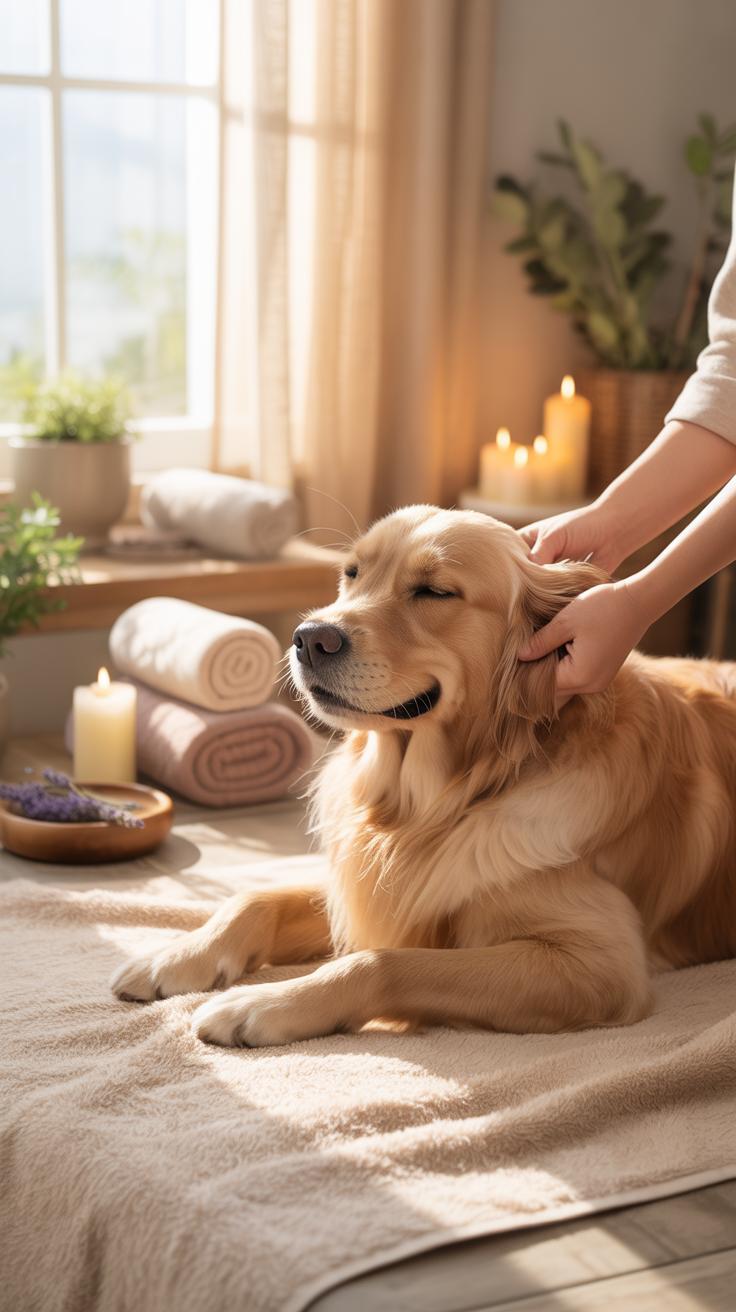
Start with the Tellington TTouch method to lower heart rates. Use slow circular motions with your palm on the dog’s shoulder or chest. Avoid the head and paws initially as these are high-sensitivity areas. Apply light pressure to the skin without moving the muscle underneath. This tactile feedback shifts the nervous system from a flight response to a neutral state. Consistency creates a predictable physical environment for the animal.
Move to the ears using long strokes from the base to the tips. This specific area contains many pressure points that release endorphins in canines. Use the thumb and forefinger to apply rhythmic pressure. Keep your own breathing steady to prevent transferring tension. This preparation creates a baseline of trust. It ensures the dog views your touch as a source of relief rather than a prelude to discomfort.
Warm Baths Slow Drying And Handling Methods That Mimic A Professional Dog Spa Experience
Maintain water temperature between ninety and ninety-eight degrees Fahrenheit. High heat causes skin irritation and increases panting. Lower temperatures lead to shivering and muscle tension. Use a rubber mat in the tub to prevent slipping. Traction is essential for confidence in nervous dogs. Apply shampoo by hand rather than spraying water directly on the face. Control the environment to eliminate sudden loud noises that trigger a startle reflex.

Switch from high-velocity dryers to towel wrapping or low-decibel settings. Loud motors often mimic the sound of predators to an anxious dog. Pat the coat dry instead of rubbing vigorously to prevent fur matting. Use a Happy Hoodie or a cotton snood to muffle the sound if a dryer is necessary. Keep the nozzle away from the skin to avoid heat spots. Controlled drying ensures the dog remains calm after the bath ends.
What Dog Parents Should Know About Professional Groomers And Anxious Dogs
How To Find And Communicate With A Groomer Experienced In Handling Anxious Dogs
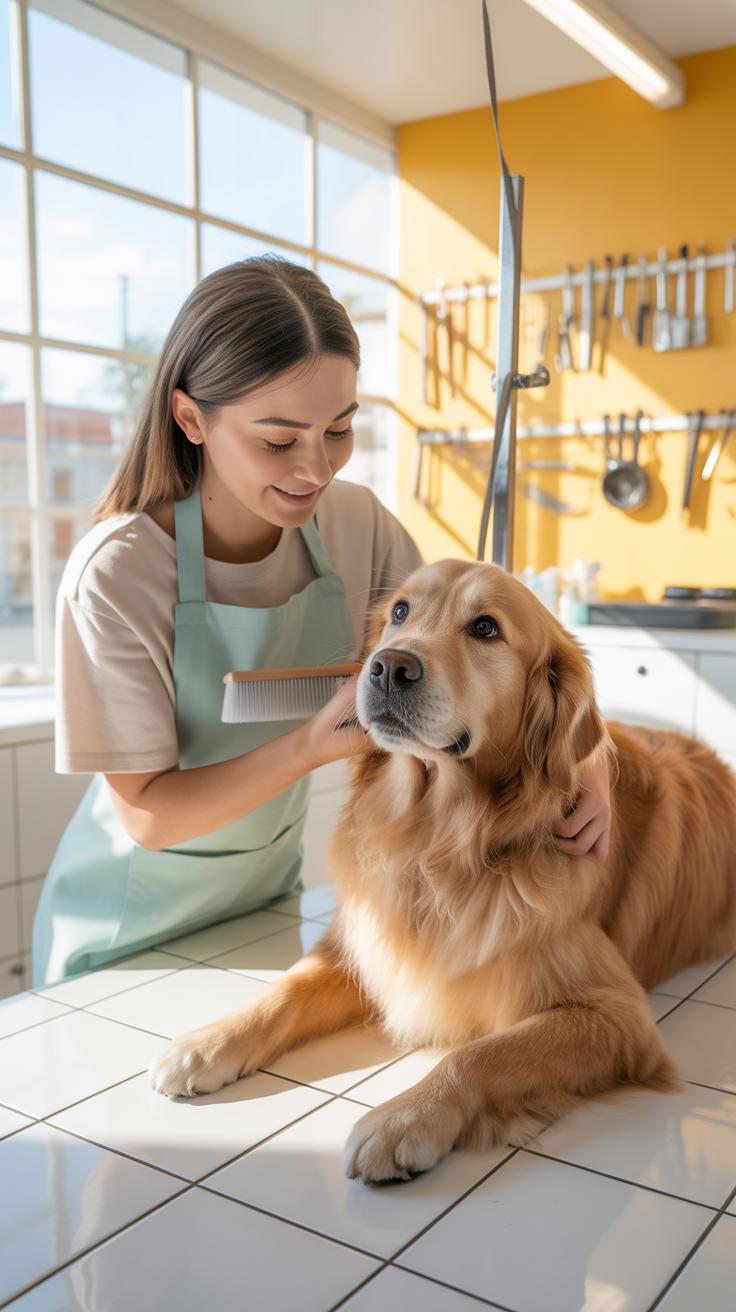
Finding the right professional requires vetting their specific experience with behavior modification. Search for groomers who prioritize Fear Free or low stress handling certifications. These professionals use science based methods to reduce triggers. Call the facility and ask about their equipment and scheduling. Many shops offer quiet hours or one on one appointments to limit environmental noise and territorial triggers from other dogs.
Provide the groomer with a detailed list of your dogs historical triggers. Mention specific sensitivities like paw handling or high velocity dryers. Clear communication prevents the groomer from pushing past the dogs threshold. Ask for a trial visit where the dog explores the shop without any actual grooming. Use this time to observe the groomers body language and their willingness to stop if the dog shows distress.
When To Consult Your Veterinarian About Grooming Related Anxiety Or Fear
Consult a veterinarian if your dog displays aggression or extreme panic during grooming. Behaviors like snapping, lunging, or urinating indicate the dog has reached a dangerous level of fear. A veterinarian can rule out underlying medical issues like arthritis or skin infections that make touch painful. They may also suggest environmental changes to reduce sensory overload during the process. Physical pain often mimics behavioral anxiety in older dogs.
Ask the veterinarian about pharmaceutical intervention for grooming sessions. Some dogs require short acting sedatives to remain safe and calm. These medications allow the dog to have a neutral experience rather than a traumatic one. This prevents the fear from escalating during future appointments. A veterinarian can also refer you to a certified behaviorist. These experts create long term desensitization plans to fix the root cause of the anxiety permanently.
Frequently Asked Questions

Why does my dog get so scared when it is time for grooming?
Many dogs feel vulnerable during grooming because of unfamiliar sensations, loud noises, and sensitive handling. For a pup, the vibration of clippers or the sound of a hair dryer can feel like a threat. Recognizing these sensory triggers is the first step in applying effective grooming nervous dog tips. By understanding that their fear is a natural survival instinct, you can approach the process with the patience and empathy they truly need.
How can I help my anxious dog stay still during a haircut?
Consistency and positive reinforcement are key to a successful session. Start by introducing grooming tools slowly, allowing your pet to sniff them while offering high-value treats. One of the most practical grooming nervous dog tips is to keep sessions very short, gradually increasing the time as their confidence grows. Always use a calm, low voice and take frequent breaks to ensure your dog feels safe and in control throughout the process.
Are there low-cost ways to create a calming grooming environment at home?
You don’t need expensive equipment to soothe an anxious pet. Creating a spa-like atmosphere can be as simple as laying down a non-slip yoga mat so your dog feels stable on the counter or floor. Playing soft classical music and using old towels to muffled the sound of water can significantly lower stress levels. These accessible adjustments make a huge difference in comfort without requiring a large financial investment in professional-grade calming gear.