Understanding The Miniature Schnauzer Coat Before You Start Grooming
The Double Coat Structure Of The Miniature Schnauzer Explained
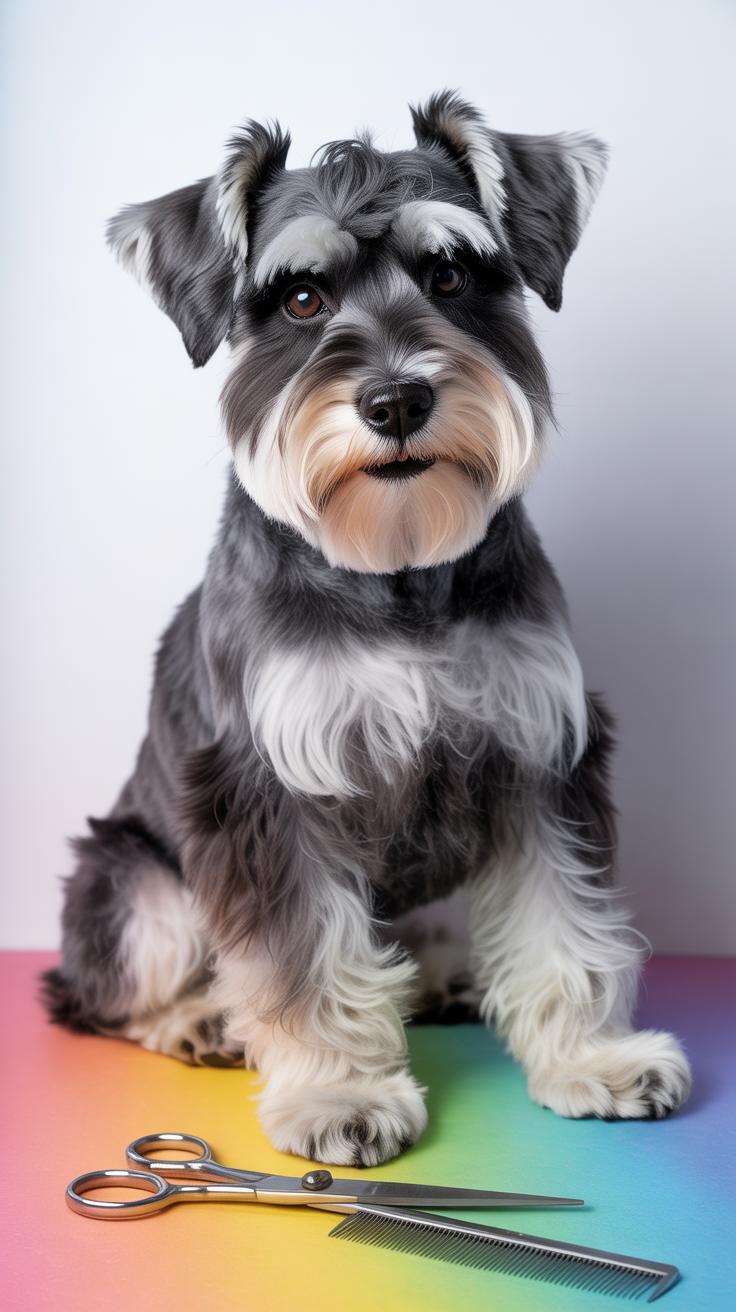
The Miniature Schnauzer possesses a distinct double coat designed for protection. Historically, breeders developed this coat to shield the dogs from harsh brush and vermin bites. The outer layer consists of wiry, harsh guard hairs. These hairs repel water and debris effectively. Below this layer lies the undercoat. This secondary layer is soft, dense, and serves as insulation to regulate the dog’s body temperature.
Proper grooming requires managing both layers simultaneously. The wiry topcoat does not shed like a typical dog’s fur. Old hairs remain in the follicle until a groomer removes them manually or clips them away. This unique growth cycle means the coat will continue to thicken and mat if left alone. Domestic pets usually get clipped for convenience, which eventually softens the texture of both layers over time.
Why The Miniature Schnauzer Coat Requires Regular Maintenance
Neglecting the coat leads to immediate physical problems. The soft undercoat traps loose hair and moisture against the skin. This creates painful mats and tangles near the legs and belly. Once mats form, they pull on sensitive skin during movement. This cause irritation and can hide skin infections or parasites from view. Consistent brushing prevents these deposits from solidifying into localized felt-like knots.
Regular maintenance also preserves the signature breed silhouette and hygiene. The facial hair, known as the beard and eyebrows, traps food and bacteria during daily activities. Without routine cleaning and trimming, these areas develop odors and staining. You must strip or clip the body hair every six to eight weeks to manage growth. This schedule keeps the skin healthy and ensures the dog remains comfortable in various climates.
Essential Tools You Need For Schnauzer Grooming At Home
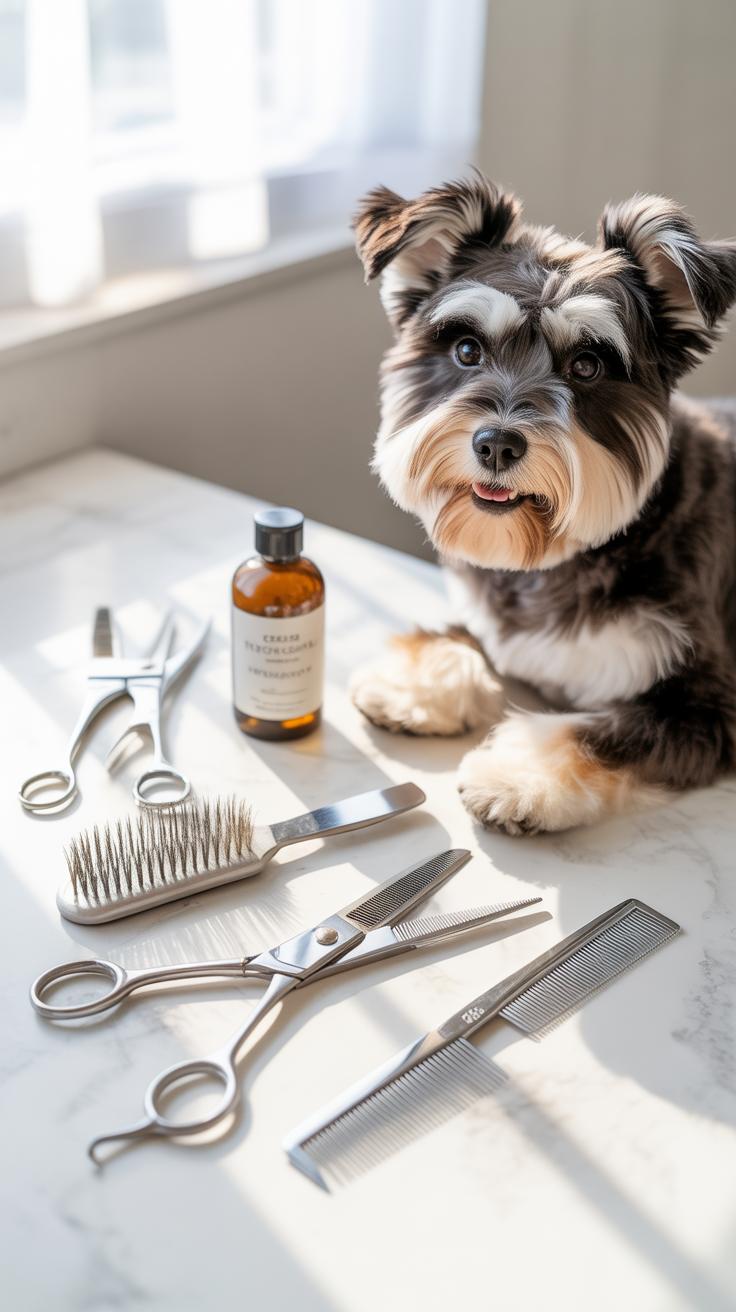
Clippers, Scissors, And Combs: Building Your Mini Schnauzer Grooming Kit
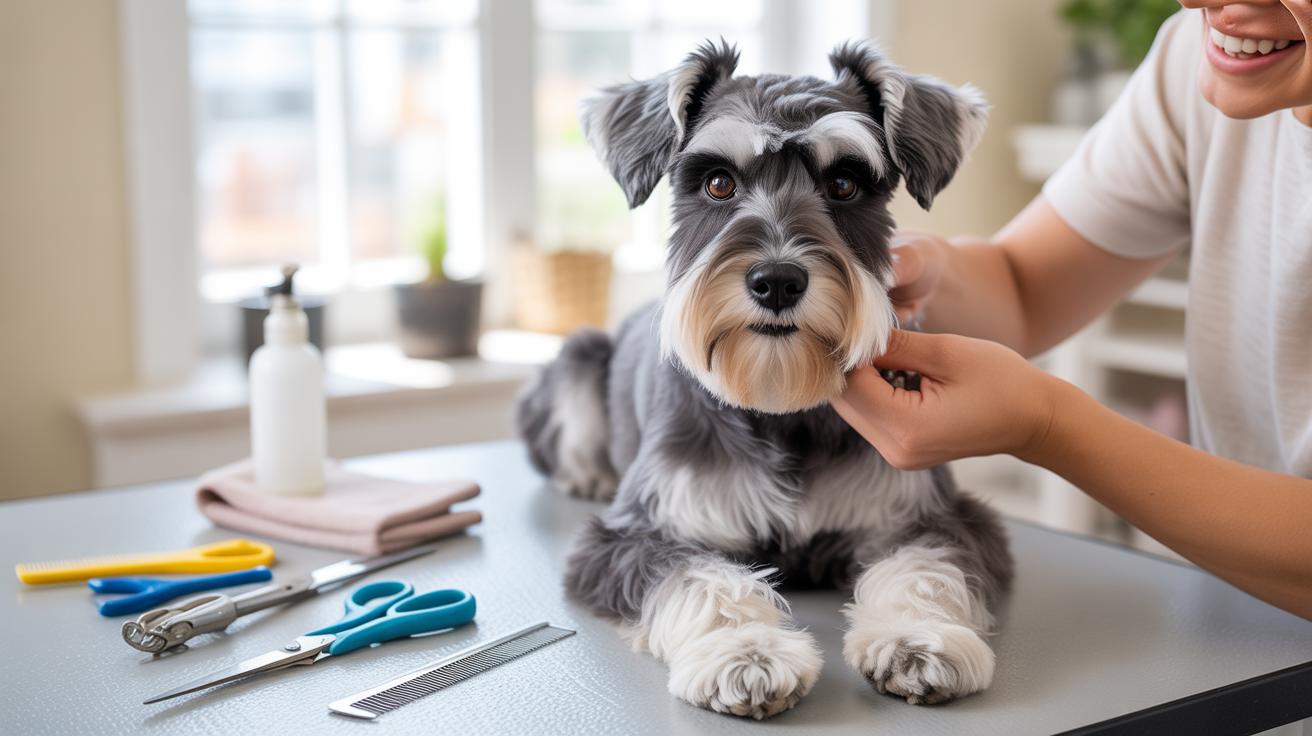
Professional grooming results require professional hardware. You cannot use human hair clippers on a Miniature Schnauzer because their double coat is too dense. High-torque rotary motor clippers prevent the motor from stalling or pulling the hair. You must also select a cooling system for the blades. If the metal overheats, it will burn the skin of your dog during long sessions.
- Professional Grade Clippers: Spend money on a corded or high-end cordless clipper with a ceramic blade or cooling technology. These motors handle thick wire coats without snagging or overheating.
- Detachable Blade Set: You need a size 10 blade for the face and ears and a size 7F or 5F for the body. These standard sizes provide the signature Schnauzer look.
- Straight and Curved Shears: Use straight shears for the legs and curved shears for the beard and eyebrows. Sharp blades ensure clean lines and reduce the risk of accidental nicks.
- Thinning Shears: These tools blend the short hair on the back into the longer hair on the legs. They prevent harsh lines and create a natural transition between different coat lengths.
- Steel Greyhound Comb: A dual-sided metal comb is essential for finding mats in the furnishings. Use the wide teeth to start and the fine teeth to check your work for knots.
Hand tools provide the finishing touches that clippers cannot reach. Use a slicker brush to remove loose undercoat before you begin cutting. This prevents the clippers from dragging and ensures an even finish across the torso. Keep a small bottle of clipper oil nearby to maintain your blades. Proper tool maintenance extends the life of your kit and ensures a safe grooming experience.
How To Choose The Right Blade Guard For A Clean Schnauzer Cut
Blade guards or snap-on combs control the length of the coat left on the body. For a traditional Schnauzer cut, you want the back hair to sit close to the skin. Professionals often skip guards on the torso and use a 7F or 10 blade directly. However, if you prefer a longer look, select a guard that leaves at least half an inch.
Test your chosen guard on a small patch of hair near the rear first. Always move the clippers in the direction of hair growth to avoid leaving gouges or uneven patches. Using a guard over a 10 blade provides a safety buffer for beginners. This method prevents you from cutting too short while you learn the anatomy of your dog.
How To Bathe And Dry Your Mini Schnauzer Before Grooming
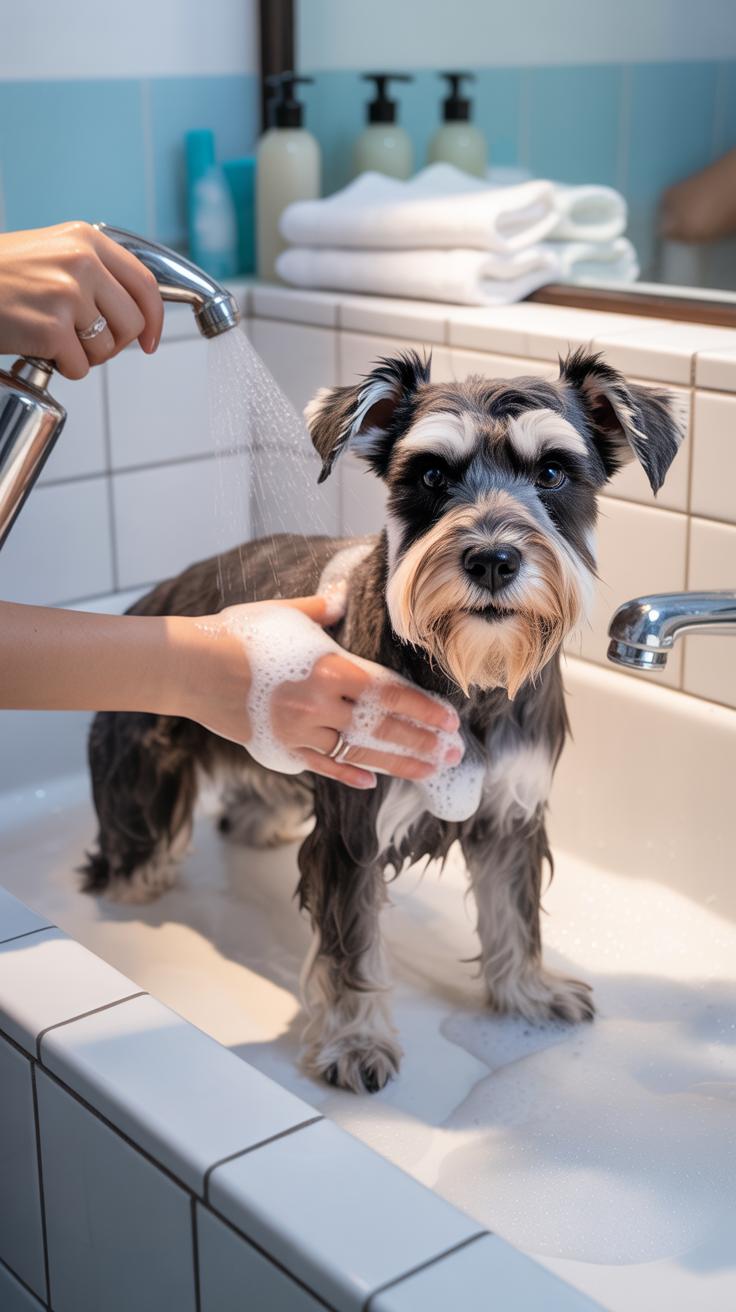
Step By Step Bath Routine To Prepare The Mini Schnauzer Coat For Clipping
Place your dog in a tub with a rubber mat to prevent slipping. Use lukewarm water to soak the wire coat thoroughly from the neck down to the tail. Apply a high quality degreasing shampoo specifically designed for terriers. Scrub the furnishings on the legs and the beard where oils and dirt accumulate. This deep clean ensures the clipper blades glide through the hair.
Rinse the coat until the water runs clear and no suds remain. Residual soap causes skin irritation and clogs your grooming tools later. Do not use heavy conditioners on the body hair because it softens the texture too much for a standard schnauzer cut. Only apply a small amount of detangler to the leg furnishings if knots are present. Focus on removing all debris from the undercoat.
Tending to your Schnauzer’s silver coat with your own two hands transforms a chore into a quiet ritual of love. Every careful snip of the shears honors the timeless bond between a master and their most faithful companion.
Drying Techniques That Prevent Matting And Make Grooming Easier
Squeeze excess water out of the coat with a microfiber towel carefully. Do not rub the hair in circles because this action creates tangles and mats in the long leg hair. Blot the beard and eyebrows to remove moisture without distorting the natural growth pattern. Proper towel work reduces the total time spent under the loud heat of a motorized dryer.
Use a high velocity dryer on a low heat setting to straighten the hair as it dries. Brush the leg furnishings upward and outward while directing the airflow to add volume. This technique makes the hair stand off the skin for an even clip. Ensure the coat is completely dry before using electric clippers to prevent pulls, skin nicks, and blade damage.
Popular Schnauzer Grooming Styles To Consider For Your Dog
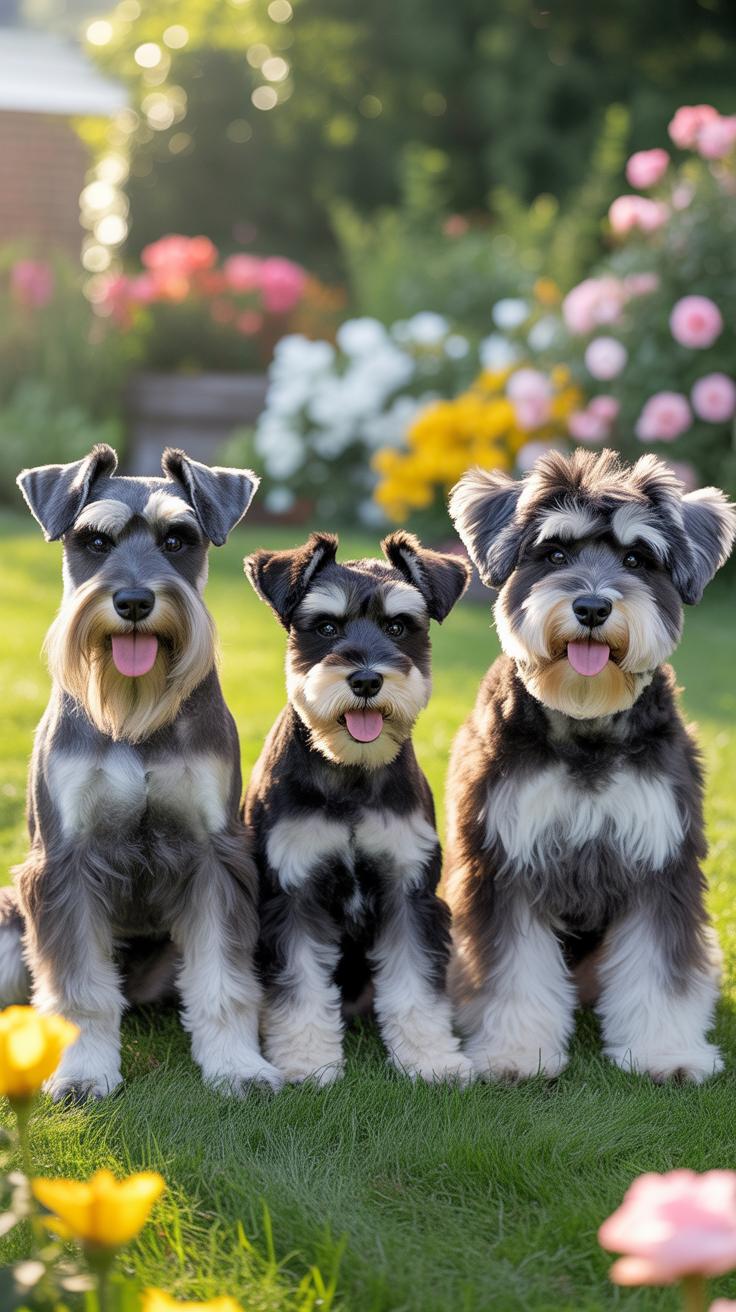
The Traditional Schnauzer Cut: Body, Beard, And Leg Furnishings Explained
The traditional cut reflects the breed’s history as German farm dogs and ratters. You must clip the back and sides from the skull to the tail using a short blade like a number ten. This creates a harsh texture and protects the skin. Leave the hair on the legs long to form furnishings. These thick layers once protected the dog from vermin bites during hunts.
Expert execution requires precise blending between the short back and the longer underbelly fringe. You shape the head to highlight the rectangular profile. Trim the top of the head short but keep the eyebrows long and angled. Shape the beard into a strong square. This look requires frequent brushing to prevent mats in the longer leg hair. It remains the standard for show dogs and purists.
The Puppy Cut: A Low Maintenance Grooming Style For Busy Owners
The puppy cut offers a functional alternative for pet owners who prioritize speed and ease. You clip the entire coat to a uniform length, usually between one half inch and one inch. This removes the long furnishings on the legs and the fringe on the belly. Owners choose this style to reduce the time spent on daily brushing and detangling sessions at home.
This tactical style prevents burrs and debris from sticking to the coat during outdoor activities. You still maintain the signature facial features like the beard and eyebrows, but you trim them shorter for cleanliness. It reduces the frequency of professional visits and simplifies the bathing process. Use this cut if you want a clean look without the technical demands of traditional pattern blending or skirt maintenance.
Step By Step Guide To Clipping The Body When Grooming A Schnauzer
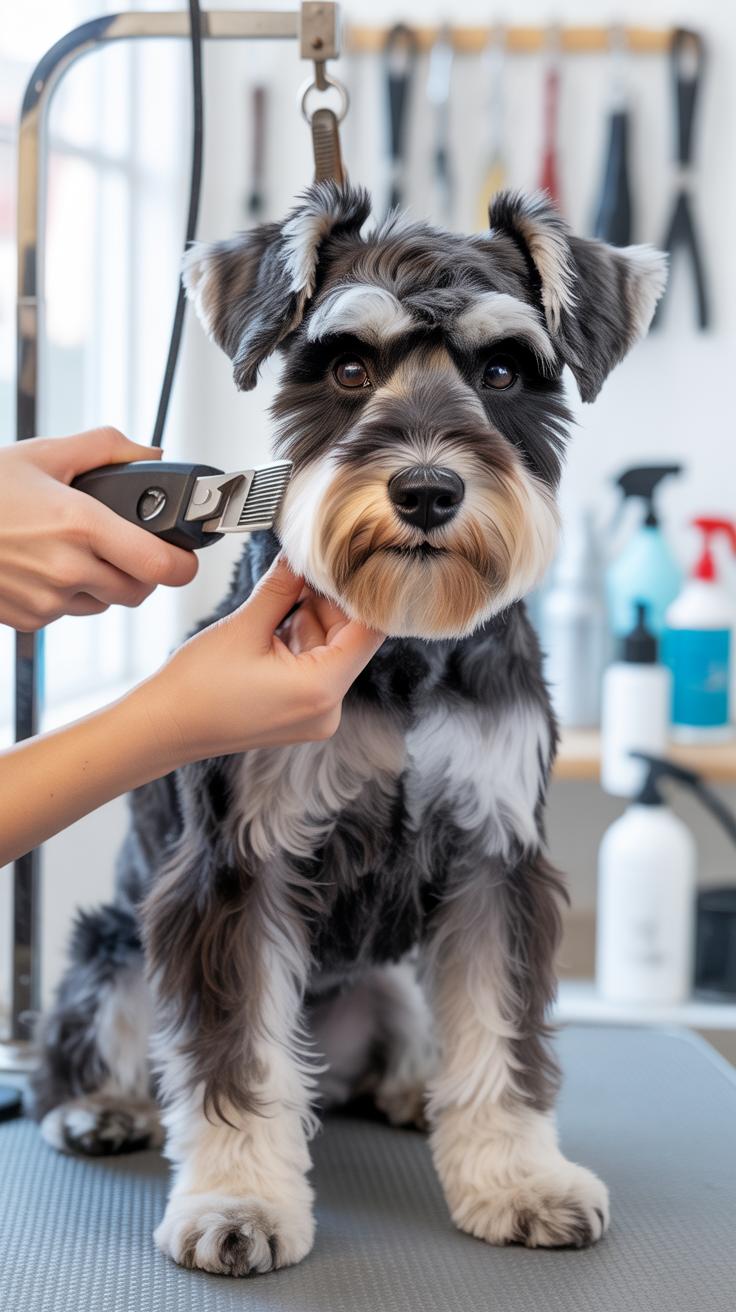
How To Clip The Back, Sides, And Neck Of Your Miniature Schnauzer Correctly
Start at the base of the skull and move toward the tail. Use a number 10 blade for a standard short cut. Hold the clipper flat against the skin to avoid gouging the coat. Work in the direction of hair growth. This prevents irritation and ensures a smooth finish. Clipping against the grain creates a much shorter length than the blade intends.
Clear the hair from the neck down to the shoulders. Follow the spine and clear the ribcage area. Stop the clipper at the elbow on the front legs. Imagine a line from the elbow to the flank for the underline. Do not clip the long hair on the legs or the belly. Keep your wrist firm to maintain a consistent depth throughout the process.
Blending And Finishing Techniques For A Neat, Professional Looking Schnauzer Cut
Blending creates a seamless transition between the short body hair and the long leg furnishings. Use thinning shears to soften the harsh lines left by the clippers. Hold the shears at an angle and snip the guard hairs where the short and long sections meet. This removes bulk without creating gaps. Proper blending mimics the traditional hand-stripped look used in historical show grooming.

Check the chest and throat for uneven patches. Use a shorter blade or thinning shears to taper the hair into the brisket. Precision here defines the muscular frame of the breed. Comb the leg hair upward and trim the stray ends to create straight columns. Inspect your work under bright light. Remove any tufts that break the clean silhouette of the dog.
Trimming The Face Beard And Eyebrows A Key Part Of Mini Schnauzer Grooming Haircuts
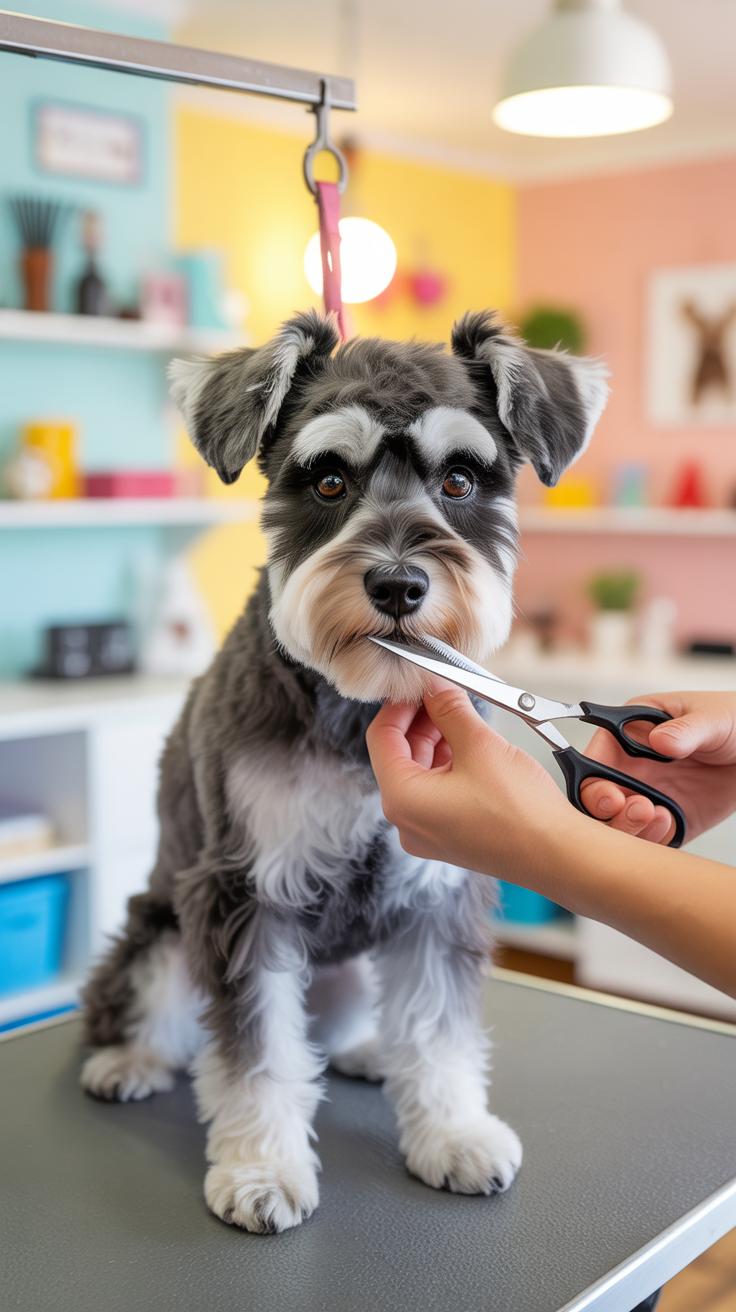
Shaping The Iconic Schnauzer Beard Without Losing Its Classic Look
The beard defines the breed profile. Begin by combing the hair forward to remove all tangles. Use straight shears to create a clean line from the corner of the eye to the corner of the mouth. This technique cleans the cheeks while preserving the hair on the muzzle. Always cut downward toward the chin to maintain a rectangular silhouette that matches the skull.
Maintain a natural taper by thinning the edges of the beard. A blocky beard looks artificial and loses the working dog aesthetic. Use thinning shears to blend the short hair on the cheeks into the long facial hair. This prevents harsh lines. Keep the length balanced with the head size. A beard that is too long will trap debris and distort the dog’s proportions.
Trimming The Eyebrows To Achieve The Signature Miniature Schnauzer Expression
Schnauzer eyebrows require precise angles to look correct. Comb the hair forward over the eyes. Position your shears at the outer corner of the eye. Cut at a diagonal angle toward the bridge of the nose. The hair should be longest at the inner corner and shortest at the outside. This creates the classic alert and intelligent expression required by breed standards.
Precision prevents the dog from looking unkempt or obscured. Trim the hair between the eyes with thinning shears to create clear separation. This gap should be narrow to maintain the distinctive look. Ensure the eyebrows do not hang low enough to obstruct vision. Shorten the length gradually until you see the eyes clearly from a front profile. Uniformity across both eyes ensures a balanced face.
Ear Cleaning Nail Trimming And Paw Care In Your Schnauzer Grooming Routine
Safe Ear Cleaning Practices Every Mini Schnauzer Owner Should Follow
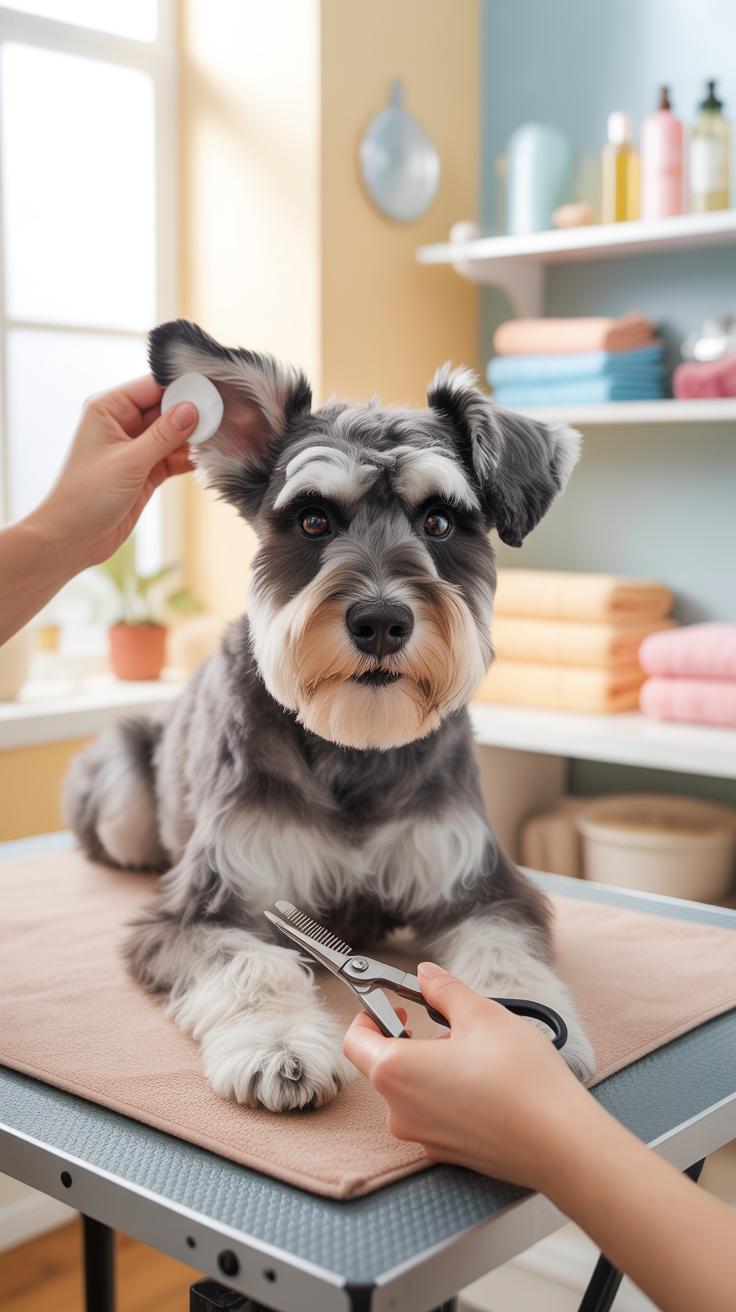
Miniature Schnauzers grow thick hair inside their ear canals. This hair traps moisture and debris. You must pluck this hair to prevent painful infections. Use your fingers or hemostats to pull small tufts of hair at a time. Do not dig deep into the canal. Apply ear powder to improve your grip on the slippery hair. This keeps the ear dry and clean.
Check the ears weekly for redness or foul odors. Use a liquid ear cleaner and a cotton ball to wipe the outer ear flap. Never use cotton swabs inside the canal because you can damage the eardrum. Squeeze the cleaner into the ear and massage the base. Let the dog shake its head to remove loosened wax. Proper ear hygiene is critical for this breed.
How To Trim Your Miniature Schnauzer’S Nails And Tidy The Paw Pads Safely
Overgrown nails change how your dog walks and can cause skeletal issues. Miniature Schnauzers often have black nails which hide the quick. This makes trimming difficult. You must use sharp dog nail trimmers or a rotary grinder. Remove small slivers at a time to avoid bleeding. Clear line of sight is necessary for safety. Keep styptic powder nearby to stop accidental bleeding instantly.
- Scissor Type Trimmers: Use high quality bypass trimmers for clean cuts on small breed nails. These tools provide better control than guillotine styles. Always maintain a sharp blade to prevent crushing the nail plate during the trimming process.
- Rotary Grinding Tools: Sand the nail down slowly with a battery powered grinder. This tool smooths rough edges and allows you to get closer to the quick safely. Stop frequently to check for heat buildup on the nail surface.
- Styptic Powder Utility: Apply this powder immediately if you cut the quick. It stops bleeding by constricting blood vessels. Every home groomer needs this ready before starting. Firm pressure with a cotton pad helps the powder stick and seal the wound.
- Detail Scissors: Use small safety shears with rounded tips for paw pad work. These prevent accidental skin pokes while you navigate tight spaces. Clear away all hair that grows between the pads to reduce the risk of matting.
- Electric Mini Clippers: Choose a small blade width to shave hair from the bottom of the paws. This specialized tool reaches deep between the pads more safely than large clippers. Removing this hair improves traction on slick indoor floors.
Excessive hair between the paw pads traps mud and burrs. Shave this hair flush with the pads using a small clipper. Long hair here also leads to matting which causes discomfort when the dog walks. Trim the hair around the perimeter of the foot into a round shape. This gives the Schnauzer a clean and professional appearance. Constant maintenance prevents painful debris buildup.
How Often To Groom Your Mini Schnauzer And Tips For Keeping Up The Grooming Style
Recommended Grooming Frequency To Maintain Any Schnauzer Grooming Style
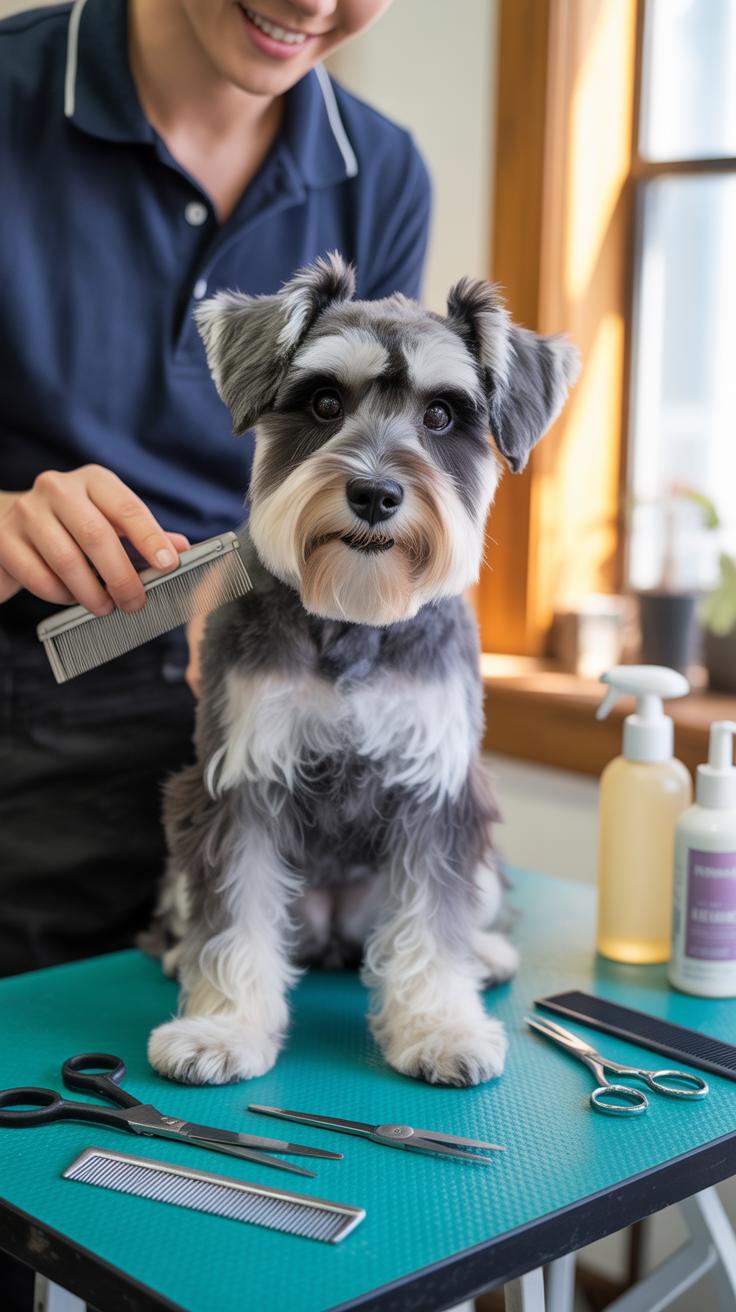
Standard miniature schnauzer coats require a full clip every four to six weeks. This timing prevents the wire hair from losing its signature shape. Neglecting this window leads to excessive length that blurs the distinct transitions between the short back and long furnishings. Routine clipping maintains the breed standard profile. Frequent sessions also ensure pet skin stays healthy by removing dead hair daily.
Professional results at home depend on consistency. You must trim the sanitary areas and paw pads every two weeks. High friction zones like the armpits and beard tangle quickly. Schedule a full bath and clipper work at least once a month to manage oil buildup. Setting a strict calendar prevents matting that requires a total shave. Staying on schedule keeps the technical cut manageable.
Between Groom Maintenance Habits That Keep Your Miniature Schnauzer Looking Its Best
Daily brushing is the most critical habit for this breed. Use a slicker brush on the legs and beard every morning to remove debris. This prevents painful knots from forming in the soft undercoat. Long furnishings trap dirt and burrs during walks. Immediate removal stops knots before they turn into tight mats. Focus on the friction points where the legs meet the body.

Clean the beard after every meal to prevent staining and odor. Food particles trapped in the facial hair create bacterial growth and skin irritation. Use a damp cloth or specialized beard wash to keep the hair white and fresh. Clear the eye corners daily to prevent tear stains. These small actions preserve the sharp look of the groom between full clipper sessions. Correct maintenance saves time during the next clip.
Frequently Asked Questions

Is it difficult for a beginner to learn miniature schnauzer grooming at home?
While their signature look seems complex, mastering miniature schnauzer grooming at home is entirely achievable for beginners with patience. The process involves a mix of clipping the body and hand-brushing the longer “furnishings” on the legs and face. Starting slowly with regular brushing sessions helps your dog get used to being handled, making the eventual full haircut much easier and more enjoyable for both you and your pet.
How often should I perform a full grooming routine on my Miniature Schnauzer?
To maintain their iconic silhouette and prevent painful matting, you should aim for a full grooming session every six to eight weeks. Consistent miniature schnauzer grooming at home also requires weekly brushing of the beard and leg hair. Frequent maintenance keeps the wiry coat healthy, reduces the time spent on intensive clipping, and ensures your dog stays comfortable and stylish between more significant trims throughout the year.
What essential tools do I need to groom my dog on a budget?
You don’t need a professional salon setup to get started. A budget-friendly kit should include a pair of sharp safety shears, a double-sided metal comb, a slicker brush, and a decent set of electric clippers with guard combs. Investing in these basic tools upfront saves hundreds of dollars in professional fees. High-quality basics ensure that your DIY sessions are safe, effective, and comfortable for your dog’s specific coat type.