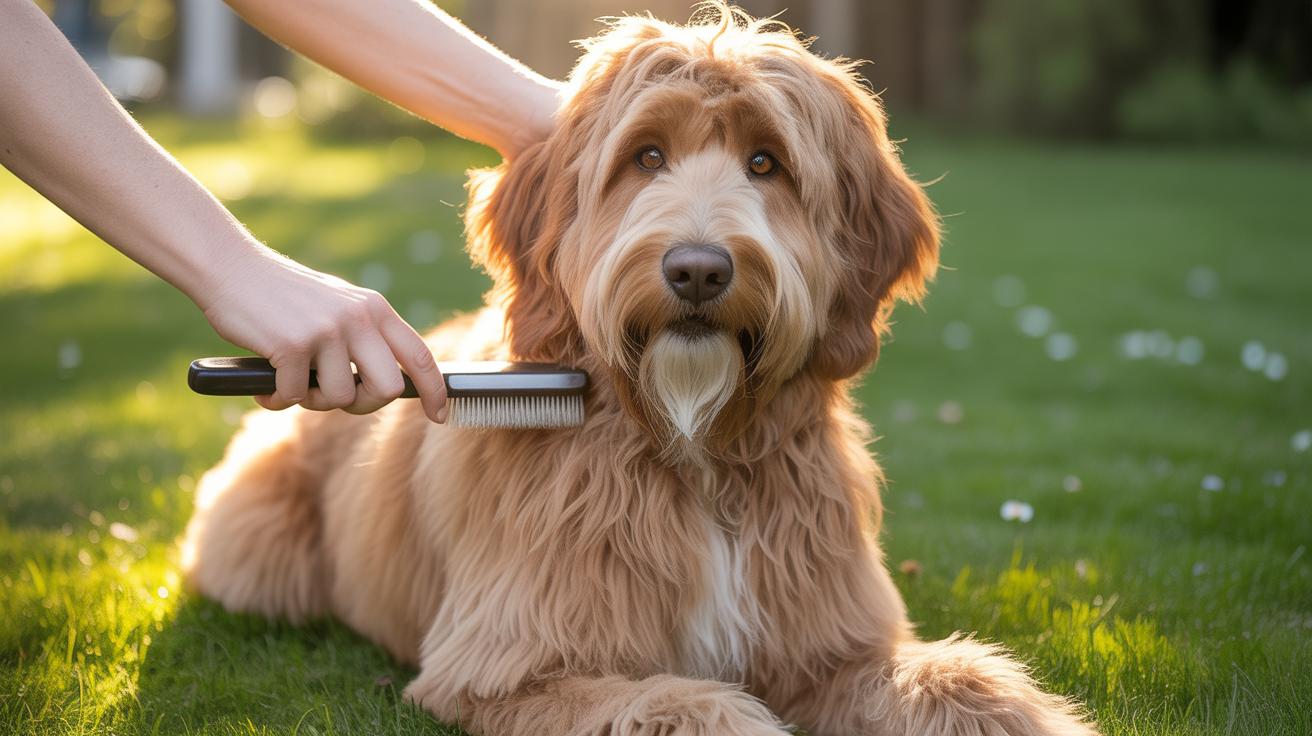
Understanding The Wavy Coat What Makes Doodle Grooming Unique
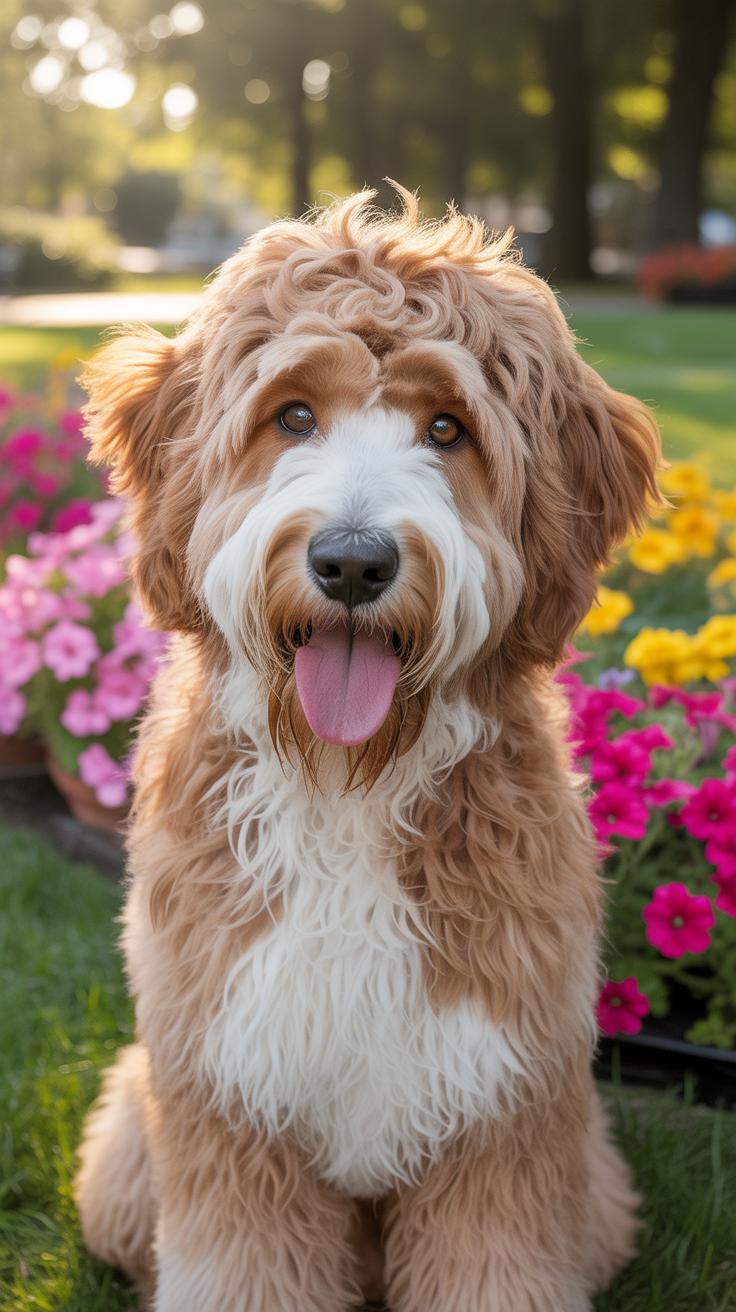
The Science Behind The Wavy Coat In Doodle Breeds
Wavy coats result from specific genetic interactions between dominant and recessive traits. Most doodles inherit one furnishing gene and one non-curly gene. This creates an open fleece texture. Scientists call this an improper coat or a heterozygous state. It differs from the tight curls of a Poodle. The wavy texture usually indicates a mix of hair and wool fibers growing together.
This coat type combines a soft undercoat with a longer topcoat. The hair follicles produce different fiber lengths throughout the year. You cannot treat this hair like a single-coated breed. The genetics dictate how the hair sheds within the follicle. Wavy coats look low-shedding because the loose hair stays trapped. Understanding this biology is the first step to successful maintenance.
Why Wavy Coats Are More Prone To Matting Than Other Dog Coat Types
Wavy coats mat because trapped dead hair wraps around live growing strands. This creates friction at the skin level. The wave pattern acts as a hook for dander and debris. Moisture also makes these fibers shrink and tighten. Once the hair tangles, it forms a solid mass. This process happens faster in wavy coats than in straight or curly hair.
High friction areas like the neck and armpits suffer the most damage. Collars and harnesses rub the wavy fibers together. This friction creates static electricity that binds the hair even tighter. You must remove the dead undercoat before it knots. If you wait too long, the mats become impossible to brush out safely. Regular mechanical intervention is the only way to prevent this pain.
Goldendoodle Grooming Styles That Work Best For Wavy Coats
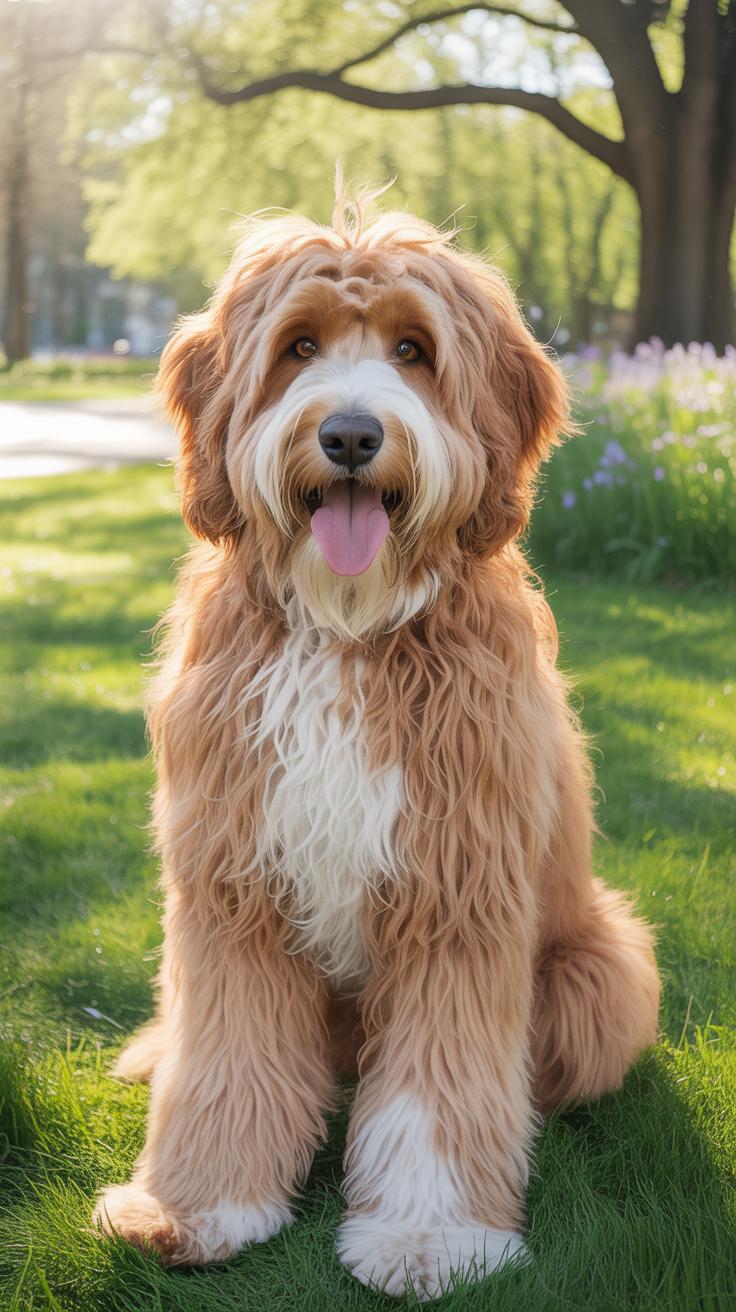
Popular Goldendoodle Grooming Styles From The Teddy Bear Cut To The Puppy Trim
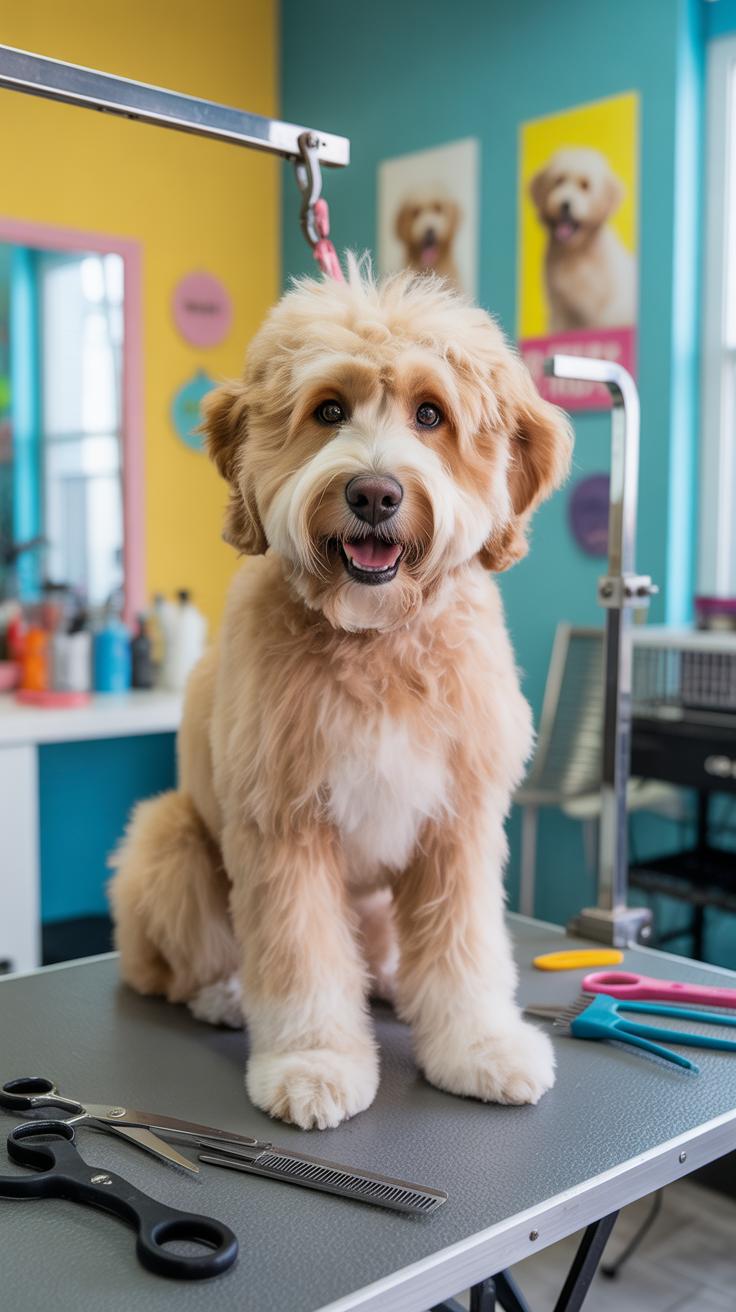
The Teddy Bear cut remains the standard for wavy coats. Groomers clip the body to a uniform length of one half to one inch. They leave the hair on the face and legs longer and rounded. This style blends the Poodle and Retriever aesthetics. It requires significant maintenance because the longer limb hair traps debris. Owners must brush these areas daily to prevent knots.
The Puppy Trim offers a more functional alternative for active dogs. Groomers cut the entire coat to a single short length. This style removes most of the wavy texture but eliminates the risk of severe matting. It simplifies home care and reduces the frequency of professional visits. Modern owners choose this for its utility. It keeps the dog cool and makes skin inspections much easier.
Golden Doodle Grooming Styles Teddy Bears How The Teddy Bear Look Affects Mat Prevention
The Teddy Bear style increases matting risks for wavy coats. The longer hair on the muzzle and paws collects moisture and food. Wavy hair lacks the tight coil of a Poodle. It tangles quickly when wet or dirty. If you do not brush the rounded facial hair, it form mats near the skin. These mats cause pain and harbor bacteria. Constant vigilance is required.

Mat prevention in this style depends on mechanical thinning. Groomers use thinning shears to remove bulk without losing the rounded shape. This technique allows air to reach the skin. It prevents the dense undercoat from trapping shed hair. Without this thinning, the wavy coat collapses into flat layers. These layers eventually felt together. Proper execution of this cut demands high technical skill and frequent combing.
Essential Tools For Grooming Doodles With Wavy Coats
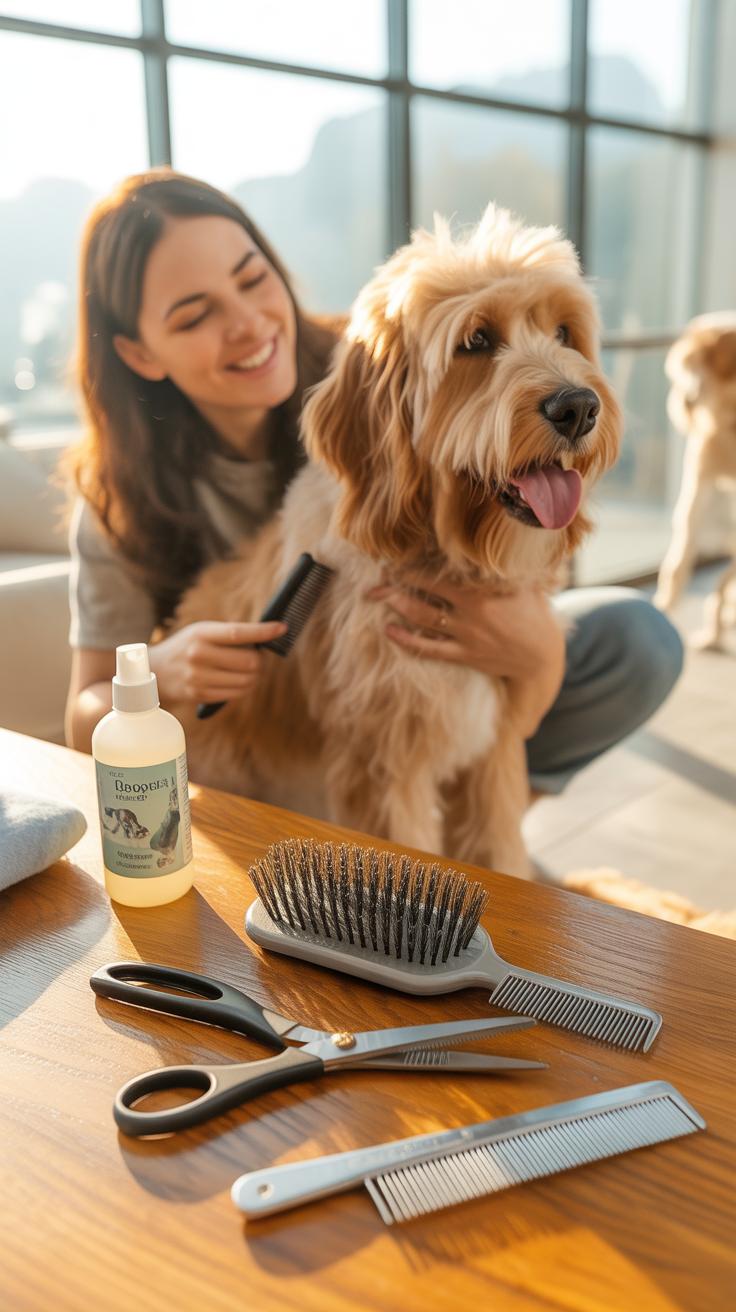
Must Have Brushes, Combs, And Detanglers For Wavy Coat Doodle Grooming
Effective wavy coat doodle grooming requires specific mechanical tools to reach the skin and clear debris. You cannot rely on soft bristle brushes for these hybrid coats. The wavy texture easily traps loose hair and dirt, forming knots at the base of the follicle. You must use tools that penetrate the hair layers without causing painful skin irritation during daily maintenance.
- Long-Pinned Slicker Brush: High-quality slicker brushes feature long, angled pins that reach through the wavy topcoat. They pull out loose undercoat hair before it can tangle with the guard hairs. This tool is your primary defense against surface mats and should be used daily for total coat coverage.
- Steel Greyhoud Comb: Professional steel combs identify hidden tangles that brushes miss. Use the wide-tooth side for initial passes and the fine-tooth side for detail work around ears and legs. If the comb cannot pass through from skin to tip, a mat is forming and requires immediate attention.
- Dematting Rake: This tool uses sharp, recessed blades to cut through established knots safely. Use it only on specific problem areas where a comb stalls. It preserves coat length while removing the core of a mat. Always move the rake in short, controlled strokes to prevent pulling the skin.
- Milling Detangling Spray: Professional-grade detangling sprays provide necessary lubrication for the hair shafts. They reduce friction during brushing and prevent hair breakage. Spraying the coat lightly before grooming helps the tools glide through waves. It also adds a protective layer that repels dirt and static effectively.
- Electric Trimmers with Guard Combs: Small cordless trimmers handle sanitary clips and clear hair from paw pads. Overgrown hair in these areas attracts moisture and debris, leading to rapid matting. Maintaining short hair on the feet and friction points reduces the overall grooming workload. Use guards to ensure a safe, uniform length.
Detangling sprays and conditioning agents are also vital for maintaining hair elasticity and preventing breakage. Dry hair snaps easily, leading to frizz and more tangles over time. Apply a light mist before every brushing session to lubricate the hair shafts. This tactical approach ensures the steel teeth of your combs glide through the waves rather than pulling on the dog.
How To Choose The Right Grooming Tools Based On Coat Density And Curl Pattern
Coat density determines the necessary pin length and spacing of your tools. Doodles with thick, heavy waves require longer pins to reach the skin. Short pins only groom the top layer, leaving the base to mat into solid sheets. Observe how the hair falls after a bath to see the true curl pattern. Tighter waves behave more like wool and need frequent combing.
Match your comb gauge to the thickness of the individual hair strands. Fine, silky waves break under heavy pressure, so use lightweight tools and high-quality conditioners. Coarser hair can handle stiffer bristles and more aggressive raking. Evaluate the coat every week because density changes as the dog matures. Adjust your tool kit to match the current state of the hair to avoid injury.
Step By Step Brushing Routine To Prevent Matting In Grooming Doodles
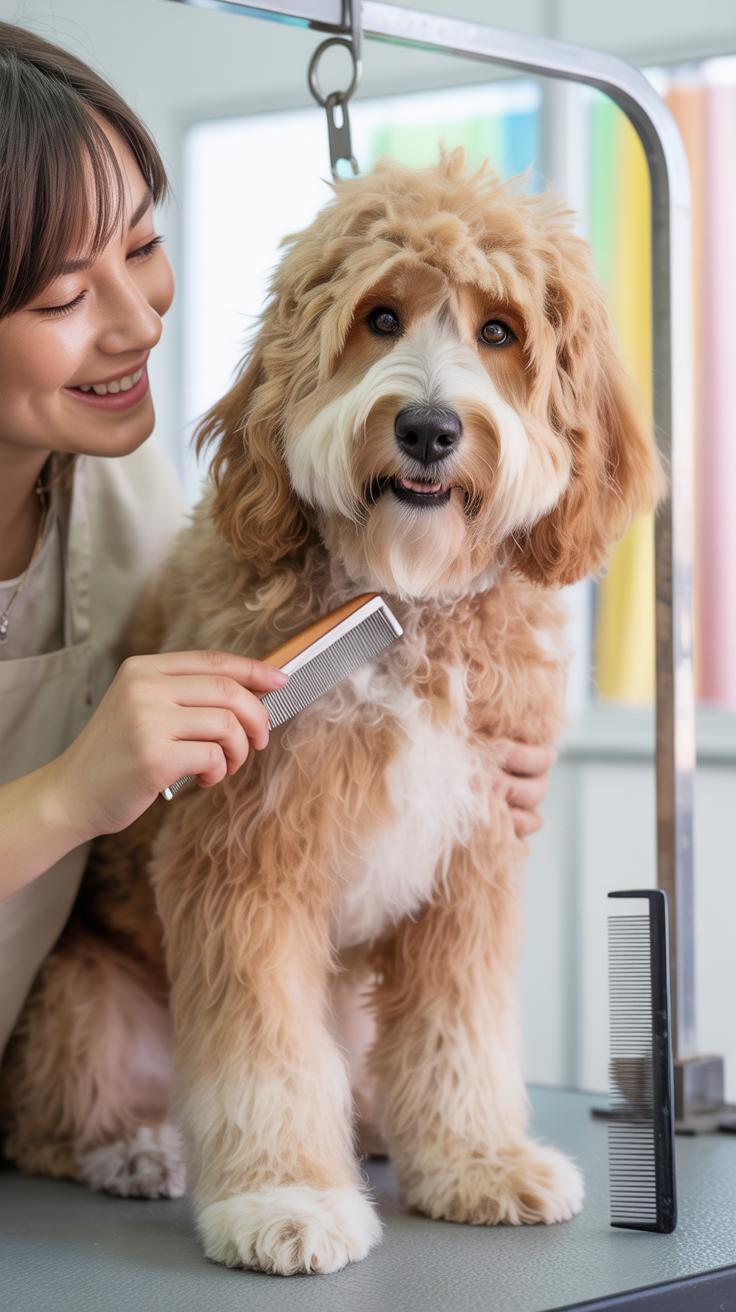
How Often Should You Brush A Wavy Coat Doodle To Avoid Mats
Wavy coat doodles require a strict brushing schedule to remain mat-free. You must brush this coat type at least three times per week. Friction from collars and harnesses creates tangles quickly. Daily maintenance is better for longer coats. Frequent brushing removes dead hair and dirt before they bind into a solid mass. Neglecting this schedule leads to painful skin pulling.
The texture of a wavy coat hides depth. This coat consists of a mix of soft Poodle curls and straight hair. This blend traps loose fur near the skin instead of shedding it. You cannot rely on visual checks alone. Use a metal comb to verify your progress every session. If the comb catches, you have failed to brush deeply enough into the hair.
The bond found in the quiet rhythm of the brush ensures those soft waves stay as beautiful as the day you first met. A well-groomed coat is the best way to keep your companion comfortable and close to your heart.
Line Brushing Technique: The Most Effective Method For Grooming Doodles At Home
Line brushing is the industry standard for deep coat maintenance. Start at the bottom of a leg and work upward. Use one hand to pull the hair up and expose a horizontal line of skin. Brush the small section of hair below that line downward with a slicker brush. This ensures you reach the base of the follicle. Moving randomly across the dog leaves hidden mats.

The technique requires systematic repetition across the entire body. Work in small sections to avoid missing spots. Focus heavily on high-friction areas like the ears, tail, and armpits. Check every brushed section with a greyhound comb. The comb must glide through from the skin to the tips. If the comb stops, re-brush that specific area. Consistent line brushing prevents the need for a total shave.
Grooming Labradoodles And Australian Labradoodle Grooming Tips For Wavy Coats
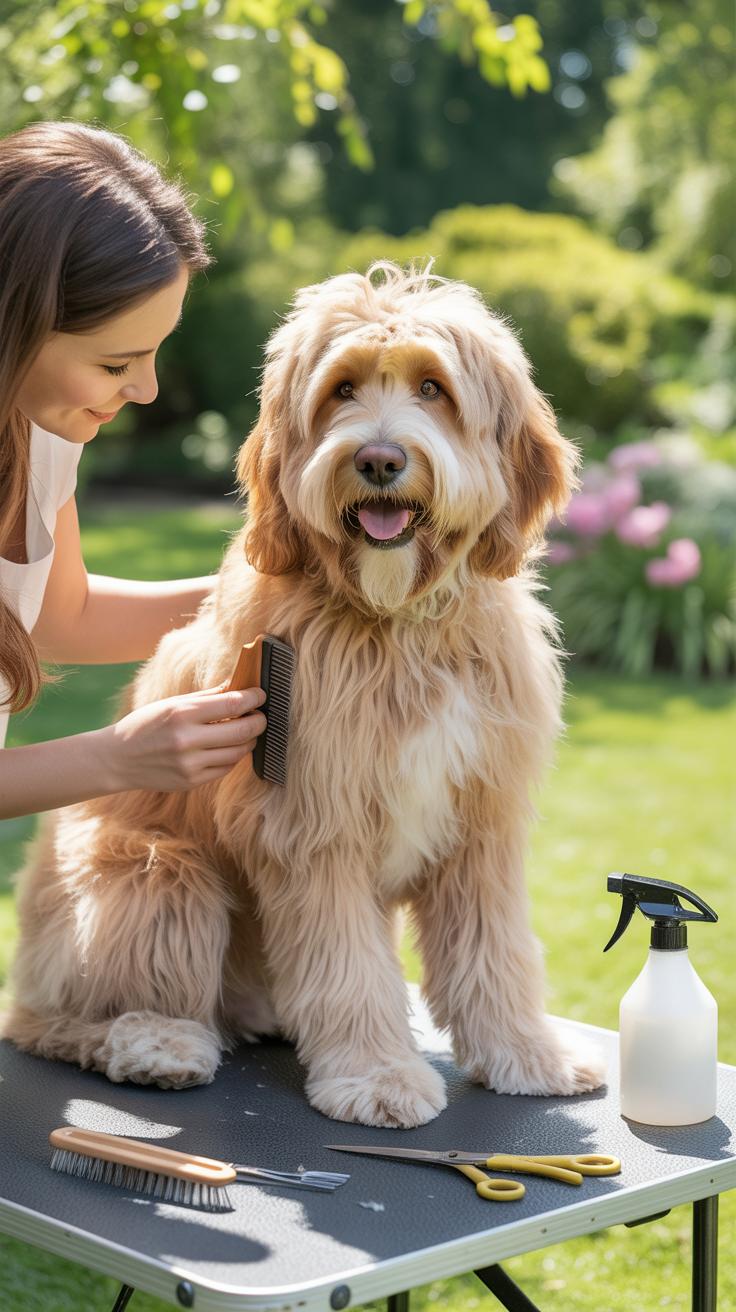
Grooming Labradoodles: Key Differences Between Standard, Medium, And Miniature Varieties
Size dictates the surface area you must manage. A Standard Labradoodle has significant skin real estate. This requires high-velocity drying to prevent moisture from sitting at the skin level. Miniature varieties have tighter friction points under the armpits and around the harness area. You must scale your tools to the dog. Use smaller slicker brushes for Miniatures to reach deep into narrow leg crevices effectively.
Physical stamina is the tactical gap between sizes. Larger dogs take three times longer to brush thoroughly. This leads to owner fatigue and skipped sections. Medium and Standard dogs often develop mats on their haunches due to weight distribution when sitting. Miniature Labradoodles require more frequent facial trimming. Their tear ducts often drain into the wavy hair. This causes salt buildup and stubborn tangles near the eyes.
Australian Labradoodle Grooming Tips: Managing The Fleece Wavy Coat To Prevent Tangles
The Australian Labradoodle fleece coat contains a mix of hair and wool fibers. This texture traps dead hair instead of shedding it. You must use a line-brushing technique to reach the skin. Start at the bottom of the leg and work upward in sections. If you only brush the top layer the base will felt. This creates a solid sheet of hair that requires a complete shave.

Wavy fleece absorbs oils and environmental debris quickly. This debris acts like sandpaper on the hair shafts and causes friction. Use a metal greyhound comb to verify your work after using a slicker brush. If the comb catches you have a micro-mat forming. Target the high-friction zones behind the ears and under the collar. Constant friction in these areas turns wavy hair into knots within forty-eight hours.
Bathing And Drying Your Cute Fluffy Dog Breed The Right Way
How To Bathe A Wavy Coat Doodle Without Causing Additional Matting
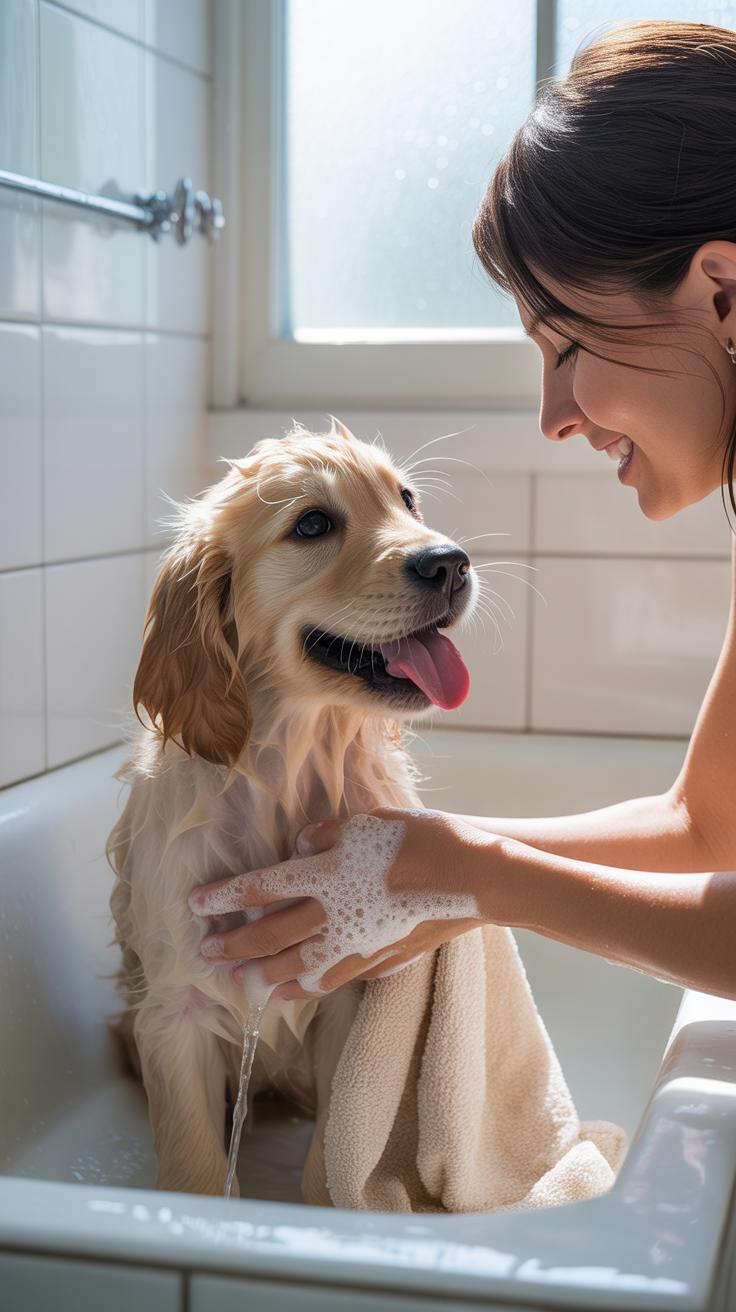
Never put a matted dog into a bathtub. Water shrinks the hair fibers and tightens existing knots. This creates solid masses of felted fur that you cannot brush out later. You must perform a complete line-brushing session before the coat gets wet. Remove every tangle down to the skin level first. This ensures the shampoo reaches the hide and cleans the hair shaft properly.
Apply shampoo using a downward stroking motion. Do not scrub the hair in circles or rub it vigorously. Circular scrubbing tangles the long, wavy guard hairs and creates new mats instantly. Use a high-quality de-shedding or moisturizing shampoo to maintain hair elasticity. Rinse the coat thoroughly until the water runs clear. Leftover soap residue causes skin irritation and makes the hair feel sticky or gummy.
The Importance Of Proper Blow Drying Technique For Your Cute Fluffy Dog Breed
Air drying is the primary cause of post-bath matting in wavy coats. As the hair dries naturally, it curls and shrinks. This process twists individual strands around each other and forms tight knots. You must use a high-velocity dryer to push water out of the coat and straighten the hair. This mechanical action separates the fibers before they have a chance to clump together or tangle.
Keep the dryer nozzle moving to avoid burning the skin. Focus on one section at a time until the hair is completely dry. Use a slicker brush simultaneously to pull the hair straight while the air hits it. This technique is called fluff drying. It stretches the curl and increases the volume of the coat. A fully dried and brushed coat stays tangle-free much longer than a damp one.
Labradoodle Grooming Style Options And Clip Lengths For Mat Prevention
Choosing The Right Labradoodle Grooming Style Based On Your Dogs Lifestyle And Activity Level
Select a clip length based on physical activity and environment. Short utility cuts prevent debris collection for dogs that hike or swim often. Longer teddy bear cuts look traditional but catch burrs and hold moisture. Wet hair shrinks and twists as it dries. This friction causes immediate matting near the skin. Choose a length you can brush to the skin daily.
High activity levels require shorter coat lengths to maintain hygiene. Long hair on the legs and belly traps mud and bacteria. This leads to skin irritation and painful tangles. A one inch clip provides a balance between aesthetics and utility. Shorter clips on the sanitary areas and paws reduce tracking dirt into the home. Match the coat length to your grooming frequency.
When To Visit A Professional Groomer Vs. Managing Wavy Coat Doodle Grooming At Home
Professional groomers possess the industrial tools needed for thick wavy coats. Home grooming works for surface maintenance but often misses the densest mats near the ears and friction points. Professionals use high velocity dryers to straighten the hair from the root. This process identifies hidden mats that brushes skip. Attempting to cut out deep mats at home often results in skin nicks.
- Professional Equipment Access: Industrial dryers and sharp shears provide a finish home tools cannot match. High velocity dryers blow water out of the undercoat to prevent the hair from curling into tight knots during the drying process.
- Safety and Precision: Groomers use specific blade guards to ensure an even length across the body. They safely handle sensitive areas like the inner ears and paw pads. This reduces the risk of accidental cuts on wiggly dogs.
- Sanitary Maintenance: Professionals perform essential hygiene tasks like expressing anal glands and plucking ear hair. These tasks prevent infections and odors that standard brushing cannot address. They ensure the dog remains clean and comfortable between major haircuts.
- Structural Mat Removal: Experts use dematting rakes and specialized sprays to break down clumps without shaving the dog to the skin. They understand coat tension and can save the coat length if the matting is not too severe.
- Nail and Paw Care: Correct nail trimming prevents skeletal alignment issues over time. Groomers also clear the hair between the pads. This increases traction on slick floors and prevents the collection of painful stickers or ice balls.
Determine your skill level before attempting a full body clip. Maintenance grooming involves daily brushing and combing to the skin. Professional visits every six to eight weeks handle the technical shaping and sanitary work. Use the professional for the foundation and home care for preservation. This strategy keeps the coat manageable and prevents the need for a total shave down due to neglect.
Doodles As Best Family Dog Breeds Keeping Their Coats Healthy Long Term
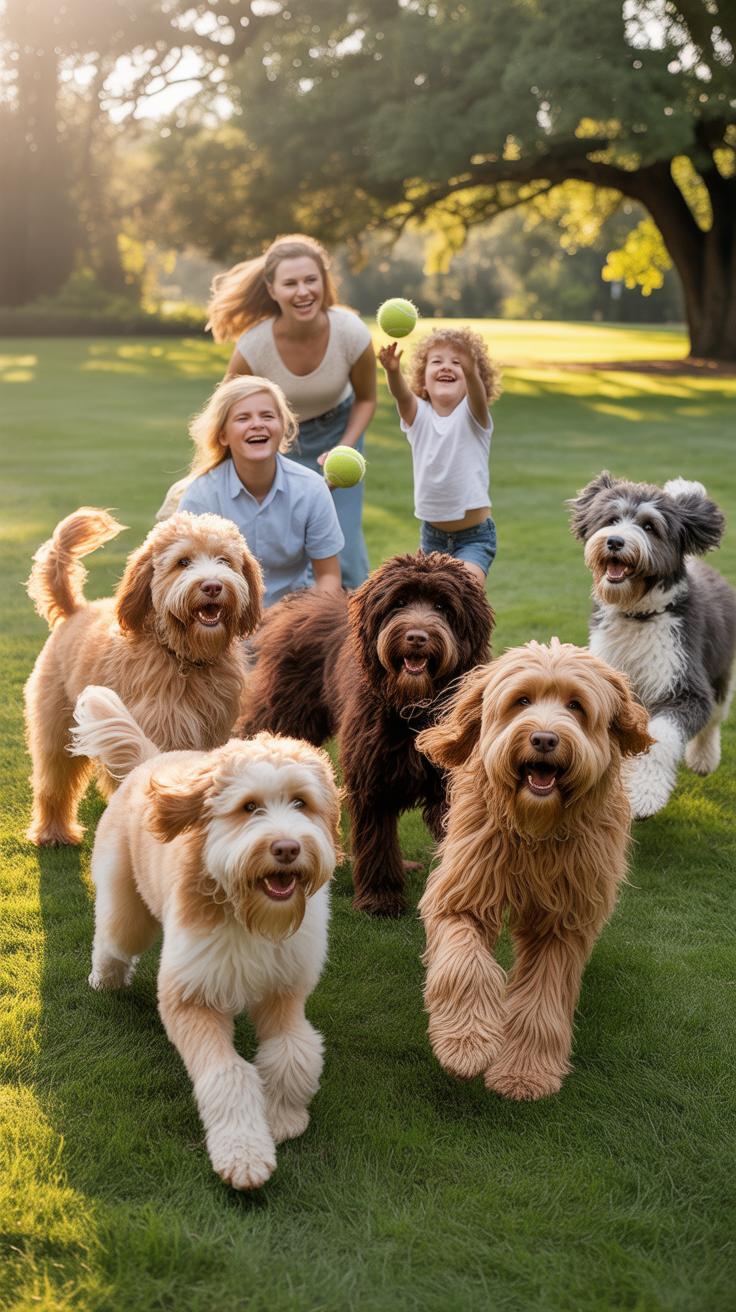
Why Doodles Rank Among The Best Family Dog Breeds And What That Means For Coat Care
Doodles earn top rankings as family pets due to their predictable temperaments and low-shedding coats. Most families choose these dogs to reduce indoor allergens and cleaning time. Their social nature makes them perfect for households with children. However, the same wavy coat that keeps hair off your floors requires disciplined upkeep. Families must view grooming as a daily bonding activity rather than a monthly chore.
High activity levels in family settings increase the risk of friction matting. Children playing with the dog often ruffle the fur, which creates tangles at the skin level. You must brush the coat after intense play or outdoor trips. Ignoring this leads to painful knots that require professional shaving. Success with this breed depends on matching their high social needs with a strict, consistent coat maintenance schedule.
Nutrition, Hydration, And Supplements That Support A Healthy Wavy Doodle Coat
Internal health dictates external coat quality for any wavy coat doodle. Hair consists mostly of protein. You must feed high-quality kibble with animal-based proteins to ensure strong follicles. Dehydration makes hair brittle and prone to breakage during brushing. Ensure your dog has constant access to clean water to keep the skin elastic. Elastic skin allows the hair to grow without irritation or excessive dander.

Omega-3 and Omega-6 fatty acids provide the necessary oils for a shiny, flexible coat. Fish oil supplements specifically target dry skin and reduce inflammatory shedding. Biotin and zinc also strengthen the keratin structure of each hair strand. These nutrients prevent the coat from becoming frizzy or dry. A well-nourished coat resists matting better than a malnourished one. Proper diet reduces the physical effort needed during your grooming sessions.
Frequently Asked Questions

Why does a wavy coat doodle require more brushing than other breeds?
While the low-shedding nature of a wavy coat doodle is a major benefit, it presents unique challenges. Instead of falling away, loose fur becomes trapped within the waves, leading to painful knots and tangles. Regular wavy coat doodle grooming is essential because these trapped hairs quickly wrap around healthy strands. Consistent maintenance prevents these small snags from escalating into dense mats that require professional shaving to resolve safely.
What is the best technique to prevent mats during home grooming sessions?
To master wavy coat doodle grooming, use the “line brushing” technique. Start at the bottom of the leg, parting the hair to see the skin, and brush small sections upward with a slicker brush. Follow this with a metal Greyhound comb to ensure no hidden tangles remain near the base. This systematic approach ensures you reach the deep undercoat where most mats begin to form, keeping the waves bouncy and healthy.
Can I maintain a doodle’s coat on a budget without expensive professional tools?
You don’t need a professional salon setup to succeed, but investing in two quality basics—a long-pinned slicker brush and a metal comb—is vital. These affordable tools are the foundation of effective wavy coat doodle grooming. By committing to fifteen minutes of daily brushing at home, you can significantly extend the time between professional grooming appointments, saving you hundreds of dollars in dematting fees and special coat treatments over time.