Understanding Dog Nails Anatomy And Why Nail Care Matters
The Structure Of Dog Nails And The Quick Explained
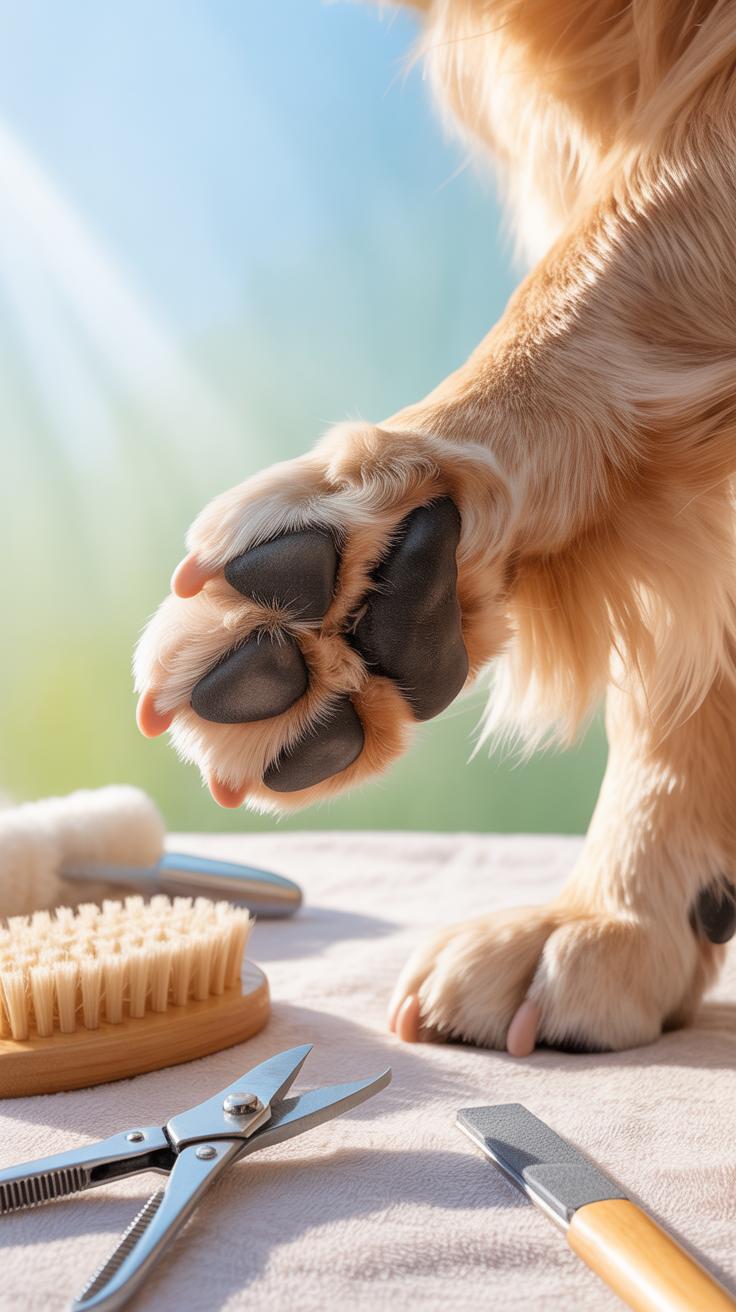
A dog nail consists of two primary parts. The outer shell is a hard layer made of keratin. This shell protects the sensitive inner core. The inner part is the quick. It contains live blood vessels and nerves. This anatomy differs from human nails. The quick grows toward the tip of the nail. You must identify its location before cutting or filing starts.
The quick grows longer when you ignore nail maintenance. Frequent trimming forces the blood supply to recede back toward the paw. This allows for shorter nails over time. If you cut the quick, the nail will bleed heavily and cause sharp pain. Accurate maintenance requires understanding this internal boundary. You must stop before hitting this sensitive tissue to avoid injury and fear in your pet.
Why Overgrown Dog Nails Are A Health Concern For Your Pet
Long nails change how a dog walks and stands. When nails hit the floor, they push the toe bones upward. This puts unnatural pressure on the foot and leg joints. Over time, this misalignment leads to arthritis and skeletal damage. The dog loses traction on smooth surfaces. This increases the risk of slips and falls. Proper length is vital for structural health.
Overgrown nails often curl back into the paw pad. This causes painful ingrown nails and open sores. These wounds easily become infected. Long nails also snag on carpets and furniture. Snags can rip the entire nail off the bone. This injury requires immediate vet care. Maintaining short nails prevents these orthopedic issues and injuries. Keeping nails short is a clinical necessity for long term mobility.

What Is Dog Nail Clipping A Complete Dog Nail Clipping Guide
How Nail Clippers Work And The Types Available For Dogs
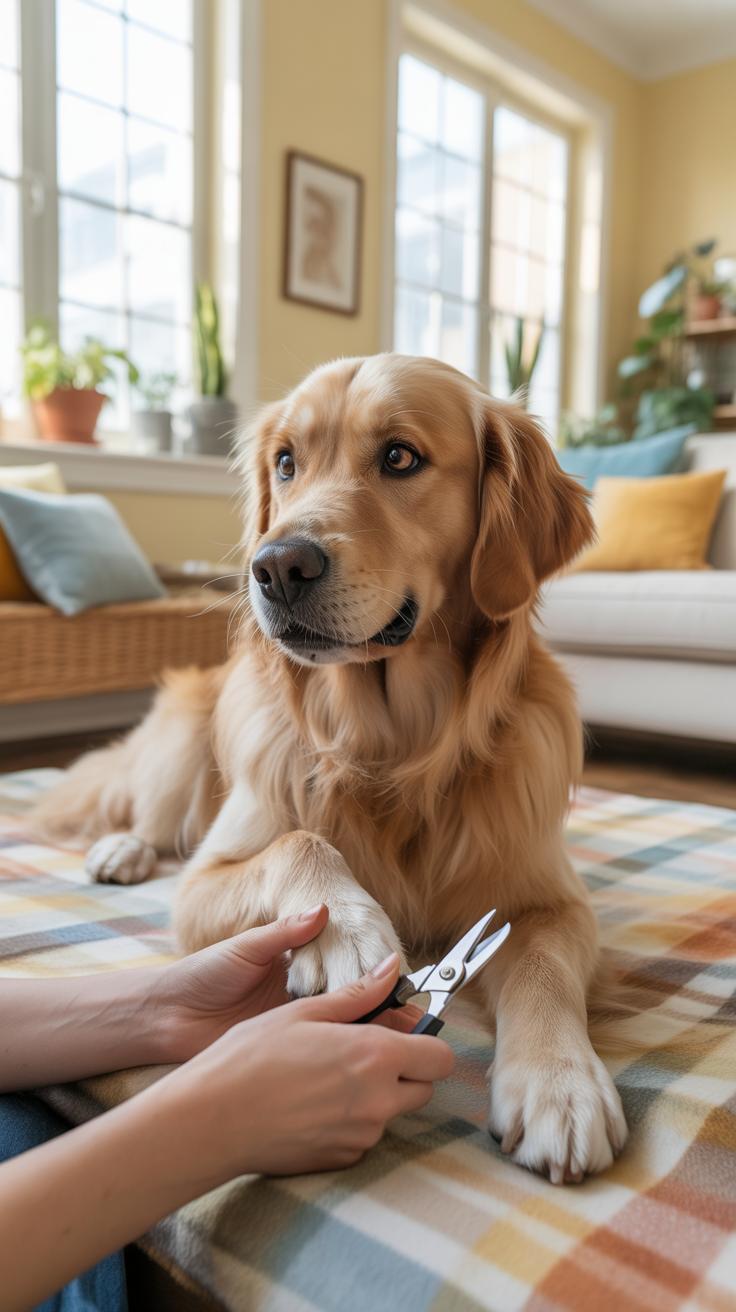
Dog nail clippers use mechanical force to shear through the keratinized nail wall. Scissor clippers function like standard shears with two curved blades that meet at a central pivot point. Guillotine clippers use a single internal blade that slides across a fixed hole to chop the tip of the nail. Both styles rely on sharp edges to provide a clean cut without crushing the sensitive living tissue inside.
Pliers style clippers offer the most control for thick or large breed nails. These tools often feature a tension spring and a safety guard to prevent overcutting. Small dogs usually require petite scissor clippers for better visibility and precision. Regardless of the tool chosen, the objective remains the same. You must remove the hook of the nail while avoiding the quick to prevent pain and bleeding.
The Pros And Cons Of Clipping As Your Primary Dog Nail Trim Method
Clipping is the fastest way to reduce nail length. It works well for dogs with long, neglected nails that need immediate shortening. This method produces no noise or vibration, which suits some nervous pets. Owners prefer clippers because they are inexpensive and do not require electricity or batteries. You can complete a full trim in minutes once you master the proper angle and positioning.

The primary risk of clipping is cutting the quick, which causes immediate pain and heavy bleeding. Clippers can also crush or splinter the nail if the blades are dull. This creates rough edges that snag on carpets and furniture. Some dogs develop a strong fear of the clicking sound or the pressure felt during the squeeze. Measurement errors are common because you cannot see the internal blood vessel during the cut.
What Is Dog Nail Filing How It Differs From Trimming Dog Nails
Manual Files Vs. Electric Grinders: Which Filing Tool Works Best
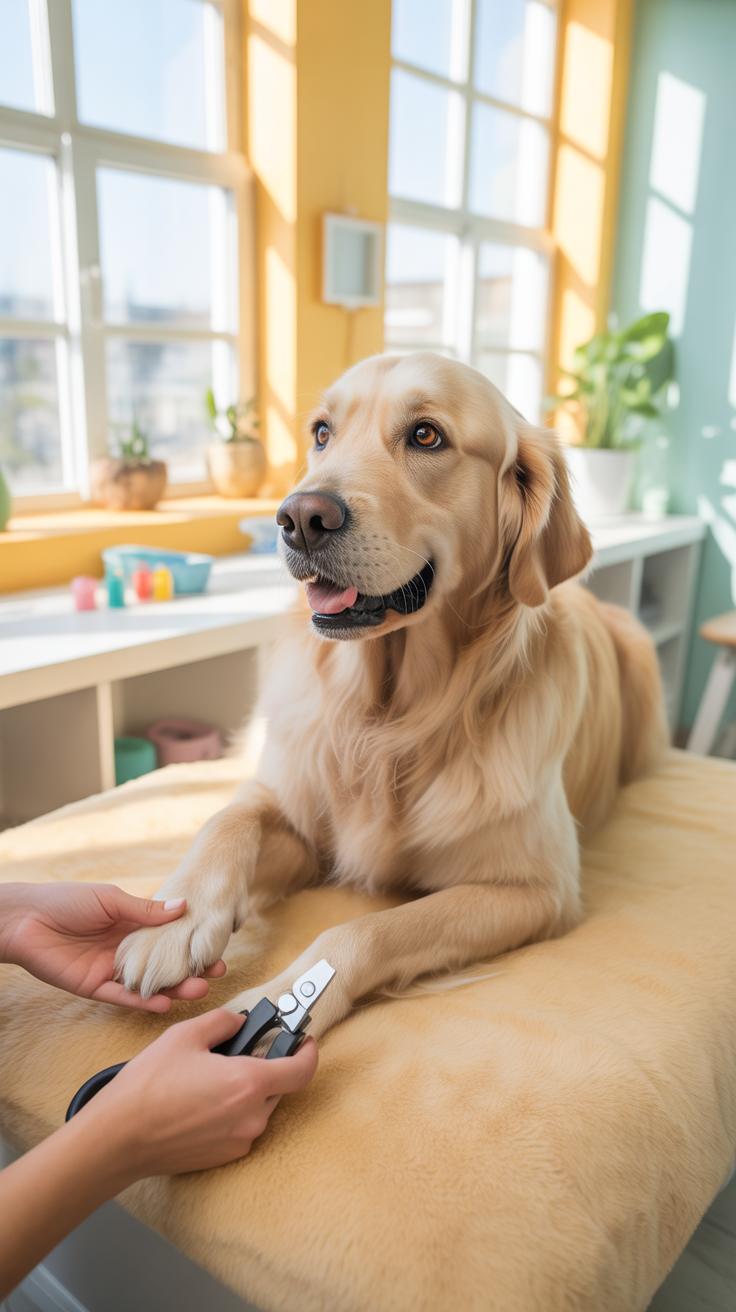
Manual files use abrasive surfaces to wear down dog nails through physical friction. You control the speed and pressure completely with your hand. This method produces zero noise and generates very little heat. It works best for dogs that fear loud sounds or vibration. You must put in significant physical effort to see results. Manual filing takes more time than other methods.
Electric grinders use a rotating motor to spin a sanding drum or diamond bit. These tools remove nail length quickly and efficiently. The high speed creates friction heat so you must work in short bursts. Grinders require a power source or charged batteries to function. You achieve a smoother finish with less physical strain. Most professional groomers choose electric grinders for speed and precision.
The Advantages And Drawbacks Of Filing Over Clipping For Dog Nails
Filing removes thin layers of the nail slowly to prevent cutting the quick. This blood vessel causes pain and bleeding if severed by traditional clippers. Filing leaves the nail edge smooth and rounded. Smooth nails do not snag on carpets or scratch hardwood floors. You avoid the crushing pressure that clippers apply to the nail wall. This makes the process more comfortable for many dogs.
The primary drawback of filing is the time required to complete the task. Clipping takes seconds while filing can take several minutes per paw. Electric grinders produce noise and vibration that some dogs find terrifying. You must also manage the dust created by the grinding process. Dust can irritate eyes and lungs if you do not use proper ventilation. Filing requires more patience from both the dog and the owner.
Dog Nail Filing Vs Clipping A Side By Side Comparison
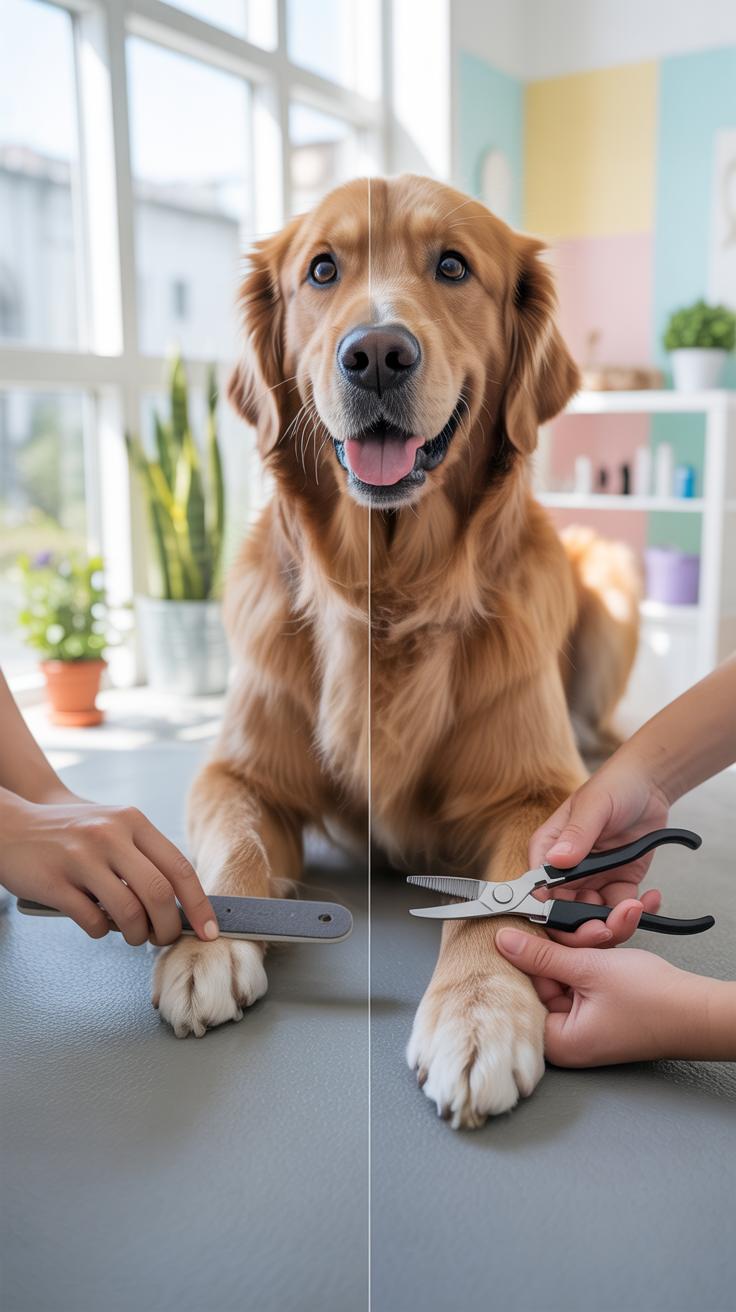
Comparing Safety, Precision, And Risk Of Cutting The Quick
Clipping uses a blade to crush and shear the nail. This method carries a high risk of hitting the quick. The quick contains nerves and blood vessels. If you cut it, the dog feels sharp pain and bleeds heavily. Forceful clipping can also cause the nail to shatter or split. This happens frequently with dull blades or brittle, thick canine nails.
Filing offers superior safety and control. It uses a high speed abrasive wheel to wear down the nail gradually. You see the quick approaching before you hit it. This heat based friction cauterizes the tip slightly. It leaves a smooth, rounded edge that will not snag furniture or skin. Filing eliminates the crushing pressure that often makes dogs fear traditional metal clippers.
Time, Cost, And Convenience: Which Method Fits Your Routine
Clipping is the fastest way to remove length. A skilled person can finish all four paws in minutes. Metal clippers are cheap and last for years without power. You do not need batteries or wall outlets. This makes clipping the most portable and budget friendly choice. However, mistakes require medical supplies like styptic powder to stop bleeding, which adds to the hidden costs.

Filing takes more time per nail. You must work in short bursts to prevent heat buildup. High quality electric grinders cost more than manual clippers. You also need to replace the abrasive bands or diamond bits periodically. Despite the higher cost, filing reduces the need for professional grooming visits. It works best for owners who prioritize a polished finish over a quick job.
Dog Nail Trimming Tips Getting The Best Results From Either Method
Essential Dog Nail Clipping Tips To Avoid Common Mistakes
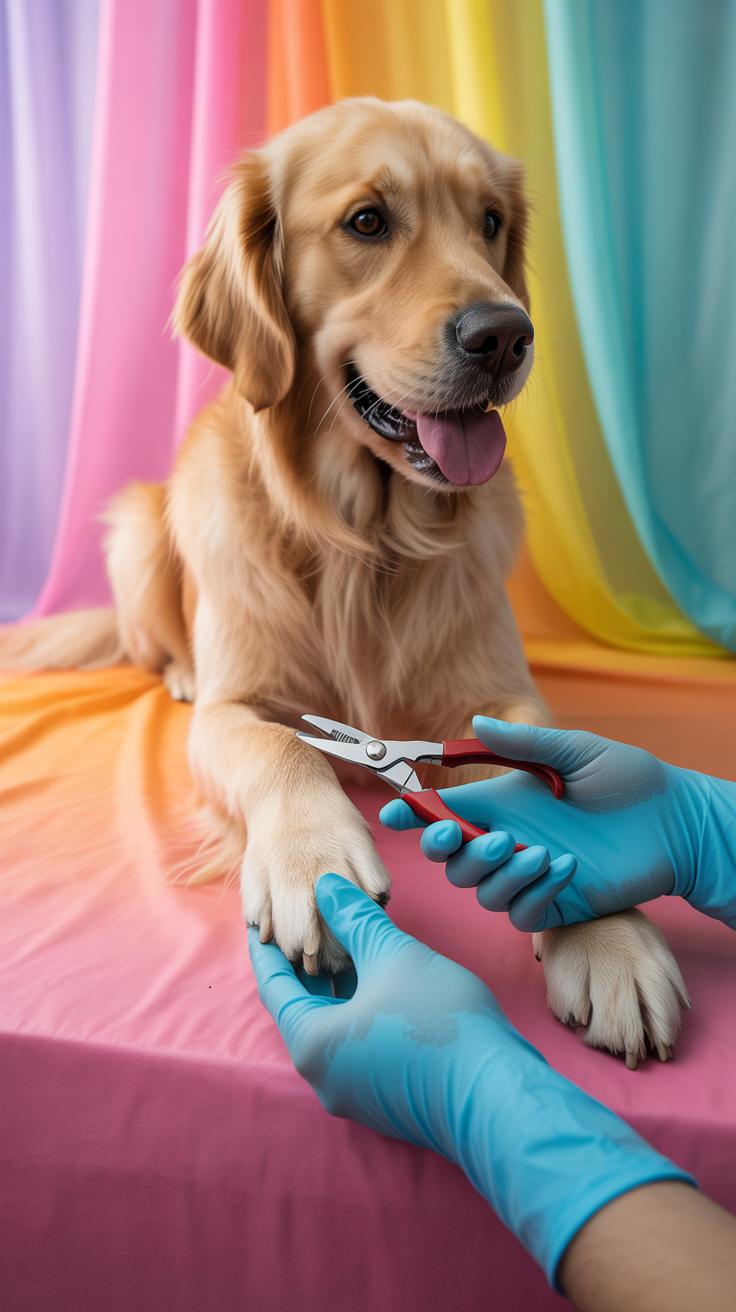
Precision clipping prevents pain and structural damage. Most owners fail because they use dull blades or poor angles. You must identify the quick before making any cuts. The quick contains nerves and blood vessels. Safety depends on small, incremental trims rather than one deep cut. Always keep styptic powder nearby to stop bleeding if you hit the quick during the process.
- Use High Quality Tools: Cheap pliers crush the nail instead of cutting it. Sharp stainless steel bypass clippers provide a clean shear. Dull blades cause the nail to splinter and crack. Replace your tools or sharpen blades regularly to ensure a smooth finish every time.
- Identify The Quick: Look for a pink oval inside white nails. Dark nails require more caution as the quick stays hidden. Shave off thin layers until you see a small dark spot in the center. This center spot indicates you are approaching the sensitive nerve area.
- Maintain Proper Angles: Cut at a forty five degree angle away from the paw. This follows the natural growth curve of the nail. Avoid cutting straight across as it creates sharp edges. Proper angling reduces the risk of the nail snagging on carpets or hard flooring surfaces later.
- Secure The Paw: Hold the paw firmly but gently to prevent sudden jerking. Support each individual toe as you trim the nail. This stability prevents accidental injury from movement. If the dog is restless, stop and resume only when the animal is calm and still.
- Control The Environment: Choose a well lit area to maximize visibility. Good lighting helps you see the internal structures of the nail clearly. Use a headlamp if overhead light is insufficient. Clear visibility is your best defense against causing pain or drawing blood during the procedure.
Consistent technique builds trust and safety. Most mistakes happen when owners rush or use blunt instruments. If you feel resistance, stop and check your position. Never force a cut through a thick nail. Filing the edges after clipping removes sharp burrs. This final step protects your skin and furniture. Use these tactical steps to master the process and keep your dog comfortable.
Whether you choose the gentle path of the file or the quick snip of the shears, each paw held in your hand is a testament to a lifetime of trust. The best method is simply the one that keeps your old friend walking comfortably by your side.
How Often Should You Trim Or File Your Dog For Optimal Health
Nail maintenance frequency depends on activity levels and surface contact. Dogs walking on concrete daily naturally wear down their nails. Sedentary dogs or those on soft grass need more frequent intervention. You should hear no clicking sounds when the dog walks on hard floors. If you hear noise, the nails are too long. Long nails shift weight to the back of the paw and cause joint strain.

Most dogs require a trim or file every two to four weeks. Regular maintenance keeps the quick from growing too long. If you wait months between trims, the quick extends toward the tip of the nail. Short, frequent sessions force the quick to recede over time. This allows for a shorter overall nail length. Consistent care prevents dewclaws from curling and piercing the skin of the leg.
Trimming Puppy Nails Special Considerations For Young Dogs

When To Start Trimming Puppy Nails And Why Early Habits Matter
Start trimming puppy nails as soon as you bring the dog home. Puppies have sharp, needle-like nails that grow fast. These nails can snag on carpets or scratch skin easily. You must handle their paws daily to build trust. Early exposure prevents fear and aggression during grooming later in life. A puppy that accepts paw handling becomes a manageable adult dog.
Consistency creates a positive association with nail maintenance. Use short sessions to keep the puppy calm. Focus on one nail at a time if the dog is restless. Frequent trims keep the quick short from the beginning. This prevents long-term structural issues with the feet. Proper foot health starts in the first few months of life. Establish a strict routine to ensure lifetime cooperation.
Filing Vs Clipping For Puppies: Which Is The Safer First Experience
Filing is the superior choice for a puppy first experience. Traditional clippers apply pressure that can pinch the sensitive nail bed. This sensation often scares young dogs and leads to a lifelong fear of tools. A manual file or a low-speed dremel offers more control. You can remove small amounts of nail slowly without the risk of a sudden, painful cut.

Clippers increase the risk of cutting the quick in an active puppy. Bleeding during the first session creates a negative core memory. Filing rounds the edges and removes the sharpness without the trauma of a loud snap. Use a file to desensitize the puppy to vibration and contact. This method builds confidence and allows for precise shaping. Choose filing to ensure the puppy stays still and remains safe.
How To Desensitize A Dog To Nail Clippers And Filing Tools
Step By Step Techniques To Build Your Dog’S Comfort With Nail Tools
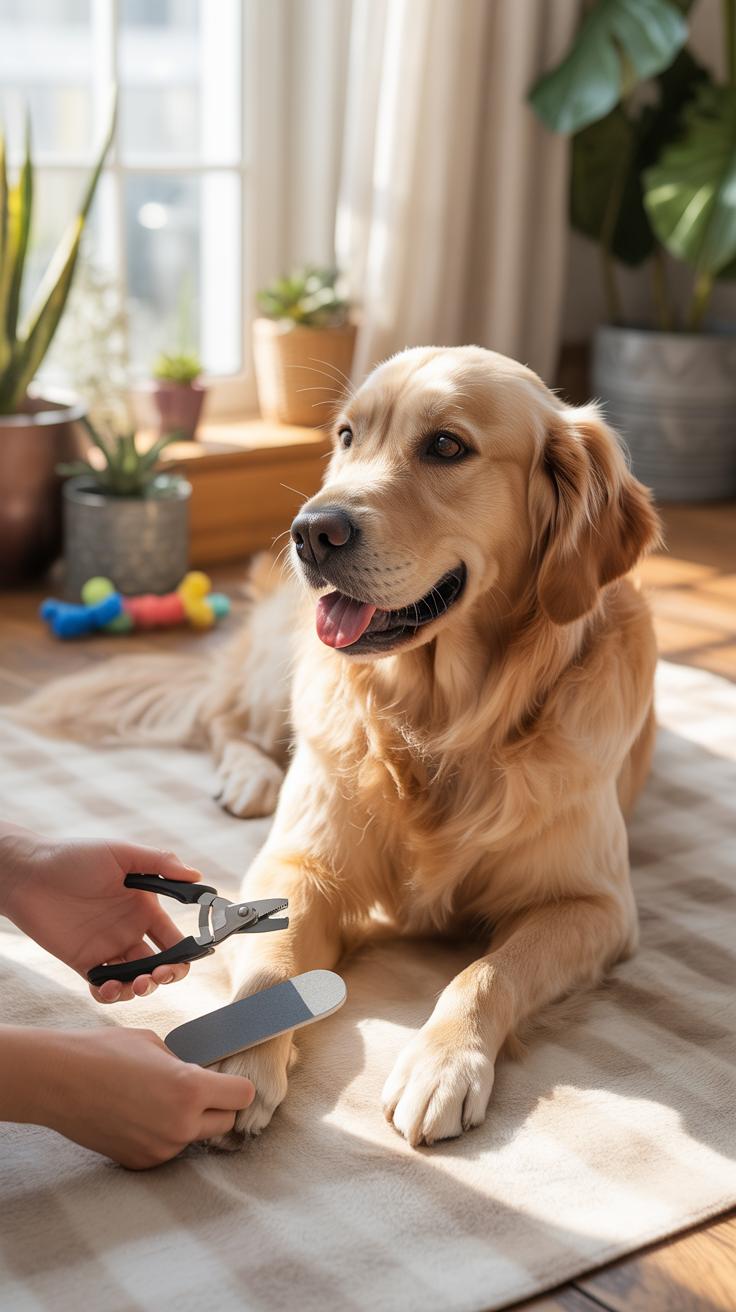
Desensitization requires systematic exposure to the sights and sounds of nail equipment. Start by placing the tool on the floor and rewarding your dog for sniffing it. Move the tool toward the paws without touching them. This creates a positive association before you ever attempt a cut. You must work in short bursts to prevent the dog from reaching a state of panic or avoidance.
- Tool Introduction: Place the clippers or file near the food bowl during mealtime. This associates the physical object with a high value reward. Your dog learns that the presence of the tool predicts something positive and safe.
- Sound Conditioning: Open and close clippers or turn on the electric file motor at a distance. Reward the dog while the sound occurs. Gradually move the noise closer as the dog remains calm. Noise often triggers the initial flight response.
- Paw Handling: Touch and massage each paw daily without using any tools. High pressure on the toes can be sensitive for many breeds. Getting the dog used to having its feet handled is essential for stability during the actual grooming process.
- The Touch Test: Touch the metal tool to the nail without applying pressure or cutting. Reward the dog for staying still during this contact. This bridges the gap between seeing the tool and the physical sensation of the grooming work.
- Incremental Trimming: Clip or file just the very tip of one single nail per session. Stop while the dog is still successful and happy. Forcing a full four-paw session too early usually leads to setbacks and future resistance.
Patience dictates the speed of your progress. If the dog pulls away, you have moved too fast. Return to the previous successful step and repeat it several times. Consistency matters more than the duration of the session. Keep treats small and frequent to maintain focus. Once your dog ignores the tools, you can transition into full maintenance routines without high stress levels.
Reading Your Dog’S Stress Signals During Dog Nails Trimming Sessions
Dogs communicate discomfort through subtle body language before they resort to growling or biting. You must watch for lip licking, yawning, or turning the head away. These are displacement behaviors that indicate the dog is feeling pressured. Rigid body posture or a tucked tail suggests the dog is entering a fight or flight state. Recognizing these early signs allows you to stop the session before a negative event occurs.

White eyes or dilated pupils signal high adrenaline levels. If your dog pulls its paw back repeatedly, do not force the grip. Physical restraint often escalates fear and makes future sessions much harder. Stop exactly when you see the first sign of tension. Giving the dog a break builds trust and ensures long term cooperation. Success comes from monitoring the dog’s emotional state rather than just completing the task.
Choosing The Right Method Based On Your DogS Breed Size And Temperament

Guidance How Nail Thickness And Pigmentation Affect Your Filing Or Clipping Choice
Nail thickness dictates the amount of force needed for a clean cut. Heavy breeds like Mastiffs often have thick keratin layers. Standard clippers often crush these nails instead of cutting them. This causes pain and splitting. Filing offers a gradual reduction. It removes material without the crushing pressure of a blade. You control the depth better on these large, dense nails.
Pigmentation changes your risk level. Clear nails show the pink quick clearly. You can clip these with high confidence. Black nails hide the blood vessel entirely. Clipping dark nails is a guessing game that often leads to bleeding. Filing is the safer choice for black nails. It lets you stop as soon as a dark dot appears in the center.
Anxious, Senior, And Active Dogs: Tailoring The Nail Care Approach
Anxious dogs often fear the loud snap of manual clippers. This sound triggers a flight response. These dogs do better with a slow filing process. It builds trust through vibration rather than sudden pressure. Senior dogs have brittle nails and sensitive joints. They cannot handle the torque of a dull clipper. Filing reduces the physical stress on their aging paw structures.

Active dogs have different needs based on their environment. Dogs that run on pavement often file their own nails naturally. They only need minor clipping for dewclaws. Hardworking hunting or sport dogs need smooth edges to prevent snagging on brush. Clipping leaves sharp corners that catch on fabric or skin. Filing rounds these edges to keep the dog safe during high-speed movement.
When To See A Professional Groomer Or Vet For Dog Nail Care

Signs That Your Dogs Nails Require Professional Attention
Extreme nail length poses immediate risks to a dog’s skeletal health. When claws curl under the paw or grow into the pads, amateur tools often fail. These cases involve heightened pain and risk of infection. You must seek a veterinarian if the nail penetrates the skin or if there is visible discharge. DIY attempts on embedded nails usually cause more trauma and severe bleeding.
Behavioral resistance also dictates when to stop home care. Many dogs develop a phobia of nail tools due to past injuries. If a dog snaps, growls, or shows extreme distress, do not force the process. Professional groomers use restraint techniques and specialized tables to secure the animal. Vets can provide sedation for high-stress cases. Safety for the handler and the dog remains the priority.
What To Expect From A Professional Dog Nail Trim Appointment
Professional appointments prioritize efficiency and safety over aesthetics. Groomers utilize heavy-duty grinders and high-tension clippers that cut faster than consumer models. Most professionals work in pairs for difficult dogs. One person stabilizes the animal while the other focuses on the nail. This approach reduces the time spent on the table. It also minimizes the chance of hitting the quick during the process.
Veterinary clinics offer medical-grade intervention for complex nail issues. They can safely cauterize the quick if it requires aggressive shortening. This is common for neglected dogs where the nerve has grown too long. Vets also check for underlying fungal infections or brittle nail syndrome during the trim. You receive a clinical assessment of paw health along with the basic maintenance. Professionals deliver results that home kits cannot match.
Frequently Asked Questions

What is the main difference between filing and clipping a dog’s nails?
When weighing dog nail filing vs clipping, the primary difference lies in the finish and safety. Clipping uses a blade to cut the nail quickly, which can sometimes result in jagged edges or accidental injury to the quick. Filing uses a sanding tool to gradually wear the nail down. This method provides a much smoother finish that prevents your pet from scratching your hardwood floors or snagging delicate furniture fabrics.
How do I safely transition my dog from traditional clippers to a nail file?
Safety and comfort are key when comparing dog nail filing vs clipping techniques. Start by letting your dog sniff the file or electric grinder while it is turned off, offering treats for calm behavior. Gradually introduce the vibration and sound before touching it to the nail for just a second. This positive reinforcement helps nervous dogs realize that filing is a painless alternative to the sudden pressure of traditional metal clippers.
Is filing or clipping more cost-effective for pet owners on a budget?
Traditional manual clippers are generally the most budget-friendly option, as they are inexpensive and require no power. However, high-quality nail files or electric grinders are a worthwhile long-term investment for home decor enthusiasts. While the initial cost is higher, filing reduces the risk of expensive vet visits for “quicked” nails and helps protect your rugs and upholstery from the sharp, splintered edges that often result from using cheap clippers.