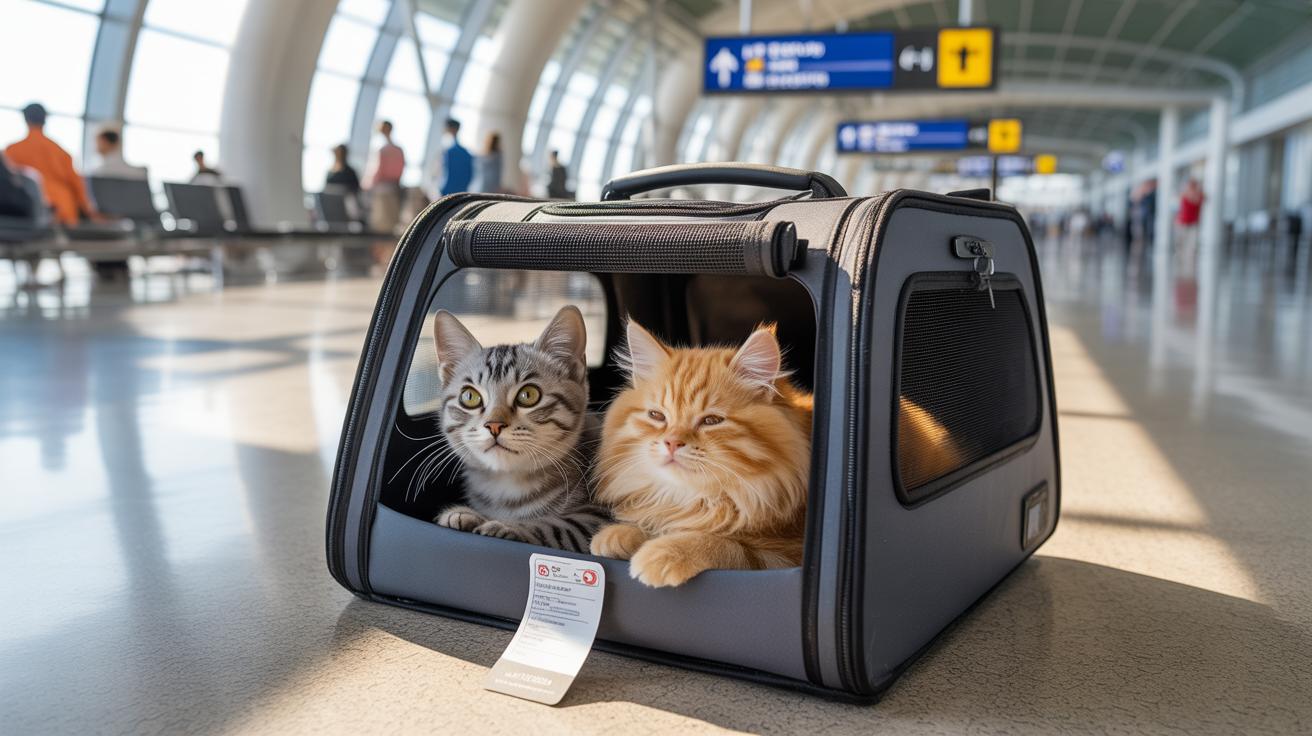
Why Choosing The Right Cat Carrier For Airplane Travel Matters More With Two Cats
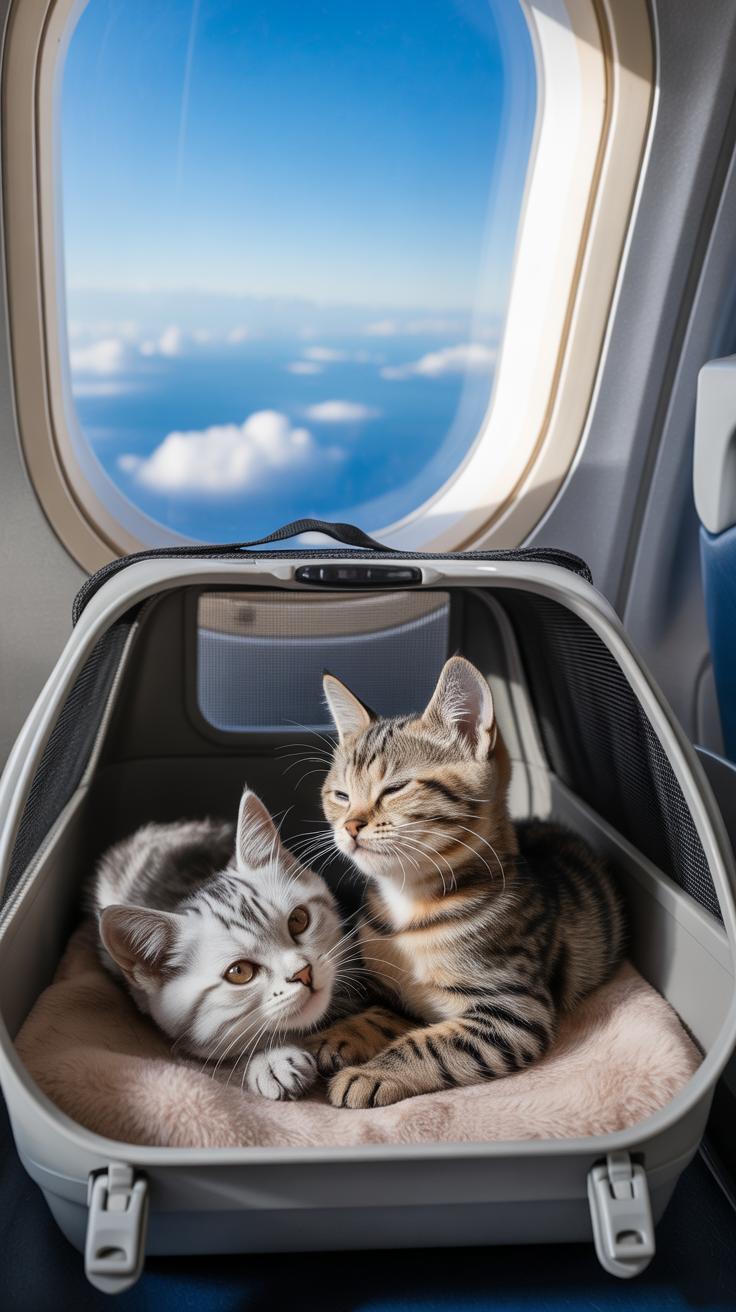
The Unique Challenges Of Flying With Two Cats Compared To One
Flying with two cats doubles the logistical strain on the owner and the animals. A single cat usually stays calm in a confined space. Two cats often feed off each others stress. You must manage double the weight and bulk while navigating tight airport terminals. One carrier holding two pets becomes heavy and difficult to balance. This physical burden impacts your ability to move quickly.
Temperature regulation also becomes a critical safety issue with two cats in one space. Two bodies generate more heat than one. This increases the risk of overheating in a cramped cabin environment. Airflow must remain unobstructed to keep both animals safe. You need a design that accounts for this collective body heat. Poor ventilation leads to medical emergencies during long flights. Select gear that prioritizes airflow.
How Airline Cabin Policies Differ When Traveling With Multiple Pets
Airlines enforce strict rules regarding multiple pets in the cabin. Most carriers allow two cats in one container only if they are small and of the same species. They must both stand up and turn around comfortably. If the cats are too large, you must book two seats and use two separate carriers. Checking these specific dimensions before arrival is mandatory to avoid boarding denials.
Fees also change when you bring a second animal. Some airlines charge per pet regardless of whether they share a carrier. Others charge per container. You must confirm if your specific flight allows more than one pet per passenger. Most limits are set at one pet per person. Bringing two cats often requires a second human traveler or specific cargo arrangements. Always verify these headcount rules.

Understanding Airline Pet Policies Before You Buy A Cat Carrier For Flight
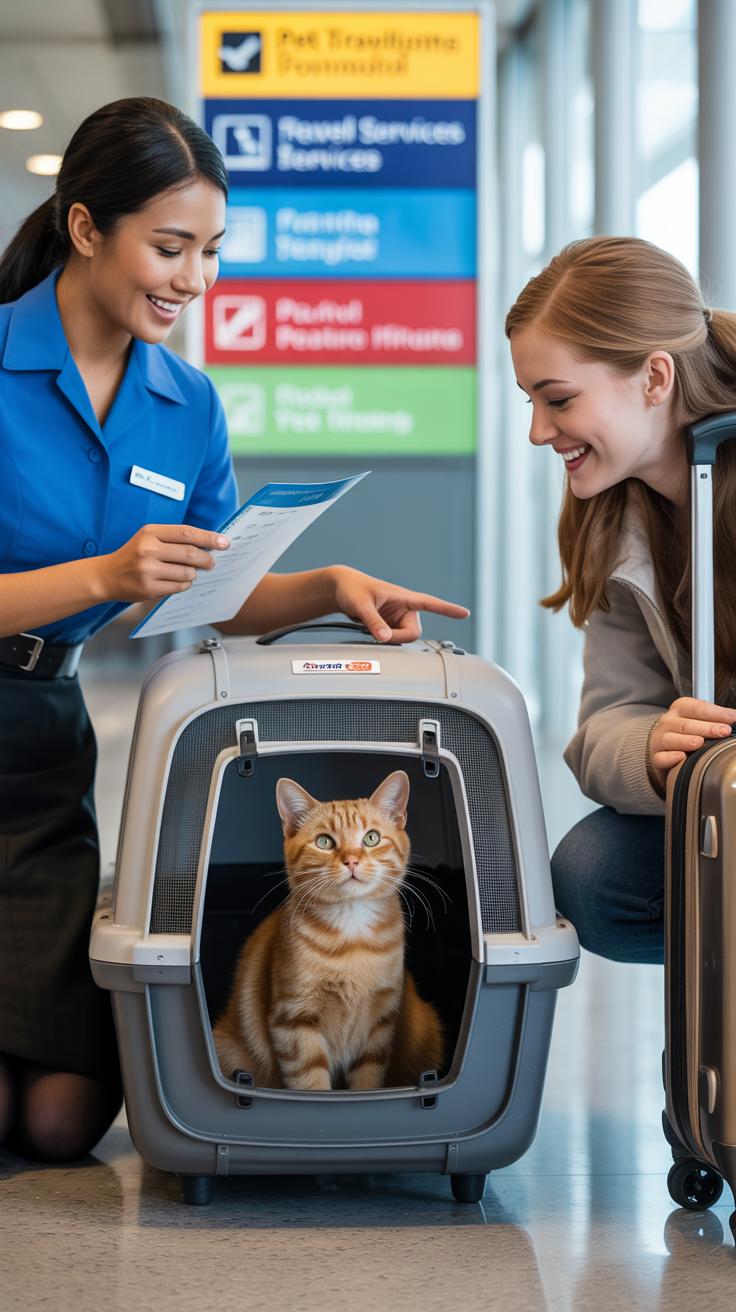
What Major Airlines Require For In Cabin Pet Carriers
Airlines demand specific structural features for in-cabin pet transit. Every carrier must have a waterproof bottom to prevent leakages onto the aircraft floor. Security is the next priority. Carriers need locking zippers or heavy-duty fasteners to stop cats from escaping during flight. Most major carriers insist on mesh ventilation on at least two or three sides to ensure the animal has constant airflow.
Pet carriers for two cats must fit entirely under the seat in front of you. This space is narrow and low. Soft-sided carriers are the industry standard for cabin travel because they compress slightly to fit tight spaces. Hard-sided cases rarely fit under modern seats. Check that your chosen model uses ballistic nylon or similar tear-resistant fabric. Scared cats will claw at the mesh during takeoff and landing.
How To Read And Interpret Airline Size And Weight Restrictions For Pet Carriers
Airlines publish maximum dimensions for carriers on their official websites. These measurements refer to the exterior of the bag. You must measure your carrier when it is fully packed and expanded. If the bag exceeds the height limit by even one inch, the gate agent can deny boarding. Weight limits usually include the combined weight of the carrier and both cats inside it.

Total weight limits for cabin pets typically range from fifteen to twenty pounds. Two adult cats often exceed this limit. You must weigh your cats and the carrier together on a calibrated scale before booking. If the total weight is over the limit, you cannot fly with them in the cabin. Always confirm the specific under-seat dimensions for your exact aircraft type as Boeing and Airbus configurations differ.
Key Size And Dimension Requirements For A Best Cat Carrier For Airplane Use
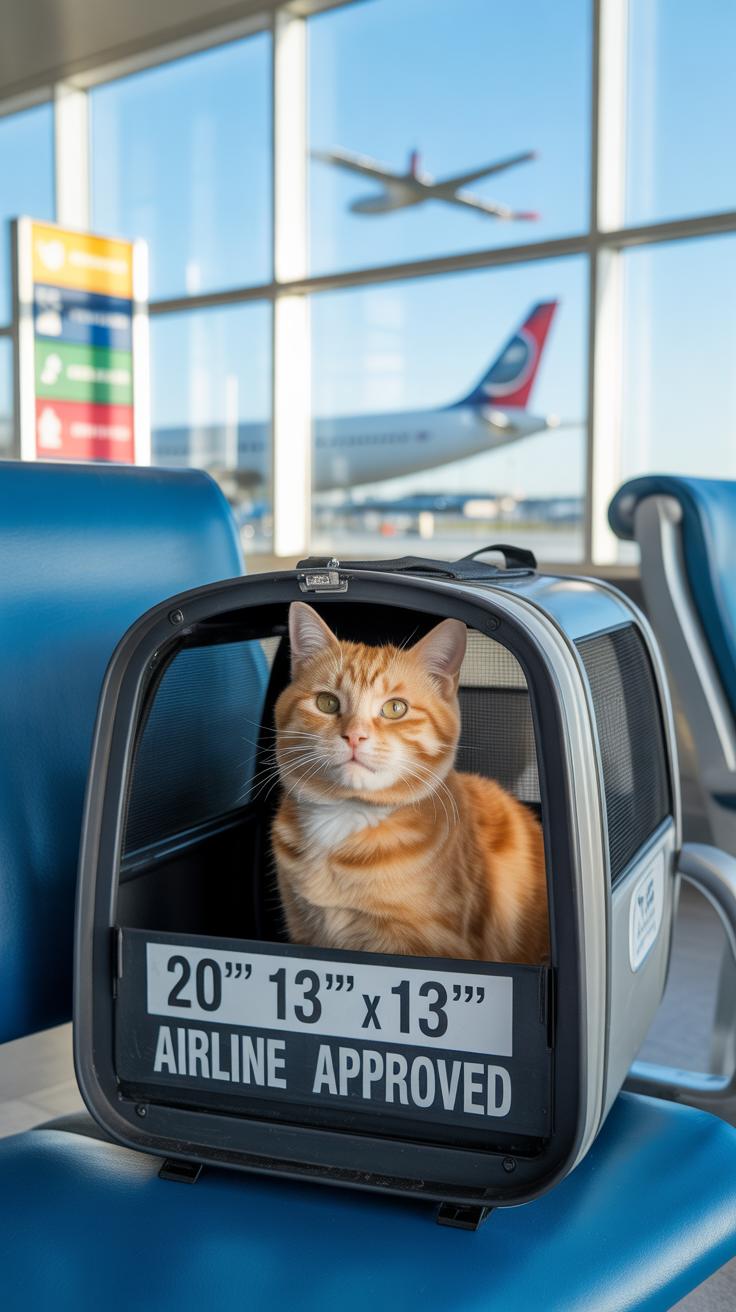
Standard Under Seat Carrier Dimensions And Why They Vary By Aircraft
Airline carriers must fit under the seat in front of you. Most airlines set a height limit between eight and eleven inches. Width and length usually stay under eighteen by twelve inches. Soft-sided carriers are the industry standard for cabin travel. They compress slightly to fit tight spaces. Hard cases do not flex and often fail to meet strict height requirements on smaller regional jets.
Aircraft models dictate the available floor space. A Boeing 737 has different under-seat clearance than an Airbus A320. Seat location also matters. Middle seats often offer more width than aisle seats. Always check the specific aircraft type for your flight leg before choosing a carrier. One inch of difference can prevent the bag from sliding under the seat. This creates a safety hazard and boarding delay.
How To Measure Your Cats And Match Them To The Right Carrier Size
Measure your cats while they stand on a flat surface. Record the length from the tip of the nose to the base of the tail. Measure height from the floor to the top of the ears. A proper carrier allows the cats to turn around and lie down naturally. For two cats, they must share this space without crushing each other. Small gaps ensure airflow.

Add two inches to your cat’s measurements to find the minimum interior dimensions. If the cats feel cramped, they will vocalize or panic during the flight. Accurate sizing prevents these behavioral issues. Use a flexible measuring tape for precision. Do not guess or use age as a size guide. If the combined weight exceeds twenty pounds, most airlines will require separate carriers for the animals.
One Carrier Or Two How Best Airlines Handle Two Cats In The Cabin
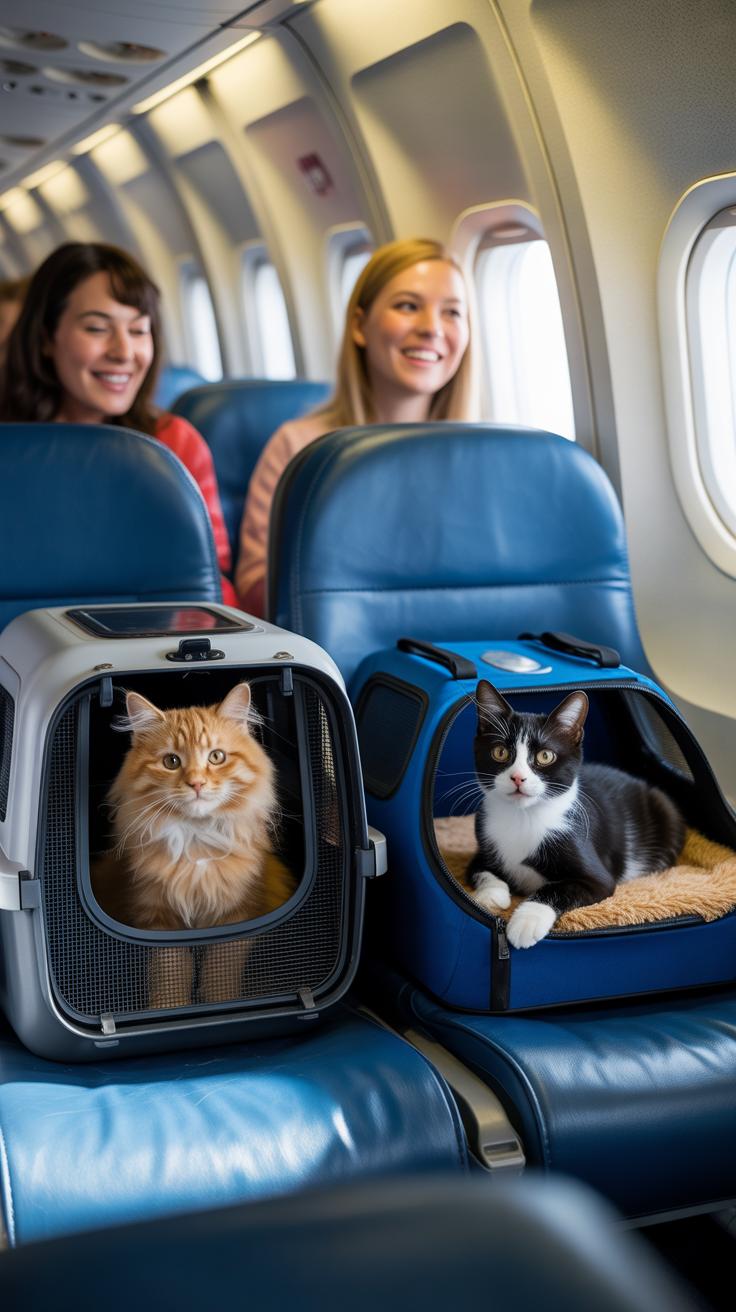
Airline Rules On Whether Two Cats Can Share A Single Carrier
Major airlines like Delta and United allow two cats in one carrier under specific conditions. Both animals must be of the same species and similar size. They must fit comfortably without touching the top of the unit. The combined weight of the cats and the carrier must not exceed the airline weight limit. These limits usually range between twenty and twenty-five pounds total.
Most carriers count two cats in one container as a single pet fee. This saves money but increases the difficulty of meeting space requirements. The cats must be able to stand up and turn around completely. If the cats appear cramped, the gate agent will deny boarding. You must confirm these specific rules during booking because cabin space for pets is strictly limited per flight.
How To Decide If Your Two Cats Are Suited To Share A Carrier Safely
Testing your cats at home is the only way to ensure safety during a flight. Place both cats in the carrier and observe their behavior for one hour. They must not show signs of aggression or extreme distress. High-altitude environments increase animal stress levels significantly. A cat that is usually calm might lash out at a crate mate when the engines get loud.

Temperature control is a critical factor for two cats sharing one small space. Two bodies generate double the heat inside a mesh enclosure. Overheating leads to respiratory distress and medical emergencies in the air. Ensure the carrier has at least three sides of ventilation. If your cats are large or have thick fur, use separate carriers to prevent heat exhaustion and provide more breathing room during travel.
Essential Features To Look For In A Cat Carrier For Plane Travel
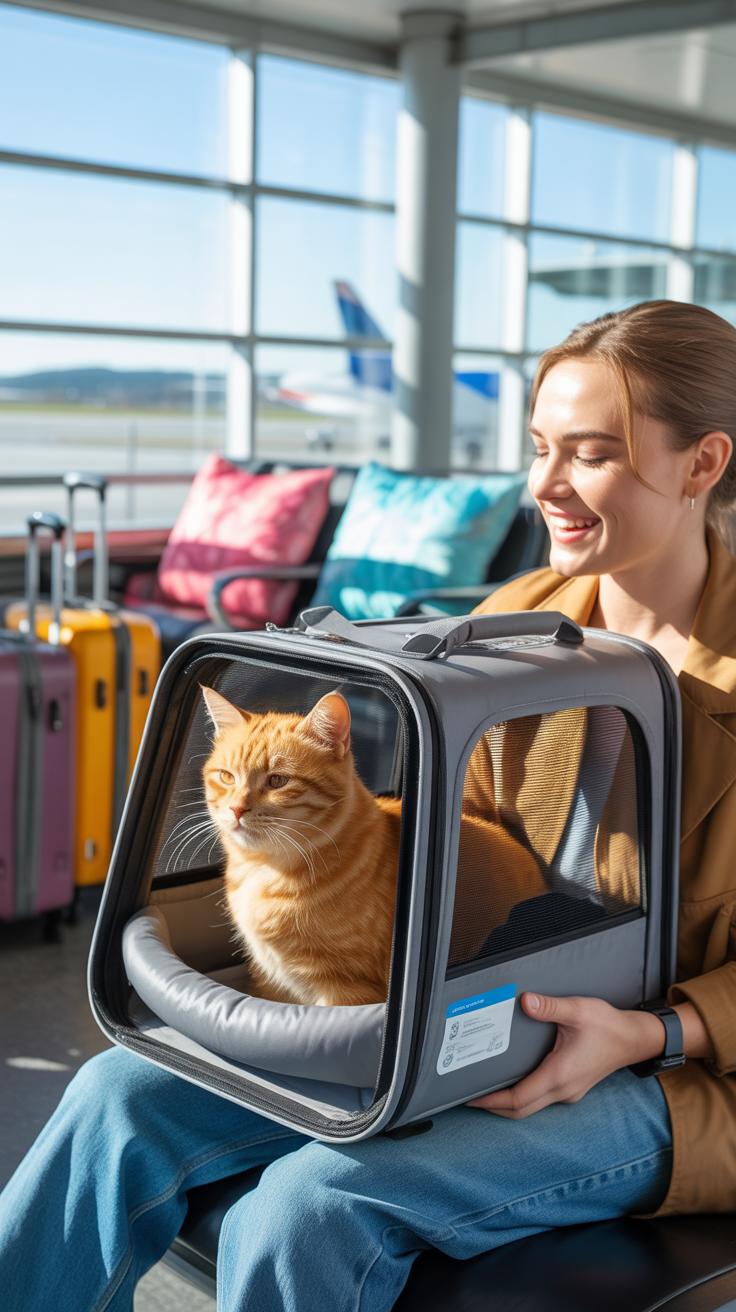
Ventilation, Structural Integrity, And Comfort Features That Matter Most
Ventilation remains the most critical safety factor for air travel. Most airlines require mesh on at least three sides to ensure constant airflow. This prevents heat stroke and respiratory distress during long hangar delays or taxiing. High-quality carriers use reinforced claw-resistant mesh. Standard polyester screens tear easily under feline stress. Durable mesh maintains oxygen exchange levels even when the carrier sits under a seat.
Structural integrity keeps the carrier from collapsing on your cat. Soft-sided carriers must include a spring wire frame or internal stays. These components allow the bag to compress slightly under the seat without losing its primary shape. Poorly made bags sag over time and restrict the cat’s movement. A rigid floor provides stability during takeoff and landing. This prevents the cat from sliding or feeling unstable during flight.
Top Features Checklist When Evaluating Any Cat Travel Carrier For Air Use
Airline requirements focus on safety and containment. Every carrier must have locking zippers to prevent cats from escaping in the cabin. Manufacturers often use self-locking zippers or plastic buckles to secure the openings. You also need a waterproof base to contain any accidents during the flight. These features ensure you comply with health and safety protocols used by major international and domestic carriers.
- Reinforced Mesh Panels: Choose material that resists claws and teeth. Federal regulations demand ventilation on multiple sides. Mesh allows the cat to see out and promotes cooling during high-stress situations in the cabin or terminal.
- Locking Zippers: Cats can nose through standard zips. Always select carriers with metal hardware or buckle locks. This prevents the cat from opening the door while the plane is in the air or during board process.
- Padded Shoulder Strap: Carrying two cats adds significant weight. A thick strap with heavy-duty metal rings ensures the carrier stays secure on your person. Nylon straps should feature box-stitching at all attachment points to prevent sudden mechanical failure.
- Internal Safety Leash: This short tether attaches to the cat’s harness. It provides a secondary layer of security during security screenings. You must remove the cat from the carrier for scanning, and a leash prevents them from bolting.
- Waterproof Bottom: Spills and accidents are common during turbulence. A leak-proof base with a removable pad keeps the cabin clean. Look for materials like vinyl or treated nylon that prevent liquids from soaking through the outer fabric.

Select a carrier with a luggage sleeve to simplify airport transit. This strap slides over your suitcase handle for better stability. Moving through crowded terminals with two cats requires a low center of gravity. Secure attachments prevent the carrier from tipping or falling. These tactical features reduce travel friction and keep your focus on the flight schedule and animal welfare.
Soft Sided Vs Hard Sided Pet Carriers Which Is Better For Cat Travel By Air
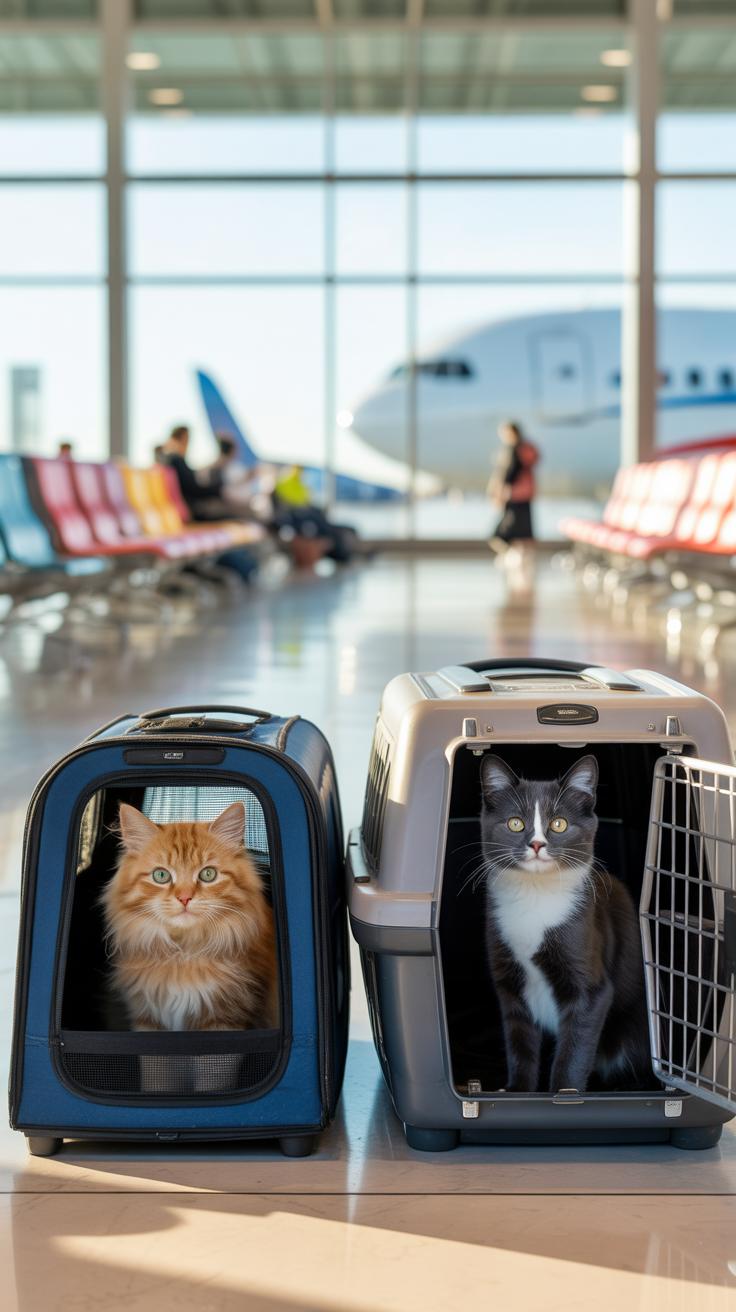
Pros And Cons Of Soft Sided Carriers For In Cabin Cat Travel
Soft-sided carriers are the standard for in-cabin travel. Their flexible frames compress to fit under diverse seat dimensions. Most airlines require these for cats traveling in the cabin. The nylon or polyester materials provide better ventilation through multiple mesh panels. These carriers are lightweight and easy to carry through terminals. They offer a tactical advantage when gate agents check bag compliance at boarding.
The lack of structural rigidity is the primary drawback. A soft-sided carrier cannot protect a cat from heavy falling luggage. It also offers less security for cats that chew or claw through fabric. If your cats are prone to high stress, they might escape a soft mesh zipper system. Always choose high-density ballistic nylon for better durability. These carriers work best for calm cats during short flights.
When A Hard Sided Carrier Is The Safer Option For Your Cats On A Plane
Hard-sided carriers are mandatory for cats traveling in the cargo hold. These plastic shells protect animals from shifting freight and external pressure changes. They use metal bolts and secure locking mechanisms to prevent accidental openings. Use a hard shell if your cats must travel as checked baggage. This design ensures the internal space does not collapse on the animals during turbulence or rough handling.

Size constraints make hard-sided carriers difficult for cabin use. Rigid plastic does not bend to fit under an airplane seat. If you use one in the cabin, you risk being denied boarding at the gate. Choose a hard carrier only if the airline guarantees it meets their specific under-seat dimensions. These units provide superior protection and are much easier to clean after accidents during long-haul international travel.
Material Durability And Safety Standards For A Cat Carrier For Airplane Cabins
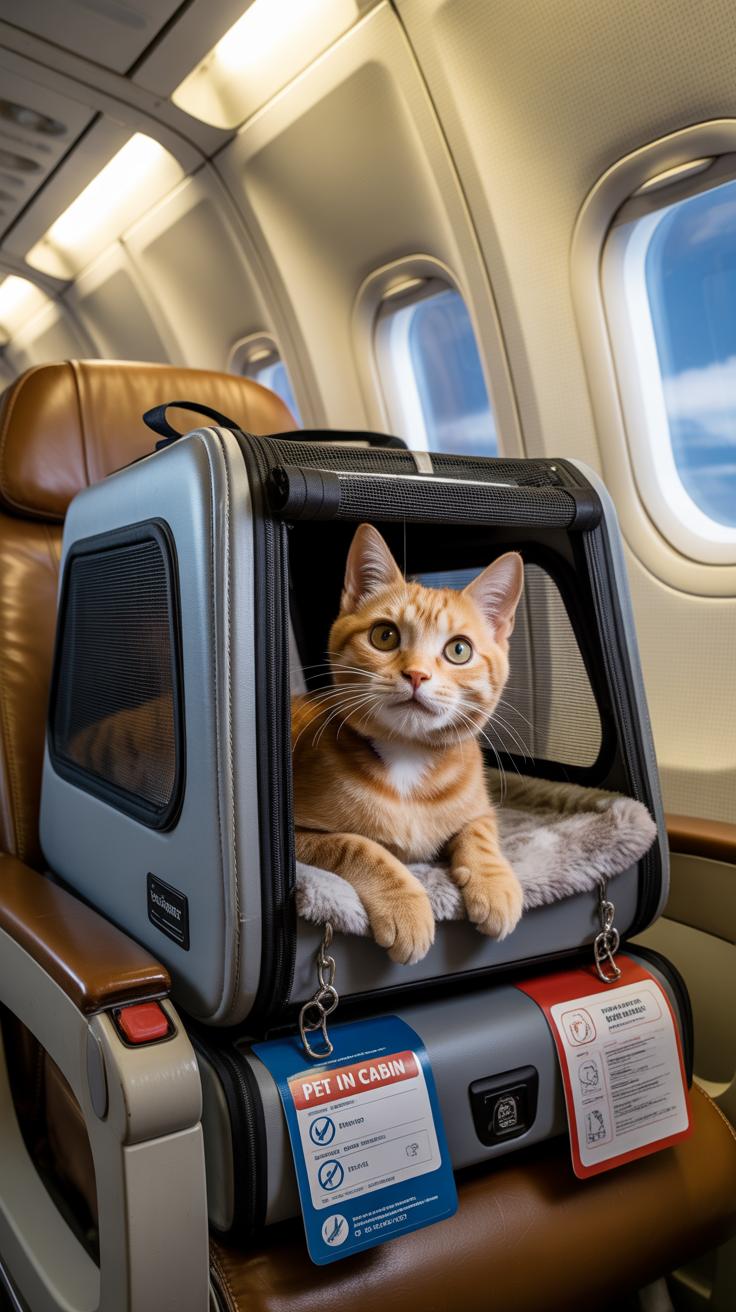
What Materials Make A Cat Carrier Truly Safe And Durable During Air Travel
Soft-sided carriers for cabin use must utilize high-denier ballistic nylon or reinforced polyester. These materials resist claws and maintain structural integrity under pressure. Look for a minimum thread count of 600D to ensure the fabric does not tear during movement. The frame should consist of flexible spring wire. This allows the carrier to compress under the seat without collapsing on the cats.
Safety depends on puncture-resistant mesh and self-locking zippers. Standard plastic zippers fail under stress. Metal hardware and reinforced seams prevent escapes in high-traffic terminals. The base must be waterproof and rigid to support the weight of two cats. A plush insert provides comfort but should hide a sturdy plywood or plastic core. This core prevents the bottom from sagging during transport.
IATA Container Requirements And How They Apply To In Cabin Pet Carriers
The International Air Transport Association sets the benchmarks for animal safety. While IATA Live Animal Regulations primarily focus on cargo crates, their principles apply to cabin carriers. A compliant carrier must be leak-proof and well-ventilated on at least three sides. This ensures the cats have adequate airflow in cramped under-seat spaces. Ventilation holes must be small enough to prevent paws from getting stuck.

Durability standards require that the carrier remains secure against accidental opening. You must use a carrier that allows the animals to stand up and turn around naturally. While airlines have specific dimensional limits, the IATA philosophy emphasizes animal welfare through space and ventilation. Choose a carrier with a water bowl attachment for long flights. This aligns with global safety standards for humand pet transport.
How To Prepare Your Cat Carrier For A Smooth And Stress Free Flight
How To Acclimate Your Cats To Their Carrier Weeks Before The Flight
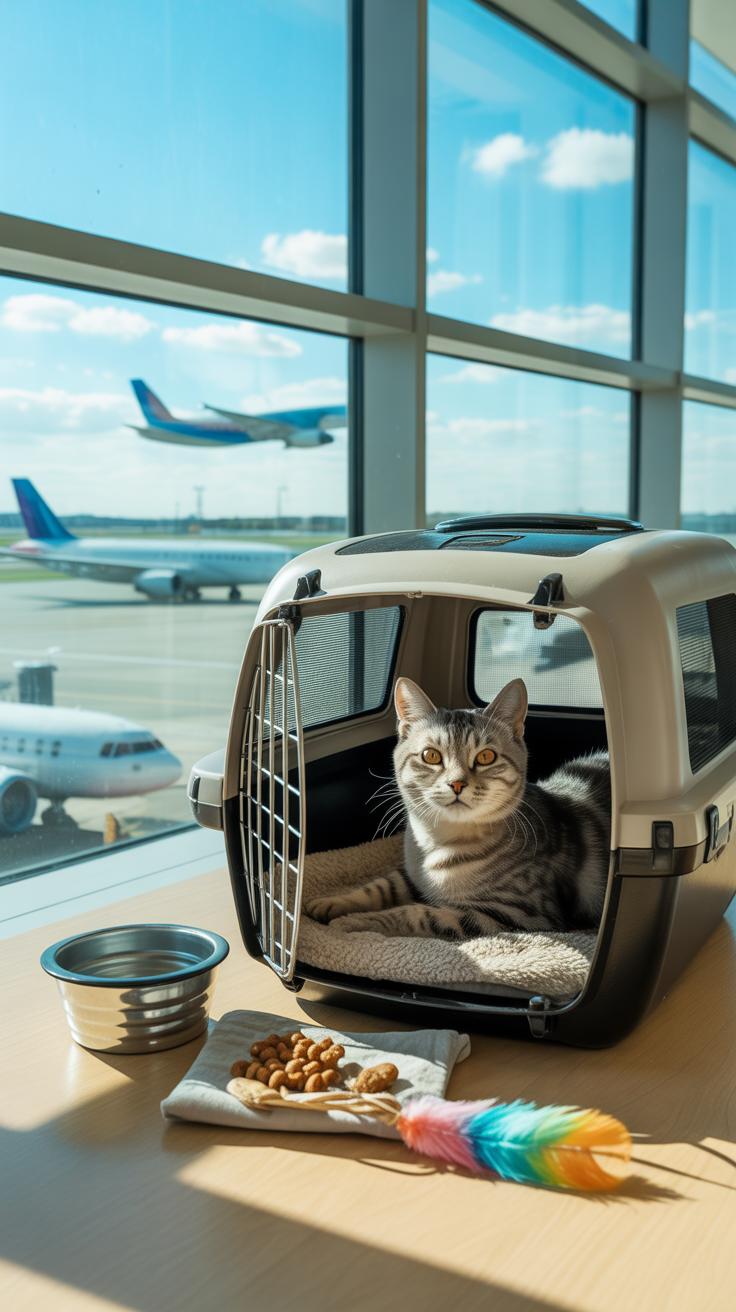
Acclimation prevents panic at thirty thousand feet. Place the carrier in a high-traffic living area four weeks before departure. Remove the door or zip it open to allow free access. Cats view new objects with suspicion and need time to claim the space. Feed them near the carrier and slowly move bowls inside. Positive associations reduce cortisol levels during the actual transport process.
Scent marking is a critical psychological tool for felines. Place worn clothing or familiar blankets inside the unit to establish a safe zone. Use pheromone sprays daily to signal environmental security. Short trial runs in the car build tolerance for motion and vibration. This routine desensitizes the animals to the physical constraints of the mesh walls. Preparation turns a terrifying jail into a predictable sanctuary.
The greatest comfort of the journey is knowing your cherished companions are nestled safely together, side by side, in a cabin-ready cradle that feels just like home. Finding that perfect fit ensures your shared adventure begins with the same warmth and peace you feel by the fireside.
Step By Step Pre Flight Carrier Preparation Tips For Two Cat Travelers
Managing two cats in a single travel environment requires specific hardware and hygiene layers. You must optimize the internal footprint to maximize airflow and comfort. Check all zippers and seams for structural integrity before the flight date. High-stress animals will test the strength of the mesh. Ensure the interior remains dry and smells familiar to prevent territorial aggression between the two cats in tight quarters.
- Absorbent Bedding Layers: Line the bottom with high-density puppy pads under a thin fleece blanket. This setup traps liquid waste and prevents fur saturation during long delays. It keeps the environment sanitary and manageable without needing to open the carrier.
- Identification Tags: Securely fasten waterproof ID tags to the exterior frame and the cats’ collars. Include your name, flight number, and destination phone number. Redundancy ensures you can be reached if you and the carrier become separated in the terminal.
- Pheromone Application: Spray the carrier interior fifteen minutes before loading the cats. Synthetic pheromones mimic natural facial oils that signal safety to felines. This chemical intervention helps maintain a calm state during the loud transition from the car to the security checkpoint.
- Hydration Solutions: Attach a spill-proof water bowl or a drip bottle to the mesh door. Dehydration is a major risk during long-haul flights and dry cabin air. Access to water prevents heat exhaustion and keeps the cats stable throughout the duration of the trip.
- Security Hardware: Use small carabiners or zip ties to lock double-zipper pulls together. Cats can use their paws to nudge zippers open from the inside. Mechanical locks provide a physical fail-safe against escape in crowded, loud, or high-pressure airport environments.

Final inspections focus on the handle and the base Support. Verify that the weight of both cats does not cause the floor of the carrier to sag or buckle. A rigid base keeps the animals level and reduces motion sickness. Attach a clear pouch to the exterior containing vet records and a recent photo. These tactical steps ensure the cats remain secure and the carrier stays compliant with airline safety standards.
Comparing Popular Cat Carrier For Plane Options Approved By Major Airlines
What Separates A Truly Airline Compliant Carrier From A Generic Pet Carrier
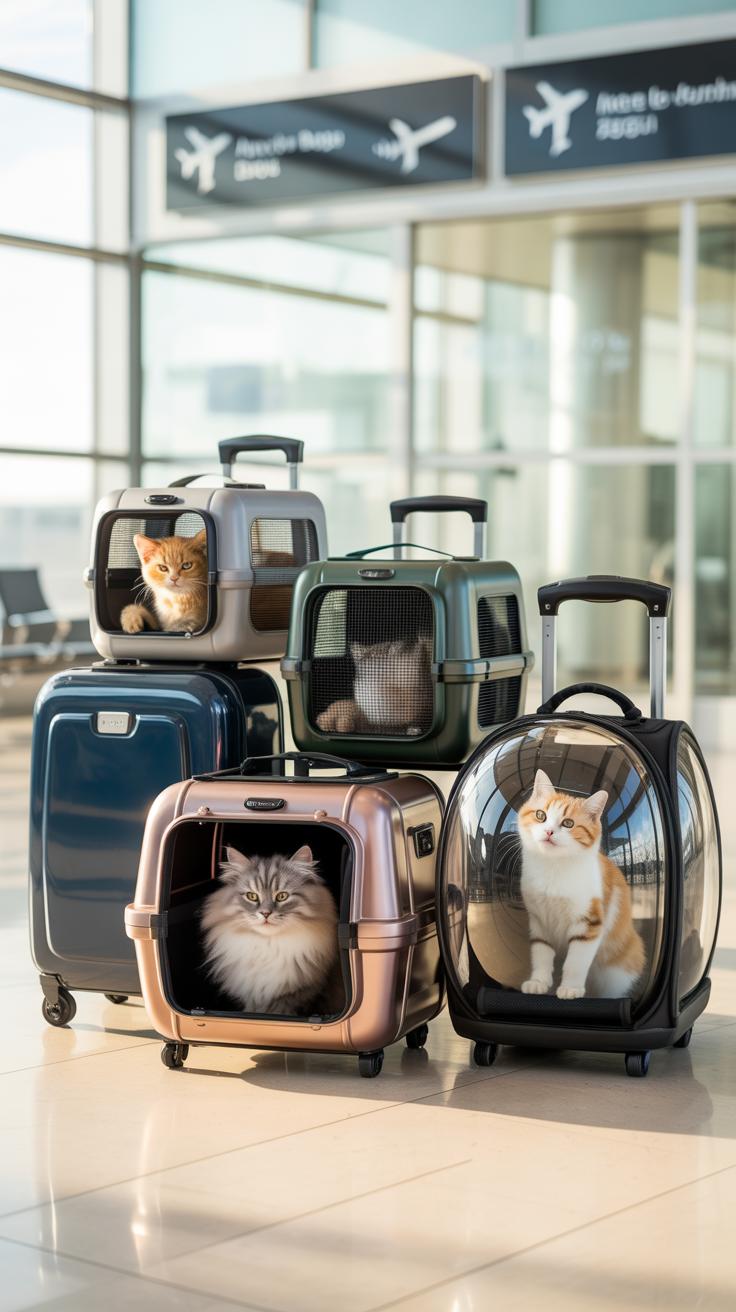
Airline compliance hinges on specific structural features that generic carriers often lack. A compliant model must have a waterproof bottom to contain leaks. It requires mesh ventilation on at least three sides to ensure airflow in cramped under-seat spaces. Most airlines demand locking zippers to prevent escapes during flight. Generic carriers often use thin fabric that collapses. High-quality airline carriers use spring wire frames to maintain shape while allowing for compression.
Sizing remains the most critical factor for compliance. Generic carriers often exceed the height limits set by major carriers like Delta or United. Airline-specific models stay within the sixteen to eighteen inch length range. They use durable ballistic nylon or heavy polyester to resist claws. A proper carrier also includes a luggage sleeve for secure transport through the terminal. Generic bags usually lack these tactical features. Always prioritize structural integrity over aesthetic design.
How To Verify A Carrier Brands Compliance Before Your Booking Date
Verification starts with the airline website, not the carrier box. Every airline maintains unique under-seat dimensions for different aircraft models. You must cross-reference the carrier dimensions against the specific plane assigned to your flight. Check the technical specifications for maximum height, width, and depth. Most brands claim airline approval but only meet the lowest common denominator. Do not trust a generic label. Verify the numbers against the official carrier policy.
Call the airline to confirm current pet-in-cabin rules. Aircraft swaps can change your available under-seat space at the last minute. Ask about the weight limit for the combined cat and carrier. Some airlines cap this at twenty pounds. If your cats are heavy, choose the lightest compliant carrier available. Ensure the brand offers a money-back guarantee if the airline rejects the bag. Physical testing at home ensures the cats fit comfortably before you reach the gate.
Budget Value And Where To Buy The Best Cat Carrier For Airplane Travel
How Much You Should Reasonably Spend On An Airline Approved Cat Carrier
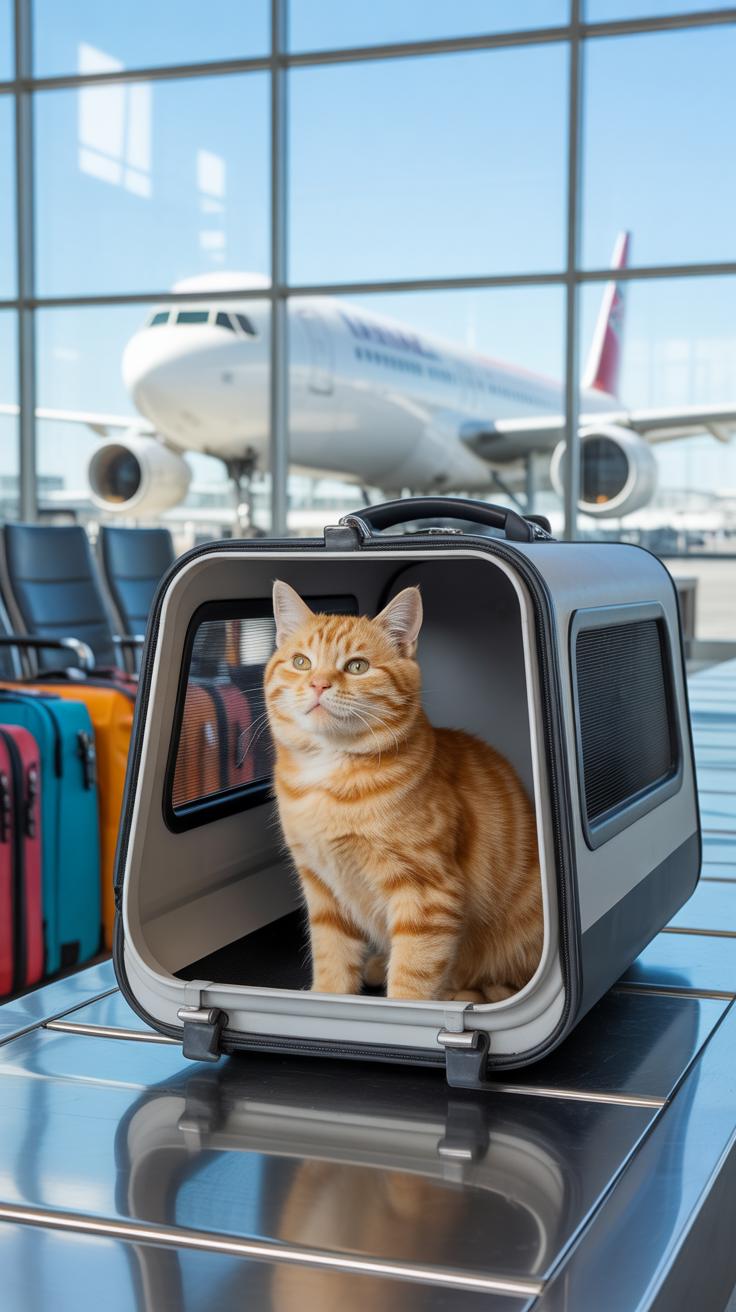
Expect to pay between forty and one hundred dollars for a reliable soft-sided carrier. This price range ensures the use of tear-resistant ballistic nylon and claw-proof micro-mesh. Cheap carriers under thirty dollars often use thin polyester that rips easily. They also lack the internal wire frame needed to maintain shape under an airplane seat. A high price protects your cat during turbulence and frantic airport movements.
Spending over one hundred and fifty dollars usually means you are paying for brand names or unnecessary leather trim. Focus your budget on zippers and base stability instead of aesthetics. Self-locking zippers are a critical safety feature that justifies a slightly higher cost. Verify that the floorboard is thick and removable for cleaning. A stable base prevents the bag from sagging when you carry two cats simultaneously.
Trusted Retailers And What To Watch Out For When Shopping For Pet Carriers Online
Buy from established pet specialty retailers or direct manufacturer websites to ensure product authenticity. Large marketplaces often host third-party sellers who peddle counterfeit goods made with toxic dyes. These knockoffs frequently use inferior plastic buckles that snap under pressure. Check the return policy before you buy. You must test the carrier fit at home before your flight date to avoid a denial at the gate.
Analyze customer reviews specifically for hardware failure and chemical smells. Strong odors indicate cheap glues that can distress cats in small spaces. Look for recent photos from buyers to confirm the mesh quality and seam strength. Avoid any listing that does not provide exact external dimensions. Airlines have strict height limits for under-seat stowage. One inch of extra height can result in a wasted investment and a missed flight.
Frequently Asked Questions

Can two cats really travel together in one carrier on a plane?
While many airlines allow two kittens from the same litter to share a space, most major carriers require adult cats to have their own individual units. Our airline approved cat carrier guide recommends checking your specific airline’s “one pet per carrier” policy before booking. Even if sharing is permitted, ensuring each feline has enough room to stand and turn around is vital for a stress-free flight experience.
How do I measure my cats to ensure the carrier meets airline size requirements?
To find the perfect fit, measure your cats from the nose to the base of the tail and from the floor to the top of their heads. Use this airline approved cat carrier guide to compare those dimensions against the carrier’s interior. The bag must fit comfortably under the seat in front of you while providing enough ventilation and security for both pets throughout the duration of your journey.
Are there affordable ways to find a high-quality carrier that fits airline regulations?
You don’t need to spend a fortune to keep your pets safe. Look for soft-sided carriers with reinforced mesh and leak-proof bottoms, as these are often more budget-friendly and flexible for under-seat storage than hard shells. Many reputable brands offer multi-cat discounts or bundles. Prioritizing safety features like locking zippers and luggage straps ensures you get great value without compromising on your cats’ comfort during the trip.