Why Upcycled Dog Toy Ideas Are A Smart And Sustainable Choice For Pet Owners
The Environmental And Financial Benefits Of Making Toys At Home
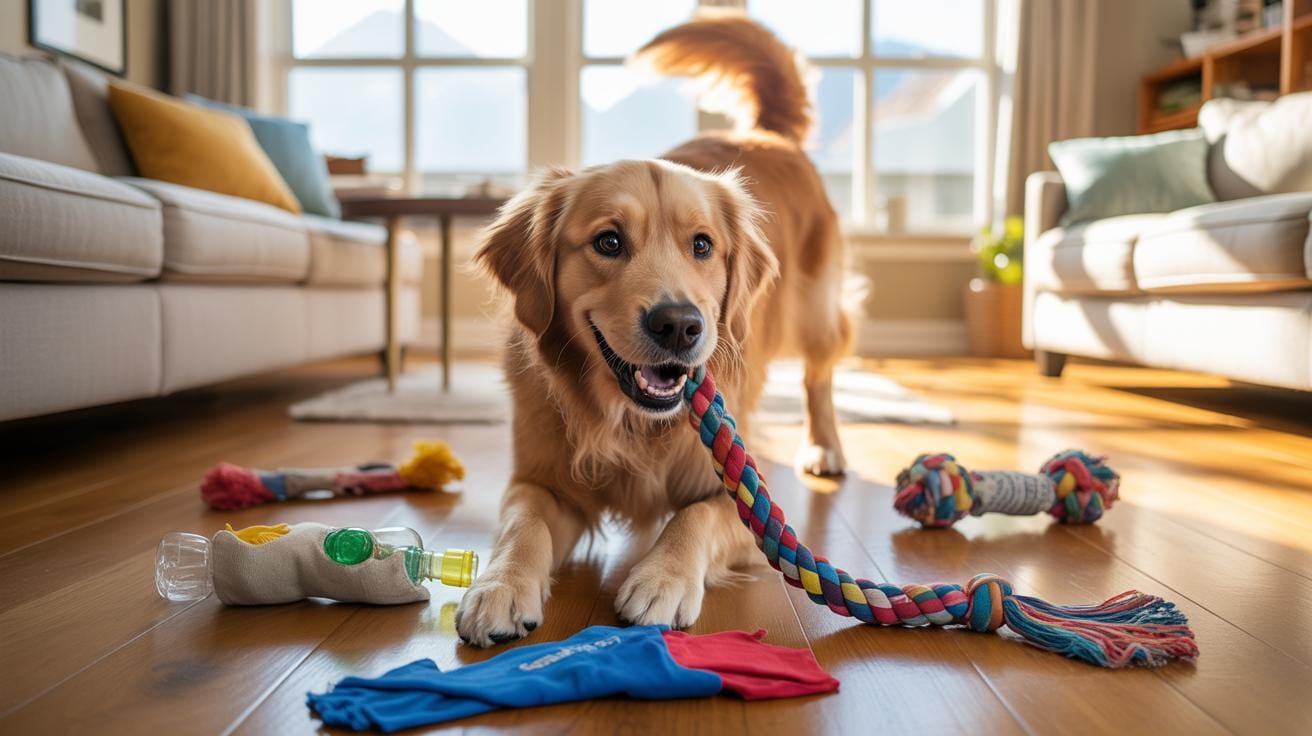
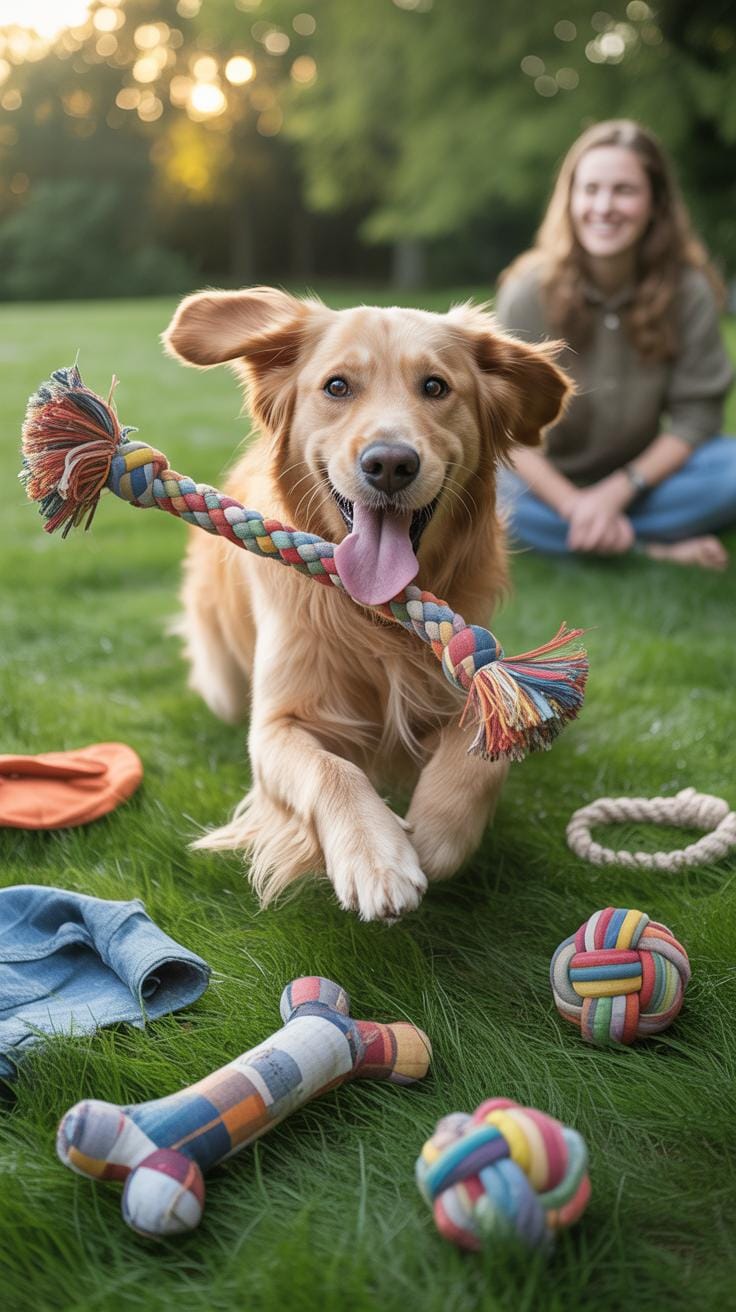
Pet owners generate massive waste through discarded synthetic pet products. Most commercial dog toys use heavy plastics and polyesters that sit in landfills for centuries. Transitioning to upcycled dog toy ideas reduces your carbon footprint immediately. You divert textiles and natural ropes from the waste stream. Repurposing existing materials prevents new resource extraction and lowers the energy demand required for manufacturing and global shipping.
Manufacturing costs for premium pet toys have risen sharply. Brand markups often exceed five hundred percent of the production value. You save significant money by using items already in your possession. Old t-shirts and denim scraps provide the same mechanical stimulation as store-bought ropes. Strategic DIY projects eliminate recurring expenses. You gain total control over your budget while providing your dog with high-quality engagement tools.
What Makes A Household Item Safe To Repurpose As A Dog Toy
Safety depends on material integrity and chemical composition. Avoid any fabrics treated with industrial fire retardants or harsh pesticides. Cotton and hemp are superior choices because they offer high tensile strength and natural fibers. Always remove small parts like buttons, zippers, or plastic eyes before giving a toy to your pet. These items present serious choking hazards or cause internal blockages if the dog swallows them.
Inspect every item for structural weakness before use. Soft woods or brittle plastics shatter under jaw pressure and create sharp shards. Stick to heavy-duty denim or thick fleece for chewers. Clean all recycled materials in hot water without using toxic detergents. This process removes bacteria and chemical residues. Monitoring the wear and tear of upcycled toys is essential. Discard any item as soon as the material begins to fray or break.

Getting Started With Your First Homemade Dog Toy Craft Tools And Safety Tips
Essential Materials To Gather Before You Begin Any DIY Dog Toy Project
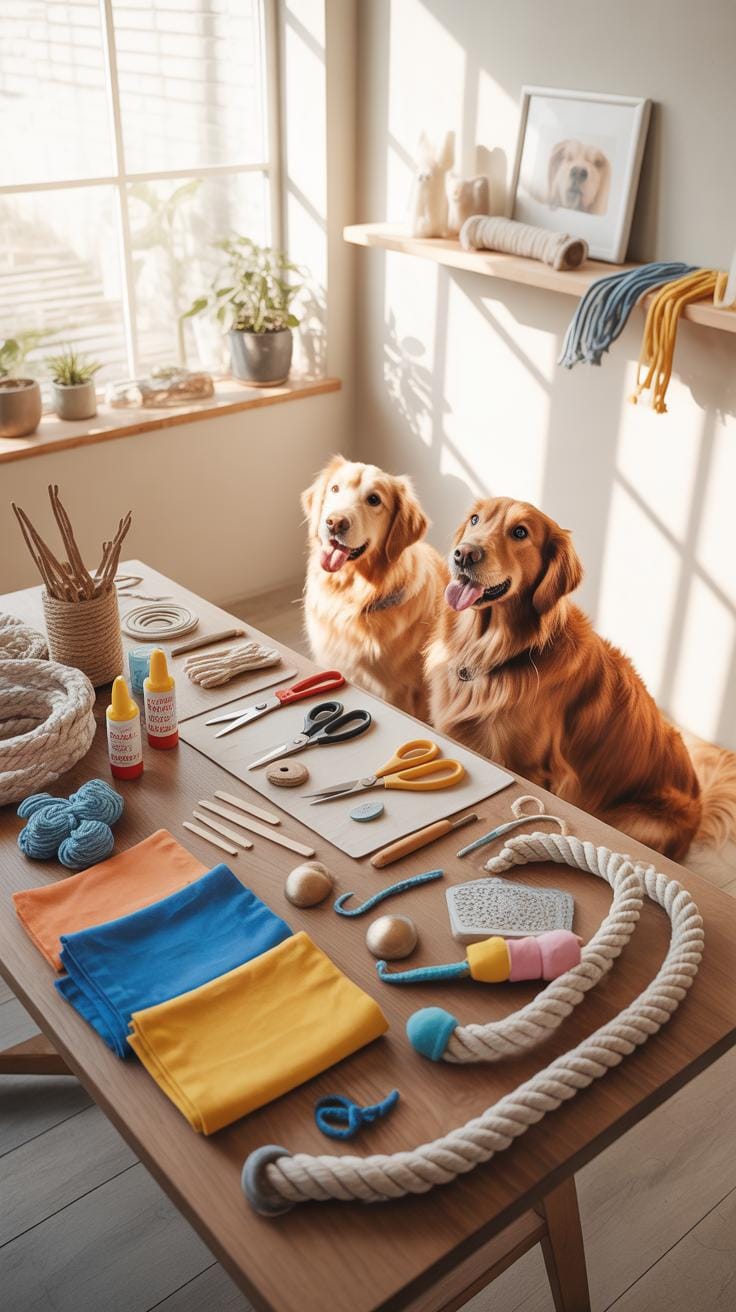
Effective upcycling requires high-quality base materials that withstand mechanical stress. Focus on textiles with high tensile strength and natural fibers. Avoid synthetic blends that shed microplastics or contain toxic dyes. Collect items based on their structural integrity rather than aesthetic appeal. Proper preparation ensures the final product survives vigorous play sessions and provides necessary dental stimulation for your pet.
- Heavyweight Denim: Use old jeans made of 100 percent cotton. This material offers superior durability for tug toys and braided ropes. Denim resists shredding better than thinner fabrics. Ensure you remove all metal rivets and heavy seams before starting your project to prevent dental injury.
- Cotton T-Shirts: Choose jersey knit fabrics for flexibility. These are ideal for weaving and knotting projects. Cotton is breathable and easy to wash. Avoid shirts with plastic screen prints or cracked vinyl decals. These graphics can peel off and become a significant choking hazard for dogs during play.
- Fleece Blankets: Select polyester fleece for soft chew toys. Fleece does not fray when cut, which minimizes the risk of long threads Tangling in the digestive tract. It provides a soft texture for senior dogs or puppies. Limit use to supervised play to ensure the dog does not ingest large pieces.
- Natural Hemp Rope: Utilize untreated hemp or sisal for heavy-duty chewers. These fibers are biodegradable and stronger than most synthetic ropes. Ensure the rope is unsealed and free of chemical lubricants or oils. Natural fibers help clean teeth through friction while the dog gnaws on the structured knots.
- Standard Fabric Scissors: Invest in sharp tailor shears for clean cuts. Dull blades tear fabric and create frayed edges that weaken the toy. Clean edges allow for tighter knots and more secure braids. Maintaining tool sharpness reduces hand fatigue and improves the overall structural safety of your homemade dog toy.
Organize these components by weight and texture before starting. Heavy denim pairs well with thick cotton rope for structural stability. Lighter fabrics work best for interactive puzzles or tossing toys. Remove all hardware like zippers, buttons, and snaps immediately. These metal and plastic parts pose immediate risks if swallowed. Grouping materials by strength allows you to match the toy design to your dog’s specific chewing style.
Safety Guidelines Every Dog Owner Should Follow When Crafting Toys At Home
Size consistency determines the safety of any homemade toy. Build toys that are significantly larger than your dog’s throat opening to prevent accidental swallowing. Monitor the wear and tear of upcycled materials daily. Discard any item once it shows signs of fraying or structural failure. Internal stuffing or small fabric scraps can cause intestinal blockages that require expensive emergency surgery. Prioritize durability over complex designs or visual flair.

Supervise every play session with a new upcycled toy. Observe how your dog interacts with the material to identify potential weak points. Some dogs are shredders that will dismantle knots in minutes. Others are chompers that apply intense pressure to specific spots. Use industrial-strength knots like the monkey’s fist or crown knot to increase longevity. Never leave a dog alone with a textile toy that contains hidden treats or internal squeakers.
How To Make A Braided Rope Toy A Simple Dog Toy DIY Using Old T Shirts
How To Cut And Prepare Old T Shirts For Braiding
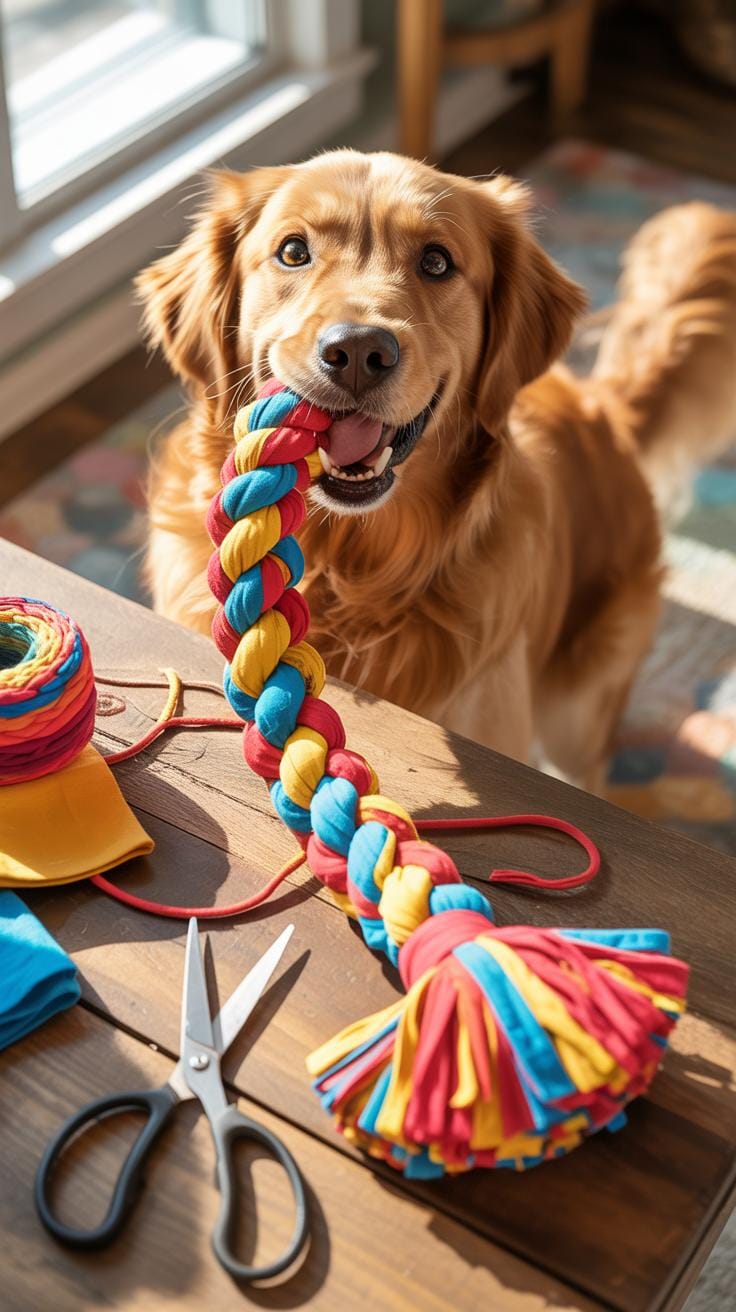
Select 100 percent cotton t-shirts for this project. Cotton provides the necessary grip and structural integrity for repetitive pulling. Avoid synthetic blends that slide or fray under pressure. Lay the shirt flat on a hard work surface. Remove the bottom hem and the sleeves using sharp fabric shears. Cutting straight lines ensures the tension remains consistent throughout the entire braiding process later.
Cut the torso section into long vertical strips. Each strip should measure between two and three inches in width. Wider strips create a thicker rope for large breeds. Narrower strips work better for smaller dogs. Stretch each fabric strip firmly by pulling both ends. This action causes the edges to curl inward. Curled edges prevent fraying and increase the density of the final toy.
Happiness is a well-loved scrap of fabric and the time spent turning something old into a new reason for your dog to wag his tail.
Step By Step Braiding Technique To Create A Durable Tug Toy
Gather nine fabric strips of equal length for a standard braid. Separate these into three groups of three strips each. Tie all strips together at one end using a heavy overhand knot. Pull this knot tight to prevent it from slipping during play. Secure the knotted end under a heavy object or have a partner hold it. This anchor point allows you to apply constant tension.
Cross the outer sections over the middle section in a repeating pattern. Maintain high tension to ensure a dense weave. Loose braids fail quickly when exposed to canine teeth. Continue this pattern until only three inches of fabric remain. Tie a second overhand knot at the end. Pull the final knot tight and trim any excess fabric. Your upcycled rope toy is now ready for heavy use.
DIY Recycled Denim Dog Toy Turning Old Jeans Into Tough Chew Friendly Toys
Why Denim Is One Of The Best Fabrics For Denim Dog Toys DIY Projects
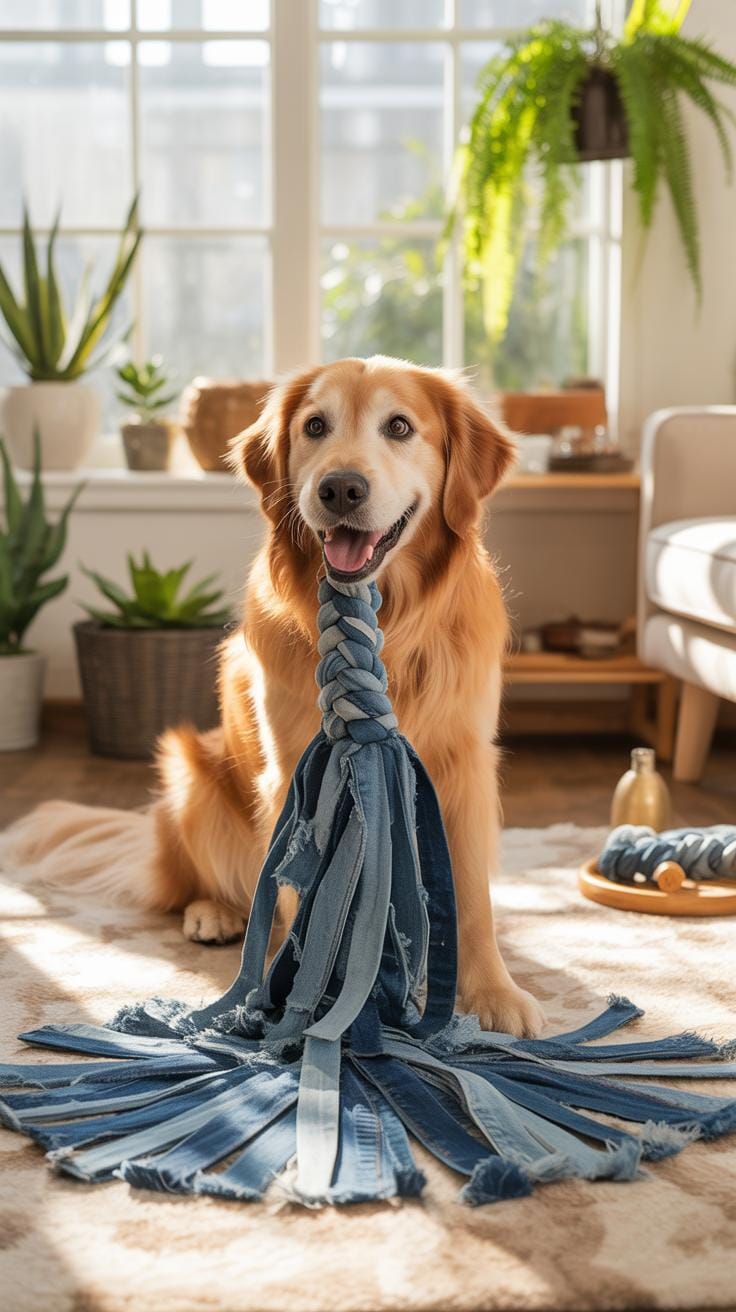
Denim uses a twill weave pattern that creates a sturdy diagonal ribbing. This construction makes the fabric significantly more durable than plain cotton or synthetic blends. Most jeans consist of heavyweight cotton fibers designed to withstand high friction and tension. These physical properties allow the material to resist the mechanical action of a dog’s teeth and jaws during intense play sessions.
Upcycling denim also serves a tactical purpose for pet owners. The dense weave does not shred into long, dangerous strings as easily as flimsy fabrics. This reduces the risk of intestinal blockages if your dog manages to tear the toy. Denim provides a firm texture that helps clean teeth through natural abrasion. It is a cost-effective resource for creating heavy-duty toys that outperform most retail soft toys.
How To Cut, Knot, And Shape Old Jeans Into A Long Lasting Chew Toy
Begin by removing all metal hardware including zippers, rivets, and buttons. These components pose a significant choking hazard or can damage canine teeth. Cut the pant legs into long, wide strips of equal length. For a basic rope toy, use at least three strips. Wider strips create a thicker toy that handles more pressure. Aim for strips at least four inches wide for medium dogs.

Secure one end with a tight overhand knot and braid the strips tightly. Tension is the most important factor in this process. Loose braids allow dogs to hook their teeth between the strands and tear the toy apart quickly. Finish the toy with another heavy knot at the opposite end. Leave several inches of fringe at the ends to provide a different sensory experience for the dog during fetch.
Homemade Dog Toy Tutorial Crafting A Crinkle Toy From Plastic Bottles And Fabric Scraps
Why Dogs Are Attracted To Crinkle And Crunch Sounds During Play
Dogs possess a high prey drive rooted in their predatory ancestry. High pitched sounds like crinkling plastic mimic the noises made by small animals in the wild. When a dog bites down and hears a crunch, it triggers a dopamine release in the brain. This auditory feedback confirms the success of the bite and keeps the dog engaged in the task for long periods.
The sound provides sensory stimulation that traditional soft toys lack. Static toys do not react to the dog’s movements. Crinkle toys provide immediate physiological reinforcement through sound. This interaction satisfies the canine urge to chew and investigate textures. Mechanical feedback is the primary reason dogs prefer these upcycled items over silence. Tactical play requires toys that respond to physical pressure with distinct noise patterns.
How To Safely Wrap A Plastic Bottle Inside Fabric To Create A Crinkle Toy
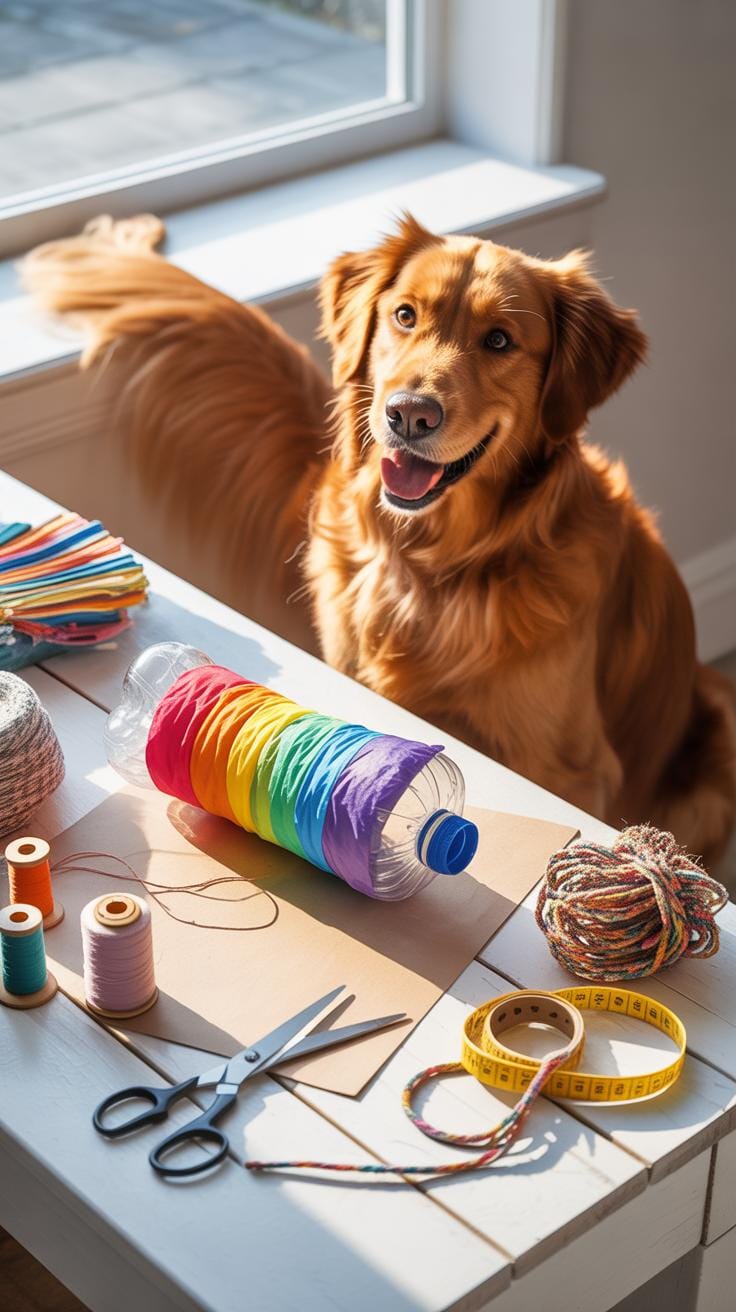
Select a clean plastic water bottle and remove the plastic cap and safety ring first. These small parts pose a significant choking hazard if the dog punctures the fabric. Squeeze the air out of the bottle slightly to make it easier to grip. This preparation ensures the core of the toy is safe before you begin the structural wrapping process using heavy fabric scraps.
Use a thick material like denim or canvas to encase the bottle. Slide the bottle into a used sock or wrap it in a fabric sleeve. Tie the ends securely with triple knots to prevent the bottle from slipping out during vigorous play. A tight wrap muffles the sharpest plastic edges and prevents the dog from swallowing plastic shards. Inspect the fabric regularly for holes to maintain safety standards.
DIY Dog Toy Tutorial Making A Treat Dispensing Puzzle Toy From A Muffin Tin And Tennis Balls
How Mental Stimulation Toys Benefit A Dogs Cognitive Health And Behavior
Dogs require frequent mental challenges to prevent boredom and destructive habits. Cognitive engagement activates the brain and burns more energy than physical exercise alone. Solving a puzzle builds confidence and lowers cortisol levels in anxious animals. When a dog works for food, it taps into natural foraging instincts. This activity reduces stress and creates a calmer domestic environment for the owner and the pet.
Lack of stimulation leads to chewing, barking, and digging behaviors. Experts categorize these as displacement activities caused by excess mental energy. Introducing problem solving tasks increases neuroplasticity in senior dogs and helps puppies develop focus. A structured puzzle toy provides a controlled outlet for high energy breeds. Consistent mental work improves overall temperament and strengthens the bond between the handler and the dog during daily training sessions.
Step By Step Instructions For Setting Up A Muffin Tin Puzzle Game At Home
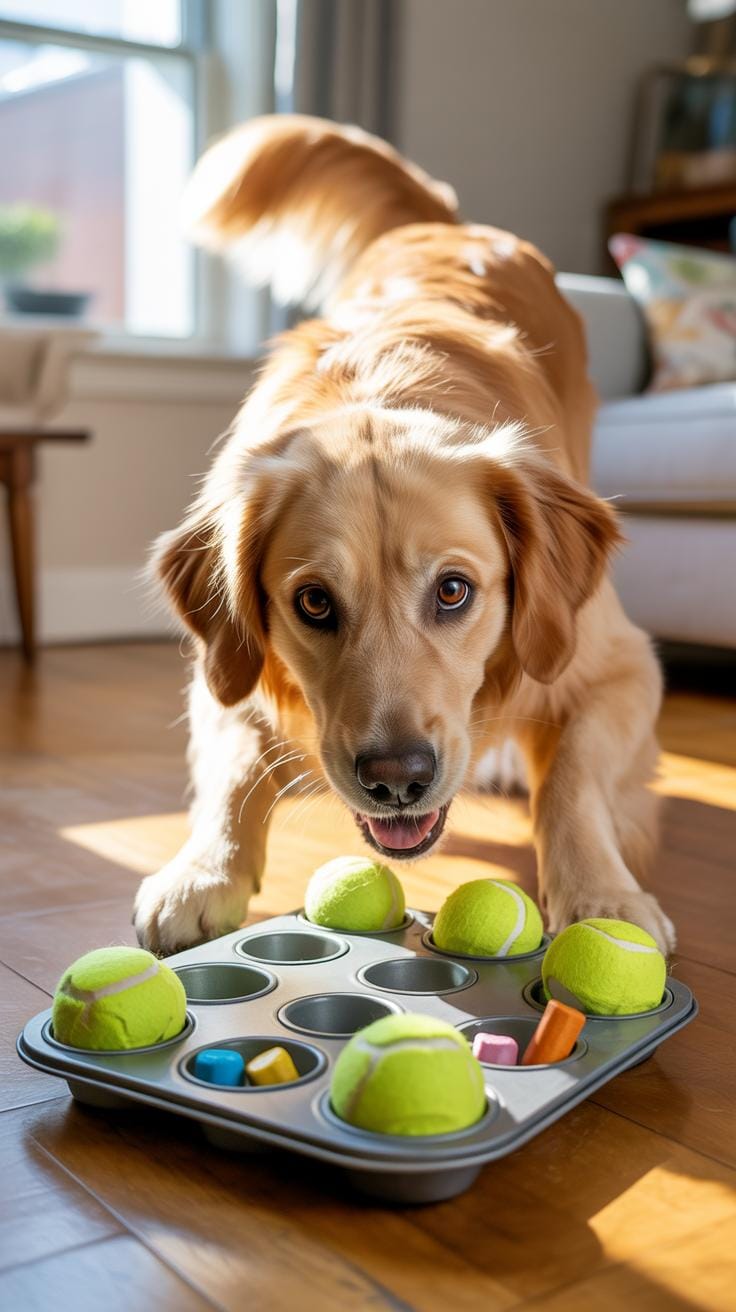
Select a clean metal muffin tin and twelve tennis balls to begin this process. This setup functions as a mechanical barrier that restricts immediate access to food rewards. You must match the ball size to the tin diameter to ensure the dog can physically lift the objects. Inspect all materials for cracks or loose fibers before use to maintain a safe environment.
- Placement: Set the empty muffin tin on a non slip surface like a rug or rubber mat. This prevents the metal from sliding across the floor while the dog nudges it. Stability allows the dog to focus on the puzzle rather than chasing the tray.
- Distribution: Place high value treats or dry kibble into the bottom of individual muffin cups. Use small pieces to avoid overfeeding during the activity session. You can fill every cup or skip random ones to increase the difficulty level for the dog.
- Obstruction: Place one tennis ball directly on top of each treat filled cup to hide the reward. The ball must sit flush with the rim to hide the scent and sight of the food. This creates a physical challenge that requires the dog to use its nose.
- Demonstration: Show the dog a single treat and place it under a ball to signal the start of the game. Use a release command like find it to initiate the search process. Watch the dog to ensure they use their snout or paws rather than chewing the tin.
- Cleanup: Remove the tin once the dog finds all the treats to prevent metal damage from biting. Wipe down the tennis balls and the muffin tin to remove saliva and food residue. Store the items separately until the next session to keep the game a novel experience.

Supervise the dog during the entire session to prevent them from eating the tennis ball felt. If the dog struggles, remove several balls to reveal the rewards and build their interest. Increase the challenge by using heavier balls or placing the tin on an elevated surface. This DIY tool is a cost effective way to test your dog’s problem solving skills without buying expensive commercial plastic gear.
DIY Dog Toy Upcycling Repurposing Socks Rope And Squeakers Into Interactive Toys
How To Stuff And Knot An Old Sock To Create A Simple Fetch And Tug Toy
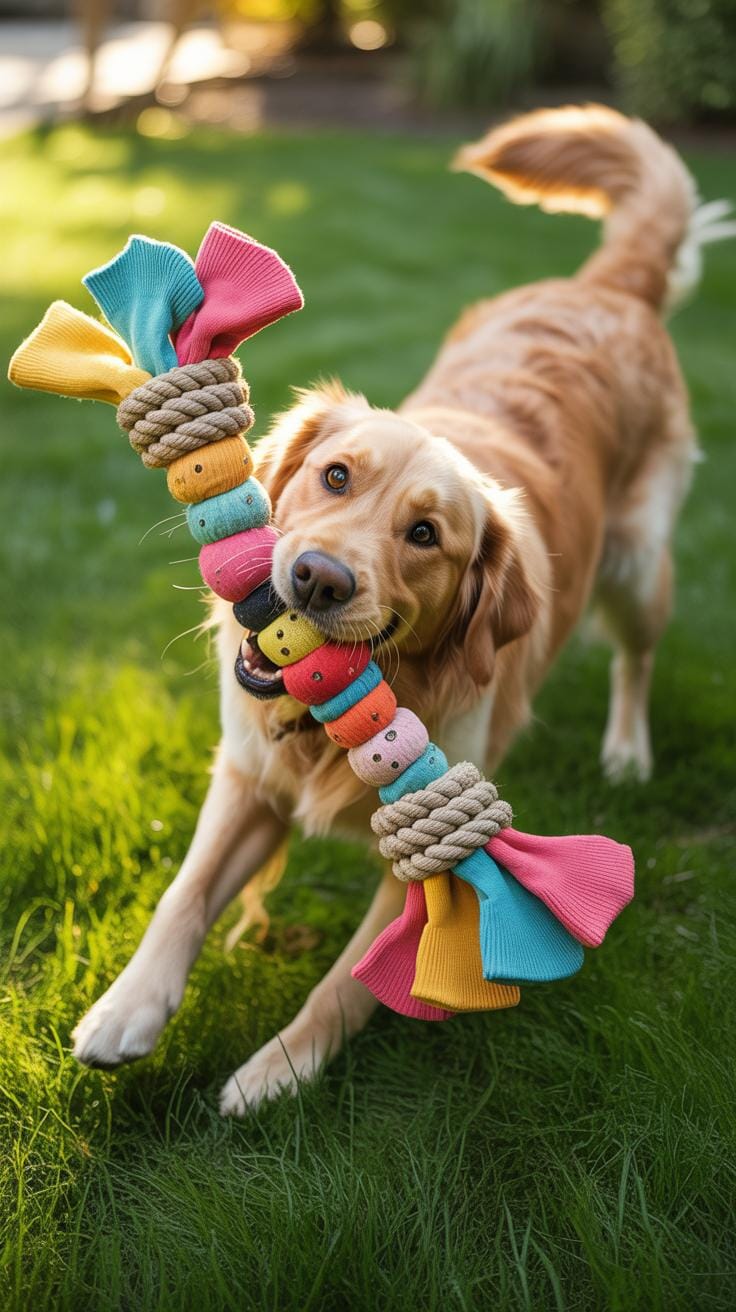
Select a clean cotton crew sock without large holes. Use materials like old t-shirt strips or another rolled sock for the internal filling. Insert the filling firmly into the toe section to create a weighted ball. This weight allows for better throwing distance during fetch. Ensure the filling is non-toxic and breathable to maintain safety during vigorous play sessions.
Tie a tight overhand knot directly above the filled section to secure the contents. Leave the remaining length of the sock as a tail for tugging. A double knot provides extra security against heavy chewers. This design uses the natural elasticity of knit fabric to absorb tension. It creates a durable tool for interactive play without requiring any specialized sewing equipment or expensive materials.
How To Add A Recycled Squeaker From An Old Toy To Give New Life To Fabric Scraps
Salvage functional plastic squeakers from discarded commercial toys that have failed. Inspect the plastic housing for punctures or cracks that could muffle sound. Wrap the squeaker in a thick layer of denim or canvas scrap to protect it from immediate teeth contact. This fabric layer acts as a buffer and extends the life of the sound mechanism significantly during daily use.
Place the wrapped squeaker inside a new fabric casing made from old sweatshirts or towels. Use a heavy duty needle and polyester thread to sew the edges shut with a tight whipstitch. Ensure all seams are reinforced to prevent the dog from reaching the internal plastic parts. This tactical repurposing saves money and utilizes high quality materials that would otherwise end up in local landfills.
DIY Dog Toy Project For Kids Easy Homemade Toys The Whole Family Can Make Together
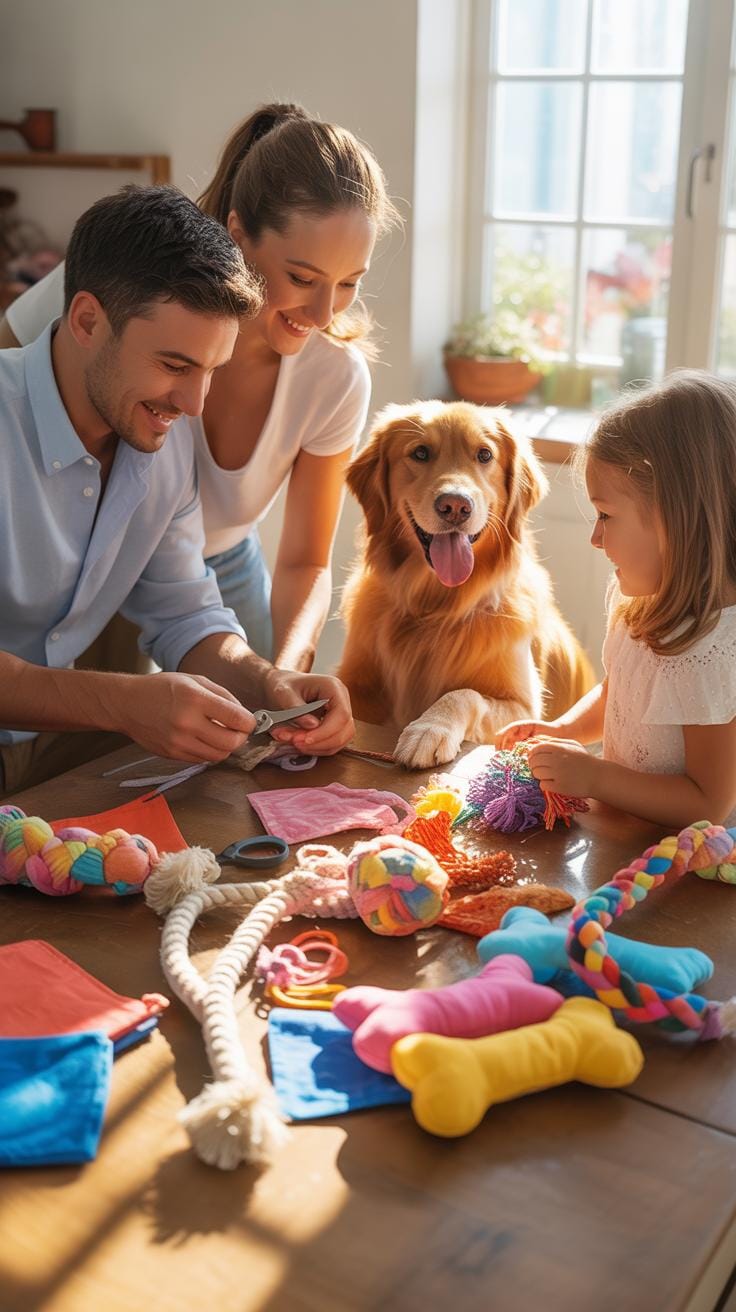
Age Appropriate Toy Making Activities That Teach Kids About Upcycling And Pet Care
Kids learn waste reduction by transforming old textiles into functional pet gear. Select materials like cotton t-shirts or denim jeans that are safe for dogs. Avoid items with plastic buttons or metal zippers. These materials represent common household waste. Repurposing them demonstrates circular design principles. Children see how old objects gain new utility. This process builds a practical understanding of sustainability through hands-on fabrication.
Pet care education starts with understanding animal safety. Sorting fabrics by durability teaches kids to evaluate material strength. Weak fabrics tear easily and pose choking risks. Stronger fabrics withstand chewing and tugging. Teaching children to inspect finished toys for loose threads ensures the dog stays healthy. This responsibility connects the act of making with the duty of care. It turns a craft project into a lesson in safety.
Fun No Sew DIY Dog Toy Ideas That Require Zero Special Equipment
No-sew construction relies on physical knots and tension instead of needles. Use the square knot technique common in macrame and survival gear. Braiding three strips of heavy fabric creates a durable tug toy. This method requires only scissors and manual dexterity. It eliminates the need for sewing machines or specialized tools. High-tension knots ensure the toy remains intact during play. This approach makes upcycling accessible for all skill levels.

Scent based puzzles provide mental stimulation for dogs without complex builds. Roll dry kibble inside a clean cotton towel. Secure the roll with a simple overhand knot. The dog must use its nose and paws to undo the fabric. This mimics natural foraging behaviors seen in wild canines. It uses items found in any linen closet. Quick assembly allows families to create multiple toys in minutes. Upcycling delivers high value with zero cost.
How To Maintain And Inspect Your DIY Dog Toy Creations For Ongoing Safety
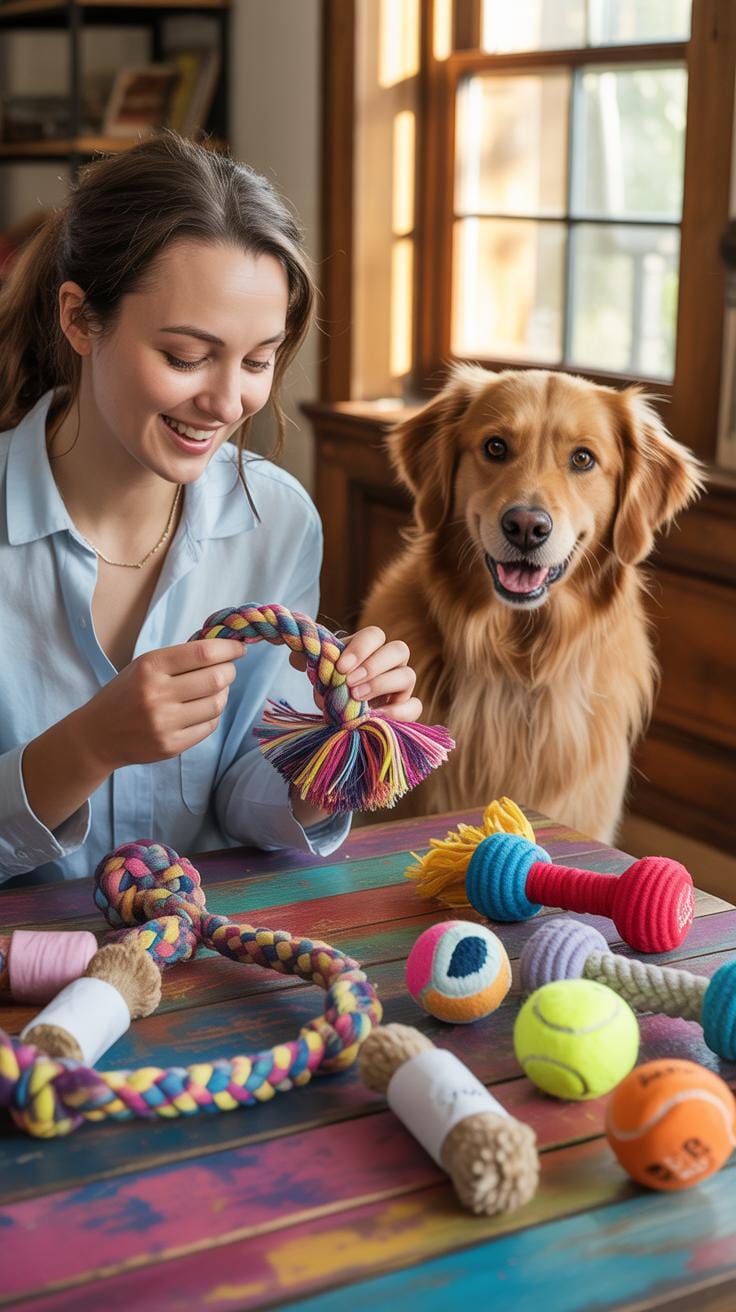
Signs That A Homemade Dog Toy Has Worn Down And Needs To Be Replaced
Check for frayed fabric edges and loose threads immediately. Dogs can swallow long strings that cause intestinal blockages or linear foreign body trauma. Examine every seam on upcycled t-shirt braids or denim knots. These materials stretch over time and lose their structural integrity. When the fabric feels thin or light shines through the weave, the material has reached its mechanical limit and requires disposal.
Inspect all plastic components for sharp puncture marks or cracks. Saliva and ultraviolet light degrade common household plastics making them brittle. Brittle plastic shatters into small shards that lacerate gums or the digestive tract. If a toy loses its original shape or sheds small fragments, remove it from play. Consistent monitoring prevents ingestion of non-food items. Discard any item showing structural failure to ensure dog safety.
How To Clean And Store Upcycled Dog Toys To Extend Their Lifespan
Sanitize fabric toys regularly to remove bacteria and abrasive dirt. Machine wash cotton or denim items in hot water without harsh detergents. High heat kills pathogens but also weakens fibers over time. Air dry these items to prevent excessive shrinkage and fiber breakdown. Keeping fabric toys dry prevents the growth of mold and mildew within the layers. Proper hygiene protects the dog and the owner.
Store all toys in a cool and dry location when not in use. Constant access leads to boredom and unnecessary destructive chewing. Rotate the toys to keep the dog engaged and reduce the total wear on any single item. Keep rubber and plastic toys away from direct sunlight to prevent chemical breakdown. Organized storage allows for quick inspections before each play session. Tactical rotation extends the life of every upcycled toy.
Frequently Asked Questions

Is it safe to make my own dog toys from household materials?
Making DIY toys is generally safe as long as you prioritize durability and supervision. When exploring different upcycled dog toy ideas, always avoid items with small parts, toxic dyes, or sharp edges that could be swallowed. Focus on using clean, natural fibers like cotton t-shirts or thick denim. By choosing high-quality scraps and monitoring your pet during playtime, you can provide a fun and secure environment for your furry friend.
How do I turn an old t-shirt into a durable tug toy for my dog?
To create a sturdy tug-of-war rope, cut an old 100% cotton t-shirt into several long, wide strips. Tie a heavy knot at one end, braid the strips tightly together, and secure the other end with another double knot. This is one of the easiest upcycled dog toy ideas for beginners because it repurposes soft fabric into a resilient tool that satisfies your dog’s natural urge to chew and pull without costing a dime.
Can I create engaging enrichment toys if I am on a very tight budget?
Absolutely! You don’t need to spend money to keep your dog mentally stimulated. Many effective enrichment activities utilize simple pantry staples like empty cardboard boxes, toilet paper rolls, or old muffin tins. By hiding treats inside these everyday objects, you can challenge your pet’s problem-solving skills. These budget-friendly solutions prove that you can keep your dog happy and active using common items found in your recycling bin or kitchen cabinets.