Understanding Cat Ages And What Qualifies As A Senior Cat
At What Age Is A Cat Considered Senior Or Geriatric?
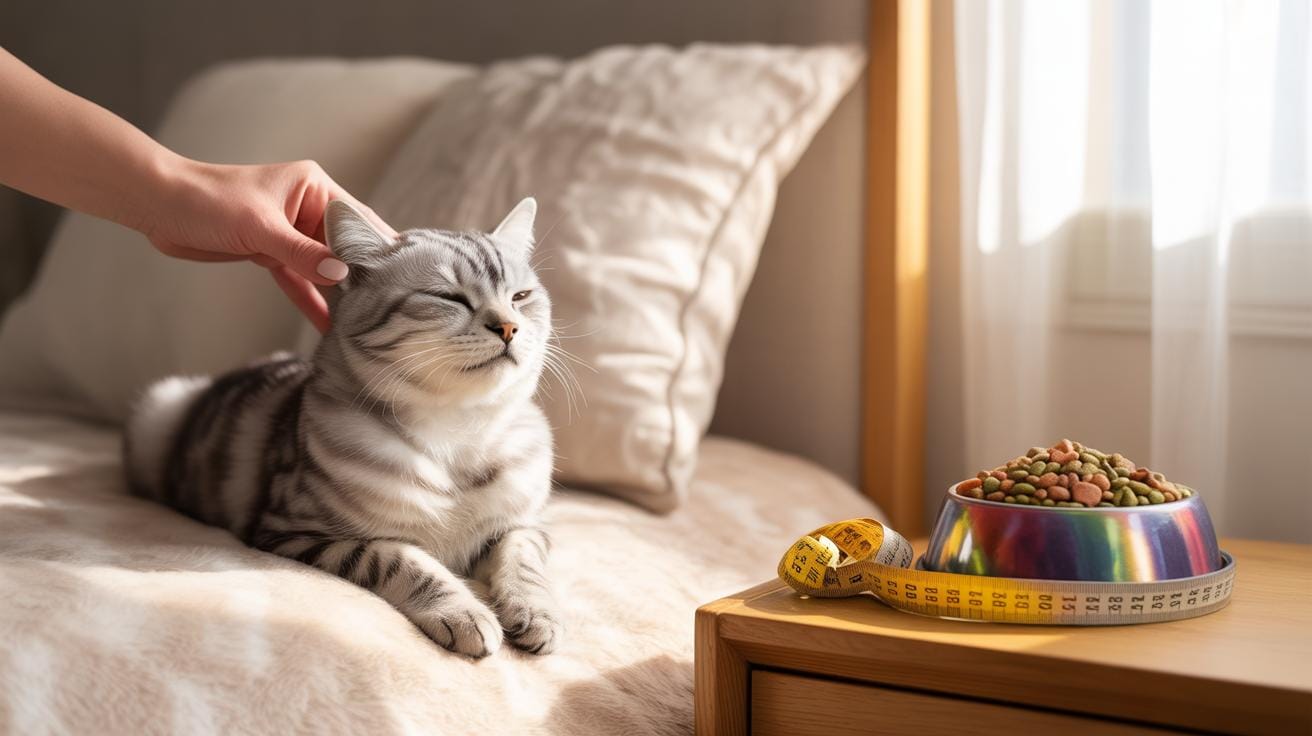
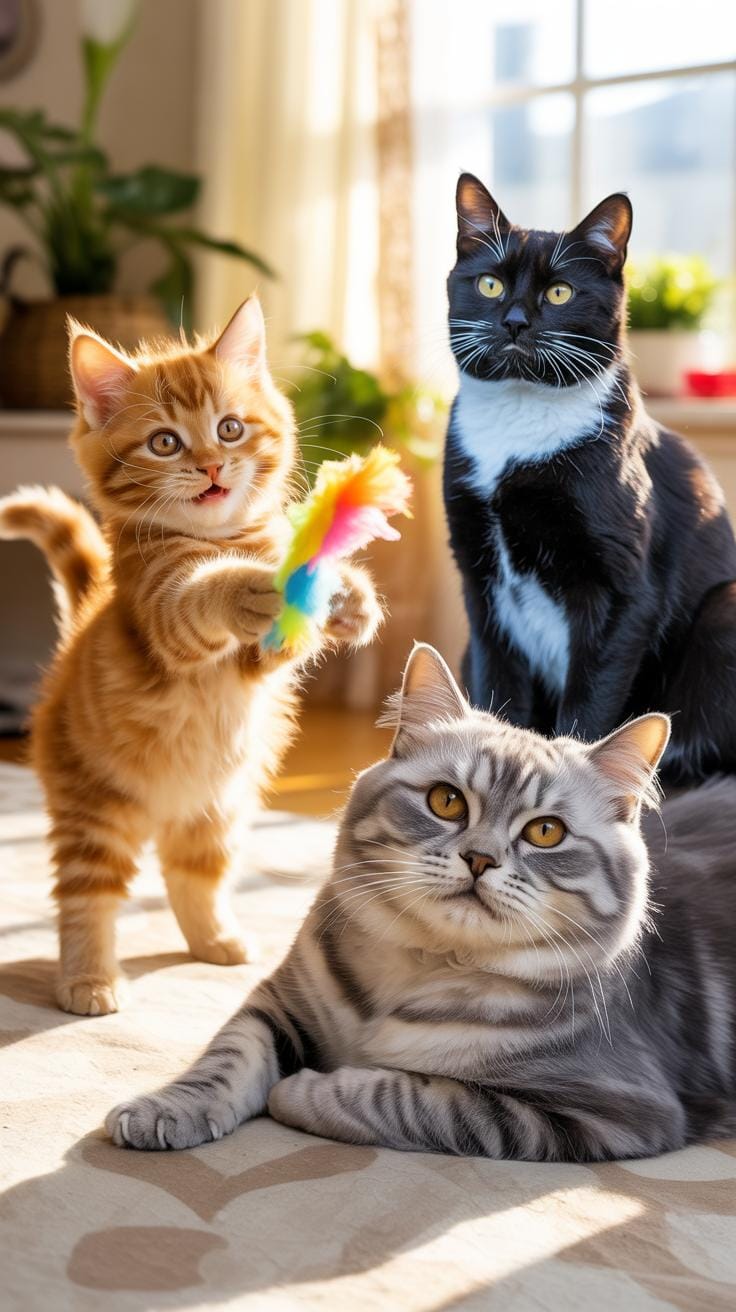
Veterinary medicine classifies cats as senior once they reach seven to ten years of age. This phase marks the beginning of physiological changes that require closer monitoring. Owners must shift their focus from growth and maintenance to preventative care. Physical decline is not always visible at this stage. Internal systems begin to slow down and nutrient absorption becomes less efficient during these years.
Cats enter the geriatric phase at age fifteen. Health risks increase significantly during this period. Chronic conditions like kidney disease or hyperthyroidism often emerge now. You must track weight shifts carefully to distinguish between normal aging and illness. Regular veterinary checkups become mandatory every six months. Managing a geriatric cat requires precise caloric control and frequent body condition scoring to ensure long term survival.
How Aging Affects A Cat’S Metabolism And Body Composition
Metabolism slows down as a cat enters its senior years. Lower activity levels reduce the total energy requirement. Most cats gain fat and lose muscle mass during this middle senior period. This shift changes how the body processes energy from food. If you do not adjust caloric intake, the cat will face obesity. Excess weight puts dangerous stress on aging joints and vital organs.
The metabolic trend reverses in very old or geriatric cats. Their bodies become less efficient at digesting fats and proteins. This inefficiency often leads to rapid weight loss and muscle wasting. You will notice a prominent spine or hips as muscle disappears. High quality protein becomes essential to maintain lean body mass. Owners must monitor these changes weekly to prevent the cat from becoming dangerously thin or frail.
Why Cats Weight Fluctuates As They Age
Common Reasons Senior Cats Gain Or Lose Weight Unexpectedly
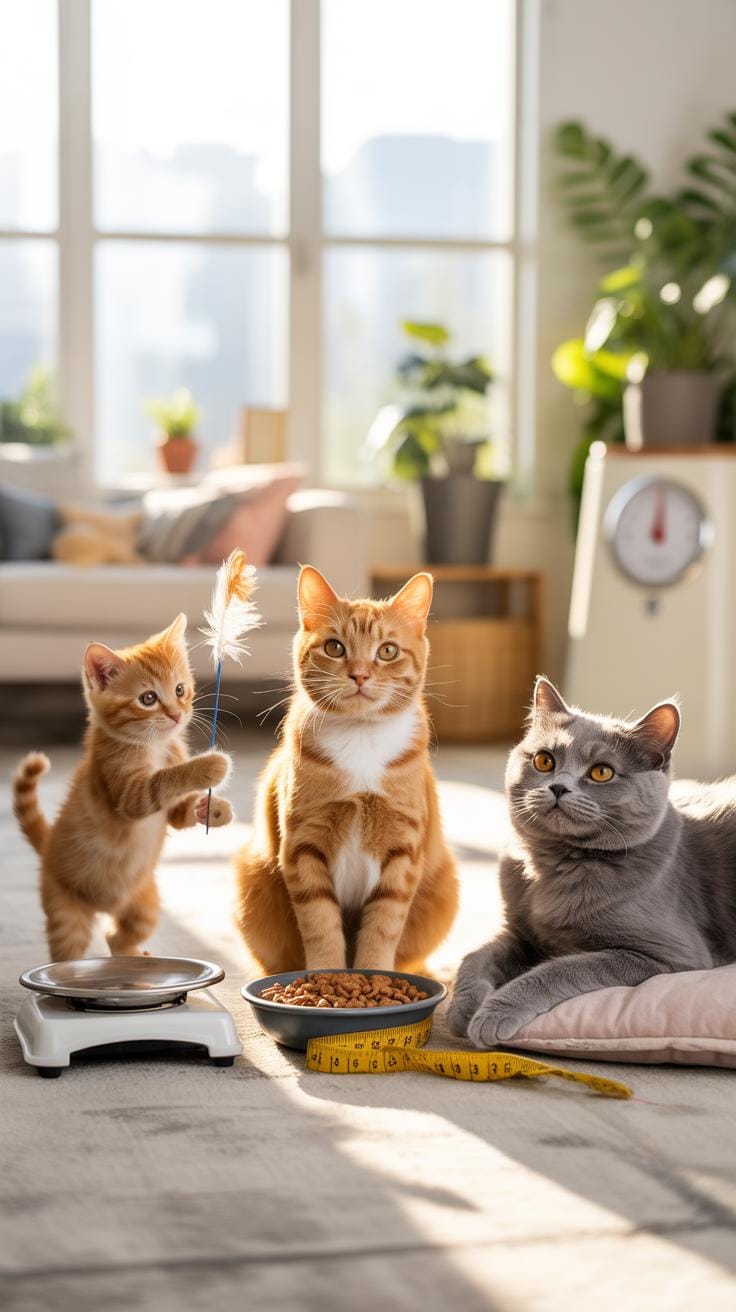
Senior cats often face metabolic shifts that change how they process energy. Digestive efficiency typically drops as a cat passes age twelve. They may struggle to absorb proteins and fats from their standard diet. This leads to muscle wasting even if the cat eats the same volume of food. Sudden weight loss often stems from undiagnosed conditions like chronic kidney disease or hyperthyroidism.
Conversely, some senior cats gain weight because their resting energy requirements fall. Owners often continue feeding high calorie adult maintenance diets to less active pets. This creates a caloric surplus that stores as adipose tissue. Obesity in older cats complicates mobility and stresses aging organs. Sudden gains often signal heart issues or fluid retention. Monitoring body condition scores weekly helps catch these shifts before they become clinical crises.
The Role Of Hormonal Changes And Reduced Activity In Weight Shifts
Hormonal imbalances serve as primary drivers for weight instability in aging felines. Insulin resistance increases with age and can lead to feline diabetes. Hyperthyroidism overstimulates the metabolism and causes rapid weight depletion despite a voracious appetite. Decreased production of growth hormones also contributes to the loss of lean muscle mass. These internal shifts change how the body allocates fuel and stores fat cells.
Physical activity levels drop significantly as cats develop osteoarthritis or general joint stiffness. Less movement means the cat burns fewer calories during the day. Many owners fail to adjust food portions to match this sedentary lifestyle. This mismatch between intake and output leads to steady weight gain. Maintaining a balance requires proactive adjustments to diet density. Exercise must be low impact to protect aging joints while stimulating the metabolic rate.

How To Spot Unhealthy Cat Weight Gain In Older Cats
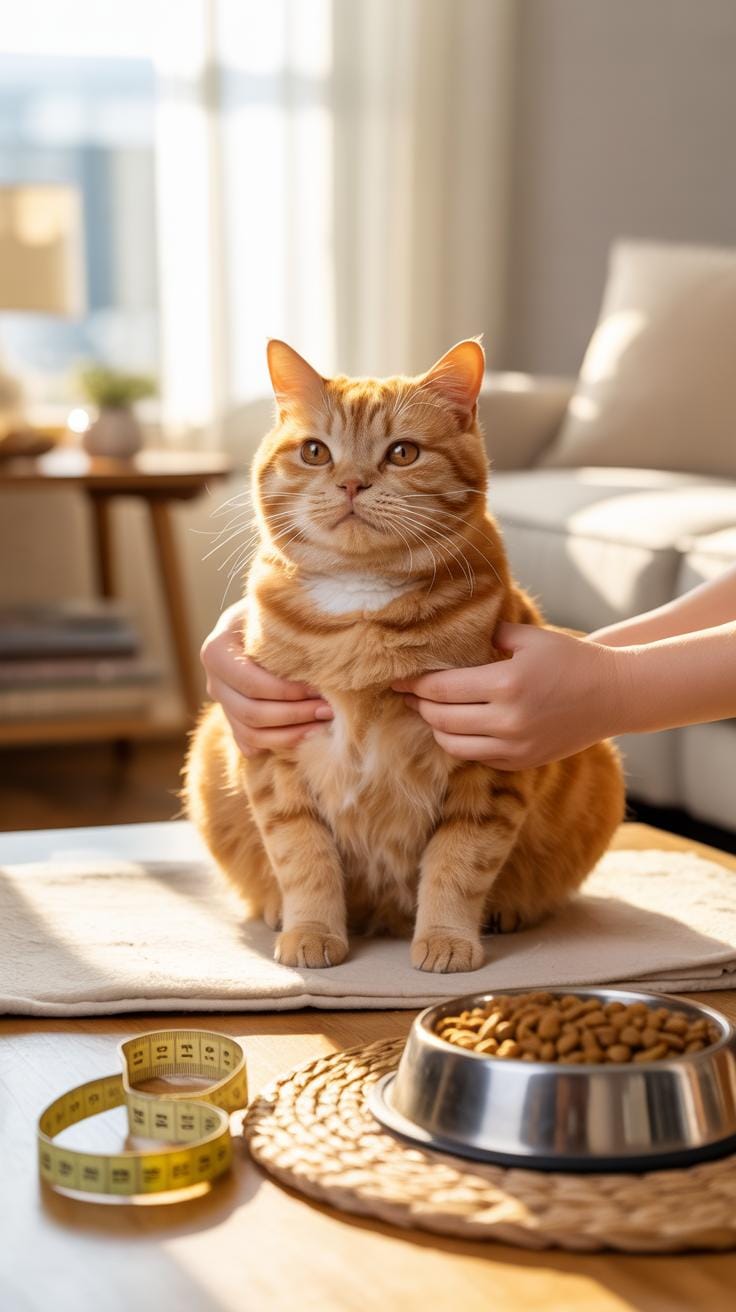
Physical Signs And Body Condition Scoring For Senior Cats
Visual assessments provide the first line of defense against feline obesity. Use the Body Condition Score system to evaluate your cat. A healthy senior cat should have a visible waistline when viewed from above. You must be able to feel the ribs easily without pressing hard. Excess fat padding over the ribs or a sagging belly indicates that the cat is overweight or obese.
Monitor the base of the tail and the spine for fat deposits. Senior cats often lose muscle mass while gaining fat, which complicates the assessment. This process is called sarcopenia. You must distinguish between actual weight gain and skin sagging caused by aging. Hands-on checks are more reliable than sight alone. Rub your hands along the sides of the chest to check for a thin fat layer.
Health Risks Associated With Obesity In Aging Cats
Excess weight places extreme stress on an aging body. Obese senior cats face a higher risk of developing Type 2 diabetes. Fat tissue produces inflammatory hormones that damage the internal organs. This chronic inflammation accelerates the progression of kidney disease and heart failure. You shorten the lifespan of the cat by allowing excess weight to persist. Strategic weight control is a medical necessity.

Joint health is a primary concern for older cats. Overweight cats suffer from severe osteoarthritis because the extra weight grinds down the joint cartilage. This creates a cycle of pain and reduced mobility. When a cat moves less, it burns fewer calories and gains more weight. You must break this cycle to maintain their quality of life. Excess fat also makes surgical procedures and anesthesia much more dangerous.
Cat Nutrition Essentials For Healthy Weight In Senior Cats
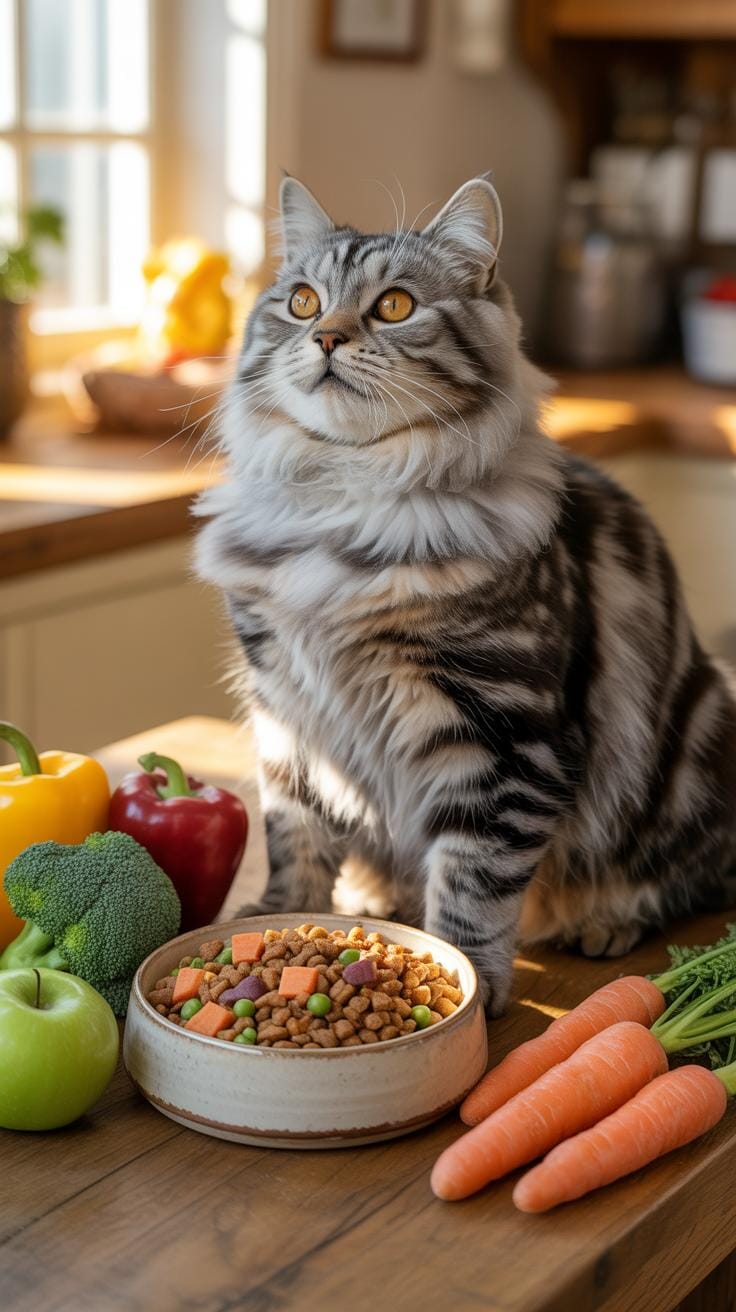
Key Nutrients Senior Cats Need To Maintain A Healthy Weight
Senior cats require high biological value protein to prevent muscle wasting known as sarcopenia. Unlike younger cats, aging felines often lose the ability to digest protein and fat efficiently. You must provide easily digestible animal tissues to maintain lean mass without adding excess calories. Proper protein levels keep the metabolic rate stable while supporting the immune system during the aging process.
Controlled phosphorus levels protect aging kidneys while adequate fiber manages satiety. L-carnitine assists with fat metabolism by transporting fatty acids into the mitochondria for energy production. Glucosamine and chondroitin support joint health to keep the cat moving. Increased activity levels through joint support help burn more calories naturally. Focus on nutrient density to ensure the cat receives enough vitamins despite eating smaller portions.
How To Choose The Right Commercial Food For An Aging Cat’S Diet
Analyze the guaranteed analysis on the label for high moisture content. Wet food often provides better hydration and fewer calories per gram than kibble. Look for a statement from the Association of American Feed Control Officials. Ensure the food meets the maintenance stage requirements for seniors. Avoid “all life stages” formulas because they often contain too many calories and minerals for older sedentary cats.

Check the ingredient list for specific meat sources instead of generic meat by-products. High-quality animal fats provide essential fatty acids like Omega-3 for skin and coat health. Avoid foods with heavy grain fillers or corn gluten meal which increase carbohydrate load. Excessive carbs lead to blood sugar spikes and fat storage in senior felines. Select a formula that targets a specific weight goal while providing necessary antioxidants.
Practical Cat Weight Management Tips For Everyday Care
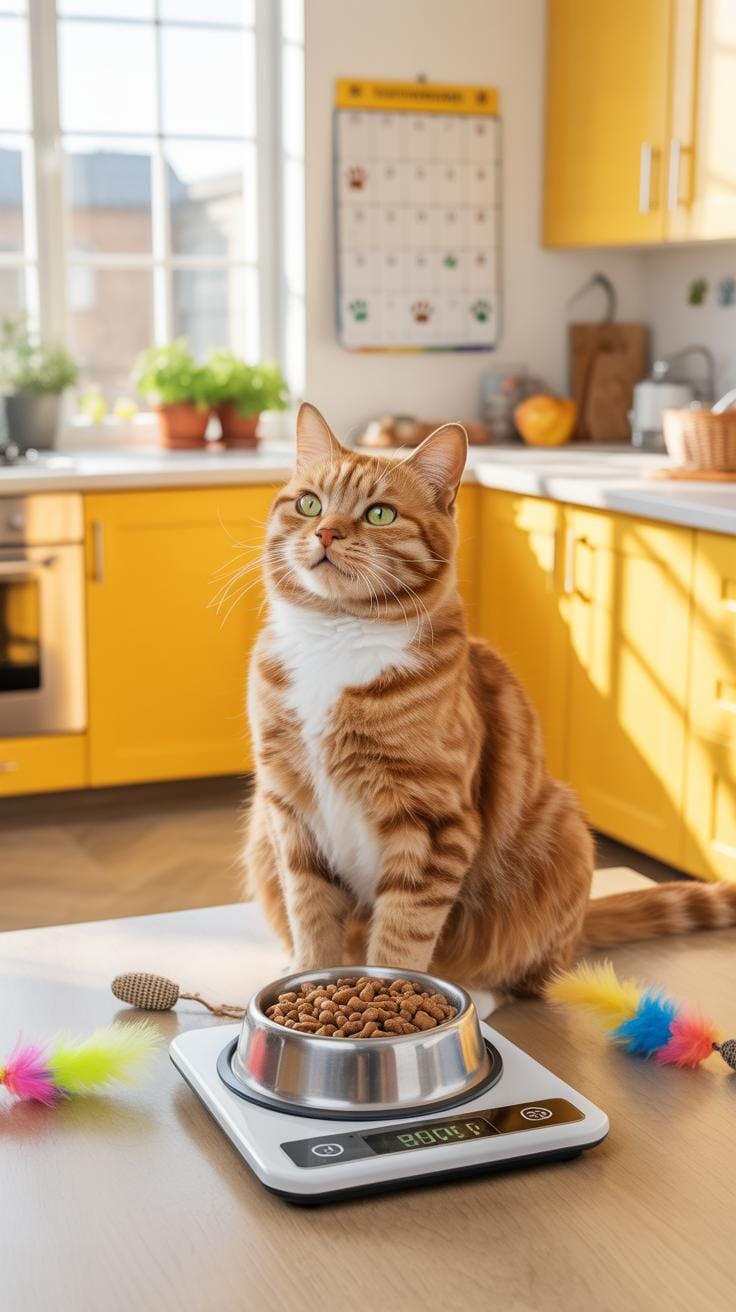
Guidance On How To Measure Portions And Set A Consistent Feeding Schedule
Precision measurement is the foundation of senior cat weight management. Eyeing the food amount leads to overfeeding by twenty percent or more. Use a digital kitchen scale to weigh every meal in grams. Volume measurements like measuring cups are inaccurate because kibble size and air pockets vary. Consistent gram weights ensure your cat consumes the exact caloric load required for steady fat loss.
Establish a rigid feeding schedule to regulate insulin levels and metabolic rate. Divide the total daily caloric allowance into four small meals. Frequent feeding prevents the hunger spikes that cause begging or metabolic slowing in older felines. Feed at the same times every day to reduce cortisol levels. High cortisol causes the body to store fat. Routine feeding creates a predictable energy burn for the aging body.
Top Tips For Managing Cat Weight Through Diet Adjustments At Home

Dietary changes for senior cats must prioritize high protein intake to prevent muscle wasting. Older cats lose the ability to digest protein as effectively as younger cats. You must lower the fat content and carbohydrate fillers to reduce total calories. Swapping dry kibble for wet food naturally increases hydration and provides better portion control. High moisture levels help the cat feel full on fewer calories.
- Hydration Increase: Add warm water to wet food to create a slurry. This increases the total volume of the meal without adding calories. Proper hydration supports renal function in senior cats and helps them feel physically full after eating small portions.
- Slow Feeders: Use textured mats or puzzle feeders for every meal. These tools force the cat to eat slowly and prevent the scarf and barf reflex. Slow eating gives the brain time to register satiety signals which prevents persistent begging and overconsumption.
- Treat Auditing: Account for every single treat in the daily caloric budget. Treats should never exceed ten percent of total calories. Replace store bought treats with small pieces of boiled chicken or freeze dried heart to avoid unnecessary fillers and hidden sugars.
- Protein Quality: Select foods with high biological value proteins like muscle meat. Avoid meat by products or heavy grain fillers that provide empty calories. High quality protein supports the lean muscle mass needed to keep the senior metabolism burning calories at a higher rate.
- Gradual Transitions: Mix new weight management food with old food over ten days. Senior cats have sensitive digestive systems and may reject sudden changes. A slow transition prevents diarrhea or vomiting which can lead to dangerous dehydration in older pets.
Monitor weight changes every week using a digital scale. Aim for a loss of one percent of body weight per week maximum. Losing weight too fast can cause hepatic lipidosis which is fatal for cats. If the weight does not move after three weeks decrease the portions by five percent. Always work within the caloric limits set by a veterinarian to ensure nutrient density remain high.
Tips For Managing Cat Weight Through Safe Physical Activity
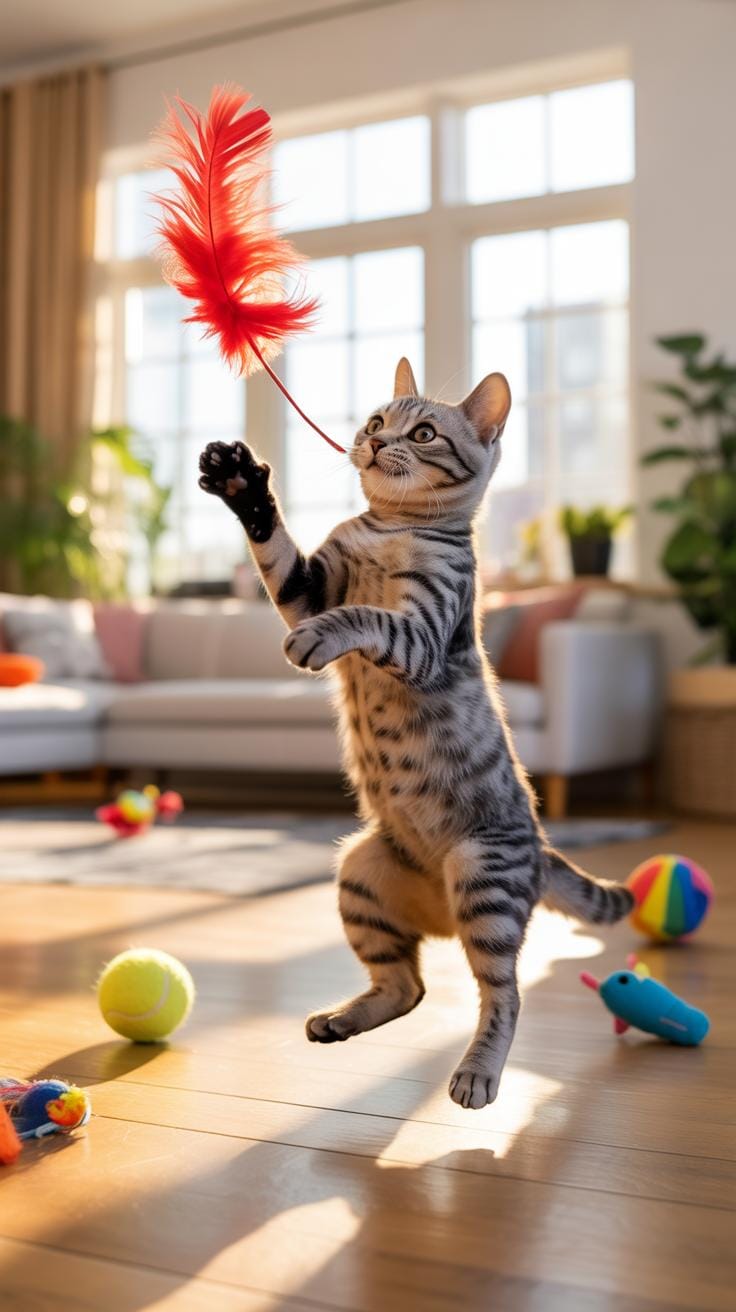
Low Impact Exercise Ideas That Are Safe For Older Cats
Senior cats often suffer from osteoarthritis or reduced lung capacity. High-impact jumping or long sprints put too much stress on aging joints. You must focus on short bursts of movement that encourage stretching and slow walking. These activities burn calories without causing pain or injury. Consistent movement prevents muscle atrophy and keeps metabolic rates higher during the weight loss process.
- Food Puzzles: Place dry kibble inside a rolling dispenser. This forces the cat to walk and use their paws to retrieve food. It slows down ingestion while increasing daily step counts significantly without stressing high-impact joints.
- Wand Toys: Use a feather wand to mimic slow-moving prey on the floor. Keep the toy at ground level to prevent jumping. Horizontal movement encourages the cat to prowl, stretch, and engage their core muscles safely and effectively.
- Scent Trails: Hide small portions of their daily caloric intake in different rooms. This utilizes their natural hunting instincts. The cat must walk across the house to find their meal. This turns a stationary habit into a mobile activity.
- Walking Over Obstacles: Place low objects like rolled towels or small boxes in their favorite path. The cat must lift its legs higher to step over them. This improves range of motion and strengthens hind legs without requiring any dangerous jumping.
- Target Training: Use a pointer or a finger to lead the cat from one spot to another. Reward them with a tiny piece of kibble. This directed movement ensures the cat stays active for five to ten minutes in a controlled environment.
Monitor your cat for heavy panting or limping during these sessions. Exercise for senior cats should never lead to exhaustion. Aim for three sessions of five minutes each day. Frequent short sessions are more effective than one long session. This steady approach maintains a caloric deficit while protecting the cat from physical burnout or chronic pain flare-ups.
How Play And Mental Stimulation Support A Healthy Senior Cat Weight

Mental engagement triggers metabolic responses that help with weight control. A bored cat often turns to begging for food to stimulate their brain. When you provide a challenging environment, you reduce this obsessive food-seeking behavior. Cognitive tasks keep the brain active, which requires energy. This indirect form of calorie burning is essential for cats with physical limitations that prevent traditional play.
Environmental enrichment shifts the cat’s focus from the food bowl to their surroundings. Use vertical space with ramps instead of stairs to encourage safe climbing. Rotate toys weekly to maintain high interest levels. Active brains lead to active bodies. By satisfying their predatory drive through play, you regulate their hormones. This helps the body process nutrients better and prevents the storage of excess fat through inactivity.
Senior Cat Care Tips When To Involve Your Veterinarian
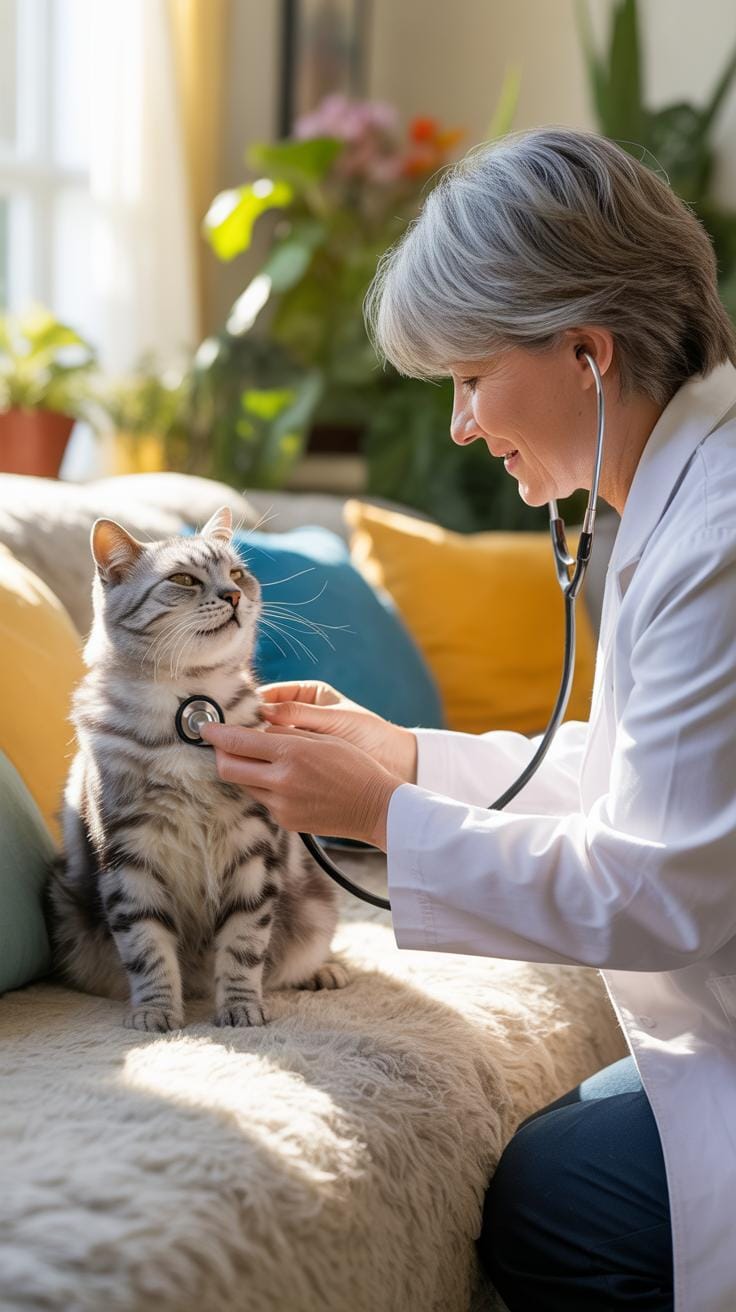
Warning Signs That A Senior Cat Weight Change Needs Medical Attention
Weight loss in older cats often signals underlying metabolic disease before other symptoms appear. Rapid drops in body mass can indicate chronic kidney disease or hyperthyroidism. You must monitor food intake alongside scale weight. A cat that eats more but loses weight requires immediate blood work. Senior cats lack the muscle reserves to withstand prolonged caloric deficits without risking organ failure.

Sudden weight gain also demands medical intervention to rule out fluid retention or tumors. Internal issues like heart failure or abdominal masses can mimic fat accumulation. Watch for changes in grooming habits or lethargy alongside these weight shifts. If your cat stops eating for more than twenty four hours, seek professional help. Hepatic lipidosis can occur quickly in overweight senior cats who stop consuming calories.
What To Expect From A Vet Guided Senior Cat Weight Management Plan
A veterinarian starts with diagnostic testing to establish a baseline for organ function. They will perform blood chemistry panels and urinalysis to ensure the liver and kidneys can handle diet changes. The vet calculates a specific daily caloric target based on the cat’s current body condition score. This plan prevents feline malnutrition while targeting fat loss. It removes the guesswork from serving sizes.
The management plan includes scheduled weigh-ins to track progress and adjust portions. Vets often prescribe therapeutic diets that are high in protein but controlled in phosphorus and calories. These formulas protect aging joints and kidneys while promoting satiety. You will receive guidance on safe exercise levels to avoid stressing the feline heart. Professional oversight ensures the weight loss happens slowly enough to protect the liver.
How To Care For Senior Cats With Weight Related Health Conditions
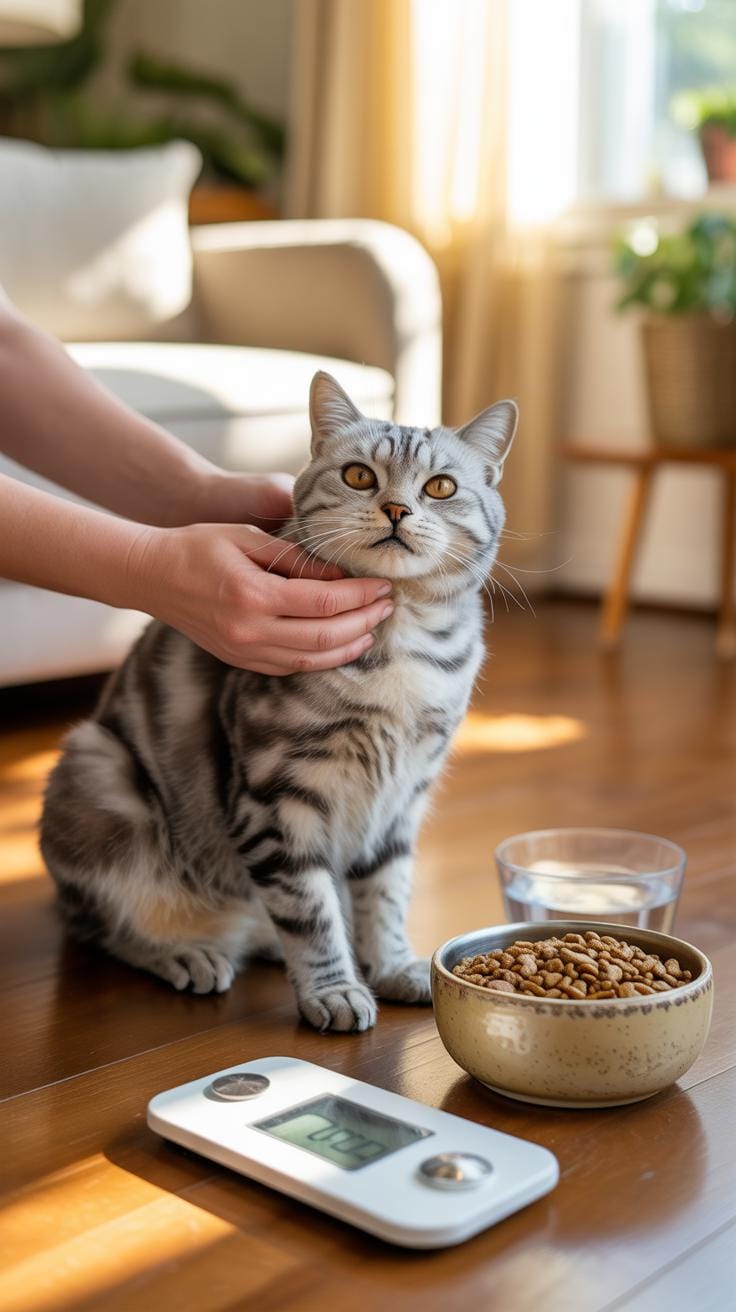
Managing Weight In Senior Cats With Diabetes, Arthritis, Or Kidney Disease
Obese cats face high risks for type 2 diabetes. Excess fat causes insulin resistance. Losing weight can sometimes put feline diabetes into remission. You must monitor blood glucose levels closely during a diet change. Reducing calorie intake too fast can cause liver failure in heavy cats. Doctors call this hepatic lipidosis. Work with a vet to set a safe weekly weight loss goal.
Arthritis and kidney disease complicate weight management further. Heavy cats suffer more joint pain because of extra load. Weight loss reduces inflammation and improves mobility. Cats with kidney disease need specific protein levels. You cannot simply cut food volume for these cats. They require high-quality calories that do not strain the kidneys. Proper hydration is vital for every senior cat with these chronic conditions.
Helping an old friend stay lean is the kindest way to honor the long journey you have shared together. By thinning their bowl and filling their heart, you ensure their golden years are light, comfortable, and full of grace.
Dietary Modifications And Supplements That Support Senior Cat Health
Senior cats need nutrient-dense food to maintain muscle mass. Look for high bioavailability in proteins. Many older cats lose weight unintentionally due to poor absorption. Strategic calorie counting prevents both obesity and muscle wasting. Transition to new foods slowly over ten days. This prevents digestive upset. Precise portion control is the most effective way to manage weight. Use a digital scale for accuracy.
Supplements provide targeted support for aging bodies. Omega-3 fatty acids from fish oil reduce joint inflammation. Glucosamine and chondroitin support cartilage health in arthritic cats. These additions help heavy cats stay active. Increased activity burns more calories. Fiber helps cats feel full on less food. Always check with a vet before adding supplements. Some ingredients can interfere with prescription medications for kidney disease or heart issues.
Building A Long Term Senior Cat Weight Management Routine
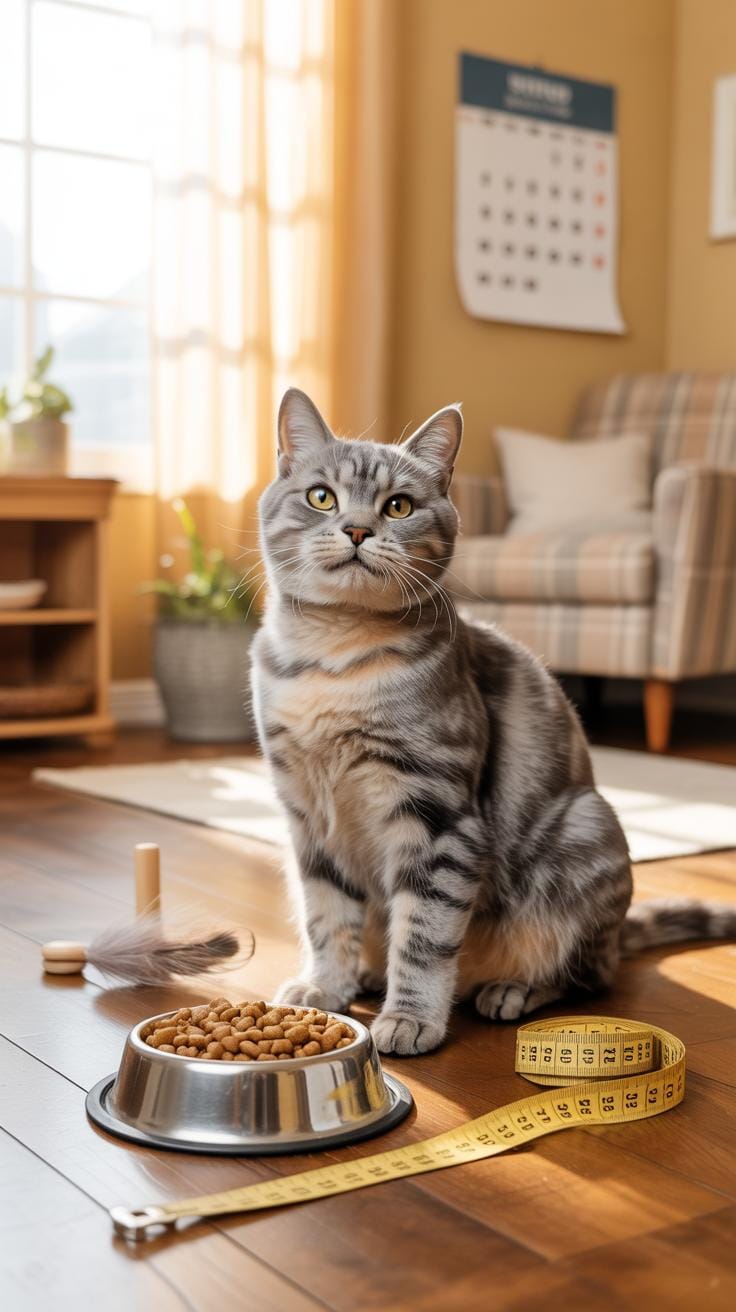
Guidance How To Track Your Senior Cat’S Weight Progress Over Time
Consistency is the core of senior cat weight management. Buy a digital baby scale to get precise readings at home. Weigh your cat at the same time every week. Fluctuations in grams matter more than pounds in older felines. Small changes often signal underlying health issues like thyroid disease or kidney failure. Precise data allows you to adjust caloric intake accurately.
Record every measurement in a dedicated log or spreadsheet. Note the date and the specific weight. Visual checks are also vital. Look for a visible waist and feel for the ribs. Muscle mass often drops as cats age even if the scale stays the same. Use these metrics to spot trends early. Share this log with your veterinarian during every checkup to ensure clinical accuracy.
Lifestyle And Environmental Changes That Support Healthy Cat Aging
Environmental modifications encourage movement without causing pain. Senior cats often suffer from arthritis which limits their activity level. Place ramps or stools near favorite sleeping spots. This allows the cat to reach high places without jumping. Keep resources like food and litter boxes on one floor. Reducing physical stress helps the cat maintain a healthy metabolic rate and prevents muscle breakdown.
Mental stimulation is just as important as physical exercise. Use puzzle feeders to slow down eating and engage the brain. Hide small portions of dry food around the house to encourage foraging. This mimics natural hunting behaviors and burns calories. Ensure the environment is warm to soothe stiff joints. Comfortable cats move more frequently. Small daily changes create a sustainable path toward long-term weight stability.
Frequently Asked Questions

Why is it more difficult for older cats to maintain a healthy weight?
As cats age, their metabolism naturally slows down and their activity levels typically decrease. Senior cats may also suffer from joint pain or arthritis, making exercise less appealing. These physiological changes make senior cat weight management a delicate balance. It is important to monitor their intake closely because carrying excess weight puts additional strain on aging organs and joints, potentially shortening their lifespan or decreasing their overall quality of life.
How can I safely help my senior cat lose weight at home?
Safety is paramount when starting a routine for senior cat weight management. Begin by consulting your vet to rule out underlying medical issues. Transition to a high-protein, low-calorie senior formula and use measuring cups to ensure precise portions rather than free-feeding. Encourage low-impact movement through short play sessions or food puzzles. Aim for a slow, steady loss of about one percent of body weight per week to prevent serious liver complications.
Are there affordable ways to manage a senior cat’s weight without expensive prescription diets?
Absolutely. You don’t always need premium prescription kibble to see results. Switching to standard canned wet food can be a budget-friendly way to increase protein and hydration while naturally lowering calorie density compared to dry kibble. Additionally, replacing store-bought treats with small pieces of plain, steamed green beans or zucchini is a cost-effective trick. Focus on portion control and consistent daily movement, which costs nothing but offers significant health benefits.