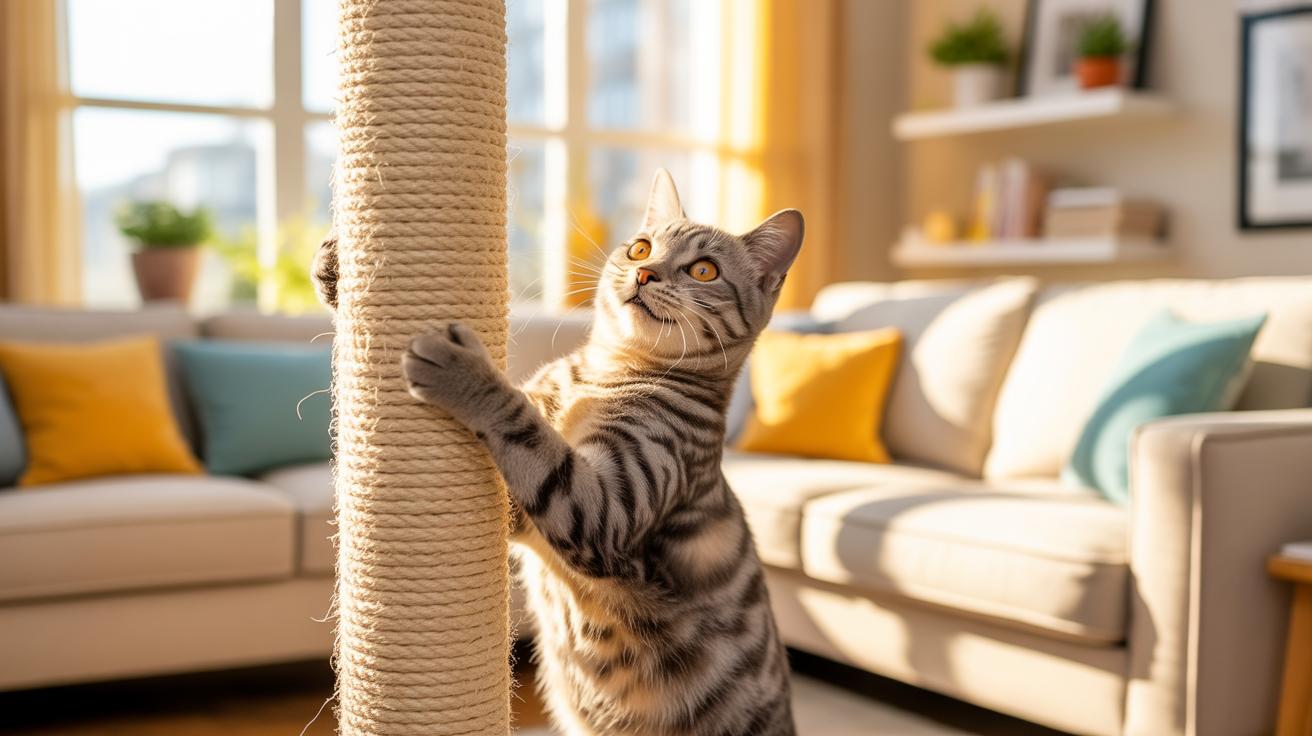
Why Do Cats Scratch Furniture The Real Reasons Behind This Natural Behavior
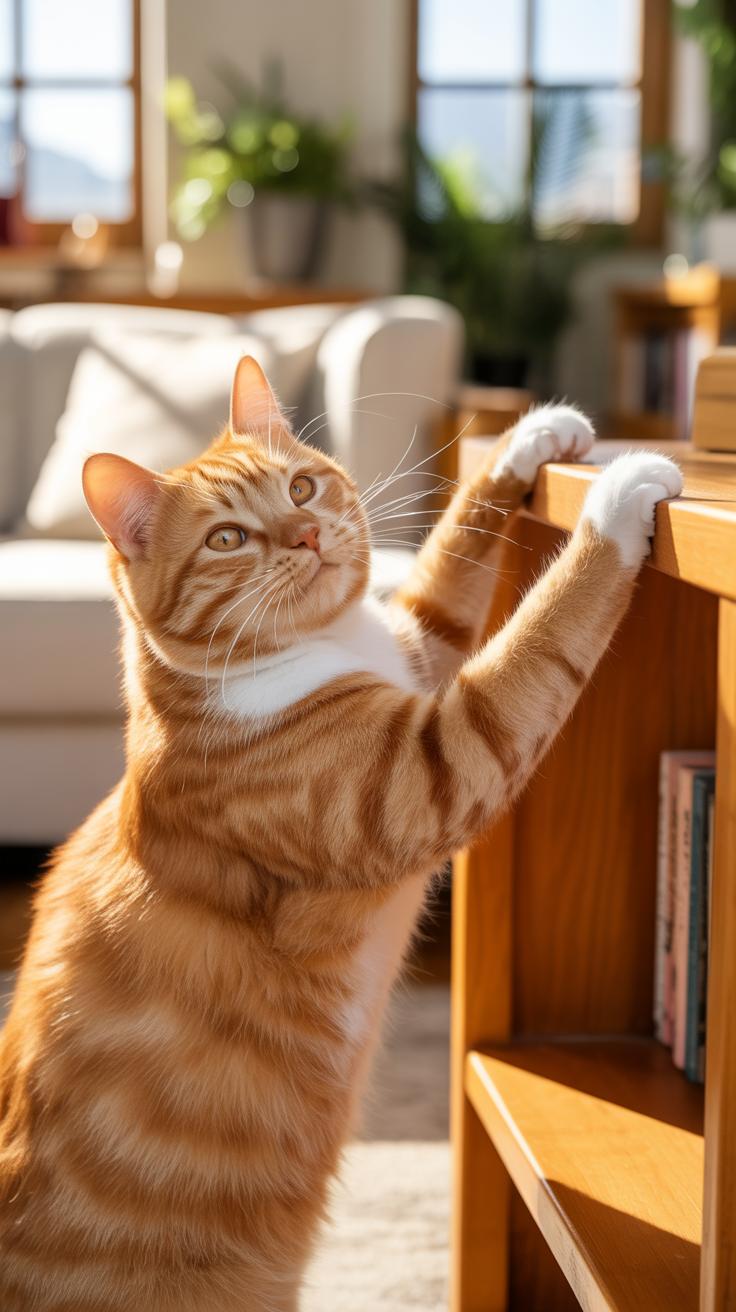
Scratching Is A Deeply Ingrained Instinct, Not A Bad Habit
Cats do not scratch your furniture to be spiteful or destructive. This behavior is a biological necessity rooted in their evolution as solitary hunters. Domestic cats retain the same physical drives as their wild ancestors. Scratching provides a full body workout by stretching the muscles in their back and legs. It keeps their musculoskeletal system primed for swift and decisive movement.
You must stop viewing this as a behavioral problem and see it as a physical requirement. Punishment fails because you cannot discipline away a survival reflex. If a cat lacks a proper outlet, it will choose the most stable object available. Furniture provides the resistance they need to exert force. Understanding this shift in perspective is the first step toward effective management and successful redirection.
How Scratching Helps Cats Maintain Their Claws And Mark Their Territory
Scratching serves a critical grooming function by removing the dead outer layer of the claw. This process reveals the sharp new husk underneath. Without regular scratching, claws can become overgrown or ingrown, causing pain and infection. It is a maintenance task that ensures their primary tools remain functional. This physical upkeep is essential for a cat to feel secure and capable in its environment.
Beyond grooming, scratching acts as a dual communication system for marking territory. Scent glands in the paw pads deposit pheromones onto the surface. These chemical signals tell other animals that the space is occupied. The visible shredded marks also serve as a clear optical warning. By scratching prominent items like sofas, cats establish a secure perimeter within the home. This behavior lowers their stress levels.

The Science Behind Cat Scratching Furniture WhatS Really Going On
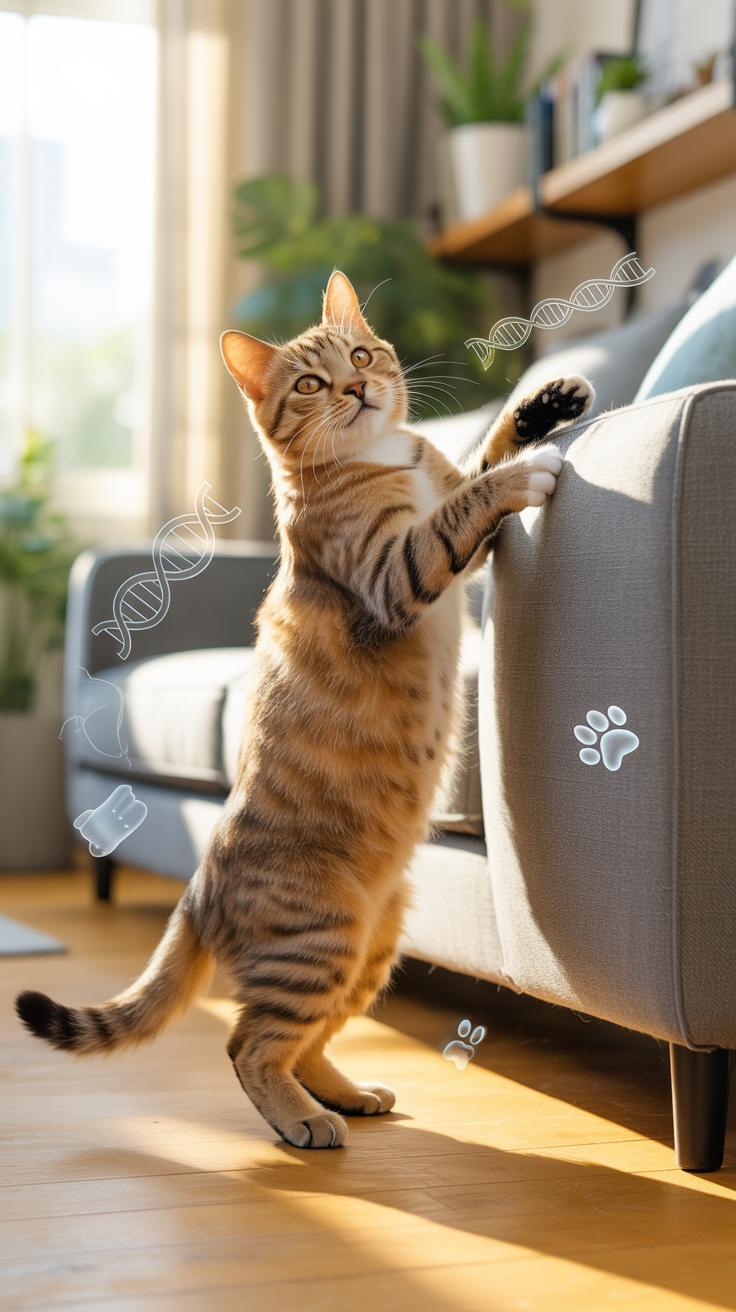
How Scent Glands In A Cat’S Paws Play A Role In Furniture Scratching
Cats possess interdigital glands located between their paw pads. These glands secrete unique pheromones every time the cat presses its paws against a surface. Scratching serves as a chemical signaling method. It leaves behind a scent profile that other animals can detect. This behavior allows the cat to claim specific objects as personal property. It creates a familiar scent environment that helps the cat feel secure.
Furniture often sits in high traffic areas. Cats target these items because the scent deposit becomes a clear territorial marker. The physical act of dragging claws across fabric releases these chemical signals effectively. This process creates a dual layer of communication. The cat uses the visible damage as a structural signpost while the pheromones provide the olfactory data. This ingrained biological drive makes furniture a prime target for scent marking.
A happy home is where the furniture shows a history of love, but a well-placed scratching post ensures your keepsakes remain beautiful for a lifetime.
The Physical And Emotional Benefits Scratching Provides For Cats
Scratching maintains the physical health of a cat’s hunting tools. The action removes the outer layer of the claw known as the husk. This process exposes the sharp new growth underneath. It also provides essential exercise for the muscles in the forelimbs and back. Without this regular movement, the cat loses flexibility and strength. Proper scratching surfaces allow for a full body stretch that keeps the feline body functional.

The act of scratching serves a critical emotional purpose. It functions as a primary stress relief mechanism for domestic felines. When a cat feels excited or frustrated, it redirects that intense energy into a physical surface. This displacement activity lowers the cat’s heart rate and cortisol levels. It provides an immediate outlet for pent up emotions. A cat that cannot scratch often exhibits signs of anxiety and becomes prone to destructive behavioral issues.
Why Your Furniture Is So Appealing Understanding Cat Scratching Furniture Preferences
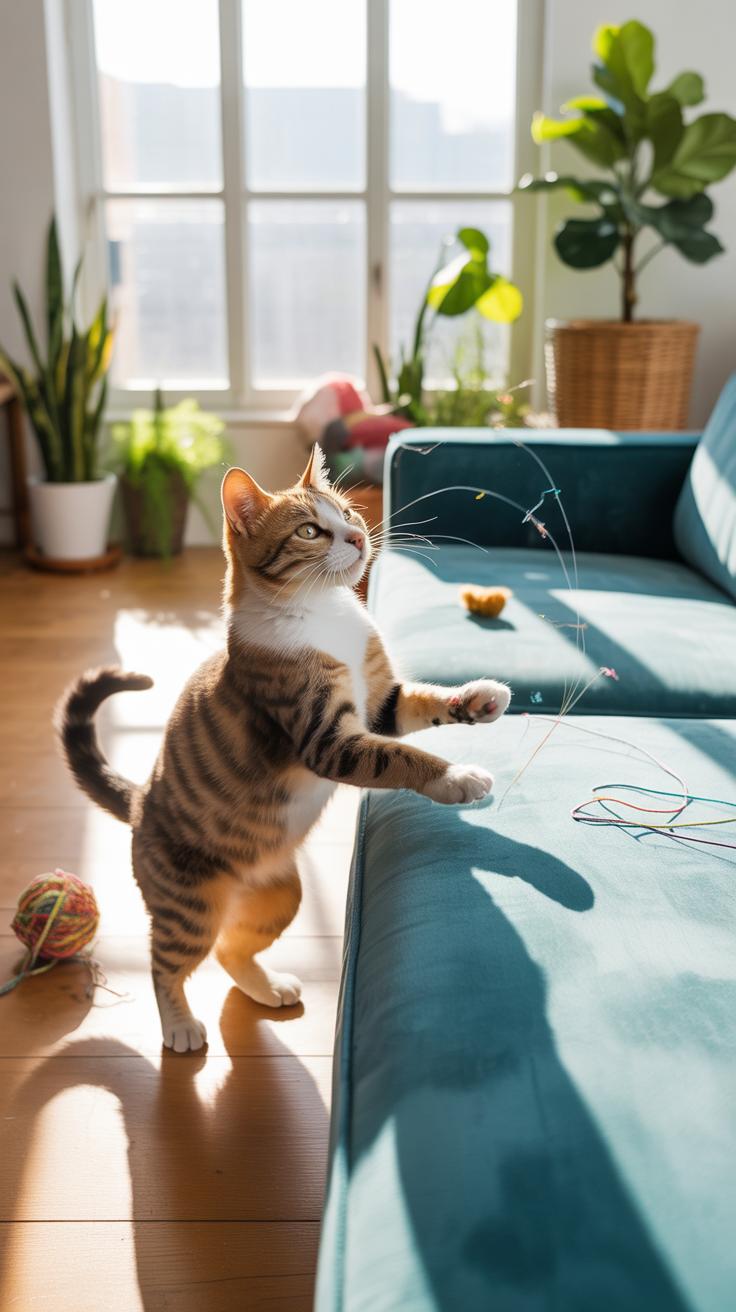
Why Cats Target Sofas, Chairs, And Carpets Over Other Surfaces
Common household furniture provides the exact structural stability a cat needs for a full body stretch. Sofas and upholstered chairs feature heavy wooden frames that do not move when pushed. This resistance allows the cat to pull its weight against the fabric. They use the material to shed old claw sheaths. A stable surface is vital for their physical conditioning and muscle health.
Domestic furniture materials like woven fabrics and carpets offer the perfect grip for feline claws. These surfaces allow the cat to hook its nails deeply and apply force without the material tearing too quickly. This resistance provides sensory feedback that artificial or flimsy posts often lack. Cats prioritize surfaces that remain upright and firm. They avoid items that wobble or tip over during the scratching process.
How Texture, Location, And Height Influence A Cat Choice
Texture and height dictate the effectiveness of a scratching site. Most cats prefer vertical surfaces that are tall enough to let them extend their spine fully. A tall sofa arm mimics the trunk of a tree in the wild. If the surface is too short, the cat cannot stretch its back muscles. This stretch is a primary reason for the behavior. Texture must be shreddable but resilient.

Location determines how a cat uses furniture to mark territory. Cats have scent glands in their paws that deposit pheromones during the scratching process. They choose prominent areas like the corners of rugs or sofa ends to signal their presence. These spots usually sit near entrances or high traffic lanes. Placing a scratching post in a hidden corner fails because it lacks the visibility the cat requires.
How To Keep Cats From Scratching Furniture With The Right Scratching Alternatives
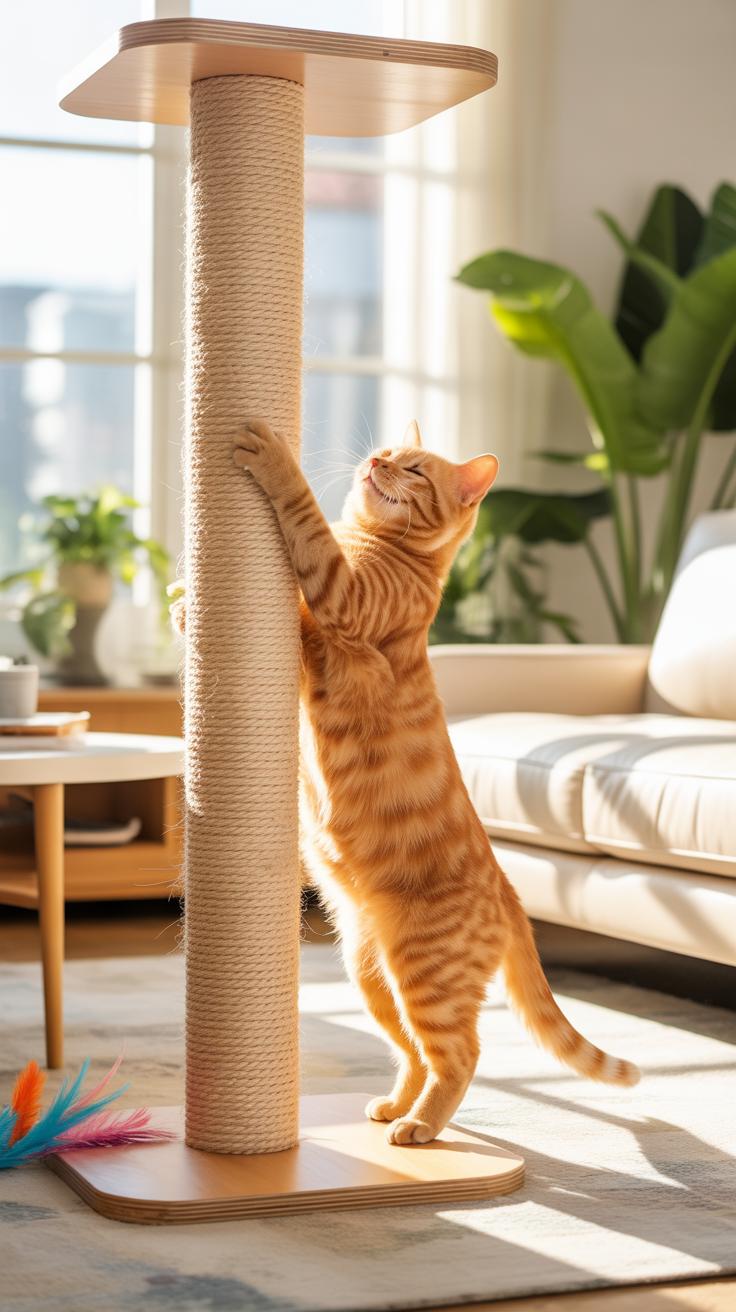
Choosing The Best Scratching Posts And Pads To Redirect Your Cats Attention
Cats have specific tactile preferences based on their natural instincts. You must provide materials that allow for deep claw penetration and resistance. Sisal rope is the industry standard because it mimics the rough texture of tree bark. Corrugated cardboard offers a satisfying shredding sound that reinforces the behavior. Wood blocks serve cats that prefer a solid and natural resistance during their marking process.
Height and stability are non-negotiable factors for any scratching alternative. A post must be tall enough for the cat to fully extend its spine. This stretch facilitates vital muscle toning and ligament health. If the post wobbles or tips, the cat will abandon it for your heavy and stable sofa. Ensure the base is heavy enough to withstand thirty pounds of force without moving.
Placement Strategies That Actually Get Cats To Use Their Scratching Posts
Location determines whether a cat uses a post or ignores it completely. Cats scratch to mark territory with scent glands in their paws. They choose high-traffic areas and prominent social landmarks to signal their presence. Place new scratching surfaces directly in front of the furniture they currently target. This interceptive strategy forces the cat to engage with the preferred surface during their daily routine.

Sleeping areas are primary targets for scratching because cats stretch immediately upon waking. Situate a vertical post or horizontal pad near every major resting spot in your home. This placement satisfies the instinctive need to shed claw sheaths after a nap. Moving a post to a hidden corner renders it useless. Keep the alternatives visible and accessible in the rooms where your cat spends the most time.
How To Stop Cats Scratching Furniture Using Deterrents And Protective Solutions
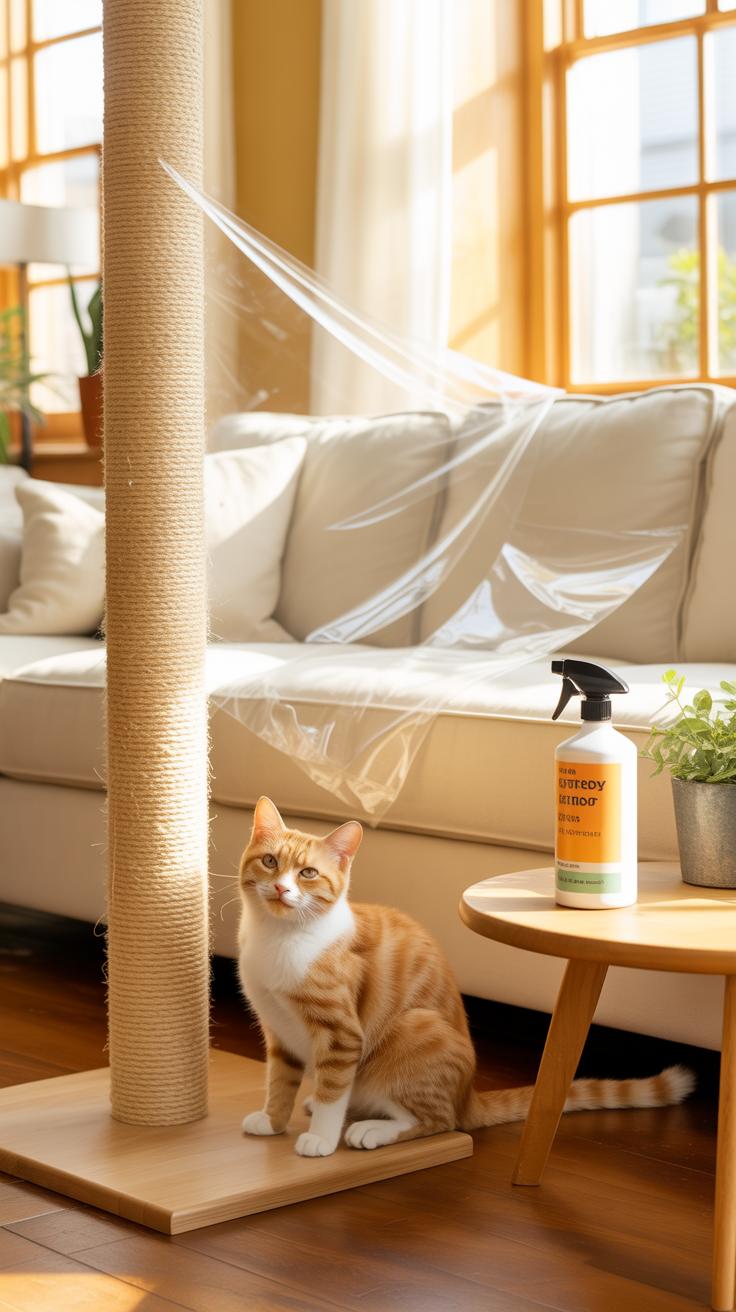
Safe And Effective Physical Deterrents You Can Apply To Furniture Surfaces
Physical deterrents change the tactile experience of the furniture surface. Cats scratch to mark territory and groom claws. They prefer stable surfaces with good resistance. By applying slick or sticky materials, you remove the functional appeal of the fabric. This forced discomfort makes the cat seek out alternative scratching posts. You must apply these tools directly to the target zones.
- Double Sided Tape: Industrial strength adhesive strips create an immediate negative tactile response. Cats dislike the sticky sensation on their paw pads. This discomfort stops the scratching reflex without causing physical harm to the animal or the fabric.
- Plastic Sheeting: Heavy duty vinyl guards provide a smooth and slick surface. These panels prevent claws from penetrating the upholstery. Without the ability to hook into the fibers, the cat cannot get the necessary leverage for a deep stretch.
- Aluminum Foil: Crinkled foil creates a dual deterrent through sound and texture. The metallic noise and the unpredictable feeling underfoot interrupt the cat. This is an effective temporary solution for corners of wooden tables or the bases of heavy armchairs.
- Furniture Socks: Thick fabric covers protect specific furniture legs from vertical scratching. These sleeves slide over wooden or metal supports to act as a barrier. They work best on Mid Century Modern furniture legs that attract cats due to their height and stability.
- Fine Wire Mesh: Small gauge hardware cloth creates a rough and unappealing texture for cats. This material is useful for the undersides of box springs or the backs of sofas. It prevents cats from shredding the dust covers and hidden structural components of high end furniture.
Consistency determines the success of these physical barriers. Do not remove the deterrents too early or the behavior will return. Leave the guards in place for several weeks while providing better tall scratching posts nearby. This allows the cat time to form a new habit. Quality materials protect your investment from permanent leather puncture or fabric pulls.
How Scent Based And Texture Deterrents Help Stop Cat From Scratching Furniture
Scent based deterrents use the feline olfactory system to discourage marking. Cats have a sense of smell forty times stronger than humans. They use scent glands in their paws to claim objects. Citrus, eucalyptus, and lavender odors act as natural repellents. Avoid using toxic essential oils or harsh chemicals. Spraying these scents on target areas creates an invisible boundary that cats naturally avoid.

Texture deterrents work by removing the satisfaction of the scratch. Cats need resistance to shed their outer claw sheaths. Soft, loose fabrics or extremely hard surfaces do not provide this feedback. You can use specialized furniture throws or fitted covers made of microfiber. These materials do not snag easily and frustrate the cat. When the furniture no longer serves a biological purpose, the cat moves to a designated scratching station.
Positive Reinforcement The Most Humane Way To Stop Cats From Scratching Furniture
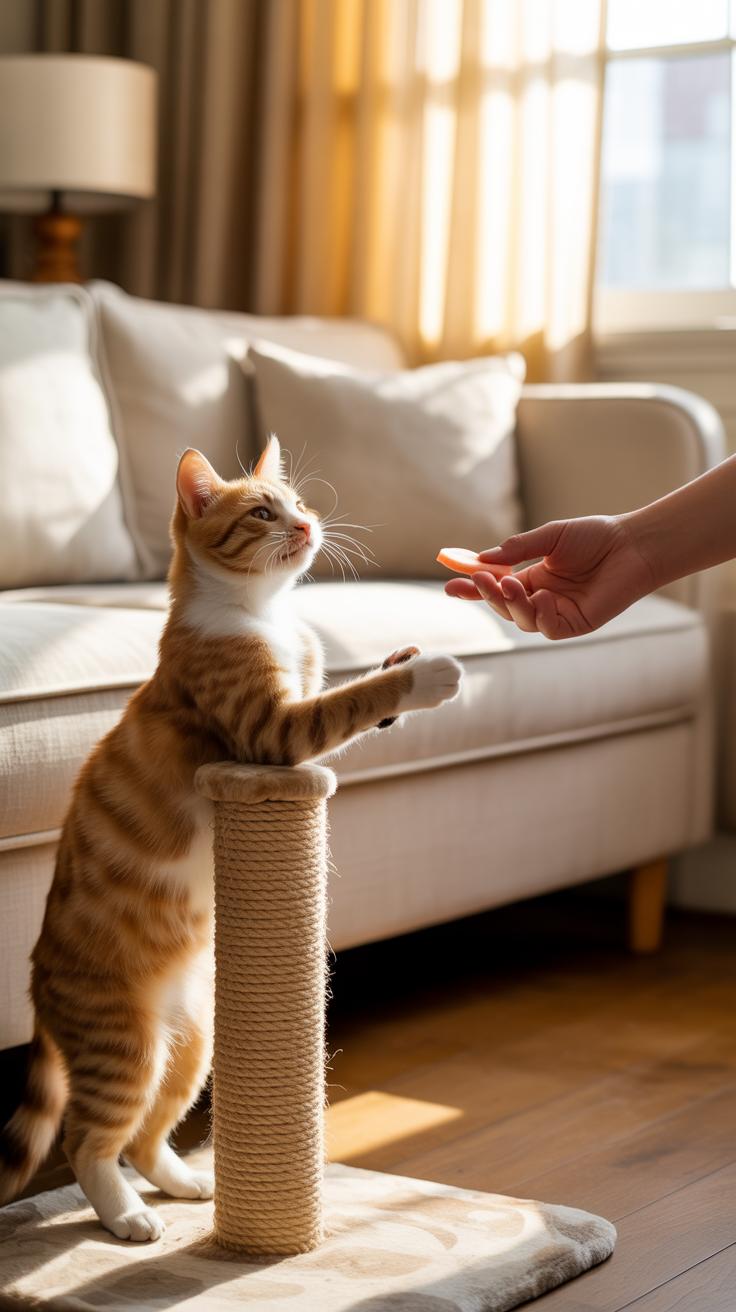
How To Use Rewards And Consistent Training To Redirect Scratching Behavior
Positive reinforcement works by linking a specific action to a high value reward. When your cat uses the designated scratching post instead of the sofa, provide immediate feedback. Use small pieces of freeze dried meat or verbal praise within three seconds of the act. This timing is critical for the cat to associate the behavior with the prize. Consistency builds long term habits.
Place the reward directly on the scratching surface to encourage interaction. Use catnip or silvervine to draw the cat toward the correct texture. Do not force the cat to use the post by holding its paws. This creates a negative association and causes stress. Let the cat discover the post naturally. Repeat this reward cycle every time you witness the correct behavior.
Common Training Mistakes That Make Cat Scratching Furniture Worse
Punishment is the most common error in feline behavior modification. Squirting water or yelling creates fear but does not teach the cat where to scratch. Physical discipline damages the bond between the owner and the animal. A stressed cat often scratches more to mark territory and self soothe. Avoid using any deterrents that cause pain or loud noises that induce anxiety.

Neglecting the location of the scratching post also leads to failure. Cats scratch after waking up to stretch their muscles and mark their presence. If the post is in a far corner, the cat will choose the closest durable object. Usually this is your sofa or a rug. Ensure the post is sturdy and tall. A wobbly post feels unsafe and forces the cat back to the furniture.
How To Fix Cat Scratches On Furniture Repairing The Damage Already Done
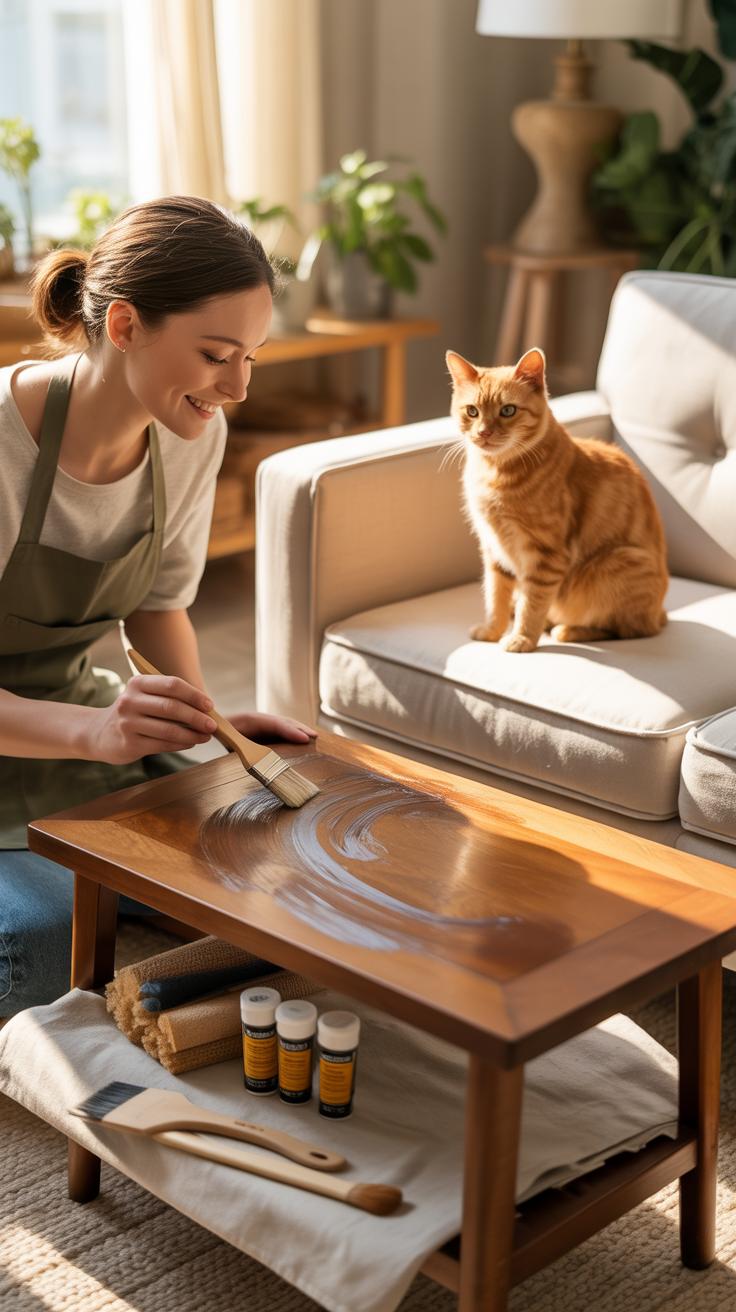
Step By Step Guide To Repairing Furniture Scratches On Wood, Leather, And Fabric
Effective repair requires matching the specific material to the correct restorative technique. Wood requires filling and staining to replicate the original grain. Leather demands structural bonding and color matching to hide puncture marks. Fabric repairs focus on removing snags and reinforcing fibers. Use professional grade tools to ensure the repair lasts. Always clean the damaged surface before applying any adhesive or dye.
- Wood Filler and Stain: Deep gouges in solid wood require wood filler. Apply the putty into the scratch and level it with a putty knife. Once dry, sand the area smooth with fine grit sandpaper. Apply a matching stain and topcoat to restore the original finish and protection level.
- Leather Repair Kits: Leather repairs use a flexible liquid compound. Clean the area around the scratch with rubbing alcohol. Apply the repair compound using a small spatula to fill the cracks. Use a heat tool if the kit requires it to cure the material. Apply a colorant to match the hide.
- Fabric Snag Trimming: Do not pull loose threads on woven fabrics. Use a small pair of sharp scissors to trim frayed edges close to the surface. For loose loops, use a snag tool to pull the thread back through to the underside. This prevents the weave from unraveling further and maintains the structural integrity.
- Self-Adhesive Fabric Patches: Large holes in upholstery require patches. Choose a fabric that closely matches the original texture and color. Cut the patch slightly larger than the damaged area. Apply fabric glue or use a self adhesive backing to secure the patch over the hole. Press firmly to ensure a strong bond.
- Beeswax Sticks: Shallow scratches on finished wood respond well to wax. Rub the wax stick over the scratch until it fills the void. Buff the area with a soft cloth to remove excess material. This method works best for light surface damage that has not penetrated the base wood layer.
Patience is the primary factor in successful DIY furniture restoration. Rushing the drying process for glues or fillers results in a weak bond. Test all dyes and stains on an inconspicuous area first. This prevents permanent color mismatches on highly visible surfaces. Keep your cat away from the furniture until all chemicals and odors have fully dissipated. Proper repair restores the aesthetic value of your home.
When To Call A Professional For Serious Furniture Scratch Damage
Heavy structural damage requires a specialist. If a cat has shredded the internal foam padding of a sofa, a simple patch will fail. Upholsterers handle complete fabric replacement and frame repairs. They have the industrial tools to stretch fabric and secure heavy duty staples. You should hire a professional when the furniture is an antique or made of high value materials like silk or exotic hardwoods.

Professional restorers offer expertise in color matching and material sourcing. They identify specific leather types, such as aniline or semi-aniline, which require different chemical treatments. Structural wood repairs often involve steam bending or grain replacement that exceeds DIY capabilities. If the repair cost is less than forty percent of the replacement value, hiring an expert is a sound investment. Move quickly to prevent the damage from worsening through daily use.
Long Term Strategies To Keep Cat From Scratching Furniture For Good
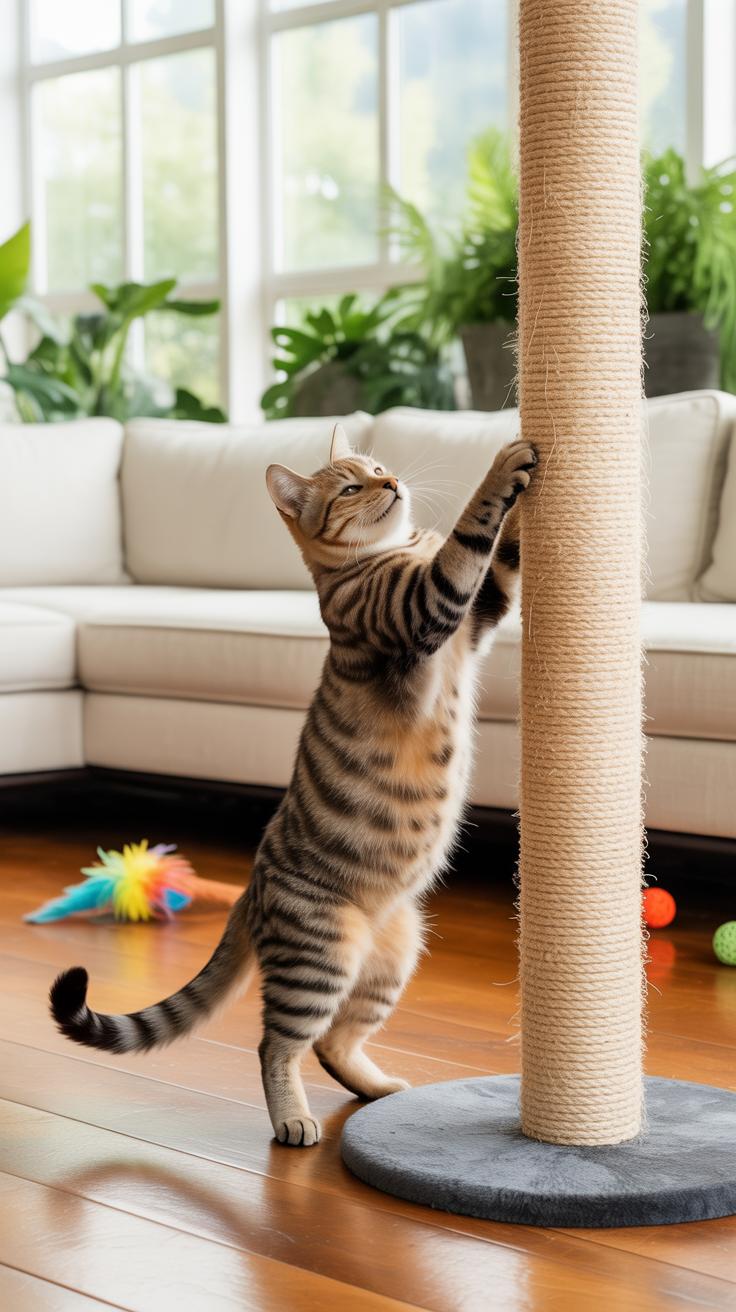
Building A Cat Friendly Environment That Naturally Reduces Destructive Scratching
Cats scratch to mark territory and shed dead nail sheaths. A cat-friendly home must offer vertical and horizontal surfaces that mimic natural textures. Place scratching posts near sleeping areas and room entrances. These spots serve as high-traffic zones where cats feel the strongest need to claim space. Strategic placement ensures the cat chooses the post over the nearby sofa arm or wooden door frame.
Select materials based on feline biology and ancestral habits. Sisal rope provides the resistance of tree bark. Corrugated cardboard offers the shredding sensation of decaying logs. Ensure every scratching post is tall enough for the cat to stretch its body fully. Unstable or short posts force the animal to seek out sturdy furniture for a better stretch. A stable environment reduces stress and stops destructive habits before they start.
Regular Nail Trimming And Nail Caps As A Lasting Solution To Protect Your Furniture
Nail trimming is a vital maintenance task for indoor cats. Trimming the sharp tips every two to three weeks prevents the claws from hooking into fabric. Use specialized cat clippers to avoid splitting the nail. Focus on the front paws since they cause the most damage to upholstery. Frequent handling desensitizes the cat to the process. This routine minimizes the physical impact of every scratch.

Vinyl nail caps offer an alternative for persistent scratchers. These small covers adhere to the claws with non-toxic glue. They blunt the nail so it cannot pierce leather or pull threads out of woven fabrics. Replace the caps every four to six weeks as the natural nail grows out. Both methods protect the home without removing the cat’s ability to stretch and exercise its feet. Tactical maintenance creates a permanent barrier against property damage.
Frequently Asked Questions

Why do cats keep scratching my couches and chairs?
Understanding why cats scratch furniture is the first step toward a peaceful home. This behavior is deeply instinctive, serving as a way for your pet to sharpen their claws, stretch their muscles, and mark their territory with scent glands in their paws. Since your upholstery is often stable and prominent, your cat views it as the perfect billboard to announce their presence and keep their paws healthy and functional.
How can I successfully redirect my cat to use a scratching post instead?
Consistency is key when teaching your pet better habits. Place a sturdy scratching post directly next to the area they currently damage. Use catnip or silvervine to entice them, and provide positive reinforcement like treats when they use it. If you are wondering why cats scratch furniture in specific spots, it is usually about visibility; once they accept the new post, you can slowly move it to a more preferred location.
Are there any affordable DIY solutions to protect my home decor?
You don’t need expensive gadgets to save your decor. Applying double-sided sticky tape or aluminum foil to the corners of your sofa acts as a great, low-cost deterrent. Additionally, you can create a budget-friendly scratching surface by tightly wrapping a piece of scrap wood in natural sisal rope. These simple adjustments address why cats scratch furniture by providing a more satisfying texture than your fabric while keeping your wallet happy.