
Understanding The Kitten Feeding Schedule By Age Why Timing And Nutrition Matter

Why A Structured Kitten Feeding Schedule Supports Healthy Development
A structured schedule prevents blood sugar crashes in young cats. Kittens have tiny stomachs and high metabolic rates. They cannot store energy for long periods like adult cats. Regular feedings ensure a steady supply of glucose to the brain and muscles. This stability prevents lethargy and seizures. Proper timing also establishes a predictable routine for digestion and waste elimination.
Consistency builds a strong foundation for lifelong health. Frequent meals allow the body to absorb nutrients in small increments. This reduces the risk of bloating and digestive upset. It also helps the owner monitor food intake accurately. Any sudden change in appetite serves as an immediate red flag for illness. A disciplined approach ensures the kitten reaches growth milestones without dangerous weight fluctuations.
How A Kitten’S Nutritional Needs Differ Significantly From Adult Cats
Kittens require double the energy per pound compared to mature cats. Their bodies build bone, muscle, and organ tissue simultaneously. This rapid growth demands high levels of protein and specific amino acids. They also need more calcium and phosphorus to support skeletal development. Adult maintenance food lacks these concentrated calories. Feeding adult food to a kitten can lead to permanent growth deficits.
Fat provides the dense caloric energy kittens need for play and growth. Formulated kitten diets include docosahexaenoic acid for brain and eye development. Adult cats do not require these specific ratios for maintenance. The physical size of the kibble also matters. Kitten food features smaller pieces to accommodate milk teeth and prevent choking. Providing age-appropriate nutrition ensures the immune system functions at peak capacity.

Newborn Kitten Care And Feeding Week 0 To Week 1
The Critical Role Of Mother’S Milk And Colostrum In The First 24 Hours
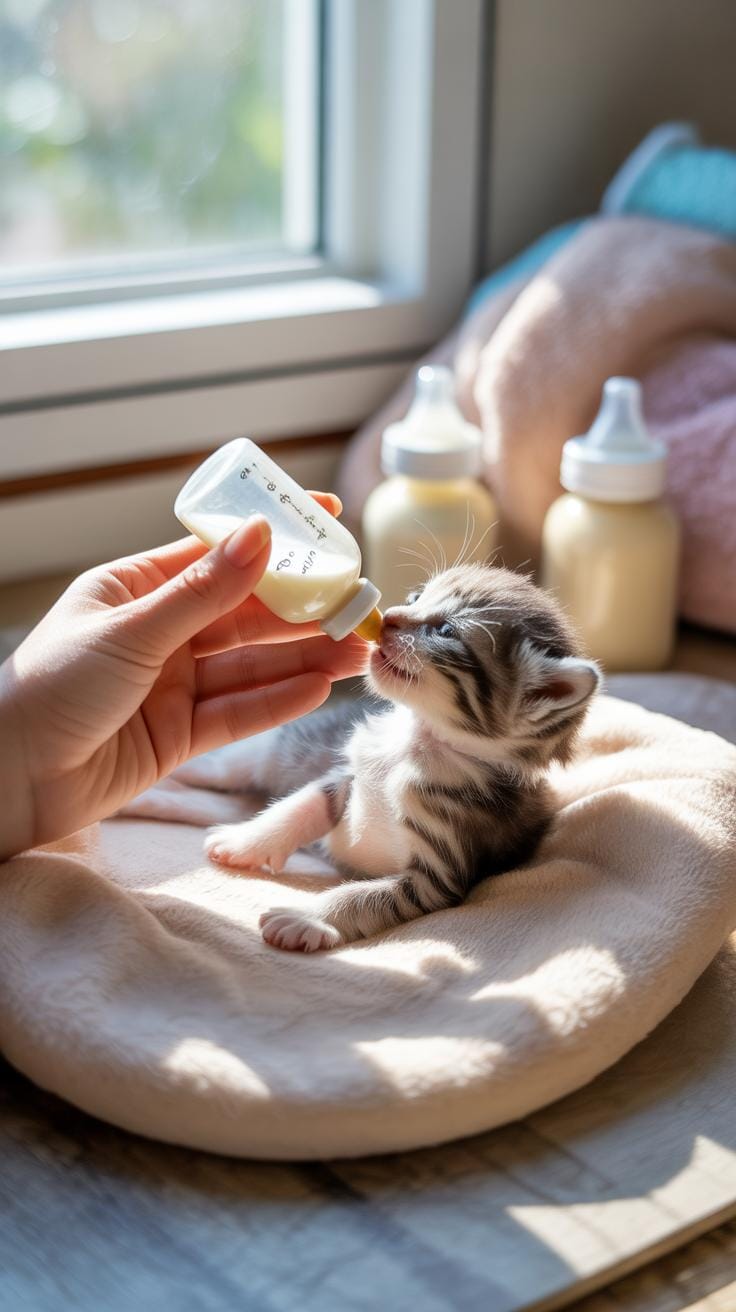
Newborn kittens depend entirely on colostrum during the first twenty-four hours of life. This initial milk provides essential antibodies and systemic immunity. Without these proteins, kittens cannot fight off common pathogens. The mother’s milk also delivers a high concentration of fats and minerals needed for rapid growth. Survival rates drop significantly if a kitten misses this specific biological window for nutrient absorption.
The digestive tract of a newborn loses the ability to absorb large antibody molecules after the first day. You must ensure every kitten latches and nursed immediately after birth. Monitor the litter to confirm each individual receives an equal share of milk. If the mother rejects a kitten, you must intervene manually. Warmth is a prerequisite for digestion. Never feed a cold kitten because their stomach will not process the milk.
What To Do When A Newborn Kitten Has No Mother: Starting Kitten Formula
Orphaned kittens require a high-quality kitten milk replacer to survive. Do not use cow’s milk or goat’s milk as they lack necessary protein and fat levels. You must feed the kittens every two hours around the clock. Use a small bottle or a syringe for delivery. Keep the kitten on its stomach while feeding to prevent aspiration. Proper positioning ensures the formula enters the stomach rather than the lungs.
Measure the formula precisely according to the manufacturer’s weight-based instructions. Overfeeding causes diarrhea while underfeeding leads to dehydration and death. You must also stimulate the kitten to urinate and defecate after every meal. Use a warm, damp cotton ball to mimic the mother’s grooming. Record the weight of each kitten daily to track growth progress. Consistent weight gain serves as the primary indicator of successful nutritional support.

Kitten Formula Feeding Guide Weeks 1 Through 4 For Orphaned Kittens
Choosing The Right Kitten Formula: What Ingredients And Products Vets Recommend
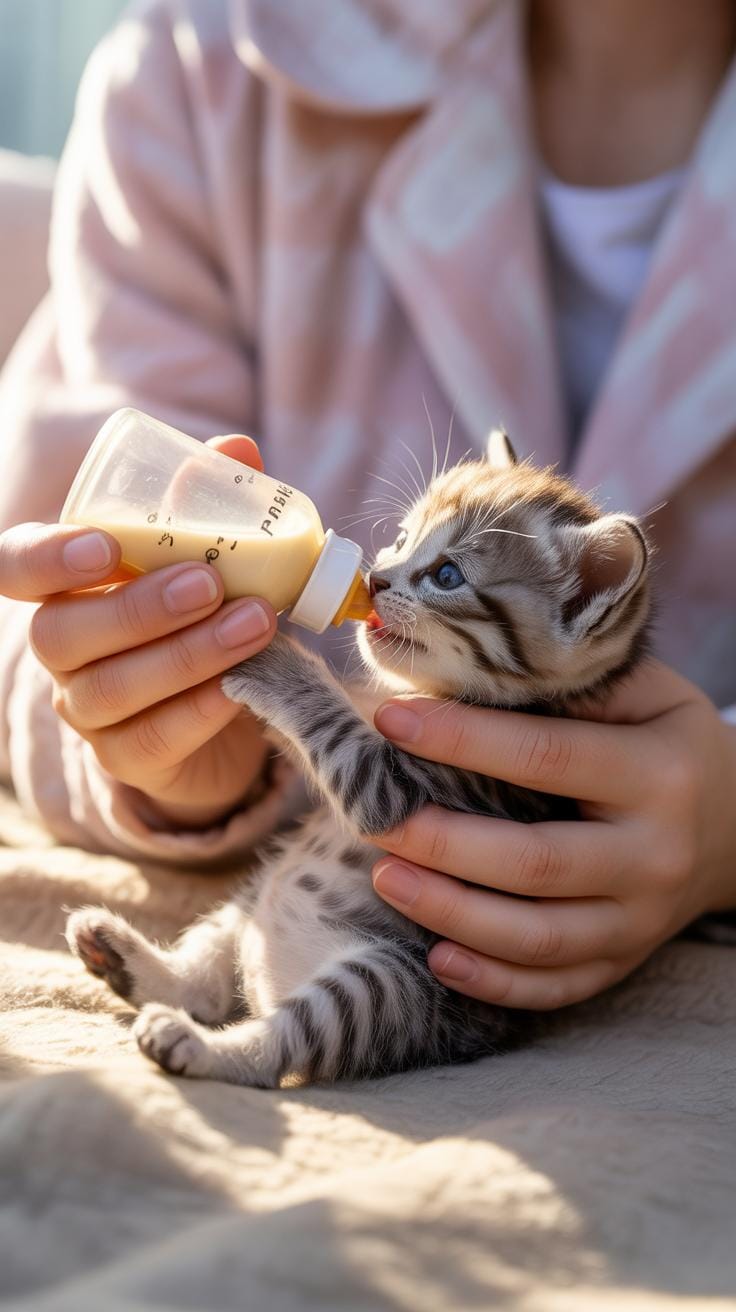
Orphaned kittens cannot digest cow milk or goat milk safely. These liquids lack the specific protein and fat concentrations found in feline colostrum. You must use a commercial Kitten Milk Replacer. This product mimics mother cat milk. Veterinarians recommend brands like KMR or PetAg. These formulas provide essential amino acids like taurine. Taurine prevents heart disease and supports healthy eye development during early growth stages.
High quality formula comes in liquid or powder fast. Powdered options last longer and cost less for large litters. Mix the powder with warm water to eliminate clumps. Clumps cause digestive upset or constipation. Always check the expiration date on the container. Formula spoils quickly once you open it. Discard any mixed formula after twenty four hours. Proper storage prevents bacterial growth that can kill young kittens.
How Often And How Much Kitten Formula To Feed By Week Of Age
Age dictates the feeding frequency and volume. Week one kittens need food every two hours. This includes overnight sessions. Feeding amounts start at two to four milliliters per meal. By week two, increase the volume to five or seven milliliters every three hours. Kittens double their birth weight during this period. Consistent weighing ensures the kitten receives enough calories. Use a digital gram scale for total accuracy.

Weeks three and four allow for longer gaps between meals. Transition to feeding every four to five hours. A three week old kitten consumes roughly ten milliliters per feeding. By week four, they take thirteen to fifteen milliliters. Stop feeding when the kitten pulls away or the belly feels rounded. Never force feed a weak kitten. Forcing liquid into the mouth causes aspiration pneumonia. Monitor elimination habits after every single feeding session.
Kitten Feeding Chart Ages 4 To 8 Weeks And The Transition To Solid Food
When And How To Introduce Wet Food And Gruel During The Weaning Phase
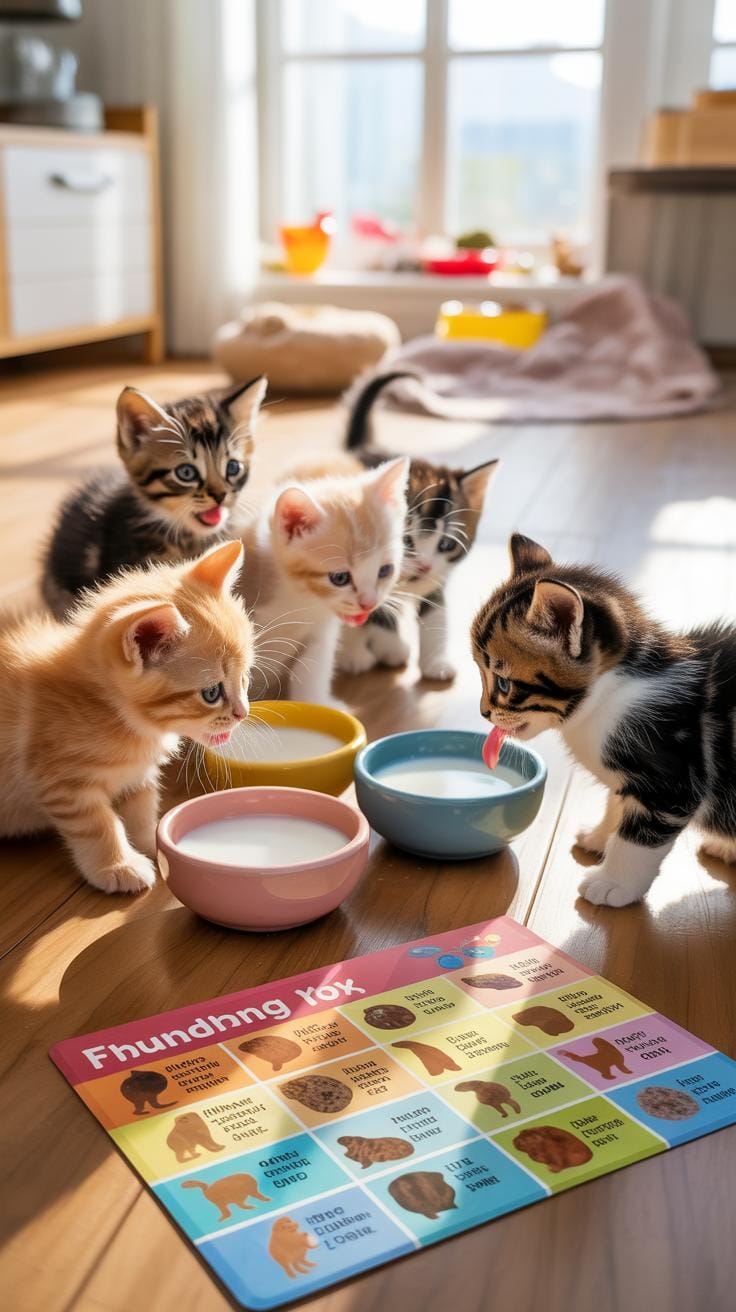
At four weeks of age, kittens begin the weaning process. Start by mixing high-quality kitten wet food with warm kitten milk replacer. This creates a shallow slurry or gruel. Place the mixture on a flat plate. Let the kittens explore the texture at their own pace. Do not force their faces into the bowl. This causes aspiration and pneumonia risks.
Gradually reduce the amount of milk replacer over the next four weeks. By age six, kittens should eat thickened wet food with less liquid. By eight weeks, most kittens transition fully to solid food. Always provide fresh water in a shallow dish during this stage. Monitor their weight daily to ensure they consume enough calories. Consistent weight gain indicates a successful transition period.
How To Read And Use A Kitten Feeding Chart To Track Daily Food Intake
A kitten feeding chart provides baseline caloric requirements based on body weight. Check the chart daily as kittens grow rapidly at this stage. Most charts list measurements in kilocalories or ounces. Match the kitten’s current weight to the recommended portion size. Divide the total daily amount into four to six small meals. Frequent feeding prevents blood sugar crashes in active kittens.

Effective tracking requires a precise kitchen scale. Weigh the kitten at the same time every morning. Record the weight and the amount of food consumed in a log. If the kitten stops gaining weight or leaves food behind, adjust the texture or frequency. Use the chart as a guide but prioritize the physical condition of the animal. Consult a vet if growth plateaus.
Kitten Food Choices From 8 To 12 Weeks Wet Dry Or Both

Comparing Wet Kitten Food Vs. Dry Kibble: Hydration, Protein, And Caloric Density
Wet food provides critical hydration for kittens. Young cats often have a low thirst drive. Moisture in canned food prevents kidney issues and urinary crystals later. It contains high animal protein levels and lower carbohydrate counts. This mimics a natural feline diet. Soft textures also accommodate small teeth and sensitive gums. This is vital during the early weaning transition phase.
Dry kibble offers high caloric density in small volumes. This helps kittens meet massive energy needs without overfilling their stomachs. Hard food helps scrape plaque from teeth as they chew. It stays fresh in a bowl longer than wet food. Many owners use a combination of both styles. This ensures the kitten receives moisture while benefiting from the convenience and dental perks of dry kibble.
Key Nutrients To Look For On A Kitten Food Label At This Stage

Kittens require specific nutrients to build muscle and bone during this growth spurt. Their metabolic rate is double that of an adult cat. You must verify the label mentions the AAFCO nutritional profile for growth. Standard adult maintenance food lacks the necessary density for this age group. Focus on protein sources and fats that support rapid physical and neurological development.
- DHA (Docosahexaenoic Acid): This omega-3 fatty acid is essential for brain and vision development. It naturally occurs in mother’s milk. High quality kitten foods add fish oil to provide this nutrient for cognitive health.
- Animal Protein: Kittens are obligate carnivores and need high protein levels. Look for named meats like chicken or turkey as the first ingredient. Avoid foods that rely on plant based proteins or vague meat byproducts.
- Calcium and Phosphorus: These minerals are vital for skeletal growth and strong teeth. The ratio must be precise to avoid bone deformities. Kitten specific formulas balance these minerals more accurately than all stages cat foods.
- Taurine: This amino acid is critical for heart health and eye function. Cats cannot produce enough taurine on their own. Insufficient taurine leads to blindness or heart failure. Most commercial kitten foods fortify this essential nutrient.
- High Caloric Content: Kittens need more calories per pound than adults. Look for nutrient dense recipes that pack energy into small servings. This prevents the kitten from becoming malnourished due to having a small stomach capacity.
Read the ingredient list from top to bottom. The first three ingredients represent the bulk of the food. Avoid fillers like corn, wheat, or soy which provide empty calories. High quality fats provide the energy needed for play and growth. Consistent nutrition at this stage prevents long term health complications. Proper feeding now sets the foundation for a healthy adult life.
Cat Feeding Schedule For Kittens Ages 3 To 6 Months Portion Sizes And Meal Frequency
How Many Meals Per Day Does A 3 To 6 Month Old Kitten Actually Need?
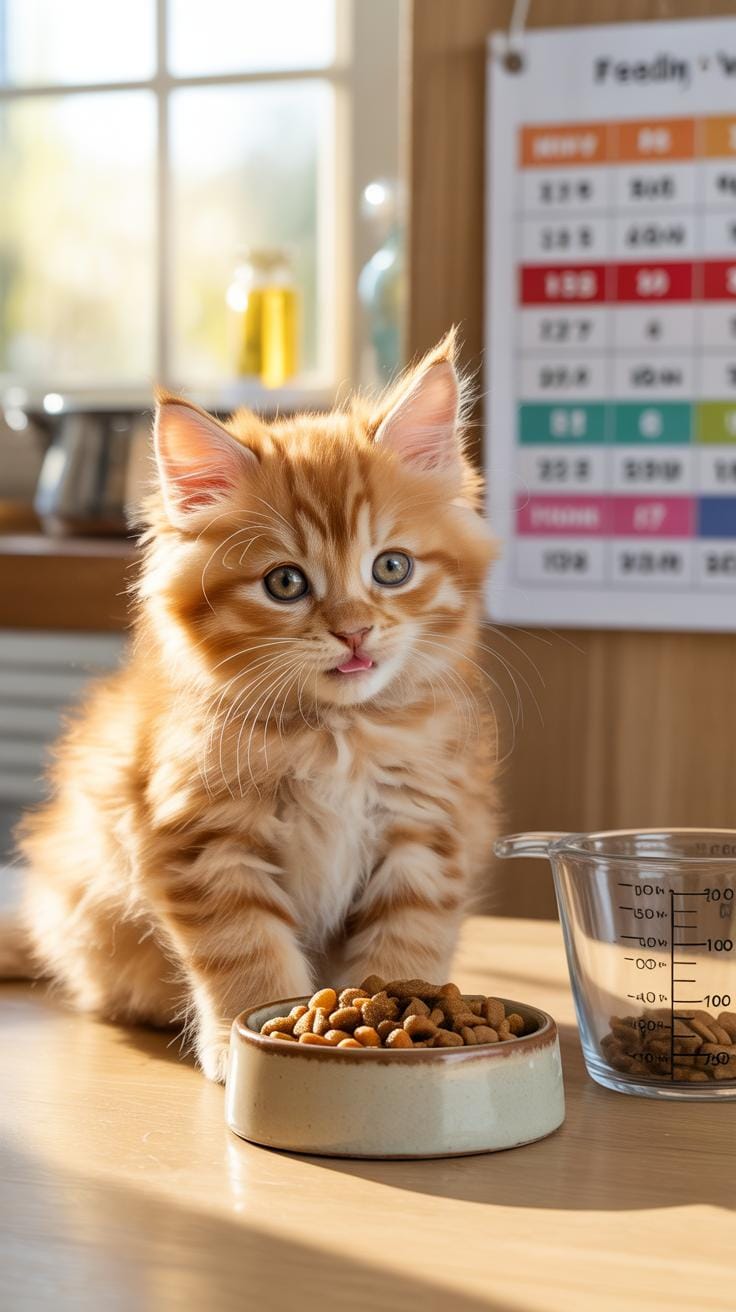
Kittens between three and six months old undergo rapid muscle development and bone growth. You must feed them three distinct meals every day to sustain this energy expenditure. Their stomachs are still small and cannot handle large volumes of food in one sitting. Frequent feeding prevents blood sugar drops and supports a high metabolic rate during this critical growth phase.

Do not move to twice-daily feeding before six months of age. Transitioning too early leads to digestive upset or excessive hunger behaviors. Aim for three equal portions spaced roughly six to eight hours apart. This rhythm ensures the kitten receives constant caloric support without overstretching the stomach wall. Consistent protein intake during these months directly impacts adult muscle tone and long-term health.
Watching a tiny kitten grow is a gentle reminder that love is measured out in small, frequent helpings and steady devotion. Each meal nourishes a bond that will warm your heart for a lifetime.
Building A Consistent Daily Cat Feeding Schedule That Fits Your Household
Success depends on a strict routine that aligns with your specific work and sleep hours. Set a morning meal immediately upon waking and a final meal before your own bedtime. Place the middle meal in the late afternoon or early evening to bridge the gap. Consistency trains the kitten when to expect food which reduces begging and late-night vocalizations across your home.
Select a quiet location for feeding and stick to it every day. Use the same bowls and clean them after every use to prevent bacterial growth. If your personal work schedule varies use an automatic feeder for the midday portion to maintain the three-meal requirement. Reliability is the most important factor for a developing cat. A predictable schedule lowers environmental stress and stabilizes the kitten’s metabolic health.
Kitten Weight And Feeding Guide Monitoring Growth From Birth To 6 Months
Average Kitten Weight Milestones By Age And What They Tell You About Health
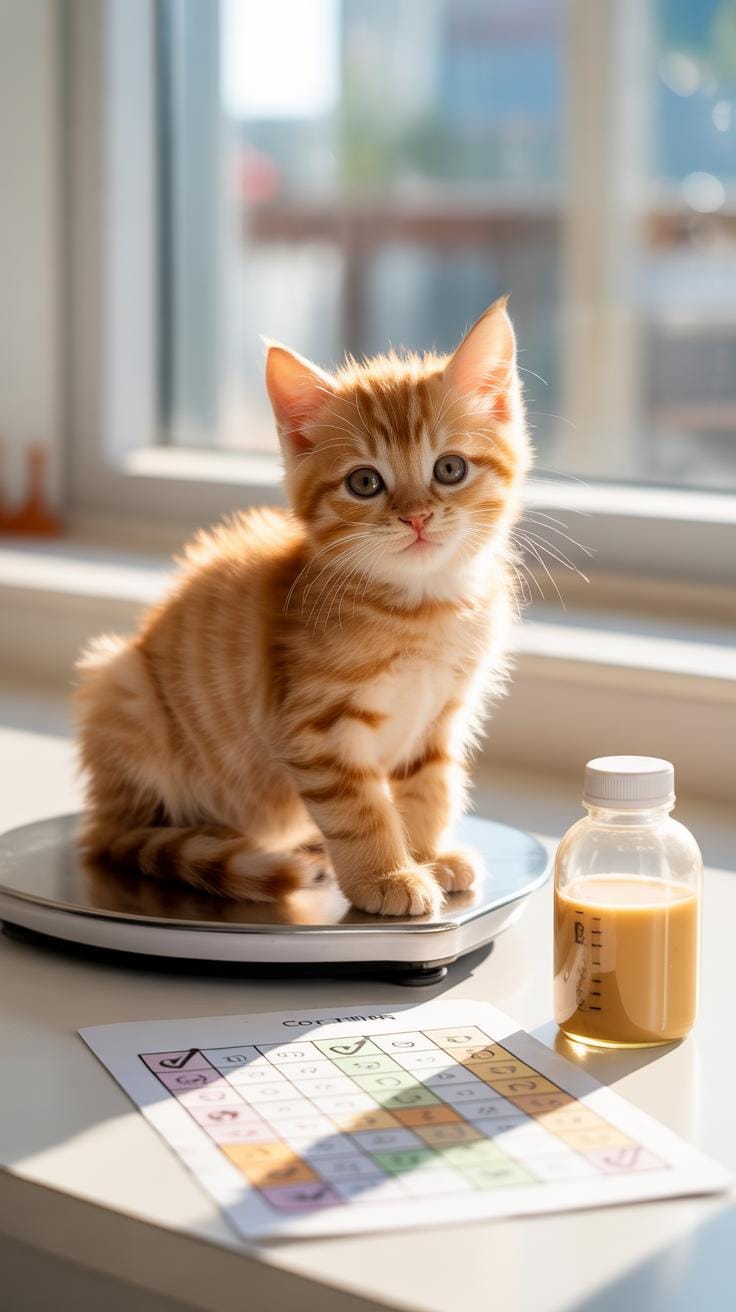
Newborn kittens typically weigh between three and four ounces at birth. You must track their weight daily during the first few weeks of life. Healthy kittens gain about ten to fifteen grams every day. By the end of the first month, a kitten should weigh approximately one pound. Steady weight gain confirms the mother or the formula provides enough nutrients for development.

Weight plateaus or losses signal immediate medical emergencies in young cats. A two month old kitten usually reaches two pounds. This one pound per month ratio often continues until they are six months old. Use a digital scale for precise tracking. Rapidly dropping weight indicates dehydration or parasites. Consistent growth shows the current feeding schedule and calorie counts meet the high metabolic demands of the animal.
How To Adjust Food Portions Based On Your Kittens Body Condition Score
The body condition score allows you to evaluate fat coverage and muscle mass. You should feel the ribs easily without a thick fat layer covering them. Look at the kitten from above to find a visible waistline. If the ribs protrude sharply, increase the daily calorie intake immediately. If you cannot feel the ribs, the kitten is consuming too many calories and requires portion control.
Adjust food amounts by ten percent increments when a kitten deviates from an ideal score. Growth spurts may cause temporary thinness, requiring more frequent meals. Heavyset kittens need specific measuring cups to prevent overfeeding. Avoid drastic diet cuts because kittens require constant energy for bone and organ development. Review the score every two weeks to keep the kitten in the healthy middle range of the scale.
Kitten Feeding Schedule By Age Months 6 To 12 And Approaching Adulthood

How Feeding Frequency And Caloric Needs Shift As Your Kitten Nears One Year Old

At six months, kittens undergo significant growth deceleration. Their skeletal structure is mostly set, so they require fewer calories per pound of body weight than younger kittens. Feeding three times daily is standard during this middle stage. You must monitor their ribs and waistline closely. Rapid weight gain now leads to lifelong obesity issues that damage joints and internal organs later.
The transition to twice-daily feeding happens between nine and twelve months. Most owners find this schedule fits standard work hours. Caloric dense kitten food still provides essential nutrients for brain development and lean muscle mass. However, you should lower the total portion size as energy levels stabilize. Consistency prevents digestive upset and helps manage hormone-driven hunger spikes common in adolescents before they reach full maturity.
When And How To Transition Your Kitten From Kitten Food To Adult Cat Food
Switching to adult food requires a slow process to avoid gastrointestinal distress. Start this transition once the cat reaches twelve months of age. Large breeds like Maine Coons are the exception and may need kitten formulas longer. Always utilize weight-based charts on the packaging to determine starting portions. Observe the cat for signs of allergies or food intolerance during this critical diet change.
- Assess Physical Maturity: Check if the kitten has reached its full height and frame size. Most domestic cats stop bone growth by one year. If your cat still looks lean and is growing rapidly, continue kitten food for another month to ensure they get enough protein.
- The Seven Day Rule: Mix the existing kitten food with the new adult food over one full week. Start with twenty-five percent adult food and seventy-five percent kitten food. Gradually increase the adult portion by twenty-five percent every two days until the kitten food is completely removed.
- Monitor Digestive Health: Watch for changes in stool consistency or frequency during the transition period. Loose stools suggest the change is moving too fast for the digestive tract. If vomiting occurs, stop the new food and revert to the previous diet until the stomach settles.
- Adjust For Spay Neuter: Factor in metabolic changes if your kitten underwent surgery recently. Fixed cats burn calories more slowly than intact cats. You might need to reduce the total daily intake to prevent immediate fat accumulation after switching to the less dense adult formula.
- Choose Life Stage Formulas: Verify the new food meets AAFCO standards for maintenance of adult cats. Avoid foods labeled for all life stages if your cat struggles with weight management. Specific adult formulas contain less fat and more fiber to help maintain a healthy weight throughout adulthood.
Balance is the primary goal when moving to adult maintenance diets. Adult cat food contains less protein and fat than growth formulas. Feeding growth-focused meals to a mature cat results in excess fat storage. Use measuring cups to track exact intake. Do not rely on free-feeding methods. Controlled portions ensure the cat enters adulthood at an ideal weight and maintains high energy levels.
Cat Feeding Chart Breakdown A Full Age By Age Reference From Newborn To 12 Months
Reading The Cat Feeding Chart: Daily Calories, Meal Counts, And Food Types By Age
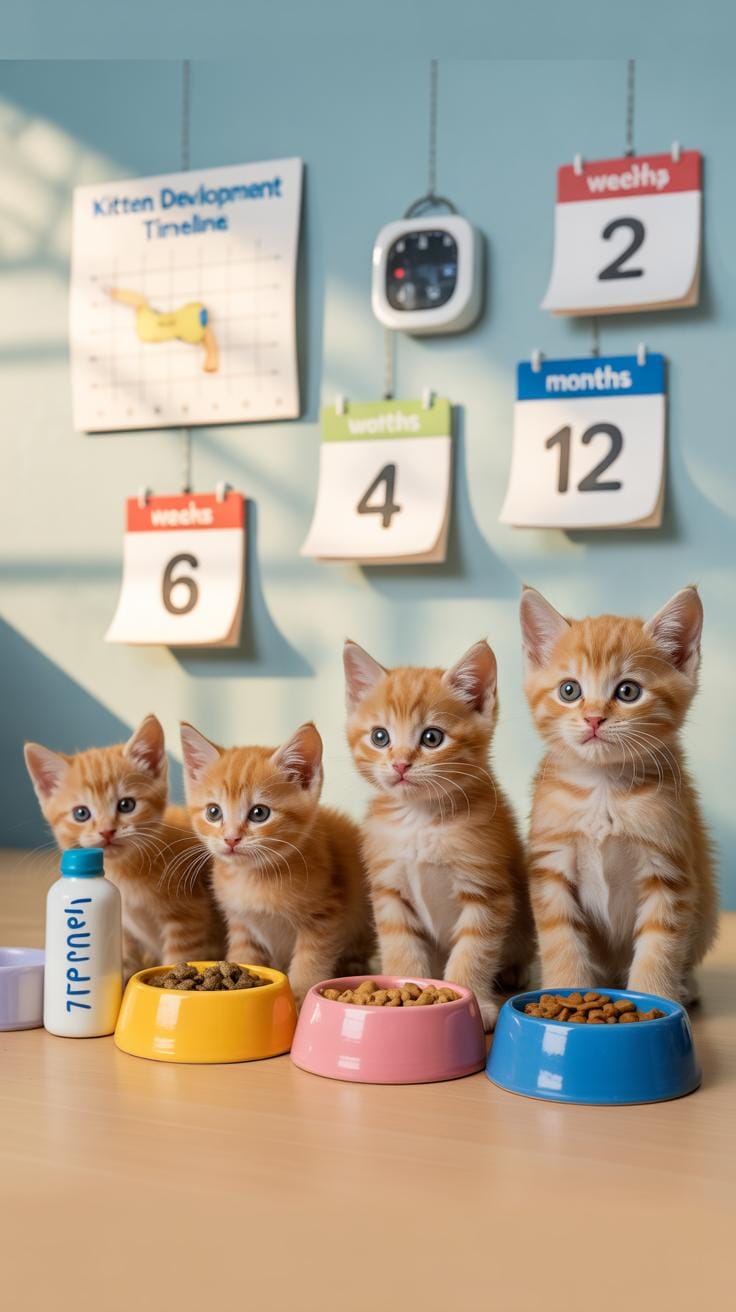
Kittens require specific caloric densities to support rapid bone and muscle development. Newborns up to four weeks old rely entirely on liquid replacement formula every two to four hours. Between four and eight weeks, you transition them to wet food slurries. Most charts show a shift from high-frequency nursing to four structured meals per day as the kitten nears the weaning completion stage.
Caloric needs peak between four and seven months of age. A growing kitten often requires double the energy intake of an adult cat per pound of body weight. You must use the chart to track weight gain weekly. Adjust the portion sizes if the kitten appears thin or overly round. Transition to two or three meals daily once the cat reaches six months of age.
Common Mistakes Owners Make When Following A Kitten Feeding Chart
Many owners fail to recognize that charts provide general averages rather than strict laws. Metabolism varies based on breed and activity levels. A common error involves using adult maintenance food for a growing kitten. Adult food lacks the necessary protein, calcium, and phosphorus ratios required for skeletal growth. This mistake can lead to permanent bone deformities or stunted growth during the first year.
Overfeeding is another tactical error that leads to early obesity. Owners often confuse a kittens high demand for energy with an unlimited license to provide treats. Stick to the scheduled portions to prevent digestive upset and diarrhea. Free-feeding dry kibble often results in poor hydration levels. Monitor the kittens water intake and body condition score rather than just looking at the bowl.
Kitten Care Tips Hydration Special Diets And When To Consult Your Veterinarian
The Role Of Fresh Water In Kitten Care And Why Hydration Is Often Overlooked
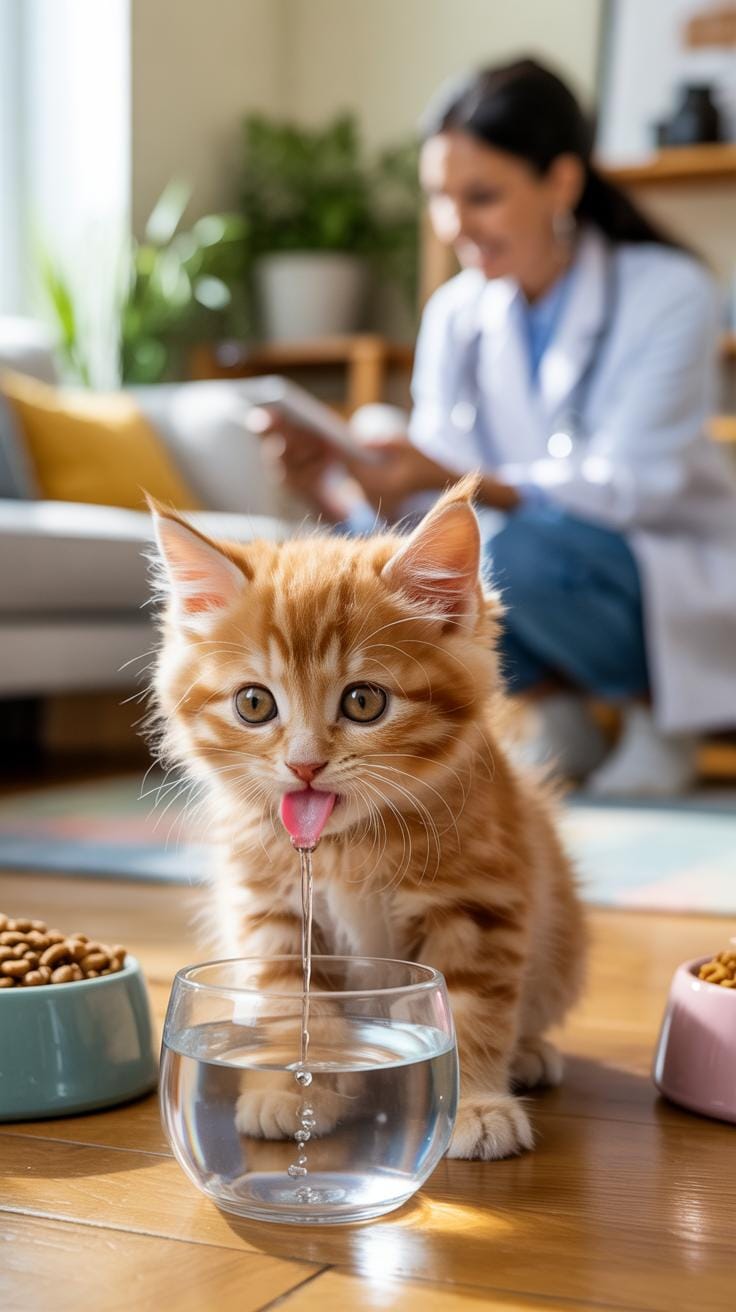
Kittens require constant access to clean water to support rapid metabolic growth. Dehydration occurs quickly in small bodies and leads to organ stress or failure. While wet food provides some moisture, it does not meet total daily requirements. You must place water bowls in low traffic areas where the kitten feels safe. Change the water twice daily to prevent bacterial film and dust buildup.
Many owners overlook hydration because cats have a low thirst drive. This trait stems from their desert ancestors who obtained moisture from prey. In a domestic setting, dry kibble diets significantly increase the risk of chronic dehydration. Monitor your kitten for skin turgor and gum tackiness. If the skin stays tented when pinched, the kitten needs immediate fluids. Use wide stainless steel bowls to avoid whisker fatigue.
Signs Your Kitten May Need A Special Diet Or Veterinary Nutritional Guidance
Standard growth formulas do not suit every kitten. Some individuals develop food intolerances or allergies early in life. Symptoms include chronic diarrhea, vomiting, or poor coat quality. If your kitten fails to gain weight despite eating, they may have a malabsorption issue. You must track daily weight using a digital scale. Consistent weight loss or stagnation is a red flag that requires a professional medical evaluation.
Congenital conditions or intestinal parasites often mimic nutritional deficiencies. A veterinarian must rule out these issues before you switch to a prescription diet. High protein requirements are non-negotiable for kittens, but specific protein sources may cause inflammation. Avoid self-diagnosing with raw or boutique diets without expert oversight. Consult a vet if you notice lethargy or a bloated abdomen. Expert guidance ensures the kitten reaches skeletal maturity safely.
Frequently Asked Questions

Why is having a specific kitten feeding schedule by age so important for new pet owners?
Establishing a kitten feeding schedule by age is vital because kittens have tiny stomachs but massive energy requirements. During their first few months, they undergo rapid bone and muscle development that necessitates frequent, nutrient-dense meals. Without a consistent routine, young cats may experience dangerous drops in blood sugar or digestive upset. Setting a timeline ensures they receive the steady calories required to grow into strong, healthy adult companions.
How do I transition my kitten from milk to solid food as they grow?
Transitioning starts around four weeks of age through a process called weaning. To follow a proper kitten feeding schedule by age, begin by mixing high-quality canned food with kitten formula to create a soft gruel. Gradually increase the ratio of solid food over three weeks while decreasing the liquid. By eight weeks, your kitten should be eating small portions of wet or moistened dry food about four times every day.
Can I maintain a healthy feeding routine on a budget without buying expensive specialty brands?
Absolutely! You don’t need the most expensive boutique labels to keep your pet healthy. Look for budget-friendly brands that carry the AAFCO seal, ensuring the food is nutritionally complete and balanced for growth. Buying in bulk or larger cans can significantly reduce costs. Focus on consistency rather than price tags; providing the correct amount of calories at regular intervals is more beneficial for your kitten’s long-term health than luxury packaging.