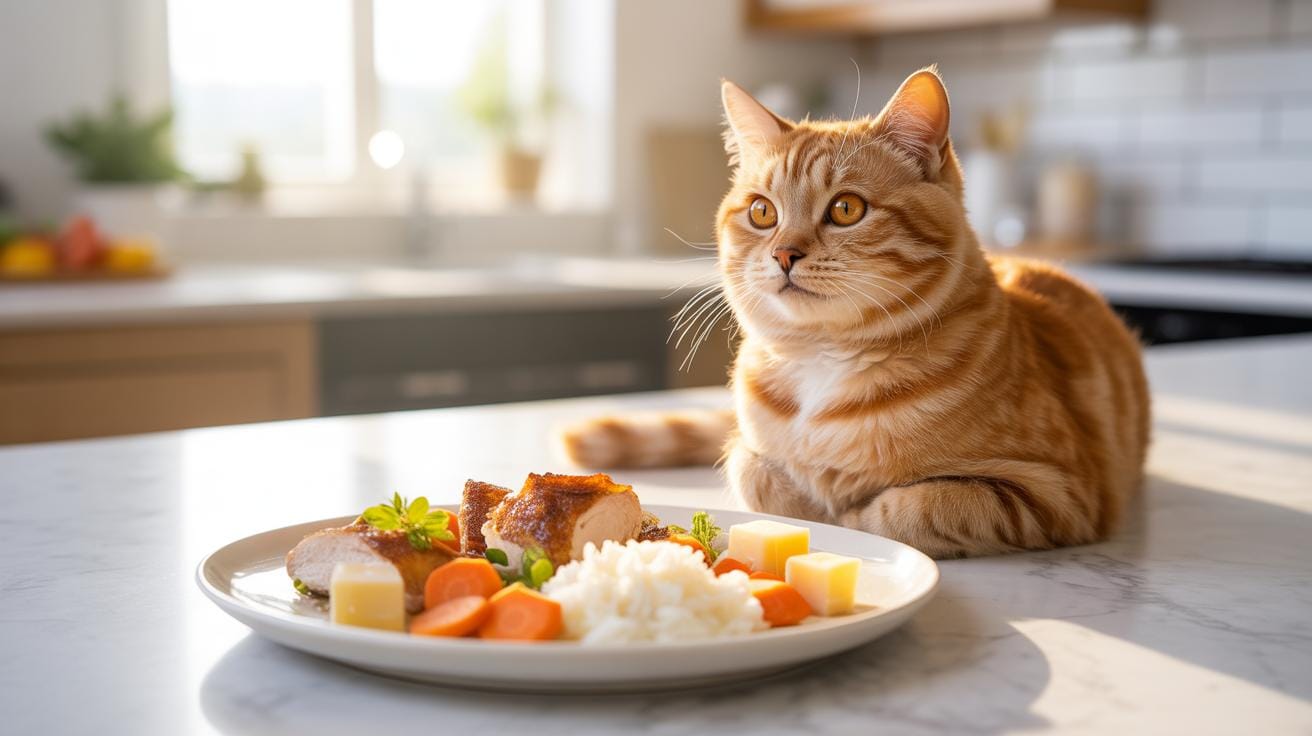
Understanding Human Food And What It Means For Your CatS Diet
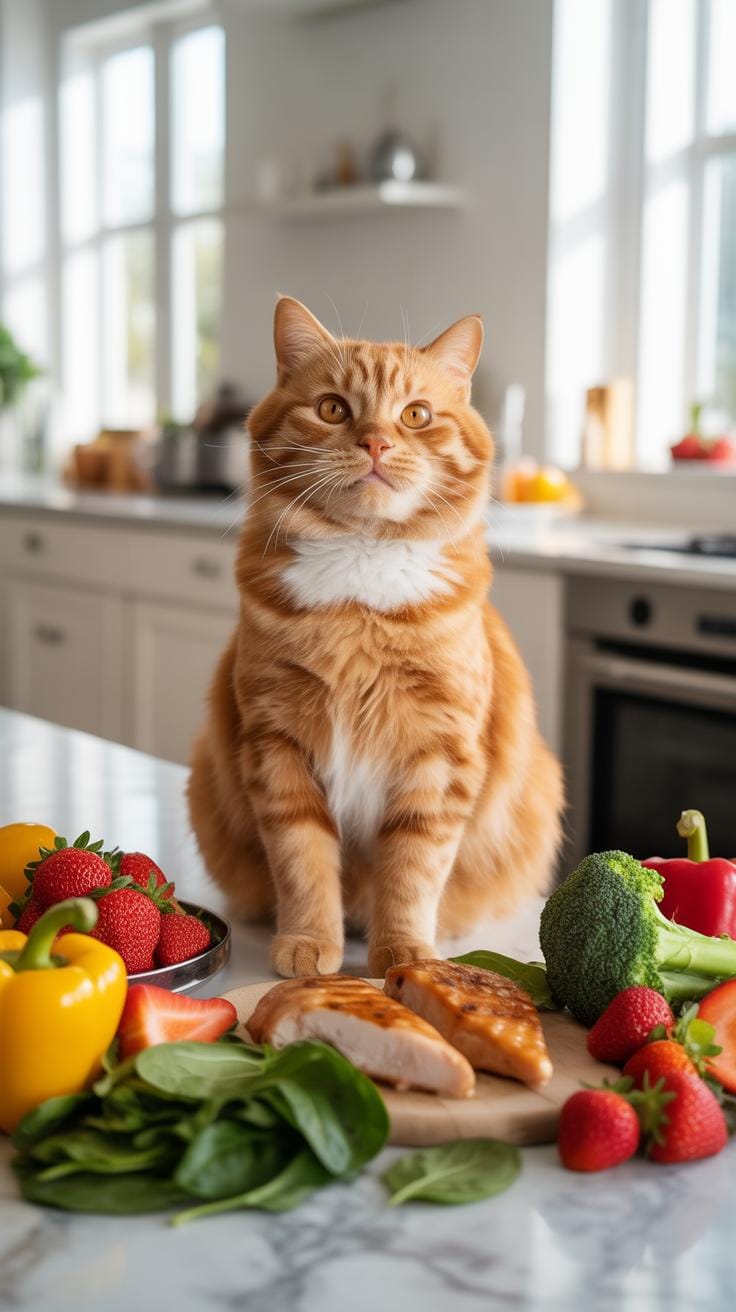
Why Cats Have Different Nutritional Needs Than Humans
Cats are obligate carnivores. This biological fact means they must eat meat to survive. Their bodies require specific amino acids like taurine that only exist in animal protein. Unlike humans, cats do not have the digestive enzymes to process heavy plant loads. Their metabolic pathways focus on protein and fat for energy. They do not need carbohydrates to maintain healthy daily functions.
Humans are omnivores and can process a wide variety of plant and animal matter. Cats have a short digestive tract designed for rapid protein breakdown. This anatomical difference means many human foods cause immediate digestive distress in felines. You cannot apply human dietary logic to a cat. Their nutritional requirements are rigid and defined by their evolutionary history as solitary hunters of small prey animals.
How Occasional Human Food Fits Into A Balanced Cat Diet
Human food should never replace high quality commercial cat food. Commercial formulas provide a precise balance of vitamins and minerals. Think of human food as a tactical tool for treats or medicine delivery. It should make up less than ten percent of their daily calorie intake. Exceeding this limit causes nutrient imbalances. It can also lead to feline obesity and long term organ stress.
Always prioritize plain preparation when sharing food with your cat. Added salts, spices, and oils present significant health risks. Onions and garlic are toxic even in small amounts. Monitor your cat for any adverse reactions after trying new items. Clear communication with a veterinarian ensures these additions remain safe. Stick to lean proteins and specific safe vegetables to maintain the integrity of their primary diet.

Protein Rich Foods Cats Can Eat Straight From Your Kitchen
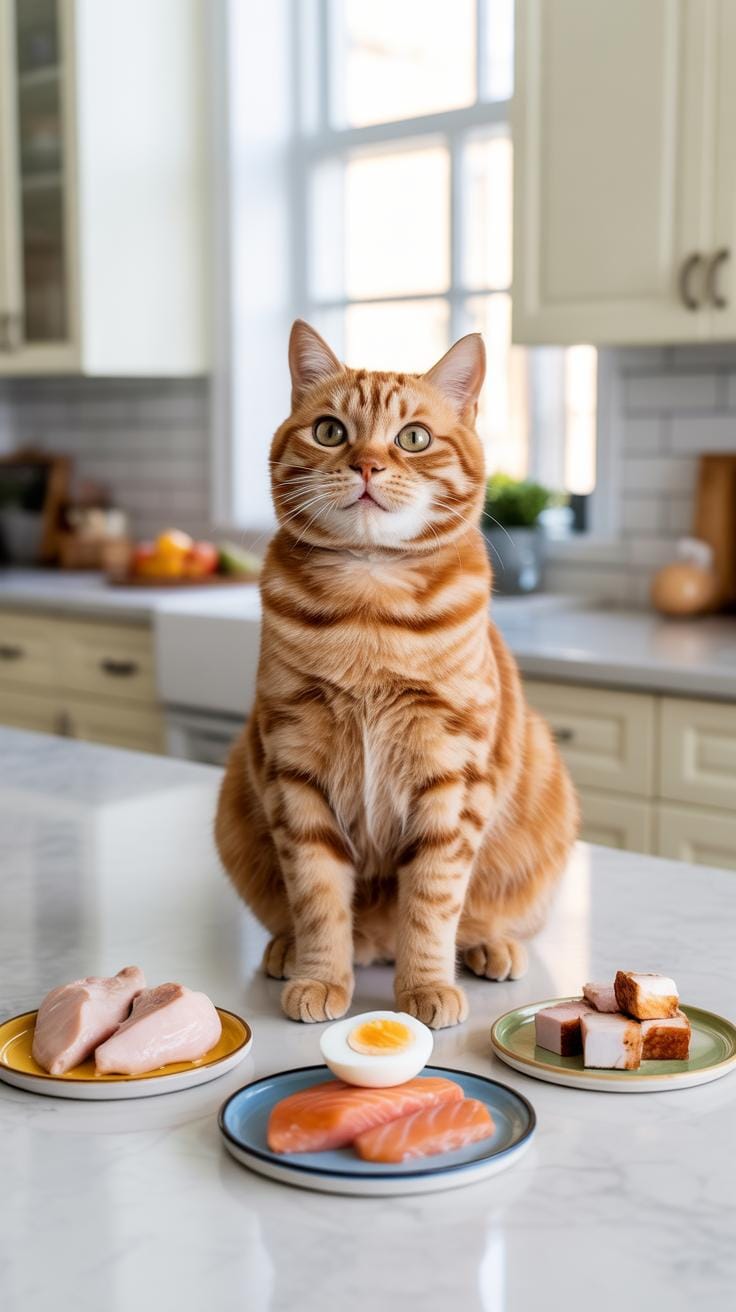
Cooked Chicken, Turkey, And Lean Meats Cats Can Safely Enjoy
Cats function as obligate carnivores. Their bodies require animal protein to survive and maintain muscle mass. Cooked chicken and turkey provide high-quality protein without excessive fats. You must remove all skin and visible fat before serving these meats. Plain, boiled meat serves as the safest delivery method. Never add salt, garlic, or onions during the cooking process. These common kitchen ingredients are toxic to felines.
Lean beef and lamb also fit into a feline diet in small amounts. Always ensure the meat reaches a safe internal temperature to kill bacteria like salmonella. Cut the meat into small pieces to prevent choking. Do not feed your cat deli meats or processed cold cuts. These products contain high levels of sodium and nitrates. Stick to fresh, unseasoned cuts of meat prepared specifically for the animal.
Cooked Eggs As A Safe And Nutritious Treat For Cats
Cooked eggs provide an excellent source of amino acids and highly digestible protein for cats. They contain essential vitamins like B12 and riboflavin that support metabolic health. Scrambled or boiled eggs are the most effective serving options. You must ensure the eggs are fully cooked to eliminate the risk of E. coli. Plain eggs without butter or oil offer the most nutritional value for your pet.

Never feed raw egg whites to a cat. Raw whites contain avidin which interferes with the absorption of biotin, a necessary B vitamin. Biotin deficiency leads to skin and coat issues over time. Limit egg consumption to a supplemental treat rather than a primary meal. High fat content in yolks can lead to weight gain if overfed. Monitor your cat for any signs of digestive upset after the first feeding.
Fish And Seafood Food Cats Can Eat With The Right Preparation
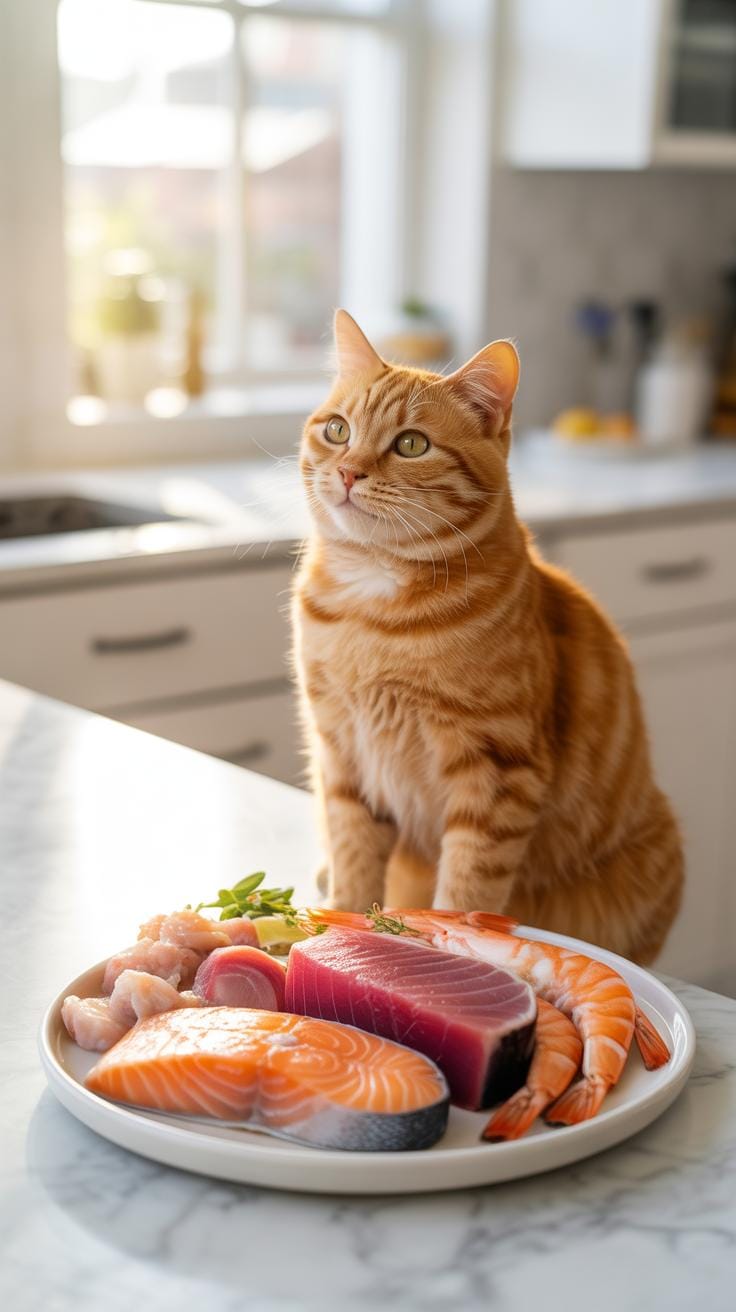
Which Types Of Fish Are Safe For Cats When Cooked Properly
Cooked white fish like cod, flounder, and halibut provide lean protein for cats. These species contain low fat levels and help maintain muscle mass without causing weight gain. Owners must bake or steam the fish until it reaches an internal temperature of 145 degrees Fahrenheit. This process kills harmful bacteria and allows the cat to digest the nutrients efficiently.
Oily fish such as salmon and sardines offer essential omega-3 fatty acids. These nutrients support skin health and improve coat quality. You must remove all bones, fins, and scales before serving to prevent choking or internal injury. Never use salt, garlic, onions, or oil during the cooking process. Plain fish provides the necessary protein boost without the risks of processed additives.
Sharing a small nibble of plain cooked fish or chicken can be a beautiful way to bond with your feline companion. These simple, safe treats bridge the gap between our table and their world.
Why Raw Fish And Certain Shellfish Should Be Avoided
Raw fish contains an enzyme called thiaminase that destroys thiamine in cats. Thiamine is an essential B vitamin required for neurological health. A deficiency leads to seizures, loss of balance, and death. Raw seafood also carries pathogens like Salmonella and Listeria. These bacteria cause severe gastrointestinal distress and can spread to humans in the household through contact with the cat.

Shellfish like shrimp and scallops require careful preparation before a cat eats them. You must remove the tough outer shells and digestive tracts completely. High levels of sodium in processed or canned shellfish can cause salt poisoning in small animals. Avoid feeding cats raw filter feeders because they concentrate toxins from the water. Always prioritize thoroughly cooked portions to eliminate parasites and chemical contaminants.
Cat Safe Foods From The Vegetable Aisle You Might Already Have
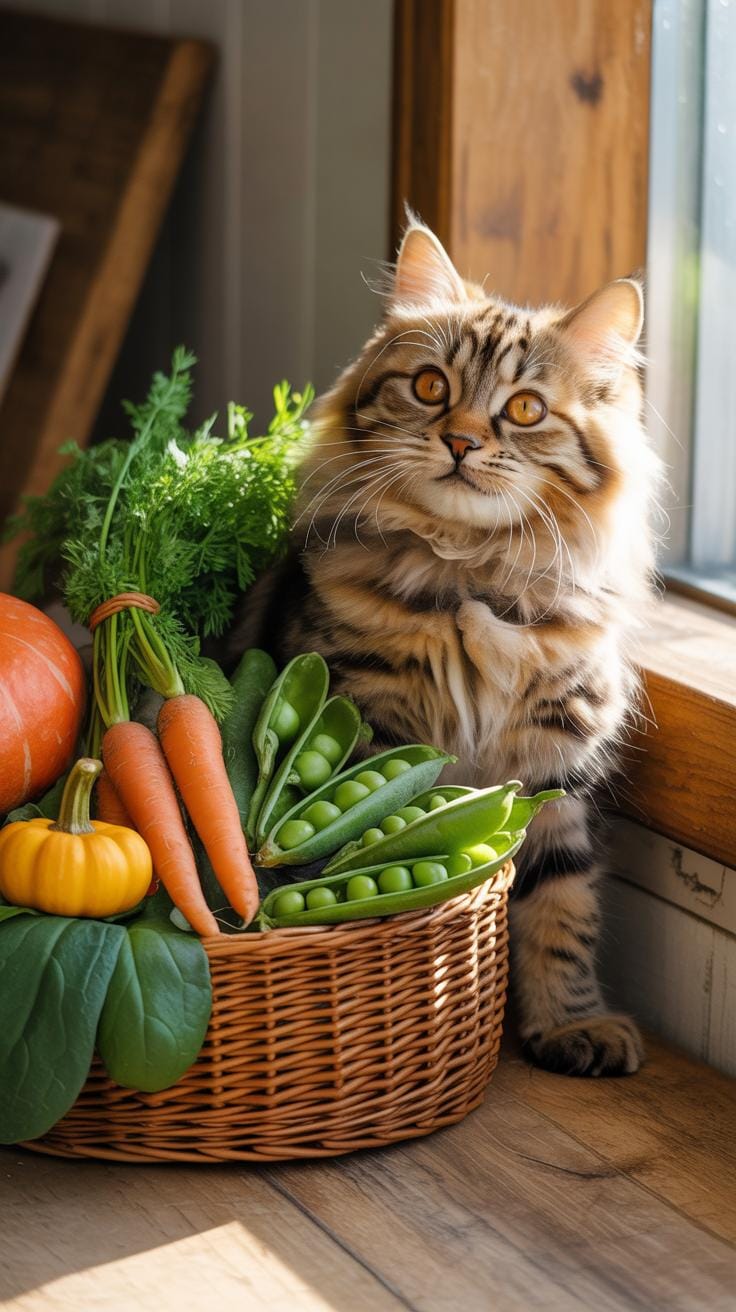
Vegetables Like Carrots, Peas, And Zucchini That Are Safe For Cats
Cats are obligate carnivores and do not require vegetables for survival. However, specific plants provide beneficial fiber that aids digestion. Cooked carrots offer beta-carotene without risking dental damage from hard, raw pieces. Steamed zucchini provides hydration and a soft texture that most cats tolerate. These options serve as low-calorie fillers for overweight cats needing weight management through volume reduction.
Peas are a common ingredient in commercial grain-free kibble. They contain vitamins A, K, and B6 which support immune health. Broccoli is another safe choice if you steam it to break down tough fibers. Avoid any seasonings like garlic or onions during preparation. These common kitchen staples are toxic to felines. Stick to plain, water-boiled, or steamed versions to ensure safety.
How To Safely Introduce Vegetables Into Your Cat’S Occasional Snacks
Introduce new vegetables slowly to monitor for gastrointestinal distress. Start with a portion no larger than a fingernail. Watch your cat for twenty-four hours to check for vomiting or diarrhea. If the cat shows no adverse reaction, you can continue offering the food. Never replace more than ten percent of their daily caloric intake with treats or vegetables.

Preparation determines the safety of the snack. Puree or finely chop all vegetables to prevent choking hazards. Cats lack the molars necessary to grind plant matter effectively. Hard chunks of raw pumpkin or squash can lodge in the throat. Always peel outer skins to remove pesticide residue and simplify digestion. Consistency is key when adding fiber to a strict meat-based diet.
Healthy Cat Food Additions Fruits That Cats Can Safely Nibble On
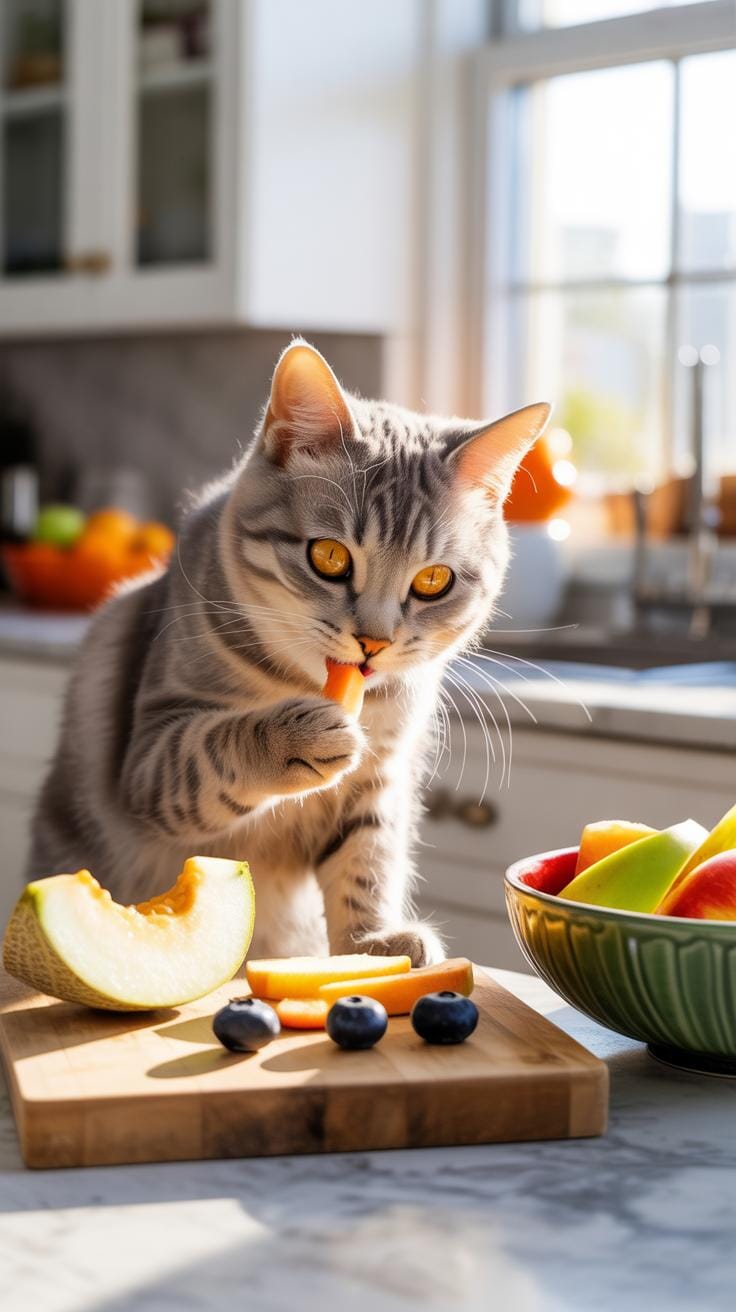
Cat Friendly Fruits Including Blueberries Watermelon And Cantaloupe
Cats are obligate carnivores and lack sweet taste receptors. They do not need sugar from fruit. However, certain fruits provide hydration and vitamins. Blueberries contain antioxidants and fiber. Watermelon offers high water content which helps kidney function. Cantaloupe provides beta carotene and vitamin C. Always remove all seeds and rinds before serving. These parts cause choking or intestinal blockages in small animals.
Keep fruit portions small to prevent digestive upset. High sugar content in fruit can lead to obesity or diabetes over time. Treat these items as occasional snacks rather than dietary staples. Cut fruit into bite sized pieces to ensure easy swallowing. Monitor your cat for any signs of diarrhea after they eat new foods. Stop feeding fruit if the cat shows any stomach distress or vomiting.
Fruits That Are Toxic To Cats And Must Always Be Avoided
Never feed grapes or raisins to cats. These fruits cause rapid kidney failure and death. Even small amounts are dangerous for all feline breeds. Citrus fruits like lemons and limes are also toxic. The essential oils and psoralens in citrus cause central nervous system depression. Keep all stems and leaves away from your pet. These parts often contain higher concentrations of toxic compounds.

Avoid feeding cherries and stone fruits like plums or peaches. The pits contain cyanide which is lethal to cats. Cyanide prevents the blood from carrying oxygen to the tissues. Persimmons can cause intestinal blockages or inflammation. Most fruit related toxicity in cats involves the seeds or the skins. Always check every piece of fruit for pits before offering it. Immediate veterinary care is necessary if a cat consumes toxic fruit.
Grains And Dairy Things Cats Can Eat In Small Controlled Amounts
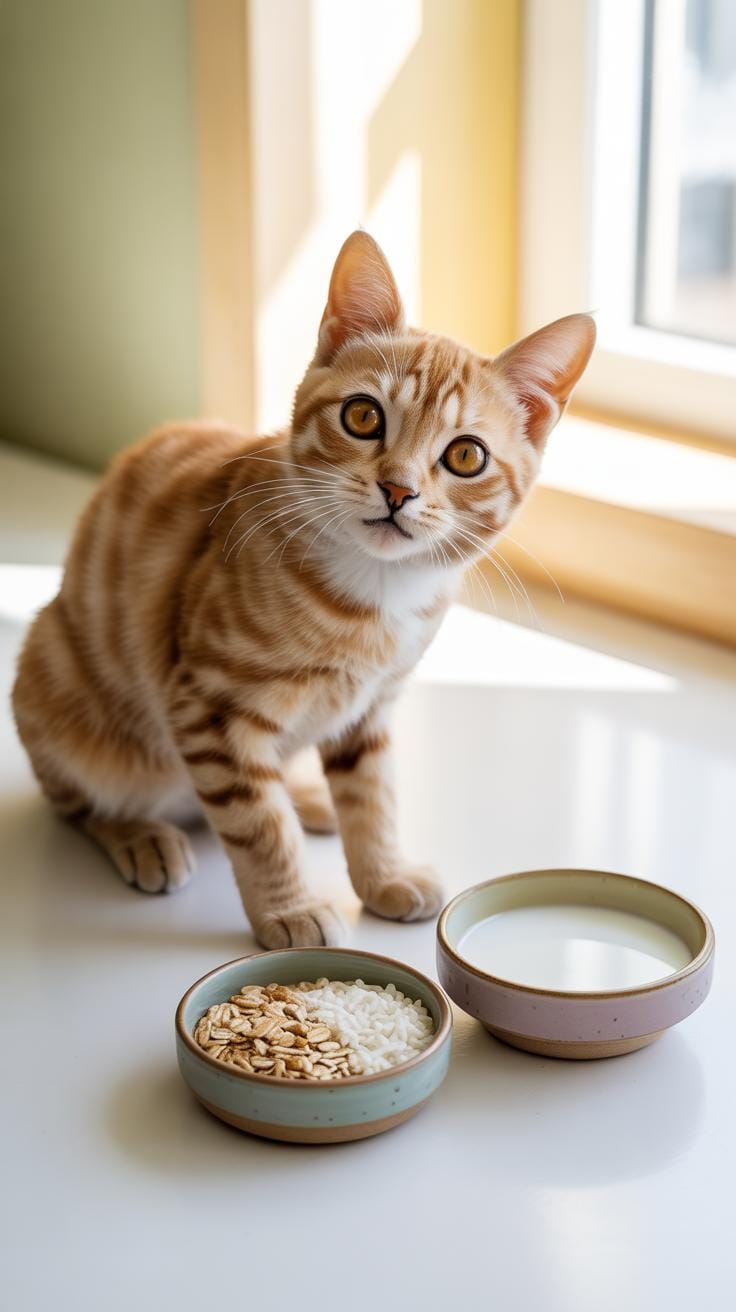
Cooked Grains Like Rice And Oatmeal That Are Gentle On A Cat’S Stomach
Cats are obligate carnivores and do not require carbohydrates to survive. However, cooked grains like white rice or oatmeal serve as effective bland fillers during digestive upset. These grains provide quick energy and fiber that helps firm up loose stools. You must boil these items in plain water. Never add salt, butter, sugar, or seasonings, as these ingredients damage feline kidneys and cause inflammation.
Grains should never exceed ten percent of a cat’s daily caloric intake. Whole grains like quinoa or couscous offer small amounts of iron and vitamin B. Ensure every grain is fully cooked and soft before serving. Hard or raw grains pose a choking hazard and remain indigestible in the feline gut. Use these foods only as occasional supplements to a high-protein diet centered on meat.
The Truth About Dairy: Why Most Adult Cats Are Lactose Intolerant
Popular culture often depicts cats drinking milk, but this is biologically incorrect. Most adult cats lack the enzyme lactase needed to break down lactose found in cow milk. When an adult cat consumes dairy, the undigested sugar ferments in the intestinal tract. This process leads to painful gas, bloating, and severe diarrhea. Avoid giving your cat a bowl of milk regardless of historical misconceptions.

If you choose to offer dairy, stick to small amounts of plain Greek yogurt or hard cheeses like cheddar. These options contain lower lactose levels than fluid milk. Low-fat cottage cheese is another manageable choice in tiny portions. Watch your cat for signs of distress after ingestion. If vomiting or loose stools occur, remove all dairy from their diet immediately to prevent dehydration and nutrient loss.
Cat Care Tips How To Safely Offer Human Food Without Causing Harm
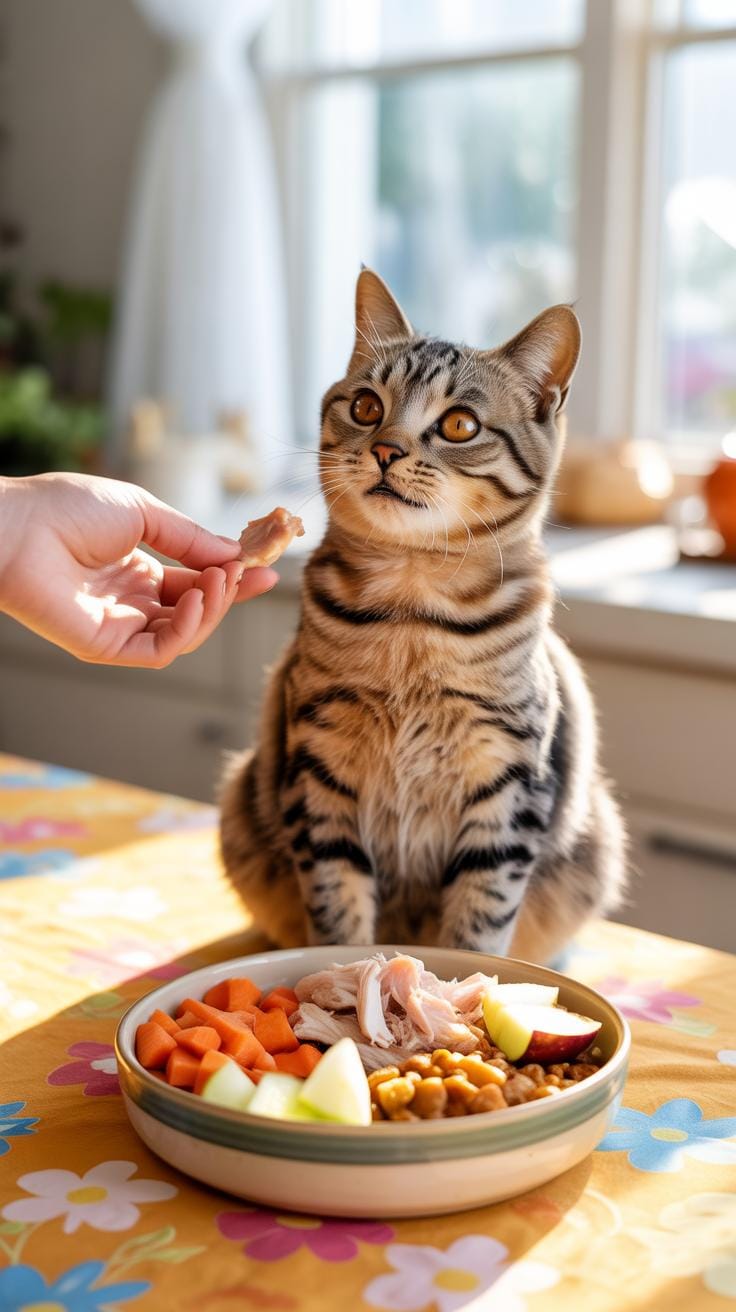
Portion Size, Frequency, And Preparation Rules To Always Follow
Human snacks must never exceed ten percent of a cat’s daily caloric intake. Use precise measurements to avoid weight gain. Prepare all items without oils, salts, or spices. Steam or boil meats until fully cooked to eliminate bacteria. Remove all bones and seeds before serving. Small, bite-sized pieces prevent choking hazards and allow for easier digestion in the feline gut.
- Precise Portioning: Limit treats to a teaspoon size for average cats. Excessive calories lead to obesity and metabolic strain. Always calculate the total daily energy needs before adding extras to their bowl.
- Plain Preparation: Cook all proteins without garlic, onions, or salt. These common kitchen staples are toxic or harmful to feline blood cells. Strip away skin and fat to reduce the risk of pancreatitis.
- Thermal Processing: Boil or steam meat instead of frying or grilling. High-heat searing can create compounds that are difficult for cats to process. Ensure the food reaches safe internal temperatures to kill salmonella and listeria.
- Mechanical Safety: Cut food into tiny, manageable cubes or thin strips. Cats have specific jaw movements designed for tearing rather than grinding. Removing bones prevents internal punctures or dental fractures during the feeding process.
- Consistency Control: Introduce only one new food item at a time. Wait forty-eight hours between different snacks to monitor for potential allergies. Routine helps the digestive system stay stable while you test for sensitivities or negative reactions.
Balance remains the primary goal for every pet owner. High-quality commercial cat food provides the necessary taurine and minerals that human scraps lack. Offering snacks too often creates picky eaters and nutritional deficiencies. Stick to a strict schedule for these extras to maintain discipline. Document what your cat eats to track patterns in their health and energy levels over long periods.
Signs Your Cat May Be Reacting Poorly To A Human Food Treat
Monitor your cat for at least twenty-four hours after they ingest a new food. Immediate biological rejection often manifests as vomiting or diarrhea. Look for changes in litter box habits or stool consistency. Lethargy tells you the body is struggling to process the meal. Watch for abdominal swelling or signs of discomfort when you touch their stomach area.

Skin reactions indicate a possible food allergy. Frequent scratching or sudden patches of hair loss suggest a negative immune response. Observe their breathing patterns for any signs of distress or wheezing. If the cat hides or refuses their regular meals, stop offering the human food immediately. Promptly contact a veterinarian if symptoms persist or if the cat becomes unresponsive after eating a treat.
Safe Human Foods For Cats To Avoid Confusion At Mealtime
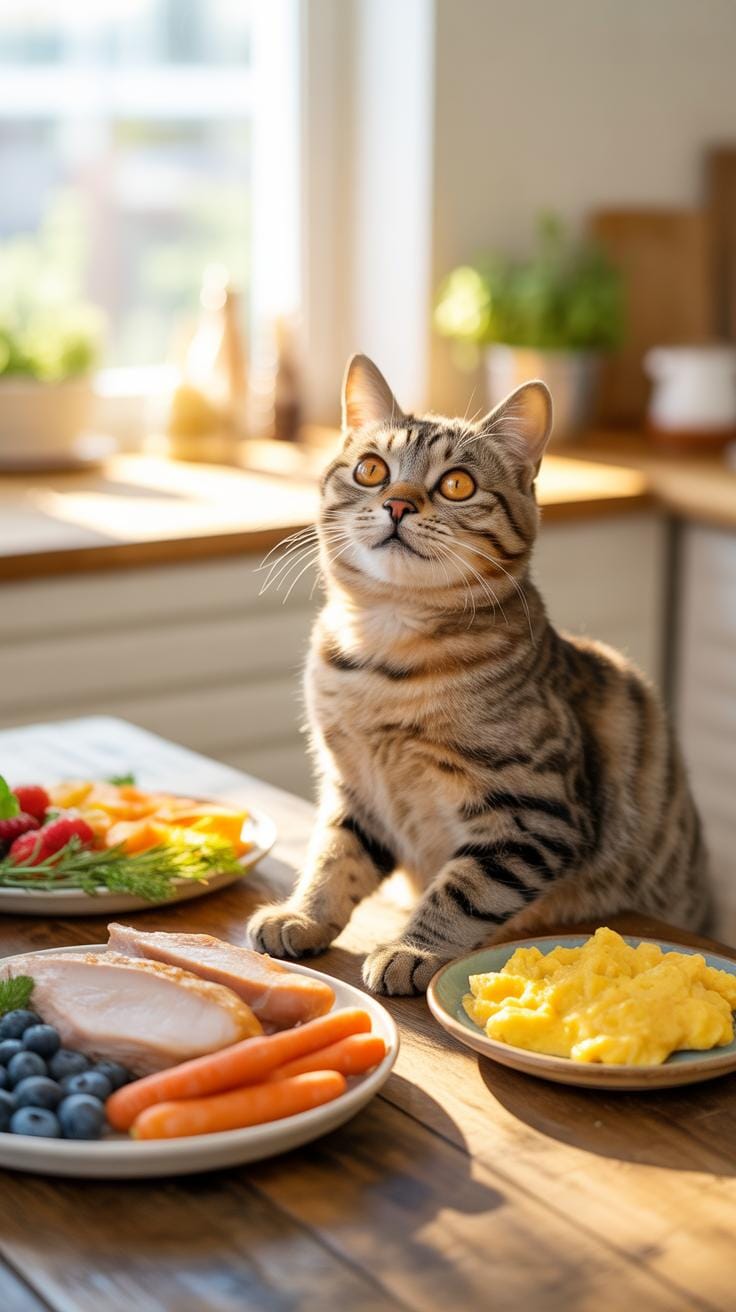
A Clear List Of Human Foods That Are Confirmed Safe For Most Cats
Cats are obligate carnivores. Their systems require animal protein to survive. However, specific human foods serve as safe treats or fiber supplements. You must prepare these items correctly to avoid digestive distress. Never add salt, garlic, onions, or oil during cooking. These additives are toxic to felines. High-quality proteins and simple vegetables provide the most nutritional value without risking health complications for your pet.
- Cooked Chicken: Provide plain, boiled chicken breast without skin or bones. This offers high-quality lean protein that supports muscle maintenance. Ensure the meat reaches a safe internal temperature to kill bacteria like salmonella. Skip all seasonings and fats during the preparation process for safety.
- Plain Pumpkin: Use pureed canned pumpkin without added sugar or spices. This food provides soluble fiber that helps regulate digestion. It is a common remedy for both constipation and mild diarrhea in felines. Do not use pumpkin pie filling because it contains toxic xylitol or harmful clove spices.
- Scrambled Eggs: Cooked eggs deliver essential amino acids and highly digestible protein. Always cook eggs thoroughly to eliminate the risk of E. coli exposure. Raw egg whites contain avidin, which interferes with biotin absorption. Scrambling them plain in a non-stick pan without butter keeps the calorie count low for weight management.
- Steamed Broccoli: Small amounts of steamed broccoli provide safe roughage for cats that seek out plants. Fiber helps with hairball passage and gut motility. Only offer the florets in moderation to prevent gas or bloating. Wash the vegetable thoroughly to remove any pesticide residue before steaming it until it is soft.
- Blueberries: These fruits contain antioxidants and vitamins that benefit a cat’s immune system. They serve as a low-calorie snack for overweight cats. Rinse them well and serve them raw or frozen. Limit intake to two or three berries to prevent spikes in blood sugar from the natural fructose found in the fruit.
Portion control is the most critical factor when feeding human snacks. These foods should never exceed ten percent of a cat’s daily caloric intake. Overfeeding leads to obesity and nutrient imbalances. Stick to the approved list to ensure safety. Check the ingredient labels of any pre-packaged human food for hidden toxins. Consistently monitor your cat for any signs of allergies or stomach upset after feeding new items.
When To Consult Your Veterinarian Before Adding New Foods To Cat Food
Consult a veterinarian before changing any part of a feline diet. Cats with chronic conditions like kidney disease or diabetes have strict nutritional requirements. Introducing new foods can trigger flare-ups or interfere with prescription medications. A professional assessment ensures the intended snack does not compromise the animal’s long-term health. Strategic pet ownership requires preventative care rather than reactive treatments for avoidable dietary mistakes.

Professional guidance is necessary to determine proper portion sizes for your specific breed. Vets use body condition scores to calculate exact caloric needs. They identify hidden risks based on your cat’s medical history. If your cat shows lethargy or vomiting after eating human food, contact a clinic immediately. Rapid medical intervention prevents minor digestive issues from becoming fatal emergencies. Always prioritize professional medical advice over general dietary trends.
Frequently Asked Questions

Is it actually okay to give my cat food from my own plate?
While cats are obligate carnivores, they can enjoy certain “people foods” as occasional treats. Identifying which cats safe human food options are appropriate is the first step to sharing a snack. Small portions of cooked, unseasoned meats like chicken or turkey are generally fine. However, these should never replace a balanced feline diet, as cats require specific nutrients like taurine that are only found in high-quality commercial cat foods.
How should I prepare human snacks to ensure they are safe for my cat?
When preparing any cats safe human food, simplicity is essential. Always cook meats and fish thoroughly to eliminate bacteria, and never use garlic, onions, or excessive salt, as these are toxic to felines. If you are serving vegetables like steamed broccoli or carrots, ensure they are cut into bite-sized, manageable pieces to prevent choking. Always introduce new foods gradually to monitor your pet for any signs of digestive upset or allergies.
What are some affordable kitchen staples that double as healthy cat treats?
If you are looking for budget-friendly snacks, you likely already have great options in your pantry. Plain, cooked white rice is an affordable way to soothe a cat’s sensitive stomach. Additionally, canned pumpkin—specifically the plain variety without added sugar or spices—is a fantastic, low-cost source of fiber. Scrambled or hard-boiled eggs are another accessible protein boost that most cats love, provided they are served completely plain and fully cooked.