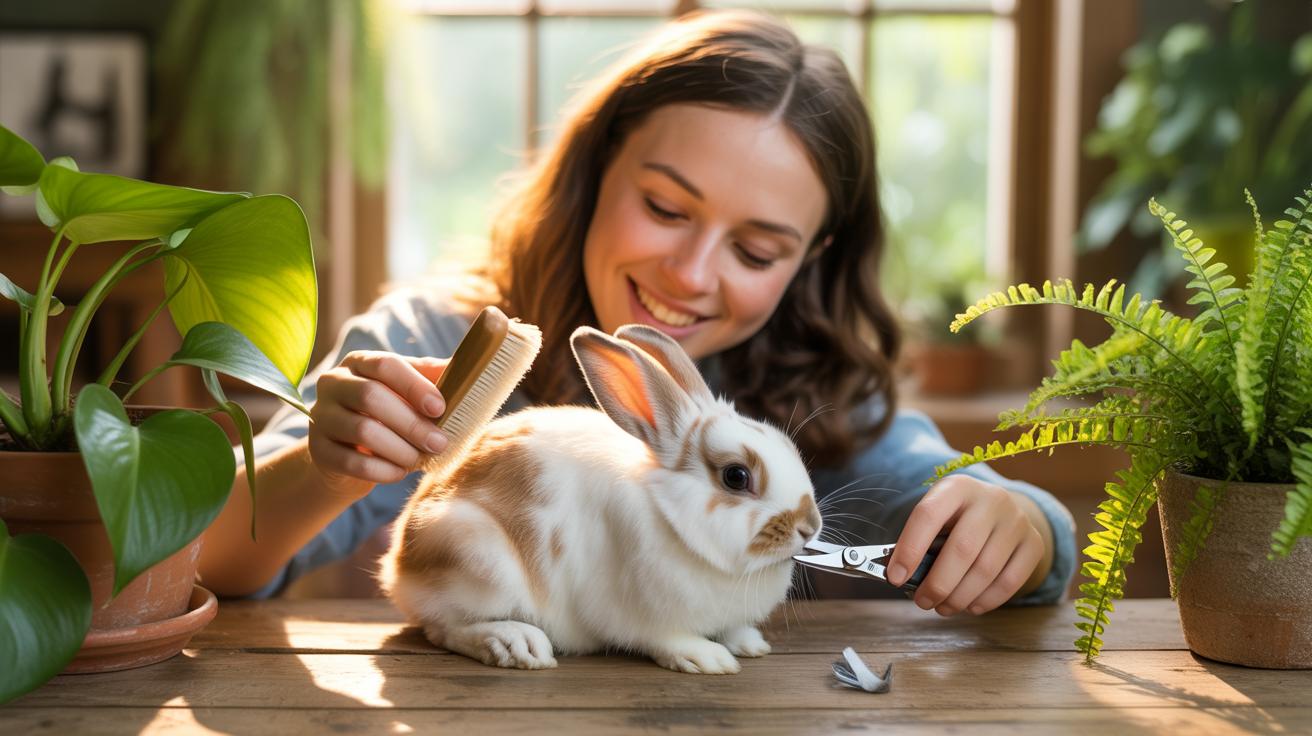
Why Grooming Is A Core Part Of Responsible Bunny Care
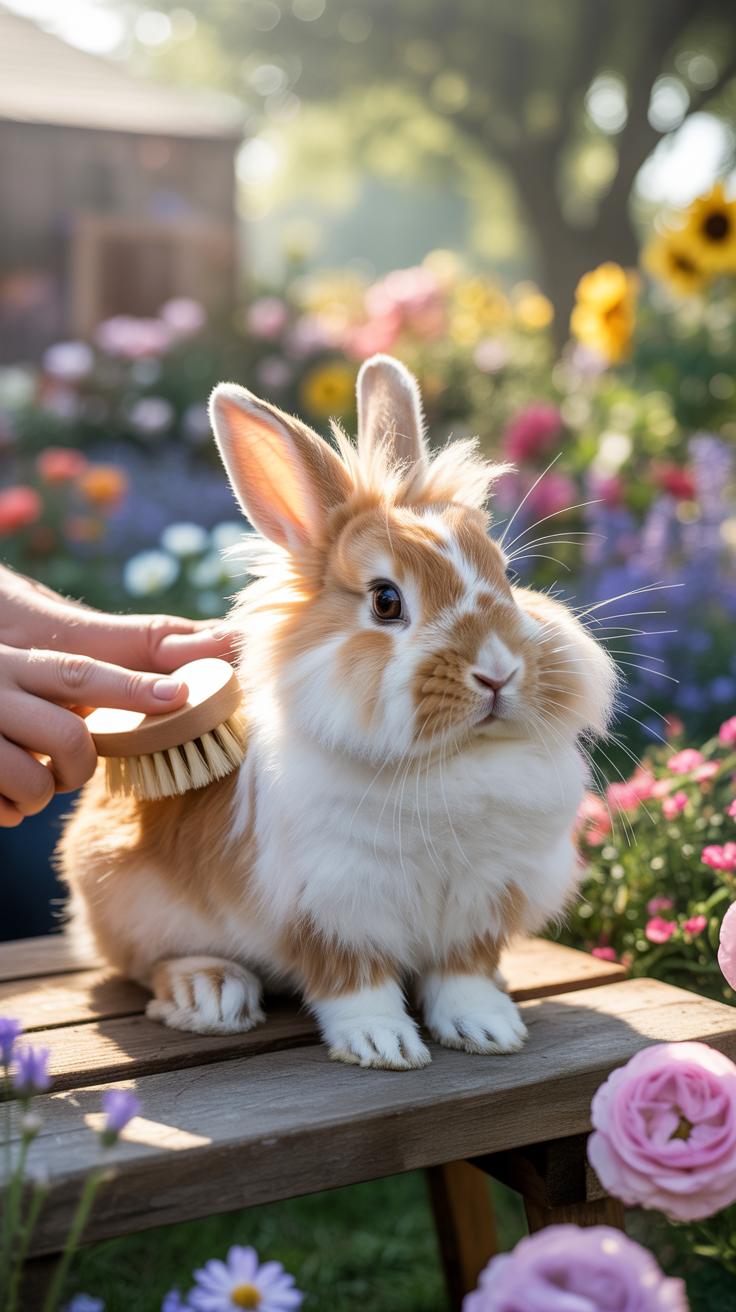
How Regular Grooming Protects Your Rabbit’S Health And Comfort
Regular grooming prevents painful skin conditions and external parasite infestations. Rabbits have thin, sensitive skin that tears easily under heavy matting. When fur tangles, it pulls on the dermis and creates open sores. Brushing removes dead hair and debris before these mats form. It also allows you to check for mites, fleas, or unusual lumps that require immediate veterinary attention or specific medical treatment.
Clean fur maintains the insulating properties of the coat. A dirty or matted coat fails to regulate body temperature properly. Grooming also keeps the perianal area clean to prevent flystrike. Flystrike occurs when flies lay eggs in soiled fur, leading to a life threatening situation within hours. Consistent maintenance ensures the rabbit remains mobile and comfortable. Physical touch during grooming also lowers stress levels and builds trust.
The Link Between Grooming And Hairball Prevention In Rabbits
Rabbits cannot vomit due to the unique anatomy of their digestive tract. They clean themselves constantly and ingest loose fur during the process. If a rabbit swallows too much hair, it creates a blockage in the stomach or intestines. This condition is known as GI stasis. It is often fatal if not caught early. Brushing removes the excess fur before the rabbit can swallow it.
Heavy shedding periods require daily brushing to manage the increased volume of loose fur. You must intervene to keep the digestive system moving. Monitoring fecal pellets provides insight into hair ingestion levels. Stringy droppings connected by fur signal an immediate need for more frequent grooming. Reducing the amount of hair in the environment directly lowers the risk of intestinal obstruction. Proactive grooming is your primary tool for digestive health.

Understanding Rabbit Care Know Your RabbitS Coat Type Before You Begin

Short Coated Vs. Long Coated Rabbit Breeds And Their Grooming Needs
Short-coated rabbits like Rex or Dutch breeds have dense and upright fur. These rabbits require weekly brushing to remove dead hairs. Their coat structure makes them efficient self-groomers but they still need human help. You must use a soft brush to avoid damaging their sensitive skin. Excessive pulling will cause pain. Focus on the back and rump areas where loose fur gathers most often.
Long-coated breeds including Angoras and Lionheads demand daily maintenance. Their wool grows constantly and tangles into mats within hours. You must use a slicker brush and a wide-tooth comb to reach the skin. Neglect leads to wool block which is a fatal digestive issue. Professional shearing is sometimes necessary for these breeds. Keep their underside clear of debris to prevent infections and skin irritation.
Shedding Seasons In Rabbits And What To Expect Throughout The Year
Rabbits shed their entire coat twice a year during seasonal shifts. Most rabbits “blow” their coats in the spring and fall. You will notice large clumps of fur falling out or sticking to the rabbit. During these peak times you must brush your rabbit every day. Failure to remove this hair leads to the rabbit ingesting it. Rabbits cannot vomit so hair builds up.

Light shedding can occur between these major cycles. Temperature changes and indoor lighting can trigger minor fur loss at any time. Monitor the stool for “pearls on a string” which indicates ingested hair. Increase hydration and fiber intake during heavy sheds to keep the gut moving. Your grooming frequency must match the volume of fur being lost. Stay ahead of the shed to prevent medical emergencies.
Essential Tools Every Rabbit Grooming Kit Should Have
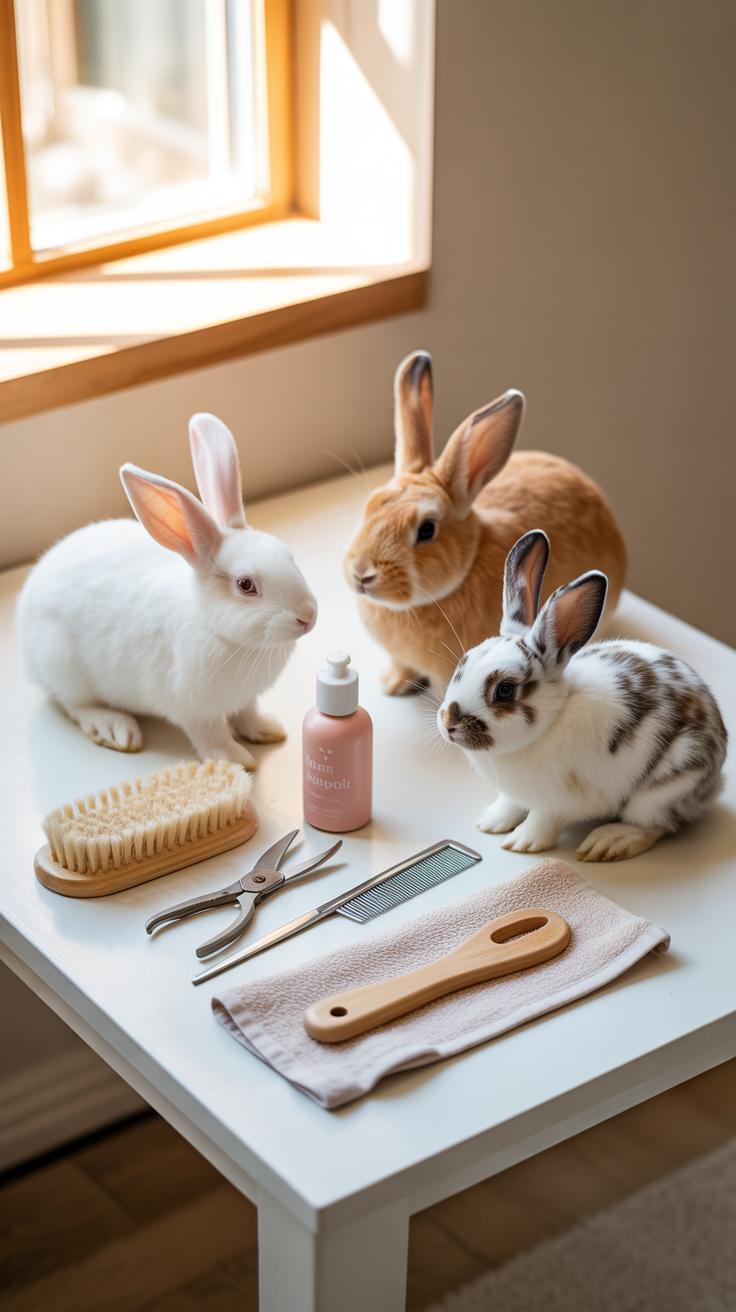
Brushes, Combs, And Nail Clippers: Choosing The Right Tools For Your Rabbit
Rabbit skin is thinner than human skin. You must select tools that remove dead fur without causing tears or scratches. Metal teeth on combs work best for reaching the dense undercoat. Plastic brushes often fail to grab loose hair effectively. Using the wrong equipment leads to matting and digestive issues like GI stasis from hair ingestion. Invest in high-quality stainless steel tools.
- Fine-Toothed Flea Comb: Use this tool to remove small debris and loose hair from the face and legs. The tight spacing between the metal teeth grabs tiny patches of fur that larger brushes miss. This tool identifies early signs of external parasites while you groom.
- Slicker Brush: Choose a version with soft or tipped pins to prevent skin damage. It works well for daily maintenance on short-haired breeds. The brush pulls loose fur away from the body before the rabbit can lick and swallow it during its self-cleaning process.
- Stainless Steel Greyhound Comb: This comb manages long hair on breeds like Angoras or Lionheads. Use the wide teeth to detangle large sections and the narrow teeth for finishing. It reaches deep into the coat to break up mats before they tighten against the sensitive skin.
- Guillotine Style Clippers: These clippers provide a clean cut on thick rabbit nails. The circular hole holds the nail steady to prevent crushing or splitting the keratin. This design offers better visibility than human clippers, allowing you to avoid the quick and prevent painful bleeding.
- Styptic Powder: Keep this mineral agent nearby during every nail trimming session. It stops bleeding instantly if you accidentally cut the quick. Apply a small amount of the powder with a cotton swab to the tip of the nail to seal the vessel and protect the open wound.
Regular maintenance requires a dedicated kit kept in one location. Do not use tools designed for dogs or cats unless they meet rabbit safety standards. Sharp edges or stiff bristles can cause significant trauma. Check every tool for damage before it touches your animal. Replace worn brushes immediately to maintain efficiency and safety. Proper gear ensures the grooming process remains fast and predictable.
Through the gentle rhythm of the brush and the steady care of the clip, we weave a silent bond of trust that lasts a lifetime. In these quiet moments of grooming, we find the heartbeat of a friendship that needs no words.
How To Set Up A Safe And Comfortable Grooming Space At Home
Place your grooming station on a flat, elevated surface like a table or counter. Height prevents the rabbit from jumping away and saves your back from strain. Cover the surface with a non-slip rubber mat or a heavy towel. Rabbits panic on slippery surfaces. Secure footing keeps the animal calm and prevents skeletal injuries if they try to bolt during the session.
Ensure the room has bright, direct lighting so you can see the nail quick and skin clearly. Eliminate loud noises and keep other pets out of the area to reduce stress. Position your tools within easy reach before you bring the rabbit to the station. This preparation minimizes the time the rabbit spent handled. A quiet, organized environment allows you to finish the job quickly.
Step By Step Rabbit Grooming How To Brush Your Rabbit Properly
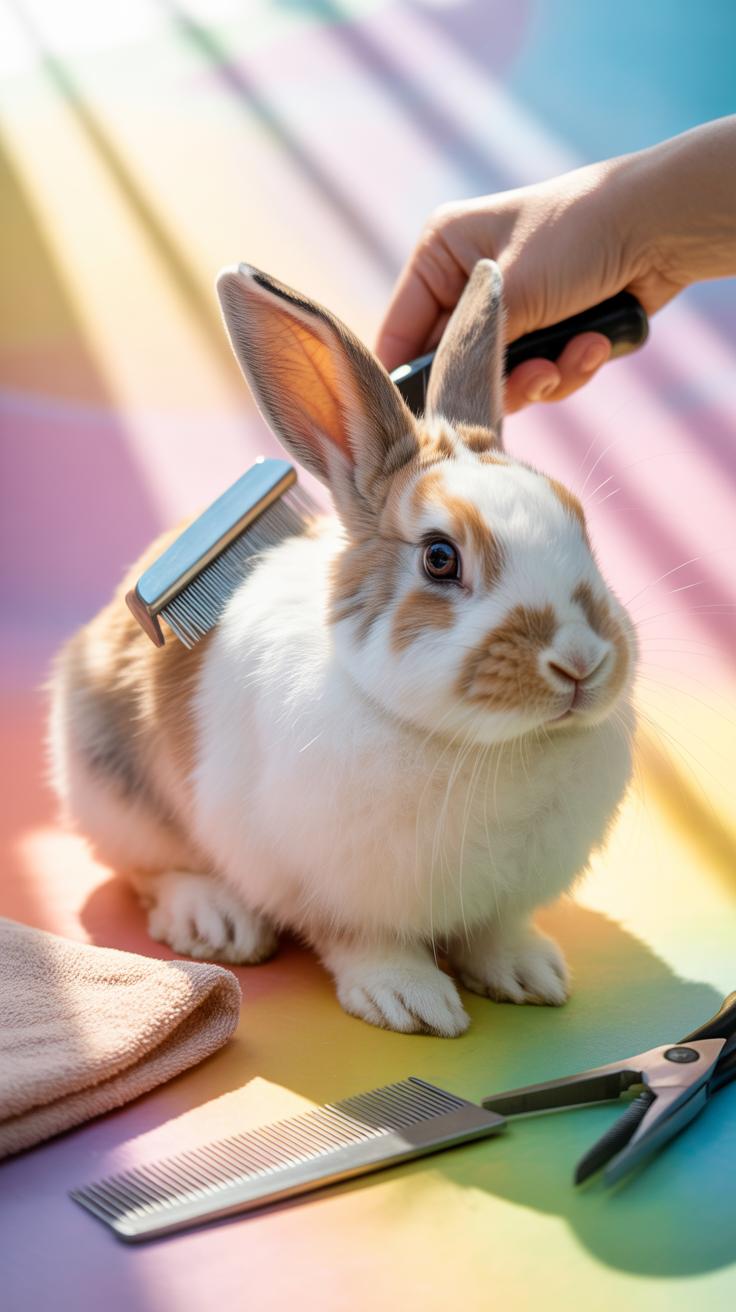
How Often Should You Brush Your Rabbit Based On Coat Length
Short-haired rabbits need a full brushing session at least once every week. This schedule prevents loose fur from accumulating on the skin. During heavy shedding cycles, you must increase this frequency to daily sessions. Rabbits groom themselves constantly and ingest loose hair. Since they cannot vomit, excessive fur intake causes lethal intestinal blockages. Regular maintenance is the only way to prevent this medical crisis.
Long-haired breeds like Angoras or Lionheads require a daily commitment. Their fine wool mats quickly against the skin, causing pain and restricting movement. You must check these rabbits every twenty-four hours for small tangles. Use your fingers to feel for knots near the base of the ears and underside. Neglecting long coats leads to pelt-like matting that requires professional shearing to resolve safely without tearing the skin.
Brushing Techniques That Keep Your Rabbit Calm And Mat Free
Maintain a low position on the floor to keep the rabbit calm during the session. Rabbits feel vulnerable when lifted or placed on high tables. Start at the shoulders and move toward the tail using short, gentle strokes. Follow the natural direction of hair growth to avoid skin irritation. Use a fine-tooth comb or a slicker brush designed for small animals. Sensitive areas like the belly require extreme caution and a soft touch.

Address mats by teasing them apart with your fingers rather than pulling with a brush. Never use scissors to cut out a knot because rabbit skin is thinner than paper and stretches easily. You will likely cut the animal before you cut the hair. If a mat is too tight, use a specialized mat splitter or seek veterinary help. Consistent, light pressure builds trust and ensures the rabbit remains still throughout the entire grooming process.
How To Take Care Of A Lionhead RabbitS Distinctive Mane And Coat
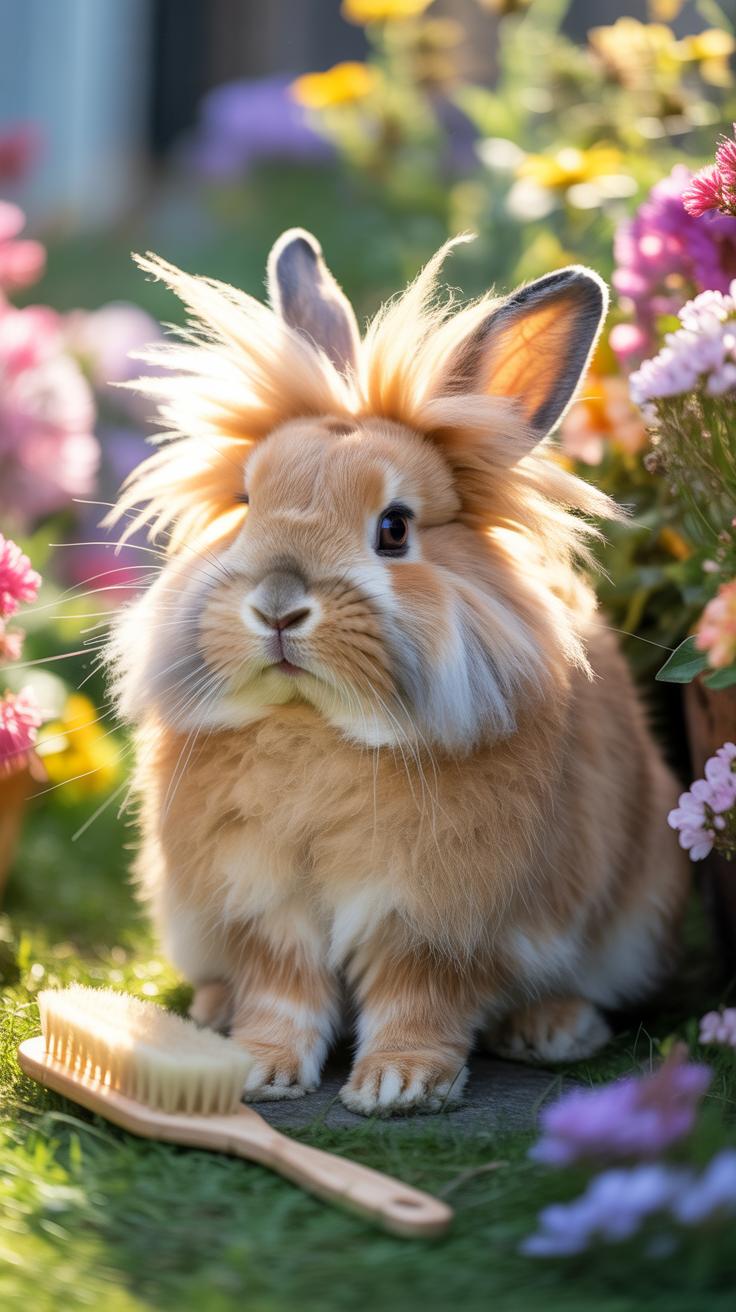
What Makes The Lionhead Rabbit’S Double Mane Unique And Why It Needs Special Attention
The Lionhead rabbit carries a specific genetic mutation that creates long fur around the head and flanks. Double mane rabbits possess two copies of this gene. This results in a thick woolly ruff that persists through adulthood. Single mane rabbits often lose their mane as they age. This wool is prone to matting because the hair fibers are much finer than standard rabbit fur.
Matting causes skin tension and prevents air circulation to the hide. Without regular intervention this leads to painful skin infections and parasitic infestations. The wool also traps hay and fecal matter near the tail. You must monitor the density of the mane daily. Grooming this breed is not optional for aesthetics. It is a vital health requirement to prevent heat stress and gastrointestinal blockages.
Detangling And Trimming Tips Specific To Lionhead Rabbit Coats
Start by using a wide tooth comb to find hidden mats within the dense wool. Do not pull on the skin when you encounter a knot. Hold the base of the fur between your fingers to protect the rabbit. Use a slicker brush for the shorter fur on the back. This removes the dead undercoat before the rabbit ingests it during self grooming.

Trimming is often necessary for hygiene around the scent glands and hindquarters. Use safety shears with rounded tips to avoid cutting the thin skin. Keep the mane trimmed away from the eyes to prevent irritation and blocked vision. If a mat is too tight discard the brush and use electric clippers. This reduces the risk of skin tears. Frequent short sessions work better than one long stressful event.
Nail Trimming Made Easy A Safe Approach To Cute Rabbit Grooming
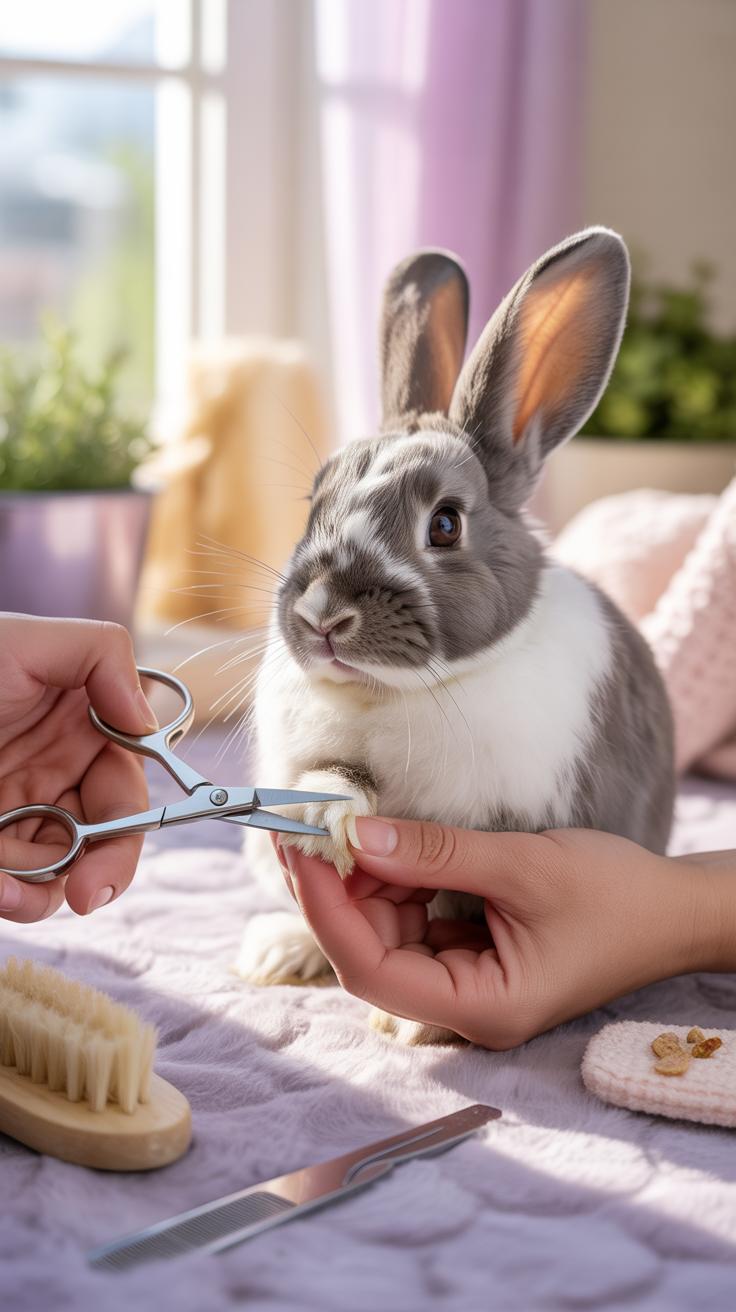
How To Identify When Your Rabbit’S Nails Need Trimming
Domestic rabbits require regular nail maintenance because they do not wear down claws on hard outdoor surfaces. Check nail length every four weeks to prevent injury. You know it is time to trim when you hear a clicking sound as the rabbit walks on hard floors. Long nails snag on carpets and bedding. This causes painful torn nails or broken toes.
Examine the paws closely to see if the nails extend past the fur line. If the claws curve significantly or start to twist sideways, they are too long. Overgrown nails change how the rabbit carries its weight. This leads to sore hocks or permanent skeletal issues. Maintain a strict schedule to keep the quick from growing too far into the nail tip.
How To Trim Rabbit Nails Step By Step Without Cutting The Quick
Identify the quick before you make any cuts to the nail. The quick is the internal blood vessel that looks like a pink line inside the claw. Dark nails require a small flashlight to see this vessel through the side of the nail wall. Always keep firm control of the rabbit to prevent sudden kicking or spinal injuries during the process.
- Prepare Your Tools: Gather sharp cat or bird nail clippers and a container of styptic powder. Dull blades crush the nail instead of cutting it cleanly. Styptic powder stops bleeding instantly if you accidentally nick the sensitive quick area.
- Secure The Rabbit: Wrap the rabbit in a towel using the burrito method to limit movement. This technique keeps the legs tucked safely while allowing you to pull out one paw at a time. A calm rabbit reduces the risk of accidental injury.
- Position The Clipper: Place the clipper blades at least two millimeters away from the visible end of the quick. Cutting too close causes pain even if you do not draw blood. Angle the cut to mimic the natural slope of the rabbit nail.
- Execute The Cut: Apply quick and firm pressure to the clipper handles for a clean snap. Do not hesitate or squeeze slowly as this causes the nail to splinter. If the rabbit flinches, pause the session and let the animal calm down before continuing.
- Check For Bleeding: Inspect every nail immediately after trimming for any signs of red spots or dripping. If the quick is cut, press a pinch of styptic powder directly onto the tip for ten seconds. Ensure the bleeding stops completely before releasing the rabbit.

Work with a partner to increase safety and speed for both the handler and the rabbit. One person stabilizes the body while the other focuses on the precision of the trim. Frequent short sessions are better than one long stressful event. Reward the rabbit with a small piece of leafy green after finishing to create a positive association with grooming.
How To Clean A Bunny Spot Cleaning Scent Glands And Ear Care
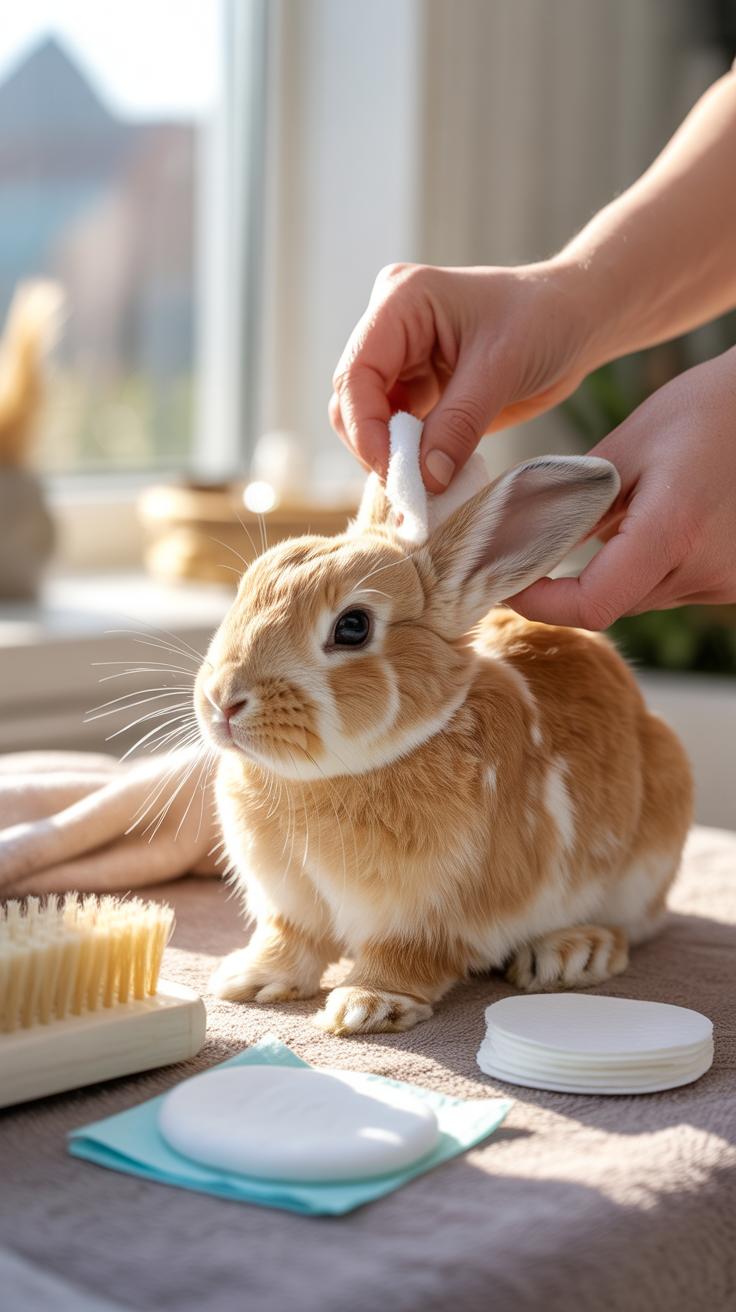
Why Rabbits Should Never Be Fully Bathed And How To Spot Clean Safely
Submerging a rabbit in water is dangerous and often fatal. Rabbits have a high sensitivity to temperature changes and stress. Water causes immediate panic which can lead to a broken back or heart failure. Their dense fur takes hours to dry. This moisture trapped against the skin causes hypothermia or fungal infections. Never use a bathtub or sink to wash a healthy rabbit.
Spot cleaning is the only safe method for removing localized dirt or urine stains. Use a damp cloth or specialized waterless foam shampoo made for small animals. Work only on the affected area to keep the skin dry. If the mess is heavy, use a gentle cornstarch powder to lift the grime. Brush the powder out thoroughly. Keep the rabbit calm and on a flat surface throughout this process.
Cleaning Scent Glands And Ears As Part Of A Complete Rabbit Hygiene Routine
Rabbits have scent glands near their anus that produce a thick waxy substance. This buildup creates a strong odor and causes discomfort if left alone. Use a cotton swab dipped in warm water or mineral oil to soften the gunk. Gently wipe the area until the dark wax lifts away. Check these glands monthly to prevent impaction. Accuracy and a steady hand prevent injury to this sensitive skin.

Ear care requires regular visual inspections for wax buildup or debris. Healthy ears usually clean themselves, but some breeds need assistance. Use a dry cotton ball to wipe only the visible inner flap of the ear. Never insert anything into the ear canal. If you see crusting or discharge, consult a vet immediately for mites. Keep the ears clean to maintain the rabbit’s internal cooling system and balance.
Raising Rabbits Right Building A Consistent Grooming Schedule
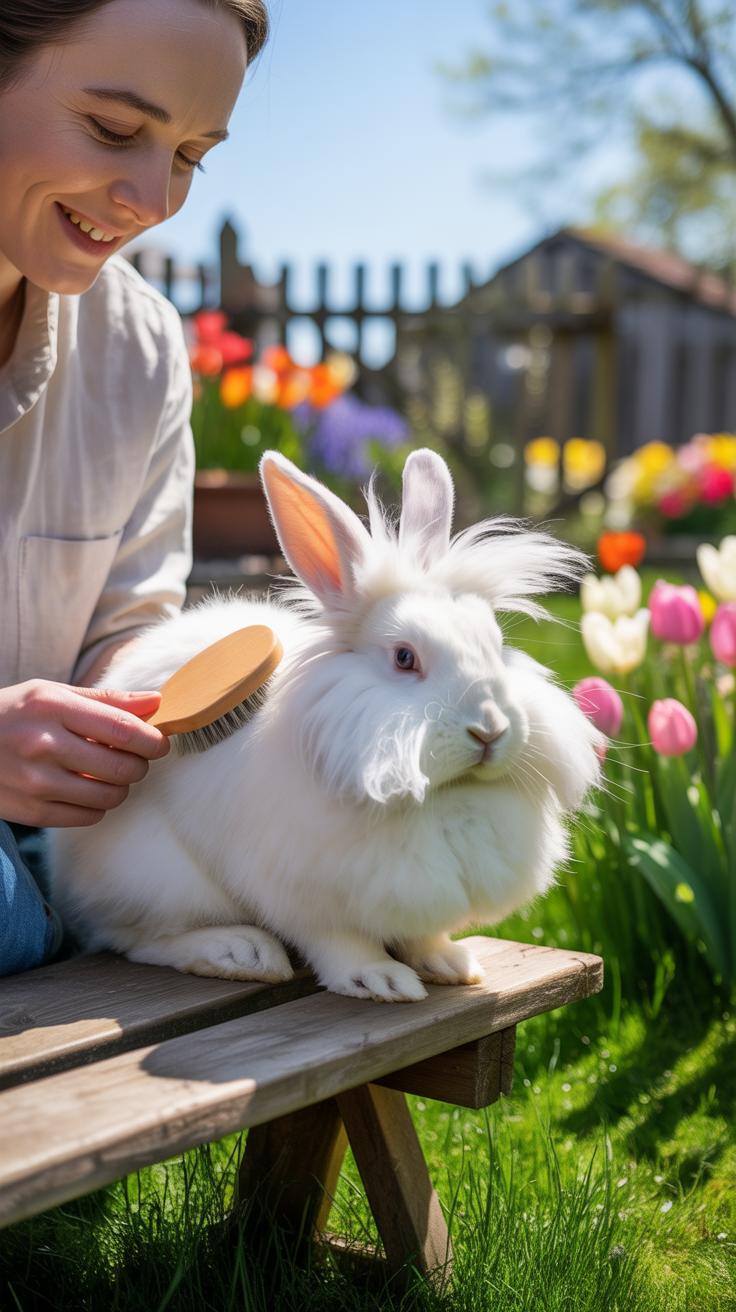
How To Introduce Grooming To A Young Or Rescue Rabbit Without Causing Stress
Rabbits are prey animals. They view sudden movements and lifting as predatory threats. Start the process on the floor in a confined space. Sit near the rabbit and allow it to approach you first. Offer a small piece of leafy greens to create a positive association. Touch the rabbit gently on the head and back without using any grooming tools initially.
Introduce the brush gradually after the rabbit feels calm in your presence. Let the animal sniff the tool. Rub the tool against your hand so it smells like you. Use short and soft strokes on the shoulders where the rabbit cannot reach. Stop immediately if the rabbit thumps its feet or tries to flee. Frequent and short sessions build trust faster than long sessions.
Creating A Weekly And Monthly Rabbit Grooming Routine That Actually Works
Draft a rigid schedule to prevent matting and impaction. Brush your rabbit at least once every week. Increase this frequency to daily sessions during shedding seasons. These heavy molts usually occur four times per year. Examine the eyes and ears during every session to check for discharge or debris. Consistent checks help you catch health issues before they become expensive medical emergencies.

Trim nails every four to six weeks to prevent foot injuries. Long nails snag on flooring and put pressure on the joints. Check the scent glands near the anus monthly. Clean them with a damp cotton swab if you notice a dark buildup or foul odor. Tracking these tasks on a physical calendar ensures you do not miss critical maintenance steps. Consistency keeps the rabbit healthy and manageable.
Rabbit Hygiene Guide Recognizing Grooming Related Health Warning Signs
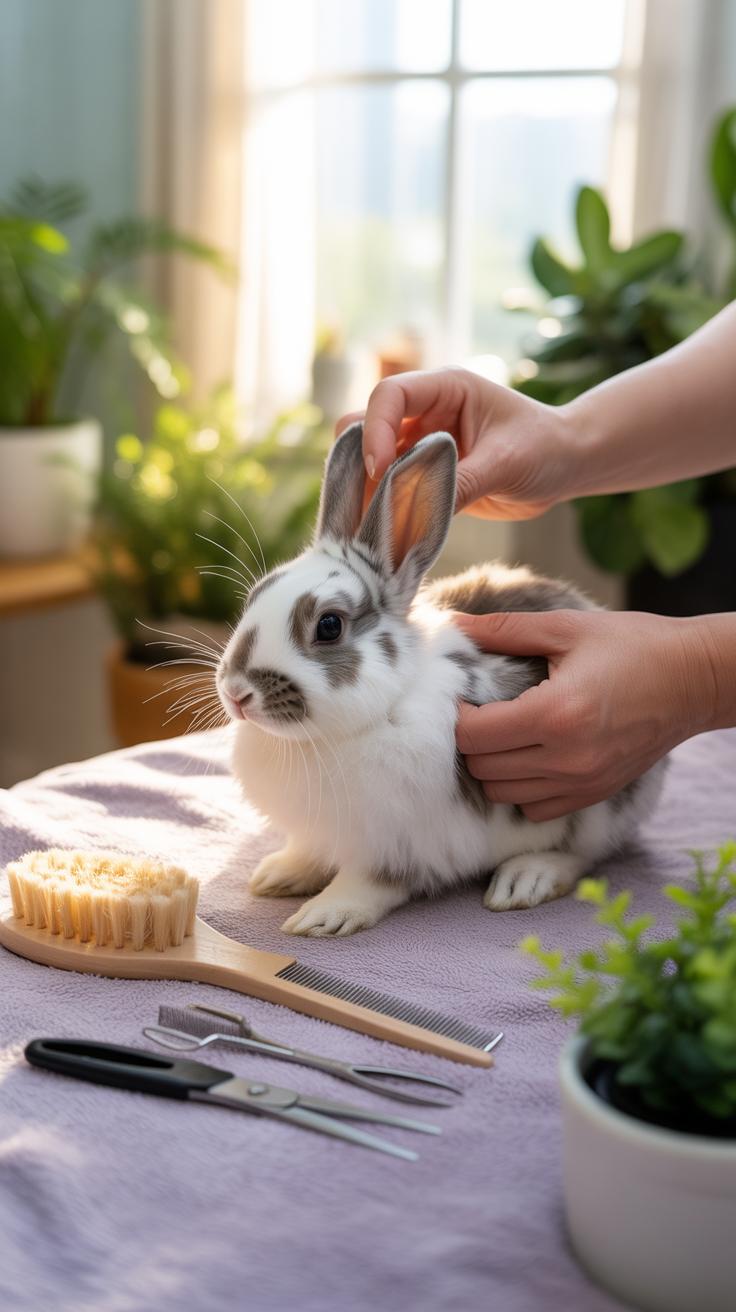
Skin, Coat, And Nail Issues That May Signal An Underlying Health Problem
Grooming sessions provide the best opportunity to detect early physical abnormalities. Healthy rabbit skin is pale and supple without flakes or redness. Noticeable dandruff or white scales often indicate a Cheyletiella mite infestation rather than dry skin. Patchy hair loss typically reveals underlying parasitic infections or hormonal imbalances. Check the skin for lumps, crusts, or sores that suggest bacterial infections or bite wounds requiring immediate attention.
Nail and paw health reflects internal stability and environmental quality. Reddened skin on the hocks indicates the start of pododermatitis. This condition results from rough flooring or excessive weight. Brittle or crumbling nails suggest nutritional deficiencies or poor mineral absorption. Inspect the scent glands near the anus for waxy buildup or foul odors. Regular monitoring prevents minor surface irritations from escalating into systemic infections or chronic mobility issues.
When To Consult A Veterinarian Instead Of Grooming At Home
Stop grooming immediately if the rabbit shows signs of extreme physiological stress. Rapid mouth breathing, blue-tinted gums, or a complete lack of movement signal a medical emergency. Grooming an injured or sick rabbit increases heart rate to dangerous levels. Do not attempt to cut mats that sit flush against the skin. Rabbit skin is paper-thin and tears easily. A veterinarian must sedate the animal to remove deep skin-level mats safely.
Professional intervention is mandatory for specific physical symptoms found during hygiene checks. Seek a rabbit-savvy vet if you find maggots in the fur or open sores on the feet. These conditions require prescription antibiotics and professional debridement. If the rabbit stops eating or producing droppings after a grooming session, suspect gastrointestinal stasis. Only a medical professional can diagnose the root cause of skin lesions or severe dental-related drooling.
Frequently Asked Questions

Why is regular grooming so important for a pet rabbit’s health?
Regular upkeep is essential because rabbits are meticulous self-cleaners but cannot cough up hairballs like cats. If they ingest too much fur during shedding cycles, it can lead to life-threatening digestive blockages. Following a consistent rabbit grooming guide ensures you remove loose fluff safely while also allowing you to check for skin irritations, parasites, or lumps, keeping your long-eared companion both comfortable and healthy in the long run.
How can I safely trim my rabbit’s nails without causing them pain?
To trim nails safely, wrap your rabbit in a soft towel to keep them calm and secure. Locate the “quick,” which is the pink blood vessel inside the nail, and clip just above it using specialized small animal trimmers. If your pet has dark nails, shining a flashlight behind the claw can help you see the vein. This practical step in your rabbit grooming guide prevents painful snags and posture issues.
Do I need to buy expensive professional tools to groom my rabbit at home?
You certainly do not need a massive budget to maintain your rabbit properly. A basic soft-bristle brush, a fine-tooth flea comb for shedding, and a simple pair of guillotine-style nail clippers are quite affordable and effective. Most high-quality starter tools cost under twenty dollars total. Investing in these few basics allows you to provide professional-level care at home without the recurring expense of taking your pet to a specialist.