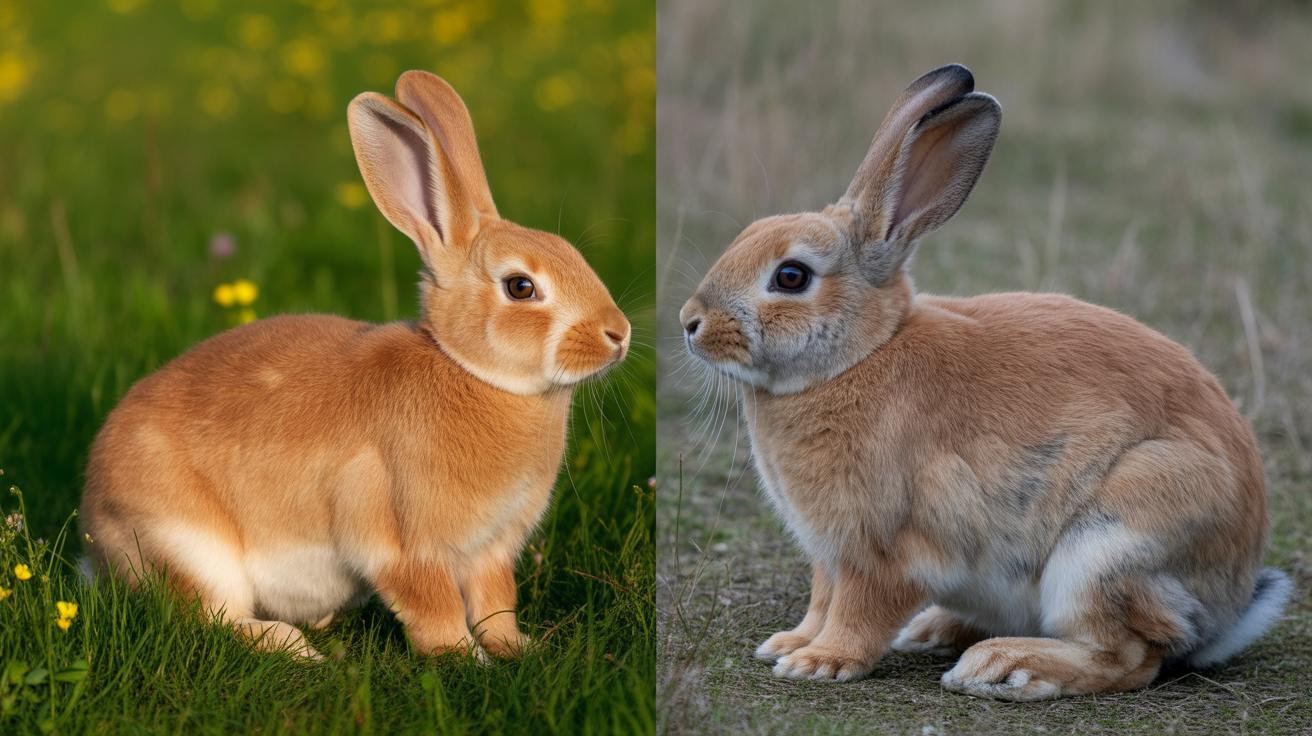
Understanding Rabbit Care And Why Health Monitoring Matters
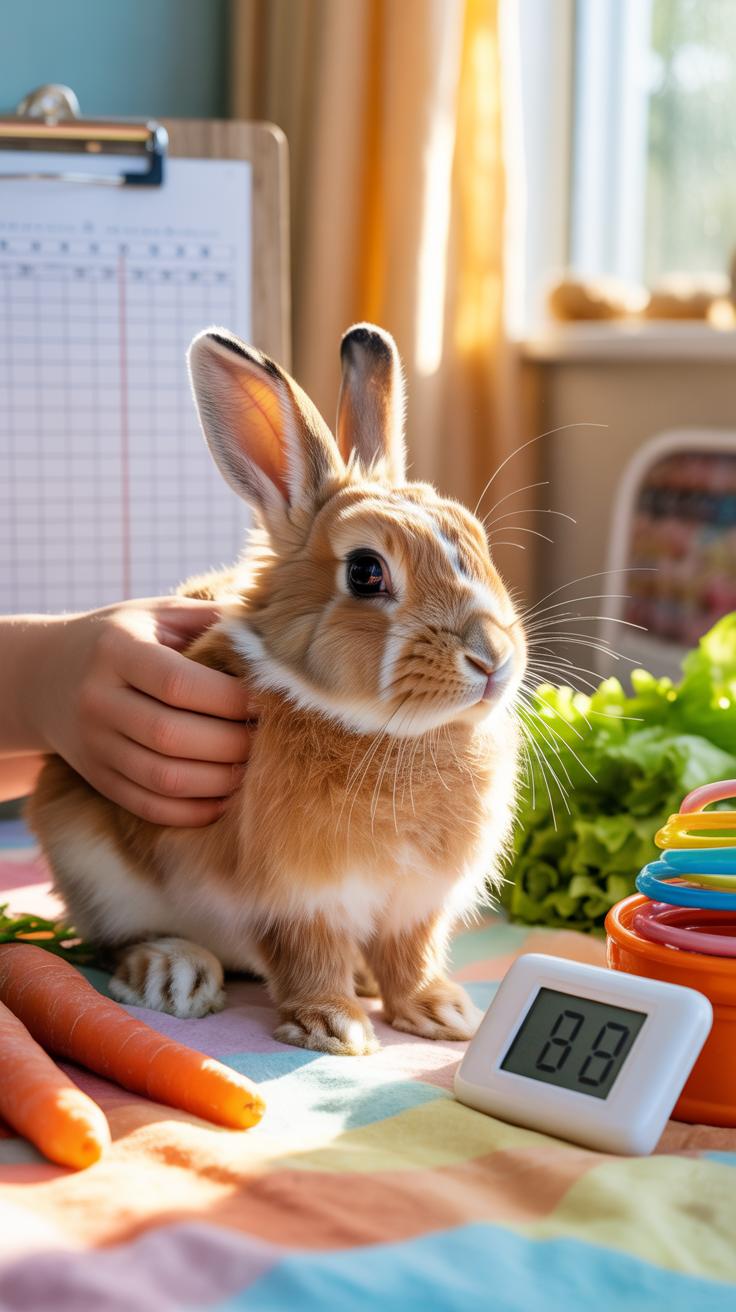
Why Rabbits Are Considered Prey Animals And What That Means For Their Health
Rabbits evolved as prey animals at the bottom of the food chain. Nature programmed them to mask pain and sickness to avoid attracting predators. In the wild, showing weakness leads to immediate death. This survival instinct remains dominant in domestic rabbits today. They will act normal even when they suffer from severe internal distress or significant physical pain.
Owners must recognize that a quiet rabbit is often a sick rabbit. You cannot wait for obvious symptoms like crying or visible wounds. By the time a rabbit looks ill, the condition is usually advanced and life-threatening. You must learn to spot subtle shifts in behavior or appetite. These minor changes are your only early warning signs of a serious health crisis.
How Often You Should Be Assessing Your Rabbit’S Overall Condition
Daily health checks are mandatory for every rabbit owner. Efficiency is key to catching issues before they turn fatal. You should observe their eating habits and litter box output every morning and evening. Rapid changes in digestion can kill a rabbit in less than twenty-four hours. Constant monitoring ensures you notice when the animal skips a meal or stops producing droppings.
Perform a hands-on physical exam at least once every week. Feel the body for new lumps, scan the fur for parasites, and check the underside for cleanliness. Document their baseline weight and behavior patterns to establish a clear norm. Knowing what your rabbit looks like when healthy allows you to act fast when something feels off. Consistency in these evaluations saves lives and reduces veterinary costs.

Signs Of A Healthy Rabbit What Normal Looks Like
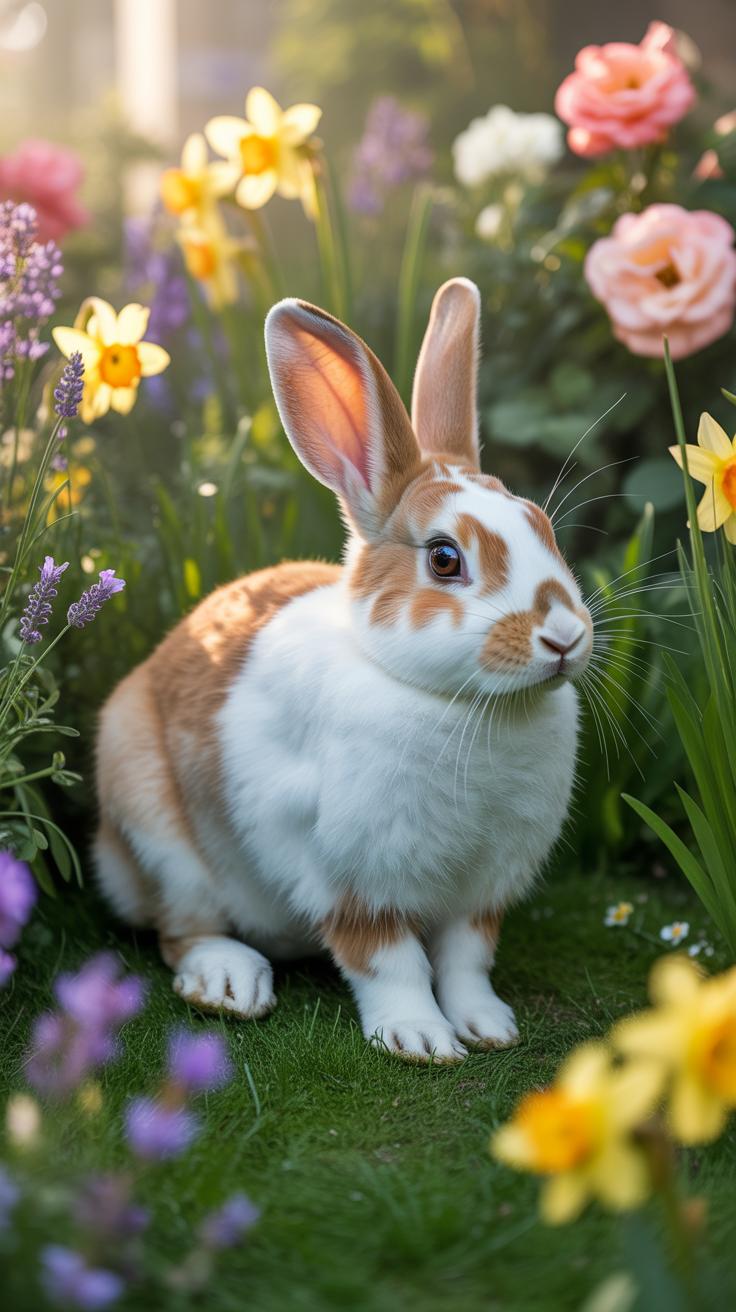
Physical Indicators Of A Thriving Rabbit: Coat, Eyes, And Body Weight
A healthy rabbit shows a clean and shiny coat. The fur stays smooth against the body without bald patches or flakes. Proper grooming habits indicate strong energy levels and mobility. You must feel for the ribs without seeing them through the skin. A firm body mass suggests the rabbit receives correct caloric intake. Lean muscle should cover the spine and hips comfortably.
Eyes must stay clear and bright at all times. Look for a dry nose and clean inner ears. Any discharge indicates a potential respiratory or systemic issue. The rabbit should hold its head steady and move with a balanced gait. Check the hocks for thick fur coverage to prevent sores. Healthy rabbits remain alert to their surroundings and react quickly to unexpected sounds or movements.
Healthy Digestive Output: What Normal Droppings Tell You About Your Rabbit
Rabbit health depends entirely on the gut. A healthy rabbit produces uniform and round fecal pellets. These droppings should be hard and dry to the touch. They consist mainly of undigested hay fiber. Size consistency signifies that the intestines move food at a steady pace. Frequent output is a mandatory sign of a functioning system. Large and crumbly pellets are the standard.
You will also notice soft and dark clusters called cecotropes. Rabbits produce these specialized droppings to re-ingest vital nutrients and B vitamins. You usually do not see many cecotropes because the rabbit eats them immediately. Finding too many in the cage suggests a diet too high in sugar or protein. Monitor the litter box daily to track changes in size, shape, or frequency.
Rabbit Behavior As A Window Into Their Health
Normal Rabbit Behaviors That Signal Contentment And Good Health
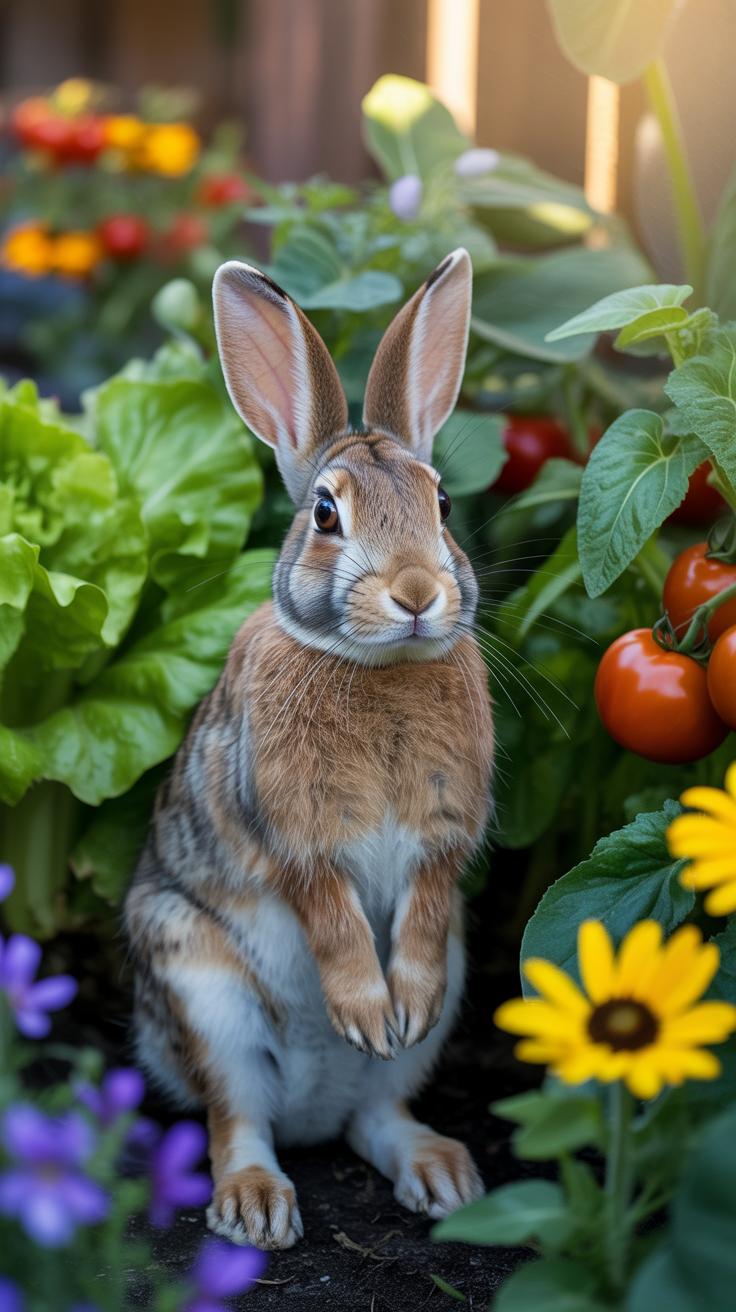
Healthy rabbits maintain regular routines and display high activity levels during dawn and dusk. A fit rabbit explores its environment with curiosity and confidence. They engage in grooming several times a day to keep their fur clean. You will see them eating hay almost constantly to maintain gut motility. These daily habits show the rabbit feels safe and its internal systems function properly.
Contentment shows through specific physical movements like the binky or the flop. A binky involves a jump with a twist in the air. This action indicates high energy and satisfaction. A flop occurs when a rabbit suddenly drops onto its side to sleep. This posture proves the animal feels secure in its space. Steady dental grinding, known as tooth purring, also signals a relaxed state.
Behavioral Red Flags: When A Change In Routine Points To A Problem
Rabbits hide pain to survive as prey animals. Subtle shifts in behavior often signal a serious medical crisis. Lethargy or hiding in dark corners are major red flags. A rabbit that stops greeting you at the cage door requires immediate attention. If the animal sits hunched with half-closed eyes, it likely suffers from internal pain or gastrointestinal distress. Watch for any withdrawal.
Changes in eating and litter box habits indicate urgent health issues. Refusing favorite treats often points to dental disease or gut stasis. Grinding teeth loudly is different from soft purring and indicates intense physical agony. A rabbit that stops grooming itself will develop a dull or matted coat quickly. You must track these deviations daily. Sudden aggression or pressing the head against a wall also requires a vet.
Signs Of A Sick Bunny Early Warning Signals You Should Never Ignore
Common Physical Symptoms That Indicate Your Rabbit May Be Unwell
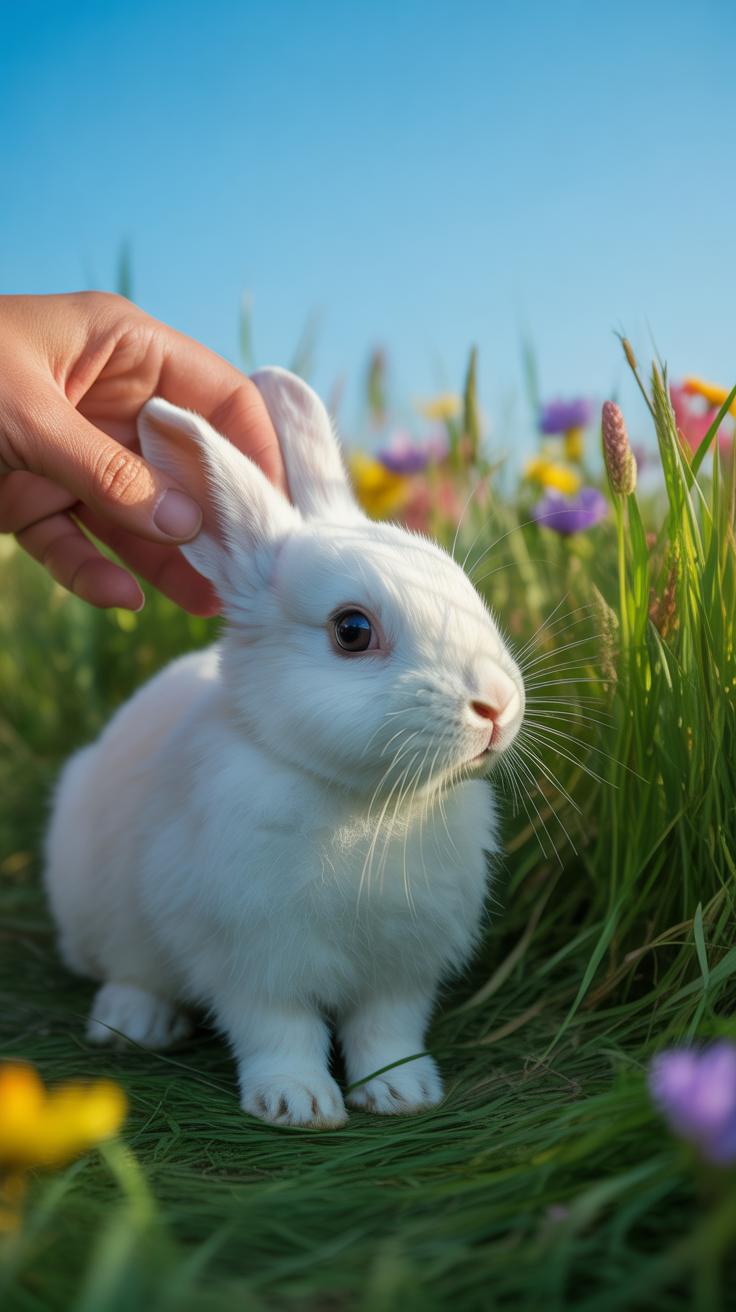
Visible physical changes often mark the first stage of clinical illness in domestic rabbits. Because rabbits are prey animals, they hide weakness until symptoms become severe. Owners must conduct daily inspections of the eyes, ears, nose, and fur. Any deviation from the normal baseline requires immediate tactical intervention to prevent rapid decline. Watch for discharge, gait changes, or coat matting.
- Ocular Discharge: Clear or milky fluid leaking from the eyes indicates dental disease or blocked tear ducts. This moisture causes skin irritation and fur loss around the face. Inspect the eye surface for cloudiness or redness which signals infection.
- Matted Fur on Paws: Rabbits use their front paws to wipe their faces. Wet or clumped fur on the inside of the legs suggests nasal discharge or excessive drooling. This often points to respiratory infections or serious molar overgrowth issues.
- Lumps and Swellings: Hard or soft masses under the skin often indicate abscesses or tumors. Rabbit pus is thick and does not drain easily like human pus. These growths require surgical removal and aggressive antibiotic treatment to stop systemic infection spreading.
- Changes in Posture: A hunched position with eyes squinted indicates significant abdominal pain. This differs from a relaxed loaf position because the rabbit looks tense and refuses to move. This posture often signals gastrointestinal stasis or internal organ failure.
- Dirty Rear End: Fecal matter or urine staining on the tail and hind legs indicates mobility issues or digestive upset. Healthy rabbits groom themselves constantly. A dirty tail suggests the rabbit cannot reach the area or has chronic diarrhea issues.
Ear temperature provides a quick metric for internal health. Cold ears may indicate shock or circulatory collapse while hot ears suggest a fever. Monitor the rabbit for head tilts or loss of balance. These neurological signs often stem from inner ear infections or E. cuniculi. Prompt action during this phase prevents permanent nerve damage or death.
How Appetite And Water Intake Changes Signal Underlying Illness
A rabbit that stops eating faces a terminal medical emergency. Their digestive tracts must move constantly to avoid gastrointestinal stasis. If a rabbit refuses its favorite high-value treat, assume the animal is in pain. Shifts in water consumption also matter. Increased thirst often indicates kidney failure or diabetes. Decreased hydration leads to dehydration and hard, painful fecal pellets.

Monitor the size and quantity of droppings daily. Small, misshapen, or dry pellets prove the gut is slowing down. A total lack of droppings for twelve hours requires an immediate veterinary visit. Do not wait for the rabbit to look worse. Rapid intervention with motility drugs and syringe feeding saves lives. Strategic monitoring of food bowls provides the most accurate data on internal health status.
Signs Of Rabbit Illness Conditions That Commonly Affect Domestic Rabbits
GI Stasis: One Of The Most Dangerous And Frequently Misunderstood Rabbit Illnesses
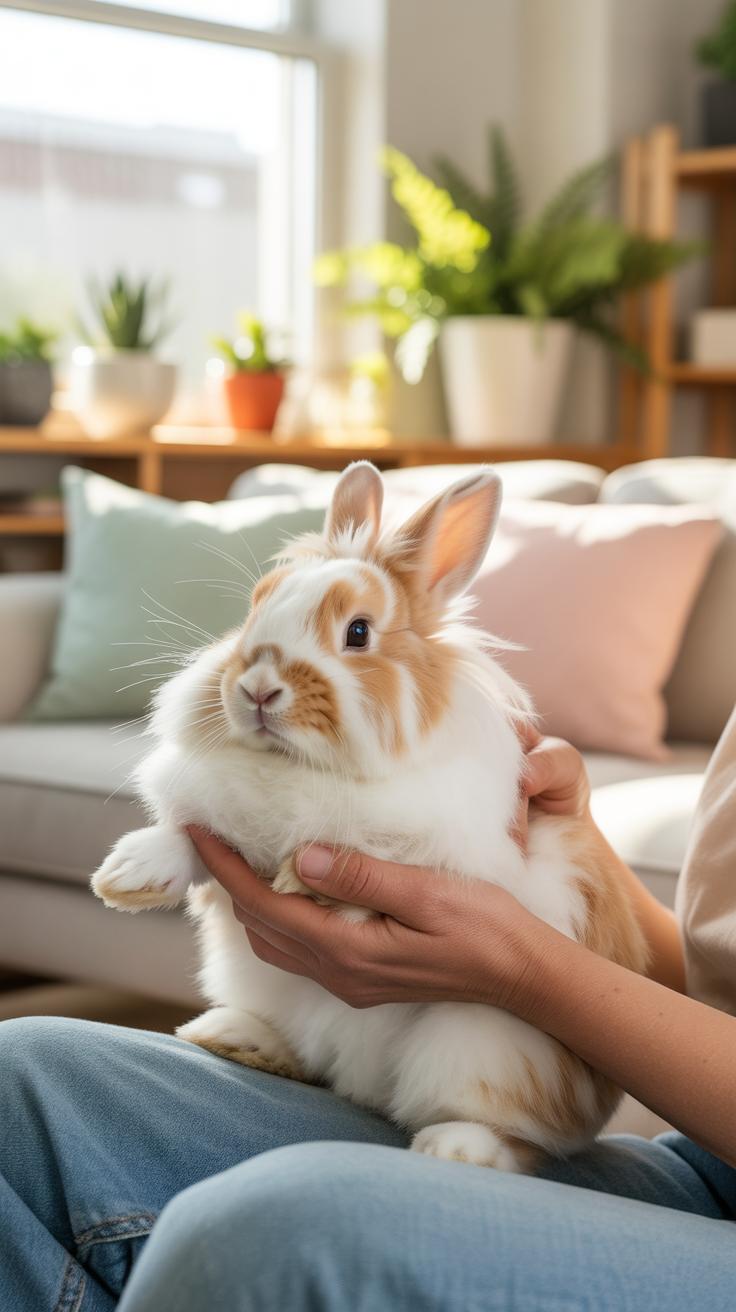
Gastrointestinal stasis occurs when digestive motility slows or stops entirely. This condition is a medical emergency for rabbits. Harmful bacteria build up in the gut and cause gas pain. The rabbit stops eating and produces small or no droppings. Lethargy and a hunched posture often follow. Owners must act within hours to prevent death. Veterinary intervention is the only reliable path to recovery.
The primary causes involve low fiber diets or extreme stress. Rabbits require constant hay intake to keep their intestines moving. Dehydration also makes the stool hard and difficult to pass. You must monitor fecal output every single day. A change in size or shape indicates a problem. Syringe feeding and pain medication are standard treatments. Early detection saves lives while hesitation often leads to fatal complications.
The sparkle in a rabbit’s eye and the joy in its leap are the sweetest rewards for a heart that learns to listen to their quiet needs.
Respiratory Infections, Dental Disease, And Skin Conditions In Rabbits
Respiratory infections often present as nasal discharge or frequent sneezing. Pasturella bacteria cause many of these issues in domestic rabbits. You will see wet fur on their front paws from wiping their noses. Labored breathing or loud clicking sounds are major red flags. These infections spread fast in dirty environments. Keep the air clean and dust free to protect their sensitive lungs.

Dental disease happens when teeth grow too long or misalign. Rabbit teeth grow constantly throughout their entire lives. Without tough fiber to grind them down, painful spurs form on the molars. This prevents the rabbit from chewing properly. Skin conditions like mites or hock sores also require attention. Check the fur for white flakes or red patches regularly. Proper husbandry and diet prevent most of these common ailments.
Rabbit Shedding And What It Reveals About Your RabbitS Health
Understanding Normal Rabbit Shedding Cycles And Seasonal Molting Patterns
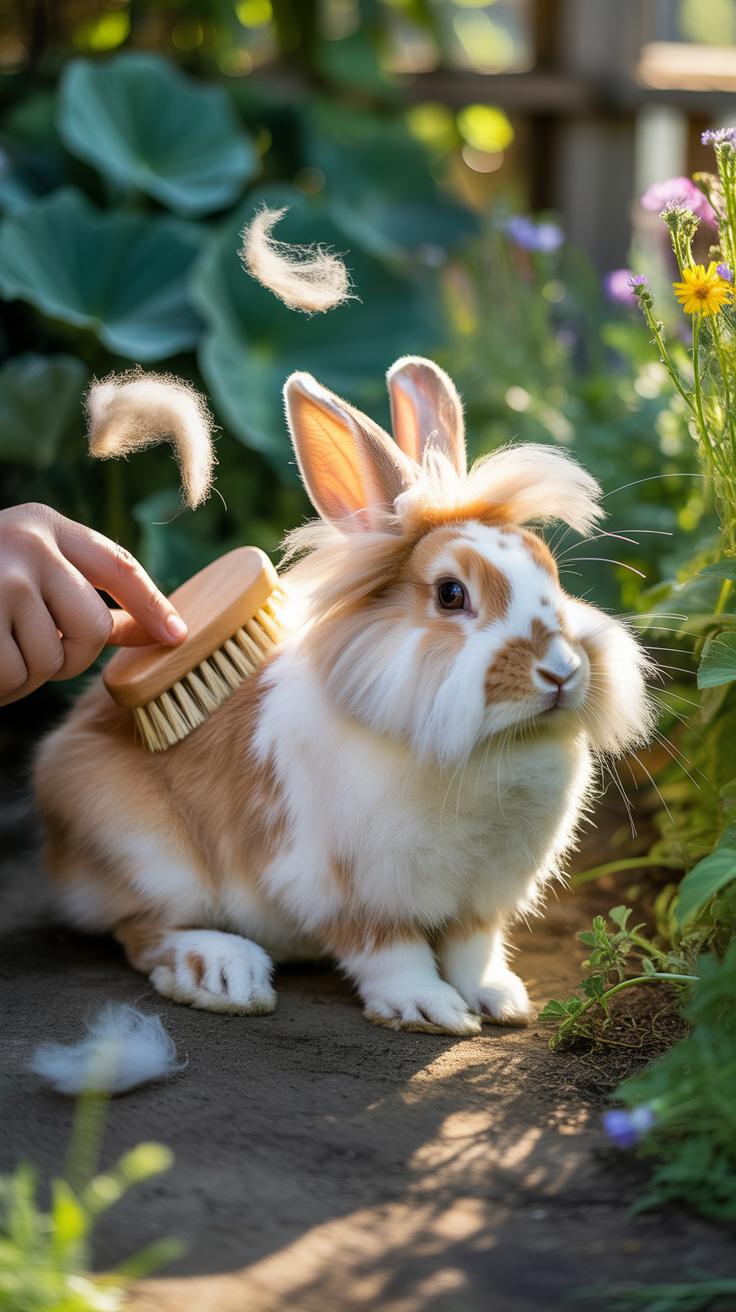
Rabbits shed their fur to regulate body temperature and maintain skin health. Most domestic rabbits undergo a heavy molt twice a year during seasonal transitions. These shifts usually occur in the spring and fall as daylight hours change. The rabbit replaces its dense winter coat with a lighter summer version or vice versa. You will see fur falling out in distinct patches or clumps.
Normal shedding typically starts at the head and moves down the spine toward the tail. This process takes between two and six weeks depending on the specific breed and environment. Indoor rabbits may shed more frequently because artificial lighting disrupts their internal clock. Consistent grooming during this time prevents the rabbit from ingesting too much fur. Excessive fur ingestion leads to dangerous intestinal blockages.
Abnormal Hair Loss Vs Normal Shedding: How To Tell The Difference
Distinguishing between a healthy molt and a medical issue requires close skin inspection. Normal shedding reveals new, short hair growing underneath the old fur. The skin should remain pink and smooth throughout the process. Healthy molting does not cause discomfort or behavioral changes. If the rabbit behaves normally and eats well, the shedding is likely a standard seasonal event rather than a disease.

Abnormal hair loss leaves the skin completely bare or inflamed. Look for red patches, crusty sores, or white flakes resembling dandruff. These signs indicate mites, fungal infections, or severe stress. Fur pulling is another red flag often linked to hormonal imbalances or false pregnancies. If you see raw skin or if the rabbit scratches excessively, consult a veterinarian immediately. These symptoms represent underlying health failures.
Pet Rabbit Care And Meat Rabbits Health Standards Across Different Keeping Purposes
Health Monitoring Priorities For Pet Rabbits Kept As Companions
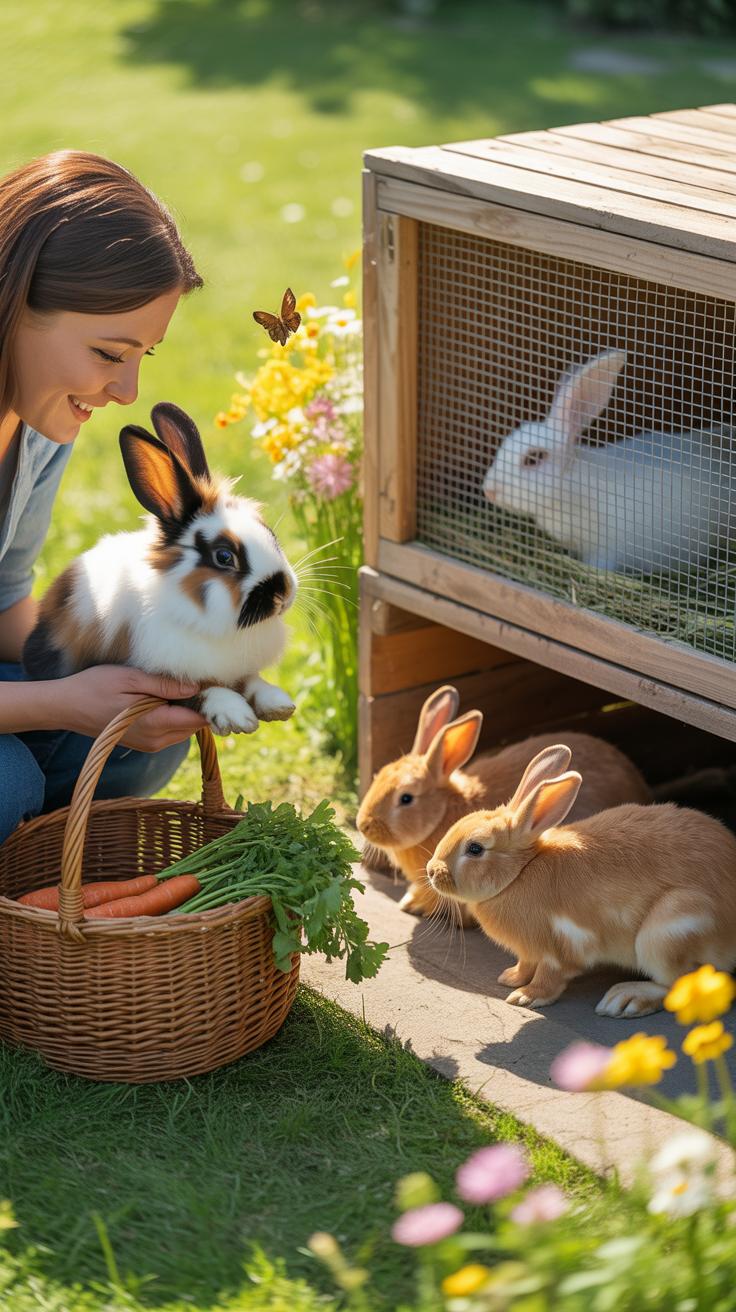
Pet owners prioritize longevity and individual quality of life. You must monitor subtle behavioral shifts daily. A house rabbit that stops eating or hiding indicates a medical emergency. Check for clear eyes and dry noses every morning. Pet rabbits often live indoors. This environment masks seasonal changes but increases risks from household toxins and stagnant air. Consistent litter box habits confirm digestive health.
Veterinary care for pets focuses on preventative medicine and long-term maintenance. You must track weight to prevent obesity. Excess weight causes sore hocks and grooming failure. Check the peri-anal area for cecotropes. Buildup suggests a diet too high in sugar or protein. High-fiber hay must make up most of the diet. This keeps teeth worn down and the gut moving. Sudden lethargy requires immediate professional intervention.
How Meat Rabbit Producers Assess Herd Health And Identify Struggling Animals
Producers focus on herd productivity and rapid growth rates. You must identify sick animals quickly to prevent disease outbreaks. Producers use tactile checks rather than visual observation alone. Feel the spine and ribs to assess flesh condition. Look for uniform growth in litters. Any rabbit falling behind the average weight of its siblings is a high-risk animal.
- Feed Intake Levels: Monitor how fast the rabbit empties the feeder. A healthy meat rabbit maintains a voracious appetite. If feed remains in the hopper after twenty-four hours, the animal is likely experiencing fever or dental issues.
- Waste Consistency: Examine the manure under the cages daily. Firm and round droppings indicate a functioning cecum. Small or misshapen pellets signal dehydration or the onset of mucoid enteritis. This condition can kill a herd quickly.
- Coat Condition: Check the fur for a smooth and clean appearance. A rough or standing coat indicates the rabbit is not grooming. This often points to internal parasites or respiratory distress. Producers cull animals with chronic poor fur quality.
- Maternal Performance: Evaluate the health of the doe through her litter. A healthy doe produces sufficient milk and keeps the nest clean. Scattered kits or a neglected nest box indicate the doe is stressed or physically unwell.
- Movement and Posture: Observe how the rabbit sits in the cage. A healthy animal remains alert and shifts weight easily. A rabbit tucked into a ball with its eyes partially closed is in pain. Rapid breathing suggests heat stress.

Efficiency dictates health management in a production setting. You must maintain strict biosecurity to protect the entire group. Isolate new stock for thirty days before integration. Check for ear mites and nasal discharge during every handling session. Sanitation prevents the spread of pasturella. Remove any animal showing chronic sneezing immediately. Data tracking ensures you only breed the heartiest rabbits for future generations.
Rabbit Health Emergency Signs When To Contact A Vet Immediately
Life Threatening Symptoms In Rabbits That Require Urgent Veterinary Attention
Rabbits hide pain to avoid predators. A rabbit that stops eating for twelve hours faces a lethal condition called GI stasis. This shutdown of the digestive tract leads to organ failure and death. You must monitor food intake and fecal output daily. If the rabbit refuses high value treats or favorite greens, treat it as a critical medical emergency immediately.
Extreme lethargy and cold ears signal a drop in body temperature. Rabbits cannot regulate heat during shock or severe infection. Check the mouth for a blue or pale tint which indicates oxygen deprivation. Labored breathing or “mouth breathing” means the rabbit is suffocating. Seizures and head tilts suggest neurological trauma or parasitic infection. You must reach an exotic vet within the hour.
How To Prepare For A Rabbit Health Emergency Before One Happens
Locate an exotic animal veterinarian before you bring a rabbit home. Most standard dog and cat clinics cannot treat rabbits properly. Keep the phone number and address of a twenty four hour emergency vet on your fridge. Verify they have a rabbit specialist on staff during night shifts. Speed saves lives during a crisis. Prepare a travel carrier for fast transport.

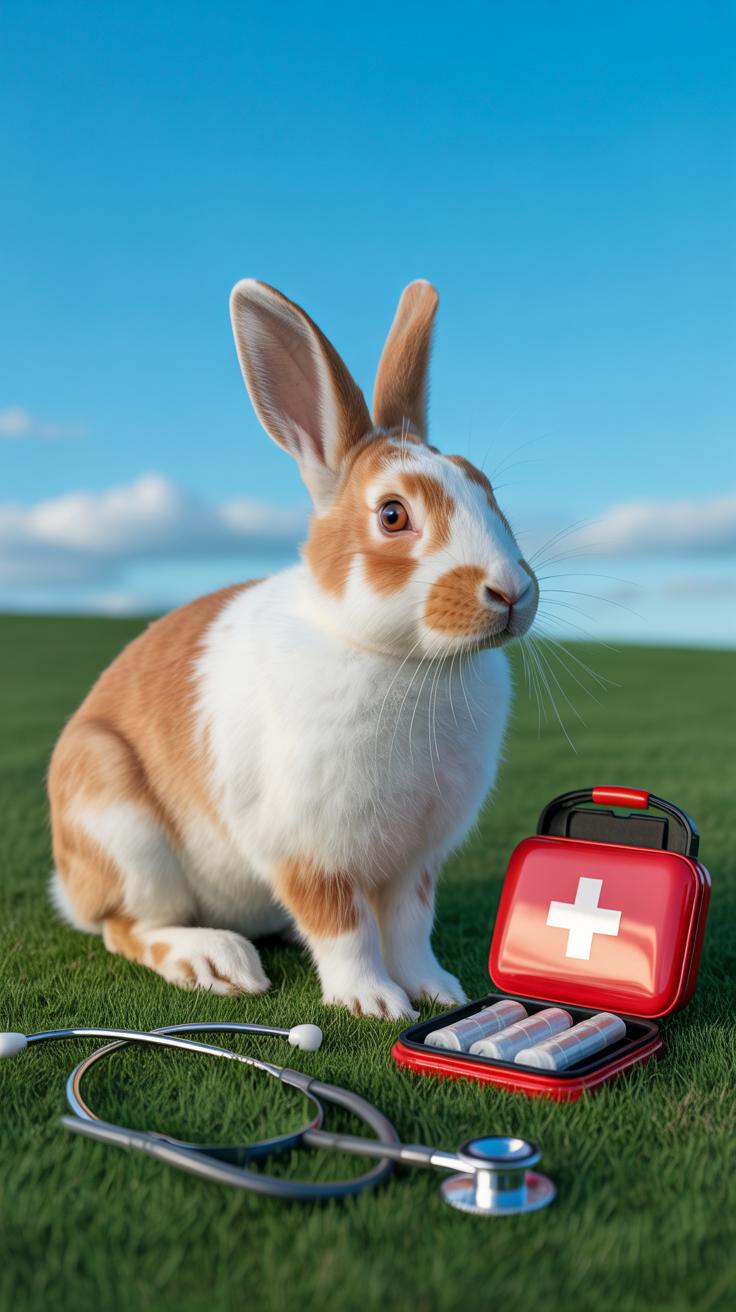
Build a medical kit with critical supplies. Include a syringe for feeding and a recovery food like Critical Care. Buy a digital thermometer to check for hypoxemia or fever. Keep a heating pad and a cold pack ready to stabilize body temperature. Note the normal weight and habits of your rabbit. Knowing the baseline helps you spot subtle changes before they become fatal issues.
Frequently Asked Questions

What are the most common indicators that my new rabbit is in good health?
A thriving bunny will exhibit bright, clear eyes, a clean nose, and a curious, active temperament. Their coat should feel soft and look well-groomed without any bald patches. One of the most critical rabbit health signs is a consistent appetite for hay and constant production of uniform, round droppings. If your rabbit is alert and interacts eagerly with its environment, it is likely feeling strong, happy, and physically well.
How can I perform a quick health check at home to monitor my rabbit?
You can monitor rabbit health signs by performing a weekly “nose-to-tail” exam. Gently feel for new lumps, check that their teeth aren’t overgrown, and ensure their bottom is clean and dry. Listen for clear breathing and watch how they move to spot any limping. Checking their ears for debris or redness also helps you catch potential issues early, ensuring your pet remains in peak condition through proactive observation.
Are there affordable ways to monitor my rabbit’s health without frequent vet visits?
Maintaining a healthy rabbit doesn’t always require a large budget. You can track vital wellness indicators for free by keeping a daily log of their eating habits and litter box output. Changes in these patterns are often the first warnings of illness. Providing high-quality hay and a clean living space prevents most common ailments, making preventative home care the most cost-effective way to ensure your bunny stays vibrant and avoids expensive emergency treatments.