Understanding What Rabbits Actually Need In A Home

The Natural Instincts That Shape Your Rabbit’S Space Requirements
Rabbits are prey animals that live in complex underground warrens. Their environment must mimic this security to reduce chronic stress. They require multiple exit points and dark hiding spots to feel safe from perceived threats. Domestic rabbits retain these wild behaviors. They need height to stand on their hind legs and scan their surroundings. A flat, open cage fails their biological need for cover.
Territorial marking and burrowing drive their physical interaction with the space. They use their scent glands to claim areas as safe zones. You must provide surfaces that allow for natural digging and scratching behaviors without destroying the structure. Flooring should be solid but offer traction for high-speed movement. Without these elements, rabbits develop destructive habits or health issues like sore hocks from improper ground contact.
Minimum Space Standards Recommended By Animal Welfare Organizations
Animal welfare groups define minimum space based on the rabbit’s ability to move naturally. They require enough room to take three consecutive hops in a straight line. This usually equates to a living area at least six feet long. Vertical space is equally vital for standing. A hutch should be at least two feet tall. These measurements prevent muscle atrophy and promote health through regular physical activity.
Organizations like the Rabbit Welfare Association and Fund emphasize a combined footprint. The sleeping area and exercise run must total at least sixty square feet. This provides enough room for foraging and social interaction. Small pet store cages do not meet these tactical requirements. You must view the hutch as a bedroom rather than a full home. Proper housing allows for constant movement between designated rest and play zones.

Exploring Rabbit Cage Setup Ideas For Every Home And Budget

Comparing Hutch Styles: Wood, Wire, And Modular Panel Designs
Traditional wood hutches offer a solid aesthetic but require specialized sealing to prevent urine absorption. This material provides insulation against temperature shifts if used in sheltered areas. However, rabbits chew wood constantly. You must ensure the frame uses untreated timber to avoid poisoning. Wood is heavy and difficult to sanitize compared to modern synthetic options. Most owners find wood better for outdoor shelters than indoor living.
Modular metal panels or C&C grids offer the best flexibility for indoor setups. These systems allow you to expand the footprint as the rabbit grows. Wire flooring is a hazard and causes painful foot sores called pododermatitis. Always choose solid flooring or mats over wire. Modular designs promote airflow and allow easy access for cleaning. They integrate well into living rooms while providing high visibility for social interaction.
How To Choose The Right Cage Size Based On Your Rabbit’S Breed
The rabbit’s breed determines its minimum vertical and horizontal space needs. A Flemish Giant requires significantly more floor area than a Netherland Dwarf. Your setup must allow the rabbit to take three full hops and stand on its hind legs without hitting the ceiling. Small breeds still need ample room to exercise and forage. Never buy a cage based on the rabbit’s current size if it is still a juvenile.

Standard commercial cages rarely meet the biological needs of any breed. You must calculate space based on the adult weight and length of your specific rabbit. Larger breeds need heavy-duty flooring that supports their weight without sagging. Small breeds require narrow spacing between bars to prevent escape or head entrapment. Scale your housing to the animal’s maximum potential size to ensure long-term health and mobility.
Setting Up A Dedicated Bunny Room Indoors

How To Rabbit Proof A Room So Your Bunny Can Roam Safely
Rabbits possess a natural drive to chew on objects to maintain their teeth. This instinct makes electrical cords a primary hazard in any indoor space. You must cover all visible wires with hard plastic split-loom tubing or solid cable channels. Lift all cords off the floor and secure them to walls using adhesive clips. This prevents lethal shocks and stops house fires.
Furniture and baseboards require physical barriers to prevent structural damage. Install clear plastic corner guards or metal flashing along wood trim to stop chewing habits. Remove any toxic houseplants from the environment immediately. Check the floor for small objects that a rabbit might swallow. Secure the bottom of the door with a kick plate if the rabbit attempts to dig at the carpet or wood.
Flooring, Lighting, And Temperature Considerations For An Indoor Bunny Room
Rabbits lack protective pads on their paws and struggle on slippery surfaces like hardwood or tile. Use low-pile rugs or interlocking foam mats to provide necessary traction. These materials prevent joint injuries and sore hocks over time. Ensure the flooring is easy to clean and resistant to moisture. Avoid deep shag carpets as rabbits may ingest the long fibers and develop internal blockages.
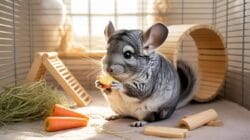
Maintain a stable temperature between 60 and 70 degrees Fahrenheit to prevent heatstroke. Rabbits do not sweat and rely on ear blood flow for cooling. Position the setup away from direct sunlight and heating vents. Provide natural light to keep their circadian rhythm balanced but include shaded spots for hiding. Use LED bulbs if the room lacks windows to simulate a natural day and night cycle.
Using Bunny Sheds As A Practical Outdoor Housing Solution

Why Converted Garden Sheds Make Excellent Rabbit Habitats
Garden sheds provide significantly more square footage than standard retail hutches. This vertical and horizontal space allows rabbits to perform natural behaviors like jumping and chinning. A shed protects the wood from direct rain and wind better than a thin hutch. It allows the owner to walk inside to clean or bond with the animals in a dry environment regardless of the weather.
The solid structure offers superior protection against predators like foxes or stray dogs. Most sheds sit on concrete slabs or heavy timber skids which prevent burrowing escape or entry. The increased internal volume also prevents ammonia buildup from urine. This air capacity keeps the living environment cleaner for longer periods. It serves as a permanent architectural solution rather than a temporary plastic or wire cage.
Ventilation Insulation And Security Features Every Bunny Shed Needs
Temperature regulation determines the survival of the rabbit in extreme seasons. Owners must line the interior walls with safe insulation like foil or sheep wool. Cover this insulation with plywood sheets to prevent the rabbits from ingesting the material. This modification keeps the shed cool during the summer and holds heat during the winter months. Proper insulation is a non-negotiable step for long-term rabbit health.

Airflow must remain constant to prevent respiratory infections. Install mesh windows or floor-level vents to circulate fresh air without creating a harsh draft. Security requires heavy-duty bolts on every door and window. Standard garden latches are insufficient for keeping predators out. Wire mesh used for windows must be galvanized steel and fixed with industrial staples. These tactical upgrades transform a storage unit into a high-security habitat.
Creative Rabbit House Ideas Outdoor For Your Garden Space

Elevated Hutch Designs That Protect Rabbits From Ground Moisture And Predators
Elevated designs solve the primary threats of dampness and predation in a rabbit housing setup. Raising the floor at least two feet off the ground prevents rising soil moisture from rotting the wood. This height also disrupts the hunting line of sight for domestic cats and wandering dogs. Keeping the living area high ensures the enclosure stays dry during heavy rain and snowmelt.
Airflow is the second major benefit of a raised structure. Stagnant air at ground level traps ammonia from rabbit urine which causes respiratory infections. Elevated units allow wind to pass under the floor to keep the wood cool in summer. This gap also stops burrowing predators like rats or foxes from chewing through the floorboards. Proper elevation is a mandatory tactical requirement for health.
Materials That Hold Up Against Weather When Building An Outdoor Rabbit House
Select industrial grade materials to ensure the rabbit housing setup survives multiple seasons. Untreated pine will rot within one year when exposed to rain and high humidity. Use kiln dried cedar or pressure treated timber for the main frame only. Ensure the interior surfaces remain natural wood to prevent the rabbits from ingesting toxic chemical treatments during normal chewing behavior.
- Pressure Treated Lumber: Use this for the outer structural legs and base frames. It resists rot and termite damage better than standard pine. Keep it away from the interior where rabbits can chew.
- Galvanized Hardware Cloth: Replace standard chicken wire with 16 gauge galvanized mesh. Chicken wire is too thin and predators can easily chew through it. Hardware cloth provides a rigid and unbreakable security barrier.
- Corrugated Asphalt Roofing: Choose asphalt or plastic roofing sheets over metal panels. Metal transfers heat quickly and can bake the rabbits in summer. Asphalt provides superior insulation and sheds water efficiently during storms.
- Exterior Grade Plywood: Use thick plywood for the walls to provide structural stability. Ensure it is rated for outdoor use to prevent the layers from delaminating. Paint the exterior with low VOC weather shield paint.
- Stainless Steel Latches: Install locking barrel bolts made of stainless steel. Standard gate hooks are easily manipulated by clever predators like raccoons. Stainless steel resists rust and ensures the doors stay shut in high winds.

Incorporate these materials into a shed style roof design with a significant overhang. A four inch overhang prevents rain from blowing directly into the mesh doors. This keeps the bedding dry and reduces the frequency of cleaning cycles. High quality materials reduce long term maintenance costs and keep the rabbits safe from extreme temperature shifts throughout the calendar year.
Designing Safe And Stimulating Rabbit Run Ideas Outdoor
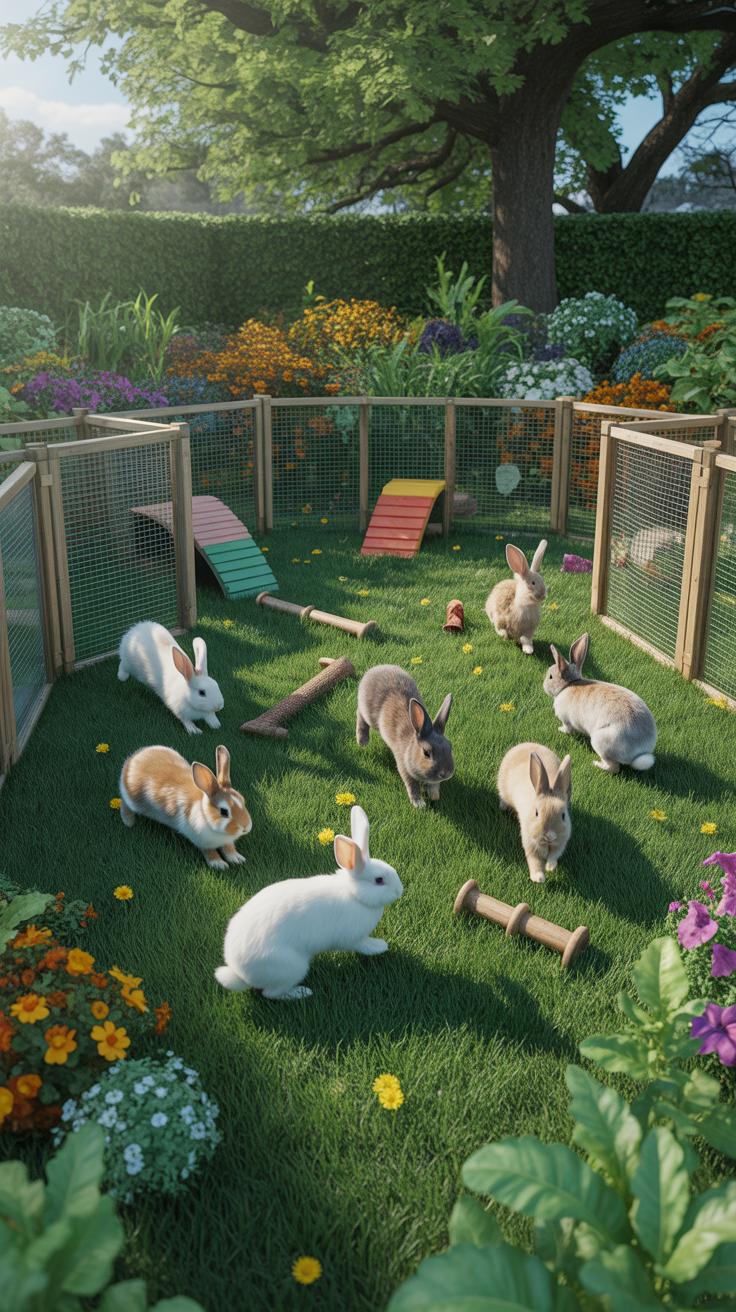
How To Size And Secure An Outdoor Run So Rabbits Cannot Escape Or Be Reached By Predators
Rabbits need a run at least eight feet long and six feet wide. This space allows them to hit top speed and perform natural leaps. You must use heavy-duty galvanized wire mesh for the perimeter. Standard chicken wire is too weak. Predators like foxes can bite through thin wire. Only 16-gauge mesh or thicker prevents break-ins and keeps your rabbits safe from attacks.
Security depends on a solid floor or a buried perimeter. Dig the wire mesh at least twelve inches into the ground. This prevents rabbits from digging out and stops predators from digging in. Alternatively, place the run on a paved surface or a concrete base. Always cover the top with a solid or mesh roof. This blocks birds of prey and prevents rabbits from jumping over the sides.
The smallest of things, a little bit of straw or a cozy corner, can make a home feel like a sanctuary.
Enrichment Features To Add Inside An Outdoor Rabbit Run
Enrichment keeps rabbits active and prevents destructive chewing. You must provide multiple hiding spots within the run. Use wooden boxes or ceramic tunnels. These items mimic natural burrows and offer shade during peak sun hours. Place these hides at different ends of the run. This encourages movement. Rabbits feel safer when they have a quick escape route nearby. Visibility of the open sky causes high stress.

Incorporate different floor textures to maintain health. A mix of grass, paved stones, and digging pits works best. Digging pits filled with child-safe sand allow rabbits to express natural instincts without escaping. Add platform levels for perching. Rabbits enjoy surveying their surroundings from an elevated height. Ensure all wooden features use untreated timber. Treated wood contains chemicals that harm rabbits when chewed. Check all structures weekly for wear.
Building Or Buying Bunny Homes Outdoor That Last All Year

Seasonal Adjustments To Keep Your Outdoor Rabbit Comfortable In Winter And Summer
Outdoor rabbits face extreme temperature risks. During winter, you must prevent freezing. Add thick layers of barley straw for insulation. Cover mesh areas with plexiglass or heavy tarps to block wind. Keep the sleeping area dry at all costs. Water bottles freeze quickly so check them twice daily. Use thermal covers or microwaveable heat pads. Proper ventilation remains vital to prevent respiratory issues from ammonia buildup.
Summer heat kills rabbits faster than cold. Rabbits do not sweat and overheat easily. Position the hutch in permanent shade. Use ceramic tiles or frozen water bottles to provide cooling surfaces. Ensure constant airflow through the living space. Monitor the temperature closely when it exceeds eighty degrees Fahrenheit. Provide fresh cool water at all times. High heat requires immediate action to prevent fatal heatstroke in your animals.
What To Look For When Purchasing A Pre Built Outdoor Bunny Home
Commercial hutches often prioritize aesthetics over function. Avoid cheap softwood like thin pine or cedar. These materials rot quickly and rabbits chew through them. Look for heavy-duty kiln-dried timber. The roof must have high-quality mineral felt to repel rain. Inspect the floor for sturdiness. It must support weight without sagging. Ensure all wood treatments are non-toxic and water-based. Safety depends on material quality.

Security is the primary goal for any outdoor structure. Predators like foxes and rats can break through flimsy wire. Only buy homes with galvanized steel weld mesh. Standard chicken wire is too weak and easy to bite. Check the locks on every door. Simple sliding bolts are not enough. Use barrel bolts that you can secure with clips or padlocks. A strong hutch protects your investment and your pets.
Choosing The Right Cage For Bunny Based On Lifestyle And Living Situation

Indoor Cage Vs. Free Roaming Setup: Which Is Better For Your Rabbit’S Wellbeing
Indoor cages offer controlled environments and immediate safety. They prevent rabbits from chewing electrical wires or toxic furniture when you are away. However, traditional small cages restrict natural movement and lead to muscle atrophy. You must ensure the enclosure is large enough for the rabbit to hop three times and stand fully upright. Use a cage only as a base or bedroom.
Free-roaming allows the rabbit to live like a cat or dog. This setup maximizes exercise and mental health. You must rabbit-proof your home by covering cables and blocking tight gaps. Free-roaming rabbits show fewer behavioral issues like cage biting or digging at floors. It requires a high level of trust and training. Choose this option for social animals and spacious living areas.
Essential Accessories Every Cage For Bunny Should Include From Day One
You must equip the housing unit with specific tools to maintain health and hygiene. High-quality accessories prevent common medical issues like sore hocks or dental disease. Strategic placement of these items encourages natural foraging and litter habits. Do not clutter the space with useless toys. Focus on functional items that serve a clear biological purpose for the rabbit.
- Heavy Ceramic Food Bowl: Rabbits have a habit of flipping lightweight plastic containers. A heavy ceramic bowl stays upright and resists chewing damage. This ensures the rabbit has access to pellets throughout the day without making a mess on the floor.
- Large Litter Box: Rabbits naturally eliminate while they eat hay. Select a large box that allows the rabbit to sit comfortably inside. Fill it with paper-based litter to absorb moisture and odor without causing respiratory issues from wood shavings.
- Hay Rack: Hay must stay off the ground to remain clean and appetizing. A sturdy rack keeps the supply dry and prevents contamination from urine or feces. Place the rack directly above the litter box to encourage proper bathroom habits.
- Drip-Proof Water Bottle or Crock: Rabbits drink a surprising amount of water daily. A heavy crock is more natural for drinking, but a drip-proof bottle stays cleaner. Check these daily to ensure the rabbit never experiences dehydration or contaminated water supplies.
- Hidey House: Every rabbit needs a dark place to retreat when they feel threatened. Use a wooden or cardboard box with two exit holes. This mimics a natural burrow and reduces stress by providing a safe zone away from household activity.

Proper floor padding is the final requirement for a functional setup. Rabbits lack thick pads on their feet and develop sores on wire or hardwood. Use fleece blankets or grass mats to provide traction and cushioning. Replace these materials if they become wet or soiled to prevent skin infections. A clean, cushioned floor ensures long-term mobility and comfort.
Setting Up A Safe And Comfortable Pet Bunny Enclosure Step By Step

Bedding, Litter Trays, And Hideaway Spots That Make A Bunny Enclosure Feel Like Home
Rabbits require specific substrate to protect their hocks from sores. Use paper-based bedding or kiln-dried aspen shavings to manage moisture without releasing toxic phenols. Place a large litter tray in the corner where the rabbit naturally eliminates. Line the tray with newsprint and high-quality grass hay. This setup encourages the rabbit to eat while using the bathroom, which supports healthy digestion and consistent litter habits.
Privacy is a non-negotiable survival instinct for prey animals. Every enclosure must feature at least one solid hideaway with two exit points. This design prevents a rabbit from feeling trapped if it perceives a threat. Use untreated wood or heavy-duty cardboard boxes for these structures. Place the hideaway in a quiet corner to provide a secure zone for resting. Proper placement reduces chronic stress and improves animal longevity.
Positioning Your Pet Bunny Enclosure Away From Hazards, Drafts, And Loud Noise
Temperature control is the most critical factor for indoor rabbit housing. Rabbits survive best in temperatures between 60 and 70 degrees Fahrenheit. Do not place the enclosure in direct sunlight or near HVAC vents. Extreme heat causes rapid heatstroke because rabbits cannot sweat. Avoid drafty areas like entryways or poorly sealed windows. Consistent air quality and stable temperatures protect the rabbit from respiratory infections and thermal stress.
Noise pollution creates constant physiological stress for rabbits. Position the enclosure away from televisions, sound systems, or high-traffic walkways. Predators in the wild use sound to hunt, so loud environments keep rabbits in a state of high alert. Keep the enclosure off the floor if you have predatory pets like dogs or cats. A quiet and elevated location ensures the rabbit feels secure in its domestic territory.
Bunny Houses Outdoor Vs Indoor Setups Making The Best Choice For Your Rabbit
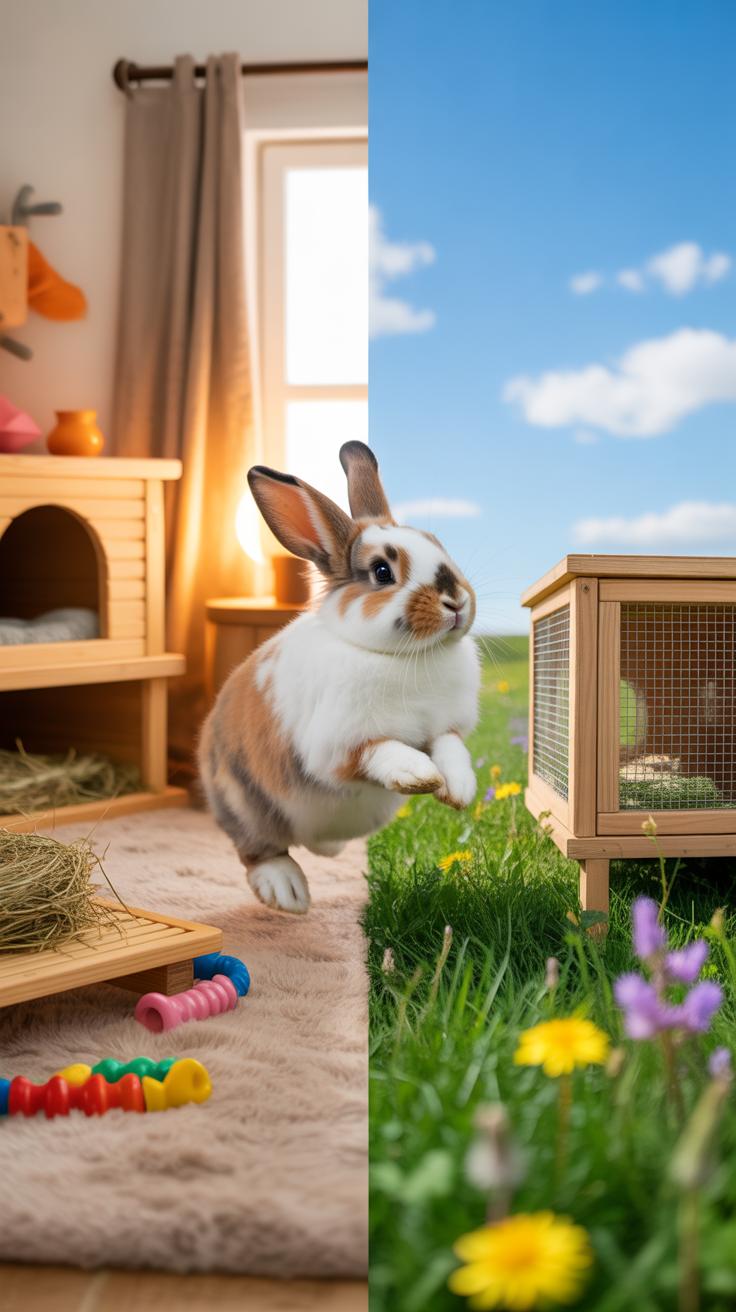
Health And Social Benefits That Differ Between Outdoor And Indoor Rabbit Housing
Indoor housing provides superior safety from predators and climate extremes. Stable temperatures prevent heatstroke and respiratory infections common in outdoor setups. Living inside allows for frequent social interaction between the rabbit and the owner. This bond reduces stress and helps owners spot early signs of illness. Rabbits are social animals that thrive on the constant presence of their human family members.
Outdoor housing offers access to natural light and fresh air. This environment allows for larger enclosures that promote high activity levels. However, outdoor rabbits face risks from parasites and emotional isolation. They often become more skittish without regular human contact. If you choose an outdoor setup, use heavy gauge wire and solid flooring. These materials protect against burrowing predators and keep the rabbit secure.
How To Transition A Rabbit Comfortably From One Housing Environment To Another
Transition a rabbit between environments slowly to prevent gut stasis and shock. Start by moving the rabbit for short periods during mild weather. If moving an outdoor rabbit inside, keep the indoor room cool initially. Sudden temperature changes tax the rabbit’s metabolic system. Monitor their food and water intake closely during this period. Any decrease in eating signals high stress levels.
Provide familiar items like hide boxes and blankets during the move. Scents from the old environment help the rabbit feel secure in the new space. Maintain a strict feeding schedule to provide a sense of routine. Do not introduce new foods or litter brands during the transition. Focus on stability and quiet surroundings to help the animal adapt. Success depends on patience and careful observation of their behavior.
Frequently Asked Questions

What are the primary essentials for a beginner rabbit housing setup?
Getting started requires more than just a cage; you need a space that prioritizes safety and comfort. A quality rabbit housing setup should include a solid-bottomed enclosure, a cozy nesting box, a heavy ceramic water bowl, and a constant supply of fresh timothy hay. Ensure the floor is covered with rabbit-safe bedding or soft rugs to protect their sensitive hock joints from sores while providing a secure area for grazing and resting.
How can I ensure my rabbit hutch stays clean and odor-free?
Maintenance is key to a healthy environment. You should spot-clean soiled bedding and replace wet hay daily to prevent ammonia buildup. Once a week, perform a deep clean by scrubbing the enclosure with a pet-safe vinegar solution. Integrating a litter box into your rabbit housing setup makes this process much easier, as most bunnies can be litter trained, keeping the rest of their living area pristine and smelling fresh for your home.
Is it possible to create a high-quality rabbit enclosure on a strict budget?
Absolutely! You don’t need expensive designer furniture to keep your bunny happy. Many owners use affordable C&C (cube and coroplast) grids to build custom, spacious enclosures at a fraction of the cost of wooden hutches. You can also repurpose old sideboards or large storage bins for hay racks. Focus your budget on high-quality flooring and safety features, using DIY creativity to fill in the rest of their enrichment needs beautifully.