Understanding The Rabbit Diet What Nature Tells Us About Safe Foods

How Rabbits Digest Food Differently Than Other Pets
Rabbits are hindgut fermenters. This means they process fiber in the cecum at the end of the digestive tract. Unlike dogs or cats, rabbits must keep their gut moving constantly. This process is called peristalsis. If the gut stops, the rabbit enters GI stasis. This condition is often fatal. You must provide high fiber to prevent this shutdown.
The rabbit digestive system also produces cecotropes. These are nutrient-rich pellets that rabbits eat directly from their system. This behavior looks strange but it is vital for survival. It allows the rabbit to absorb proteins and B vitamins that they missed during the first pass. Without this second ingestion, the rabbit will suffer from severe malnutrition. Do not prevent this natural process.
Why A Balanced Rabbit Diet Is Critical For Long Term Health
A correct diet solves two major problems: tooth overgrowth and gut failure. Rabbit teeth grow continuously throughout their entire lives. They need abrasive silica found in hay to grind these teeth down. If you feed too many soft foods, these teeth will develop painful spurs. These spurs prevent eating and require expensive surgery. Hay must make up eighty percent of the diet.
Balance also prevents obesity and organ failure. High sugar foods like carrots or fruit cause rapid bacterial overgrowth in the gut. This shift kills beneficial bacteria and leads to gas or diarrhea. Long term mismanagement causes fatty liver disease. Stick to a strict regimen of hay, leafy greens, and limited pellets. This discipline ensures the rabbit reaches its full ten-year lifespan.

Rabbit Food Foundations The Role Of Hay In Every RabbitS Daily Meals

Timothy Hay Vs. Orchard Grass: Which Is Best For Your Rabbit
Timothy hay is the standard choice for adult rabbits. It provides high fiber and low protein levels. This balance keeps the digestive system moving. The coarse texture wears down teeth efficiently. Mechanical abrasion prevents painful dental overgrowth. Use first or second cutting timothy for maximum nutritional value. It is the most accessible and reliable forage crop for domestic lagomorphs.
Orchard grass offers a softer alternative for picky eaters. It contains slightly less fiber than timothy hay but maintains high quality. This grass works well for owners with allergies to timothy pollen. It tastes sweeter and encourages more consumption in reluctant rabbits. You can mix it with timothy to increase variety. Both options support necessary gut motility and prevent GI stasis. Select the one your rabbit eats consistently.
How Much Hay Should A Rabbit Eat Each Day
Rabbit diet safe foods start with unlimited access to hay. Hay must make up eighty percent of the daily intake. A rabbit should consume a pile of hay the size of its own body every twenty four hours. Constant grazing mimics natural foraging behavior. It provides the long strand fiber required for cecal health. Never limit hay intake to specific meal times.
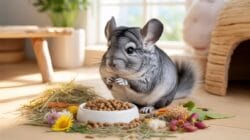
Check the hay supply twice daily to ensure freshness. Remove soiled or damp portions immediately to prevent mold growth. High consumption rates keep the cecum functioning and the pH levels balanced. Rabbits have high metabolic needs and digestive tracts that never rest. Providing a constant supply prevents life threatening blockages. Focus on quantity and quality to maintain long term health. Always keep the hay rack full.
Safe Vegetables For Rabbits What To Include In The Weekly Rotation

Leafy Greens That Are Safe And Nutritious For Rabbits
Rabbits require a steady intake of leafy greens to maintain gut motility and hydration. These plants provide essential vitamins and minerals without excessive sugar. You must introduce new greens slowly to prevent digestive upset. High quality greens should make up about seventy five percent of the fresh food portion. Ensure all greens are organic or washed thoroughly to remove harmful pesticides and chemicals.
Rotate different types of greens every week to ensure a balanced nutrient profile. Focus on low oxalate options like Romaine lettuce, bok choy, and cilantro to prevent kidney stones. Avoid light colored lettuces like iceberg because they contain mostly water and lack nutritional value. Darker leaves usually signify higher concentrations of fiber and vitamins. Monitor droppings whenever you introduce a new leaf to the diet.
Root Vegetables And Other Safe Vegetables For Rabbits To Enjoy In Moderation
Root vegetables and non-leafy plants serve as treats rather than dietary staples. Carrots and bell peppers contain high levels of natural sugars and starch. Feeding these in large quantities leads to obesity and life-threatening cecal imbalances. Limit these items to no more than one tablespoon per two pounds of body weight. Use them as rewards for training or occasional enrichment activities.

Starchy vegetables like squash or broccoli florets can cause gas and bloating in sensitive rabbits. Broccoli stems and leaves are safer than the heads but still require strict portion control. Always remove seeds from peppers and avoid the pits or stones of any fruit-like vegetables. Consistent monitoring of your rabbit’s weight ensures these treats do not compromise their health. Stick to fibrous stems when possible.
Rabbit Safe Vegetables List A Room By Room Guide To Your Produce Drawer

Common Grocery Store Vegetables That Are Rabbit Approved
Vegetables provide essential vitamins and hydration that hay alone cannot deliver. You must select leafy greens that are low in calcium and oxalates to prevent kidney stones. Most grocery stores carry suitable options year-round. Focus on dark greens rather than light, watery varieties like iceberg lettuce. These selections ensure your rabbit receives a broad spectrum of nutrients while maintaining a healthy digestive system.
- Romaine Lettuce: This leafy green is a staple for hydration and fiber. Avoid the light-colored hearts and focus on the dark outer leaves. It provides a crunch that helps wear down teeth while offering vitamin A and potassium for daily health.
- Bok Choy: This cruciferous vegetable is safe for daily consumption. It contains high water content and vitamin C. Both the white stalks and green leaves are edible. It provides a different texture to keep your rabbit engaged during meal times at home.
- Cilantro: This herb is highly palatable and safe for frequent feeding. It acts as a powerful antioxidant and aids in digestion. Most rabbits enjoy the strong scent and flavor. It is an affordable way to add variety to a standard salad rotation.
- Bell Peppers: These offer a massive dose of vitamin C without the high sugar found in fruit. Remove all seeds and the green stem before feeding. Use green peppers more often than red or yellow ones to keep the caloric intake low and healthy.
- Zucchini: This squash is a safe non-leafy option for most rabbits. It contains manganese and antioxidants that support metabolic functions. Feed it in small slices to provide variety. Ensure the vegetable is fresh and firm to provide the best nutritional value possible.
Balance is the key to a successful vegetable rotation. Feed at least three different types of greens daily to prevent nutrient deficiencies. Wash all produce thoroughly to remove pesticides and chemicals that harm small animals. Keep the portion size to about one packed cup of greens per two pounds of body weight. This ratio keeps their gut moving without causing diarrhea.
How To Introduce New Vegetables Into Your Rabbit’S Diet Safely
Introduce only one new vegetable at a time to monitor the digestive response. Start with a piece no larger than a child’s thumb. Wait twenty-four hours before feeding that specific vegetable again. This delay allows you to check for soft stool or gas. If the rabbit remains active and producing hard pellets, the vegetable is safe to continue in their diet.

Stop feeding a new item immediately if you notice watery droppings or a loss of appetite. Rabbits have sensitive gastrointestinal tracts that react poorly to sudden changes. Maintaining a log of accepted foods prevents accidental illness. Once a vegetable passes the trial period, combine it with items they already tolerate. This gradual process builds a robust digestive system and identifies specific food allergies early.
Vegetables For Rabbits Guide What To Avoid And Why It Matters

Vegetables That Are Toxic Or Harmful To Rabbits
Rabbits possess a highly specialized digestive tract designed for heavy fiber intake. Certain vegetables contain compounds that trigger systemic failure or severe digestive distress. Onions, leeks, and chives contain thiosulphate which destroys red blood cells and causes hemolytic anemia. Rhubarb contains high levels of oxalic acid that damages kidneys and impacts calcium absorption. These foods represent immediate health risks rather than slow dietary issues.
Iceberg lettuce is a common mistake for many rabbit owners. Most light colored lettuces contain lactucarium which acts as a sedative and can be toxic in high doses. Additionally, these greens consist mostly of water and offer zero nutritional value. They often cause loose stools and life-threatening diarrhea. Avoid all bulb plants and any vegetable that grows from a stone or pit to ensure gut stability.
High Starch And High Sugar Vegetables That Should Be Strictly Limited
Root vegetables like carrots and parsnips contain excessive sugar and starch levels. A rabbit’s cecum cannot process high sugar loads without shifting the bacterial balance. This imbalance leads to GI stasis or enterotoxemia. While popular culture depicts rabbits eating carrots, these should only serve as occasional treats. Limit portions to one tablespoon per two pounds of body weight to prevent obesity and dental decay.

Corn and peas present significant mechanical and chemical dangers to the rabbit gut. The hulls on corn kernels consist of complex polysaccharides that rabbits cannot digest. These can lead to fatal intestinal blockages because rabbits cannot vomit. High starch levels also fuel the growth of harmful bacteria like Clostridium. Stick to leafy greens to maintain a healthy pH level in the digestive tract and ensure long term survival.
Bunny Diet Chart Building A Weekly Feeding Schedule That Works

How To Structure A Daily And Weekly Bunny Diet Chart
A rabbit diet requires a foundation of unlimited grass hay. This fiber keeps the digestive system moving and wears down teeth. You must provide hay twenty-four hours a day. Fresh leafy greens follow as the second most important component. Rotate these greens weekly to avoid nutrient imbalances or high mineral buildup. This rotation prevents health issues like bladder stones or kidney problems.
Consistency is the primary goal for a weekly schedule. Feed fresh greens at the same time each morning or evening. This routine reduces stress and allows you to monitor appetite changes immediately. Limit treats and sugary vegetables like carrots to twice a week. Use a log to track new foods. Introduce only one new vegetable at a time to check for loose stools or gas.
Portion Sizes And Feeding Frequency For Rabbits Of Different Ages
Portion control changes as a rabbit matures from a kit to a senior. Growing rabbits under six months need unlimited alfalfa hay for calcium and extra protein. They also require more pellets to support bone growth. Once a rabbit reaches adulthood, switch to timothy hay. Reduce pellets to about one-quarter cup per six pounds of body weight. This prevents obesity and related metabolic diseases.

Adult rabbits need one cup of packed leafy greens for every two pounds of weight. Divide this amount into two daily feedings to keep the gut active. Senior rabbits may need more pellets if they lose weight or have trouble chewing hay. Always adjust portions based on body condition scores. A healthy rabbit has ribs you can feel but cannot see. Overfeeding leads to life-shortening health complications.
Rabbit Eating Habits Safe Fruits Herbs And Occasional Treats

Safe Fruits That Can Be Offered As Treats For Rabbits
Fruit contains high levels of fructose which causes rapid bacterial shifts in the rabbit hindgut. Give fruit only as a disciplined reward rather than a primary meal component. Limit intake to one teaspoon per two pounds of body weight. Excessive sugar leads to obesity and life-threatening GI stasis. Always remove seeds and pits because they contain trace amounts of cyanide.
Select fiber-rich options like apple flesh or berries to support digestive movement. Avoid bananas and grapes except in tiny amounts due to their extreme sugar density. Wash all fruit thoroughly to remove pesticide residue that harms small mammals. Observe the rabbit for soft stool after introducing any new fruit. Stop feeding immediately if the digestive output changes from hard, dry pellets.
Fresh Herbs That Support Healthy Rabbit Eating And Digestion
Fresh herbs provide essential volatile oils and minerals that stimulate the appetite of a healthy rabbit. These plants replicate the natural foraging habits of wild ancestors. Most culinary herbs are safe and offer better nutritional density than standard head lettuce. They provide hydration and encourage chewing which wears down constantly growing teeth. Use herbs to entice stubborn eaters or senior rabbits.
- Cilantro: This herb is a safe staple for daily consumption. It provides high water content and essential antioxidants that support kidney function. Most rabbits find the strong scent highly palatable and will eat it readily.
- Basil: Basil offers anti-inflammatory properties and helps soothe the digestive tract. It contains vitamin K and iron which are vital for circulatory health. Supply both the leaves and the stems to provide varied textures for chewing.
- Mint: Mint acts as an effective appetite stimulant for rabbits recovering from illness. It helps reduce intestinal gas and bloating by relaxing the digestive muscles. Use it sparingly as its strong flavor can be overwhelming if fed in bulk.
- Parsley: This herb is rich in vitamin C and calcium. Use it in moderation for adult rabbits to prevent the formation of bladder sludge or stones. It serves as an excellent enrichment tool due to its curly, fibrous texture.
- Dill: Dill supports the immune system and aids in respiratory health. Its thin fronds are easy for young or elderly rabbits to masticate without putting stress on their jaw. It provides a distinct nutrient profile compared to leafy greens.
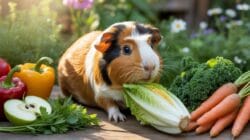
Integrate these herbs into the daily salad rotation to ensure a broad spectrum of vitamins. Rotate the types of herbs fed every week to prevent the buildup of specific alkaloids or minerals like oxalic acid. Always source organic herbs when possible to avoid chemical ingestion. High-quality herbs bridge the gap between basic hay consumption and a complete, biologically appropriate diet for domestic rabbits.
Food Charts For Rabbits Reading And Using Nutritional Guides Effectively

How To Read A Rabbit Food Chart And Apply It To Real Meals
A rabbit food chart categorizes items by frequency and quantity. You must look for three specific labels: daily staples, occasional treats, and toxic items. Most charts prioritize leafy greens like romaine or kale. Smart owners use these guides to build a baseline diet. Do not treat every green as equal. Some contain too much calcium or sugar for daily consumption.
Apply these charts by weighing your rabbit first. Use the chart to determine the exact cup measurement based on body weight. Usually, you provide one cup of packed greens per two pounds of rabbit. Check the chart for high-oxalate foods like spinach. Rotate these specific items to prevent bladder sludge or kidney issues. Accurate reading prevents metabolic bone disease and keeps gut motility high.
Feeding your rabbit the right greens is a small act of kindness that warms both of your hearts. Every safe leaf is a tribute to the gentle bond you share with a companion who trusts you completely.
Trusted Sources And Vet Backed Food Charts Every Rabbit Owner Should Know
Stick to charts produced by exotic animal veterinarians or recognized rabbit welfare organizations. The House Rabbit Society remains the gold standard for nutritional data. Their charts rely on decades of clinical observation and biological research. Avoid random blogs or social media graphics that lack veterinary credentials. Most credible charts emphasize that hay constitutes eighty percent of the daily food intake.

University veterinary programs often publish the most accurate plant lists. These sources distinguish between the leafy tops and the sugary root of vegetables. Use charts that list scientific names of plants to avoid confusion. Some common names refer to different species depending on your location. Verified data ensures you do not accidentally feed a toxic garden weed. Reliability is the only metric that matters here.
Bunny Care And Feeding Practical Tips For Keeping Your Rabbit Healthy Through Diet
Water, Pellets, And Supplemental Foods In A Complete Bunny Care Routine
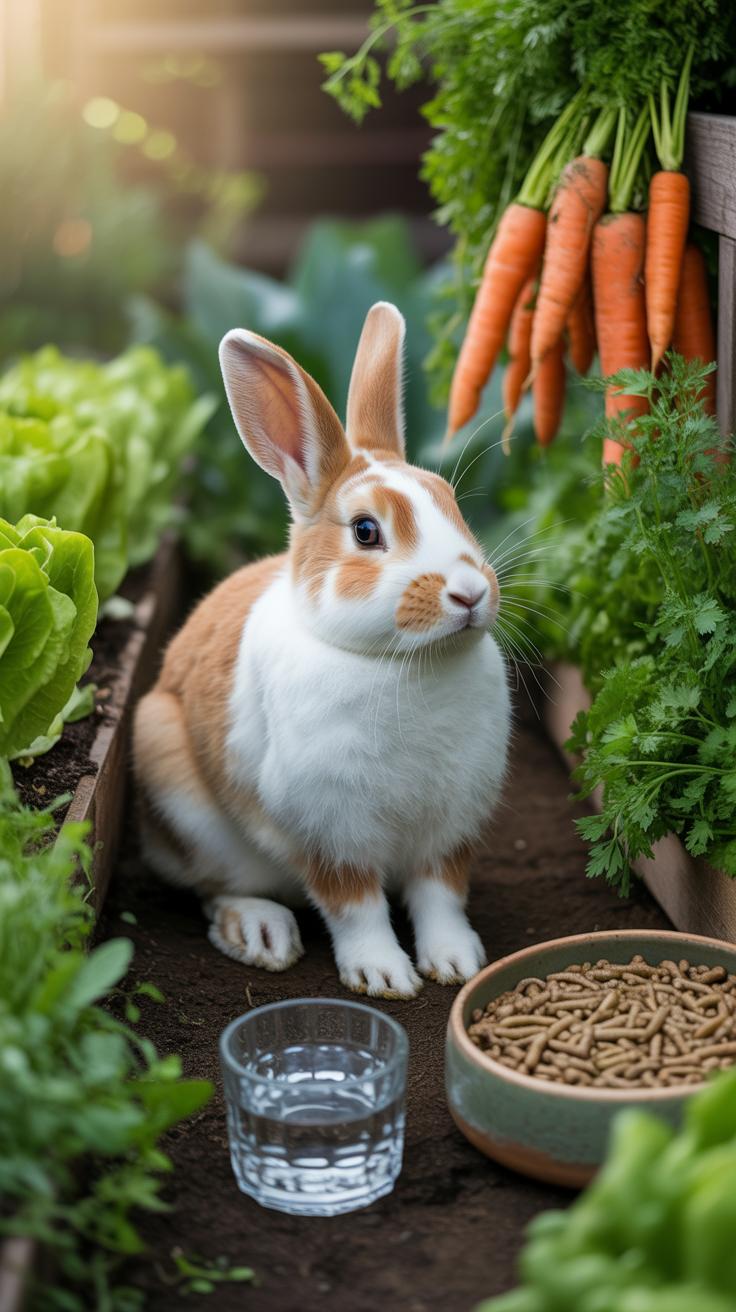
Hydration is the foundation of rabbit health. Rabbits require constant access to clean water to move fiber through the digestive tract. Use heavy ceramic bowls rather than drip bottles to encourage natural drinking postures. Change the water daily to prevent bacterial growth. Dehydration leads directly to gastrointestinal stasis. This condition stops gut movement and kills rabbits quickly. Keep water sources stable and accessible at all times.
Pellets provide concentrated nutrients but require strict portion control. High quality pellets must be Timothy hay based and grain free. Adult rabbits over one year old need only a small amount daily. Measure exactly one quarter cup per six pounds of body weight. Overfeeding pellets causes obesity and prevents the rabbit from eating enough hay. Supplement this routine with daily leafy greens to provide essential vitamins and moisture.
Signs That Your Rabbits Diet May Need Adjustment And When To See A Vet
Monitor fecal output to track digestive health. Healthy droppings are large, round, and dry. Small, misshapen, or wet droppings signal a lack of fiber or too much sugar. A complete lack of droppings for twelve hours is a medical emergency. Watch for uneaten cecotropes in the cage. This indicates a diet too rich in protein or sugar. Adjust the hay to pellet ratio immediately if waste quality drops.
Behavioral changes often indicate underlying dietary pain. A rabbit that refuses its favorite treat or stops eating hay needs professional help. Grinding teeth loudly or sitting hunched in a corner signals severe abdominal distress. Check for dental overgrowth if the rabbit drops food or has a wet chin. Rabbit teeth grow continuously and require coarse hay to wear down. Visit an exotic animal veterinarian for any sudden loss of appetite.
Frequently Asked Questions

What are the primary components of a healthy rabbit diet?
A balanced rabbit diet safe foods list starts with high-quality grass hay, such as Timothy or orchard grass, which should make up 80% of their intake. This is supplemented with a small portion of leafy greens and limited pellets. Providing constant access to fresh water is also essential. Focusing on these core basics ensures your bunny maintains proper digestion and wears down their teeth naturally, preventing common health issues over time.
How should I introduce new vegetables to my rabbit?
When expanding your list of rabbit diet safe foods, always introduce one new vegetable at a time in very small quantities. Observe your pet for 24 hours to ensure they don’t develop soft stool or gas. Slowly increasing the variety of leafy greens like kale or romaine lettuce helps prevent digestive upset. Consistency is key, so try to offer a rotating mix of three different safe vegetables daily for optimal nutrition.
Can I feed my rabbit scraps from my own kitchen to save money?
Using kitchen scraps is a great way to stay on budget while providing variety. You can safely offer carrot tops, strawberry hulls, or the ends of bell peppers and cucumbers that you would otherwise discard. However, always avoid giving them cooked food, bread, or high-sugar fruit scraps. By utilizing these fresh, raw leftovers, you provide a nutritious treat for your bunny without spending extra money at the grocery store.