Understanding The Role Of Vegetables In A Rabbit Safe Vegetables List

Why Vegetables Are A Secondary But Important Part Of A Rabbit’S Diet
Rabbits require specific nutrients that hay alone cannot provide. leafy greens offer essential vitamins and hydration. These nutrients support the immune system and organ function. Vegetables function as a supplement rather than a primary calorie source. You must view them as a delivery system for micronutrients. Proper selection prevents deficiencies that common commercial pellets often miss in a standard feeding routine.
Excessive sugar or starch leads to dangerous bacterial overgrowth in the gut. Limiting vegetable intake ensures the rabbit remains hungry for high fiber forage. Most vegetables should consist of dark leafy greens. These greens provide calcium and vitamin A without causing rapid weight gain. You must balance the variety to avoid toxicity from specific minerals. Targeted feeding prevents obesity while maintaining optimal health levels.
How Hay, Water, And Vegetables Work Together For Rabbit Health
A rabbit’s digestive tract relies on constant movement. Long strand fiber from hay drives this mechanical process. Fresh vegetables add moisture to the food bolus. This hydration helps move matter through the cecum efficiently. Without enough water from both a bowl and fresh greens, the system slows down. Glubical motility depends on this balance of moisture and dry roughage.
Water intake increases when rabbits eat fresh produce. This process flushes the kidneys and prevents bladder sludge. Hay provides the abrasive texture needed to wear down constantly growing teeth. Vegetables offer the taste variety that encourages natural foraging behaviors. Together, these three elements prevent GI stasis. You must maintain this tripod of nutrition to ensure long term survival and gut stability.

The Complete Bunny Food List Daily Vegetables You Can Trust

Leafy Greens That Are Safe To Feed Your Rabbit Every Day
Rabbits require specific leafy greens to maintain gut motility and dental health. High-fiber greens act as the primary supplement to a hay-based diet. You must choose low-calcium options for daily feeding to prevent kidney stones and bladder sludge. Avoid light-colored lettuces like iceberg because they lack nutritional value and contain too much water. Stick to dark, fibrous varieties for maximum health benefits.
- Romaine Lettuce: This fiber-rich green provides essential hydration and nutrients without the risks found in light-colored lettuces. It is a reliable daily staple. Ensure you wash it thoroughly to remove any lingering pesticides or chemical residues before serving it to your pet.
- Bok Choy: This vegetable offers a crunchy texture that helps with dental wear. It contains vitamins A, C, and K which support the immune system. Feed both the leaves and the stems to provide a variety of textures and nutrients during the daily feeding routine.
- Cilantro: Many rabbits enjoy the strong scent and flavor of this herb. It is safe for daily consumption and aids in digestion. You can use it to encourage hydration in picky eaters. It is widely available and easy to provide in fresh batches throughout the week.
- Spring Mix: This blend typically contains several safe varieties like red leaf lettuce and arugula. It provides a diverse nutrient profile in one serving. Avoid any mixes that contain high amounts of spinach or beet greens, as these should only be fed in limited quantities occasionally.
- Dill: This herb functions well as a daily treat or meal addition. It supports digestive health and adds variety to the diet. Its unique texture provides mental stimulation for rabbits. Most rabbits find the taste highly palatable, making it an excellent choice for a rotating vegetable list.
Rotate these greens frequently to ensure a broad spectrum of minerals and vitamins. Consistency prevents digestive upset and keeps the rabbit interested in its food. Always introduce new greens slowly to monitor for loose stools or gas. A stable rotation of three distinct types of greens each day provides the best results for long term health and weight management.
How Much Leafy Greens Should A Rabbit Eat Per Day
The standard rule for daily vegetable intake is one packed cup of greens for every two pounds of body weight. Most adult rabbits require between two and four cups of fresh greens daily. Use this measurement as a baseline and adjust based on the rabbit’s physical condition. Excessive vegetable intake can lead to obesity or soft cecotropes. Monitor droppings daily to ensure the balance is correct.
Hay must still make up eighty percent of the total diet regardless of vegetable volume. These greens serve as a supplement for hydration and micronutrients rather than a primary calorie source. If the rabbit stops eating hay, reduce the vegetable portions immediately. Always serve vegetables fresh and at room temperature. Cold or wilted greens can cause stomach cramps or refusal to eat, which leads to dangerous health declines.
Rabbit Safe Vegetables Beyond Leafy Greens Herbs And Non Leaf Options

Guidance Safe Herbs Like Cilantro Basil And Dill For Daily Feeding
High-quality herbs serve as critical nutrient boosters in a rabbit’s diet. Cilantro is a primary staple because it contains low calcium and high vitamin A. You can feed it daily without risk of kidney stones. Basil offers anti-inflammatory properties and helps with digestion. These herbs mimic the wild foraging habits of rabbits. They provide essential oils that support gut health and immune function.
Dill and parsley are effective options for variety. Dill targets digestive gas and helps maintain a balanced gut flora. Parsley is safe but contains more calcium than cilantro. You must rotate these herbs to ensure a broad profile of micronutrients. Always wash herbs to remove pesticides before feeding. Fresh herbs provide more hydration than dried versions. Stick to organic sources to avoid chemical contamination.
Guidance Safe Non Leafy Vegetables Such As Bell Peppers And Zucchini
Non-leafy vegetables provide different textures and essential hydration. Bell peppers are excellent because they contain high levels of vitamin C. Remove all seeds and the green stem before feeding. These parts are toxic to rabbits. Focus on the flesh of the pepper only. Zucchini is another safe option that adds moisture to the diet. It is low in calories and helps prevent obesity in house rabbits.

Control the portion sizes of these vegetables to prevent soft stools. These items should make up a small fraction of the daily vegetable intake. They do not replace the fiber found in hay or leafy greens. Use them as tactical supplements for vitamins. Always introduce new vegetables slowly to monitor for digestive upset. If the rabbit’s droppings change consistency, stop feeding the new item immediately. Consistency ensures long-term health.
Bunny Food Chart For Rabbits Frequency And Serving Size Guide

How To Read And Use A Bunny Food Chart For Daily Meal Planning
Effective meal planning requires prioritizing high fiber over all other nutrients. Your primary chart must categorize vegetables into two distinct groups based on oxalic acid content. Use the first group for daily rotation to ensure a stable digestive tract. Reserve the second group for occasional use to prevent kidney sludge or stones. Proper planning prevents sudden gastrointestinal changes that lead to fatal illness.
A functional chart serves as a roadmap for dietary diversity. You must offer at least three different types of greens every day. This rotation limits the buildup of specific alkaloids and balances the nutrient intake. Always check your list against the seasonal availability of leafy greens to maintain a fresh supply. Consistency in your selection process creates a predictable environment for sensitive rabbit digestive systems.
Recommended Serving Sizes Based On Rabbit Body Weight
The industry standard for fresh greens is one packed cup per two pounds of body weight. Do not guess these measurements when dealing with small breeds. Excess greens cause soft stools and disrupt the cecal balance. Weigh your rabbit monthly to adjust these proportions as health needs or activity levels change. Precise control over portion sizes ensures the rabbit consumes enough hay for dental health.

Treat hay as eighty percent of the diet and vegetables as fifteen percent. Use the weight based calculation to set a strict daily limit. Overfeeding greens often leads to obesity and picky eating habits where rabbits ignore essential dry fiber. If the rabbit leaves greens in the bowl you must reduce the portion size immediately. Discipline in feeding prevents expensive veterinary bills and chronic metabolic issues.
Vegetables For Rabbits Guide What To Avoid And Why
Common Vegetables That Are Toxic Or Harmful To Rabbits
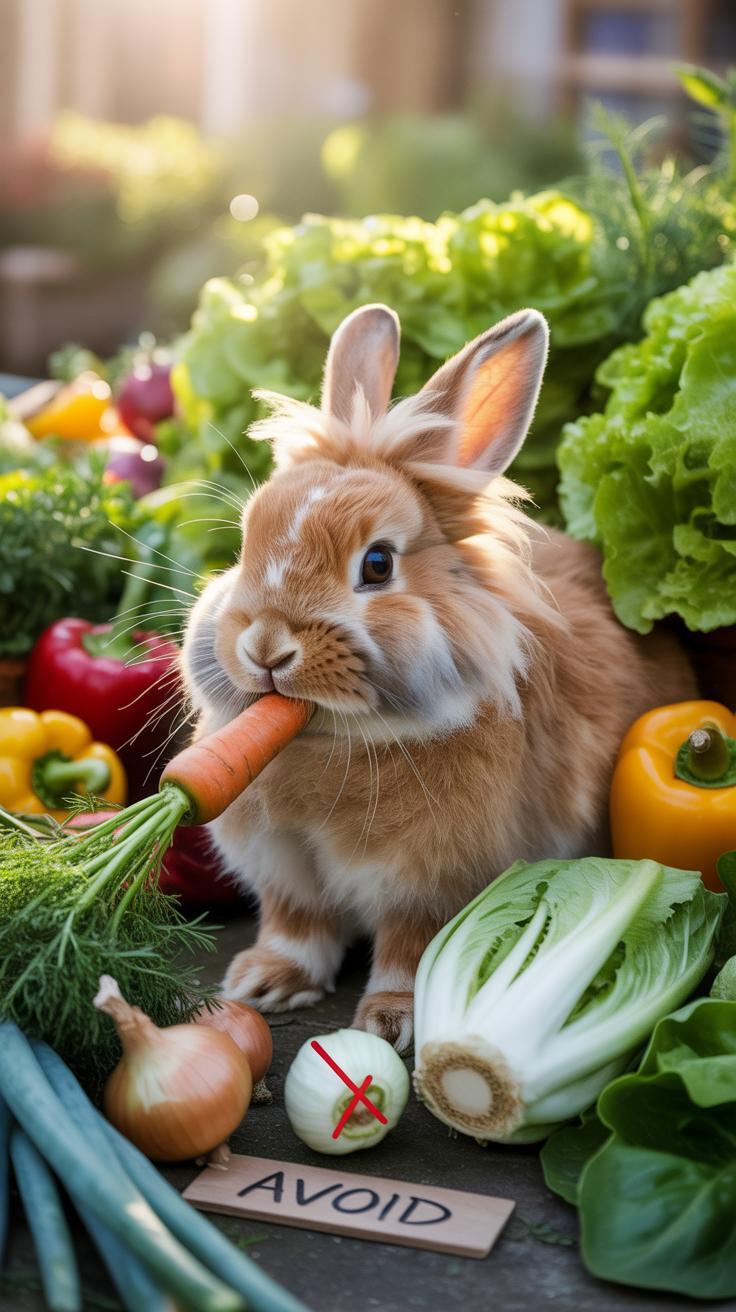
Rabbits possess a highly specialized digestive system that cannot process certain compounds found in common garden vegetables. Introducing the wrong plants can cause rapid GI stasis or systemic poisoning. You must distinguish between safe greens and dangerous lookalikes to protect your rabbit. Toxic vegetables disrupt the natural gut flora and lead to fatal complications if the owner does not act immediately.
- Onions and Garlic: These Allium family plants contain compounds that damage red blood cells and cause hemolytic anemia. Even small amounts can lead to oxygen deprivation and organ failure over time. These are strictly toxic.
- Iceberg Lettuce: This variety contains lactucarium, which acts as a harmful sedative in high doses. It also consists almost entirely of water and lacks the fiber necessary for moving food through the rabbit digestive tract.
- Rhubarb: Every part of this plant is poisonous to rabbits due to high oxalic acid concentrations. Ingestion leads to mouth irritation, extreme dehydration, and kidney failure. It is one of the most dangerous garden plants for small animals.
- Potatoes: Raw potatoes contain solanine, a toxic alkaloid that rabbits cannot metabolize. The high starch content also causes severe bacterial imbalances in the cecum. Avoid all parts of the potato plant including the skin and sprouts.
- Broad Beans: These legumes are difficult for rabbits to digest and often cause painful bloating. The high protein and phosphorus levels disrupt the delicate mineral balance. Intestinal blockages are a common result when rabbits consume these dense, starchy beans.
Eliminating these items from your rabbit safe vegetables list is a non-negotiable safety step. Many owners mistake human health foods for rabbit safety, but their biological needs differ significantly. Focus strictly on leafy greens that provide high fiber without chemical interference. Keep your vegetable storage away from the rabbit habitat to prevent accidental ingestion of these dangerous foods during floor time.
Why High Sugar And High Starch Vegetables Should Be Limited
Rabbits evolved to thrive on low-calorie, high-fiber forage like grass and hay. Their cecum relies on specific bacteria to ferment fiber into nutrients. High-sugar vegetables like carrots or beets provide an unnatural energy spike that feeds harmful bacteria. This shift causes gas and soft uneaten cecotropes. You should treat these items as occasional rewards rather than daily staples in a balanced diet.

Starchy vegetables cause similar disruptions by slowing down the gut motility. When the digestive tract slows, the risk of GI stasis increases significantly. This condition is a leading cause of death in domestic rabbits. Limit starchy root vegetables to small portions to maintain a healthy weight and consistent digestion. Prioritize fibrous greens over colorful tubers to ensure your rabbit stays active and maintains proper dental wear.
Safe Vegetables For Rabbits Introducing New Foods Without Upsetting Digestion

The Right Way To Introduce A New Vegetable Into Your Rabbits Diet
Introduce one new vegetable at a time to isolate individual reactions. Start with a small portion about the size of a thumb. Monitor your rabbit for twenty four hours before offering more. This slow entry allows the cecal bacteria to adjust to different fiber types. Rapid changes disrupt the delicate pH balance in the gut. Consistent monitoring ensures safety during every diet change.
Never mix multiple new greens in a single serving. If the rabbit develops gas or soft stools you must identify the exact cause immediately. Staggering new additions by three to five days provides a clear observation window. Only provide vegetables to rabbits older than twelve weeks. Young kits have extremely sensitive digestive tracts that cannot handle high moisture or complex sugars found in fresh greens.
Nourishing your companion with crisp, leafy greens is a simple act of love that keeps their spirit bright and their heart full. Feeding them the right daily vegetables is like tending a garden where friendship blooms with every crunch.
Signs Of Digestive Upset To Watch For After Feeding New Vegetables
Check the litter box for changes in fecal production after feeding new items. Normal droppings are round, dry, and uniform in size. Look for small, misshapen, or soft pellets which indicate intestinal stress. Diarrhea is a medical emergency for rabbits and requires immediate veterinary attention. Mucus in the stool also signals inflammation. Stop feeding the new vegetable if any of these symptoms appear during the trial.

Observe your rabbit for behavioral shifts that indicate pain or discomfort. A rabbit in digestive distress often sits in a hunched position. They may refuse their regular hay or stop drinking water. Listen for loud stomach gurgling or tooth grinding which suggests gas pain. If the rabbit becomes lethargic or quits eating entirely you must act fast. Early detection of GI stasis prevents fatal outcomes in high risk situations.
Bunny Safe Veggies For Special Cases Young Senior And Pregnant Rabbits

Vegetable Feeding Guidelines For Baby And Juvenile Rabbits
Baby rabbits have delicate digestive systems that cannot process fresh vegetables immediately. You must wait until a rabbit reaches twelve weeks of age before introducing any greens. Starting too early causes life threatening diarrhea or enteritis. Their cecal flora needs time to stabilize on a strict diet of mother milk and alfalfa hay. Introduce one vegetable at a time in small portions.
Monitor the droppings for twenty four hours after every new food introduction. If the stool becomes soft or runny, remove that vegetable from the rotation immediately. High fiber leafy greens like romaine lettuce or carrot tops work best for starters. Avoid watery vegetables or high sugar fruits during this developmental phase. Consistency prevents gut stasis and ensures the juvenile rabbit gains weight at a healthy pace.
Adjusting The Rabbit Veggie List For Senior Or Pregnant Rabbits
Senior rabbits often face kidney issues or dental disease that require diet adjustments. Reduce high calcium vegetables like kale or spinach to prevent bladder sludge. Switch to softer leafy greens if the rabbit has lost teeth or struggles to chew. Older rabbits benefit from increased variety to stimulate their appetite. Track their weight weekly to ensure they consume enough nutrients from the approved vegetable list.
Pregnant and lactating does require significantly more energy and calcium to support their young. Increase their intake of nutrient dense greens like alfalfa sprouts and dandelion leaves. These vegetables provide the minerals necessary for milk production and fetal bone development. Maintain a consistent feeding schedule to avoid stress during the gestation period. Always provide unlimited fresh water alongside these vegetables to help the mother process the increased fiber.
Vegetables For Bunnies Tips For Washing Storing And Serving Safely
How To Properly Wash And Prepare Vegetables Before Feeding Your Rabbit
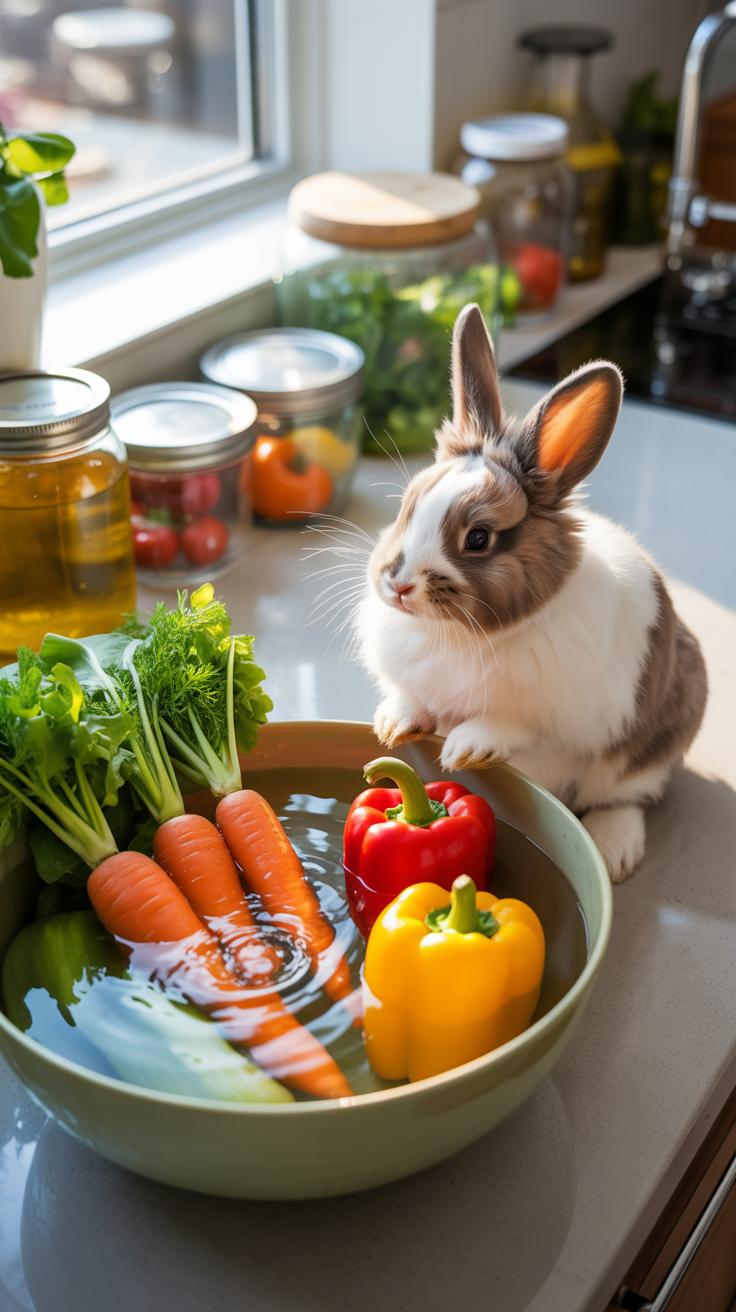
Pesticides and herbicides coat most commercial produce. These chemicals cause internal damage or death to small mammals like rabbits. You must wash every leaf and stem under cold running water. Do not use soaps or detergents. Scrub root vegetables with a firm brush to remove soil. Dirt carries parasites and bacteria that disrupt the delicate gut flora of a healthy domestic rabbit.
Remove all non edible parts before serving. Cut off stems that are too woody for easy chewing. Slice large vegetables into manageable pieces to prevent choking. Always serve vegetables at room temperature. Cold food from the fridge can trigger GI stasis by shocking the digestive system. Dry the greens with a clean towel. Wet leaves can ferment in the gut and cause painful gas.
Best Practices For Storing Fresh Rabbit Vegetables To Maintain Nutritional Value
Proper storage preserves the vitamins and minerals your rabbit needs. Wrap leafy greens in paper towels to absorb excess moisture. Place them in a perforated plastic bag in the crisper drawer. This method prevents mold growth while maintaining humidity. Moldy food produces toxins that are fatal to rabbits. Check your supply daily and discard anything that looks wilted, slimy, or discolored.

Buy produce in small batches to ensure maximum freshness. Nutritional content drops the longer a vegetable sits in storage. Avoid pre cut bagged salads because they lose nutrients faster and have a higher risk of bacterial contamination. Keep different types of vegetables separate to prevent cross contamination. A cool and dark environment is essential for longevity. Heat and light destroy sensitive B vitamins and vitamin C quickly.
Frequently Asked Questions

What are the best leafy greens to feed my rabbit every day?
For beginner owners, it is essential to prioritize high-fiber leafy greens. Fresh romaine lettuce, cilantro, and spring mix are excellent staples because they are low in calcium and oxalate. When building your rabbit safe vegetables list, remember that variety is key to optimal gut health. Always introduce new greens gradually to monitor your pet’s digestion and ensure they receive a balanced range of vitamins alongside their unlimited Timothy hay and fresh water.
How should I prepare fresh vegetables before serving them to my pet?
Safety begins with proper preparation. Always wash all produce thoroughly to remove pesticides or lingering bacteria that could upset a bunny’s sensitive stomach. Chop larger leaves into manageable pieces to prevent choking hazards, and always serve them at room temperature rather than ice-cold. Consulting a comprehensive rabbit safe vegetables list helps you determine which parts of the plant, such as carrot tops or herb stems, are the most nutritious and safest to serve.
Is it possible to feed my rabbit fresh greens on a tight budget?
Absolutely! You don’t need expensive organic boutiques to keep your bunny healthy. Many supermarkets offer affordable bundles of collard greens, kale, and parsley that last all week. You can also save money by asking your local grocer for spare cauliflower leaves or radish tops, which are often discarded but perfectly safe. Growing your own herbs like mint or basil at home is another cost-effective way to provide enrichment without breaking the bank.