Types Of Hamsters And How Breed Affects Lifespan

The Most Common Types Of Hamsters Kept As Pets And Their Average Lifespans
Syrian hamsters are the most popular pets in this category. They usually live between two and three years. These solitary rodents require large spaces to reach their full age potential. Owners often call them golden hamsters. Larger bodies generally mean a slightly longer life than smaller cousins. Proper nutrition and low stress levels help them reach the upper end of this age range.
Dwarf species like the Roborovski or Campbell Russian have shorter life cycles. These smaller hamsters typically live one and a half to two years. Roborovskis are the exception and can sometimes reach three years with elite care. Their rapid metabolism drives faster aging processes. You must prepare for a shorter commitment when choosing these breeds. They face higher risks of sudden health declines as they age.
How Genetics And Species Differences Influence How Long A Hamster Lives
Genetic makeup dictates the baseline for every hamster. Selective breeding impacts health and longevity in many ways. Poorly bred hamsters often inherit heart defects or kidney issues. These internal problems shorten their lives regardless of care quality. Responsible breeders track lineages to remove these lethal traits. You should buy from sources that prioritize health over fur color or patterns.
Metabolic rates differ significantly across the five main pet species. Small dwarf hamsters burn energy fast and age quickly. Their hearts beat more times per minute than larger Syrians. Higher heart rates generally correlate with earlier mortality in small mammals. Cellular damage occurs faster during these rapid biological cycles. Evolution designed these animals for quick reproduction rather than long individual lives. Your management must account for these biological limits.

What Is The Average Hamster Lifespan Facts Every Owner Should Know

How Long Do Hamsters Live In Captivity Versus The Wild
Domestic hamsters typically live between two and three years in a controlled environment. Modern captive care provides consistent nutrition and protection from natural predators. This stability allows most Syrian and dwarf species to reach their biological age limits. While some individuals reach four years, this remains rare among household pets. Environmental control is the primary driver for these extended lifespans in domestic settings.
Wild hamsters face much harsher conditions and rarely survive longer than one year. Predation and extreme weather cycles cause high mortality rates in natural habitats. These animals focus on rapid reproduction to ensure the species survives despite high death rates. In the wild, nutritional deficits and untreated injuries further reduce life expectancy. Domesticated hamsters live significantly longer because they avoid these specific external threats every day.
Why Small Pets Like Hamsters Have Shorter Lifespans Compared To Dogs And Cats
Hamsters possess extremely high metabolic rates that accelerate cellular aging processes. Their hearts beat hundreds of times per minute to support rapid physiological functions. This fast biological clock means their bodies wear out much sooner than larger mammals. Evolution prioritized quick maturity and high birth rates over individual longevity. Their small size makes them efficient breeders but limits their total duration of life significantly.

Dogs and cats have slower metabolic systems that preserve organ function over many years. Larger animals generally invest more energy into maintaining their bodies rather than just reproducing. This biological trade-off keeps hamsters in a cycle of rapid growth followed by quick decline. You cannot stop this internal clock through standard care alone. Understanding this metabolic reality helps owners set realistic expectations for the duration of the pet relationship.
Hamster Care Fundamentals That Directly Impact Longevity
Daily Hamster Care Routines That Support A Longer Healthier Life
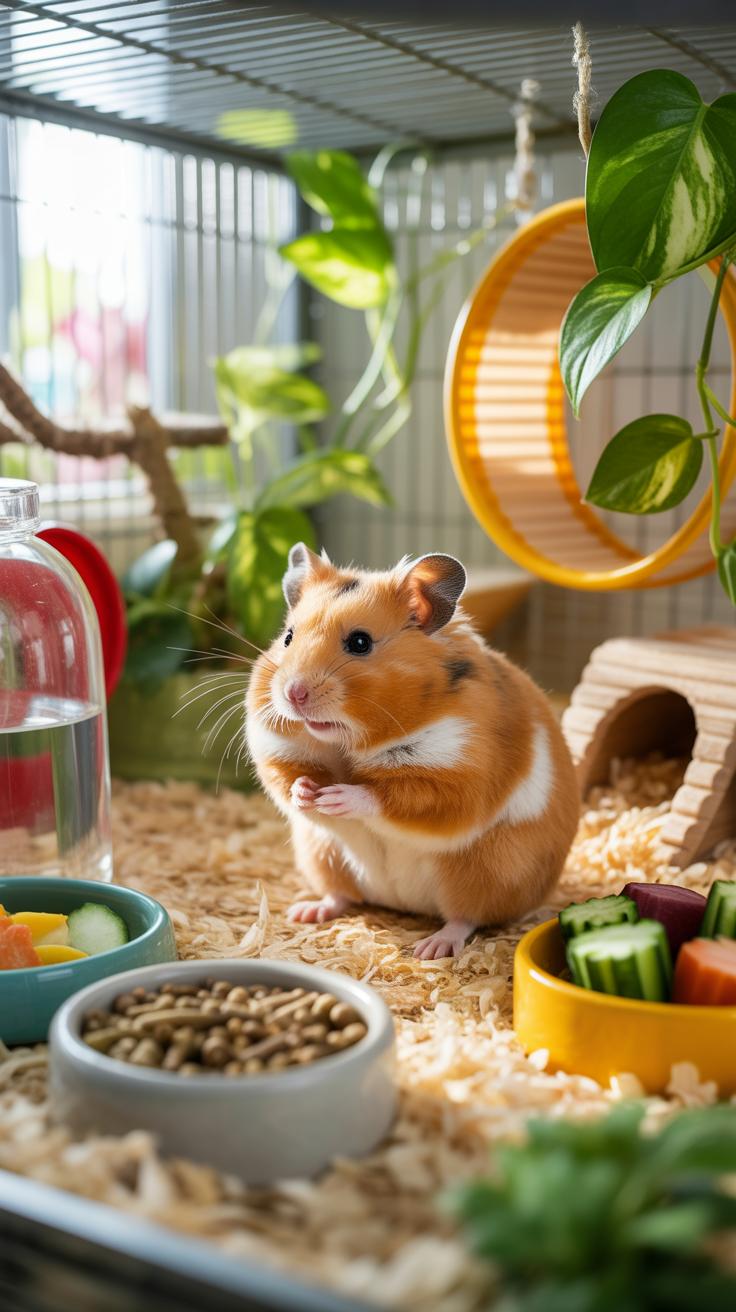
Daily health checks prevent minor issues from becoming fatal. You must observe your hamster during its active hours every night. Check the eyes for discharge and the coat for thinning or wetness. Look for changes in gait or activity levels. Realize that hamsters hide illness to survive. Catching a respiratory infection early doubles the chance of survival. Small changes in behavior often signal internal stress or pain.
Hygiene directly protects the immune system. Remove soiled bedding and uneaten fresh food every single day. Provide fresh water in a clean bottle or bowl to prevent bacterial growth. Ammonia buildup from urine damages small lungs very quickly. Keep the room temperature stable between sixty-five and seventy-five degrees. Extreme shifts in heat or cold cause hibernation or heatstroke. Stability in a daily routine reduces cortisol and extends life.
Top Hamster Care Tips To Maximize Lifespan And Quality Of Life
Maximize the floor space of the habitat to reduce chronic stress. Standard pet store cages are often too small for natural movement. Use a solid floor cage with at least six hundred square inches of space. Provide deep bedding of at least six inches for burrowing behaviors. These environmental factors lower stress hormones. Lower stress leads to a stronger heart and a significantly longer life.
- Provide Proper Wheels: Use a large solid surface wheel to prevent spinal injuries. Syrian hamsters need eleven inch wheels whereas dwarfs need eight inches. Never use wire or mesh wheels because they cause bumblefoot and broken limbs quickly.
- Offer High Protein Food: Feed a high quality block or seed mix with eighteen percent protein. Supplement with fresh broccoli or mealworms twice a week for essential nutrients. Avoid sugary treats because hamsters are prone to diabetes and obesity which shortens life.
- Use Safe Bedding Material: Select paper based bedding or kiln dried aspen shavings for the habitat. Never use cedar or pine because the oils cause severe respiratory damage and liver failure. Deep bedding allows for natural temperature regulation through burrowing throughout the night.
- Schedule regular Vet Visits: Find an exotic animal veterinarian who specializes in small rodents for annual checkups. Professional exams can detect tumors or dental issues that owners often miss at home. Early medical intervention is the most effective way to prevent premature death from disease.
- Enrich the Environment: Place various hides and tunnels throughout the cage to provide security and mental stimulation. Scatter feeding forces the hamster to forage which keeps the brain active and sharp. Boredom leads to bar biting and destructive behaviors that cause physical injuries over time.

Manage dental health by providing safe wooden chews. Hamster teeth grow continuously throughout their entire lives. If they do not wear them down they can pierce the roof of the mouth. This leads to starvation or systemic infections. Check the incisors regularly to ensure they are even and not overgrown. Use untreated wood or hay cubes to keep teeth at a safe and functional length.
Diet And Nutrition Feeding Your Hamster For A Longer Life

What Hamsters Should Eat Every Day For Optimal Pet Health
Hamsters require a high-quality lab block as their primary food source. These pellets prevent selective feeding and ensure the animal receives balanced vitamins and minerals. Look for products containing roughly eighteen percent protein and six percent fat. This consistency maintains muscle mass and prevents obesity. Supplement this base with a small amount of fortified seed mix to encourage natural foraging behaviors and mental stimulation.
Fresh vegetables provide essential hydration and micronutrients that dry food lacks. Offer dark leafy greens like kale or small pieces of broccoli three times per week. Remove uneaten fresh food within two hours to prevent mold growth in the cage. Always provide clean water through a drip bottle or shallow bowl. Proper hydration supports kidney function and helps flush toxins from the body to extend the total lifespan.
Foods To Avoid That Can Shorten Your Hamster’S Lifespan
Certain common foods act as toxins to a hamster’s small system. Garlic, onions, and leeks contain compounds that damage red blood cells and cause anemia. Citrus fruits like lemons and oranges are too acidic and irritate the digestive tract. Raw beans and potato skins contain natural chemicals that are poisonous to rodents. High-sugar fruits lead to diabetes, which is a frequent killer in Russian dwarf species.

Avoid sticky or sharp foods that damage the cheek pouches. Almonds with skins or sugary snacks can get stuck or cause infections in the pouch lining. Processed human foods contain high sodium levels that cause heart failure and kidney stress. Stick to species-appropriate nutrition to avoid preventable medical emergencies. Managing caloric intake prevents fatty liver disease and keeps the heart strong through the senior months of the hamster.
Housing And Environment Setting Up The Ideal Habitat For Your Hamster

Cage Size, Bedding, And Temperature Requirements For A Healthy Hamster Home
Hamsters require a minimum of 450 to 600 square inches of unbroken floor space to thrive. Small cages sold in pet stores often restrict movement and cause physical decline. Use solid floors instead of wire mesh to prevent foot injuries and infections. Proper cage size allows for natural foraging behaviors. This space requirement is foundational for maintaining the physical health of your pet over time.
Substrate depth must reach at least six inches to allow for natural burrowing. Use aspen shavings or paper based bedding and avoid cedar or pine. Soft woods release oils that damage hamster respiratory systems and shorten their lives. Maintain a stable temperature between 65 and 75 degrees Fahrenheit. Extremes in heat or cold lead to hibernation states or heatstroke. Both conditions are often fatal if not managed immediately.
How A Stressful Environment Can Cut Your Hamster’S Life Short
Stress triggers high levels of cortisol in hamsters which weakens their immune systems. A weak immune system makes the animal susceptible to Wet Tail and other bacterial infections. Avoid placing cages in high traffic areas or near loud electronics. Continuous noise and sudden movements disrupt their natural sleep cycles. Chronic sleep deprivation leads to irritability and a rapid decline in heart health and overall metabolic function.

Poor ventilation creates a buildup of ammonia from urine inside the habitat. Ammonia burns the delicate lining of the lungs and eyes. This chemical stress causes permanent respiratory damage and limits oxygen intake. Ensure the enclosure has open mesh lids to facilitate constant air exchange. Proper airflow prevents the growth of toxic mold in the bedding. A clean and quiet environment directly correlates to a longer and more stable lifespan.
Fun Things To Do With Hamsters To Keep Them Active And Mentally Stimulated

Enrichment Activities And Fun Things To Do With Hamsters That Promote Longevity
Hamsters are natural foragers that travel miles every night in the wild. Domestic environments often fail to provide this level of engagement. Boredom leads to chronic stress and repetitive behaviors like bar biting. You must create a dynamic cage environment that forces the animal to think and move. Cognitive stimulation keeps the brain healthy and prevents early physical decline.
- Scattered Feeding: Stop using food bowls entirely. Spread the daily seed mix across the substrate to mimic natural foraging. This forces the hamster to use its sense of smell and move around to find nutrition. It increases daily activity levels significantly.
- Deep Bedding Burrows: Provide at least six to ten inches of compressed paper or aspen bedding. Hamsters are subterranean animals. Deep substrate allows them to build complex tunnel systems. This physical labor strengthens muscles and provides a secure place to rest without constant stress.
- Safe Chew Variety: Offer different textures like apple wood sticks, whimzee chews, and woven sea grass. Constant gnawing prevents overgrown teeth which lead to starvation or infection. Rotating these items maintains focus and prevents the hamster from becoming disinterested in its environment.
- Sand Baths: Place a container of undyed calcium-free sand in the enclosure. Hamsters use sand to strip oils from their fur. This behavior is a primary grooming instinct. Maintaining a clean coat prevents skin issues and provides a tactical sensory experience that reduces cortisol levels.
- Cardboard Obstacles: Use recycled tubes and boxes to create new paths. Change the layout every two weeks. Navigating a changing landscape challenges the hamster’s spatial memory. This mental exercise is just as important as physical movement for long term health and neurological stability.
Structured play sessions outside the cage improve the bond between owner and pet. Use a secure playpen to prevent escapes or injuries. Add new objects like cork logs and ceramic hides to these sessions. Supervised exploration provides a level of freedom that stationary cages cannot match. Active hamsters maintain better heart health and avoid obesity which often shortens their lifespan.
The Role Of Exercise Wheels Tunnels And Playtime In Extending Hamster Lifespan
Exercise wheels are mandatory equipment for every hamster enclosure. A high quality wheel prevents obesity and keeps the cardiovascular system strong. Ensure the wheel has a solid surface and a large diameter to prevent spinal curvature. Syrian hamsters need twelve inch wheels while dwarfs need at least eight inches. Constant running satisfies the biological drive to travel across vast distances every night.

Tunnels and play periods serve as vital extensions of the natural habitat. Interconnected tubes mimic the burrow systems found in the wild. Regular playtime in a safe area reduces the stress of confinement. Low stress levels correlate directly with a stronger immune system. By providing these outlets you ensure the hamster stays physically fit and mentally sharp well into its senior years.
Pet Health Warning Signs Recognizing Illness In Hamsters Early

Common Hamster Illnesses And Health Conditions That Shorten Lifespan
Hamsters face several life-threatening conditions that drastically reduce their two-year average lifespan. Wet tail remains the most lethal bacterial infection for young Syrian hamsters. High stress and poor sanitation trigger this severe diarrhea. Without rapid intervention, dehydration kills the animal within forty-eight hours. Owners must identify wet fur around the tail immediately. Combat this by maintaining a strict cage cleaning schedule and reducing environmental noise.
Respiratory infections also claim many lives due to dusty bedding or sudden temperature shifts. You will notice clicking sounds when they breathe or discharge around the nose. These small mammals also develop tumors as they age. Most growths are internal and difficult to detect until they impact organ function. Monitor your pet for changes in gait or visible lumps. Early detection of these physiological shifts is a tactical necessity.
Though they are only with us for a few short years, the mindful care we give them creates a lifetime of love. With gentle hands and a quiet heart, we can make their small journey as long and beautiful as possible.
When To See A Vet And How Regular Checkups Support Long Term Pet Health
Exotic animal veterinarians specialize in rodent physiology and metabolic rates. You must schedule a baseline exam within one week of purchase. This establishes a healthy weight and dental profile for future comparison. Hamsters hide pain to avoid predators. This biological trait means visible symptoms indicate an advanced medical crisis. Waiting for recovery at home is a fatal strategy. Professional intervention provides the only path to survival.

Annual visits allow a vet to check cheek pouches for impacted food or abscesses. They also examine teeth for overgrowth. Misaligned teeth prevent eating and lead to starvation if not trimmed. A vet will analyze waste samples to catch parasites that steal vital nutrients. These regular assessments extend life by catching chronic issues before they become terminal. Prioritize professional care to ensure your hamster reaches its maximum genetic age threshold.
Cute Names For Hamsters And Building A Bond That Supports Their Well Being

Why Naming Your Hamster And Building Daily Interaction Matters For Their Emotional Health
Naming your hamster serves as the first step in establishing a consistent care routine. Recognition of a specific name occurs through sound frequency and repetition during feeding or handling sessions. This auditory cue signals safety and helps the animal associate your presence with positive outcomes. Consistent interaction prevents the animal from viewing humans as predators. A calm hamster experiences better long term health.
Routine handling reduces the production of cortisol which is a primary stress hormone in small rodents. High stress levels weaken the immune system and make hamsters more susceptible to wet tail or respiratory infections. You must handle your hamster daily to monitor for lumps or behavioral shifts. This proactive approach allows you to catch illnesses early. Frequent interaction ensures the animal remains tame and manageable.
Popular Cute Names For Hamsters And How A Strong Human Pet Bond Reduces Stress
Common names often reflect the physical traits of the hamster such as Biscuit or Mochi. Choosing a name helps the owner develop a sense of responsibility for the animal. Owners who name their pets are more likely to provide high quality nutrition and clean enclosures. This personal connection leads to better observation of the hamster. You will notice subtle health changes faster if you engage daily.

A strong bond creates a low stress environment that directly impacts the lifespan of the rodent. Chronic stress leads to heart issues and shorter lives in many small mammals. Tame hamsters do not flee when you reach into the cage. This lack of fear prevents sudden spikes in heart rate. Maintaining a peaceful relationship ensures the hamster remains active and curious throughout its life.
Hamsters Vs Guinea Pigs Comparing Lifespan Care Needs And Suitability As Small Pets

How Hamster Lifespan And Care Compare To Guinea Pig Care And Longevity
Hamsters generally live two to three years. Guinea pigs live much longer with an average lifespan of five to eight years. This age gap changes the long term commitment required from the owner. Guinea pigs require more food, larger pens, and frequent cleaning due to their size. They also need daily vitamin C supplements because their bodies cannot produce it naturally.
Hamsters are solitary animals that thrive alone in smaller enclosures. Guinea pigs are social herd animals that must live in pairs or groups to remain healthy. Keeping a single guinea pig causes stress and shortens its life. Hamsters are nocturnal and stay active at night. Guinea pigs follow a crepuscular schedule and stay awake mostly during the morning and evening hours.
Choosing Between Hamsters And Guinea Pigs As Small Pets: What New Owners Should Know
New owners must evaluate available space before choosing. Hamsters fit well in apartments or small rooms. Guinea pigs need at least seven to ten square feet of floor space. Hamsters act defensively if woken during the day. This makes them less ideal for young children. Guinea pigs have a calmer temperament and rarely bite when handled correctly by humans.
Cost is a major factor in this decision. Guinea pigs cost more to maintain over their longer lives. They eat large amounts of Timothy hay and fresh vegetables daily. Hamsters consume very little food and require less bedding. If you want a short term pet, choose a hamster. If you want a long term companion that interacts during the day, choose a guinea pig.
Hamsters As Mammals Understanding Their Biology To Better Support Their Lifespan

The Biological Traits Of Hamsters As Mammals That Influence Aging And Lifespan
Hamsters are small mammals with a high metabolic rate. This rapid internal engine causes their bodies to wear out quickly. Most species live only two to three years because their cells replicate and age at an accelerated pace. Their heart rate is much faster than larger mammals. This physiological intensity defines their short life cycle from birth to reproductive maturity and eventual decline.
These rodents possess specific evolutionary traits for survival in the wild that impact domestic care. Their nocturnal nature and burrowing instincts dictate their energy expenditure patterns. Because they are prey animals, they hide signs of illness or physical weakness. This biological mask makes early detection of age-related failure difficult for owners. Understanding these fixed biological constraints is the first step in managing their health effectively.
How Understanding Hamster Biology Helps You Make Smarter Hamster Lifespan Care Decisions
Biological knowledge shifts your care strategy from reactive to proactive. Since hamsters have high metabolisms, they require calorie-dense nutrition and constant access to clean water. You must monitor their weight weekly because small fluctuations indicate major internal shifts. Proper temperature control is also vital. Their bodies cannot regulate heat well. Extreme cold can trigger a dangerous state of torpor that mimics death and stresses organs.
Tactical care requires environmental enrichment that matches their anatomy. Large wheels prevent spinal curvature and maintain cardiovascular health. Deep bedding allows for natural digging which reduces cortisol levels. High stress hormones weaken the immune system and shorten life. By aligning the cage environment with their biological needs, you reduce physical strain. This approach maximizes their limited genetic timeframe and ensures the animal stays healthy for its full natural life.
Frequently Asked Questions

What is the typical life expectancy for different hamster breeds?
On average, most domestic hamsters live between two and three years. Dwarf varieties often have a slightly shorter stay, while Syrian hamsters frequently reach the three-year mark with excellent husbandry. Understanding that genetics play a significant role is key, but providing high-quality hamster lifespan care from day one ensures your small companion stays healthy, active, and comfortable throughout every stage of their relatively short but joyful life.
What are the most effective ways to help my hamster live a longer life?
To maximize your pet’s longevity, focus on stress reduction and a balanced diet. Provide a spacious enclosure that exceeds the minimum requirements to prevent boredom and anxiety. Regular exercise on a solid-surface wheel and a diet rich in high-quality pellets and fresh vegetables are essential. Consistent hamster lifespan care also includes maintaining a clean environment and scheduling annual veterinary check-ups to catch potential health issues before they become life-threatening.
Is it expensive to provide the level of care needed to extend a hamster’s life?
Promoting a long life doesn’t have to break the bank. While initial habitat costs can be high, daily maintenance is quite affordable. You can save money by using DIY enrichment toys made from cardboard and foraging for safe, homegrown herbs. The most vital elements—clean water, a quiet room, and daily interaction—are free. Investing in a large, secondhand glass tank is a budget-friendly way to provide premium space for your pet.