Understanding What Hamsters Need In A Naturalistic Hamster Enclosure
The Natural Burrowing And Foraging Instincts Of Hamsters
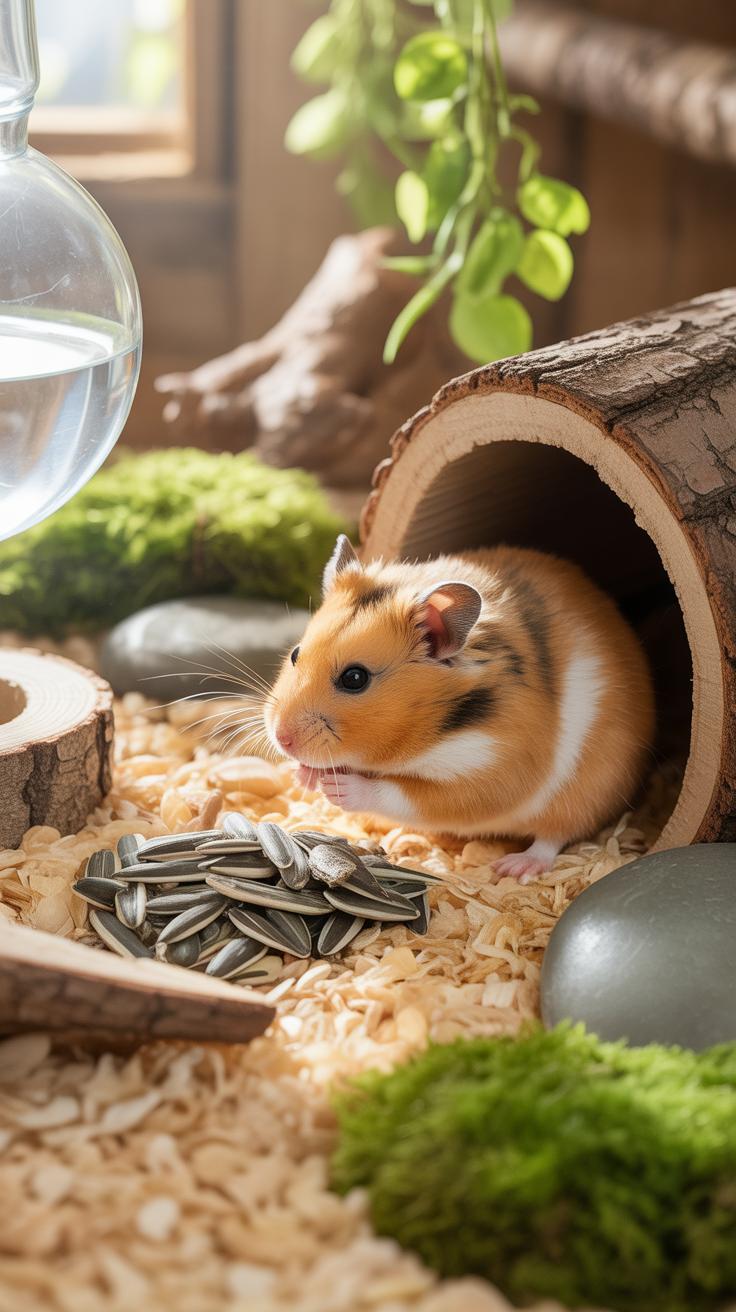
Wild hamsters live in deep underground tunnel systems. These tunnels provide safety from predators and temperature control. Domestic hamsters retain these exact biological drives. They require deep substrate to construct stable burrows. Without this depth, the animal cannot satisfy its need to hide and sleep underground. You must provide at least six to ten inches of compressed bedding to allow for functional tunnel architecture.
Foraging is the primary activity for wild hamsters. They spend most of their waking hours searching for seeds and vegetation. In a captive environment, scatter feeding replaces the traditional food bowl. This method forces the hamster to move and use its senses to find nutrients. It mimics natural movement patterns and prevents boredom. A stationary food source ignores the evolutionary design of the cheek pouches and the animal’s cognitive needs.
How Mimicking A Wild Habitat Improves Hamster Health And Behavior
A naturalistic setup reduces chronic stress levels in hamsters. Standard cages often lead to repetitive behaviors like bar biting or wall scaling. These are signs of distress and boredom. Providing a large footprint with heavy bedding stops these behaviors. A secure environment allows the hamster to feel safe. This safety lowers cortisol levels and promotes a longer lifespan. Proper habitat design solves behavioral issues before they start.
Physical health depends on environmental enrichment. Hamsters in naturalistic enclosures move more frequently. They climb over cork logs and navigate through dried moss and sand. This variety of textures keeps claws worn down and muscles toned. A diverse layout encourages the hamster to explore its boundaries daily. Investing in high quality materials like grapevine wood and coco fiber pays off. Your hamster will stay active and maintain a healthy weight through constant exploration.

Choosing The Right Hamster Cages For Your PetS Size And Species
Minimum Floor Space Requirements By Hamster Species
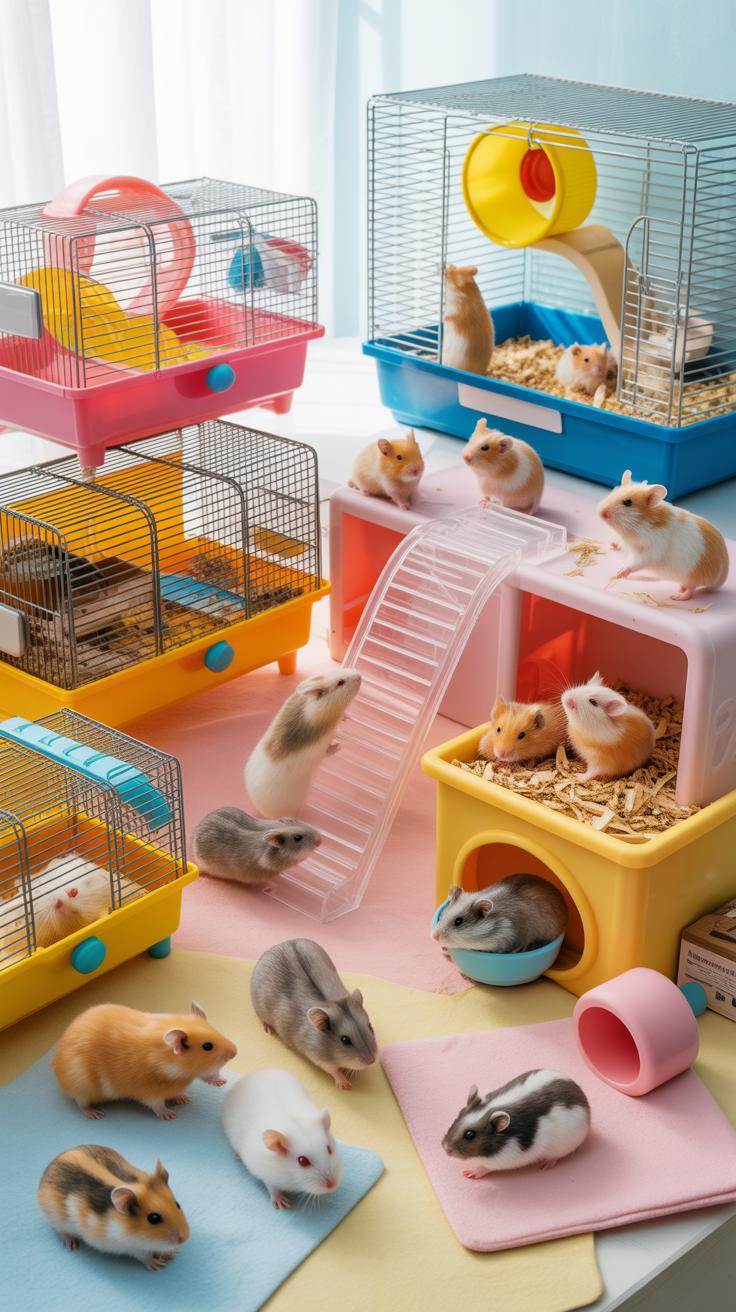
Hamsters require large continuous floor space to prevent stress. Syrian hamsters need at least 900 square inches of unbroken space. These solitary animals grow larger and require more room for wheels and enrichment. Smaller species like Roborovski or Campbell dwarfs need a minimum of 600 square inches. Floor space counts only on the bottom level. Avoid counting vertical shelves or connected tubes as primary living area.
Proper sizing prevents glass lunging and bar biting. These behaviors signal extreme frustration and lack of mental stimulation. Measure the internal dimensions of the base rather than the external lid. Large habitats allow for deep bedding depth which is vital for natural burrowing instincts. Invest in the largest footprint possible from the start. This prevents the need for upgrades later as the hamster matures and expands its territory.
Wire Cages, Glass Tanks, And Bin Cages: Pros And Cons Compared
Wire cages offer excellent ventilation but often lack the depth needed for deep bedding. Most commercial wire cages are too small for adult hamsters. They also present the risk of bar chewing which damages teeth. Use wire cages only if the base depth exceeds six inches. Glass tanks provide high visibility and contain all substrate safely. They allow for massive bedding depths and prevent all bar related injuries.

Bin cages serve as the most cost effective solution for experienced keepers. You must modify the lid with hardware cloth to ensure proper airflow. These plastic containers are lightweight and easy to clean. Glass aquariums are heavy and expensive but offer the most secure environment. Choose a habitat based on bedding capacity and internal square footage. Each material has trade offs in durability and airflow that impact the long term health of your pet.
Exploring Hamster Tank Ideas For A Safe And Enriching Environment

Why Glass Tanks Offer Superior Ventilation And Visibility For Hamsters
Glass tanks solve the problem of bar chewing and respiratory irritation. Plastic tubs often trap ammonia and heat. Glass maintains a steady temperature and prevents hamsters from gnawing on wires. This keeps the animal calm and the environment secure. You can see your hamster clearly from all angles. This helps you monitor health and behavior daily without disturbing the nest.
A large tank allows for deep bedding. Hamsters are natural burrowers that need at least six inches of substrate. Wire cages cannot hold this volume without making a mess. Tanks keep all material contained. The solid walls prevent drafts while a mesh top ensures air flows freely. This balance is critical for long term lung health. Glass is also easier to sanitize than wood or plastic.
How To Convert An Aquarium Into A Functional Hamster Tank Setup
To convert an aquarium you must first remove any hardware that limits space. Clean the glass with a vinegar and water solution. This removes residue and kills bacteria. Measure the top dimensions carefully to ensure a tight fit for the lid. A loose lid allows escapes and predator entry. Use a heavy mesh screen for the top cover to maximize airflow.
A functional tank setup requires a focus on weight and structure. Place the tank on a sturdy stand that can support the glass. Do not use heat lamps or water heaters. Instead focus on creating a layout with multiple hideouts and a large wheel. The vertical space should fill with bedding rather than tall toys. This design prioritizes the natural instincts of the hamster over human visual preferences.
Selecting The Best Bedding For A Hamster Habitat With Cozy Setup
Safe And Unsafe Bedding Materials Every Hamster Owner Should Know
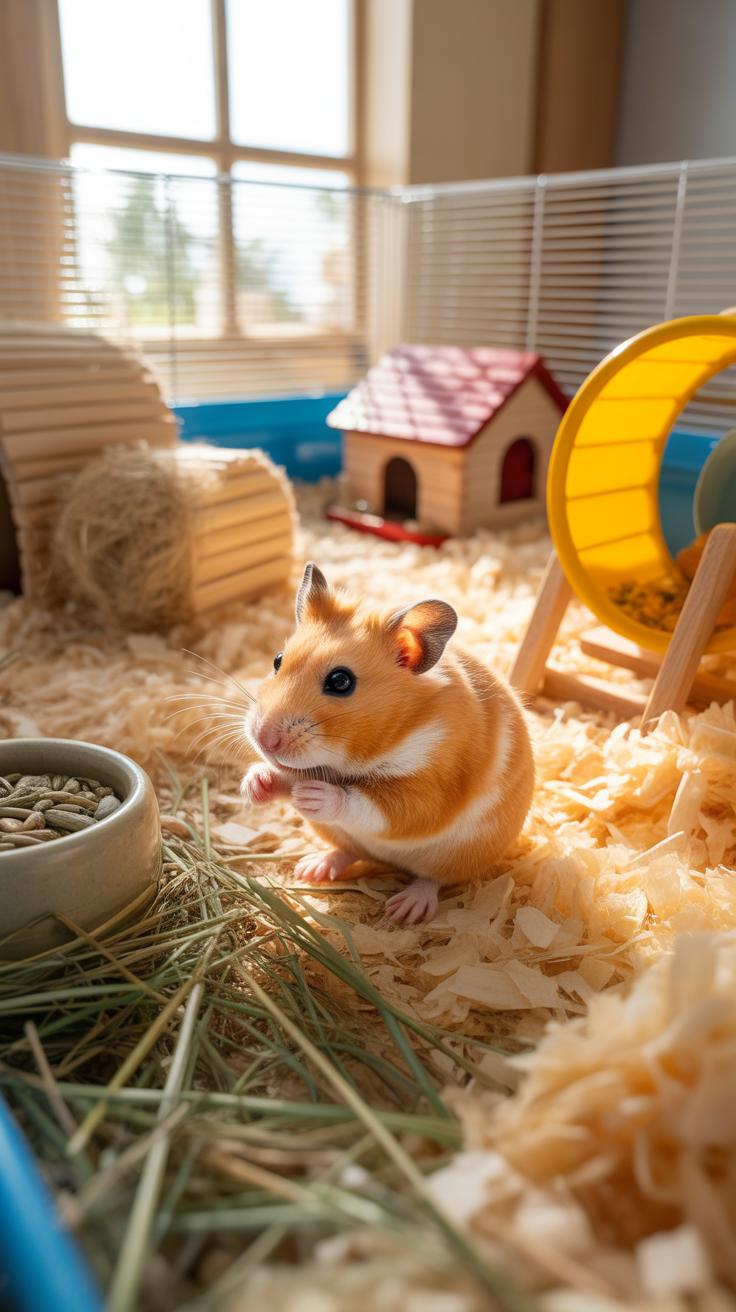
Substrate selection dictates your hamster’s respiratory health and skin condition. You must choose materials that balance moisture absorption with structural integrity. Avoid any wood shavings that contain volatile oils or phenols. These chemicals irritate the lungs and cause chronic illness. Stick to unscented paper or specific kiln-dried woods to keep the environment sterile and safe for daily use.
- Paper-Based Bedding: This is the industry standard for safety and comfort. It is highly absorbent and controls odors without using toxic chemicals. Ensure the product is unscented and low-dust to prevent sneezing or eye irritation in your small pet.
- Aspen Shavings: Aspen is the only hardwood shaving widely considered safe for hamsters. Unlike softwoods, it does not release harmful oils. It provides a natural look but does not hold burrows as well as paper unless mixed with other materials.
- Timothy Hay: Use this as a layering material rather than a primary substrate. Mixing hay into paper bedding adds structural strength to underground tunnels. It also provides a safe foraging texture that mimics the natural grassland environments of wild hamsters.
- Cedar and Pine: Never use these materials in a habitat. They contain plicatic acid and phenols that destroy the lining of the respiratory tract. These woods are toxic to small mammals and lead to liver changes and premature death in lab studies.
- Scented Bedding: Avoid any products with added floral or citrus scents. Hamsters have a sensitive sense of smell and rely on scent marking for navigation. Artificial perfumes cause significant stress and can lead to severe allergic reactions or skin inflammation.
Safety starts with identifying the chemical composition of your substrate. Many commercial brands use misleading labels like natural to hide harmful dust levels. Always perform a dust test by shaking a handful of bedding before placing it in the cage. If it clouds the air, it will cloud your hamster’s lungs. Reach for high-quality, long-fiber paper products for the best results.
Every small creature deserves a world that feels like home, built with the gentle care of our own hands. By creating a sanctuary, we honor the quiet joy these tiny lives bring into our hearts.
How Deep Bedding Layers Support Natural Burrowing Behavior
Hamsters are natural fossorial mammals that spend most of their lives underground. In the wild, they dig complex tunnel systems to regulate temperature and hide from predators. You must provide a minimum of six to ten inches of bedding to allow this behavior. Shallow bedding prevents the hamster from performing its most basic instinct, which leads to boredom and stress.

A deep substrate layer functions as a thermal insulator and a psychological safety net. Use a mix of paper and hay to ensure the tunnels do not collapse under the hamster’s weight. Compacting the bedding slightly as you add it helps maintain these structures. Effective burrowing opportunities reduce stereotypic behaviors like bar biting. Deep bedding turns a simple cage into a functional and stimulating home.
Decorating With A Hamster Cage With Wood Decor For Enrichment

Which Types Of Wood Are Safe To Use Inside A Hamster Enclosure
Safety starts with identifying wood species. Select hard woods like kiln-dried aspen or fruit woods like apple and pear. These materials lack harmful oils. Avoid softwoods like cedar and fresh pine. These woods contain phenols that irritate a hamster’s lungs. Respiratory infections often stem from improper wood choices. Ensure all wood products are chemical-free. Do not use wood treated with pesticides or stains.
Sanitize every piece before placement. Bake natural branches found outdoors at low heat to kill parasites. High temperatures destroy hidden insect larvae and bacteria. Check for sharp knots or splinters that could cause injury. Smooth edges prevent skin tears during active play. Quality wood decor lasts years and provides necessary texture. Secure components to avoid collapse. Proper selection ensures a durable and safe environment for the animal.
Using Wooden Hides, Bridges, And Platforms To Stimulate Natural Exploration
Hamsters thrive when they have complex vertical and horizontal spaces. Multi-chamber wooden hides mimic underground burrows found in the wild. This design provides security and separate areas for sleeping or caching food. Place these hides on the solid base of the enclosure. This prevents the wood from shifting as the hamster digs. Sturdiness is critical for safety. Proper placement encourages natural nesting behaviors every day.

Wooden bridges and platforms create necessary terrain variation. Use bendy bridges to bridge gaps between levels or create tunnels. These structures exercise a hamster’s muscles and coordination. Platforms offer flat surfaces for heavy ceramic bowls or sand baths. This keeps heavy items from sinking into the bedding and crushing the pet. Variable heights force the hamster to climb and explore. Dynamic layouts reduce boredom and promote long-term physical health.
Finding Your Hamster Cage Inspiration Through Themed And Functional Layouts

Guidance On How To Plan A Functional Cage Layout That Balances Space And Enrichment
A functional layout starts with vertical layering. Place the deepest bedding at the back or one side of the enclosure. This supports natural burrowing tunnels. Use heavy items like sand baths on platforms rather than on the bedding. This prevents the hamster from being crushed if it digs underneath. Clear paths should exist between the wheel and the hideouts to allow for high speed running.
Strategic placement of enrichment items prevents boredom and stress. Divide the floor space into distinct zones for nesting, foraging, and hygiene. Put the food bowl and water source near the nesting area for easy access. Hide treats under the bedding to encourage natural foraging behaviors throughout the day. This setup ensures your hamster uses every inch of the cage. A crowded layout is better than an empty one.
Popular Hamster Cage Themes That Are Both Aesthetic And Animal Friendly
The naturalistic theme uses organic materials to mimic a wild habitat. Use cork logs, grapevine wood, and dried moss to create texture. This design movement focuses on realistic environments found in dry grasslands. Avoid using plastic decor in this layout to maintain the aesthetic. This style provides high levels of enrichment because different surfaces wear down claws naturally. Always bake wood items before use to kill pests.

A forest theme utilizes darker colors and thick foliage. Use safe dried plants like flax, oat sprays, and wheat to create a dense canopy. Hamsters feel safer when they can move under cover. This design reduces stress by minimizing open areas where the animal feels exposed. Select hides that look like stone or wood to complete the look. Proper foliage placement encourages the hamster to explore more frequently.
Building A Hamster House Nesting Areas And Sleeping Zones
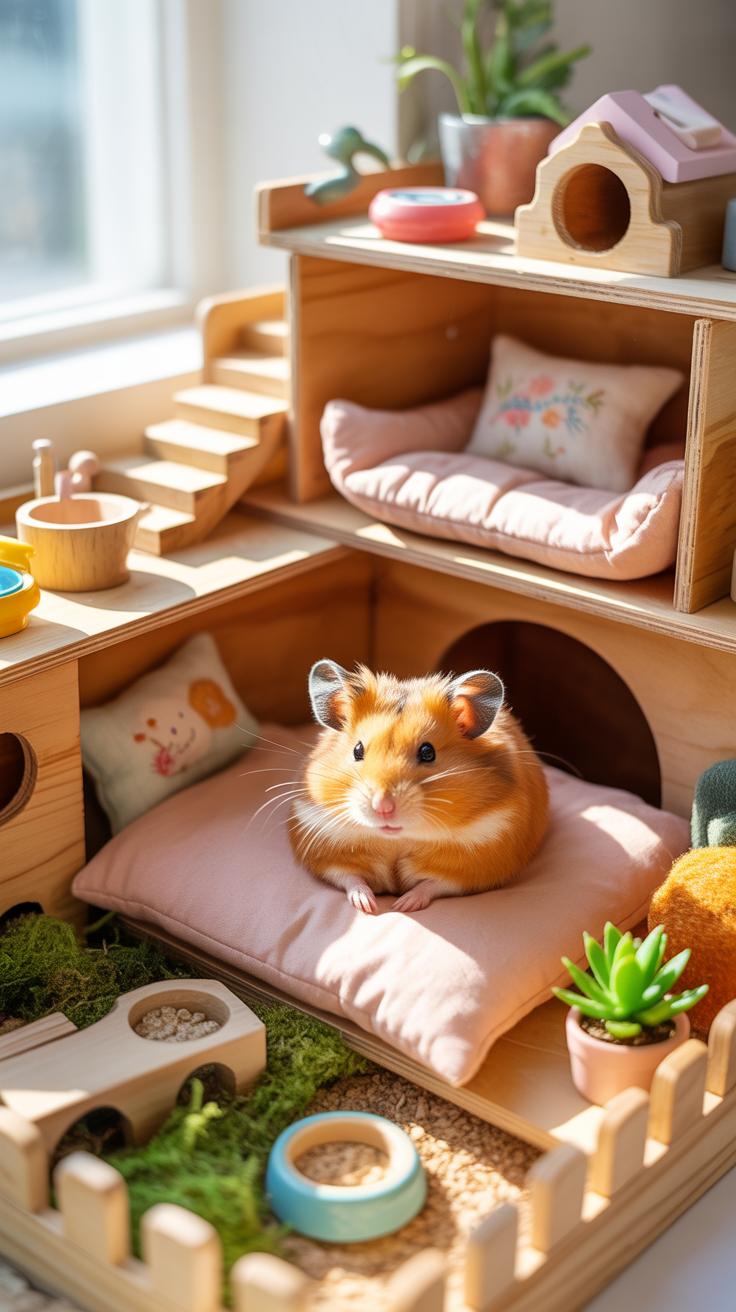
Why Hamsters Need A Dedicated, Enclosed Sleeping Space
Hamsters are prey animals that require a dark and secure hideout to maintain low cortisol levels. In the wild, they inhabit complex underground burrows to escape predators and temperature shifts. A solid enclosure mimics this natural environment. Without a dedicated house, hamsters experience constant stress. This stress weakens their immune systems and leads to shortened lifespans. You must provide a primary shelter.
A proper sleeping zone allows the hamster to demonstrate natural nesting behaviors. They store food and build soft beds with bedding materials in these quiet zones. This area serves as their main safety hub within the habitat. It must block out light during the day because hamsters are nocturnal. Strategic placement of a house ensures the animal survives and thrives in a controlled domestic setting.
Choosing The Right Hamster House Size And Placement Within The Enclosure
Select a house that is large enough for the hamster to turn around and store a food cache. Syrian hamsters require larger openings than dwarf varieties to prevent cheek pouch injuries. Avoid houses with small windows that can trap a stuffing hamster. Use natural materials like kiln-dried pine or high-quality birch. These materials are safe for chewing and allow for better airflow than plastic models.

Place the house in a quiet corner of the cage away from the wheel and water bottle. This separation prevents moisture buildup and noise disturbance during sleeping hours. For best results, put the house directly on the cage floor or a sturdy platform. Do not place it on top of deep bedding where it might shift and crush the animal. Stability is critical for a safe and functional nesting zone.
Essential Hamster DIY Enrichment Projects To Elevate The Habitat

Step By Step Guide To Building A DIY Hamster Bin Cage At Home
Hamster bin cages provide a cost effective way to meet minimum floor space requirements. You must select a clear plastic storage bin with at least 450 to 600 square inches of interior base space. Standard retail cages often fail these size metrics. Converting a bin allows for deep bedding depths that supporting natural burrowing behavior. This project requires basic tools and creates a secure ventilated home.
- Large Plastic Bin: Select a container with vertical walls to maximize floor area. Look for bins that offer a minimum of 100 quarts or more in capacity. Ensure the plastic is thick enough to resist chewing but clear enough for you to monitor your hamster.
- Hardware Cloth: Use quarter inch galvanized steel mesh for ventilation panels. This material prevents hamsters from chewing through the lid or escaping. It provides superior airflow compared to drilled holes. Avoid aluminum mesh because strong chewers can break through the soft metal.
- Utility Knife Or Soldering Iron: Use these tools to cut large openings in the plastic lid. A soldering iron melts the plastic for a cleaner edge and prevents cracking. If you use a knife heat the blade first to make the plastic easier to slice.
- Small Zip Ties: Secure the hardware cloth to the lid using plastic ties. Drill small holes around the perimeter of your cutouts to thread the ties through. Ensure the sharp ends of the ties face the outside of the bin to prevent injury.
- Duct Tape: Apply heavy duty tape over the cut edges of the hardware cloth on the exterior side. This covers sharp metal points and provides a finished look. Never put tape on the inside of the cage where the hamster can reach the adhesive.
Assemble the cage by securing the mesh to the cutout lid. Ensure no sharp metal edges point toward the interior space. Test the lid latches to verify they remain tight against the bin rim. A secure lid prevents the hamster from climbing out using tall wheels or water bottles. This setup is lightweight and easy to clean during monthly deep scrubs of the habitat.
DIY Foraging Toys And Tunnels That Encourage Natural Hamster Activity
Foraging toys force hamsters to work for their food. This mimicry of wild behavior reduces boredom and prevents obesity. You can use cardboard tubes from paper towels or toilet paper to create these puzzles. Stuff the tubes with hay and hide species appropriate seeds or dried herbs inside. Fold the ends of the tube to create a closed capsule that the hamster must chew open.
Tunnels made from additive free cardboard provide safe transit routes across the habitat. Connect several tubes using non toxic glue or jute twine to build an underground network. Bury these structures beneath six inches of bedding to keep them stable. This setup encourages the hamster to establish a permanent burrow system. Replace any cardboard that becomes soiled with urine or water to maintain sanitary conditions inside the habitat.
What Hamster Setups Can Teach Us Lessons From Gerbil Cages And Small Pet Design

Key Similarities And Differences Between Gerbil And Hamster Habitat Needs
Hamsters and gerbils both require deep substrate for burrowing. This is a non-negotiable biological need for both species. High-quality bedding allows these rodents to create stable tunnel systems. You must provide at least six inches of material to see natural behavior. Using solid floors prevents foot injuries. Plastic cages fail both species because they lack proper ventilation and depth. Glass tanks or large wooden enclosures work best for these animals.
Gerbils are social and live in pairs or groups. Hamsters are solitary and will fight to the death if housed together. Gerbils chew through plastic and wood much faster than hamsters do. You must use metal or glass for gerbil housing components. Hamsters need larger running wheels to prevent spinal curvature. Gerbils have long tails that can get caught in mesh wheels. Always select species-specific accessories to ensure safety and health.
Cross Species Enrichment Principles That Apply To Any Small Rodent Enclosure
Effective enrichment focuses on natural instincts like foraging and nesting. Scatter feeding replaces boring bowls and keeps the brain active. Every rodent needs multiple hiding spots to feel secure. Use various textures like cork, hay, and stones to stimulate their senses. This approach mimics the wild environment and prevents boredom. A stressed animal will exhibit repetitive behaviors like bar biting. Proper design eliminates these negative habits by providing constant mental stimulation.
Space is the most critical factor in any small pet habitat. Larger footprints allow for distinct zones for sleeping, eating, and waste. Ventilation ensures ammonia from urine does not damage their sensitive lungs. Safe materials prevent poisoning or physical injury during chewing. You must check all toys for sharp edges or small holes. Consistent maintenance keeps the environment hygienic. High-quality design leads to a longer and healthier life for any small rodent.
Frequently Asked Questions

What are the most important elements of a basic hamster habitat?
Starting your journey as a pet owner begins with understanding that space and enrichment are vital. A successful hamster habitat setup requires a large, solid-floor enclosure with at least 450 to 600 square inches of floor space. You will also need deep paper bedding for burrowing, a high-quality wheel for exercise, a water bottle, and multiple hiding spots to ensure your tiny friend feels safe and secure in their new home.
How do I arrange the enclosure to keep my hamster happy and active?
To optimize your hamster habitat setup, use a zonal approach. Place deep bedding on one side for tunneling and a heavy sand bath on the other for grooming. Arrange tunnels and bridges to create a flow that encourages exploration. Always put the heavy ceramic bowls or wheels on sturdy platforms so they don’t sink into the bedding, ensuring the environment remains stable and engaging for your pet’s nightly adventures.
Can I create a great hamster environment if I am on a tight budget?
Absolutely! You can save money by choosing a large plastic storage bin and modifying the lid with mesh for ventilation, which is much cheaper than glass tanks. For accessories, cardboard boxes and toilet paper rolls make excellent free hideouts and chew toys. Focus your spending on essentials like a high-quality upright wheel and safe bedding, as these are the most critical components for your pet’s long-term health.