
Understanding Your Backyard Lizard Habitat And Why It Matters
What A Natural Backyard Lizard Habitat Looks Like
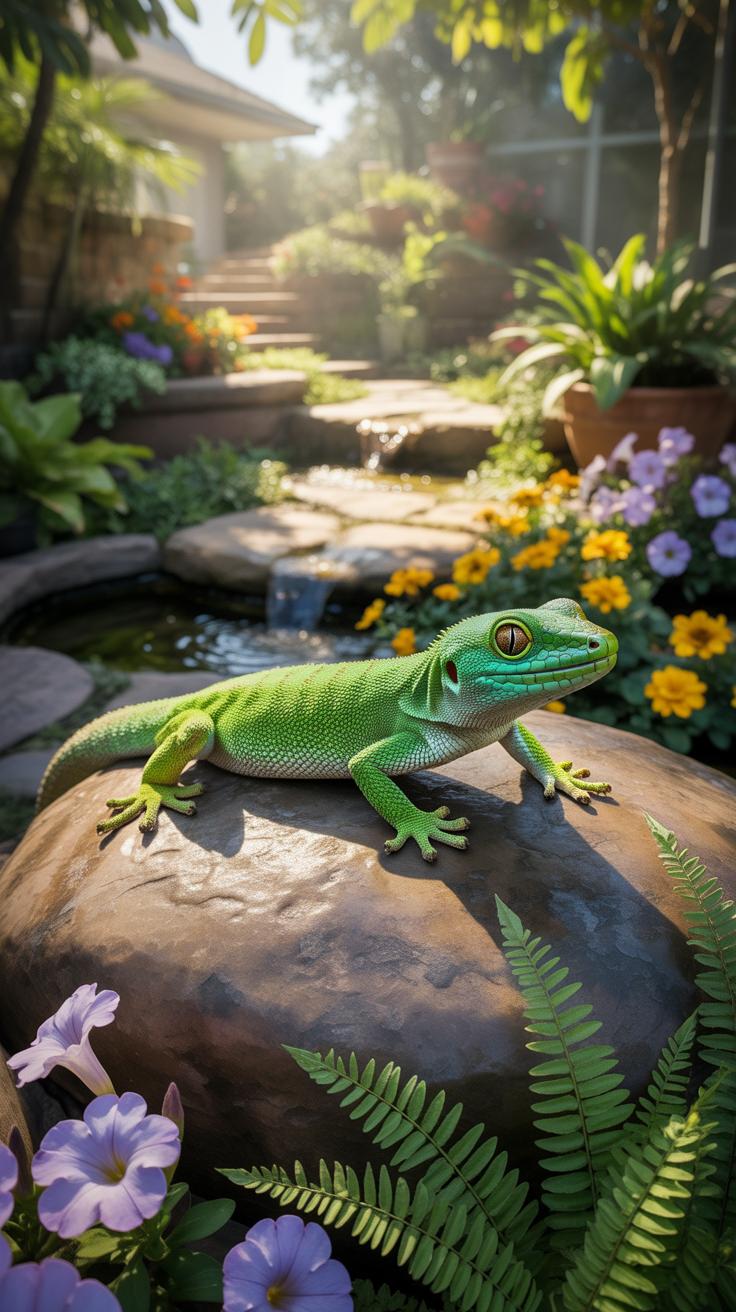
A backyard lizard survives in a precise microclimate. Most common species like anoles or fence lizards live in edge habitats. These areas provide a mix of direct sunlight and dense cover. Lizards utilize vertical structures like stone walls, wood piles, and tree bark to regulate body temperature. They rely on these specific surfaces to absorb heat during the morning and hide from predators by midday.
The environment contains specific moisture levels and thermal gradients. Lizards move between shade and sun to maintain their internal temperature. Natural soil and leaf litter offer humidity and breeding grounds for insects. This ecosystem provides a constant food source and protection from dehydration. Capture removes the animal from this complex web of resources. You cannot easily replicate these natural thermal zones and ventilation patterns inside a glass tank.
How Natural Habitat Conditions Affect A Lizards Health In Captivity
Captivity often triggers chronic stress because of limited space and poor climate control. A wild lizard depends on ultraviolet light from the sun to process calcium. Without the correct spectrum of light, its bones become soft and break. This condition is called metabolic bone disease. In a small cage, the lizard cannot escape heat or find enough humidity. This leads to kidney failure and death.
The change in diet also causes rapid physical decline. Wild lizards eat a diverse range of insects that provide vitamins. Store-bought crickets lack these complex nutrients. When you move a lizard from its backyard to a tank, its immune system weakens. Most wild-caught lizards carry parasites that stay in check in nature. The stress of a confined habitat allows these parasites to take over and kill the animal quickly.

Setting Up A Safe And Functional Outdoor Lizard Habitat
Key Elements Every Outdoor Lizard Habitat Needs To Thrive
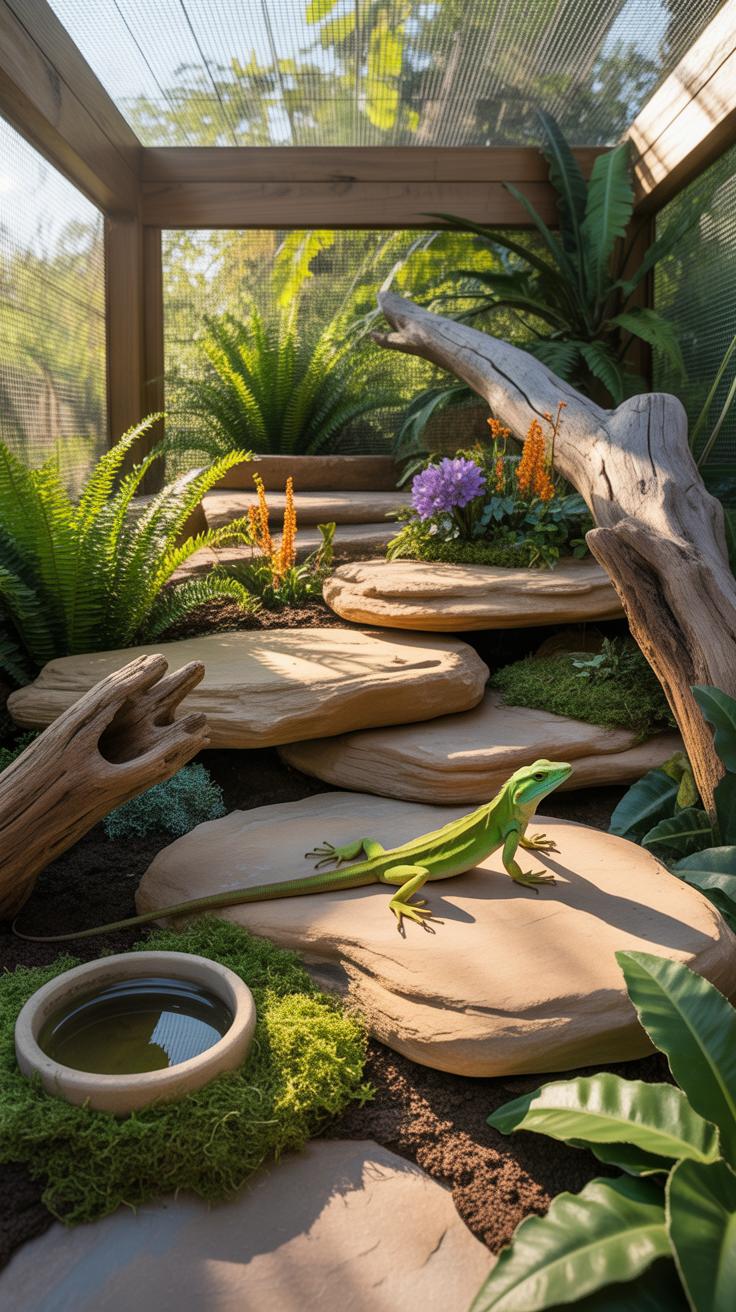
A backyard lizard safe to keep requires a sealed enclosure. Native species need a space that mimics their natural range. You must use fine mesh or solid walls to prevent escape. Predators like cats and birds are constant threats. Secure the top with a heavy lid or tight screen. Substrate must match the local soil type to allow for natural digging behaviors.
Large rocks and branches provide essential structure for the lizard. These items create vertical space and flat surfaces for basking. Use non-toxic wood to avoid poisoning the animal. Clean all outdoor materials to remove harmful parasites before adding them. Proper drainage prevents stagnant water from pooling at the bottom. A dry and clean floor keeps the lizard healthy and prevents fungal infections.
Some things are meant to be cherished in their own wild homes rather than held in our hands. True love for a garden creature means letting it remain part of the earth’s natural magic.
Temperature Shelter And Humidity Getting The Balance Right Outdoors
Lizards are ectotherms and rely on external heat sources. Position the enclosure to receive direct morning sunlight. This allows the lizard to reach its optimal body temperature quickly. Provide a shade gradient so the animal can cool down during the afternoon. Overheating kills lizards faster than cold. Ensure the reptile has constant access to a cool and dark corner of the habitat.

Humidity levels must remain stable to aid in skin shedding. Use a shallow water dish for drinking and soaking. Mist the enclosure daily if the local air is too dry. Burrows or hollow logs provide necessary shelter from harsh weather. These hiding spots reduce stress and simulate a safe wild environment. Always monitor the temperature with a reliable thermometer to ensure the lizard stays within its safe limits.
What Do Backyard Lizards Eat And Can You Replicate Their Diet
The Natural Diet Of Common Backyard Lizards Explained
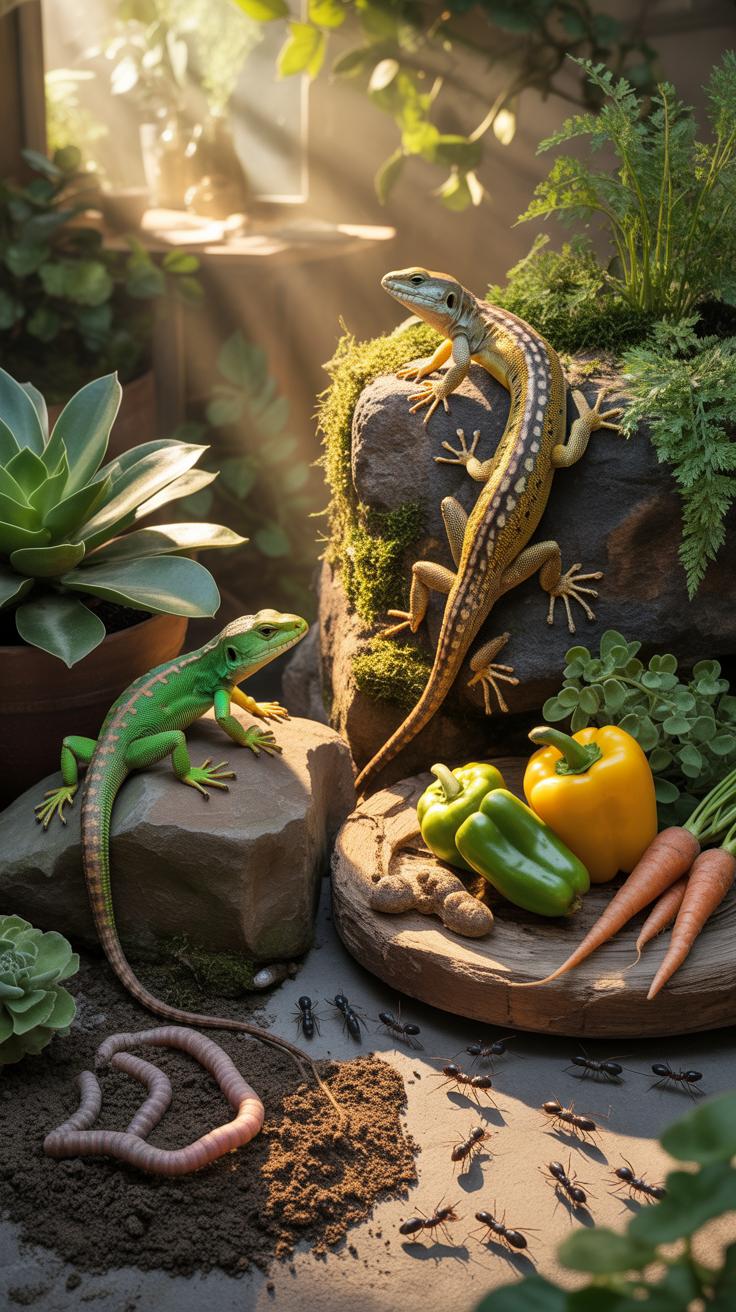
Most backyard lizards are opportunistic insectivores. They eat small invertebrates found in garden soil or on plants. Their diet includes crickets, beetles, roaches, and spiders. They hunt based on movement and strike fast when they see vibration. These lizards also eat snails, slugs, and worms depending on the humidity of their environment. They rely on local prey to get the specific vitamins and minerals they need to survive.
Wild lizards hunt a wide variety of prey to balance their nutrition. They do not eat the same thing every day. Seasonal shifts change what insects are available. This variety ensures they get calcium for their bones and protein for growth. They also consume roughage from the exoskeletons of insects. This keeps their digestive systems moving correctly. Catching one type of bug in a cage will not match this natural diversity.
Feeding A Backyard Lizard In A Home Environment Safely And Consistently
Replicating a wild diet in a cage is difficult and expensive. You must buy different types of live insects from a pet store. Crickets and mealworms are the main staples for keepers. However, store bugs often lack the nutrients found in wild insects. You must coat these insects in calcium powder and vitamins before feeding. This process is called gut loading and dusting. It prevents metabolic bone disease in your pet.
Feeding a lizard requires a strict schedule and fresh water. You cannot just drop bugs in and leave. Uneaten insects can bite the lizard and cause infections. You must also remove dead insects to prevent bacteria from growing. Captive lizards lose the ability to hunt for various species. If you fail to provide a diverse diet, the lizard will get sick. Maintaining this balance takes significant time and daily effort from the owner.
Building An Outdoor Lizard Habitat DIY What You Actually Need
Essential Materials For A Safe DIY Outdoor Lizard Enclosure
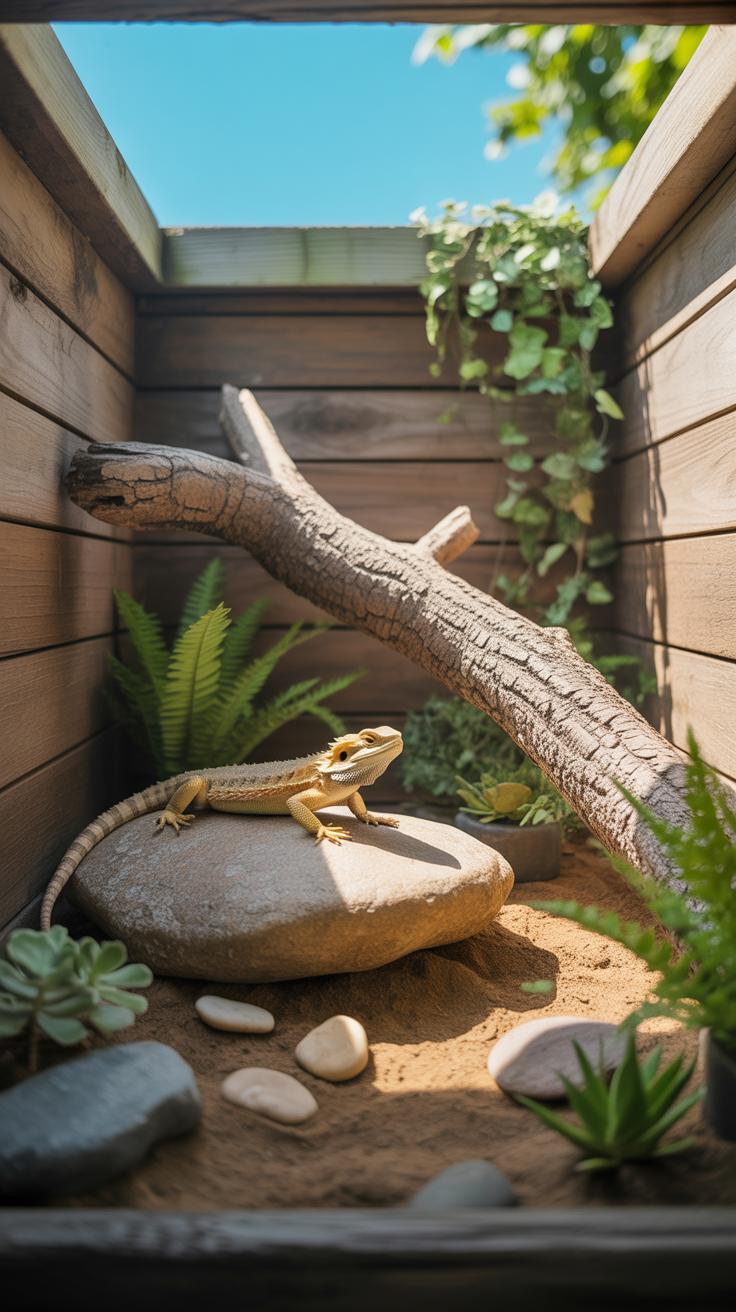
Building an outdoor habitat requires materials that withstand both the weather and the escape tactics of local reptiles. You must select supplies that prevent the lizard from climbing out while stopping predators from breaking in. Cheap materials fail quickly under sun and rain. Use hardware that resists rust and wood that does not rot. This foundation ensures the animal stays secure.
- Galvanized Hardware Cloth: Use quarter-inch steel mesh rather than standard chicken wire. Small lizards can squeeze through large holes, and predators like raccoons can easily tear thin wire. This material provides the best balance of airflow, visibility, and high-strength security for your backyard lizard.
- Rot-Resistant Untreated Lumber: Choose cedar or redwood for the frame of the enclosure. Avoid pressure-treated wood because the chemical preservatives often contain copper or arsenic which can poison reptiles upon contact. These natural woods handle moisture well without the need for toxic sealants or heavy paints.
- Clear Solid Siding: Install smooth acrylic or polycarbonate sheets around the bottom interior perimeter. This prevents the lizard from rubbing its nose raw against the wire mesh. It also stops the animal from getting its claws stuck in the screen and creates a necessary windbreak for maintaining heat.
- Substrate Drainage Layers: Place a layer of washed gravel or expanded clay pebbles beneath the soil. This prevents the ground from becoming a muddy swamp during heavy rain. Proper drainage is vital for preventing respiratory infections and scale rot in lizards kept in outdoor setups during wet seasons.
- Locking Gate Latches: Secure all entry points with metal barrel bolts or padlocks. Simple gravity latches fail when wind blows or hungry animals pull on the doors. A secure locking system prevents accidental escapes and keeps unauthorized people or pets from opening the enclosure and losing the lizard.
Position the enclosure to receive partial morning sun and afternoon shade. This allows the lizard to regulate its body temperature without overheating in the midday heat. Include natural hiding spots like hollow logs and flat rocks inside the space. These items provide mental stimulation and physical safety. A well-built enclosure mimics the native environment while providing a controlled space for observation and care.
Common DIY Mistakes That Put Your Backyard Lizard At Risk
Many keepers fail by neglecting to bury the enclosure walls into the ground. Most local lizards are excellent diggers and will tunnel under a frame in minutes. If you do not sink the mesh at least six inches deep, your pet will disappear. You must also secure the top of the habitat. Birds of prey view an open-top enclosure as a feeding bowl.

Another tactical error involves using toxic plants or pesticides near the habitat. Runoff from a fertilized lawn can poison the lizard’s water supply. You must ensure the area is free from chemical sprays and invasive plant species. Overcrowding the space also leads to stress and fighting among animals. Give each lizard enough room to claim its own territory to ensure long-term health and safety.
Identifying Backyard Lizards Before You Decide To Keep One
How To Accurately Identify Common Backyard Lizard Species
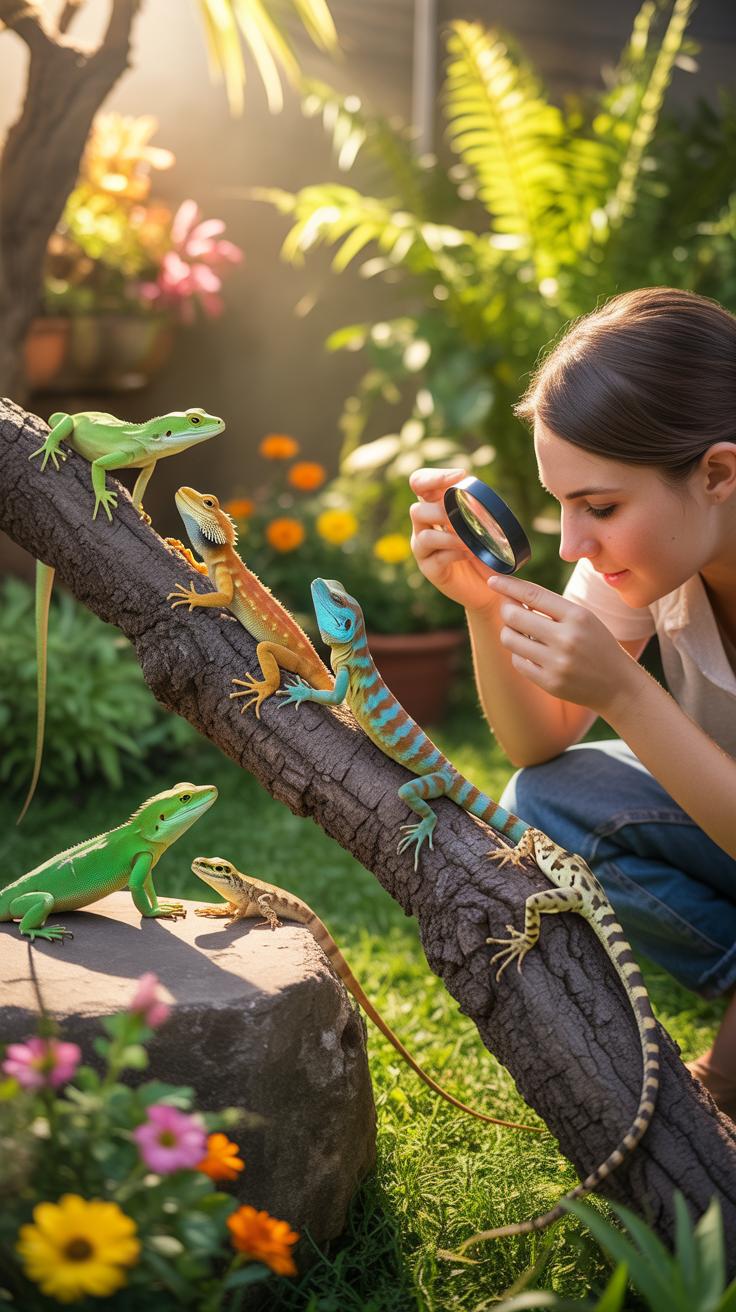
Start by observing physical traits like skin texture and tail shape. Anoles often have smooth green or brown skin with pointed snouts. Skinks have shiny scales and appear wet or oily. Look at the feet to distinguish climbers from ground dwellers. Geckos possess wide toe pads for vertical movement on walls. Alligator lizards have armored scales and a distinct fold along their sides.
Use geographic range maps to narrow down your search results. Many species look similar but only live in specific regions. Check local wildlife databases for photos of native versus invasive species. Note the time of day you saw the animal. Diurnal lizards like fence lizards bask in open sun. Nocturnal species like Mediterranean house geckos only emerge after dark. Physical patterns tell the truth.
Why Correct Species Identification Affects Safety And Legal Compliance
Wrong identification leads to husbandry failure and animal death. Every lizard requires specific heat ranges and humidity levels. A desert dweller will rot in a tropical tank setup. Some species carry salmonella or have defensive bites that break skin. You cannot provide a proper diet without knowing if the lizard eats bugs or plants. Identification is the first step in basic survival for the animal.

State laws strictly regulate which lizards you can legally keep. Capturing native species is often illegal without specific permits. Fines for taking protected wildlife are heavy and strictly enforced. Invasive species like the brown anole might be legal to remove but illegal to release. Check your state game and fish department website before touching any animal. Legal compliance protects you from criminal charges and hefty fines.
Starting A Lizard Habitat Project Planning Before You Build
Recreating Your Backyard Lizard’s Natural Microclimate and Thermal Gradient
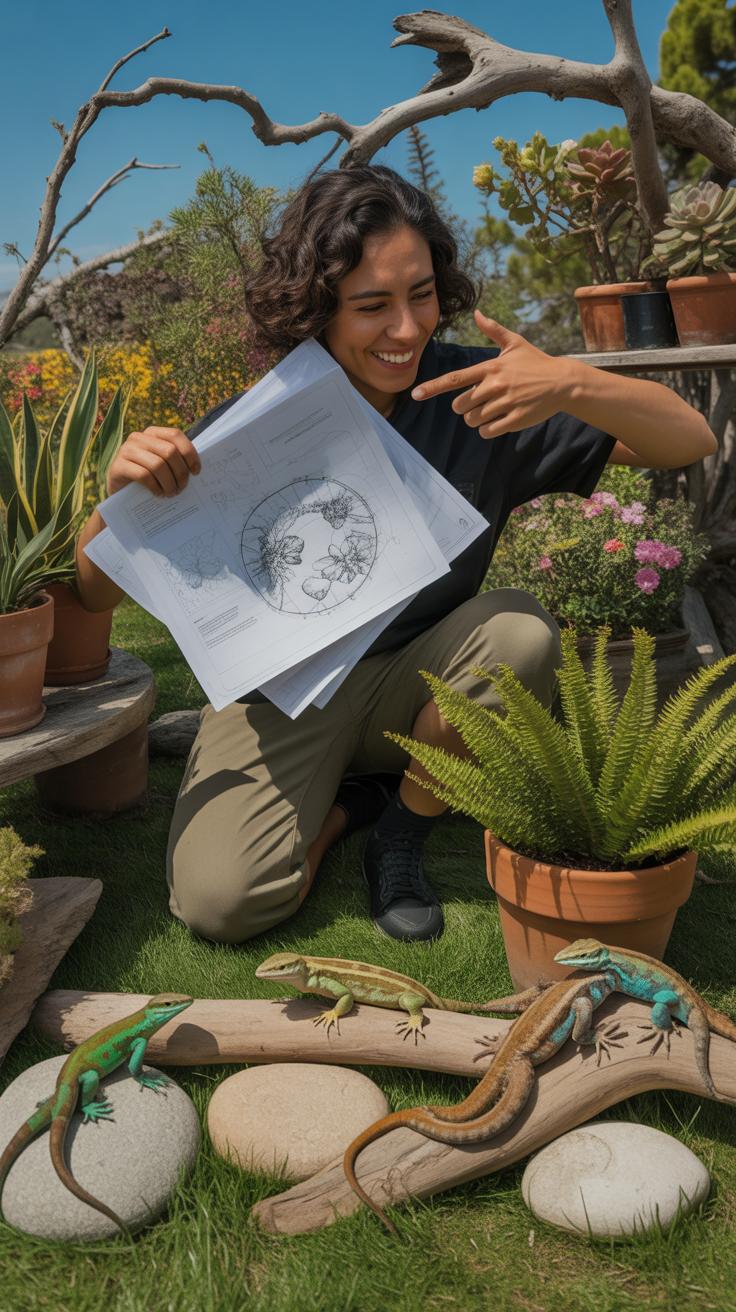
Identify the specific microclimate of your backyard lizard. These reptiles move between sunlight and shade to regulate body temperature. Your plan must include a thermal gradient. Place heat sources at one end and cooling retreats at the other. Use rocks and soil from the capture site to match local geology. This strategy reduces stress on the animal by mimicking its native territory format.
Select materials that promote natural behaviors like climbing and digging. Use non-toxic wood and clean substrate to prevent health issues. Scavenge local branches but clean them to remove parasites. Positioning these items correctly ensures the lizard can hunt and hide as it does in the wild. A replica habitat fails if it ignores the basic biological needs of the species. Focus on utility over aesthetics.
Sizing and Securing the Enclosure for Your Lizard’s Safety
Calculate the enclosure size based on the lizard’s adult length. Active species require more horizontal space for sprinting. Climbing species need vertical height and secure lid locks. Small lizards can escape through gaps in mesh or glass lids. Measure every opening to ensure total containment. A secure habitat prevents domestic predators like cats from harming the lizard. Safety remains the primary goal for any enclosure build.

Divide the habitat into functional zones for bask, rest, and waste. Proper zoning prevents bacterial buildup in high-traffic areas. Use moisture-resistant materials for the base to avoid wood rot or mold growth. Ensure the electrical setup for heat lamps meets safety codes to prevent fire hazards. Strategic placement of sensors allows you to monitor temperature and humidity levels in real time. Accurate data keeps the lizard alive and healthy.
Designing A Lizard Garden That Supports A Healthy Pet
Which Plants Work Best In A Lizard Garden And Why
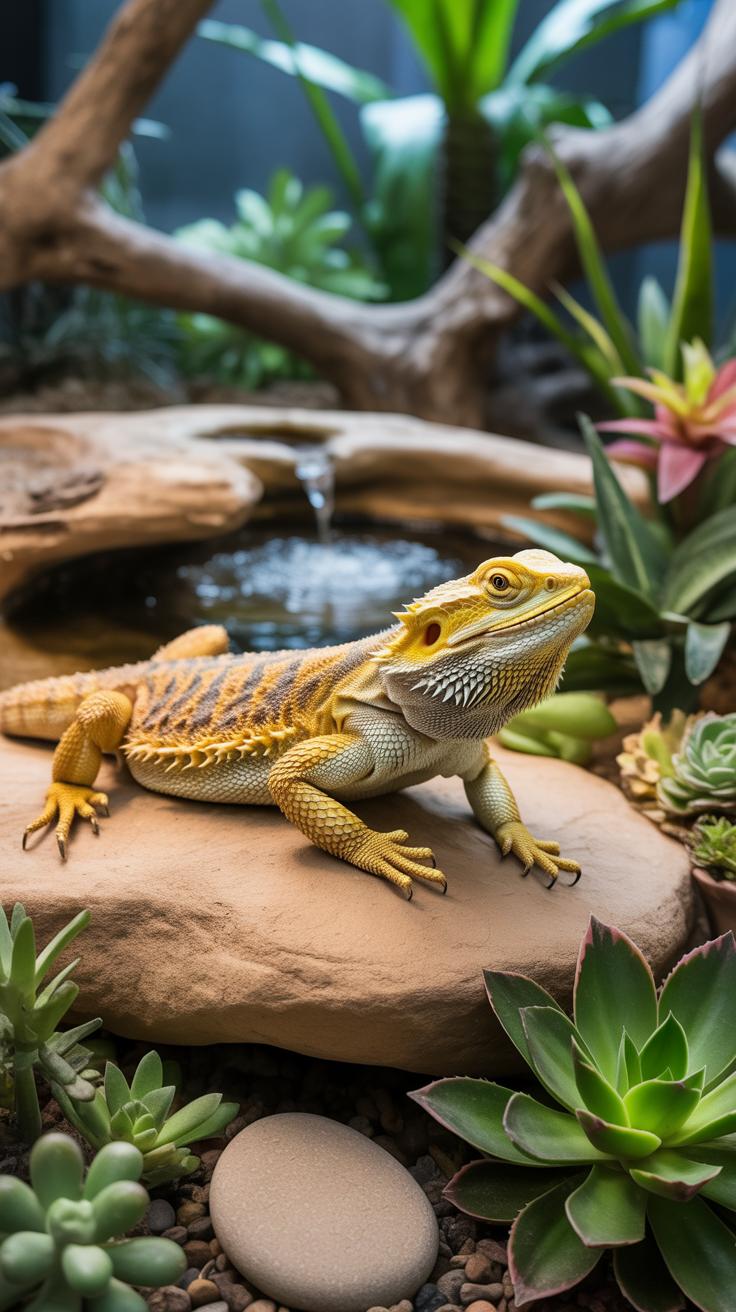
Native vegetation provides the most effective support for a backyard lizard safe to keep in a controlled outdoor space. Indigenous plants host local insect populations that serve as a primary food source. Drought tolerant shrubs like desert willow or buckthorn offer dense branches for climbing. These sturdy structures allow lizards to survey their territory while remaining hidden from avian predators. Use plants that thrive without chemical fertilizers.
Broad leaf plants like hostas or ferns create essential pockets of high humidity. Lizards use these microclimates to manage their shedding cycles and stay hydrated. Avoid toxic species like oleander or azaleas that harm reptiles upon contact or ingestion. Ground covers such as thyme or clover stabilize the soil and provide soft landing zones. Effective planting focuses on density to mimic the natural complexity of the wild reptile habitat.
How A Well Designed Lizard Garden Promotes Natural Behavior And Reduces Stress
A strategic garden layout encourages the full expression of innate lizard behaviors. Reptiles are ectotherms and require thermal gradients to regulate their internal temperature. Positioning flat stones in direct sunlight creates basking platforms. Nearby shade from overhanging foliage allows for rapid cooling. This movement between heat and shade drives metabolic health. Without these options, a captive lizard suffers from chronic physiological stress and a weakened immune system.

Structural complexity reduces territorial aggression and anxiety in backyard lizards. Clear sightlines mixed with dense hiding spots allow lizards to feel secure from perceived threats. Use rotting logs and rock piles to create crevices for brumation and sleep. These features simulate the geological diversity of their native range. A garden that prioritizes cover ensures the lizard spends more time active. Security in their environment leads to better feeding and longer lifespans.
Lizard Habitat Exploration Tips For First Time Backyard Pet Owners
Guidance Practical Lizard Habitat Exploration Tips To Observe And Understand Your Pet
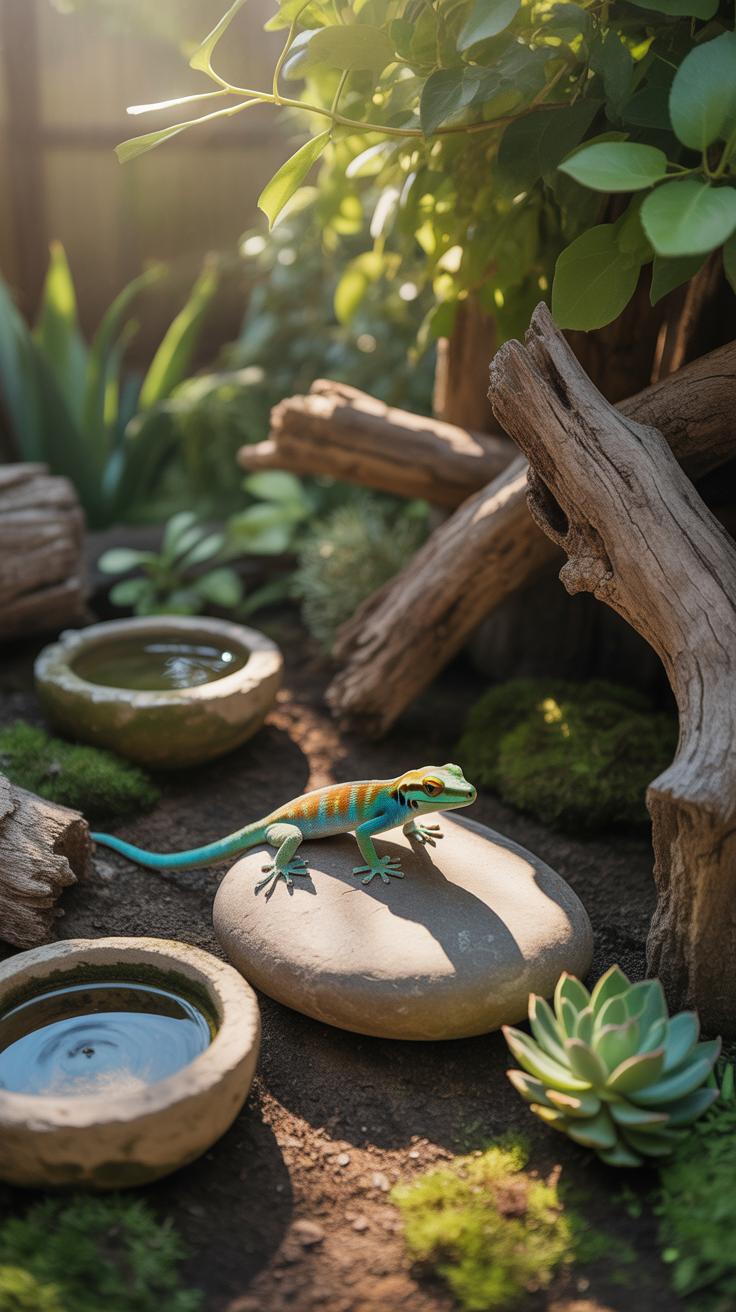
Observe the lizard in its natural state before you build a cage. Look at where it hides during the hottest part of the day. Note if it prefers climbing up walls or digging into the soil. These behaviors tell you exactly what the lizard needs to feel secure. Mimicking these specific environmental features will reduce the stress of captivity for the animal.
- Thermal Gradients: Check how the lizard uses sun and shade. They move between hot and cold spots to regulate body temperature. Your enclosure must have a clear heat source on one side and a cool zone on the opposite side to keep the animal alive.
- Substrate Choice: Look at the ground where you found the lizard. Some species require loose sand for burying while others need leaf litter or solid rock. Using the wrong floor material can lead to skin infections or digestive blockages if the lizard swallows it.
- Vertical Space: Determine if the lizard is arboreal or terrestrial. A lizard found on a fence or tree trunk needs height and climbing branches. Flat dwellers found under rocks require more floor space and low hiding spots. Build the habitat to match their physical movement style.
- Basking Platforms: Identify the surfaces where the lizard rests. Flat rocks hold heat longer into the evening. Branches allow for direct sun exposure. Provide multiple levels of basking spots so the lizard can choose the exact temperature it needs for digestion and energy.
- Microclimates: Find the humid spots in your yard like under logs or mulch. Lizards take shelter in damp areas to help with skin shedding. You must provide a moist hide box inside the cage. This prevents retained shed which can constrict blood flow to limbs and the tail.
Track the daily activity patterns to establish a baseline for your pet. Note when it eats and when it sleeps. Any shift in these habits usually indicates a problem with the environment. Use digital thermometers to verify that the cage matches the temperature of the backyard. Consistent observation ensures you identify needs before they become health crises for the lizard.
Guidance How To Monitor Habitat Conditions And Spot Early Signs Of Stress Or Illness
Maintain strict control over the internal climate to keep your lizard healthy. Use high quality sensors to monitor both temperature and humidity levels around the clock. Rapid changes in these variables can weaken the immune system of a wild caught animal. Check the lights daily to ensure the bulbs still provide heat. Consistency in the environment prevents most common captive health issues.

Watch for physical changes that signal the lizard is struggling. A healthy lizard is alert and reacts to your presence. Dull skin, cloudy eyes, or a thin tail indicate malnutrition or dehydration. If the lizard stops eating or hides for days, the habitat is likely too cold or too bright. Act quickly to adjust the enclosure settings when you see these warning signs to save the pet.
Lizard Repellent Legal Considerations And When Keeping One Is Not The Right Choice
Guidance: What Lizard Repellent Tells Us About Human Lizard Coexistence In Backyards
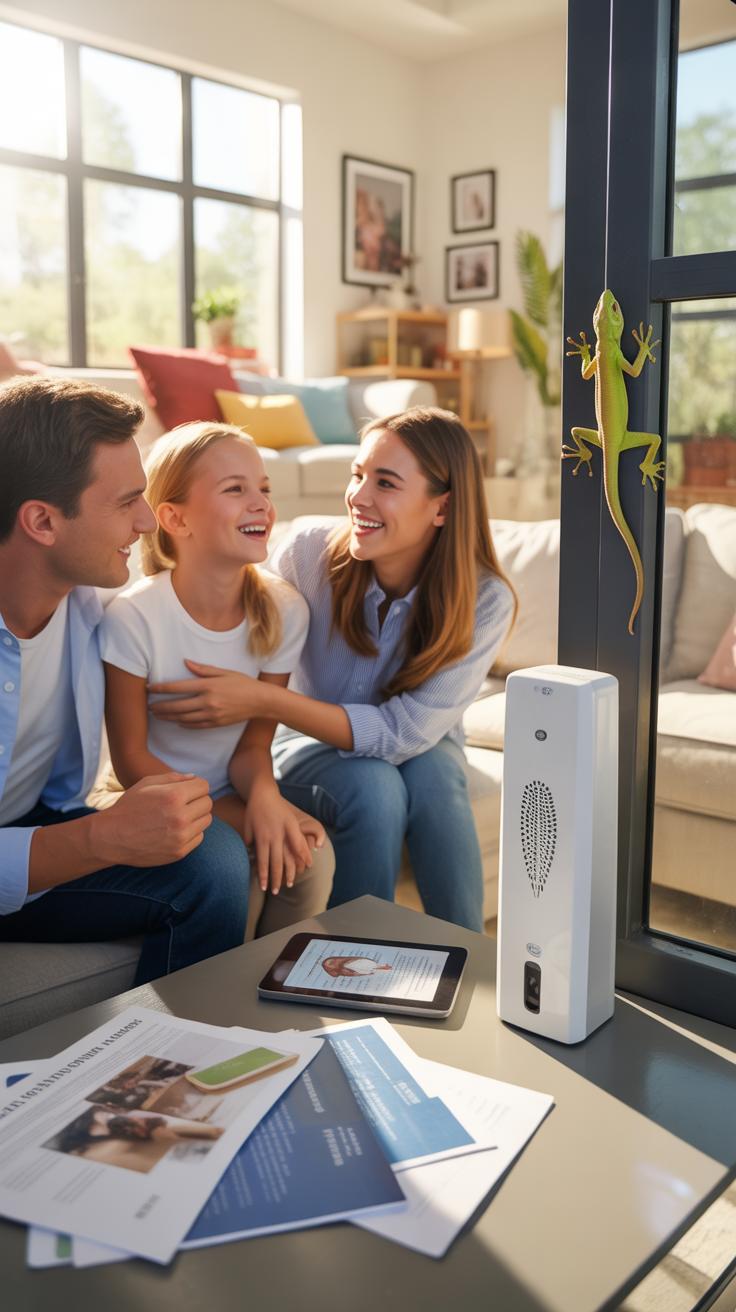
Lizard repellents prove that many homeowners view these reptiles as pests rather than pets. Most commercial products use scent-based triggers like cinnamon or peppermint oil to drive animals away. These tools demonstrate a fundamental conflict between human landscaping and natural lizard habitats. When you use repellents, you signal that coexistence has failed. Understanding these products helps you evaluate if your backyard environment actually supports a wild animal.
The presence of repellent in your yard makes keeping a lizard dangerous. Residual chemicals can harm a captive reptile through skin contact or inhalation. If neighbors use these sprays, local lizards may carry toxins on their skin. Capturing a lizard from a treated area introduces poisons into your home enclosure. You must ensure the entire local ecosystem is chemical-free before considering a wild lizard as a viable pet.
Guidance: Legal Restrictions And Ethical Responsibilities Of Keeping A Wild Backyard Lizard
State laws often strictly regulate the capture of wild reptiles. Many regions protect native species like horned lizards or certain skinks under conservation acts. Removing these animals from the wild can result in heavy fines or legal seizures. You must check your local fish and wildlife regulations before touching any specimen. Ignorance of the law does not protect you from the consequences of illegal poaching or possession.
Ethical responsibility requires you to prioritize the health of the local population. Taking a breeding adult from the wild reduces the genepool and harms the local ecosystem. Most wild lizards struggle to adapt to glass tanks and stop eating due to stress. If you cannot provide a precise thermal gradient and specialized diet, leave the animal outside. Keeping a wild lizard is rarely the right choice for the animal or the owner.
Frequently Asked Questions

Is it actually safe to catch and keep a lizard I found in my garden?
While capturing local wildlife is tempting, it is generally not recommended. Wild reptiles often carry parasites, salmonella, and high stress levels that make them struggle in captivity. If you are wondering if a backyard lizard safe to keep is a reality for beginners, the answer is usually no. It is much better for the animal’s health and the local ecosystem to observe them in their natural habitat instead.
How do I create a proper habitat if I decide to keep a local lizard?
To properly care for a reptile from your yard, you must meticulously replicate its natural environment. This includes an appropriately sized glass terrarium, specific UVB lighting for Vitamin D3 synthesis, and precise temperature gradients. Simply placing a backyard lizard safe to keep in a plastic box without thermal regulation or humidity control will lead to illness. Always research the specific species’ dietary needs, as wild-caught insects may contain harmful pesticides.
Is keeping a wild lizard cheaper than buying one from a pet store?
Many people assume catching a free pet saves money, but the initial setup costs remain high. You will still need to invest hundreds of dollars in specialized lighting, heating elements, and a secure enclosure. Furthermore, wild reptiles often require expensive veterinary visits to treat pre-existing mites or internal parasites. When considering if a backyard lizard is a budget-friendly option, remember that the hidden medical and equipment costs often exceed store-bought alternatives.