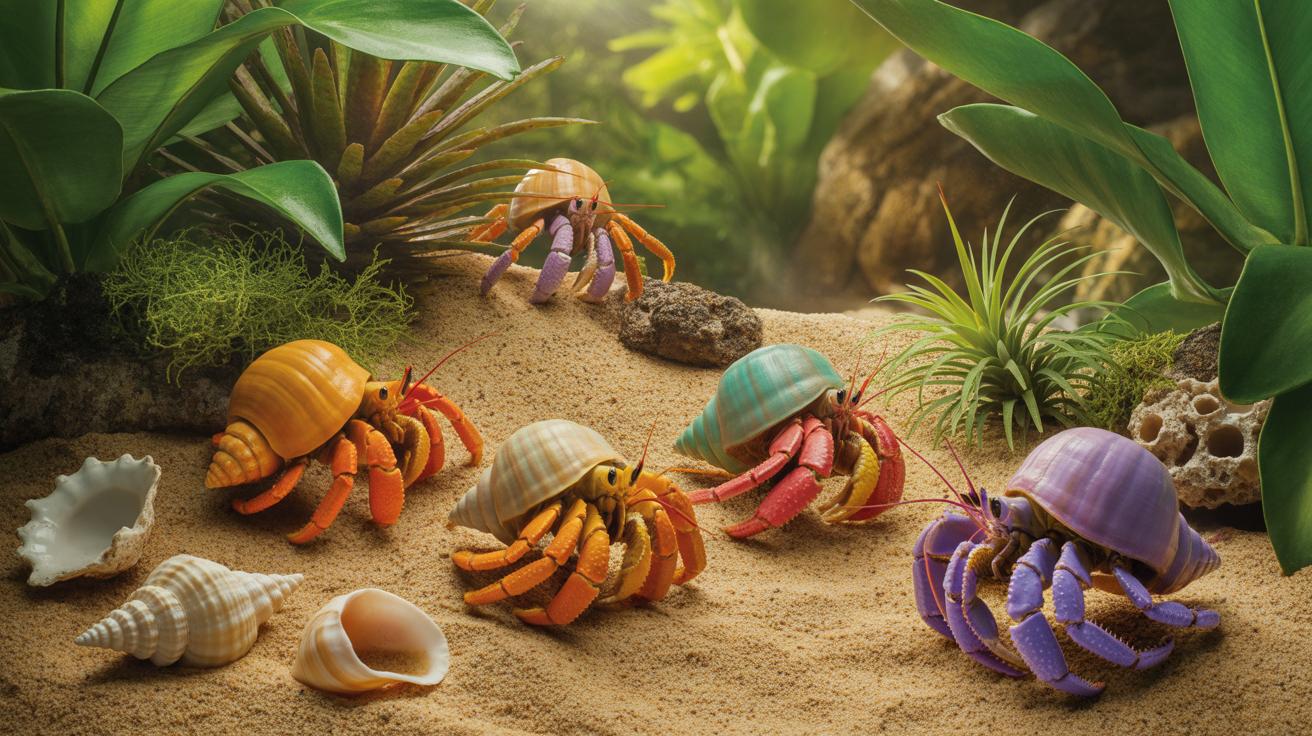
Understanding The Natural Behavior Of The Hermit Crab And Why Substrate Depth Matters
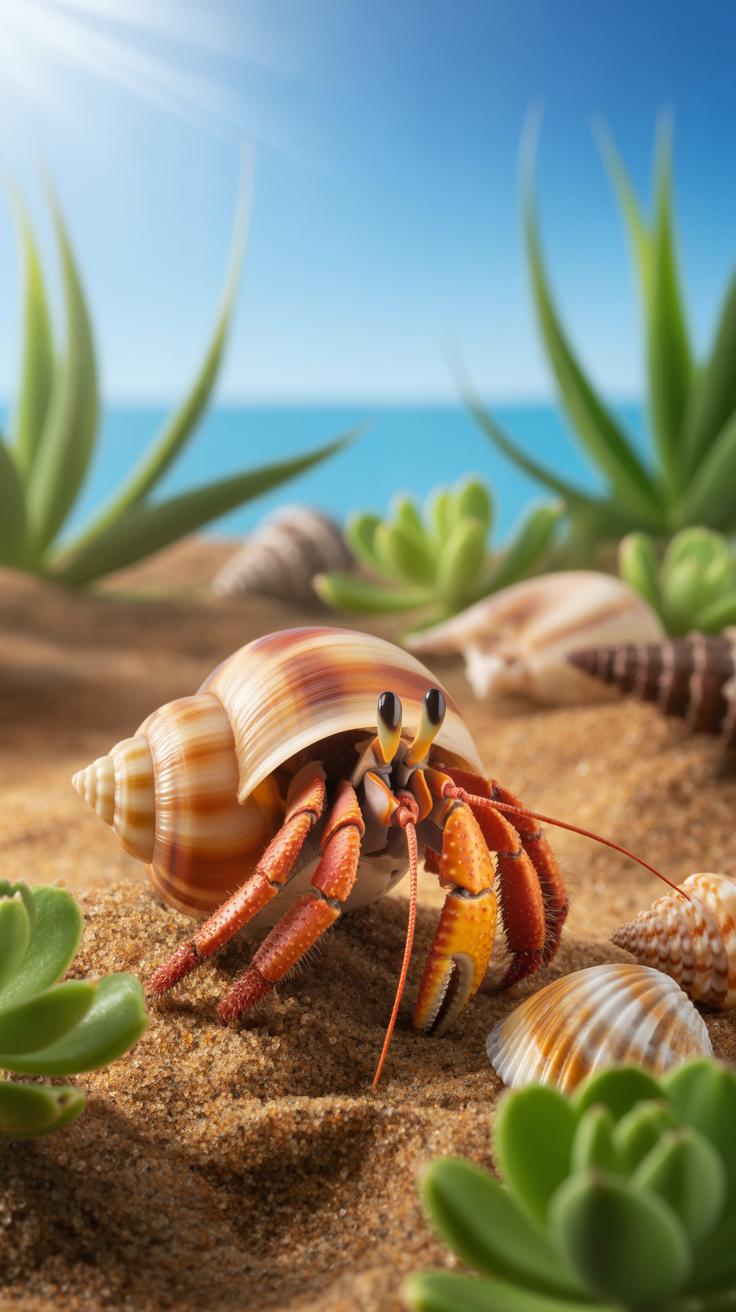
How Hermit Crabs Burrow In The Wild And What It Tells Us About Their Needs
Wild hermit crabs live in tropical coastal regions with access to deep shoreline soil. They are not surface dwellers. These animals spend significant time underground to escape predators and extreme heat. They possess specialized legs designed for heavy digging. This behavior is a biological necessity for their survival. They seek out specific moisture levels in the ground to maintain their internal hydration and respiratory health.
The earth provides a stable environment that protects the crab during its most vulnerable life stages. In the wild, a crab may tunnel several inches or feet down to find the right conditions. This movement allows them to regulate their body temperature and manage salt levels. Providing deep sand in a tank replicates this geological setting. It ensures the crab can exercise its natural physical drives without hitting a hard floor.
The Connection Between Natural Burrowing Instincts And Long Term Health In Captivity
Burrowing directly impacts the hormonal cycle of a hermit crab. Without enough depth, a crab cannot initiate the molting process properly. Molting requires total darkness and consistent pressure from the surrounding soil to be successful. If a crab stays on the surface, it becomes stressed and fearful. This stress leads to limb loss or death. Deep substrate acts as a physical shield against light and noise.
Proper substrate depth also maintains the humidity levels necessary for gill function. Hermit crabs breathe through modified gills that must stay damp. Dry or shallow substrate causes these gills to dry out, leading to slow suffocation. By digging deep, crabs find the dampness they need to breathe. High volume substrate also buffers against temperature swings in the room. This stability keeps the crab active and healthy for decades.

What Is The Recommended Sand Depth For A Hermit Crab Habitat
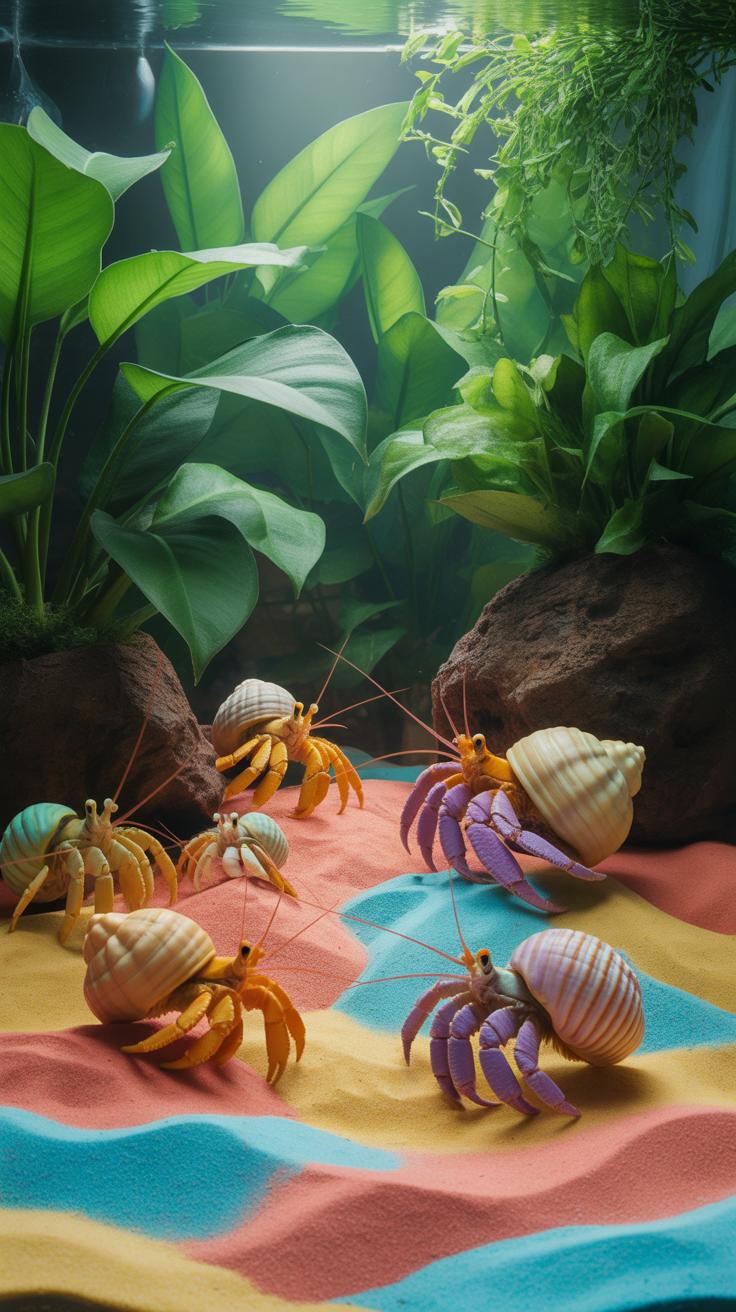
The General Rule: Why Sand Should Be At Least Three Times The Height Of Your Largest Crab
Hermit crabs require deep substrate to survive the molting process. A molting crab is vulnerable and soft. It retreats underground to stay safe from predators and tank mates. The sand must be deep enough to provide complete darkness and insulation. This depth prevents other crabs from accidentally digging up the molter. It also keeps the molting cave stable and prevents collapse.
The industry standard is a minimum of six inches of substrate. However, you must measure your largest crab to find the real requirement. Multiply the height of that crab by three. This calculation ensures the crab can dig deep enough to create a secure burrow. Insufficient depth leads to surface molting. Surface molting often results in death. High substrate levels are mandatory for long term health.
How Tank Size And Crab Population Influence The Ideal Substrate Depth
Specific tank dimensions dictate how you manage sand volume. Small tanks lose floor space quickly when you add deep substrate. Larger tanks offer more horizontal room but still need vertical depth. You must balance the weight of the sand with the strength of the glass. Always check the weight capacity of your stand. Deep sand is heavy but necessary for every enclosure regardless of the gallon size.

Crab density also changes your strategy. More crabs increase the risk of underground collisions. When you house multiple crabs, you should exceed the minimum depth requirements. Adding extra inches of sand provides more territory for tunneling. This prevents crabs from interrupting each other during sensitive molts. Higher populations demand more vertical space to ensure safety. Aim for maximum depth to reduce stress and aggression in the colony.
The Role Of Deep Sand In The Molting Process Of A Pet Hermit Crab
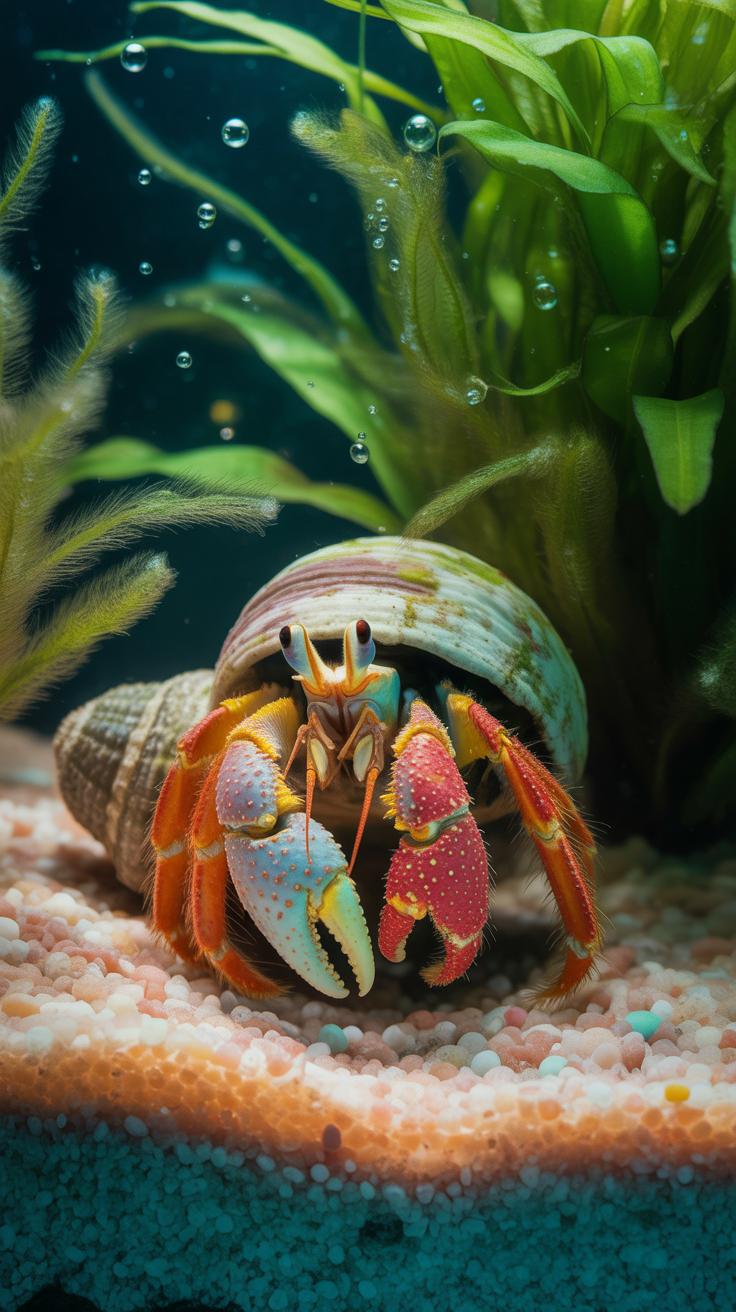
What Molting Is And Why It Is A Critical Stage In Hermit Crab Pet Care Basics
Molting is the biological process where a hermit crab sheds its hard exoskeleton to grow. The crab cannot increase in size without discarding its old shell. This stage is physically demanding and leaves the crab completely vulnerable. During this time, the crab becomes soft and loses the ability to move or defend itself from predators and environmental hazards.
A successful molt requires total darkness and high moisture. These conditions trigger the production of essential molting hormones. In a home habitat, the substrate acts as the primary tool for this survival phase. Without the right environment, the crab cannot safely store the nutrients and water needed to harden its new skin. Proper care during this cycle determines the lifespan of the pet.
How Insufficient Sand Depth Can Interrupt Or Endanger A Successful Molt
Shallow sand prevents hermit crabs from digging deep enough to create a stable molt cave. If the substrate is too thin, the crab remains exposed to light and air. Exposure causes the molting hormones to fail. This leads to an incomplete molt or immediate death. A crab needs a pressurized, moist space to prevent its soft body from drying out while the new shell hardens.
Insufficient depth also leads to surface molting. This is a high-risk situation where tank mates can smell the molting crab and attack it. Other crabs will eat a defenseless molter if the sand does not mask the scent. Deep sand provides the necessary physical barrier to isolate the crab. Without at least six inches of substrate, your hermit crab faces certain physical trauma or fatal stress.
Choosing The Right Type Of Sand For Pet Hermit Crab Habitats
Play Sand Vs. Aragonite Sand: Which Is Safer And More Effective For Burrowing
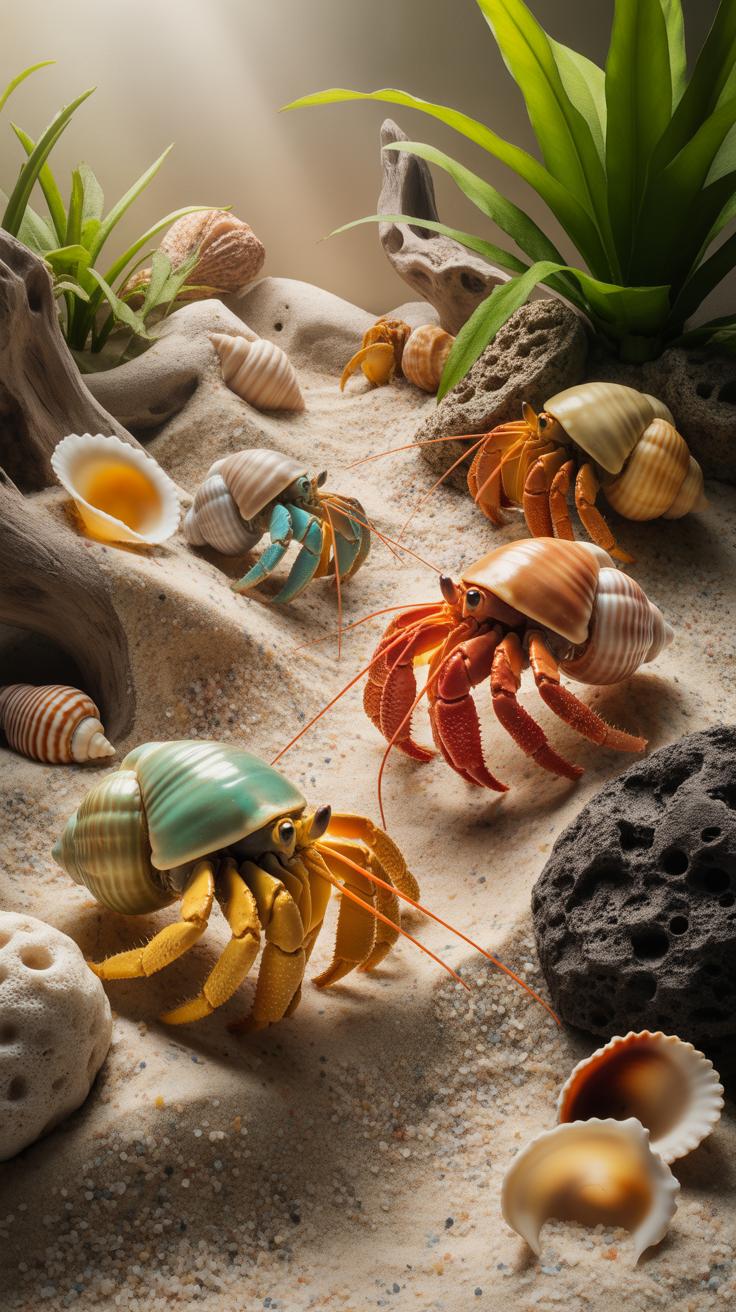
Play sand offers the most cost-effective solution for deep substrate. Manufacturers wash and kiln-dry this sand to ensure it is clean for children. The fine grains pack together tightly when damp. This consistency allows hermit crabs to dig stable tunnels that do not collapse. You can find this product at most hardware stores. It serves as the primary base for successful molting environments.
Aragonite sand provides a beneficial mineral boost but costs significantly more than play sand. This calcium-based sand helps maintain proper pH levels in the habitat. Most keepers mix one part oolitic aragonite with five parts play sand. This combination creates a perfect texture for holding moisture. The blend supports the structural integrity of caves during the molting process. Your crabs need this stability to stay safe while shedding.
Sand Types And Additives To Avoid When Setting Up Your Hermit Crab Habitat
Avoid calcium sand sold in pet stores for reptiles. This product often contains dyes and smells like food. When wet, this sand acts like cement and dries into a hard shell. This process can trap a crab inside its own shell or kill it during a molt. The fine dust also clogs sensitive gills. Stick to natural sands that do not contain glue or artificial colorants.

Marine sand taken directly from a beach carries risks of pollution and pests. These outdoor sources may contain microscopic organisms or harmful bacteria. Avoid silica sand with sharp, jagged edges that can irritate delicate tissues. Never use aquarium gravel or glass beads as a primary substrate. These materials do not allow for burrowing. Your crabs require a natural, fine-grained material to thrive and perform essential biological functions.
The Ideal Sand And Substrate Mix Hermit Crab Supplies List For A Proper Setup
Why Mixing Sand With Coconut Fiber Creates The Best Burrowing Substrate
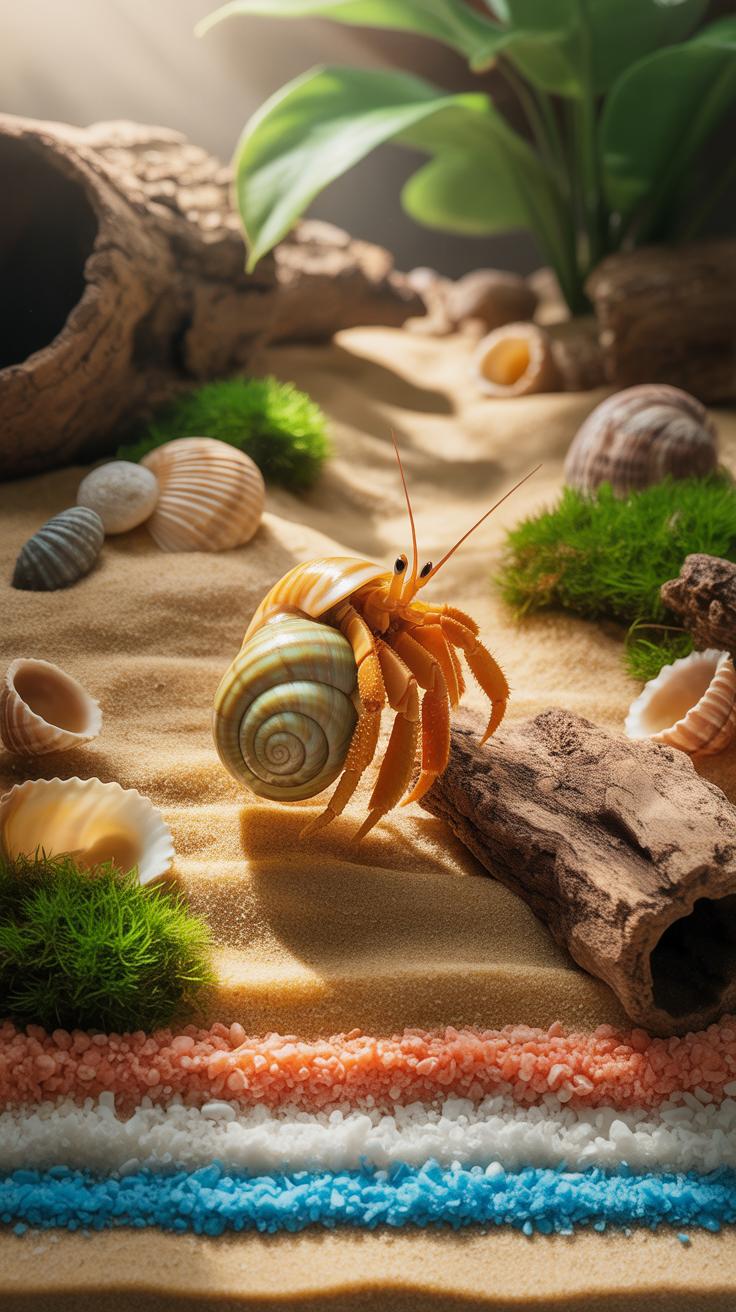
Pure sand collapses when it dries out. Hermit crabs need stable tunnels to survive the molting process. Mixing play sand with coconut fiber creates a substrate that holds its shape. This mixture mimics the tropical soil conditions found in natural crab habitats. The coconut fiber retains moisture while the sand provides the structural weight needed for deep burrows.
Proper ratios prevent the substrate from becoming a muddy mess or a dusty trap. Aim for a five-to-one ratio of sand to coconut fiber. This balance ensures the ground stays damp enough to maintain humidity levels without rotting. Crabs spend weeks underground during a molt. They depend on this specific consistency to breathe and stay protected from predators or tank mates.
Essential Items From The Hermit Crab Supplies List Needed To Build A Deep Sand Bed
Building a functional deep sand bed requires specific materials to ensure safety and longevity. You must select items that do not contain pesticides or toxic chemicals. Standard aquarium sand is often too fine or expensive for the depth required. Use bulk materials to reach the minimum depth of six inches or three times the height of your largest crab.
- Play Sand: Use kiln-dried play sand found at hardware stores. It is cheap and pre-washed for safety. This sand provides the necessary grit and weight for structural integrity in deep tunnels during the molting cycle.
- Coconut Fiber: Buy compressed bricks of coconut coir. This organic material holds water and prevents the sand from packing too tightly. It allows the substrate to breathe while maintaining the high humidity levels required for crab gill health.
- Dechlorinated Marine Water: Use a marine salt mix designed for reef tanks. Mix this with conditioned water to moisten the substrate. The salt prevents mold growth and provides essential minerals that crabs absorb through their skin while they are buried.
- Large Mixing Bucket: You need a clean five-gallon bucket to blend the materials. Proper mixing ensures the coconut fiber is evenly distributed throughout the sand. This prevents dry pockets that could cause tunnel collapses or wet spots that breed bacteria.
- Substrate Ruler: Keep a simple plastic ruler against the back glass of the tank. This allows you to monitor the substrate depth over time. Substrate settles and compresses, so you must ensure it never falls below the required safety minimum.

Consistency is the most important factor when setting up the bed. Test the mix by poking a finger into the substrate. The hole should stay open without crumbling. If the walls collapse, add more moisture or fiber. If the hole fills with water, the mix is too wet. Achieving the right “sandcastle consistency” is the only way to guarantee a safe molting environment.
Step By Step Guide To Setting Up Deep Sand In Your Hermit Crab Habitat
How To Properly Layer And Prepare Your Substrate Before Adding Your Crabs
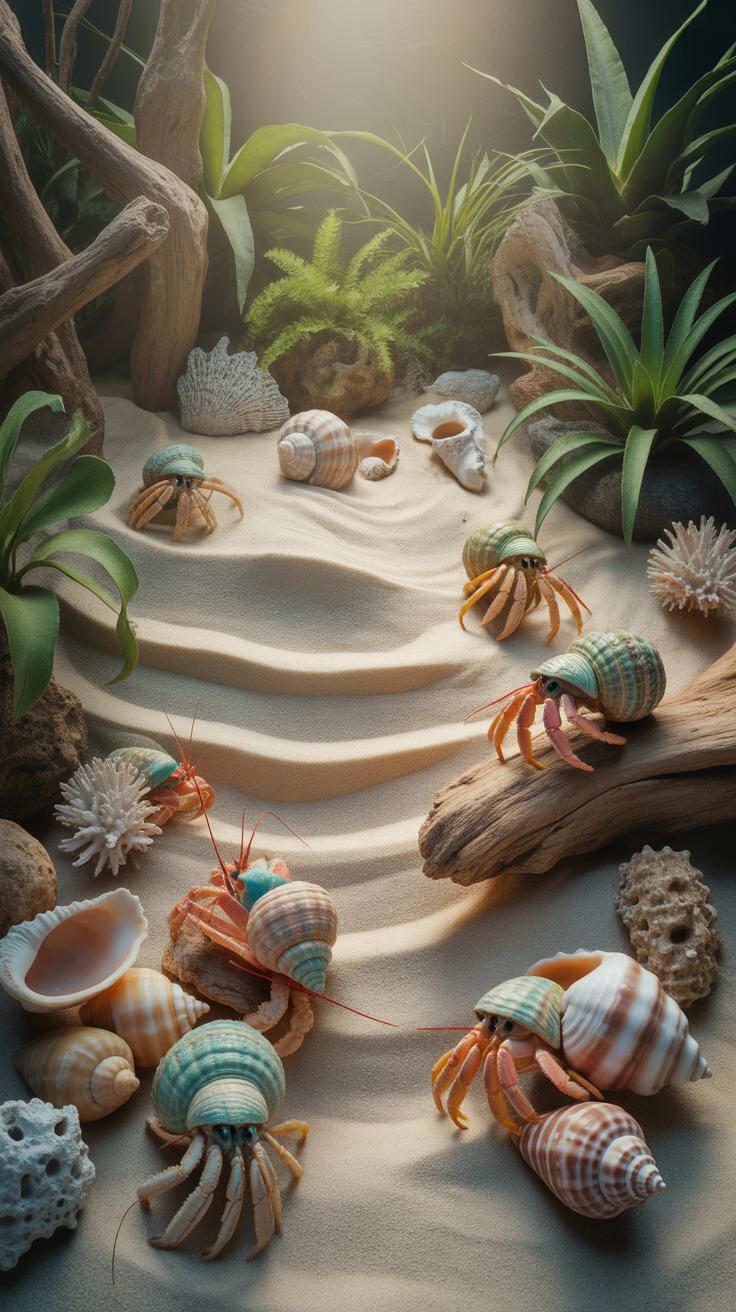
Choosing the right materials determines the structural integrity of your hermit crab habitat. You must use a ratio of five parts play sand to one part coconut fiber. This specific mixture mimics natural coastal conditions. It allows your crabs to dig stable tunnels that will not collapse. Dry substrate is dangerous because it cannot hold a shape. Always mix your materials thoroughly before placing them into the tank.
- Play Sand: Use kiln-dried play sand found at hardware stores. It is cheap and safe. Avoid using calcium-based reptile sands. Those sands can harden when wet and cement your crab inside its shell.
- Coconut Fiber: Buy compressed bricks or loose bags of coconut coir. This organic material helps the substrate retain moisture. It prevents the sand from drying out too quickly. Soak bricks in dechlorinated water before mixing them.
- Dechlorinated Water: Treat all water used in the substrate. Chlorine and chloramines damage hermit crab gills. Use a specialized water conditioner to make the liquid safe. Add water slowly until you reach the correct consistency.
- Mixing Container: Use a large bucket to blend your sand and coconut fiber. Mixing directly in the aquarium is difficult and often leads to dry pockets. Ensure even distribution of both materials throughout the entire batch.
- Depth Measurement: Fill the tank until the substrate is at least six inches deep. For larger crabs, the depth must be three times the height of your biggest crab. Depth is non-negotiable for safe molting and stress reduction.
Test the substrate consistency using the sandcastle method. Stick a finger or pencil straight down into the mixture and pull it out. The hole should remain open without the walls caving in. If the hole collapses, the sand is too dry. Add small amounts of dechlorinated water and mix again. Once you achieve this consistency, pack the substrate lightly into the tank to remove large air pockets.
Maintaining The Correct Moisture Level In Deep Sand To Support Burrowing And Molting
Proper moisture management is the most critical factor for long-term crab survival. You must maintain a sandcastle consistency throughout the entire depth of the tank. Moisture allows the substrate to hold oxygen and support the pressure of a burrowing crab. If the sand dries out, your crabs cannot build molting caves. This leads to surface molting which is often fatal for the crab.

Monitor the substrate daily for signs of dryness or flooding. Use a sealed glass lid to trap humidity inside the enclosure. This prevents the top layer of sand from turning into dust. If the surface looks dry, use a spray bottle with dechlorinated water to mist the area. Never pour water directly into the corners of the tank. Excess water pools at the bottom and creates deadly anaerobic bacteria growth.
Hermit Crab Ideas For Enriching A Deep Sand Environment Beyond The Basics
Decorative And Functional Additions That Work Alongside A Deep Sand Substrate
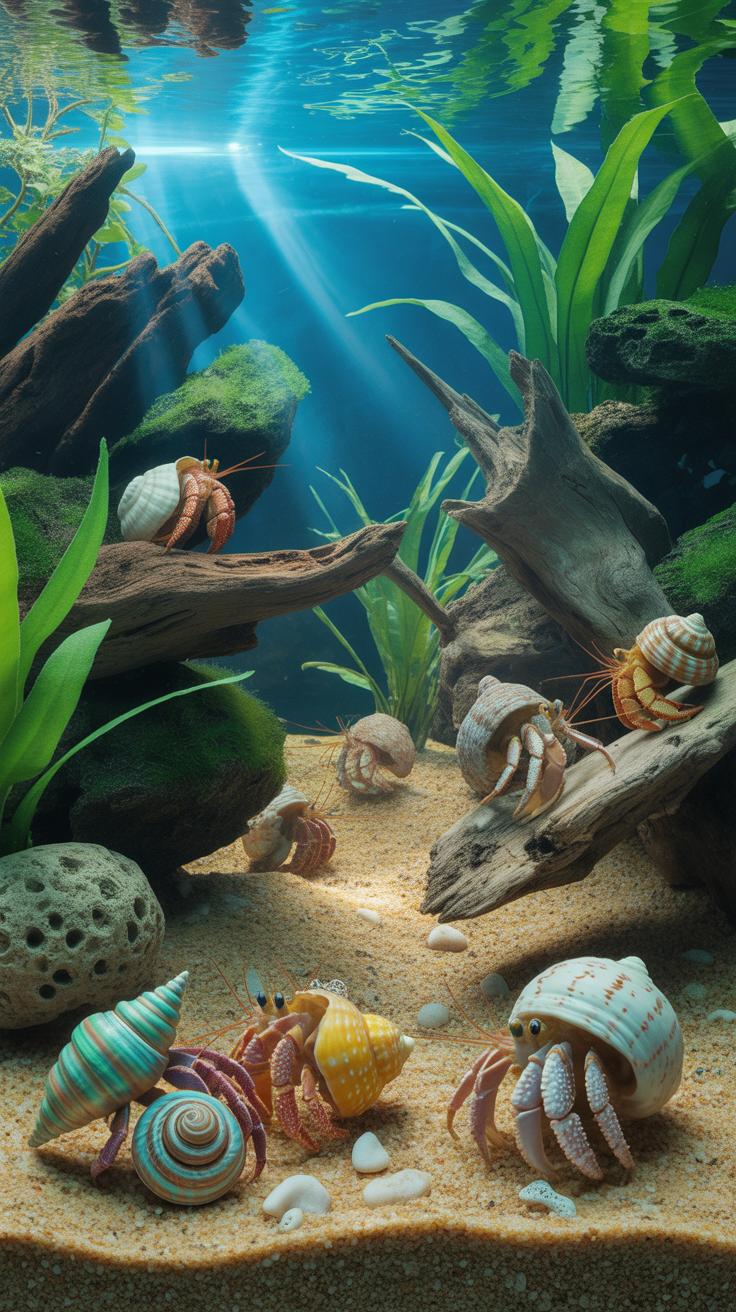
Deep sand requires specific surface additions to stay functional. Heavy stones or large ceramic bowls sink over time and can crush molting crabs below. Use lightweight cork bark or hollow cholla wood instead. These items provide cover without compressing the substrate. Natural leaf litter like catappa or maple adds nutrients to the sand surface. This mimics the tropical forest floor where these crabs live.
Moisture management is the primary goal for all surface decor. Place moss pits in elevated baskets to keep dampness off the sand surface. This prevents flooding in the lower layers of the substrate. Use plastic or resin decor for easy cleaning and durability in high humidity. Ensure all items have broad bases to distribute weight. Proper weight distribution protects the structural integrity of the tunnels underneath the sand.
How Tunnels, Hides, And Climbing Structures Complement Deep Sand Setups
Vertical space utilization is a strategic necessity in deep sand setups. Hermit crabs need to climb to regulate their body temperature and escape humidity pockets. Attach hemp nets or plastic grids to the tank walls using suction cups. This keeps the crabs active on the surface while leaving the sand clear for molting. High climbing structures encourage natural exercise and prevent boredom. This reduces aggression between crabs in the enclosure.

Strategic hide placement improves the safety of the environment. Crabs use surface hides to transition between the air and their underground burrows. Half-log hides or coconut shells provide dark spaces where crabs feel secure. Place these hides in corners to maximize usable floor area. Stable structures prevent the sand from shifting or collapsing during burrowing activities. Strong climbing frames also allow crabs to exit the sand easily after they finish molting.
Common Mistakes Owners Make With Sand Depth According To Every Hermit Crab Care Sheet
Why Shallow Gravel Or Pebble Substrates Are Consistently Flagged In Every Hermit Crab Care Sheet Pdf
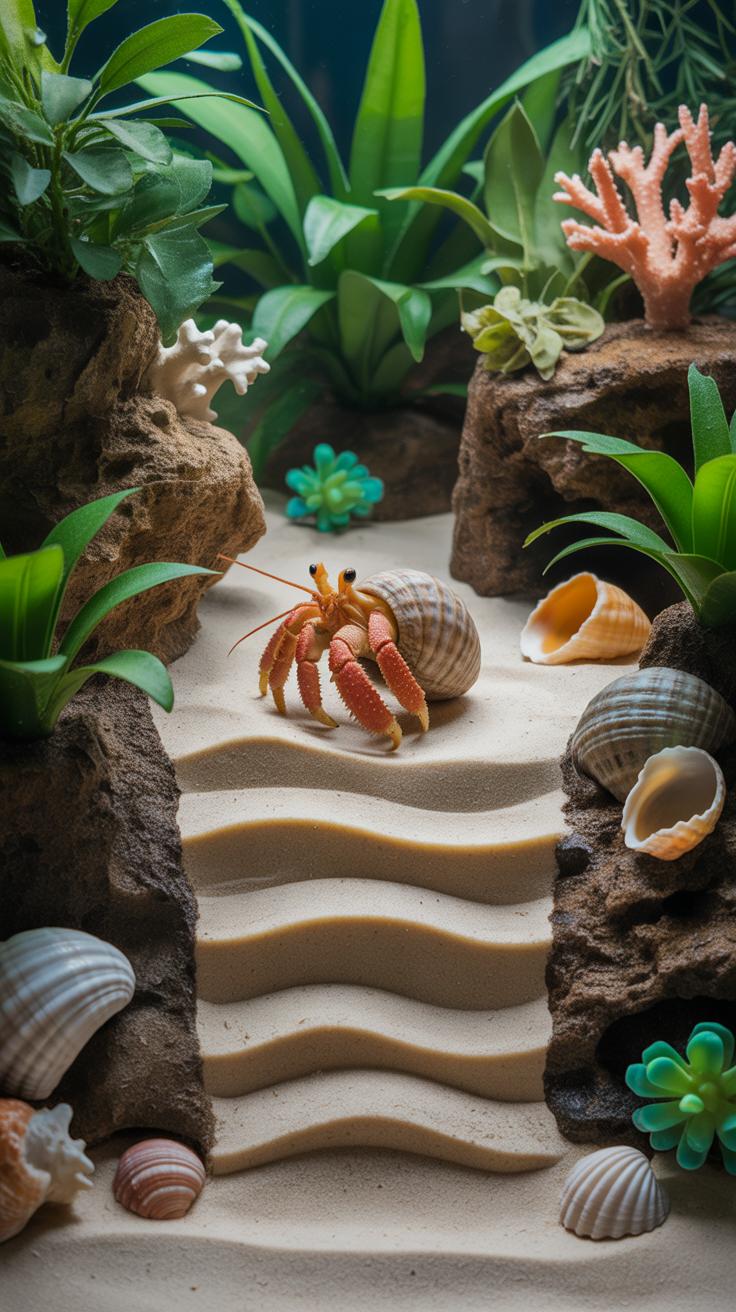
Gravel and pebbles fail because they do not support tunnel structures. Hermit crabs must bury themselves completely to molt their exoskeletons. Large stones create air pockets that cause tunnels to collapse. A collapsed tunnel suffocates the crab during its most vulnerable state. Care sheets flag these materials because they prevent natural biological processes. Using improper substrate leads to surface molting which usually ends in death.
Sand and coconut fiber provide the necessary consistency for moisture retention. This mixture allows the crab to create a cave that holds its shape. Pebbles cannot hold moisture or maintain the high humidity required for modified gills. Without deep sand, the crab stays exposed to light and predators. Expert guides demand a minimum depth of six inches to ensure safety. Anything less is a tactical failure in crab care.
A burrowing crab finds its peace in the cool, dark depths of the earth. Provide them with deep sand so they may safely tuck themselves away to dream and grow.
How To Recognize Signs That Your Crab Is Stressed Due To Inadequate Substrate Depth
Crabs show clear physical signs when the substrate is too shallow. You will notice frequent pacing along the glass edges. This behavior indicates a desperate search for a safe molting spot. Crabs may also attempt to dig in corners but give up quickly. If the sand is too thin, they cannot disappear completely. This lack of security triggers a constant state of high alert and stress.

Lethargy and limb shedding are advanced warning signals of substrate failure. A stressed crab often spends too much time in the water bowl. It tries to compensate for dry or shallow conditions. You might see the crab sitting on the surface during the day. This is abnormal behavior for a nocturnal burrower. Correct the depth immediately to prevent total system collapse. Shallow sand kills through exhaustion and failed molts.
Long Term Substrate Maintenance And Refreshing The Deep Sand In Your Hermit Crab Habitat
How Often To Clean, Replace, And Refresh The Deep Sand Without Disrupting Molting Crabs
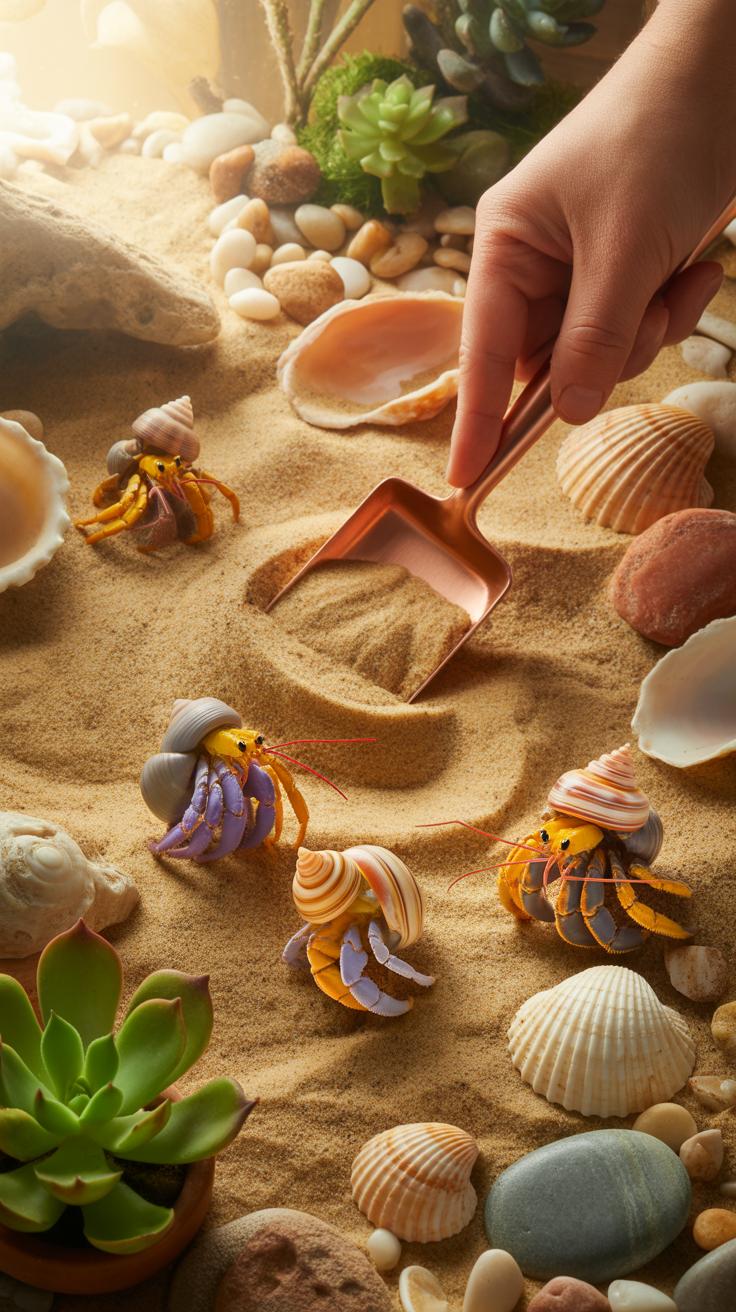
Spot clean the substrate surface every day to remove waste and leftover food. This prevents mold and bacterial growth in the top layer. Never dig into the sand or perform a deep clean if a crab is missing. Crabs molt underground for weeks or months at a time. Disturbing a molting crab leads to stress or death. Only refresh the sand when all crabs are above ground.
Complete substrate replacement is rarely necessary in a healthy tank. A proper mix of sand and coconut fiber lasts for years if you maintain the right moisture levels. Perform a total change only if you face a flood or a mass pest infestation. For routine care, simply scoop out the top inch of sand once a year. Replace it with fresh, damp substrate to keep the habitat clean.
Tracking Substrate Conditions Over Time As Part Of Responsible Hermit Crab Pet Care Basics
Check the moisture levels at the bottom of the tank through the glass weekly. The sand must stay at sandcastle consistency to prevent tunnel collapse. Use a flashlight to look for grey or black patches. These spots indicate anaerobic bacteria or stagnant water. If the bottom looks dry, add small amounts of dechlorinated water down the corners. Avoid overwatering to prevent dangerous flooding at the base.
Monitor the height of the substrate as it settles over time. Constant digging and evaporation cause the sand level to drop. Measure the depth against a marked line on the glass to ensure it remains at least six inches deep. Add new substrate gradually to maintain the required volume for large crabs. Consistent record keeping prevents habitat degradation. It ensures your crabs always have enough space for safe molting.
Frequently Asked Questions

Why is deep sand so important for a hermit crab’s survival?
Hermit crabs require a thick substrate to survive the delicate molting process. In the wild, they burrow deep underground to stay moist, dark, and protected from predators while shedding their exoskeletons. Providing deep sand for hermit crabs in your home habitat mimics this natural environment, allowing them to tunnel safely. Without adequate depth, a molting crab may become stressed or attacked by tank mates, leading to serious health complications.
How do I properly set up the substrate depth in my crabitat?
To get the setup right, aim for a substrate depth that is at least three times the height of your largest crab, or a minimum of six inches. Mix five parts play sand with one part coconut fiber to create a “sandcastle” consistency. When installing deep sand for hermit crabs, ensure it is moist enough to hold a tunnel’s shape without collapsing, which provides a sturdy architecture for their underground dens.
Can I use affordable hardware store sand instead of expensive pet store brands?
Absolutely! You do not need to spend a fortune on specialized “hermit crab sand” often found in pet shops. Most experienced keepers prefer using bags of all-purpose play sand from local hardware stores. It is highly affordable, pre-washed, and perfectly safe once mixed with a bit of dechlorinated water. This budget-friendly option makes providing the necessary depth easy and accessible for every owner while ensuring your pets remain healthy.