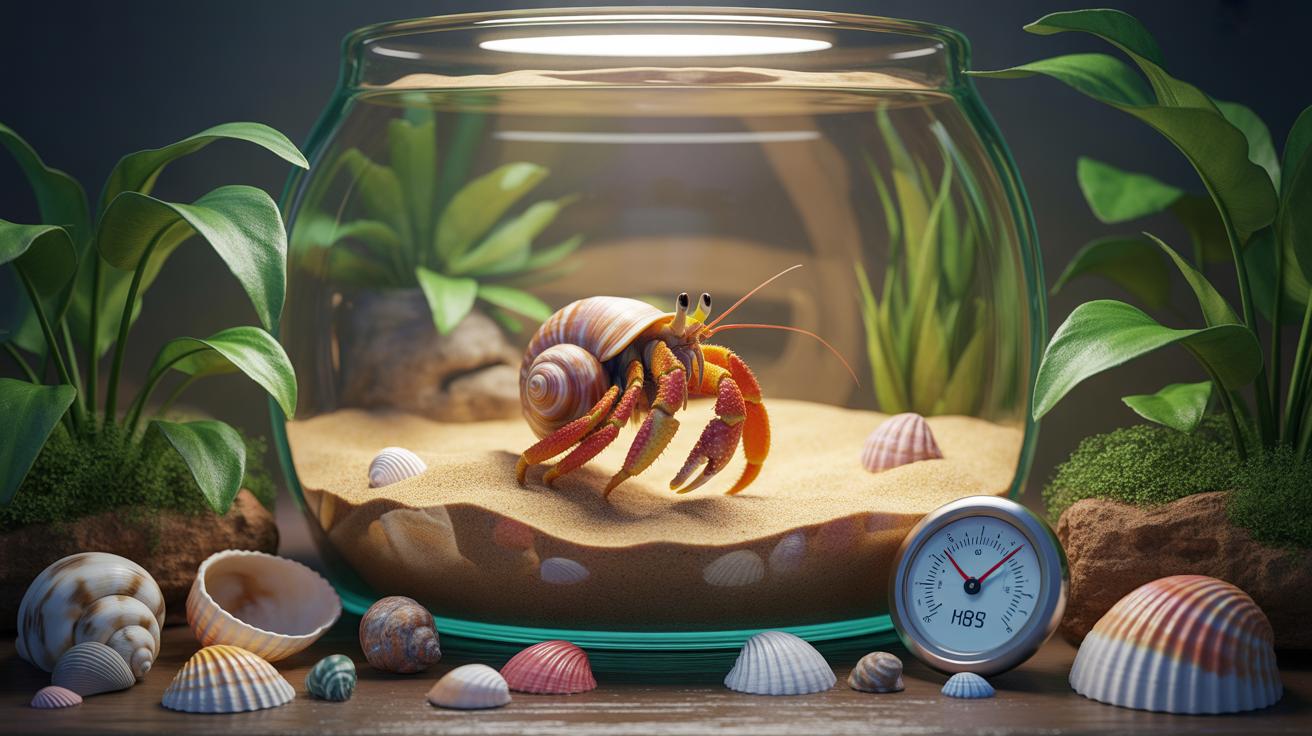
Understanding The Natural Climate Of A Hermit Crab Habitat
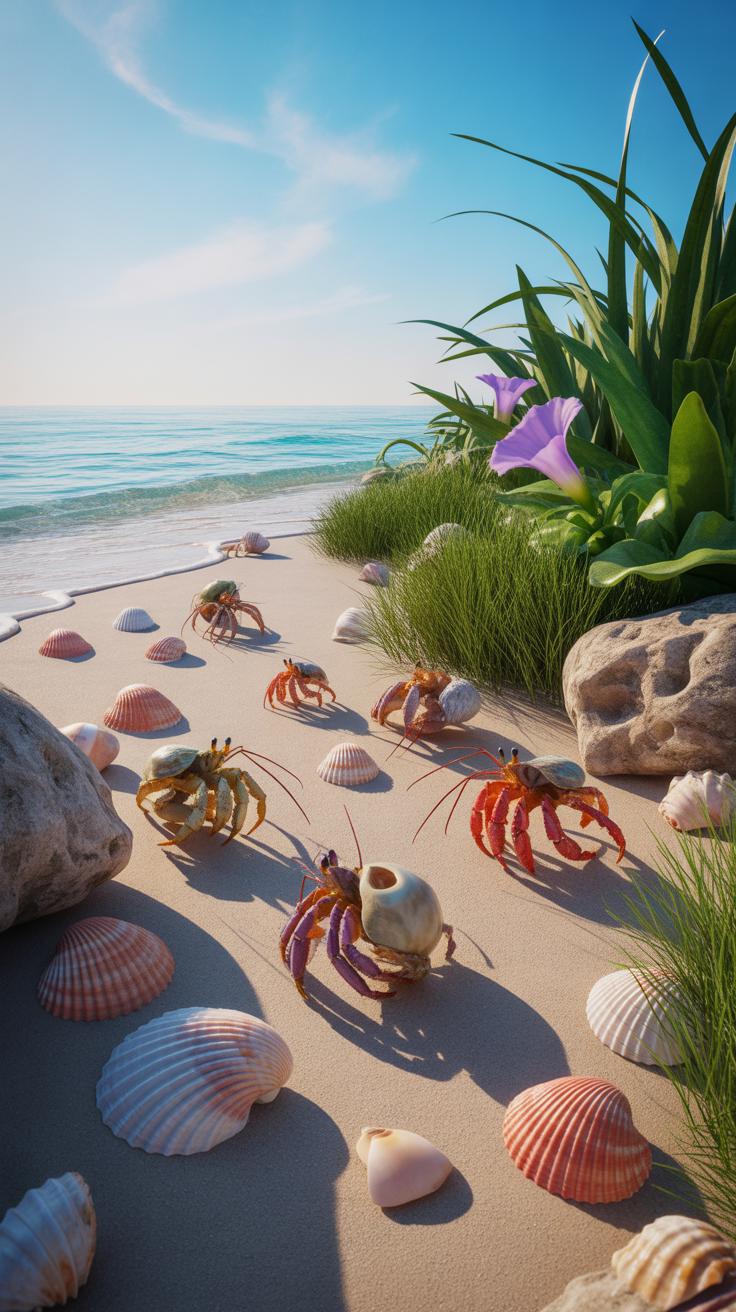
Where Hermit Crabs Come From And What Temperatures They Live In Naturally
Land hermit crabs primarily inhabit tropical coastal regions. These areas include the Caribbean, South America, and parts of the Indo-Pacific. These environments maintain consistently high temperatures throughout the year. The average ambient temperature stays between 75 and 85 degrees Fahrenheit. These crabs are cold-blooded creatures. They rely on their surroundings to regulate their internal body heat and basic biological functions.
Coastal habitats stay warm due to high solar radiation and thermal mass from the ocean. Hermit crabs thrive in this stable heat. They stay near the forest floor or burrow into the sand to find specific microclimates. Significant temperature drops do not happen in these regions. Exposure to cold stops their metabolism and can lead to death. Their survival depends on constant access to warm, humid tropical air.
How Replicating Their Native Climate Inside A Hermit Crab Tank Supports Long Term Survival
Proper hermit crab tank heat control is a survival requirement. Standard room temperatures in most homes are too cold for these animals. If the air is too cold, the crab goes into a state of lethargy. This slows down their digestion and prevents them from moving. Maintain a consistent heat gradient to keep their immune systems strong. This allows them to behave naturally and stay active.
Heat also plays a vital role in the molting process. A hermit crab must bury itself in warm substrate to shed its exoskeleton. Cold substrate causes molting failure or death during this vulnerable stage. You must monitor the tank temperature with a reliable thermometer at all times. Keeping the environment between 75 and 85 degrees ensures the crab can grow and repair its body. Stable heat prevents unnecessary stress and illness.
Ideal Temperature Range For A Hermit Crab Tank Setup
The Recommended Daytime And Nighttime Temperature Ranges For A Healthy Hermit Crab Tank
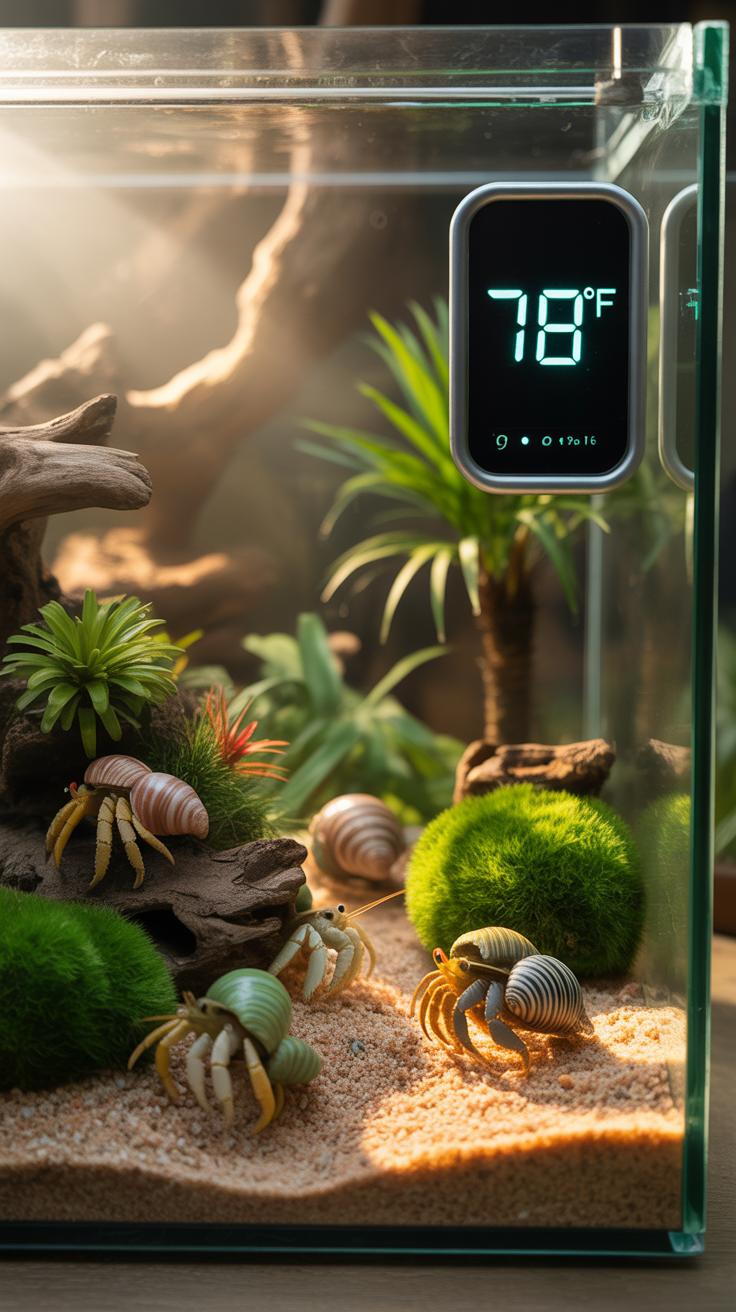
Hermit crabs require a consistent temperature between 75 and 85 degrees Fahrenheit. This range mimics their natural tropical habitats. Maintaining this heat is vital for their respiratory systems. They breathe through modified gills that need warm, humid air to function. If the tank drops below 70 degrees, their metabolism slows down significantly. This cold state can lead to a lethal dormancy if not corrected immediately.
Nighttime temperatures should stay at the lower end of the recommended range. Do not let the enclosure drop below 72 degrees during dark hours. Use a reliable thermostat to manage these levels automatically. Consistency prevents the crabs from entering a state of shock. High-quality under-tank heaters mounted on the back of the glass provide steady warmth. Always place sensors in the center of the tank for accurate readings.
How Temperature Fluctuations Affect Hermit Crab Behavior, Molting, And Stress Levels
Unstable temperatures cause extreme stress and physical damage to hermit crabs. Rapid heat spikes can cook a crab inside its shell. Sudden cold snaps force the crab into a lethargic state where it stops eating. Stress from these shifts often leads to limb shedding or shell evacuation. Crabs cannot regulate their own body heat. They rely entirely on their environment to maintain the energy needed for basic survival.
Molting requires specific, steady heat to ensure successful exoskeleton shedding. If the temperature fluctuates during this vulnerable stage, the molting process may fail. A failed molt often results in death or permanent deformity. Heat also influences the humidity levels required for the molting cave. Keep the environment stable to promote healthy growth and recovery. Proper heat control ensures the crab has the metabolic strength to complete this difficult biological task.
Best Heating Equipment Options For Hermit Crab Tank Heat Control
Under Tank Heaters Vs. Overhead Heat Lamps: Which Works Better For A Hermit Crab Enclosure
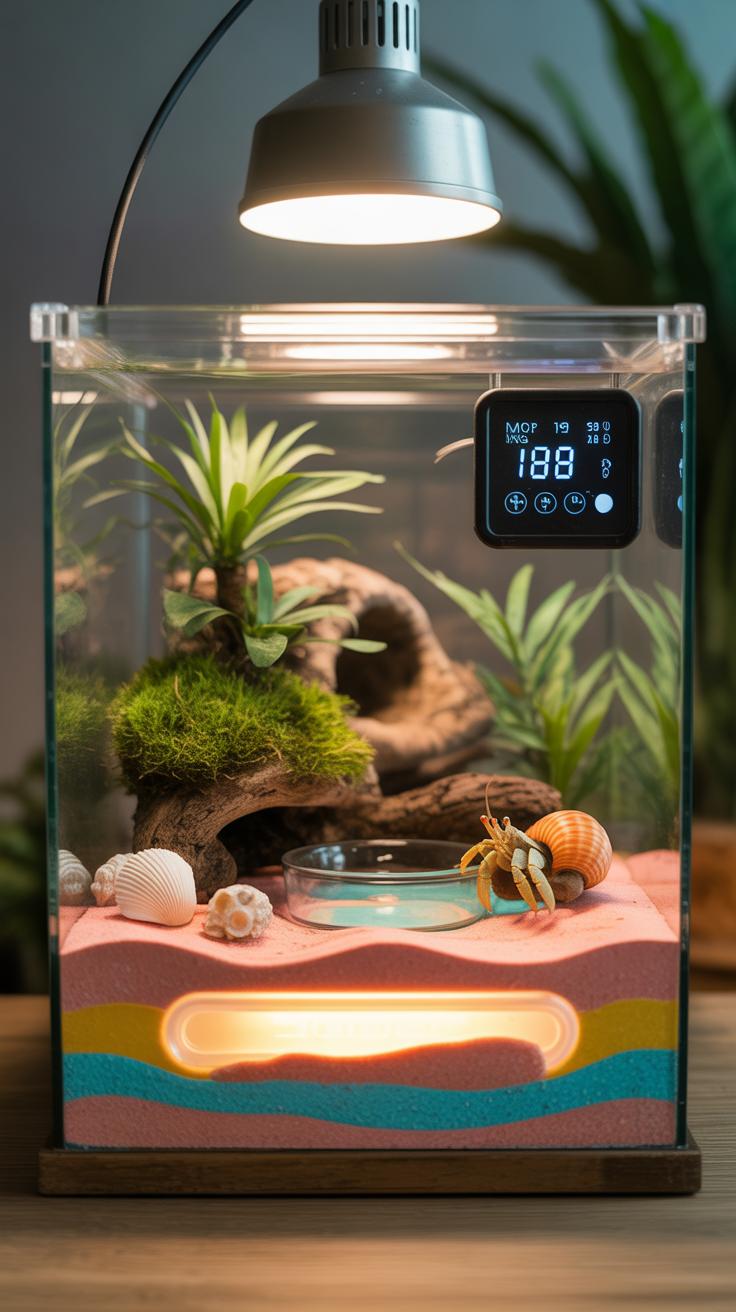
Hermit crabs need ambient air temperature between 75 and 85 degrees Fahrenheit. Under-tank heaters provide the most reliable source for this need. Do not place these mats under the tank. Stick them to the back or side glass above the substrate line. This placement heats the air without drying out the sand. It also prevents burning crabs that dig down to molt.
Overhead heat lamps often cause more problems than they solve. These bulbs sap moisture from the enclosure quickly. Low humidity kills hermit crabs by drying out their modified gills. Only use lamps if your room is extremely cold and mats cannot reach the target temperature. If you must use a lamp, choose a ceramic heat emitter. These units produce heat without light to maintain natural day cycles.
Warmth is the vital element for the growing plant and for the soul of the child. When we wrap our tiny travelers in the gentle heat of their native sands, we preserve the very heart of their wonder.
Top Heating Tools And Accessories To Maintain Consistent Warmth In Your Hermit Crab Tank
Precision tools ensure your crabs stay alive and active. You cannot guess the temperature by touching the glass. Specialized gear monitors the environment and automates the heating process. This hardware prevents overheating which can be fatal. Invest in quality components to build a stable ecosystem. Reliable equipment reduces the risk of equipment failure and keeps your tank within the safe biological range.
- Adhesive Heat Mats: These thin pads stick to the exterior glass of the aquarium. They use low wattage to provide constant warmth. Choose a size that covers at least one-third of the back wall to create a proper thermal gradient across the tank.
- Digital Thermostats: These controllers act as a kill switch for your heaters. Plug the heat mat into the thermostat and set your desired temperature. The device cuts power if the tank gets too hot. This prevents fires and keeps the crabs from cooking.
- Ceramic Heat Emitters: These bulbs screw into standard light fixtures but do not produce visible light. They provide intense heat for large enclosures. They are better than basking bulbs because they do not disrupt the nocturnal habits of the crabs during the night.
- Reflective Insulation: Placing specialized foil or foam board over the heat mat increases efficiency. This material reflects heat back into the tank instead of letting it escape into the room. It saves energy and helps maintain higher temperatures in drafty or cold houses.
- Digital Hygrometer-Thermometer Combos: Use sensors with probes to get accurate readings at the substrate level. Analog dials are often inaccurate and fail over time. Digital displays allow you to monitor both heat and humidity at a glance to ensure the environment remains stable.
Position your sensors in the middle of the tank away from the direct heat source. This gives you an accurate average reading of the living space. Test all equipment for forty-eight hours before adding crabs to the enclosure. Check your thermostat settings weekly to confirm the probe has not moved. Consistent monitoring is the only way to guarantee long-term health for your hermit crabs.
How To Monitor Temperature Accurately Inside A Hermit Crab Habitat
Choosing The Right Thermometer Type For Reliable Hermit Crab Habitat Temperature Readings
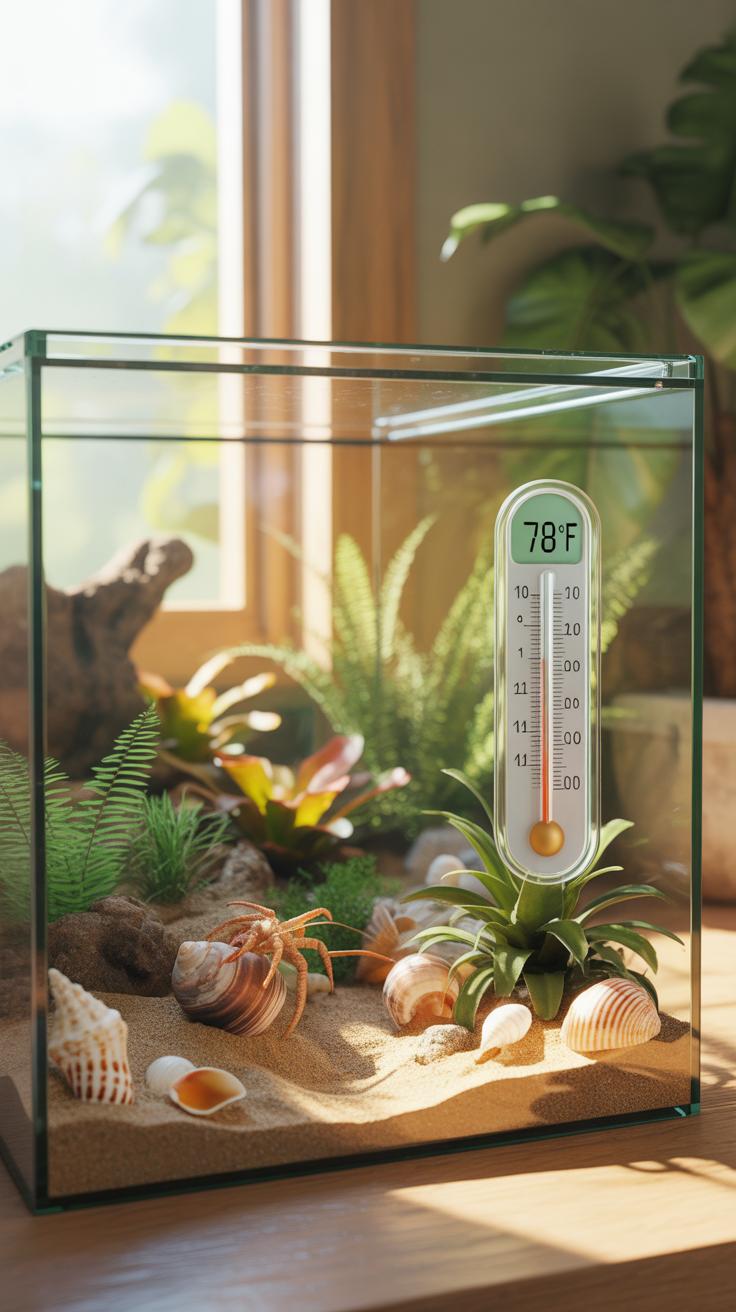
Analog dial gauges are cheap but notoriously inaccurate in high humidity environments. The internal springs frequently corrode or lose calibration over time. Using these leads to false readings that put your crabs at risk of heat stress or cold lethargy. Serious keepers avoid them entirely because they lack the precision needed for tropical species maintenance. Reliability is the only metric that matters here.
Digital thermometers with external wired probes provide the most accurate data for hermit crab tank heat control. These devices seal the electronics away from the high moisture levels inside the tank. Look for models that display both temperature and humidity simultaneously. This allows you to track environmental shifts in real time. Standardize your equipment to ensure data consistency across your entire habitat management system.
Where To Place Your Thermometer Inside The Tank For The Most Accurate Temperature Monitoring
Positioning your thermometer probe in the wrong spot renders your data useless. Do not place the sensor directly against the glass or near the heat source. This results in localized heat readings that do not reflect the air temperature. Centrally locate the probe about two inches above the substrate level. This height reflects the actual environment where your hermit crabs spend their time.

Install sensors on both the warm and cool sides of the enclosure. This setup allows you to verify the thermal gradient necessary for crab health. Crabs move between these zones to regulate their internal body temperature. Without dual monitoring, you cannot know if the cool side is too freezing or the warm side is dangerously hot. Consistent monitoring at the crab level ensures the entire habitat stays within safe limits.
The Connection Between Temperature And Humidity In A Hermit Crab Tank
Why Heat And Humidity Must Be Balanced Together In A Hermit Crab Habitat
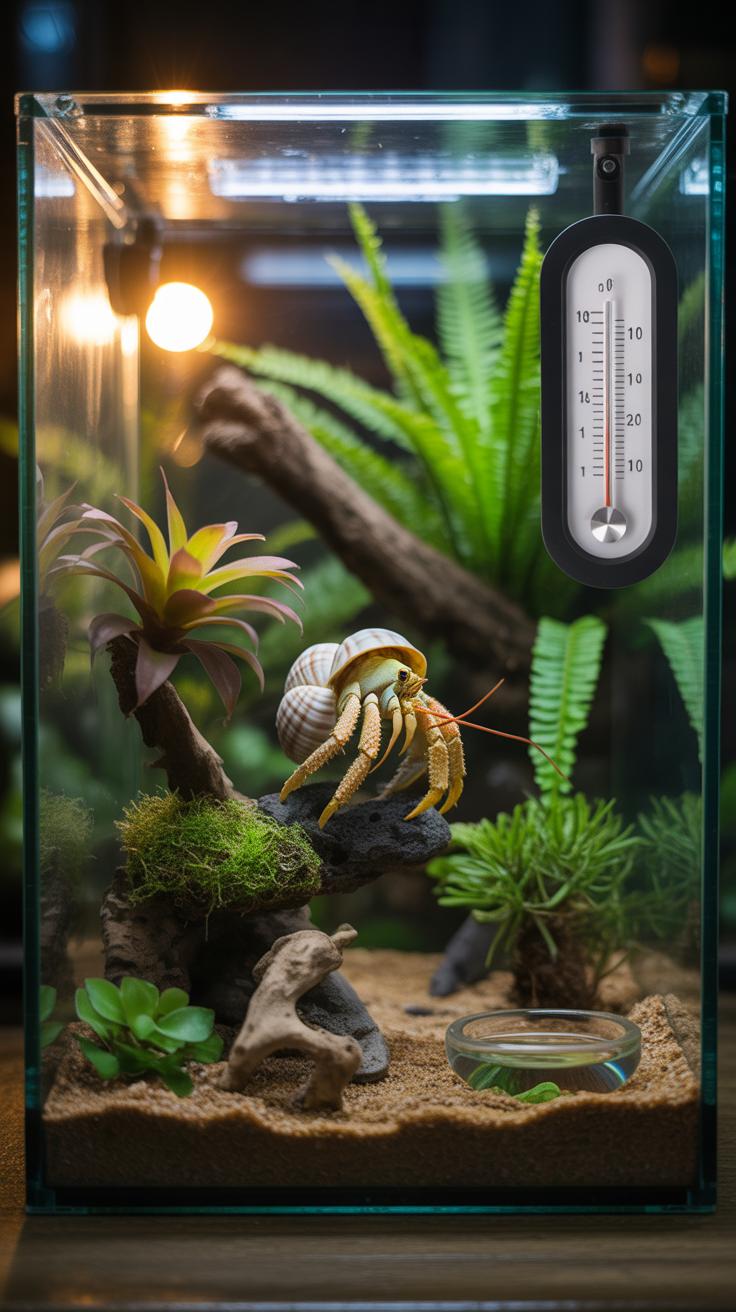
Heat and humidity function as a single system within a sealed enclosure. Raising the temperature affects the air capacity to hold water vapor. If you increase heat without adding moisture, the relative humidity percentage will drop rapidly. This creates a dangerous environment. You must monitor both metrics simultaneously to ensure the air remains breathable. Strategic placement of heat sources is vital for stability.
Thermal energy drives the evaporation process from your water pools and damp substrate. This evaporation creates the necessary humidity level of at least seventy percent. Without sufficient heat, the air stays cold and dry. Without water, the heat becomes a lethal drying agent. You must achieve a precise equilibrium to mimic a tropical climate. Balancing these two factors prevents respiratory failure and stress in your crabs.
How Overheating Can Dry Out The Substrate And Damage Your Hermit Crab’S Gills
Excessive heat pulls moisture directly out of the substrate. This process ruins the structural integrity of the sand and coconut fiber mix. Hermit crabs need damp substrate to dig tunnels and molt safely. When the floor of the tank dries out, tunnels collapse on the crabs. Dry heat also forms a hard crust on the surface. This prevents crabs from resurfacing after a molt.
Low humidity caused by overheating causes permanent physical damage to a hermit crab. These animals breathe through modified gills that must stay wet to function. Dry air causes the gill membranes to dry out and stiffen. This leads to slow suffocation even if oxygen is present. You cannot undo this damage once it happens. Maintaining a steady temperature prevents the air from stripping moisture from their gills.
DIY Hermit Crab Habitat Ideas For Better Temperature Management
DIY Insulation Methods To Help Retain Heat In A Hermit Crab Habitat Ideas Tanks DIY Build
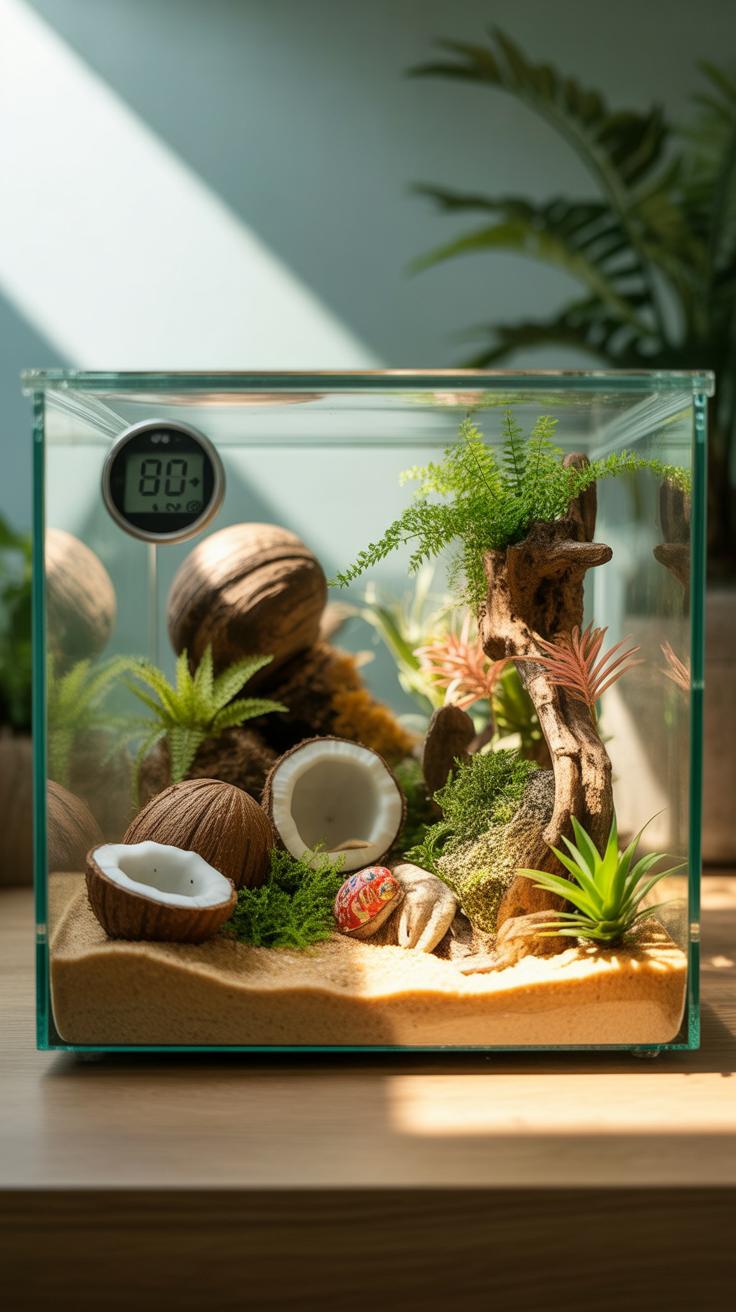
Glass tanks lose heat rapidly through the back and sides. You must stop this energy loss to maintain a steady eighty degrees. Use reflective foil insulation or bubbles wrap on the exterior glass surfaces. Secure these materials with heavy duty tape to create a thermal barrier. This modification forces heat back into the enclosure instead of letting it escape into the room.
Do not insulate the front glass or block ventilation. You need to see your pets and ensure fresh air flow. Focus on the back wall where your heater sits. Adding a layer of foam board over the foil provides extra protection during cold winter months. These simple materials are cheap and effective. They reduce the workload on your heating equipment and lower your power bill.
How To Build Or Modify A Hermit Crab Tank Ideas DIY Setup That Supports Stable Heating Zones
Creating a thermal gradient requires strategic placement of heat sources and substrate. You want one side of the tank to stay warmer than the other. This allows crabs to regulate their own body temperature by moving between zones. Standard glass lids often leak heat and humidity. Upgrade to a solid polycarbonate or glass top to trap warmth effectively while supporting heavy overhead lighting.
- Reflective Backing: Apply a layer of industrial foil insulation specifically to the exterior rear wall. This reflects infrared energy back toward the substrate and prevents the cold wall surface from sucking heat out of the habitat environment.
- Internal Basking Platforms: Build elevated levels using chemically safe plastic mesh or cork bark. Heat rises so these higher spots provide warmer areas for crabs to digest food. Ensure these structures are sturdy and cannot collapse on molting crabs below.
- Substrate Depth Ratios: Maintain at least six inches of moist sand and coconut fiber. Deep substrate acts as a thermal mass that holds heat better than air. It protects crabs from surface temperature swings during the night when room temperatures drop significantly.
- Sealed Lid Modifications: Replace screen mesh tops with custom cut acrylic or glass plexi sheets. Drill small holes for air exchange but keep most of the surface sealed. This prevents the chimney effect where warm air rises and escapes through the roof.
- External Foam Enclosures: Build a three sided box out of rigid foam board to slide the tank into. This secondary layer of insulation creates a dead air space around the glass. It is the most effective way to stabilize temperatures in drafty homes.

Position your under tank heaters on the back wall above the substrate line. Placing them under the tank can dry out the sand and burn digging crabs. Moving heaters to the glass side allows for a controlled warm zone. Use a thermostat to manage the output of these heaters. This setup ensures that your DIY modifications lead to a safe and consistent tropical climate.
Common Hermit Crab Tank Heat Control Mistakes And How To Avoid Them
Why Placing Heat Sources Incorrectly Can Create Dangerous Hot Spots In A Hermit Crab Enclosure Ideas Setup
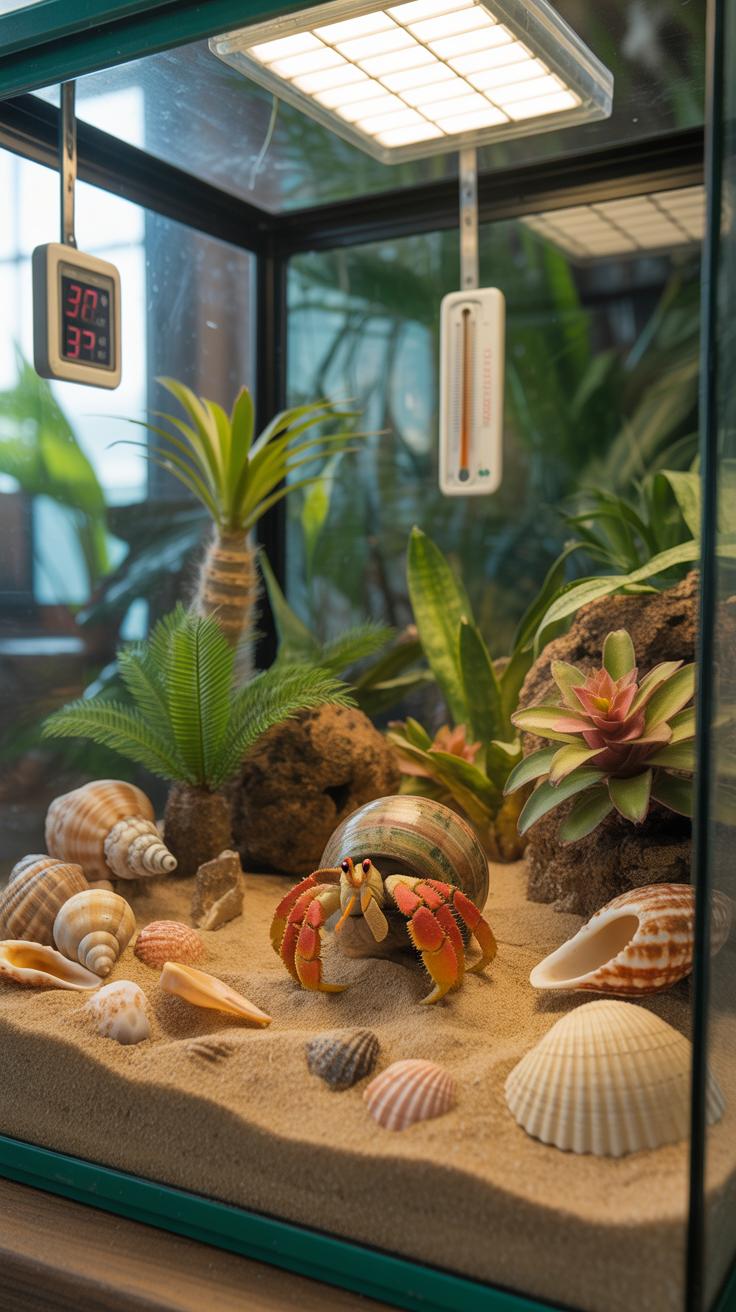
Heat mats must go on the back or side of the glass. Never place them under the tank. Heat rises and dries out the substrate quickly. This kills the humidity. High heat at the bottom also burns crabs that burrow to molt. Molting crabs cannot move away from the heat source. They will cook in their own shells if the bottom glass gets too hot.
Correct placement creates a thermal gradient. Put the mat above the substrate line on one side. This allows the crabs to choose their temperature. If you put the mat in the center, you remove the cool zone. Every crab needs a place to cool down. Poor placement leads to stress and death. Use a thermostat to monitor the mat temperature at all times.
How Relying Solely On Room Temperature Fails To Meet Your Hermit Crab’S Thermal Needs
Most homes stay around 70 degrees Fahrenheit. This temperature is too cold for hermit crabs. These animals come from tropical regions. They need a steady temperature between 75 and 85 degrees. If the air is too cold, their metabolism slows down. They stop eating and moving. Long exposure to cold weakens their immune systems. They eventually die from respiratory failure.

Room temperature also fluctuates during the night and winter. These swings cause extreme stress. You cannot rely on a space heater or the sun. Sunbeams through a window can over-heat a tank in minutes. An insulated tank with a dedicated heat source is the only way to maintain stability. Consistency is more important than a temporary warm peak. Use a digital thermometer for accuracy.
Seasonal And Environmental Adjustments For Your Hermit Crab Tank Setup
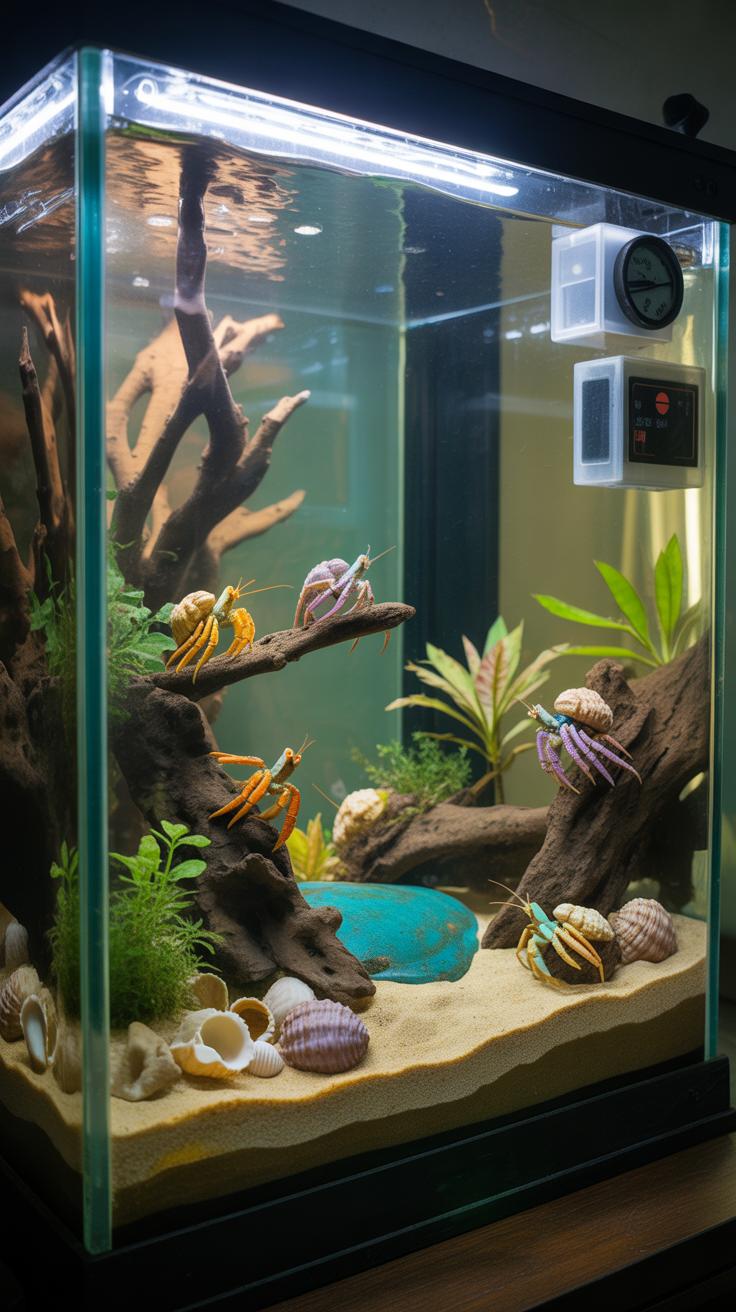
How To Adapt Your Hermit Crab Tank Heat Control Strategy During Winter And Summer Months
Winter requires aggressive heat retention. Cold air drops tank temperatures fast. Use a digital thermostat to manage your under tank heaters. Mount these pads on the back or side glass above the substrate line. Insulate the back and sides of the tank with aluminum foil or foam boards. This reflects heat back into the enclosure. Monitor the humidity closely as heaters dry out the air.
Summer presents a risk of overheating. Hermit crabs die if temperatures exceed eighty-five degrees Fahrenheit for too long. Move the tank away from direct sunlight during peak hours. Reduce the thermostat setting to account for higher ambient room temperatures. Use a glass lid to trap moisture but allow for slight ventilation if the heat climbs too high. Check your gauges multiple times per day.
How Room Location And Home Insulation Impact The Internal Temperature Of A Hermit Crab Habitat
Room placement dictates your baseline heat settings. Walls with poor insulation transfer exterior cold directly to the glass. Avoid placing the tank near drafty windows or air conditioning vents. These sources create cold spots that stress the crabs. A central room with a stable climate provides the best foundation. Small rooms heat up faster than large open spaces during the day.

Home design affects heat stability. Older houses with thin walls lose internal warmth quickly at night. You must compensate with higher wattage heating elements in these environments. Basements are typically too cold and damp for tropical species without heavy insulation. Place the habitat on a sturdy interior wall to leverage the thermal mass of the building. This strategy reduces the workload on your electronic heaters.
Frequently Asked Questions

What is the ideal temperature range for a healthy hermit crab enclosure?
Maintaining the perfect environment is crucial because hermit crabs rely on external warmth to digest food and remain active. You should aim for a consistent range between 75°F and 85°F. Precise hermit crab tank heat control is vital because temperatures dropping below 70°F can cause your pets to become lethargic or enter a dangerous state of hibernation, while levels above 85°F may lead to irreversible heat stress or respiratory issues.
How do I properly install a heater to keep my crabitat warm?
The most effective method is using an Under Tank Heater (UTH), but instead of placing it on the bottom, mount it on the back glass above the substrate line. This strategy ensures effective hermit crab tank heat control by warming the air without drying out the damp sand your crabs bury in. Always pair your heater with a high-quality thermostat to prevent overheating and ensure the habitat maintains a steady, safe temperature.
Are there any affordable ways to insulate a tank during colder months?
If you are on a budget, you can boost heat retention by insulating the back and sides of the glass with aluminum foil or specialized reflective bubble insulation. This simple DIY hack prevents warmth from escaping into the room. Additionally, ensuring your lid is solid or covered with plastic wrap helps trap internal heat and humidity, making it much easier to manage your environmental settings without purchasing expensive industrial equipment.