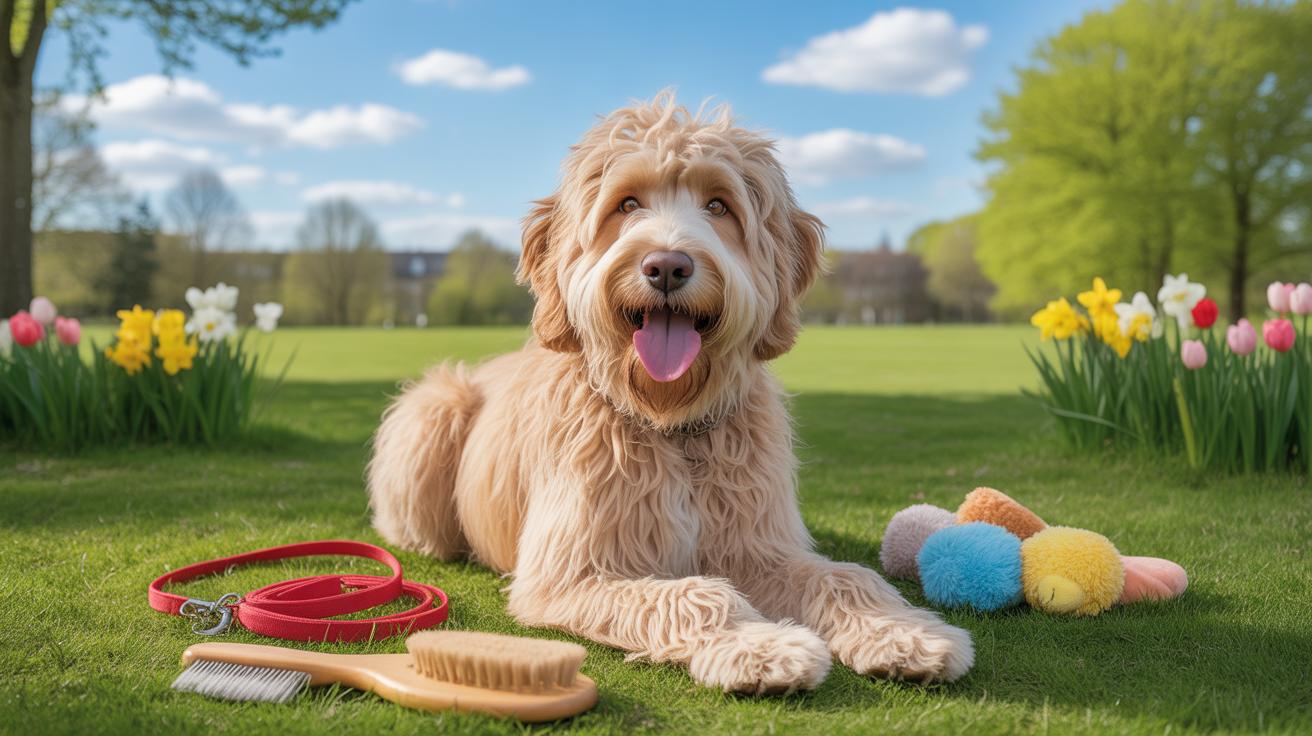
Labradoodle Breed Guide Origins Traits And Why They Make Wonderful Pets
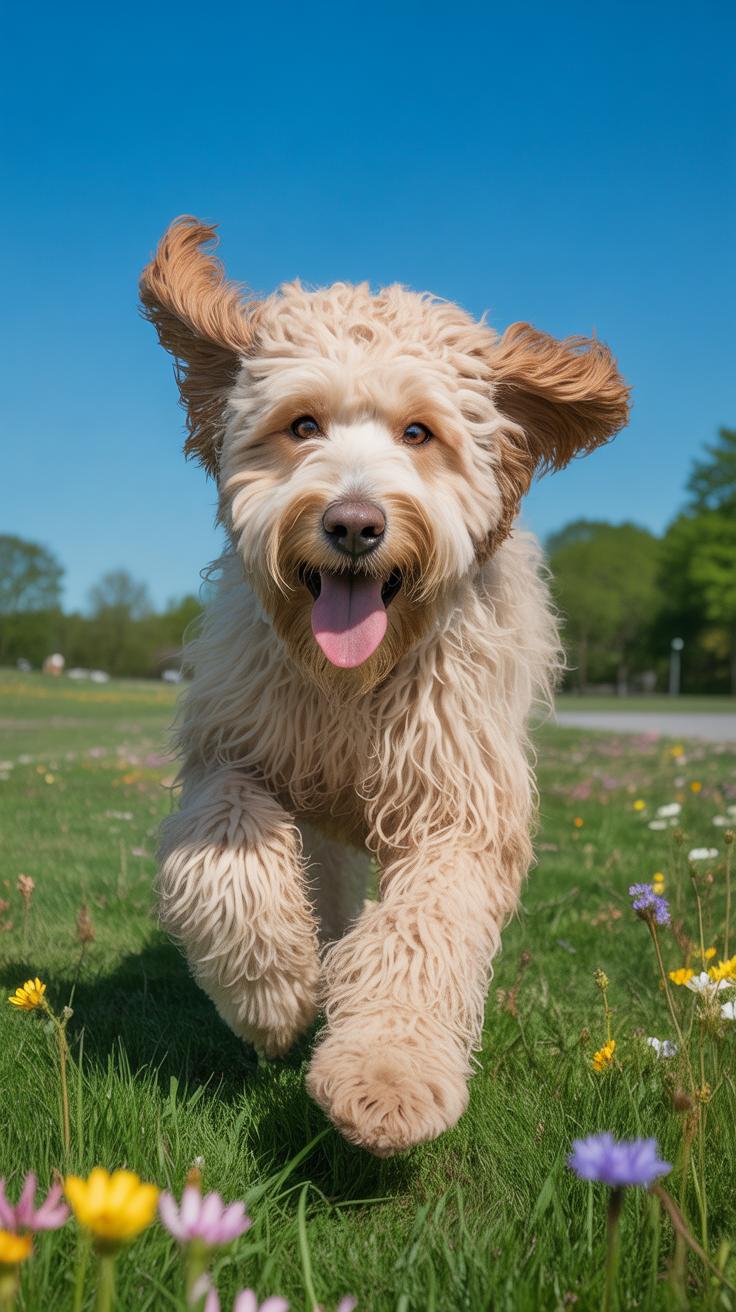
The History Behind The Labradoodle Crossbreed
Wally Conron created the first intentional Labradoodle in 1989 for the Royal Guide Dog Association of Australia. He sought to create a guide dog for a vision-impaired woman whose husband had severe allergies. He crossed a Labrador Retriever for its trainability with a Standard Poodle for its low-shedding coat. This experiment proved successful and sparked a demand for purposeful crossbreeding within the canine industry.
The breed quickly gained popularity among families seeking hypoallergenic qualities. Breeders began refining the cross to stabilize physical traits and health markers. While not a recognized breed by the American Kennel Club, the Labradoodle established a foundation for many designer dogs today. Modern breeders now focus on multigenerational lines to ensure consistent coat quality and genetic health. This history dictates the tactical care needs of the dog.
Key Personality Traits And Temperament You Can Expect
Labradoodles possess high intelligence and a social nature. They learn commands quickly because they want to please their owners. Expect a dog that requires mental stimulation to prevent boredom. Boredom leads to destructive behavior like chewing or digging. Their temperament usually balances the calm focus of the Labrador with the alert energy of the Poodle. This makes them highly effective as therapy or service animals.
These dogs crave human interaction and do not thrive in isolation. They generally get along well with other pets and children. You will find them to be energetic partners for outdoor activities. They possess a gentle disposition but require consistent training from a young age. Owners must establish clear leadership to manage their high energy levels. Understanding these traits helps you build a successful long term living environment for your pet.

How To Care For A Labradoodle A Complete Day To Day Overview
Building A Daily Routine That Keeps Your Labradoodle Thriving
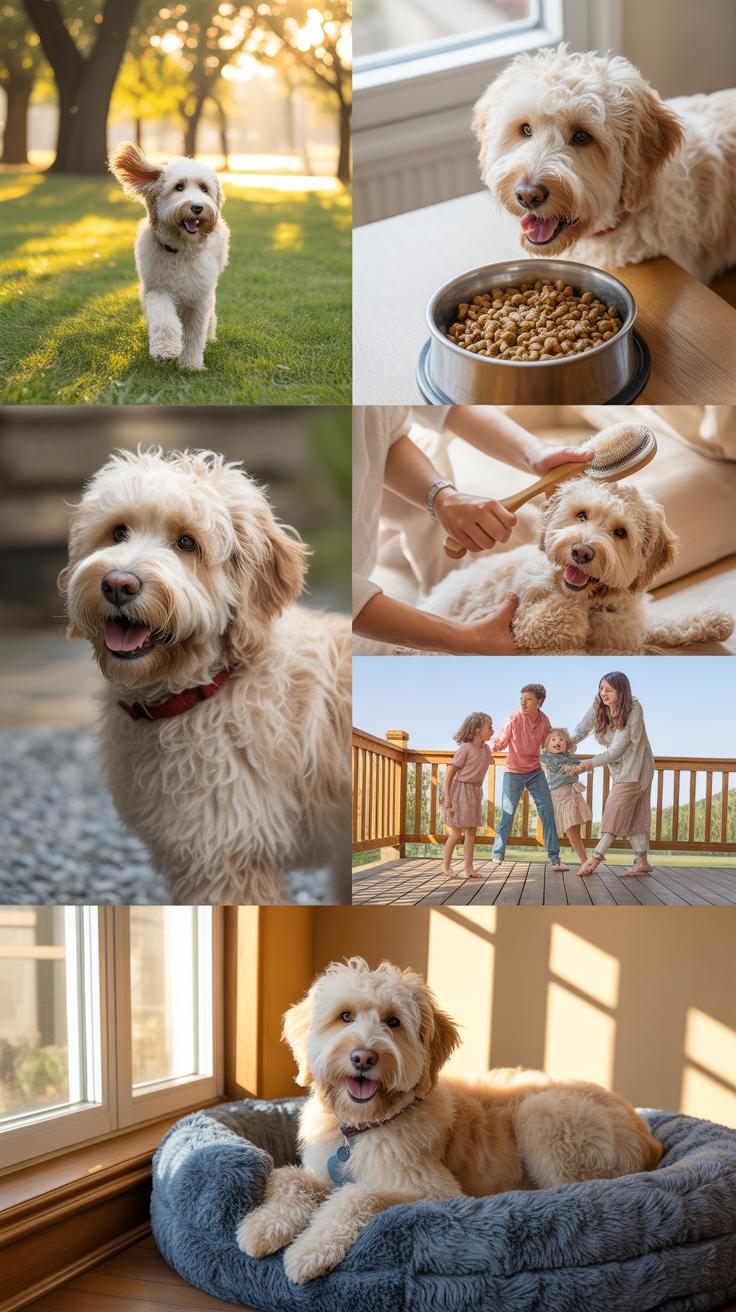
Successful Labradoodle care depends on a strict schedule. These dogs possess high intelligence and energy from their Poodle and Retriever ancestors. Feed your dog at the same times every morning and evening to regulate digestion. Schedule high-intensity exercise for at least sixty minutes daily. Consistency prevents anxiety and destructive chewing. Establish clear boundaries early to manage their natural curiosity and drive.
Structure your evening to include coat maintenance and mental stimulation. Brush the coat daily to prevent painful matting near the skin. Use puzzle toys to tire the brain before sleep. A bored Labradoodle will find ways to entertain itself by destroying furniture. Stick to a firm bedtime to stabilize the internal clock of the dog. Reliable routines produce a predictable and well-behaved animal.
A dog is the only thing on earth that loves you more than he loves himself.
Understanding Your Labradoodle’S Social And Emotional Needs
Labradoodles are highly social animals that require constant human interaction. They descend from working breeds designed to collaborate closely with people. Separation anxiety is a common issue when owners leave these dogs alone for long periods. You must integrate the dog into daily family activities to maintain its mental health. Isolated dogs often develop behavioral problems that are difficult to correct later.

True emotional health for this breed involves active social training. Introduce your dog to new people and other animals during the first sixteen weeks of life. This exposure builds confidence and reduces fear-based aggression. Use positive reinforcement to reward calm behavior in busy environments. A well-socialized Labradoodle is an asset rather than a liability. Invest time in social bonding every single day.
Labradoodle Puppy Care What To Expect In The First Few Months
Preparing Your Home Before Your Labradoodle Puppy Arrives
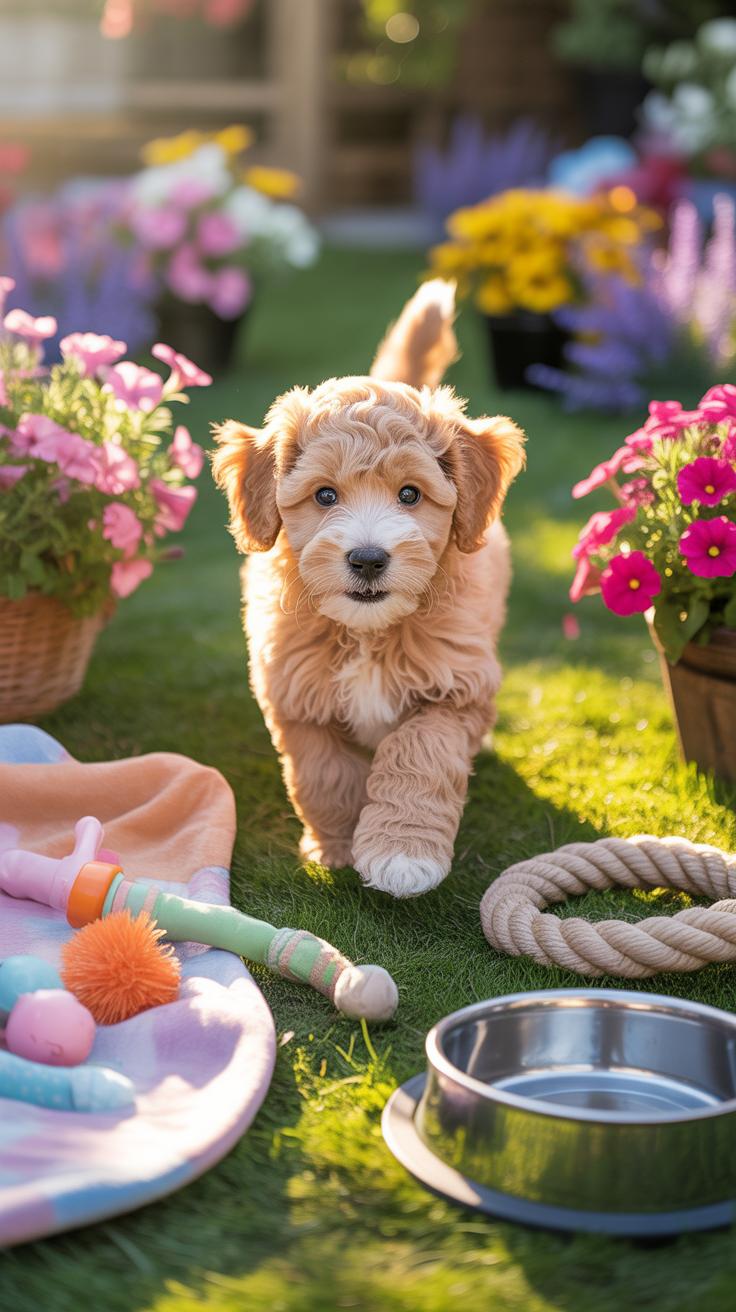
Puppy proofing requires immediate action to prevent injury and property damage. Remove all electrical cords from reach or cover them with heavy duty plastic protectors. Store household chemicals and toxic plants in locked cabinets or high shelves. Set up a dedicated crate in a quiet corner to establish a safe zone. Buy a consistent brand of food to avoid digestive upset during the first week.
Install sturdy baby gates to restrict access to carpeted areas and stairs. This controls the environment and speeds up potty training. Purchase durable chew toys to redirect natural biting urges away from furniture. Remove small objects that pose choking hazards from the floor. Establish a designated bathroom spot outside before the puppy enters the house. Clear boundaries ensure the dog learns house rules quickly.
Feeding Schedules, Vaccinations, And Vet Visits For New Puppies
Standard Labradoodle puppies require three or four meals per day on a strict schedule. Consistent timing regulates their metabolism and makes housebreaking predictable. Use high quality puppy kibble formulated for medium or large breeds to support bone growth. Measure exact portions to prevent obesity which stresses developing joints. Always provide fresh water in a tip proof bowl to ensure constant hydration.

Schedule the first veterinary exam within forty eight hours of arrival. Puppies need a series of core vaccinations starting at six to eight weeks of age. These shots protect against distemper, parvovirus, and hepatitis. Discuss heartworm prevention and flea control during this initial visit. Keep your puppy away from public parks until they complete the full vaccination cycle. Early preventative care saves significant money and stress.
Labradoodle Puppy Care Tips Nutrition Sleep And Early Development

Choosing The Right Puppy Food For A Growing Labradoodle
Labradoodle puppies require specific nutrient ratios to support rapid skeletal and muscular development. You must select a high-quality large-breed puppy formula. These diets control calcium and phosphorus levels to prevent orthopedic issues. Standard puppy food often contains too much energy for a mixed breed with Poodle and Retriever DNA. Excessive calories lead to quick growth that damages developing joints and bones.
Monitor your puppy for digestive sensitivity or skin allergies common in this breed. Transition between food brands slowly over seven days to avoid gastric upset. Use a consistent feeding schedule with three to four small meals daily. Controlled feeding prevents bloat and limits steady weight gain. High protein levels from real meat sources ensure strong muscle growth. Avoid fillers like corn or soy that offer little nutritional value.
Sleep Patterns And Rest Needs During The Early Growth Stages
Young Labradoodles need between eighteen and twenty hours of sleep every day to develop properly. Growth hormones release primarily during deep rest cycles. You must provide a dedicated quiet space for napping away from household traffic. Overtired puppies often exhibit biting or frantic behavior. Forced rest periods help the brain process new training and environmental stimuli. Set a strict schedule to align sleep with your daily routine.

Establish a firm bedtime to help the puppy regulate its internal clock. Use a crate to create a safe environment that mimics a natural den. This prevents the puppy from wandering and promotes bladder control overnight. Physical exercise should be short and low impact to protect soft growth plates. Mental stimulation also tires the puppy effectively. Consistent sleep hygiene reduces stress and strengthens the immune system during the critical first months.
House Training A Labradoodle Puppy Proven Methods That Actually Work
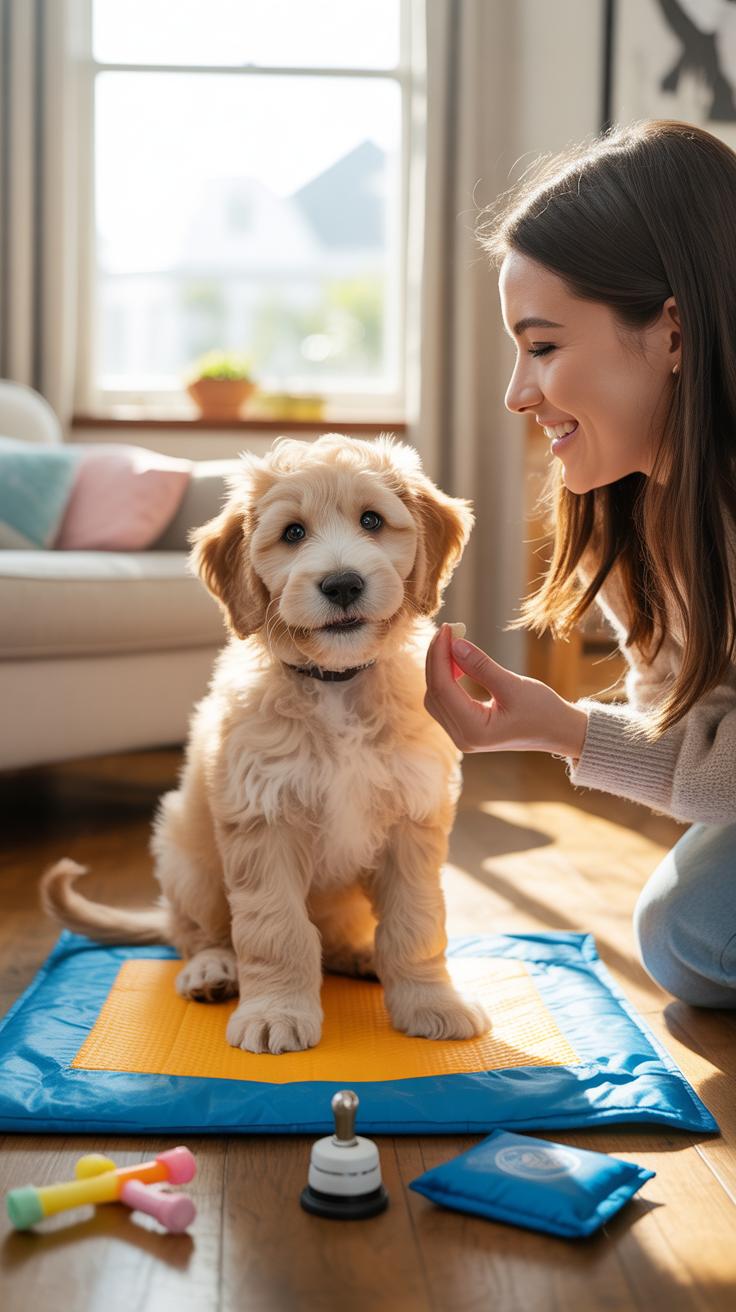
Step By Step Approach To Crate Training Your Labradoodle Puppy
Crate training utilizes the natural den instinct of the Labradoodle to prevent indoor accidents. High intelligence levels in this crossbreed allow them to learn spatial boundaries quickly. You must select a crate that allows the puppy to stand and turn but not pace. A space that is too large permits the dog to soil one corner and sleep in the other.
- Introduce the Crate: Place the crate in a high traffic area and leave the door open. Use high value treats or kibble to encourage the puppy to enter voluntarily. Do not force the animal inside as this creates a negative association with the confinement space immediately.
- Scheduled Feedings: Serve regular meals inside the crate to build a positive connection with the area. Close the door while the puppy eats and open it as soon as they finish. This technique reinforces the crate as a safe and rewarding environment for the dog.
- Incremental Duration: Increase the time the puppy spends inside the crate while you are present in the room. Start with five minutes and work up to thirty minutes over several days. Moving too fast causes anxiety and whining which undermines the entire training sequence and progress.
- Command Association: Assign a specific verbal cue like crate or kennel every time the dog enters. Consistency in language helps the Labradoodle understand expectations and speeds up the cognitive link between the action and the command. Reward successful entry with tactical praise or a small food treat.
- Nighttime Confinement: Position the crate near your bed during the initial weeks to monitor for signs of distress. Puppies have limited bladder control and often need a mid-night trip outside. Proximity allows you to hear when they wake up and require an immediate bathroom break outdoors.
Establishing a rigid exit routine is the final step in successful crate management. Always carry the puppy directly from the crate to the designated outdoor potty spot. This prevents the dog from stopping to urinate on the floor during the transit. High intelligence in Labradoodles means they will repeat whatever behavior earns them freedom and a reward.
Common House Training Mistakes And How To Avoid Them
Punishment is the most frequent error owners make during the house training process. Rubbing a puppy’s nose in a mess or hitting them does not teach bathroom habits. It only teaches the dog to fear you or to hide when they need to go. Labradoodles are sensitive and respond better to positive reinforcement and strict management than to physical or vocal aggression.

Inconsistency with feeding and watering schedules also stalls progress and creates confusion. If the intake time varies, the output time becomes unpredictable for the owner. You must track every meal and water break to anticipate when the puppy needs to go out. Use an enzyme cleaner for accidents to remove pheromones that draw the dog back to the same spot indoors.
Tips For Labradoodle Training From Basic Commands To Good Behavior
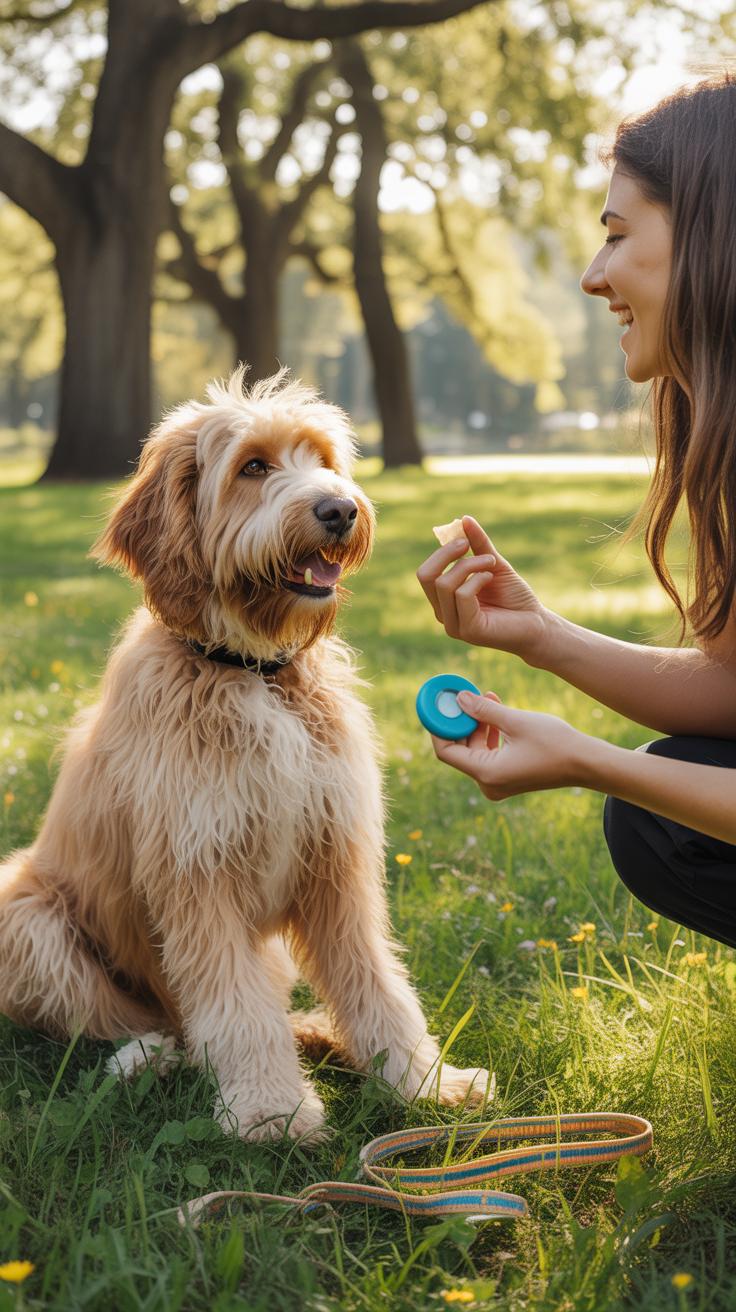
Using Positive Reinforcement To Train Your Labradoodle Effectively
Labradoodles possess high intelligence from their Poodle and Labrador Retriever ancestry. Use high-value rewards to shape their behavior immediately. Deliver treats or praise within two seconds of the desired action. This timing builds a clear mental link between the command and the reward. Avoid physical corrections or shouting. These methods cause stress and slow the learning process for this sensitive crossbreed.
Consistency determines your success rate. Use identical verbal cues for every training session. Ensure every family member uses the same words and hand signals. Frequent short sessions are better than long ones. Aim for ten minutes twice a day to maintain the dog’s focus. End every session on a successful note to keeps the dog motivated. This strategy builds a reliable foundation for advanced commands later.
Socialization Skills: Teaching Your Labradoodle To Be Calm Around Others
Socialization must begin during the critical window before sixteen weeks of age. Expose your Labradoodle to different surfaces, sounds, and people in a controlled manner. Keep these encounters brief and positive. Your goal is to prevent fear-based reactions in adulthood. A well-socialized dog remains neutral when encountering strangers or other animals. This neutrality is the hallmark of a stable and predictable service-oriented temperament.

Controlled environments are essential for teaching calm behavior. Practice sit-stay commands while people walk past your property. Do not allow your dog to lung or jump to greet others. Demand four paws on the floor before granting attention. If the dog becomes overstimulated, increase the distance from the trigger immediately. Consistent boundaries ensure your Labradoodle stays manageable in public spaces and high-traffic areas.
Labradoodle Puppy Coat Care Keeping That Signature Fleece Or Wool Looking Its Best
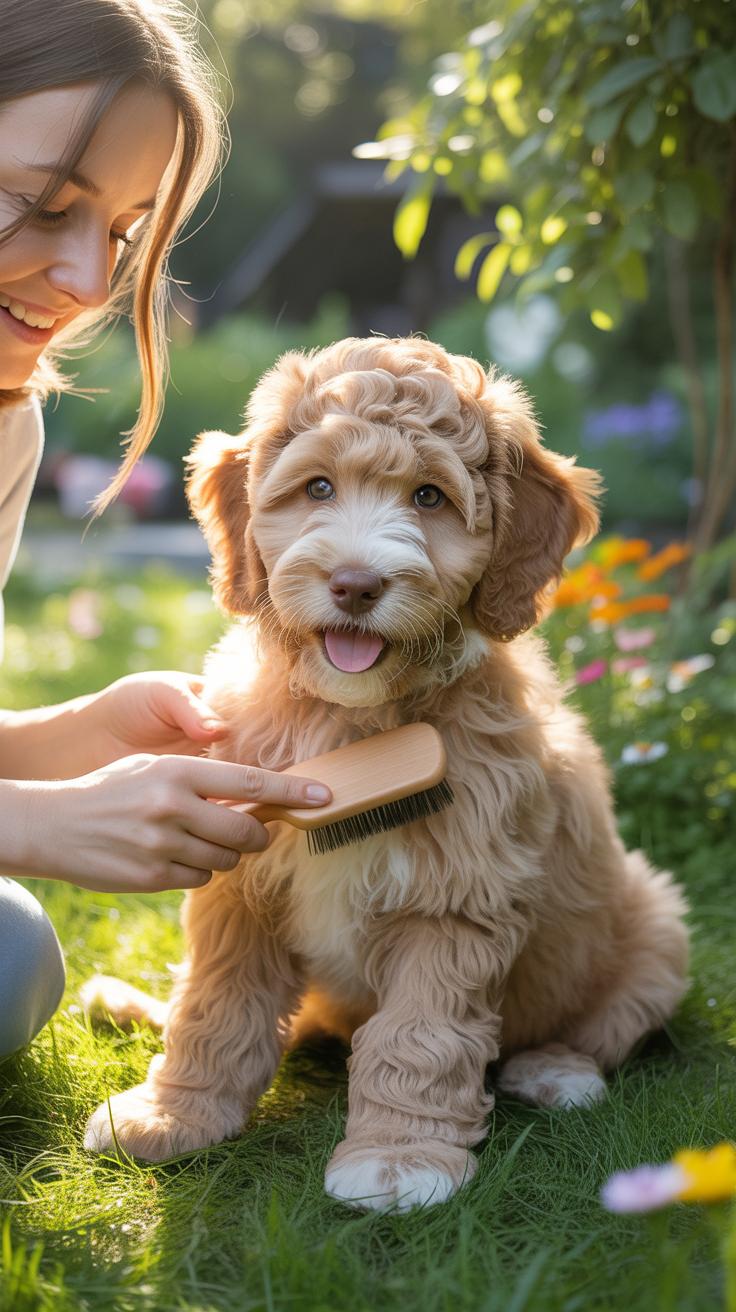
Understanding The Three Main Labradoodle Coat Types
Labradoodles possess three distinct coat types: hair, fleece, and wool. The hair coat resembles the Labrador parent and usually sheds. It requires the least professional grooming but offers the least allergy protection. Most breeders move away from this texture. It feels coarse to the touch and lacks the soft spirals found in more desirable designer coats. This type is common in first-generation crosses.
The fleece coat is soft and wavy. It offers a silky texture that many owners prefer. Wool coats closely mimic the Poodle side with tight curls. Both fleece and wool are largely non-shedding and hypoallergenic. You must identify your puppy’s specific type early. This determines your long-term maintenance schedule. Proper identification prevents matting and skin irritation as the adult coat replaces the puppy fur.
Brushing, Bathing, And Trimming Routines For Puppy Coats
Start a daily brushing routine immediately. Even if the puppy coat looks clean, you must habituate the dog to handling. Use a slicker brush and a metal comb to reach the skin. Focus on high-friction areas like the armpits and behind the ears. Neglecting these spots leads to painful mats. Consistent brushing removes loose hair and debris before they tangle into the dense undercoat.

Bathing should occur every four to six weeks. Use a high-quality soap-free shampoo to maintain skin oils. Over-washing dries out the skin and causes itching. Professional trimming should begin after the second round of vaccinations. Keep the hair around the eyes and paw pads short for safety and hygiene. A sanitary clip prevents waste buildup. Clear routines ensure the coat remains manageable as it transitions to adult density.
Labradoodle Puppy Coat Guide Managing Shedding And Allergy Friendly Grooming
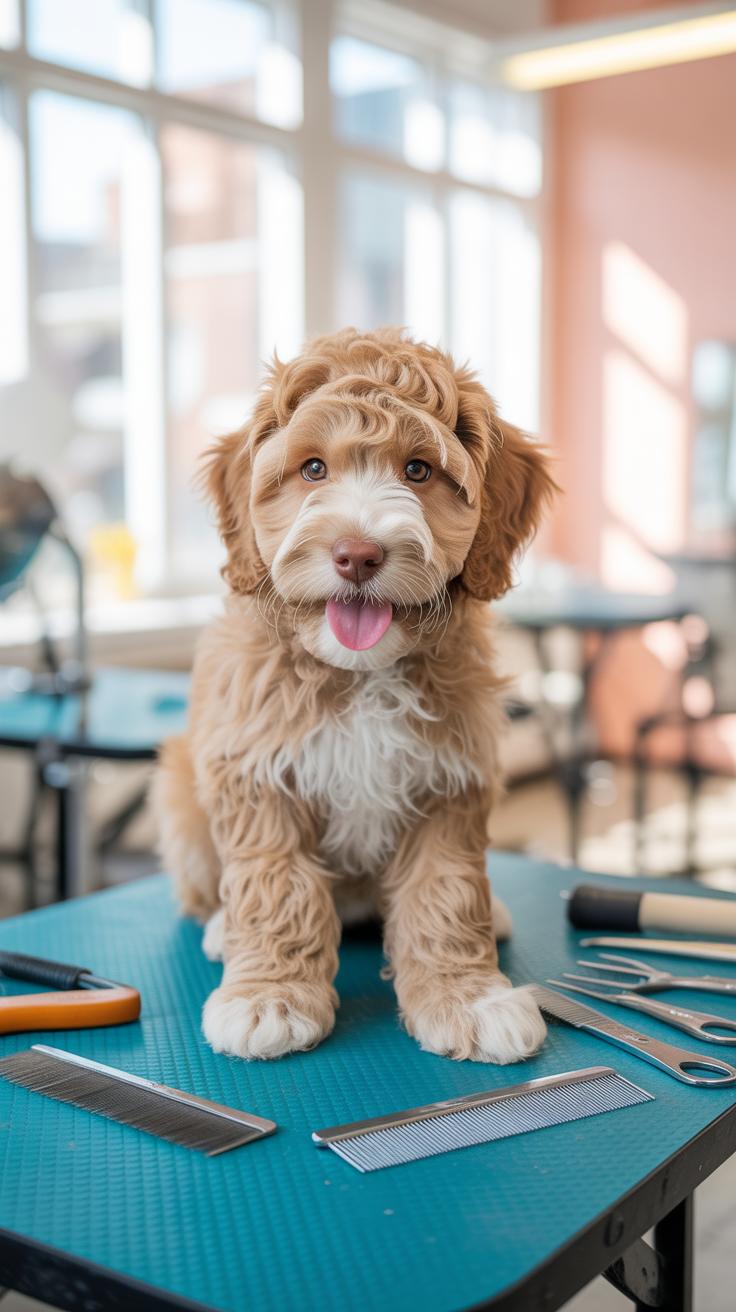
Why Labradoodles Are Considered Low Shedding And What That Really Means
Labradoodles exist because Wally Conron wanted a non-shedding service dog in the late 1980s. He crossed a Poodle with a Labrador Retriever to combine intelligence with a low-allergen coat. Most people think these dogs do not shed at all. That is false. Every dog sheds some hair. Labradoodles simply trap dead hair within their curls or waves. This prevents fur from falling onto your furniture and floor.
Low-shedding does not mean low-maintenance. Because the dead hair stays in the coat, it creates mats quickly. If you do not brush the dog, these hairs tangle around live strands. This results in painful knots near the skin. Owners must understand that the Poodle DNA dictates the coat type. F1B or multigen crosses usually offer the most predictable low-shedding results. Always verify the generation before assuming coat behavior.
Professional Grooming Vs. At Home Coat Maintenance: What Works Best
Professional groomers provide essential services that most owners cannot perform at home. They handle sanitary trims, ear plucking, and nail grinding. A professional ensures the coat is even and the skin is healthy. Most Labradoodles require a professional visit every six to eight weeks. Relying solely on a groomer is a mistake. You must maintain the coat between visits to prevent the groomer from needing to shave the dog.
- Daily Brushing: Use a slicker brush and a metal comb to reach the skin. This prevents the tight mats that form at the base of the hair shaft. Focus on high-friction areas like the neck and ears.
- Line Brushing Technique: Divide the coat into small sections and brush from the skin outward. This method ensures you do not just skim the top of the fur. It is the only way to guarantee a mat-free coat.
- Bath Frequency: Wash your dog only when necessary to avoid stripping natural skin oils. Use a high-quality soap-free shampoo. Always dry the coat completely with a blow dryer to prevent fungal growth and odors within the dense fur.
- Ear Care: Labradoodles have heavy, hairy ears that trap moisture and bacteria. Clean them weekly with a vet-approved solution. Keeping the inner ear hair trimmed or plucked improves airflow and reduces the risk of chronic infections.
- Safety Trimming: Use blunt-nosed scissors to trim hair around the eyes and paws between professional sessions. This improves the dog’s vision and prevents the paws from tracking excessive dirt. Keep these sessions short to build the dog’s trust.

At-home care focuses on consistency rather than complexity. If you skip brushing for a week, mats will form. These mats pull on the skin and cause distress. Successful owners create a daily five-minute routine to keep the coat manageable. This saves money at the groomer and keeps the dog comfortable. Use a high-velocity dryer after any rain or bath. Moisture is the enemy of a curly Labradoodle coat.
Labradoodle Parents Guide Health Monitoring Exercise And Preventive Care

Common Health Conditions In Labradoodles And How To Stay Ahead Of Them
Labradoodles inherit specific genetic risks from Labrador Retrievers and Poodles. Hip and elbow dysplasia remain primary concerns for this crossbreed. These conditions cause joint instability and eventual arthritis. You must demand orthopedic clearances from breeders before purchasing a puppy. Early screening via X-rays allows for better management. Maintain a lean body weight to reduce stress on developing skeletal structures.
Ocular issues like Progressive Retinal Atrophy and cataracts also impact this breed. Schedule annual eye exams with a veterinary ophthalmologist to detect early changes. Labradoodles often suffer from ear infections due to hair growth inside the canal and floppy ear leather. Clean the ears weekly with a pH-balanced solution. Consistent monitoring prevents chronic inflammation and permanent hearing damage in your dog.
Daily Exercise Requirements And Mental Stimulation For A Well Balanced Dog
High energy levels define the Labradoodle temperament. Most adults require sixty to ninety minutes of vigorous physical activity every day. Walking on a leash is not enough to satisfy their needs. They need off-leash running, swimming, or fetching to burn off steam. Lack of movement leads to destructive behaviors like chewing furniture or digging. Physical exhaustion creates a calm home environment.
Mental work is just as critical as physical movement for this intelligent breed. Use food puzzles and obedience training to challenge their brains. These dogs thrive when they have a job to perform. Spend fifteen minutes twice a day on trick training or nose work. Engaging their minds prevents boredom and anxiety. A tired brain helps the dog stay focused and relaxed indoors.
Building A Lifelong Bond Advanced Care Aging And Enriching Your LabradoodleS Life
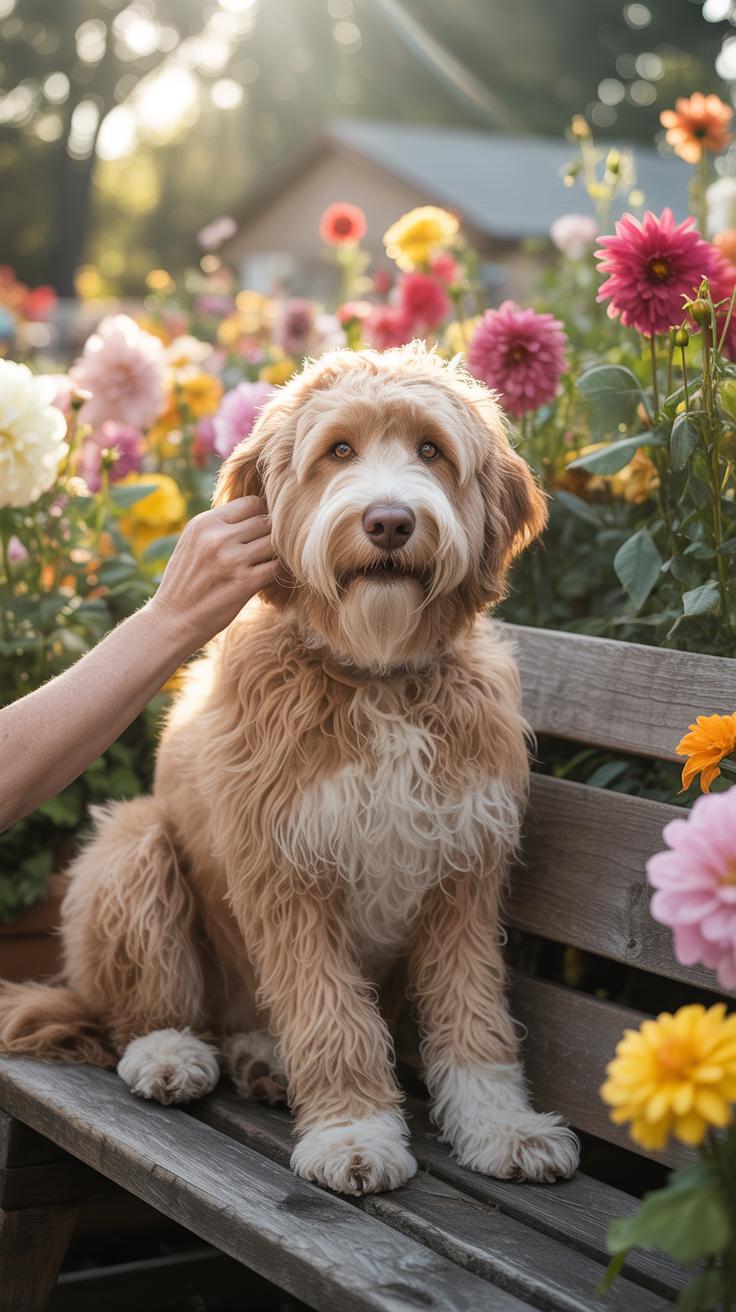
Caring For A Senior Labradoodle: Adapting Routines As Your Dog Ages
Senior Labradoodles often face joint issues like hip dysplasia or arthritis due to their genetic lineage. Monitor your dog for stiffness or reluctance to climb stairs. Swap high-impact running for steady walks on soft surfaces. Adjust their diet to include lower calorie intake to prevent weight gain. Excess weight puts dangerous stress on aging joints. Schedule veterinary checkups twice a year to catch metabolic shifts early.
Modify your home environment to support declining mobility and vision. Place non-slip rugs on hardwood floors to prevent falls. Use ramps for car access instead of letting the dog jump. Switch to orthopedic beds to relieve pressure points during rest. Keep food bowls at a comfortable height. Consistent routines reduce anxiety in older dogs. Watch for cognitive changes and maintain mental engagement to preserve brain health.
Enrichment Activities And Playtime Ideas To Keep Your Labradoodle Happy Year Round
Labradoodles possess high intelligence from their Poodle and Retriever ancestors. Training sessions must evolve beyond basic commands to prevent boredom. Use scent work and nose games to activate their natural tracking instincts. Hide high-value treats around a room and command the dog to find them. This activity provides mental fatigue which is just as effective as physical exercise for maintaining a calm temperament.
Intersperse solo play with interactive social sessions. Use durable rubber toys for heavy chewers to promote dental health. Rotate toy availability weekly to maintain novelty and interest. Swimming offers excellent low-impact exercise for this hybrid breed. Always supervise water activities to ensure safety. Consistent engagement prevents destructive behaviors like digging or chewing. A stimulated Labradoodle remains a well-behaved companion throughout its entire life cycle.
Frequently Asked Questions

Are Labradoodles considered high-maintenance pets for first-time owners?
While Labradoodles are incredibly affectionate and intelligent, they do require consistent attention. As mentioned in our labradoodle care guide, their social nature means they shouldn’t be left alone for long periods. Beginners should be prepared for daily exercise requirements and mental stimulation. However, their eager-to-please attitude makes them highly trainable, making them an excellent choice for dedicated first-time owners who are ready to embrace a rewarding lifestyle with a loyal companion.
How often should I groom my Labradoodle to prevent matting?
To keep your dog’s coat healthy, you should aim to brush them at least three to four times a week. Because of their unique curly or wavy fur, they are prone to painful matting if neglected. Professional grooming is typically required every six to eight weeks. Following a proper labradoodle care guide involves regular ear cleaning and nail trimming alongside coat maintenance to ensure your pet remains comfortable, clean, and stylish at home.
Is owning a Labradoodle expensive compared to other popular breeds?
The initial cost of a Labradoodle can be higher due to their popularity and breeding standards. Beyond the purchase price, budget for recurring expenses like premium quality food, routine veterinary checkups, and professional grooming sessions. While they can be an investment, many owners find that their low-shedding coats save money on home cleaning supplies. Prioritizing preventative care and high-quality nutrition early on can also help reduce long-term medical costs for your pet.