Learn About Samoyed Dogs Origins Traits And Temperament
The History And Heritage Of The Samoyed Breed
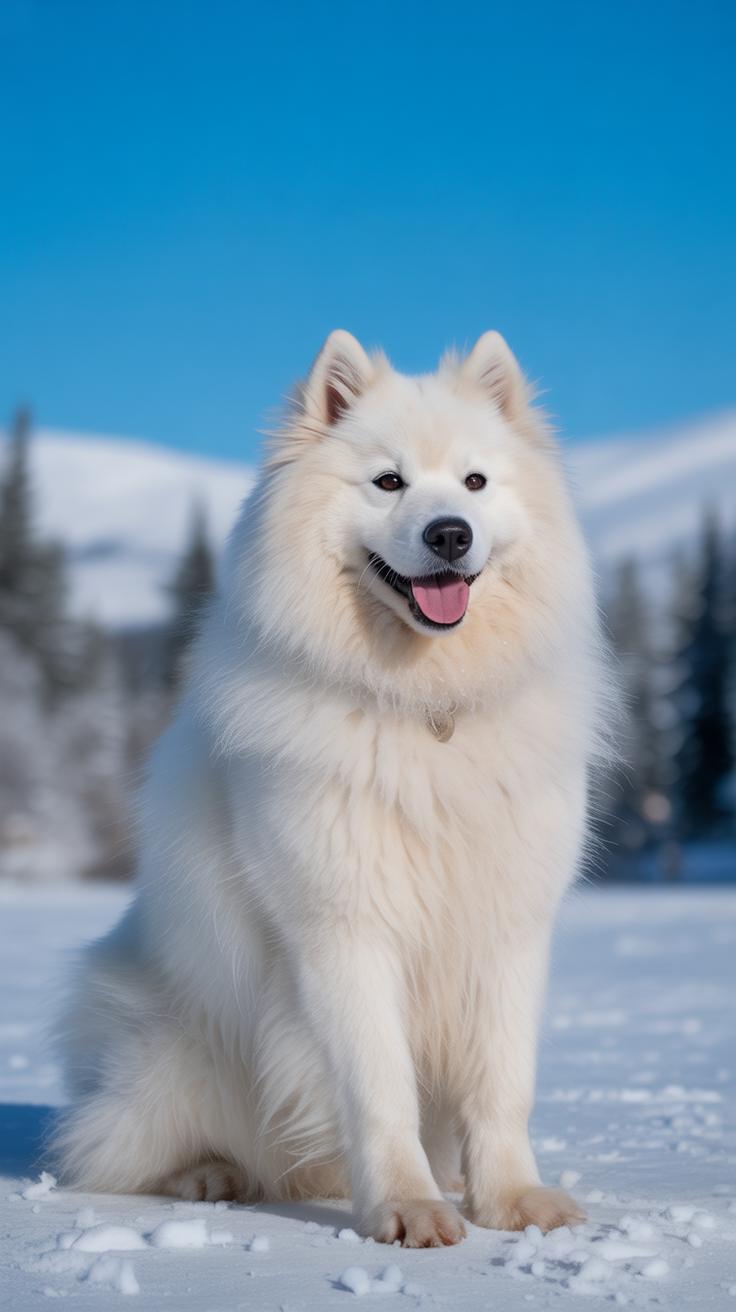
The Samoyed originated in Siberia among the Samoyedic peoples. These nomadic tribes relied on these dogs for survival in harsh Arctic conditions. The dogs performed three primary roles: herding reindeer, pulling sleds, and providing warmth to their owners at night. Their genetic lineage remains relatively pure because of the geographic isolation of the Siberian tundra and the specific needs of the nomads.
Explorers brought these dogs to England in the late 19th century. Early Arctic and Antarctic expeditions used them for heavy transport because of their durability and stamina. These dogs were not originally pure white. Many had black or brown markings. British breeders eventually standardized the white coat seen today. The American Kennel Club recognized the breed in 1906 as a versatile and resilient working dog.
Samoyed Personality And Behavioral Characteristics
Samoyeds possess an alert and social temperament. They are vocal animals that use barks and howls to communicate with their pack. These dogs require constant human interaction because of their history as indoor companions for nomadic families. Left alone for long periods, they develop destructive habits. Owners must provide mental stimulation and physical exercise to manage their high energy levels and working drive.
The breed lacks a strong hunting instinct but retains a high prey drive for smaller animals. Training requires persistence because Samoyeds exhibit independent thinking and stubbornness. They respond best to positive reinforcement rather than force. Their famous smile is a functional trait. It prevents drool from icing over their faces in freezing temperatures. This characteristic also reflects their generally friendly and non-aggressive nature toward humans.

Samoyed Dog Measurements Size Weight And Physical Standards
Height And Weight Ranges For Male And Female Samoyeds
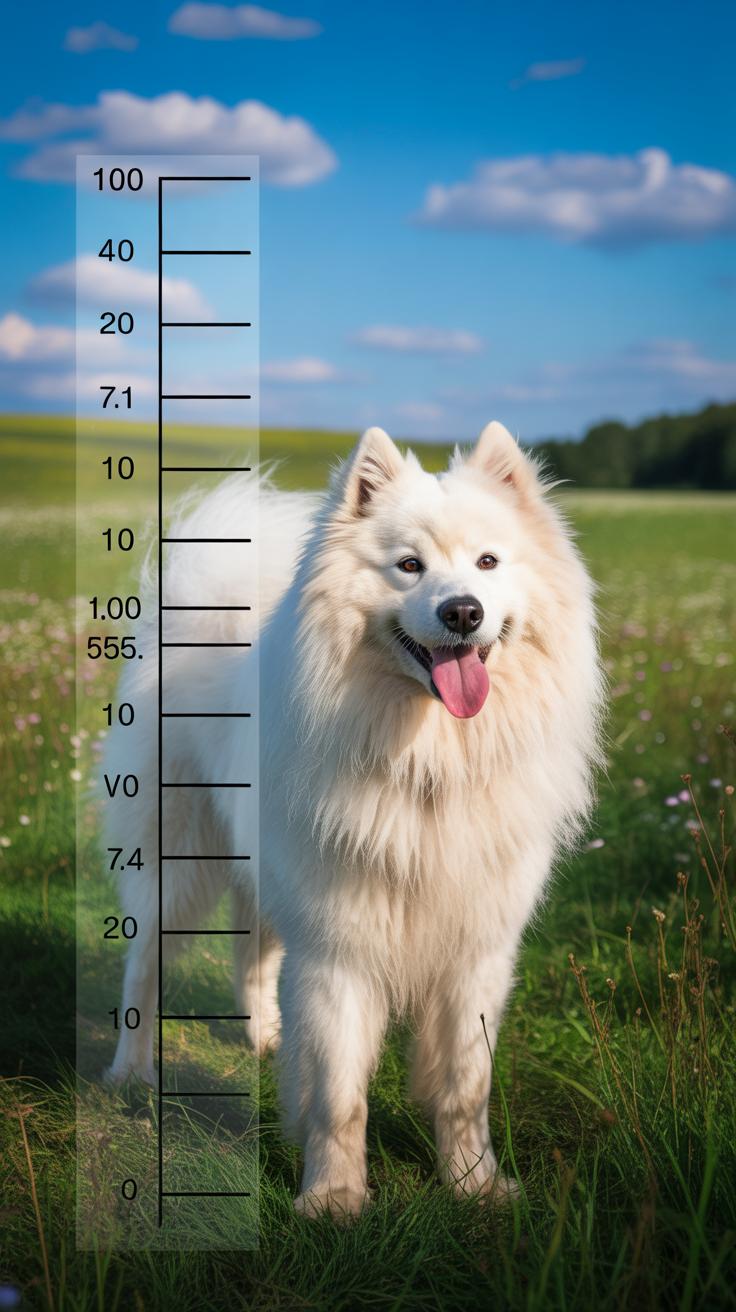
Male Samoyeds stand between 21 and 23.5 inches at the shoulder. They typically weigh between 45 and 65 pounds. This size reflects their history as working dogs in harsh Arctic climates. They must remain agile enough to herd reindeer but strong enough to pull sleds over snow. Maintaining this specific weight range prevents joint stress and ensures the dog remains functional and healthy.
Female Samoyeds are smaller and stand 19 to 21 inches tall. Their weight ranges from 35 to 50 pounds. This sexual dimorphism is a key standard for the breed. Owners must monitor weight strictly. Excess fat hides under thick fur and leads to hip dysplasia. Proper measurements ensure your dog meets the physical requirements for its breed class. Keep these specific metrics in mind for health tracking.
Coat Color Build And Distinctive Physical Features
The Samoyed build is muscular and deep chested to allow for high lung capacity. The breed features a distinctive smile caused by the upturned corners of the mouth. This trait prevents droal from freezing into icicles on the face. Their ears are thick, triangular, and covered in fur to resist frostbite. Every physical feature serves a survival purpose in sub zero temperatures during long Arctic winters.

A purebred Samoyed has a thick double coat that resists wind and water. Acceptable colors include pure white, cream, or white and biscuit. The outer layer consists of long harsh hair that stays clean naturally. The undercoat is soft and dense for insulation. This coat requires constant grooming to prevent matting. The tail curls over the back when the dog is alert or moving through deep snow.
Samoyed Breed Guide Health Conditions Every Owner Should Understand
Common Health Issues Found In Samoyed Dogs
Samoyeds face specific genetic risks that impact their long term mobility and vision. Hip dysplasia remains a primary concern because it leads to painful arthritis and lameness. Progressive Retinal Atrophy also appears frequently in the breed. This condition causes the retina to deteriorate over time. Most affected dogs eventually lose their sight. Owners must recognize these hereditary patterns early to manage the dog’s quality of life effectively.
The breed also carries a unique risk for Samoyed Hereditary Glomerulopathy. This severe kidney disease primarily affects young males due to a genetic defect in the basement membrane. Symptoms include protein loss and eventual renal failure. Diabetes mellitus also occurs more often in Samoyeds than other breeds. High blood sugar levels require consistent insulin management and strict diet control. Monitoring weight prevents extra strain on joints and metabolic systems.
Routine Veterinary Care And Recommended Health Screenings
Preventative care starts with rigorous diagnostic testing from a young age. Veterinarians must perform annual eye exams to check for cataracts and glaucoma. Orthopedic Foundation for Animals evaluations provide clear data on hip and elbow health. These screenings identify structural flaws before they become debilitating. Early detection allows for weight management or surgical intervention. Professional dental cleanings prevent bacteria from entering the bloodstream and damaging the heart.

Owners must maintain a strict vaccination and parasite control schedule. Samoyeds spend significant time outdoors and face exposure to ticks and heartworms. Routine blood work monitors kidney and liver function to catch hereditary issues early. Specialized DNA testing can identify carriers of specific genetic mutations. Consistent veterinary visits ensure the dog stays fit for physical work. Accurate medical records help track subtle changes in health over many years.
Samoyed Grooming How To Keep That Iconic White Coat Healthy
Brushing Techniques And Tools For A Samoyed Dog Double Coat
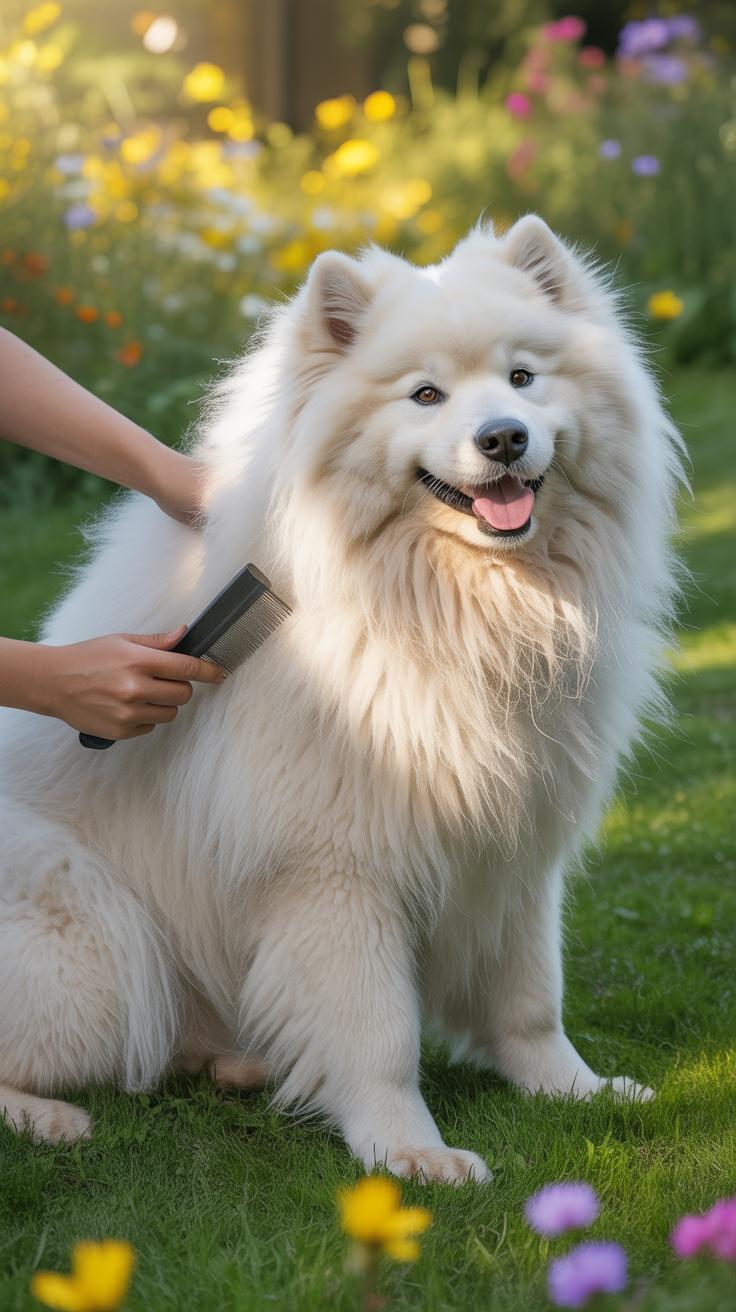
Samoyeds possess a dense double coat designed for Arctic survival. The outer layer consists of long guard hairs while the undercoat features thick wool. You must brush this dog at least three times per week to prevent mats. Use a high quality metal Greyhound comb and a long pinned slicker brush. These tools reach through the top layer to clear dead hair from the skin level.
Line brushing is the only effective method for this breed. Work in small sections by pulling the hair up and brushing down from the root to the tip. This technique ensures you do not skip the dense undercoat where knots form. Expect a heavy shed twice per year during seasonal changes. Increase brushing frequency to daily sessions during these periods to manage the massive volume of loose fur.
Bathing Nail Trimming And Ear Care For Your Samoyed
Do not bathe a Samoyed too often. Frequent washing strips natural oils that protect the skin and coat. Aim for a bath every three months unless the dog is visibly muddy. You must dry the coat completely with a high velocity dryer after bathing. Moisture trapped in the thick undercoat leads to hotspots and fungal infections. Never leave a Samoyed to air dry.

Trim nails every three to four weeks to maintain proper foot structure. Long nails cause discomfort and can alter the dog’s gait over time. Check the ears weekly for redness or wax buildup. Use a veterinarian approved cleaner to wipe the outer ear canal. This prevents infections in their upright ears. Consistent maintenance keeps the dog comfortable and prevents expensive medical issues related to poor hygiene.
Samoyed Shedding Characteristics What To Expect And How To Manage It
Understanding Samoyed Shedding Seasons And Coat Blowing
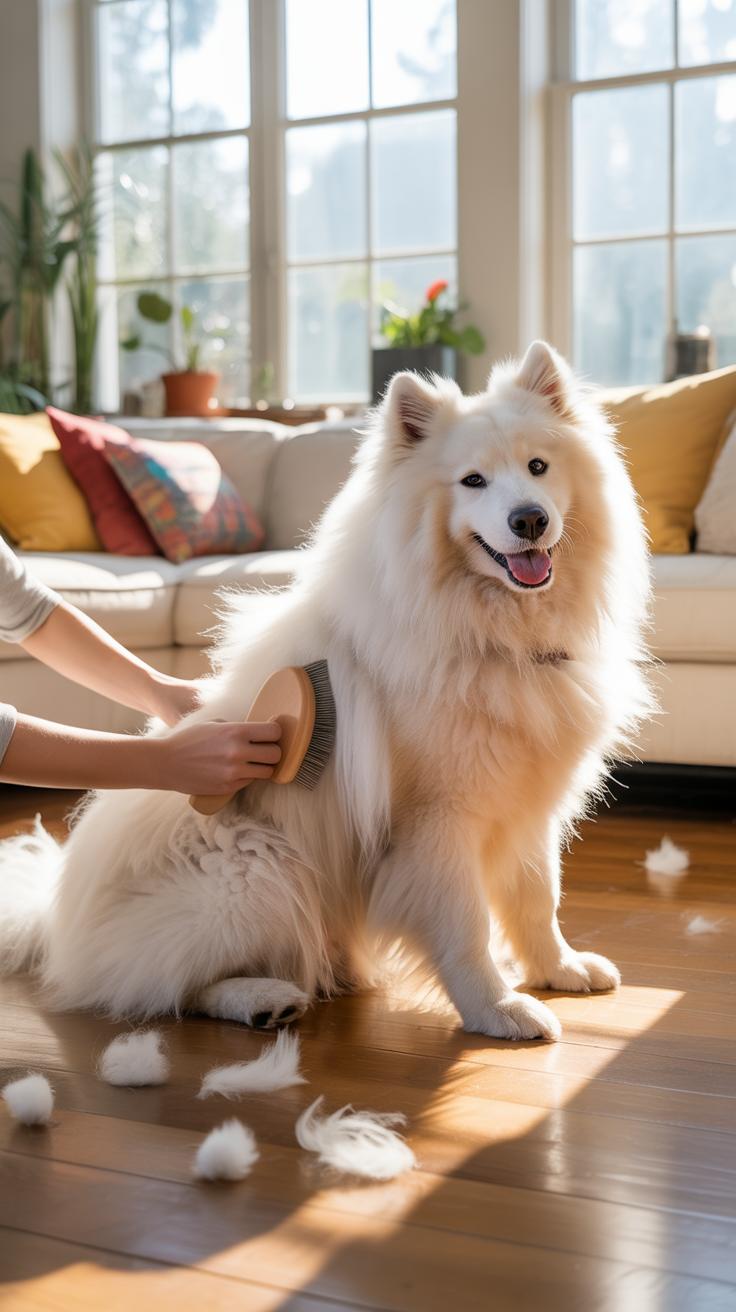
The Samoyed possesses a dense double coat consisting of a long outer layer and a soft woolly undercoat. This breed sheds year round in small amounts. However twice each year they undergo a process called blowing coat. This event lasts roughly three weeks. During this period the dog loses its entire undercoat in large clumps. This biological cycle regulated internal body temperature in Arctic climates.
Owners must track the timing of these heavy shedding cycles. Seasonal changes and indoor heating triggers the release of the undercoat. Intact females generally shed more frequently due to hormonal shifts. Spayed or neutered dogs might have a different texture but still shed heavily. Expect a massive volume of white fluff to cover your floors. Failure to manage this leads to skin infections and painful matting.
To brush a Samoyed is to weave memories from clouds, for their care is a labor of love that keeps their spirit bright. Every gentle stroke of the comb is a conversation between two souls that speaks of a lifetime of devotion.
Practical Tips For Managing Samoyed Shedding At Home
Regular grooming is the only way to control the mess inside your home. You need specific tools to reach the skin through the thick fur. High velocity dryers are the most effective tool for removing loose hair and dust. Using a standard vacuum is not enough. You must establish a strict routine to prevent the fur from weaving into your carpets and furniture.
- High Velocity Dryer: Use this tool outdoors to blast the loose undercoat away from the skin. It saves hours of manual brushing by forcing trapped hair out of the dense fur. This tool works better than any brush for coat blowing.
- Undercoat Rake: Choose a rake with long metal pins to reach the deepest layer of the coat. This tool pulls out dead hair without cutting the healthy outer guard hairs. Use gentle pressure to avoid scratching the skin during groom sessions.
- Slicker Brush: Use a large slicker brush for daily maintenance of the outer coat. It removes debris and prevents small tangles from becoming large mats. Focus on high friction areas like behind the ears and under the legs where mats form fast.
- Proper Nutrition: Feed a diet rich in omega fatty acids to support skin health and coat strength. Healthy hair stays attached to the dog longer than brittle hair. Consult your vet to ensure the diet promotes a strong moisture barrier for the skin.
- Consistent Vacuuming: Invest in a vacuum designed specifically for pet hair with a tangle free brush roll. Standard vacuums often clog within minutes of cleaning up Samoyed fur. Daily cleaning prevents the accumulation of dander and allergens in your living space.

Never shave a Samoyed to stop shedding. The double coat protects them from both heat and cold. Shaving destroys the coat structure and can cause permanent damage to the hair follicles. It also exposes their pale skin to sun damage and heatstroke. Instead of shaving focus on brushing all the way to the skin. This keeps the dog cool and makes the shedding manageable for any owner.
Samoyed Dog Care Tips Nutrition Feeding And Diet Guidelines
Choosing The Right Diet And Portion Sizes For A Samoyed
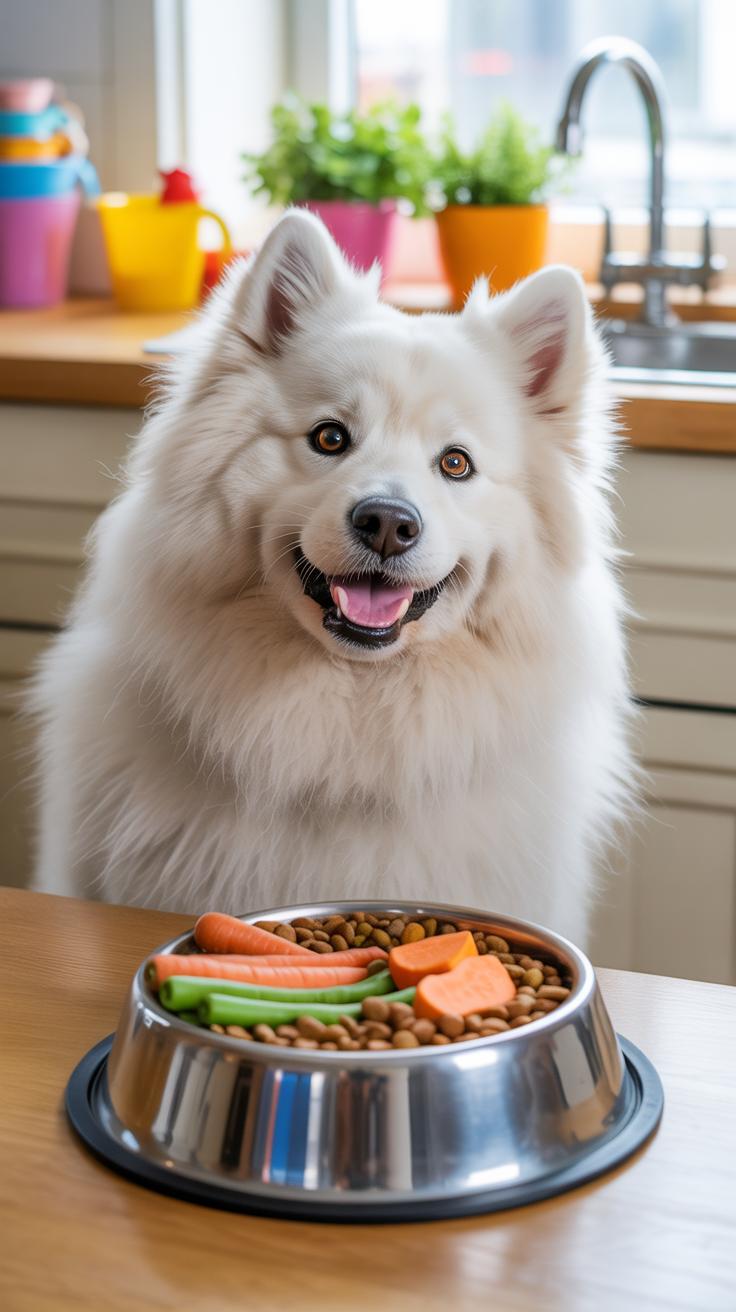
Samoyeds require high quality protein to maintain their thick double coats and lean muscle mass. You must select a fuel source based on life stage and activity level. Working dogs need higher caloric density than house pets. Avoid fillers like corn and soy that offer little nutritional value. Focus on whole meats and fats to ensure the dog remains healthy and energized throughout the day.
Portion control prevents obesity which stresses Samoyed joints. Use a measuring cup for every meal to track intake exactly. Feed adults twice daily to help digestion and keep blood sugar stable. Monitor body condition by feeling for the ribs under the thick fur. Adjust amounts if the dog gains weight. Consistent feeding schedules reduce digestive upset and promote predictable bathroom habits for your pet.
Foods To Avoid And Key Nutrients That Support Samoyed Health
Samoyeds have specific genetic needs that owners must address through diet. Their ancestors survived in harsh Arctic climates on fish and reindeer. Modern diets should emphasize Omega fatty acids for skin health and joint support. You must exclude toxic human foods to prevent internal organ damage. Identifying these dangers keeps your dog safe from common household risks and long term health problems.
- Cooked Bones: Never feed cooked poultry or beef bones to your dog. Heat makes bones brittle enough to splinter. These shards can puncture the stomach lining or cause fatal blockages in the digestive tract.
- Grapes and Raisins: These small fruits cause rapid kidney failure in dogs. Even tiny amounts can lead to vomiting or lethargy. Keep these items off counters and away from areas where your Samoyed might forage for snacks.
- Xylitol: This artificial sweetener appears in sugar free gum and some peanut butter brands. It causes a massive insulin surge that leads to liver failure. Always read ingredient labels before sharing any human nut butters with your pet.
- Glucosamine: This supplement supports joint health in medium sized working breeds. Samoyeds are prone to hip dysplasia as they age. Adding this nutrient early helps maintain cartilage and improves mobility throughout the life of the dog.
- Omega Fatty Acids: Fish oil provides essential nutrients for the dense Samoyed coat. It reduces skin inflammation and promotes a natural shine. High levels of DHA and EPA protect heart health and brain function in senior dogs.

Watch for signs of food allergies like skin redness or constant itching. Many Samoyeds react poorly to cheap grains or artificial dyes. If issues persist, switch to a limited ingredient diet with a single protein source. Proper nutrition acts as the first line of defense against disease. Prioritize quality ingredients to extend the lifespan and vitality of your working breed dog.
Samoyed Care Tips Exercise Mental Stimulation And Daily Routines
Daily Exercise Needs And Activity Ideas For An Energetic Samoyed
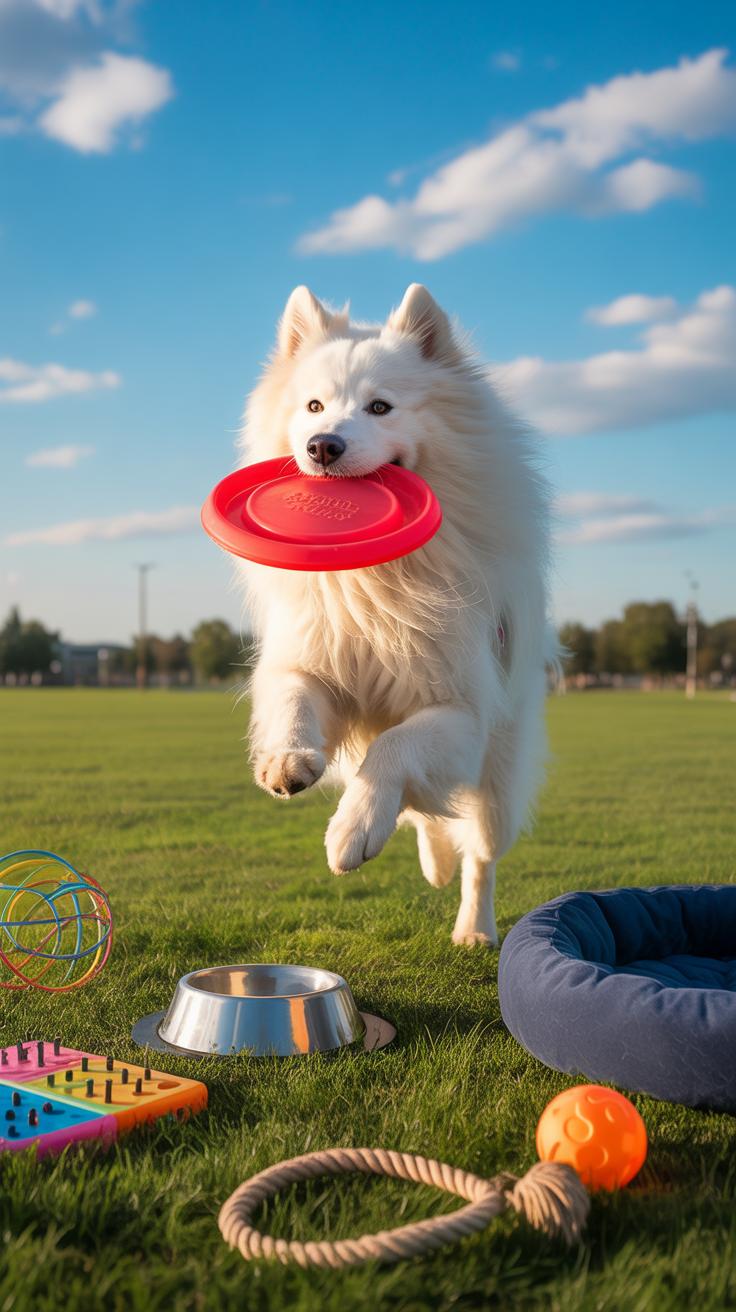
Samoyeds require at least two hours of physical activity every day. These dogs originated as working animals in Siberia. They pulled heavy sleds and herded reindeer across vast distances. You cannot skip their exercise without facing behavioral issues. A simple walk around the block is insufficient. They need high intensity movement to burn off their internal energy and maintain long term health.
Targeted activities like hiking or pulling weights suit their genetic heritage. Their thick double coats make them prone to overheating in warm weather. You must schedule heavy exercise during the early morning or late evening. Intense physical work builds muscle and keeps their joints strong. If you manage their physical output correctly, they will remain calm and manageable inside the home throughout the day.
Mental Enrichment And Training Strategies To Prevent Boredom
Mental fatigue is just as critical as physical exertion for this breed. Samoyeds are highly intelligent and independent thinkers. Without structured tasks, they will find their own entertainment through destructive chewing or excessive barking. You must use positive reinforcement and high value rewards to hold their focus. Training sessions should stay short and frequent to prevent the dog from becoming disinterested or stubborn.

Incorporate scent work or advanced hunger puzzles to challenge their problem solving skills. These activities mimic the hunting and tracking behaviors inherent in their history. A bored Samoyed will dismantle furniture to relieve stress. Consistent mental engagement builds a stronger bond between you and the dog. Treat mental training as a non negotiable part of your daily routine to ensure a stable and obedient companion.
Samoyed Puppy Raising Socializing And Training From The Start
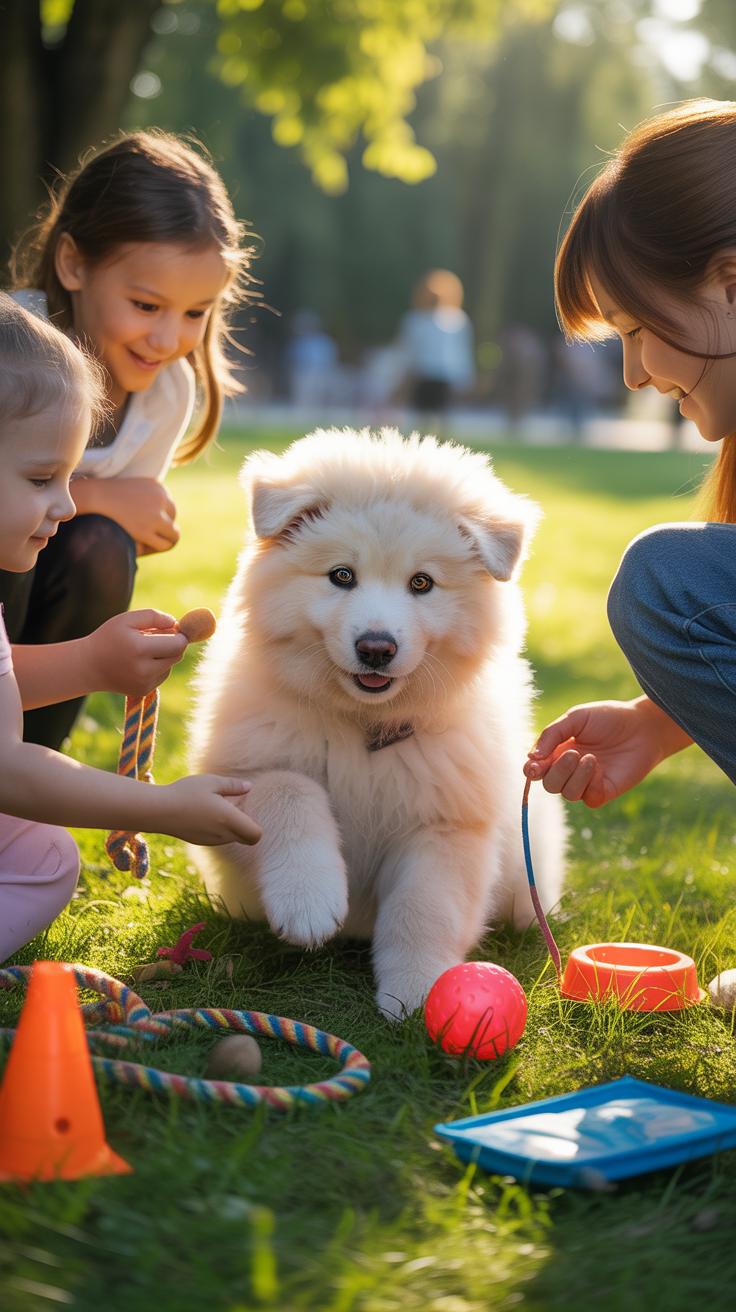
What To Expect During The Samoyed Puppy Stage
Samoyed puppies grow rapidly and require high caloric intake during the first six months. You will notice a thick woolly coat that shed less than the adult coat. Expect high energy levels and a natural tendency to chew on furniture or shoes. Puppies lack bladder control until roughly sixteen weeks. Consistent potty breaks every two hours are necessary to prevent accidents inside your home.
The teething phase usually peaks between three and six months. Provide durable rubber toys to soothe sore gums and protect your belongings. You must establish a routine for feeding, sleeping, and exercise immediately. These dogs are pack animals and will shadow your movements throughout the day. Do not leave them alone for long periods. Isolation leads to destructive barking and severe separation anxiety in this breed.
Early Socialization And Positive Reinforcement Training For Puppies
Start socialization the moment you bring your puppy home. Owners must expose Samoyeds to different sounds, sights, and surfaces before sixteen weeks of age. This breed can be timid or reactive if they do not meet a variety of people early on. Take them to safe public spaces and introduce them to gentle vaccinated dogs. Early positive experiences prevent aggressive or fearful behaviors in adulthood.

Samoyeds possess an independent streak and often ignore repetitive commands. Use high-value food rewards and praise to keep their attention focused on you. Harsh corrections will cause the dog to shut down or lose trust. Keep training sessions under ten minutes to match their short attention spans. Focus on recall and leash walking early. Their strong prey drive makes off-leash control a vital safety requirement for every owner.
Frequently Asked Questions

Are Samoyeds difficult to care for if you are a first-time dog owner?
While lovely and affectionate, Samoyeds can be challenging for beginners due to their high intelligence and stubborn streak. Proper samoyed dog care requires patience and consistent positive reinforcement training from day one. These dogs are highly social and crave human companionship, meaning they shouldn’t be left alone for long periods. If you are prepared for significant grooming and daily mental stimulation, they make wonderful, loyal family members.
How do I manage a Samoyed’s heavy shedding and coat maintenance at home?
Managing their thick double coat is a major part of samoyed dog care. You should brush your dog at least three times a week using a slicker brush and a metal comb to prevent painful matting. During “blow out” seasons twice a year, daily brushing is essential. Regular grooming not only keeps their white fur pristine but also helps regulate their body temperature and reduces the amount of loose hair around your home.
Is owning a Samoyed expensive compared to other large dog breeds?
Owning a Samoyed involves significant ongoing costs that go beyond the initial purchase price. High-quality protein-rich food, regular professional grooming sessions, and preventative healthcare add up quickly. Because they are prone to specific genetic conditions like hip dysplasia, investing in comprehensive pet insurance is highly recommended. While they aren’t the most expensive breed to maintain, potential owners should budget more for grooming supplies and premium cooling gear for summer months.